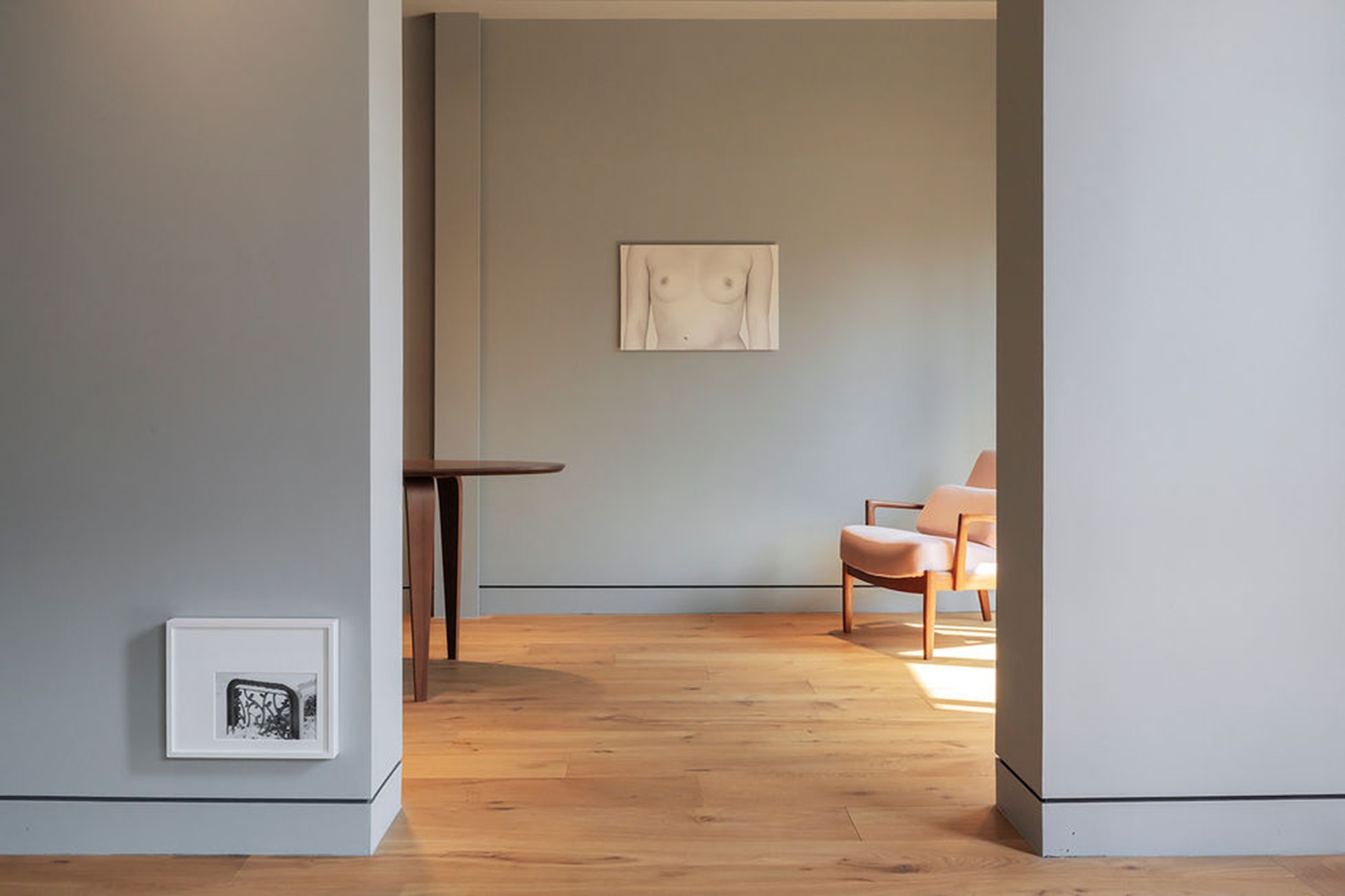
Installation view of 《Oh, Night and I’ll Come to You》 © Hapjungjigu

The second curated exhibition by ORB (Yuja Kim and Jungyeon Park), 《Oh, Night and I’ll Come to You》, revisits the concept of “the end” in relation to the present day, focusing on the symptomatic sensibilities and ambiguous temporality felt by contemporary beings. In discussing subtle sensations commonly shared—from the most intimate inner states to others, surrounding environments, and the world at large—the two artists came to share the sense that what we call “the apocalyptic” has departed from its conventional definition. In this exhibition, they interpret the sensation of the end not as a future event or an impending finale approaching us, but as a movement already walking alongside us at an imperceptibly slow pace.

Going beyond the movement of the end articulated in T. S. Eliot’s line, “This is the way the world ends, not with a bang but a whimper,” the artists seek to unfold an apocalyptic sensibility not even as a whimper, but as a finely diffusing vibration—fatal yet fragile at once—that envelops us. This also reflects a desire to attend to the wounds and lives of forms and beings that detect such subtle tremors, and to the present-day sensibility oriented toward tomorrow and yesterday alike.
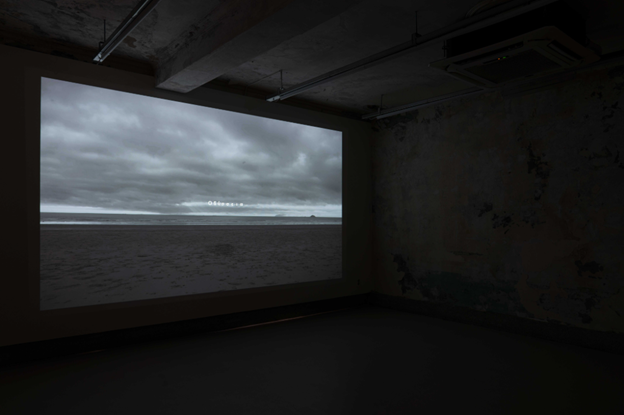
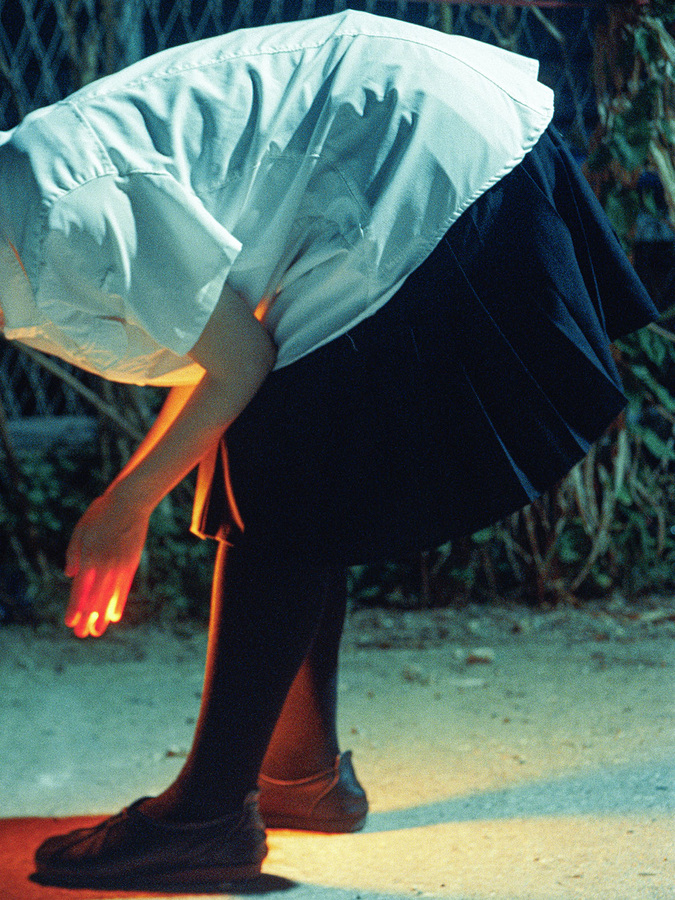
In this exhibition, Yuja Kim uses photography to capture movements and beings that are easily forgotten in everyday life, observing moments in which faint, invisible tremors dispersed across individuals and the world become perceptible. Jungyeon Park, through video, replaces mythological figures with young women from her surroundings and reclaims urban everyday life as a space-time in which inner life and the world intermingle—one that reveals how we endure the world.

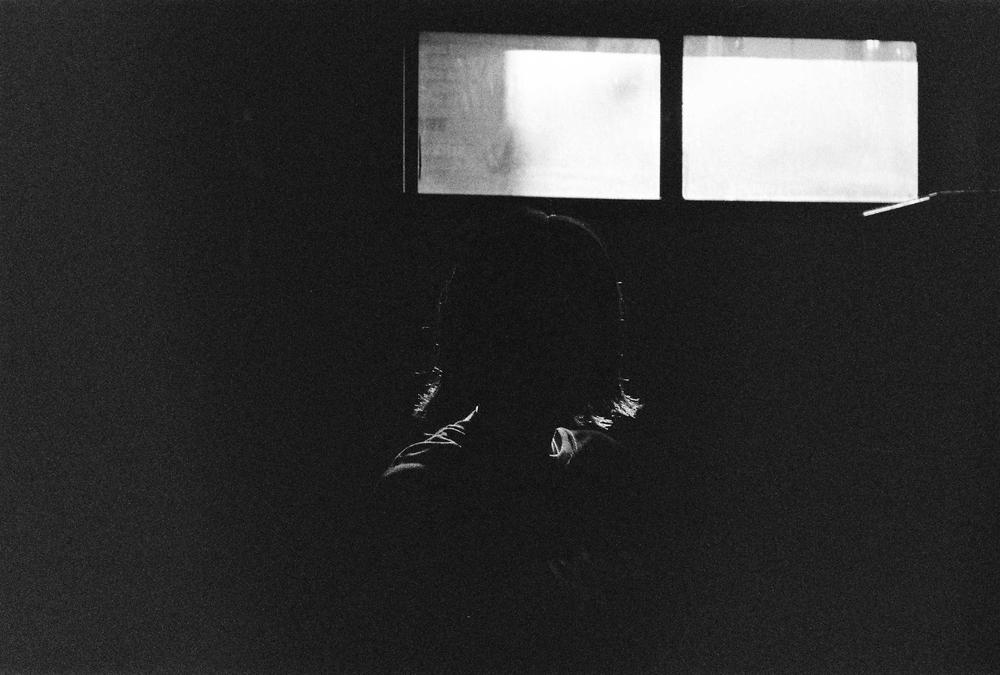
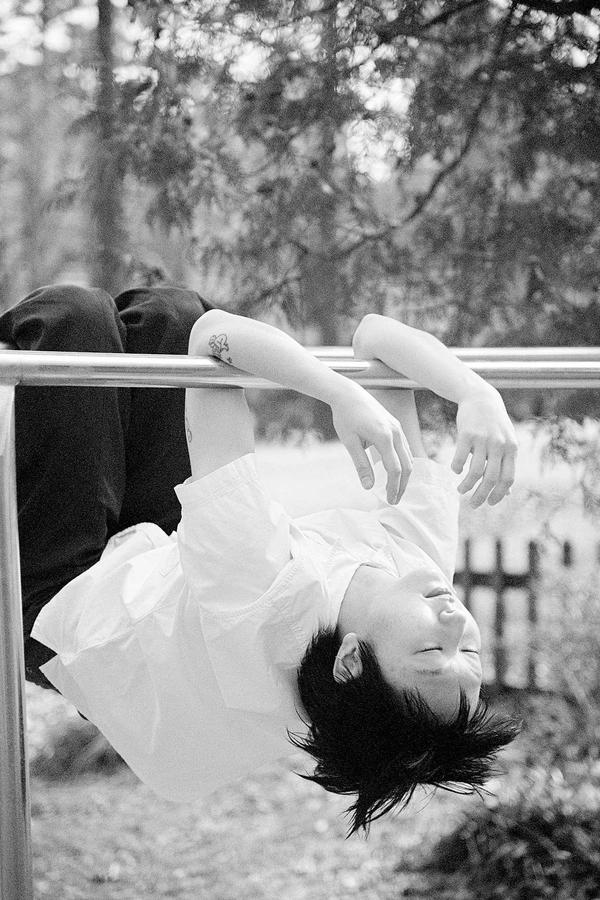
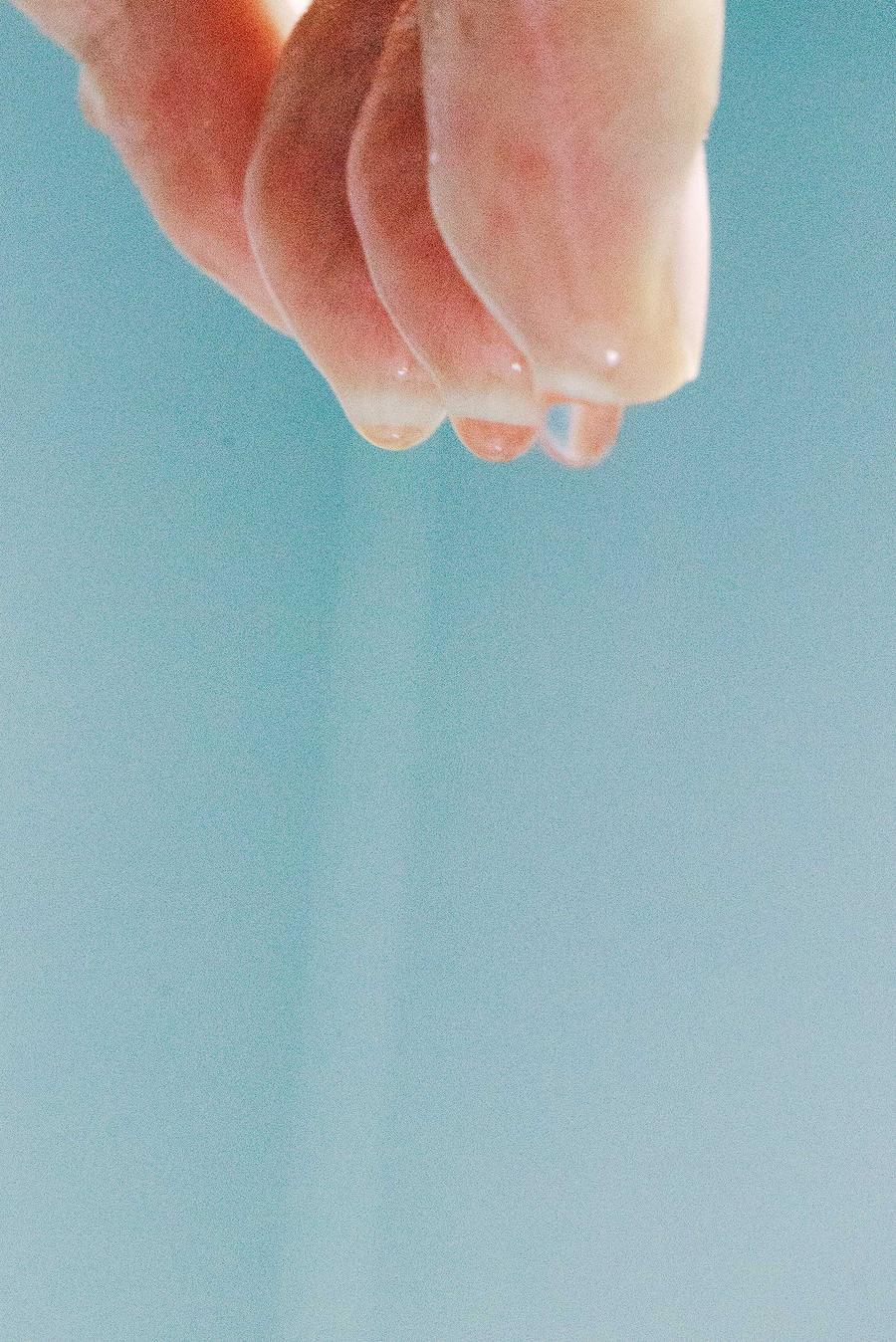
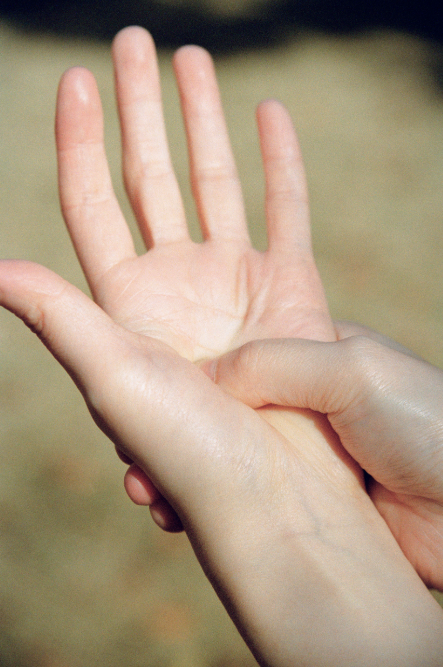
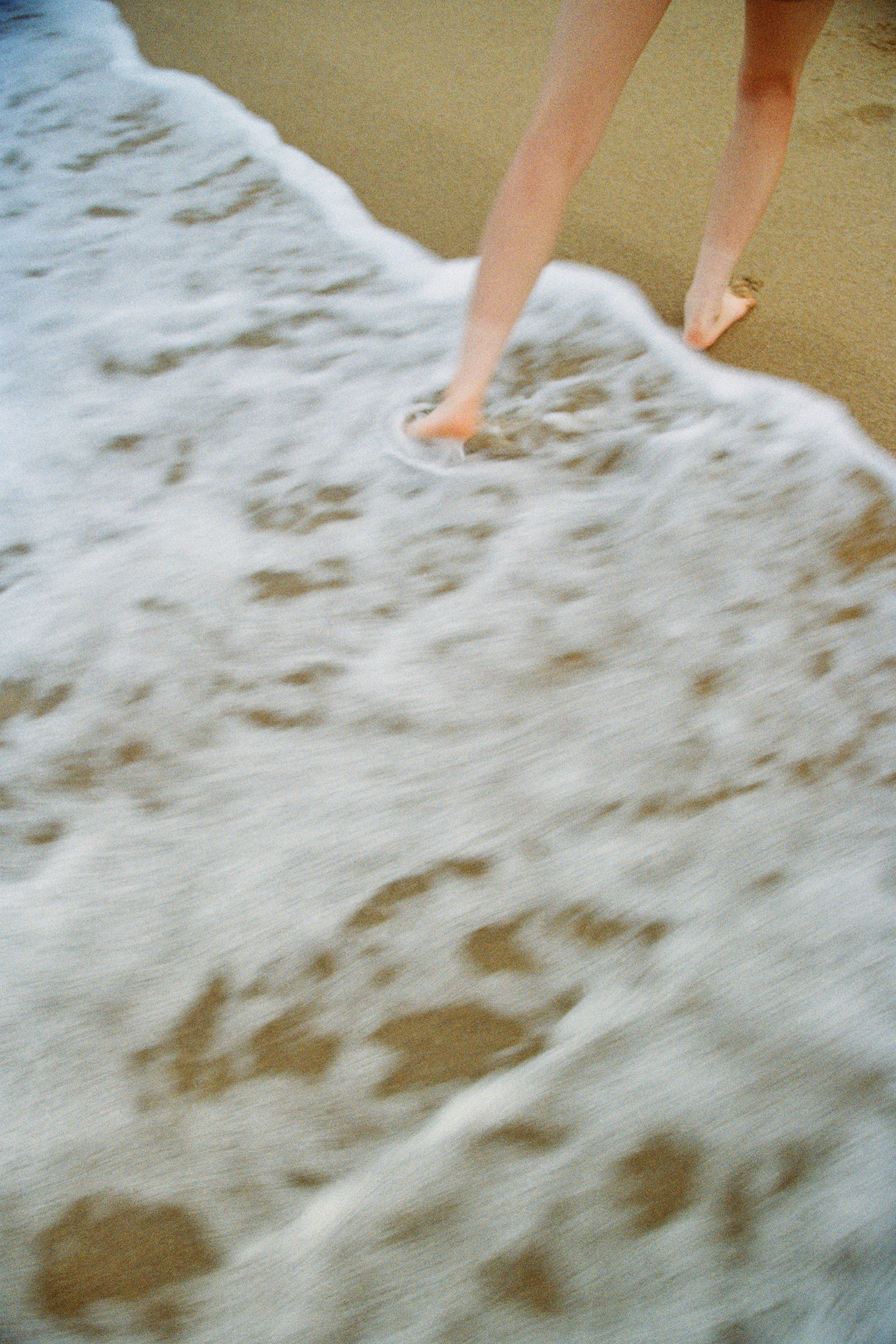
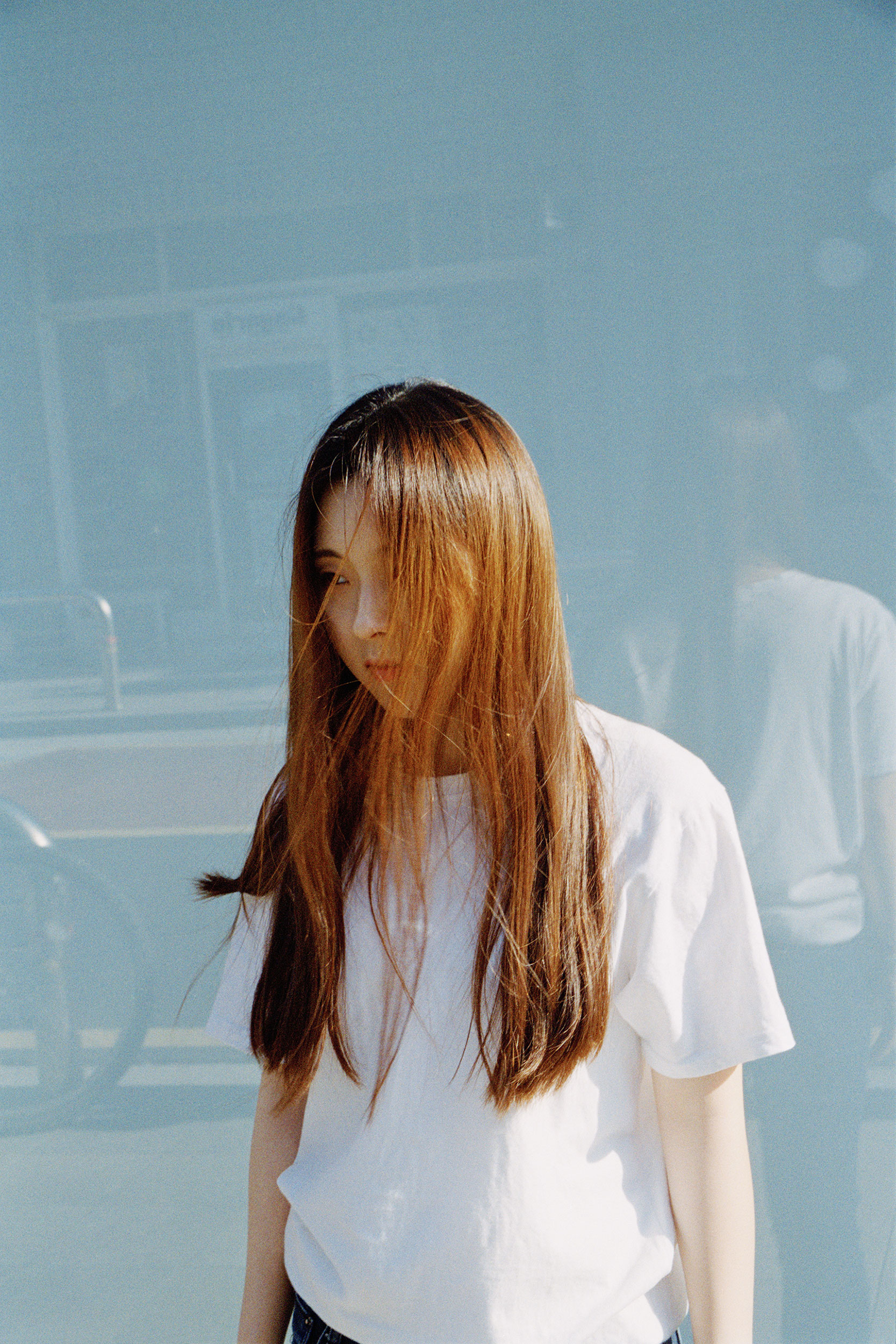
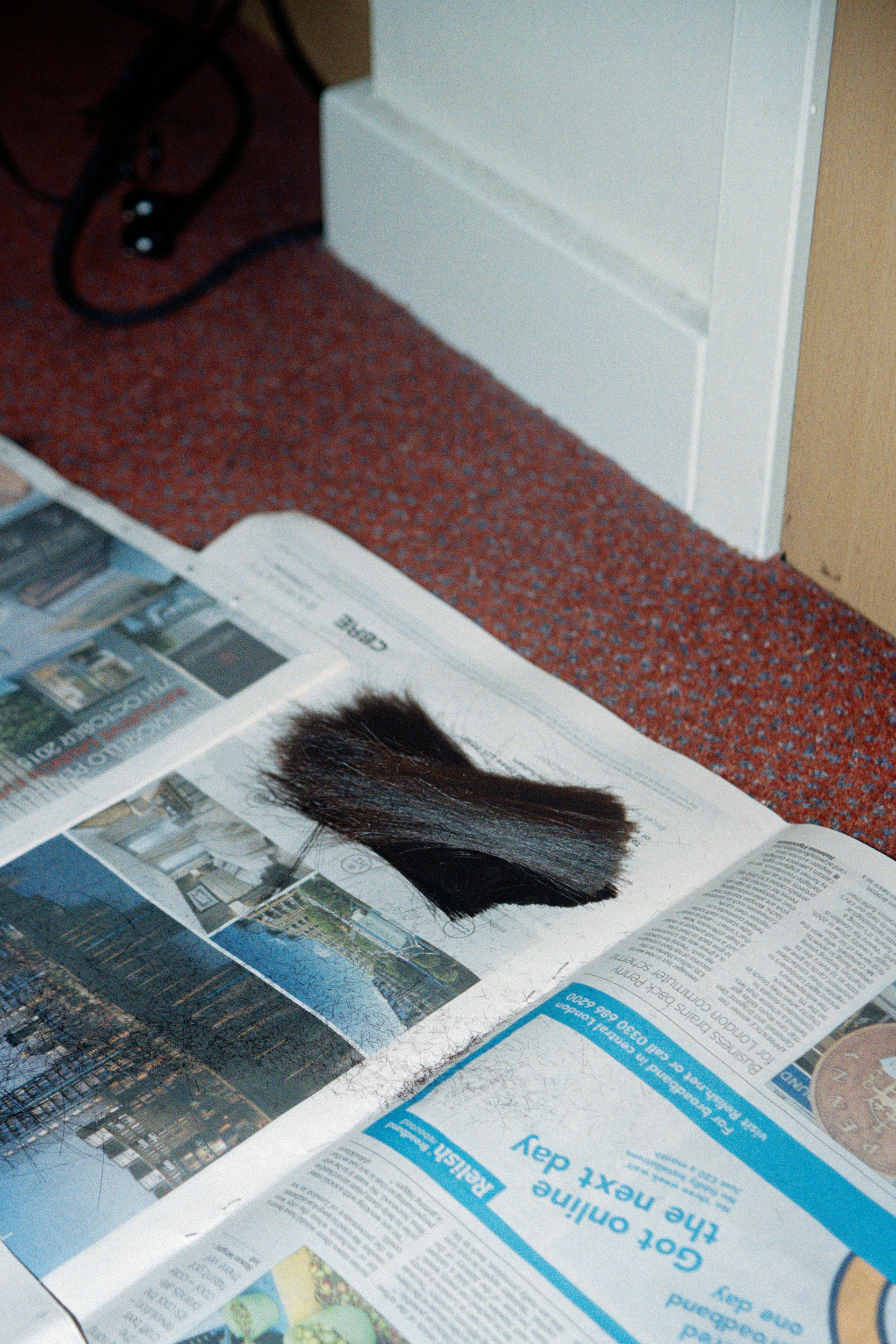
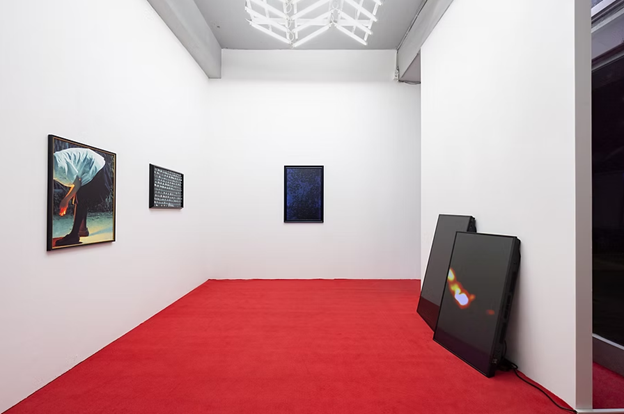
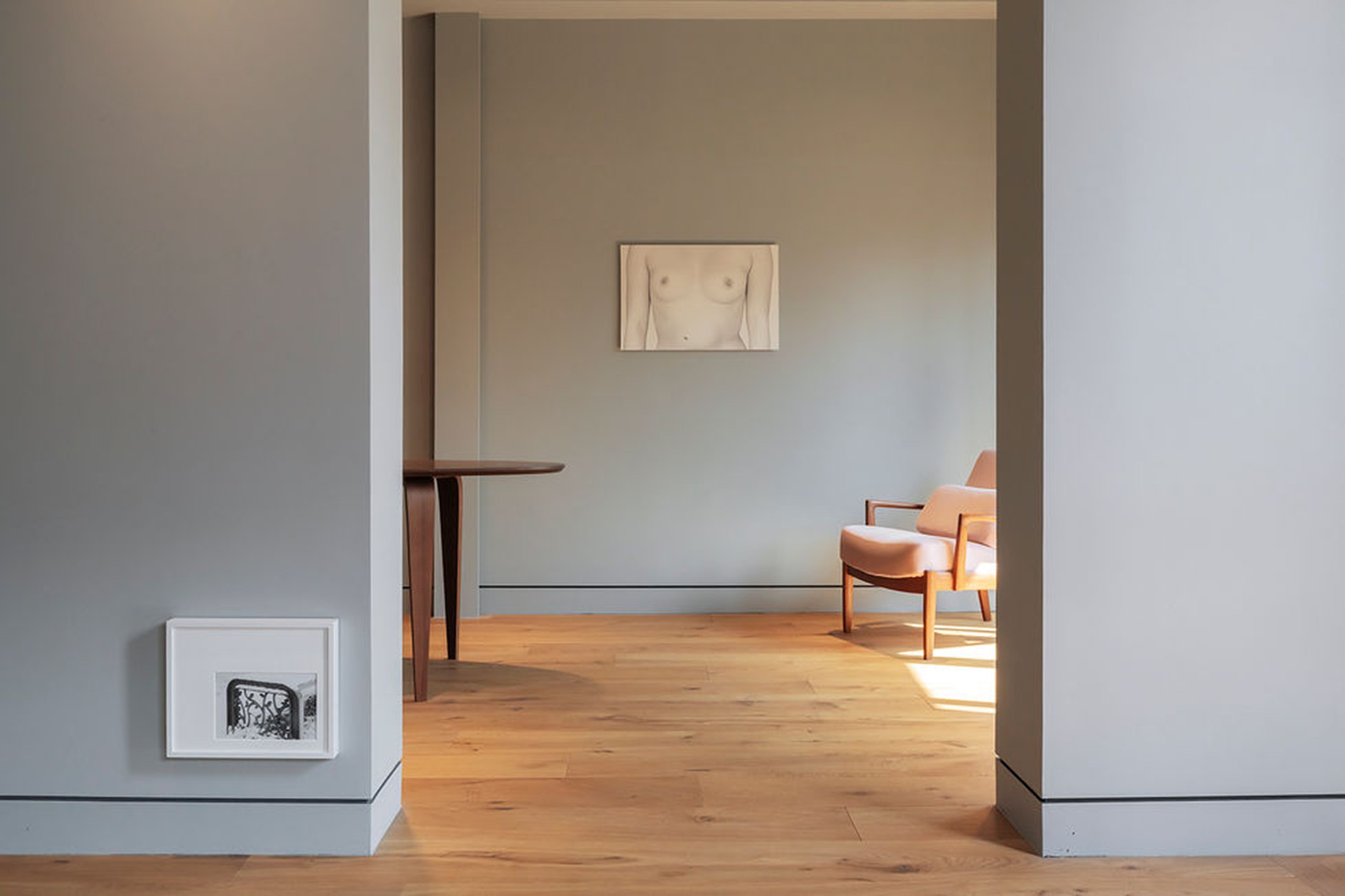
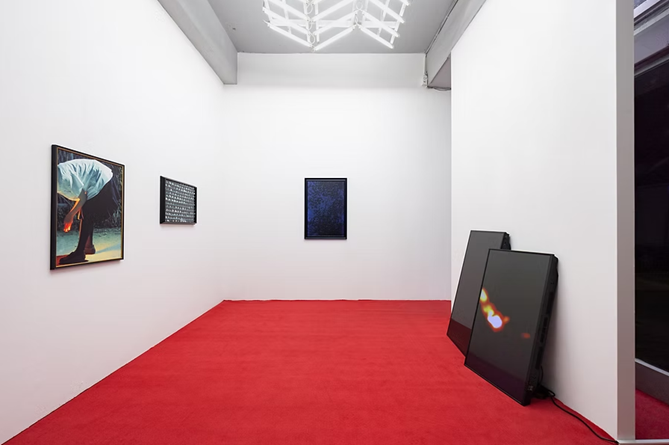
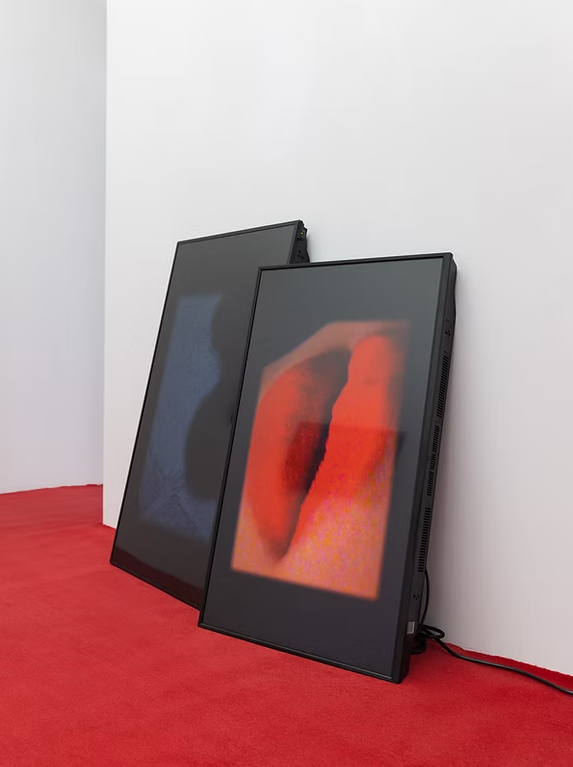
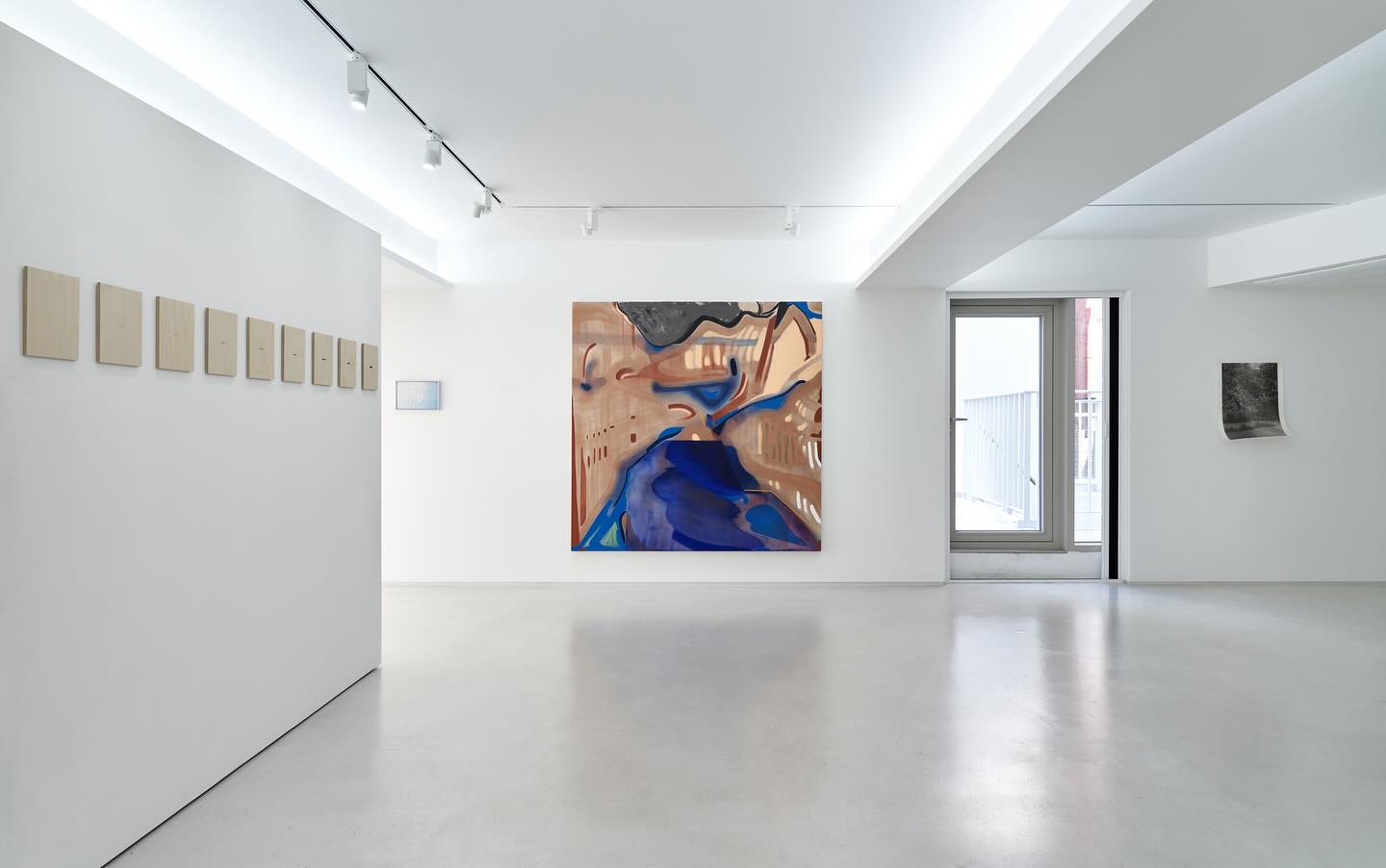
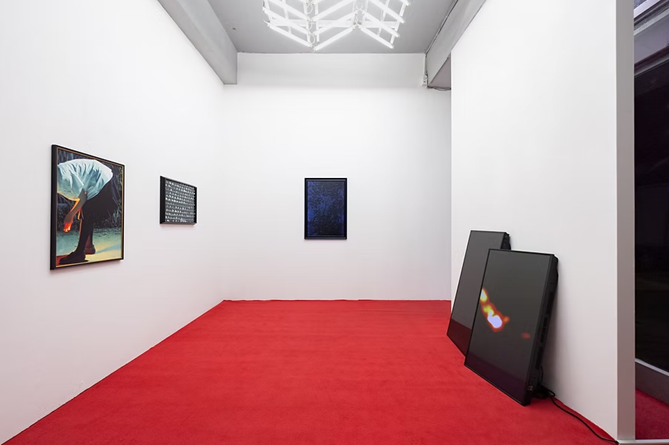
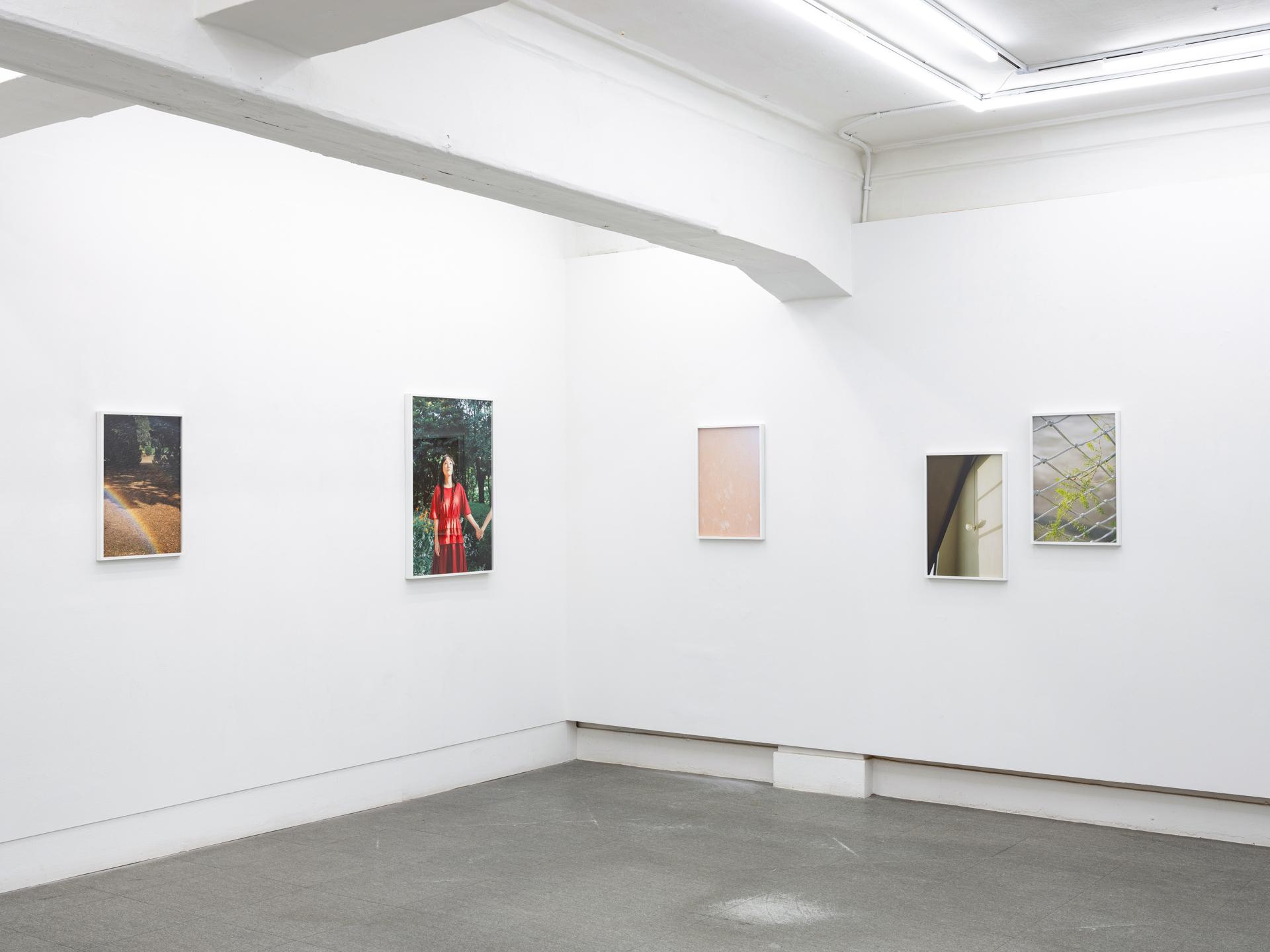
The exhibition constructs two layers of space, consisting of the ground floor and the basement. On the ground floor, it seeks to amplify vibrations that evoke symptomatic sensations within everyday beings and landscapes. This space features seven works from Yuja Kim’s 'Night Writing' series, consisting of eight photographs in total, alongside Jungyeon Park’s Night Piece.


Installation view of 《Oh, Night and I’ll Come to You》 © Hapjungjigu

Jungyeon Park’s Night Piece, a two-channel video work, functions as a trailer that foreshadows the overall flow of the exhibition. The term “night piece,” originating in fifteenth- and sixteenth-century painting and later adopted in literature, refers to a genre that links the night’s various landscapes to the dark forces of the inner self—forces that resist rational explanation, such as strangeness, chance events and accidents, the uncanny, hallucination, anxiety, and fateful moments. Based on this generic concept, the work weaves together moments that feel contradictory—intrusion and invitation, isolation and connection—depicting sensations that resonate with the longings of solitary beings.

Yuja Kim’s 'Night Writing' series takes its title from a cipher composed of twelve dots devised by former soldier Charles Barbier. Designed to allow soldiers to exchange information silently on dark battlefields, this language was later introduced to the school for the blind attended by Louis Braille, who went on to invent the modern Braille system. Within this story, the artist focuses on the possibility of new languages that emerge when encountering a state of darkness in which nothing can be seen.

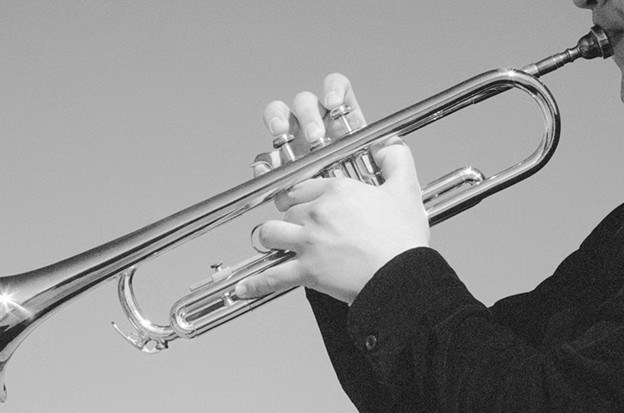
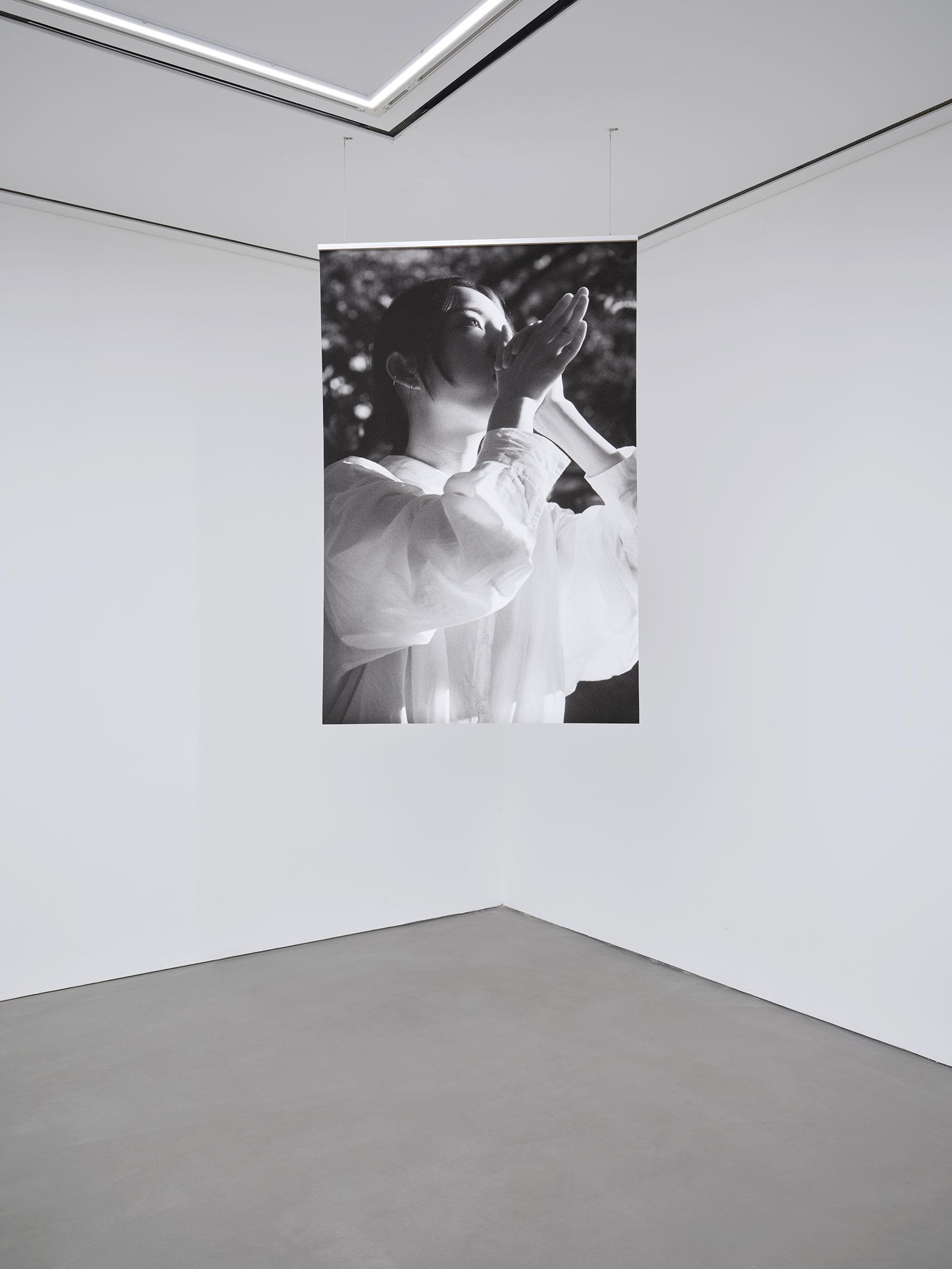
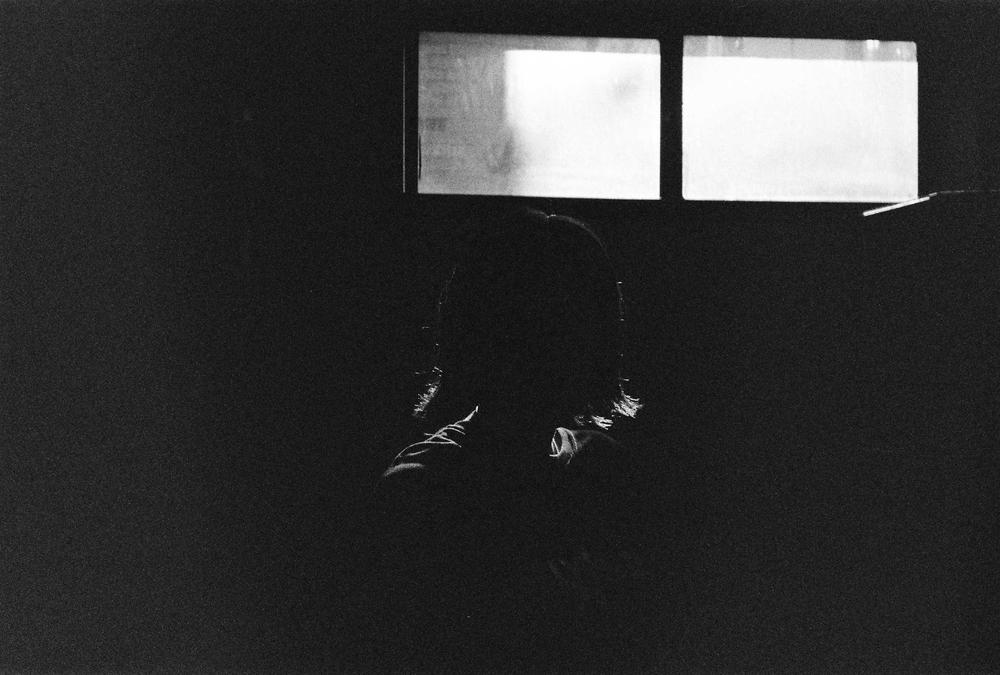
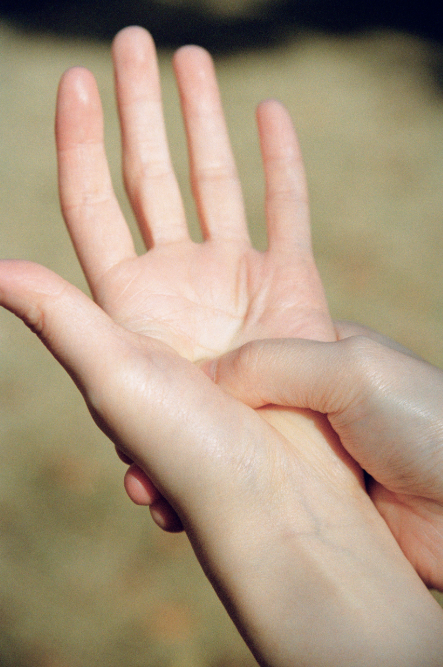
The photograph Night Writing, displayed in the window gallery like a monumental Buddha statue, captures a hand flute performance technique in which whistling is produced using the hands. While whistling is typically performed using only the lips, the use of hands allows sound to travel farther and enables finer modulation of pitch. Through this summoning gesture, Yuja Kim reveals an intention to approach darkness. For her, darkness is a space that instills fear yet gathers people together. Her work reflects a belief in the possibilities hidden within darkness, and simultaneously responds to a multifaceted world in which hope and despair, peace and anxiety coexist.


Installation view of 《Oh, Night and I’ll Come to You》 © Hapjungjigu

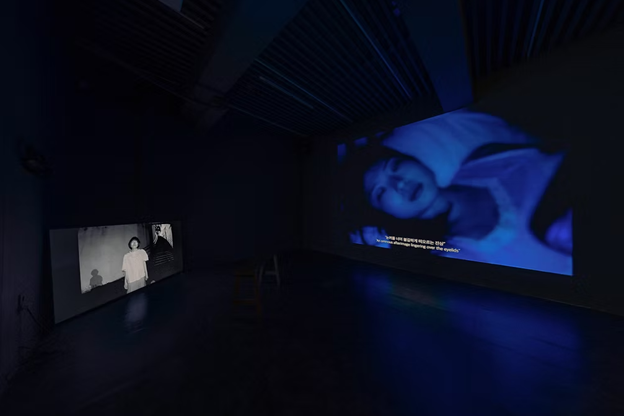
Jungyeon Park’s The Light of Semele, filmed with a webcam, reinterprets the myth of Semele and Zeus to tell the story of a figure haunted by addiction and self-destructive tendencies lurking beneath everyday life, yet unable to withdraw her gaze from the world and others. In the original myth, Semele, the lover of Zeus, begs him to reveal his true form, only to be burned to death upon witnessing him transformed into light. In this work, however, the light that captivates Semele is not a seductive temptation but an addictive pain emitted through media—pain that is not hers, yet is hers all the same. Though tormented by the light, Semele never turns away, revealing both a world that drives individuals into vulnerability and a persistence that nonetheless refuses to disappear.

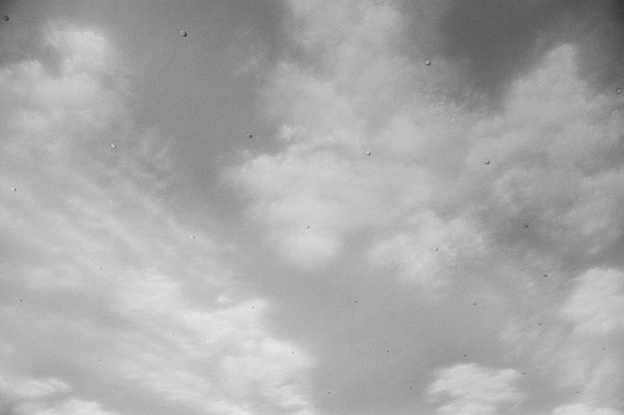
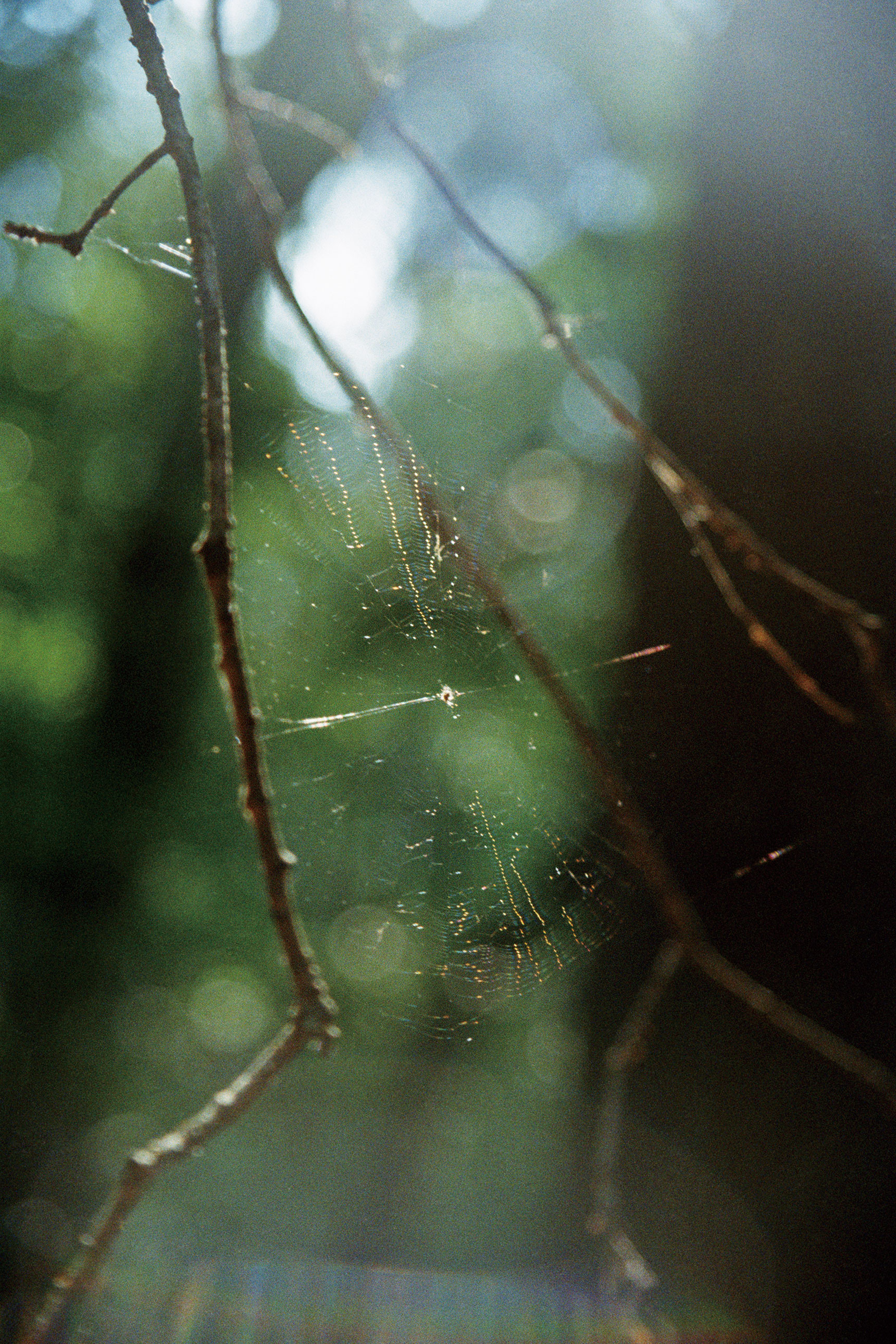
We Ring the Bell and Walk was photographed when the artist, walking along a forest path, looked up at the sky and suddenly thought that sunlit autumn leaves resembled stars in the night sky. By accident, the film was burned, producing an uncanny scene in which trees and fireflies appear reflected on a river’s surface. As in her earlier work Cusp (2021–), Yuja Kim actively incorporates the chemical reactions of film into the image, affirming unpredictability and gathering scenes where light and shadow intermingle.

The Minotaur Was the First Child to Fall into the Labyrinth appropriates the Minotaur myth by excising Theseus—the heroic figure—and instead following the journey of the lonely Minotaur, wandering the labyrinth in search of traces of others. Filmed using the night vision function of CCTV cameras, the urban space becomes a labyrinth that intensifies existential anxiety, a multilayered site where exterior landscapes overlap with inner worlds. The figure roaming this space is captured like a wild animal in human form, revealing the anonymous, enclosed inner landscape of individuals within the city-labyrinth.

In one corner of the basement is Multiple Windows Open at Once, one work from Yuja Kim’s 'Night Writing' series. In subtle contrast with Didi on the ground floor, the photograph illuminates a hole revealed through burning. Within the various imaginative contexts evoked by photography, Kim focuses on multilayered situations in which an exit simultaneously becomes the entrance to another event, and where endings and beginnings overlap. The work operates as a movement that draws the time of night while remembering the day.

References