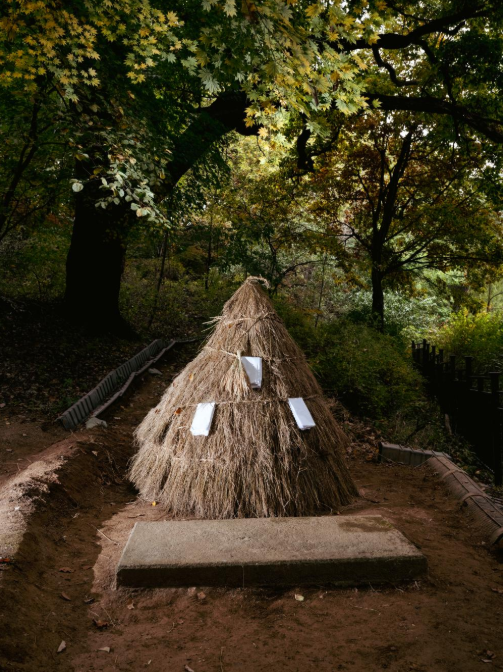
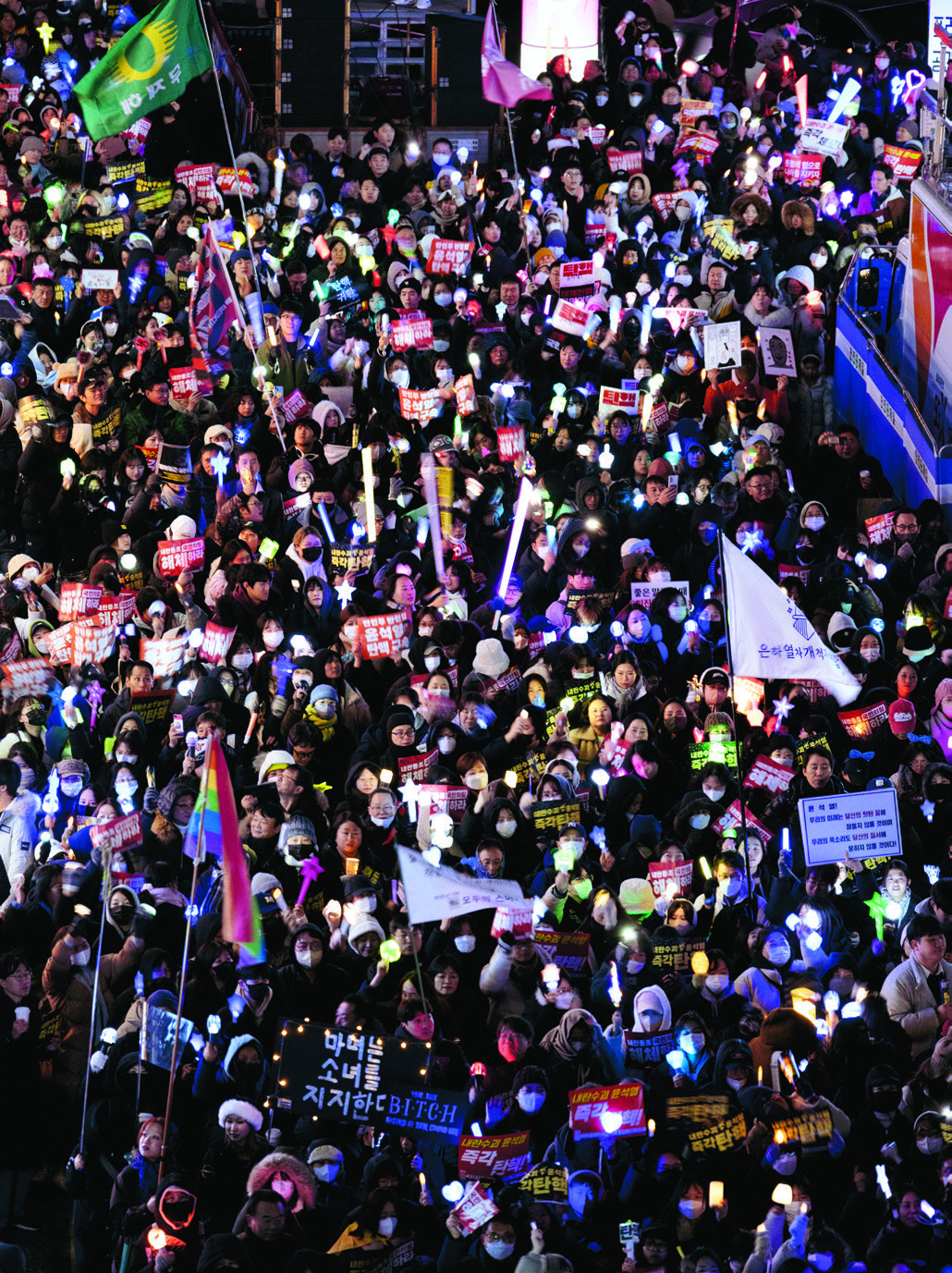
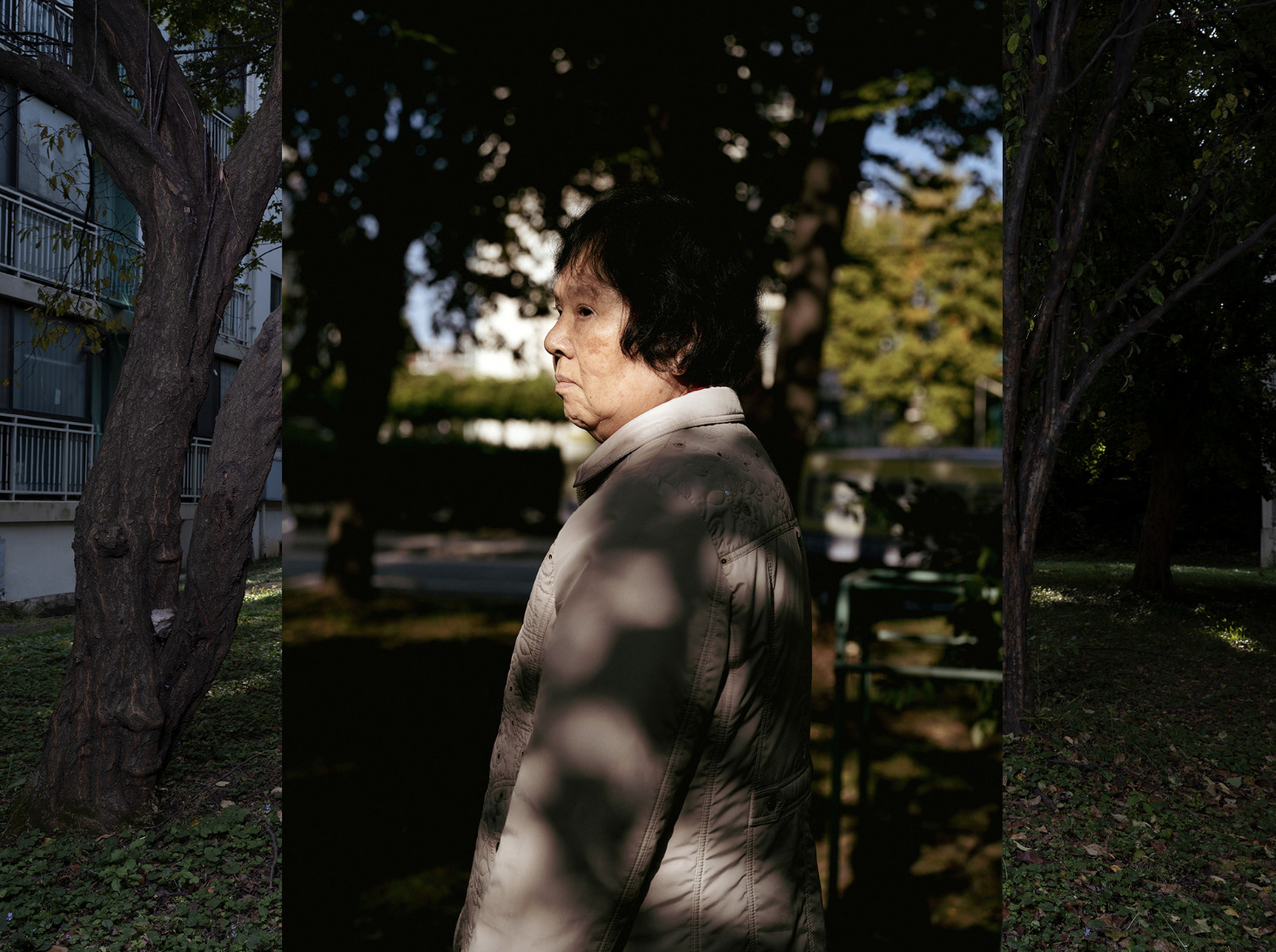
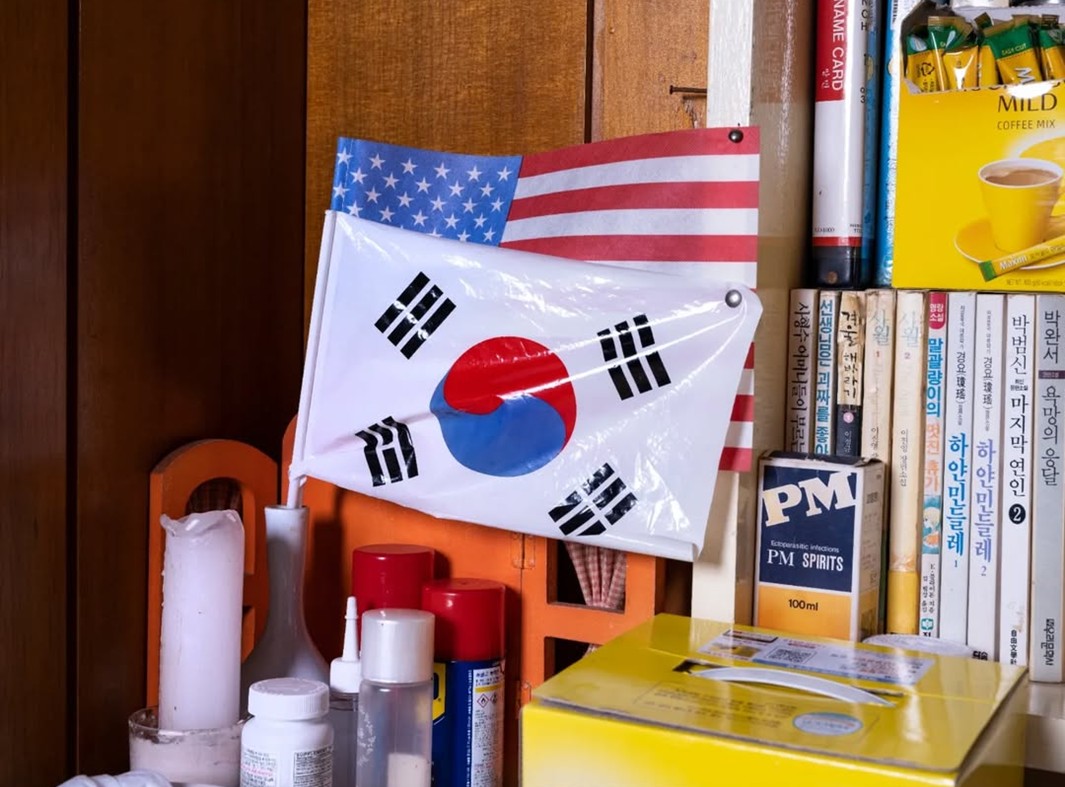
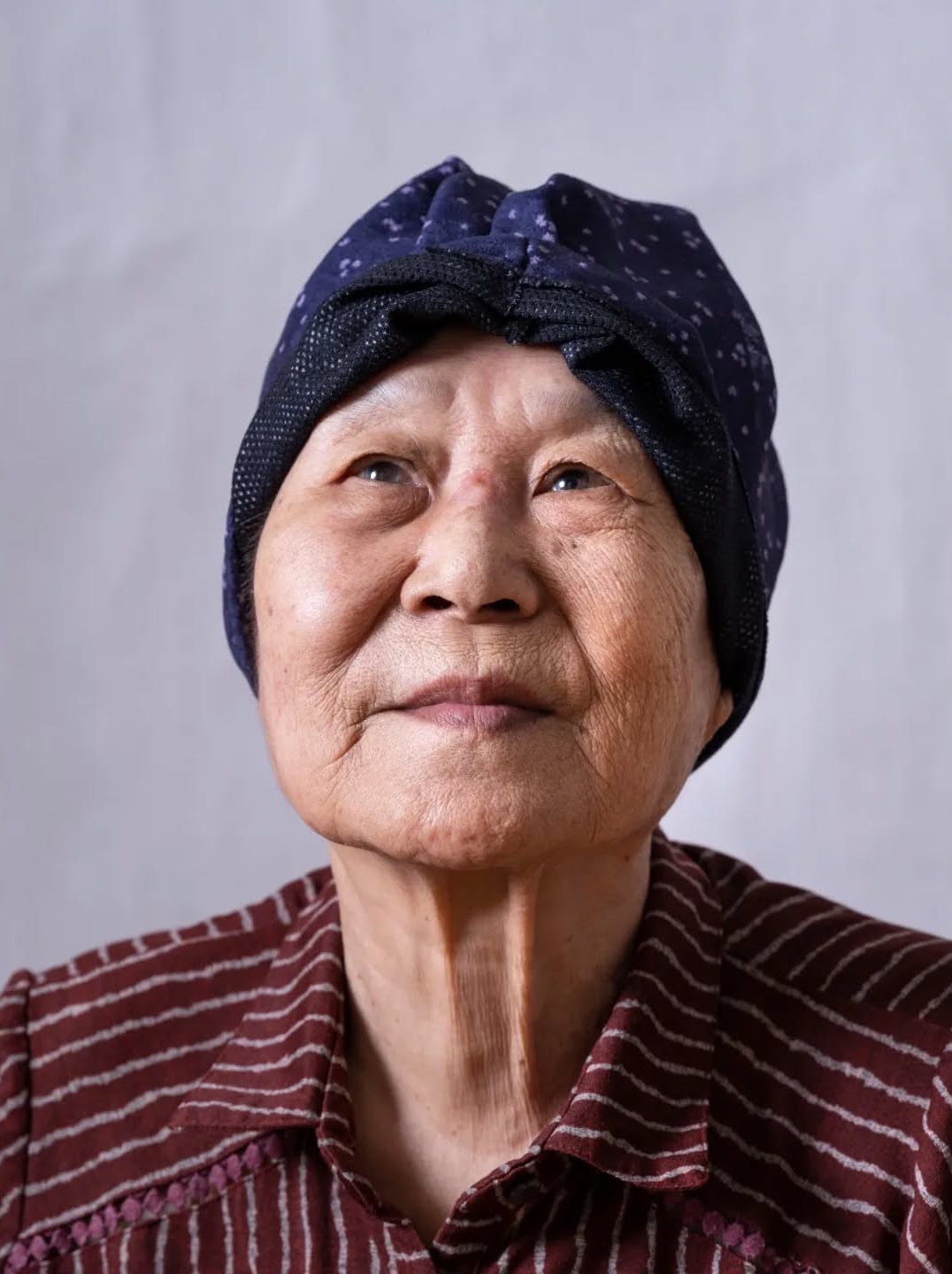
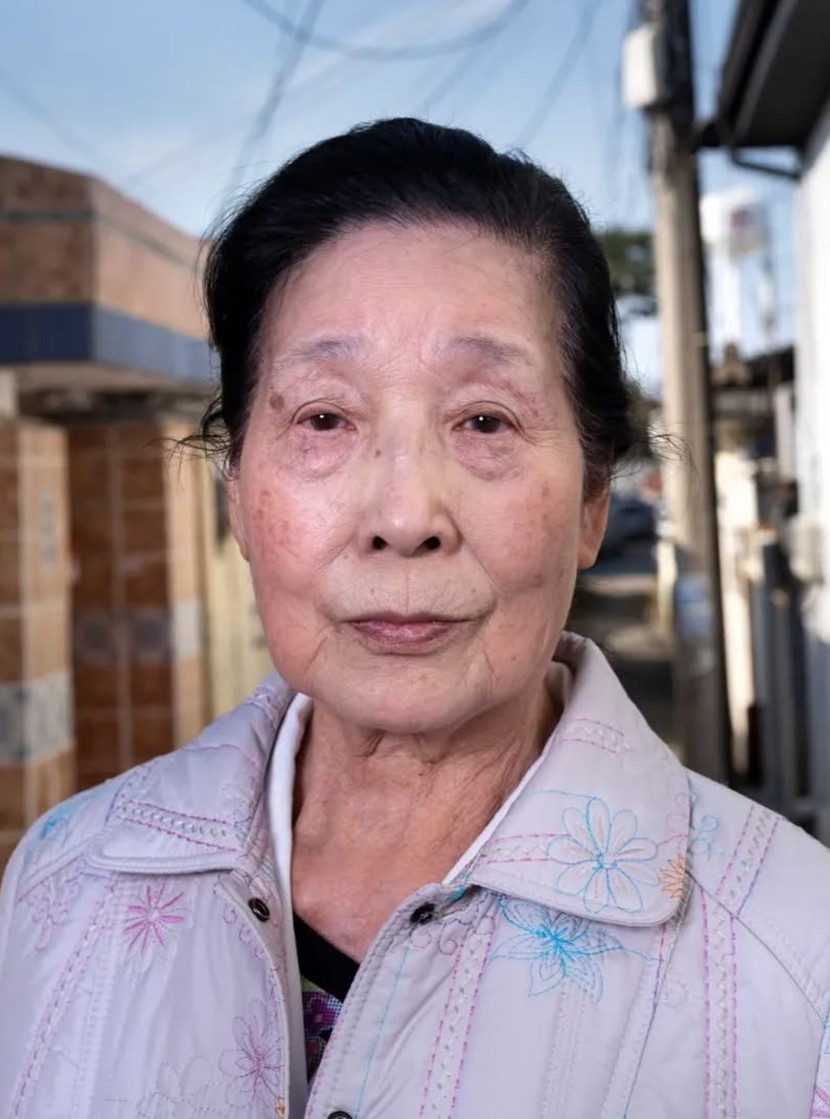
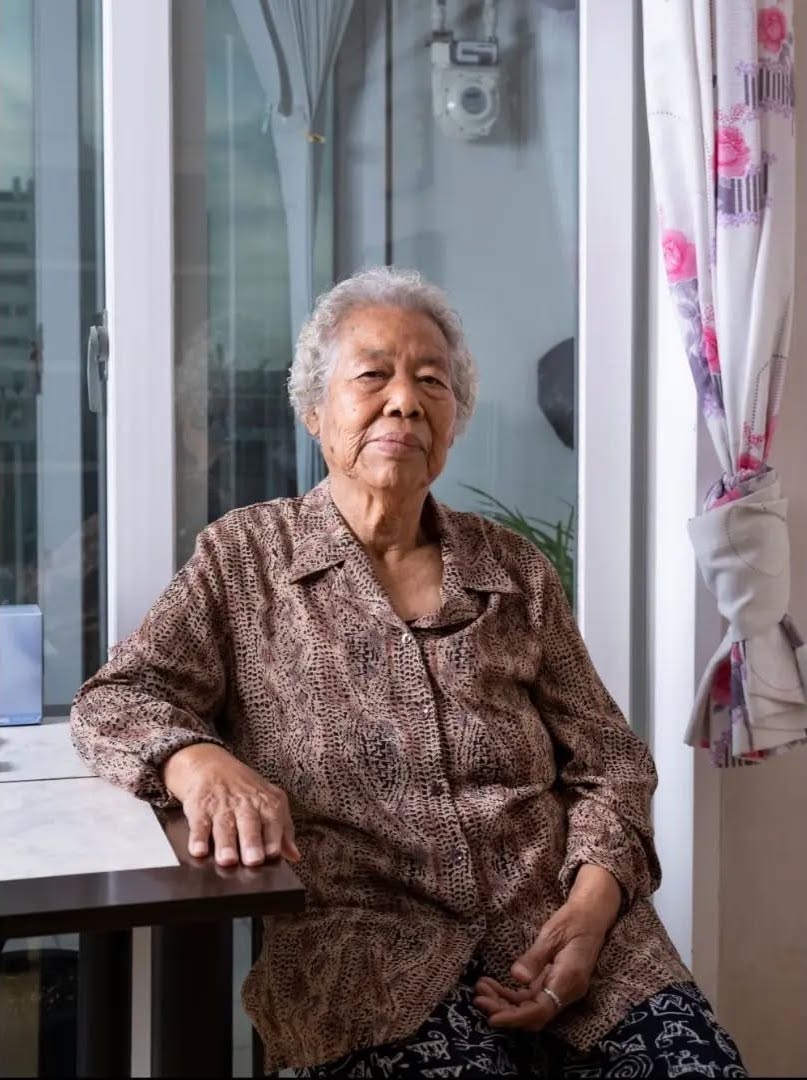
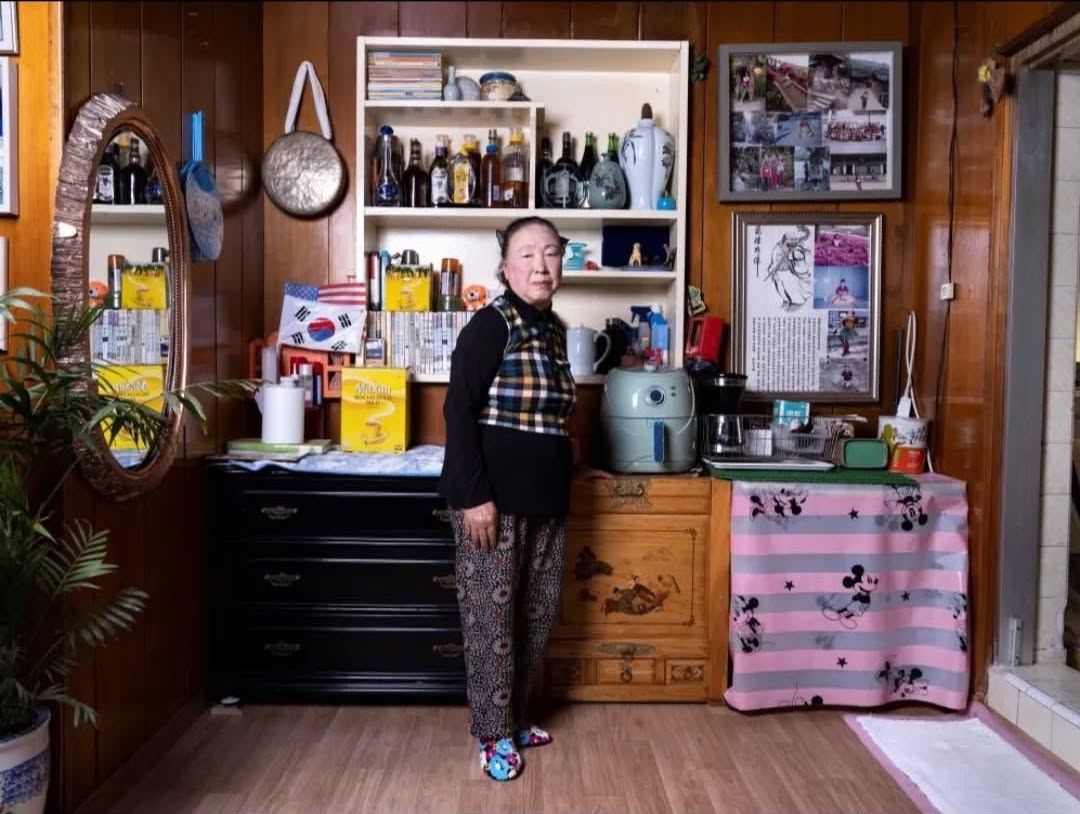
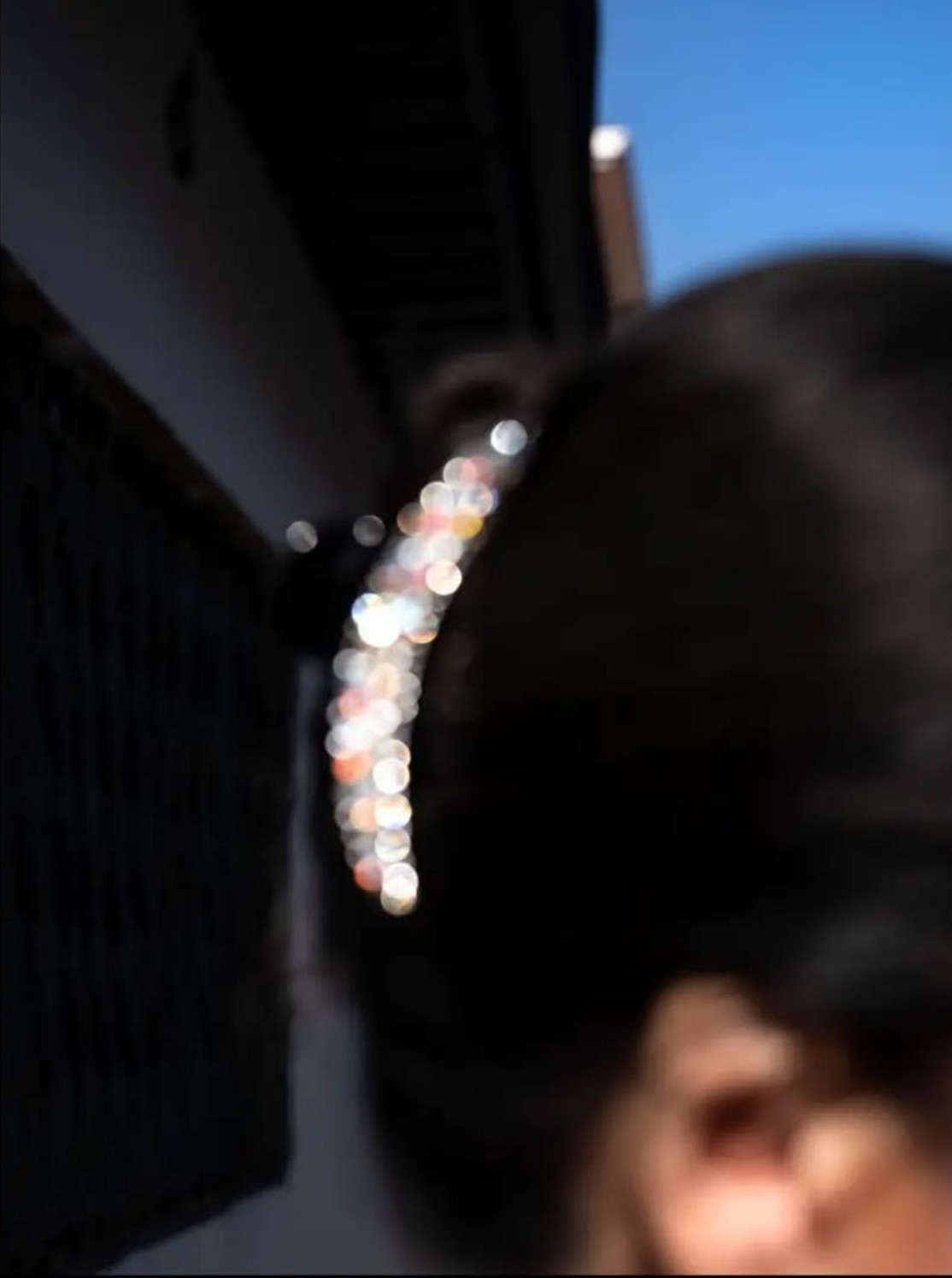
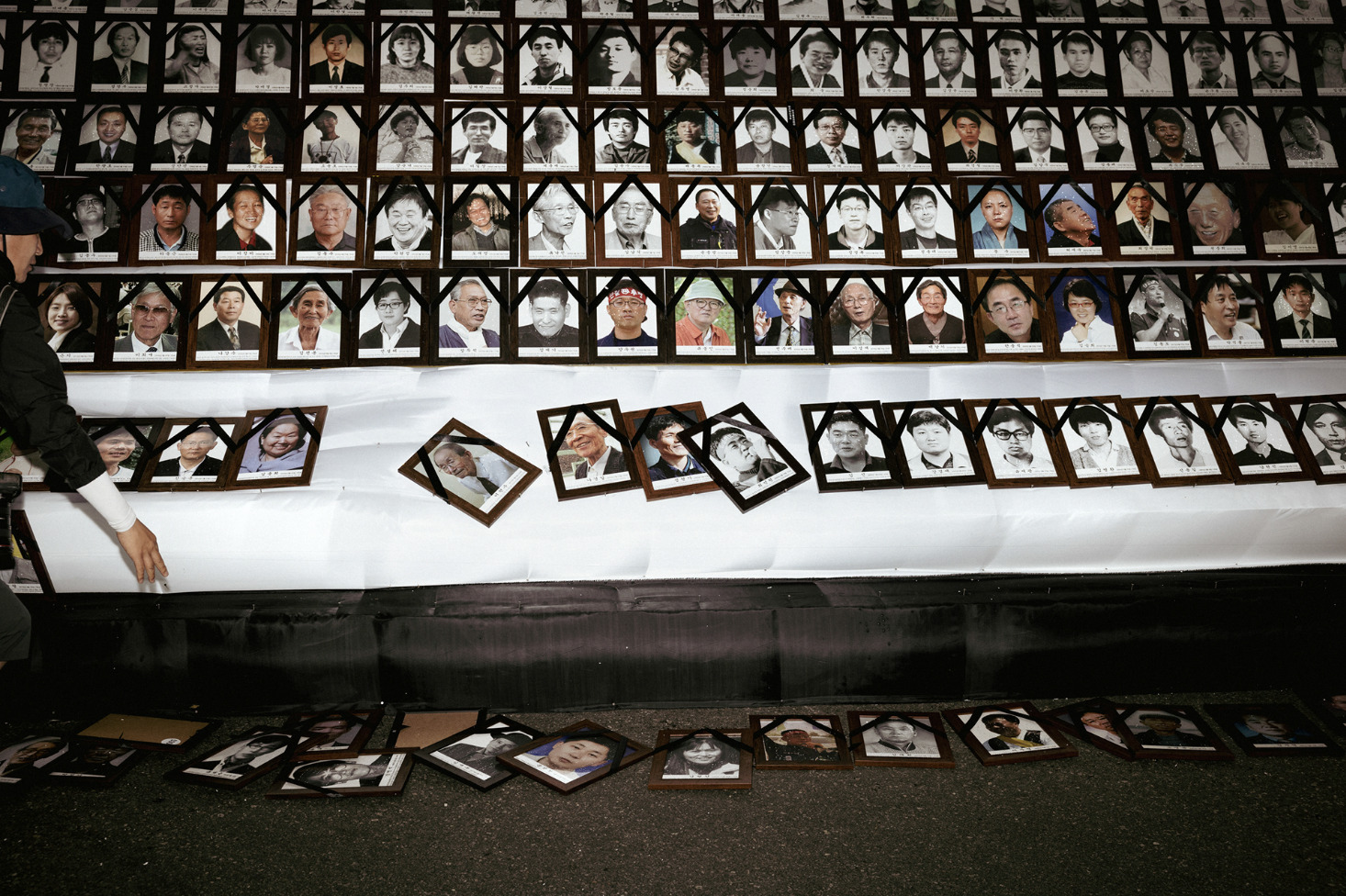
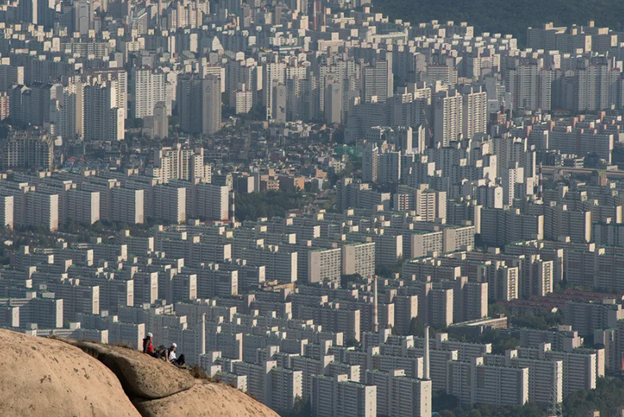
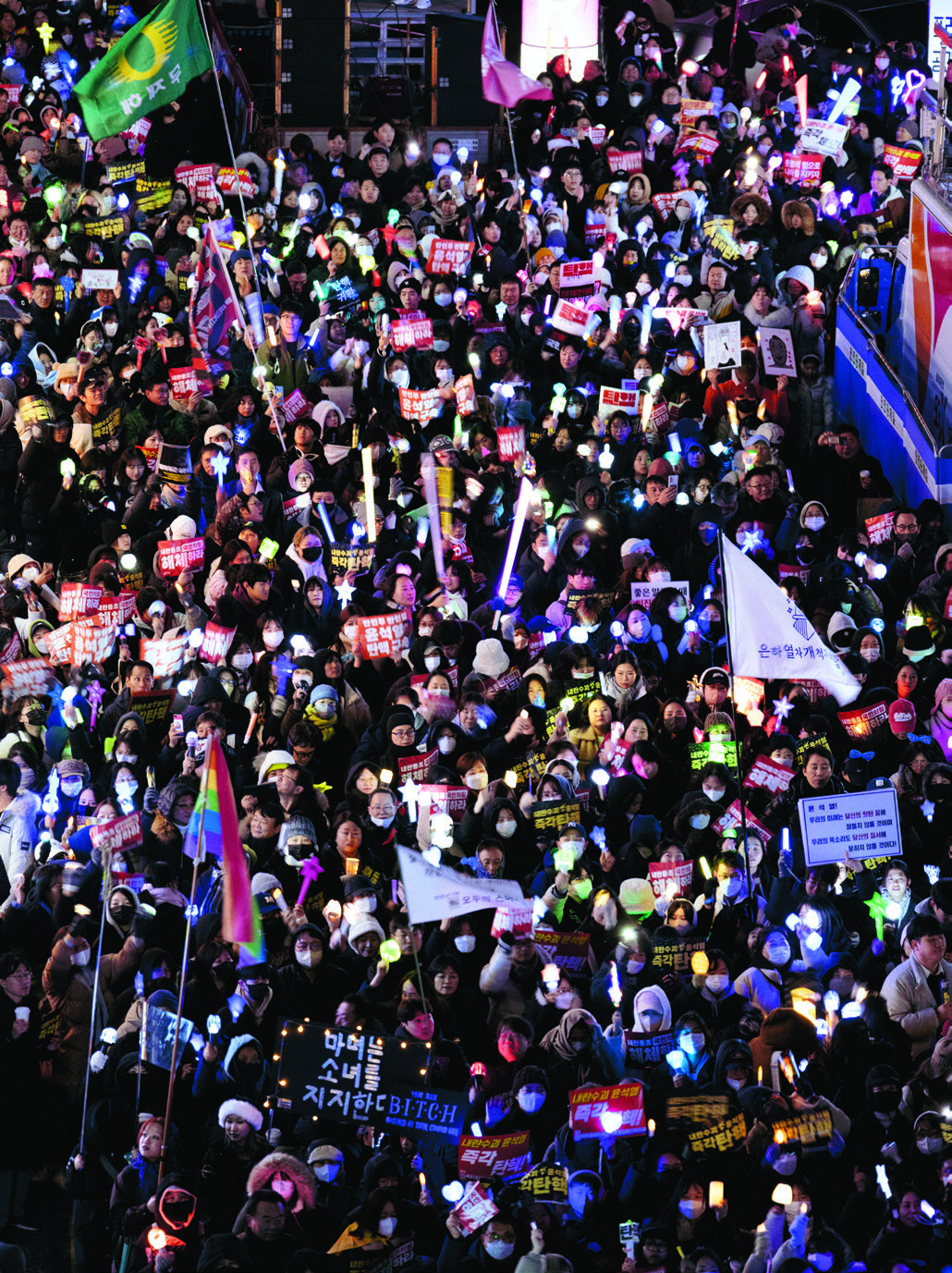
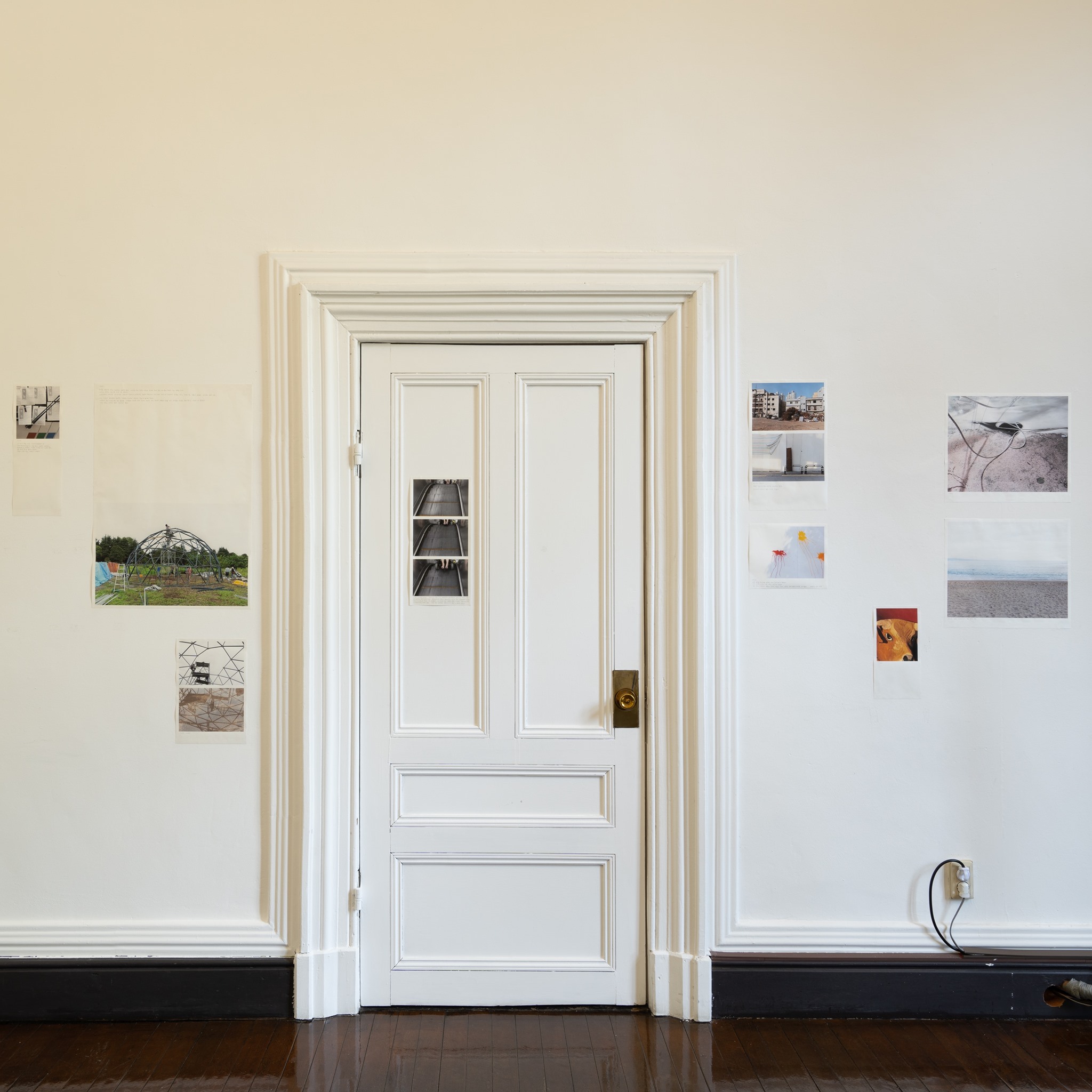
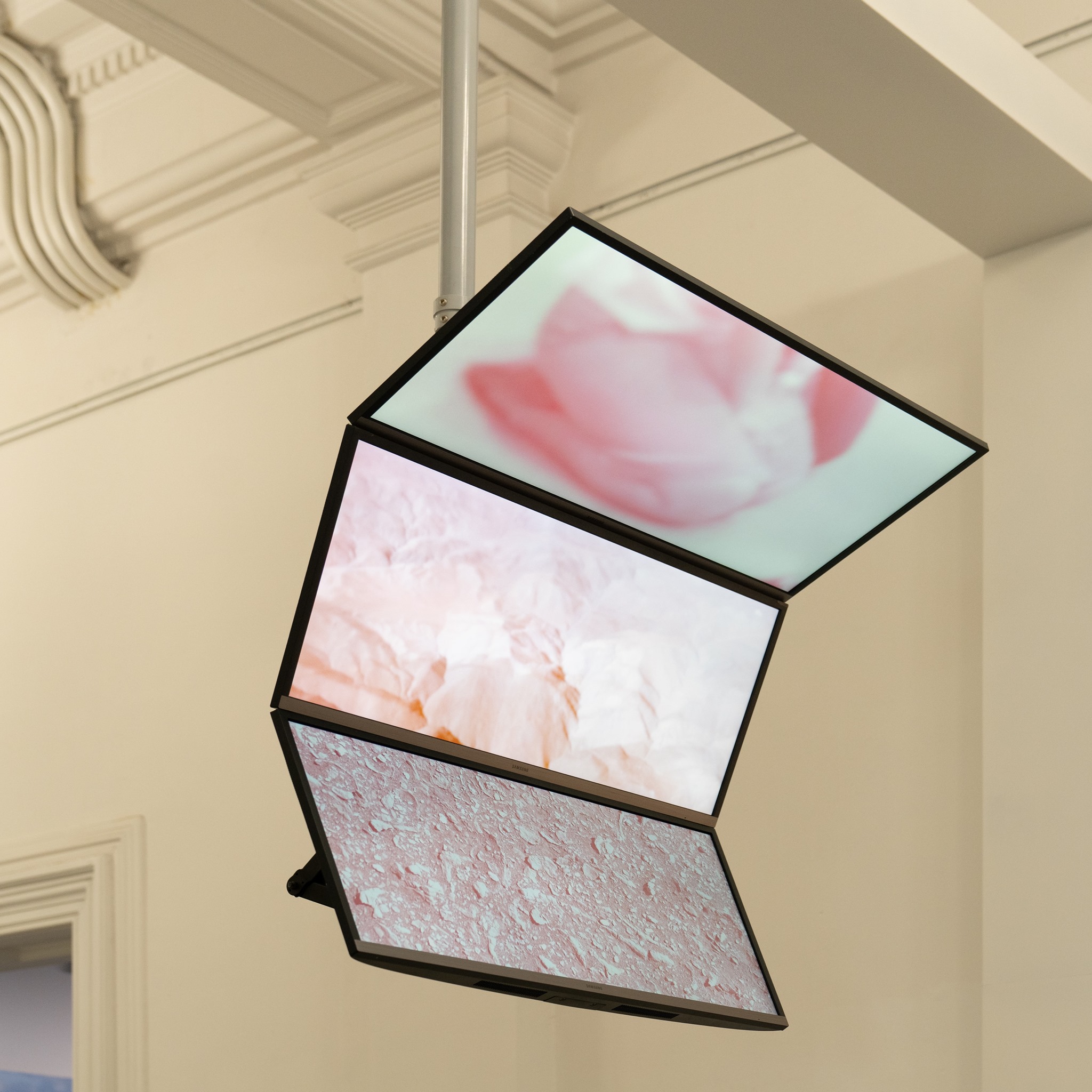
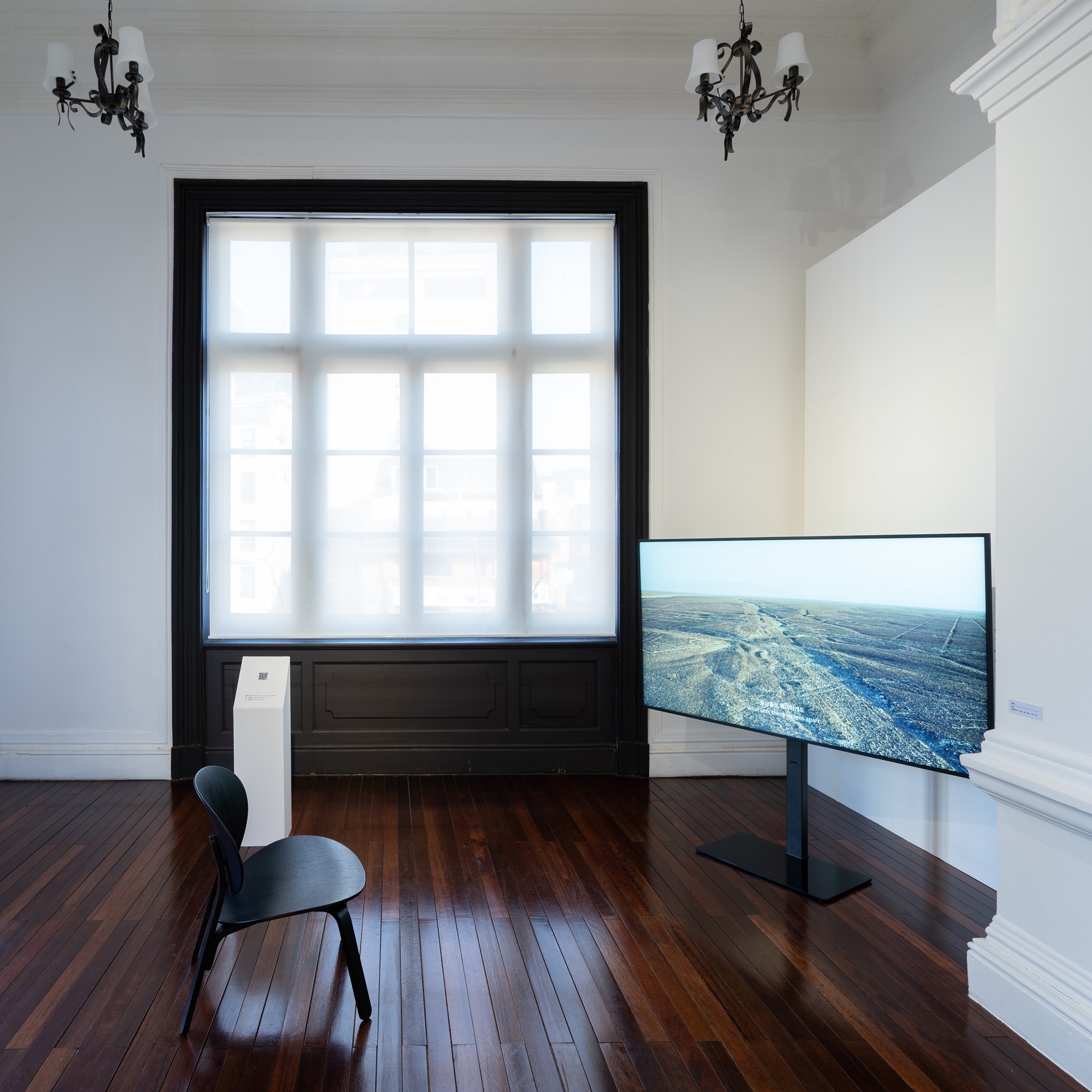
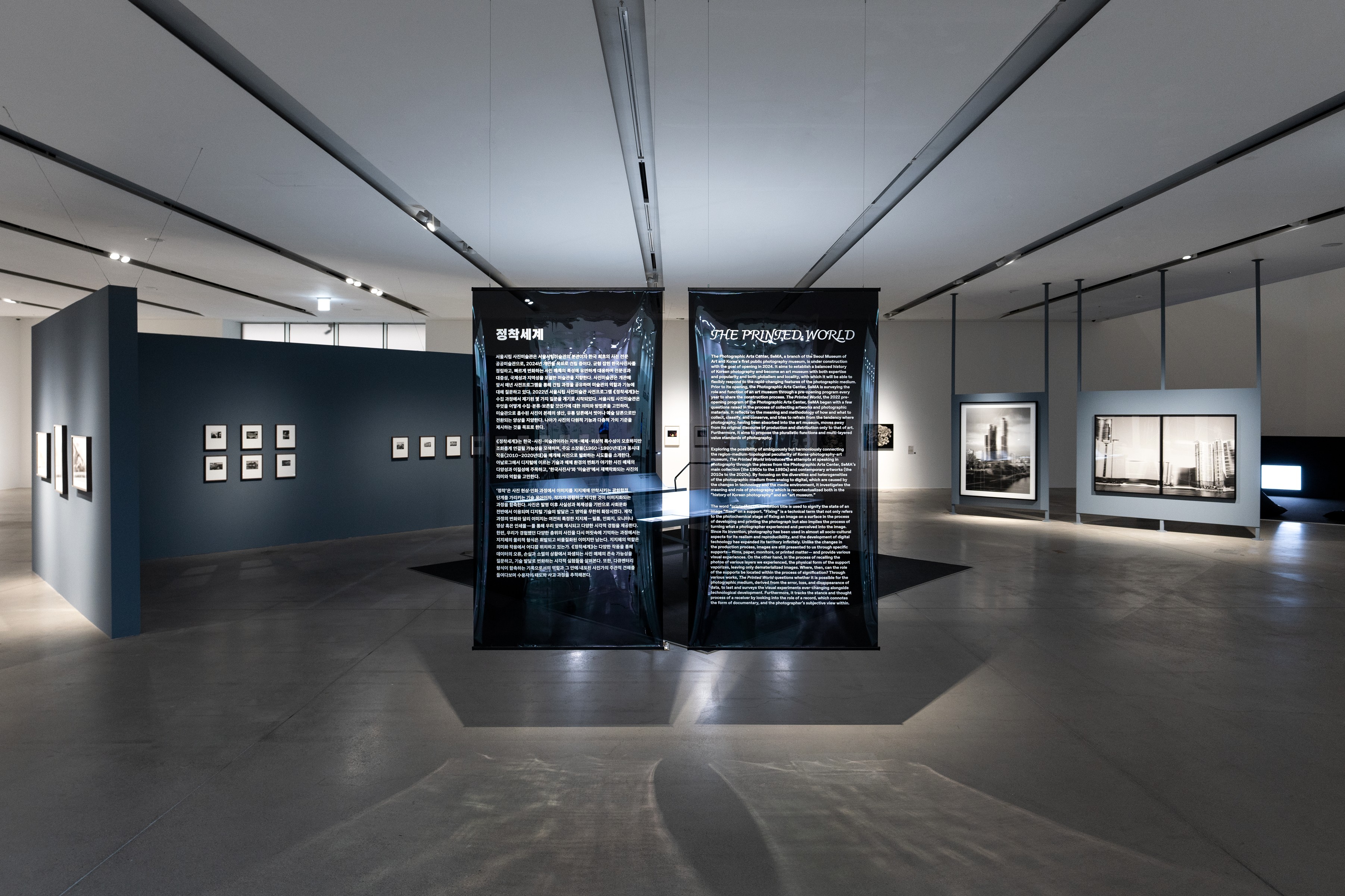
Installation view of 《Signaling Perimeters》 ©SeMA

The 2021 Nam-Seoul Museum of Art preliminary program 《Signaling Perimeters》 examines the relationship between art and society through the themes of region and media, posing the questions: “Who is the subject of art, and what kind of impact does art have?” within the context of changing urban life and space.

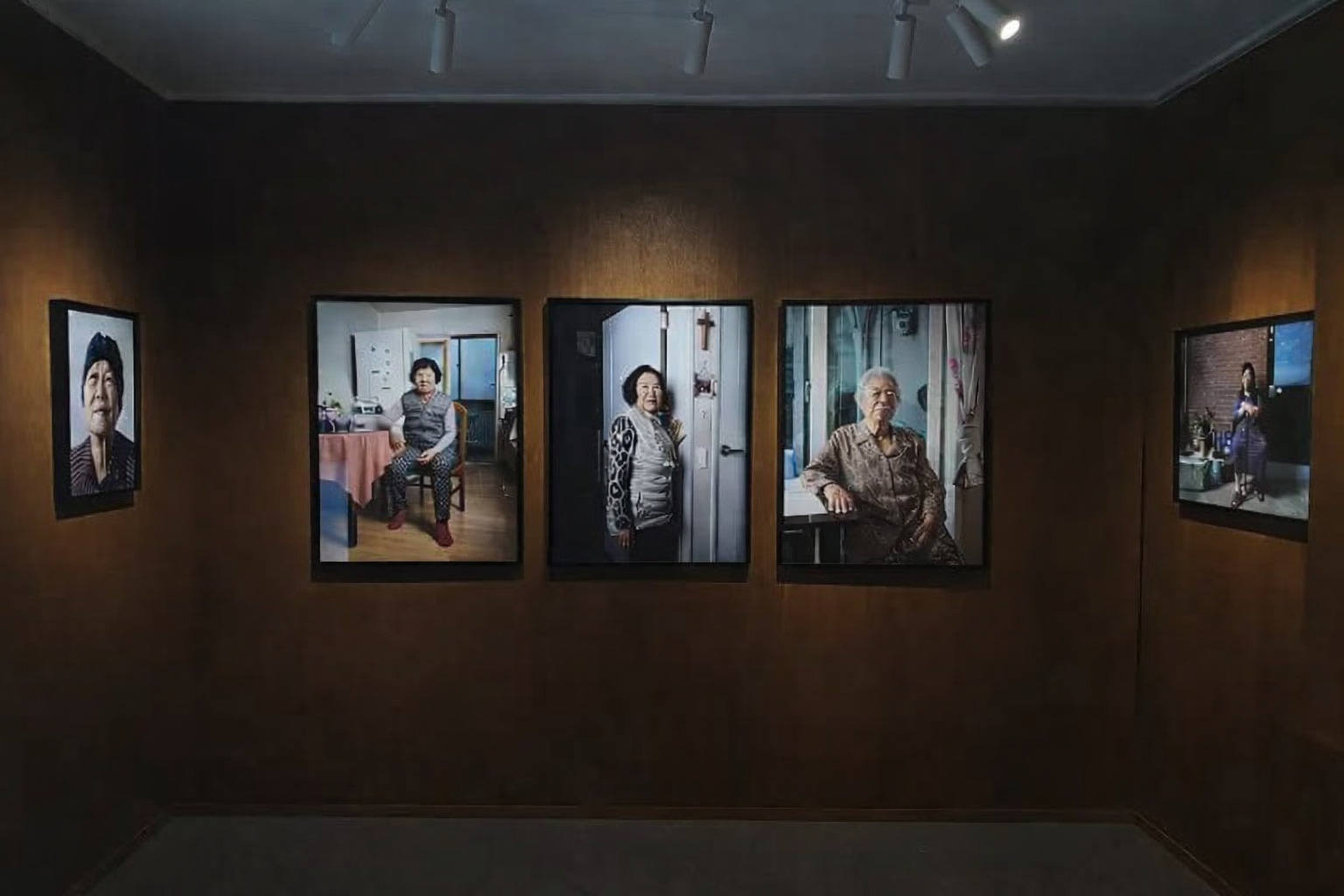
The exhibition unfolds through two coexisting frameworks. The first, “Region: Memory and Testimony,” seeks to understand the regional context of Seoul’s southwestern area and focuses on individual lives that have been omitted under the grand narratives of modern and contemporary Korean history. It proposes alternative interpretations of regional issues related to the city, community, industry, ecology, migration, and women. In addition, by engaging with the regional discourse of “trans-locality,” the exhibition reflects on postcoloniality, minority status, otherness, and marginality, examining relationships across different times and places.

To this end, artists who continue their practices while remaining embedded in diverse lived environments are invited to participate. Standing at various kinds of boundaries, these artists have persistently explored and recorded points where personal lives intersect with historical layers—through memories that resist representation and are prone to disjunction, physical movement and psychological migration, fluid notions of place rather than fixed localities, landscapes and social issues left behind by what has passed, cities and sites layered with accumulated time, and the collisions of values along geographic and ideological borders.

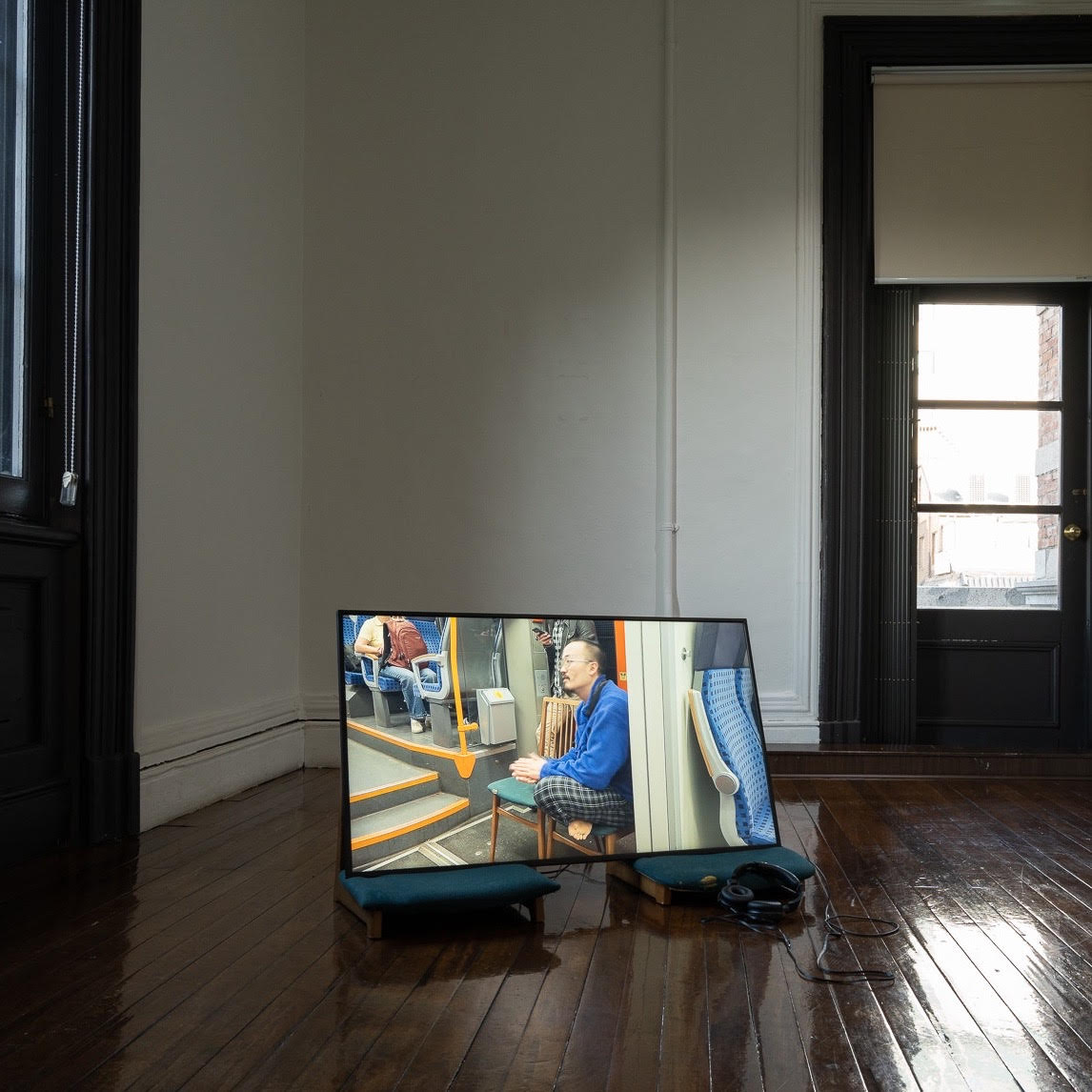
Installation view of 《Signaling Perimeters》 ©SeMA

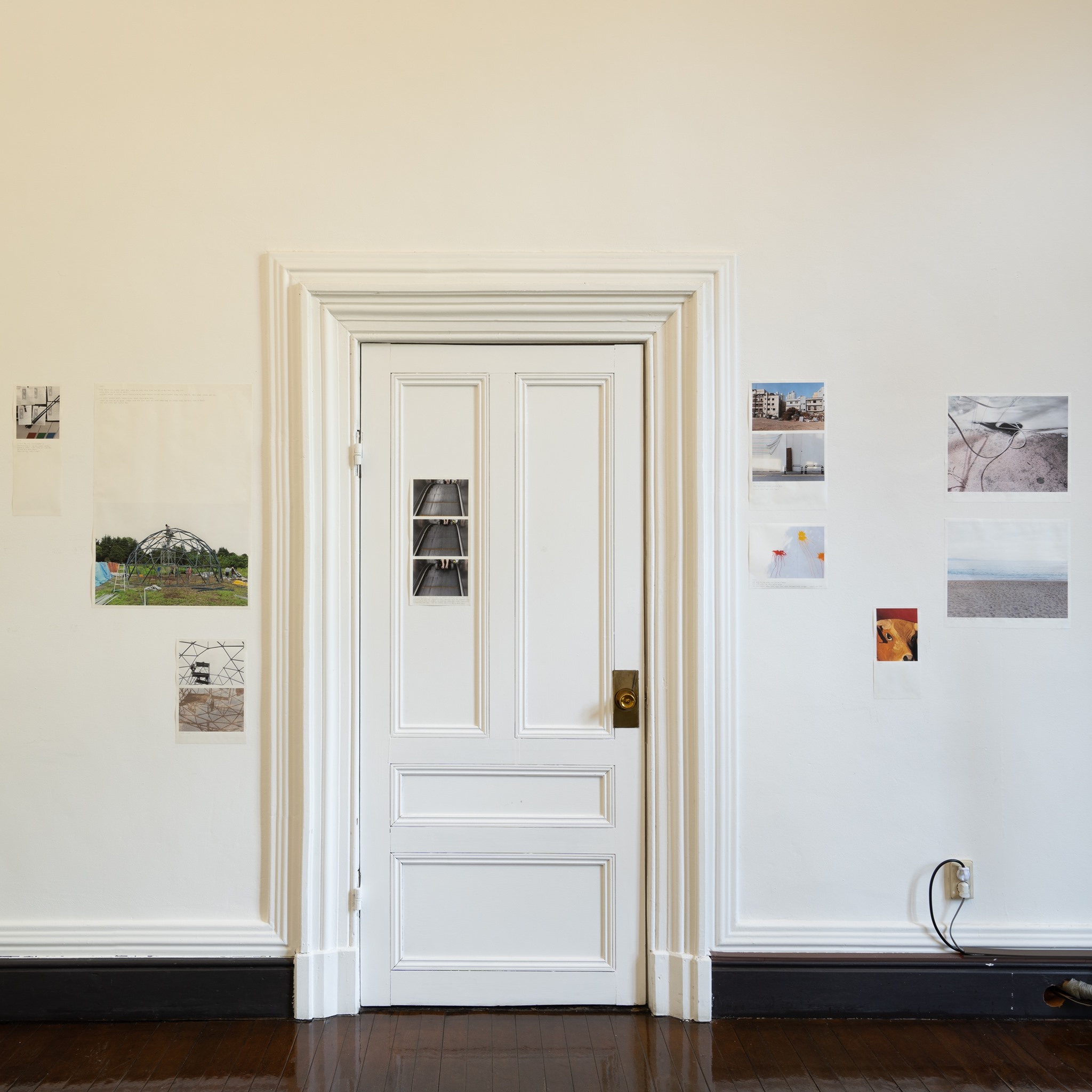
The second framework, “Media: Boundaries and Signals,” focuses on conflicts related to space, the body, gender, society, and culture that arise as urban infrastructures integrate regions with the wider world. It pays particular attention to the ways in which places embedded with aesthetic and geopolitical interests during the process of modernization, as well as discriminatory norms within social structures, are rapidly absorbed into networks.

From a critical perspective on these conditions, artists employ various media platforms to connect history and culture, expand time–space and narrative, and create emotional distance. They also propose new experiences through reflection on and representation of visual and auditory systems, as well as through audience participation. At times, they resist physical structures and speed through the body itself as another medium. By questioning fixed values, shifting centers of gravity through new relationships between time and experience, dispersing the density of material, and rendering invisible conditions visible, the works articulate alternative ways of sensing and understanding contemporary reality.

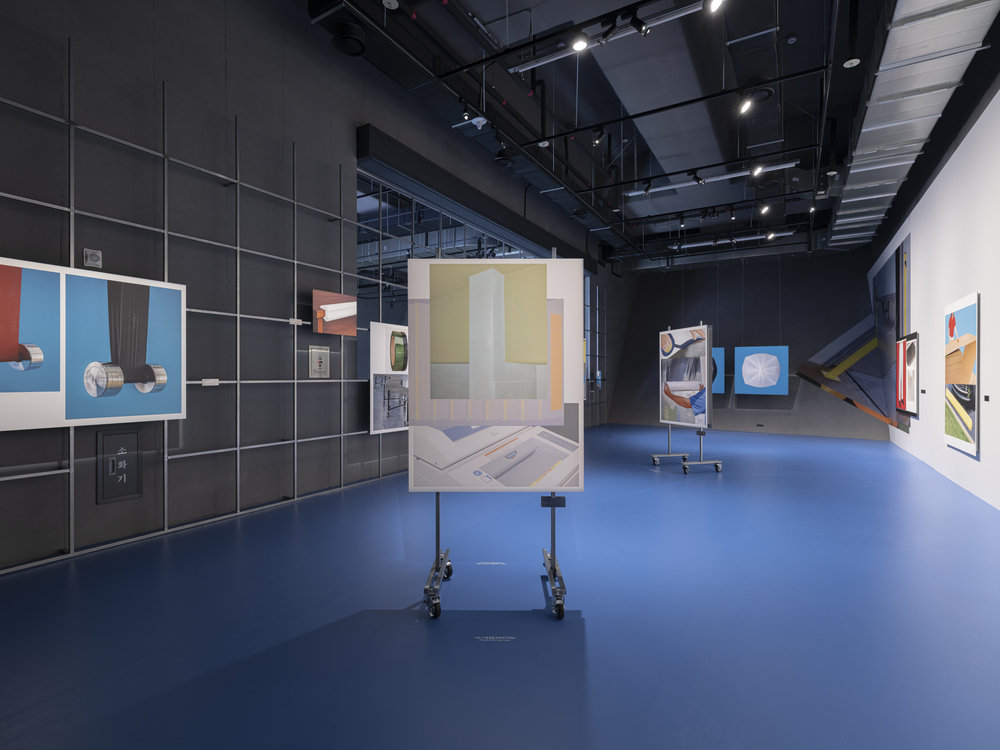
Installation view of 《Signaling Perimeters》 ©SeMA

The “Multi-media Lab” is a platform through which the Nam-Seoul Museum of Art expands discussions on region and community, digital culture, and media in collaboration with individuals from diverse fields. It interprets the complexity of the city and enables the creation of new works by examining interactions between urban spaces and infrastructures that mediate multiple perspectives and concepts across the southwestern region’s urban context, modern and contemporary history, and geographic, conceptual, and cultural boundaries.

By uncovering and recording the region’s layered histories and communities, the lab conducts preliminary research aimed at fostering future connections between the museum’s potential users—artists, researchers, and curators—and the local area. From the perspective that contemporary art is expanding and converging across technology, engineering, natural sciences, and the humanities without being bound by disciplinary borders, the lab develops research models for future environments and new media.

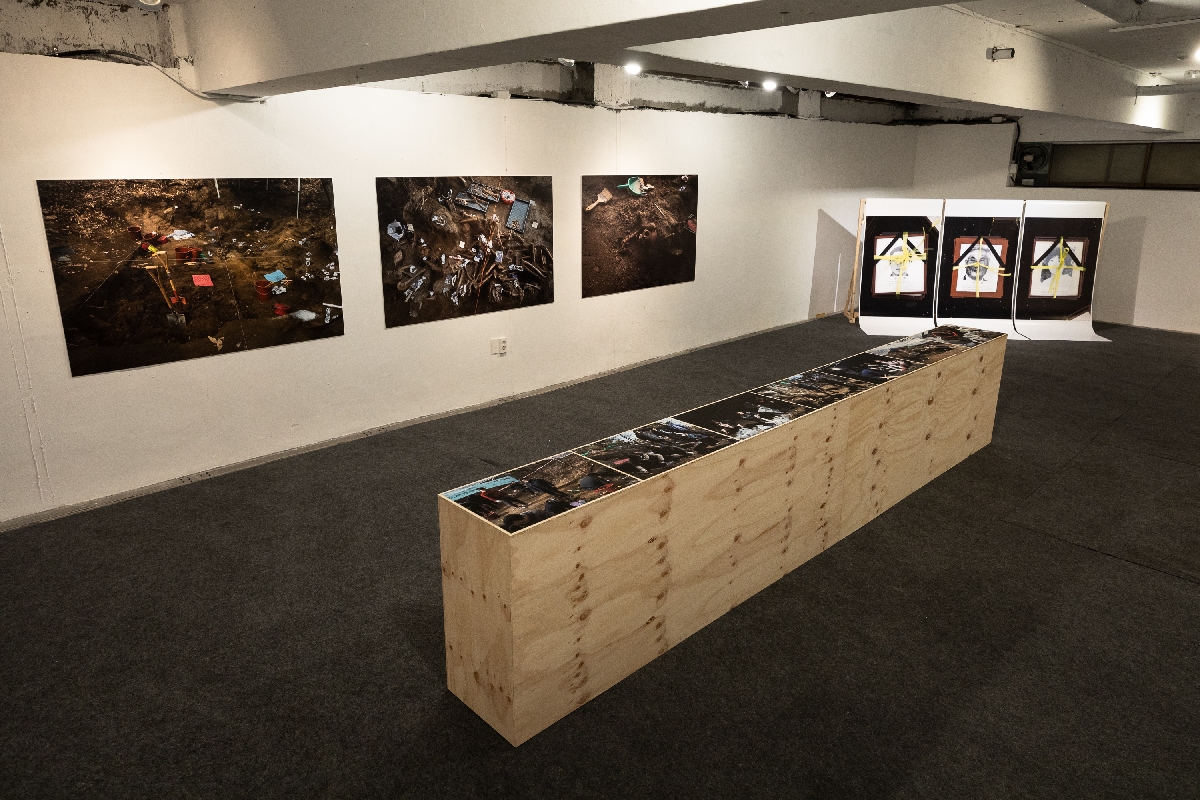
In addition, research on media artists traces the transformation of video-based practices from the 1990s to the present, reexamining the inherent aesthetics and technical characteristics of media to establish foundations for exhibition and collection. It also captures the senses and emotions that shape the everyday temporality of urban space, experimenting with poetic storytelling through technology-based media.

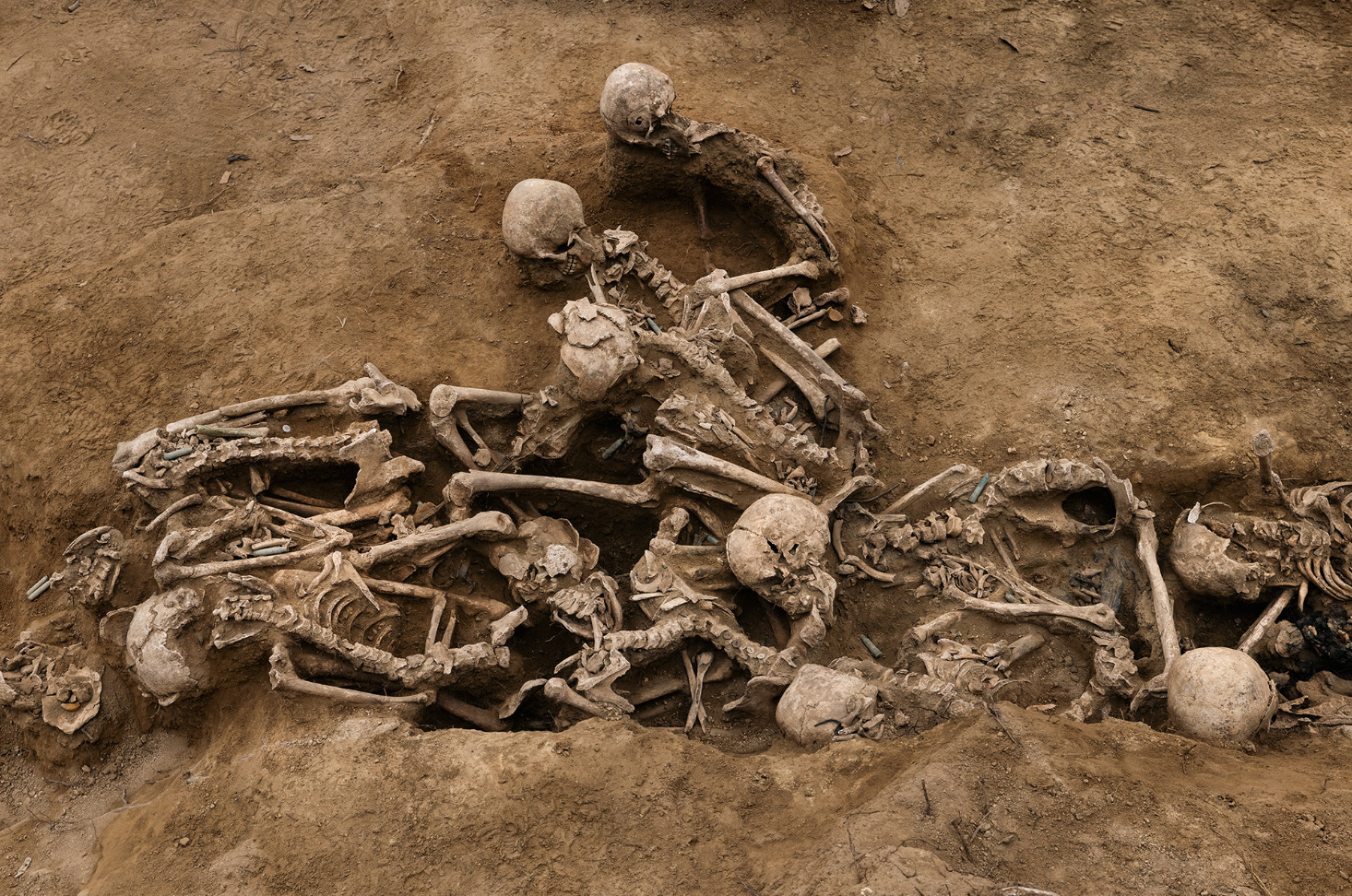
Installation view of 《Signaling Perimeters》 ©SeMA

“Artist-Led Classes” function as preliminary research into the educational direction of the museum currently under development, consisting of programs led by artists for families, the general public, and youth. In particular, youth participation programs are conducted in connection with after-school classes at Seoul School of Visual Arts, envisioning experimental models for youth education using contemporary media.

By extending contemporary optical media into one’s own body and systems of control, these programs question habitual ways of approaching images and objects that are unconsciously received. They aim to transform youth accustomed to content consumption into producers, conducting video production workshops that view various social issues running through the city from the perspectives of young participants. Additionally, family workshops are held in which stories of women living in Korean society are translated into bodily expression through relationships among family members.

References