


Solo Exhibitions (Brief)
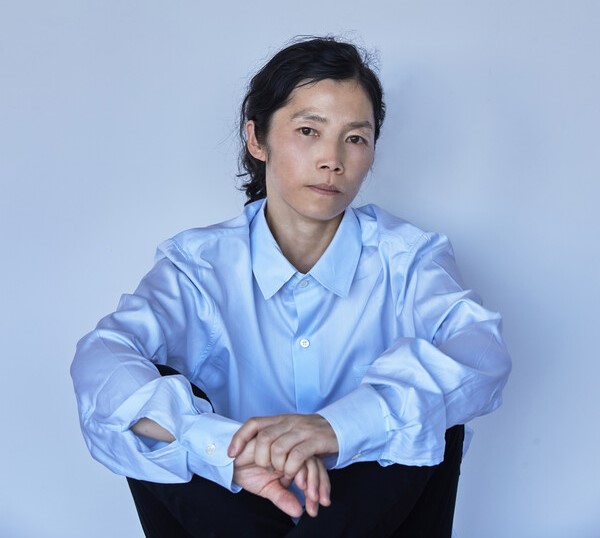
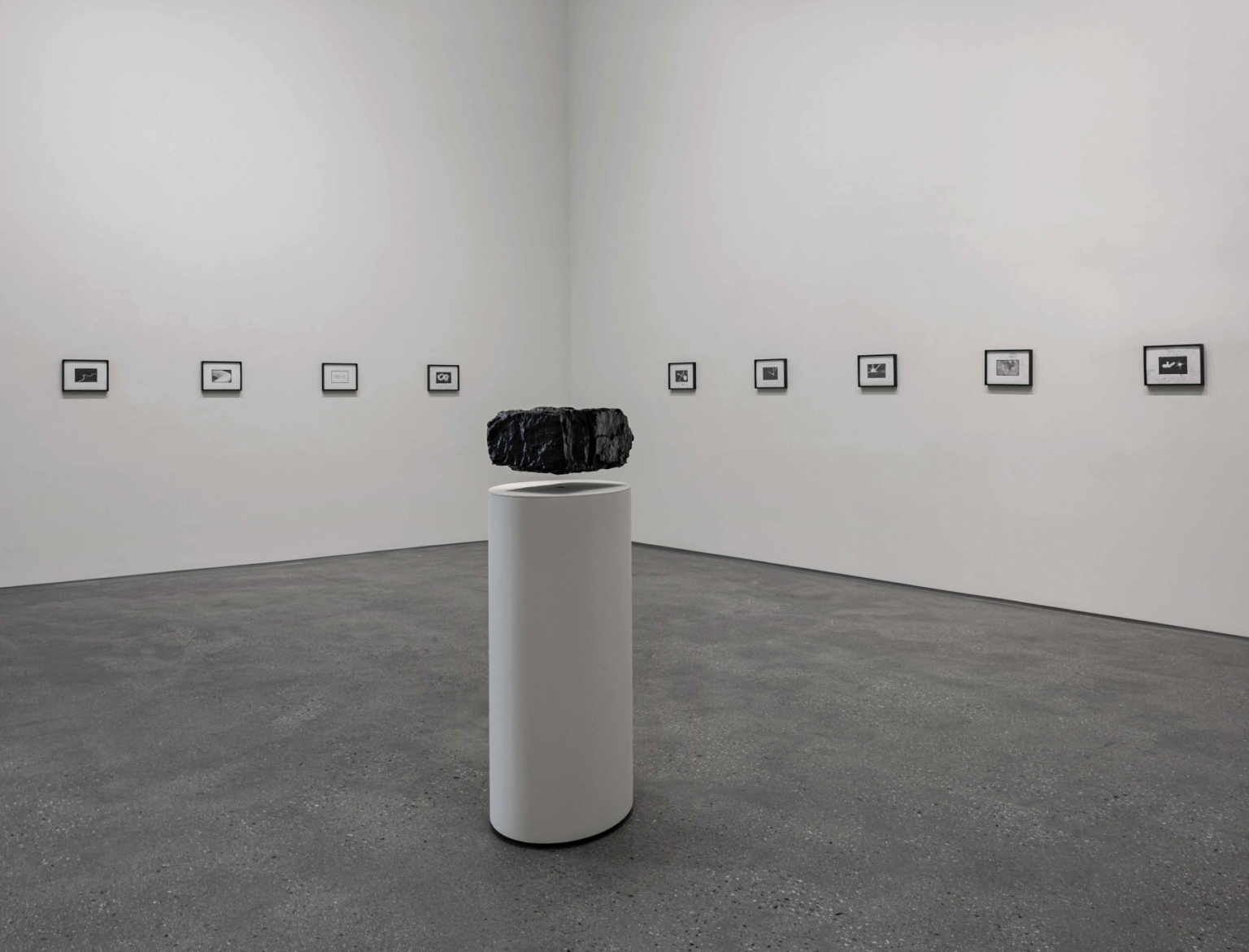
Koo Jeong A has held solo exhibitions at
major international institutions, including Malmö Art Museum (Malmö,
Sweden, 2024), Pilar Corrias (London, 2022), Fondation
Beyeler (Basel, 2019), Kunsthalle Düsseldorf (Düsseldorf, 2012),
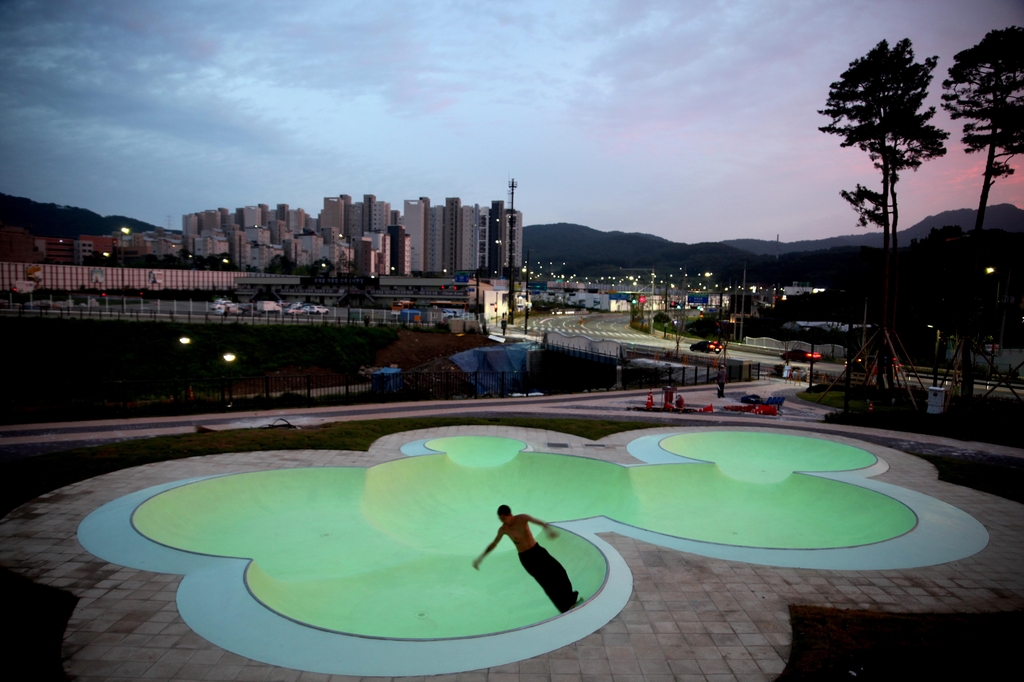
and Centre Pompidou (Paris, 2004). She has also presented solo
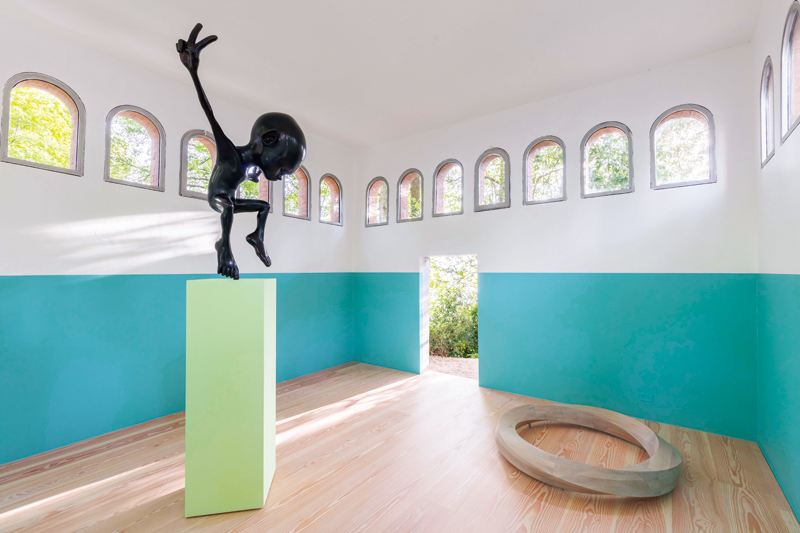
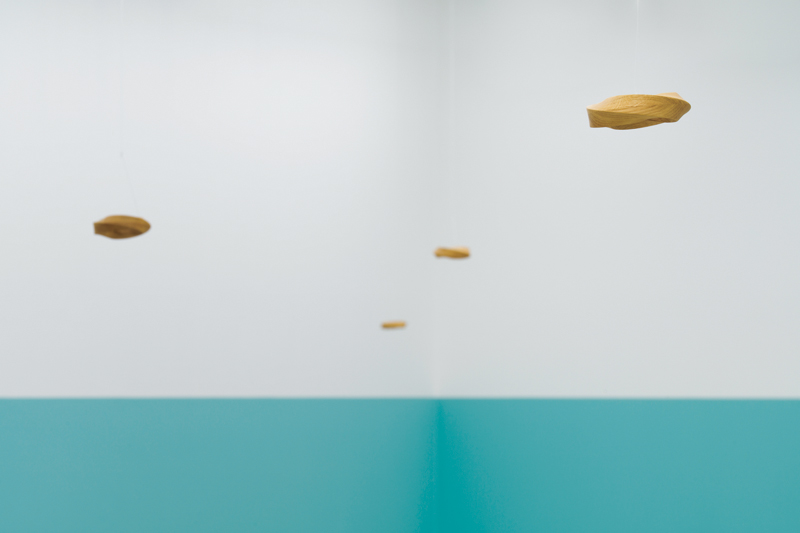
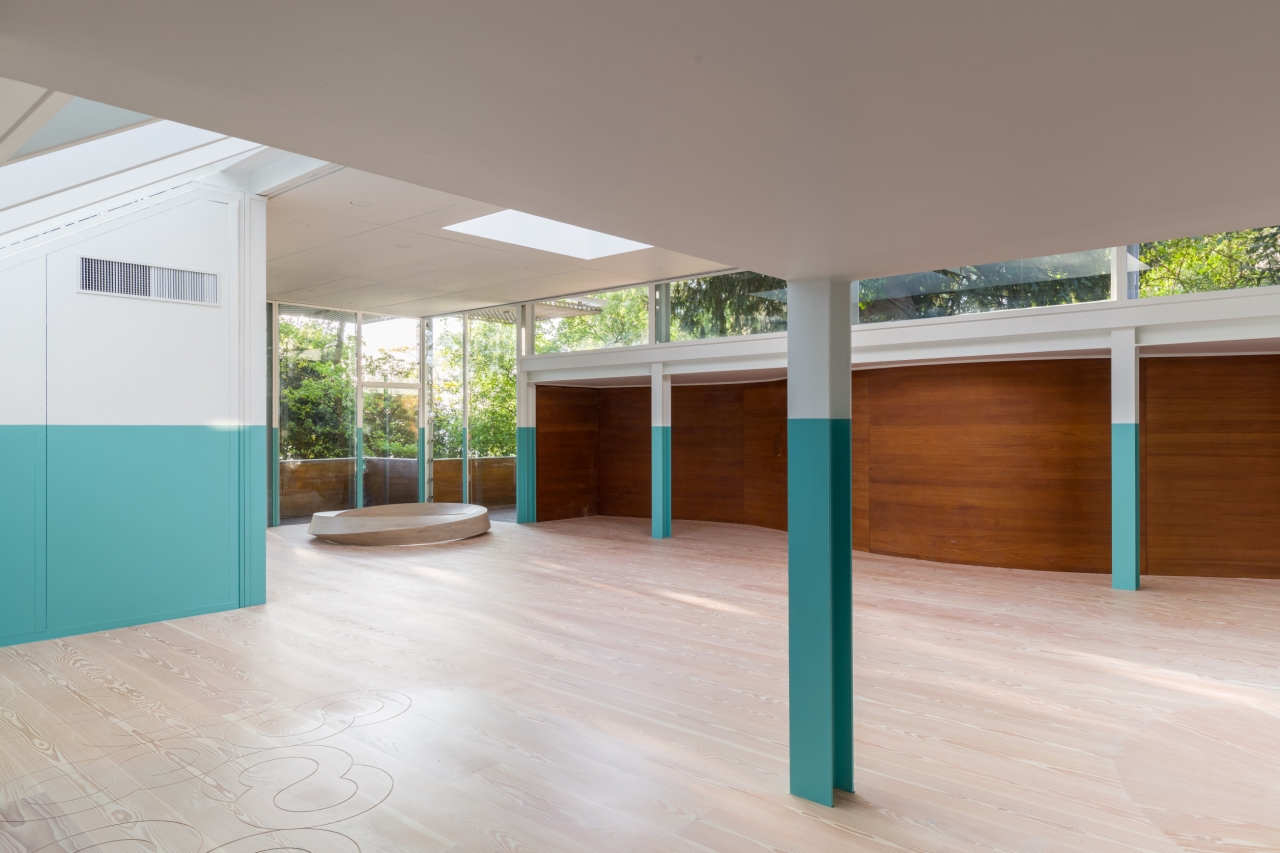
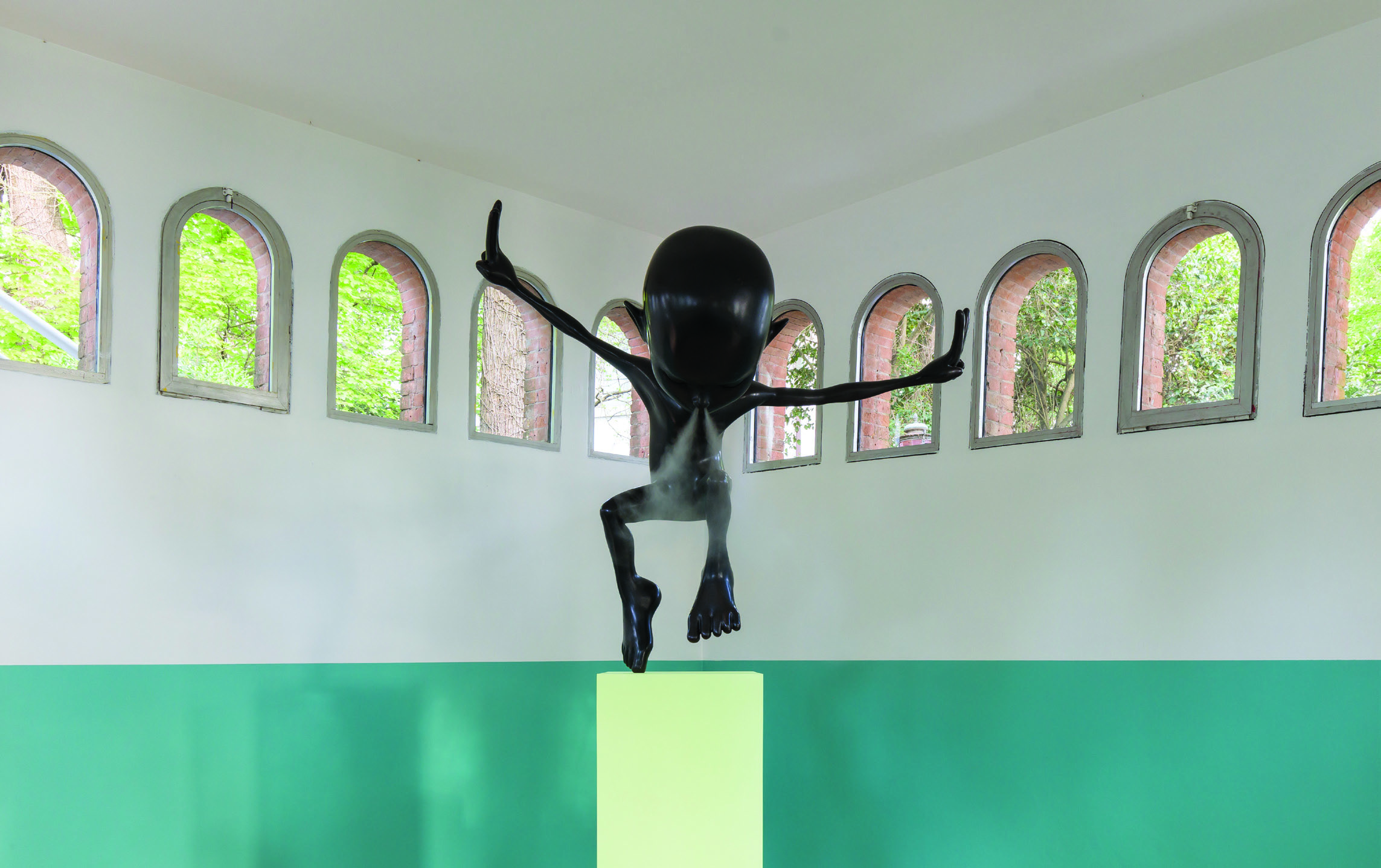
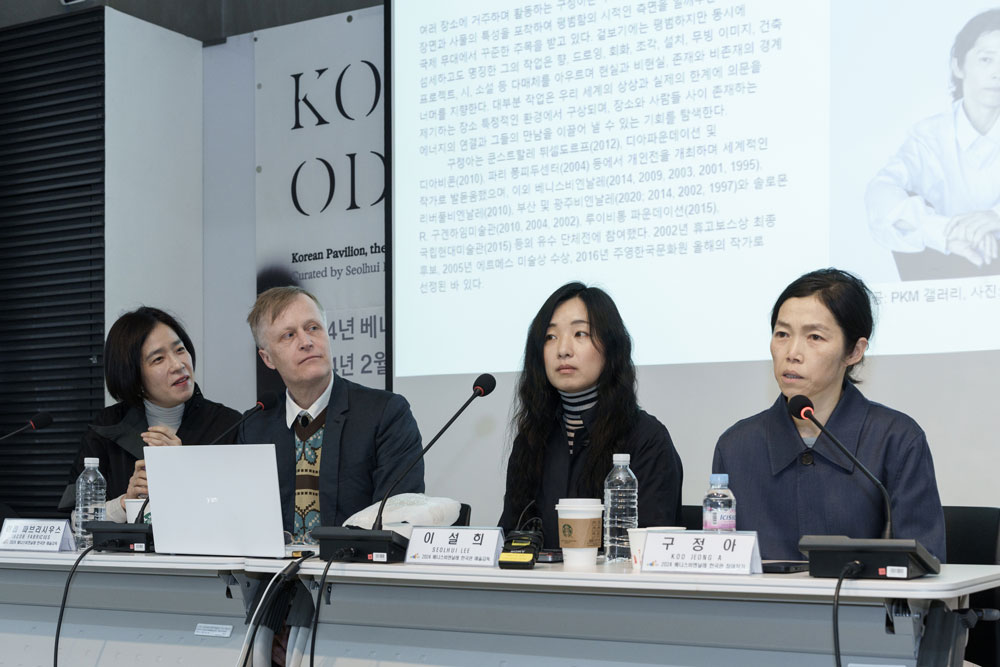
exhibitions within major international biennials, including the Korean Pavilion
at the Venice Biennale (2024) and the Milan
Triennale (2019).
She is currently preparing upcoming solo
exhibitions at Leeum Museum of Art (2026), the Aspen Art
Museum (Aspen, USA, 2026), and Kunsthaus Bregenz (Bregenz,
Austria, 2026).
Group Exhibitions (Brief)
Koo
Jeong A has participated in numerous major group exhibitions, including the
Venice Biennale (2014, 2009, 2003, 2001, 1995), the Liverpool Biennial (2010),
and the Busan and Gwangju Biennales (2020; 2014, 2002, 1997). She has also
taken part in exhibitions at leading institutions such as the Solomon R.
Guggenheim Museum (2010, 2004, 2002), the Fondation Louis Vuitton (2015), and
the National Museum of Modern and Contemporary Art (2015).
Awards
(Selected)
Koo was a finalist for the Hugo Boss Prize in
2002, won the Hermes Korea Prize for contemporary art in 2005, and was named as
‘2016 artist of the Year’ by the Korean Cultural Centre UK.
Residencies
(Selected)
Koo Jeong A has
participated in a number of artist residencies, including the Dia Art
Foundation Residency (New York, 2010), Atelier des Arques (Les
Arques, 2007), CCA Kitakyushu (Kitakyushu, 2002), and the Villa
Medici (Rome, 2000).
Collections
(Selected)
Works by Koo Jeong A are held in the
collections of major institutions, including the National Museum of Modern
and Contemporary Art, the Leeum Museum of Art, the Art Sonje Center,
the Centre Pompidou, the Fondation Louis Vuitton, the Solomon R.
Guggenheim Museum, the Musée d’Art Moderne de Paris, and the Tate
Modern.