Solo Exhibitions (Brief)
Since his
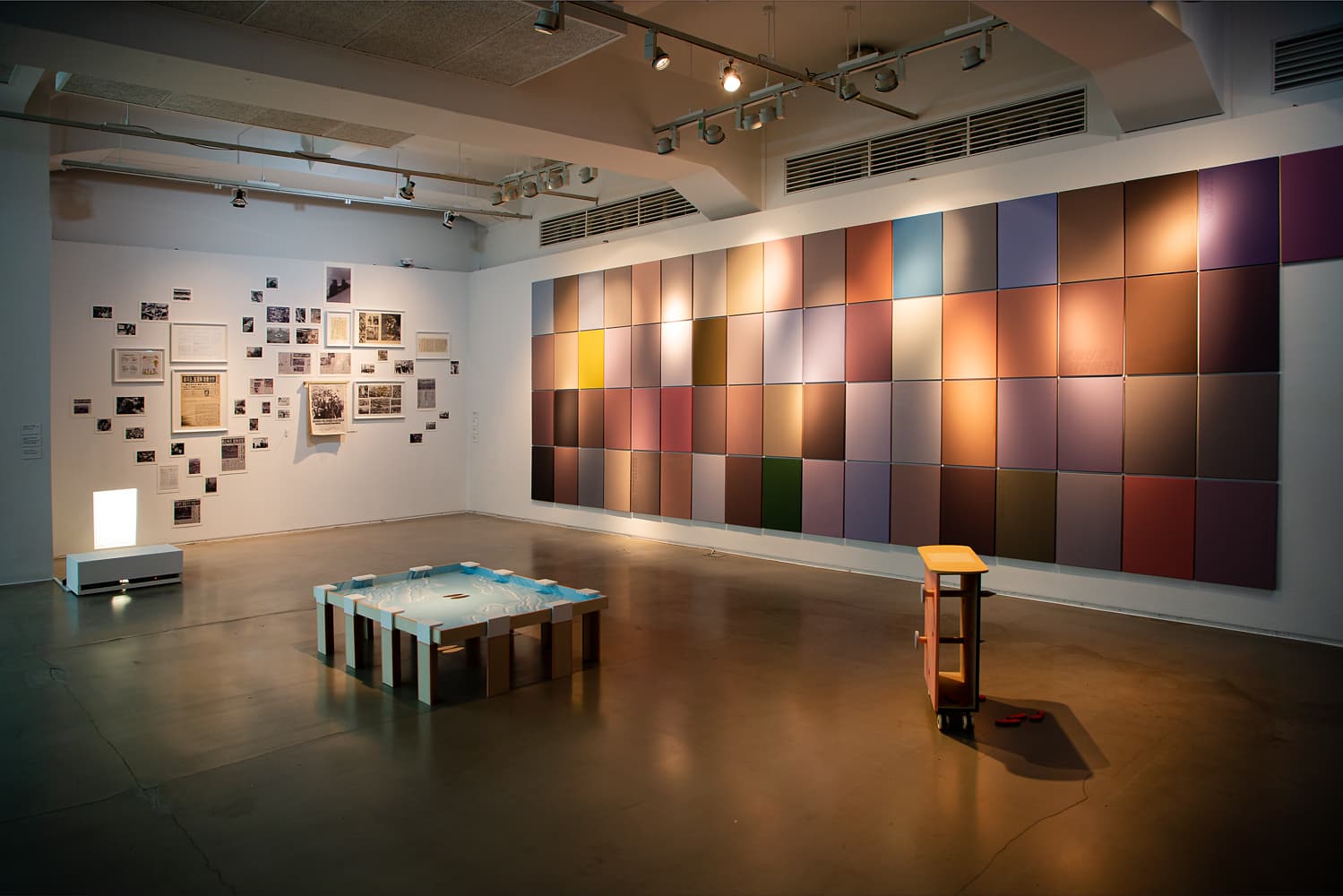
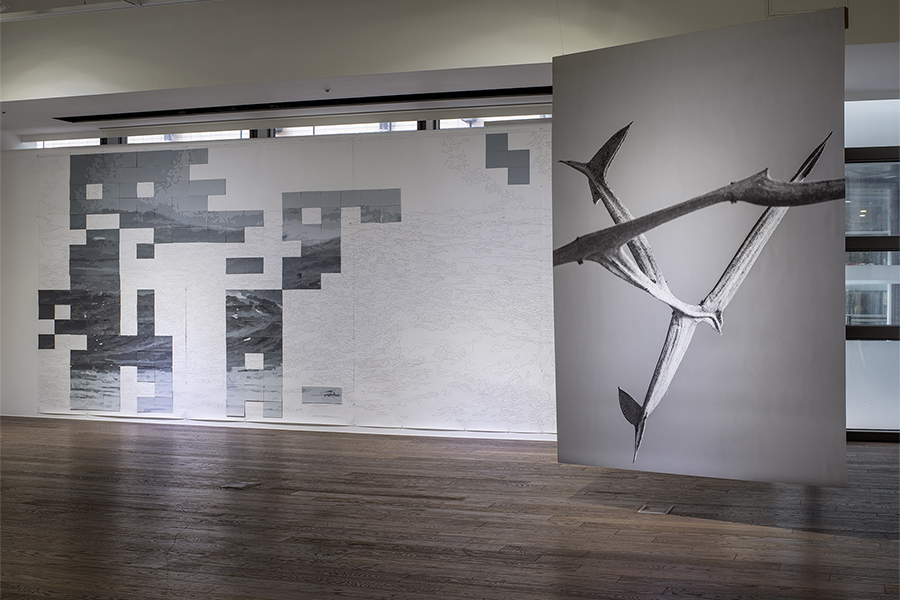
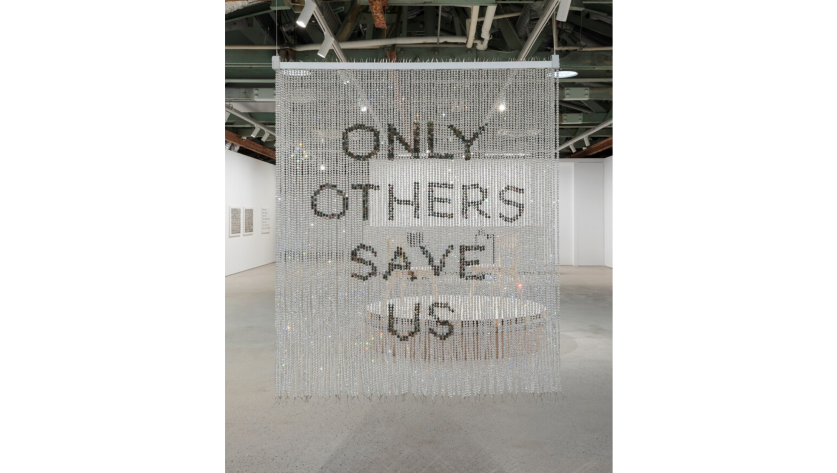
first solo exhibition in 1992, Ahn Kyuchul has presented numerous solo
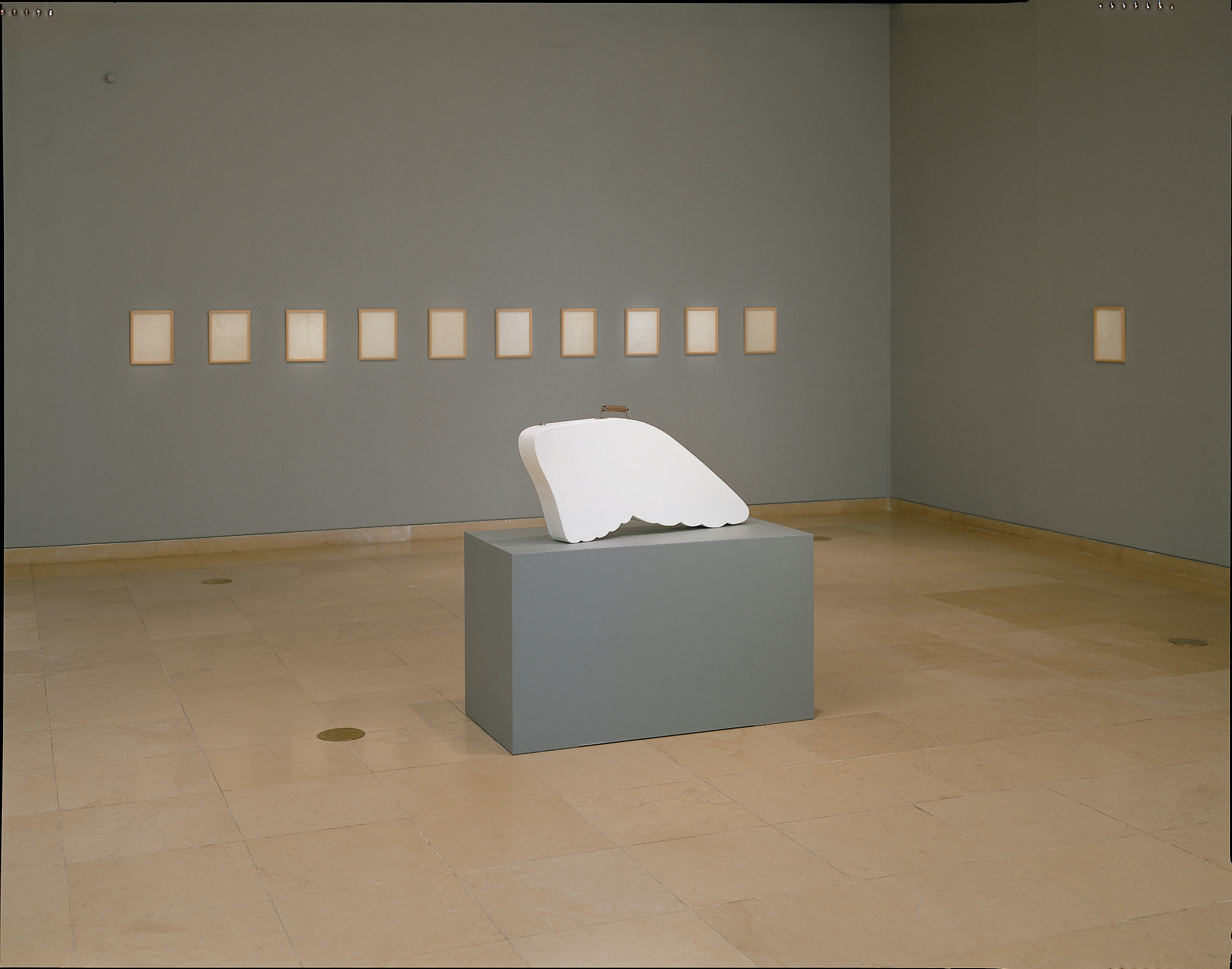
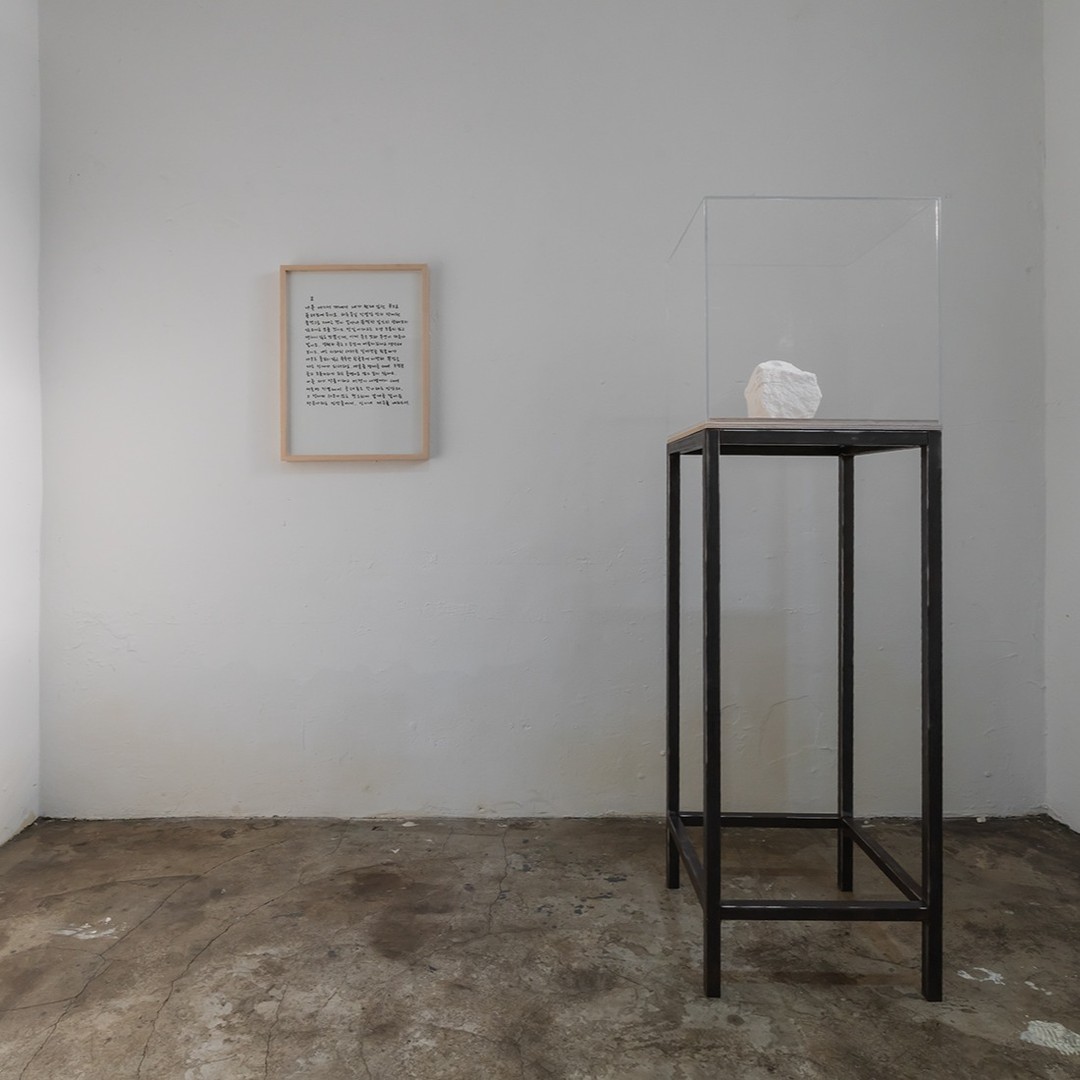
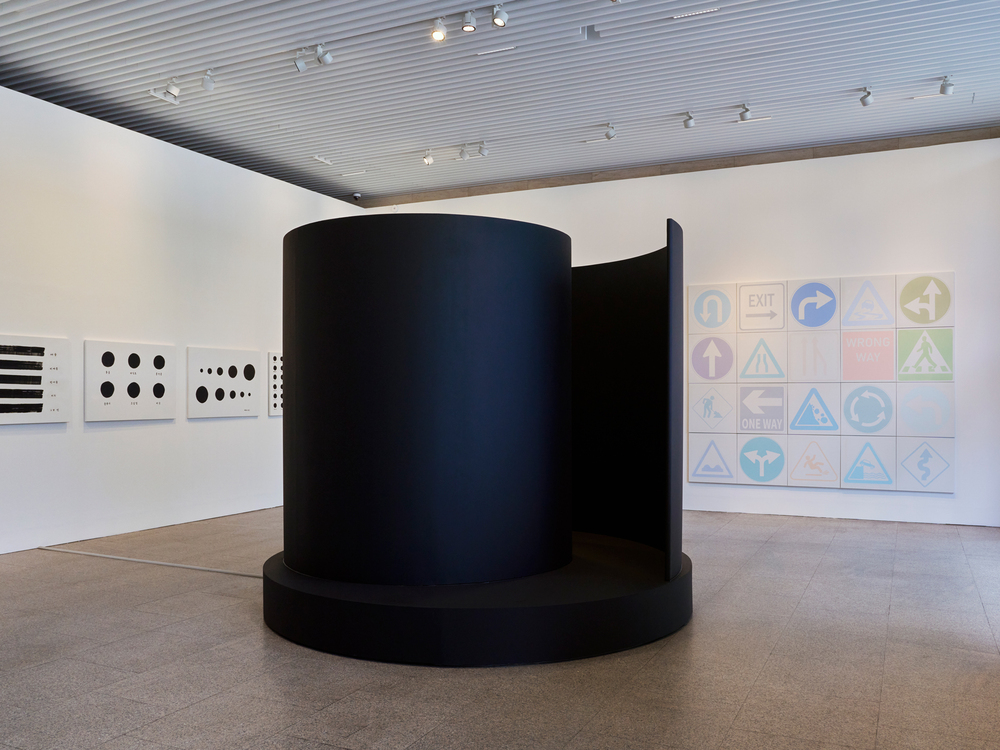
exhibitions including 《49 Rooms》, 《Invisible Land of
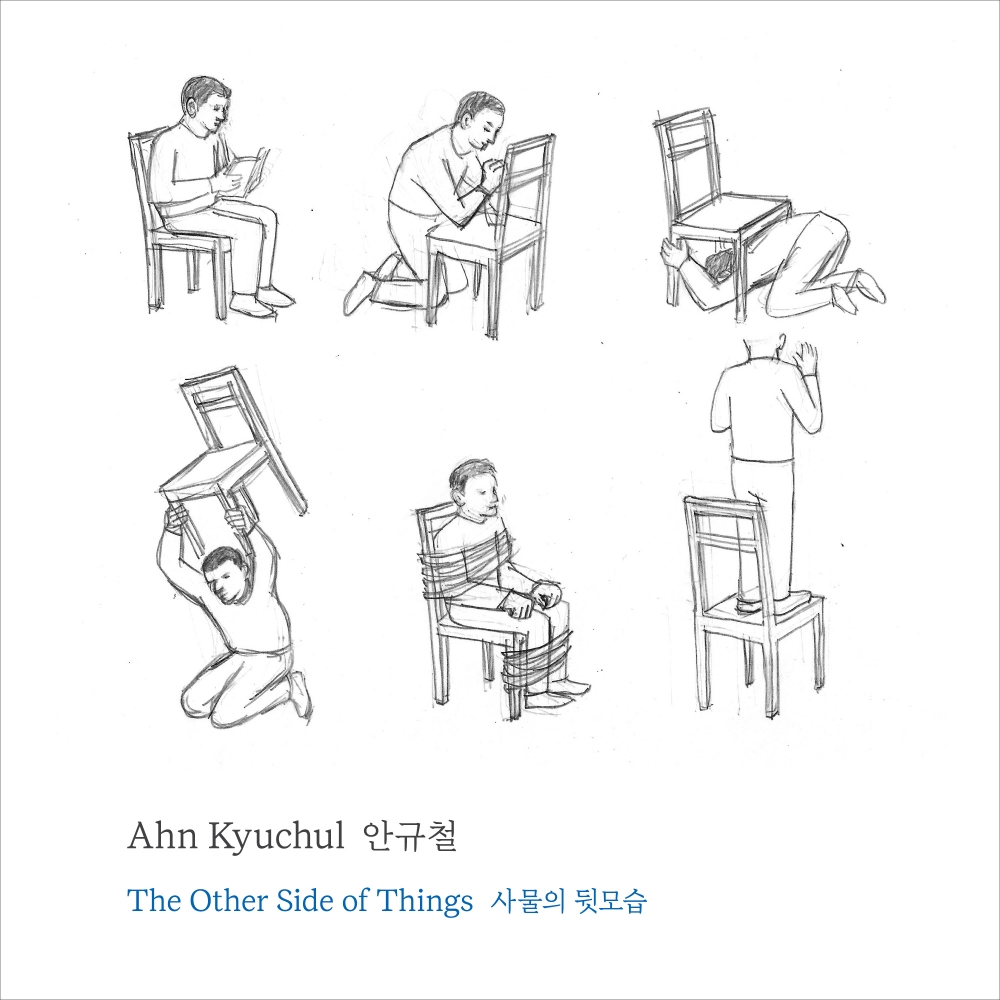
Love》, 《The Other Side of
Things》, and 《Ahn
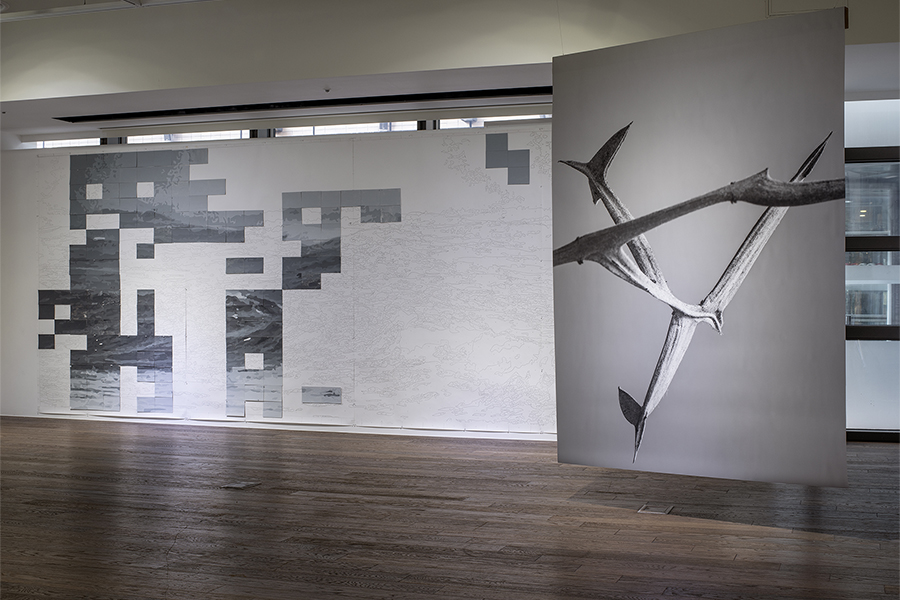
Kyuchul Multiplied》. His solo exhibitions at major venues such as the
National Museum of Modern and Contemporary Art, Rodin Gallery(laterly renamed
Plateau), and Kukje Gallery explore paradox, language, and sculptural thought.
Group Exhibitions (Brief)
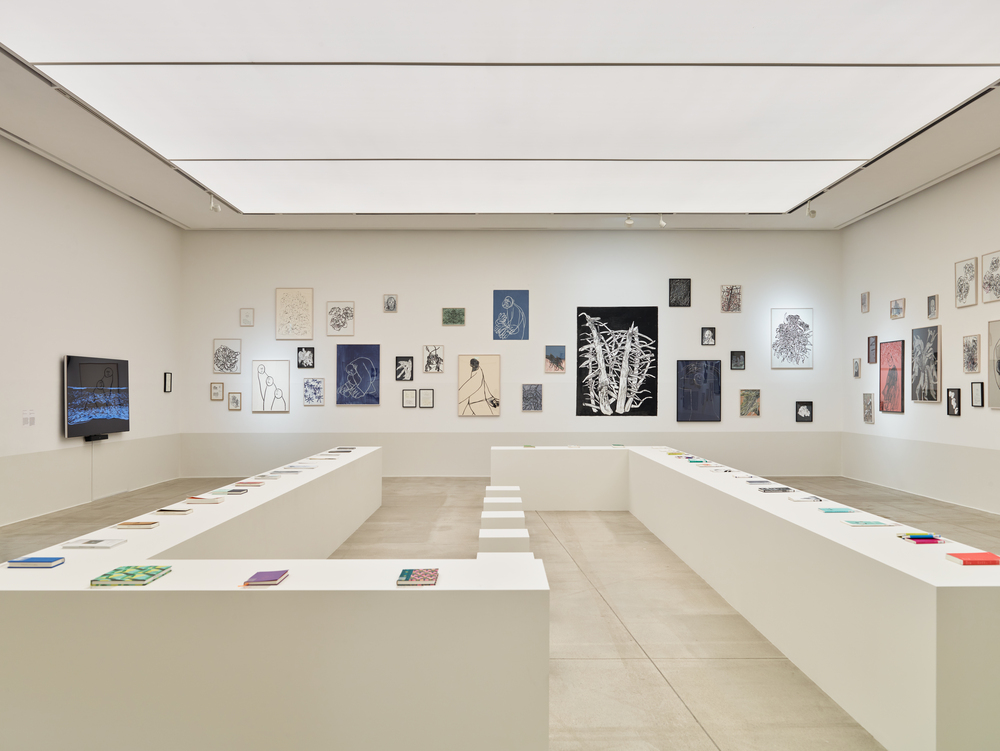
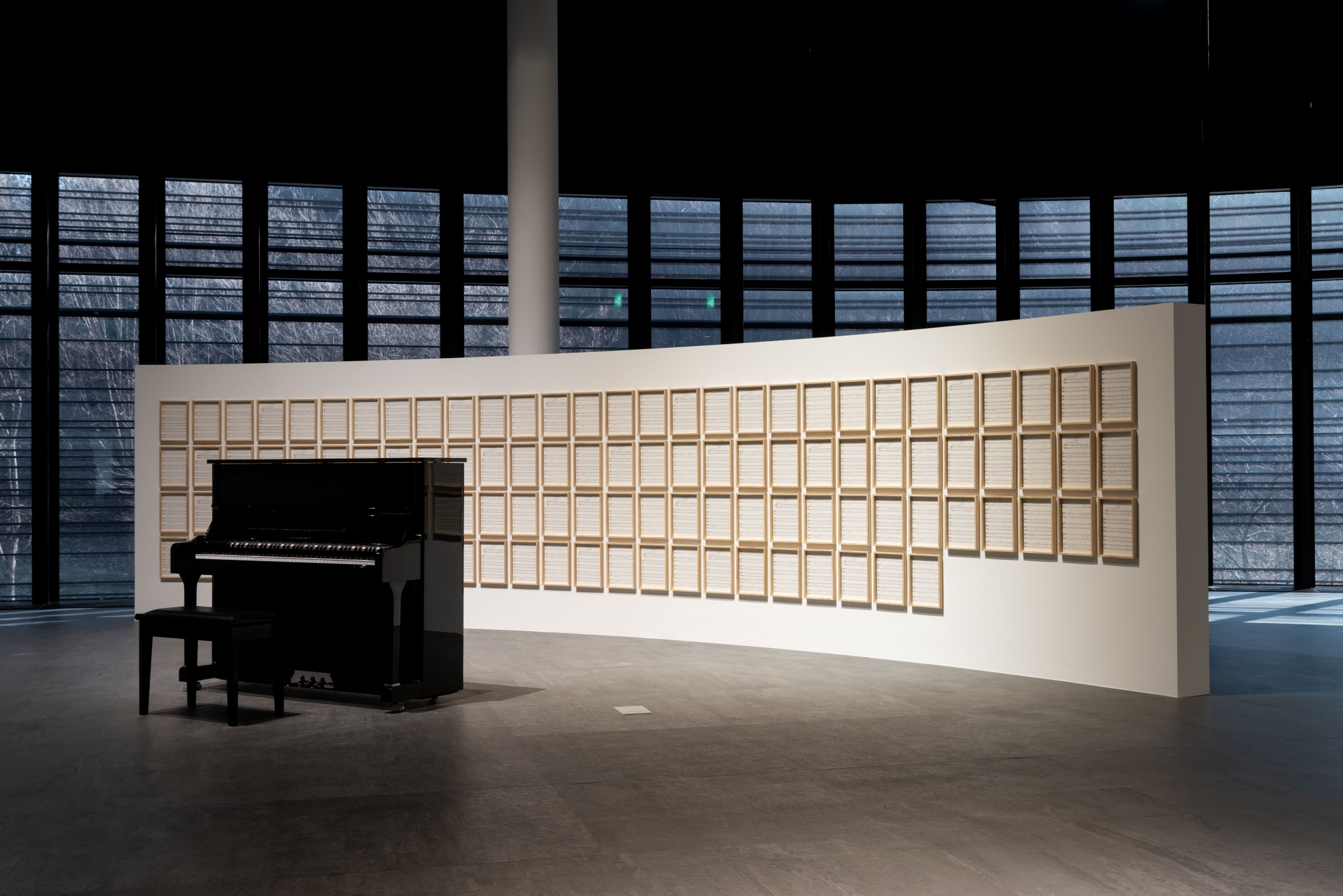
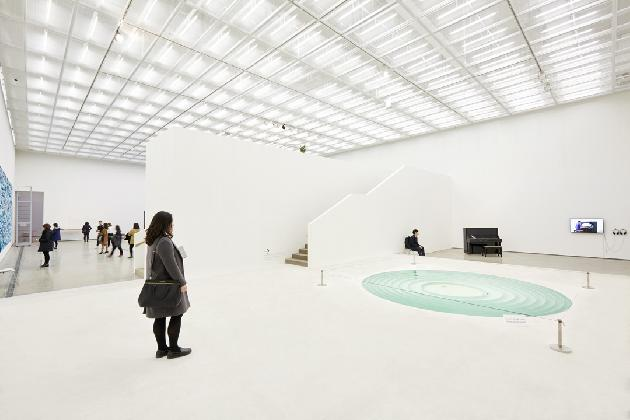
Ahn Kyuchul has participated in major group
exhibitions in Korea and abroad, including curated exhibitions at the Leeum
Museum of Art, Nam June Paik Art Center, and Ilmin Museum of Art.
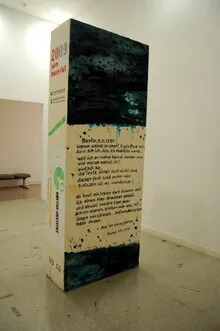
Through his participation in exhibitions within
international contexts, such as the 20th Anniversary Project of the Fall of the
Berlin Wall (2009), he has continuously expanded the social and philosophical
questions raised by contemporary art.
Awards (Selected)
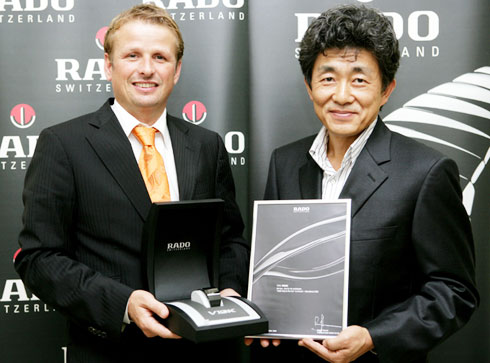
Ahn Kyuchul received the 19th Kim Se-Choong Sculpture
Award and the RADO Art Canal Prize at Fluid Art Canal 2006.
Collections (Selected)
His works are included in the collections of the
National Museum of Modern and Contemporary Art, Leeum Samsung Museum of Art,
Arario Gallery, and Amorepacific Museum of Art.