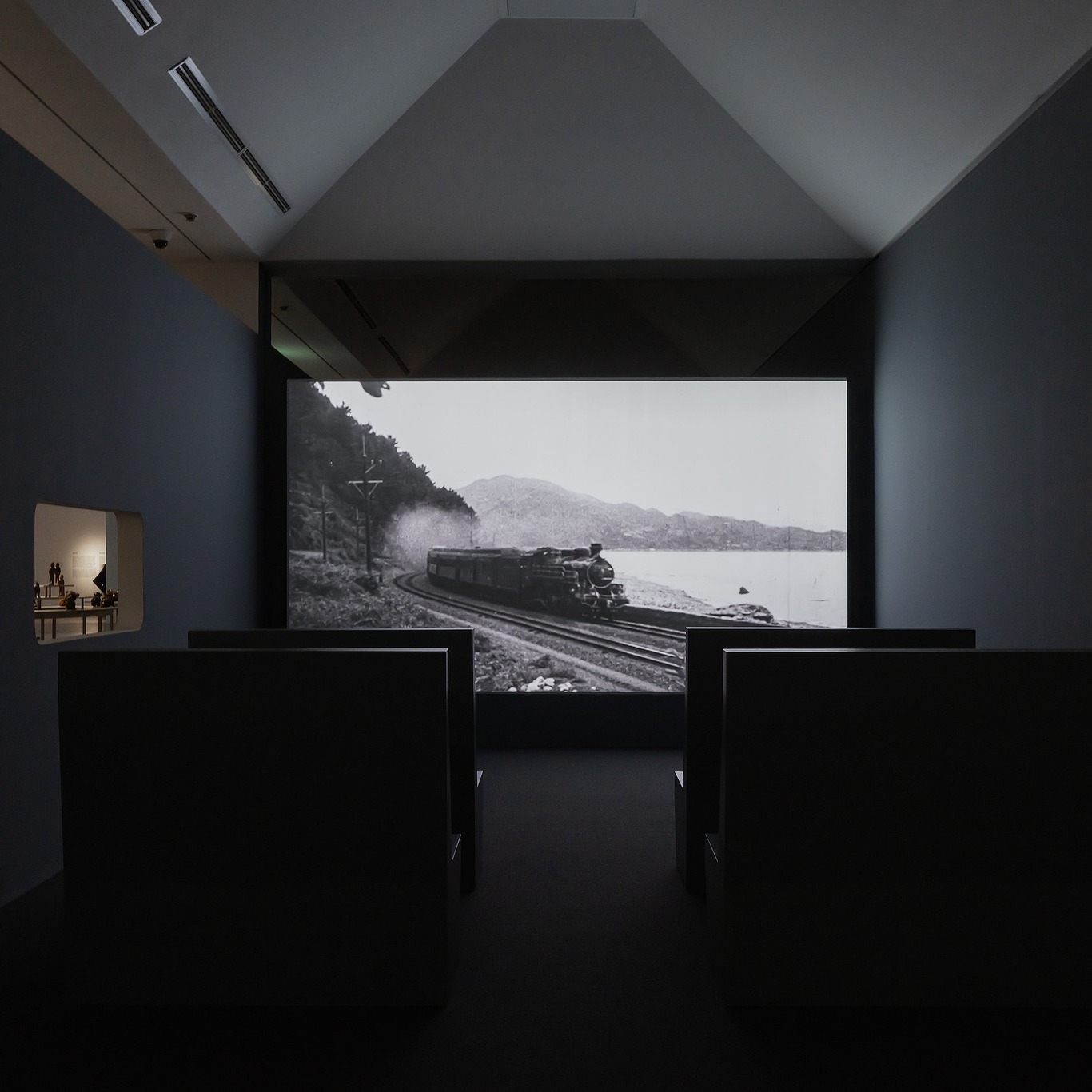
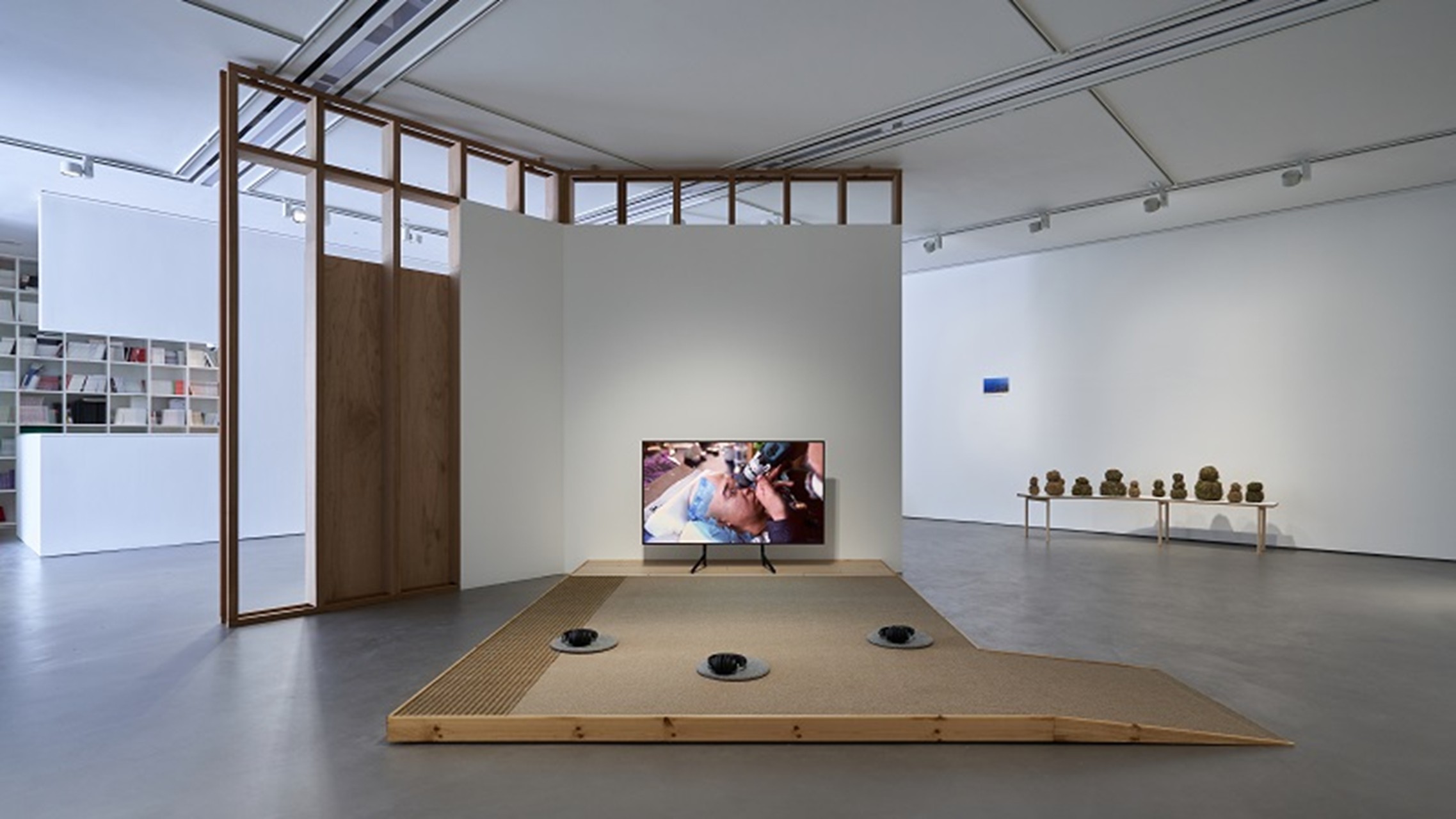
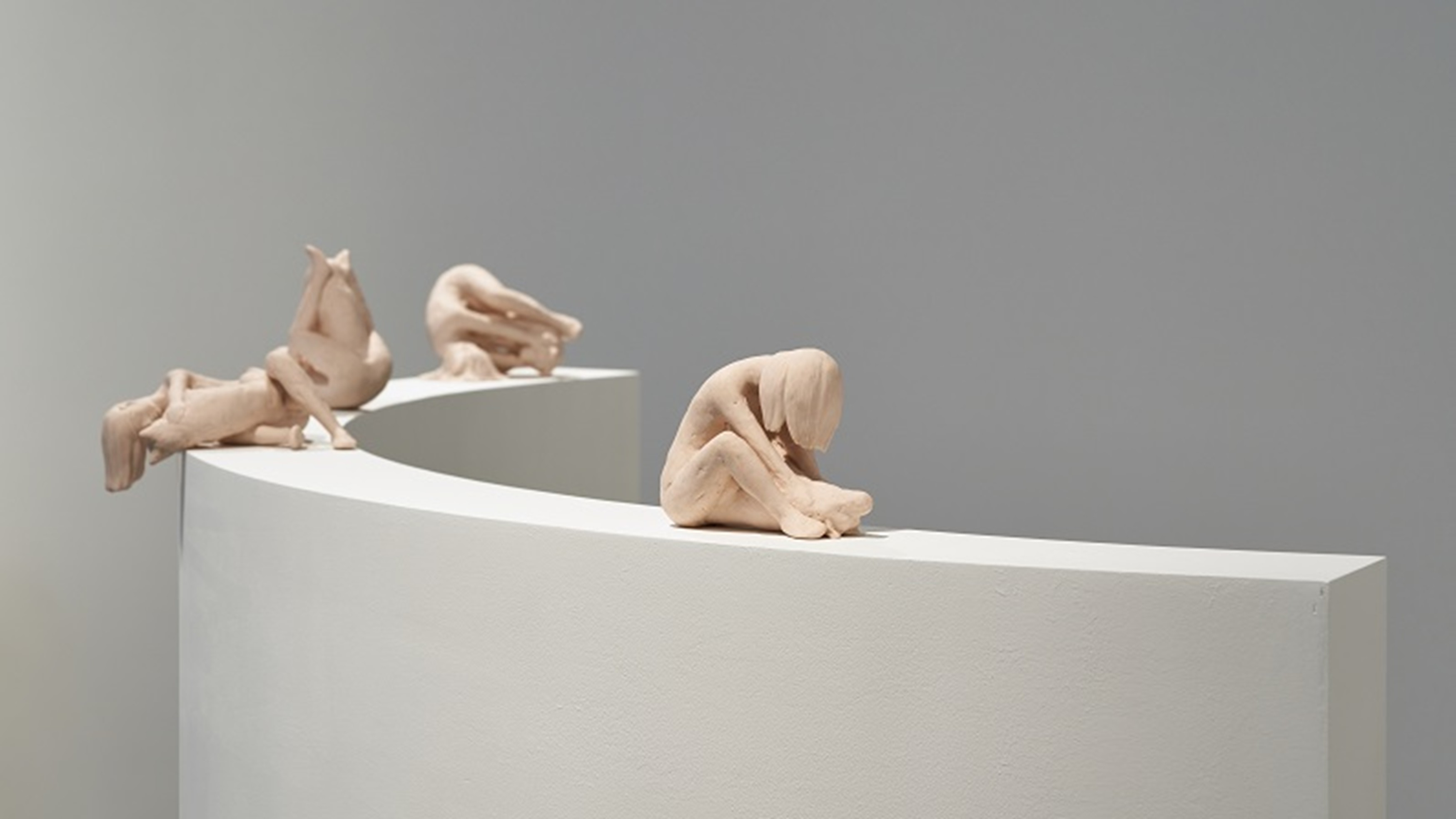
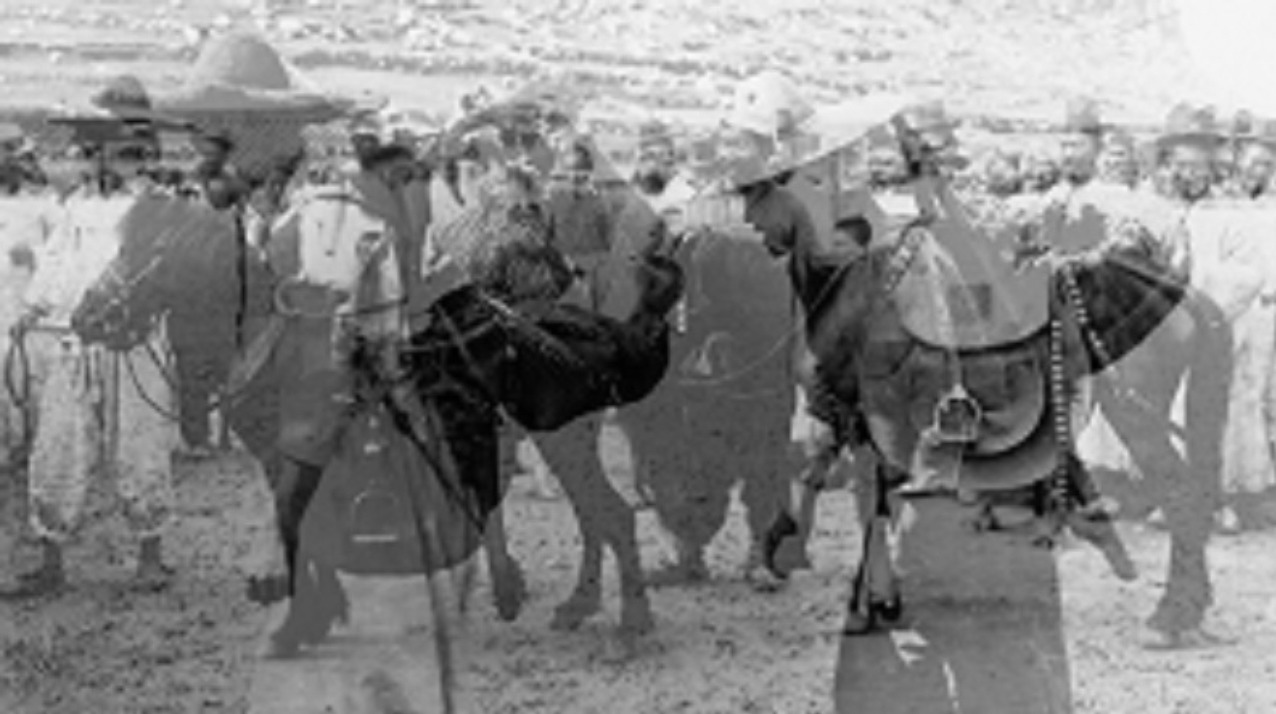
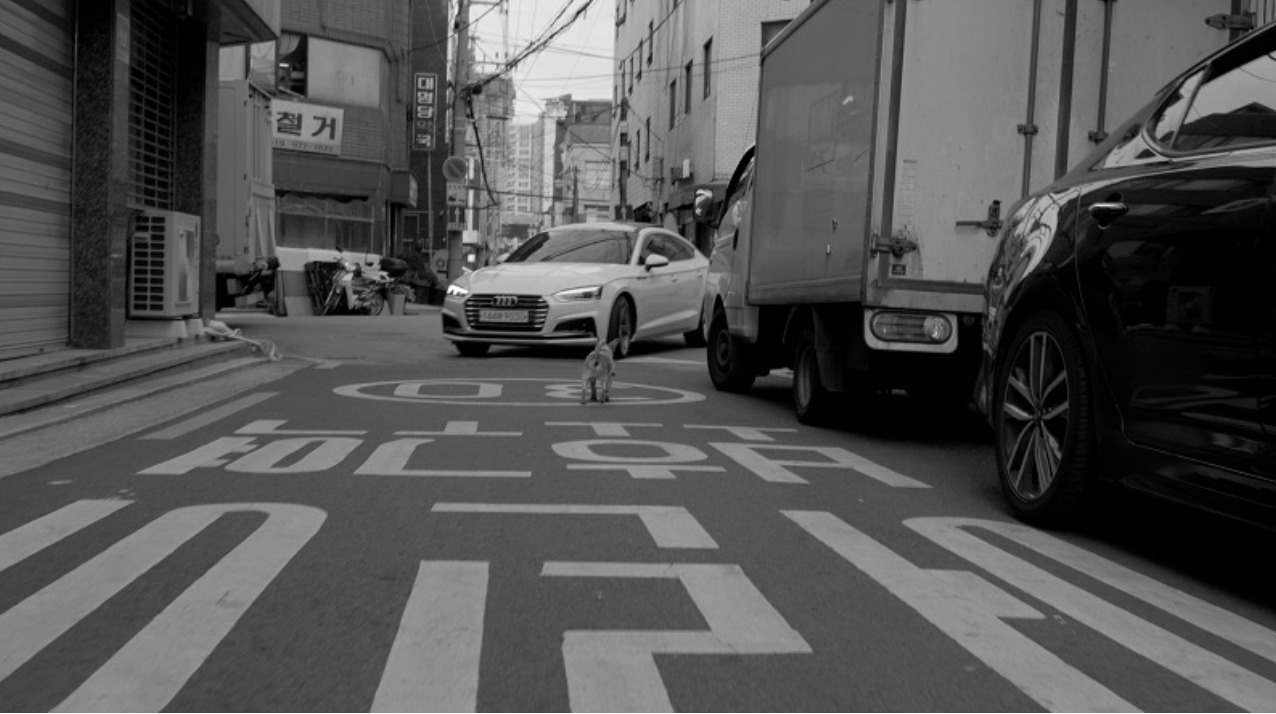
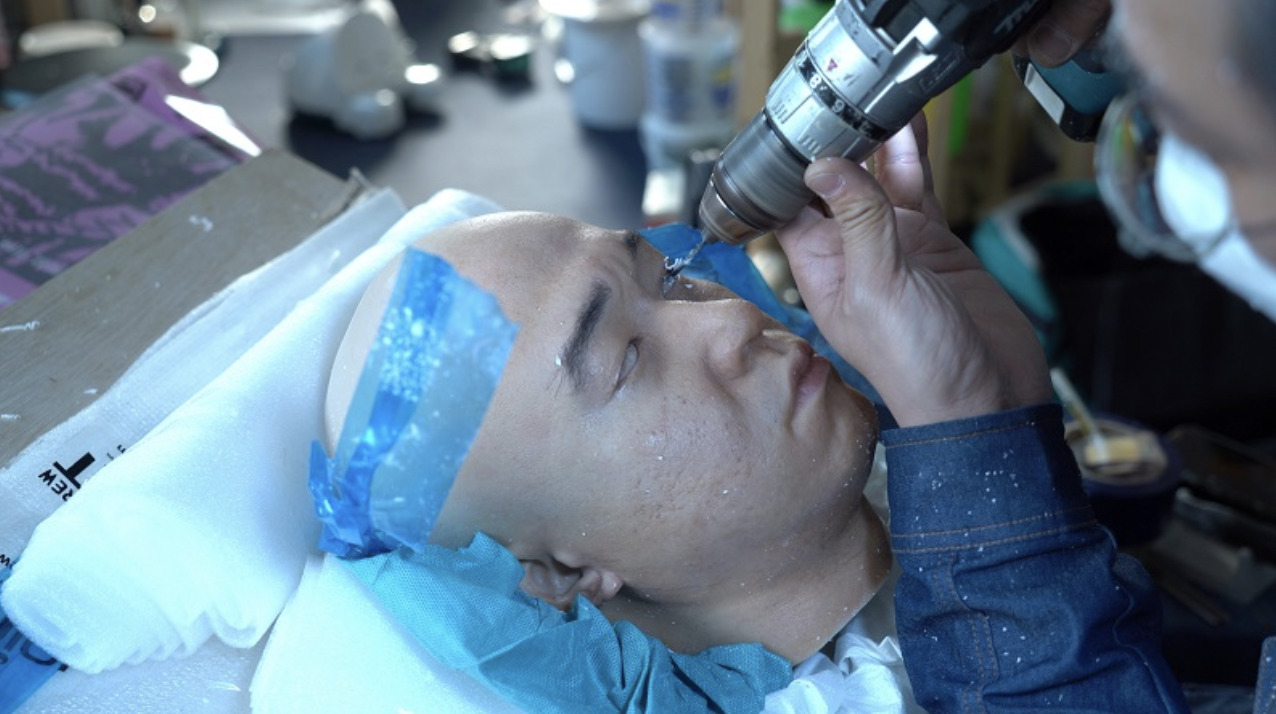
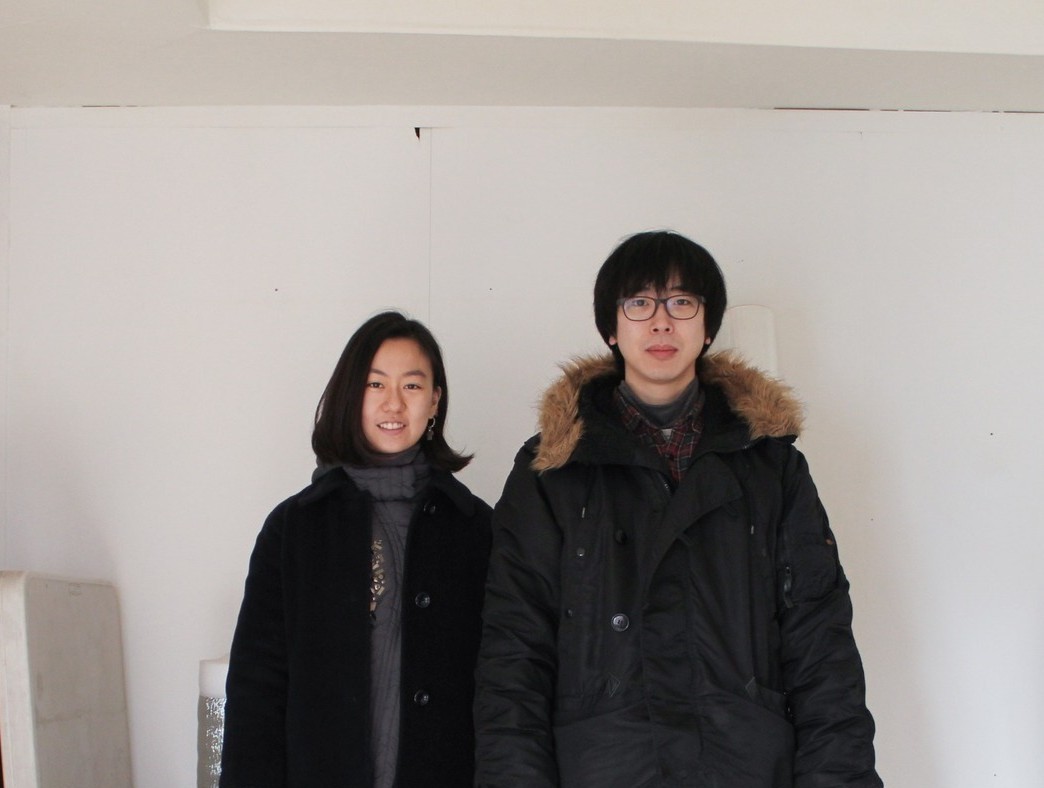
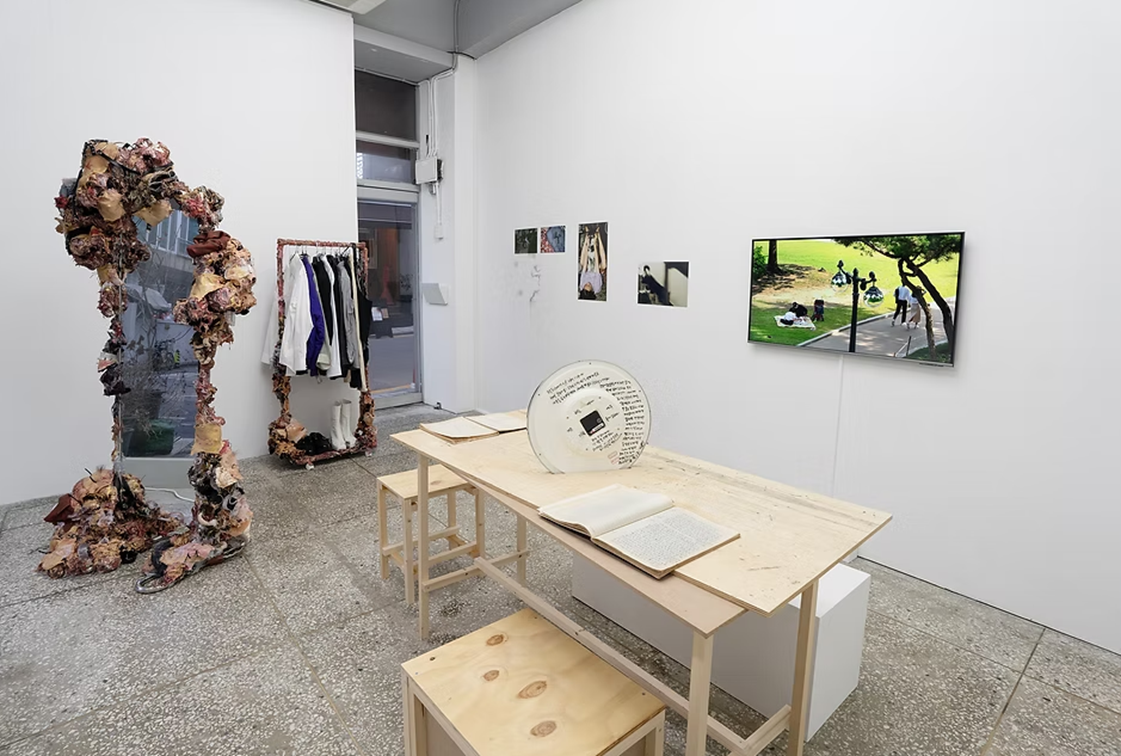
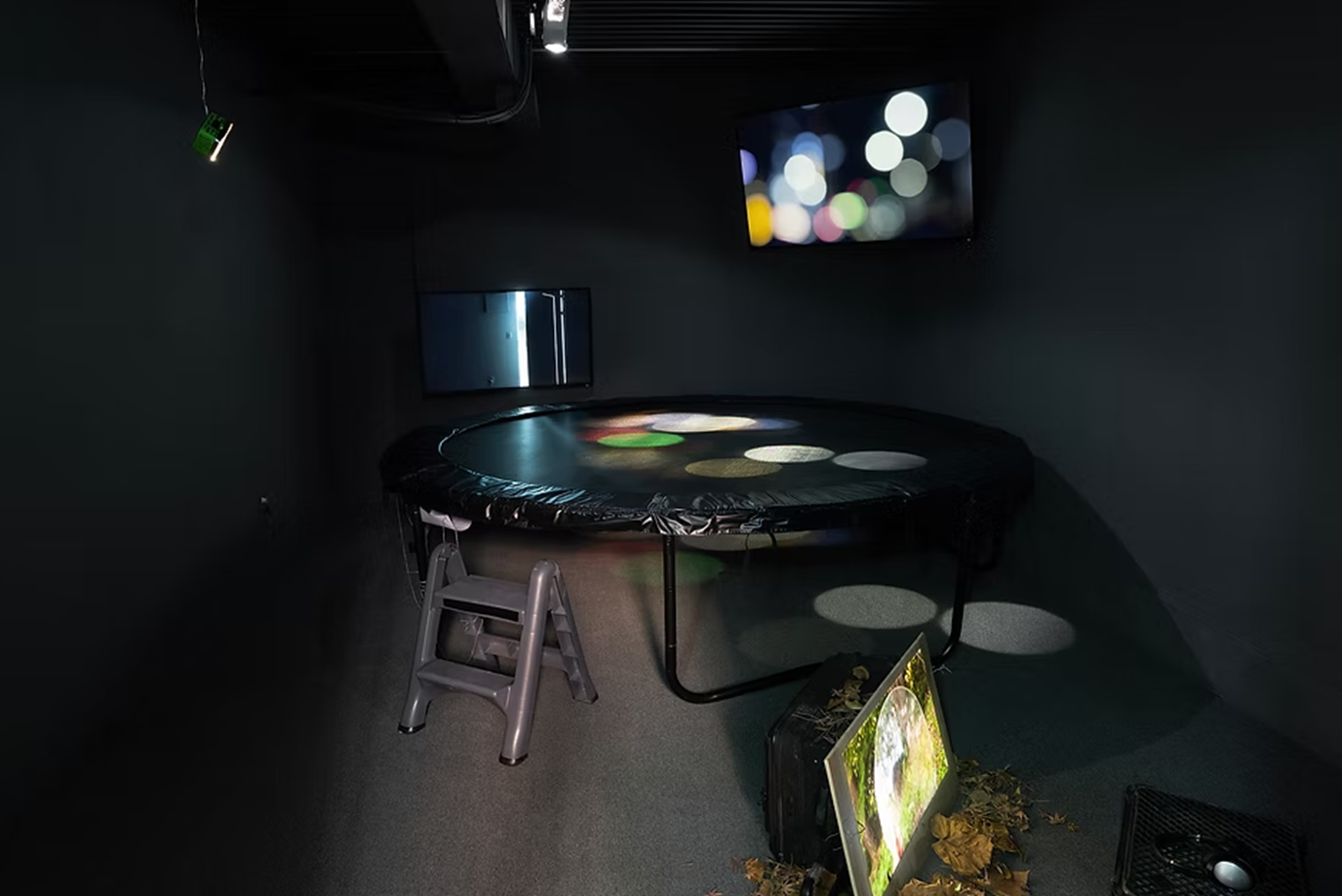
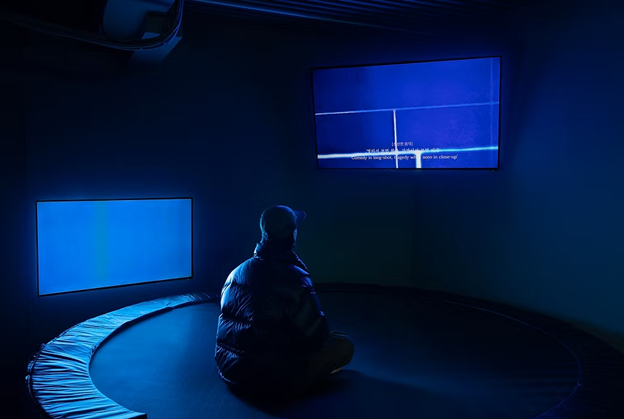
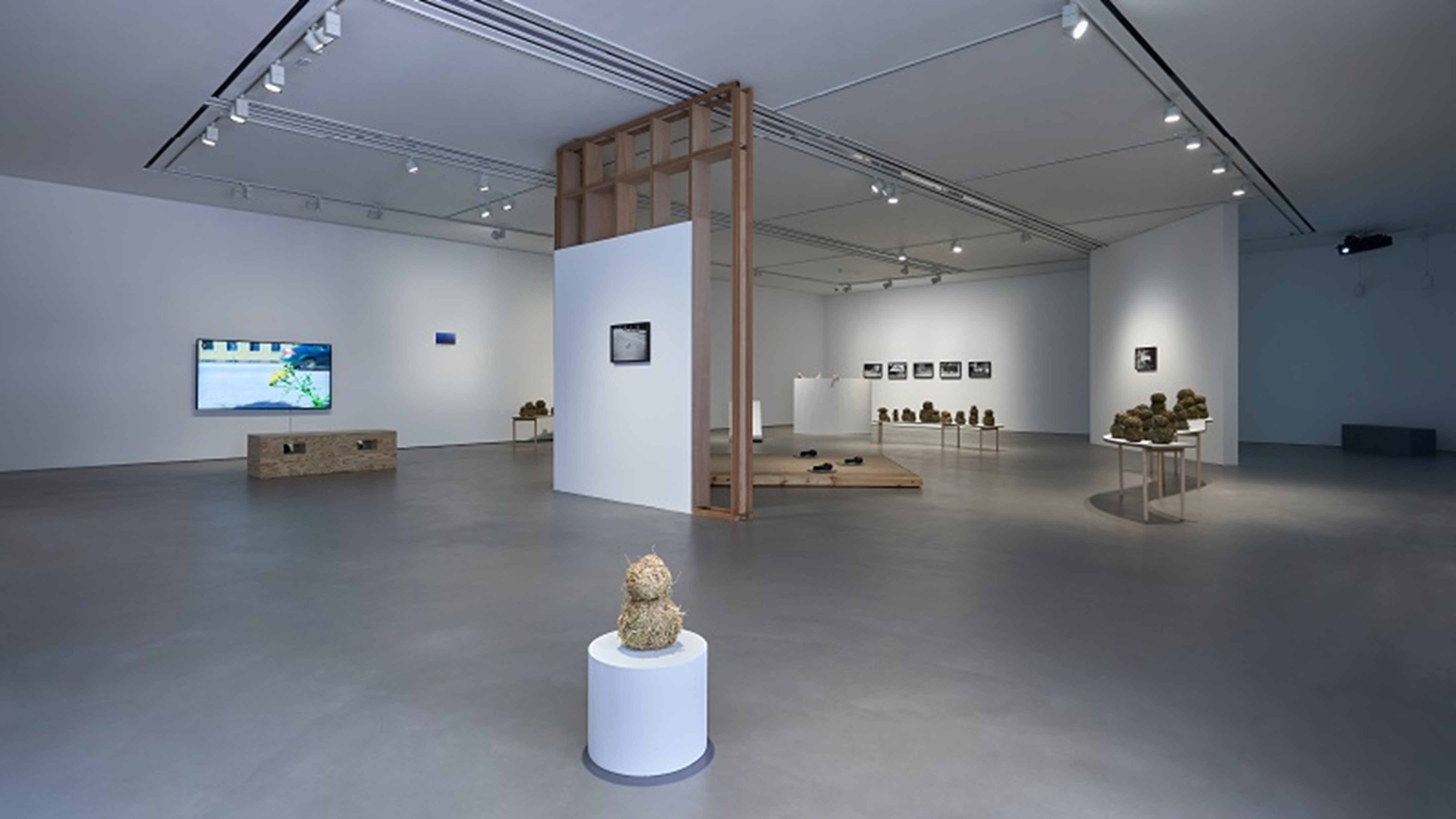
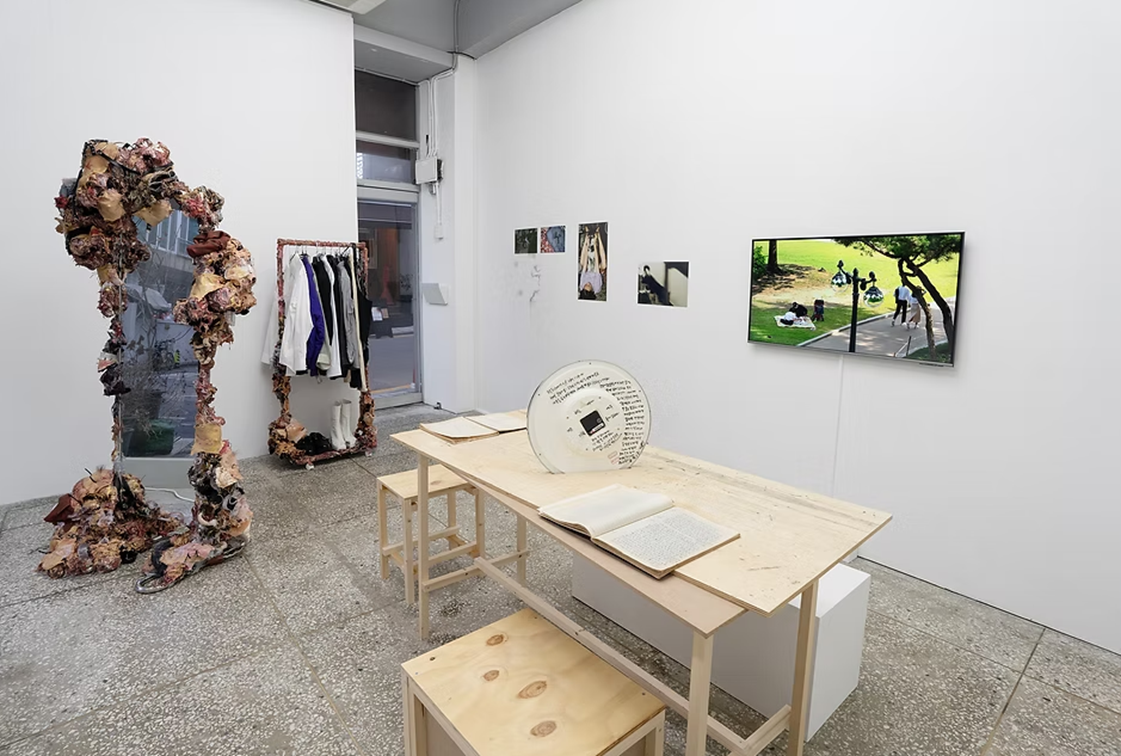
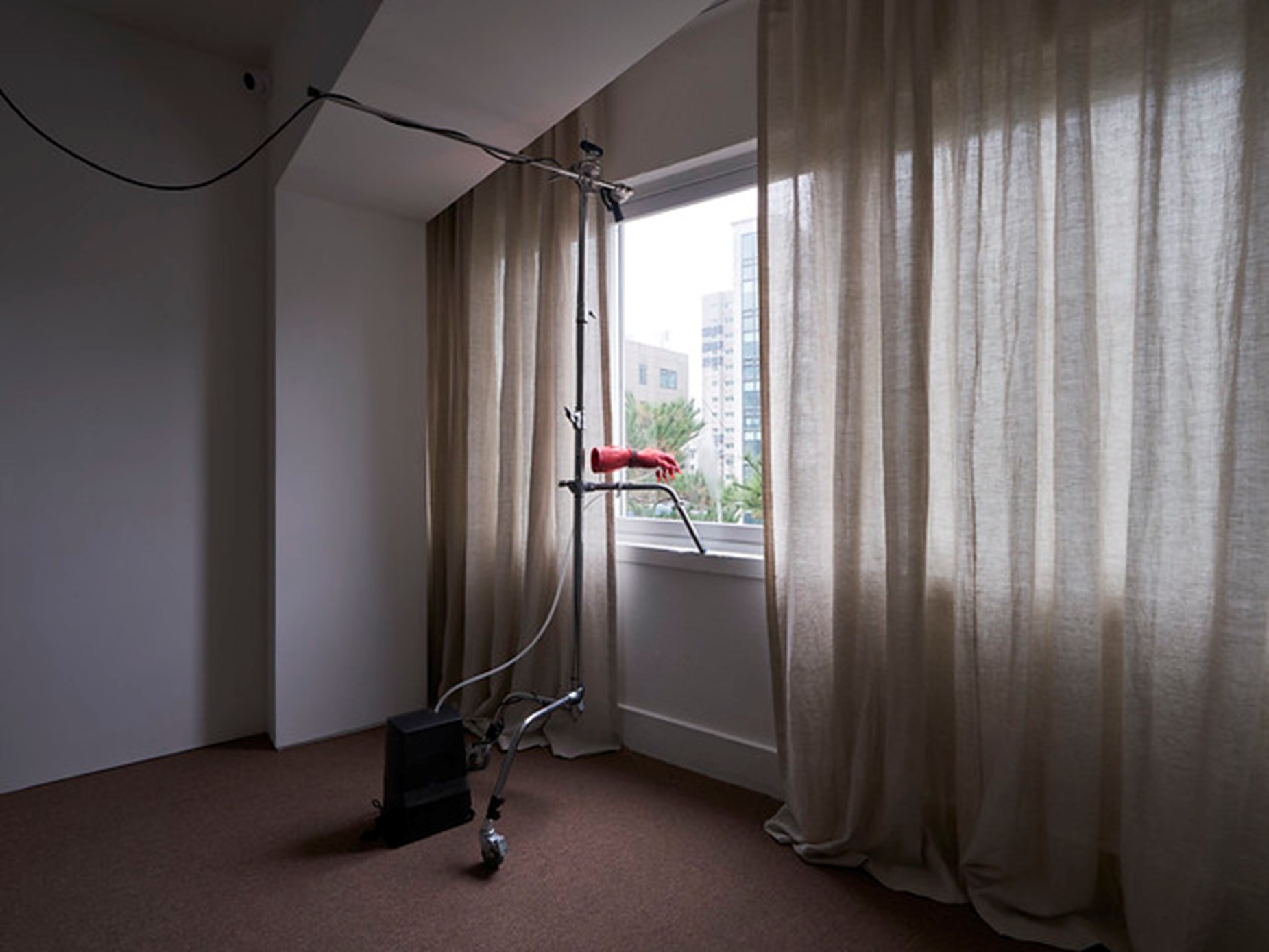
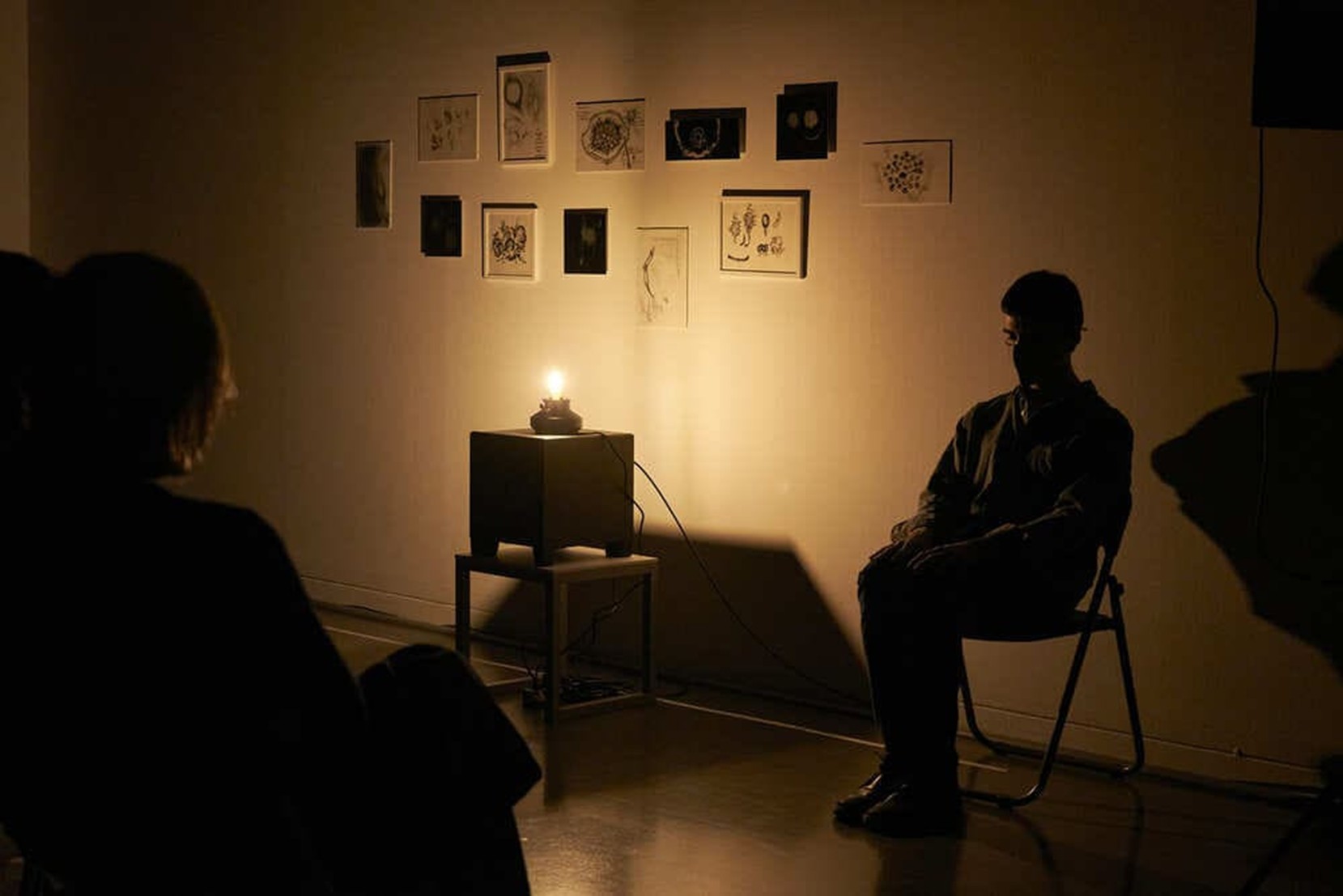
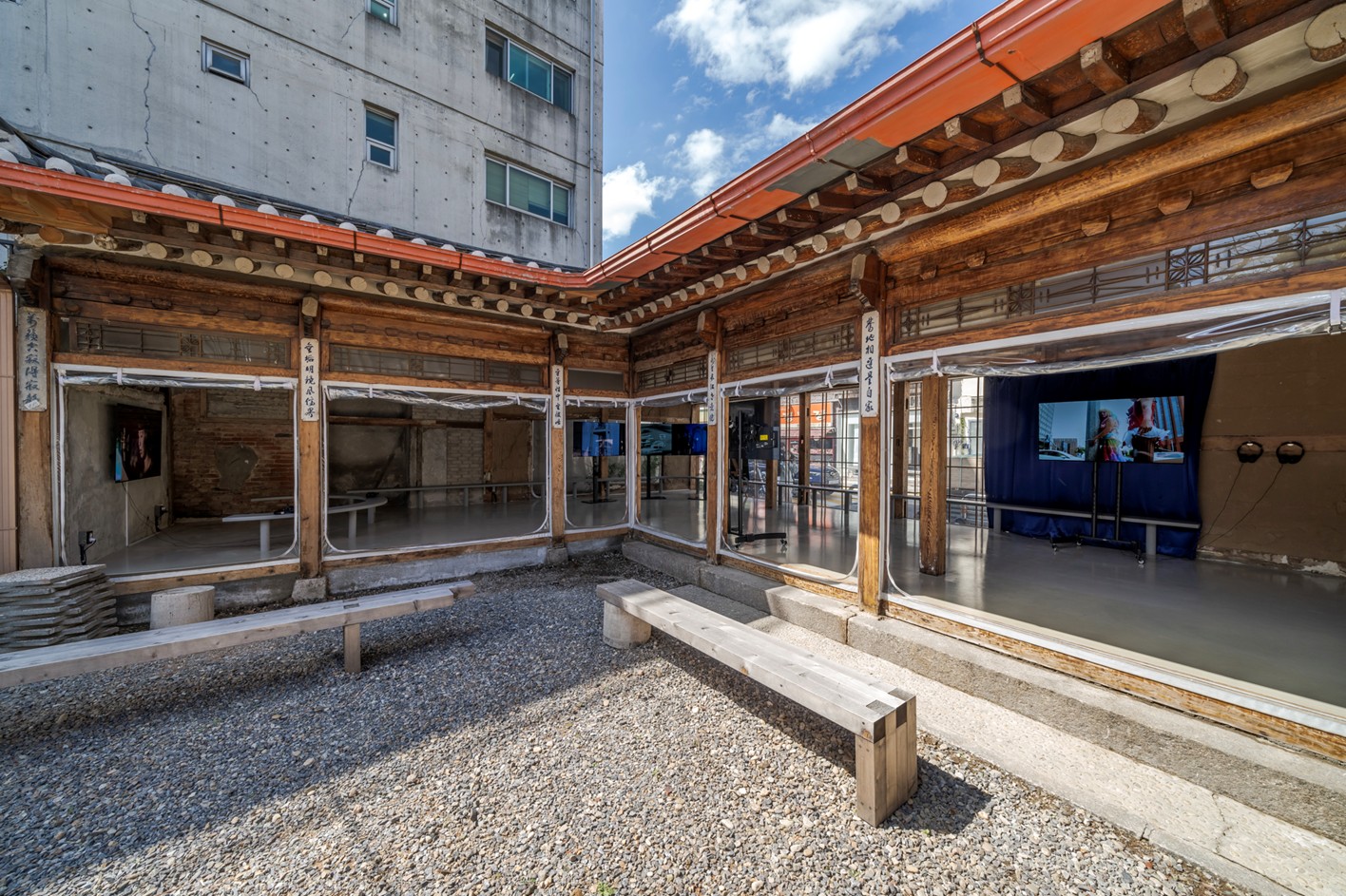
Installation view of 《The Saviour Who Came To Tear My Life Apart, and We*》 © Hapjungjigu

Each participant cannot live completely detached from the already-demarcated boundaries and the language they are already using; yet, when encountering relationships and lives that cannot be spoken through those languages, they are situated within a site that refuses to omit them. When the other comes to be recognized and positioned under the name of “difference,” the other becomes “the saviour who came to tear my life apart.”

If differences between one another are not suppressed but allowed to resonate and form relations, only then might we awkwardly begin to utter the word “we,” rather than merely “each.” When a community is understood not as a unity but as a multiplicity, when it is recognized that each body has already been formed through certain relations, perhaps we may be able to use the word we*.

We* holds, within this exhibition, an impossible dream: that the connections between one another might not become a “hell of the same,”¹ but rather a “community of resonance.”² A community that is not recuperated into a “familiar community.”³ A generative community that shares “uncomfortable friendships.”⁴

Here, community is closer to a sensation. That is, we* hopes to become a hybrid assemblage that shares the sensation of a generative community. This hybrid assemblage—one that creates a sense of being connected without reducing each specificity to sameness or totality, and whose connections produce a reconfiguration of the existing—has not yet arrived. “Mixture is an eternal process, yet also something new, like the imaginary.”⁵ Within a mélange state of diverse hybridities, we* can only hope for, imagine, and attempt to generate a (hybrid) assemblage that seeks the antagonistic.

 
“We do not stop speaking about our experiences, but we do not insist that only our discrimination and oppression are special or important. Together with minorities in similar conditions, together with those who question and struggle against normalcy and universality, we will not cease the struggle to rewrite the meaning of dependence and solidarity.”– 20th Anniversary Declaration of Disabled Women’s Solidarity, 2018
 

*. we/us, ‘we/us’, we/////us, we‘us’, we, ᄋ,ᅮ,ᄅ,ᅵ, ᄋ,ᅮ-ᄅ,ᅵ, we; us, …
1. Byung-Chul Han, The Expulsion of the Other, trans. Jaeyoung Lee, Munhakdongne, 2017, p. 56
2. Byung-Chul Han, The Disappearance of Rituals, trans. Daeh Ho Jeon, Gimmyoung Publishers, 2021, p. 21
3. Myung-Ah Kwon, Infinitely Political Loneliness, Galmuri, 2012, p. 104
4. In 2009, Jin Eun-young, borrowing Nietzsche’s words, proposed becoming an “uncomfortable community” together with Sim Bo-seon in issue no. 87 of Literature and Society. Kwon Myung-Ah (2012) actively cites this in Chapter 2 of the aforementioned book, positioning “uncomfortable friendship” in a binary opposition to the affect of familiar community and mobilizing it as a force to neutralize ostentatious bonds of comradeship. The participants of this exhibition, we*, re-quote “uncomfortable friendship” while imagining a community that continues to generate relationships by questioning difference.
5. Jan Nederveen Pieterse, Globalization and Culture, trans. Kwan-Yeon Cho and Seon-Ae Son, EcoLivre, 2017, p. 86


In this book, Pieterse introduces perspectives and limitations of viewing globalization through hybridity, and explores its possibilities. In doing so, he uses the term mélange to refer to a certain state: the (eternal) mixture among entities that exist in a hybridized condition, already affecting and being affected by one another. The state in which this exhibition and each participant’s work are mixed and connected—and the relationships that will be generated with audiences going forward—will not be very different from this.

Installation view of 《The Saviour Who Came To Tear My Life Apart, and We*》 © Hapjungjigu

How many individual relationships are erased when the entanglement of humans and animals sets species themselves as relational subjects? Gwon Donghyun × Kwon Seajung focus, among these, on “dogs”—the dogs that have stayed by their side and continue to do so—tracing moments shared among humans, dogs, and non-humans as they move across clear documentation, private experience, and fantasy.

The process of fixating on relationships with dogs (Dodo, Ludmila, Bamse, Somddong, and…)—beings that cannot be fully understood—may be an attempt to keep the other as other while narrowing the distance. Is the desire to be affected by the other affection, or courage? Rather than leaning on ethical propositions about humans and animals, or pointing out contradictions in each, this work seems to generate propositions from within relationships that have changed through accumulated time.

Representation that begins with a single sentence provides structure, but it also delineates what can and cannot be represented. The latter—those that cannot be represented or claim their own unrepresentability—are often called others.

Yeo-jin seems to have discovered a sentence in her grandfather Jong-woong: “Jong-woong, who has acquired hearing loss and brain damage, is an artist who builds his own world using discarded roadside objects as resources, and also a figure who appears like a heroic protagonist in a film.” Yet a pungent incident occurs that sidesteps this sentence. While receiving a clock that Jong-woong arbitrarily modified and completed as a gift, Yeo-jin is instead handed fermented plum syrup gone bad.

Her confusion resembles the moment of encountering an other outside the sentence. The other is an external presence that alters one’s already-constructed representational world-within-a-sentence. How will the sentence Yeo-jin found in Jong-woong change? Or how will Yeo-jin’s relationship with that sentence shift? What influence will she receive from that change? Such encounters with the other, which provoke these questions, also operate within an individual body.

Hansol encounters those who do not turn away from experiences that deviate from the sentences imposed upon bodies designated as female, and who re-narrate their bodies. The other compels mutual re-narration, neutralizing the internalized sentences or boundaries within each. The process of dismantling and reconfiguration is painful and irreversible. The experiences of those Hansol meets infiltrate his world as well, generating questions.

The collage of the mirror’s backside in the exhibition space, the bodies of performers, and the bodies of men in media appears at first glance to assimilate, but in fact exposes fractures and gaps like wounds. The mirror is positioned as a dead end, a threshold, a boundary. Each performer’s body becomes a field of questioning where multiple worlds are entangled.

Installation view of 《The Saviour Who Came To Tear My Life Apart, and We*》 © Hapjungjigu

Saehun realizes this through dialogues inside and outside the screen. Guarding against situations in which representations that reinforce boundaries disregard those who cannot locate themselves within them—situations where dominant representations reduce queerness to a single entity and halt the process of becoming queer—Saehun attempts concrete experiences such as “hesitant utterance,” “continuous movement,” and “accidental eruption.”

The non-linear unfolding of antagonistic strands of speech seems to propose dwelling together in a world of ignorance where we wander and linger endlessly. This expands into an experience of la chair through its combination with monitors, trampolines, and more. In this performance where media become actors, the audience’s bodies are also invited as media. The vibrations made and making themselves through tilted, swaying movements fill the space.

Perhaps these vibrations can be found, for Hansol, in a body where questions are convulsing; for Yeo-jin, in an existing sentence encountering unfamiliar events that break from causality; and for Gwon Donghyun × Kwon Seajung, in the history of canine perspectives written with the hope that relationships between dogs and humans might not be subsumed by species discourse, while also being individuated.

In each work, we* considers co-habitation—living together with things that cannot coexist or are even antagonistic under the same name. Through this exhibition, we* attempts yet another form of relating. We hope that the embryo that briefly stayed at Hapjungjigu will meet audiences and generate different relationships in each encounter.

“By being careful not to speak of truth while dreaming of a better world through vocabulary, as Rorty suggests, interesting philosophy can no longer be a matter of pro and con. What becomes interesting is the social practice of new vocabularies that cut across old ones, the transformation they bring, and the radicality that emerges alongside this change as an original human possibility.”

– Youngmin Kim, The Humanities of Secular Deviations and Deviating from the Secular, Geulhangari, 2011, p. 121
{This foreword was primarily written by Saehun, but became a mélange of writing through others pointing out, intervening, and commenting upon it.}

References