

Solo Exhibitions (Brief)
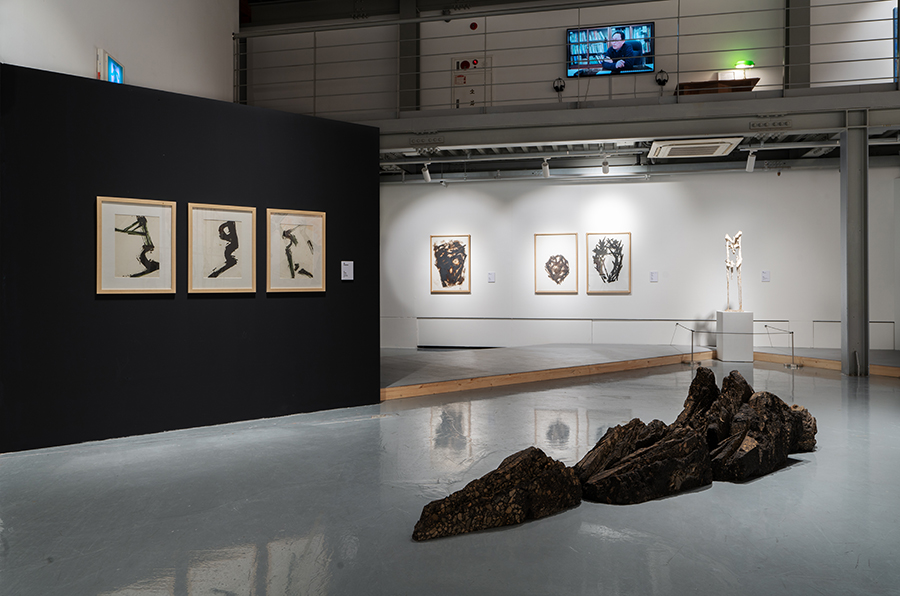
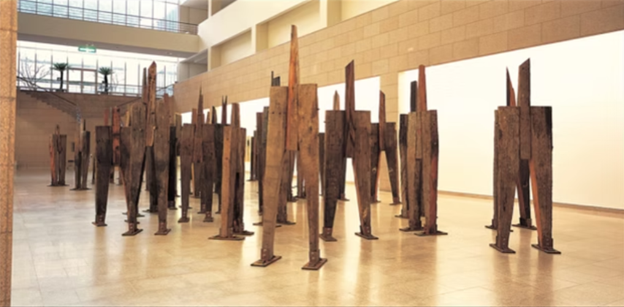
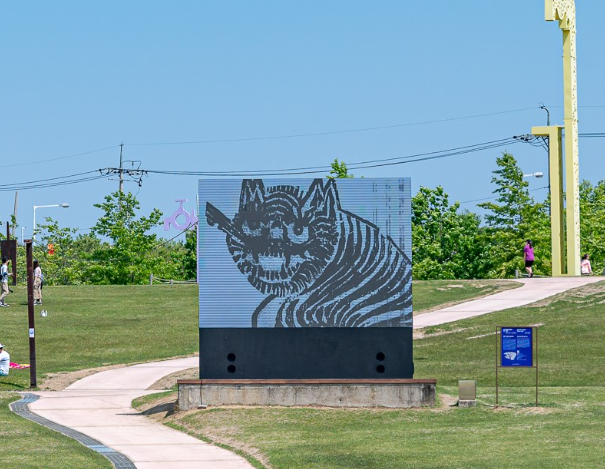
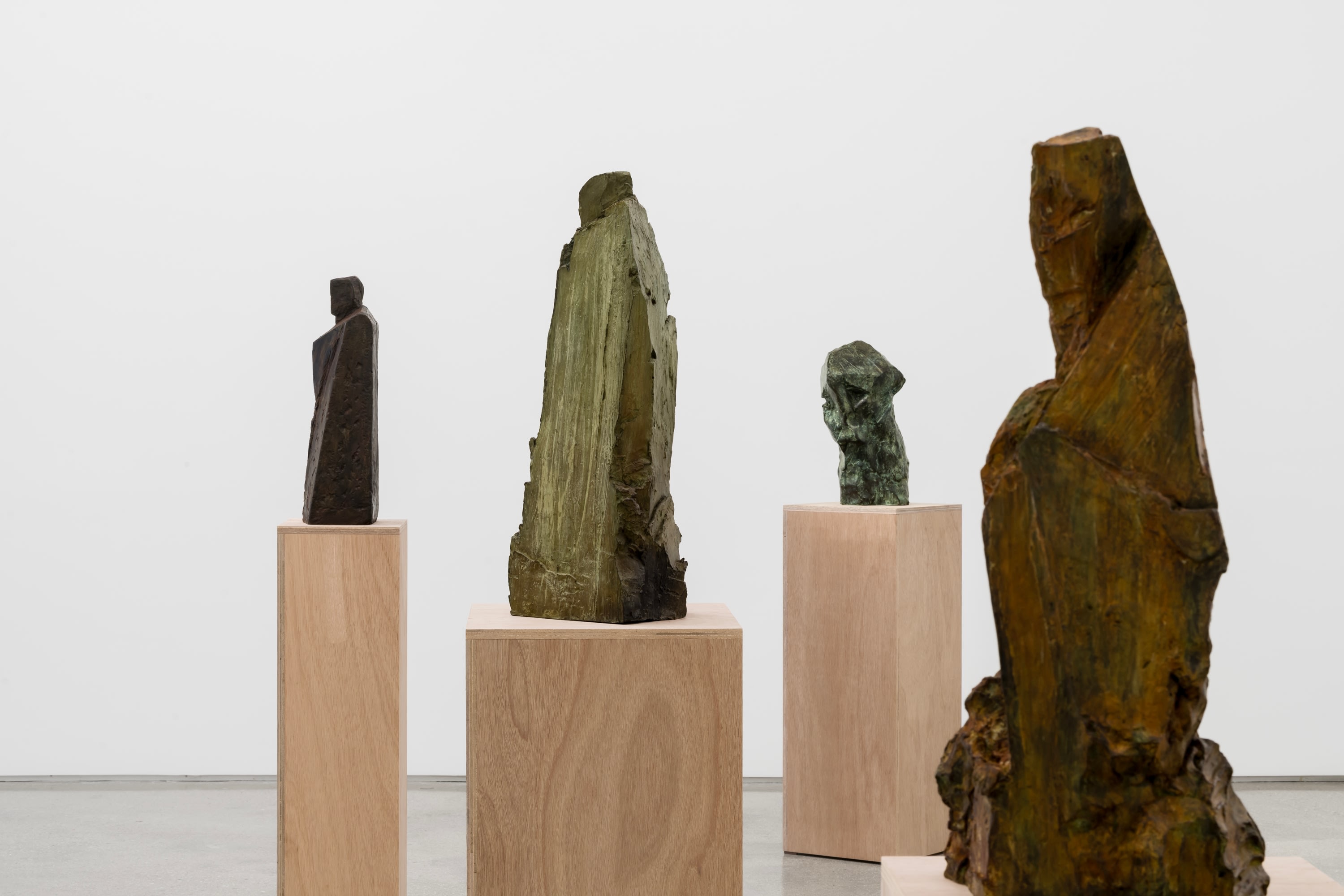
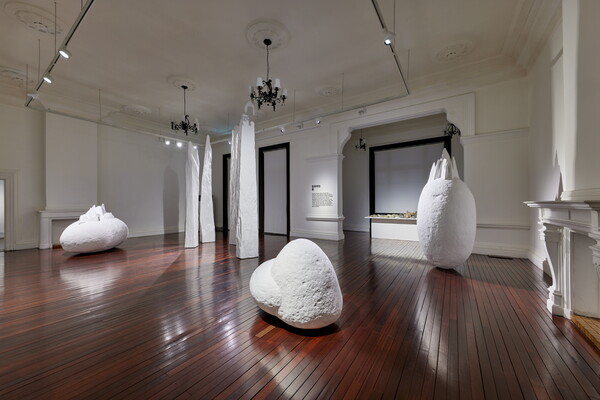
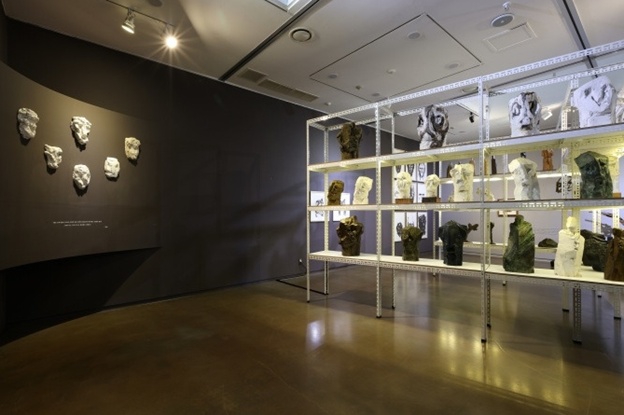
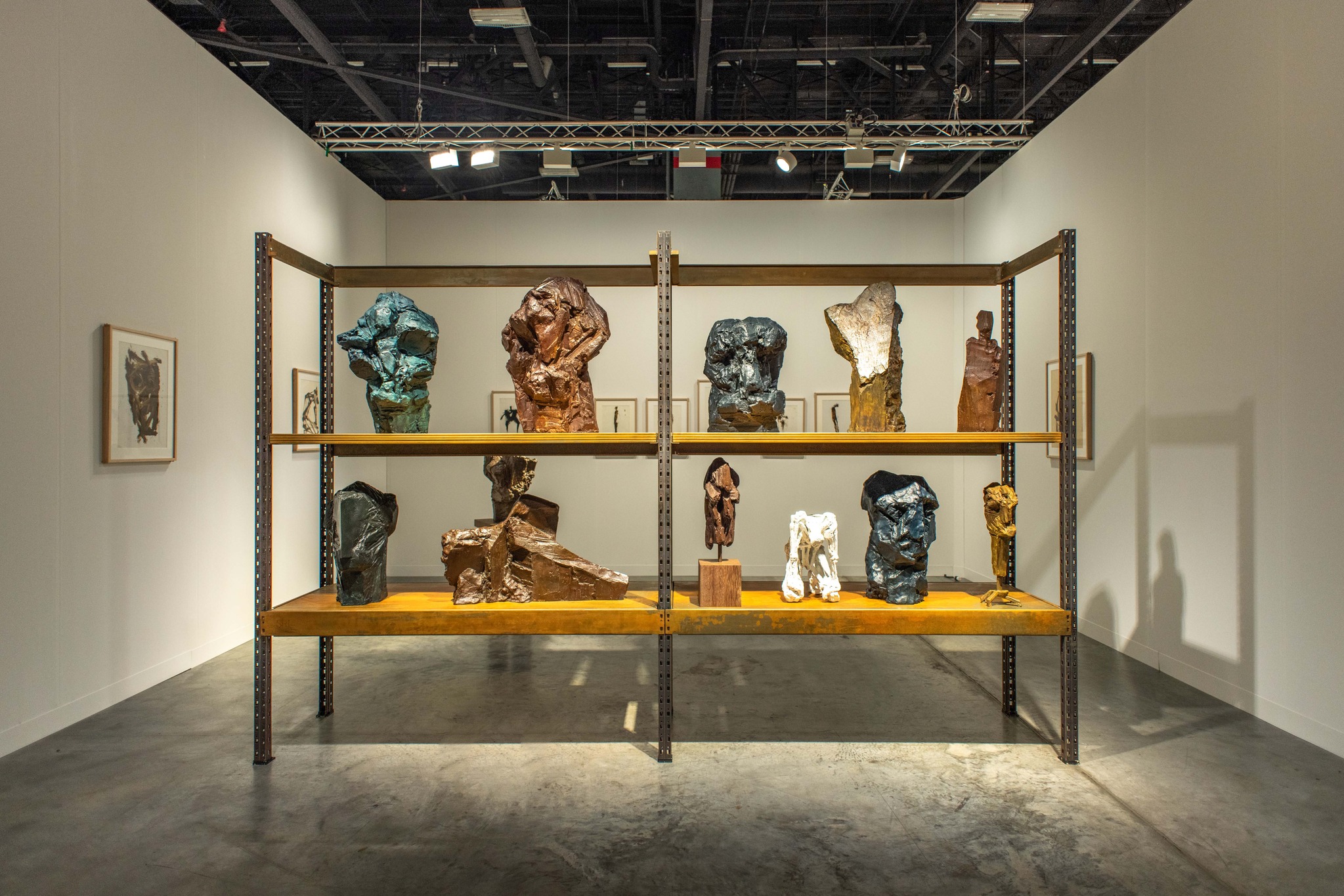
Since his first solo exhibition
at Galerie Won in 1992, Chung has held more than 20 solo exhibitions in Paris,
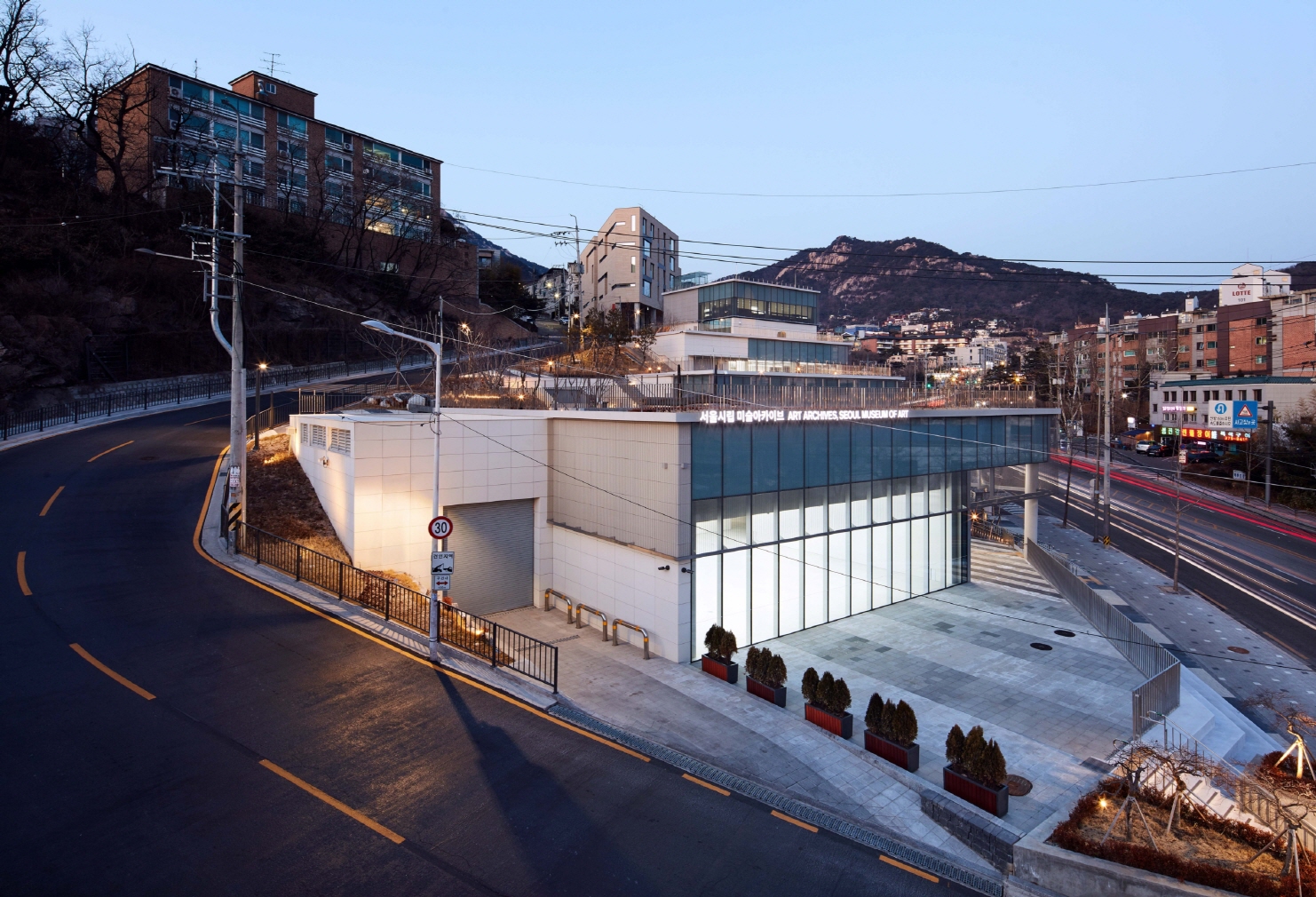
New York, and Tokyo, including leading Korean institutions such as the SeMA
Nam-Seoul Museum of Art (2023-2024), Seongbuk Museum of Art (2022), and Kumho
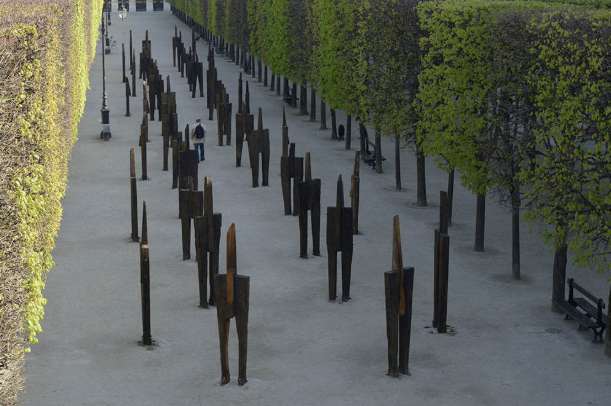
Museum of Art (2018). As the representative artist of Korea to commemorate the
130th anniversary of the establishment of diplomatic relations between Korea
and France, he also exhibited at the Jardin du Palais-Royal and Domaine
national de Saint-Cloud in Paris, France.
Group Exhibitions (Brief)
Chung has
also participated in numerous major group exhibitions at leading institutions
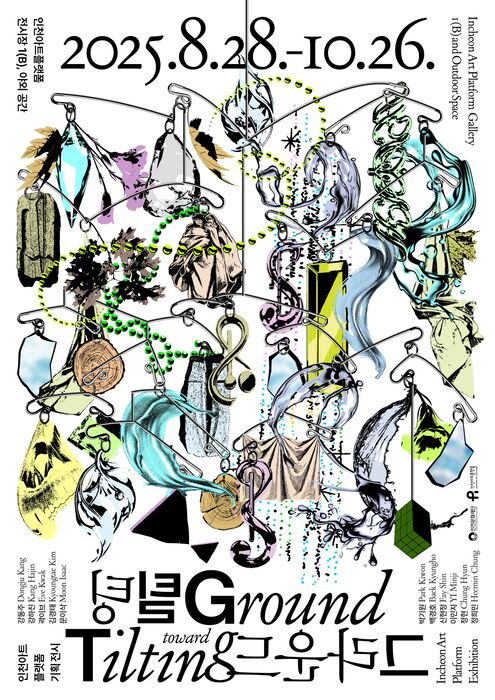
in Korea, including Incheon Art Platform (2025), PKM Gallery (2025), Yangju
Jang Ukjin Museum of Art (2021), the Kim Chong Yung Museum (2020), the National
Museum of Korean Contemporary History (2017), the National Museum of Modern and
Contemporary Art, Korea (2016), POSCO Art Museum (2015), and SOMA Museum of Art
(2013). Internationally, he has taken part in group exhibitions at venues such
as Olympia Grand Hall (London, 2013), the Central House of Artists (Moscow,
2010), the Fukuoka Asian Art Museum (Fukuoka, 2005), and the National Art
Museum of China (Beijing, 2003).
Awards
(Selected)
Chung
was selected as the ‘Artist of the Year 2006’ at the National Museum of Modern
and Contemporary Art Korea, the ‘1st AICA Korea Award’ at the Association
Internationale des Critiques d’Art Korea in 2009, and the ‘Artist Today 2004’
at the Kim Chong Yung Museum
Collections
(Selected)
Chung’s works are in the collections of major
museums and galleries in Korea and abroad, including the MMCA and the Gyeonggi
Museum of Modern Art.