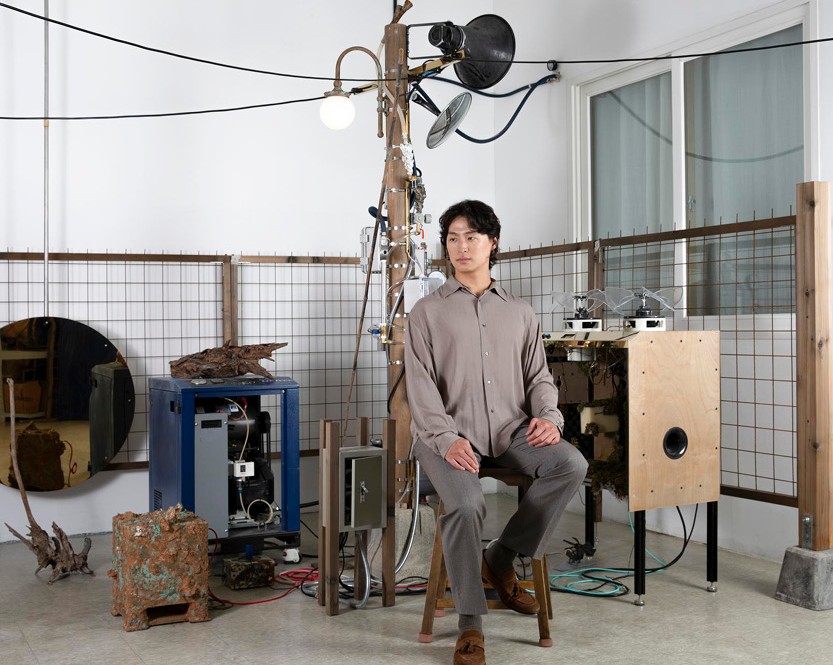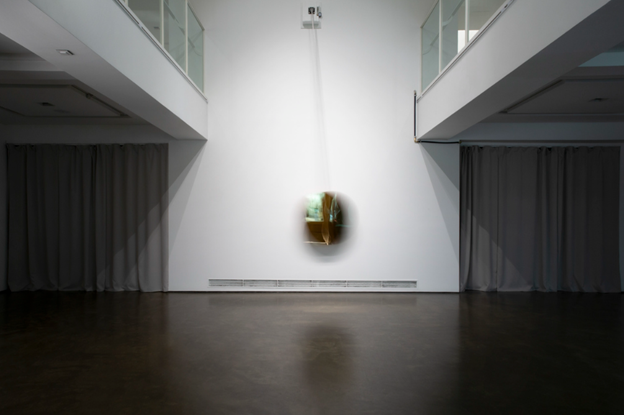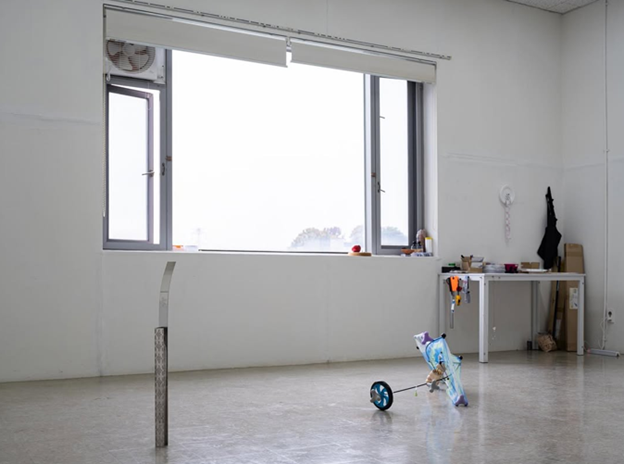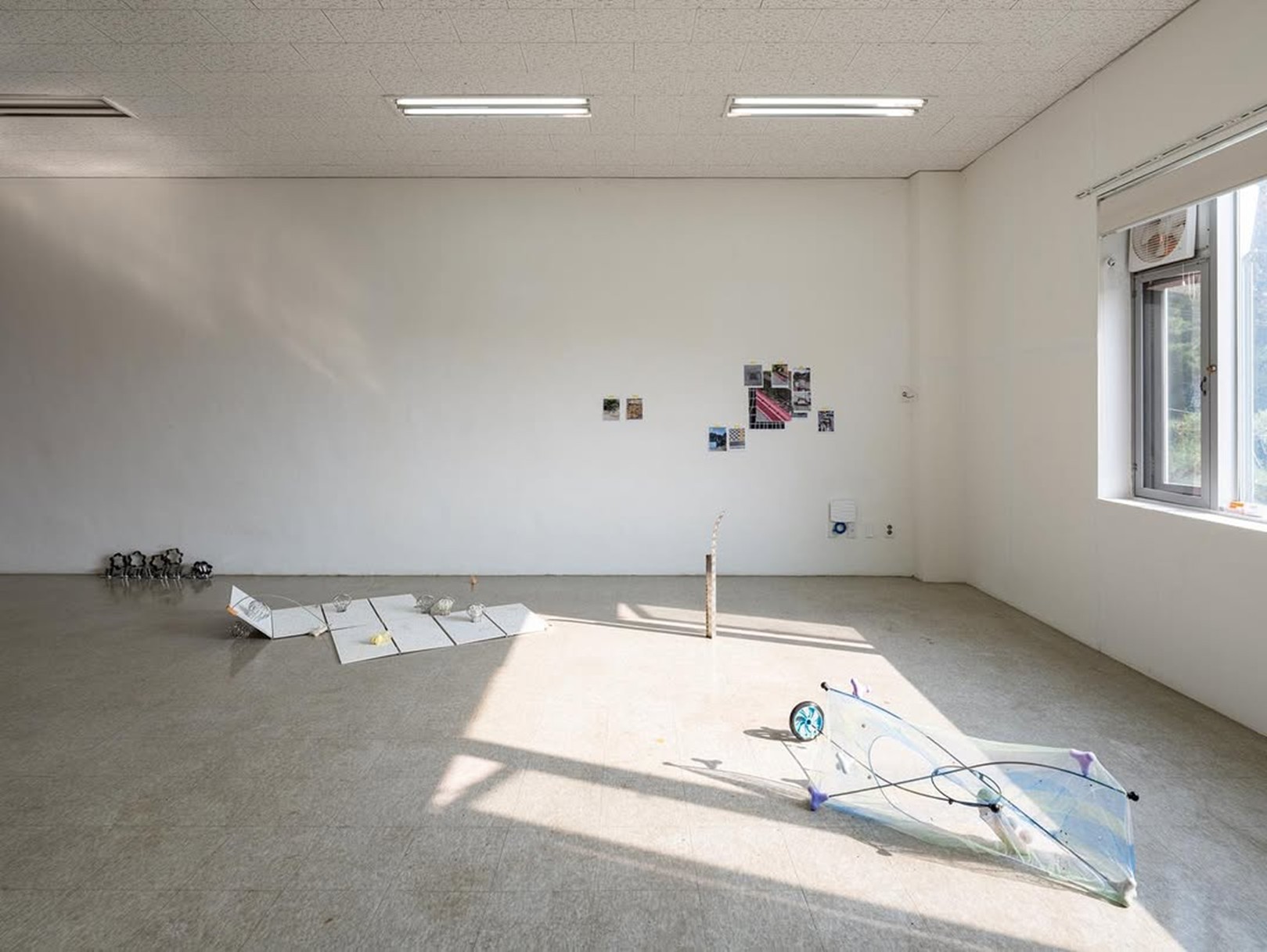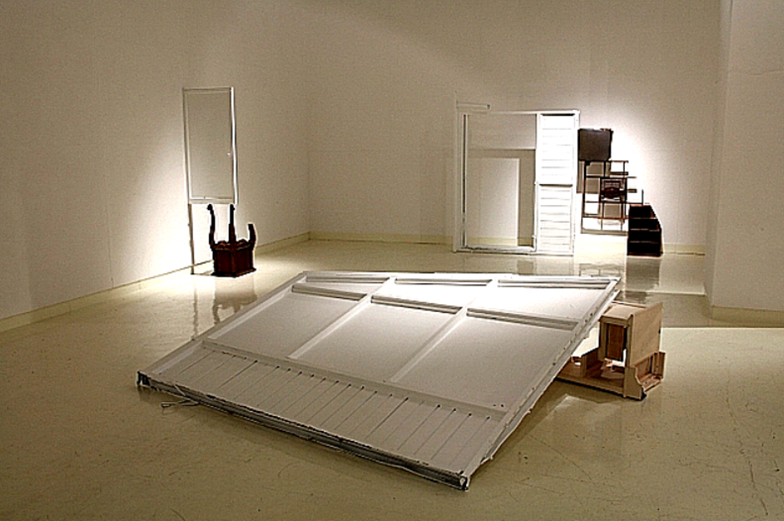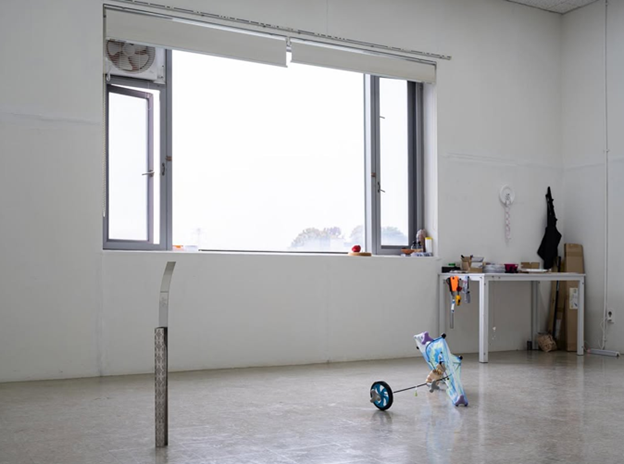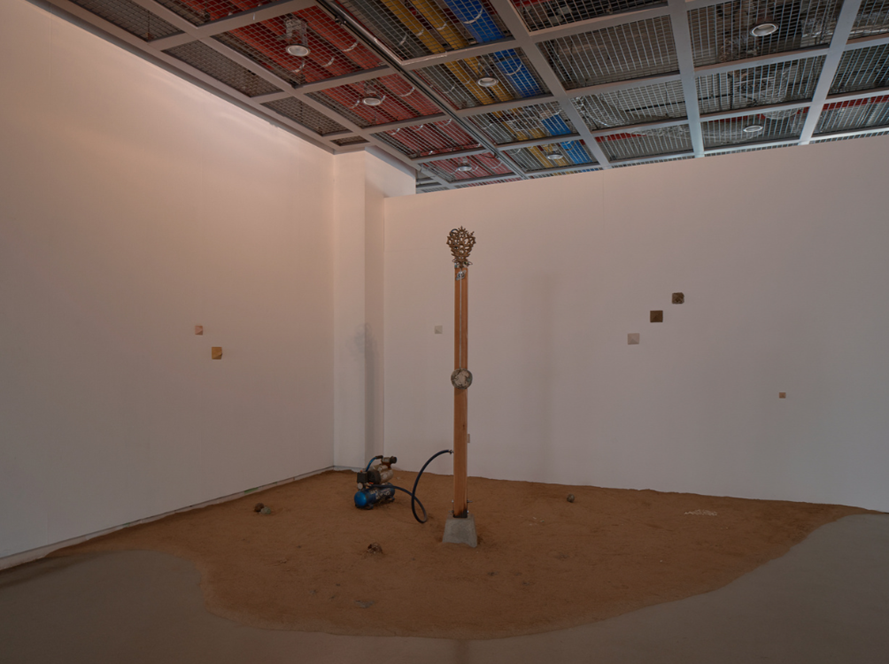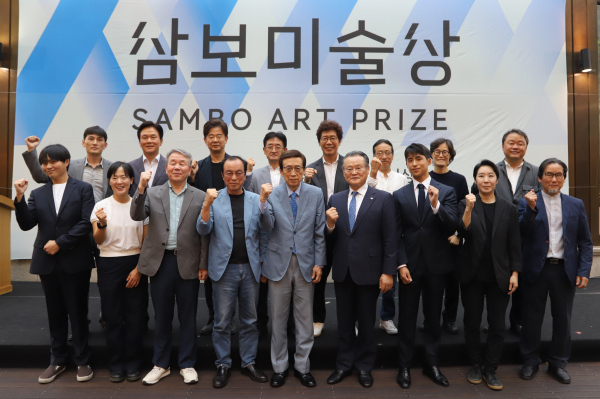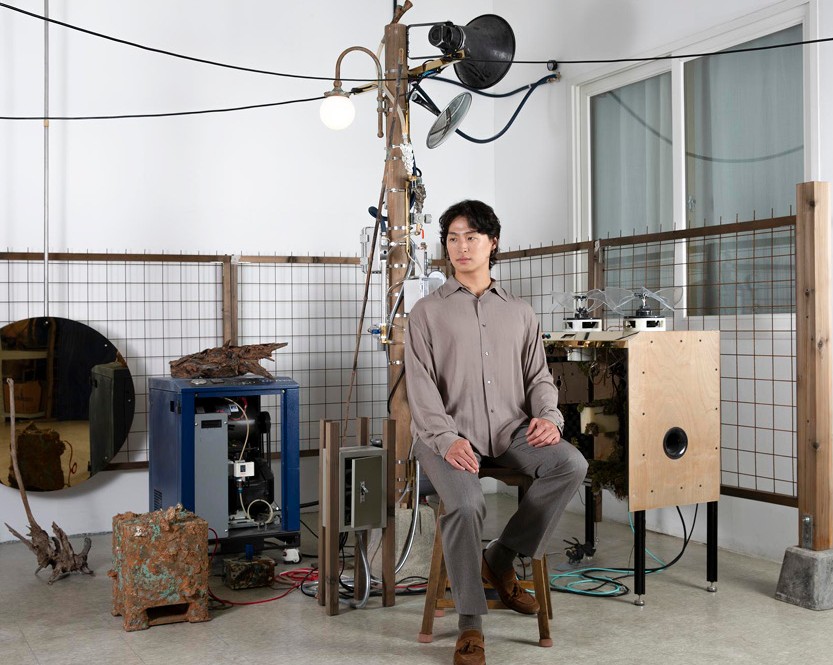


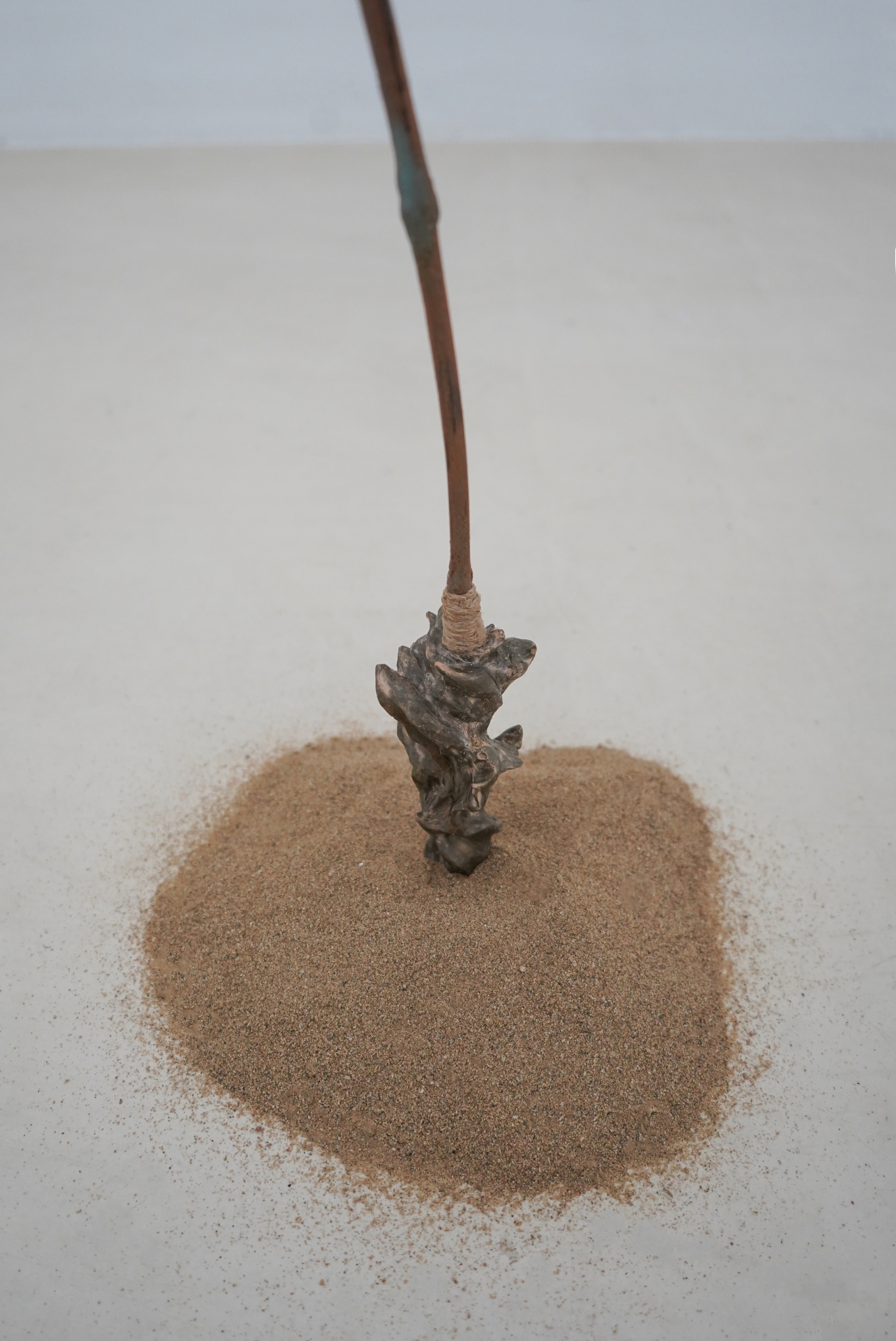
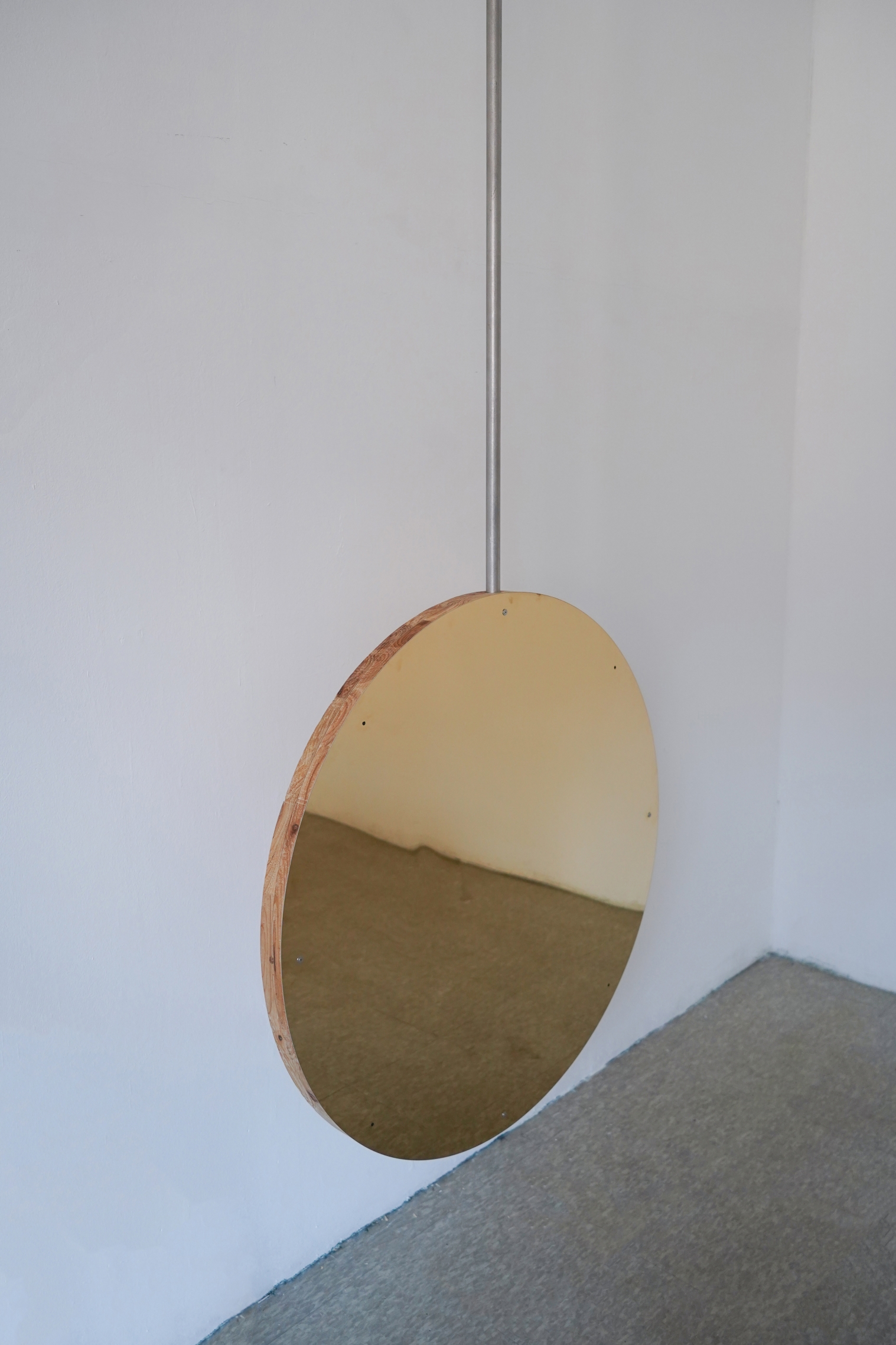
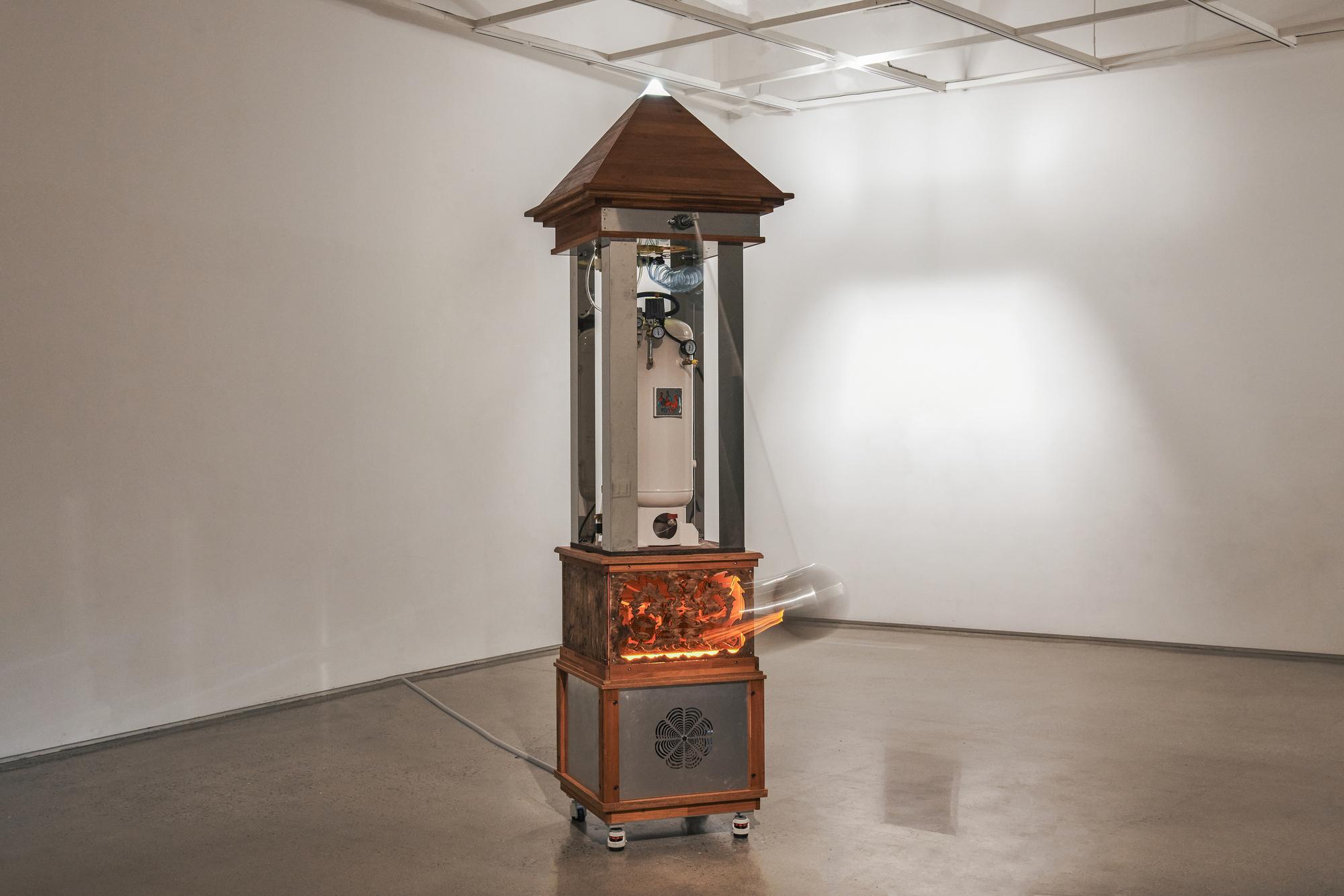
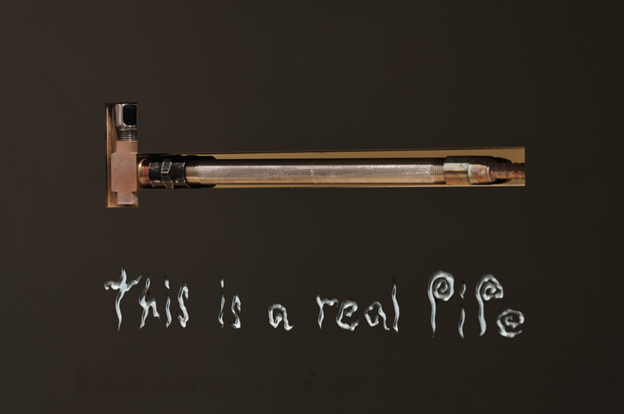
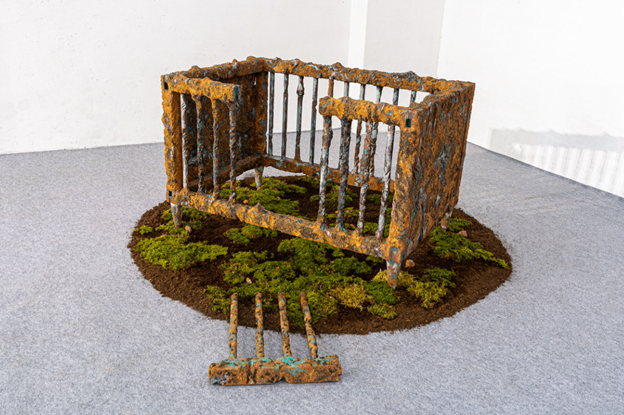
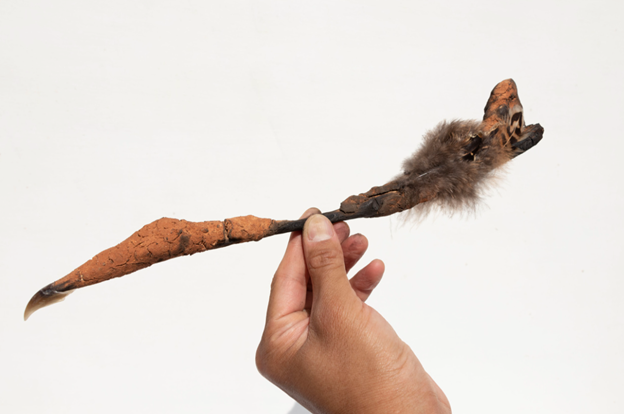
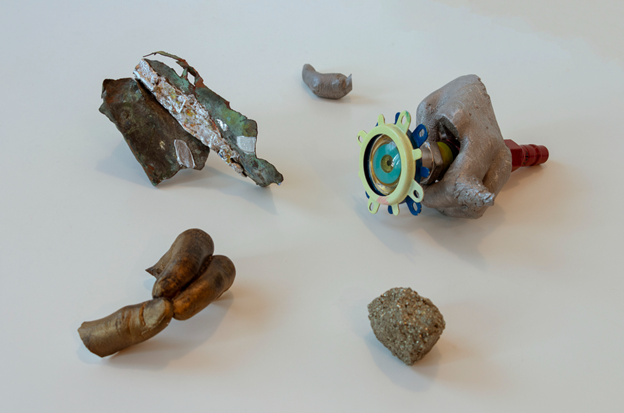
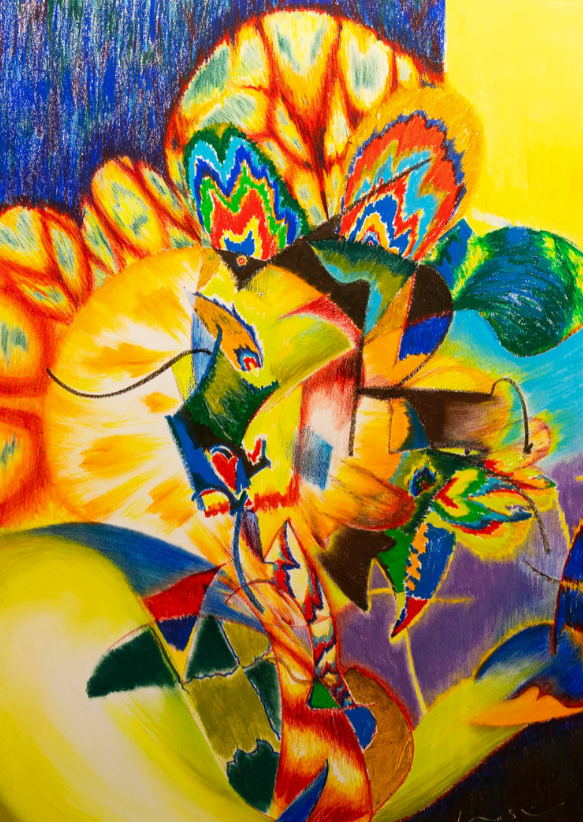
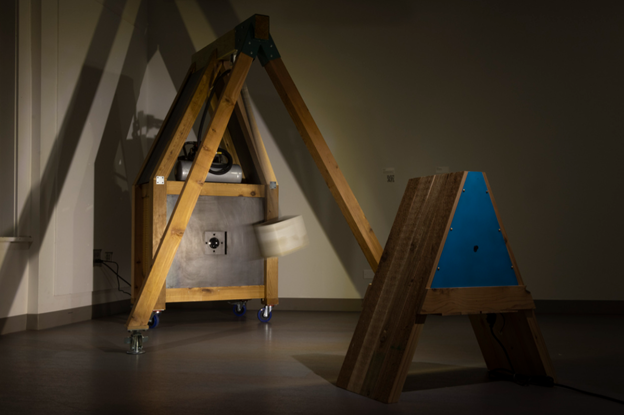
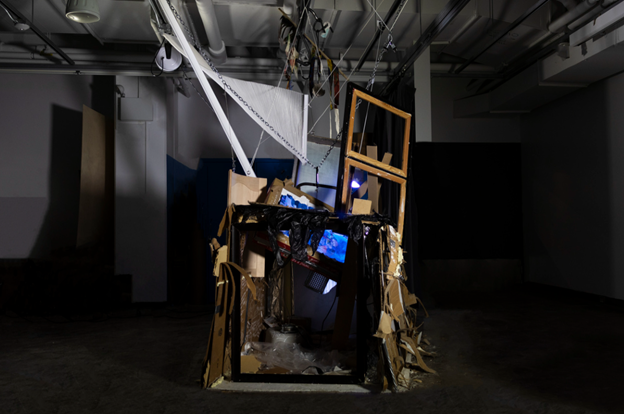
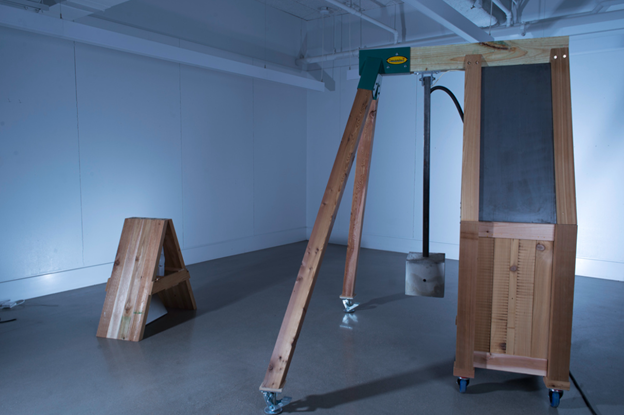
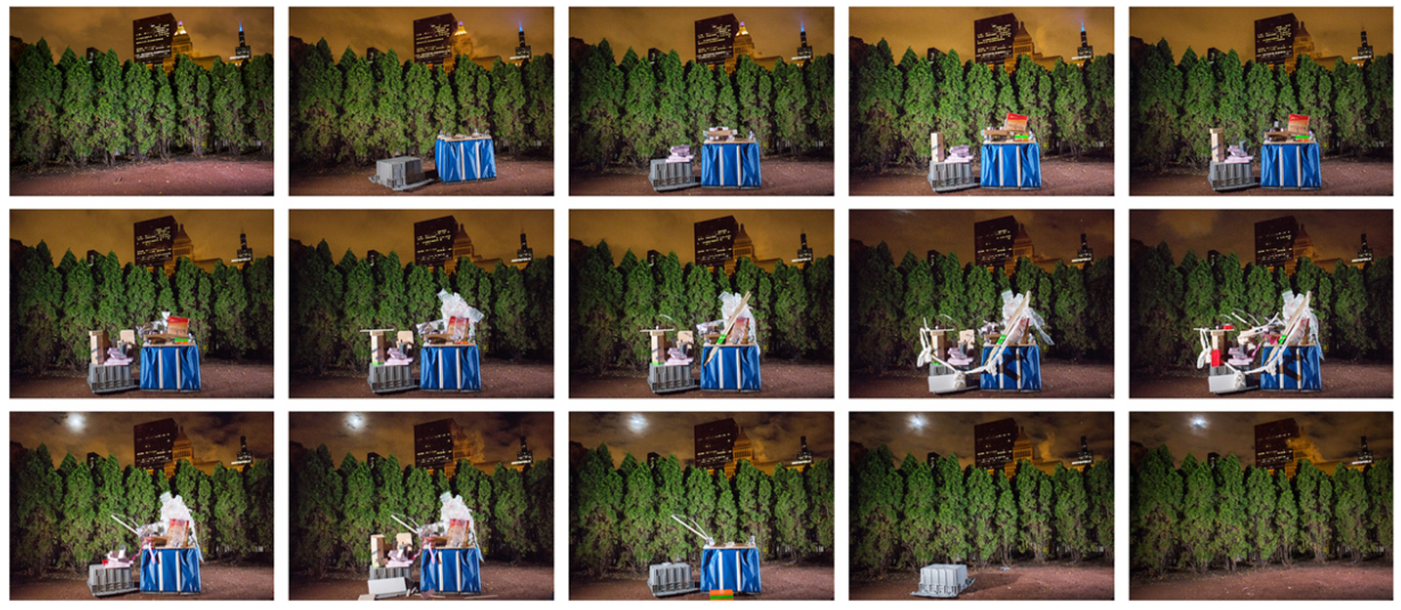
Installation view of 《2025 MMCA Goyang Residency Open Studio 21》 © MMCA

Established in 2004 and now marking its 21st year, the MMCA Goyang Residency annually opens its studios to the public under the title “Open Studio,” offering a glimpse into the working spaces of resident artists from Korea and abroad. During 《2025 MMCA Goyang Residency Open Studio 21》, visitors encounter not only what the artists have produced, but also what they have thought during their residency.

Visitors experience the residency through artists’ studios, exhibition spaces, and works and programs installed throughout the facilities. In individual studios, artists present research materials and works developed during their residency. Three of the four walls in the first-floor exhibition hall are dedicated to scheduled screenings (Gahee Jung, Minji Lee, Suji Han), talks (Donghoon Kang), and exhibitions (Haeban Lee).

Small-scale exhibitions also unfold in the residency lobby, terrace, and vacant studios, featuring works by Nayeong Kang, Yena Park, Seungbeom Son, Seokwoo Song, Minji Lee, Hosu Lee, Kung Paorung, and Thierry du Bois. Some artists present work exclusively within their studios, while others distribute works throughout the residency. The exhibition avoids overcrowded arrangements, aiming instead to allow each work to stand out according to its medium, material, and relationship to its surrounding environment.


Installation view of 《2025 MMCA Goyang Residency Open Studio 21》 © MMCA

Open Studio also provides opportunities to meet the artists. The experience begins with receiving a fortune cookie at the entrance, containing messages that reveal deeply personal discoveries made by resident artists during their time at the residency, or invitations to intimate encounters.

After experiencing the temporarily formed communal life within the residency, artists often develop a sense of belonging—only to realize that this belonging is what produces feelings of alienation outside the residency. Sweet hospitality, subtle exclusion, uncomfortable distance, and fleeting exhilaration through networking were perceived by the resident artists as forming a kind of “cartel.”

The fortune cookie messages function as bait, drawing visitors into this duet of alienation and solidarity, forming a second impression of the residency for audiences.

For the time being, the Goyang Residency Open Studio will forgo a specific title, marking each edition only by year and cohort number believes that the only common thread capable of linking these diverse creative worlds—often difficult to unify by theme or medium—is the simple fact of when and how many times they have gathered at the Goyang Residency. It is precisely this fact—when and which meeting—that offers a clear yet understated answer to how both individual and collective creative subjects surrounding the residency can be revealed.

References