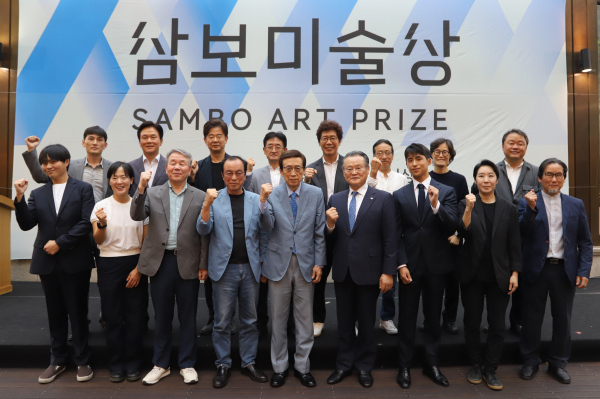
The Sambo Art Award is
an award established with the sponsorship of the Sambo Cultural Foundation and
Sambo Motors Co., Ltd. It aims to discover leading artists in the field of fine
art and to support the creative practices of selected artists through financial
awards. As a representative initiative that realizes the value of cultural
patronage through close partnerships between regionally representative
corporations and cultural institutions, the award is built on a ten-year
commitment, serving as a meaningful example of a sustainable culture of
philanthropy.
This exhibition presents an exceptional opportunity to view works by Hong
Yuyoung and Hosu Lee, the recipients of the 2nd Sambo Art Award (2024).
■ Exhibition Rooms 6–7: Hosu Lee
· Exhibition Theme: Space-Time Travel II
· Artist’s Note:
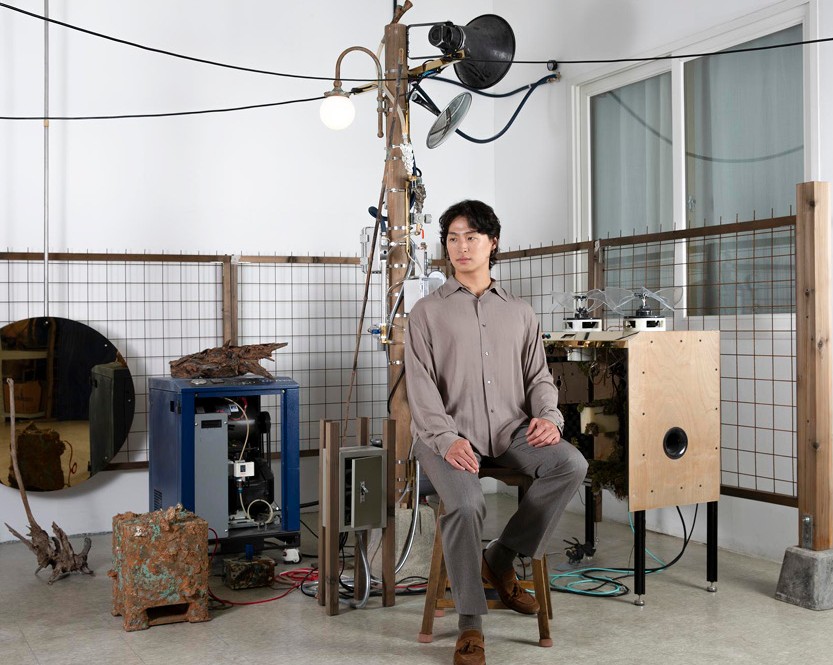
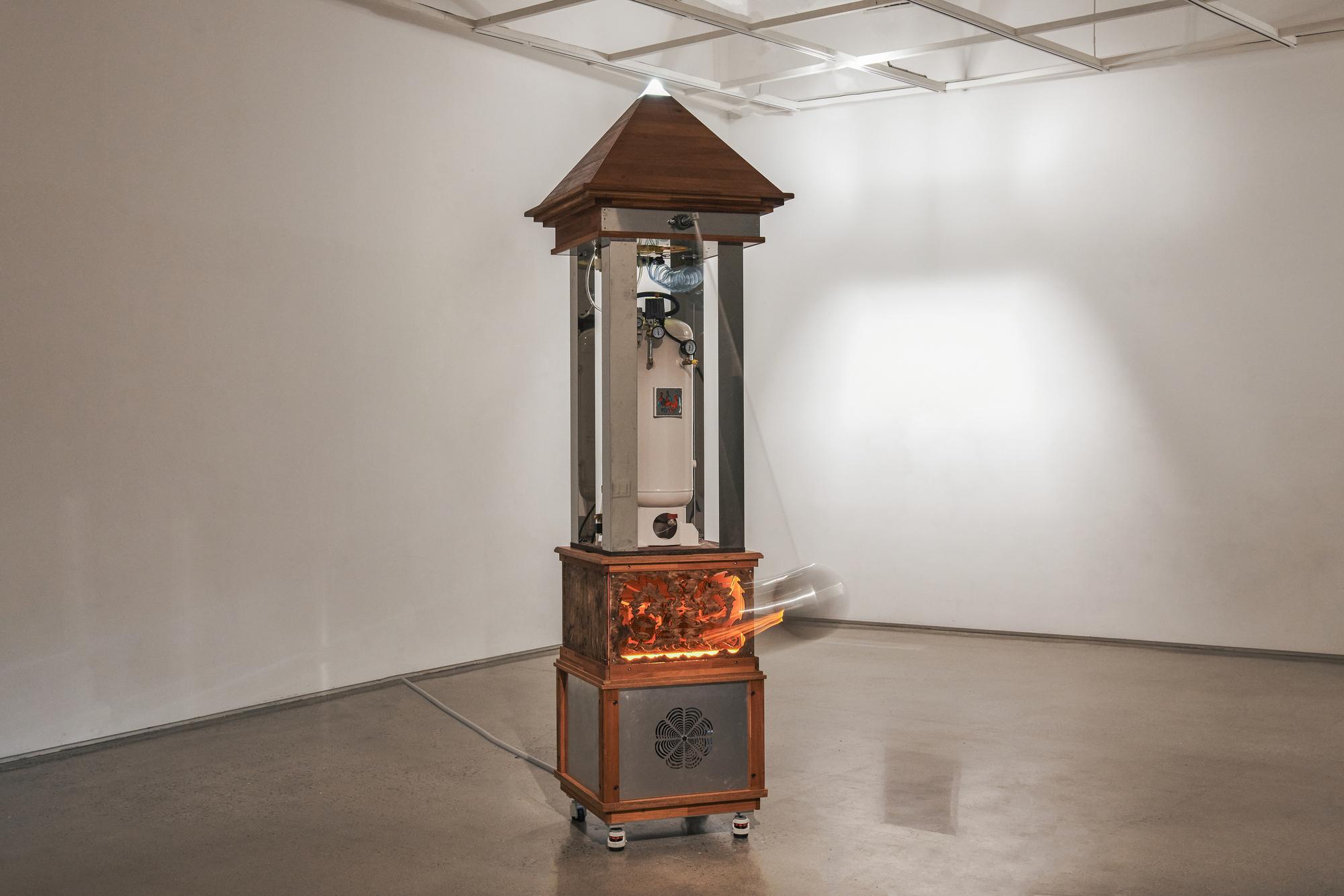
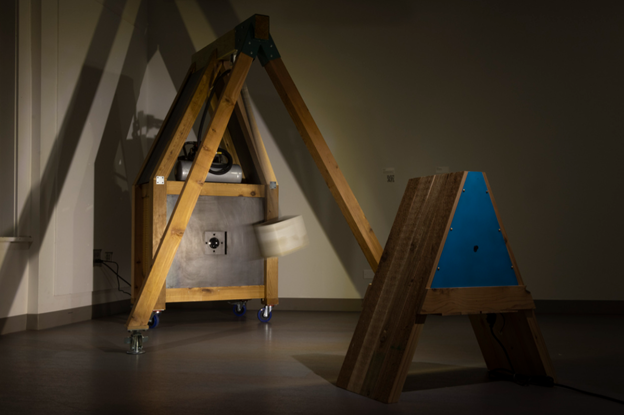
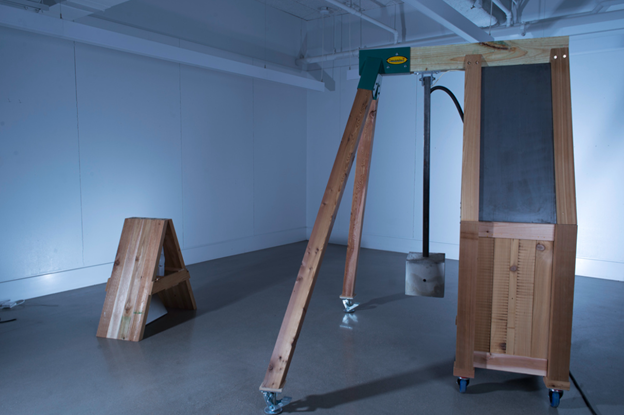
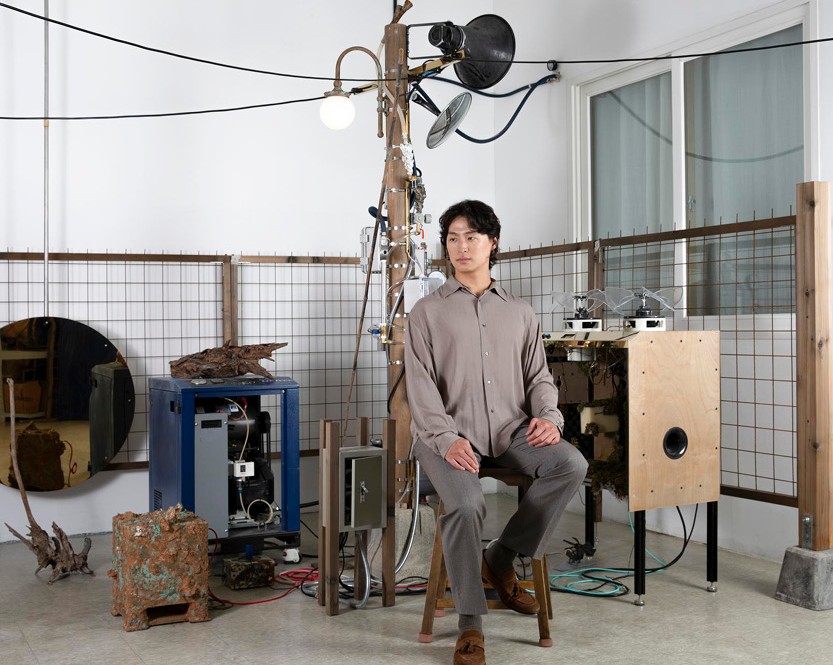
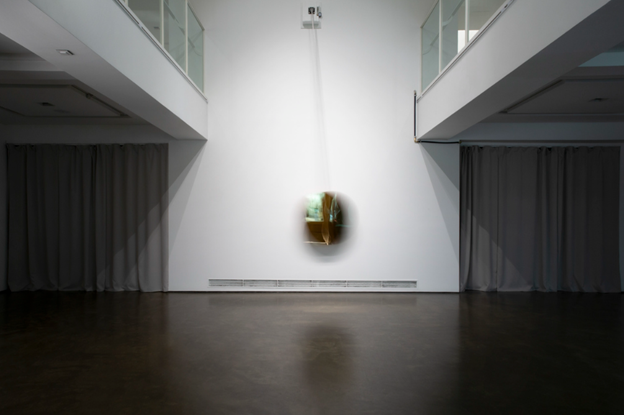
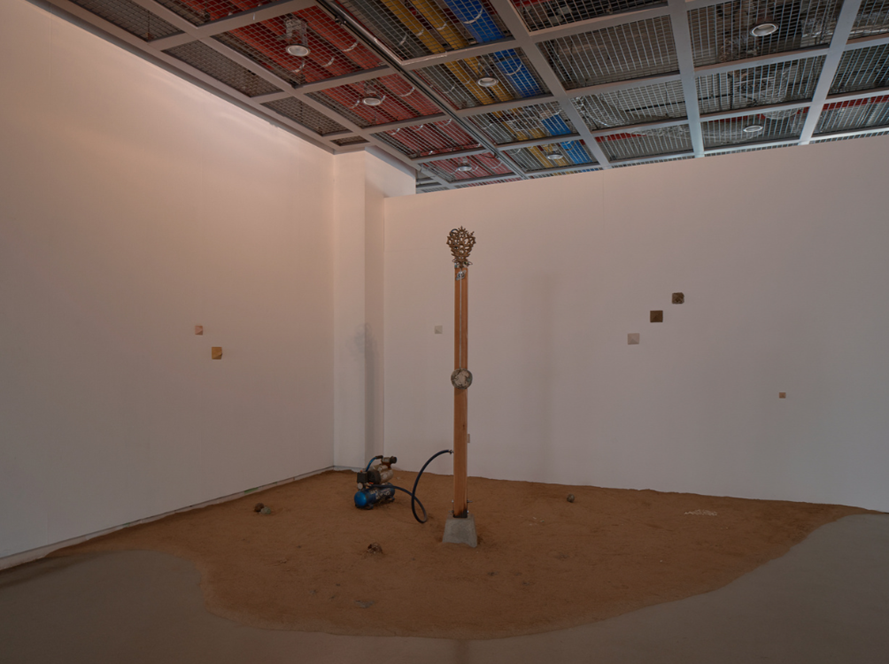
Time is no longer a linear flow or an object of measurement. By diverting the
motion of the pendulum—originally devised to measure time—from its intended
purpose, Lee seeks to contemplate the origin of time, or a state “before time,”
within the nonlinear rhythms produced by repetition and vibration. This
approach constitutes both a philosophical inquiry into sensory forms prior to
experience and an experiment aimed at approaching a pre-conscious temporality
beyond the grasp of awareness.
This exhibition reveals a complex
temporality formed as machines, senses, bodies, and sites traverse and
transgress one another’s boundaries. Lee’s practice, which has explored the
possibilities of sensations that may precede or exist outside human cognitive
frameworks of time, space, and the body, ultimately becomes a thought
experiment that tests “immeasurable time” through a sculptural language. This
exhibition represents the present tense of that thought experiment.
■ Exhibition Rooms 8–9: Hong
Yuyoung
· Exhibition Theme: Silence Between
Structures
· Exhibition Overview: In The Edges of Fiction (2017), Jacques Rancière
discusses William Faulkner’s The Sound and the Fury (1929),
noting how the four distinct narrative voices and their intricately fractured
temporalities do more than merely present different points of view. They reveal
another configuration of the politics of what can be said and what can be made
meaningful—that is, of how speech becomes intelligible. Among the four voices,
Benjy, an intellectually disabled character who “speaks” without speech, is
depicted as one who cannot properly speak in social terms—an existence rendered
as noise. His fragmented noises disrupt the novel’s established narrative
order, generating a new partition and order of the sensible.
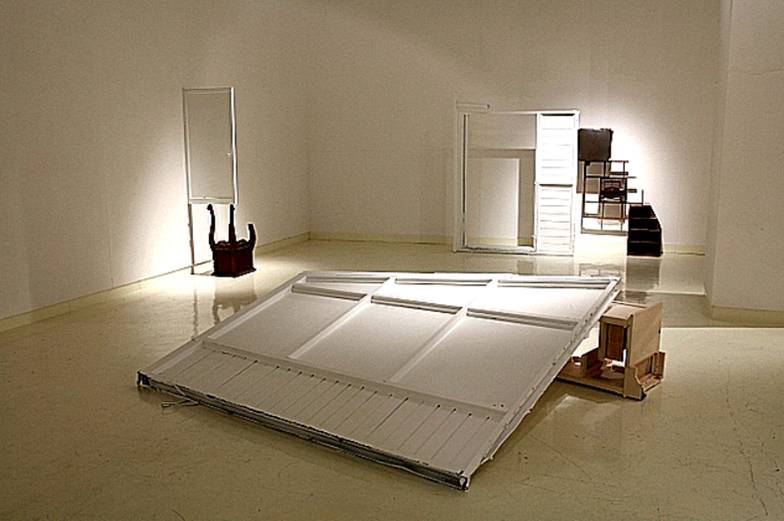
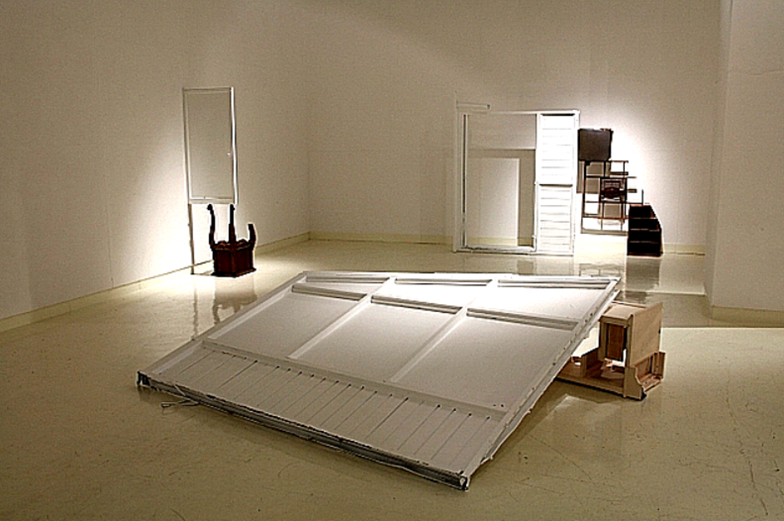
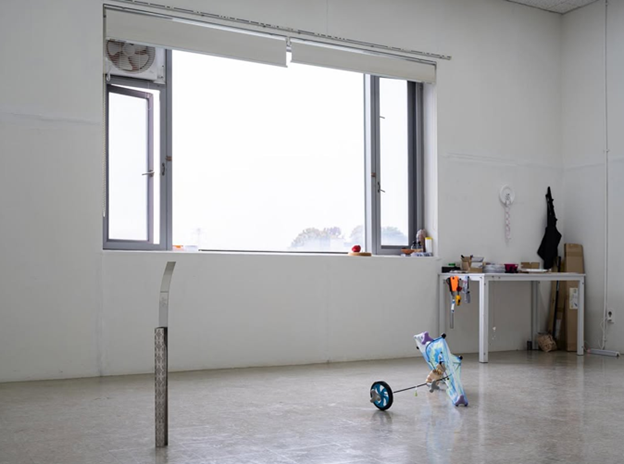
《Silence Between Structures》(2025) brings into the sensory realm those entities that are
overlooked as invisible, inaudible, and fragmented noises existing between the
structures, systems, and orders that operate within everyday urban
environments. The exhibition demonstrates how gaps between structures and
pauses between moments can function as sites of resistance and as fields for
potential change—not merely in relation to architecture, but by revealing
orders, relationships, and spaces of resistance that exist invisibly within
constructed systems, hidden, erased, and concealed within silence.
Silence between structures is not
simply empty space, void, or stillness; rather, it operates as a heterogeneous
apparatus that subtly unsettles the relationships of rigid and dominant orders.
Through the minute cracks that emerge, it prompts a reconsideration of the
dynamics of invisible power, presence, and absence embedded within constructed
spatial arrangements.
The exhibition pays particular
attention to a mode of “impersonal writing that abolishes all directional
processes of speech and rejects all hierarchies among speaking beings.”
In ‘The Sound and the Fury’, the silence attributed to the
speechless—embedded within a story that signifies nothing—produces ruptures in
tense and voice, infinitely deferring specific events and placing them together
in the present tense.
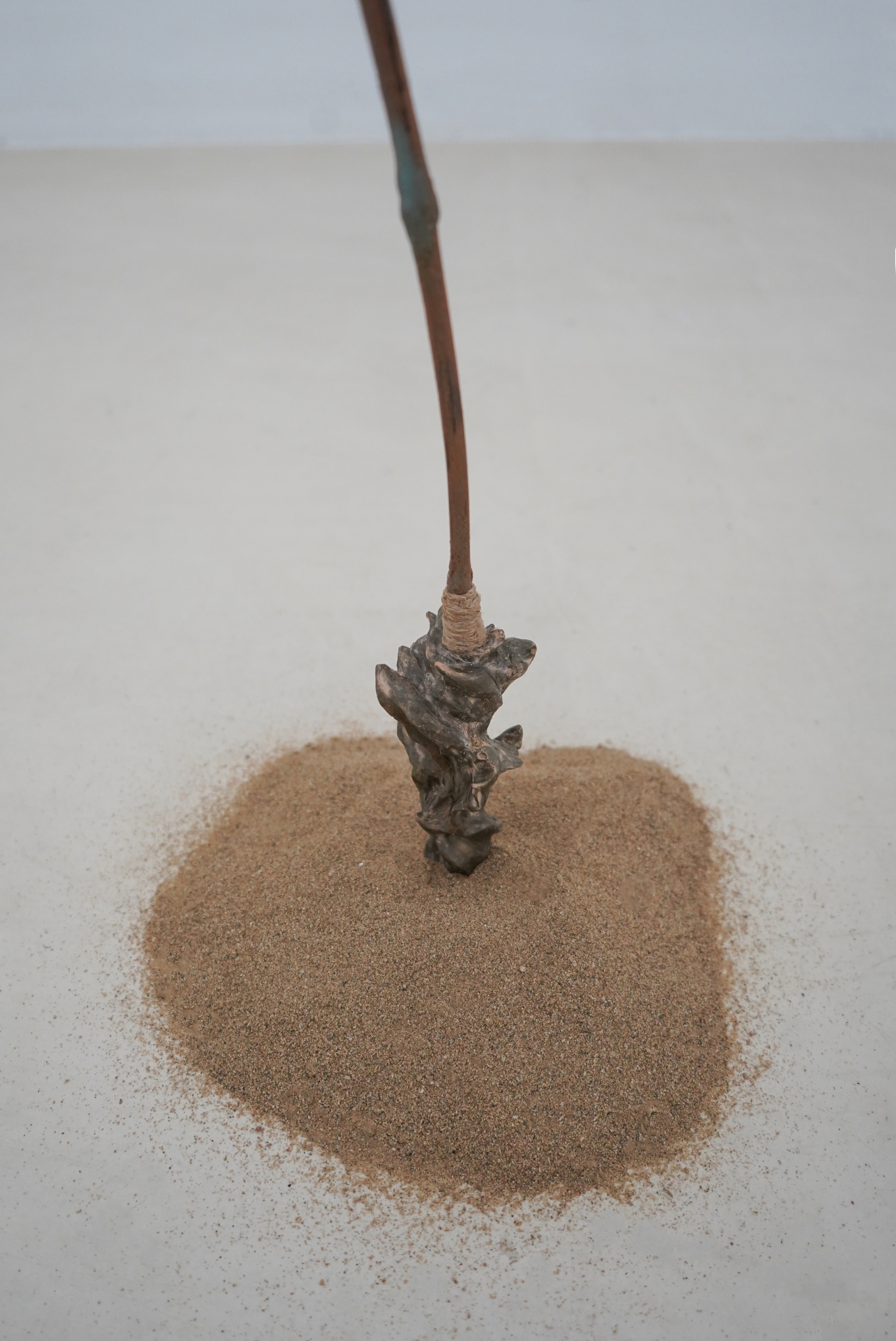
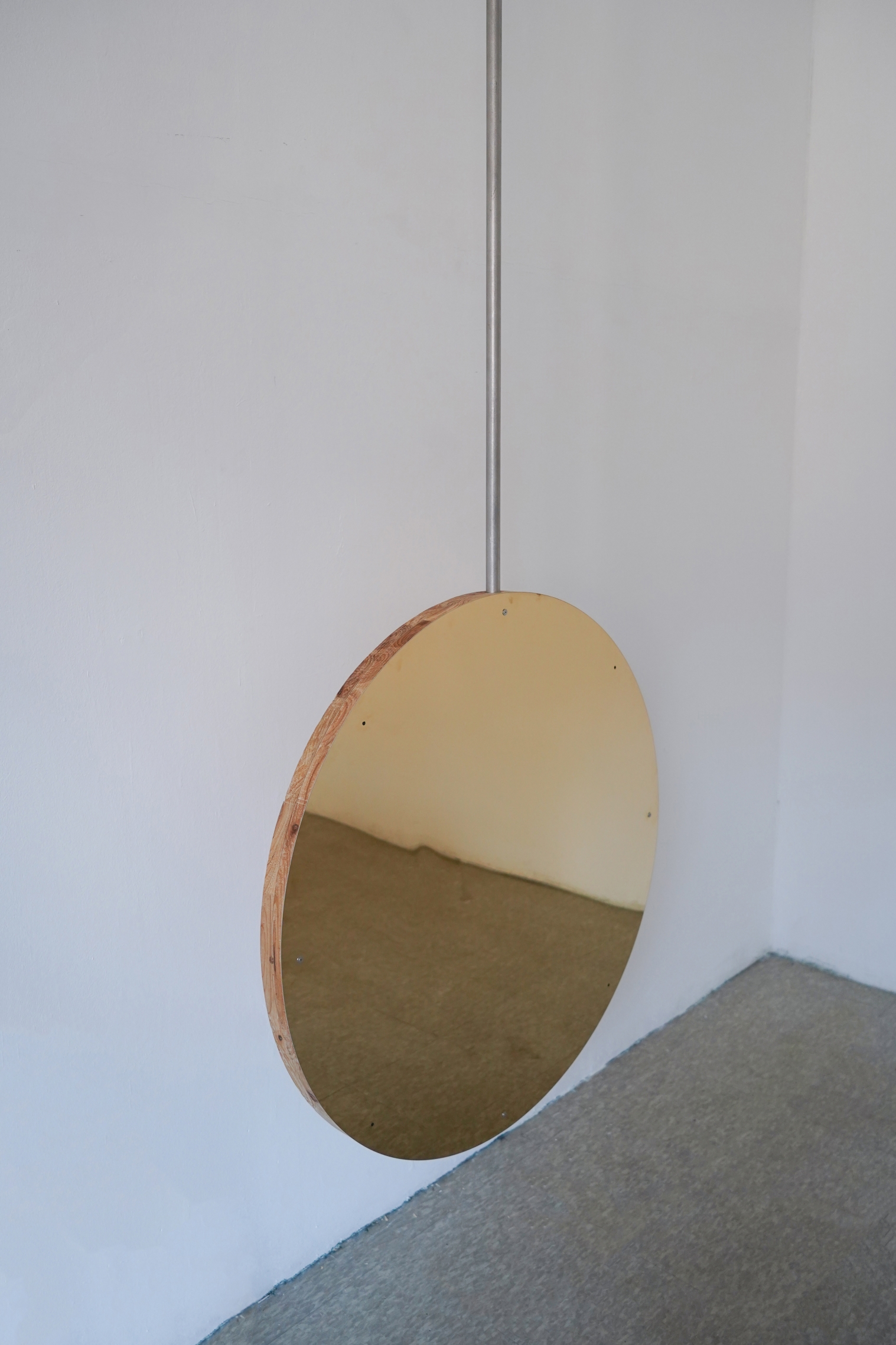
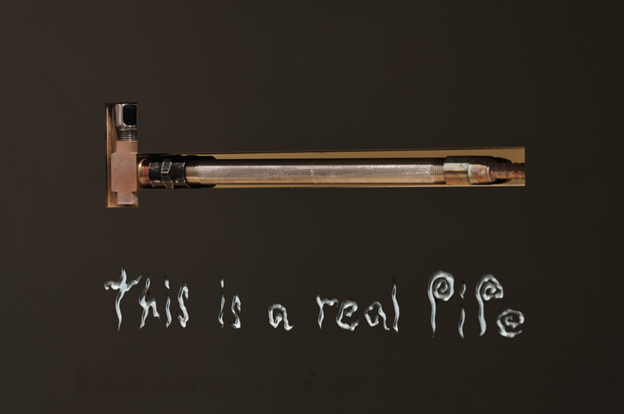
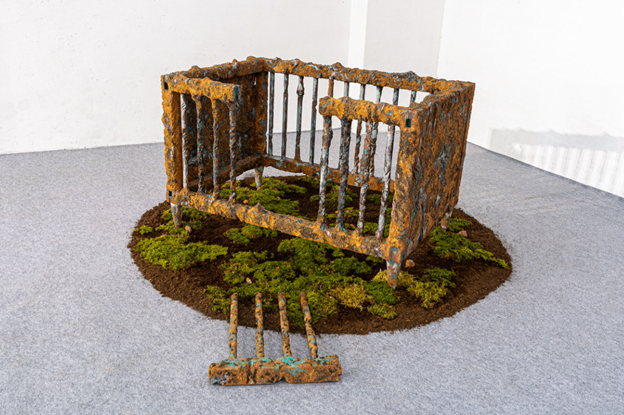
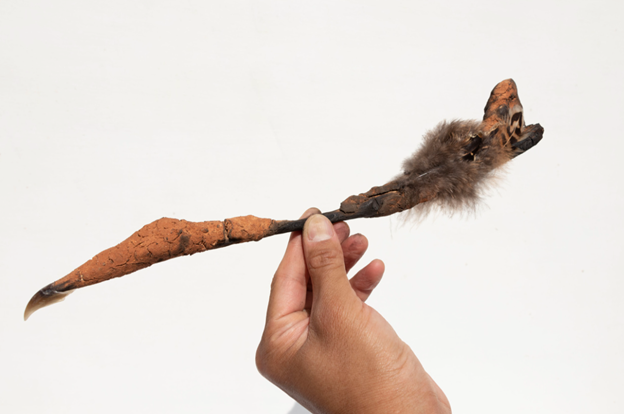
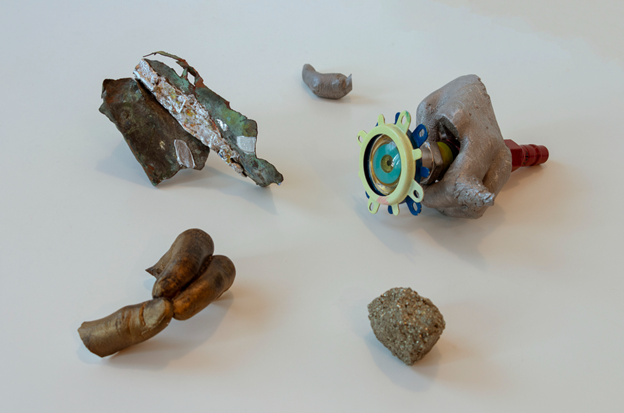
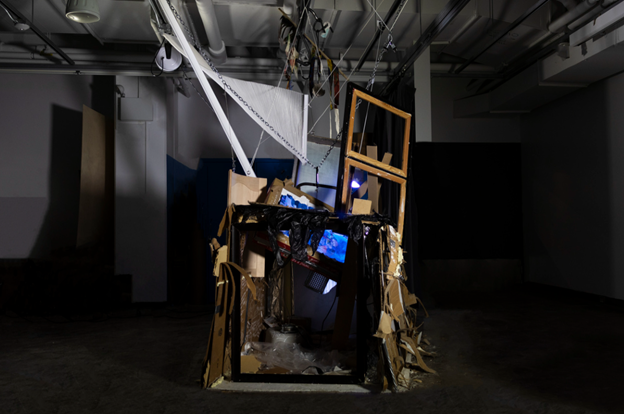
Focusing on objects that easily
disappear before our eyes or require great effort to apprehend—such as glass
panels, thin lines, colors that produce subtle differences against white
gallery walls, and objects collected from demolition sites or transient spaces—the
exhibition amplifies their fragile materiality. Through this process,
reconfigured tenses and narratives draw forth complex and delicate
interconnections among relations and orders, speech and silence, structures and
the invisible. Within the gaps of silence where meaning is suspended or remains
as a form of resistance inside dominant structures, systems are subtly shaken,
gradually revealing—at a slanted angle—other, previously unseen tensions.