Located at the
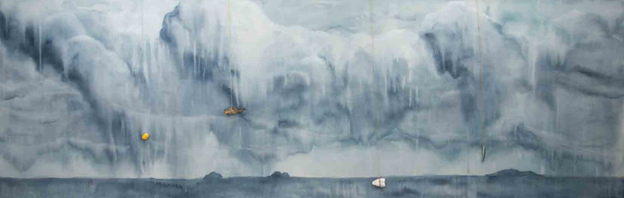
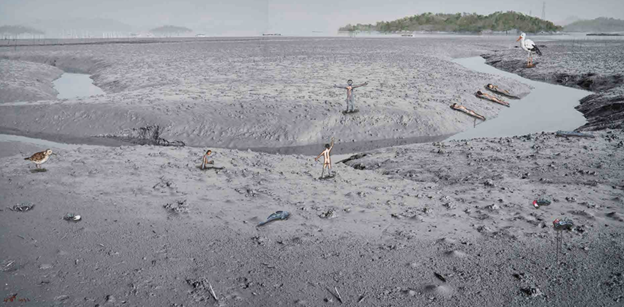
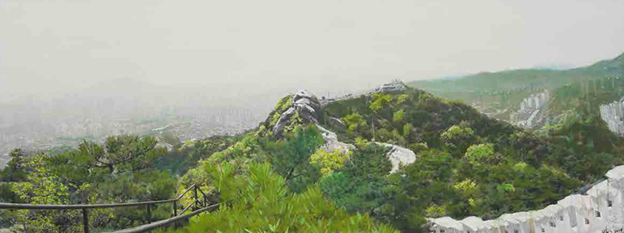
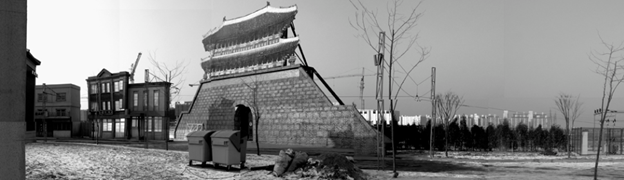
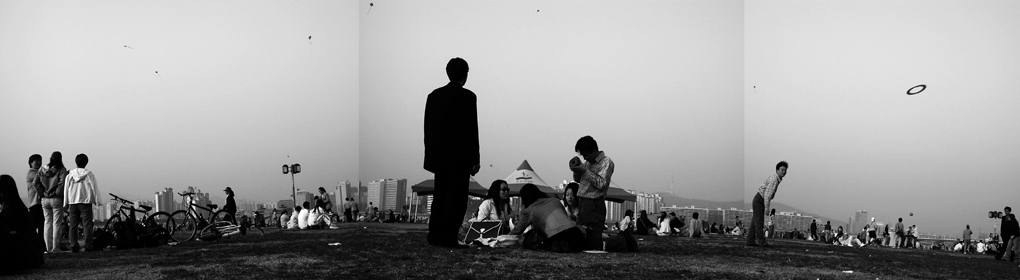
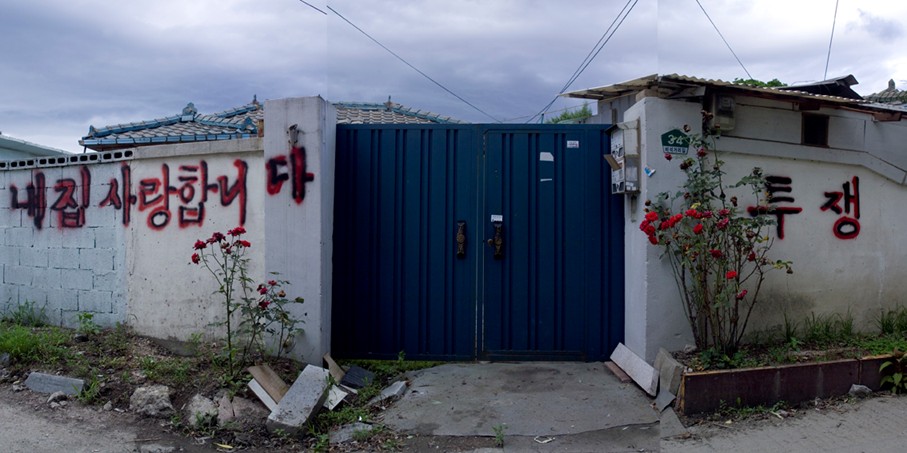
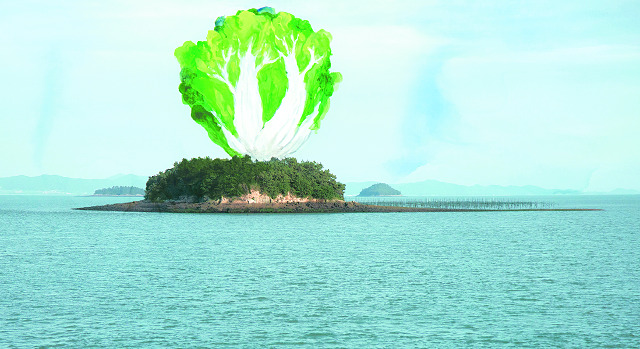
entrance to the Blue House, Tongui-dong Bohang Guesthouse presents 《Archive
of Anchors》, an exhibition that explores the shared
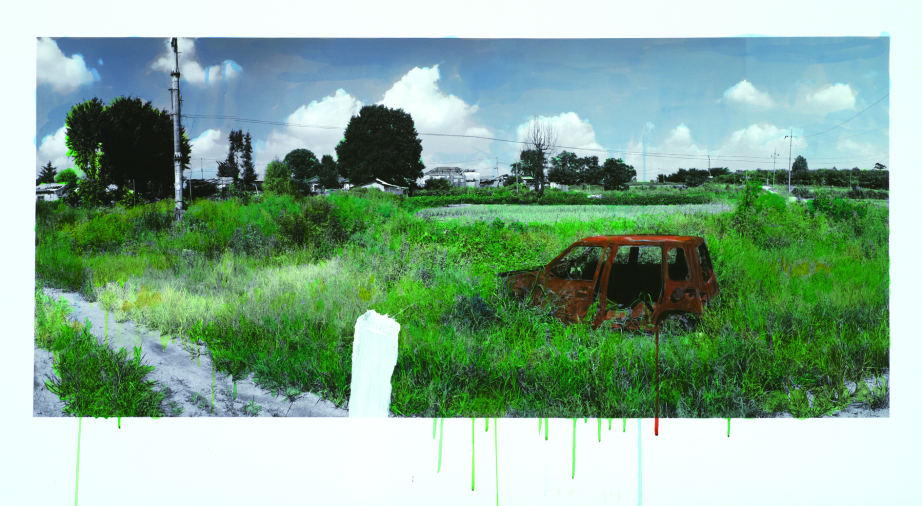
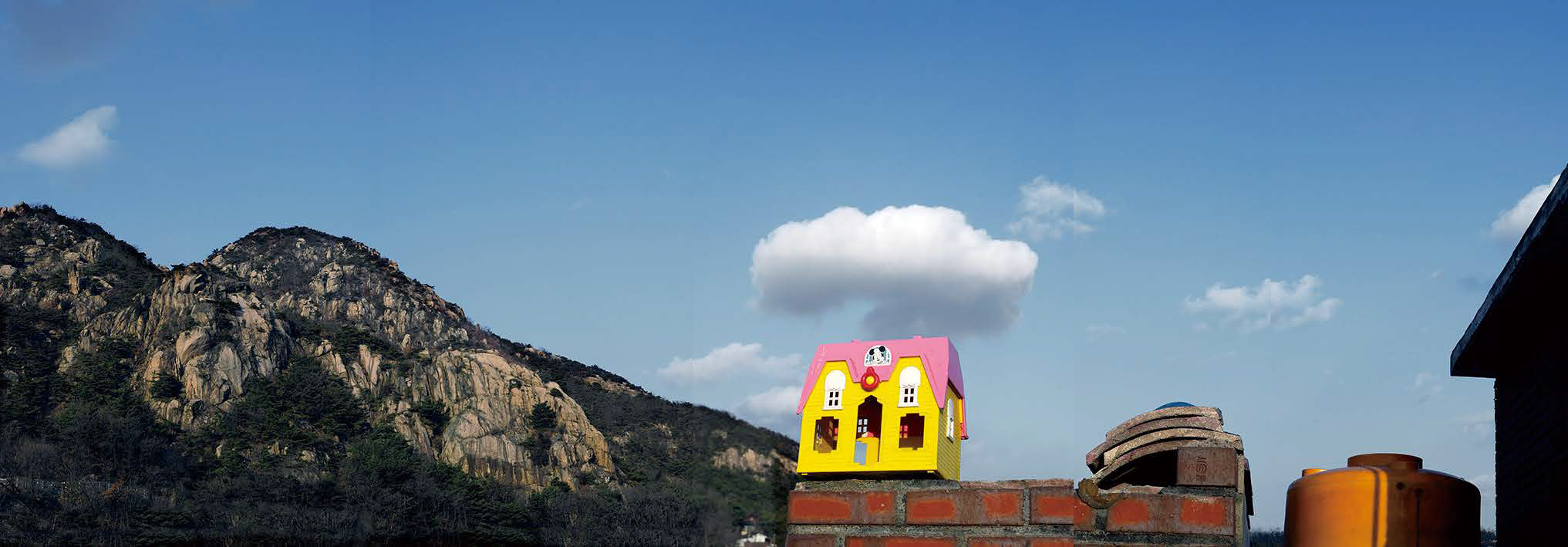
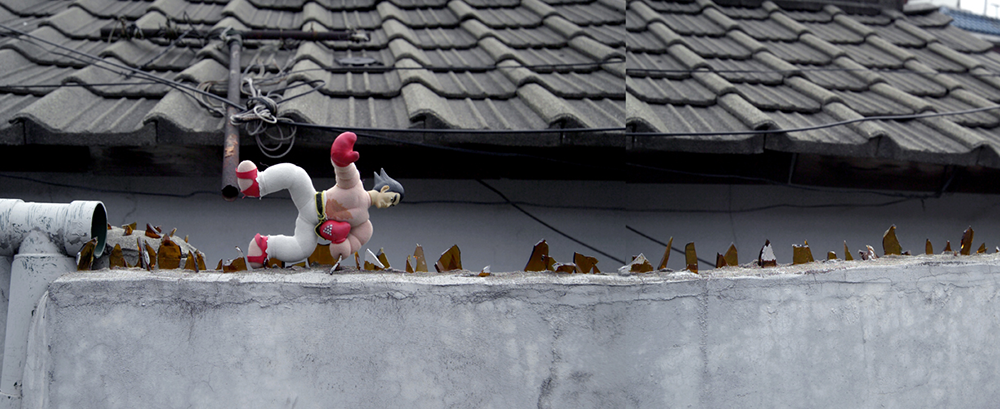
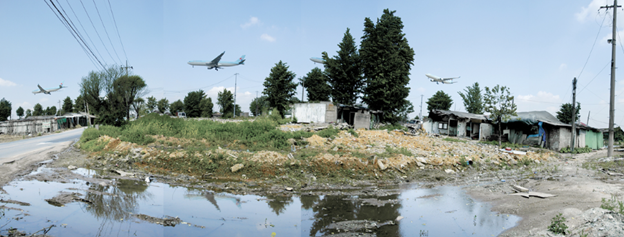
repetitive structures of nomadism and settlement through works by Kim
Seung-taek, Kim Hyun-sik, Noh Ki-hoon, Park Soo-hwan, and Jang Soo-jong.
Curator Park
Mi-yeon, who planned the exhibition in this space, explains: “Nomadism moves
toward settlement, and settlement anticipates nomadism. Within both, humans
remain in a constant state of anxiety, yet there is a possibility that this
anxiety can be overcome through the bonds connecting you and me.” She adds, “We
gathered works that carefully observe urban space and time, focusing on the
relationships unfolding within them.”
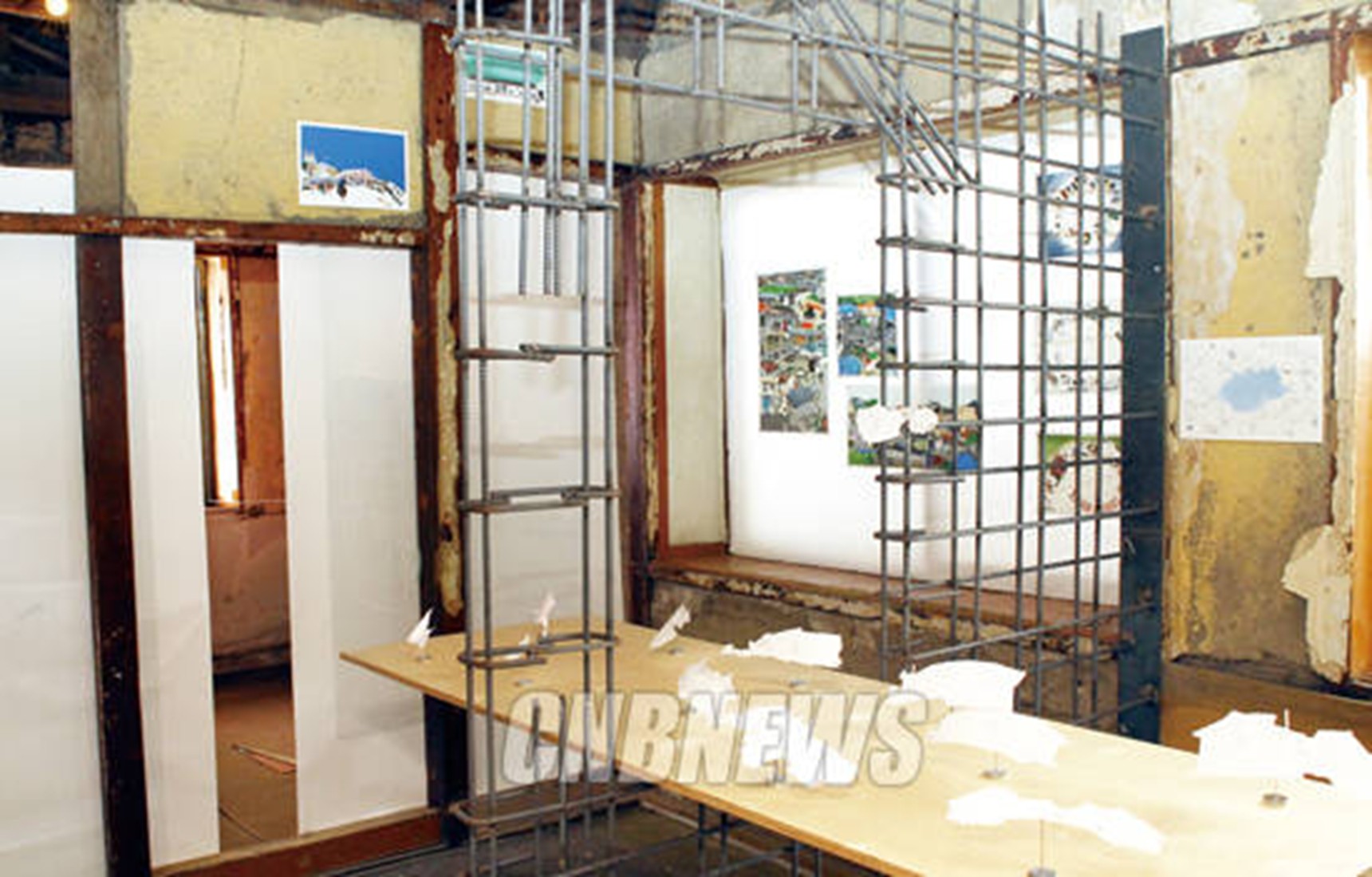
At Lee Yong-jae
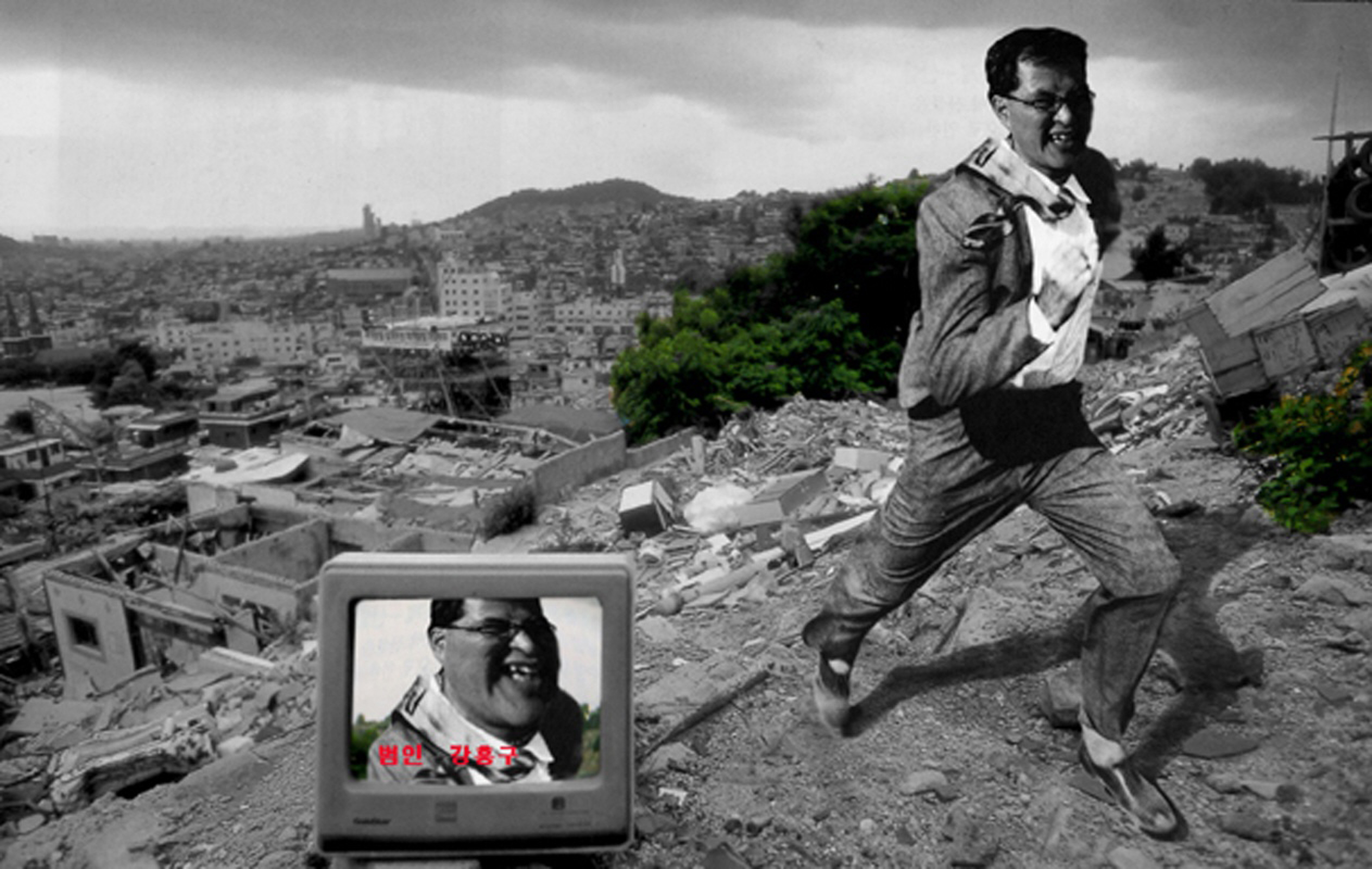
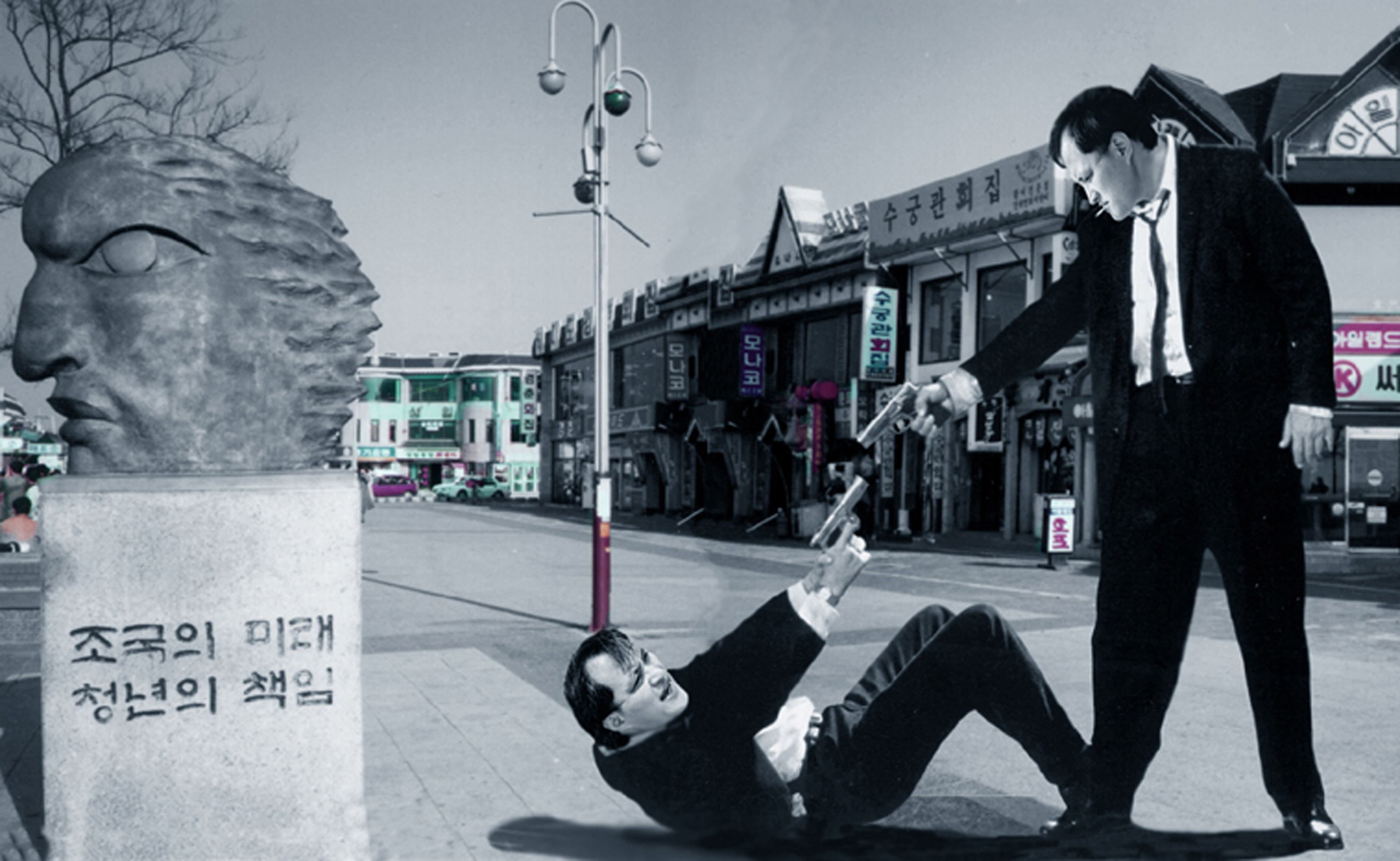
Architects + Side—renovated from a Seochon hanok into a guesthouse—artists Kwon
Kyung-hwan, Geum Hye-won, Yuri-wa, Lee Seung-hoon, and Lee Hae-min-sun cut
diagonally (on a bias) across the binary division between migration and
settlement. After closely studying the grammar of photography, they present
images that function as both artistic resistance to the weight of photographic
discourse and strategies for engaging with photography’s anchor.
Alleys as Spaces of Departure and Encounter,
Transformed into Exhibition Venues and Themes
At the basement
exhibition hall of Space 291, The Man with a Bag by
visual artist Sebastián Díaz Morales—recipient of a 2009 Guggenheim
Fellowship—is screened. Against the vast landscapes of Patagonia, a man who
appears spellbound continues moving toward an unknown destination, carrying a
large travel bag. As time passes, the background becomes increasingly desolate,
and the luggage grows worn and tattered.
The work functions as a metaphor for
the conditions of life and the trajectory of existence, with a runtime of 39
minutes and 27 seconds.
Another must-see
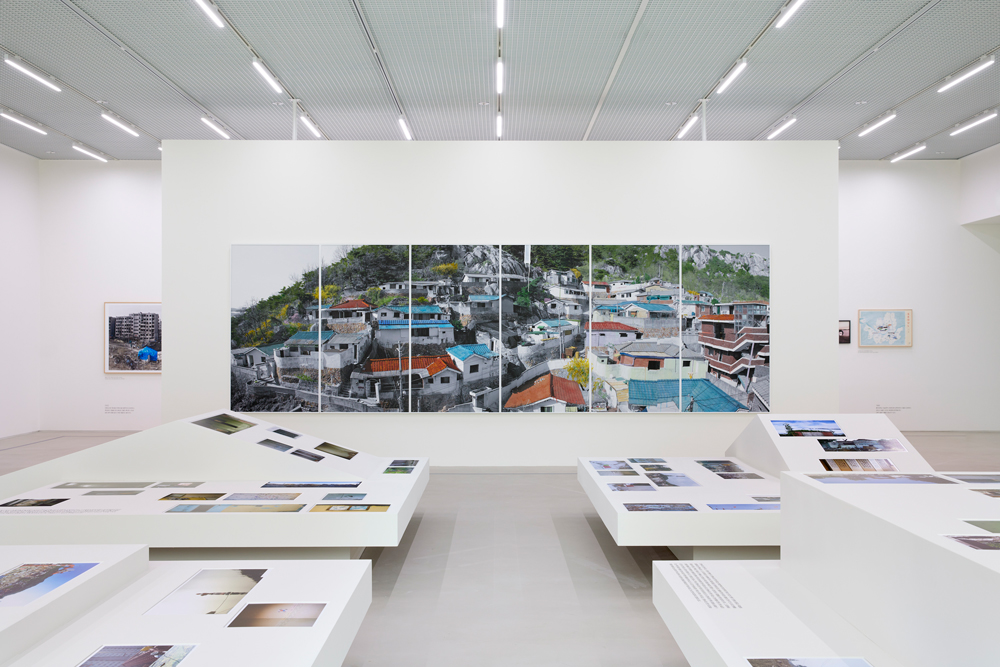
project is “Alleyway, Inside Out,” a curated exhibition that uses
alleyways—symbolic sites of settlement and interaction—as its exhibition spaces
and themes.
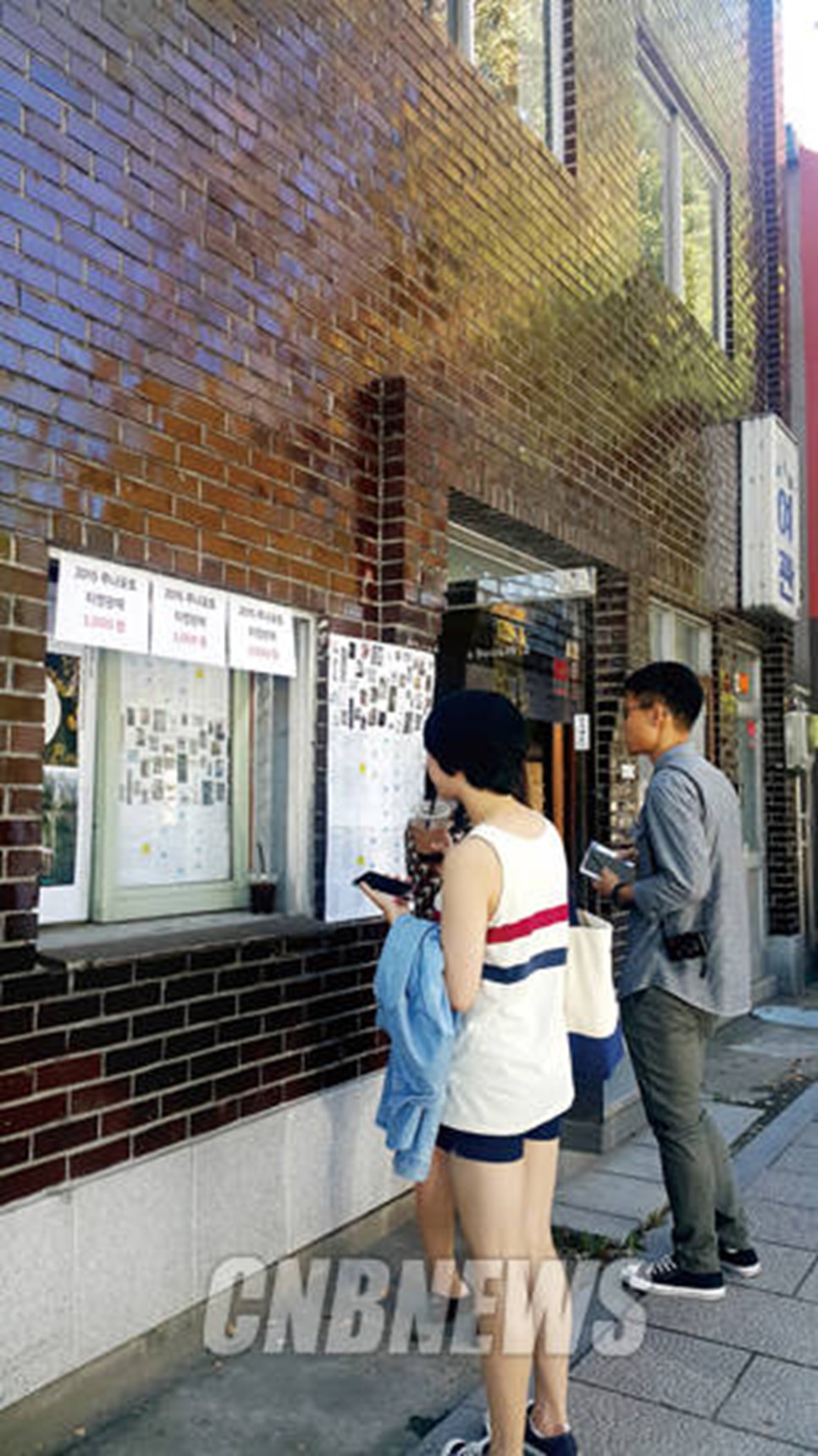
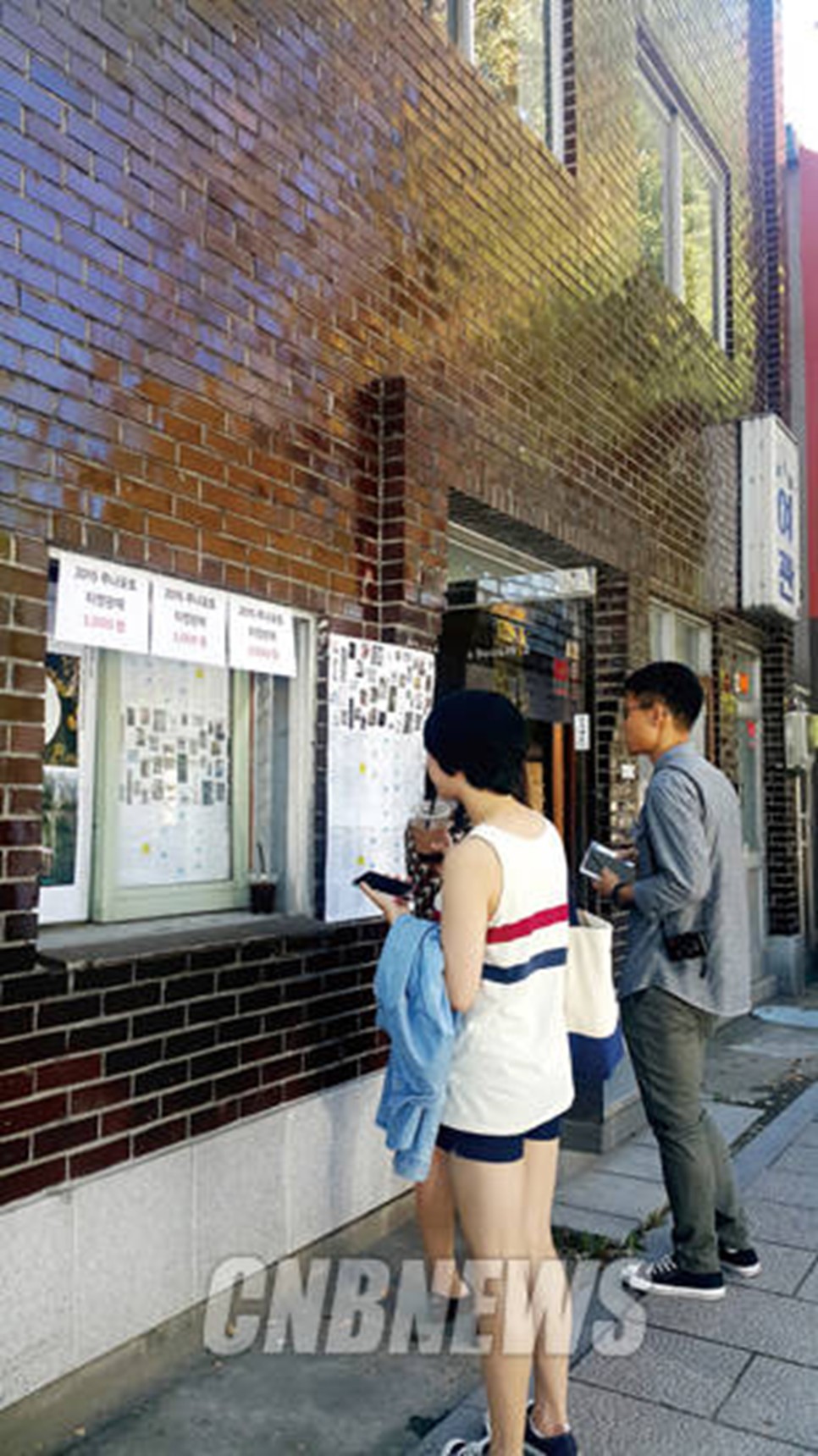
“Tongui-dong
Stories,” in the alleyways between Tongui-dong Bohang Guesthouse and Ryugaheon,
focuses on the everyday lives of residents who continue to inhabit Seochon even
as it attracts increasing numbers of visitors as a cultural district. Through
the lens of photographer Seok Jeong, the daily lives of Tongui-dong residents
are brought out into the open.
“Memories of
Alleys” introduces works by photographers who now live in spaces where alleys
have disappeared, each presenting their own memories of alleys through the
camera lens.
On the first floor
of Space 291, under the title “All the Alleys in the World,” alley-related
images searched via Instagram and hashtags—alongside countless images that no
longer resemble alleyways—are presented to show differing perceptions of alleys
between generations who experienced them and those who did not.
On September 12, “A
Night of the Moon and Photography,” held at Hamnyeongjeon Hall in Deoksugung
Palace, presented a photo-film screening as a more approachable way to
encounter photography outside conventional exhibition spaces.
Song Soo-jung, Photography Critic and Planner
of Seoul Luna Photo
“Experience the Allure of Photography Under
the Moonlight at the Royal Palace”
“Photography can be
seen as a medium with more flexible and blurred boundaries than other media. In
the digital era, this intensity has only increased. At a time when
photography’s function as culture is weakening, we wanted to bring into public
discussion the question: is selfie photography the only form of everyday
photography?”
Explaining the
choice of “Dropping Anchor” as the theme for the second consecutive year,
planner Song Soo-jung stated, “Although it may sound familiar, we sought a
contemporary theme. In the digital age of the 21st century, the concept of
settlement seems to have changed, and in this era of digital nomads, we wanted
to explore the creation of new communities through migration.”
She emphasized that
the exhibitions held across Bohang Guesthouse, Ryugaheon, Space 291, and Side
during the Seoul Luna Photo Festival should be viewed in connection with one
another. Though spread across multiple locations, they are united by shared meaning.
Song also noted
that the photo-film screening held on the evening of the 12th at Hamnyeongjeon
Hall will return next year in a different format.
“This may be the
first exhibition format of its kind attempted in Korea. Displaying photographs
as moving images on a 12-meter-wide screen installed at Deoksugung Palace—an
old royal palace—and viewing them under moonlight is more than enough to make
audiences see photography anew,” she said.
Song concluded,
“Photography is a medium created by light. Naming the event after ‘Seoul’ was
also a strategic choice intended to convey its multiple meanings as a cultural
event. In a reality where networks among Korean and international artists are
increasingly diverse, we aim to create a photography festival that prioritizes
substance over scale—one that can even be enjoyed at night, something truly
special.”