Joo Yongseong (b. 1989) photographs the landscapes left behind by what has passed, along with social issues—particularly political and social forms of death. The artist visits these sites to document the places and the people connected to them, giving visual voice to small, often unheard stories that have remained largely unexpressed.


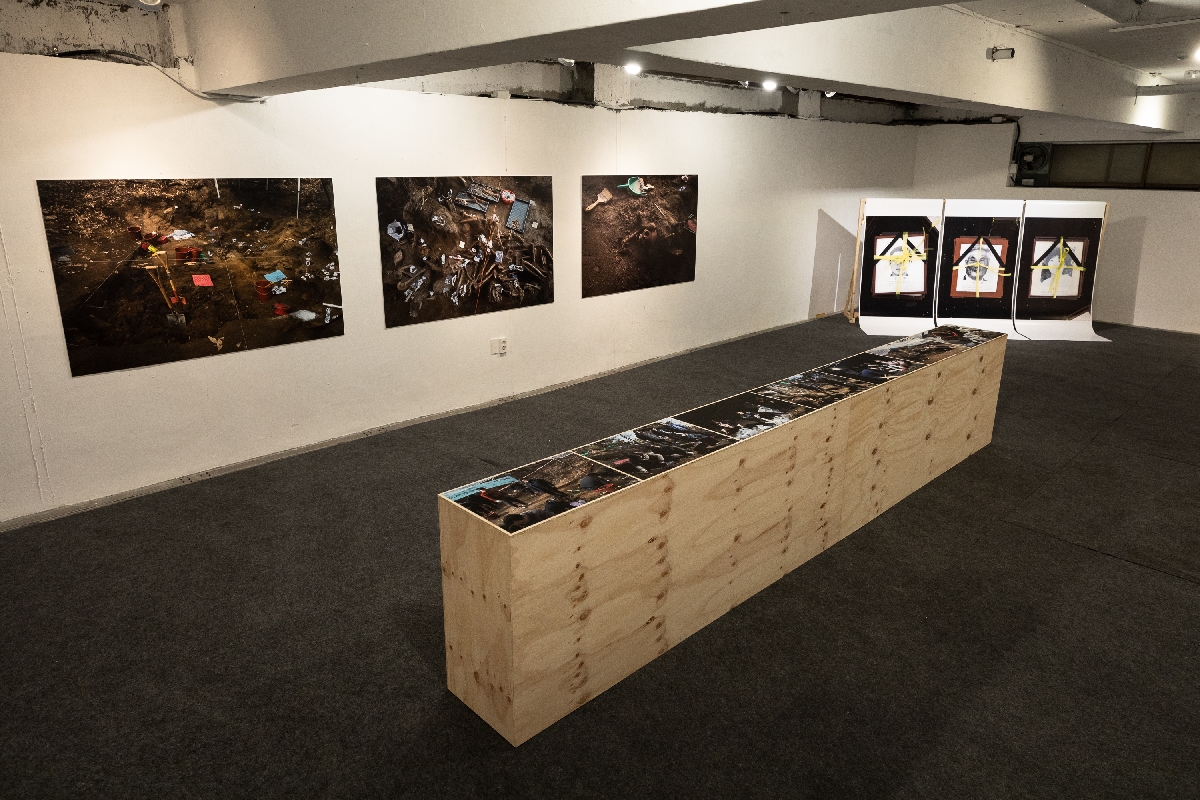
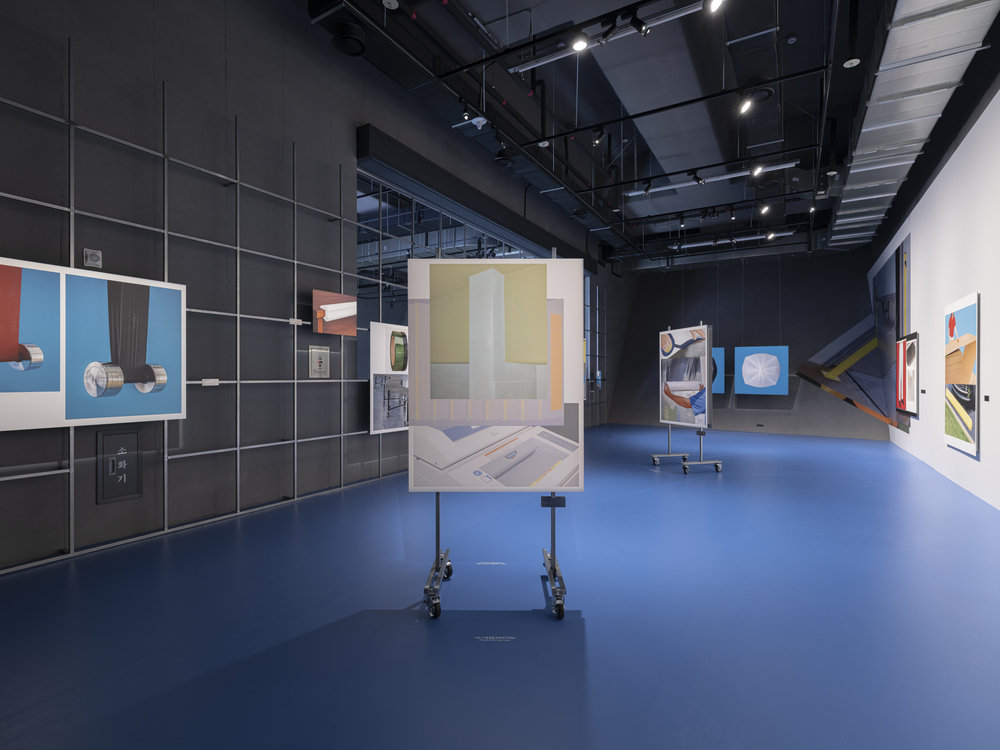
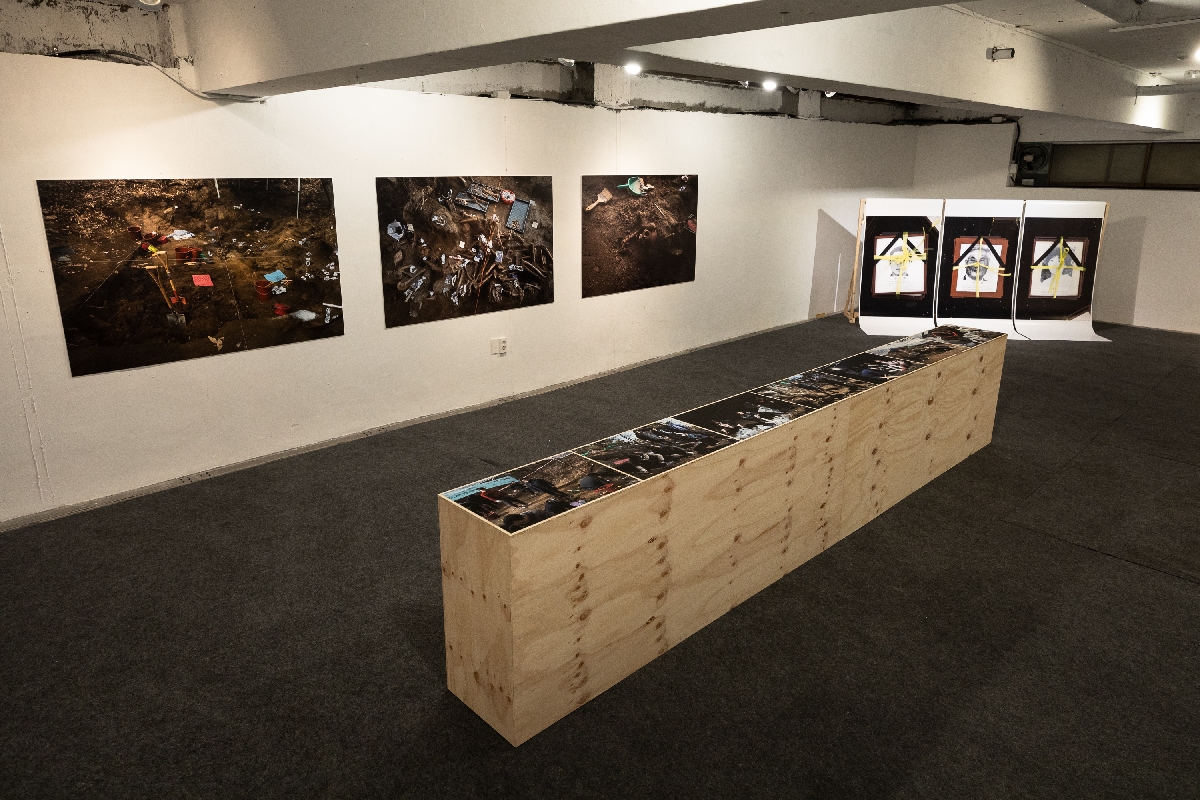
Installation view of 《Lamentation》 (Space Heem, 2018) ©Space Heem

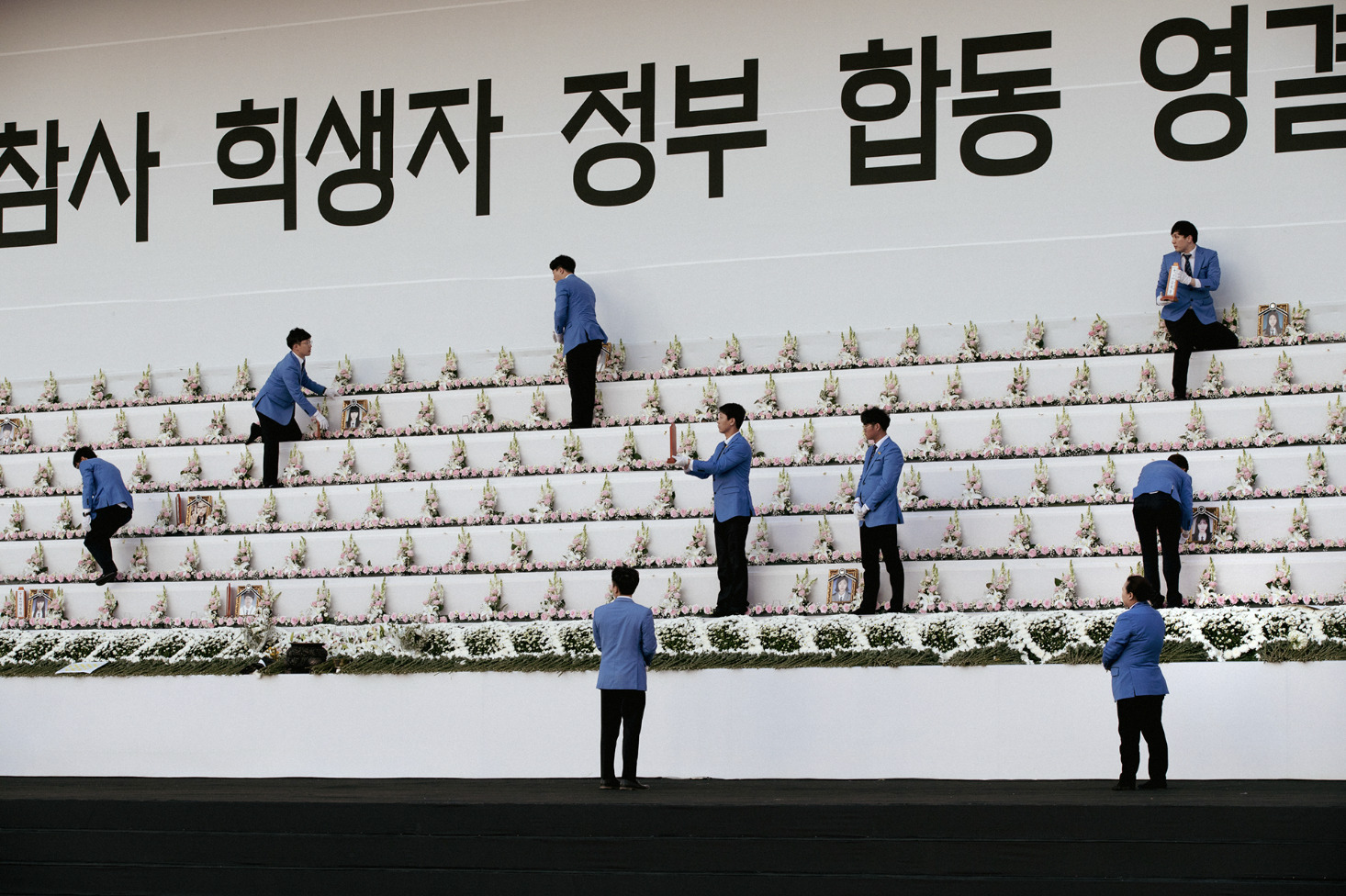
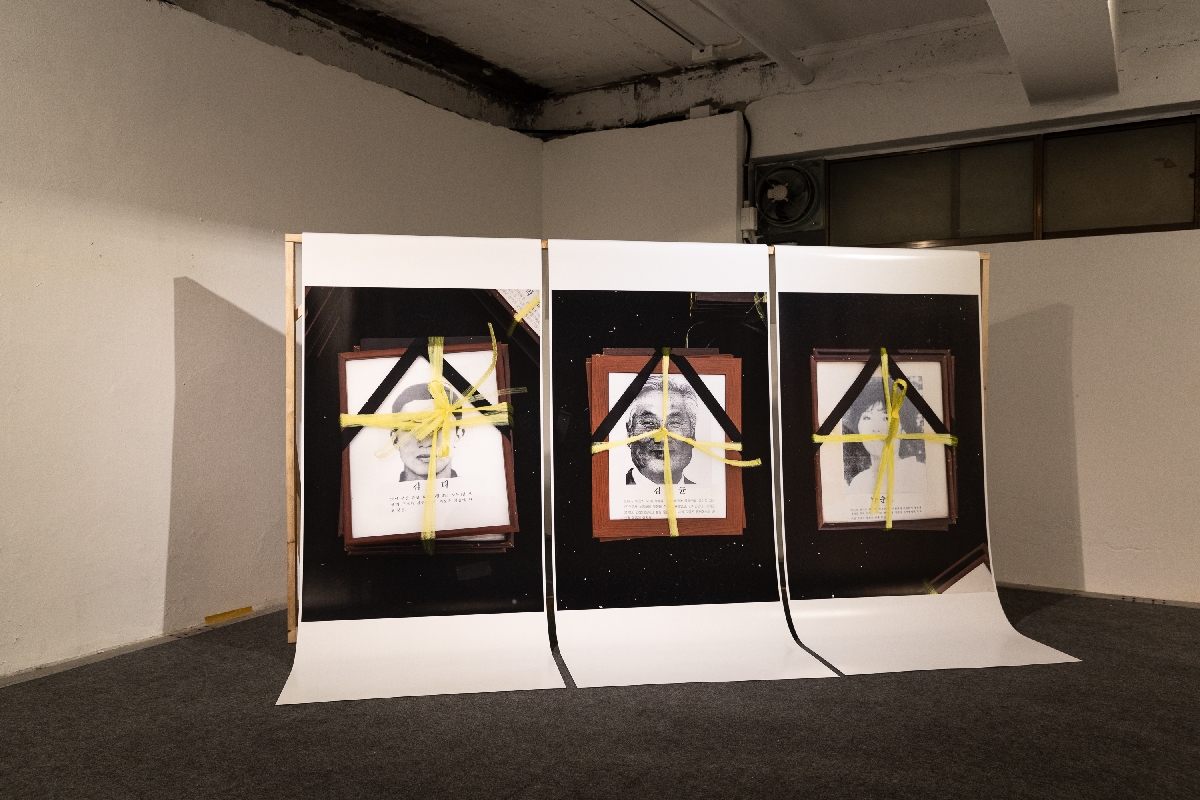
Joo Yongseong’s first solo exhibition, 《Lamentation》, held at Space Heem in 2018, examines how deaths caused by state power are re-invoked over time as official acts of mourning, commemoration, and memorialization for political reasons, and how such deaths are treated and staged in the process.
 
Through this inquiry, the artist further asks how we as a society view and mourn the many deaths around us, and whether we unquestioningly believe the prevailing forms of mourning to be sincere.


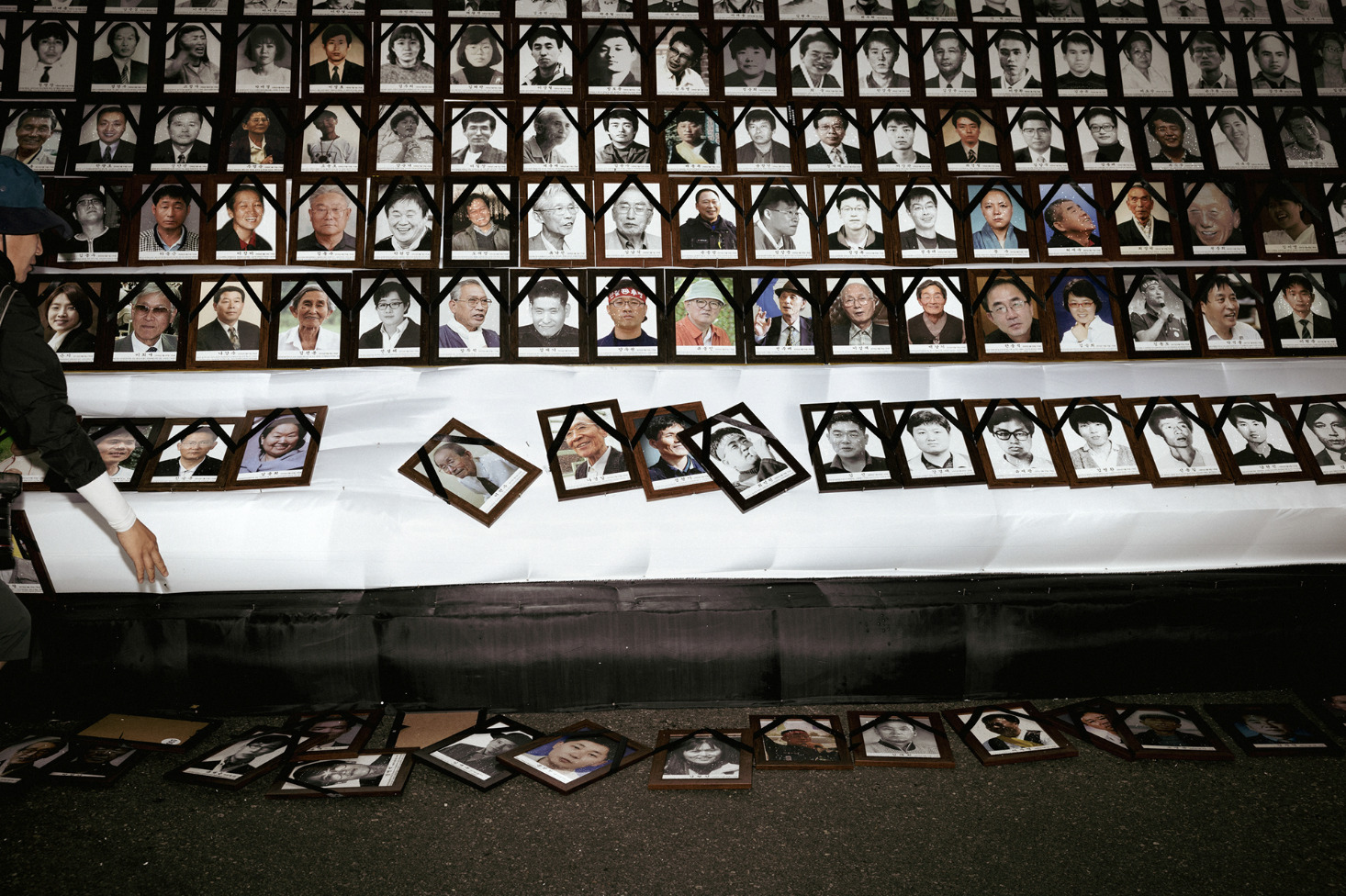
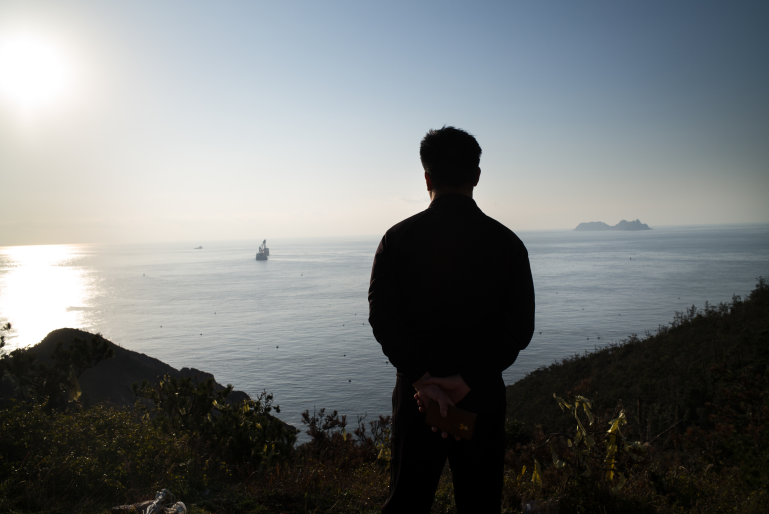
Joo Yongseong, ‘Lamentation’ series, 2018 ©Joo Yongseong

Regardless of whether the measures taken for victims of state violence serve political purposes or not, they are often followed—after a change in administration—by calls for “reinvestigation” and then “commemoration (mourning).” Yet the outcome has repeatedly amounted to a procedural, formalized form of mourning.
 
Within these contradictory practices of state power, Joo Yongseong identifies the existence of an “official” mode of mourning. In his solo exhibition 《Lamentation》, he renders in photographs the unreal and dissonant reverse side of mourning as it unfolds in reality.


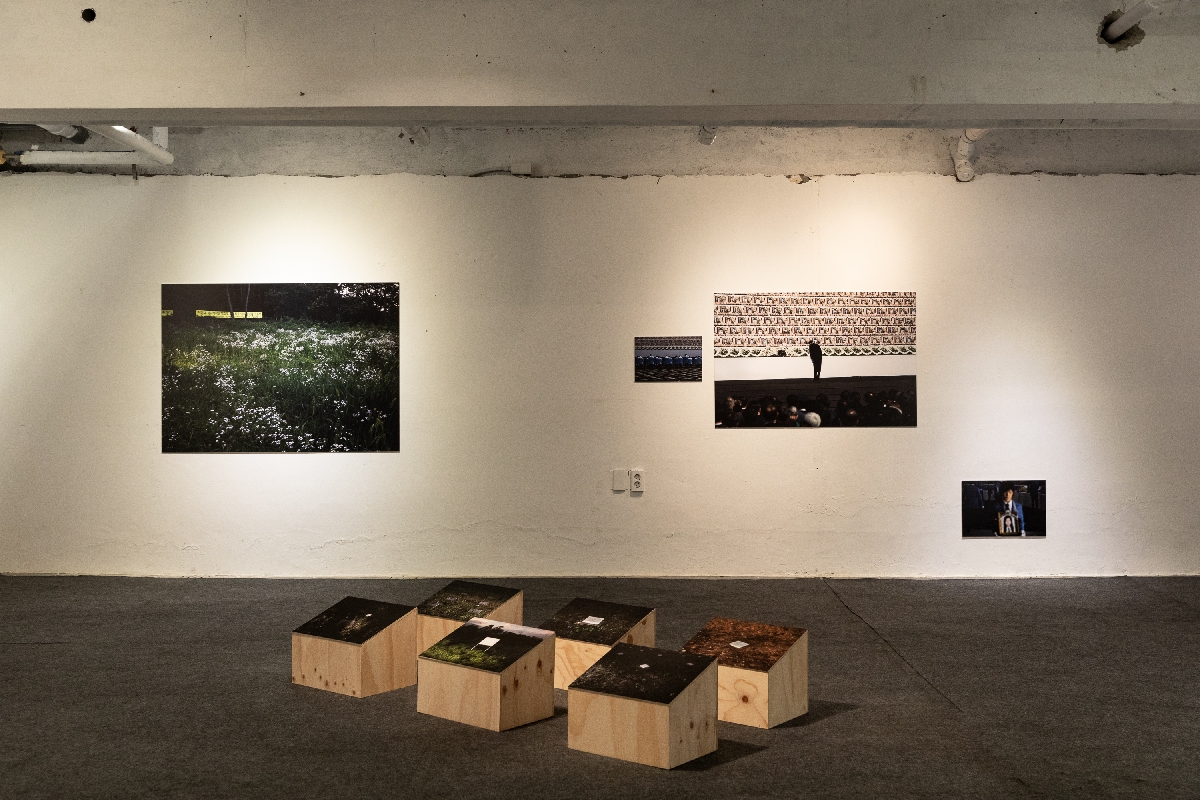
Installation view of 《Lamentation》 (Space Heem, 2018) ©Space Heem

The overall landscape of 《Lamentation》 appears as homogenized fragments of events. Although shards of memory are scattered throughout, they retain a uniform form, with photographs and structures arranged as if to demonstrate the standardized ordering characteristic of state power.
 
The photographs visualize memory in a spatial, three-dimensional form; combined with wooden structures, they function as devices that allow viewers to trace once again the scenes depicted within the images.


Joo Yongseong, ‘Lamentation’ series, 2018 ©Joo Yongseong

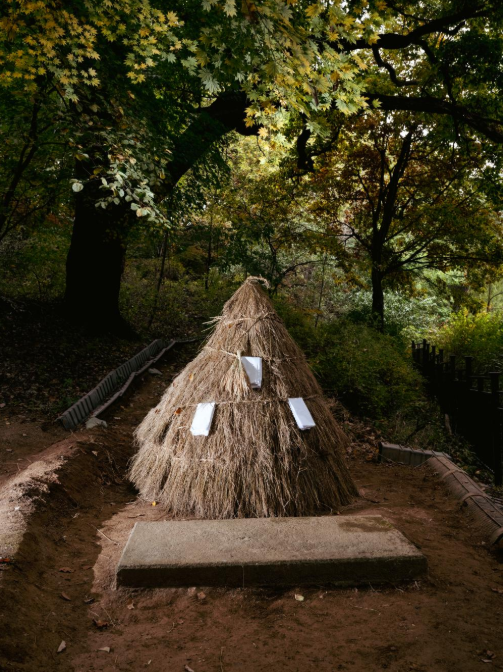
The works were photographed at monumental sites associated with death, including sites of the exhumation of the remains of civilians massacred during the Korean War, Jeju 4·3 Peace Park, and the Enemy Soldiers’ Cemetery in Paju.
 
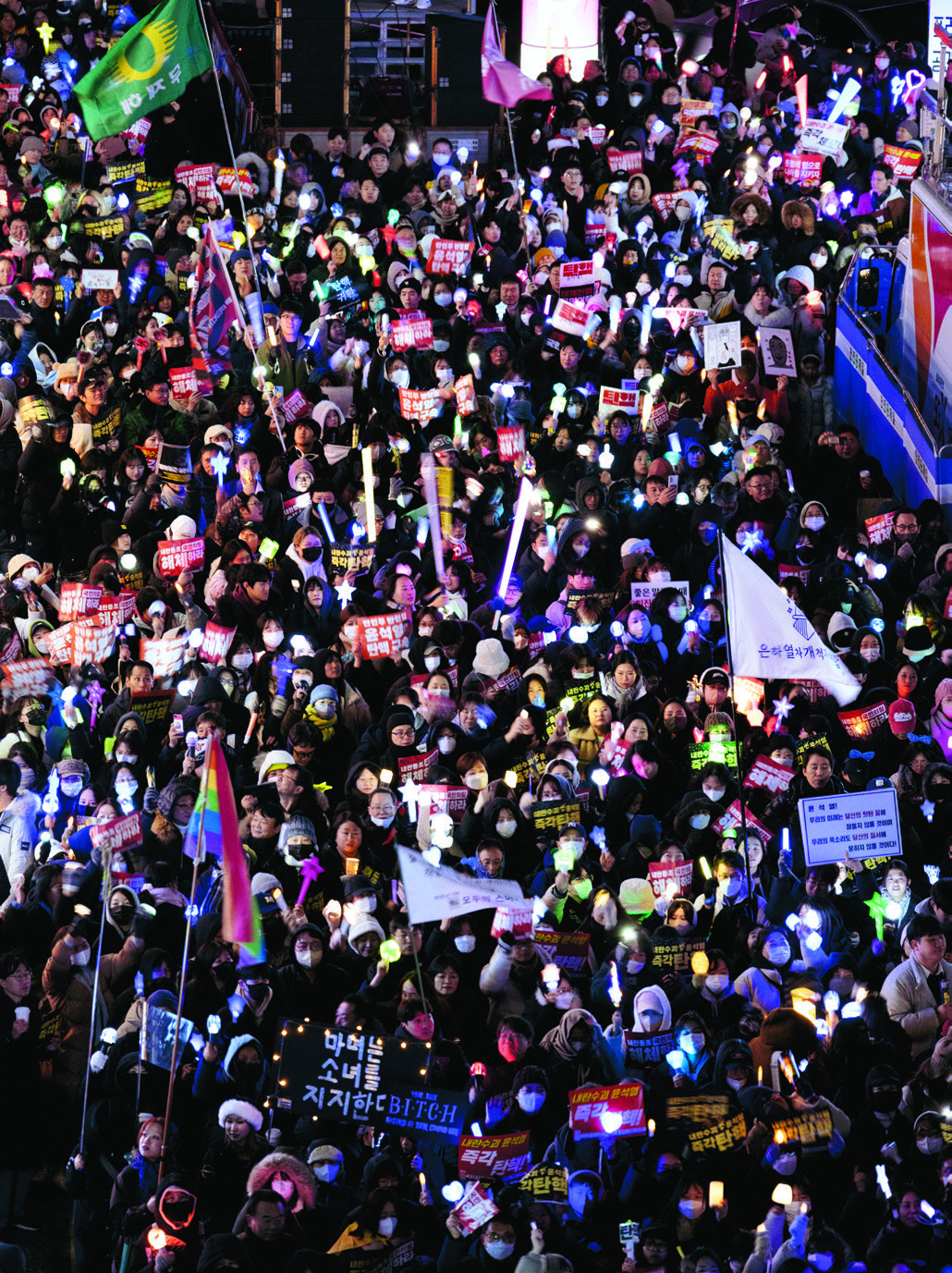
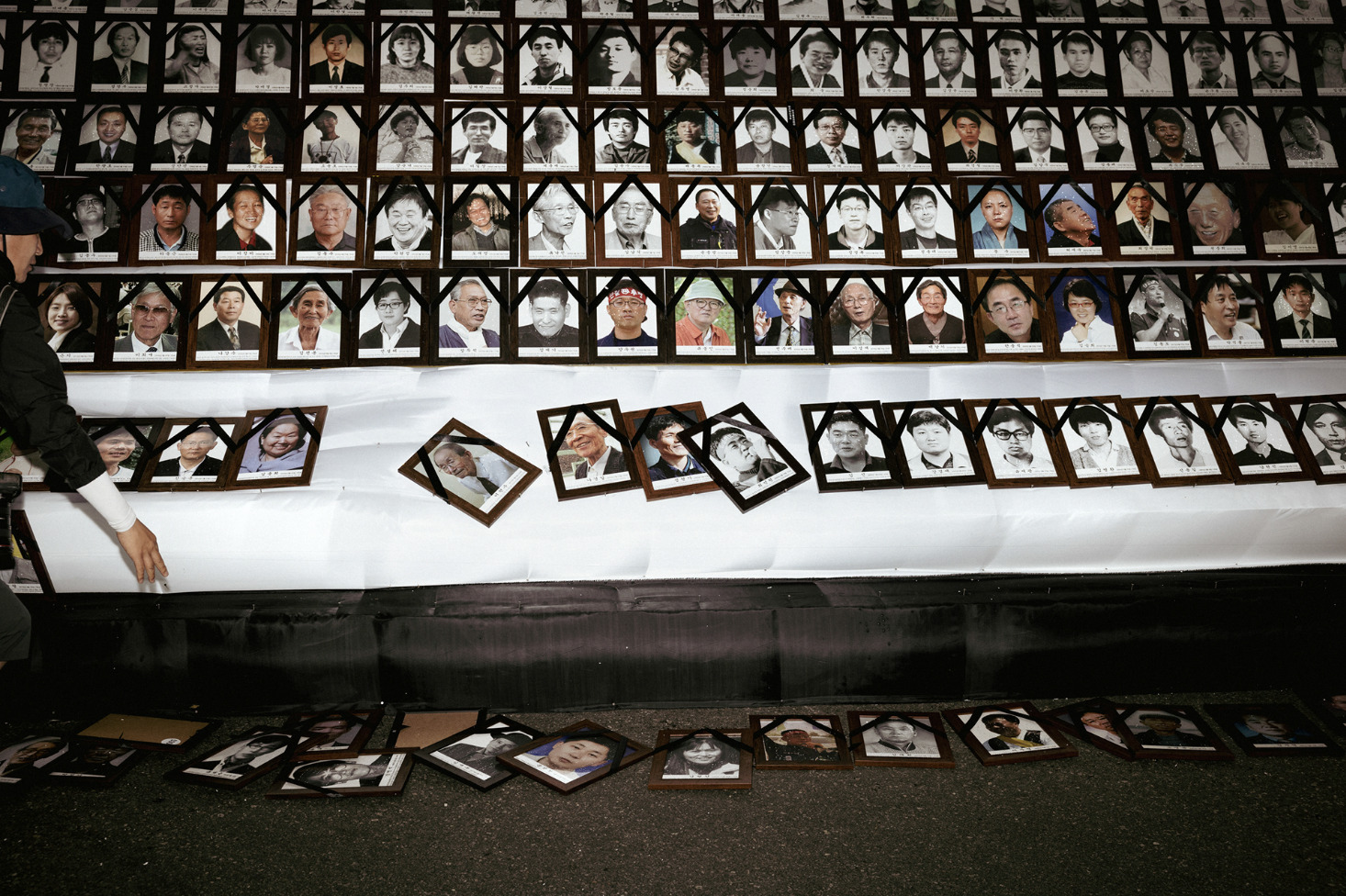
For example, works such as Government Joint Funeral and Memorial Service for the Sewol Ferry Victims, Ansan, Republic of Korea (2018)—which captures the moment when portrait photographs are removed from the altar after the memorial ceremony—and Memorial Ceremony for National Democratic Martyrs and Victims, Seoul, Republic of Korea (2018)—an installation showing portrait photographs sealed together with yellow cords—unflinchingly and realistically render the “official” moment, revealing an unsettling landscape.


Installation view of 《Lamentation》 (Space Heem, 2018) ©Space Heem

In this way, Joo Yongseong probes how state power produces “sacrifice (death)” and subsequently subjects it to a procedural process of mourning. By recording the appearances of formalized mourning and what lies beneath them, the artist captures contradictory or fictive scenes, revealing fissures in modes of mourning that have long been overlooked or deliberately ignored.


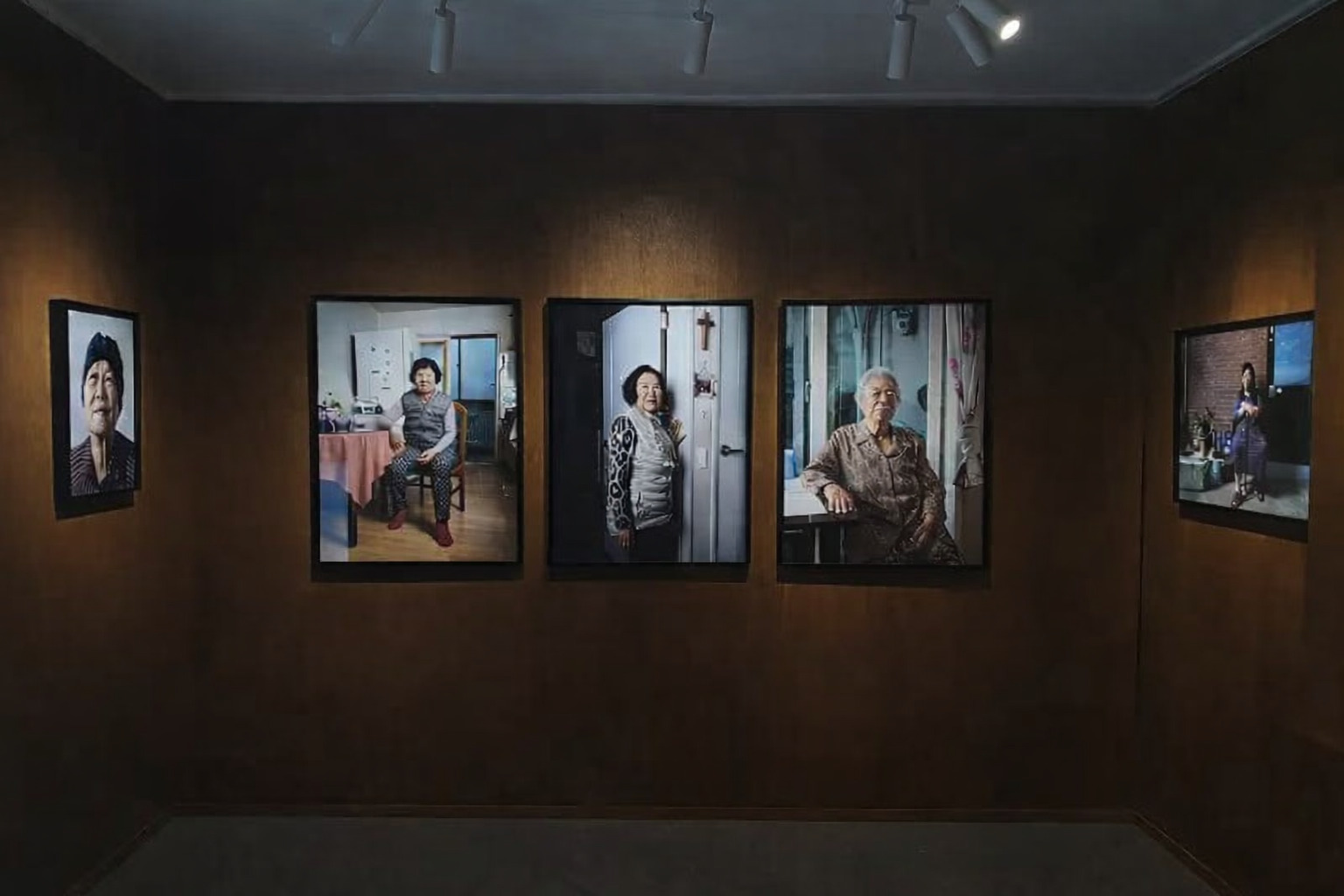
Installation view of 《The Day After We Are Gone (우리가 없는 이튿날에)》 (Seven Sisters Museum, 2021) ©Seven Sisters Museum

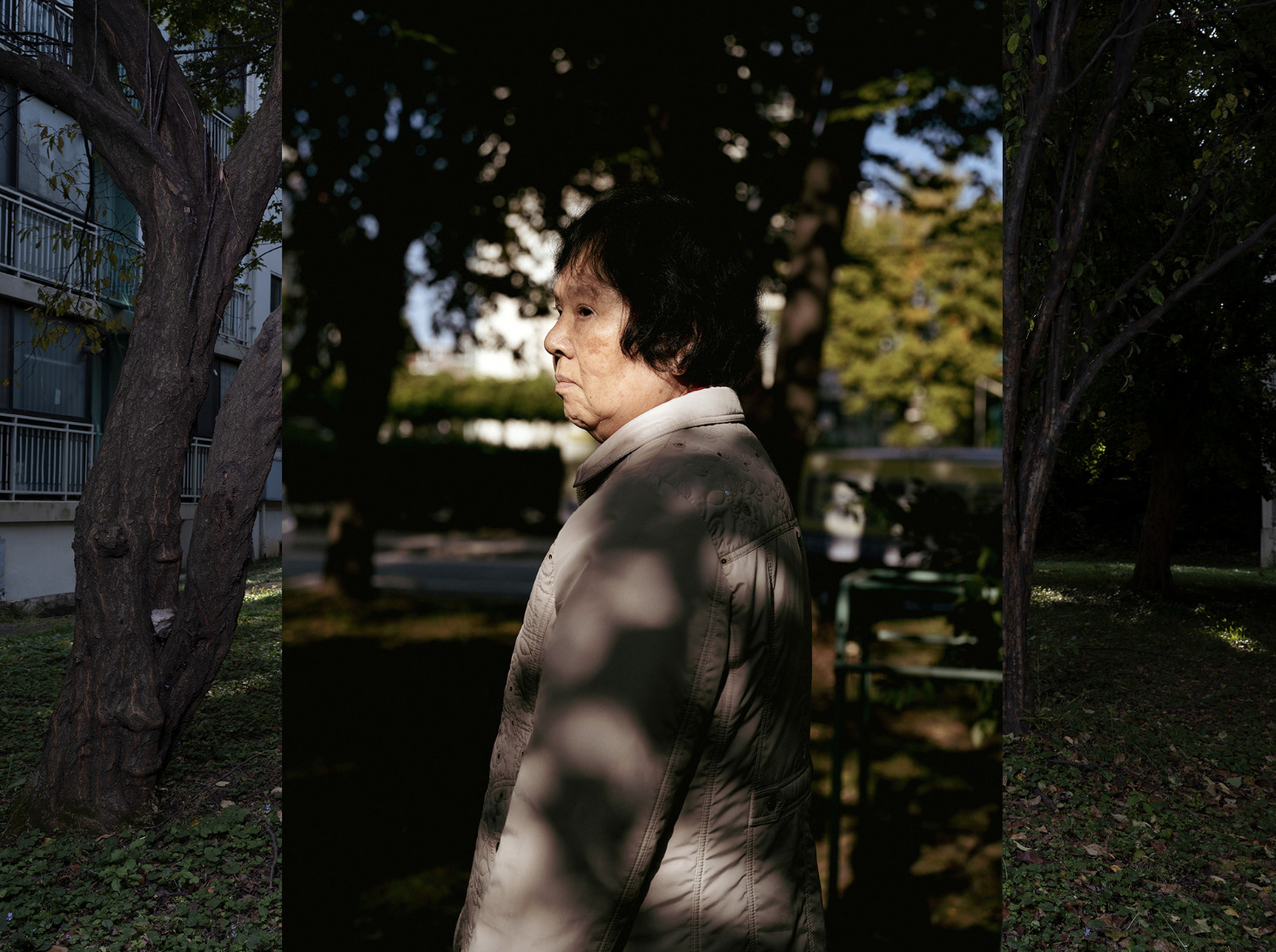
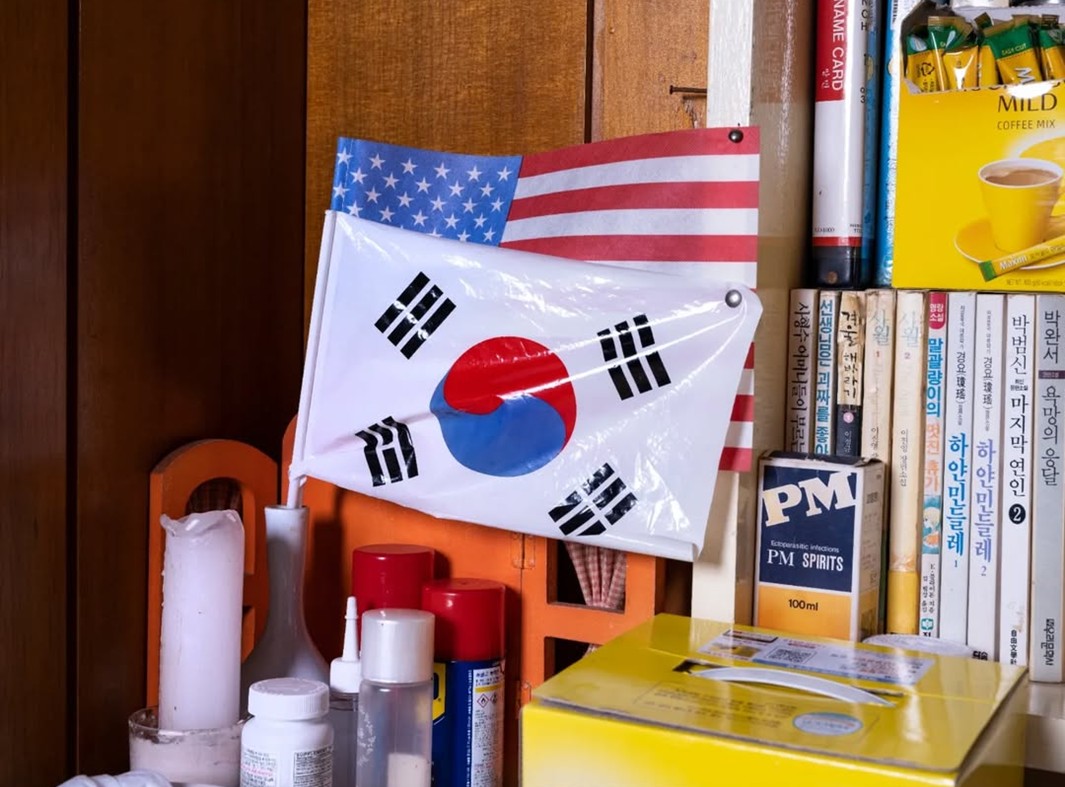
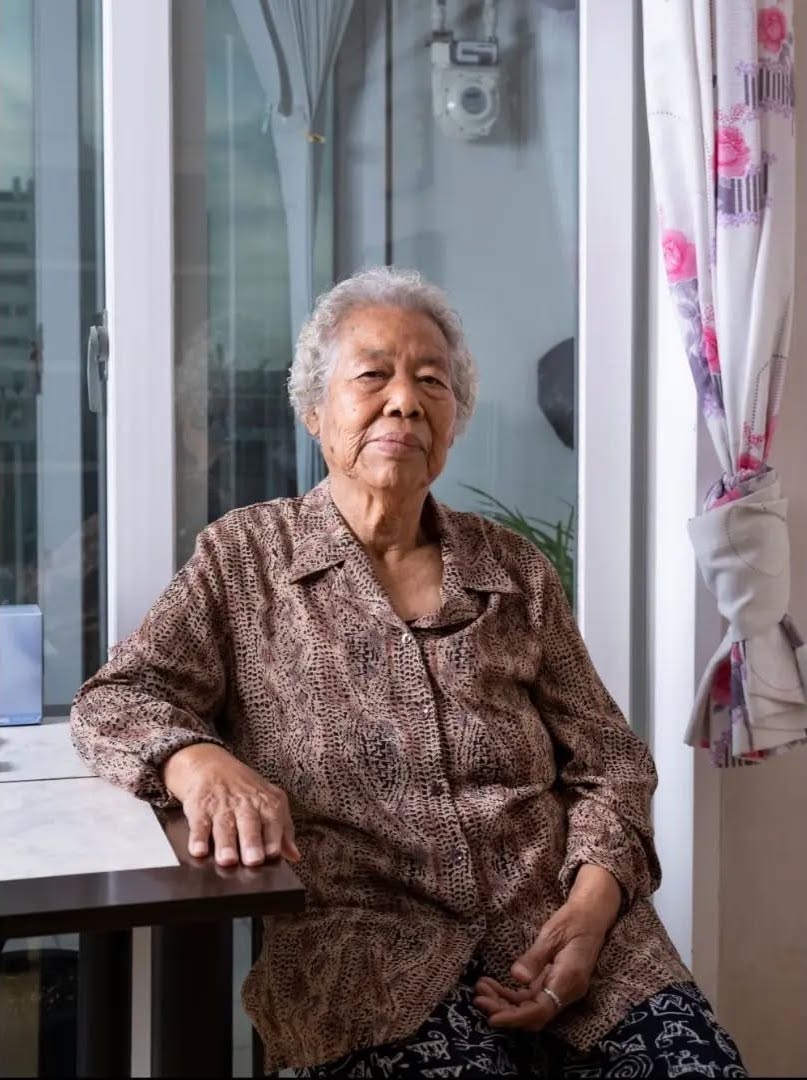
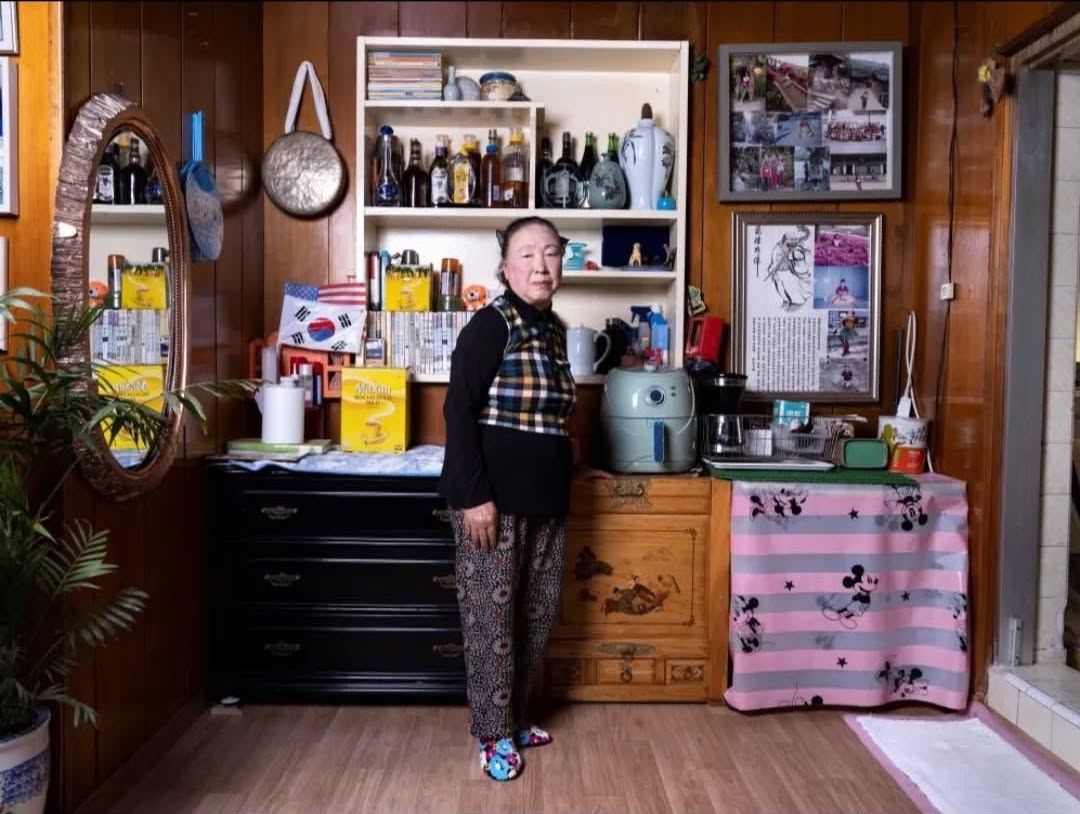
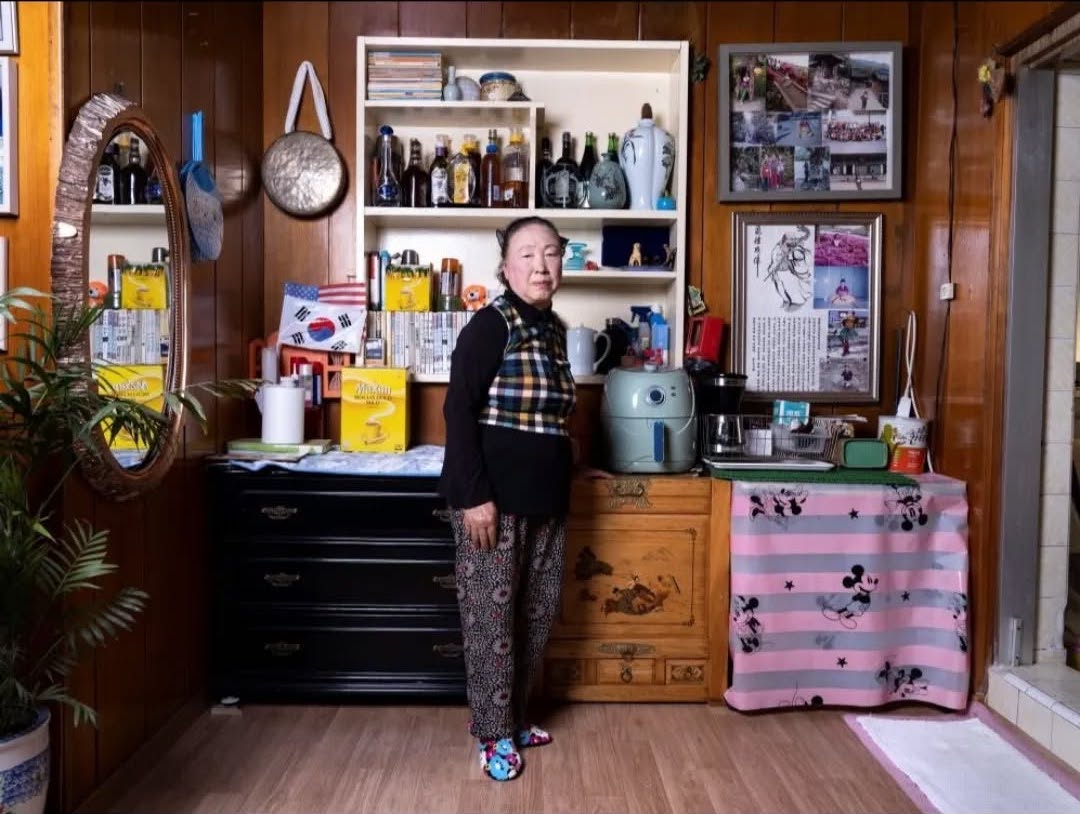
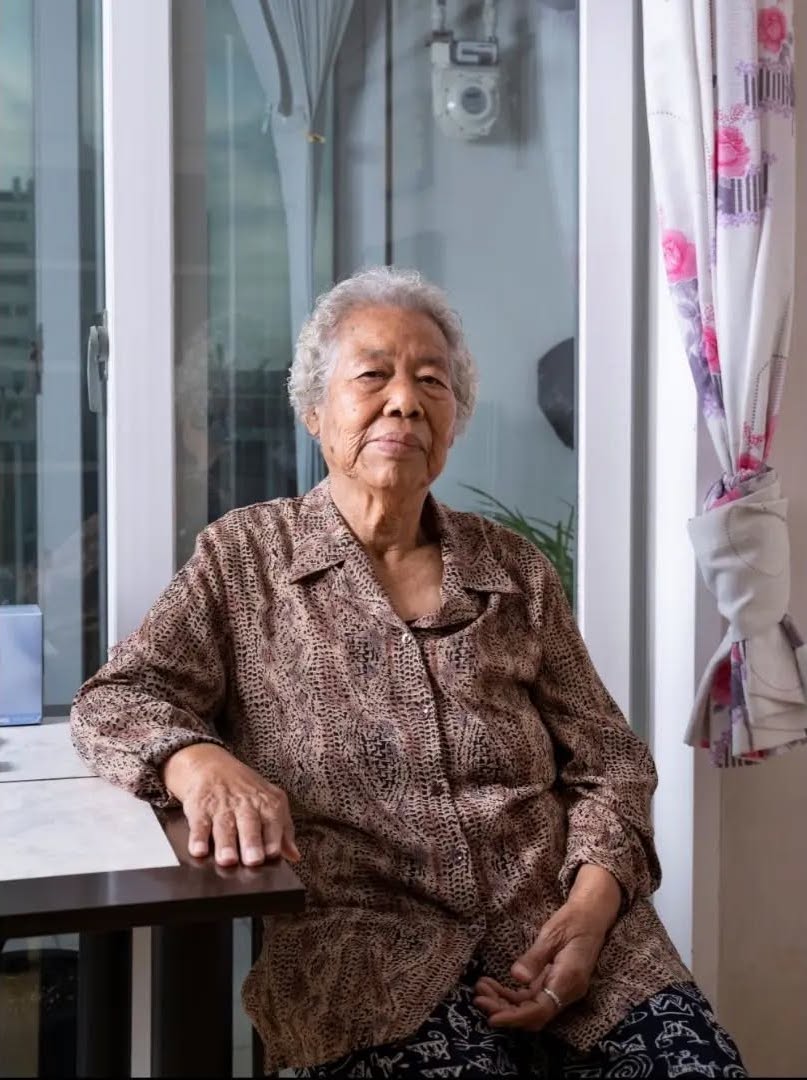
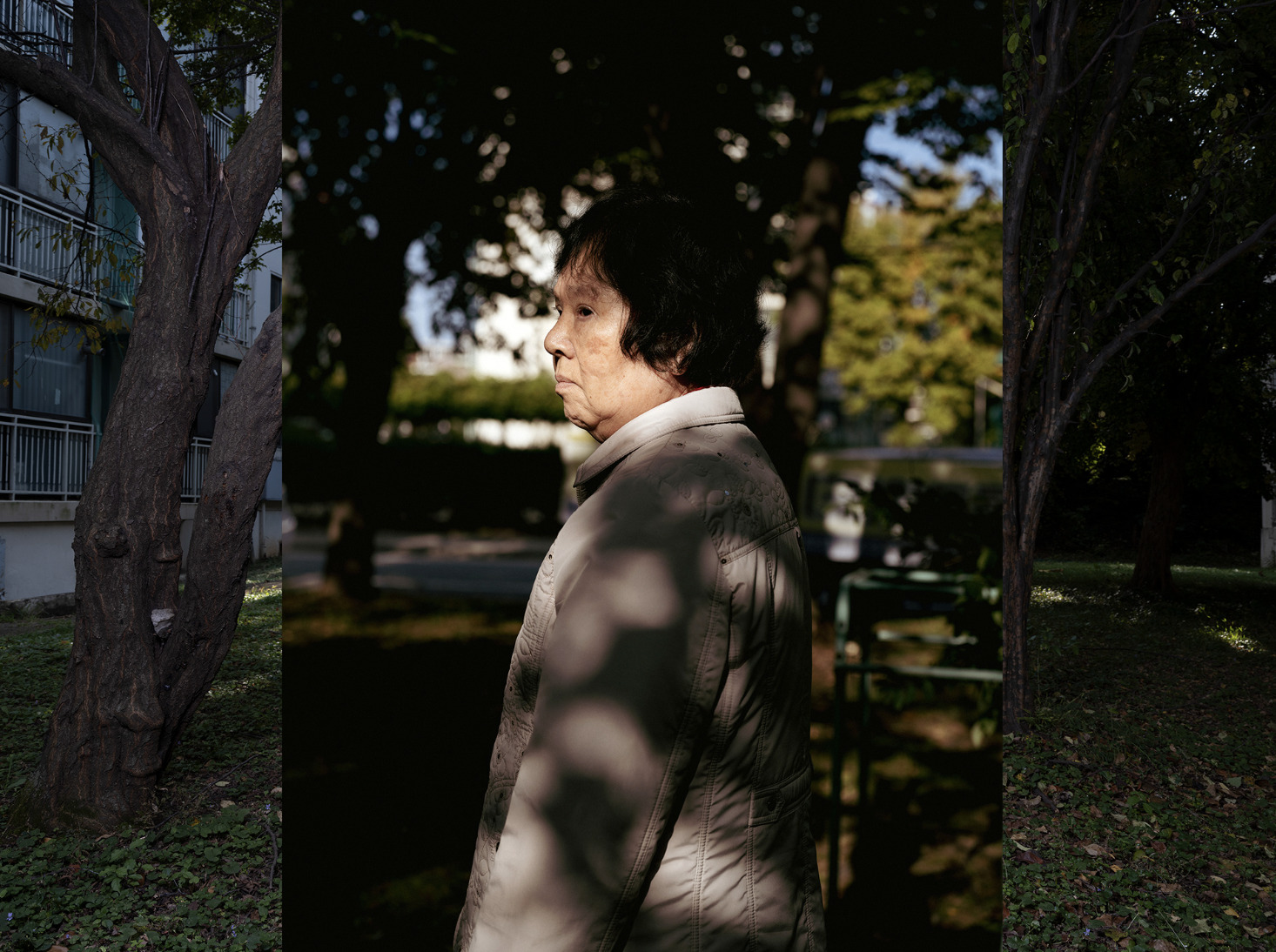
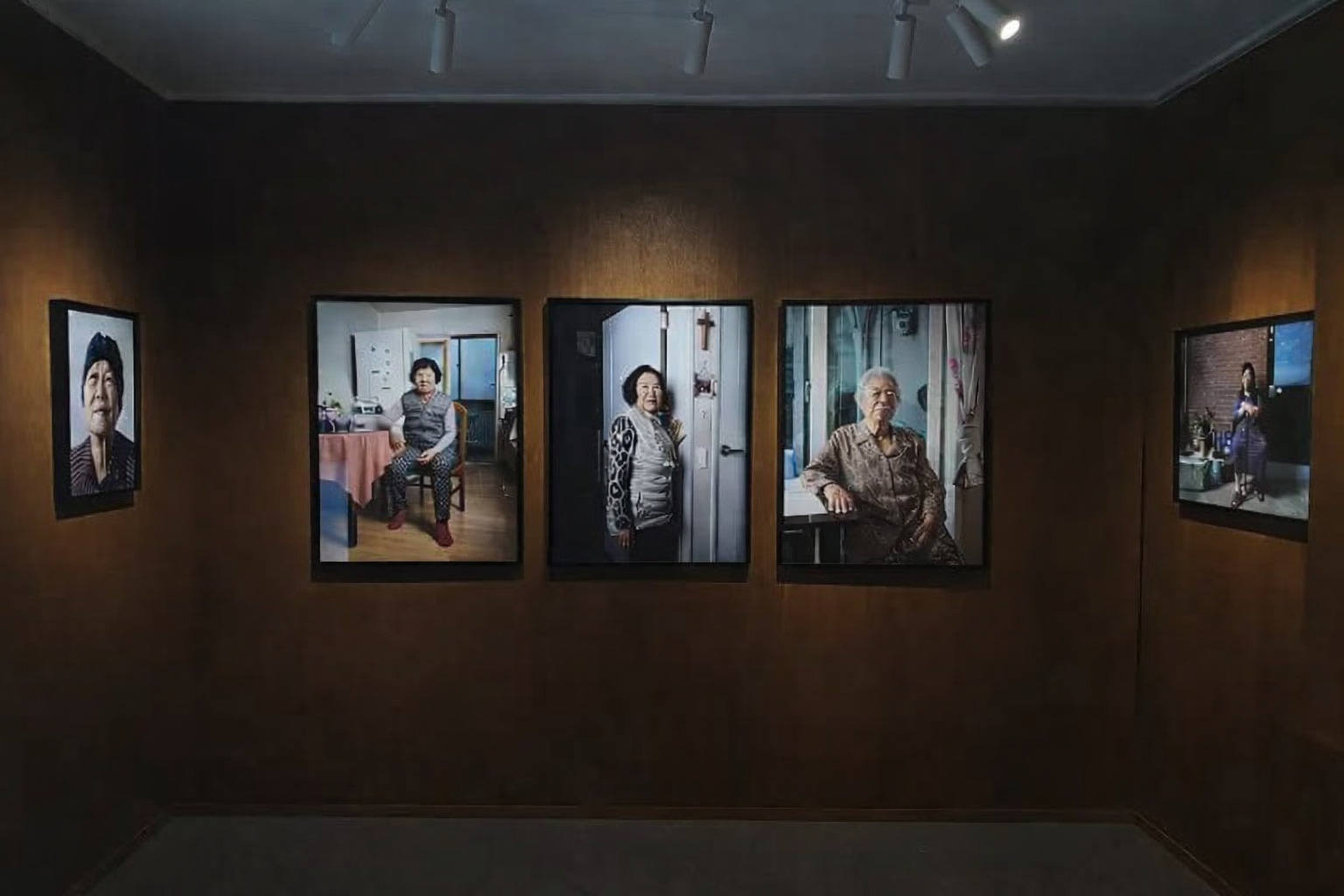
In his 2021 solo exhibition 《The Day After We Are Gone (우리가 없는 이튿날에)》, Joo Yongseong sought to bring to the surface the forgotten voices of military camptown women—victims produced by the Korean War.
 
Following the Korean War and the stationing of U.S. Forces Korea, “camptowns” (gijichon) were formed around U.S. military bases across the country. These areas functioned not merely as residential zones but as centers of a sex industry catering to U.S. servicemen. The women who worked there were subjected to social contempt and stigmatized by derogatory labels such as yanggongju and yangsaeksi.


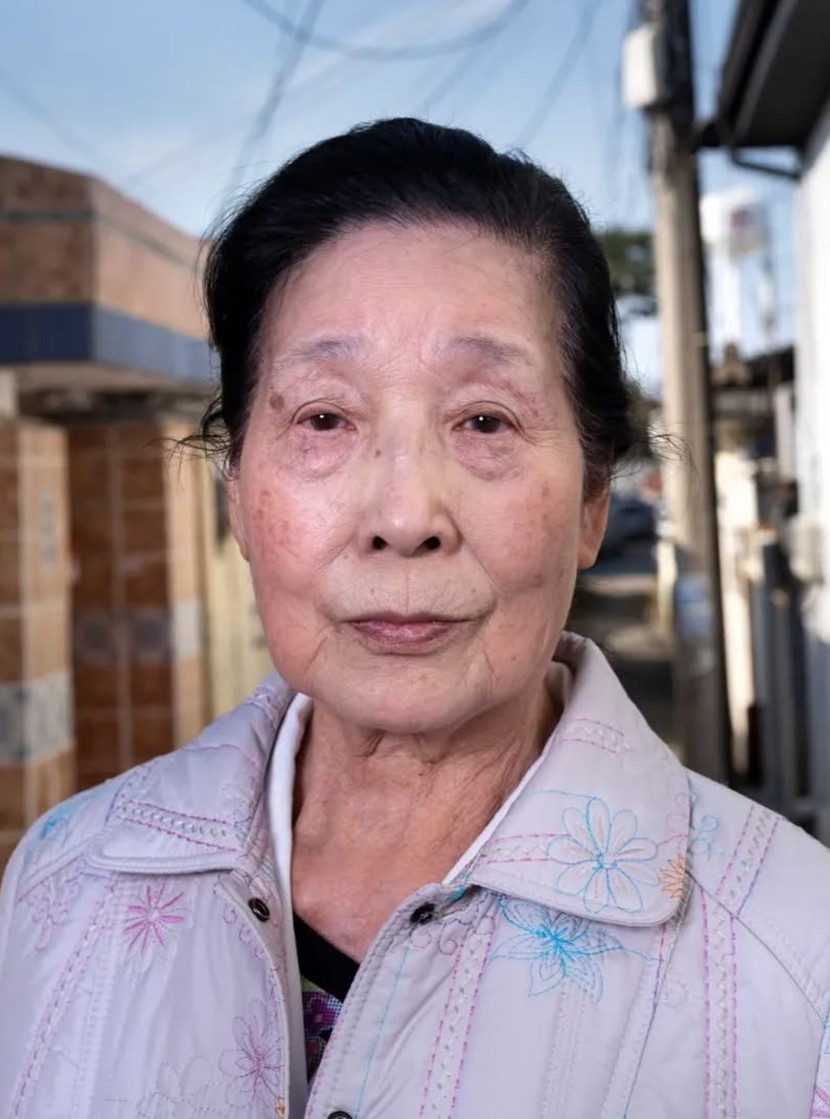
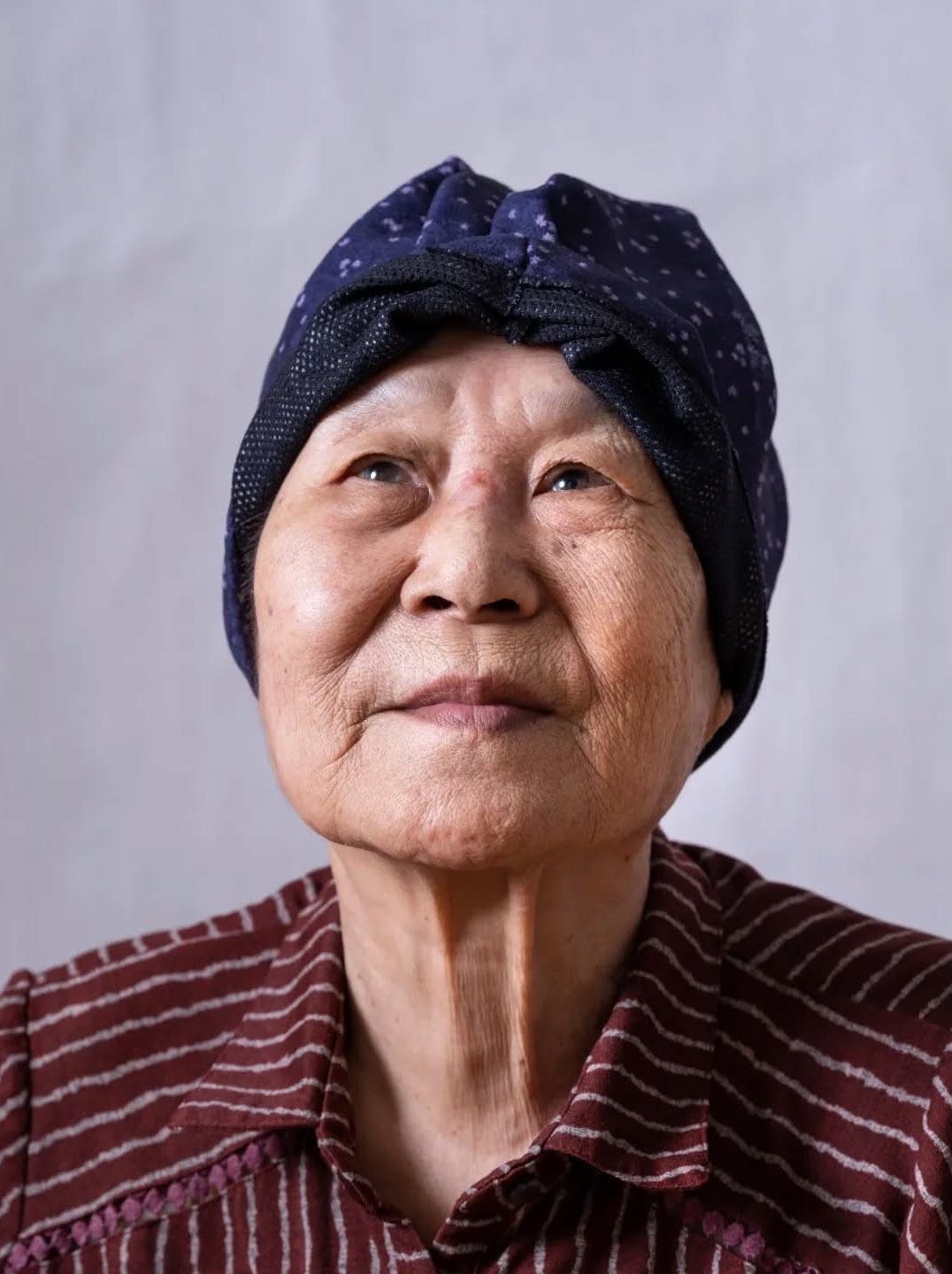
Joo Yongseong, Boknam Kim, Pyeongtaek, South Korea, 2021, Pigment print, 53.3x40cm ©Joo Yongseong

Yet in contrast to the social gaze directed at them, the government at times praised these women as “industrial workers” who earned foreign currency. In reality, camptown women functioned as de facto “comfort women for U.S. troops,” becoming instruments for maintaining the state and its military alliance. Many were forcibly drawn into this system through fraudulent employment offers or human trafficking.
 
Although their circumstances were often framed as voluntary, structurally they constituted a complex reality deeply entangled with coercion and exploitation.


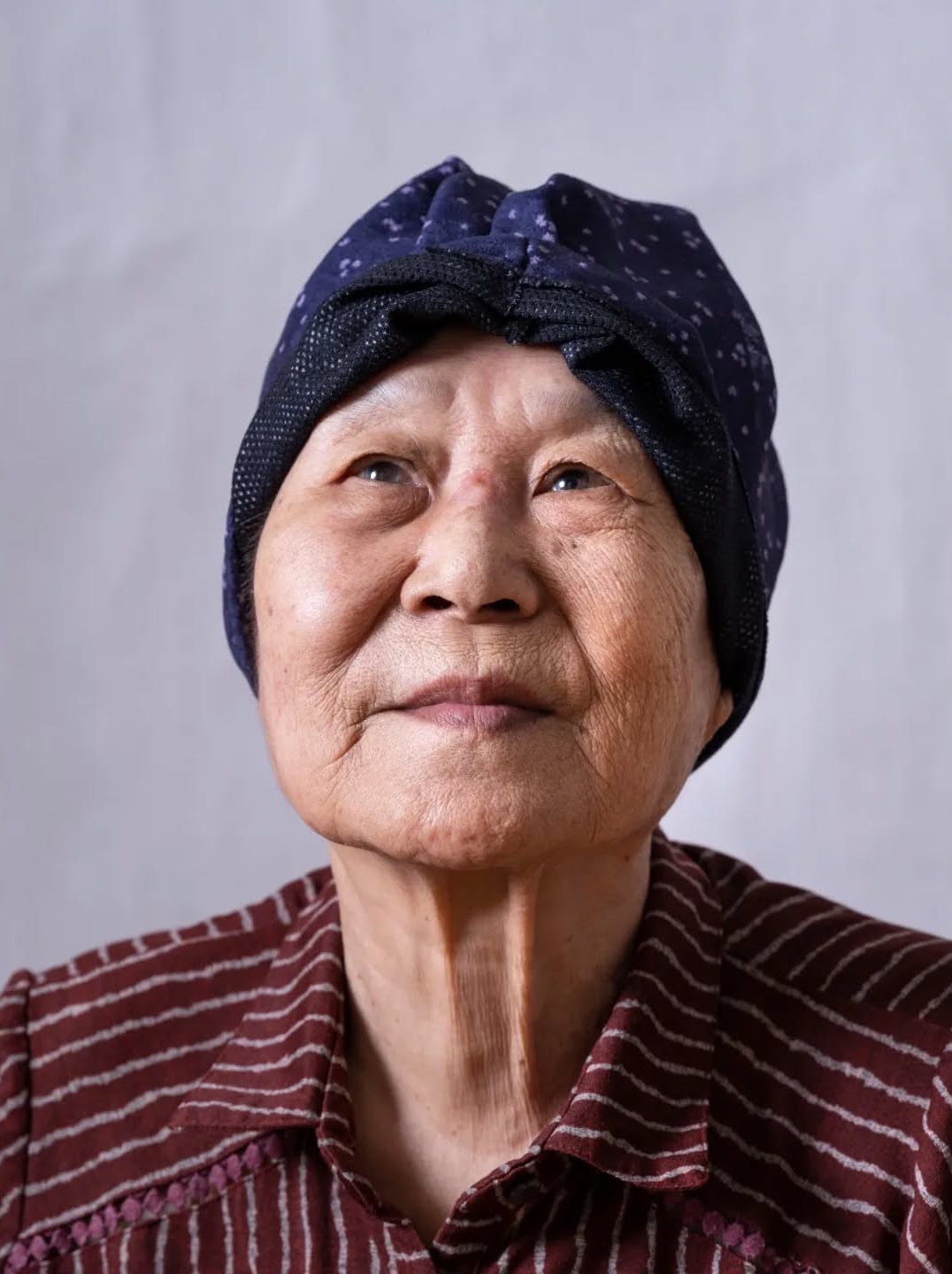
Joo Yongseong, Eunja Jo, Pyeongtaek, South Korea, 2021, Pigment print, 90x120cm ©Joo Yongseong

In the 1970s, the United States demanded improvements to camptown conditions as a prerequisite for the continued stationing of U.S. forces in Korea, prompting the Korean government to launch the “Camptown Purification Project.” In the course of this initiative, camptown women became subject to even stricter management and control.
 
The government imposed regular sexually transmitted disease tests and provided training aimed at entertaining U.S. servicemen, effectively operating an institutionalized system of sexual labor.


Joo Yongseong, Young-rye Park, Pyeongtaek, South Korea, 2021, Pigment print, 90x67.5cm ©Joo Yongseong

For a long time, camptown women were forced into silence. Social stigma rarely allowed them even the right to speak. In recent years, however, they have begun to raise their voices one by one. Some may describe their lives as a matter of “individual choice,” yet history often pushes people into particular lives regardless of their own will.
 
Joo Yongseong does not record these camptown women merely as historical figures; rather, he presents them as living beings who continue to seek to tell their own stories today, using photography as a medium through which their vivid voices can speak.


Joo Yongseong, Red Seeds (붉은 씨앗) series ©Joo Yongseong

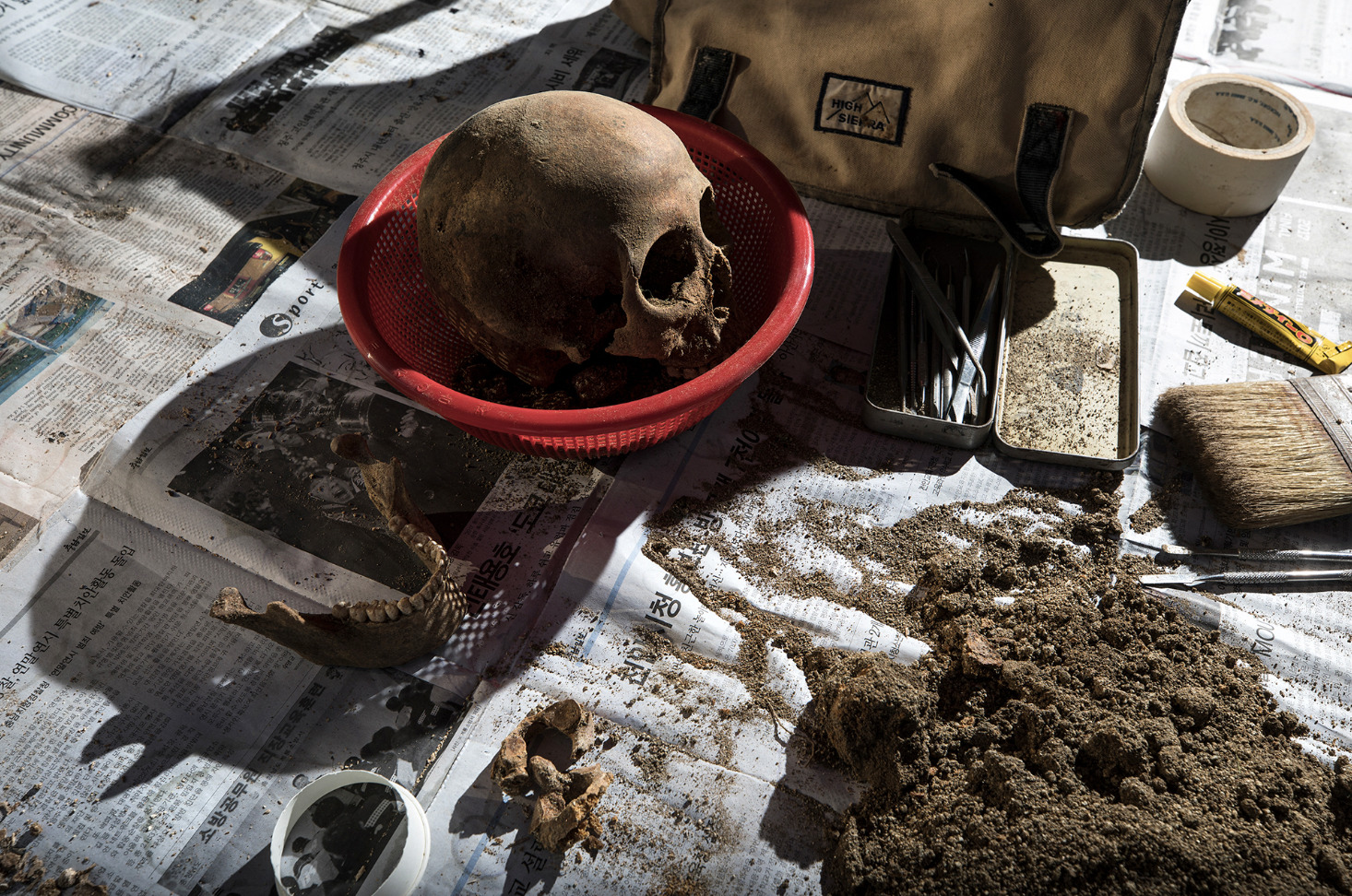
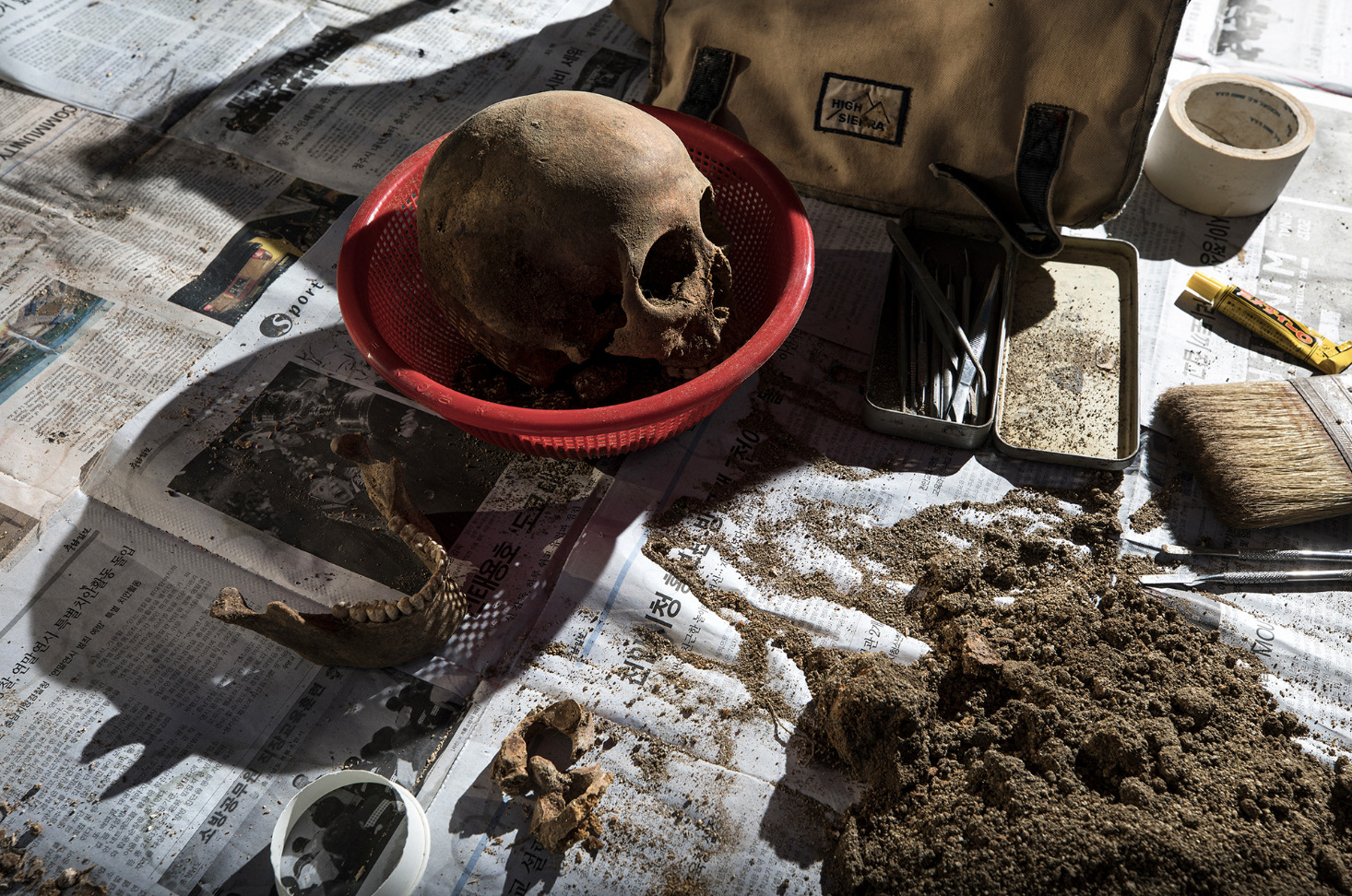
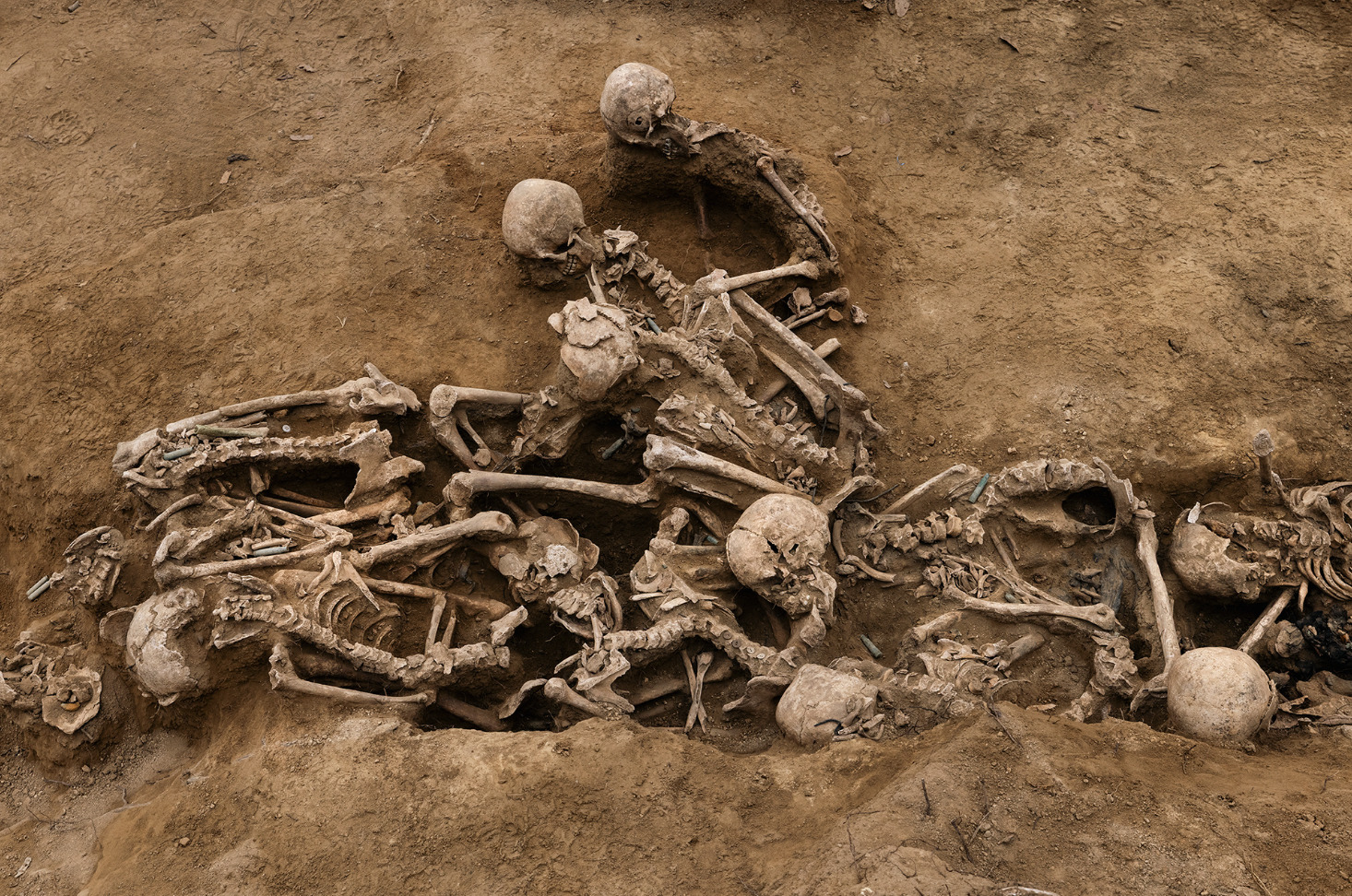
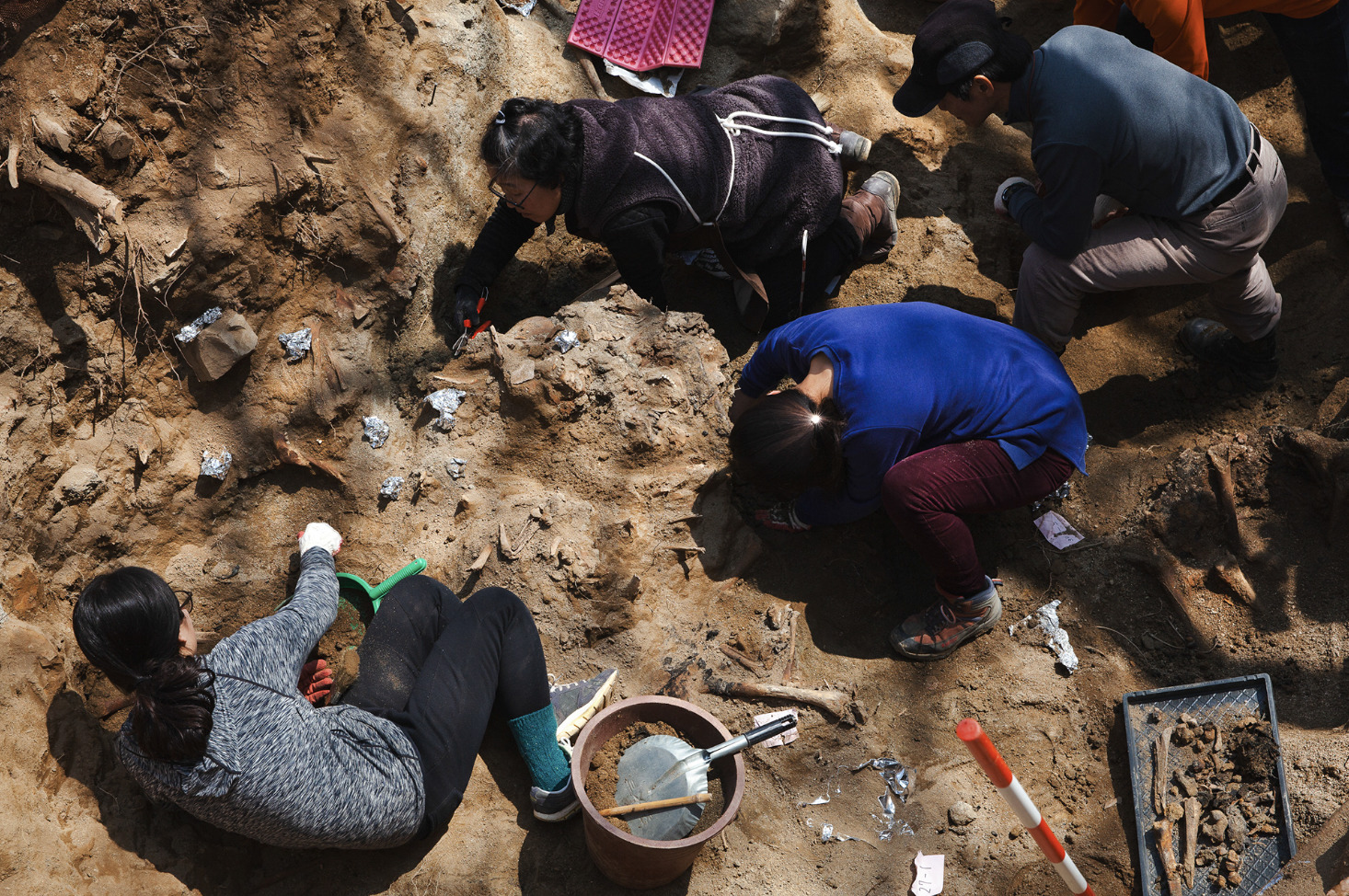
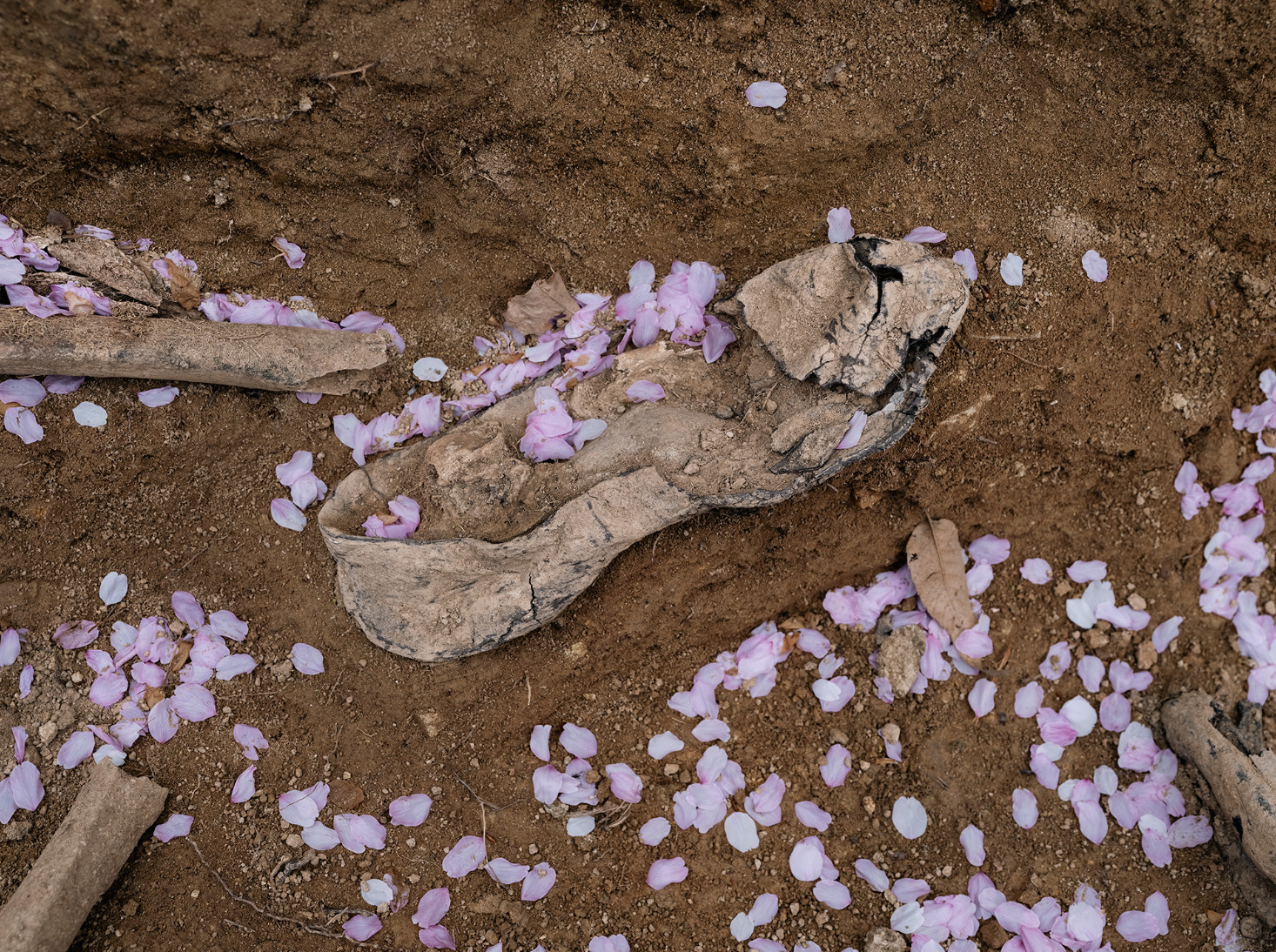
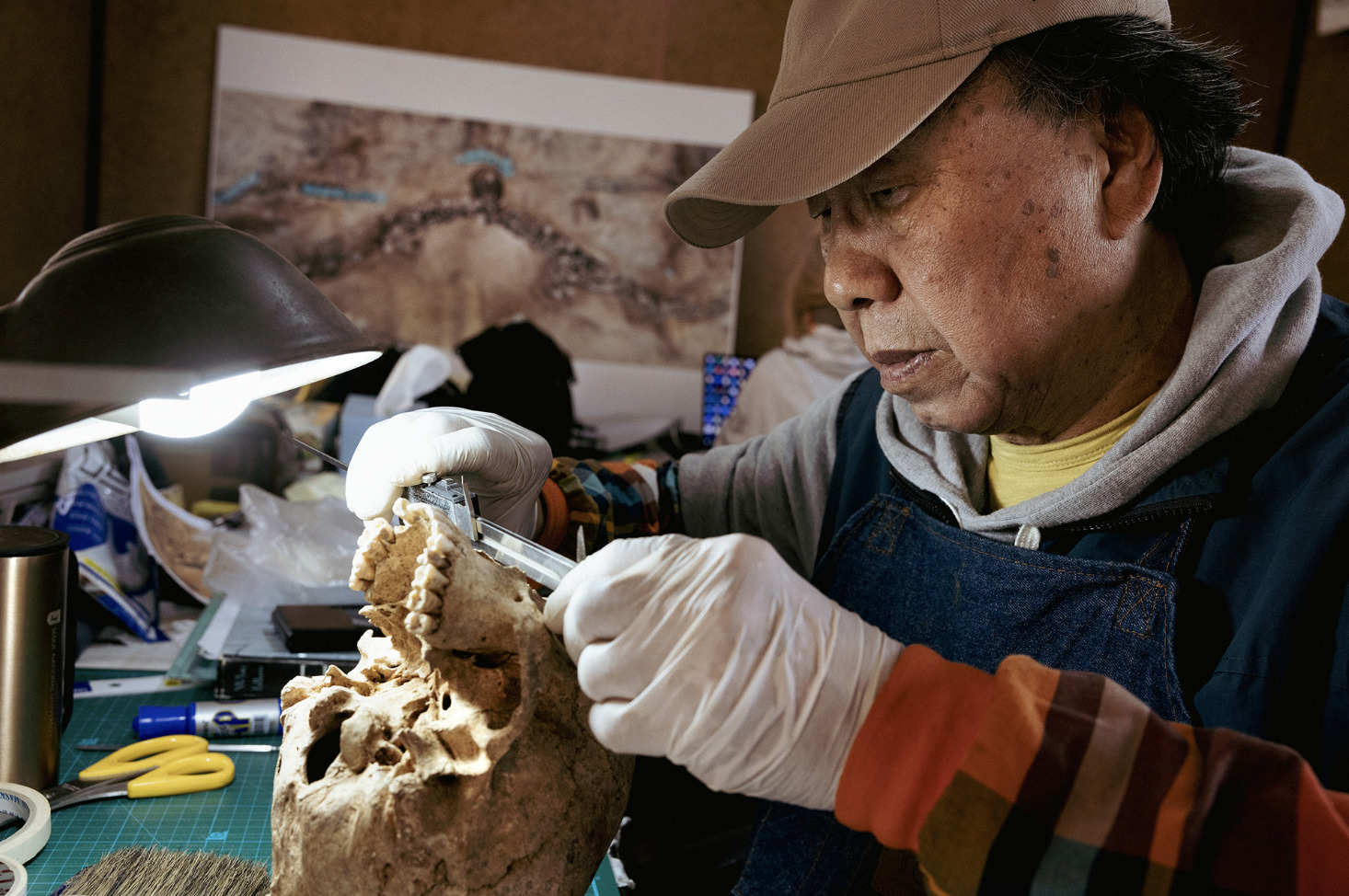
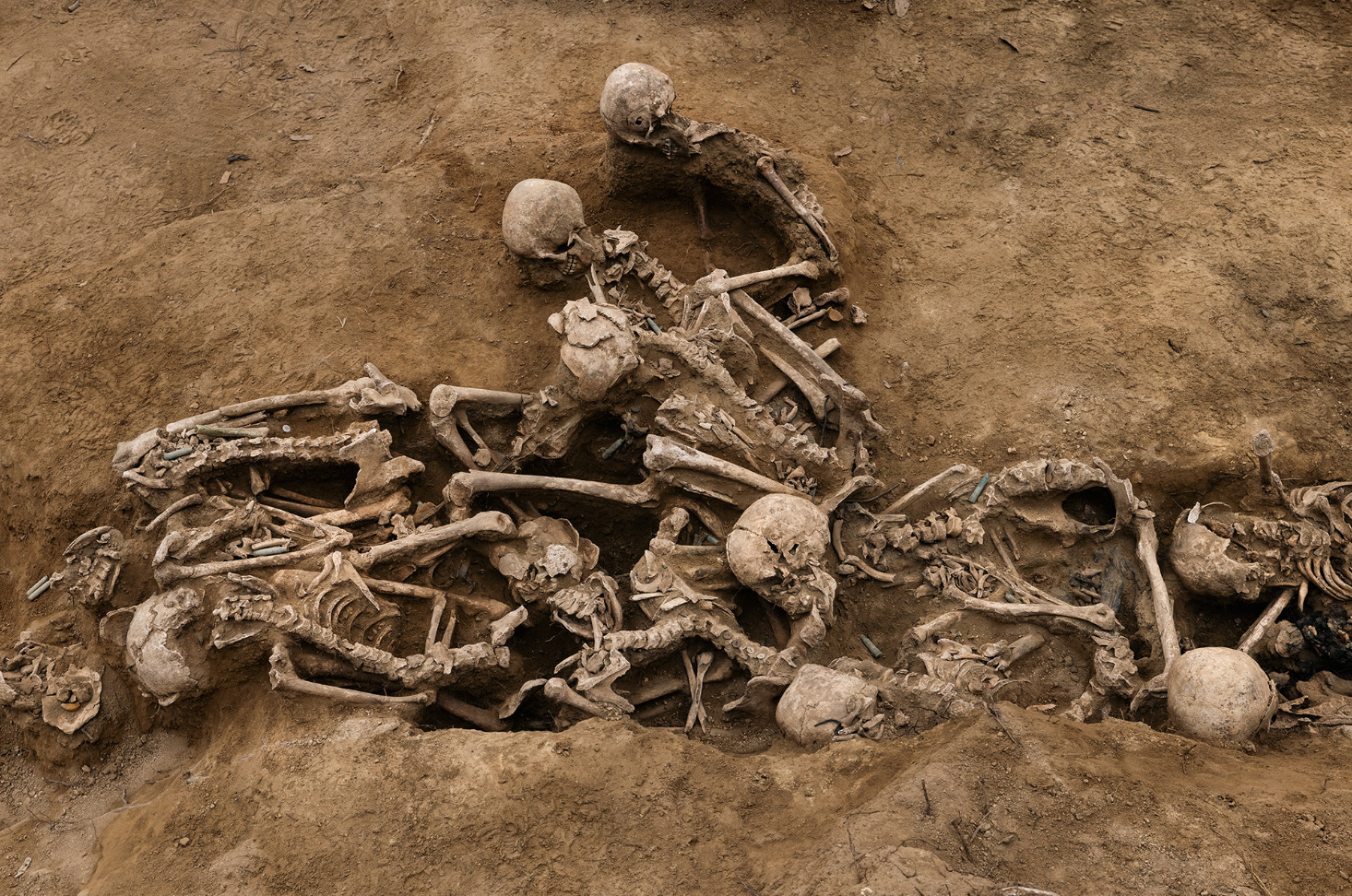
In addition, at the group exhibition 《ReFrame》, held at Ryugaheon Gallery in 2024, Joo presented the ‘Red Seeds (붉은 씨앗)’ series, which documents the victims of civilian massacres during the Korean War.
 
The Syngman Rhee government regarded former leftist affiliates who had renounced their past activities as “potential enemies” who could threaten national security. They were arrested, detained, and executed without due legal process.


Joo Yongseong, Red Seeds (붉은 씨앗) series ©Joo Yongseong

These massacres were carried out indiscriminately, primarily during the early stages of the war as military and police forces retreated, and they targeted civilians regardless of age or gender. After the tide of the war turned and North Korean forces began to retreat, retaliatory massacres were repeatedly committed against those who had allegedly collaborated with—or were suspected of collaborating with—the enemy.
 
The number of civilians killed in this manner during the Korean War is estimated to range from 300,000 to as many as one million, depending on differing perspectives and assessments.


Joo Yongseong, Red Seeds (붉은 씨앗) series ©Joo Yongseong

As Joo Yongseong investigated the victims of civilian massacres during the Korean War, he was driven by a series of questions: “How was it possible for so many people to be killed without any due legal process?” “Why have the victims and their bereaved families been denied even the right to express their grief and injustice, let alone receive an apology from the perpetrators, turning such expressions into a social taboo?” and “Why have the sites where the remains of massacre victims are buried—or believed to be buried—been left neglected for so long?”


Joo Yongseong, Red Seeds (붉은 씨앗) series ©Joo Yongseong

In response, as further government investigations and excavations were suspended, the artist began participating in the activities of the Joint Investigation Team for the Excavation of Civilian Remains from the Korean War, a group voluntarily formed by citizens and civic organizations. This involvement became a catalyst for bringing to the surface—through actual excavation—the concrete scenes and evidence of events that had existed for decades only in testimony and records.
 
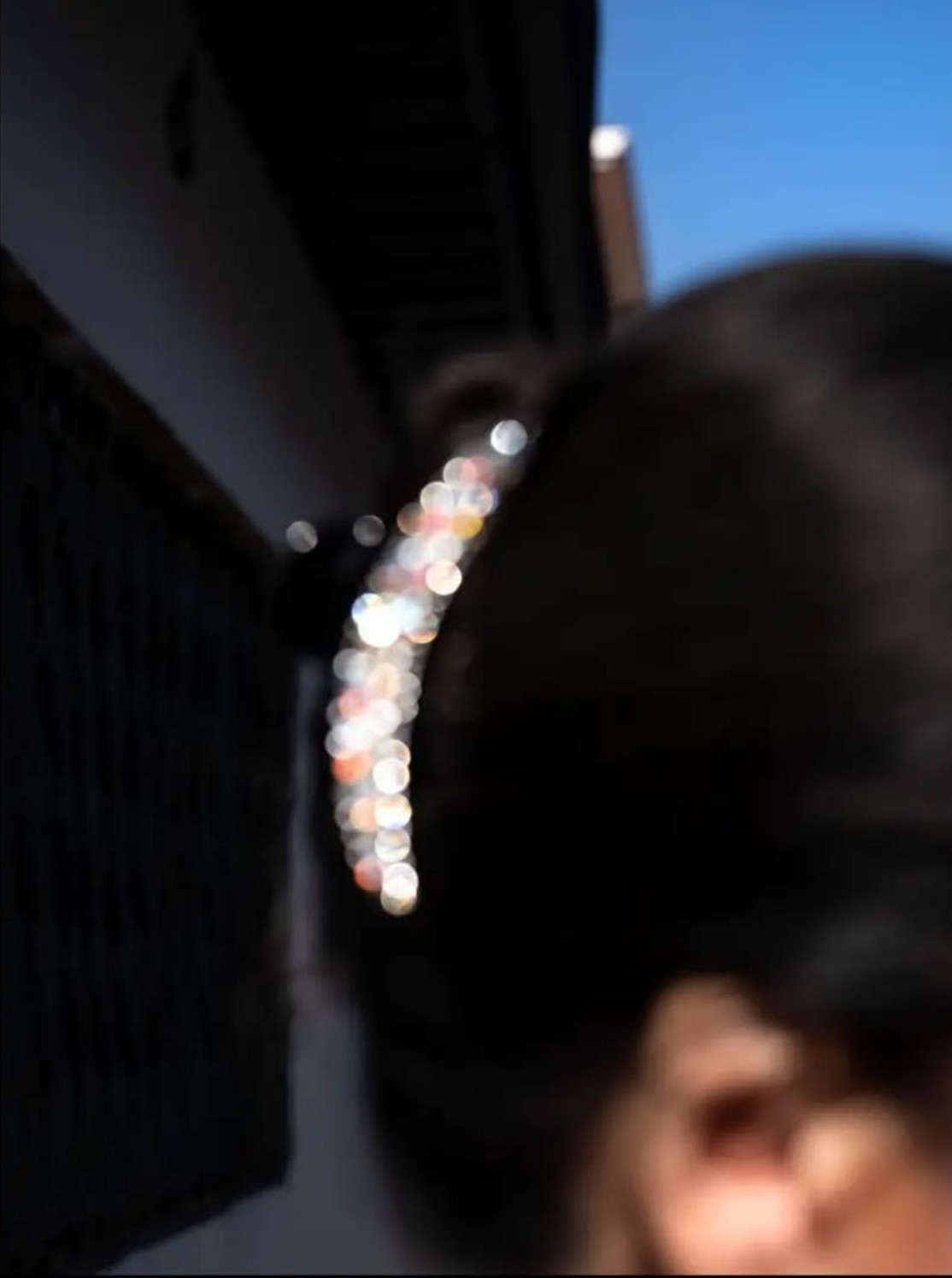
The bones recovered from different parts of the body and personal belongings (such as hairpins and glass beads) served as crucial clues in determining the victims’ gender and age. Additionally, the restraints used to bind the victims, along with shell casings and bullets unearthed at the sites, function as material evidence that helps to infer or substantiate the identities of the perpetrators—facts that had previously been conveyed only through documentation and witness accounts.


Joo Yongseong, Red Seeds (붉은 씨앗) series ©Joo Yongseong

Such excavations go beyond the mere reconstruction of past events; they carry the character of a ritual, bringing to the surface the existence of those long buried deep in the ground in order to console and honor them. At the same time, by continually calling out the names of those erased against their will, the excavations constitute an act of memory that allows them to remain within collective remembrance.
 
Joo Yongseong transcribes this “act of memory” into photography, another medium of remembrance. The records of the sites thus inscribed onto paper settle into the memories of many people across different times and places, becoming stories that extend into the present and the future.


Joo Yongseong, The Day After We Are Gone (우리가 없는 이튿날에) series ©Joo Yongseong

In this way, Joo Yongseong focuses on unresolved injustices within both past and present society, recording through photography the landscapes and people they have left behind. His photographs do not merely document the visible surface of what is seen; they capture the misaligned, obscured, or hidden aspects that lie beneath.
 
Through this practice, his work reveals the contradictions of society while holding, within the living memory of the community, the presence of those who are disappearing from collective remembrance. It invites us to listen once again to the stories of those who were forced into silence or buried from view.

 “They are not merely historical figures. They are still alive today and continue to seek to tell their stories. Now is the time for us to listen.”     (Joo Yongseong, Artist’s Note)


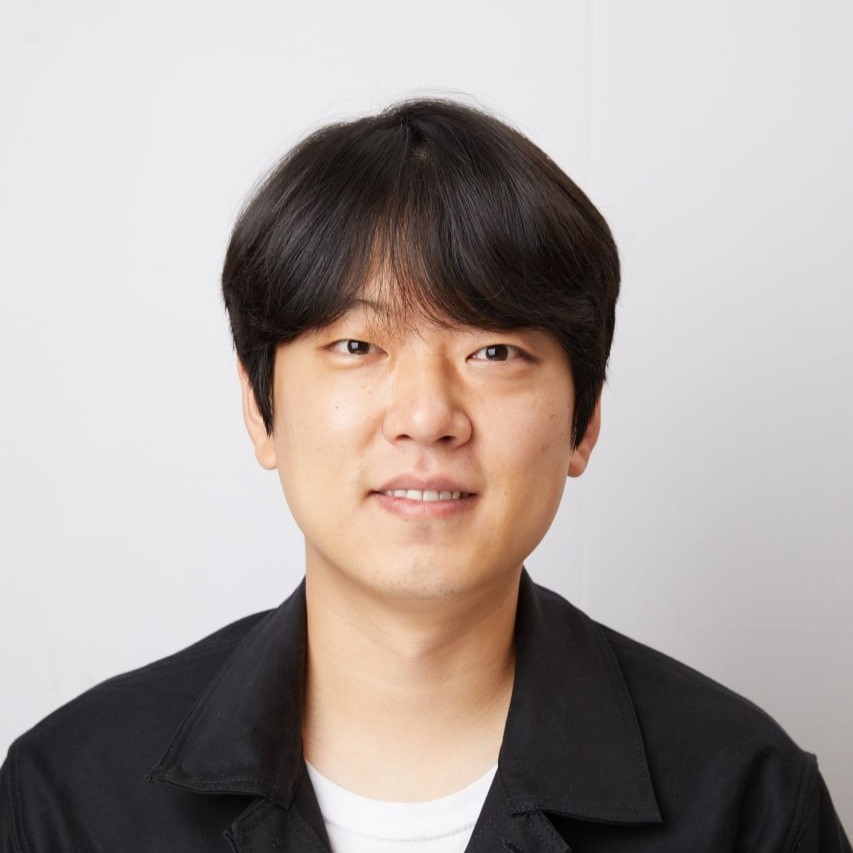
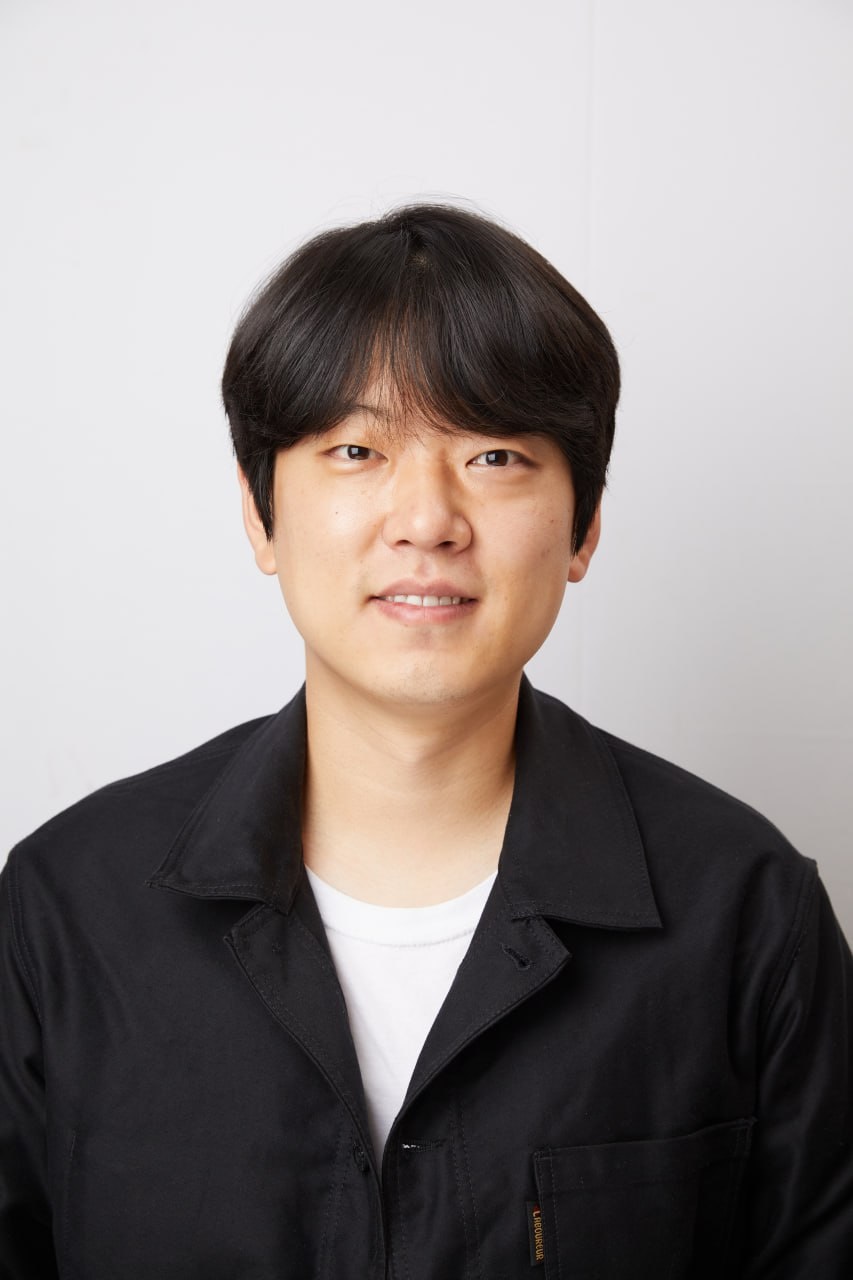
Artist Joo Yongseong ©Joo Yongseong

Joo Yongseong graduated from the Department of Photography at Sangmyung University. His solo exhibitions include 《The Day After We Are Gone (우리가 없는 이튿날에)》 (Seven Sisters Museum, Pyeongtaek, 2021) and 《Lamentation》 (Space Heem, Busan, 2018).
 
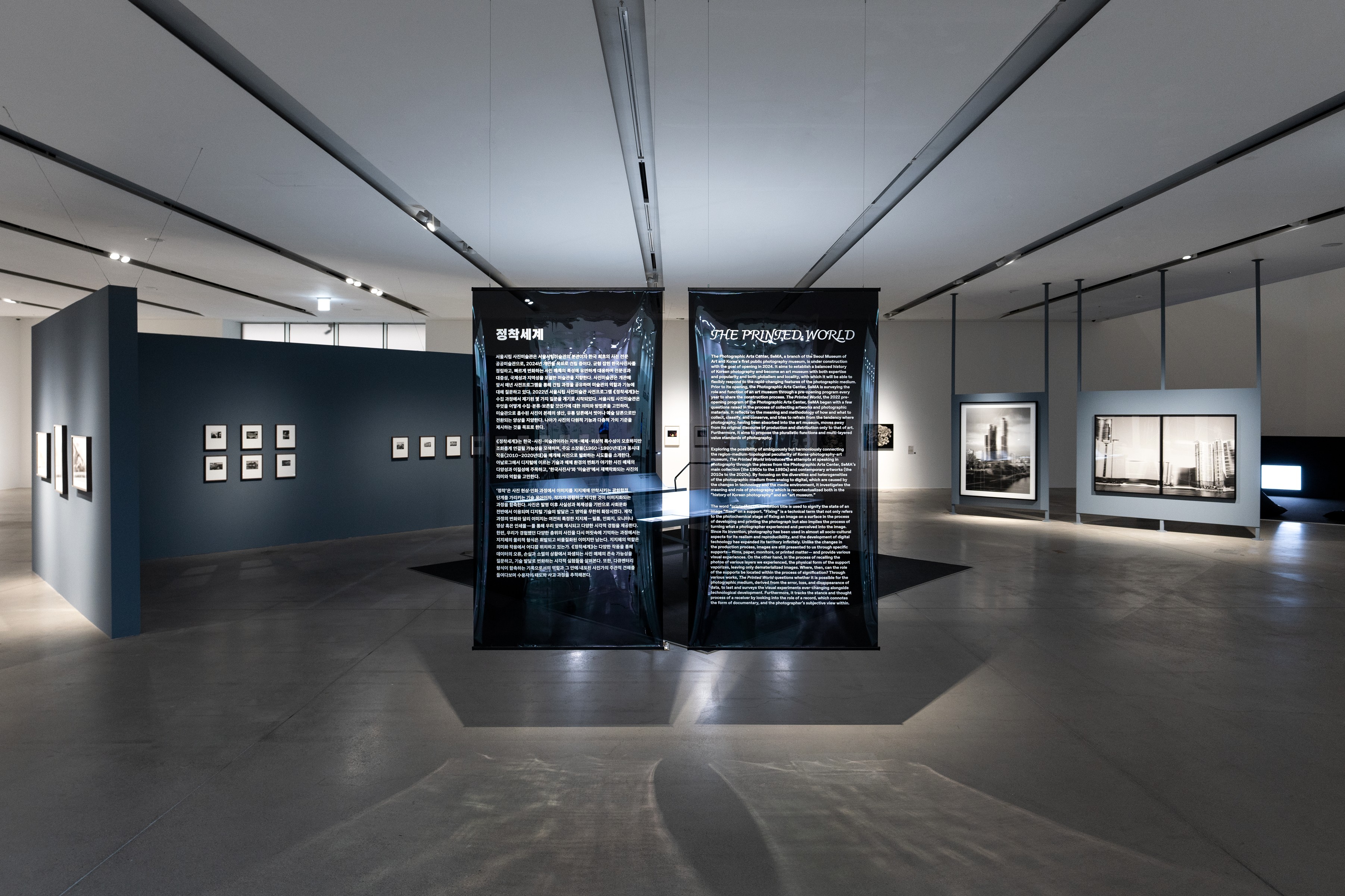
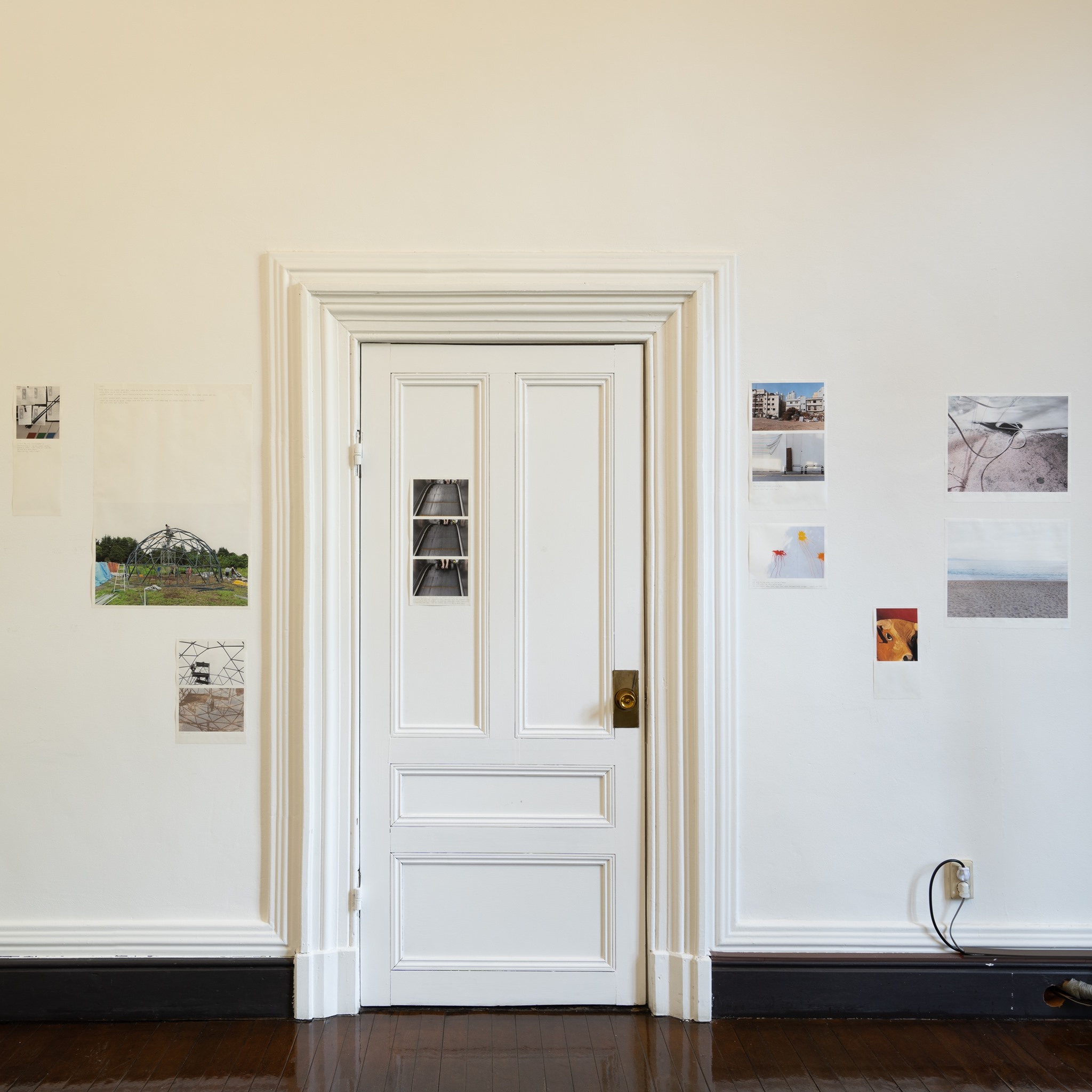
He has also participated in numerous group exhibitions, including 《Storage Story》 (Photography Seoul Museum of Art, Seoul, 2025), 《Intersections》 (HikoHiko Gallery, Tokyo, 2025), 《ReFrame》 (Ryugaheon Gallery, Seoul, 2024), 《That’s what we did》 (The Page Gallery, Seoul, 2024), 《The Printed World》 (Buk-Seoul Museum of Art, Seoul, 2022), 《Signaling Perimeters》 (Nam-Seoul Museum of Art, Seoul, 2021), and 《Urban implosion》 (Asia Culture Center, Gwangju, 2017).

References