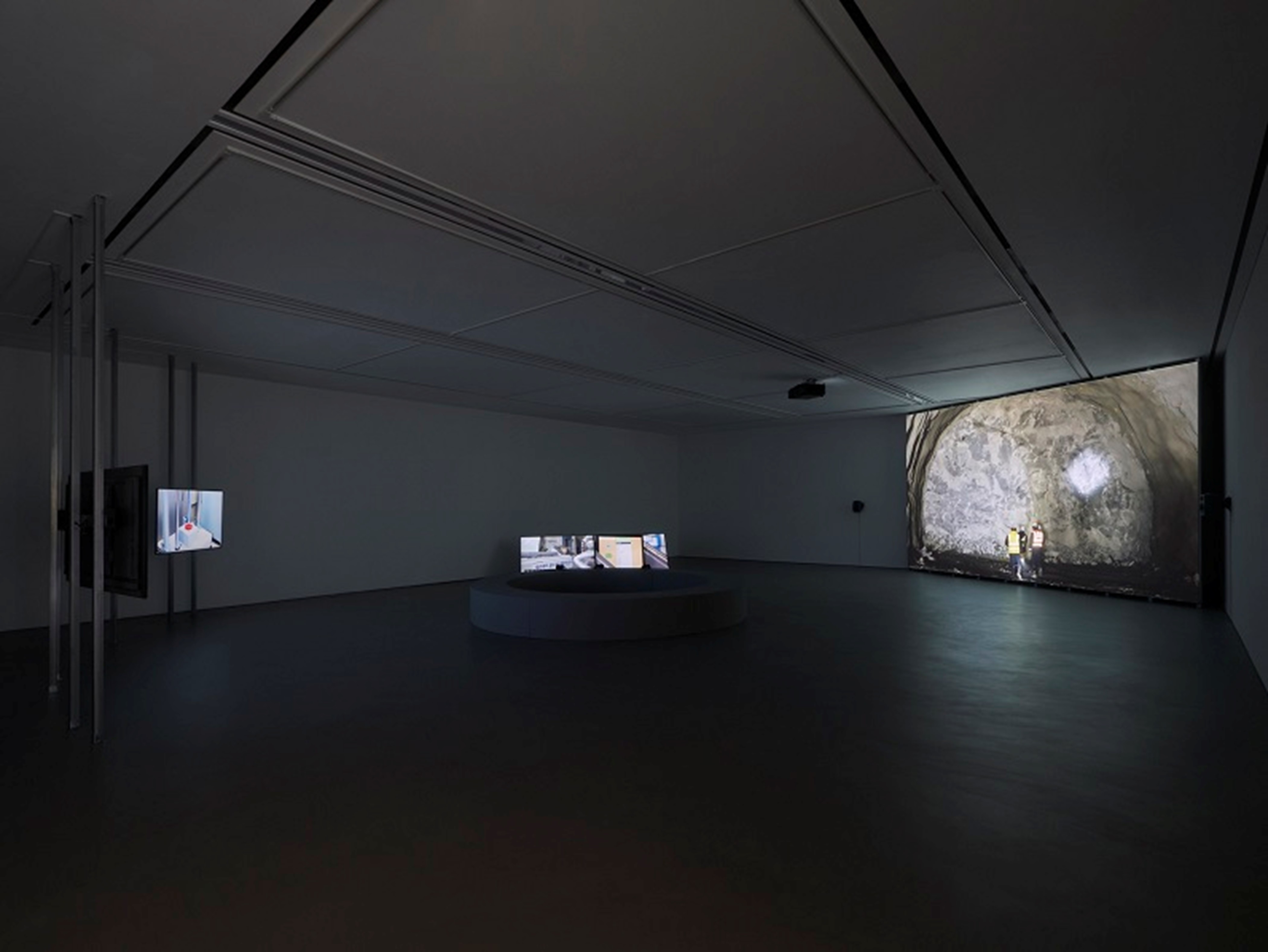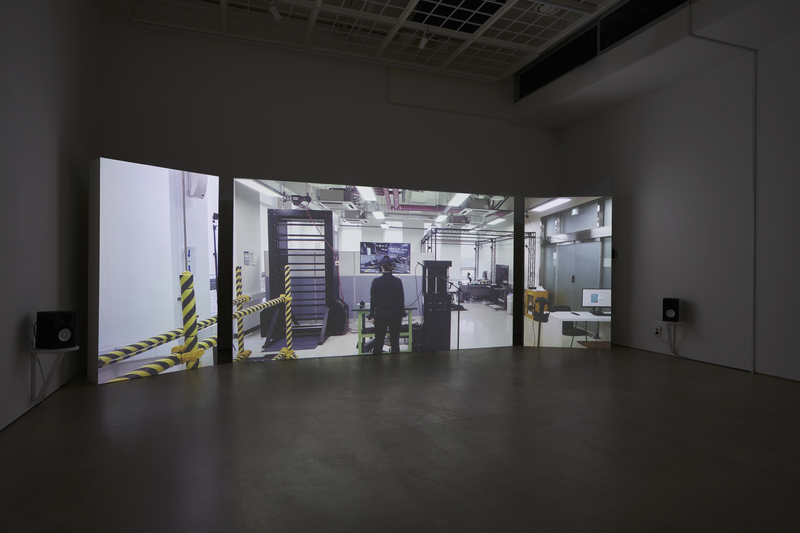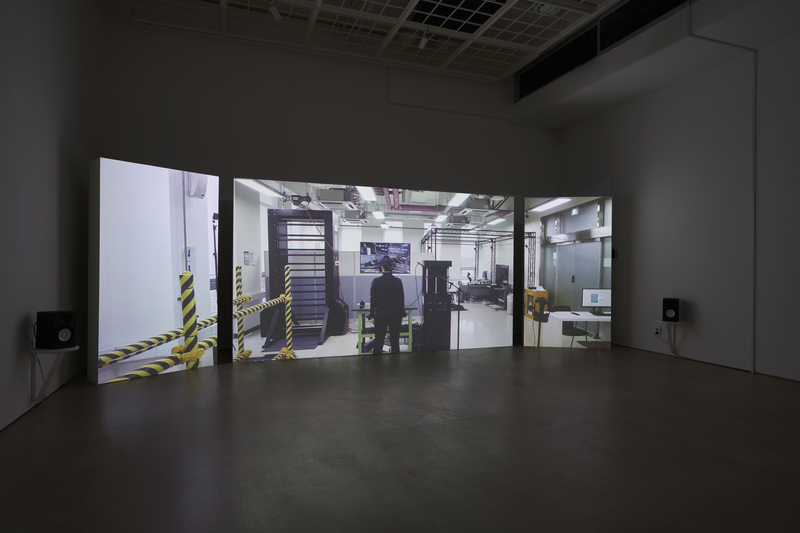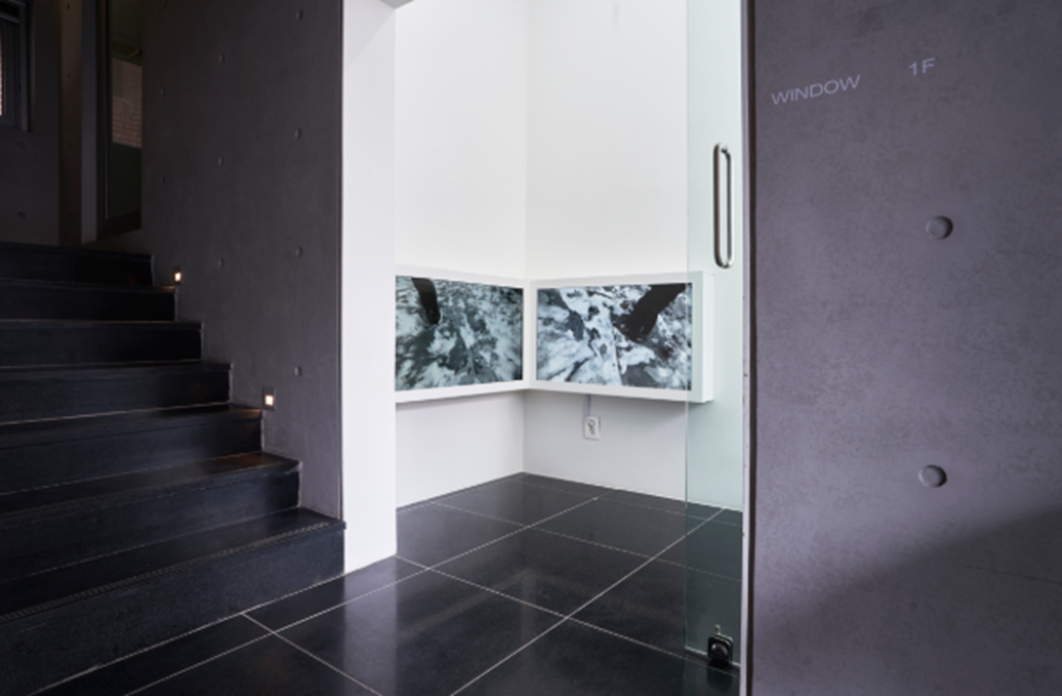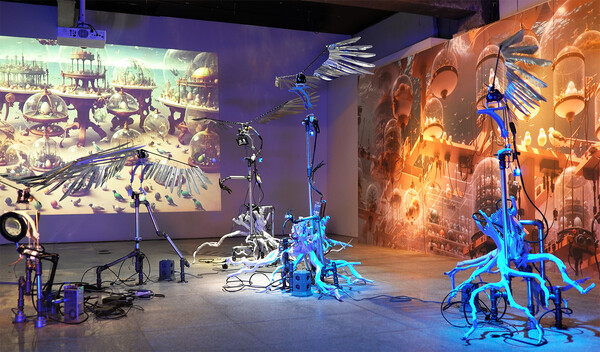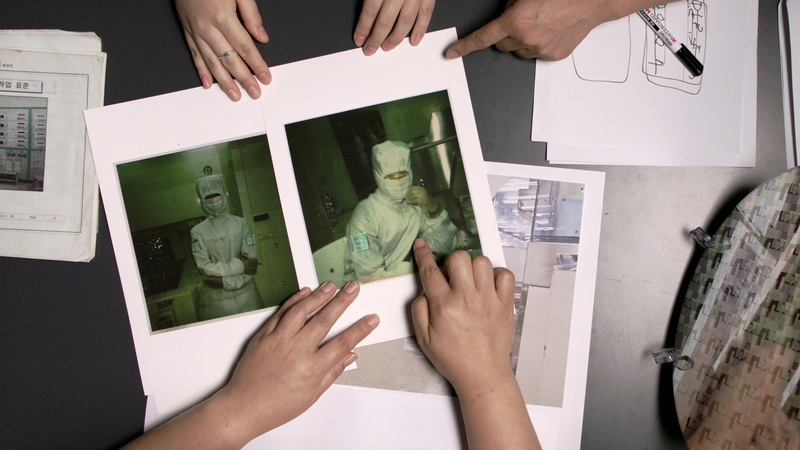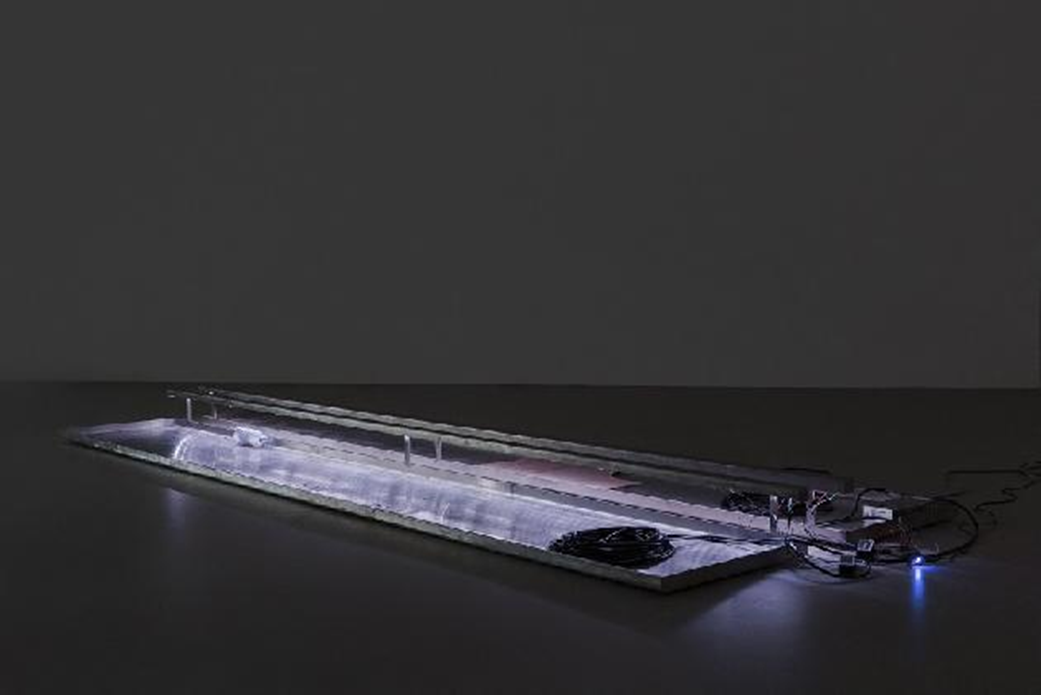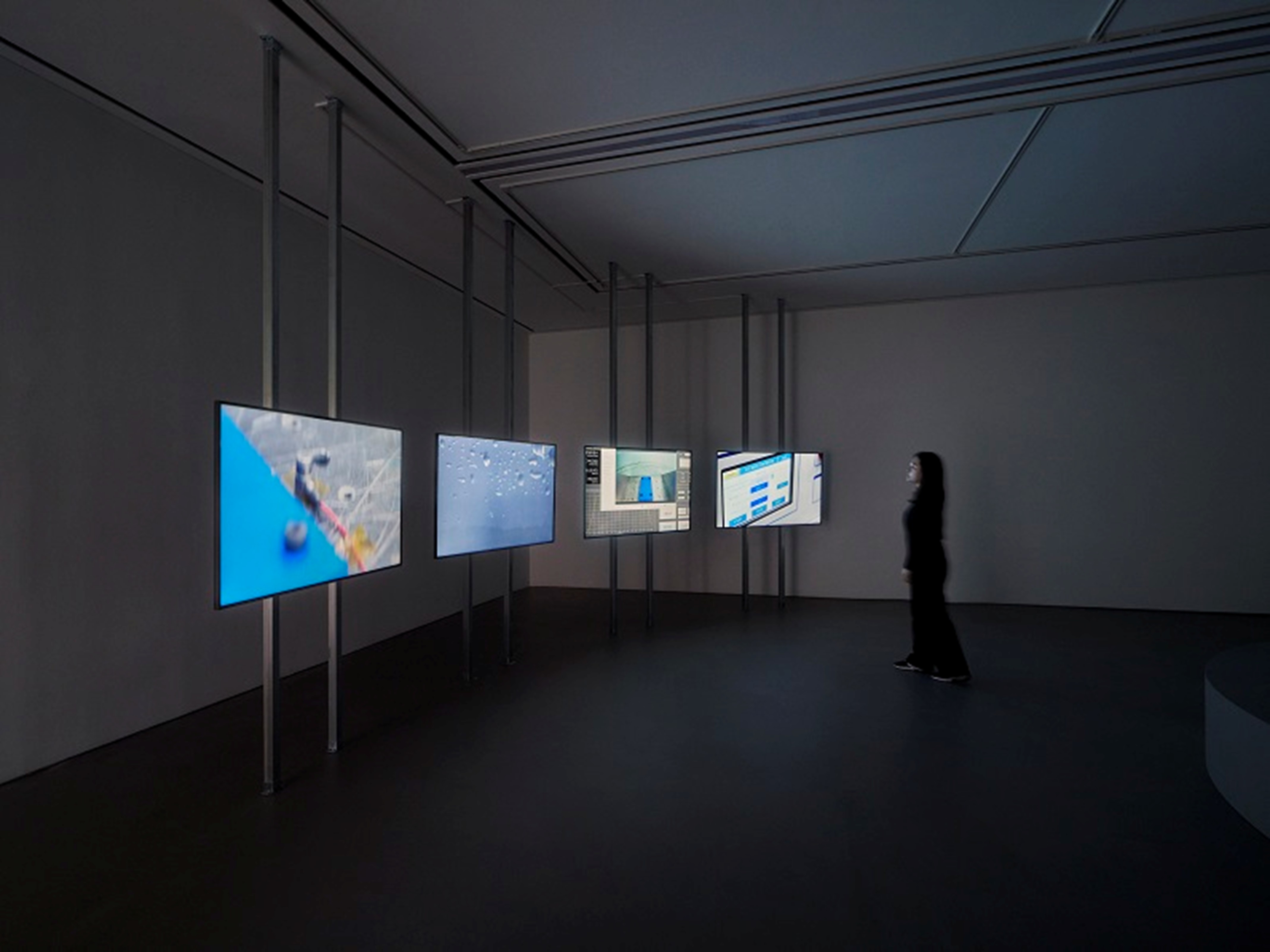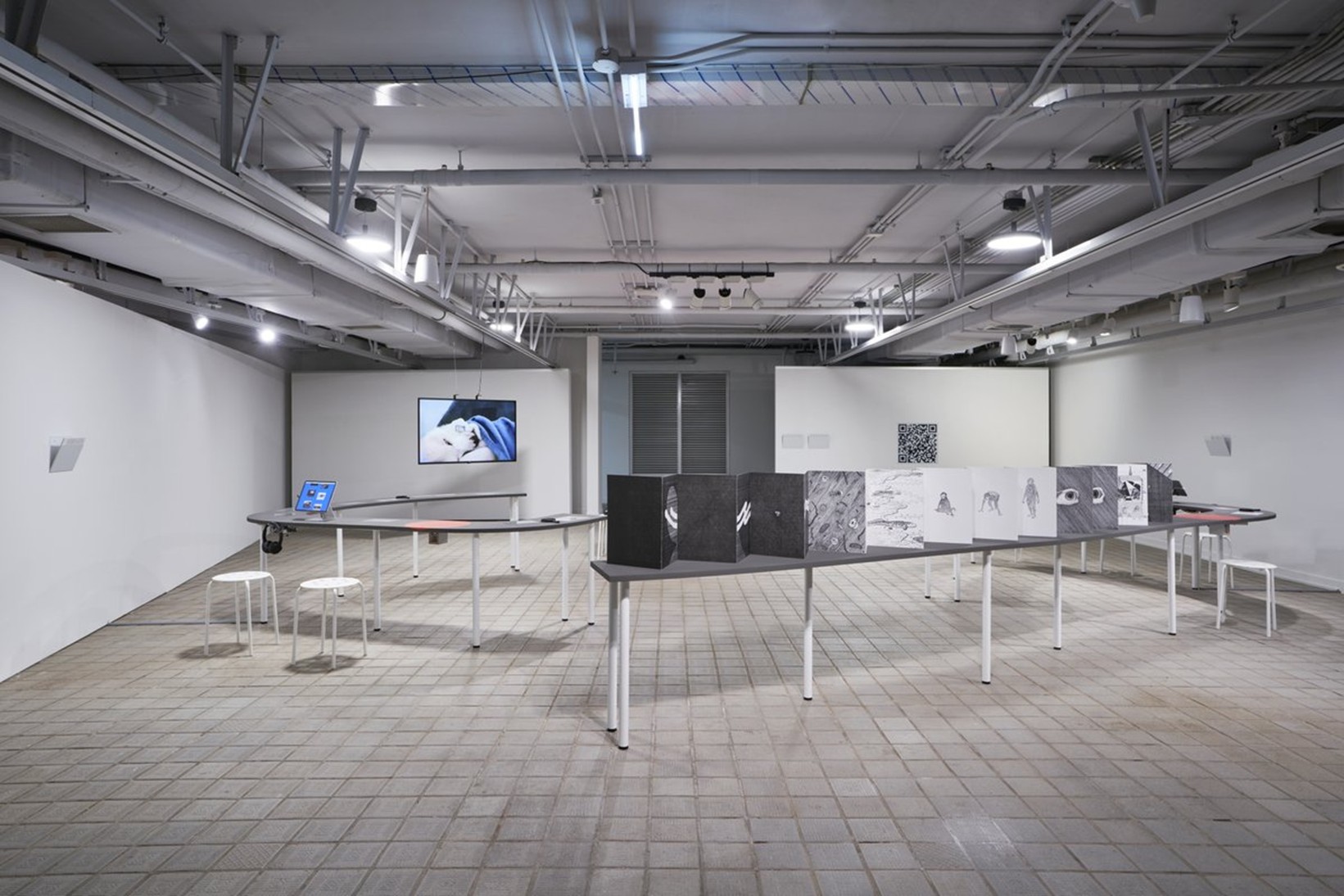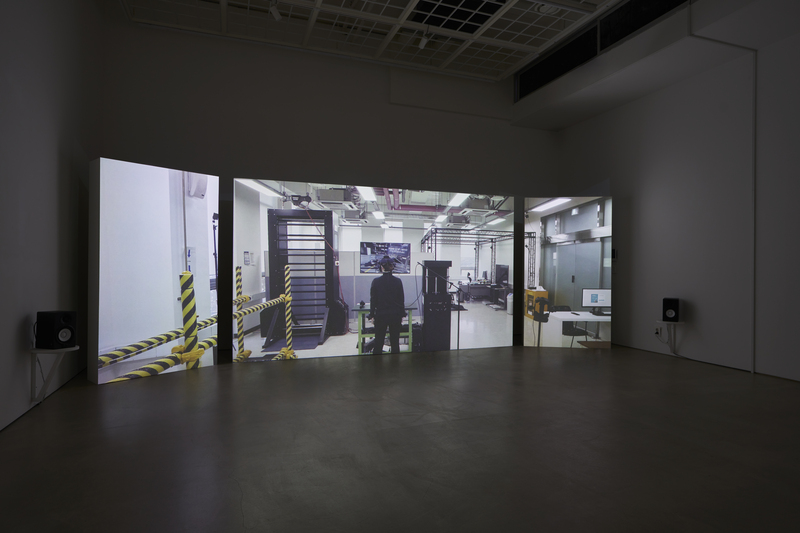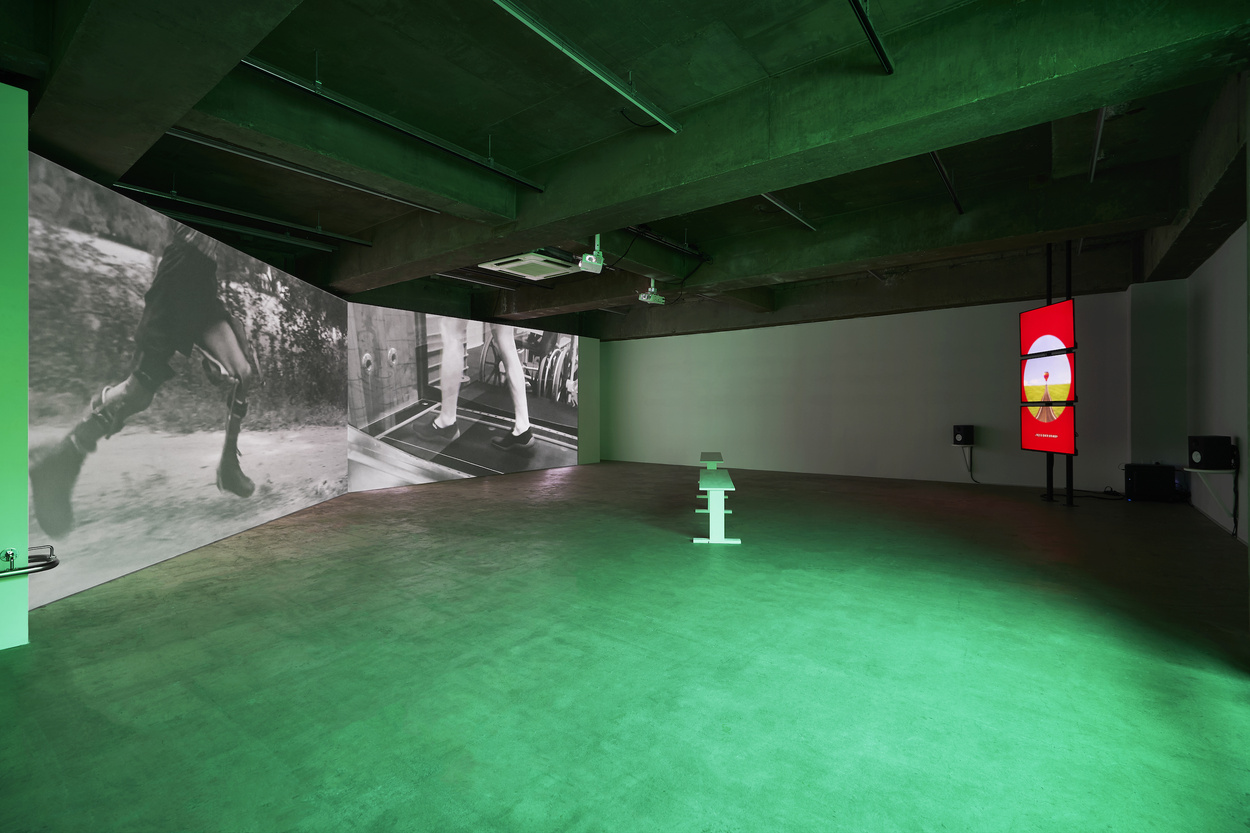


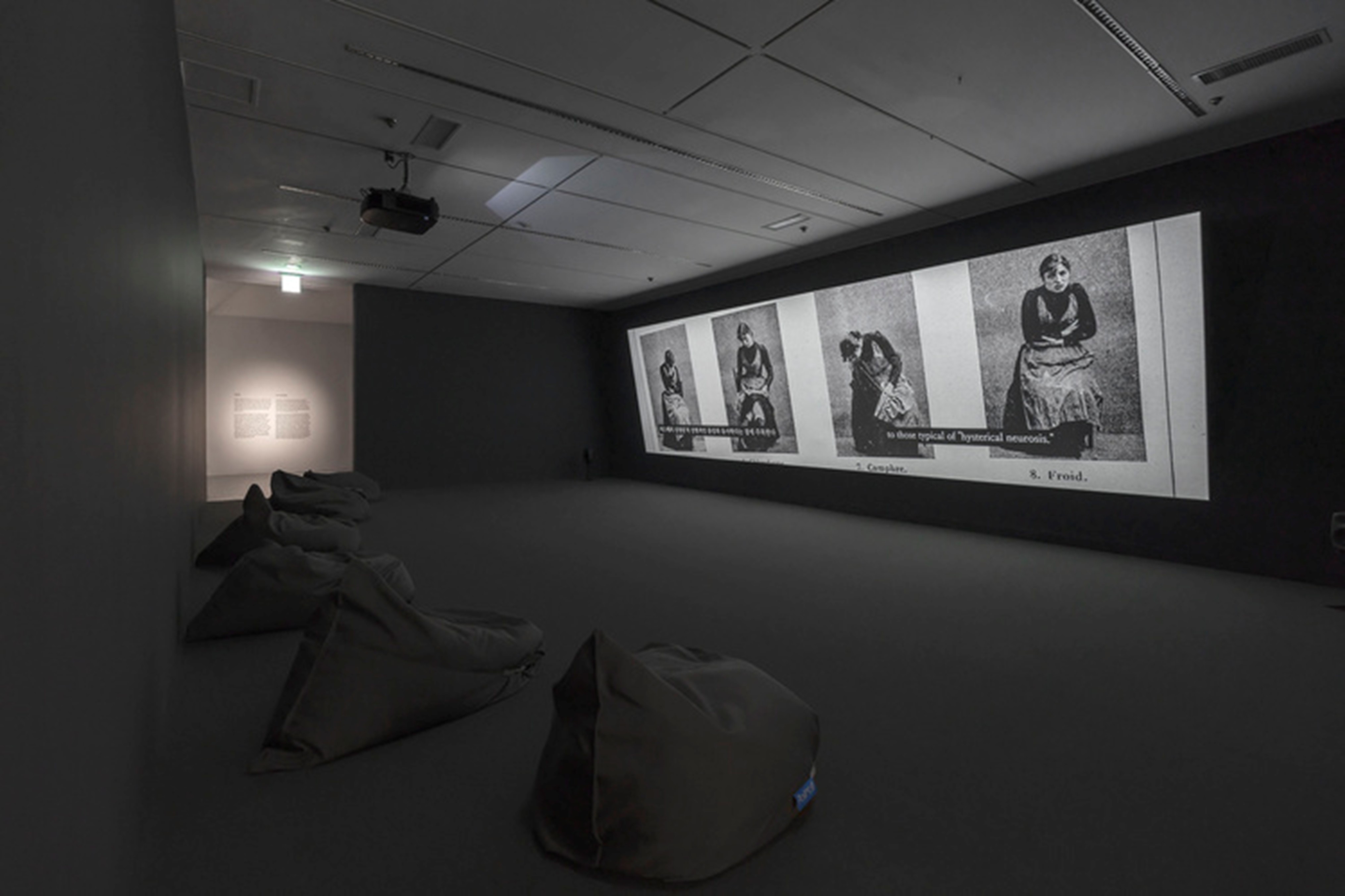
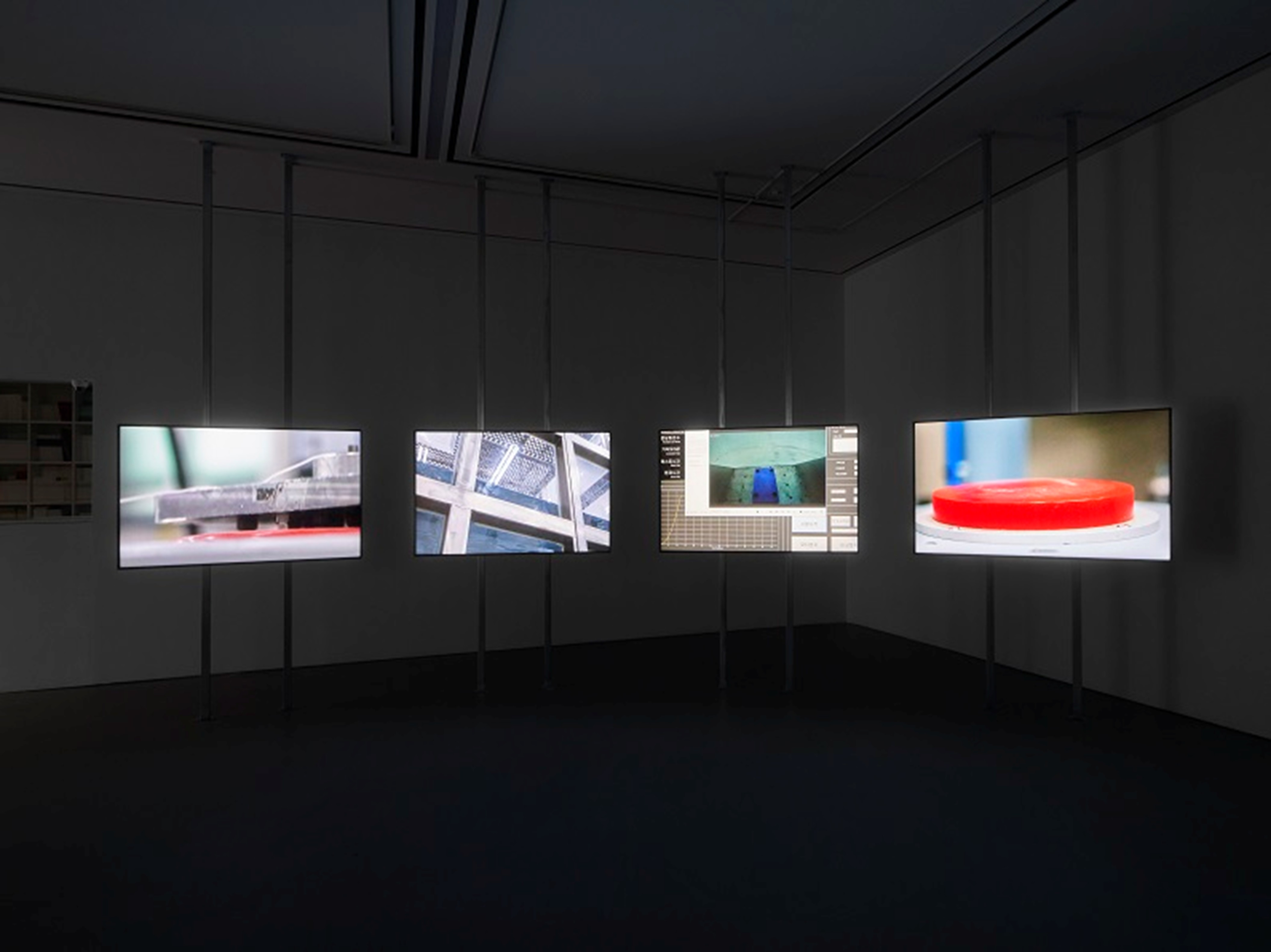
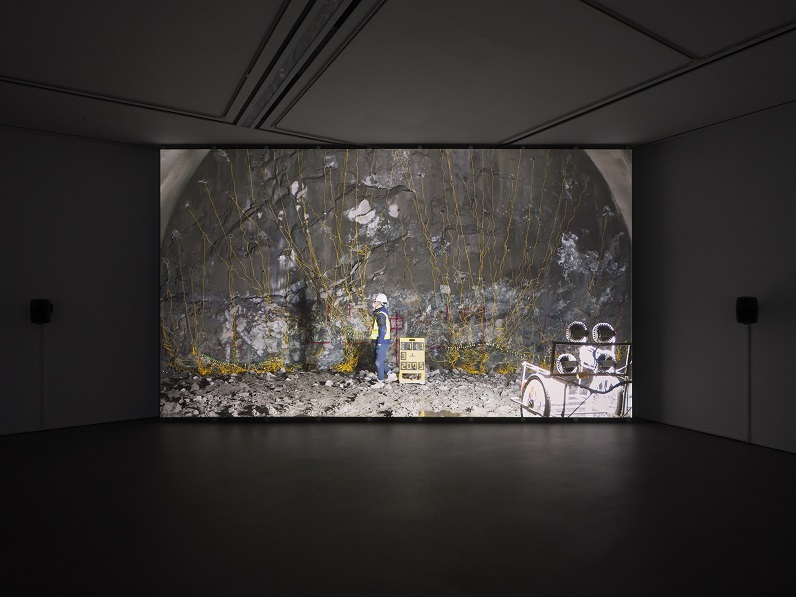
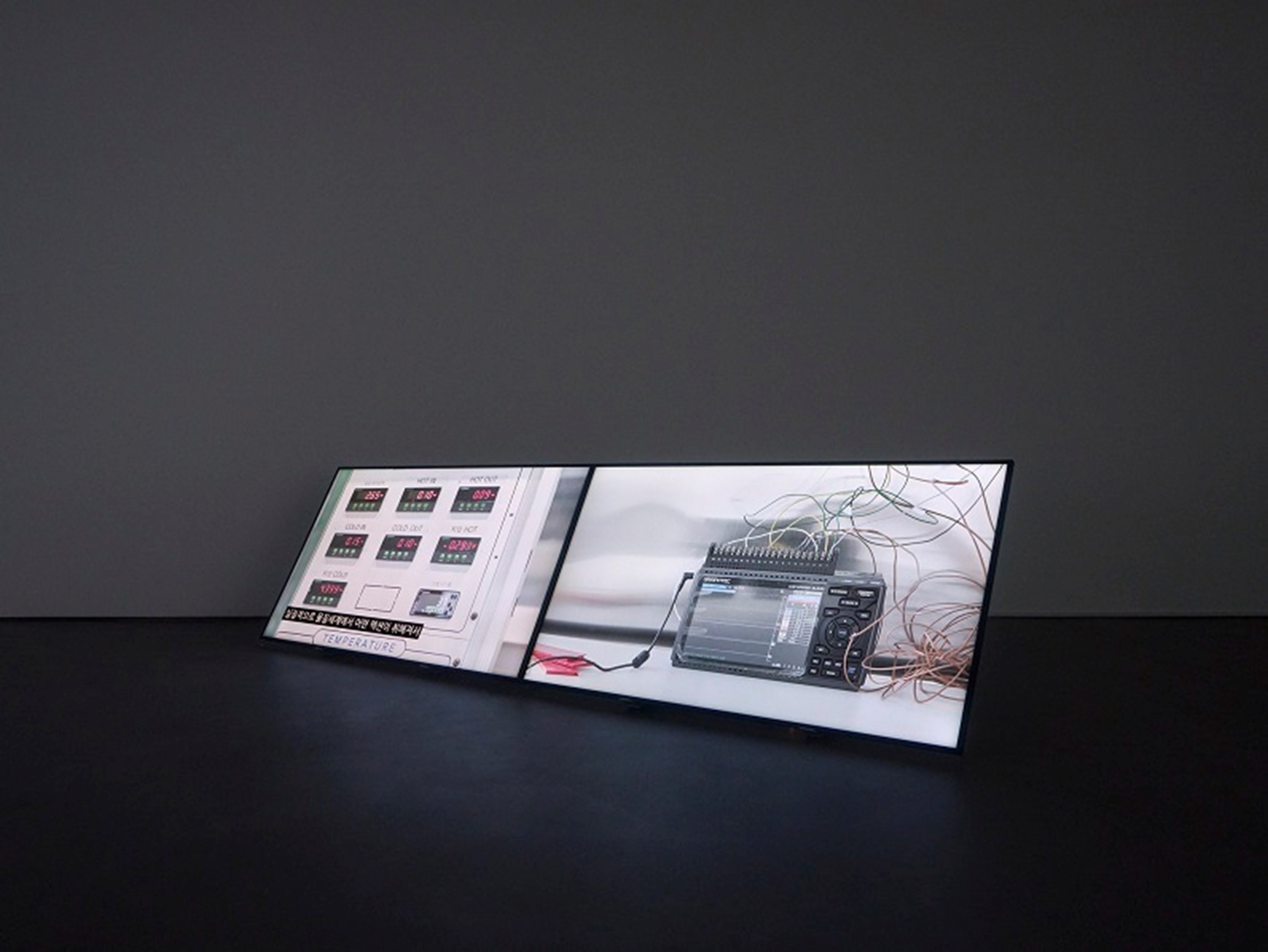
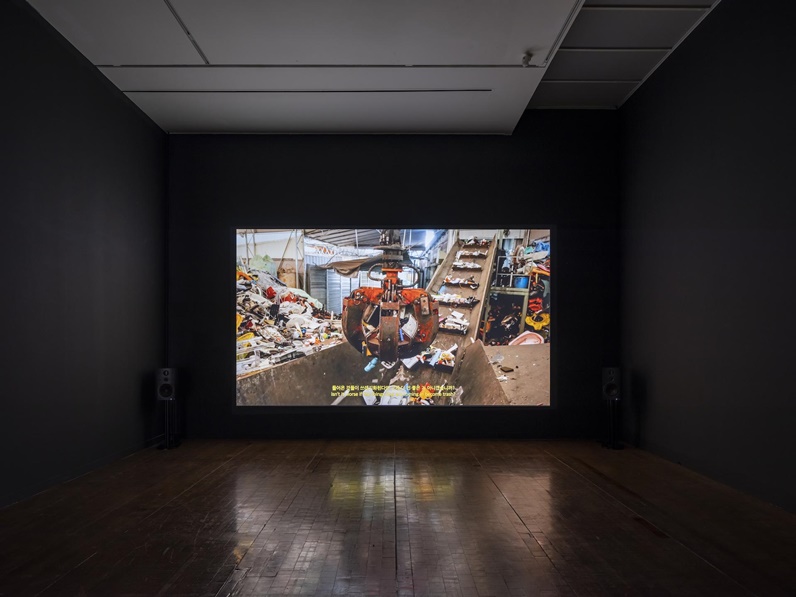
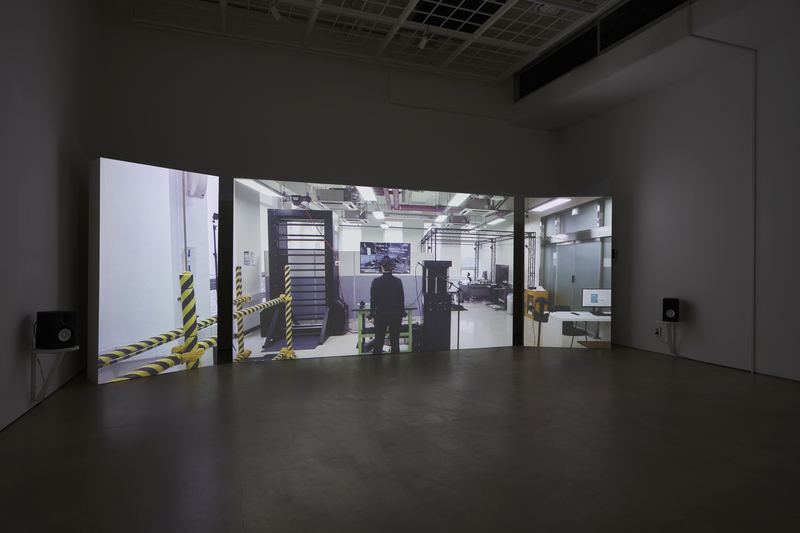
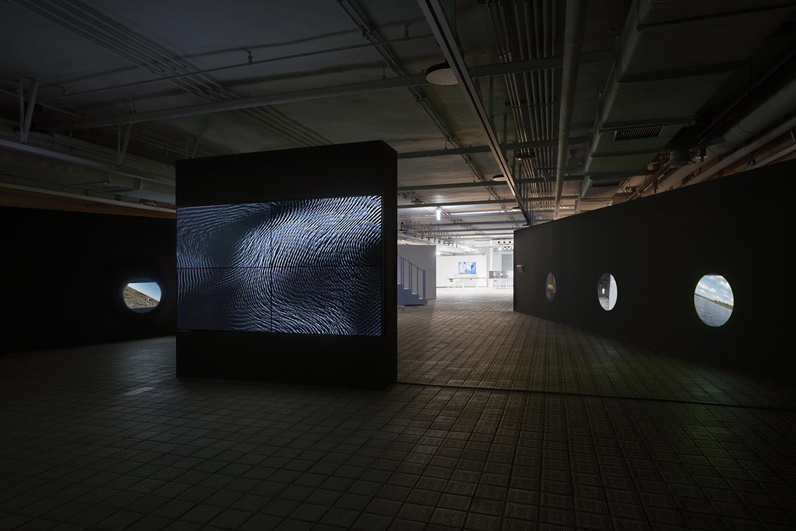
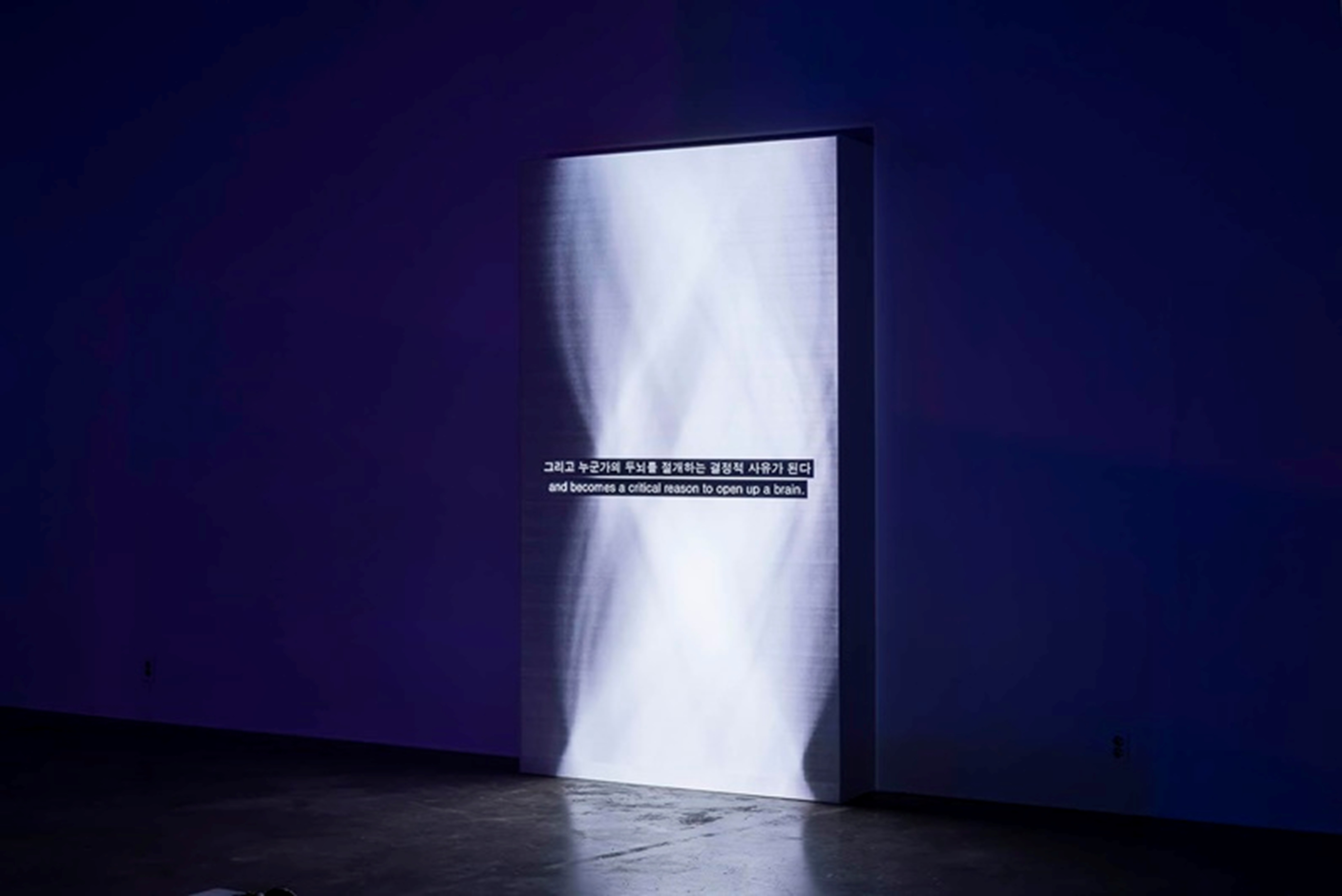
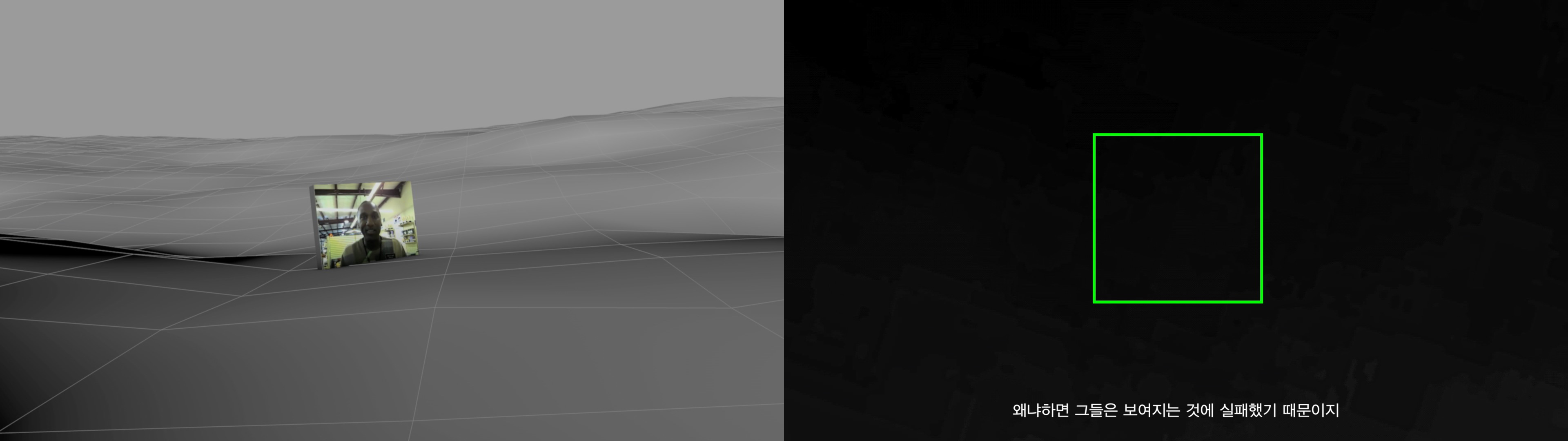
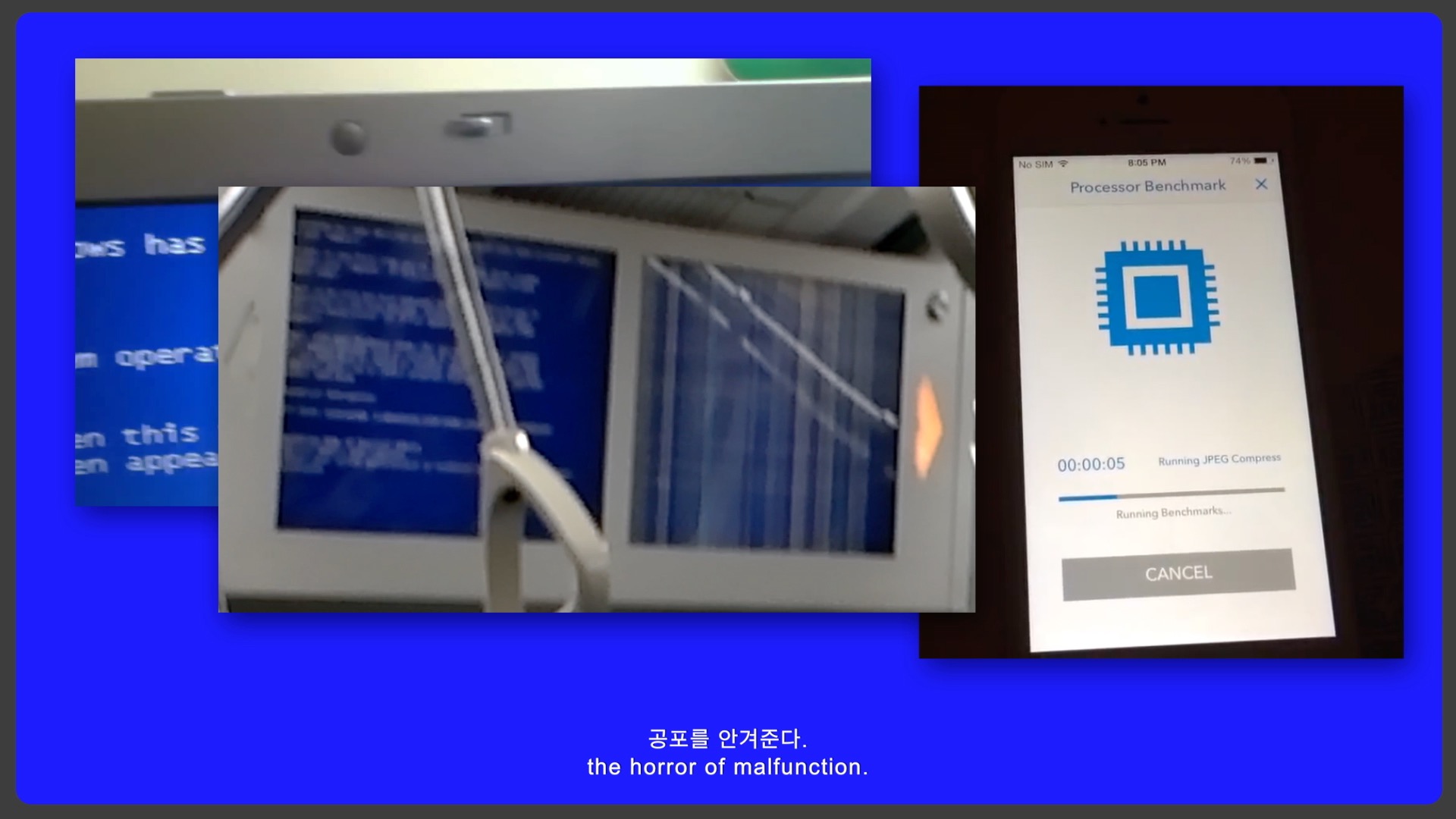

Installation view of 《Stance phase, Swing phase》 (The Reference, 2021) Photo: Euirock Lee. ©Eunhee Lee

The solo exhibition by Eunhee Lee, 《Stance phase, Swing phase》, explores the technologies that connect the human body and labor, as well as the social structures surrounding them. In society, disability is understood both as a lack of labor capacity and as a weakening of economic ability. Therefore, rehabilitation technologies do not merely restore physical functions; they also serve to supplement the labor potential of people with disabilities and enable their economic participation.

While the science and technology that make rehabilitation possible often envision an optimistic blueprint, the sites where these technologies are implemented and executed are complex political assemblages. These include human labor, production structures and demand, the capital values intervening and required, and societal perceptions of disability.

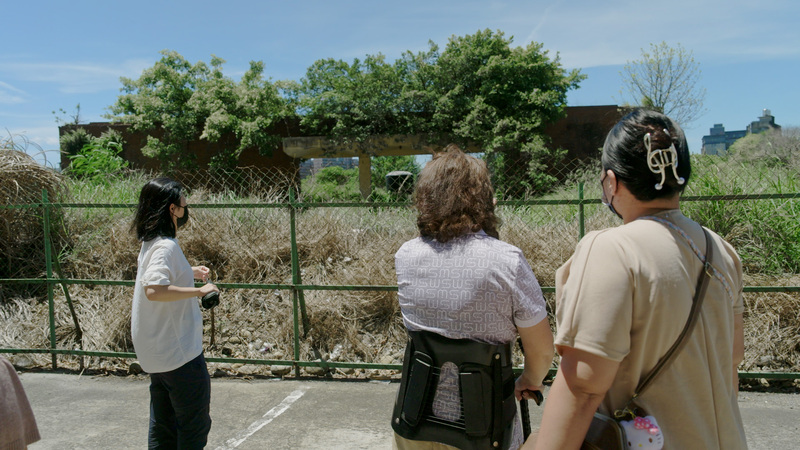
Within this context, the artist investigates the structural properties between humans and technology throughout the processes of research, production, and utilization of rehabilitation technologies. By documenting medical rehabilitation sites and industrial laboratories producing assistive devices, he observes the operating patterns of machines and humans. In the recorded environments, the humans—patients receiving assistance, administrators, therapists, and technicians managing and operating the machines—are all subsumed within the flow of machine operation, revealing the system as a single large organism and collaborative entity.


Installation view of 《Stance phase, Swing phase》 (The Reference, 2021) Photo: Euirock Lee. ©Eunhee Lee

This exhibition fundamentally questions the conventional definitions of disability as a physical deficiency, while redefining the interrelationship between humans and the technologies designed to compensate for these deficiencies. Based on this, it seeks to understand the complex interconnected structures between society and disability, with labor as the focal point.

In a somewhat asymmetric cyclical relationship, where physical disabilities arise from the necessity to coexist with machines and, in turn, humans become dependent on machines to overcome those disabilities, technology imitates, substitutes, and removes human labor. In this process, the operation of rehabilitation technologies is closely intertwined with the logic of capital supply and demand, incorporating humans into the political dimension of technology.

The exhibition title, 《Stance phase, Swing phase》, symbolizes the roles of each leg in the gait of a person with a disability. The leg that bears weight and the leg that moves in order to advance rely on each other, evoking a parallel to the cooperation between humans who repair deficiencies and those who, despite their own deficiencies, compensate for others’ through their labor.

Within these labor-centered, interdependent relationships, we are prompted to question whether deficiencies must necessarily be remedied. By documenting rehabilitation sites, the exhibition uncovers the complex and concrete realities behind the abstract and ambiguous images of disability, raising questions about their implications and direction.

References