Touchless Yet Touched
Text by: Eunhee Kim
We live while experiencing the
flow of sensation. Sight and sound, the bodily and the non-bodily, intersect
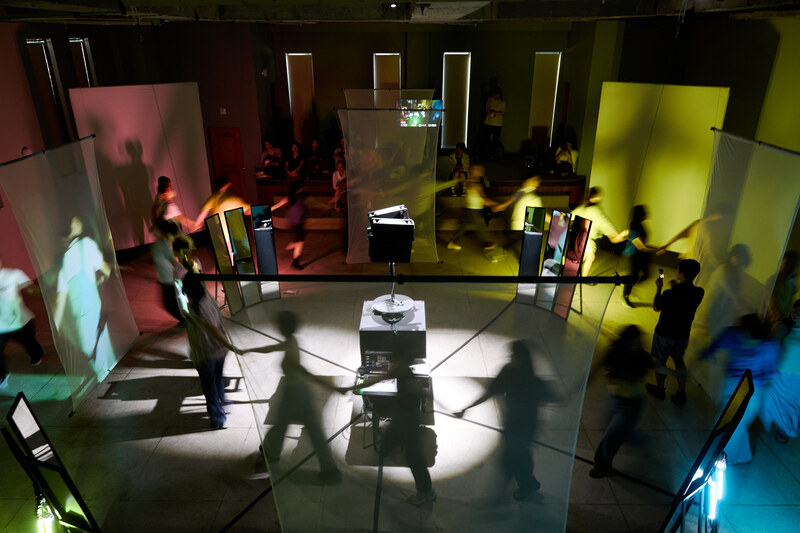
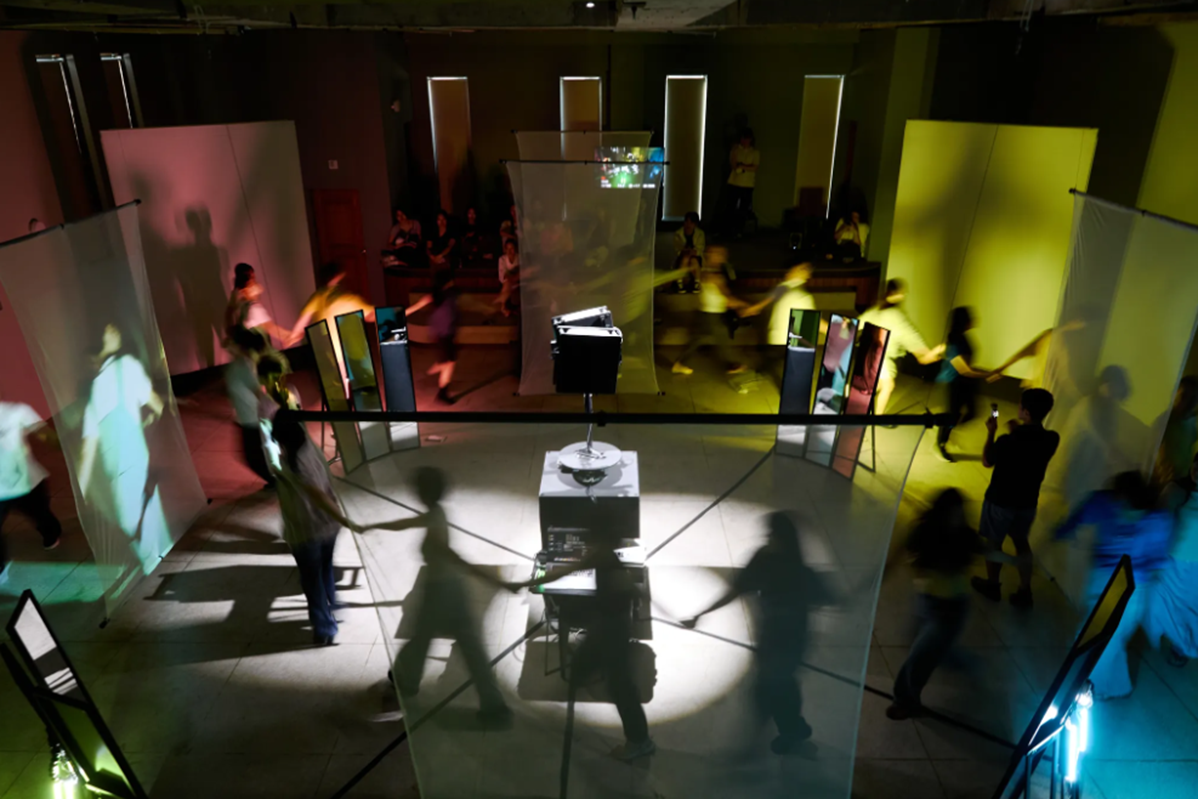
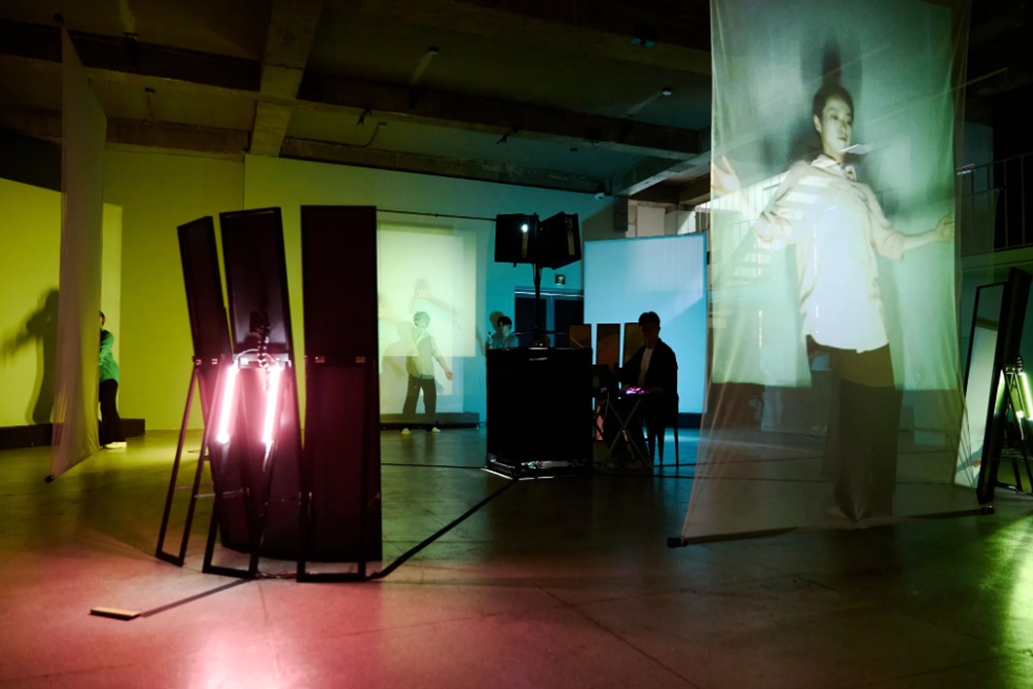
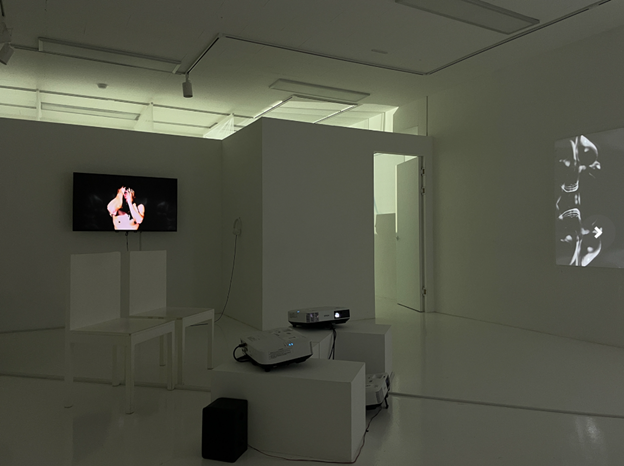
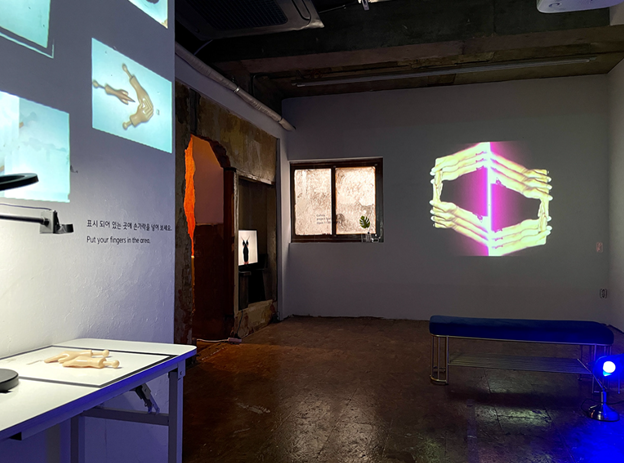
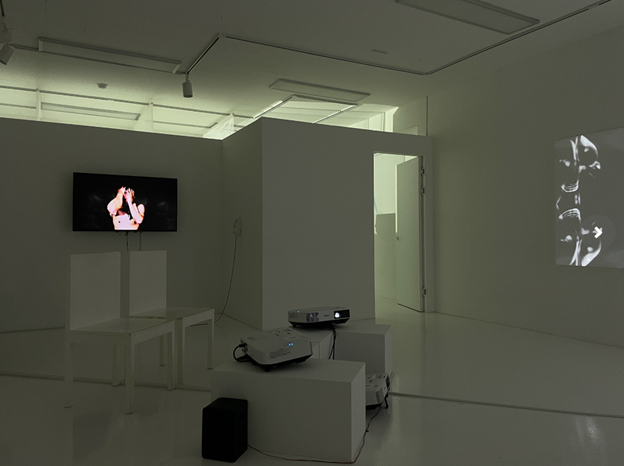
closely to shape our experience. The exhibition 《Resonant Chamber》 proposes an experimental
space where visual, auditory, and bodily experiences intersect and resonate.
Donghyeon Lim transforms specific
sounds encountered in his daily life into visual forms. By tracing the
characteristics of sound—such as its texture and shape—he reconstructs them
into new auditory experiences. The objects created through this process are not
merely records of sound, but function as instruments that generate new sounds.
The cycle in which auditory experience appears as visual form and returns again
to sound forms a chain reaction akin to an orchestral ensemble. Through sensory
transposition, these works offer viewers new experiences and construct an
interface where sensory interaction takes place.
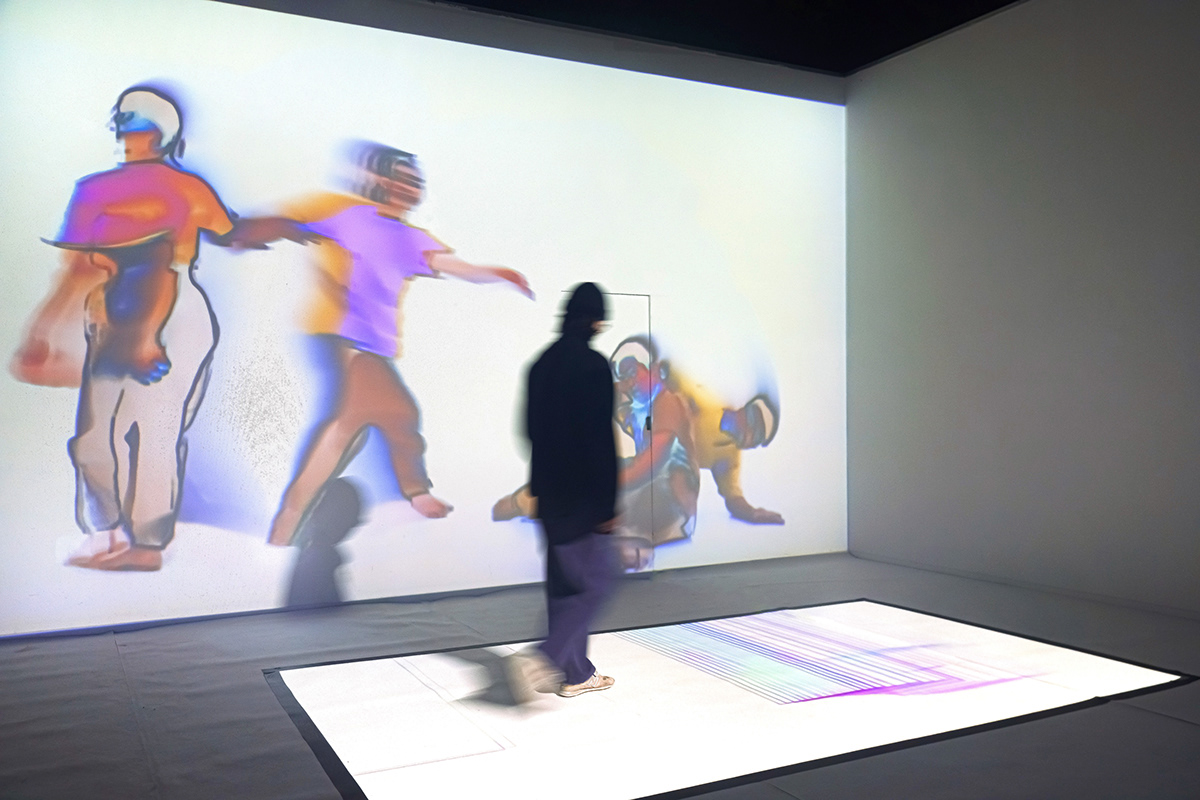
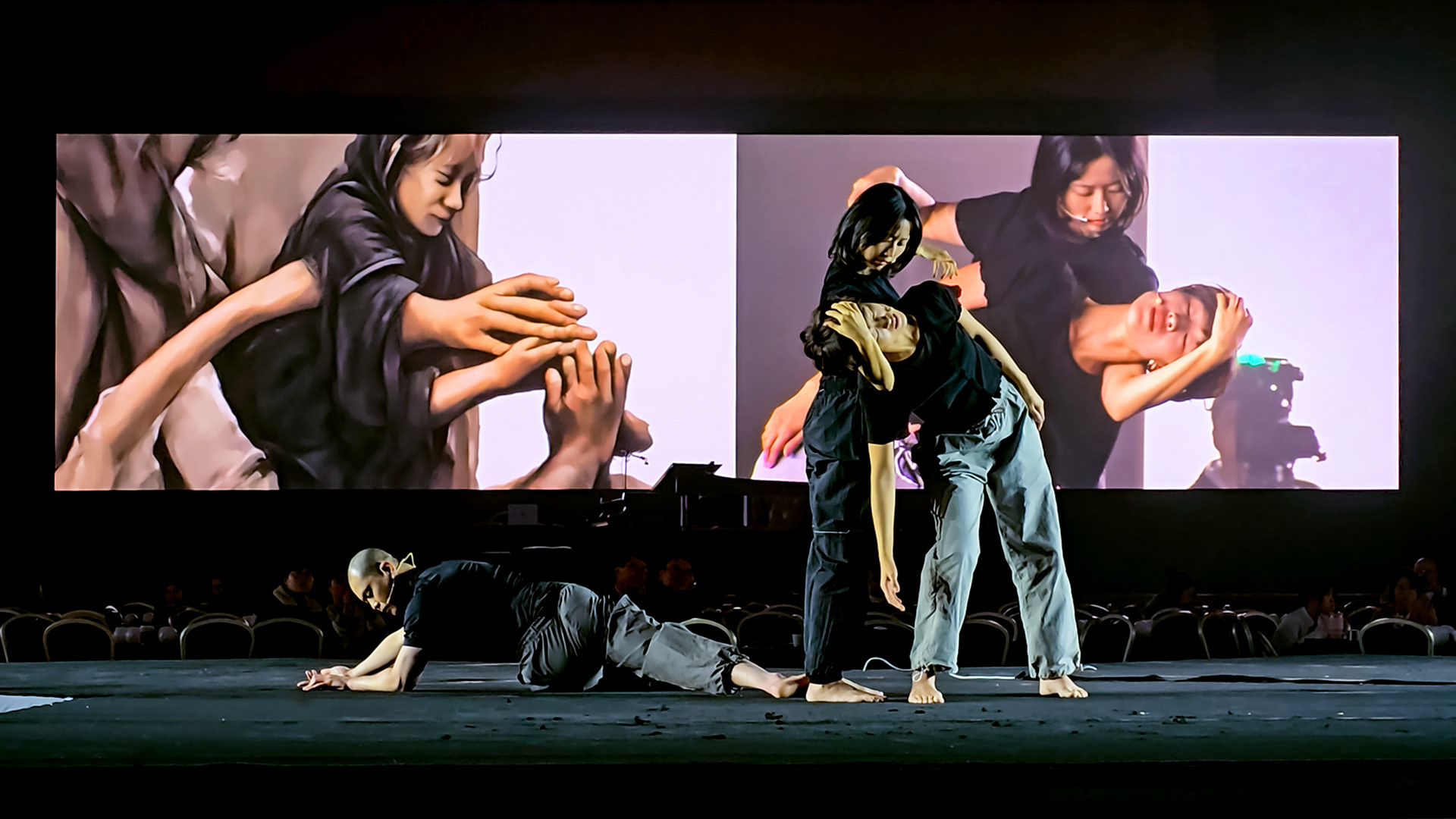
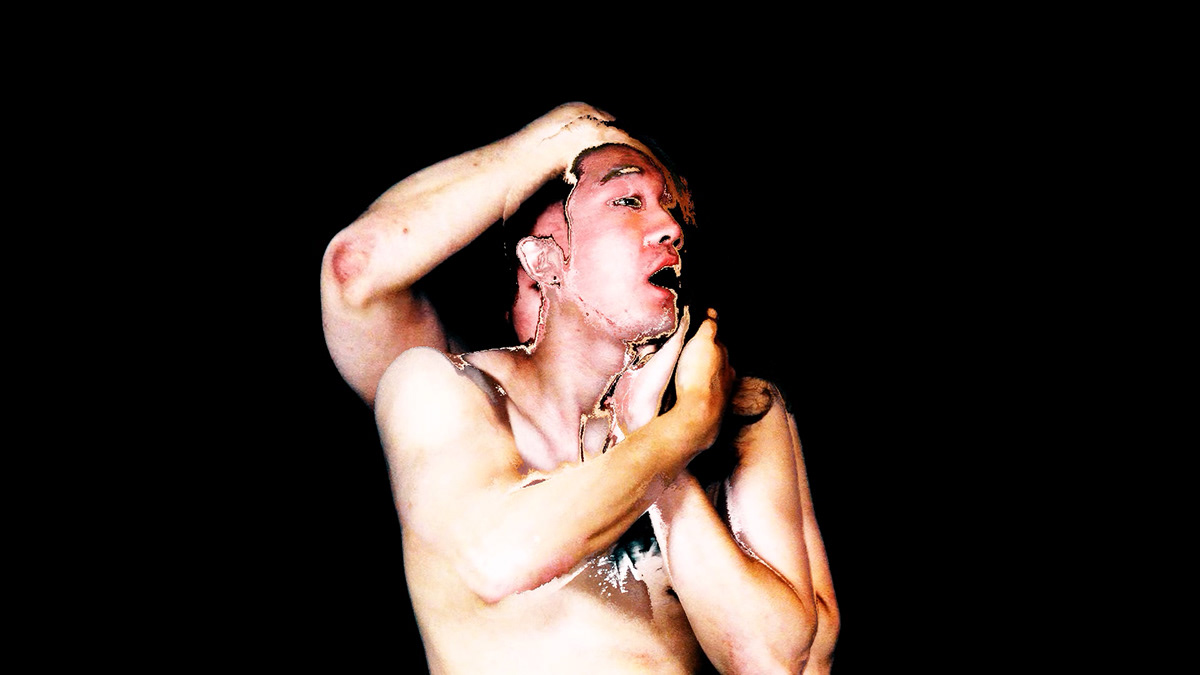
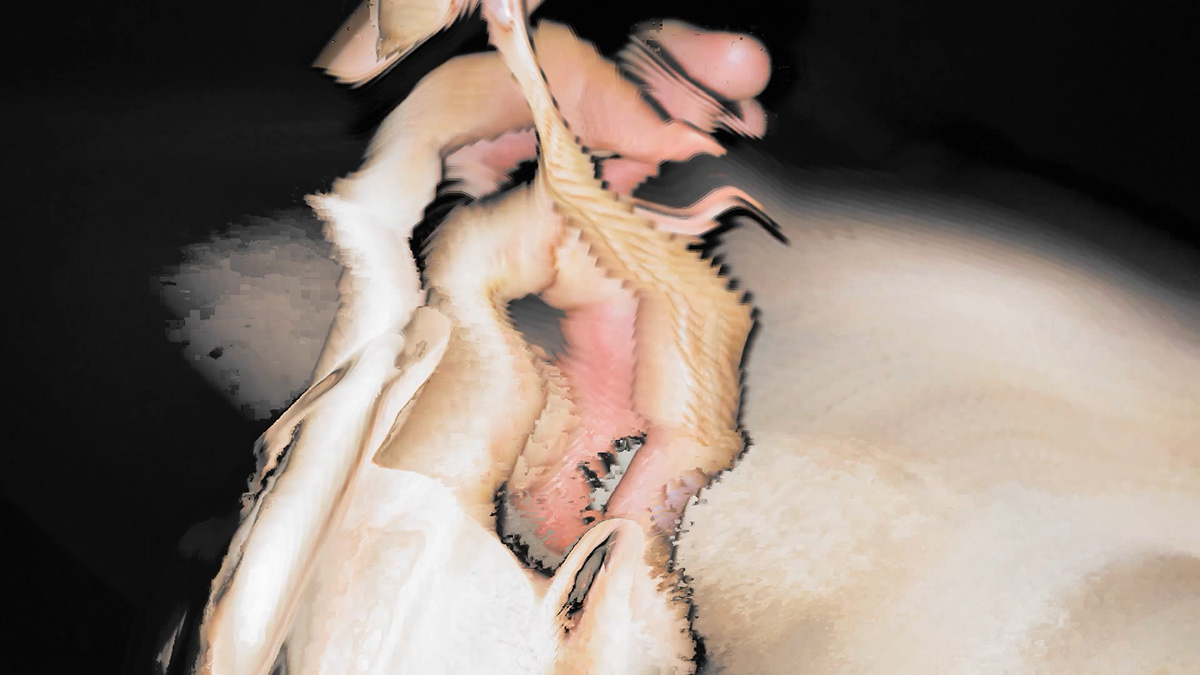
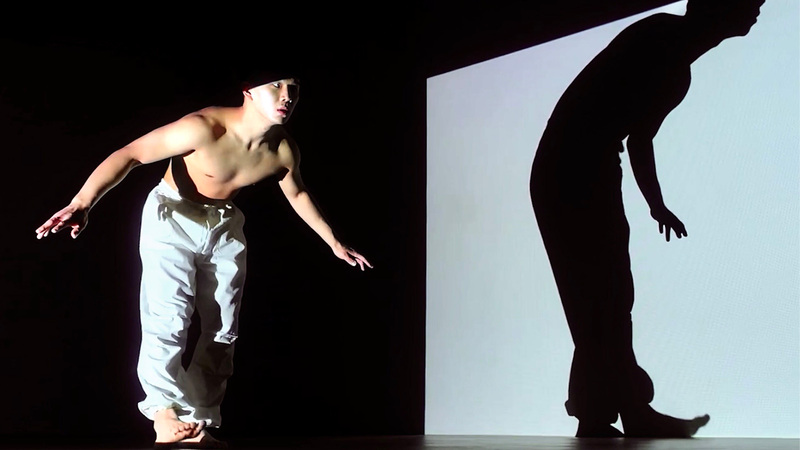
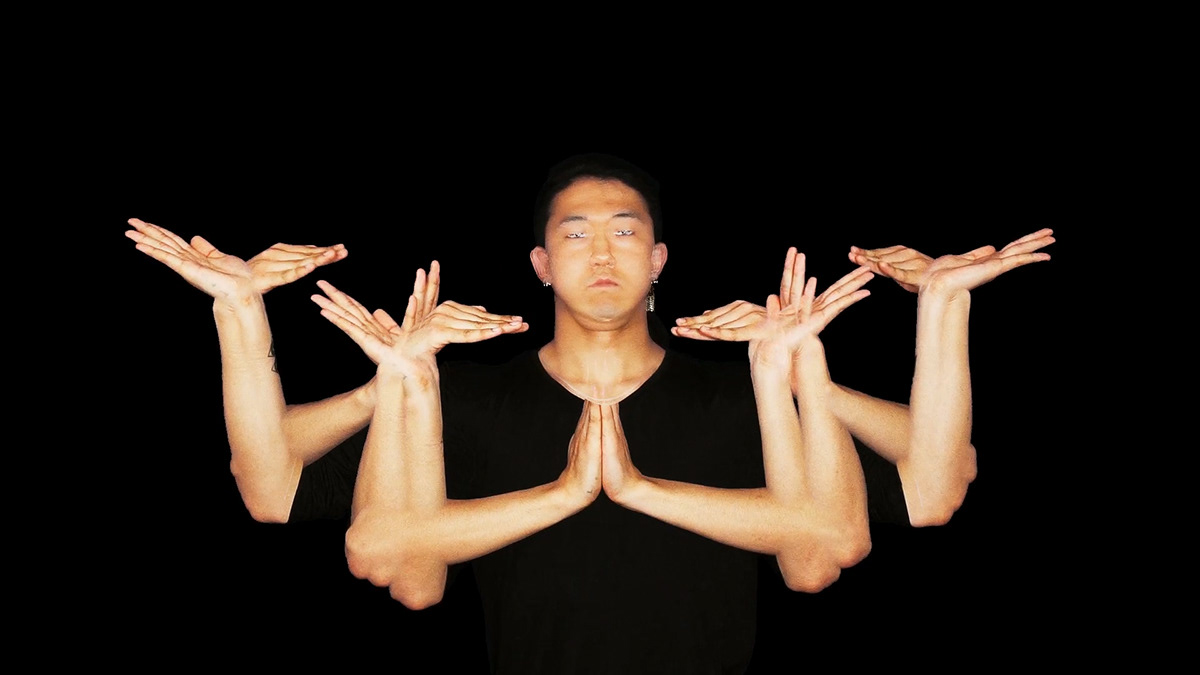
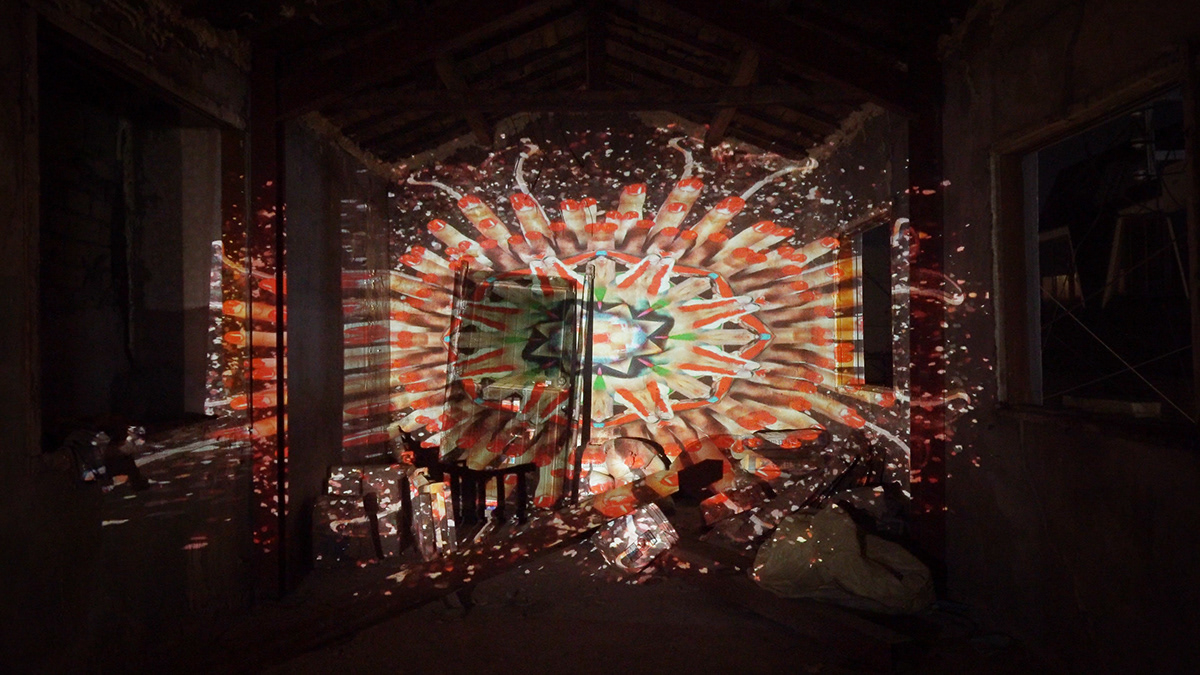
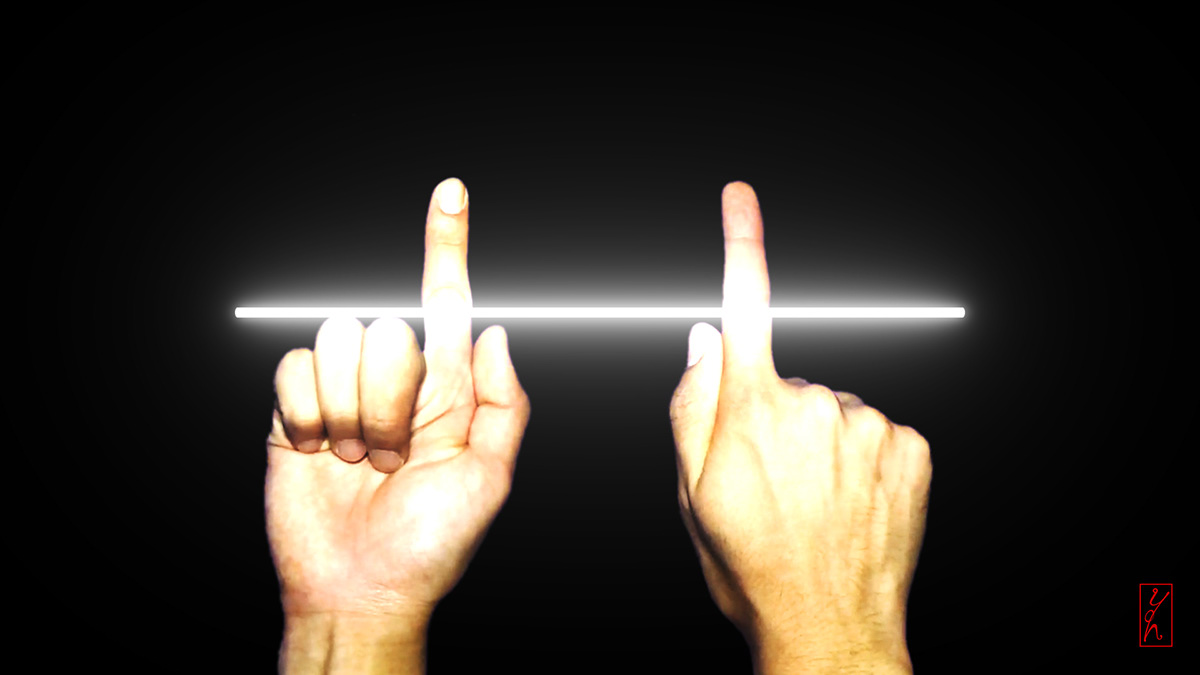
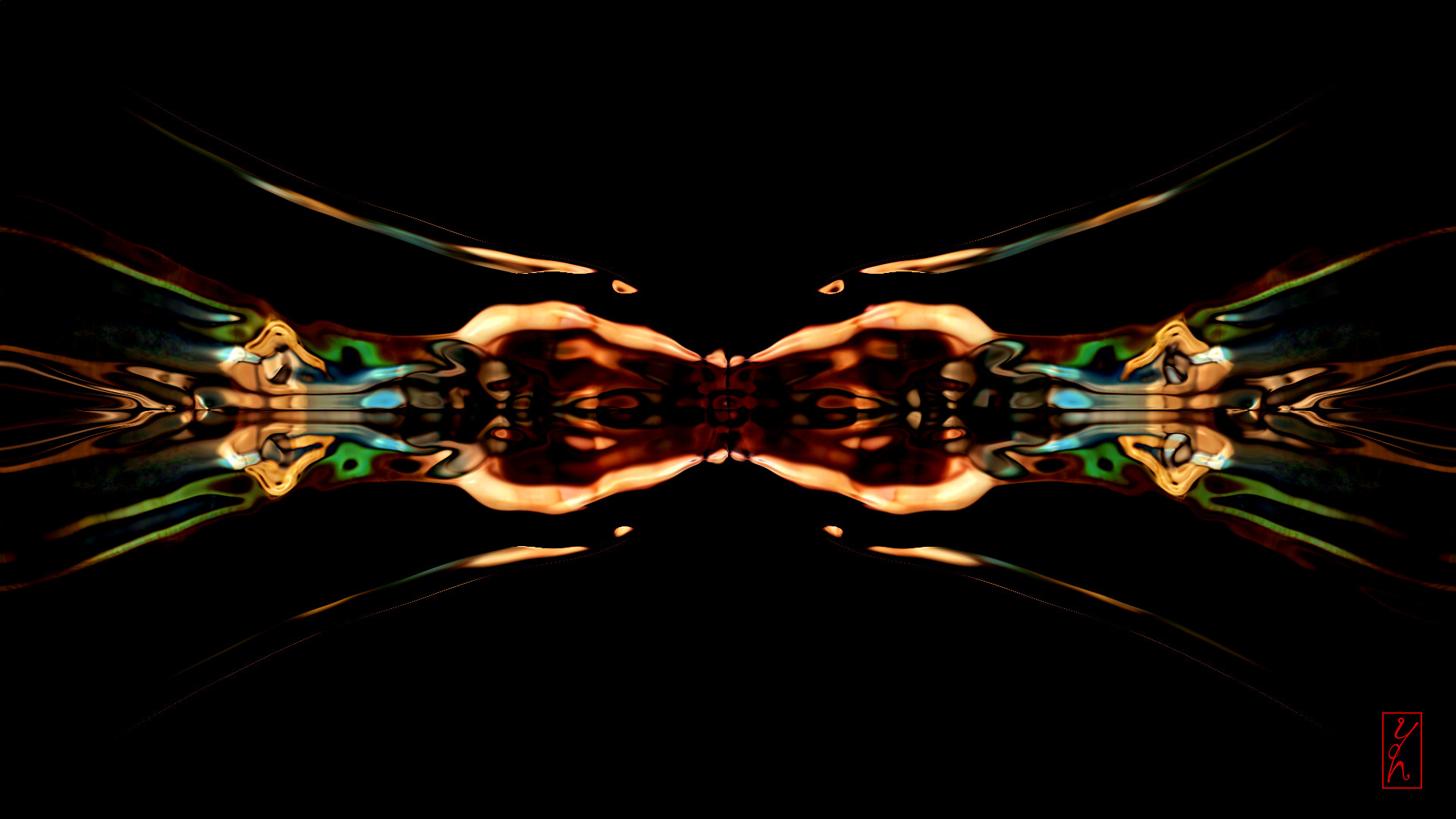
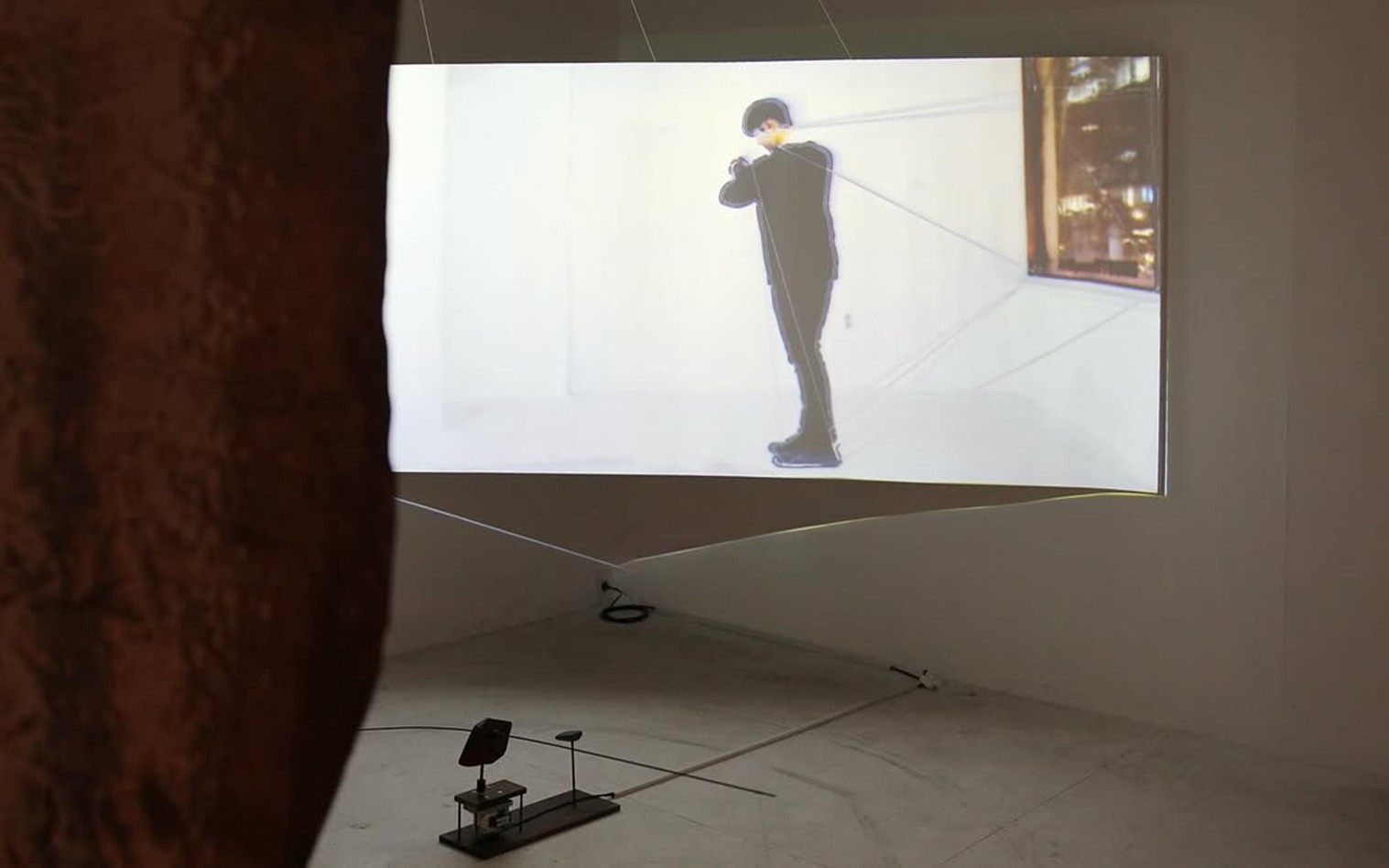
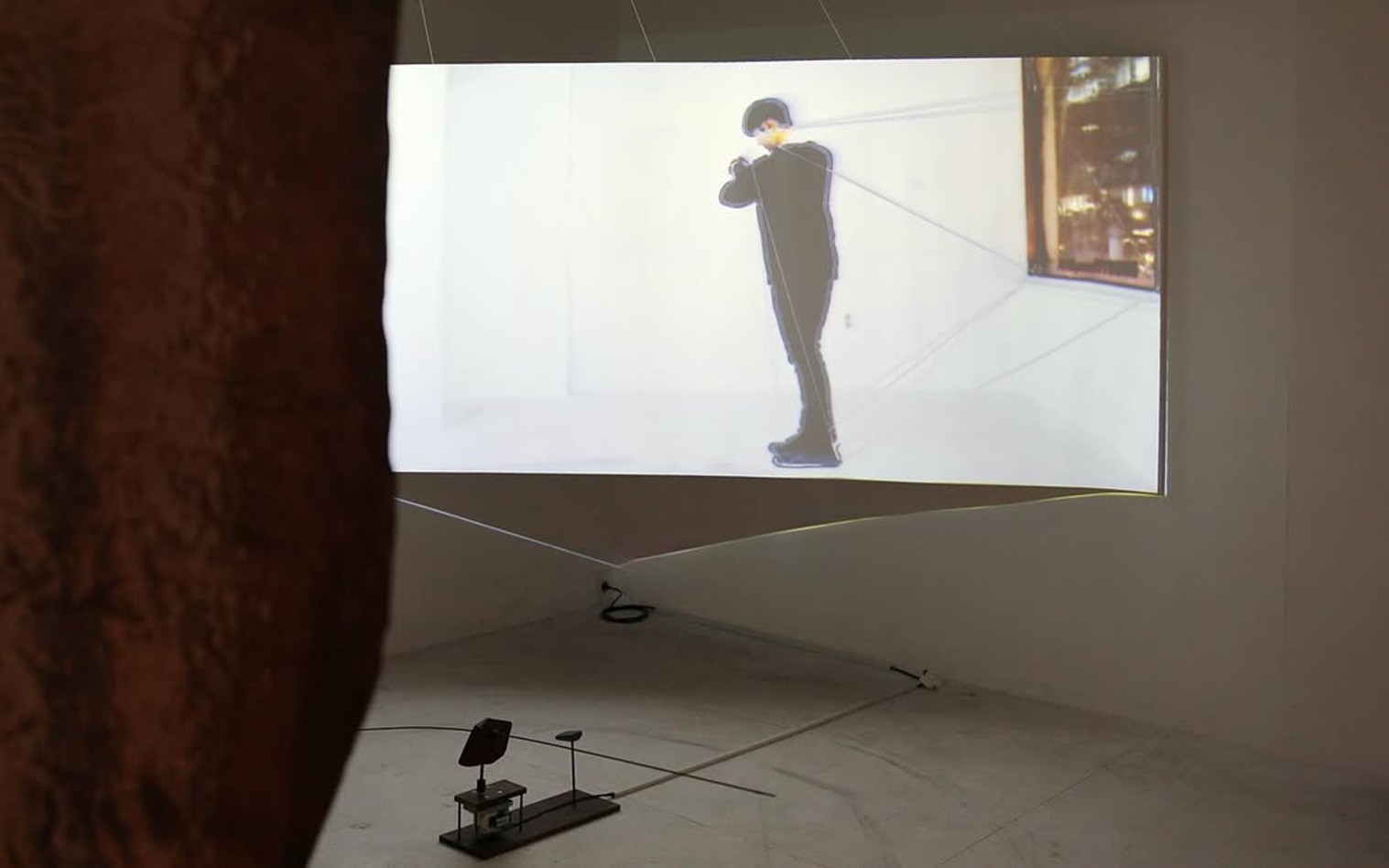
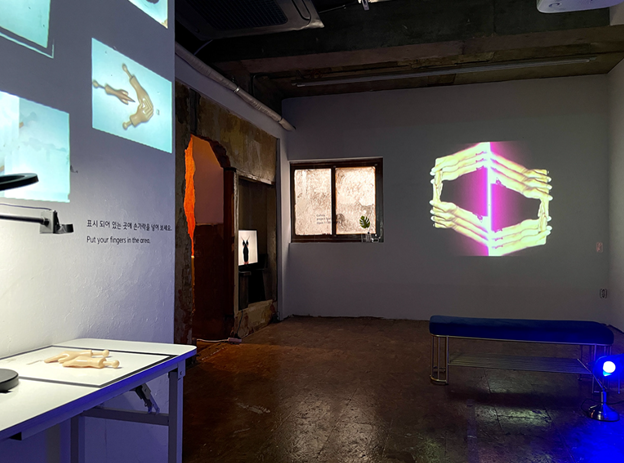
Daewon Yun visually reveals the
tension that arises at the boundary between the virtual and the real,
reinterpreting the meaning of “touch.” Through remote images, his work enables
viewers to traverse the boundary between reality and virtuality, creating
spaces where the bodily and the non-bodily coexist.
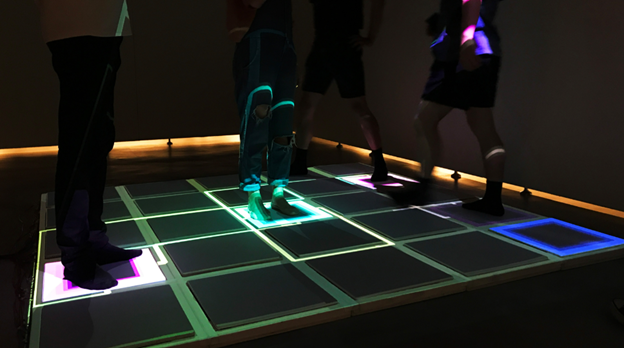
In such spaces, viewers are
not merely observers but directly experience moments of coexistence and
contact. Through this, he builds new interfaces between body and sensation
within digital media environments, presenting transcendent connections and
expansions of the senses.
The sounds resonating from Lim
Donghyeon’s objects meet Daewon Yun’s digital bodies to form new structures of
resonance. Together, they dismantle the boundaries between sight and sound,
body and non-body, experimenting with sensory transformation and intersection.
These experiments re-examine the original functions of our sensory organs and
prompt us to reconsider how we perceive and understand the world.
Such sensory
interfaces function not merely as tools for artworks, but as experimental
fields that explore the possibilities of sensation. The cyclical relationship
between sound and form collapses the boundary between hearing and seeing, while
the contact between reality and virtuality redefines the relationship between
body and non-body. Their explorations interact within the exhibition space,
inviting viewers to create their own sensory connections.
《Resonant Chamber》
encompasses physical, emotional, and conceptual resonance, guiding
viewers—standing within the space—to participate as part of the interface
itself. In reality, everything in the world emits its own unique waves and
frequencies, constantly in motion. When two objects, two people, or two worlds
meet, vibrations inevitably arise.
Our senses generate waves between them,
creating new fields of energy. Thus, the exhibition proposes that sensation is
not merely the reception of stimuli, but an integrative process that transcends
the boundaries between body and mind, reality and virtuality, vision and sound.
One cannot sense or empathize
alone. To sense and to feel is ultimately an encounter with the other—a process
of passing through another being. Touch begins by acknowledging differences
between others, forging new connections within those differences, and seeking
resonance.
Like instruments in a symphony that maintain their unique timbres
while completing a single piece of music, it is an experience of opening
oneself to others, becoming one together—an event of dynamic intersections
where different worlds meet.
Through the cyclical chain
reactions of sound and form, and through the contact between virtual and real
that proposes new sensory systems, the exhibition resonates, delivering
vibrations of existence that go beyond sensory experience. Feeling vibrations,
air, wind, and fear, we come to recognize “being alive.” Perhaps what is most
beautiful and precious to us is the fact that, here and now, we are able to
fully feel that we are alive.