Exhibitions
《Quiet Time》, 2024.07.27 – 2024.08.06, GIMYE
July 27, 2024
GIMYE
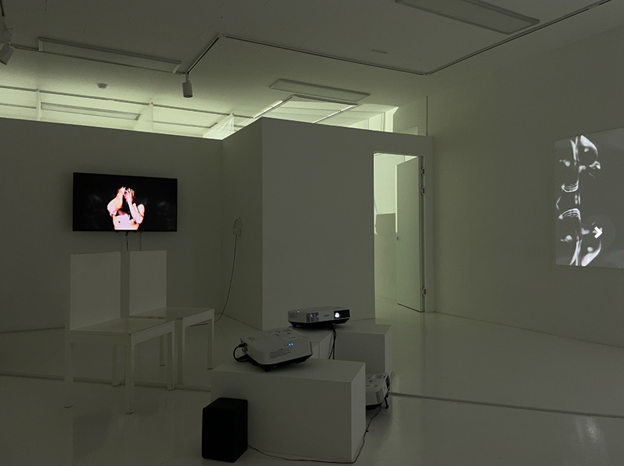
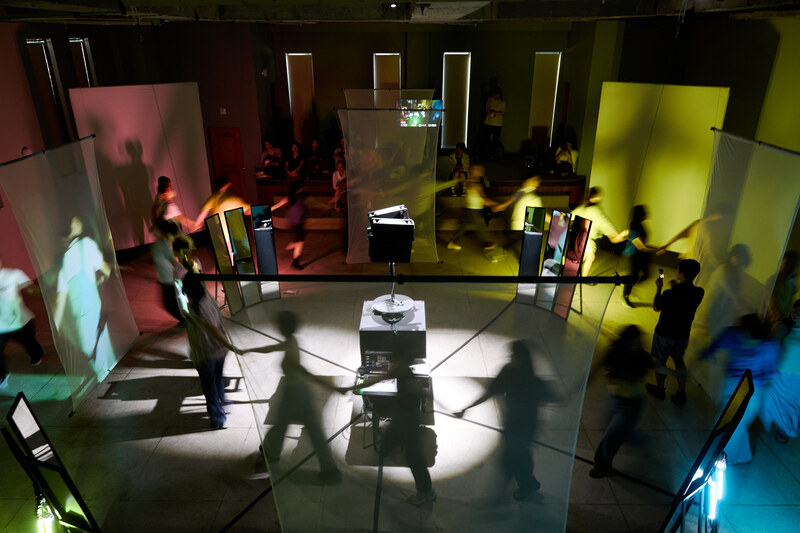
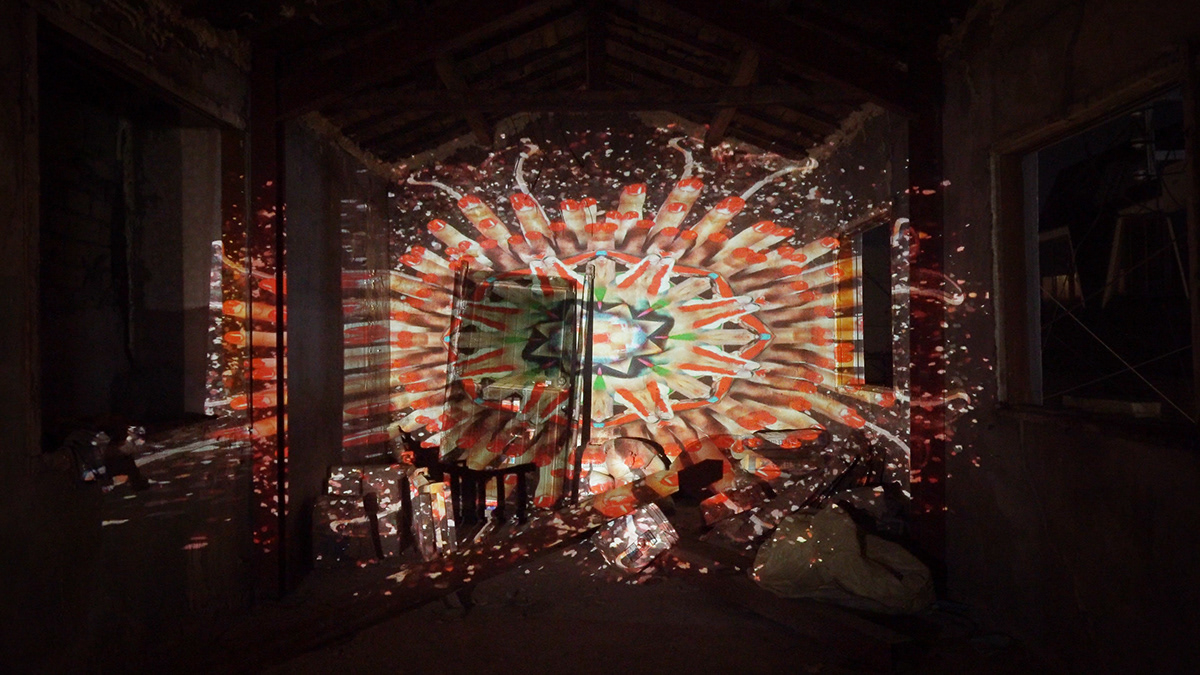
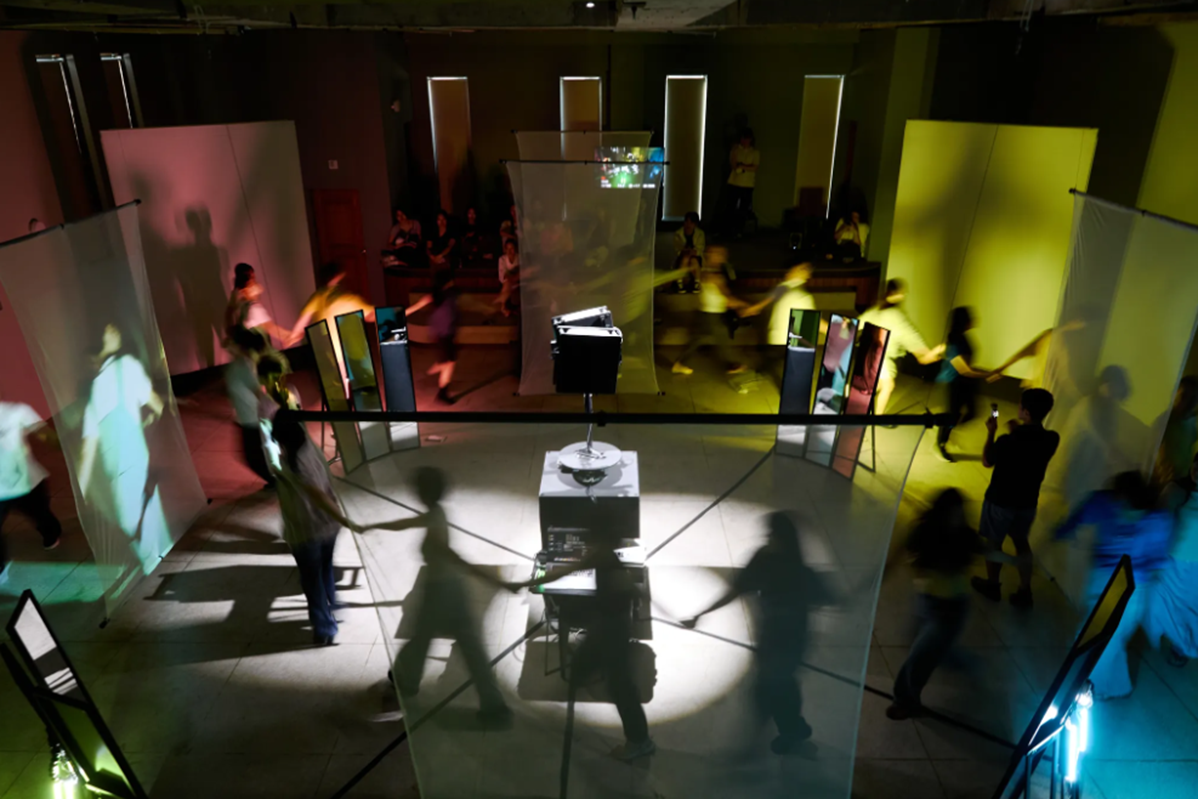
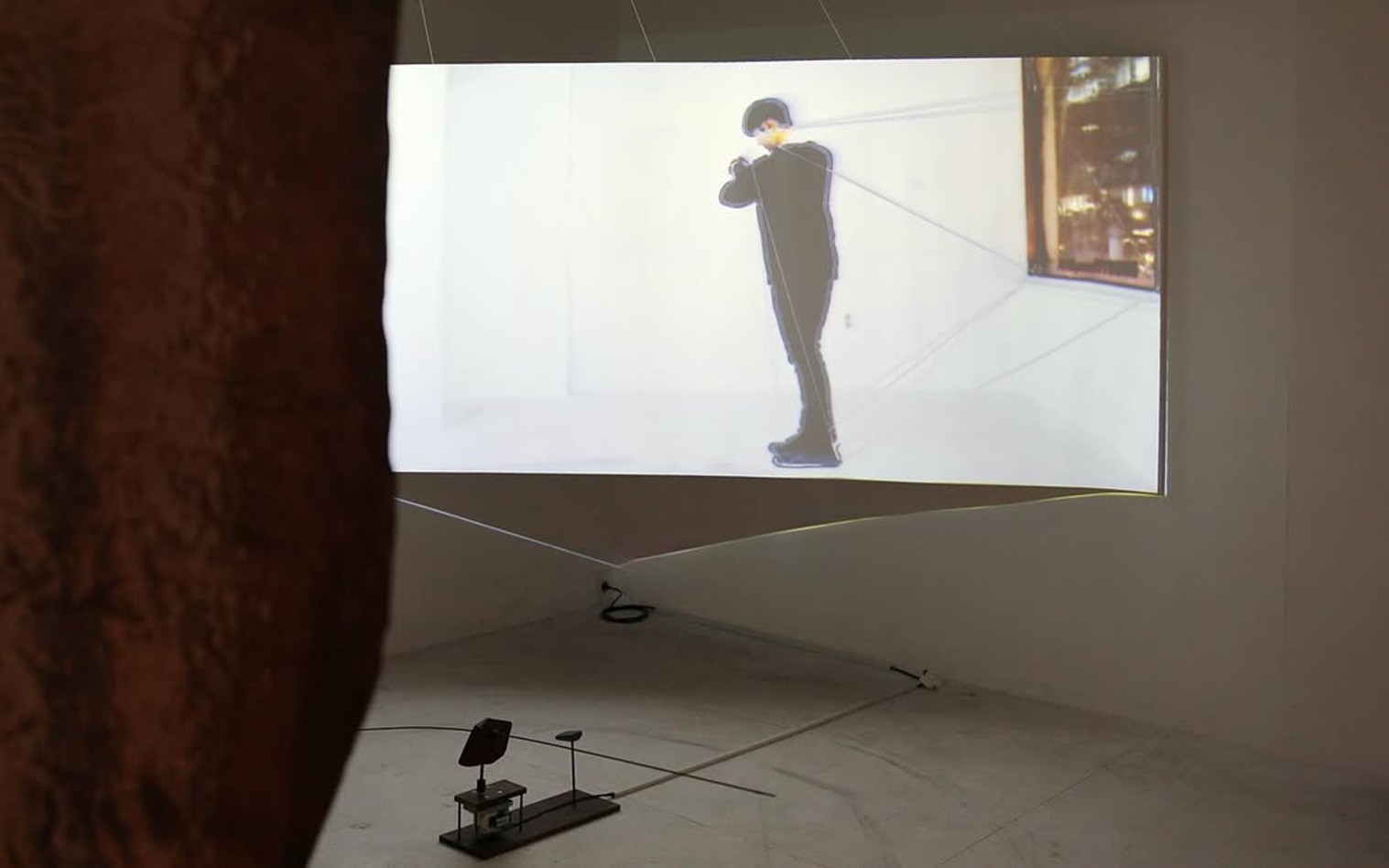
Installation view of 《Quite Time》 (GIMYE,
2024) ©Daewon Yun
Daewon
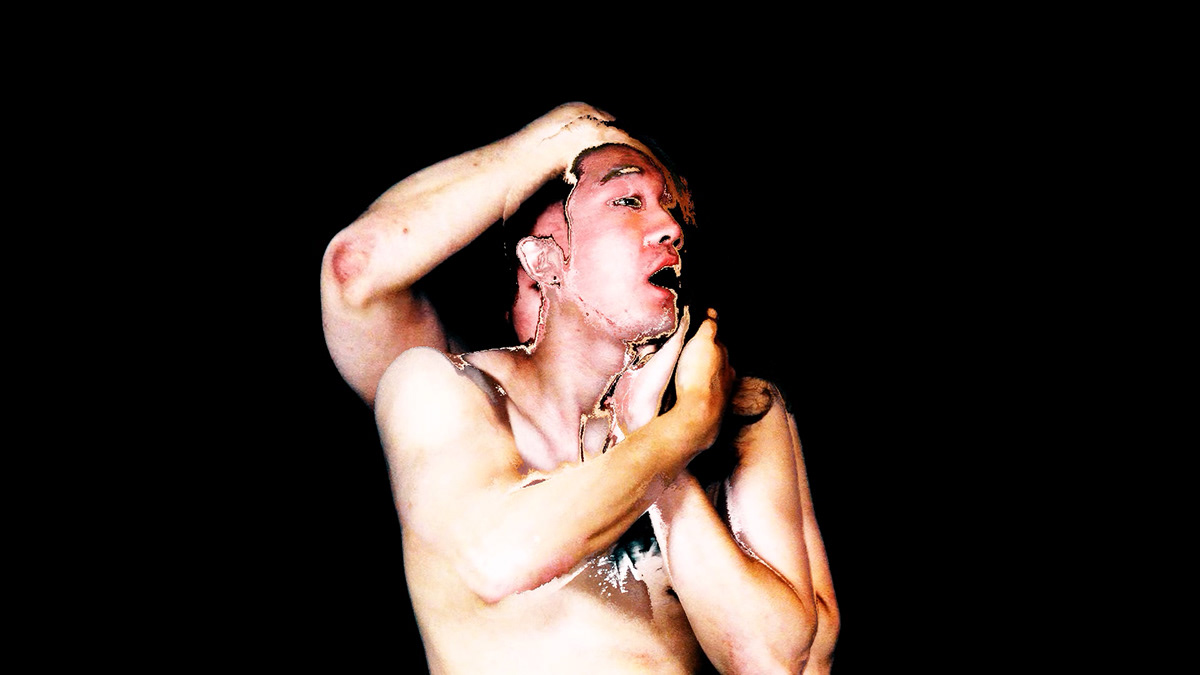
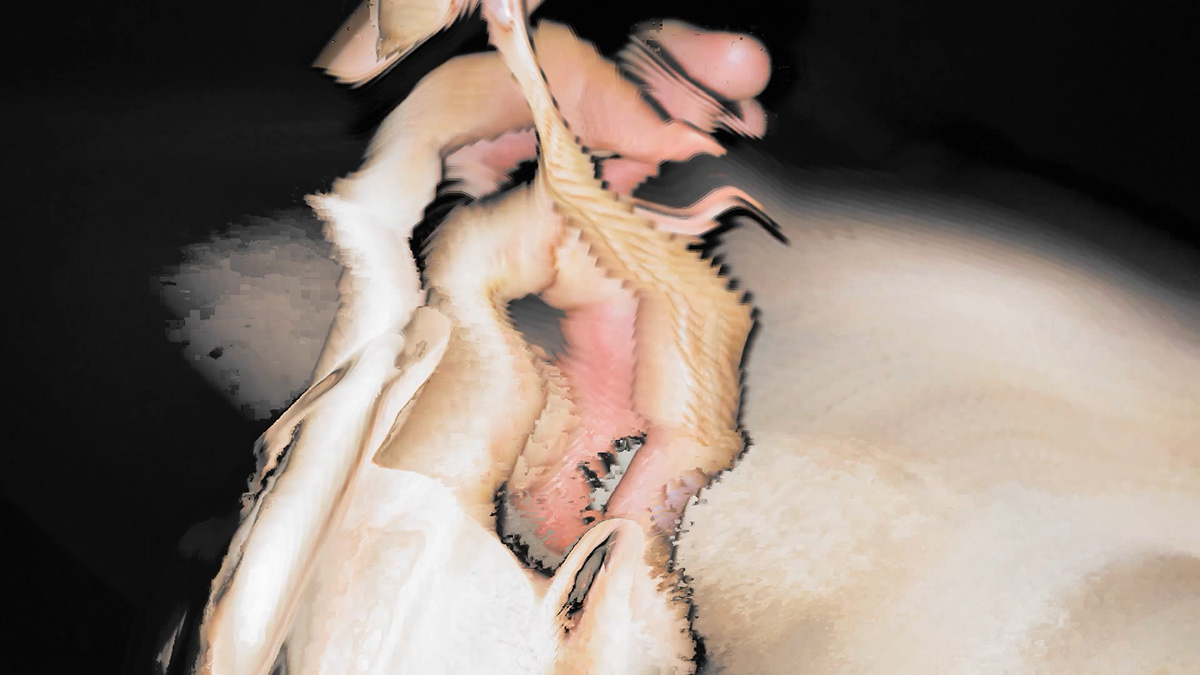
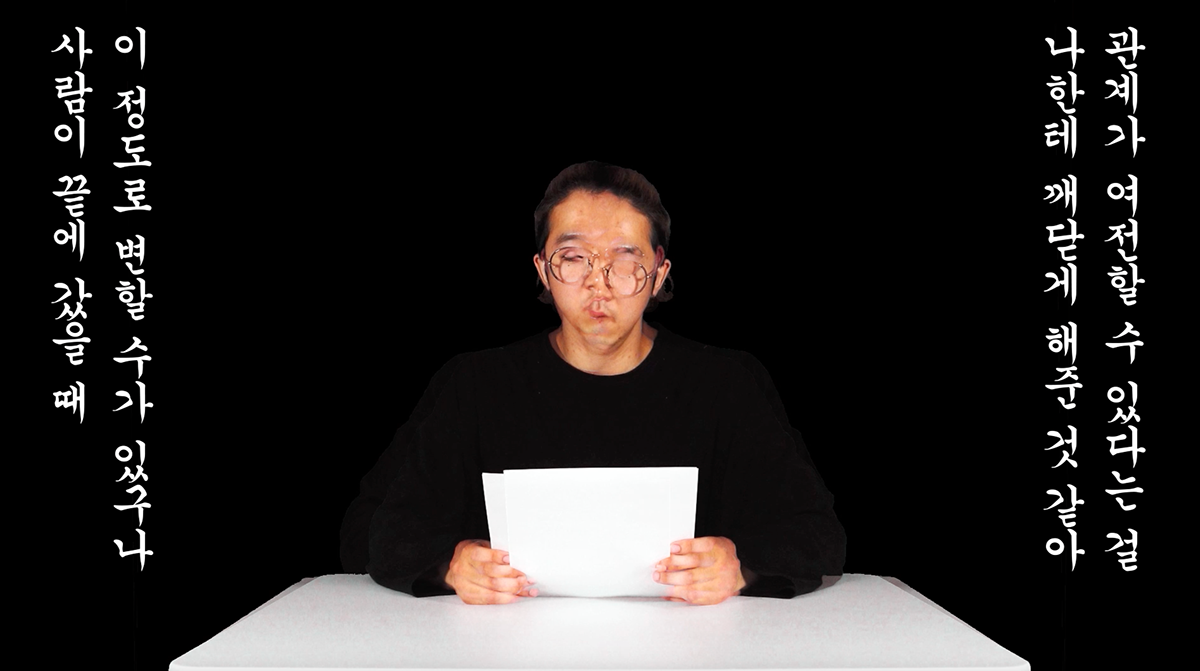
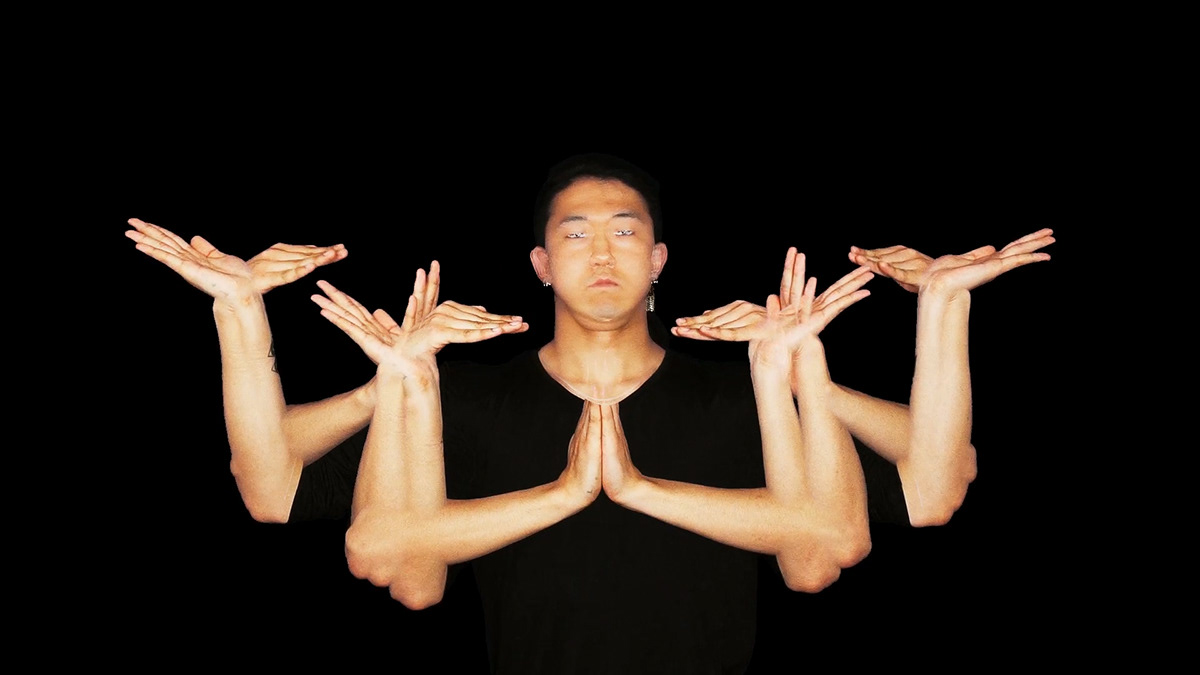
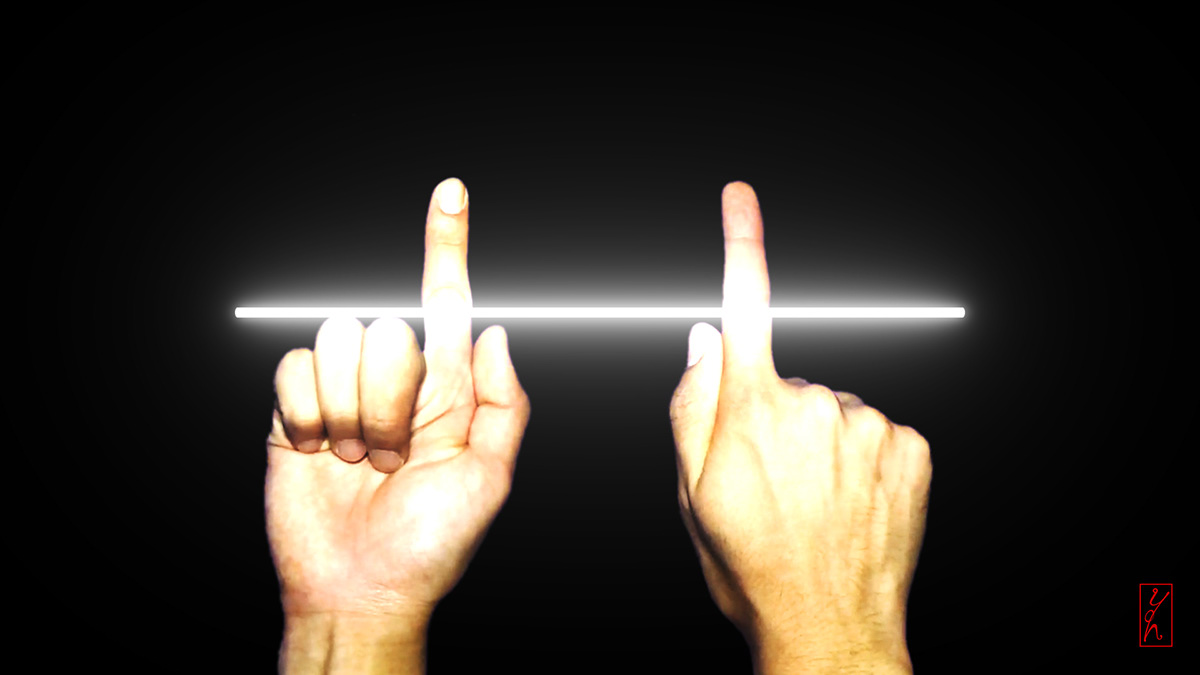
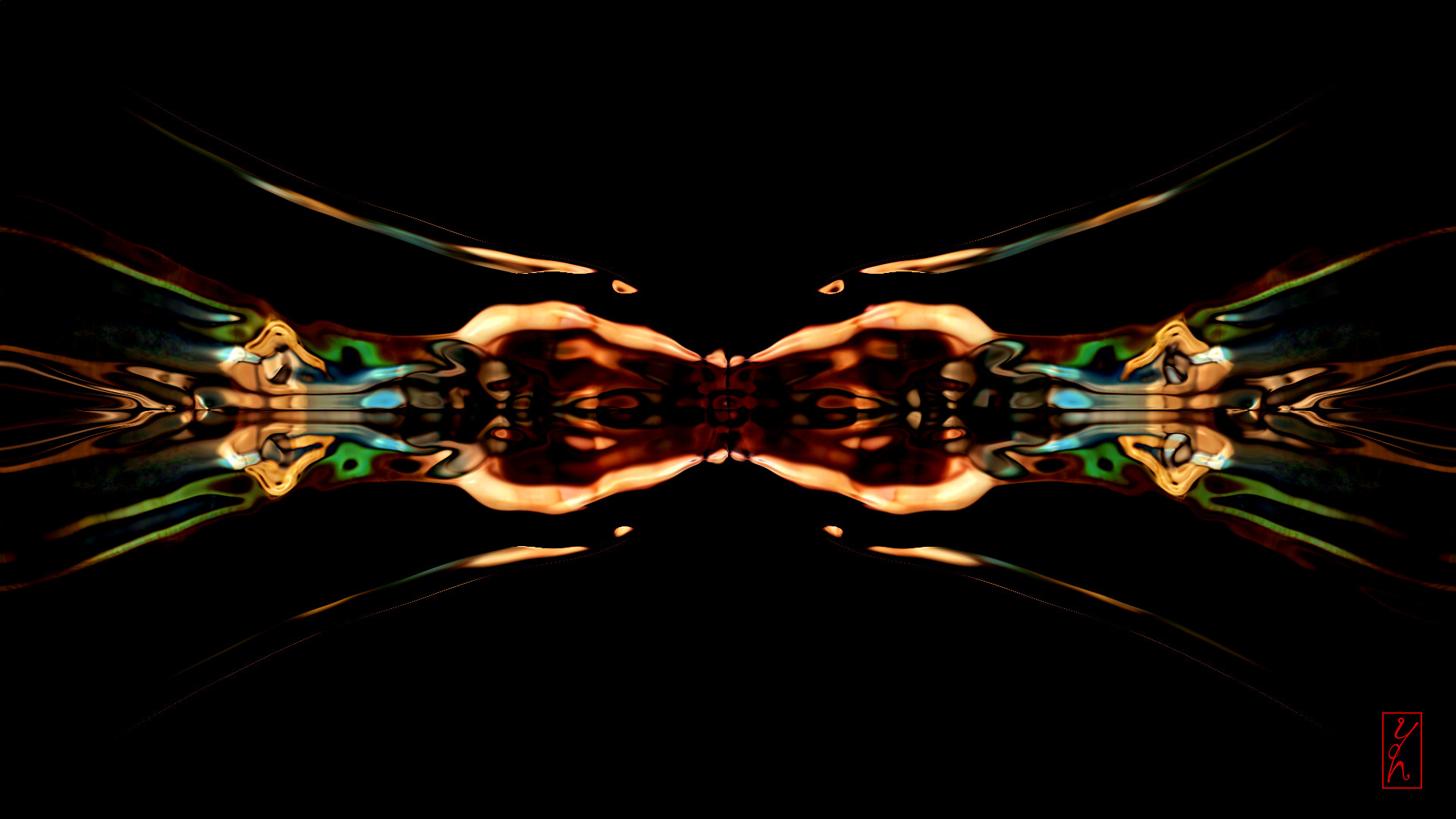
Yun has developed a practice that records his own body and gestures,
transforming and distorting them through digital editing techniques. In his
works, Yun’s movements and body are fragmented kaleidoscopically, repeated, fed
back and amplified through digital manipulation, and combined with striking
color contrasts against monochrome backgrounds to create uncanny landscapes.
As
specific actions are repeatedly varied through digital techniques, his works
generate sensations of disorientation and fragmentation. This leads viewers to
focus on his artistic attitude and the meanings of his work in two respects:
(1) rather than aiming for simple visual amusement or spectacle, the works
demonstrate a performative dimension; and (2) the artist presents his works
with titles that borrow words carrying heavy religious connotations.
Quiet Time
Although the exhibition title “Quiet Time” can be literally translated as a
“quiet time,” in a Christian context it refers to a devotional time of
meditation and contemplation, more precisely a time for Bible meditation. It
denotes the act of reading and reflecting on the Bible in a quiet time and
place, and is described in religious terms as a time of spiritual communion in
which an encounter with God takes place.
Although Daewon Yun was raised in a
Christian household, he is currently either non-believing or in a state of
spiritual wandering. Drawing on the religious background and experiences that
occupy a part of his life trajectory, he chose “Quiet Time” as the title of
this exhibition.
Confessing
that he does not have faith, Yun appears to revisit the ritualistic and
performative religious experiences he repeatedly underwent during childhood
from his present perspective. These experiences seem to feed back into his
current practice, becoming central questions and internal motivations for his
artistic production. In his artist’s notes, questions about “faith” frequently
appear.
From the standpoint of a non-believer, Yun examines how believers form
faith, what grounds it rests upon, and phenomena such as blind belief, worship,
and idolization. These reflections extend beyond religion into an exploration
of systems of belief operating within broader social and cultural realms.
For
Yun, 《Quiet Time》 thus
functions in contrast to the quiet time of biblical meditation or serene
spiritual communion with God. Instead, it operates as a time and space in which
the confusion, anxiety, and turmoil within a non-believer’s process of
contemplating “faith” are visualized and expressed.
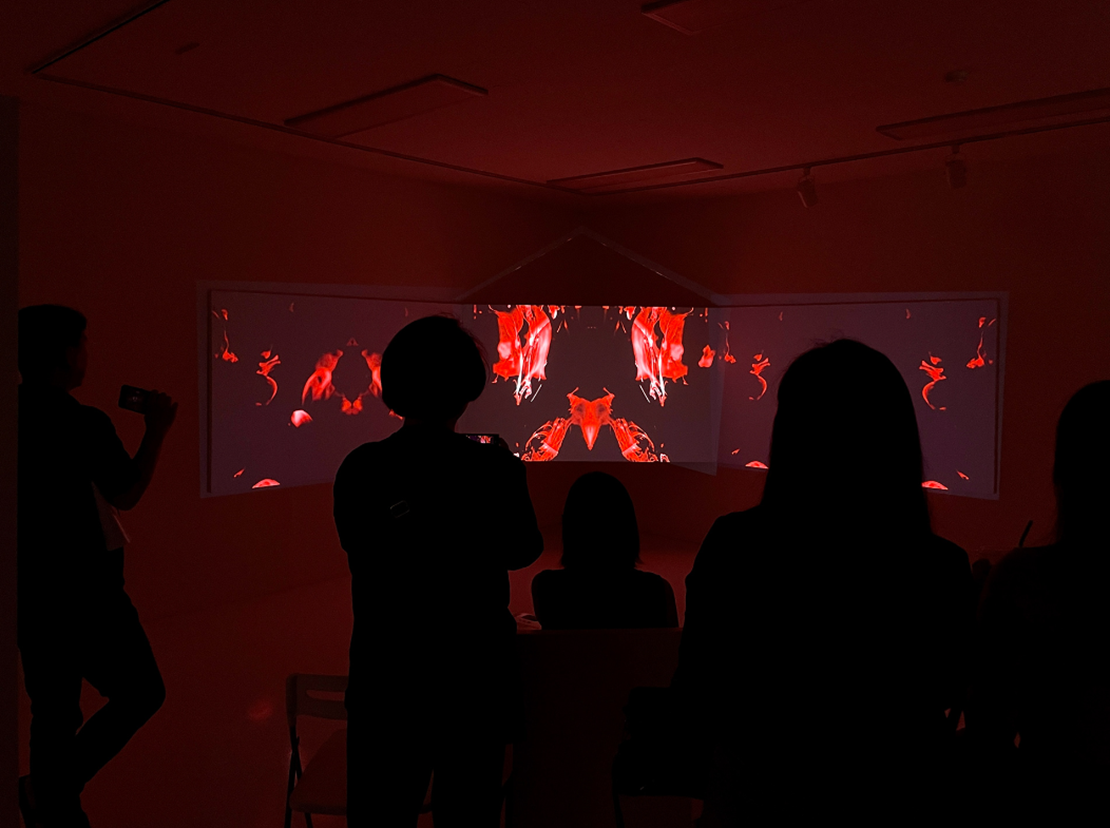
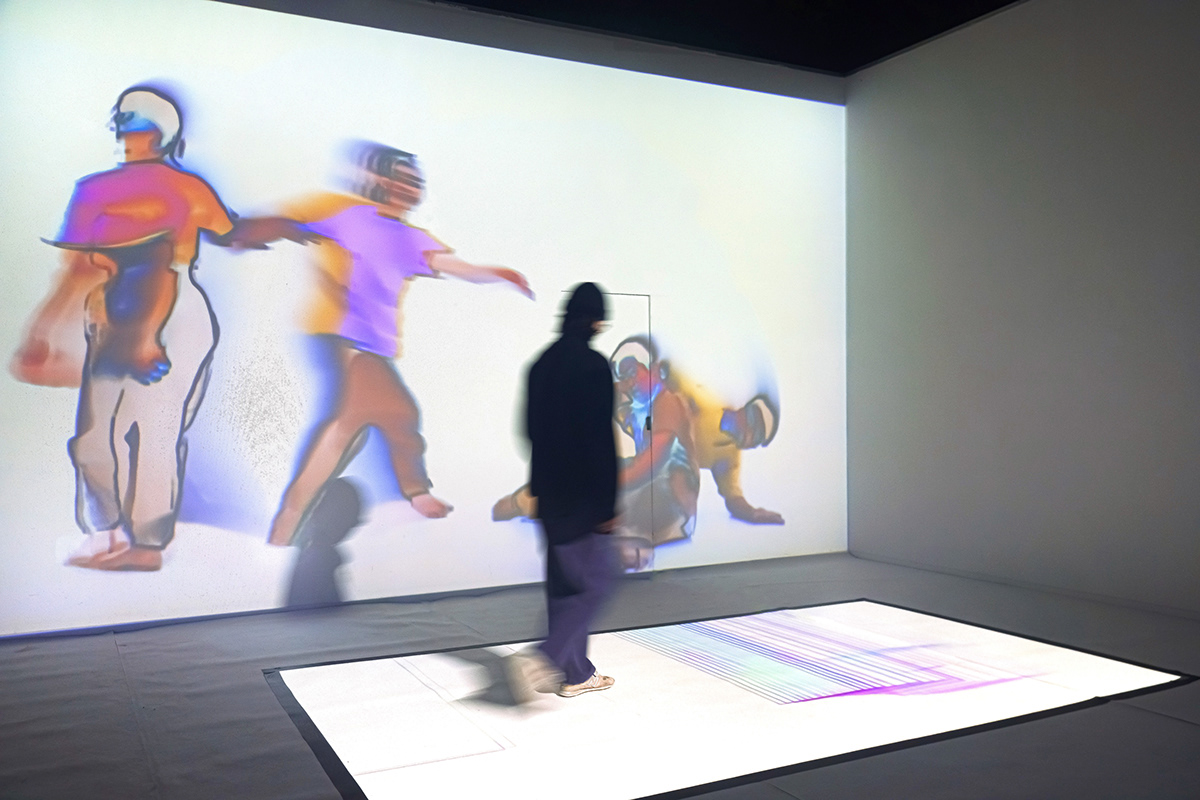
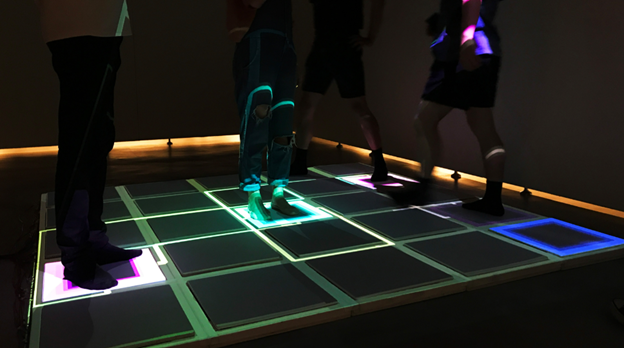
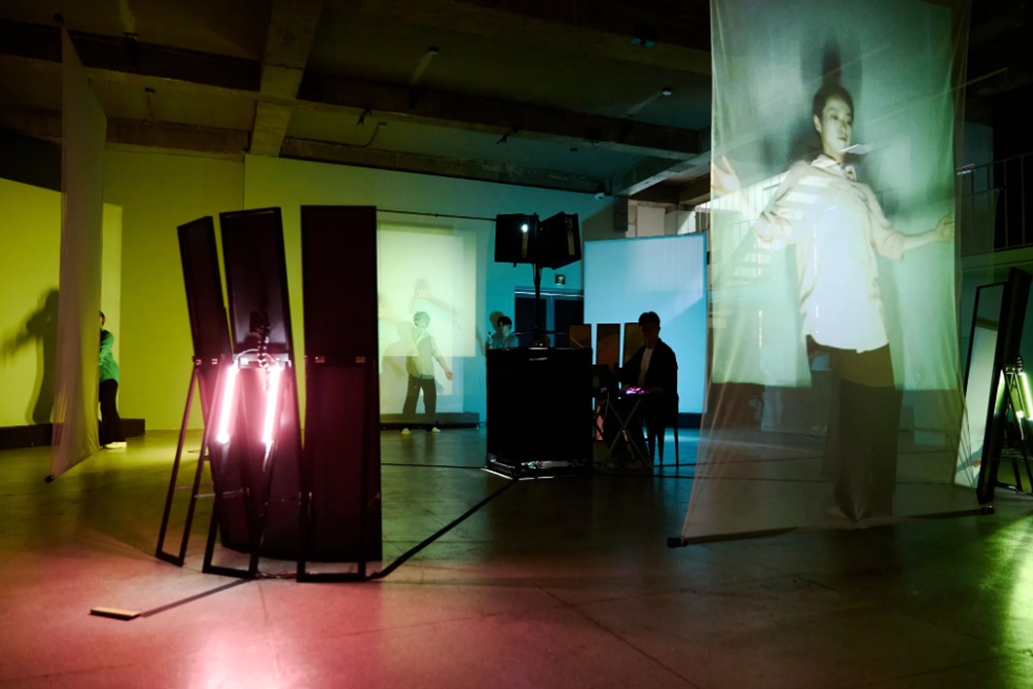
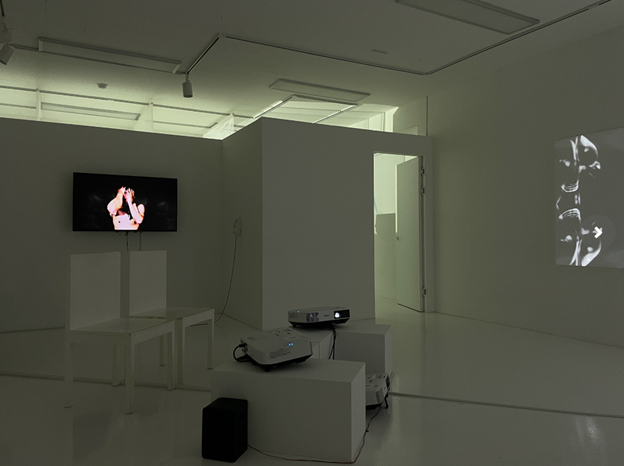
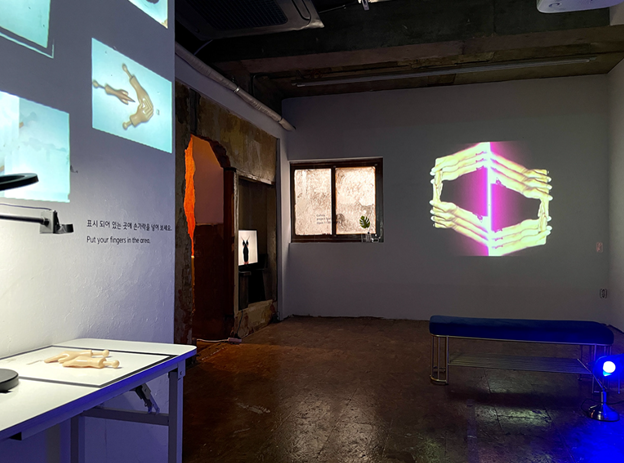
Installation view of 《Quite Time》 (GIMYE,
2024) ©Daewon Yun
Performative (遂行, performative) and ascetic practice (修行,
practice asceticism)
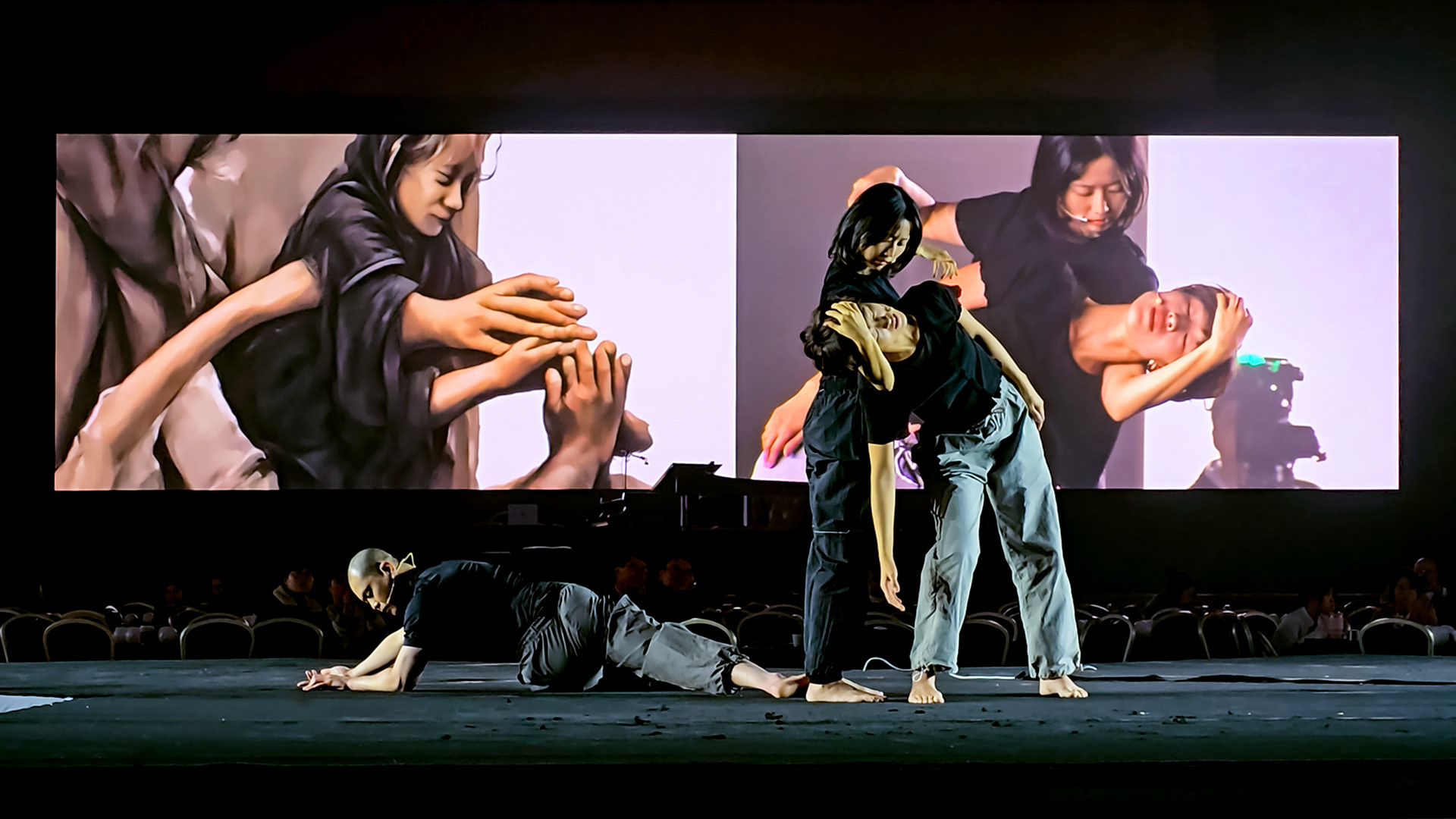
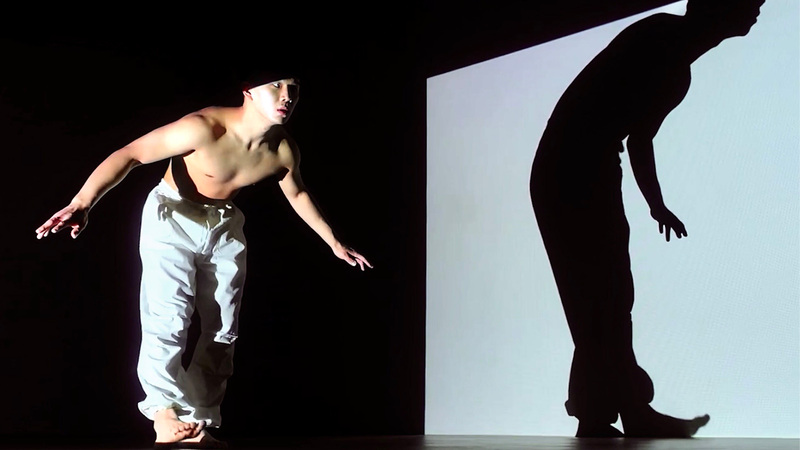
The works presented by Daewon Yun in this exhibition are characterized by
digitally fragmenting his own gestures in a kaleidoscopic manner or amplifying
visual disorientation through feedback. While such effects could be understood
as digital spectacle techniques that dazzle audiences, Yun’s works differ in
that he actively employs digital methods to focus on the body and gesture
themselves—as intentional, structured movements, akin to dance, and as a body
performing specific actions.
The
gestures in Yun’s works are performed and repeated according to certain rules,
but by intentionally layering the trembling body through the digital filter
during the act of performance, he further amplifies the body and its gestures.
This approach runs counter to traditional performances or religious ritual
acts, which aim to precisely execute conventionalized actions through intense
concentration while restraining other sensory elements. Instead, Yun’s work
actively exposes the underside of performative acts and their internal
struggles, revealing a different kind of truth.
By
continuing to focus on performative bodily actions and digital expression, Yun
demonstrates an ascetic attitude similar to that of a seeker pursuing
enlightenment in a traditional sense, even as a non-believer. The anxiety,
confusion, fragmented afterimages, and traces he expresses through his own body
are placed within 《Quiet Time》, creating a non-ordinary temporal and spatial experience for the
audience—one that opens a field for contemplating intimate emotions rarely
encountered in everyday life.