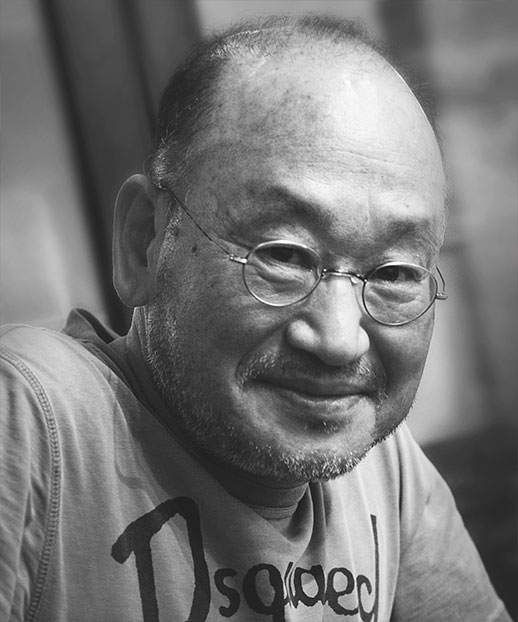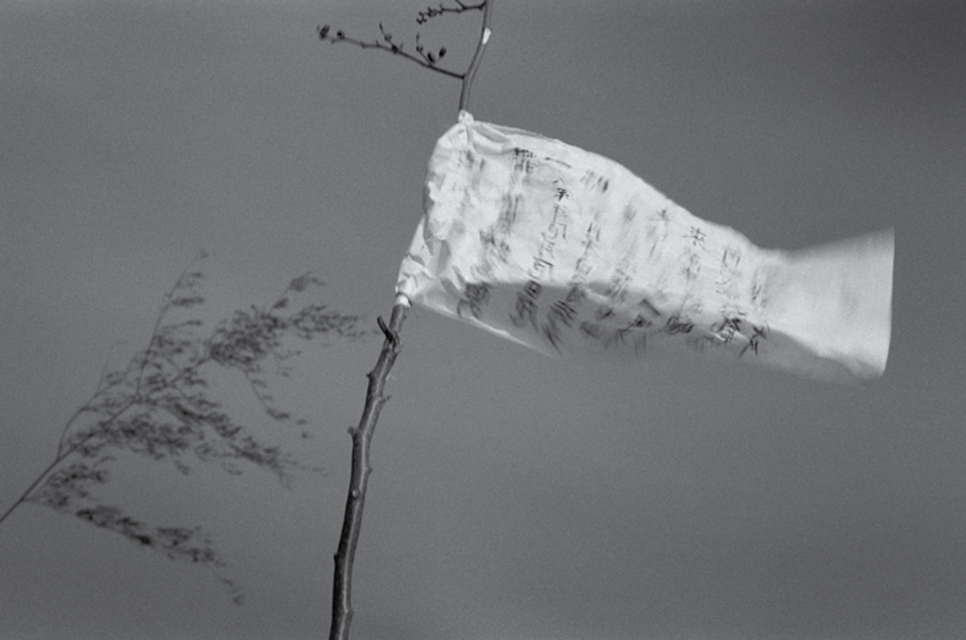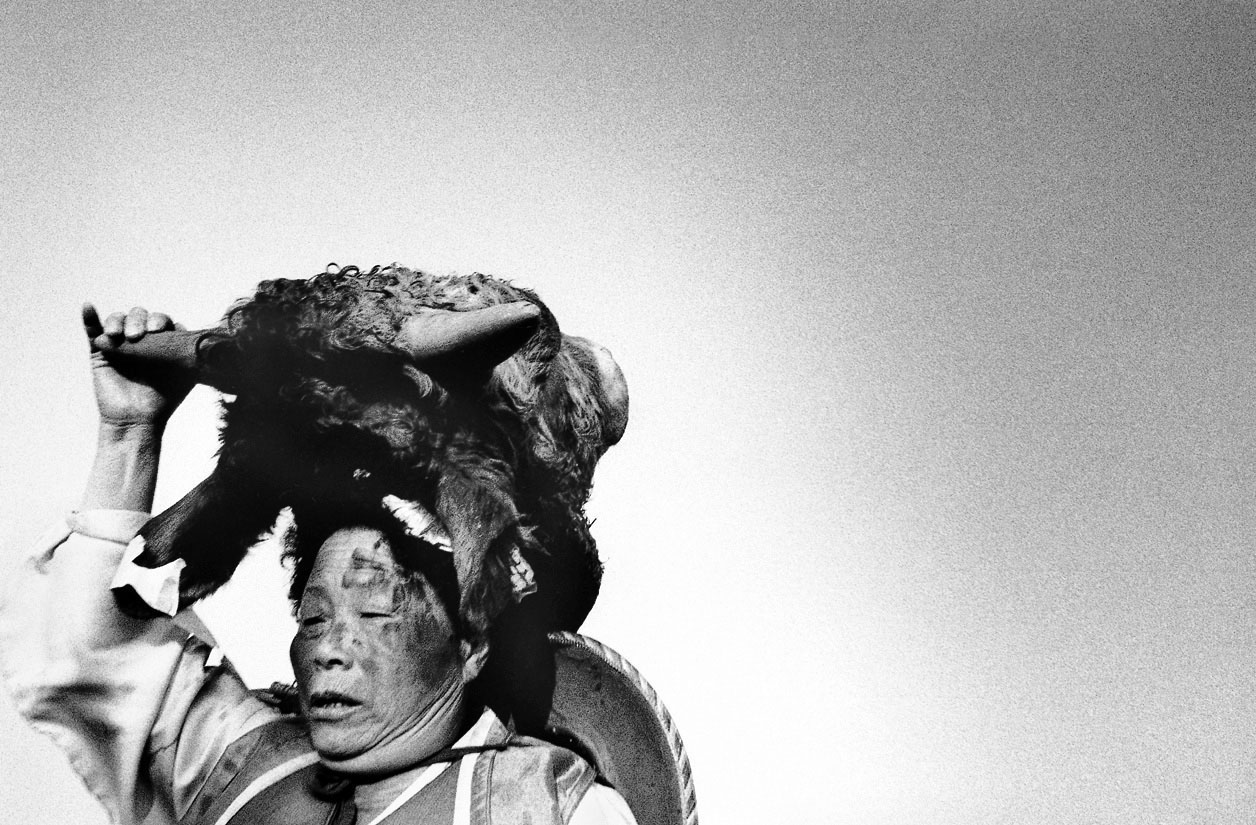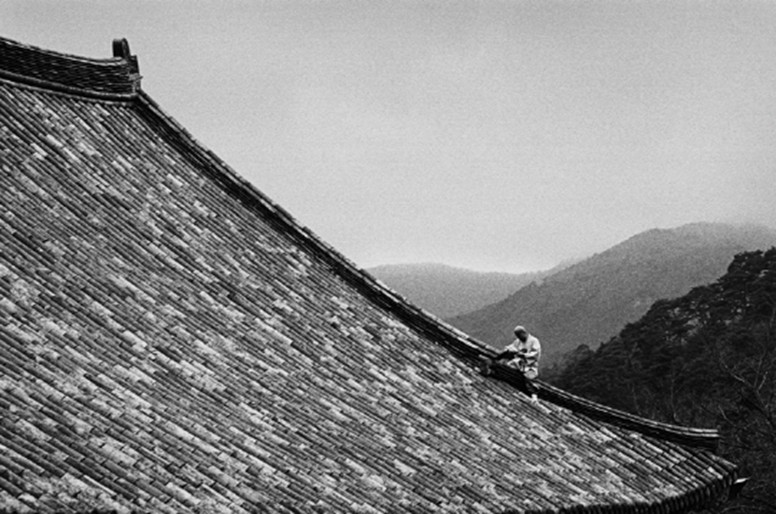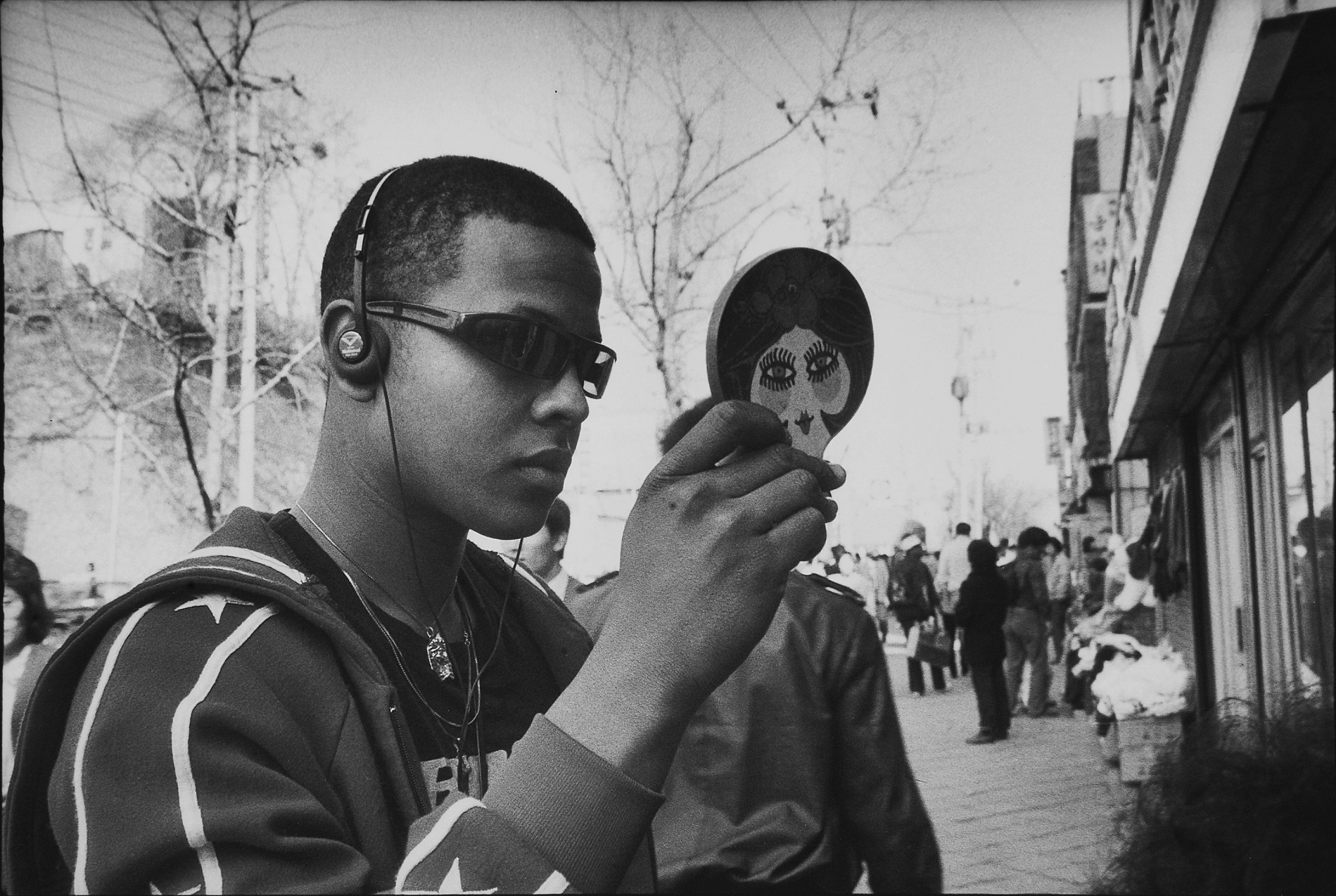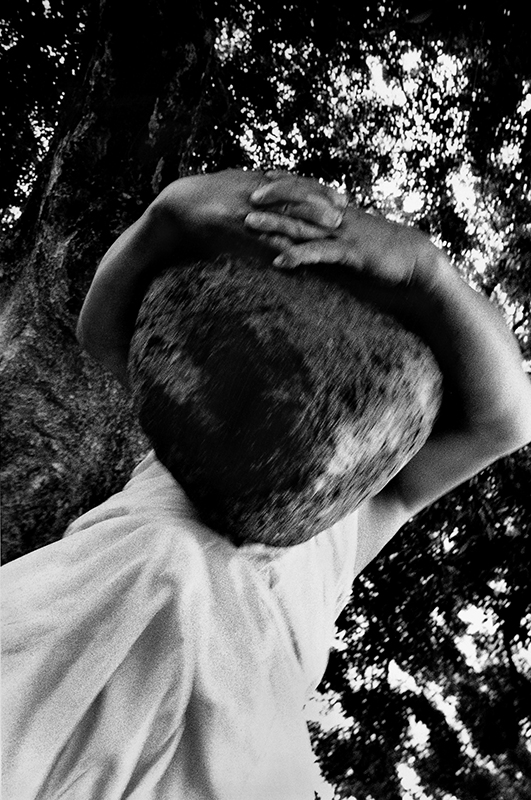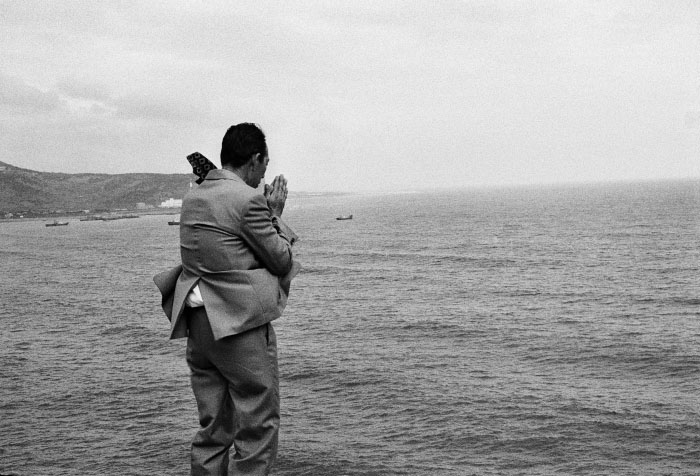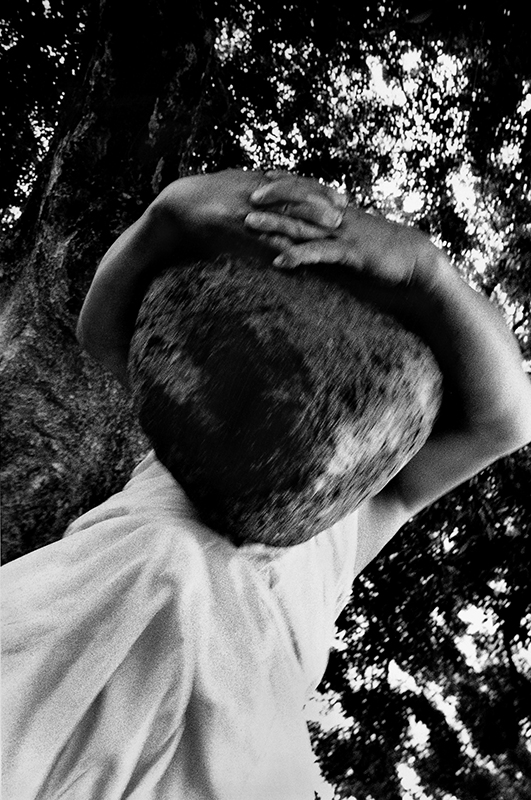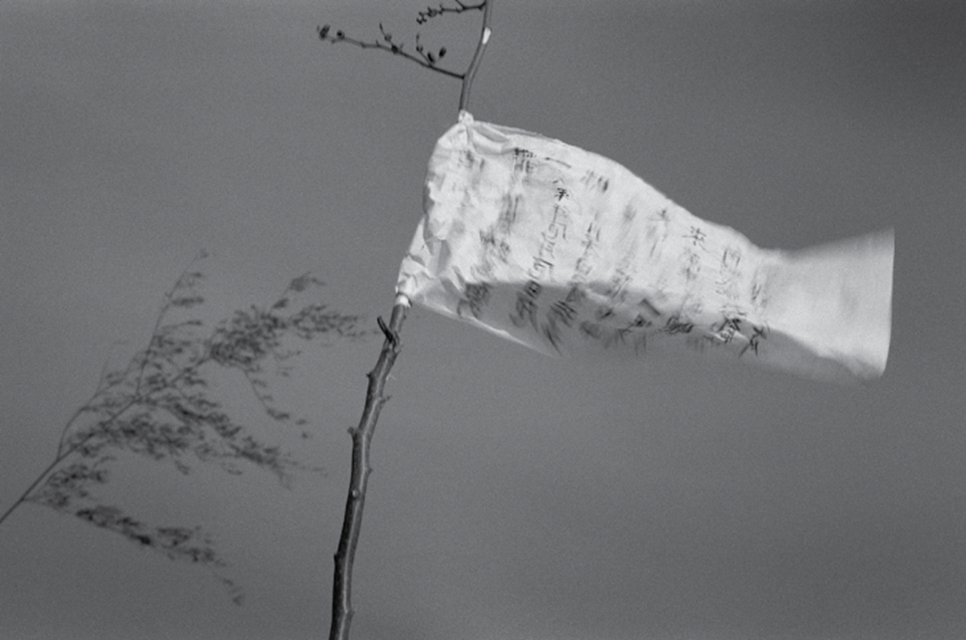
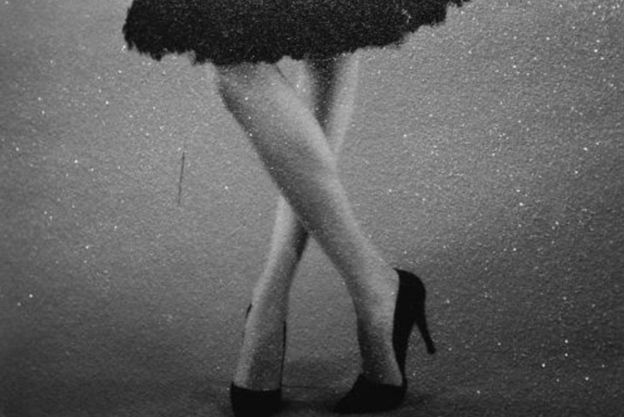
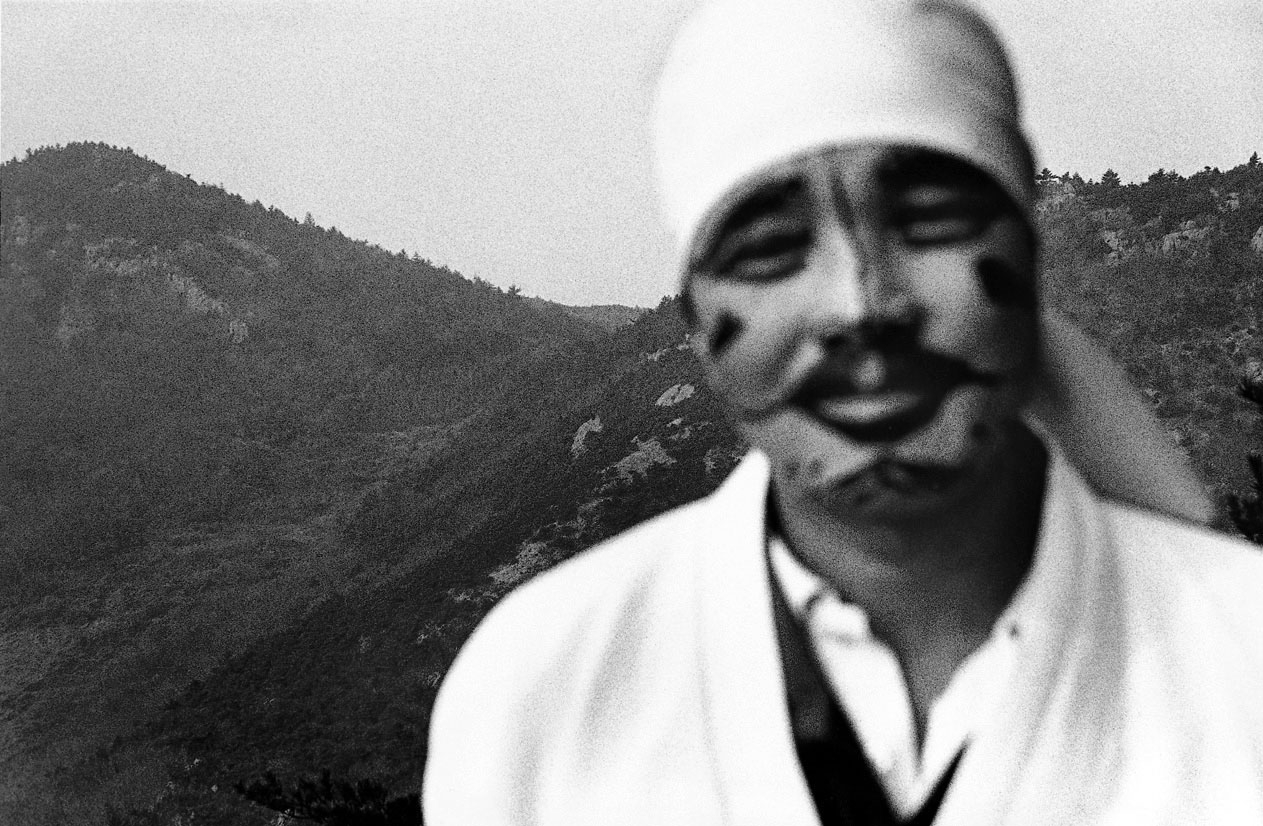
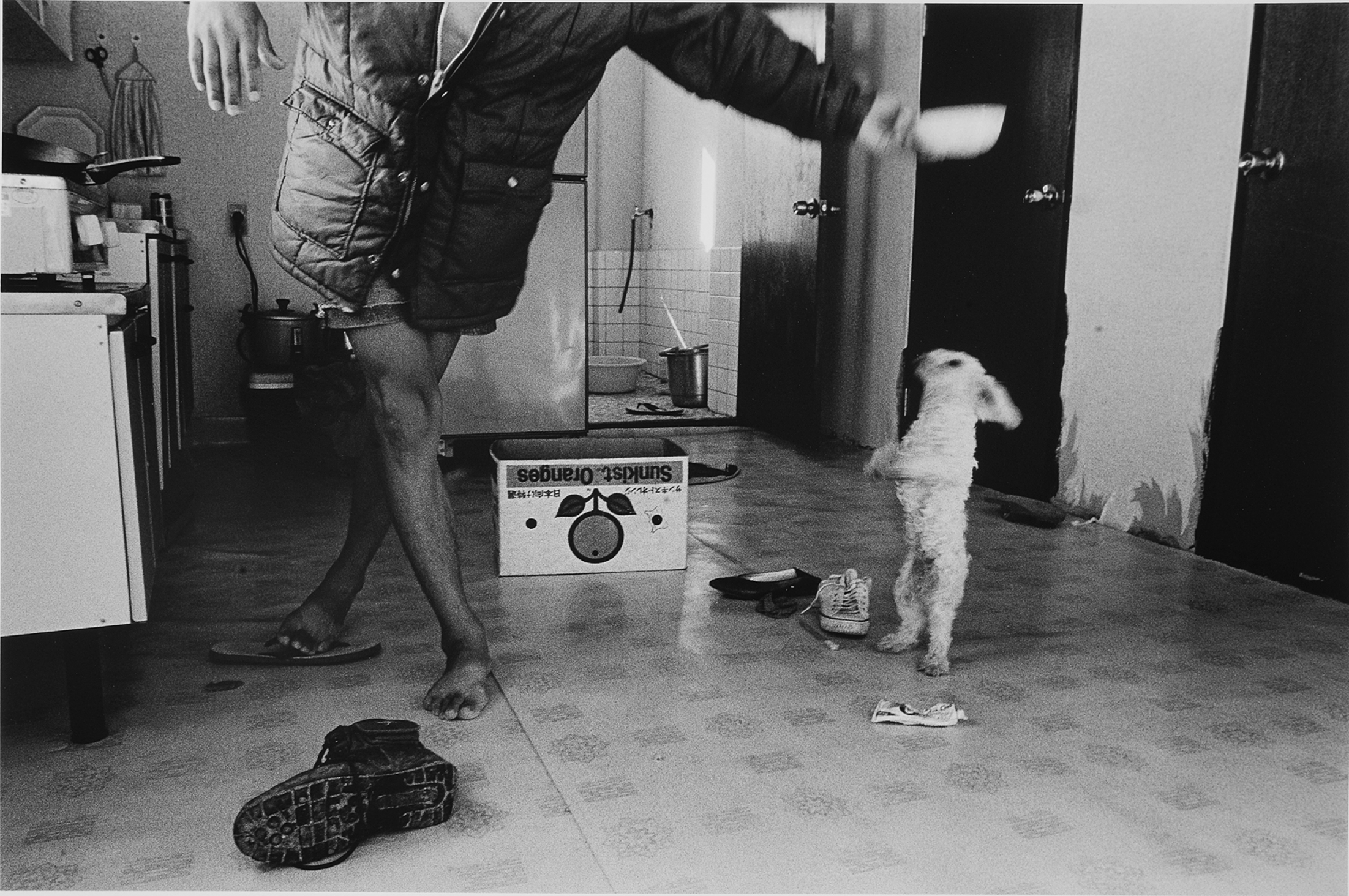
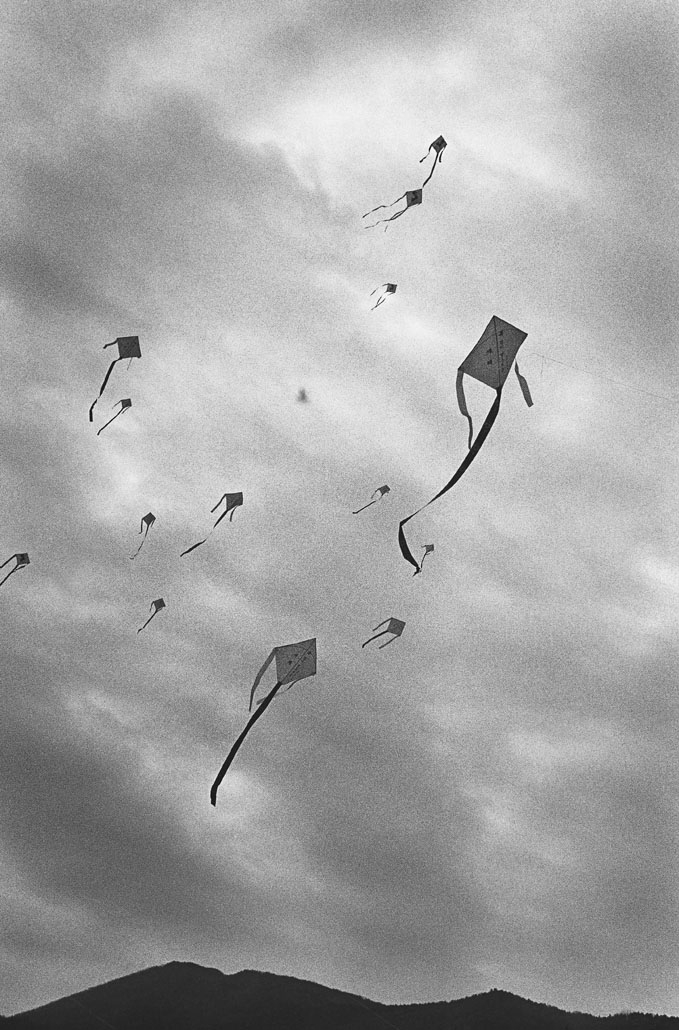
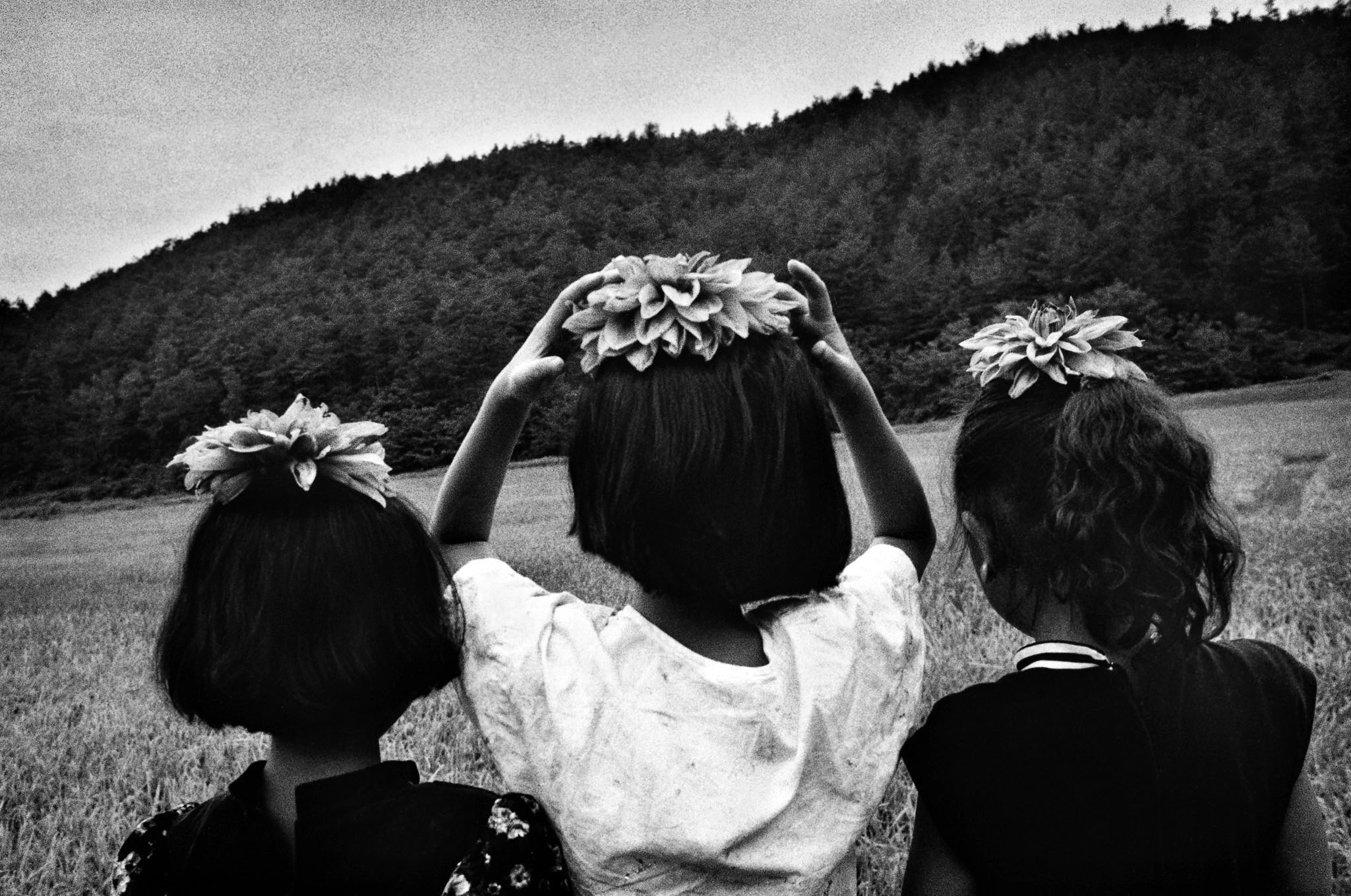
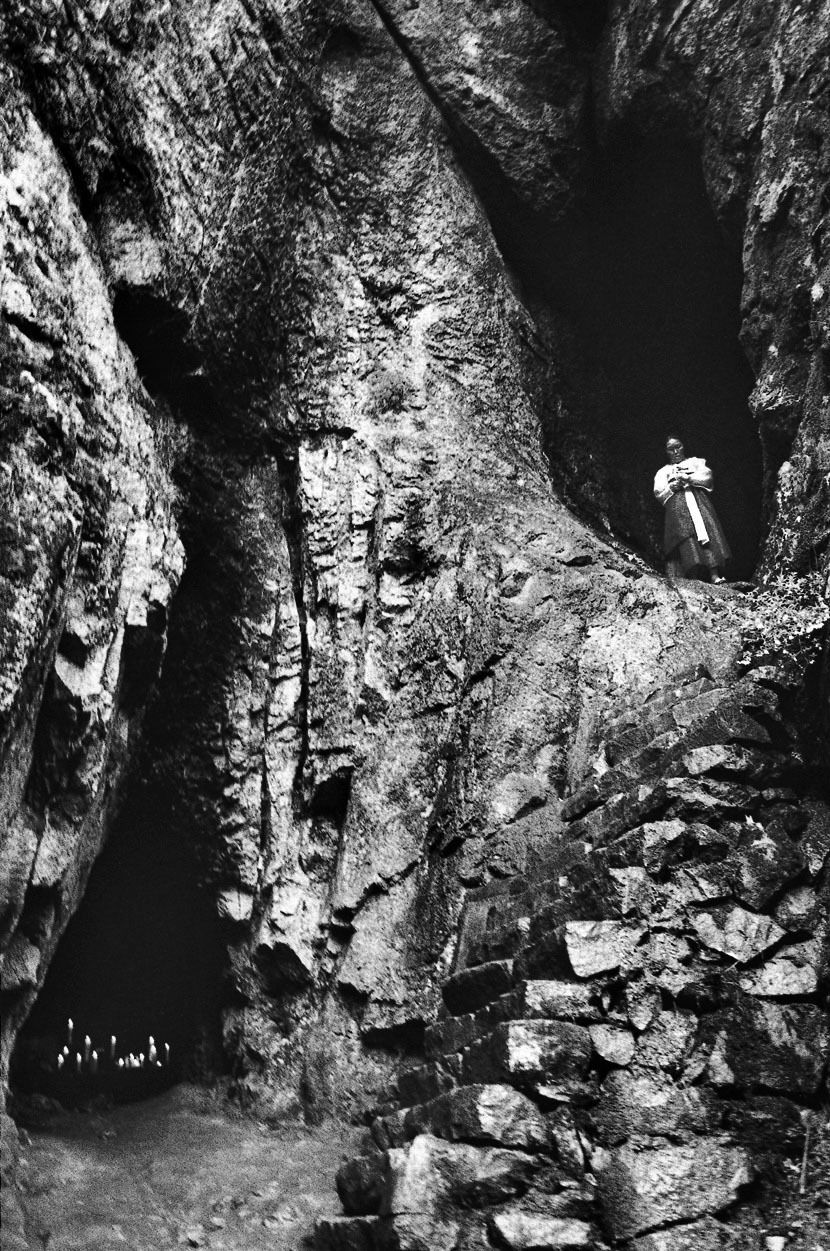
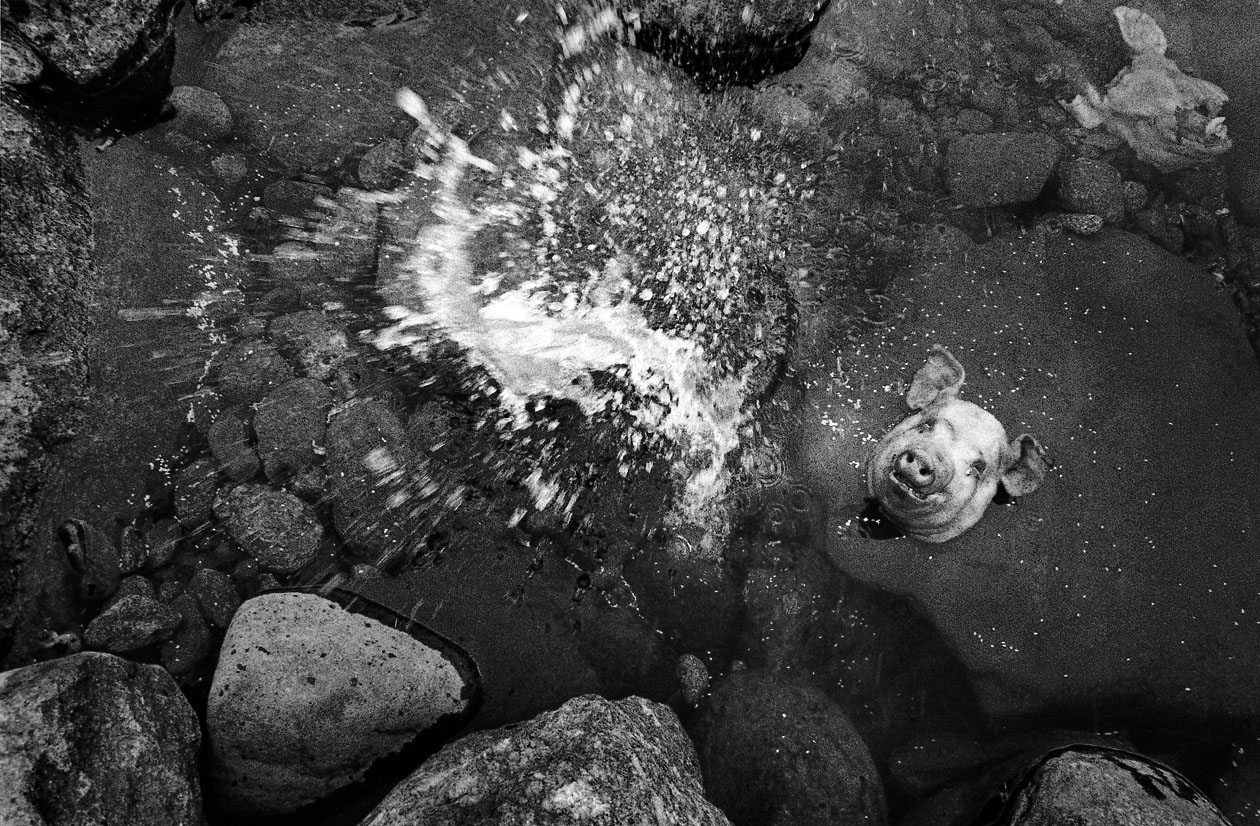
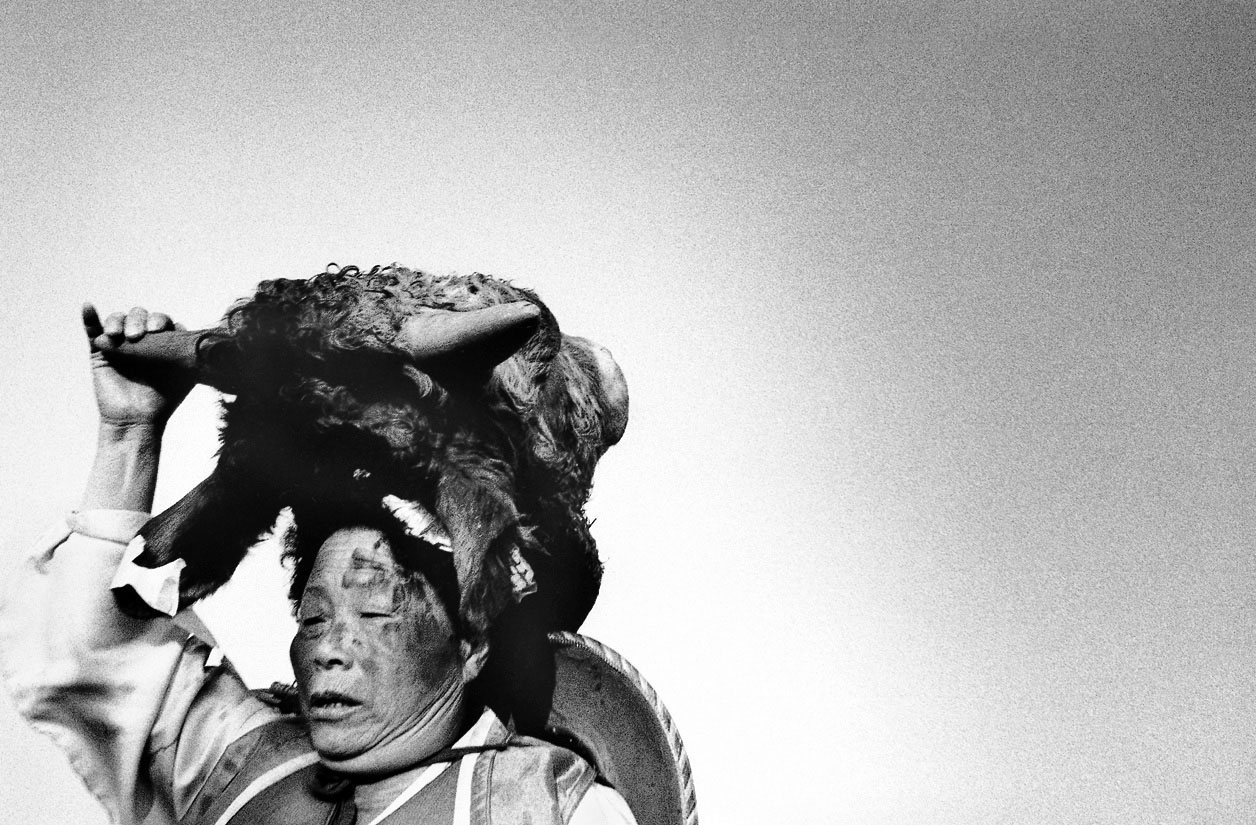
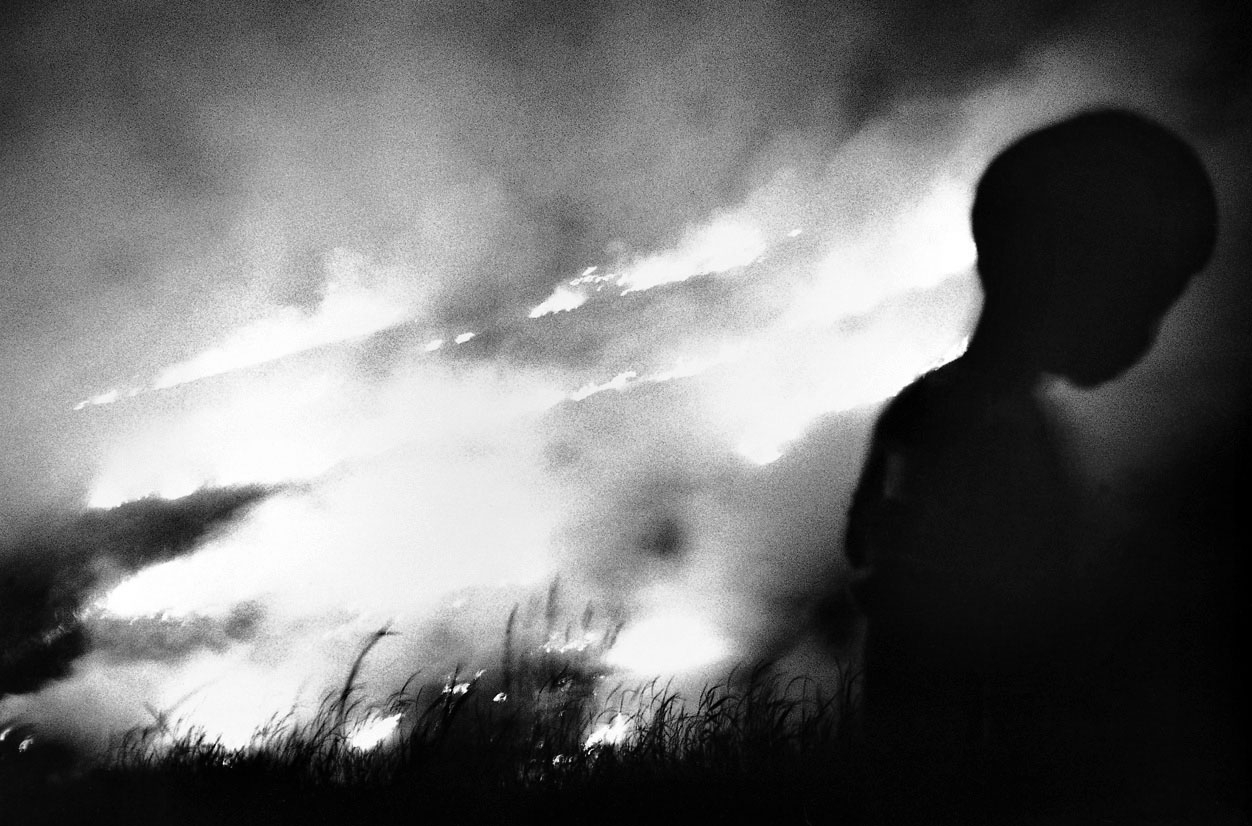
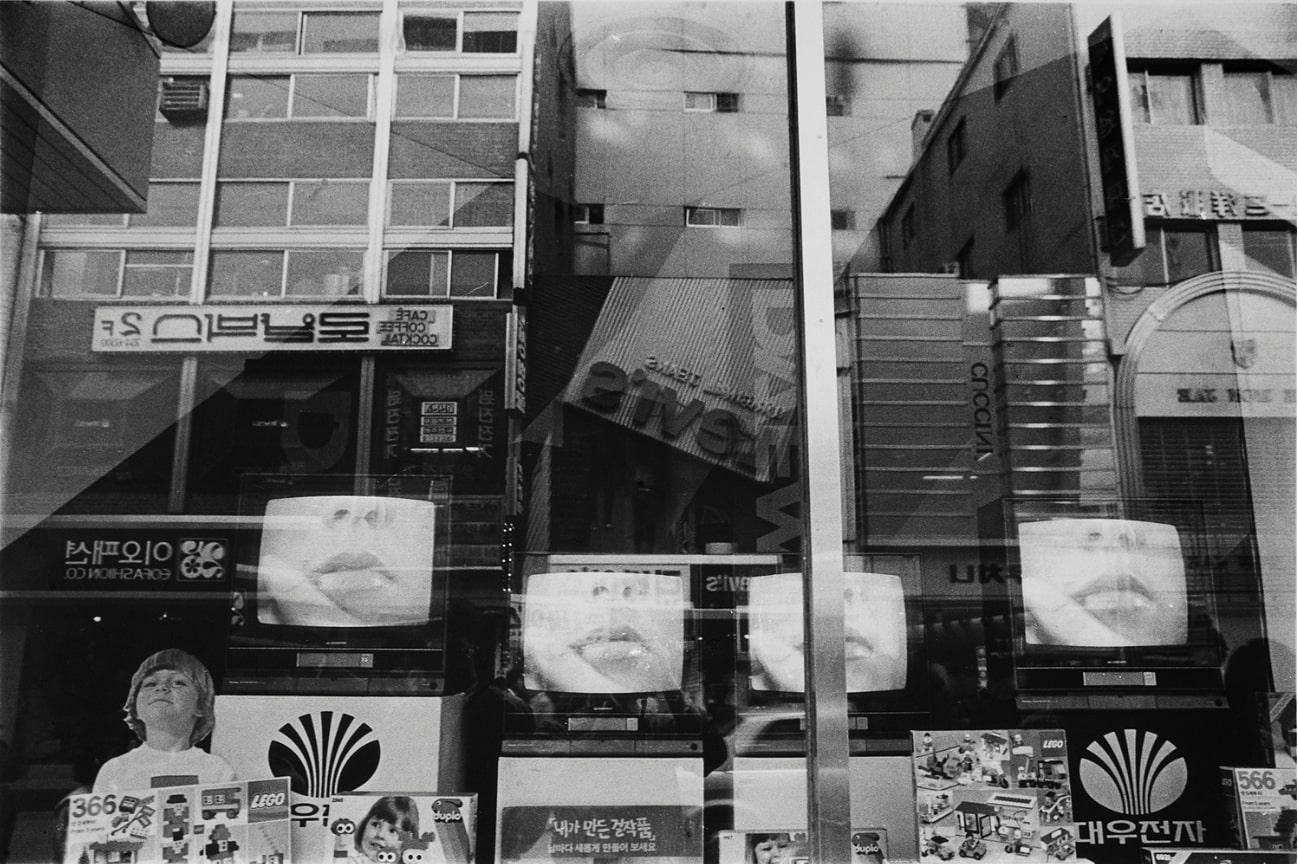
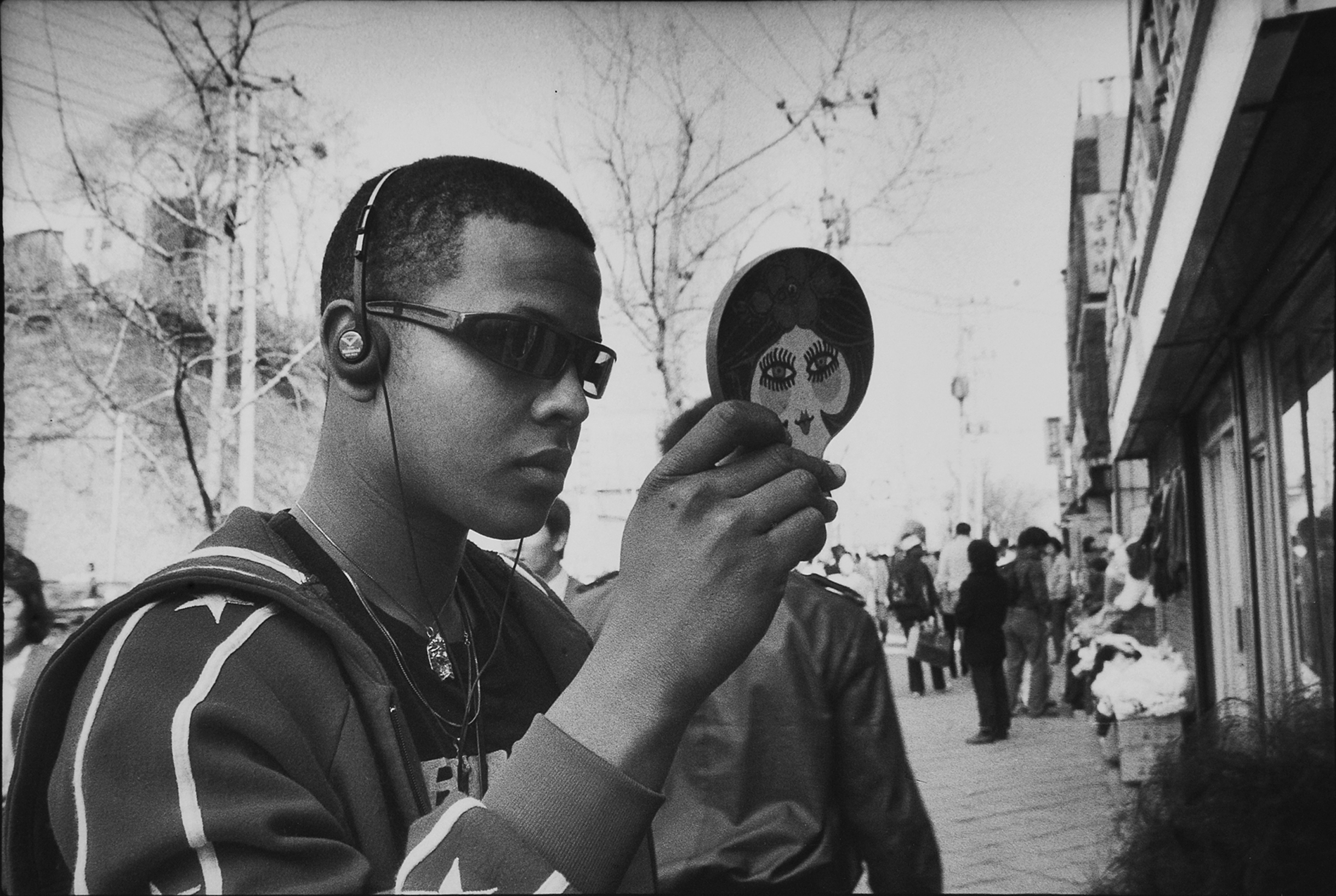
Lee Gapchul, Conflict and Reaction, A Man Lifting a Standing Stone, Namwon, 1995 ©Lee Gapchul

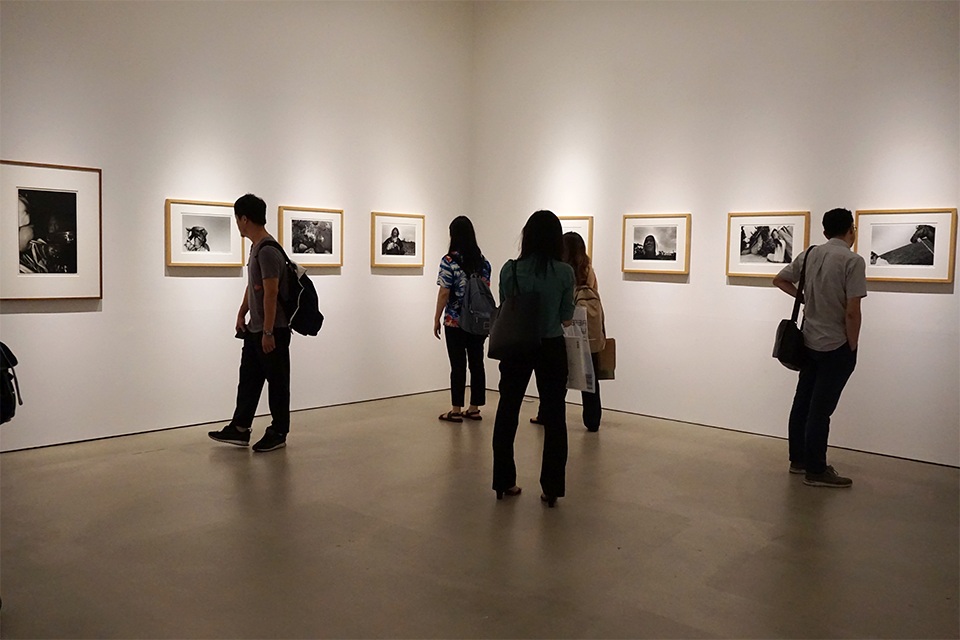
The large-scale exhibition 《Documentary Style》 (December 9, 2014 – February 25, 2015), presented at the GoEun Museum of Photography and the GoEun Contemporary Photography Museum, examines Korean documentary photography from a specific perspective: style, or form. It would not be an exaggeration to say that this exhibition was long overdue, as it fully embodies the museum’s sustained inquiry into the identity of photography through its past exhibitions.

As the first photography museum established outside the capital region, the GoEun Museum of Photography brought renewed attention to the underexamined history of photography in Busan through the exhibition 《Rediscovering Busan Photography》 (July 16 – October 2, 2011), situating it within exhibitionary and discursive contexts.

This effort continued through subsequent related exhibitions, systematically researching and organizing the history of photography in Busan. Furthermore, with 《The Origin》 (December 8, 2012 – February 21, 2013), the museum expanded its scope from Busan photography to Korean photography as a whole, introducing eleven contemporary practices grounded in both the historical legitimacy of Korean photography and the essential nature of the medium.


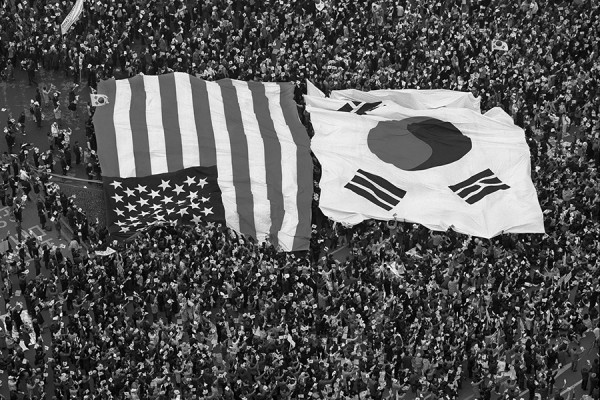
Noh Suntag, How to Use the National Flag: Appealing for the Strengthening of the ROK–U.S. Alliance and the Continued Stationing of U.S. Forces, Seoul City Hall Plaza © Noh Suntag

Such diverse and serious discussions on photography can also be traced to the 《Documentary Seminar》 series held at the GoEun Museum of Photography from 2009 to 2010 over four sessions. This seminar was the first attempt to reintroduce rigorous discourse on photography—previously fragmented and centered in Seoul—back to Busan, once a central hub of Korean photography.

Photographers, professors, and critics gathered to engage in in-depth discussions and sharp debates on documentary photography. The seminar sought to explore the meaning, value, and future potential of documentary photography in contemporary Korean photography.

Across four sessions, the seminar concluded by posing a critical and challenging question: “How can we explore the possibilities of Korean documentary photography?” Believing that the time had come to propose a response, the GoEun Museum of Photography presents this exhibition as a provisional and alternative conclusion—one that is not fixed, but open to continued evolution through future exhibitions.

《Documentary Style》 thus presents the works of eight photographers who articulate the form and critical concerns of Korean documentary photography through their own distinct styles, offering a partial outlook on the genre from both formal and thematic perspectives.

The GoEun Museum of Photography presents works by Noh Suntag, Park Hongsun, Son Seunghyun, Lee Gapchul, and Lee Sangil, while the GoEun Contemporary Photography Museum features Kang Yongseok, Lee Sangyeop, and Joo Myungduck. Through this exhibition, the museum hopes to revisit photography’s historical grounding and legitimacy while also reassessing its contemporary position.

References