Solo Exhibitions (Brief)
Lee
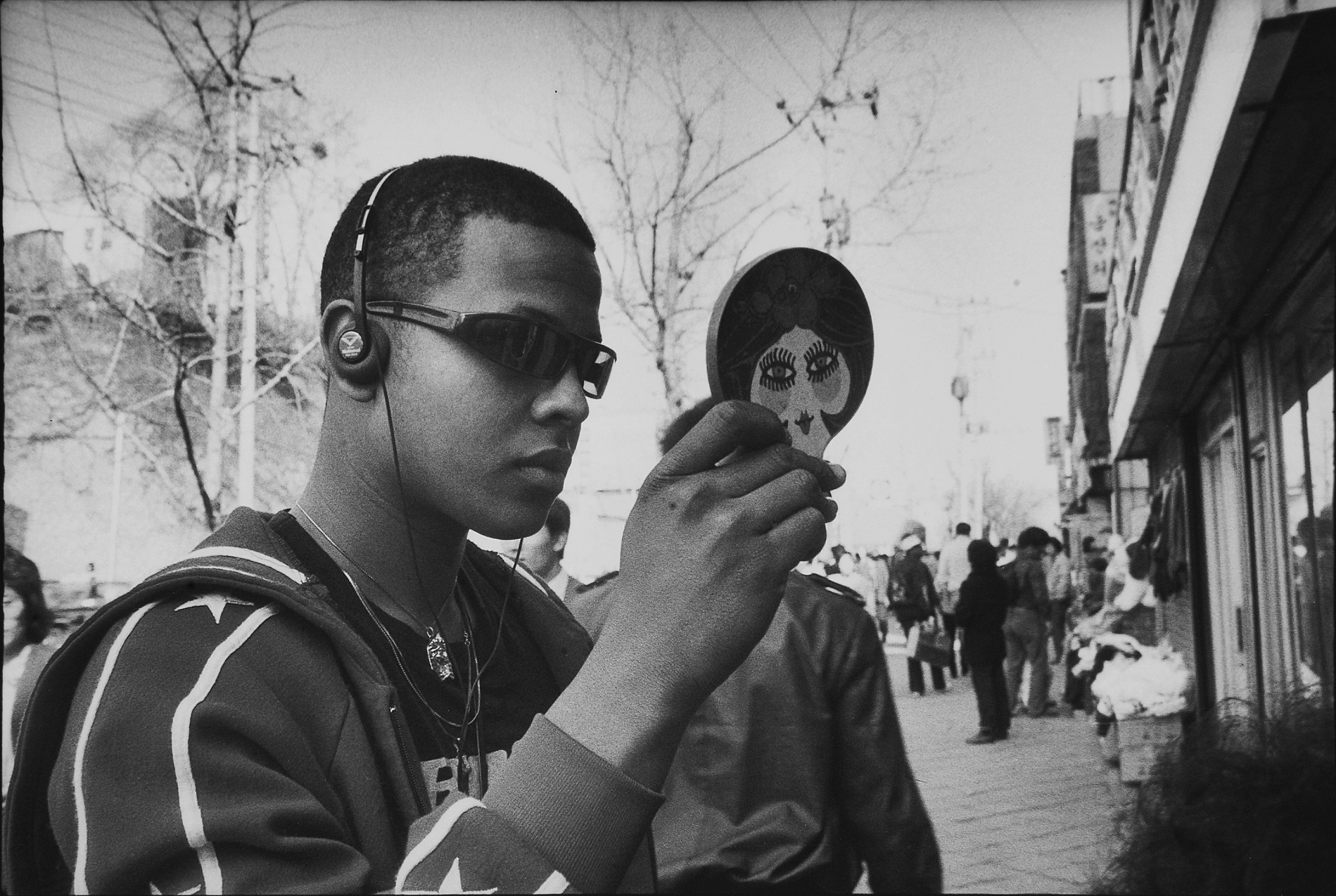
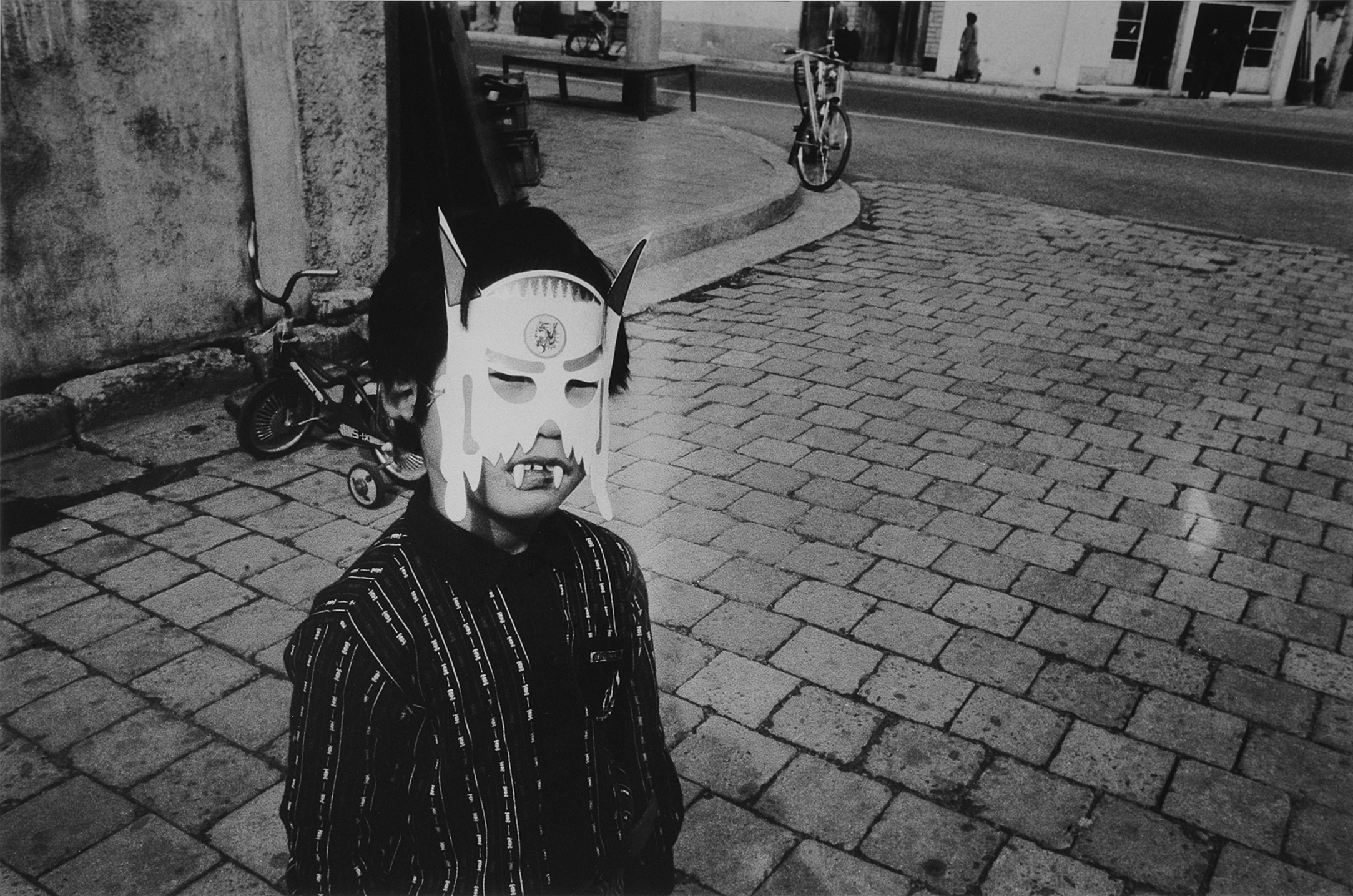
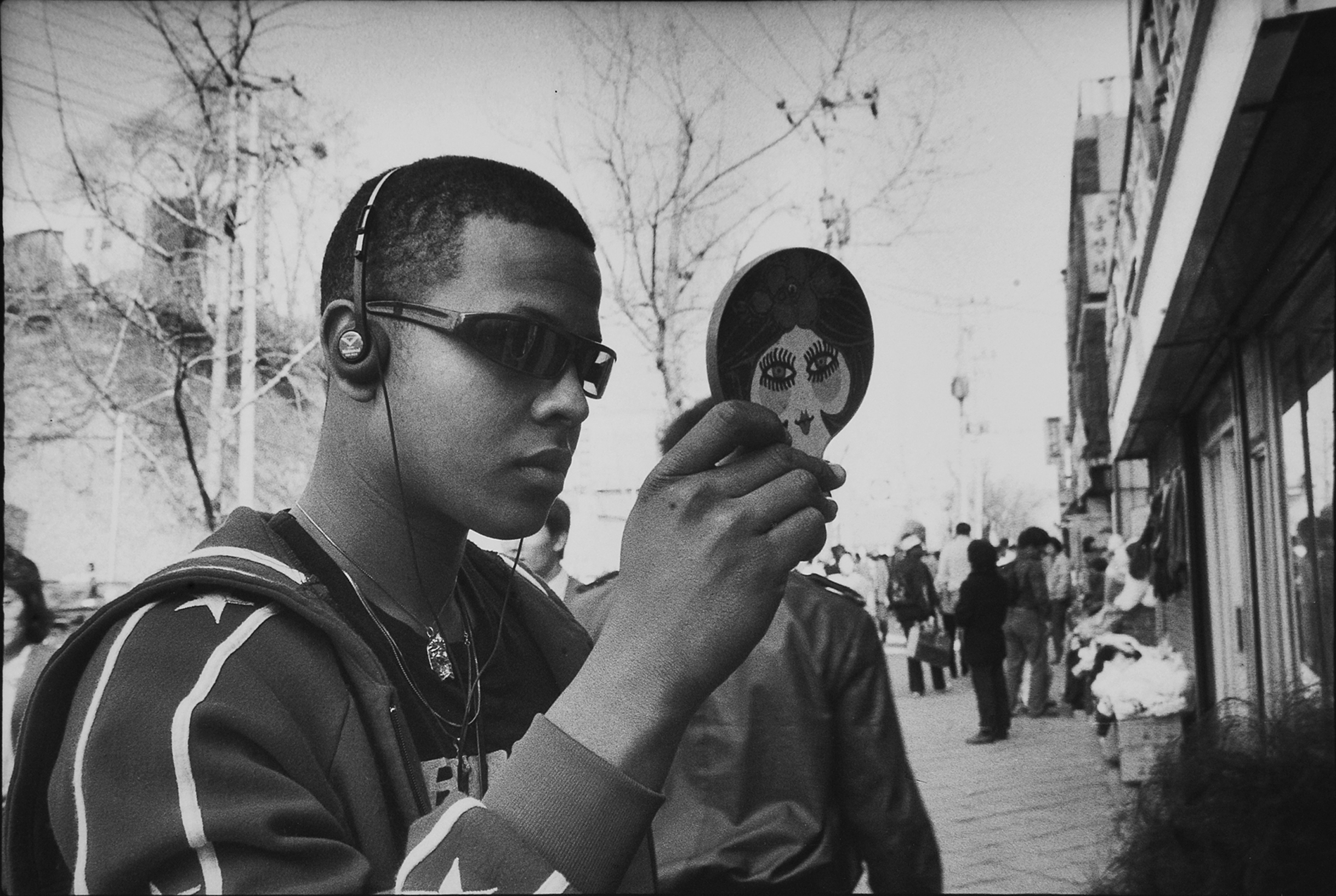
has held solo exhibitions such as 《Yankees on the Streets》
(Hanmadang Gallery, Seoul, 1984), 《Images of the City》 (Hanmadang Gallery, Seoul, 1986), 《Land of
Others》 (Kyung-In Museum of Fine Art, Seoul, 1988), 《Conflict and Reaction》 (Kumho Museum of Art,
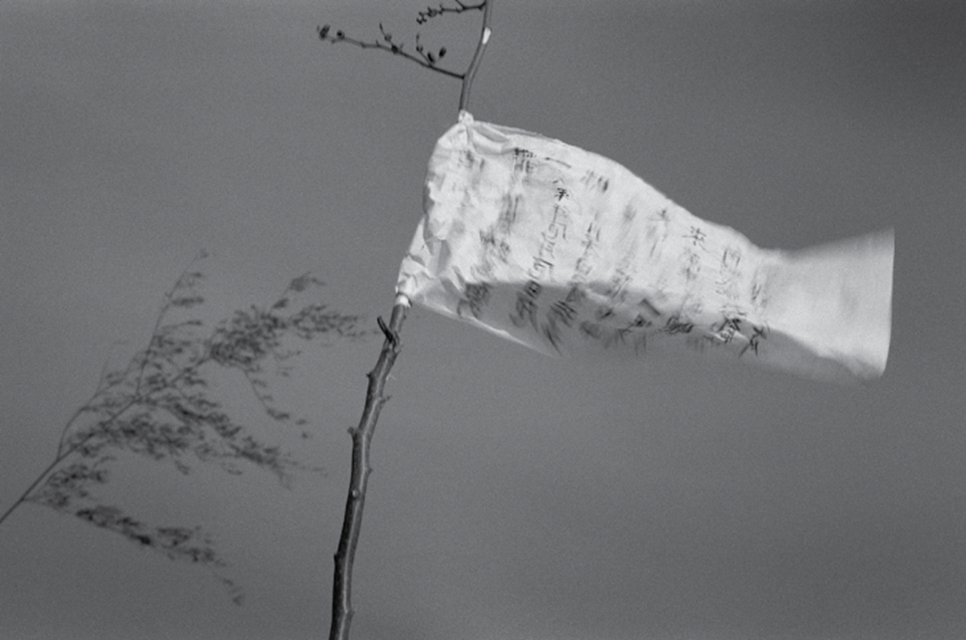
Seoul, 2002), and 《Energy (氣)》 (Museum Hanmi, Seoul, 2007, 2008).
Group Exhibitions (Brief)
Lee Gapchul has participated in numerous major
group exhibitions at leading museums in Korea and abroad, including 《Documentary Style》 (GoEun Museum of
Photography, Busan, 2012), 《Chaotic Harmony:
Korean Contemporary Photography》 (Museum of Fine
Arts, Houston, Texas, USA, 2009), 《2009 Odyssey》 (Seoul Arts Center, Seoul, 2009), 《60 Years of Korean Contemporary Photography: 1948–2008》 (National Museum of Modern and Contemporary Art, Gwacheon,
2008), and 《Paris Photo》 (Louvre
Museum, Paris, 2005), among many others.
Awards
(Selected)
Lee has received several major awards,
including the 2nd Korean Savings Bank Violet Award for Documentary
Photographers (2008), the 2nd Donggang Photography Award (2003),
and the Sagamihara Asia Photographer Award (Japan, 2003).
Collections
(Selected)
Lee’s works are held in the collections of
the National Museum of Modern and Contemporary Art, the Kumho Museum
of Art, the Hanmi Museum of Photography, the DongGang Museum of
Photography, and the Santa Barbara Museum of Art, among others.