Lee
Gapchul’s works are formidable. His images are intense. They demonstrate the
immense power of photography. What is the power in a photograph. First of all,
its arresting images render it difficult for the viewer to look away: the
objects themselves are captivating. Secondly, that which is not shown in the
picture tugs at the viewer in an eerie way. It is rather impossible to identify
what it is, but they emit a strange and mysterious energy.
It is difficult to
distinguish whether this energy comes from the objects or from the pervasive
force of their steep structures and black-and-white tones. What is certain,
however, is that they emanate a spiritual energy amplified by the mystique and
unique sentiments that are part of the underlying culture of Korea. Therefore,
a cultural or spiritual grasp of Korean folkways and tradition is a
prerequisite in order to detect this energy and spirit. While Lee’s works are
sufficiently attractive as universal visual images, their appeal is magnified
for those who enjoy at least a basic understanding of the history and intimate
sentiments of Korean popular culture.
Like
a shaman feverishly performing a ritual with bells or sacred wooden stick in
her hands, Lee approaches the spirits of this land with a camera in hand.
Without even realizing it, he snaps away like a possessed mediator and, using
his camera as his means, causes the viewer to experience intensely the grief
rooted in the lives of our ancestors. Like a dancing shaman excising the
bitterness from people’s lives with her sword, Lee whirls about, slicing up the
world with his camera.
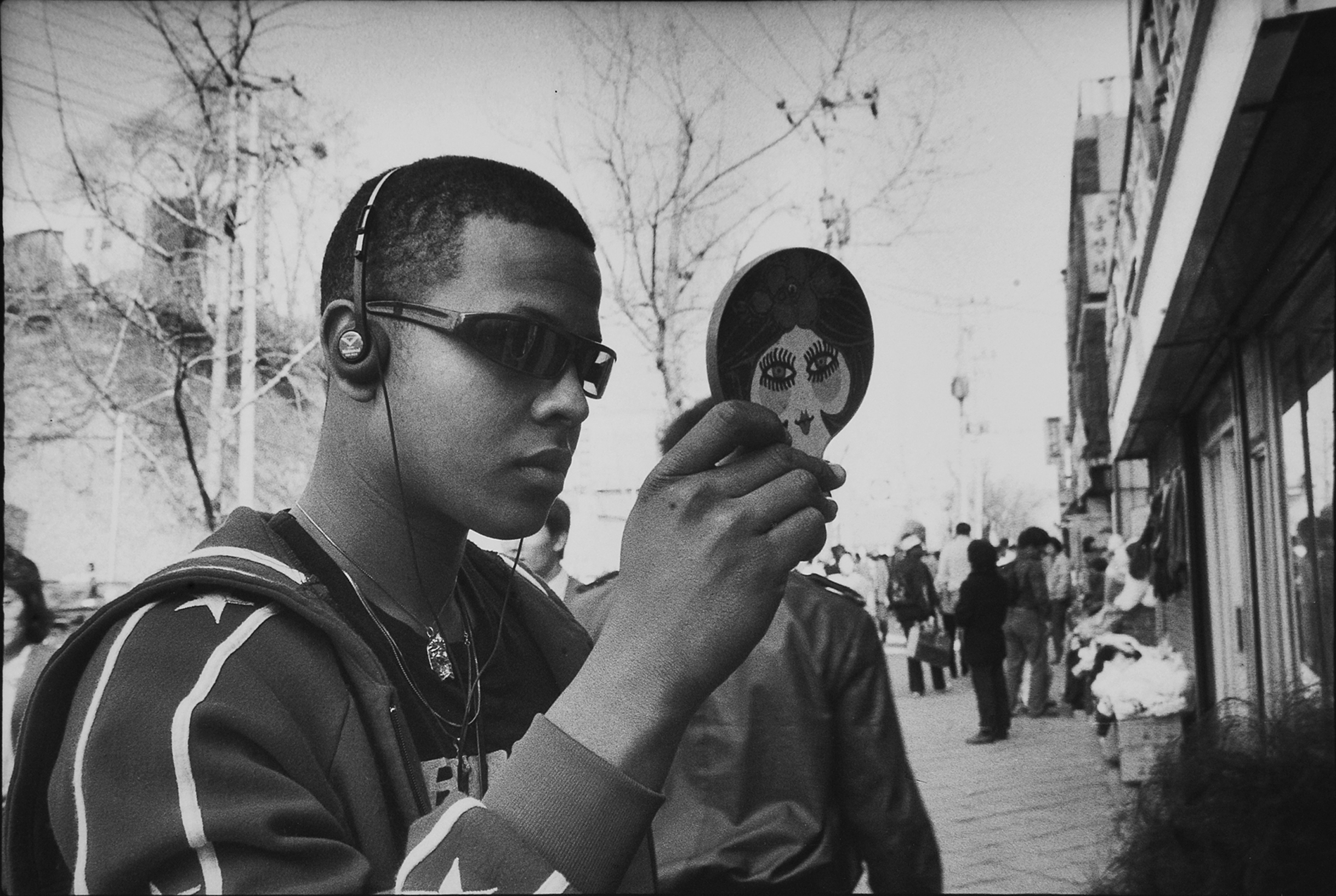
The straight lines he diagonally carves out arouse
delight and a dynamic urge; the angles in the close-up shots captured with a
wide angle lens are surprisingly uninhibited, creating a complete harmony
between the people and the landscape in the photographs. Most important, his photography
and its spiritual depth touch the innermost regions of my subconscious. It
penetrates the mass of the subconscious that constitutes me: the triple layers
of Confucian, Buddhist and Taoist beliefs situated beneath the thin membrane of
modern rationality and, below them all, an intimate layer of shamanism. For
this reason, Lee’s photography is not simply an aesthetic creation, but a form
of enchantment that allows me to come into contact with the protoplasm of my
spirit.
His
works hold a certain power that instantly overwhelms the viewer’s initial gaze.
As a Korean, I feel that his images touch the deepest part of my subconscious
with their spiritual depth. They are filled with a dense energy that has
sustained the lives of Koreans and the multiple strata composing Korean
culture: the Confucian, Buddhist and Taoist thoughts that cannot be effaced by
forces of modernization or globalization, combined with equally persistent
Shamanist beliefs.
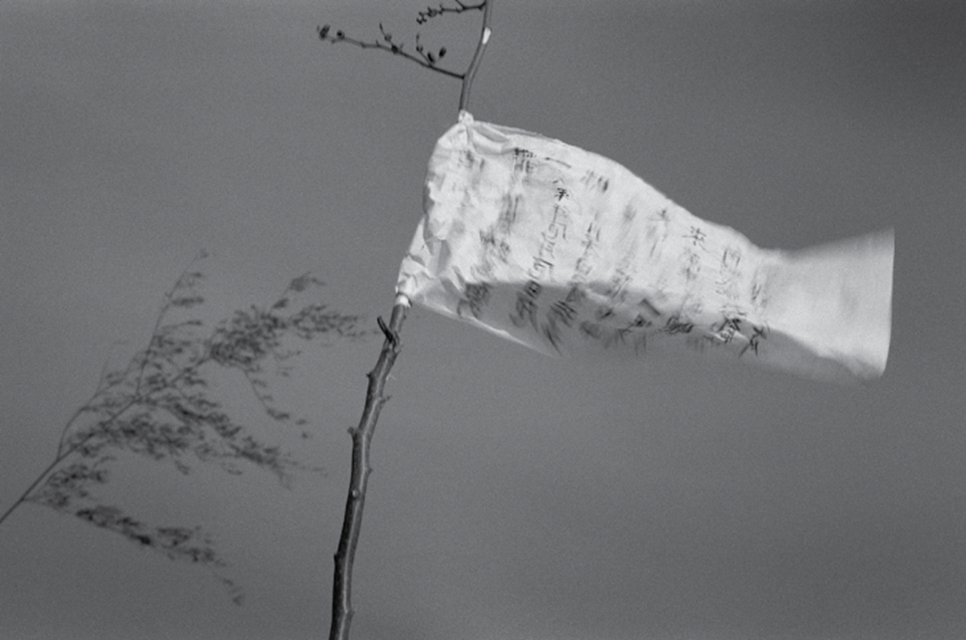
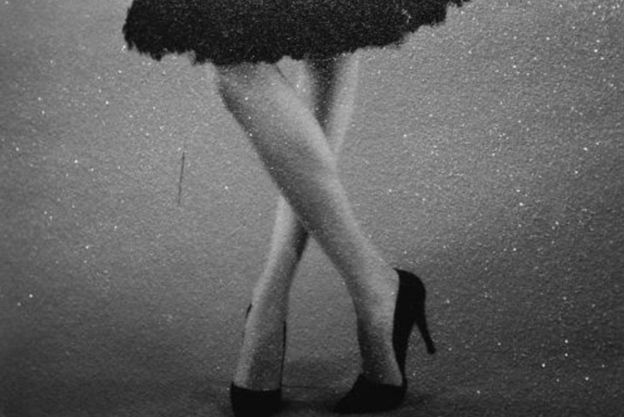
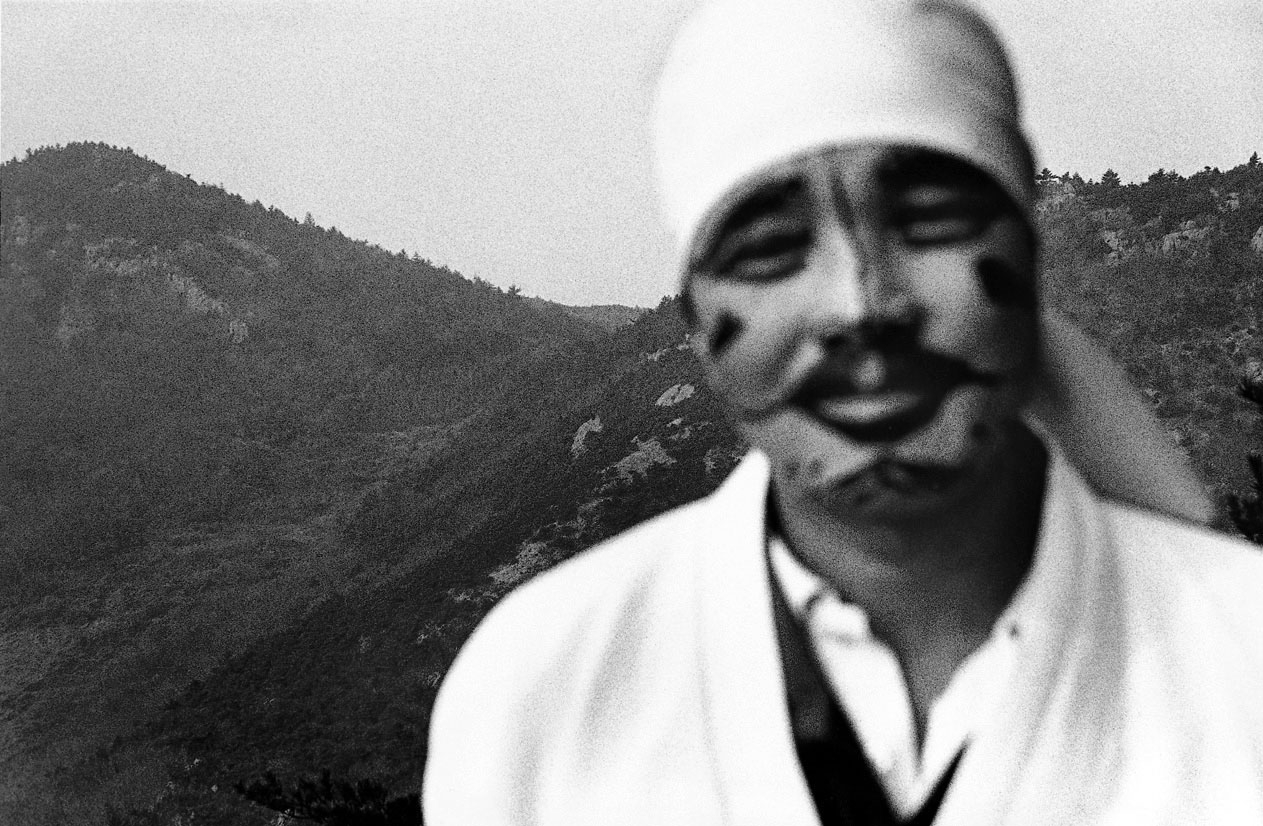
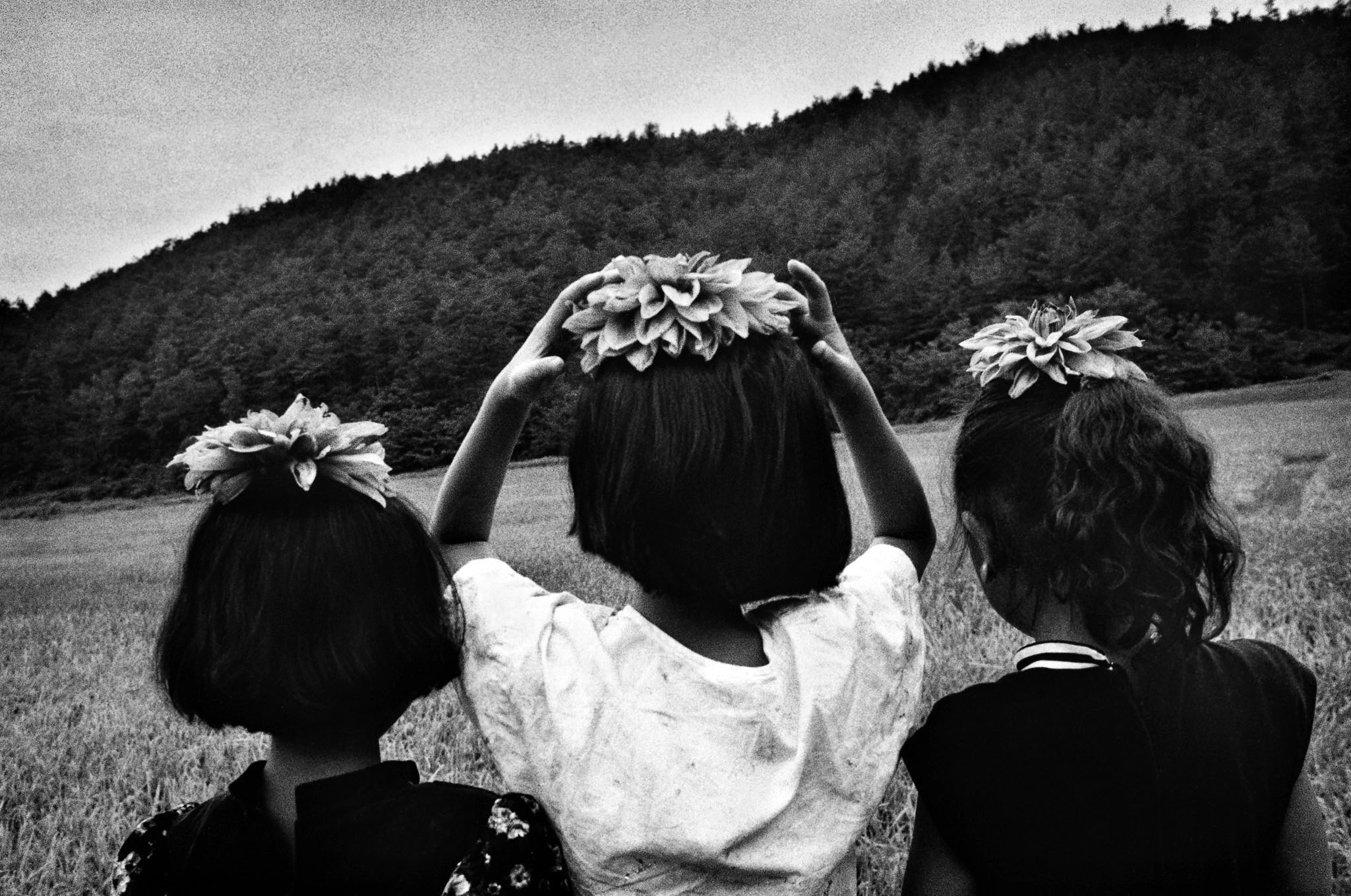
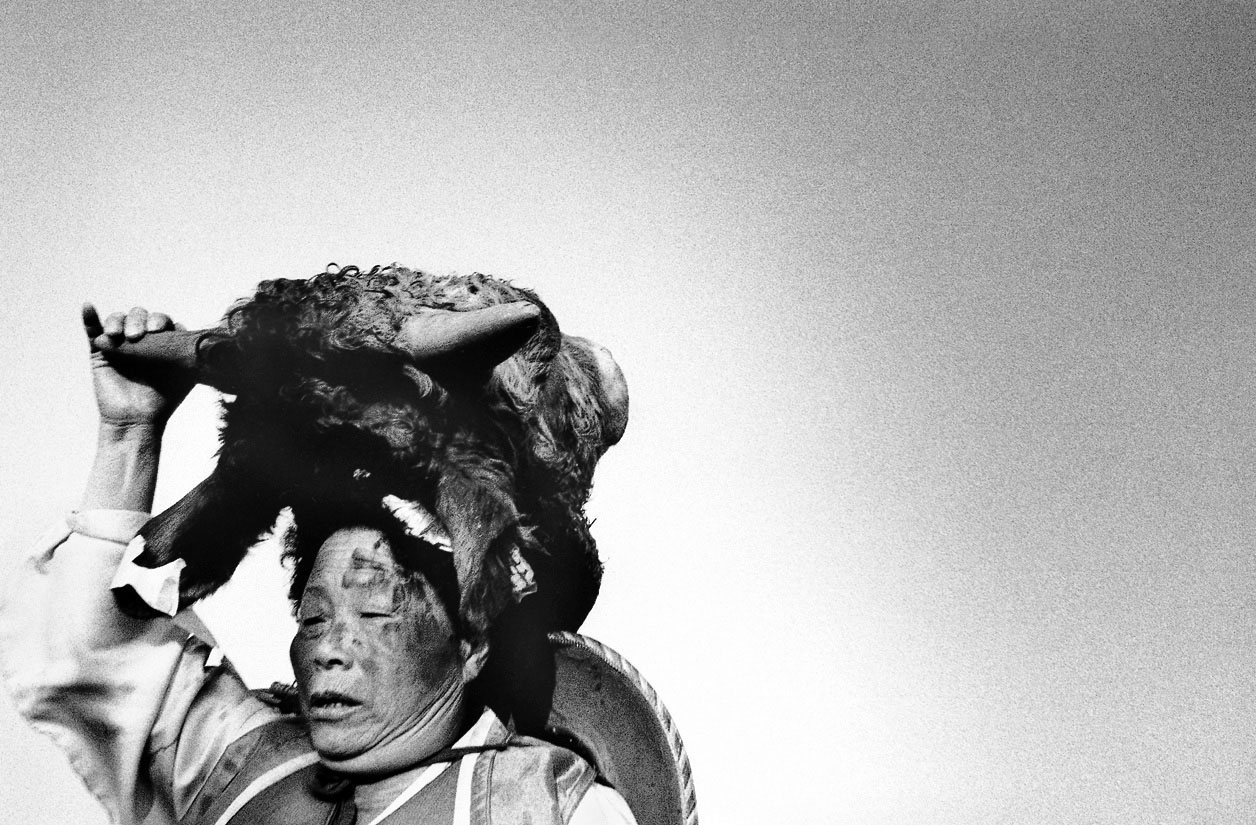
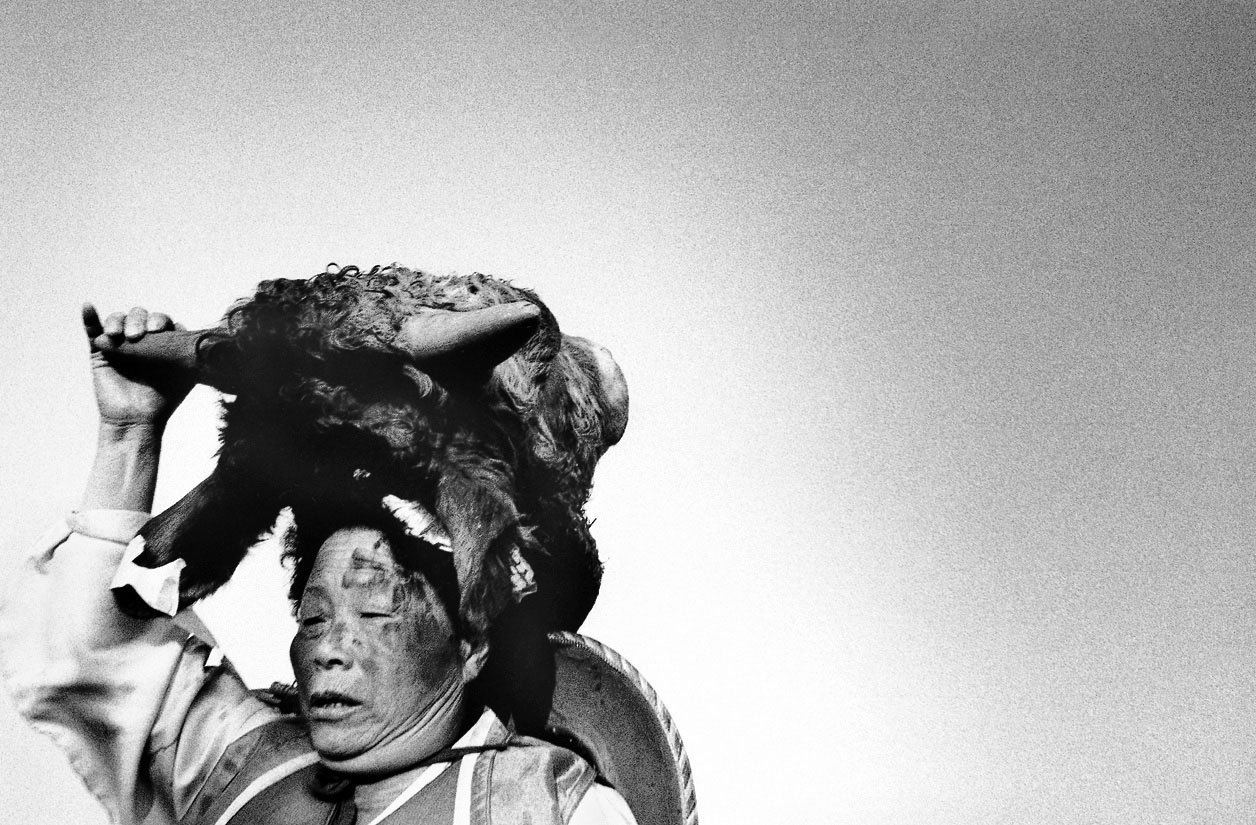
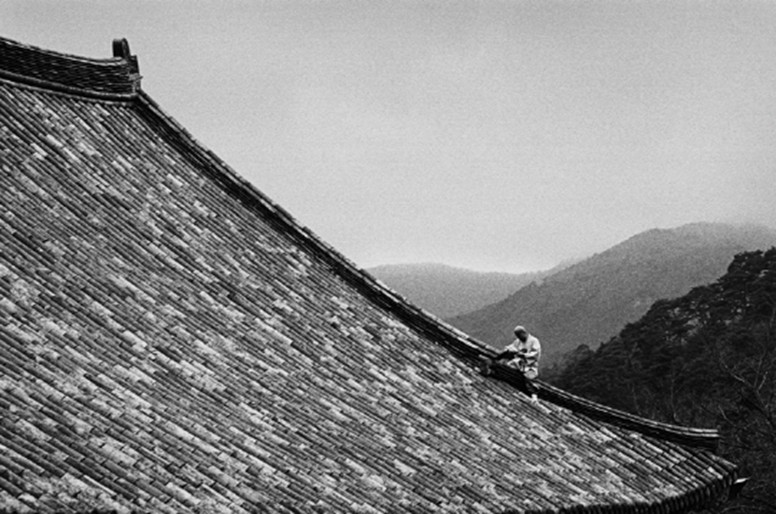
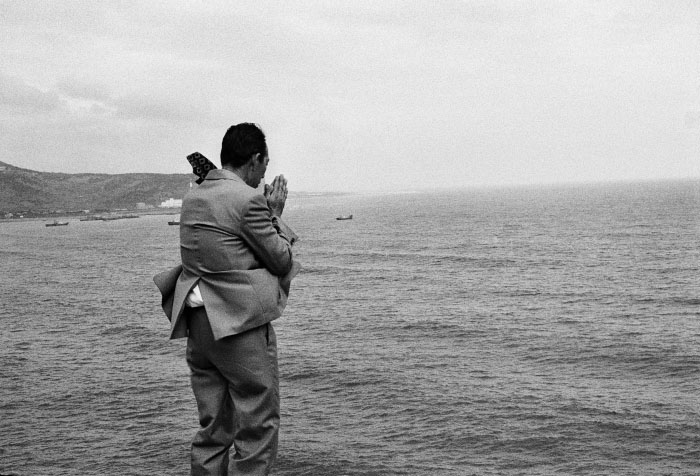
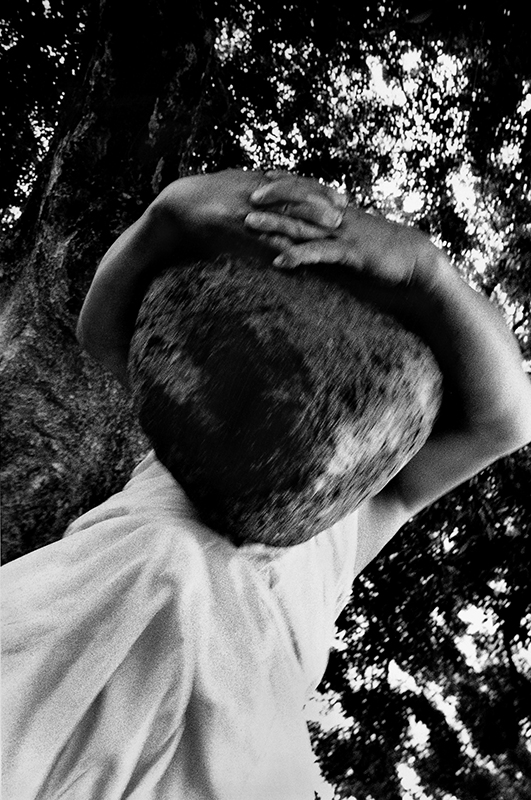
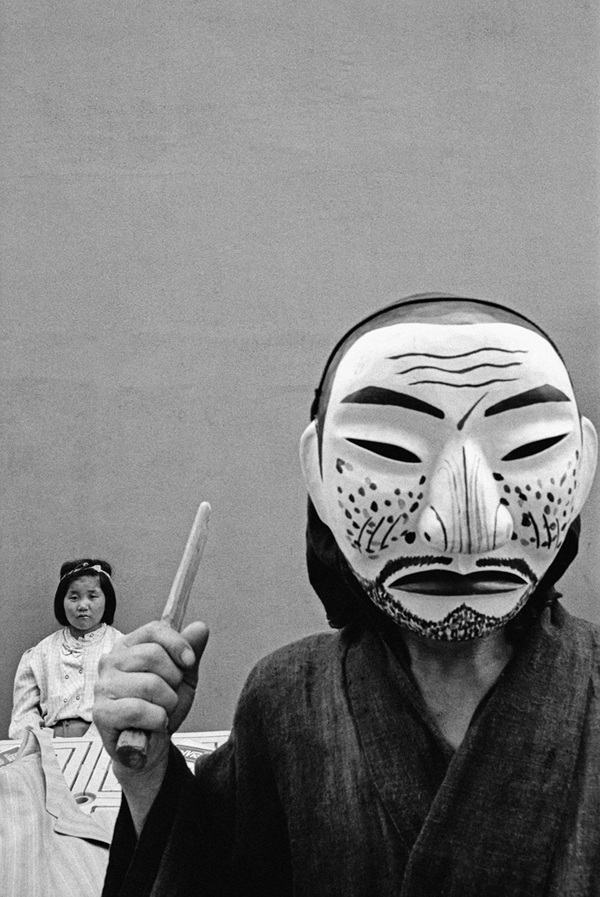
What’s more, Lee’s photographic grammar adopts, more than
anything else, a rather radical framing. The composition is anything but
stable: it is precarious, abrupt and chaotic. Human figures are never presented
as a whole but as absurd parts, for example, a head bursting up in the frame.
The effect is unnerving, even frightening. Because they display shards and
pieces of objects and the world, it becomes difficult to view them with ease.
Instead of serving as a passive object of contemplation, they rush into the
viewer’s mind without allowing time for preparation. Possessing certain power
and tension, the objects and landscapes in Lee’s photograph sweep the viewer
away.
The
pictures, being more than an explanation, reproduction or an intended depiction
of a scene, alarm their audience in a somewhat violent manner. They are not
coordinated by the power of rationality but captured by instincts and the
subconscious. This is why the viewer momentarily plunges into an inner abyss
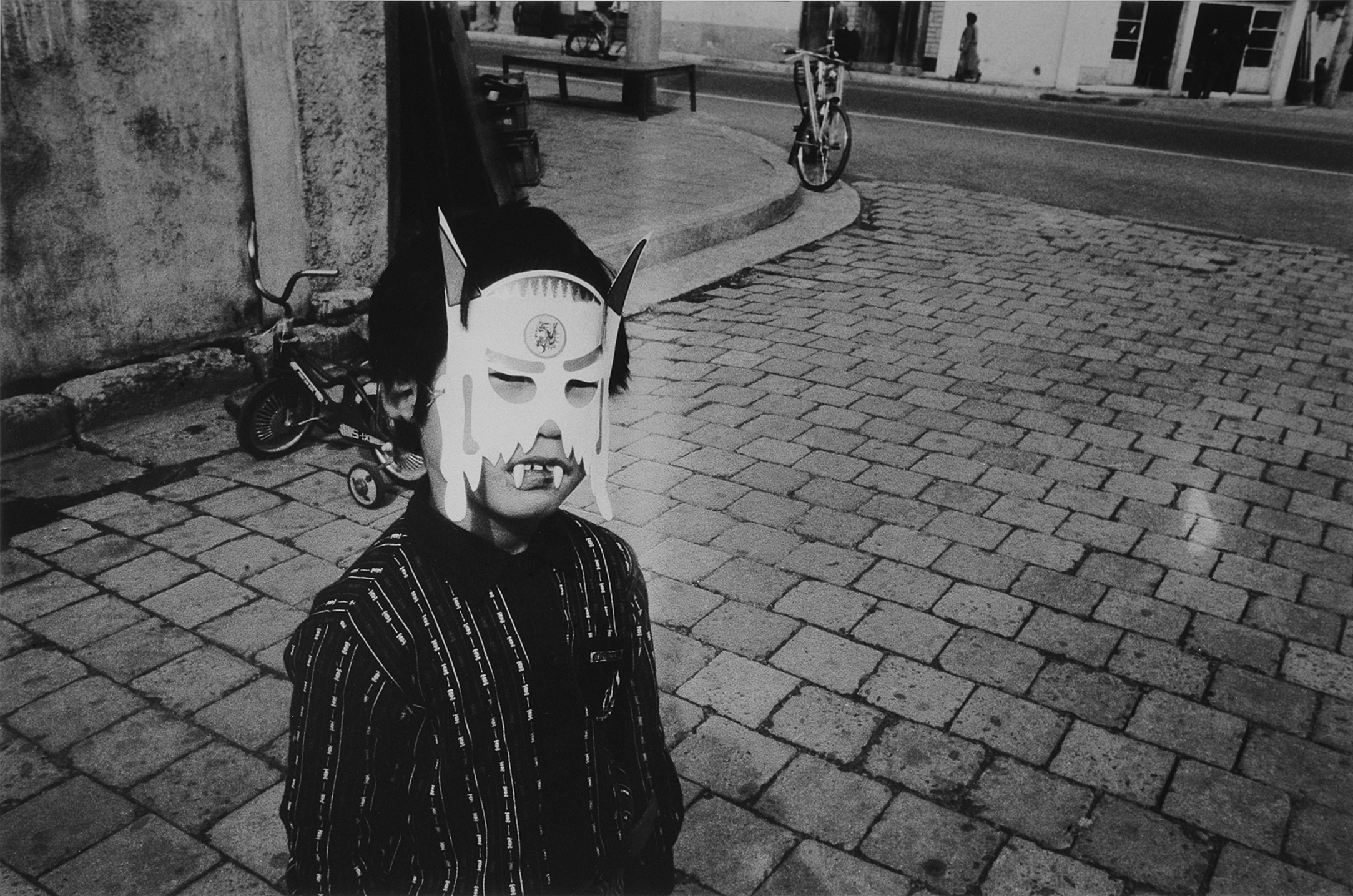
upon laying eyes on them. It is widely known that in most of his “dusky”
black-and-white works, Lee completely shatters every rule?clear shapes,
detailed and balanced composition applied to conventional photography, and
offers only rough elements.
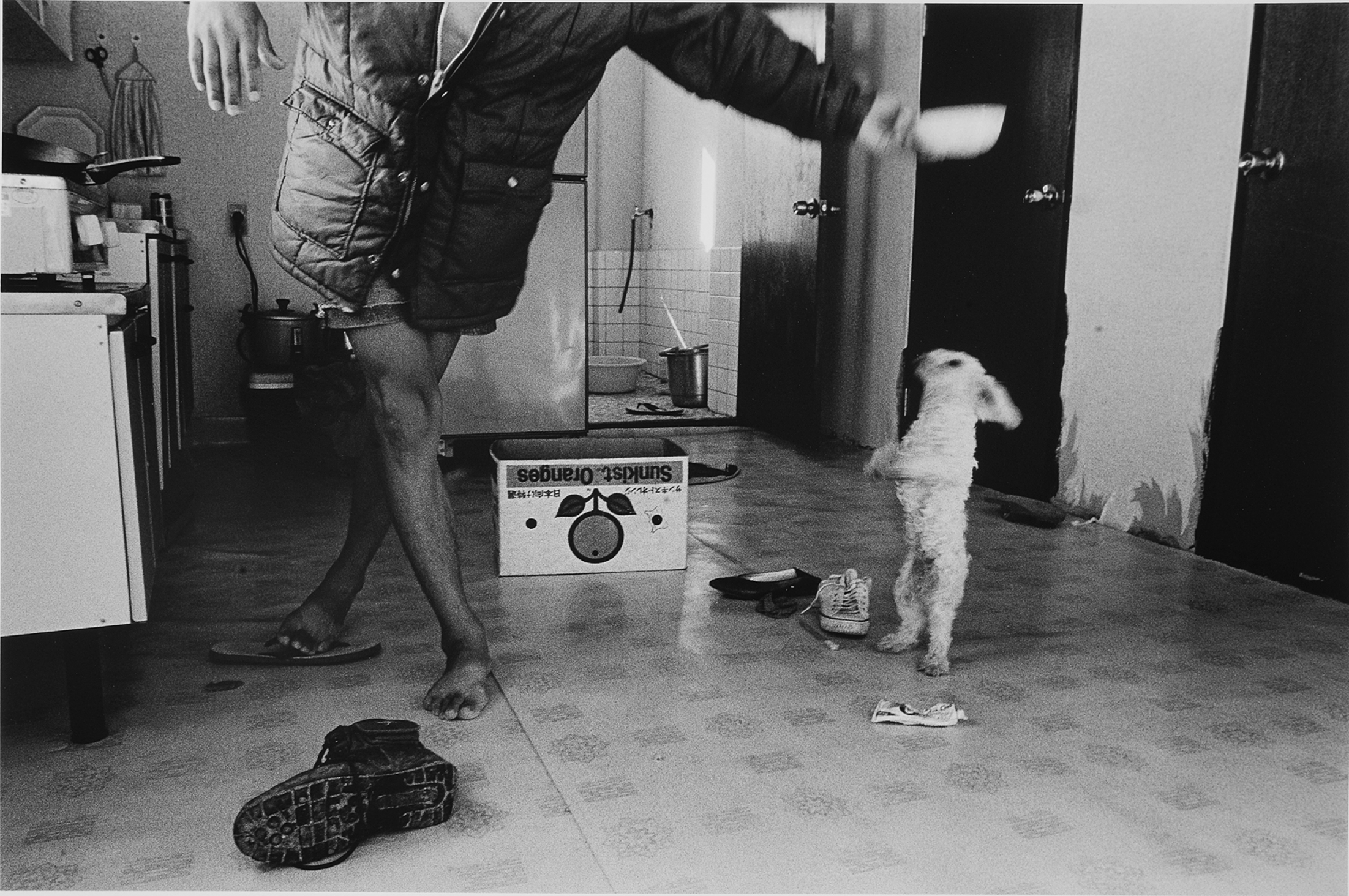
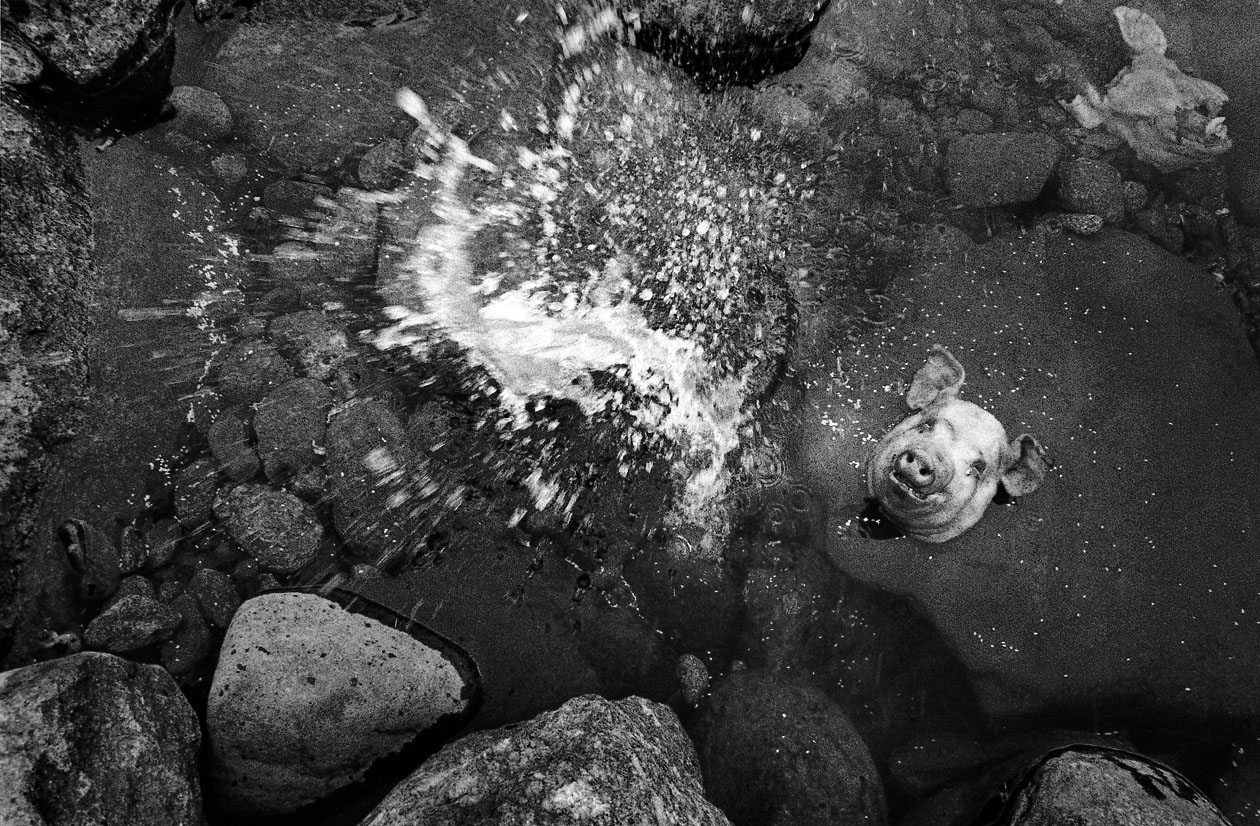
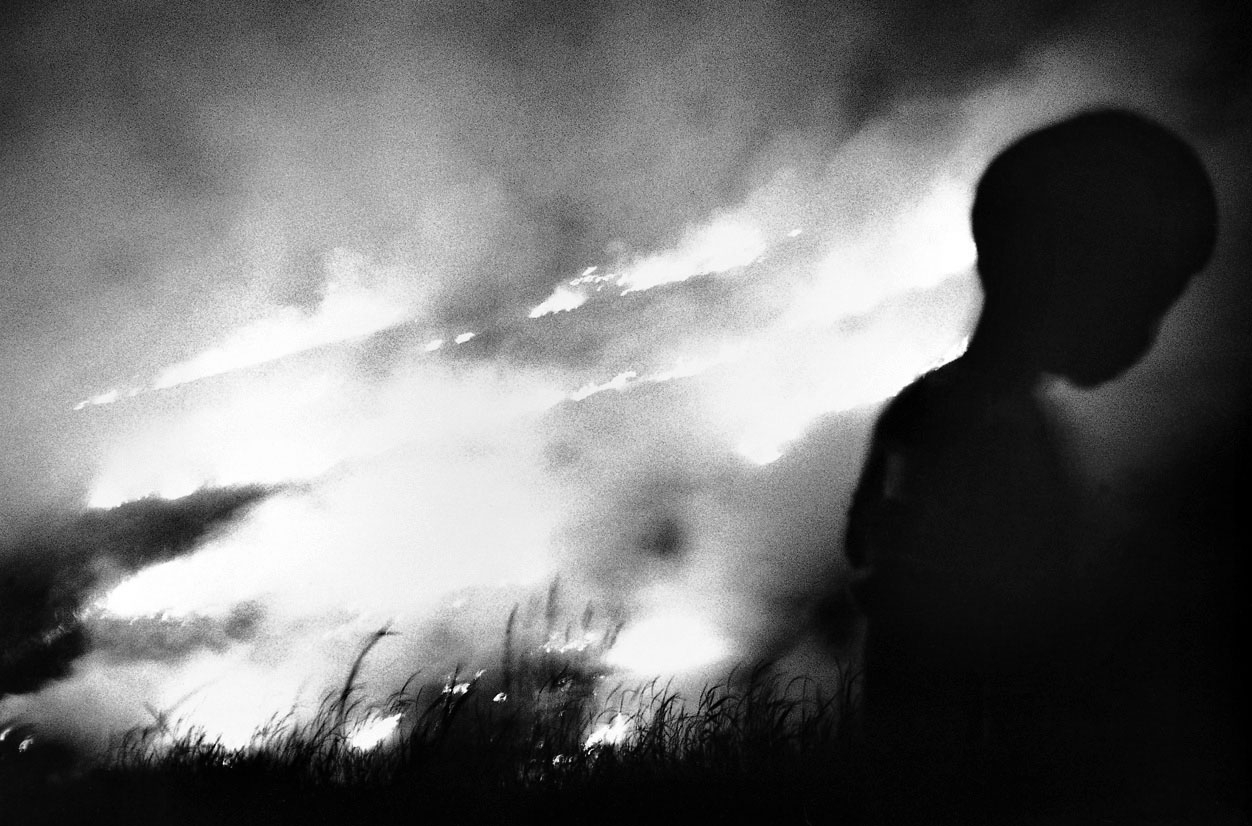
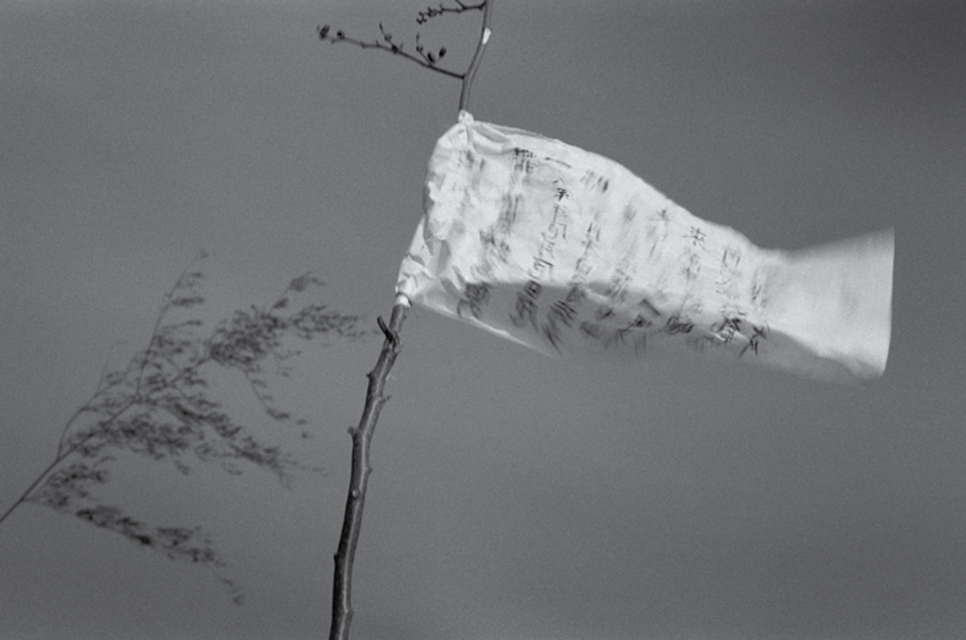
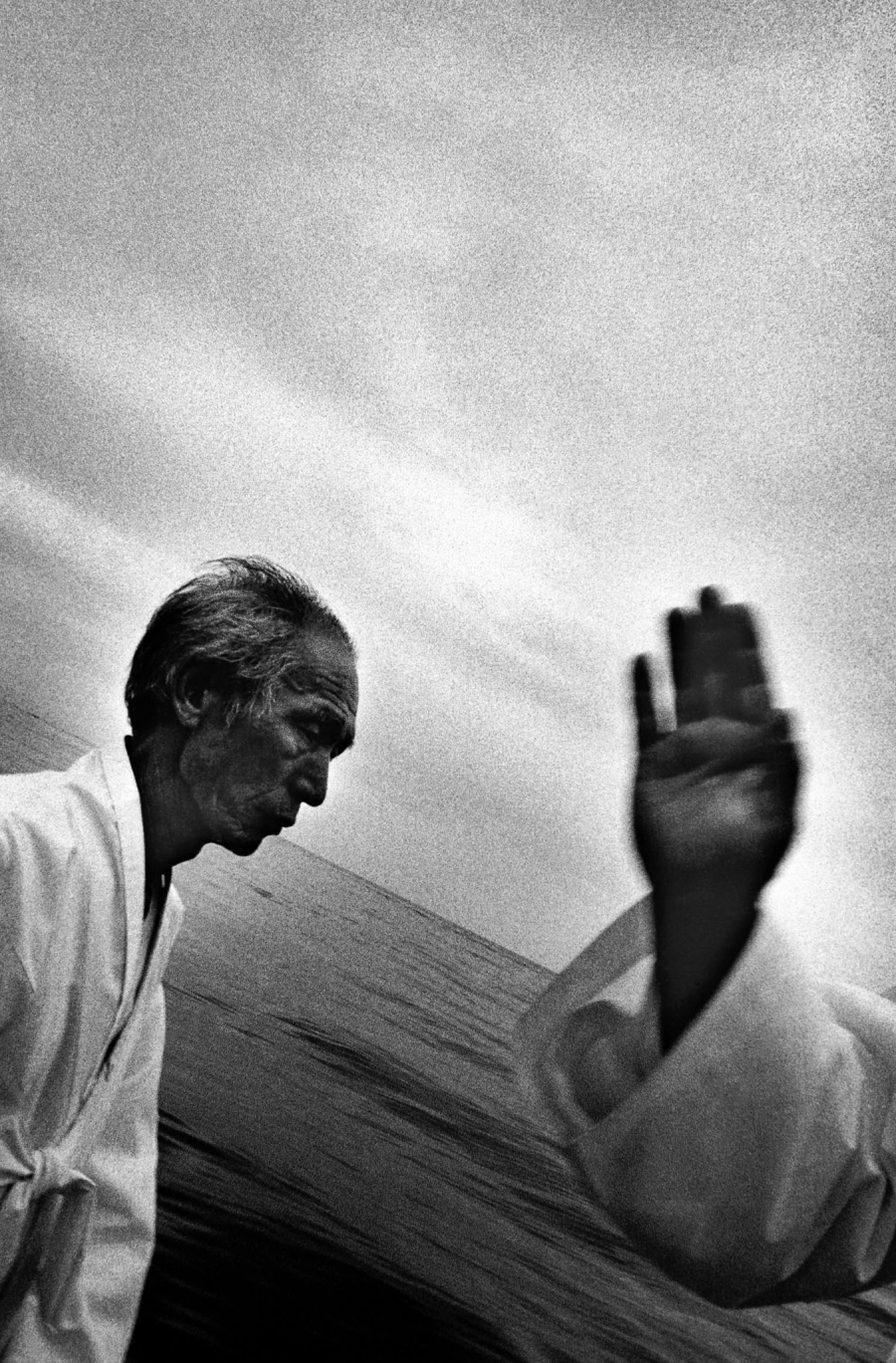
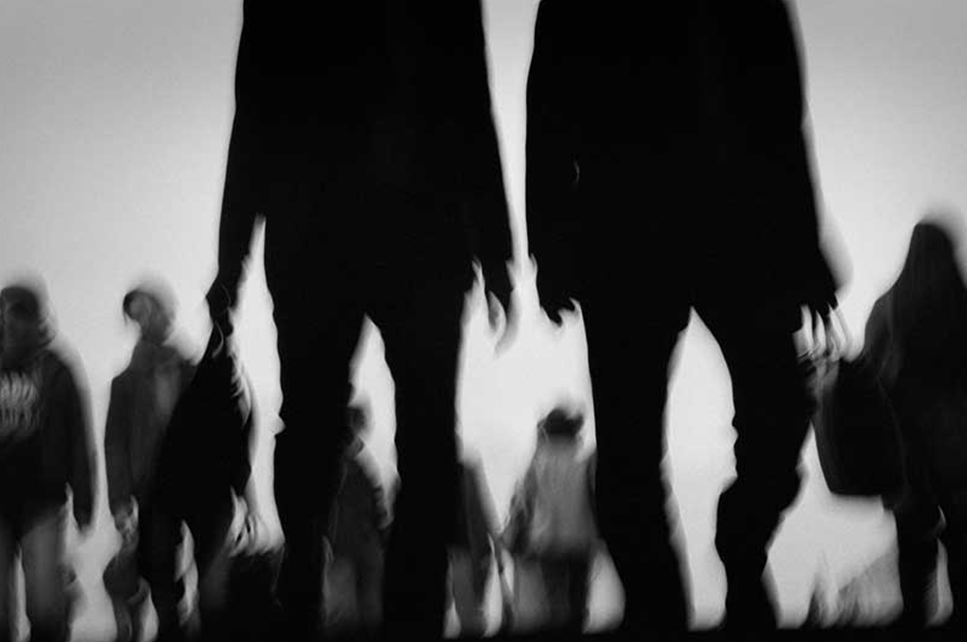
The same holds true for focus, structure and
exposure: all of his photographs are either shaky or have their objects shoved
to the edge of the frame, their angles mangled or twisted out of perspective.
Instead of depending on objects, they potently display fleeting movements and
the dynamics of light and darkness. This creates a curious paradox: they show
that which is not in them. Not being an accurate record or reproduction of a
specific object, they present an entire, momentary feeling and atmosphere. They
prompt the viewer to comprehend and react to them not with eyes, but with the
mind, the memory and the subconscious. It may be possible to see them as a
roaring reproach from the photographer, a form of conundrum he is posing to his
audience.
Lee’s
photography is somewhat chilling and exceedingly dark with all of its objects
presented slashed up or shaken about. Its ferocity draws a sharp contrast with
those clear and bright conventional photographs characterized by idyllic
beauty, glamour and delicacy. The artist deliberately defies the traditional,
standardized language and techniques of photography.
While at work, his eyes
become more a part of the camera than of the human. He creates no distinction
between his eyes and the camera itself, and spontaneously snatches up
definitive moments of the world. Lee defines a moment as a transient instant
perceived by the eyes and mind and his camera naturally absorb it all. He
asserts that he seeks ultimate truth with his camera. He handles his camera with
this in mind. His quest is to convey the spirit that lies beyond a phenomenon,
to capture that which cannot be seen yet whose presence can be sensed.
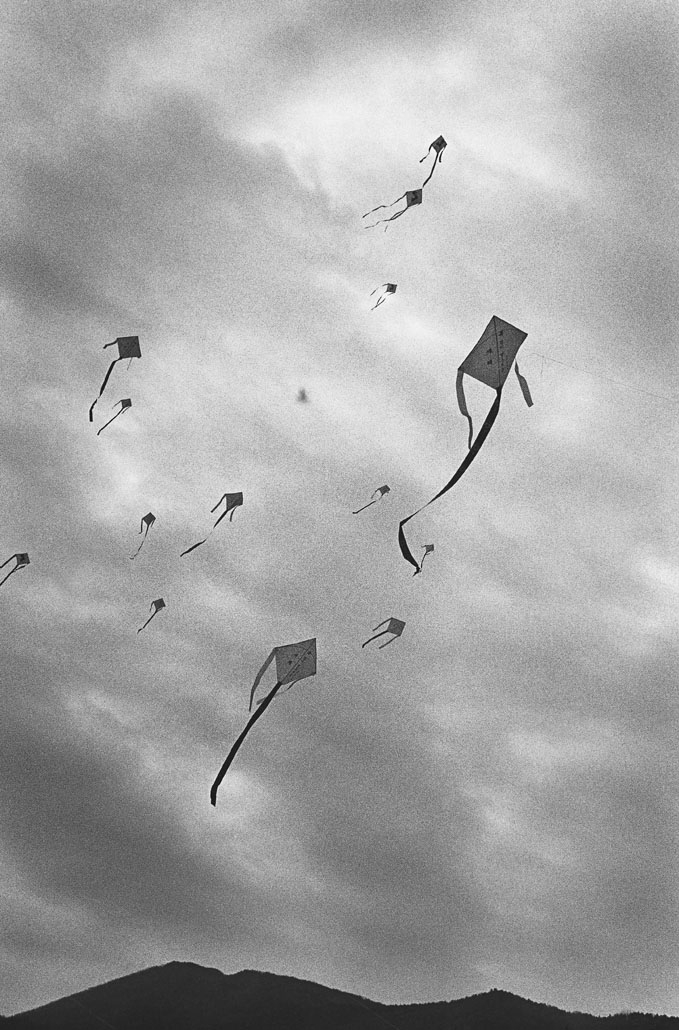
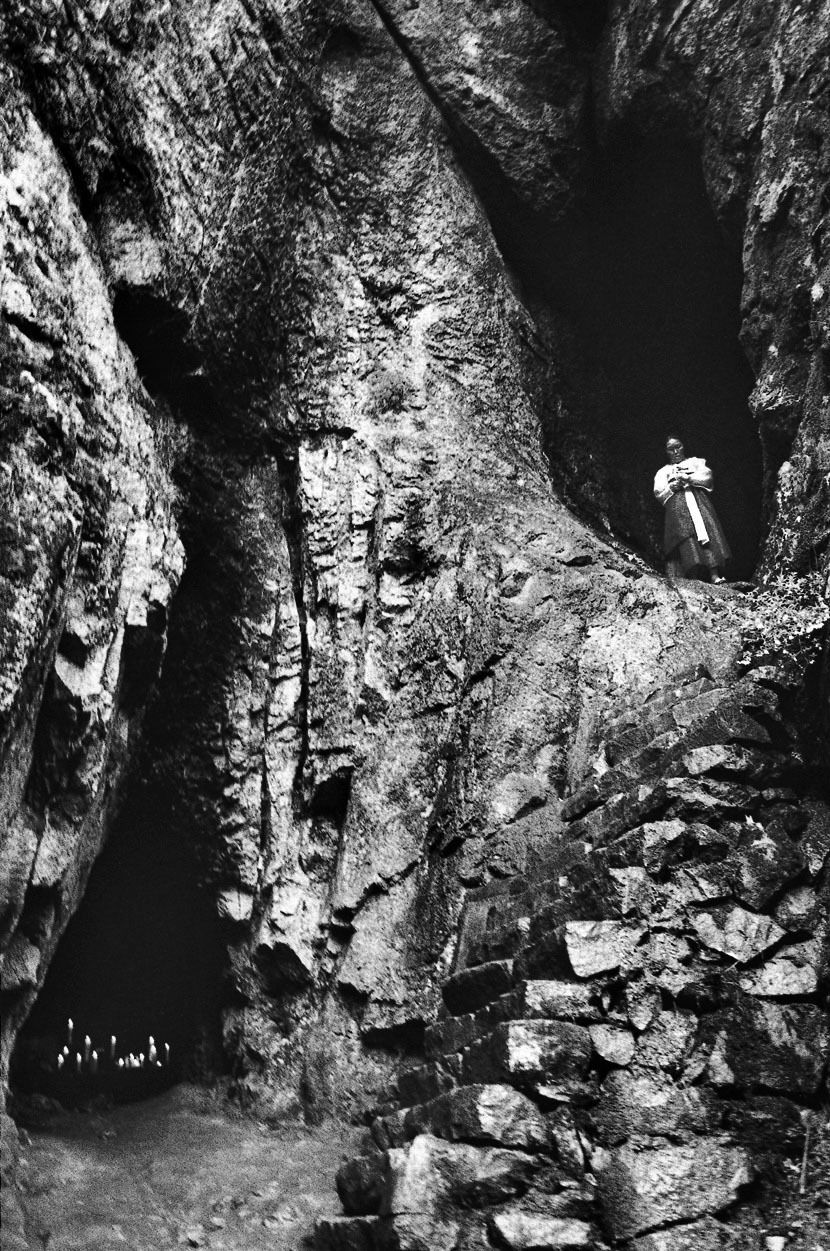
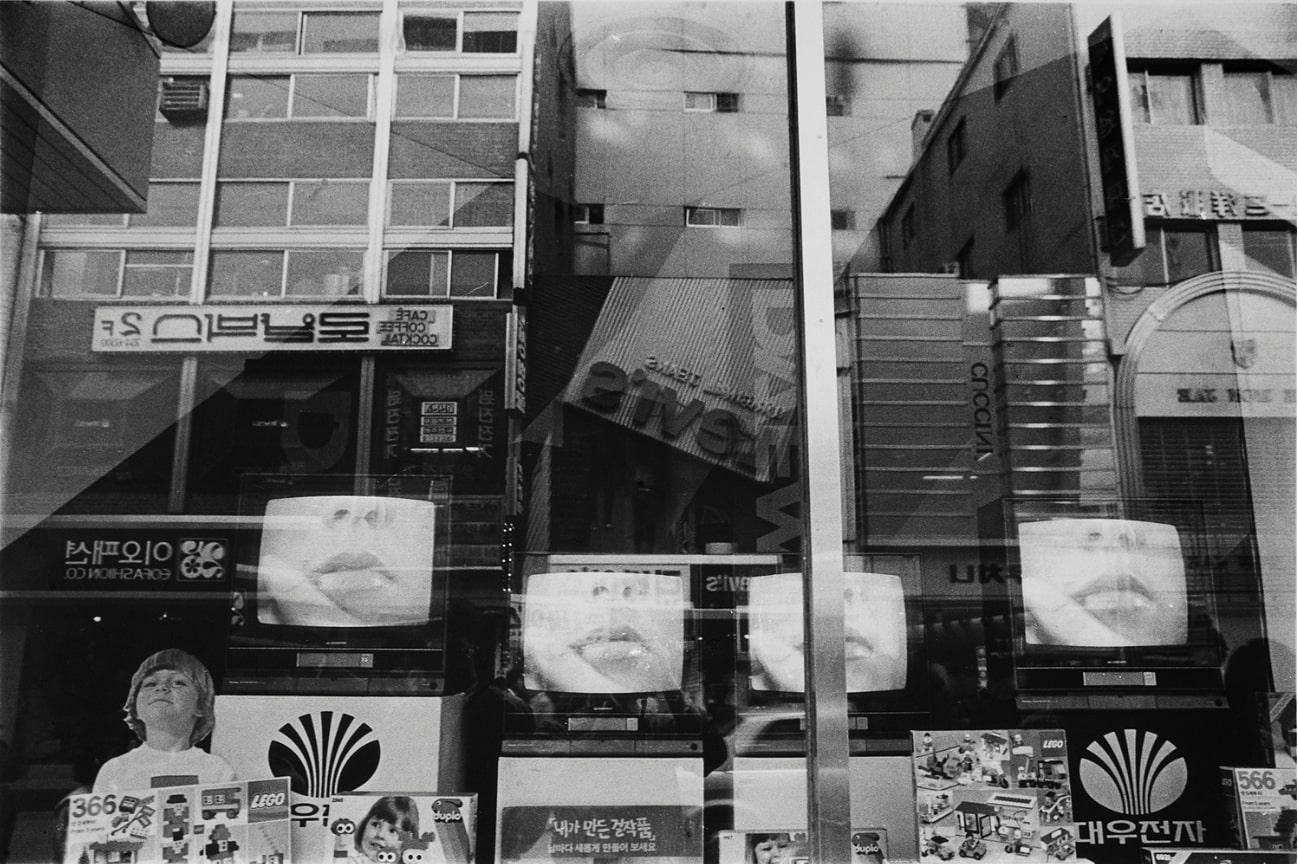
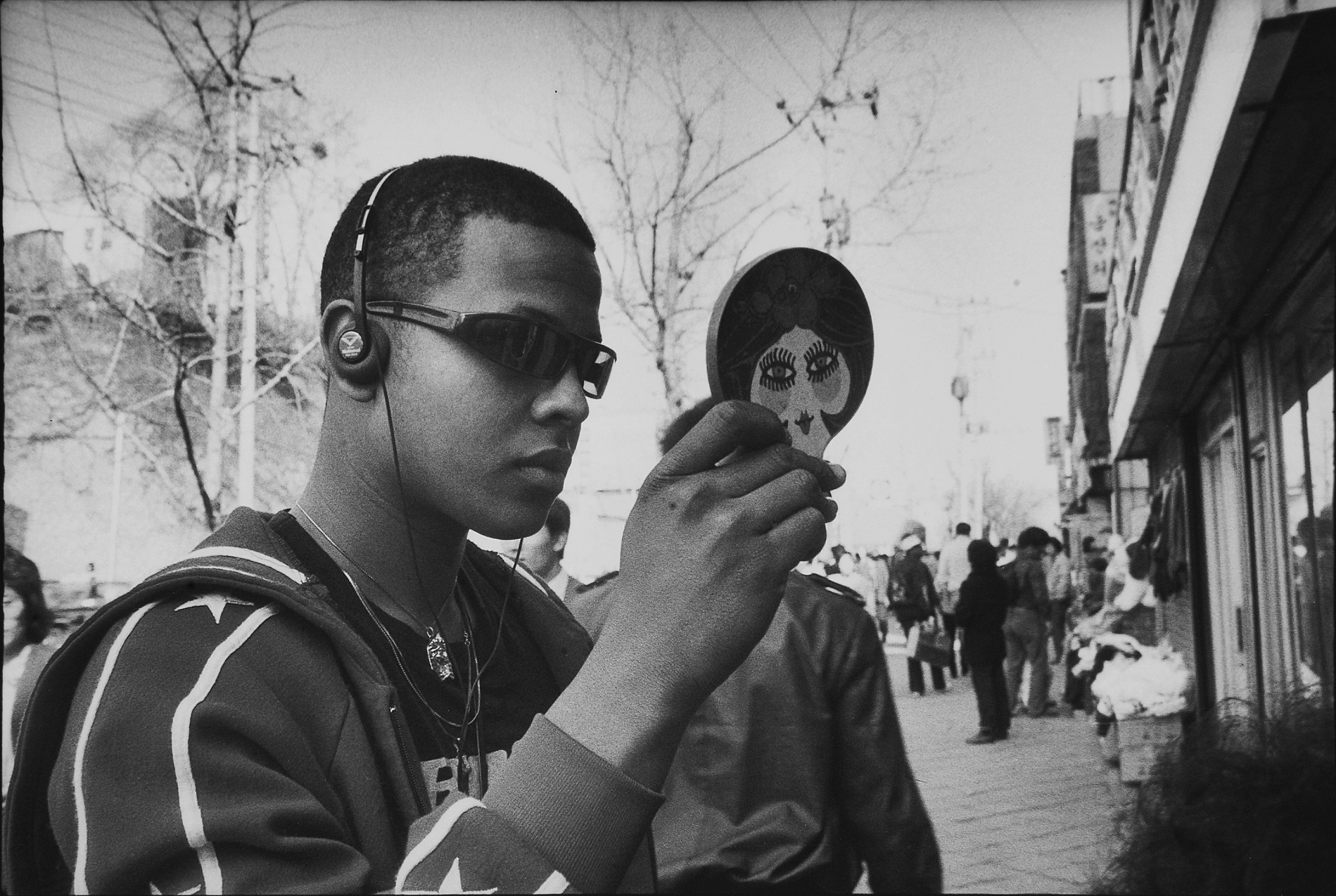
His
photographs, composed with distorted view angles from a 28mm wide angle lens
and the grainy textures of high-sensitivity Tri-X films, stir up a violent
psychological anxiety in their beholder through daring cuts and frame
omissions. Fear and unease are provoked by the presence of an unidentifiable
object. The psychological order sustained by reason is shattered, lifting the
tight lid off the subconscious. Once this occurs, the searing energy of
primitive instincts gushes out, restoring once-forgotten memories hidden
beneath the conscious mind. His pictures revive this energy; they summon it.
Lee’s
photography is soaked with the scents and vitality emanating from the numerous
objects he has captured after strenuously seeking them out. Reacting with
sensitivity to changes in seasons and conditions, time and place, the artist
works with firm animal instincts. His nose and “feelers” guide him to
locations. He hits the road when struck by a visceral sense that he will
discover the images he desires at a particular place and time. He has claimed
he can smell it, even in the city, and that he rushes to a location as the
aroma spreads.
The photographer attributes this feat to three years of
wandering around the nation. From 1992, he and others, poets, singers, painters
and sociologists traveled all over the country seeking out a variety of
cultural practices. His images bear the traces of this experience and the
rigorous training with his camera. Lee strives to attain enlightenment through
his camera and photography, which in turn is related to the disciplining of his
own self. He has mentioned in passing that he desired to be a Buddhist monk. He
does not view Buddhism as a religion; he considers it an integral part of his
life. It is a path towards knowing one’s true self, a method of
self-discipline, and life unto itself.
As
is commonly known, photography is a tool to accurately and mechanically
replicate a particular object. It reproduces what the eyes see, the world of
consciousness. Lee, in contrast, seeks to capture the so-called subconscious
world through his camera using these same qualities of photography. He adapts
the medium, a mechanical realization of the Western perspective, into a vehicle
that conveys the language and sentiment, feelings and spirit of the East.
One
could view this character as true modernity for Korean photography. I believe
it is the primary distinguishing feature of his work. Lee’s oeuvres are
contained in his book titled, ‘Conflict and Reaction’. Viewing the images
therein, any Korean would be able to perceive the swirling, indescribable
mixture of life and culture, grief and other emotions of all those who have
lived in this land. I appreciate his work, thick and dusk-like ink and ashes,
night and shadows. I like the landscapes and the faces of the Koreans in his
photographs, drenched in the energy and spirit that define the culture and
consciousness of those who existed here for ages.