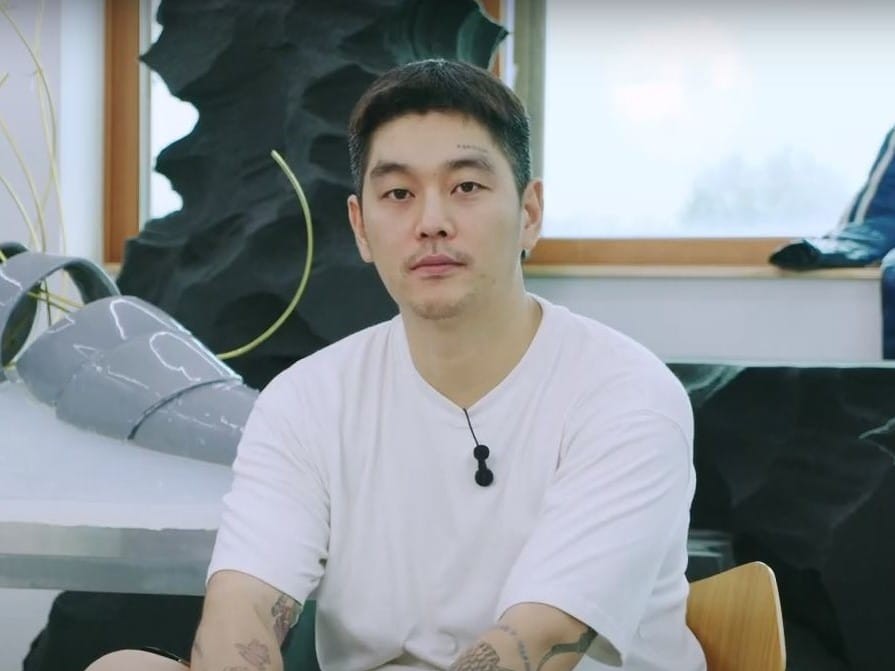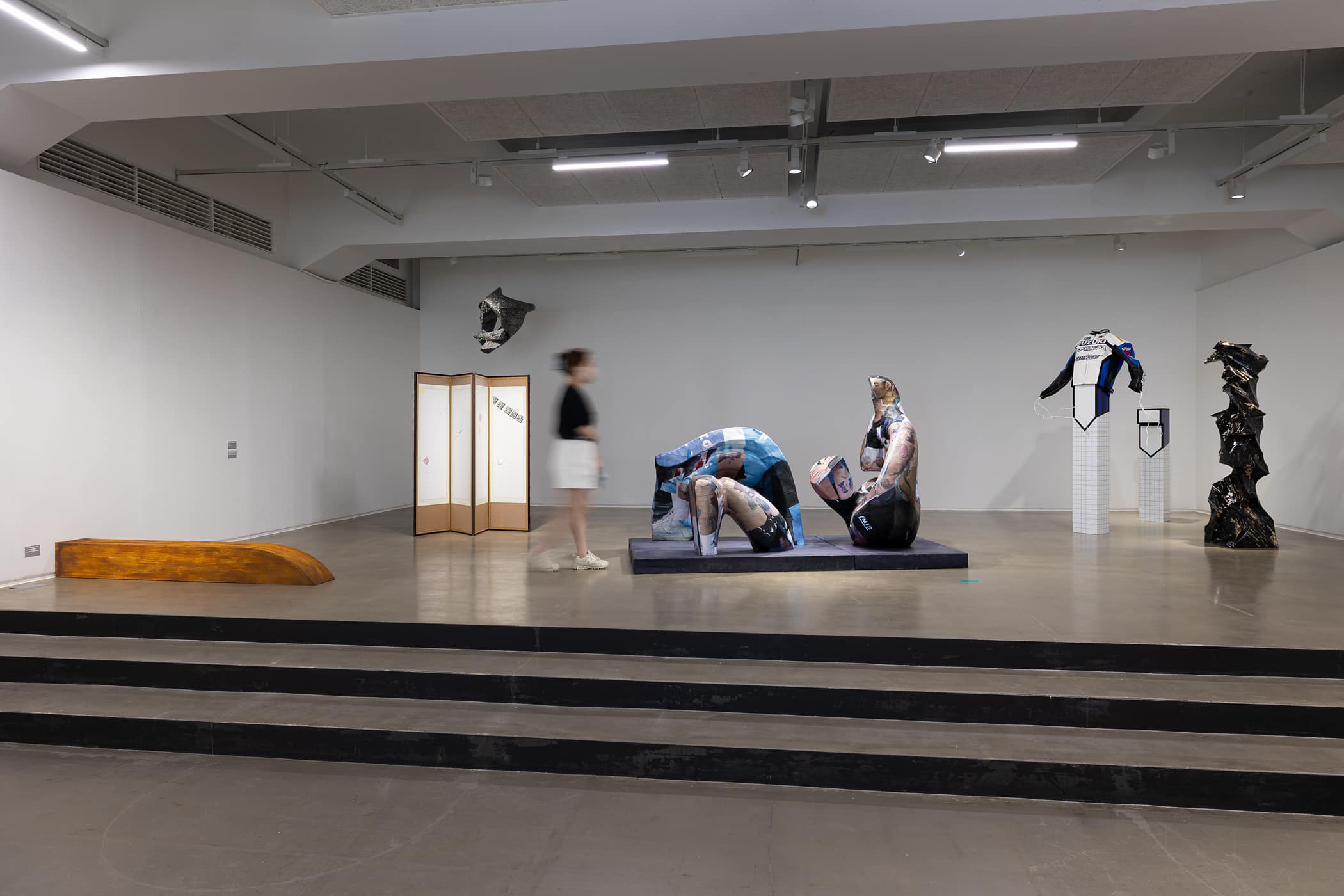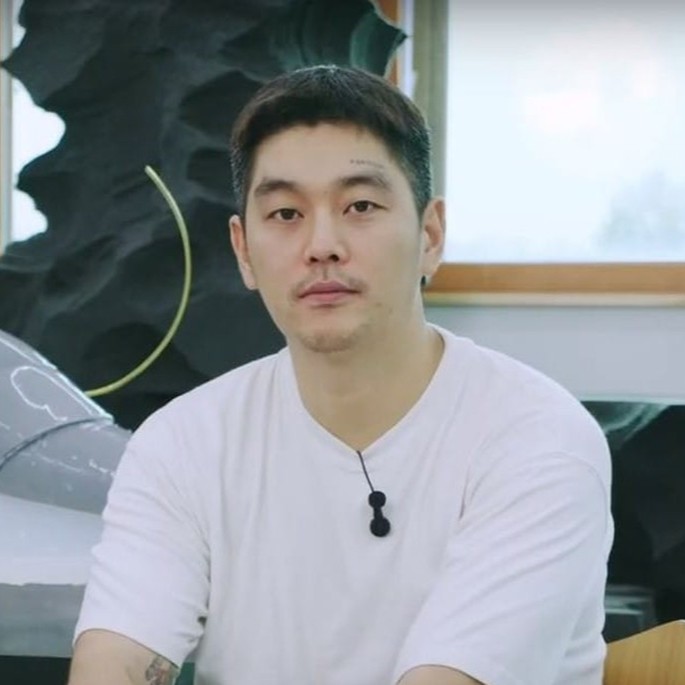

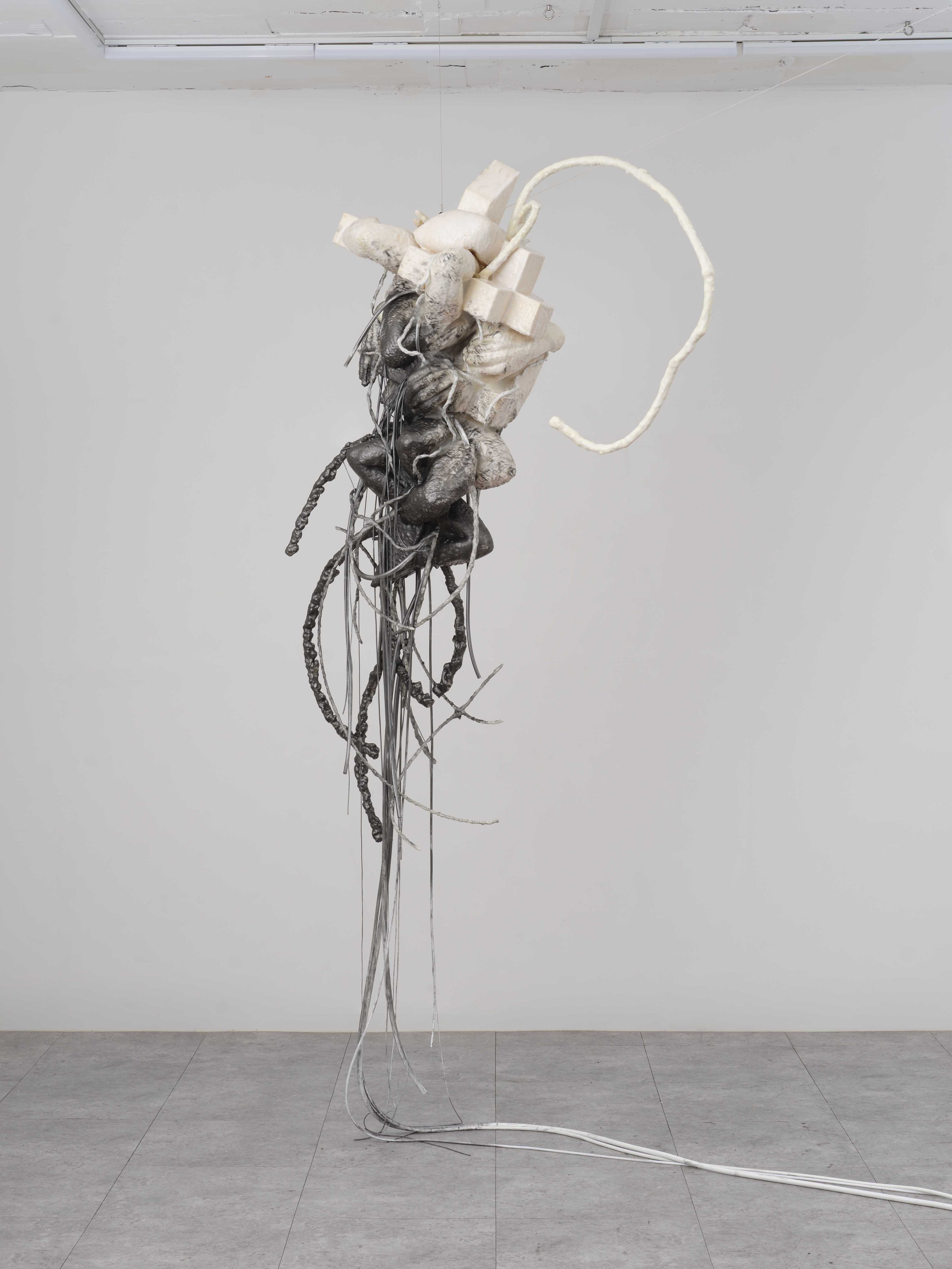
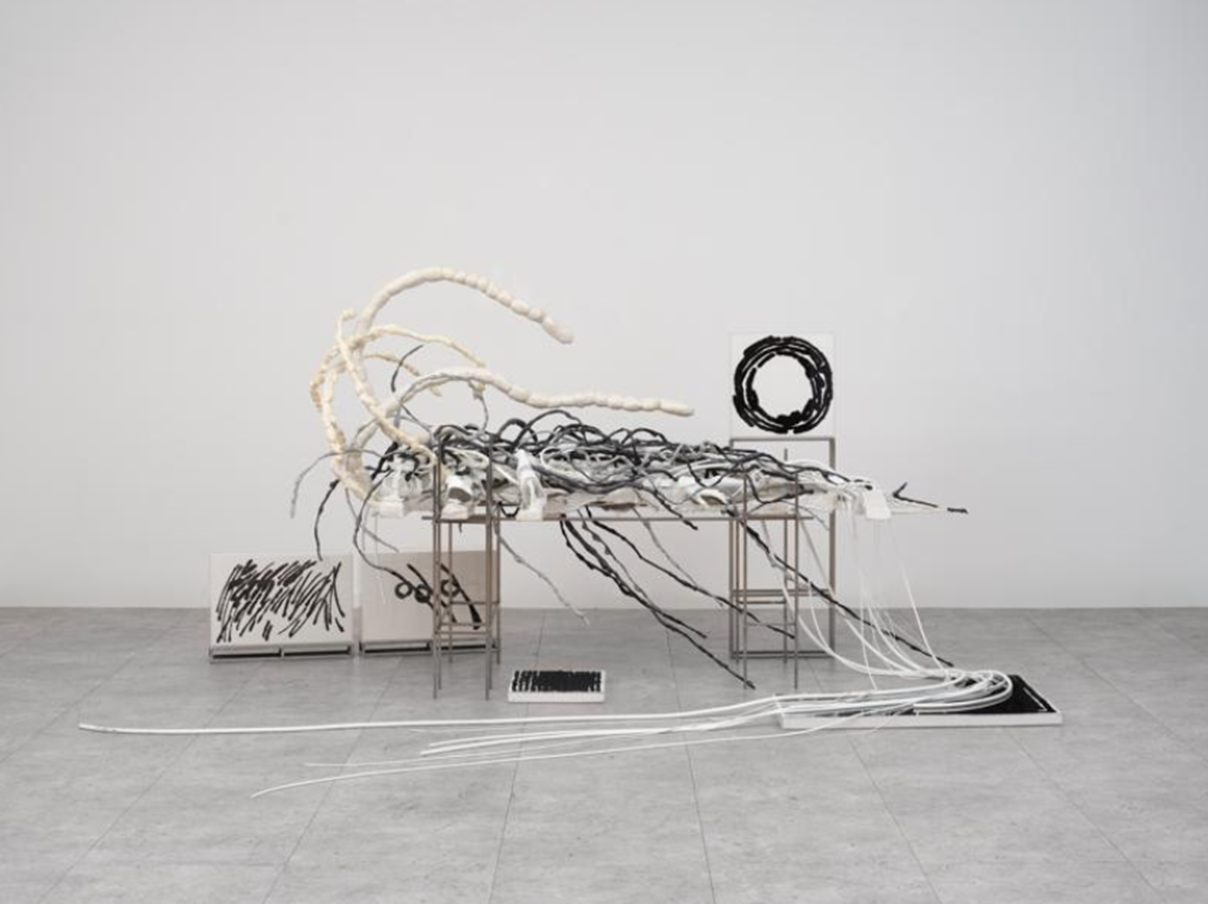
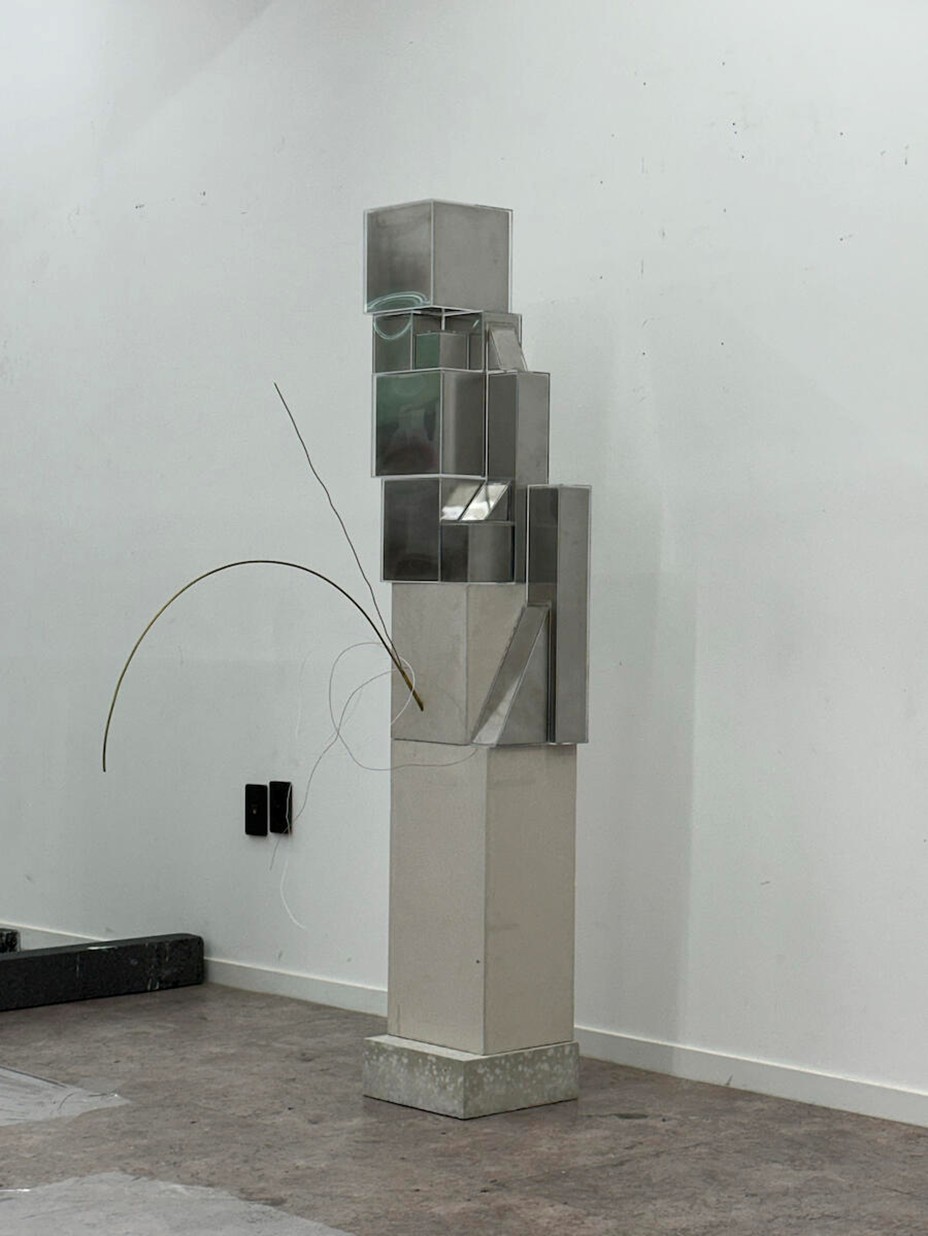
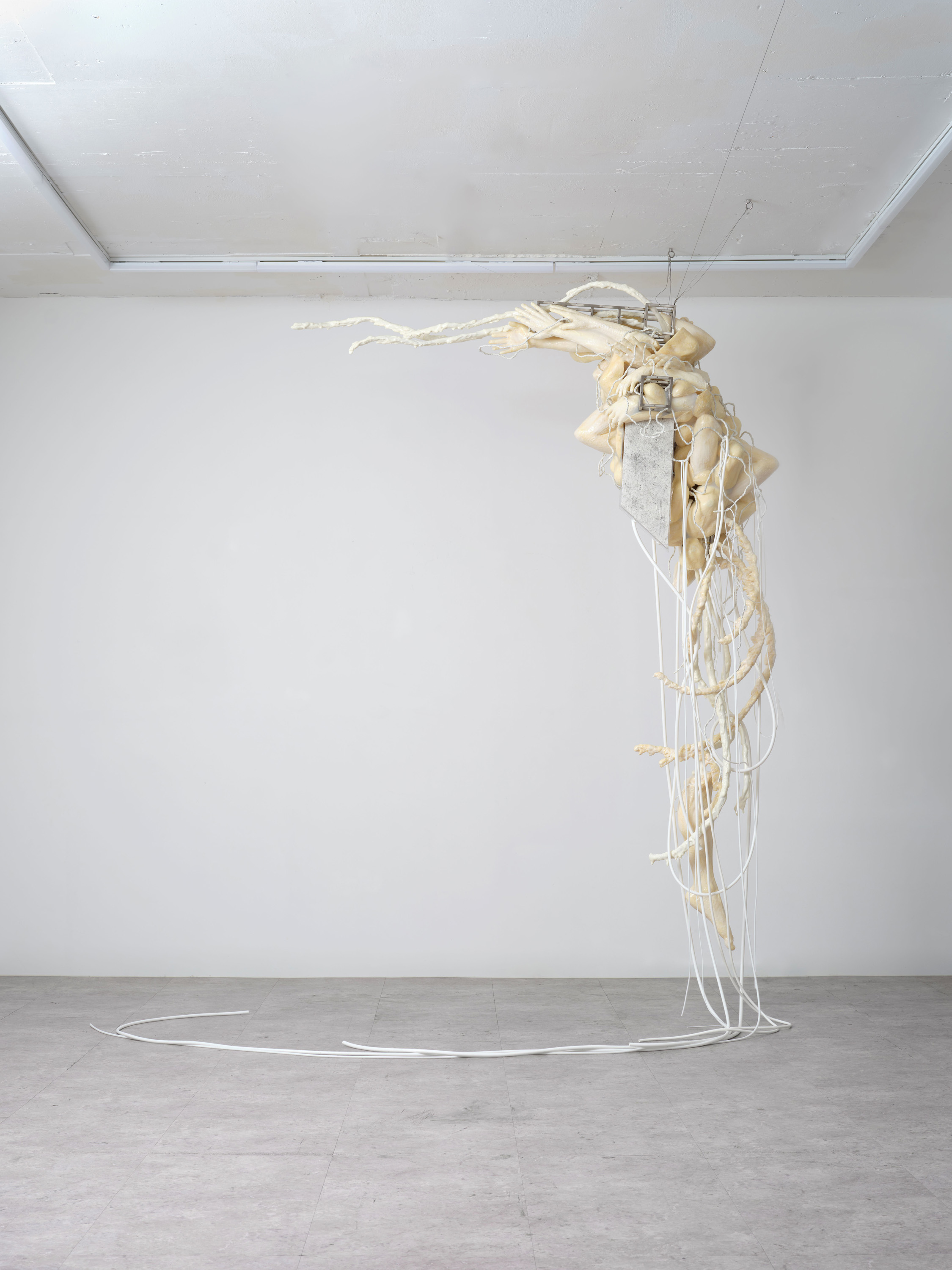
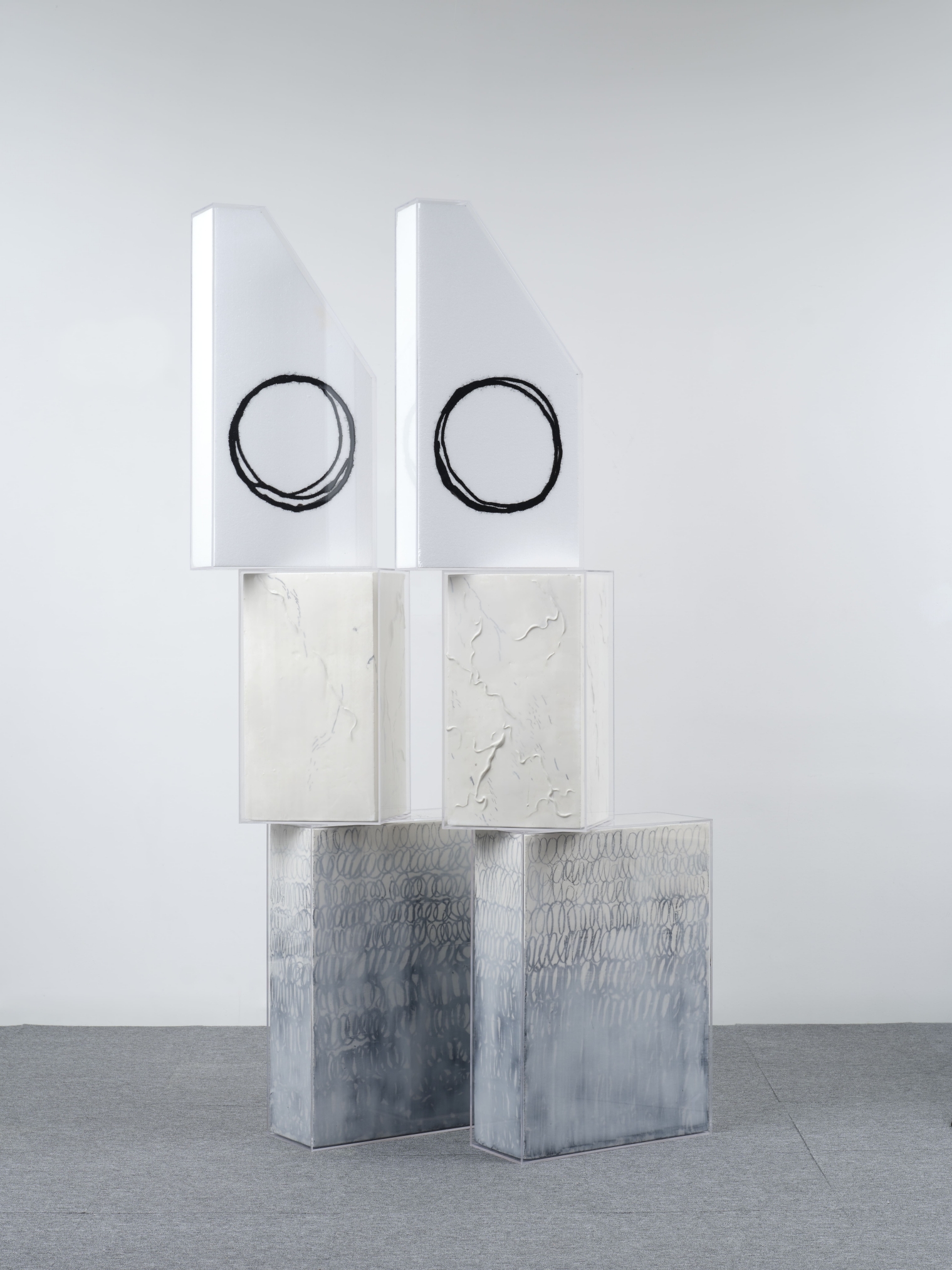
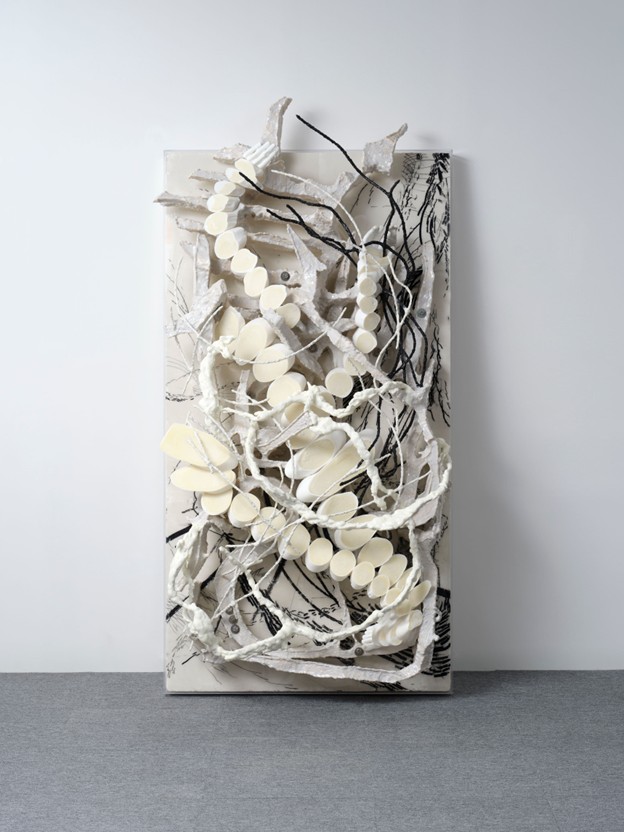
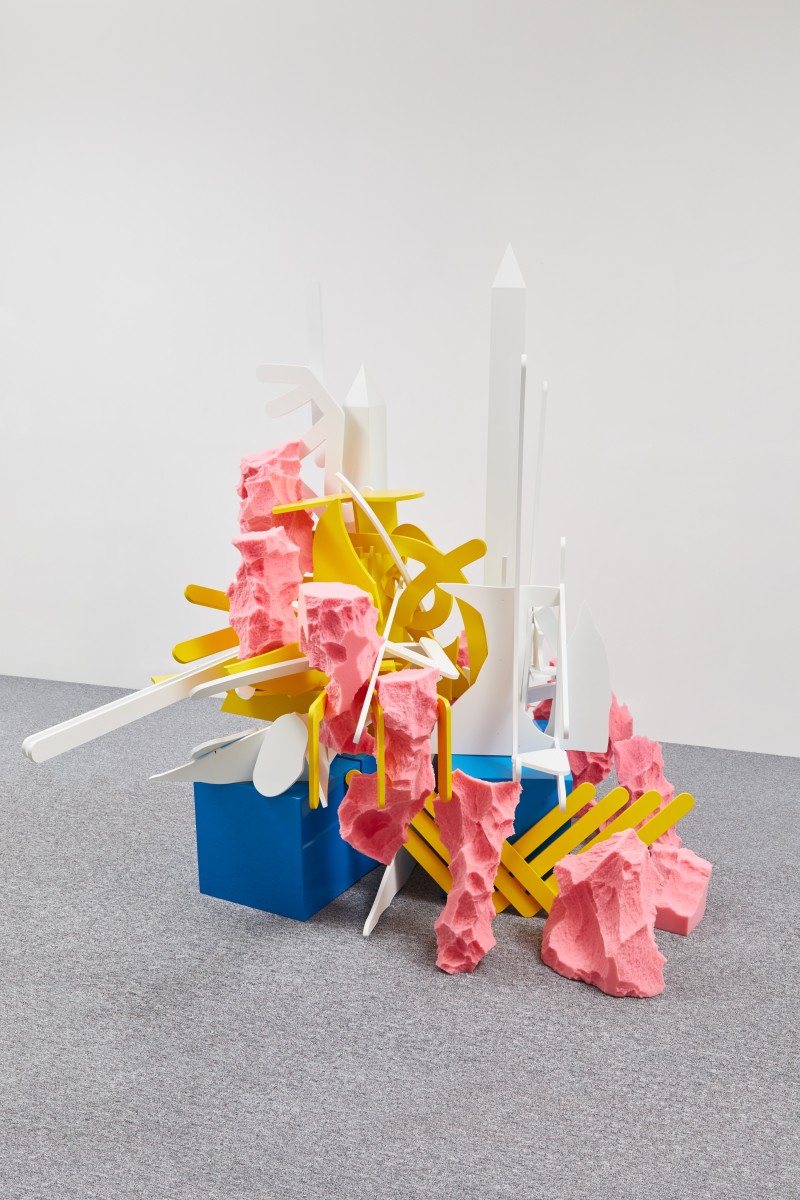
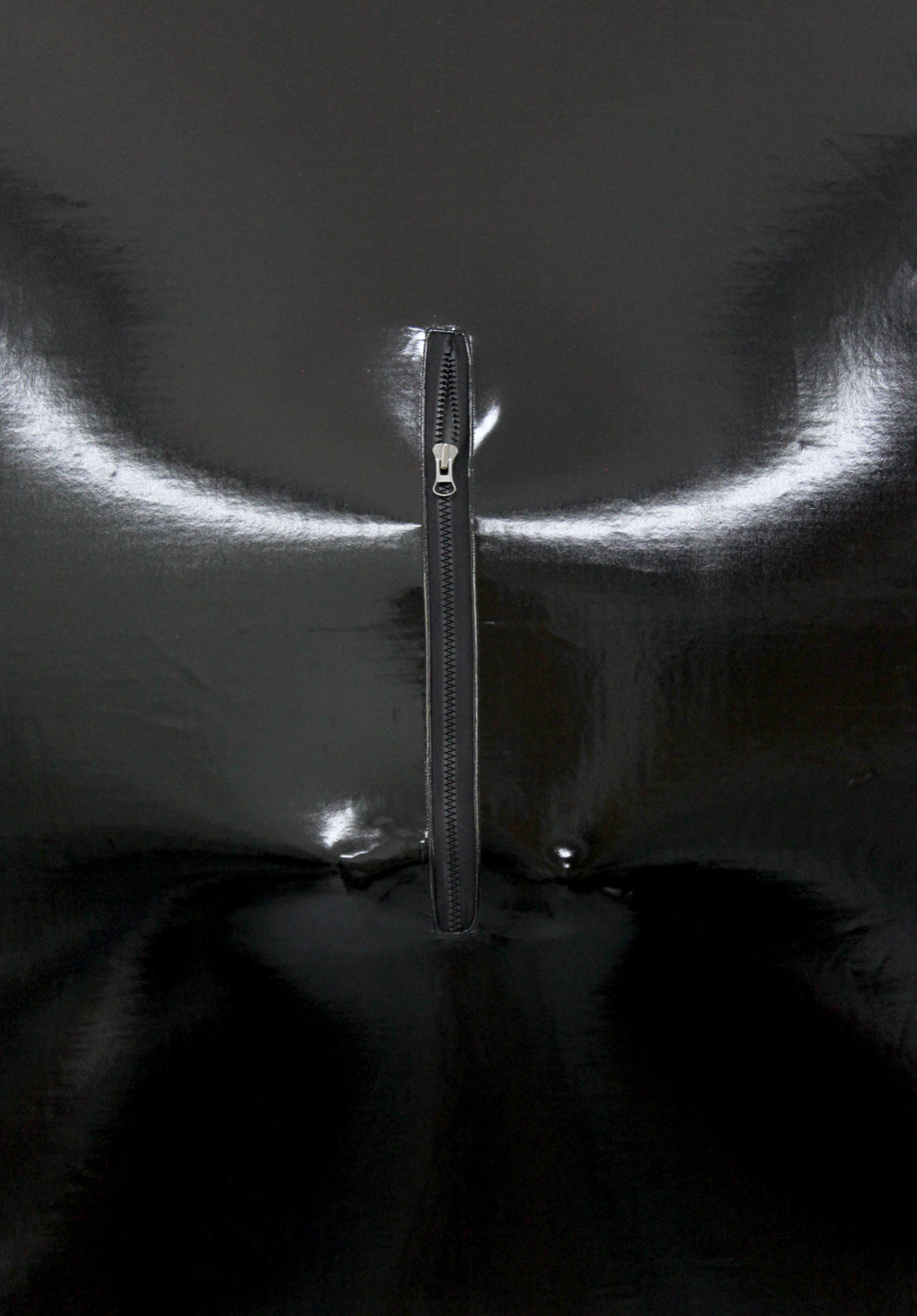
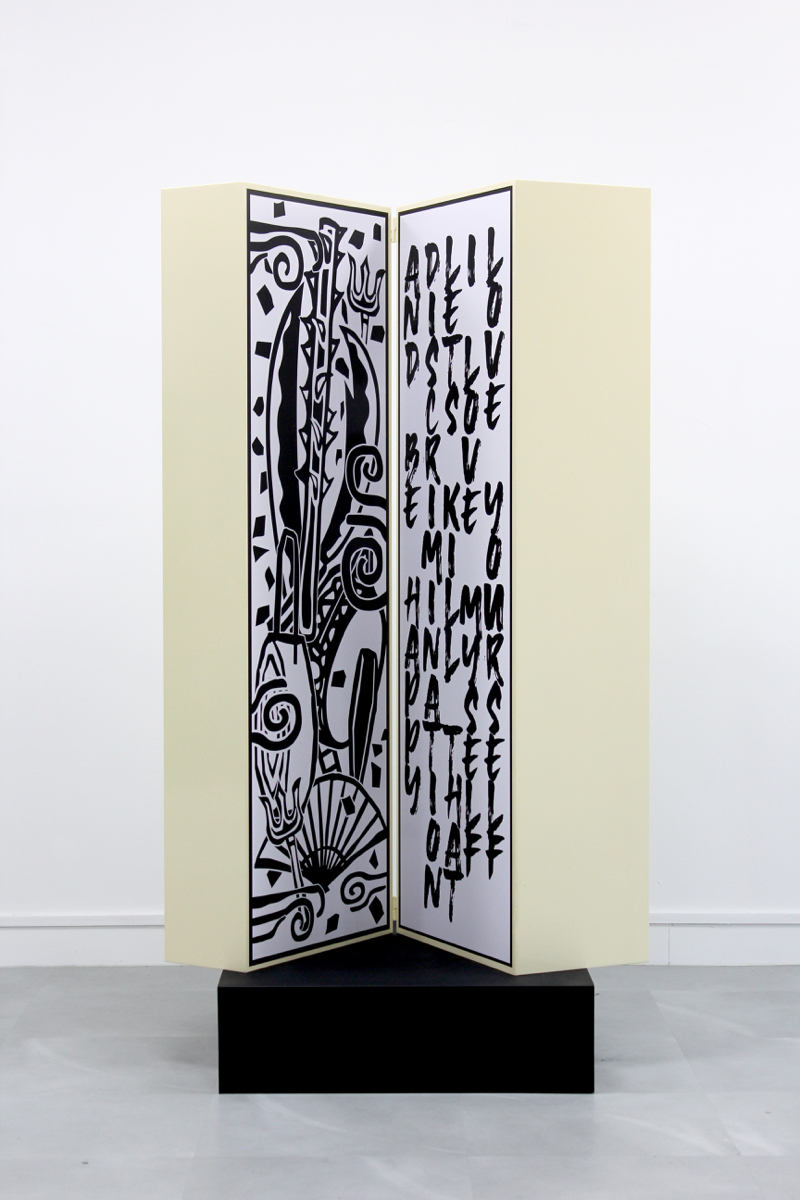
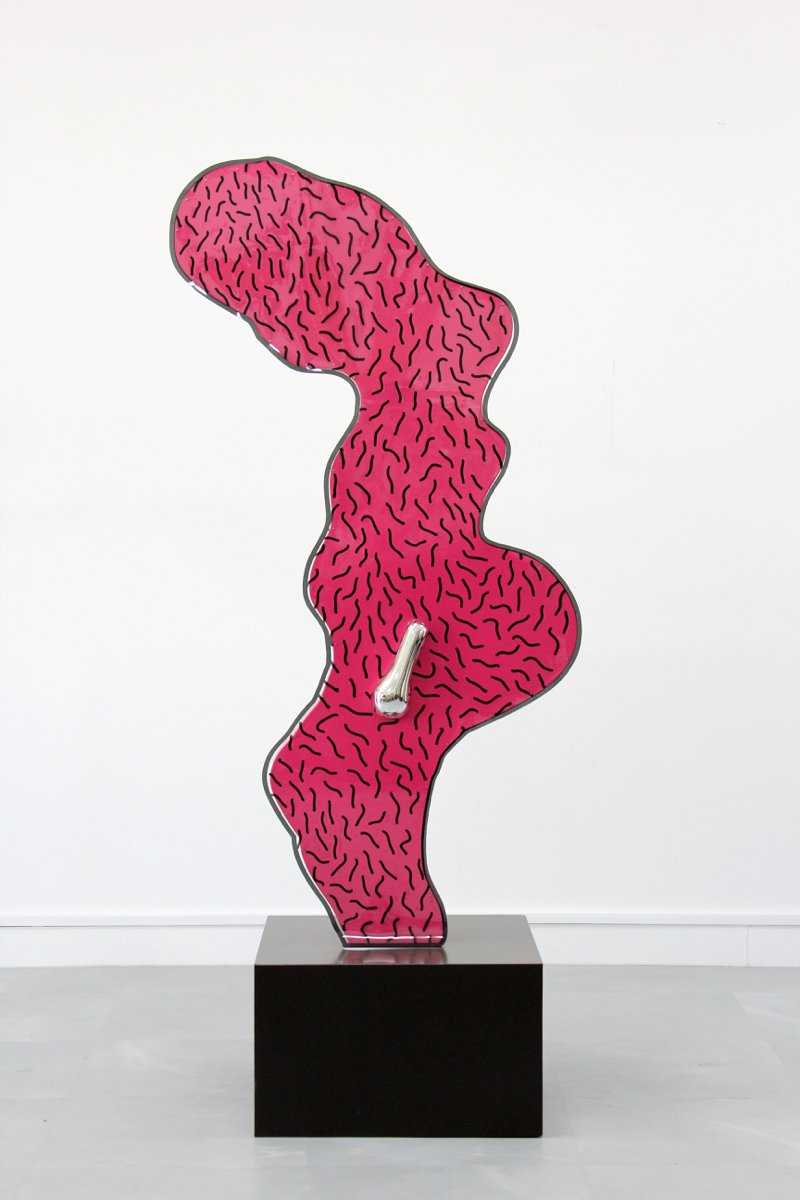
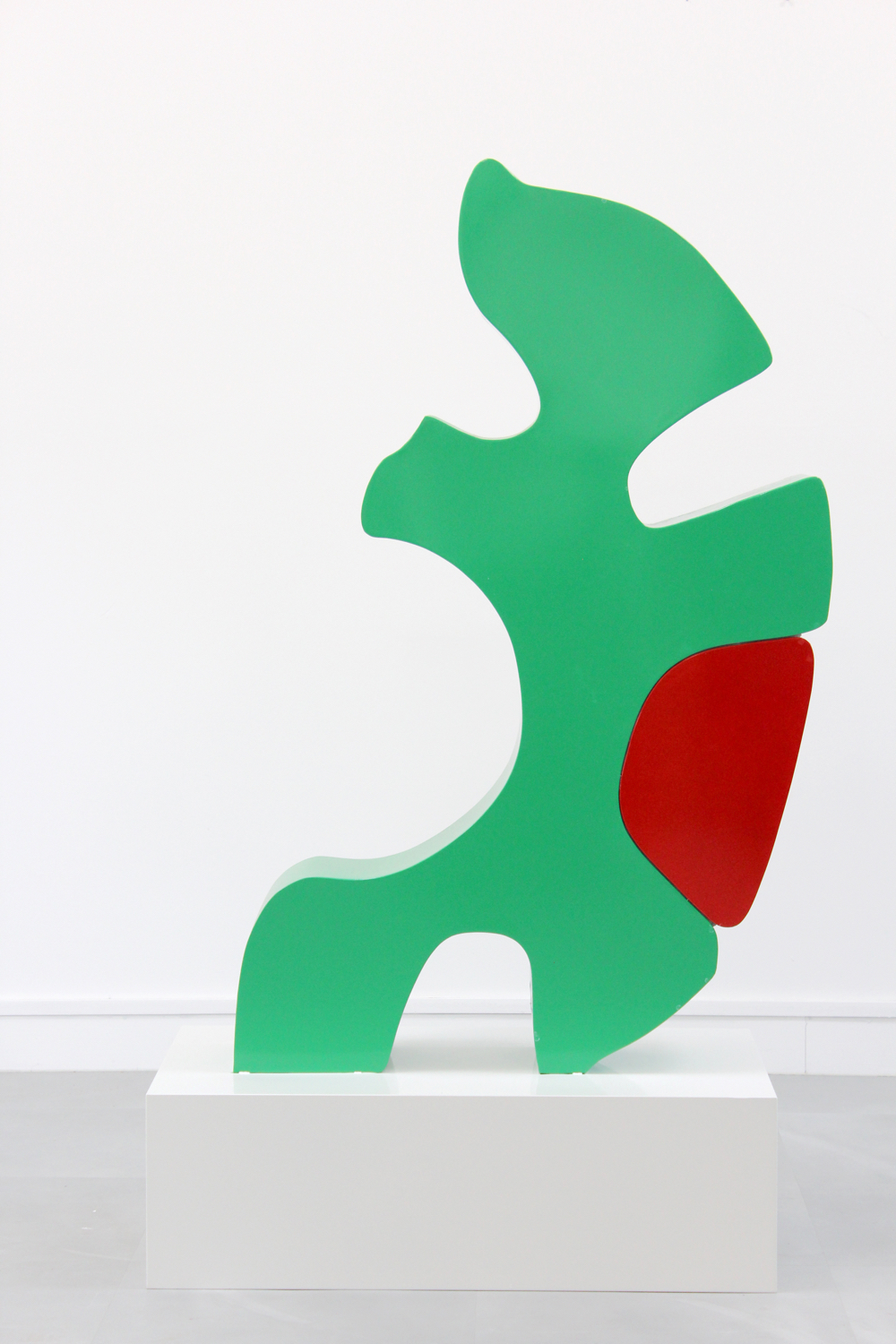
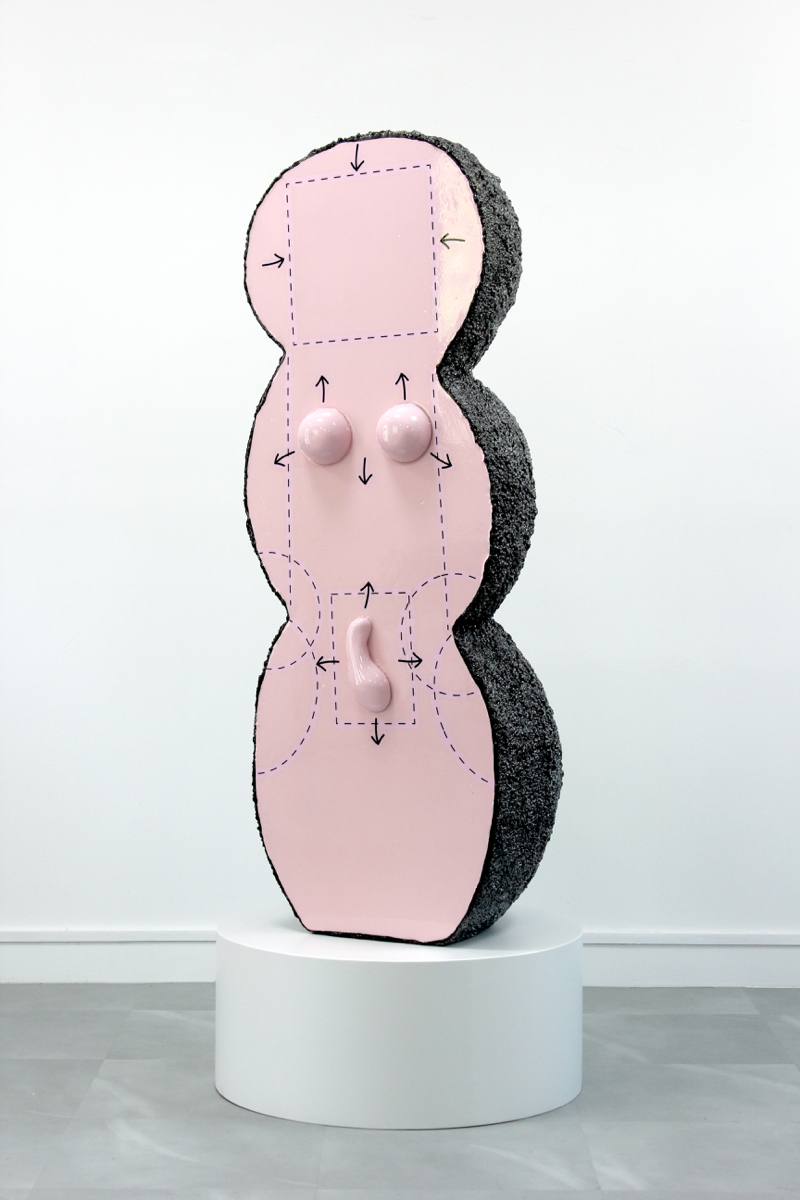
Haneyl Choi graduated from Seoul National University's Dept. of Sculpture and received a master's degree from Dept. of Fine Arts at the Korea National University of Arts. He is a represented artist of P21 and currently lives and works in Seoul.

Esther
Schipper is pleased to announce 《Dui Jip Ki》, a two-part exhibition of
contemporary Korean art presented this summer at our Berlin and Seoul
galleries.
Curated
in close cooperation with Esther Schipper, Seoul, 《Dui Jip Ki》 brings together artists across
five generations who work in a variety of media. The exhibition is a
celebration of the gallery’s long-standing relationship with Korea, coming just
shy of the first anniversary of the opening of our location in Seoul.
The
work of all eight artists (seven in Seoul) connects in specific ways to the
rich history of Korean contemporary art. Engaging critically with social and
political ideas, employing alternative conceptual strategies, addressing
subverted identities and parallel histories, or renewing traditional techniques
and materiality, the works in 《Dui Jip Ki》 can be taken as an aesthetic journey of origin, development, and
emergence.
The
exhibition’s title, “Dui Jip Ki”, a term taken from an action and its
corresponding associations, relates to the heterogeneity of artistic practices
on view. In Korean the act of flipping something over to the other side is
referred to as 뒤집기, Dui Jip Ki,
and has multiple applications; it can be said of something domestic, such as
turning over a pancake, but may also refer to a change of mind, an opening to
alternative ideas. It is also the term used in traditional Korean wrestling for
turning and pinning down an opponent through back-breaking strength to claim
victory.
The
established narrative of the development of Korean culture during the last
fifty years has been characterized by dichotomies. The social-political origin
of contemporary Korea and contemporary art within Korea is formed by
oppositional contrasts such as North vs. South and Abstraction (Dansaekhwa) vs.
Social Realism (Minjung).

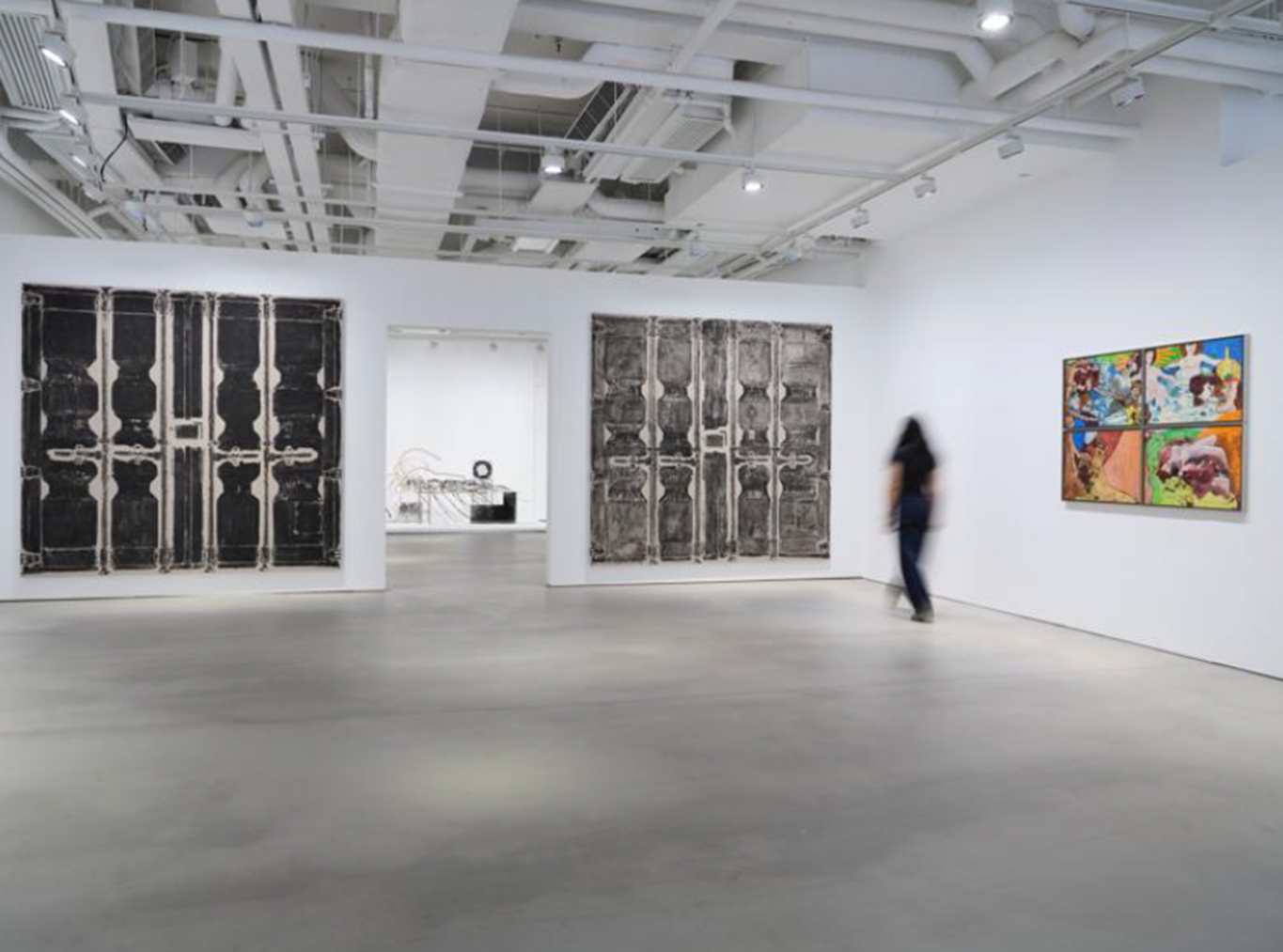
The
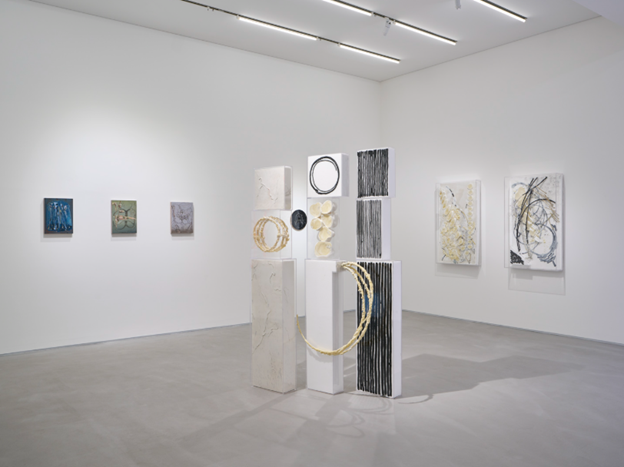
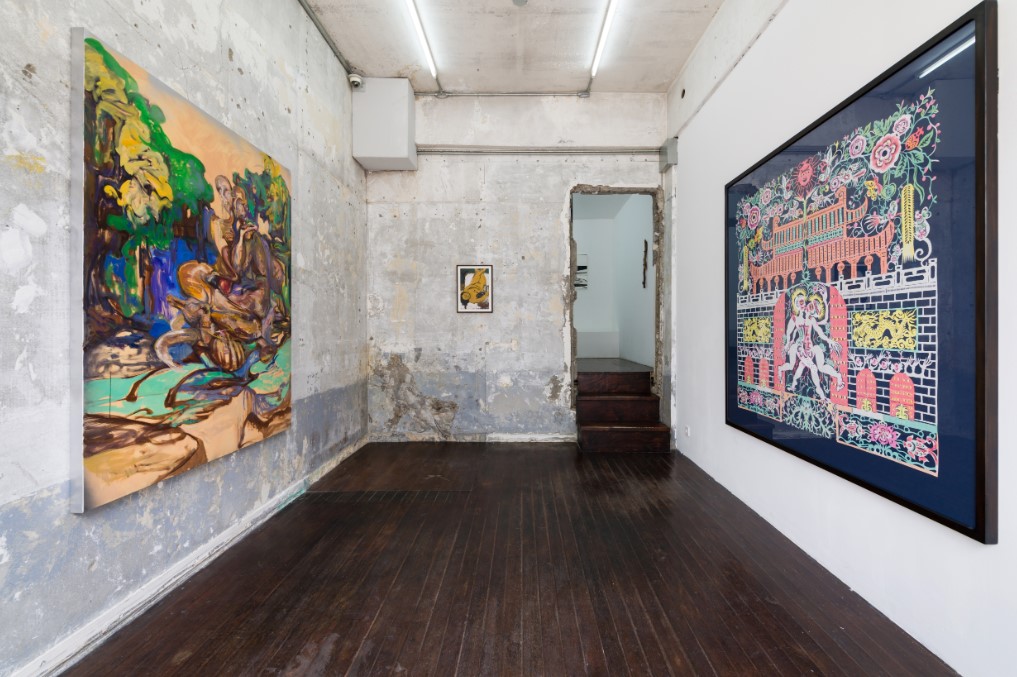
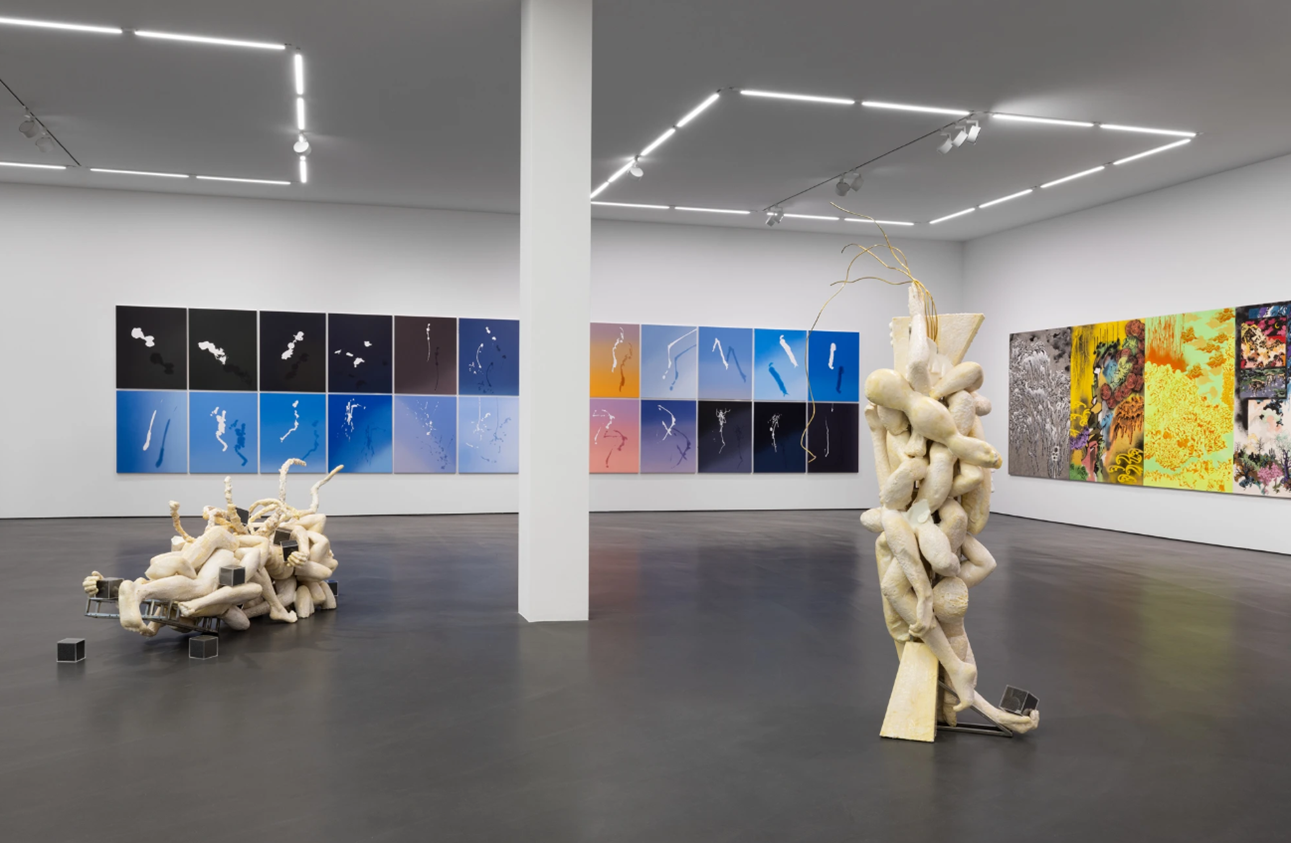
artists exhibited in 《Dui Jip Ki》 have found ways to work within long established media of painting
and sculpture in highly original and alternative ways. Four conceptual
groupings structure the exhibition: 1. Alternative origins, artists that found
ways to work outside of the two established schools of Minjung and Dansaekwha:
Hong Joo Kim. 2. Transformative materiality, artists that allow nature and
natural processes to create work: Lee Bae and Taek Sang Kim. 3. Subverted
Histories, artists whose personal histories and identities have been
purposefully lost or hidden: Jin Meyerson and Haneyl Choi. 4. Young artists who
are using the Korean Idea of New Tro or New Retro to create innovative work
with traditional methods: Donghyun Son, Hyunsun Jeon, and Suyeon Kim.
Born
in 1945, Hong Joo Kim remained outside of the two dominant postwar art
movements. His practice is experimental and varied and has gone through
physical and conceptual explorations that include performance, assemblage,
sculpture, installation, eventually returning to painting. On view will be
works from his series of meditative paintings of abstract and plant forms that
are both a conceptual gesture and a celebration of craftsmanship.
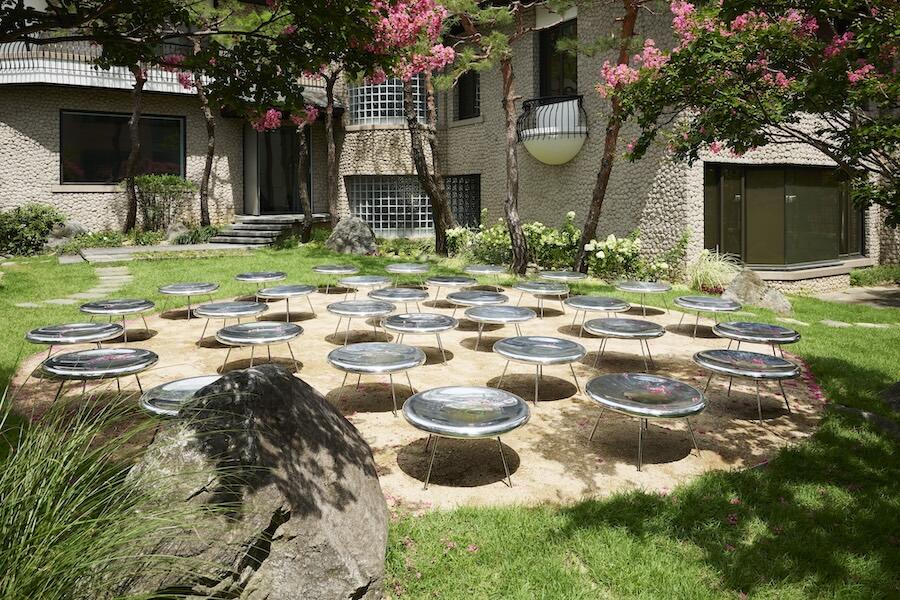
Both
Taek Sang Kim (b.1958) and Lee Bae (b. 1956) represent a second generation of
evolution within Korean contemporary art. Both artists employ elemental and
alternative conceptual transformational strategies within their artistic
processes, creating a bridge between post-war monochrome painting and
contemporary art.
Taek Sang Kim engages with a transformational process of
water, air, fabric, and paint to create richly saturated paintings that don’t
give away their sophisticated conceptual environmental process, eventually
arriving at a pure and simple autonomous form. Lee Bae’s work honors the
rituals and traditions of Korean folk culture and craft. Using wood, fire, and
Hanji (Korean Mulberry paper) to produce sculpture, installation, drawing, and
assemblage, charcoal represents a central transformational material in his
practice.
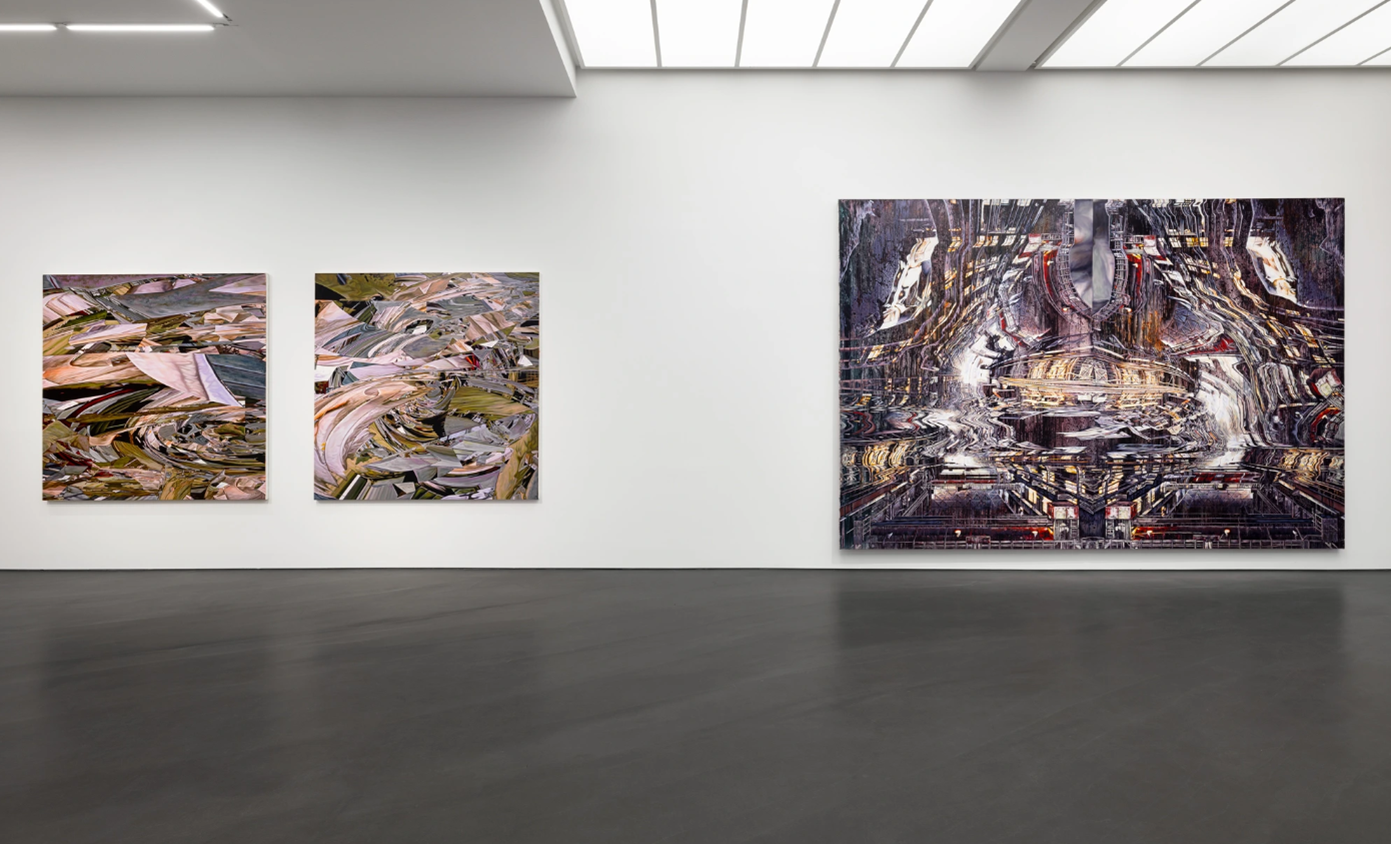
Jin
Meyerson’s (b. 1972) experience as a displaced Korean adoptee to the US is at
the core of his artistic practice. Meyerson’s paintings bridge the established
languages of abstraction and figuration, drawing from critical conversations
about crisis, recovery, and renewal.

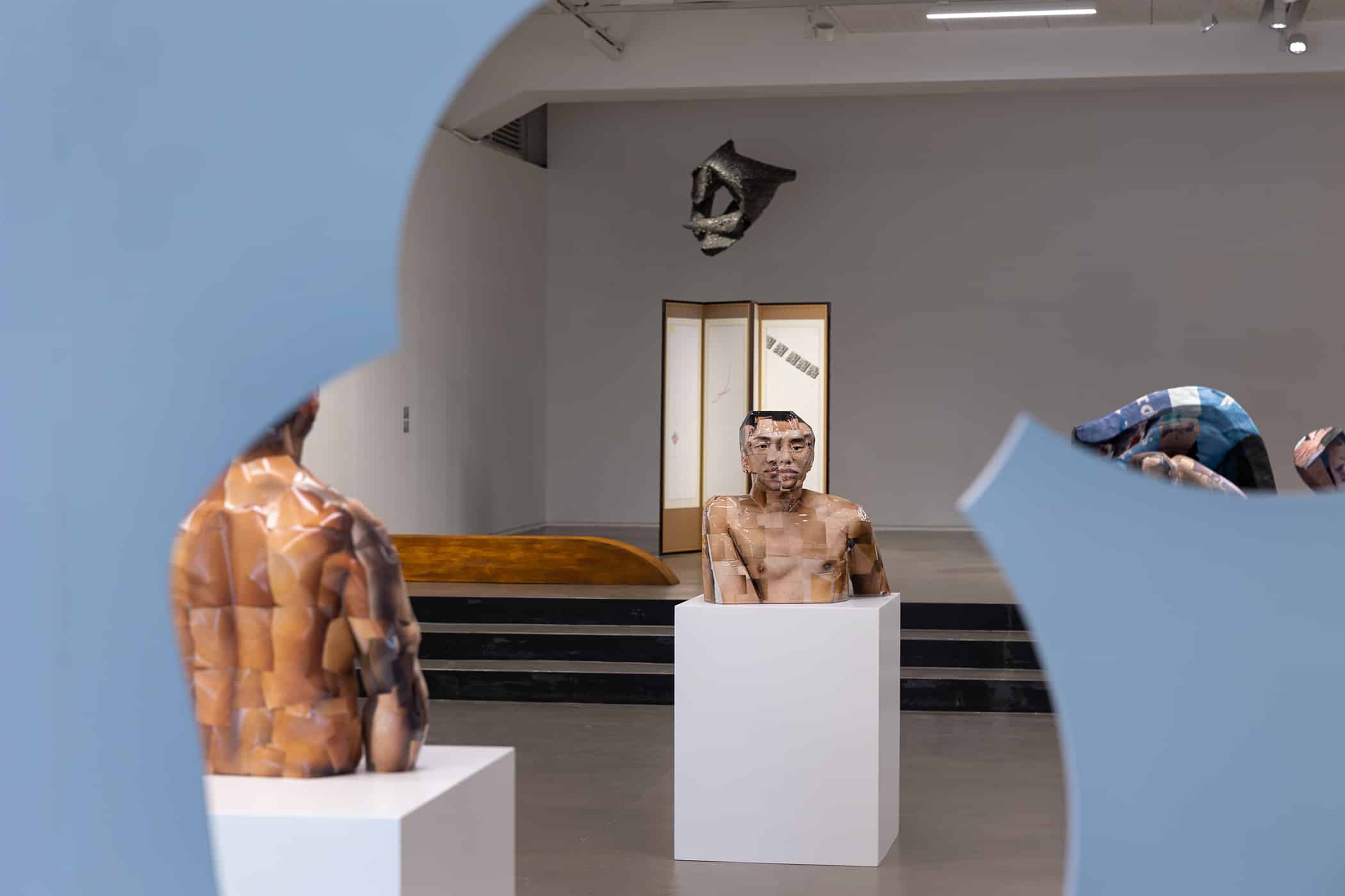
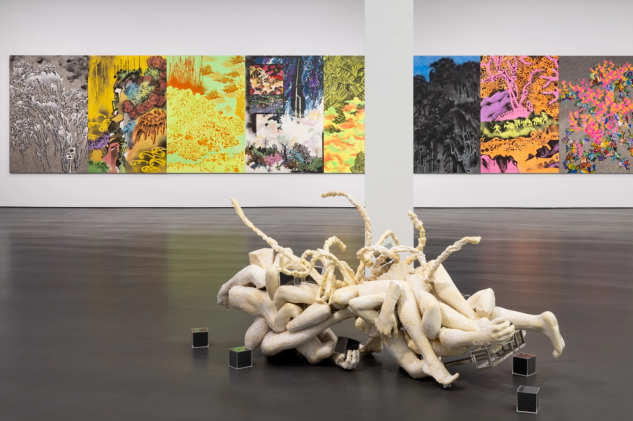
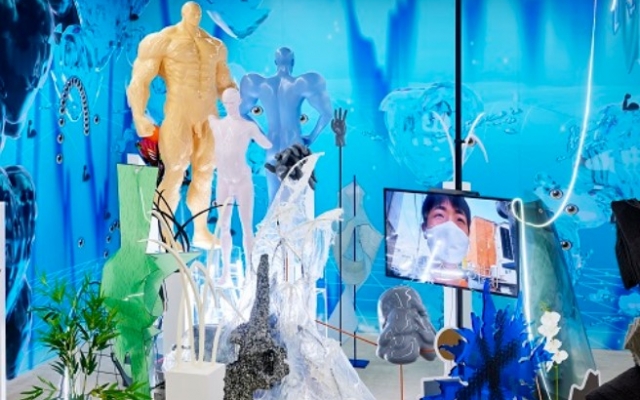
Haneyl
Choi (b.1991) is a pioneer of sculpture and Queer identity as one of the first
openly gay artists in Korean contemporary art history. Constructed from
ready-made found objects, printed plastics, coded symbols, digital and video
elements, Choi’s work constantly transcends the boundaries of what it means to
be a sculptor.
In
the generations born in the 1980-90’s, many women have achieved critical and
commercial recognition. Hyunsun Jeon and Suyeon Kim have led the way in
establishing the rise of female artists in a traditionally male-dominated
society. Along with Donghyun Son, these artists are linked by alternative
approaches to traditional materials and concepts.
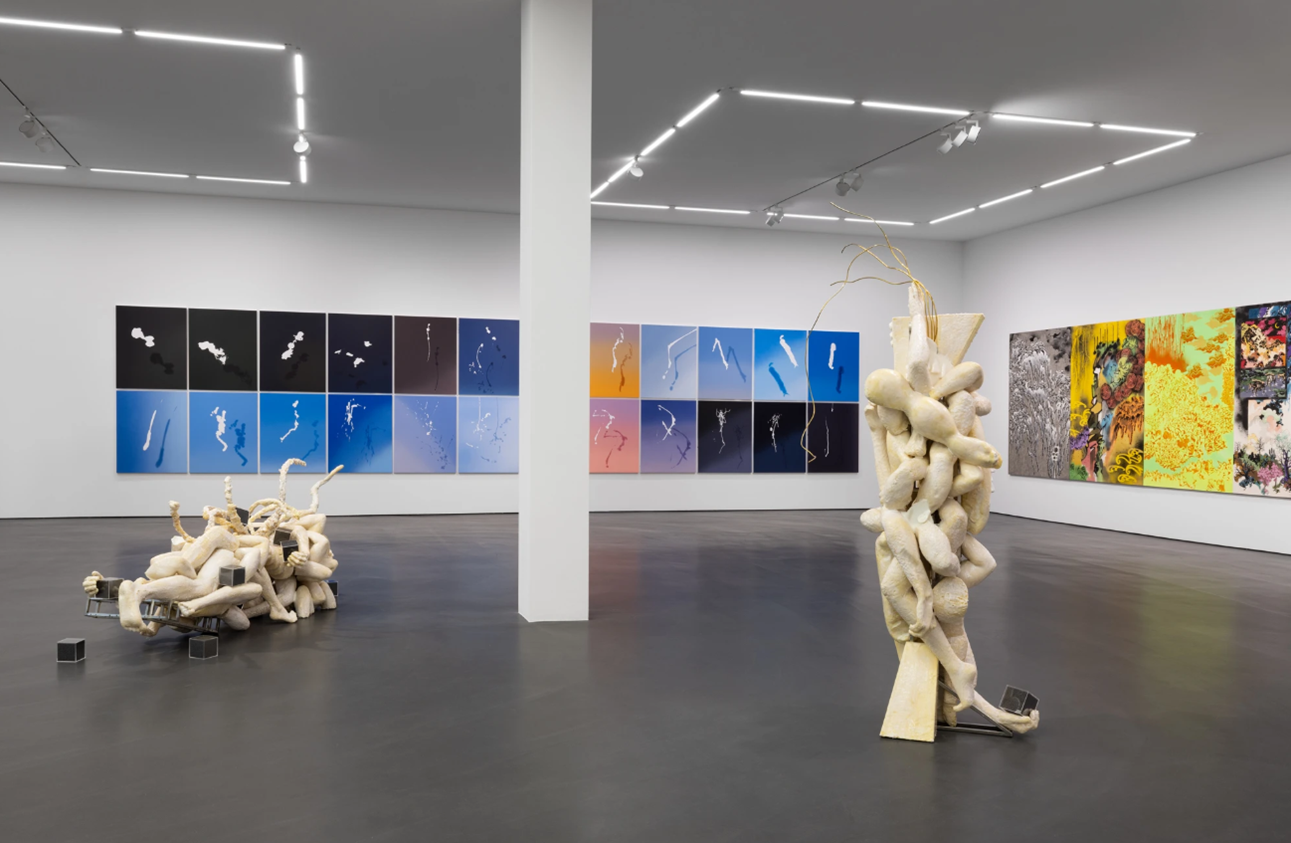
Hyunsun
Jeon (b. 1989) has invented a unique pictorial language that employs a distinct
chromatic palette. Drawing on varied scales of representations, her formal
vocabulary is suspended between symbolic geometry and suggestive landscape. The
geometric forms in her paintings are often echoed in the three-dimensional
structures in which she stages her works.
Suyeon
Kim (b. 1986) employs a wide range of layered conceptual strategies to create
her paintings, most recently conceiving of an environmental intervention to
produce paintings by suspending a brush and letting the wind move it across the
canvas.
Donghyun
Son (b. 1980) employs a deliberately eclectic combination of formal and
conceptual themes in his work. His practice veers imaginatively between Eastern
and Western aesthetic sensibilities, at times using the basics of oriental
landscape painting to deconstruct it.