Exhibitions
《From Berlin to Seoul: Crossing Horizons》, 2023.07.07 – 2023.08.24, CHOI&CHOI Gallery, HORI Artspace, and AIF Lounge, in collaboration with Bermel von Luxburg Gallery
July 07, 2023
CHOI&CHOI Gallery, HORI Artspace, and AIF Lounge, in collaboration with Bermel von Luxburg Gallery
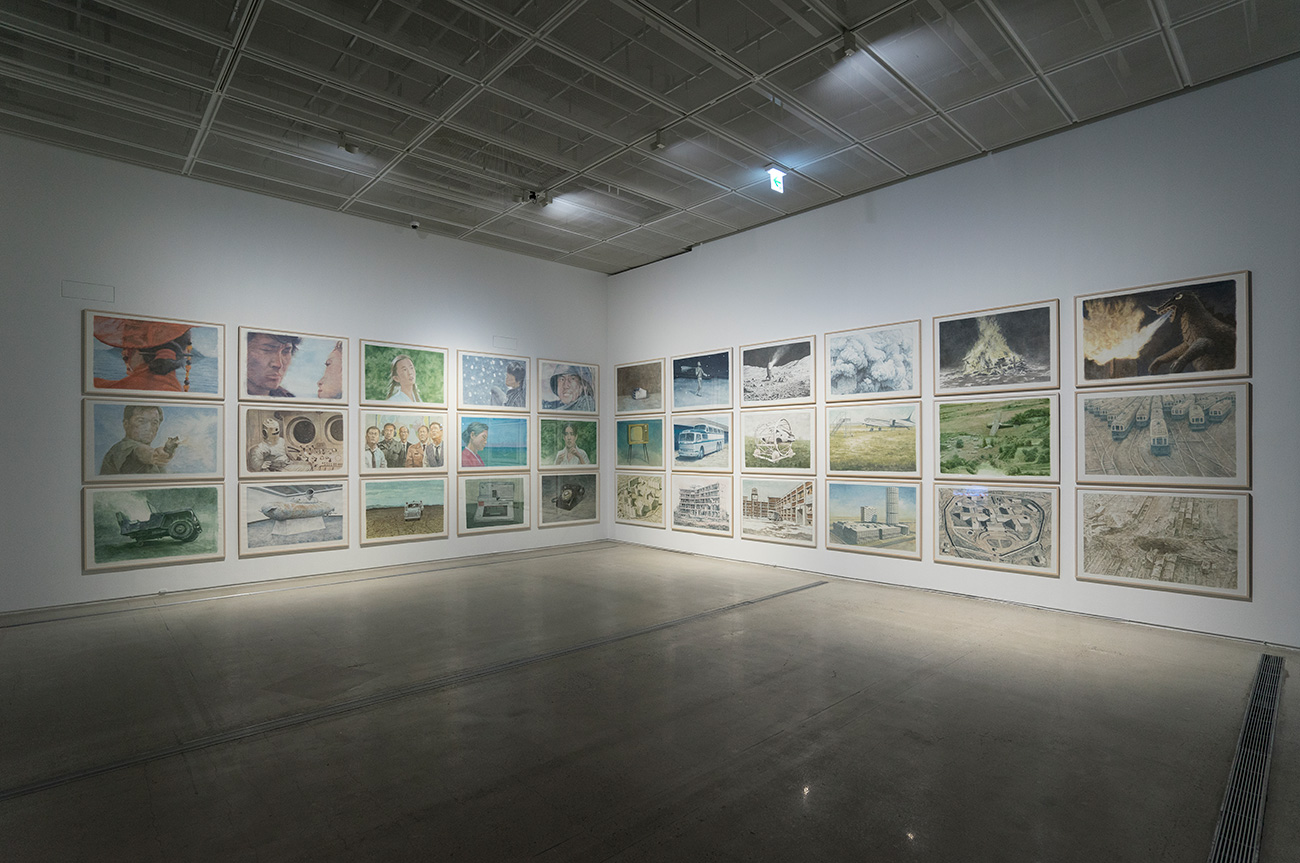
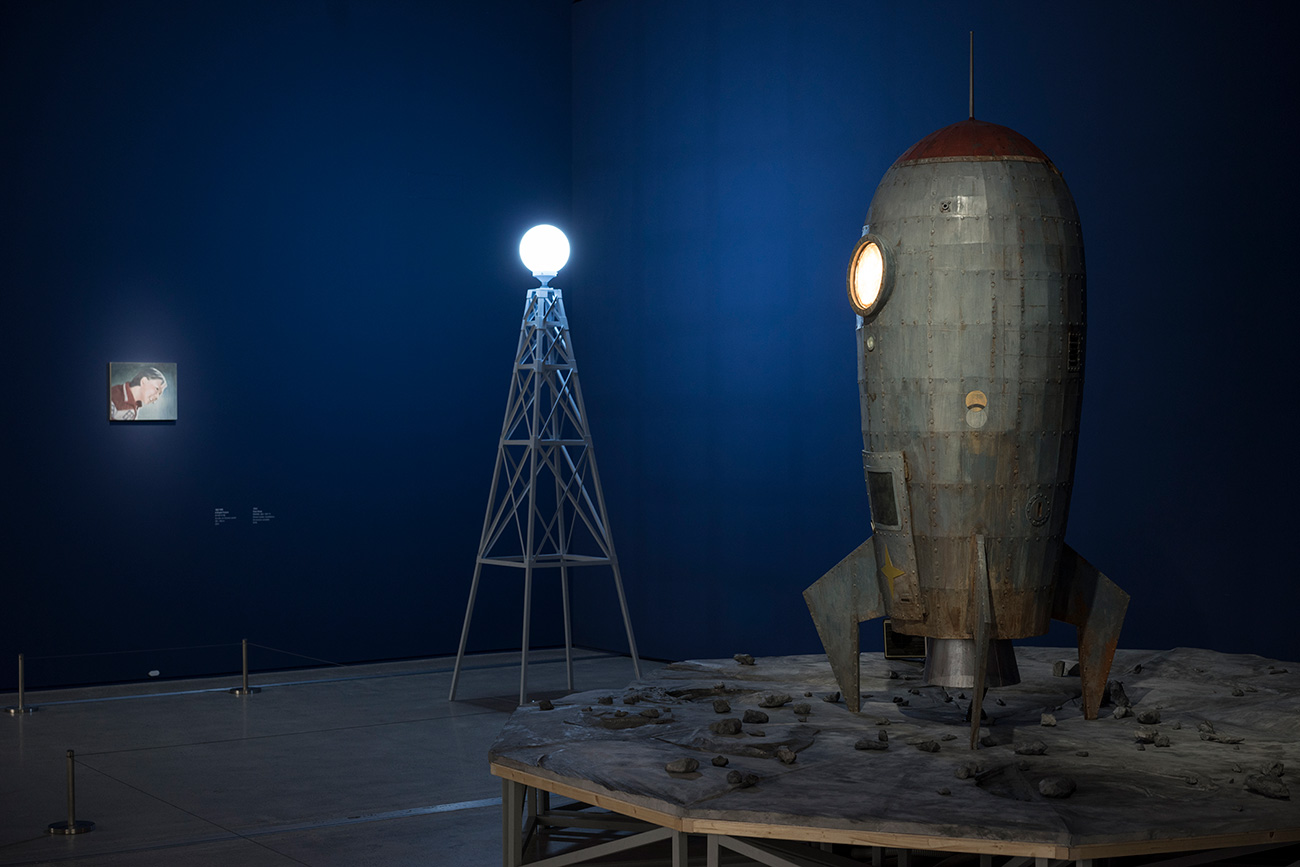
 Installation
view of 《From Berlin to Seoul: Crossing Horizons》 © CHOI&CHOI Gallery
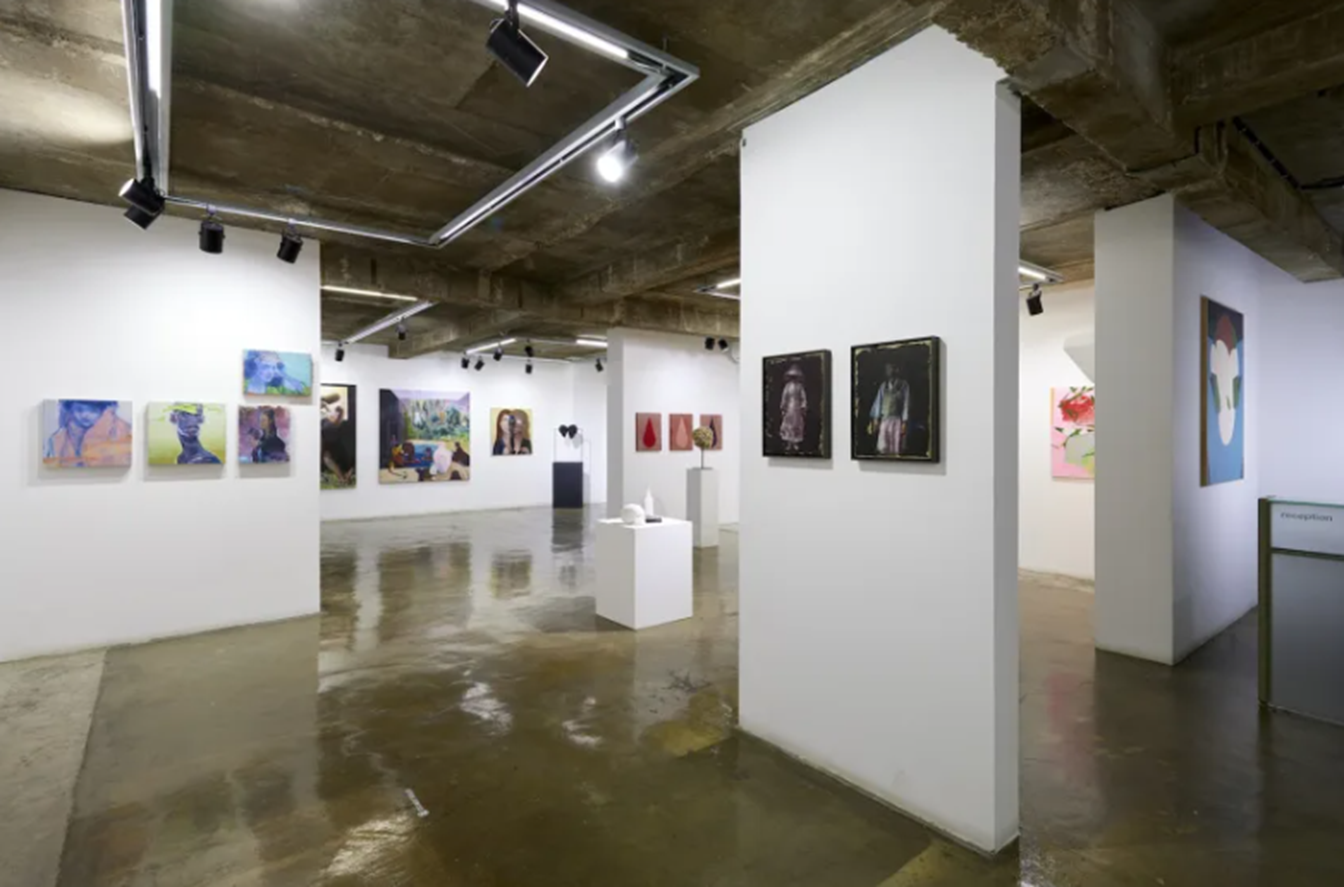
Installation
view of 《From Berlin to Seoul: Crossing Horizons》 © CHOI&CHOI Gallery
CHOI&CHOI
Gallery, HORI Artspace, and AIF Lounge, in collaboration with Bermel von
Luxburg Gallery, present 《From Berlin to
Seoul: Crossing Horizons》. The exhibition celebrates a
significant milestone in the cultural exchange between Germany and Korea,
marking 140 years of artistic dialogue, collaboration, and mutual inspiration
between the two nations.
Following the success of the group exhibition 《Berlin meets Seoul: Being Human》 in Berlin
last year, this collaborative endeavour features the works of eight Korean
artists and eight German artists. Whilst each of the 16 artists displays a
unique approach to conveying their visual narratives, they share a common
exploration of identity and existence.
Through
their diverse artworks, the artists offer a captivating glimpse into the
contemporary art scenes of both countries, whilst unveiling the
interconnectedness of the human experience and the universality of artistic
expression. Either through their own personal experiences or by examining
broader societal and cultural contexts, they explore how individuals define
themselves and their place in the world, often challenging established norms
and questioning social constructs.
Many
artists delve into forms of societal and cultural structures, which serve as a
recurring motif in their artworks. Ung Pil Byen's portraits deliberately omit
specific details to investigate how societal constructs, rooted in appearances,
influence our understanding of culture and identity. Ji hyung Song's
site-specific installations explore communal reciprocity through audience
participation, prompting viewers to contemplate their own identity within the
context of social contracts and cultural practices.
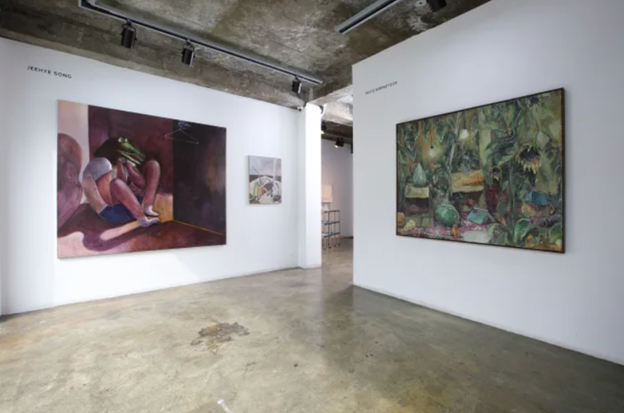
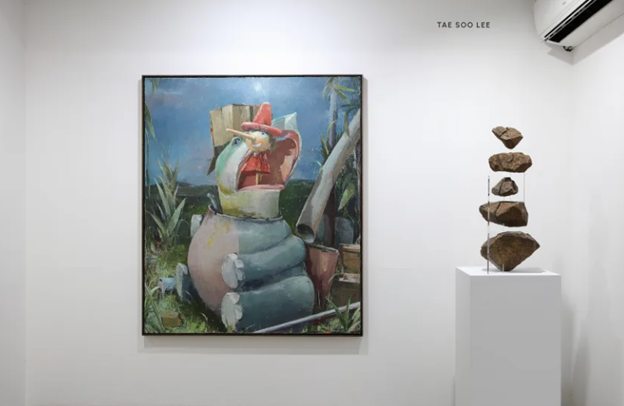 Installation
view of 《From Berlin to Seoul: Crossing Horizons》 © CHOI&CHOI Gallery
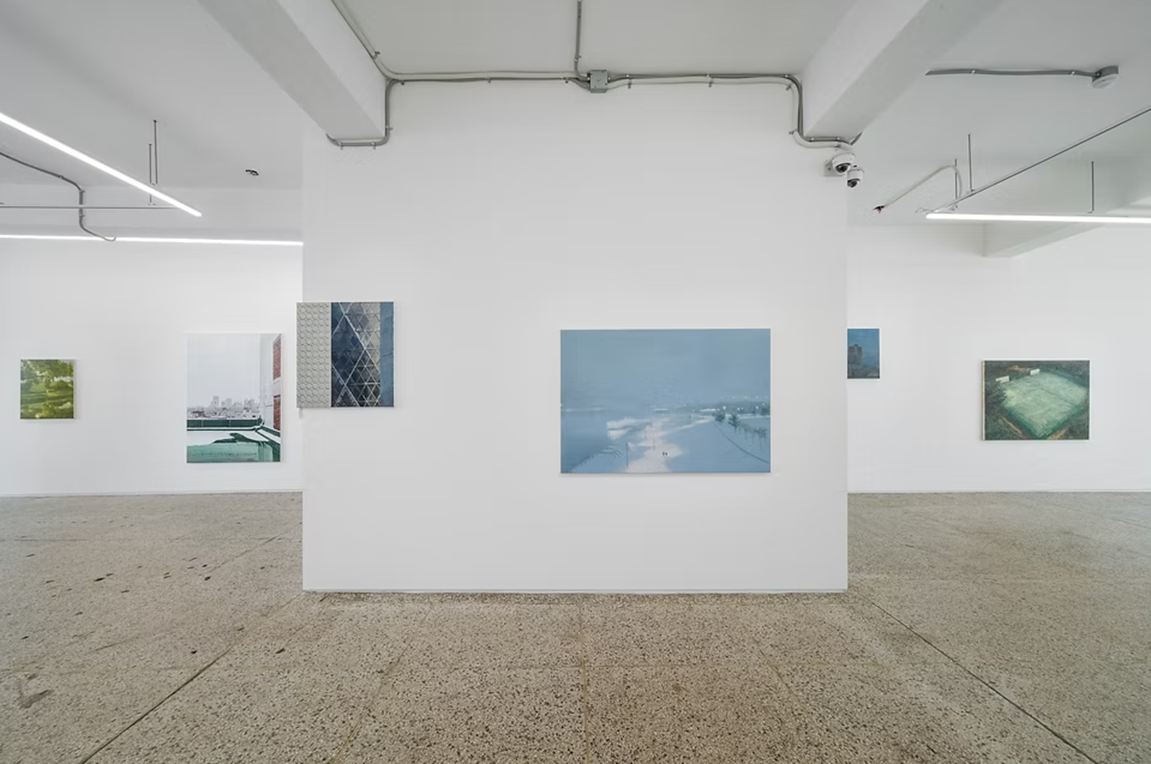
Installation
view of 《From Berlin to Seoul: Crossing Horizons》 © CHOI&CHOI Gallery
Helena
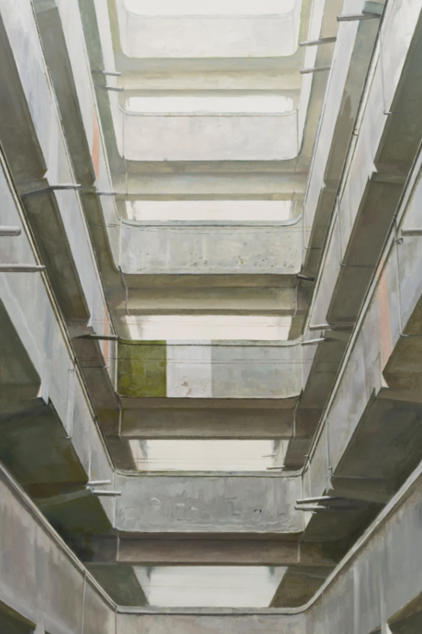
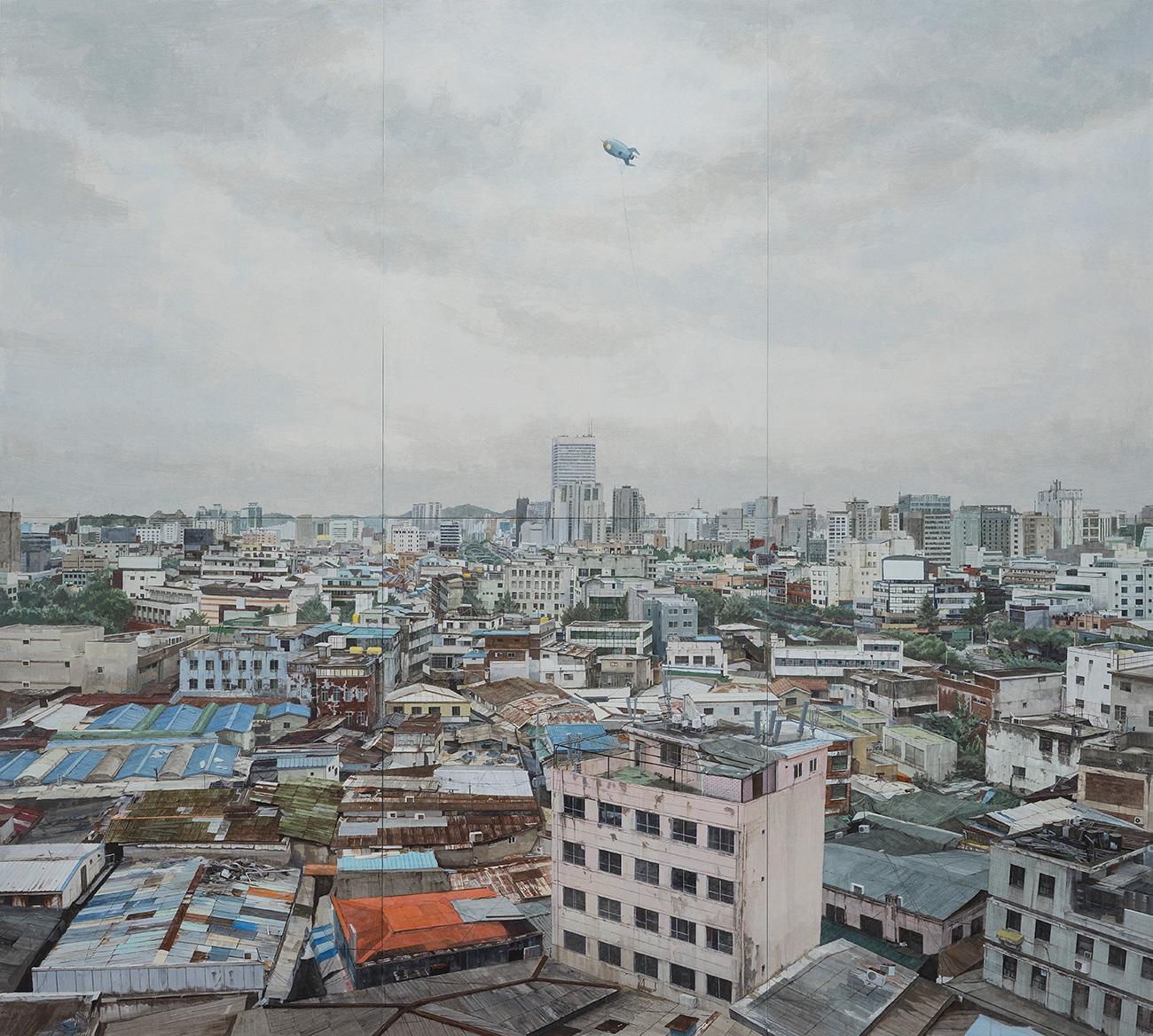
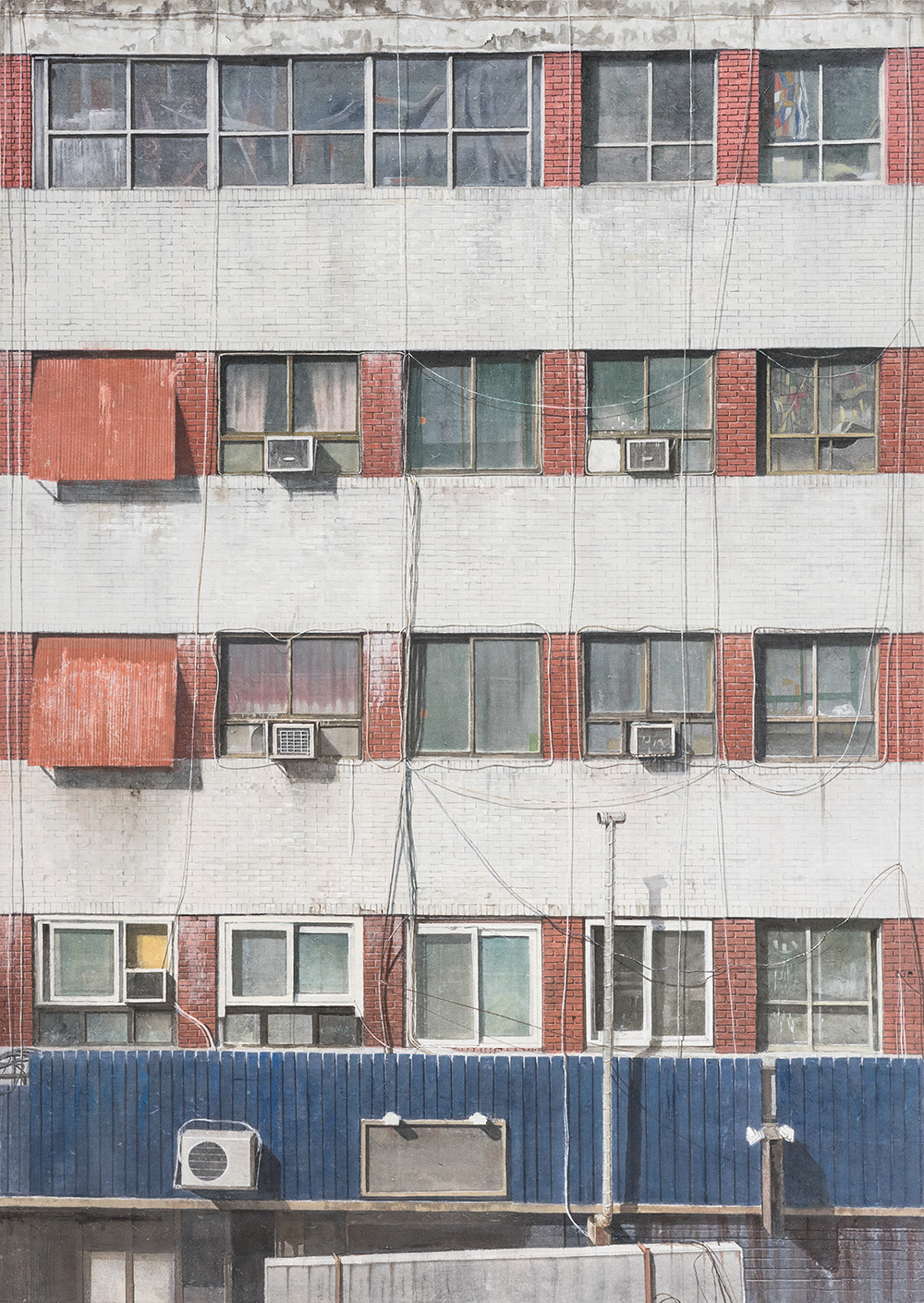
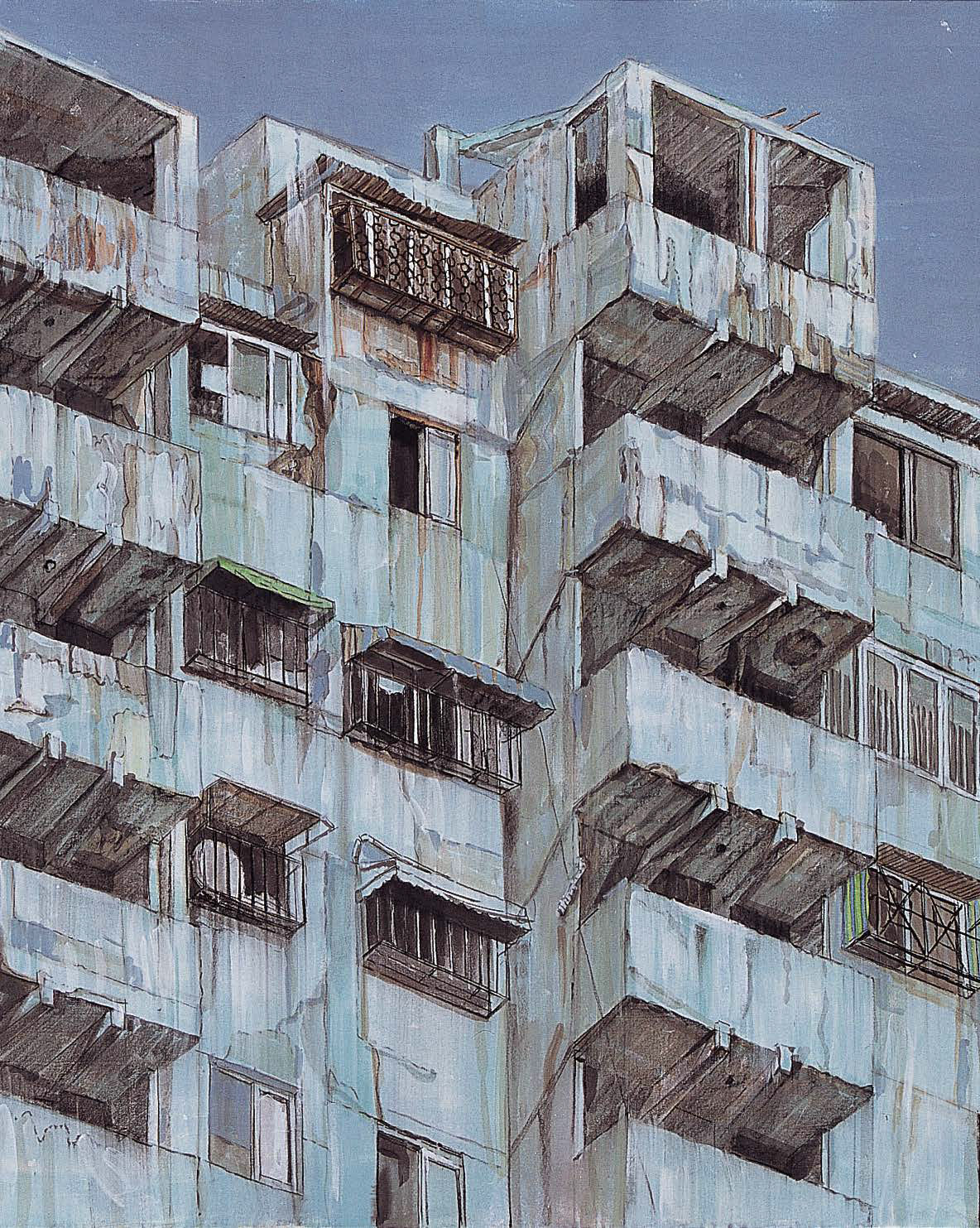
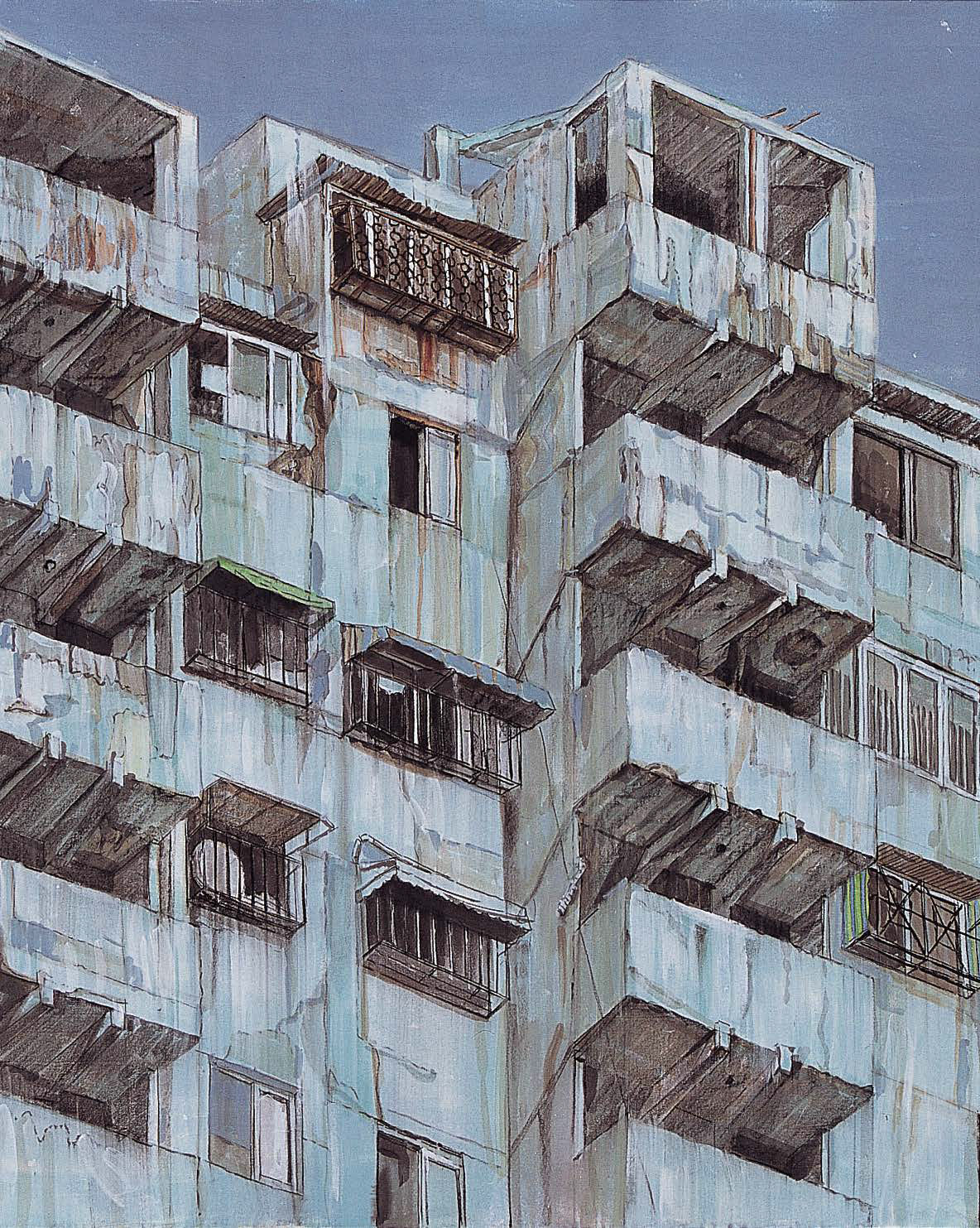
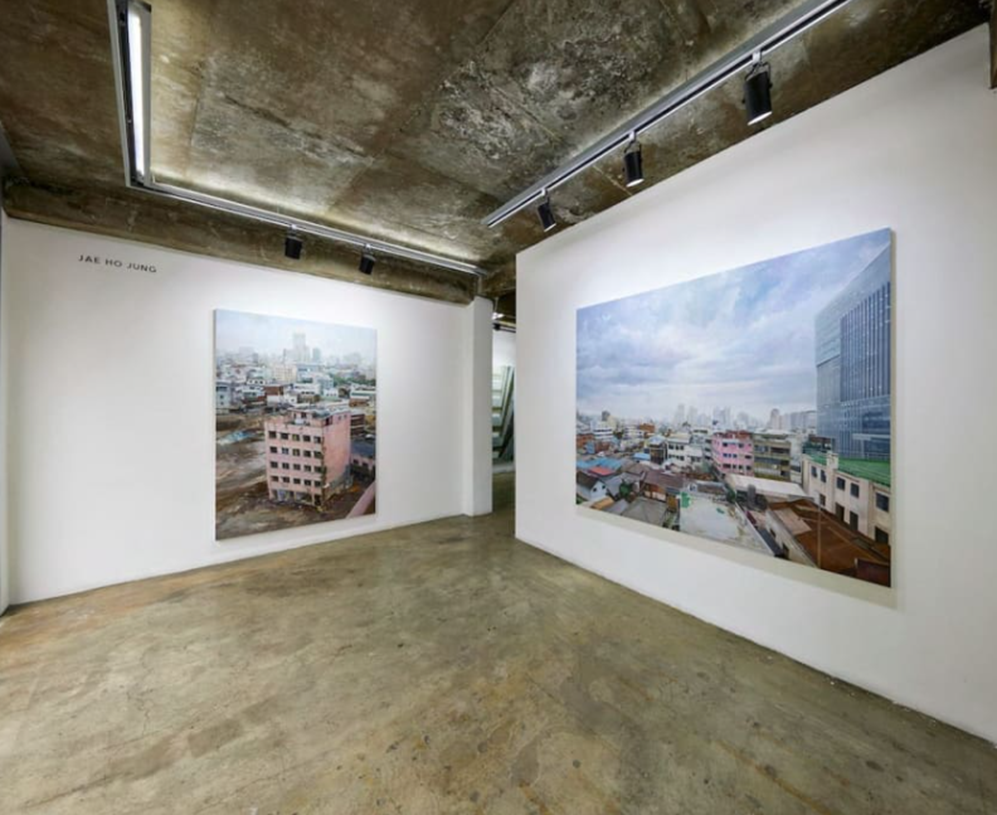
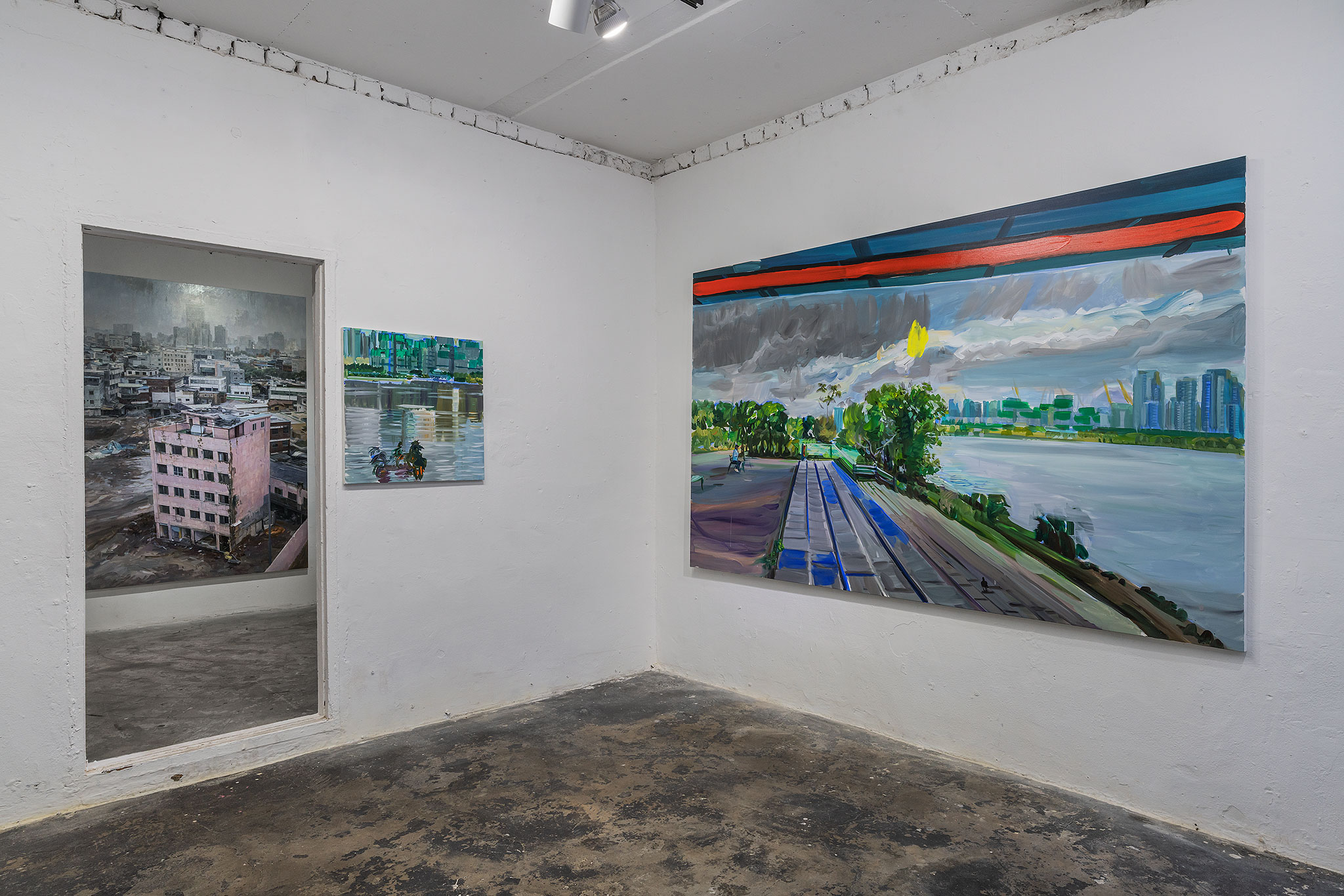
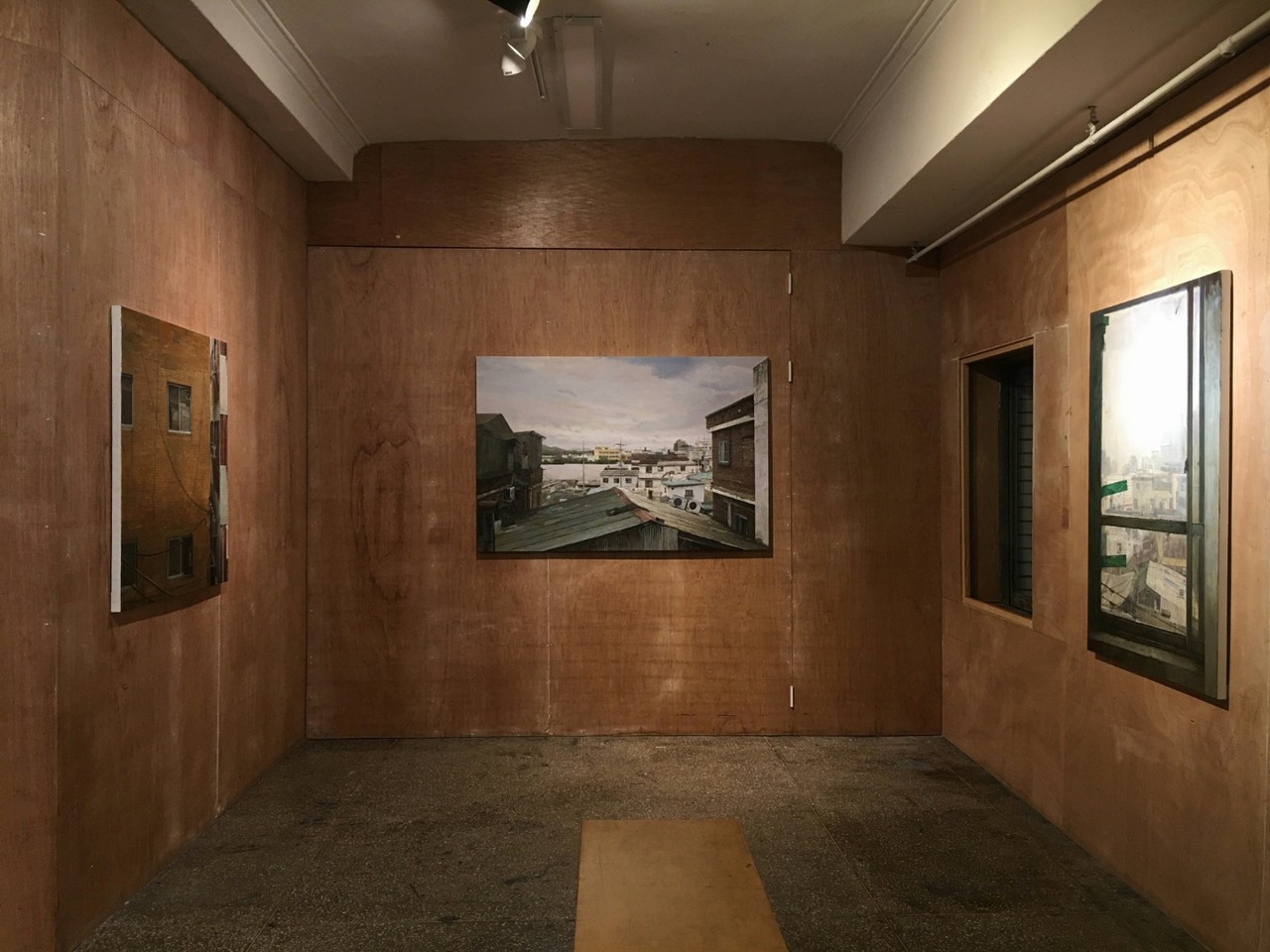
Parada Kim's Hanbok paintings, Jaeho Jung's depictions of worn-out buildings,
and Shinoh Nam's installations of architectural fragments all investigate the
significance of cultural symbols.
These works compel viewers to contemplate the
interplay between individual and cultural identities and encourage reflection
on collective histories and the ways in which we construct or deny them. They
offer unique interpretations of the connection between objects and personal
identities, shedding light on how conventions of the past continue to shape our
lives today.
Some
turn to the natural world to seek answers about our existence. Soyoung Chung’s
conceptual installations examine how we define ourselves within the larger
context of the world around us. Chung's exploration of identity expands beyond
individual experiences to encompass the broader concept of our relationship
with geopolitics or the laws of nature.
Robert Pan creates abstract worlds
evoking natural landscapes, celestial bodies, and chemical processes. Utilizing
resin-based techniques influenced by nature and its processes, Pan explores new
possibilities in embracing the natural world to advance one’s artistic vision.
Others
like Peter Herrmann lean toward the mundanity of urban environments, depicting
daily life situations, figures, city scenes, and everyday objects found in
Germany’s bustling capital. Jeehye Song transforms the absurdity of our
domestic life and daily activities into unusual situations and scenarios.
Their
shared emphasis on both humour and mundanity prompt viewers to re-examine the
significance of their own existence within the context of the ordinary. Fritz
Bornstück reassembles mundane items discarded by civilization through the
process of "cultural recycling," giving new meaning to once ordinary
and unwanted, thereby highlighting the absurdity of society’s current system of
values.
Some
artists challenge our conventional understanding of reality altogether through
their exploration of the environments that surround us. Susanne Rottenbacher's
light sculptures and installations utilize light and colour to dissolve
boundaries and challenge corporeality. These transformative spaces defy
established perceptions of reality, inviting viewers to contemplate their own
presence and existence.
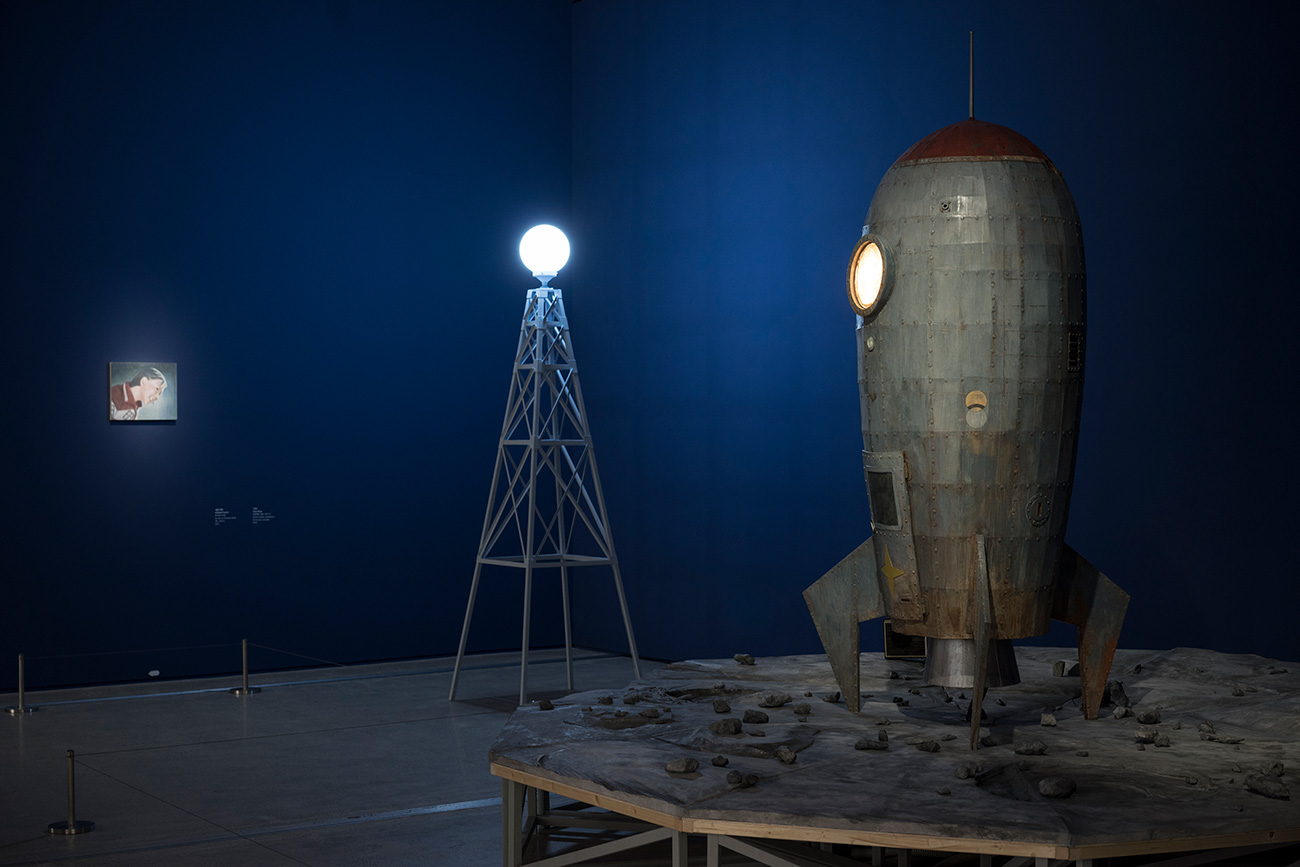
In a similar vein, Taesoo Lee challenges our
preconceived notions of the universe with his hyper-realistic sculptures. By
manipulating materials and defying gravity, he disrupts our perception of the
physical world, encouraging us, in turn, to reconsider our understanding of
existence itself.
Explorations
of the artists’ selves also manifests in their work. Sebastian Heiner taps into
his personal history, drawing upon his first-hand experiences of witnessing the
artistic principles from diverse cultures. He deftly weaves elements of Western
and Eastern practices to complete his geometric tableaux of subconscious and
forgotten dreams.
Lev Khesin’s work explores his own identity as an artist,
blurring the boundaries between painting and sculpture. He uses silicone and
pigments to create lumps of coloured substance with a depth resembling precious
stones. Khesin challenges established rules of painting and urges others to
embrace new possibilities in defining the art form.
Both
Wonkun Jun and David Lehmann delve into the realm of emotions and
self-expression through their respective styles. Their mutual focus on
materiality and the painting process itself attests to their continued
exploration of what it means to be a painter. Jun’s paintings manifest his
sensitivity and emotions through colours, which were only achieved through
repeatedly applying and removing layers of paint over the span of several
months.
He expresses his understanding of identity and existence as inherently
connected to our emotions and how we perceive the world around us. Similarly,
Lehmann captures his own intricate emotional and psychological states in his
paintings, skilfully combining spontaneous brushstrokes and delicate touches to
create a harmonious fusion of styles.