Exhibitions
《Father's Day》, 2009.10.06 – 2009.10.25, Gallery Hyundai
October 05, 2009
Gallery Hyundai
 Jaeho
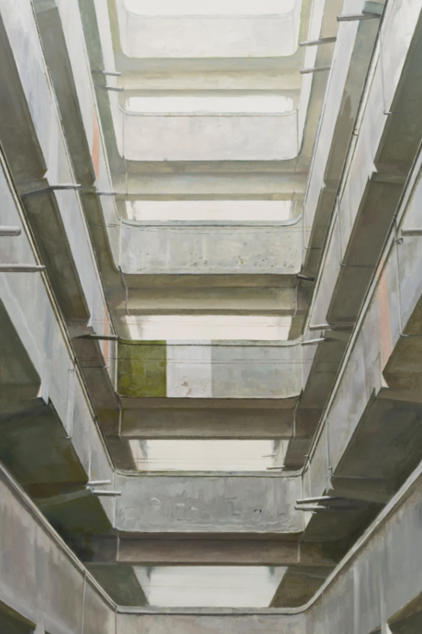
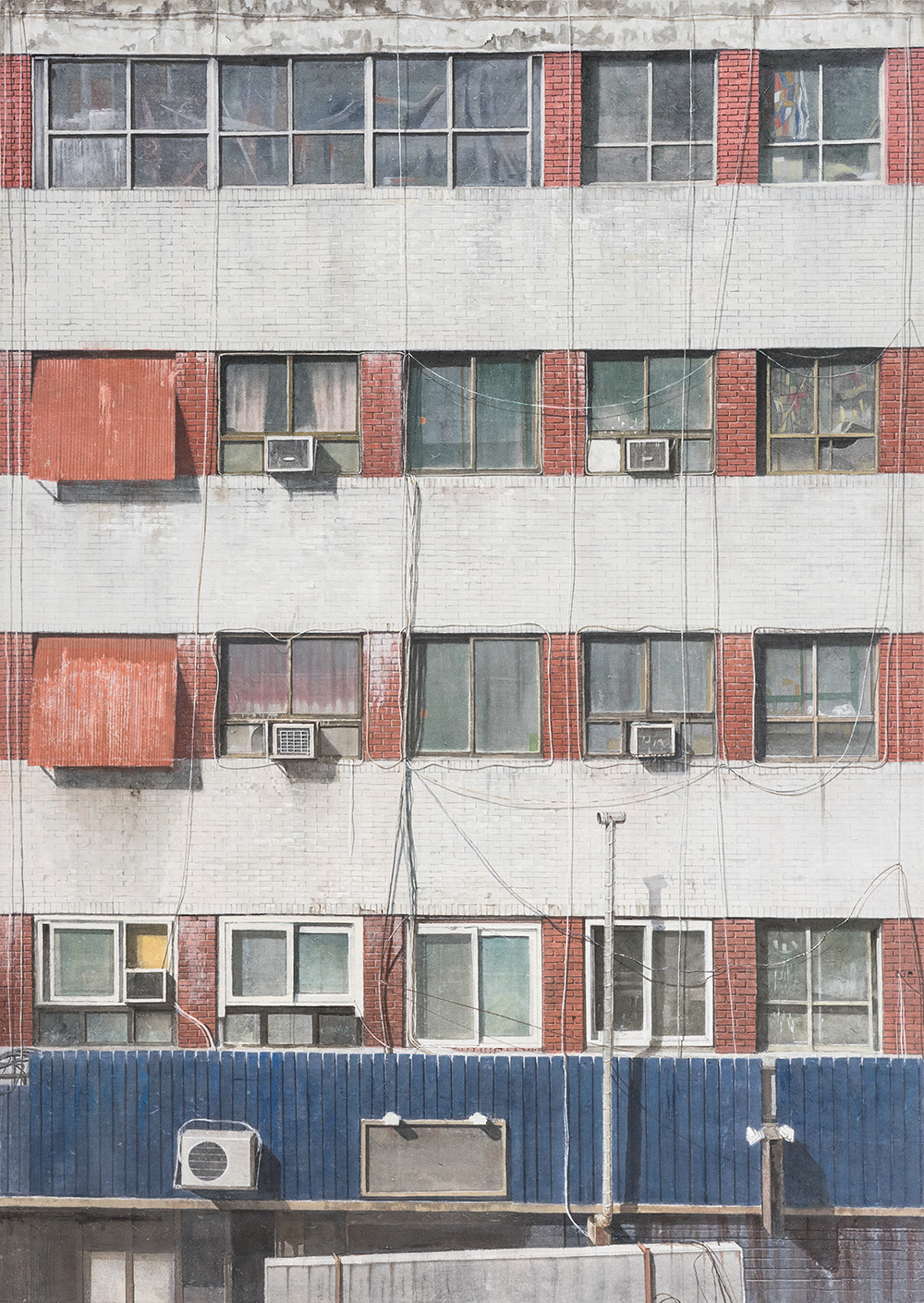
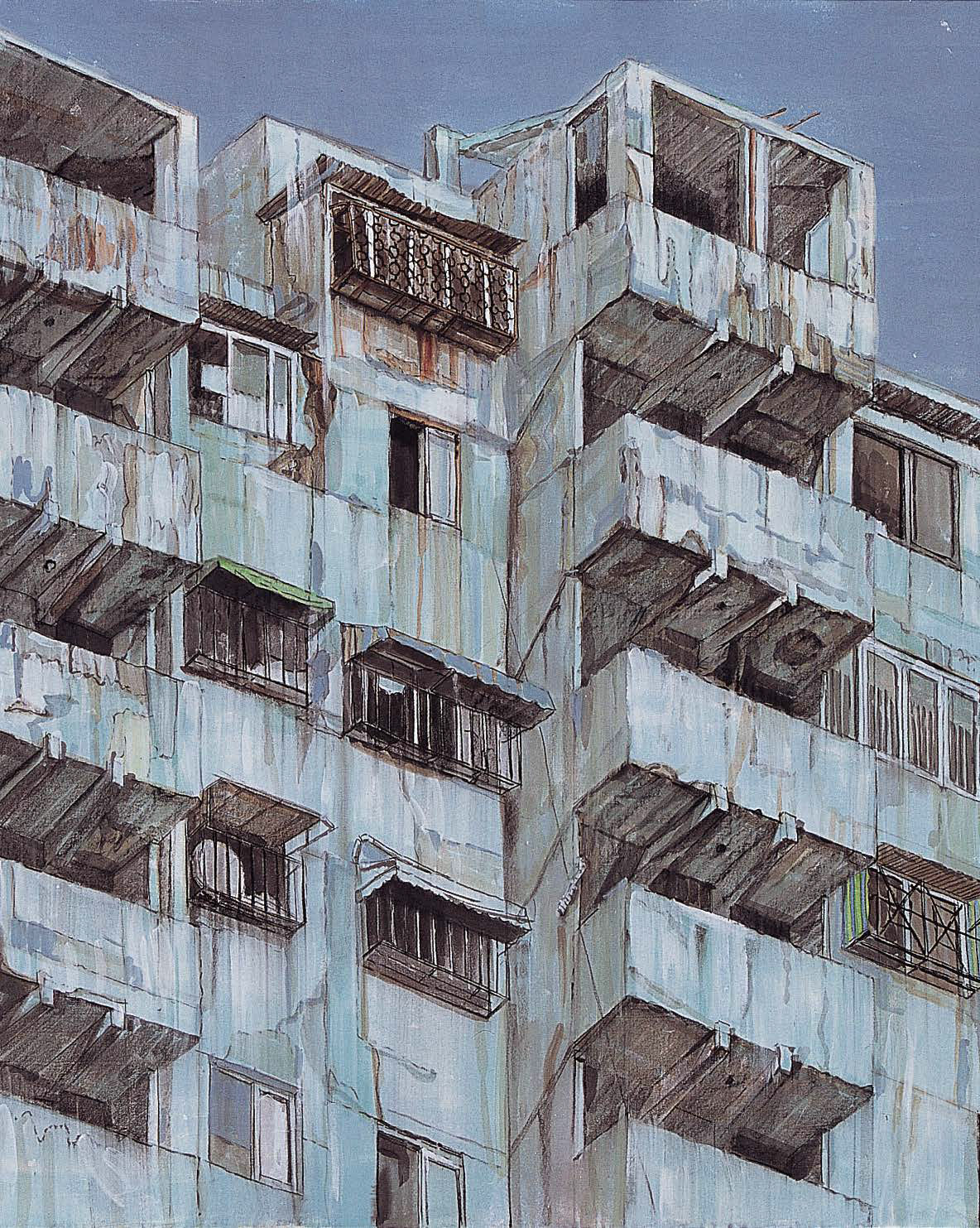
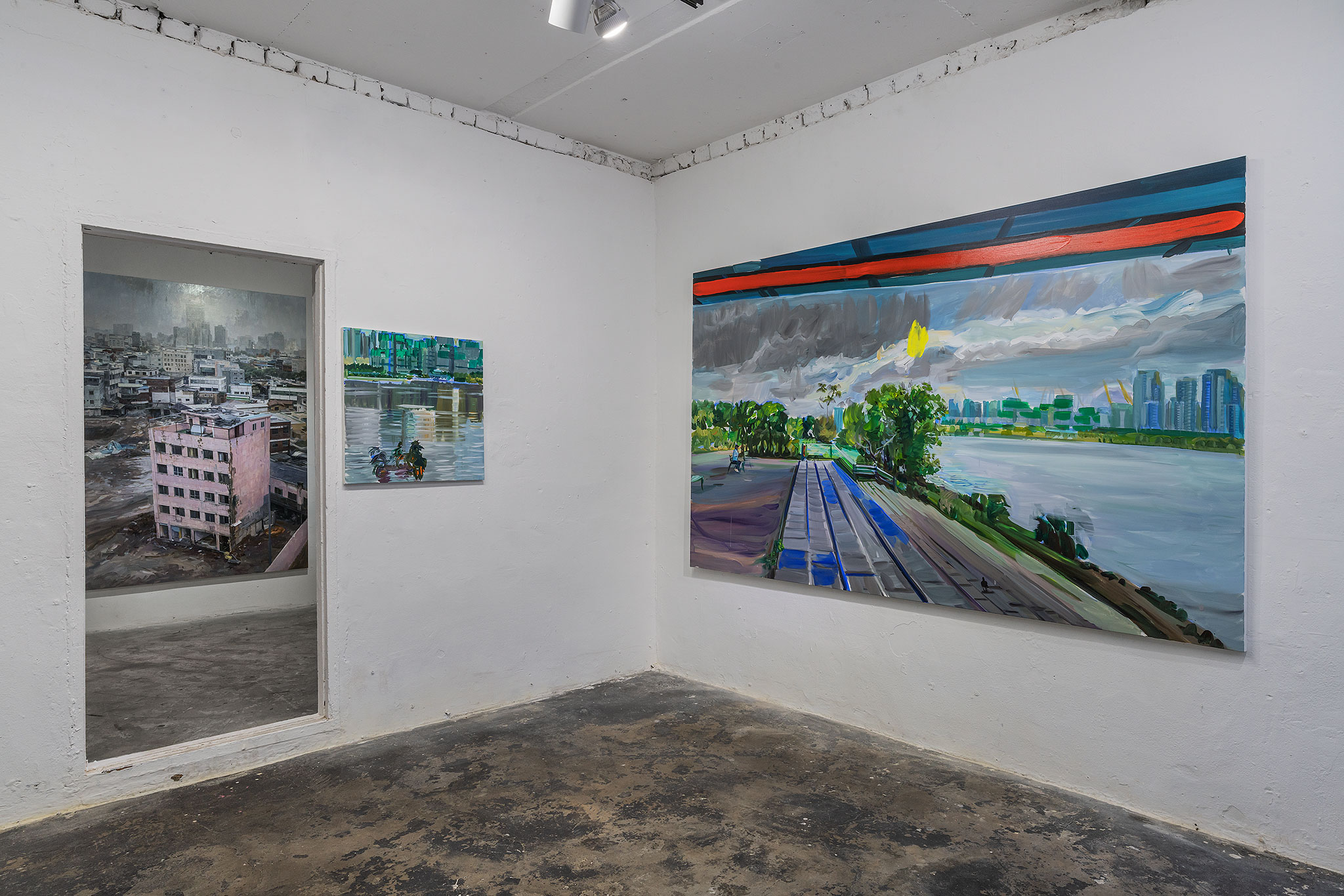
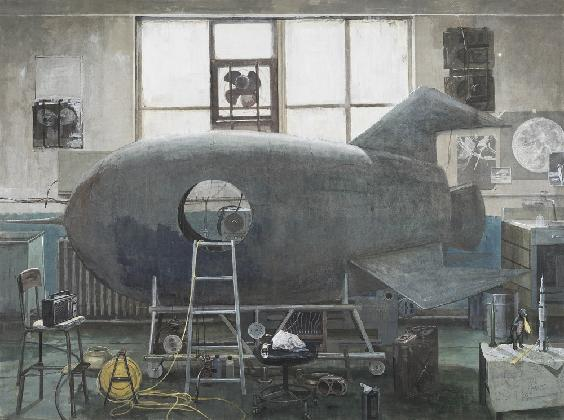
Jung, Station, 2009 © Jaeho Jung
Jaeho
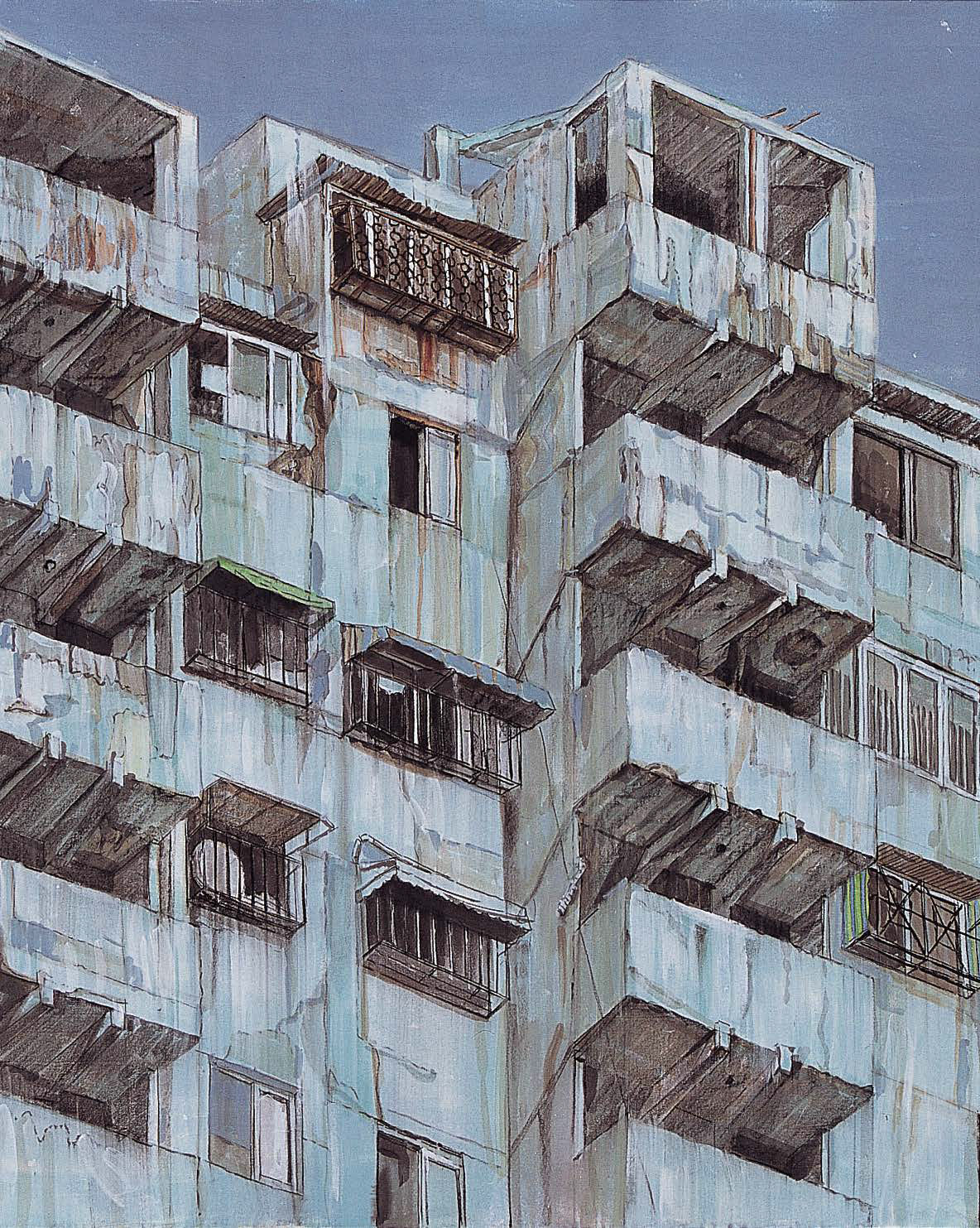
Jung, Station, 2009 © Jaeho Jung
In October, Gallery Hyundai Gangnam (Director: Hyungtae Doh)
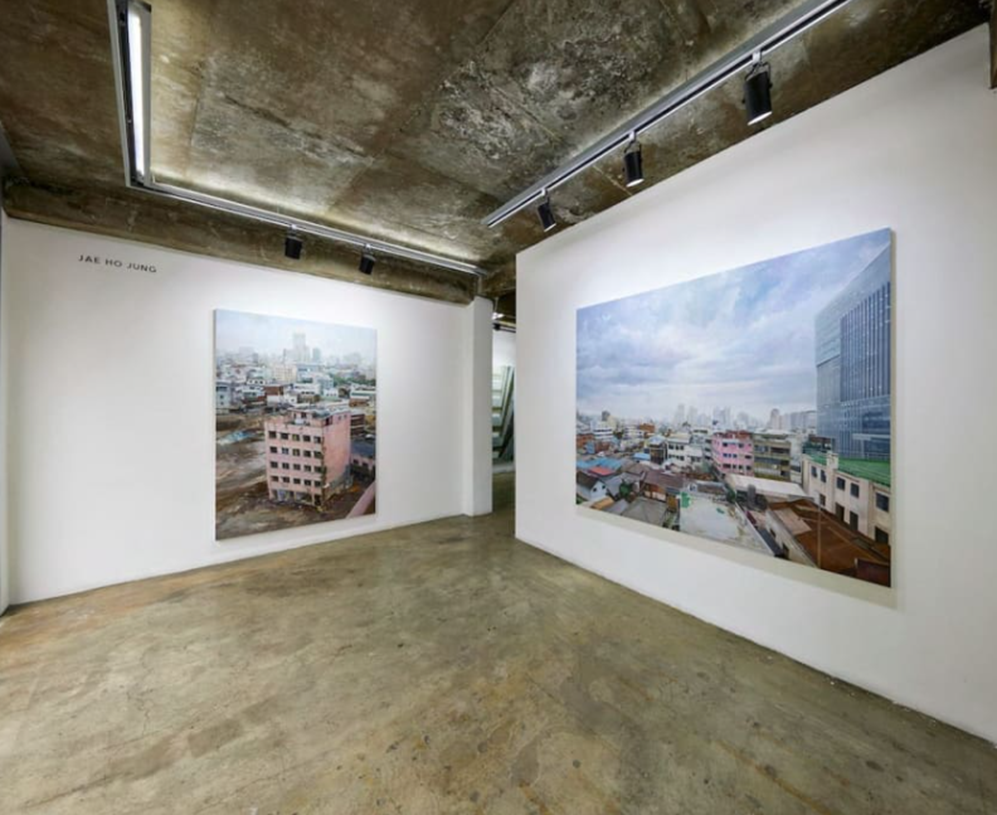
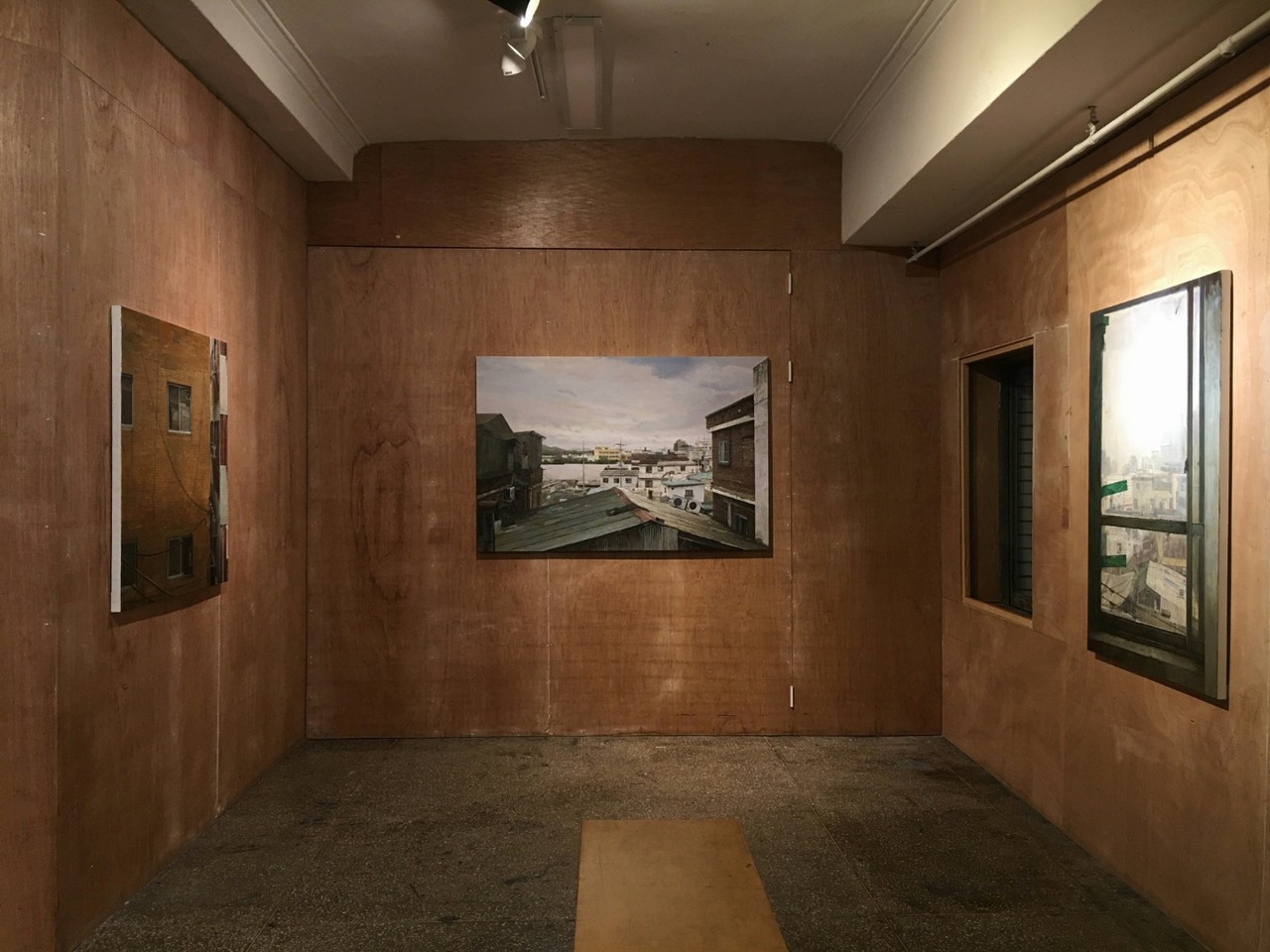
presents a new body of work by Jaeho Jung, an artist who has gained attention
for his series depicting old and aging apartment buildings. The
exhibition 《Father's Day》
moves beyond the theme of deteriorating architectural
structures built long ago and gradually disappearing, which the artist has
explored in his previous works. Instead, it focuses on the generation of our
fathers, and on spaces and objects that existed within their history but have
since vanished from the present.
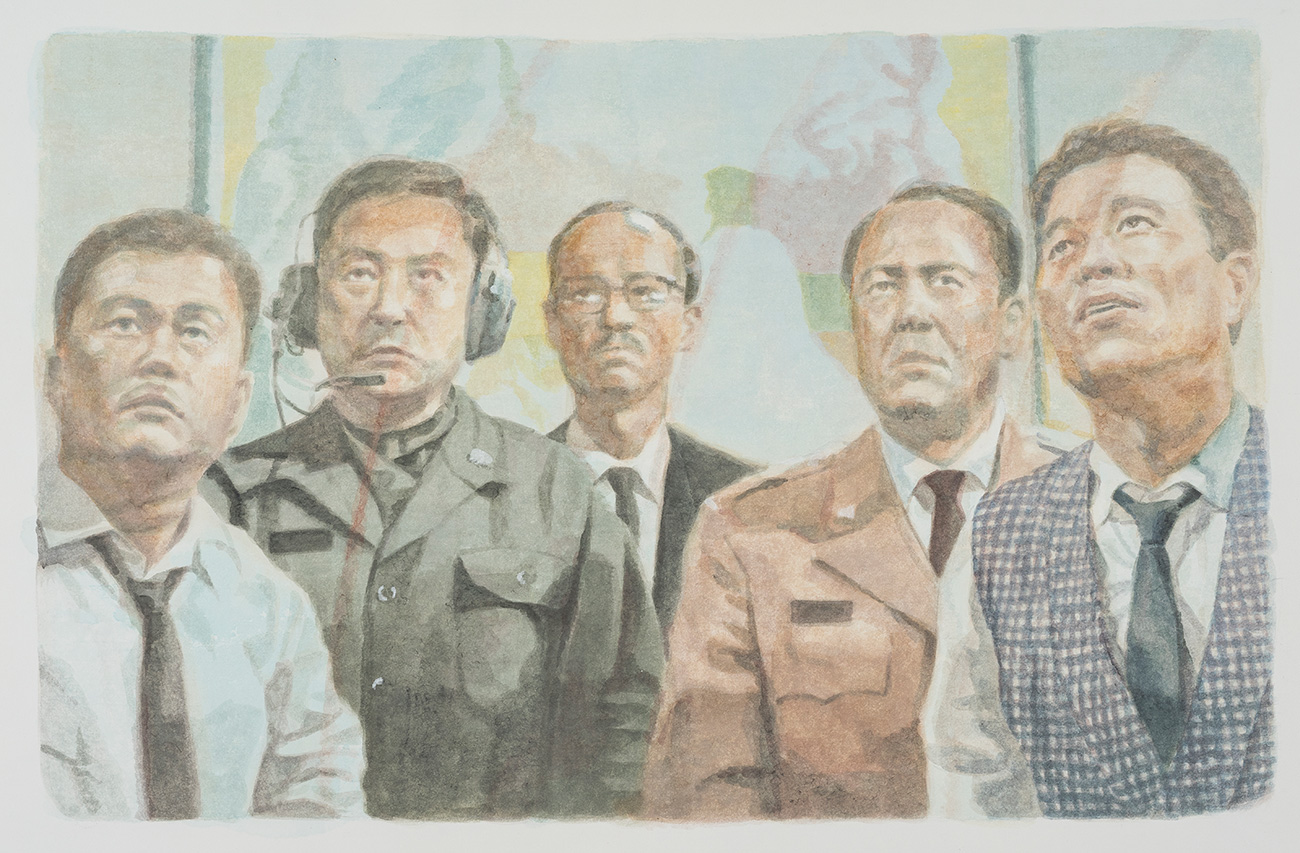
While developing new works as an extension of his earlier series (Ecstatic
Architecture, ‘Apartment’ works), Jung searched through old
photographs and began to imagine recreating buildings that no longer exist, or
reconstructing existing buildings as they once appeared, based on archival
images.
Through the act of summoning the past and translating it once
again into painting, the artist seeks to re-present the spaces of his father’s
generation, thereby addressing what has been forgotten, erased, or rendered
difficult to speak of in the present.
Rather than restoring architectural
structures or objects taken from photographs dating from the 1950s to the 1980s
as they were, Jung ambiguously situates them within a virtual time-space, using
his own editorial decisions and reconstructions informed by various pieces of
information about the contexts in which those buildings once existed.
Jaeho
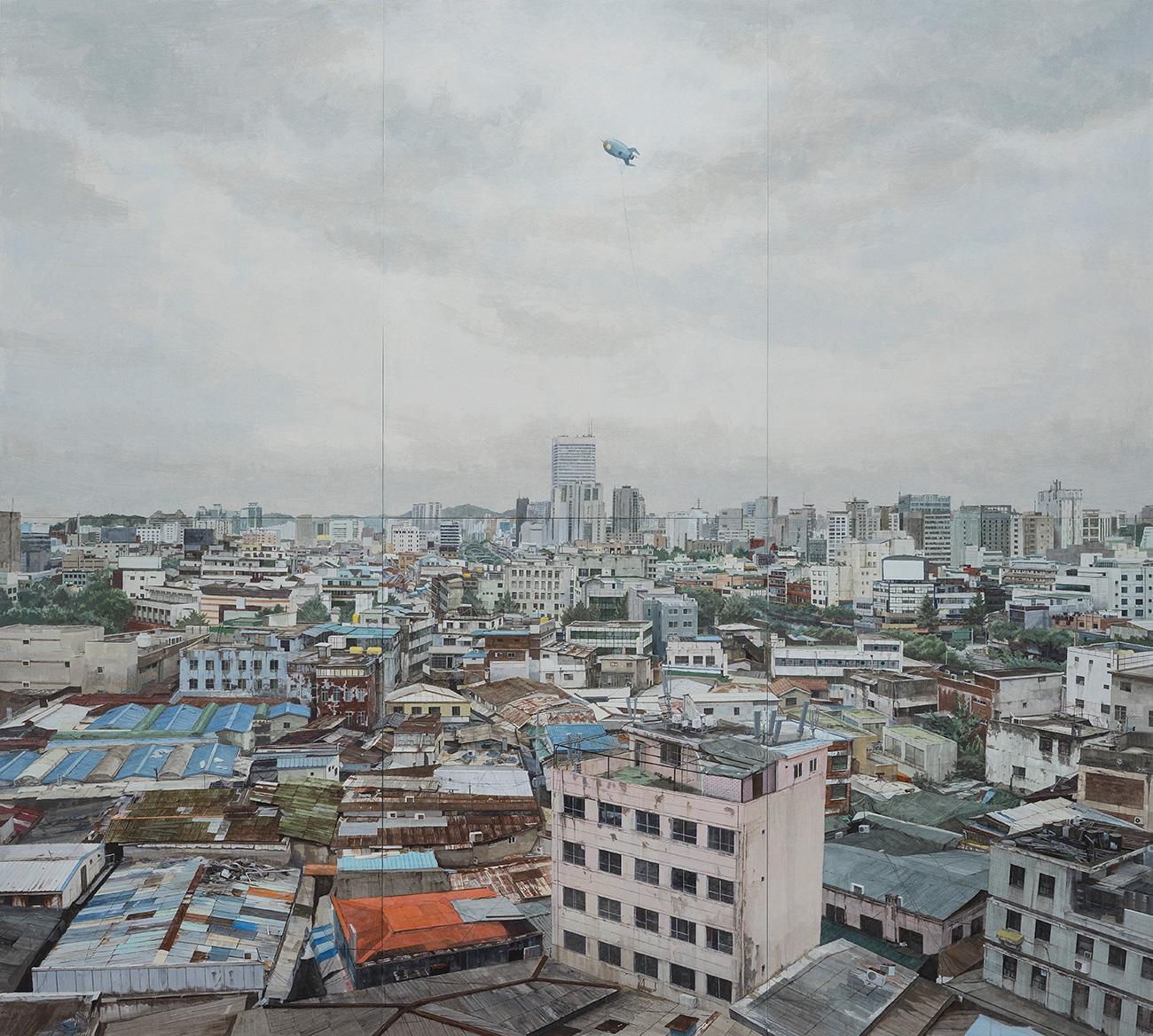
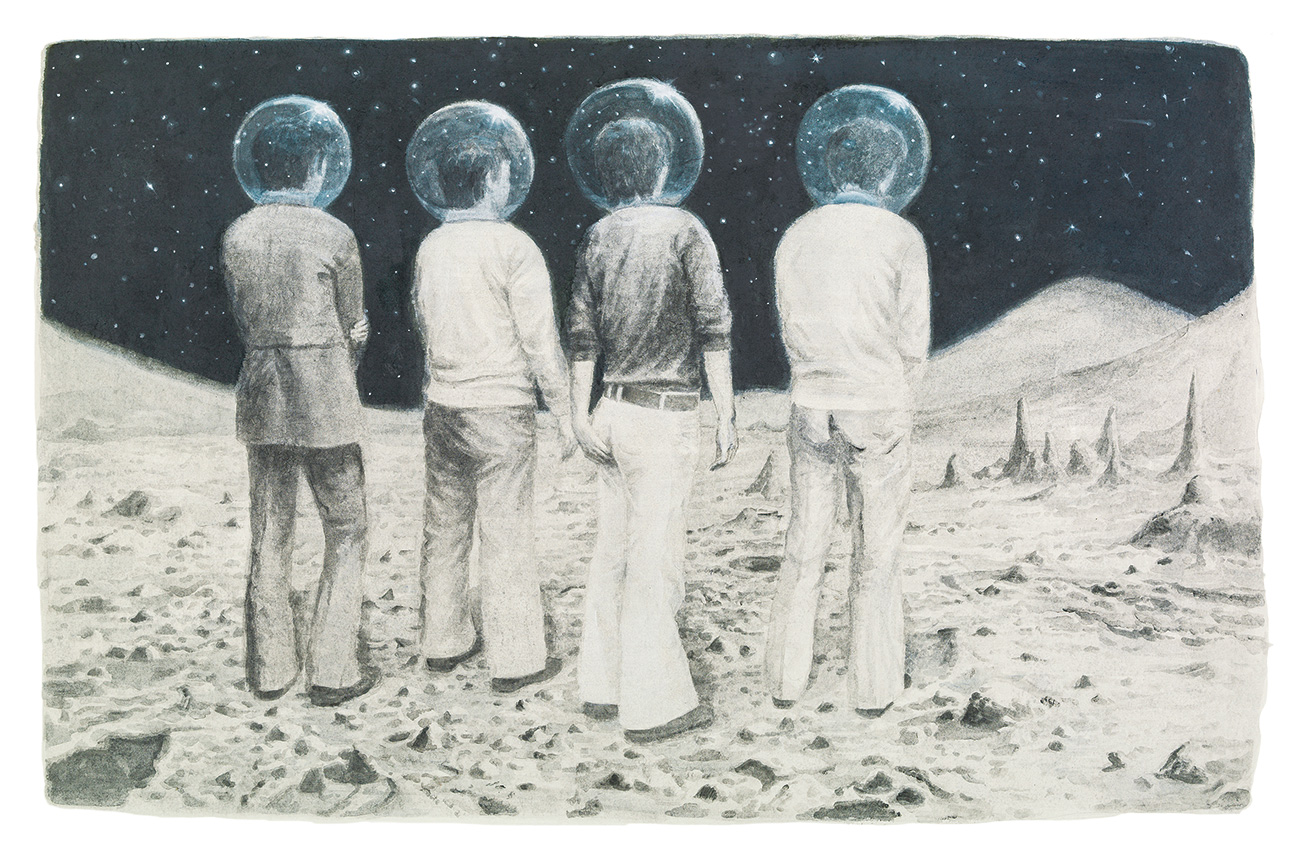
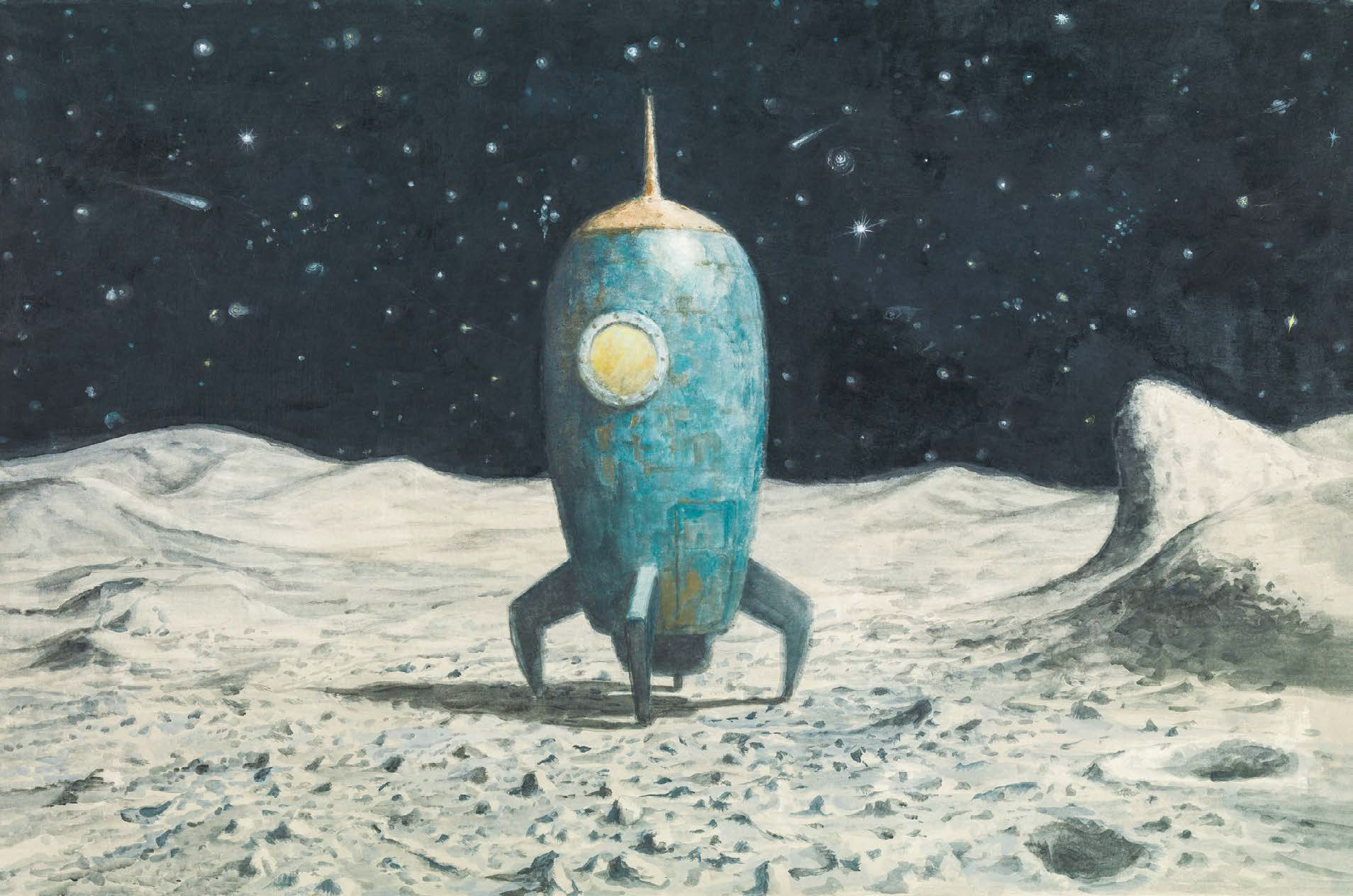
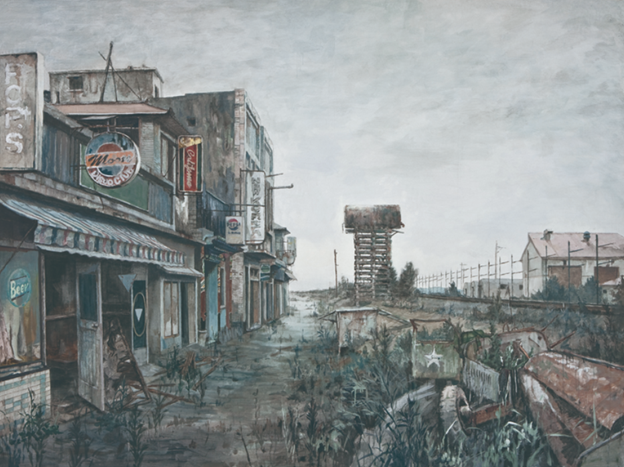
Jung, California, 2009 © Jaeho Jung
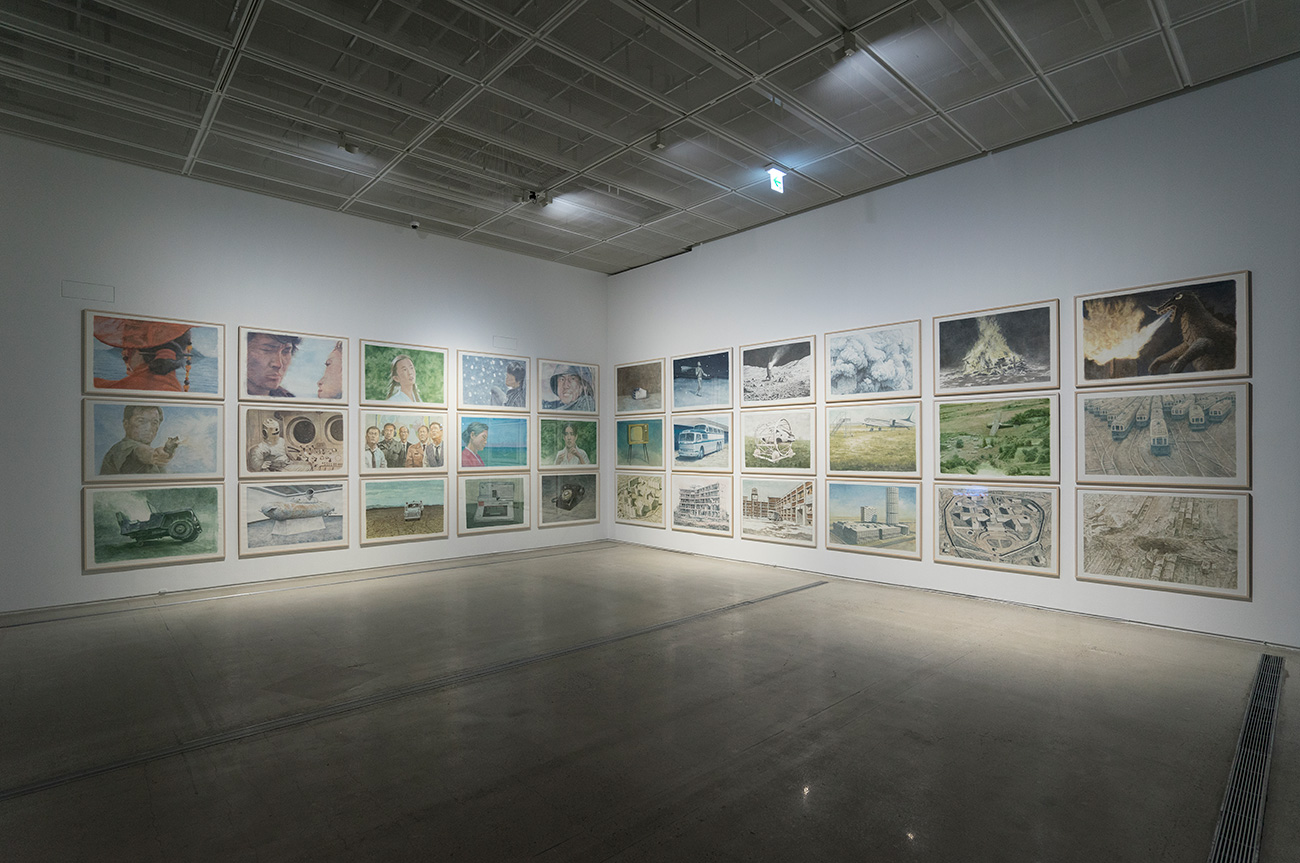
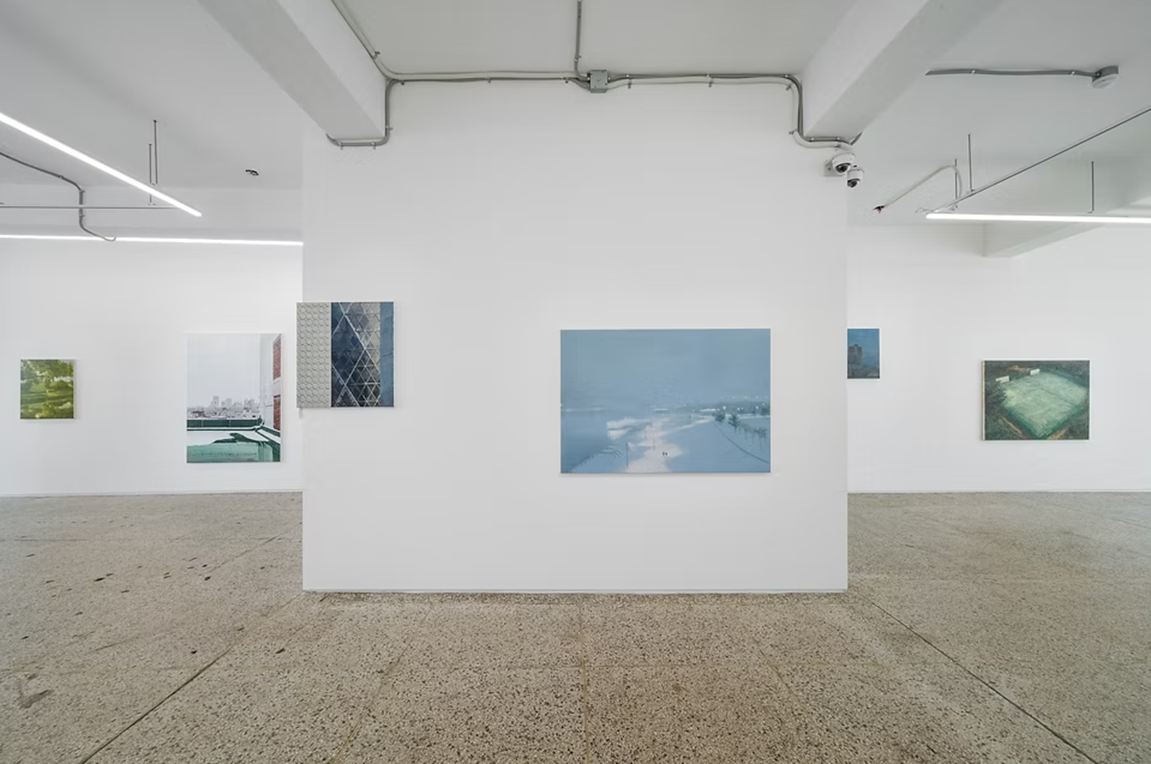
Through charcoal and acrylic applied to Korean paper, the
historical spaces depicted in Jung’s works are sometimes rendered as ruins,
diverging from their actual appearances, or reconstructed as virtual spaces
composed of multiple combined images.
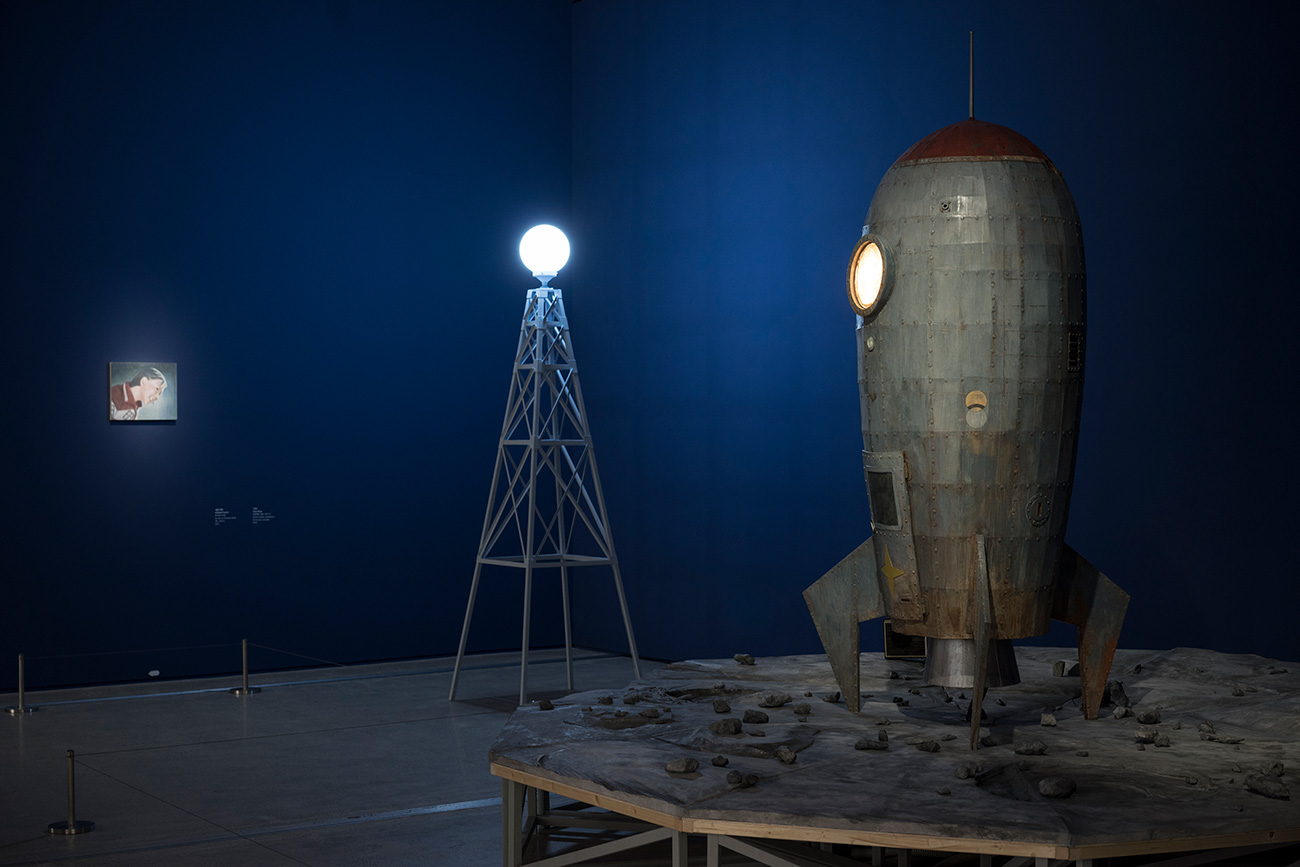
The old spaces, architecture, and objects
presented in this exhibition are not simple reproductions of historical sites,
but devices that evoke memories of earlier times. Through them, the artist
seeks to reveal other images recalled by the past.
Jung’s work poses questions to contemporary society through his
reinterpretation of history. What matters is not the reproduction of the past
itself, but what the process of reproducing the past calls forth—for me, for
us, for him—here and now, and what that which is called forth means in the
present moment.
In a society where the disconnect between the generation of our
fathers and our own has deepened, and where questioning the past itself is
often avoided, this exhibition offers a valuable opportunity to look back once
again at the history of the ground on which we stand.