Exhibitions
《My Farmers Dictionary》, 2024.05.18 – 2024.11.17, Blume Museum of Contemporary Art
May 17, 2024
Blume Museum of Contemporary Art
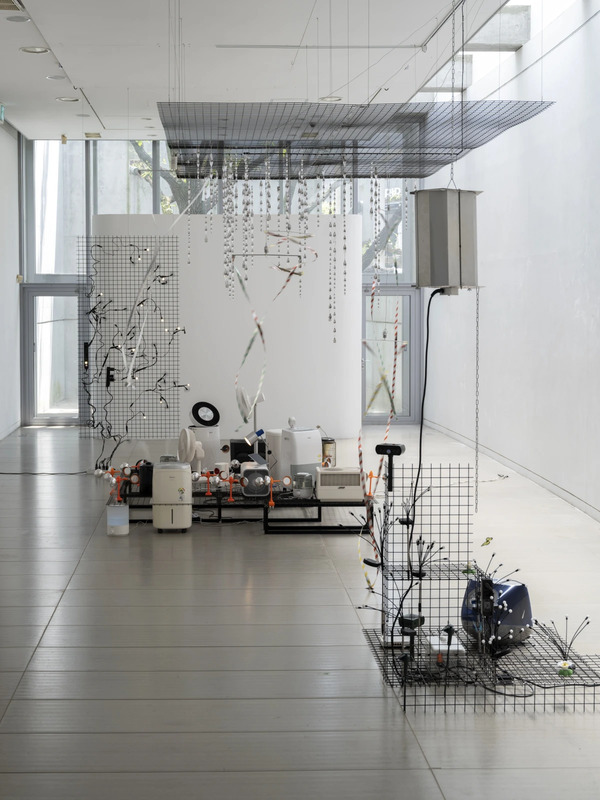
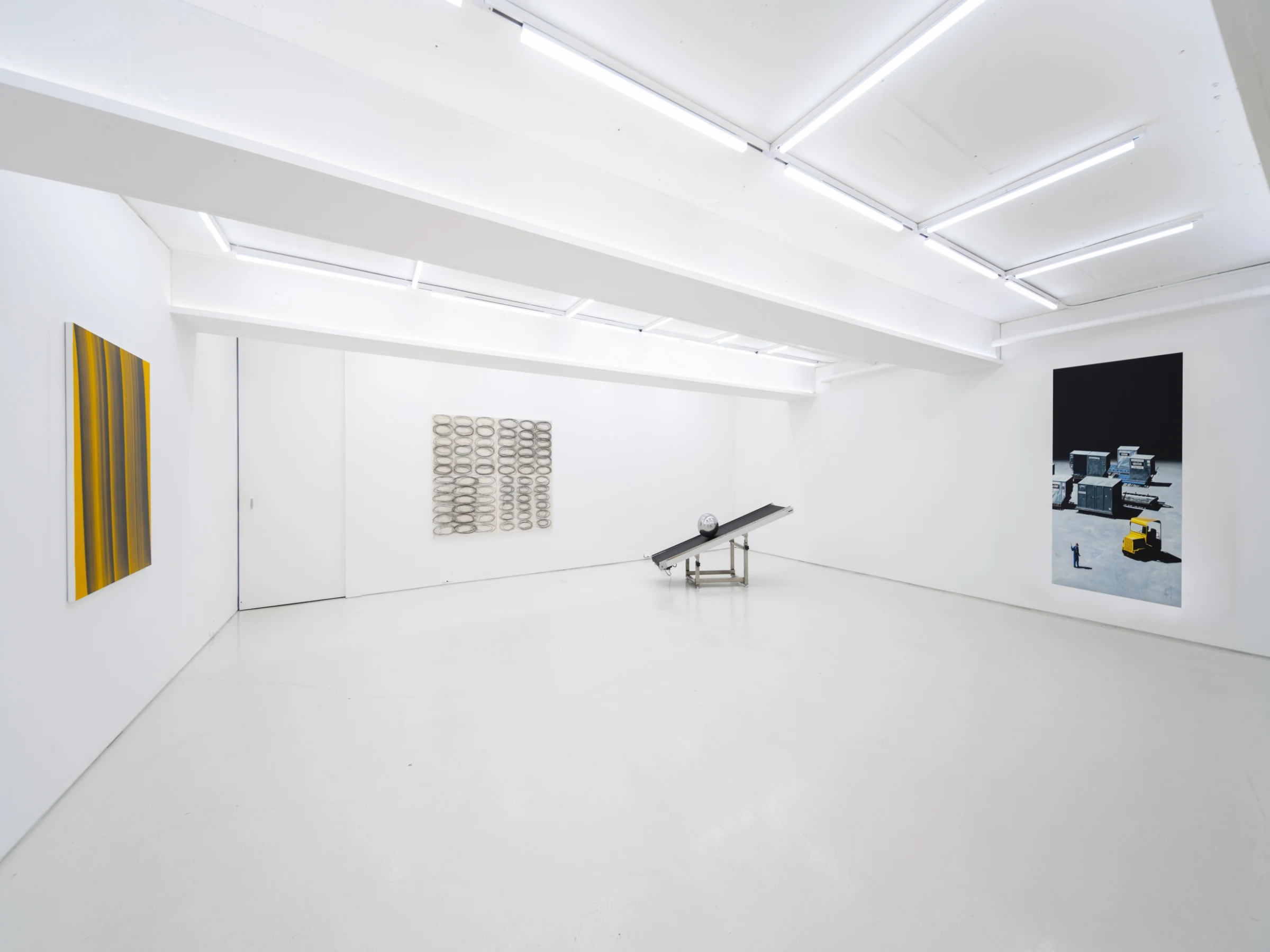
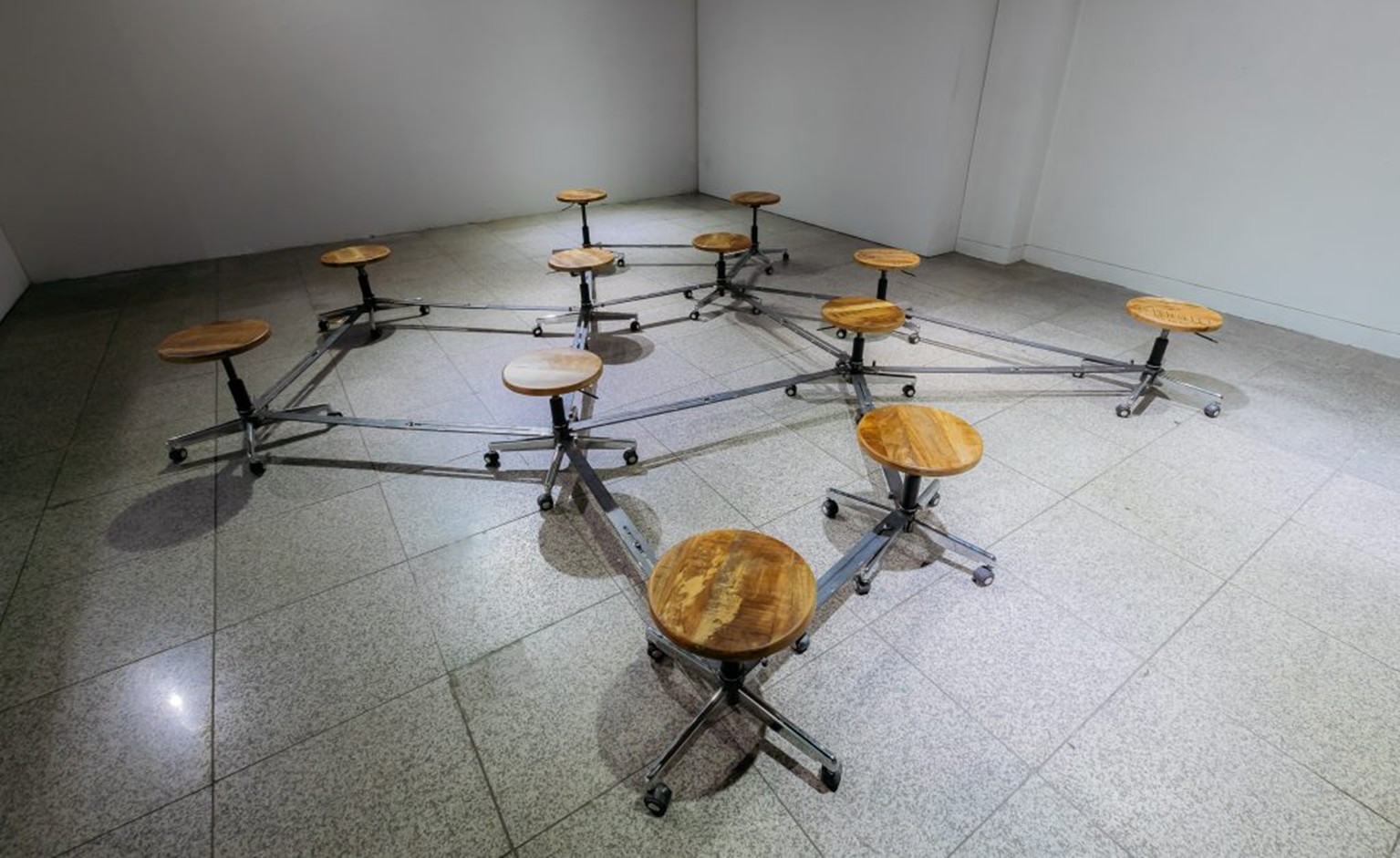
 Installation
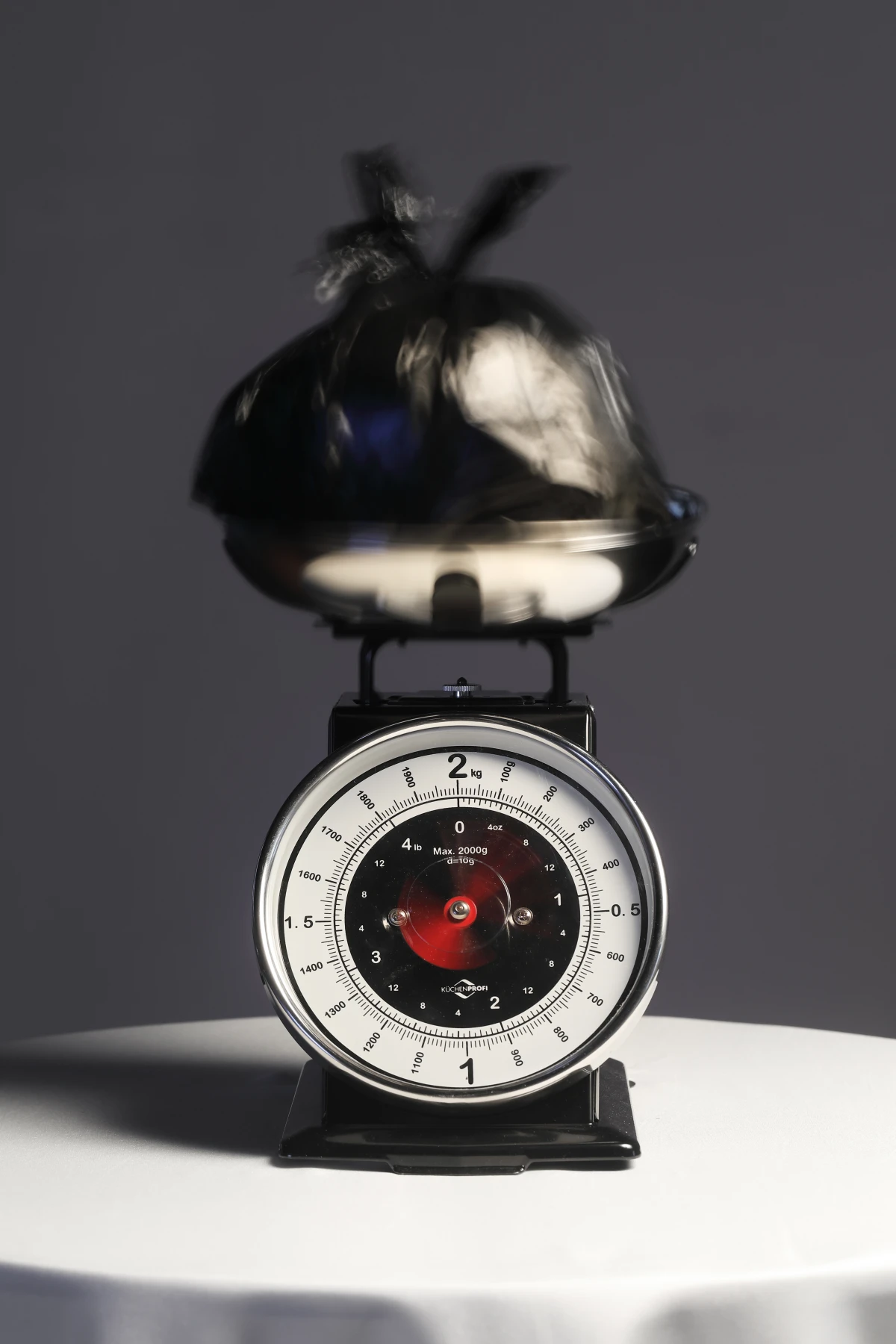
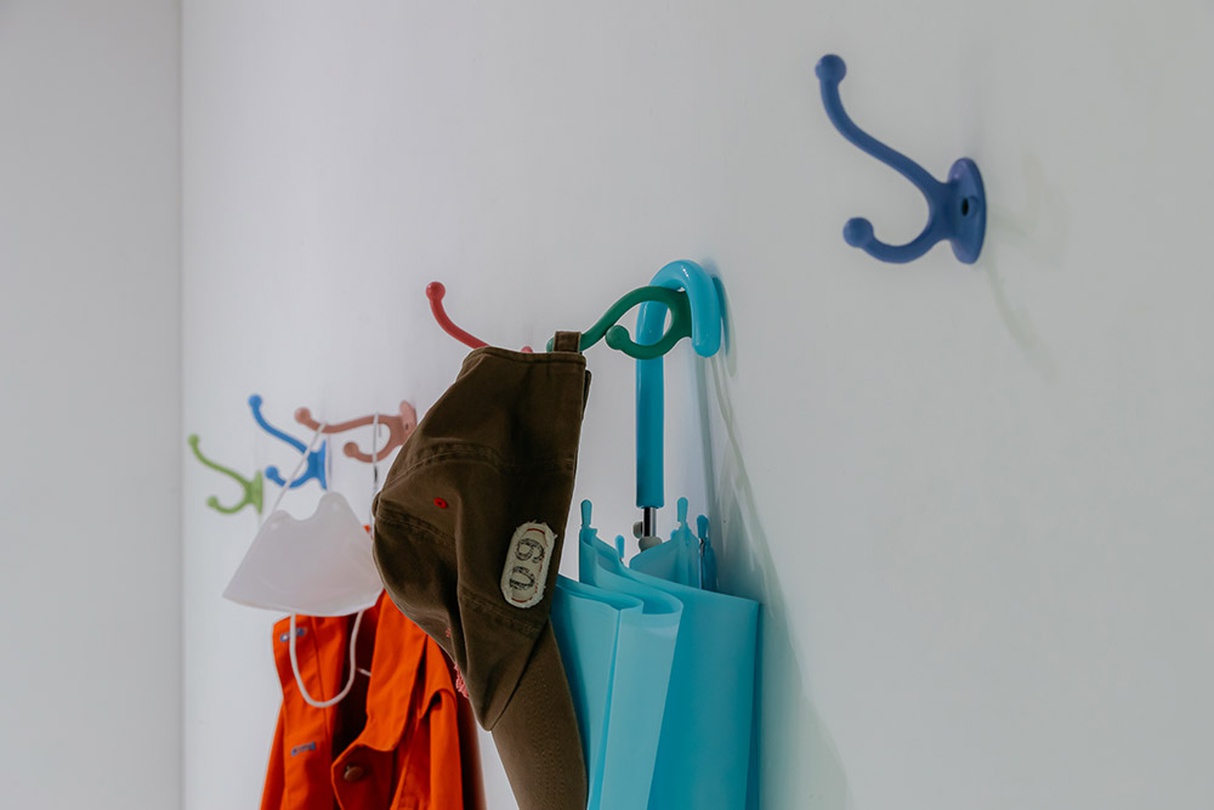
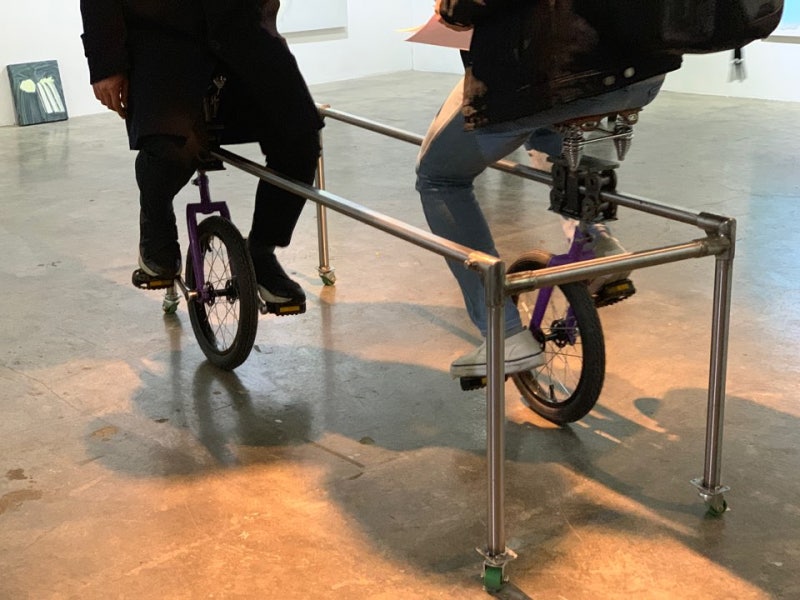
view of 《My Farmers Dictionary》 ©
Blume Museum of Contemporary Art
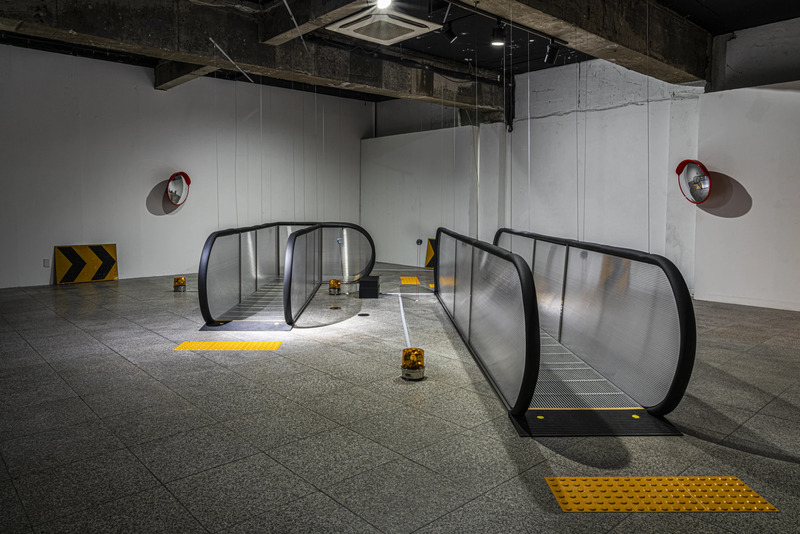
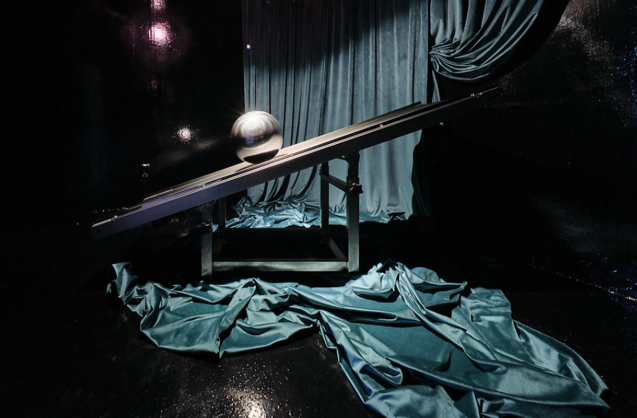
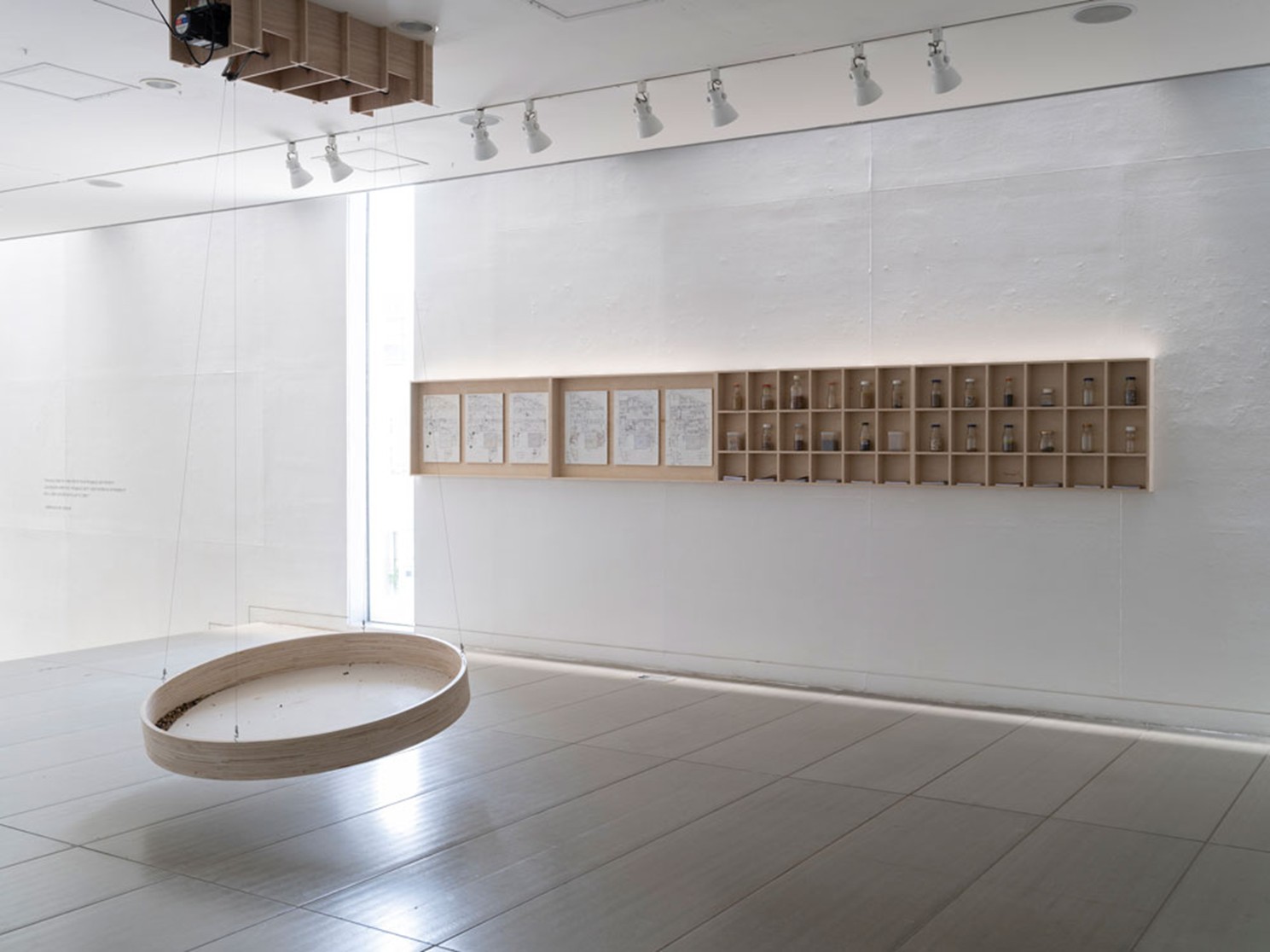
Installation
view of 《My Farmers Dictionary》 ©
Blume Museum of Contemporary Art
From May
18 to November 17, Blume Museum of Contemporary Art presents the exhibition 《My Farmers Dictionary》. Focusing on the
intangible values condensed in the labor and thinking of farmers as both food
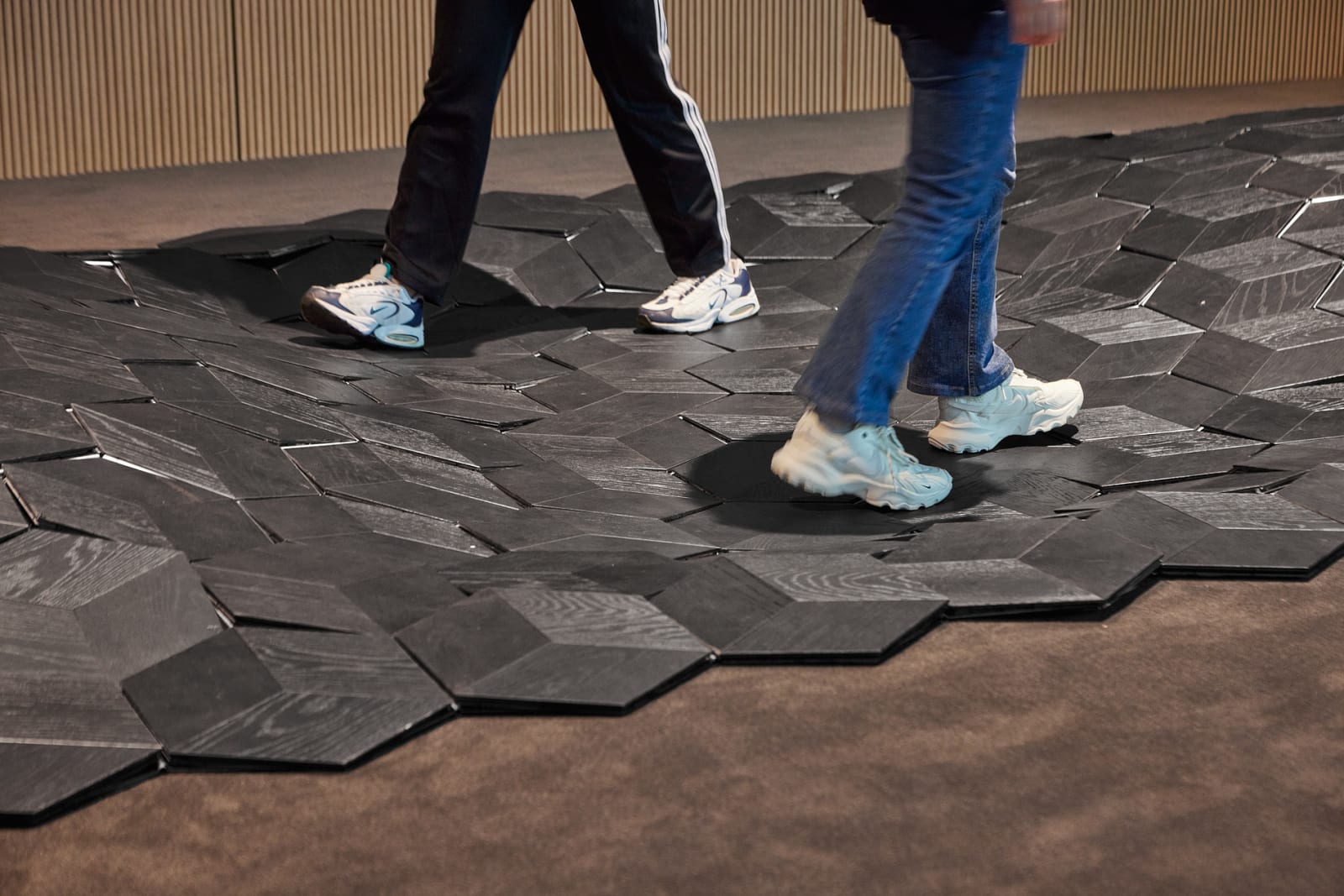
producers and value producers, the exhibition presents eleven works—drawings,
videos, and installations—by four teams of farmers and contemporary artists.
Here, the term “farmer” refers not to large-scale or conventional farmers
driven by industrialized mass production, but to small-scale farmers who pursue
alternative forms of agriculture.
Drawing
from the stories of diverse small farmers whose work and thinking cannot be
reduced solely to agricultural production, the exhibition identifies four key
values. These include living a life that explores nature with the attitude of a
researcher; choosing farming not merely as an occupation but as a way of life
that follows the rhythms of nature; embracing community-oriented values
centered on coexistence; and participating in efforts to address the climate
crisis. The exhibition interprets the contemporary significance of these
values, cultivated by small farmers, through the perspectives of contemporary
artists.
 Installation
view of 《My Farmers Dictionary》 ©
Blume Museum of Contemporary Art
Installation
view of 《My Farmers Dictionary》 ©
Blume Museum of Contemporary Art
The fact that 95% of people who
do not farm depend on the 5% who do extends beyond the act of sustenance,
encompassing attitudes and perspectives that support life itself.
Created
through collaborations between farmers from Chanumul Farm in Goyang, Gyeonggi-do;
Jonghapjaemi Farm in Yangpyeong; Mwoha Farm in Goesan, Chungcheongbuk-do; and
Geuraedo Farm in Yeongwol, Gangwon-do, along with four contemporary artists,
this exhibition suggests that anyone can lead a “farmer-like life,” even
without farming.
For those seeking new lifestyles
beyond their current ways of living, farmers present alternative values and
inspire action. Through 《My Farmers
Dictionary》, Blume Museum of Contemporary Art aims to
uncover the cultural value of understanding and empathizing with the connection
between the lives of farmers and our own within the vast cycle of nature.
Furthermore, the exhibition proposes that such understanding can foster loose
forms of solidarity among those searching for shifts in thinking and
alternative ways of living in the age of the climate crisis.