Exhibitions
《Love from Ruins》, 2022.01.13 – 2022.01.26, Art Jamsil
January 13, 2022
Art Jamsil
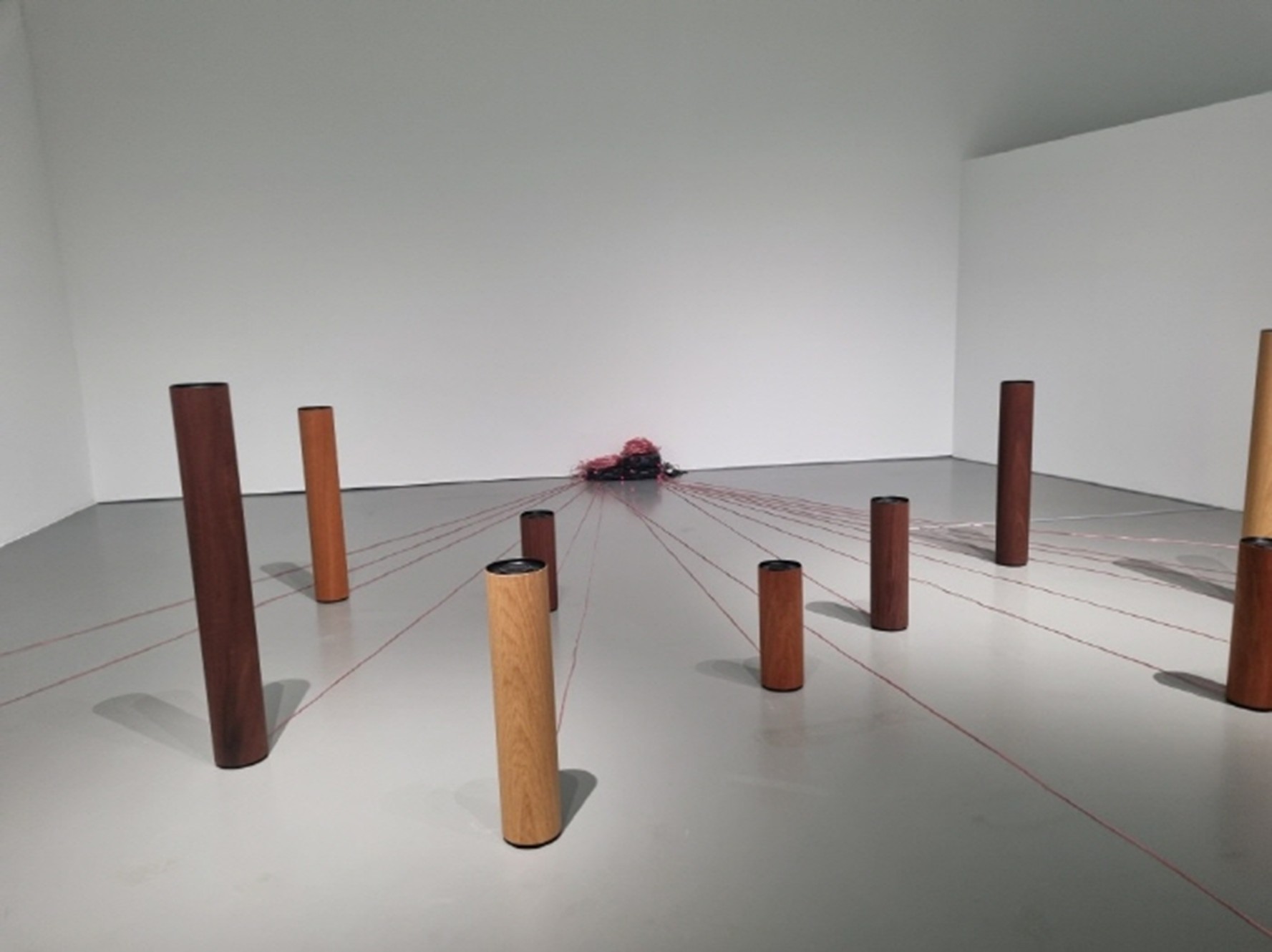
 Installation
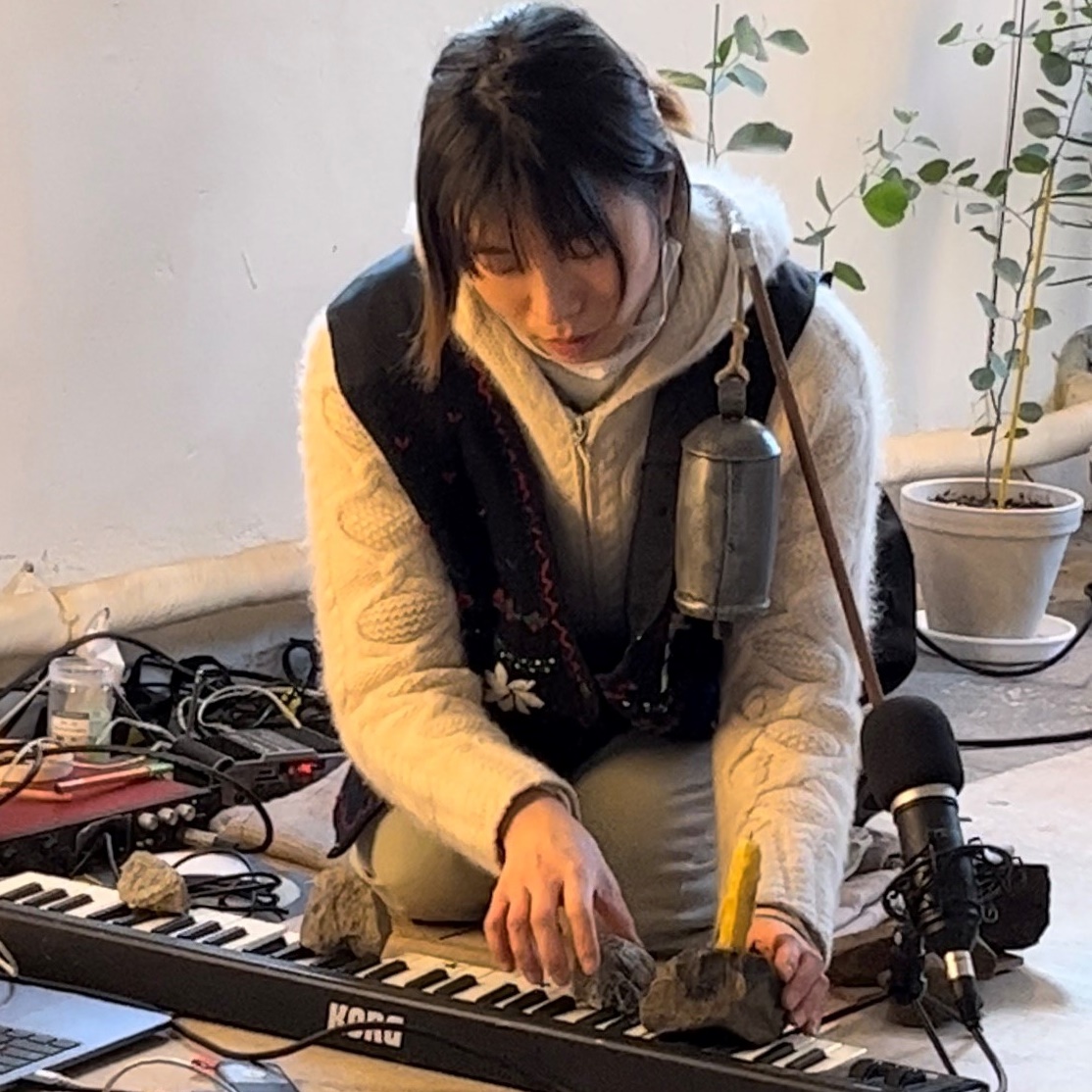
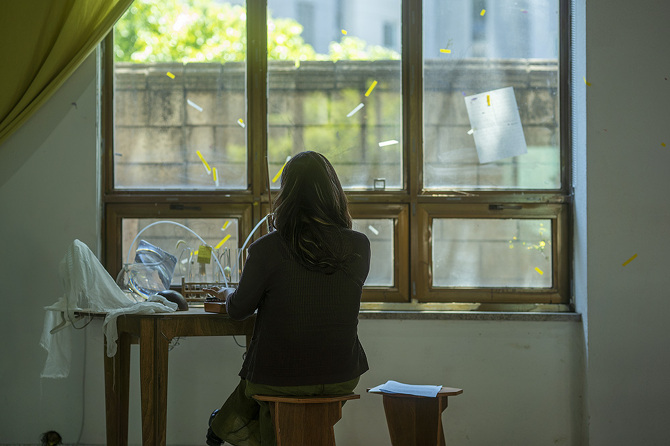
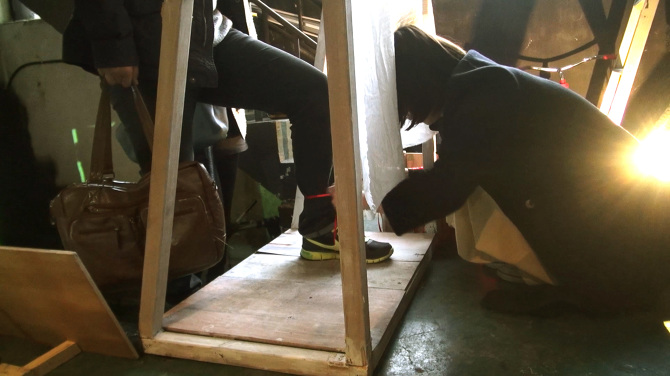
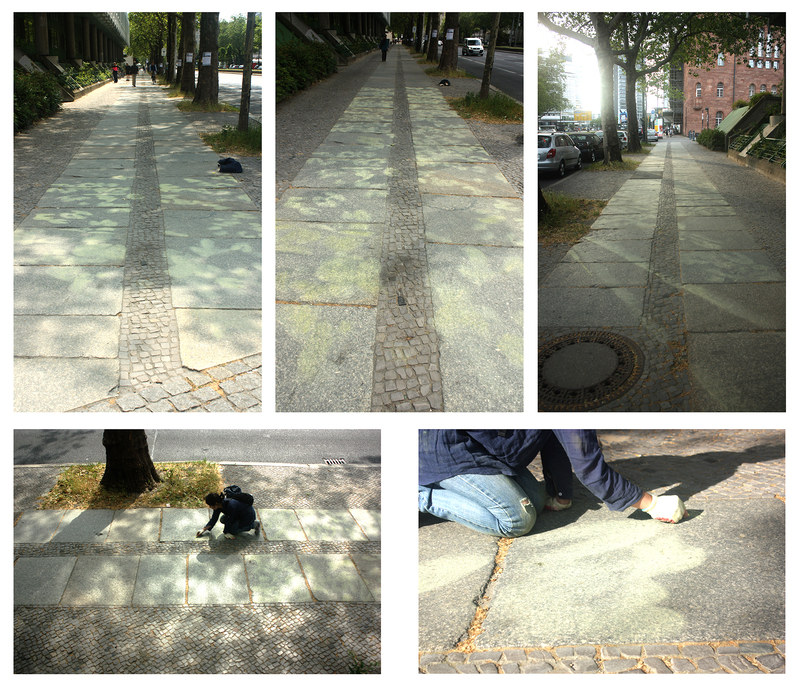
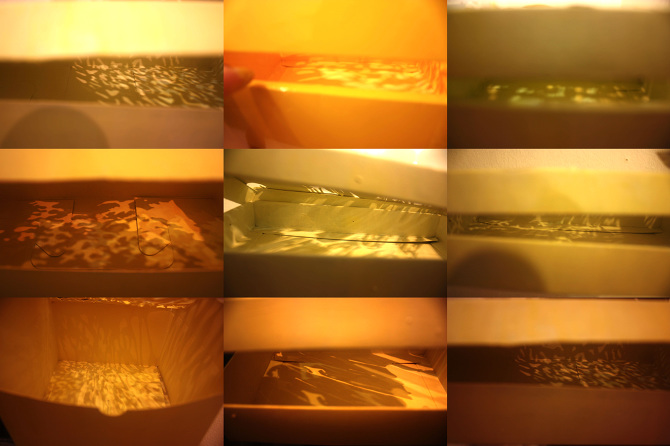
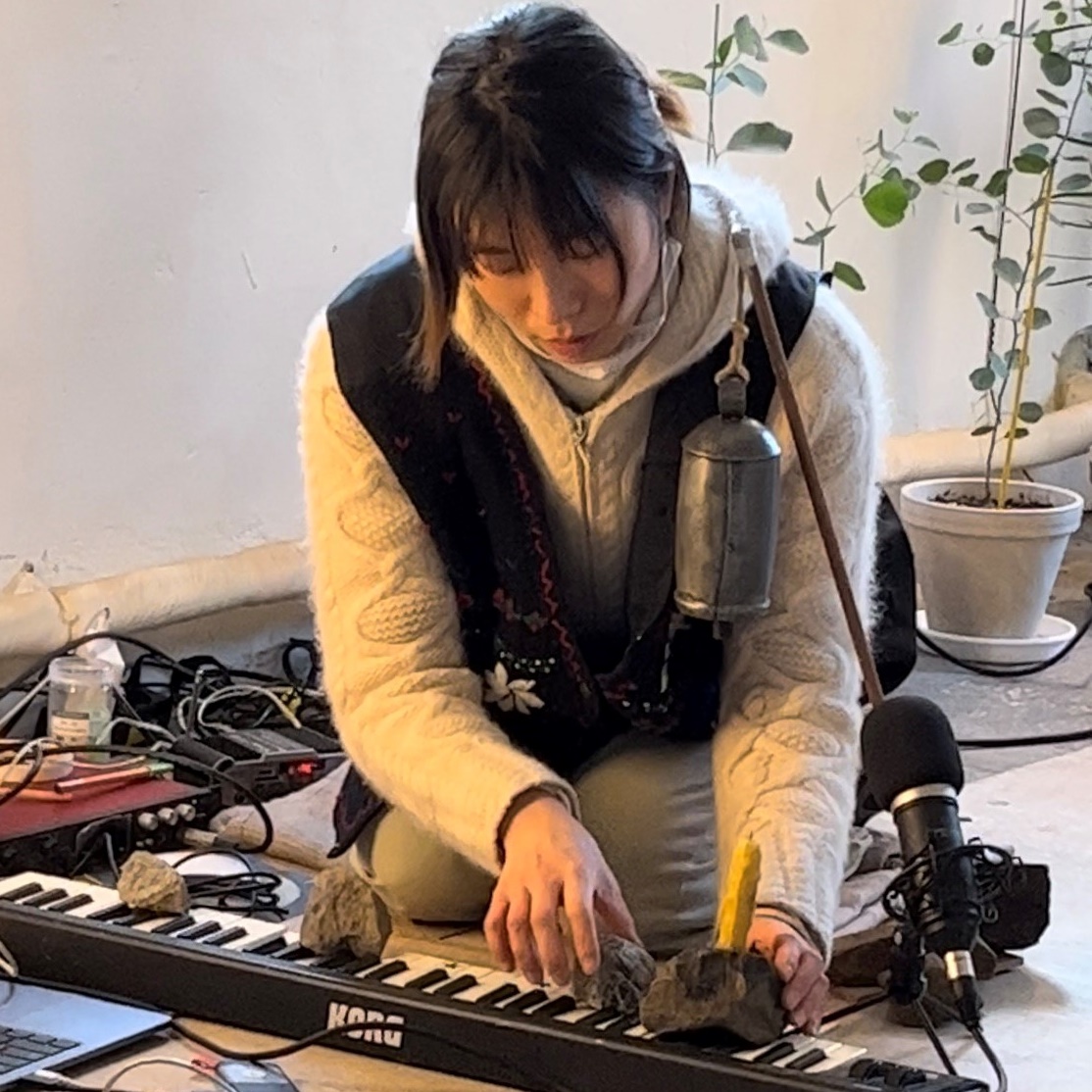
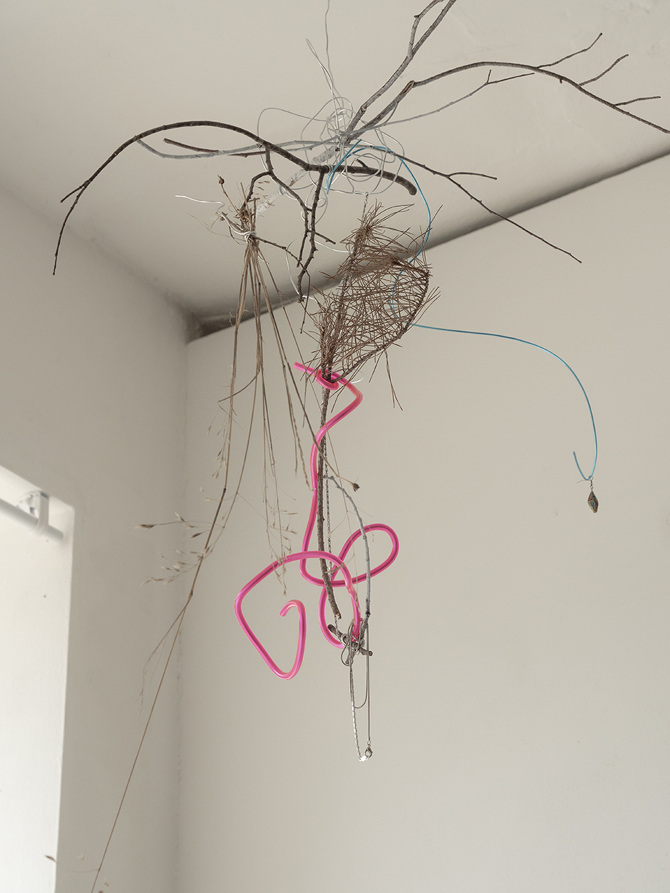
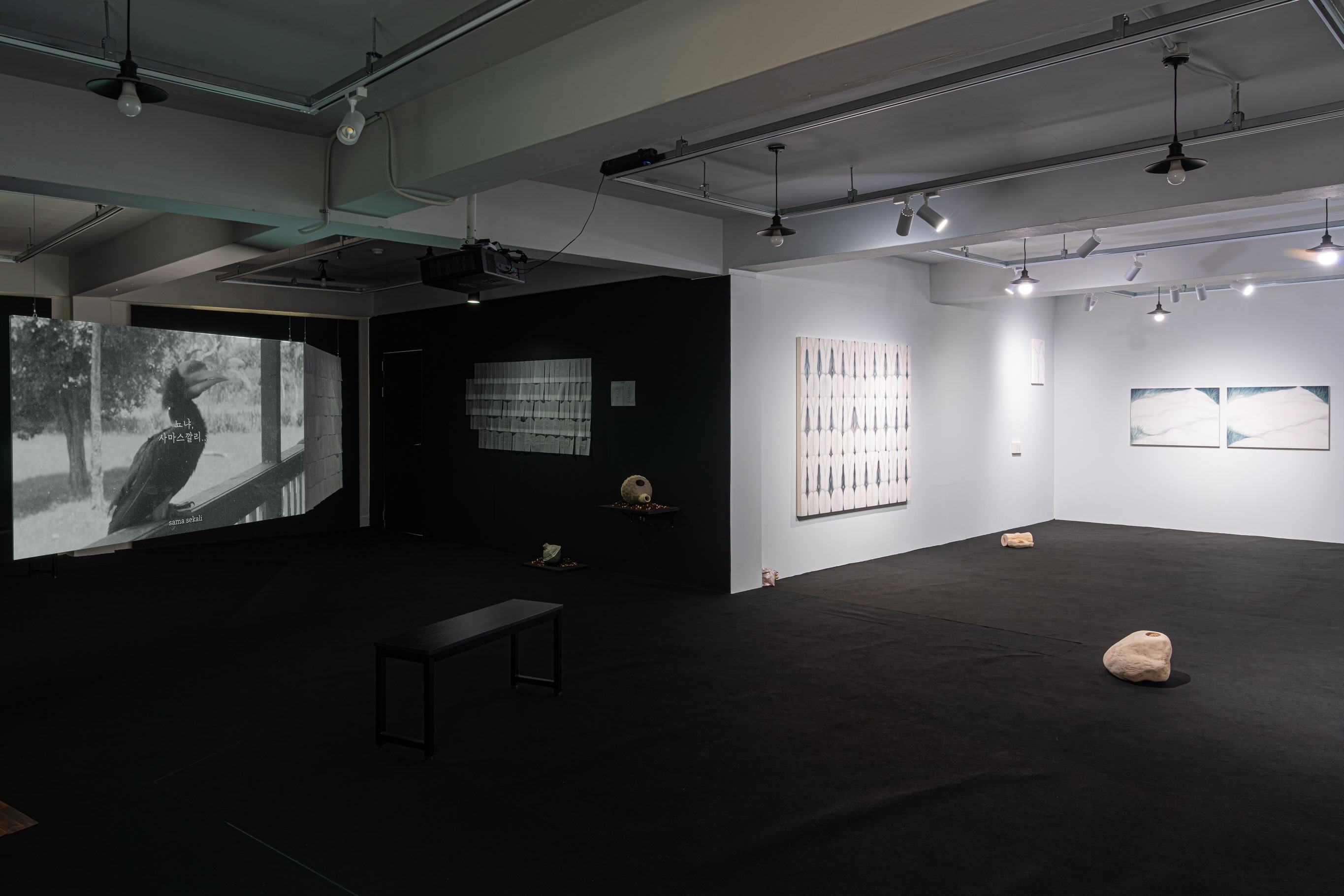
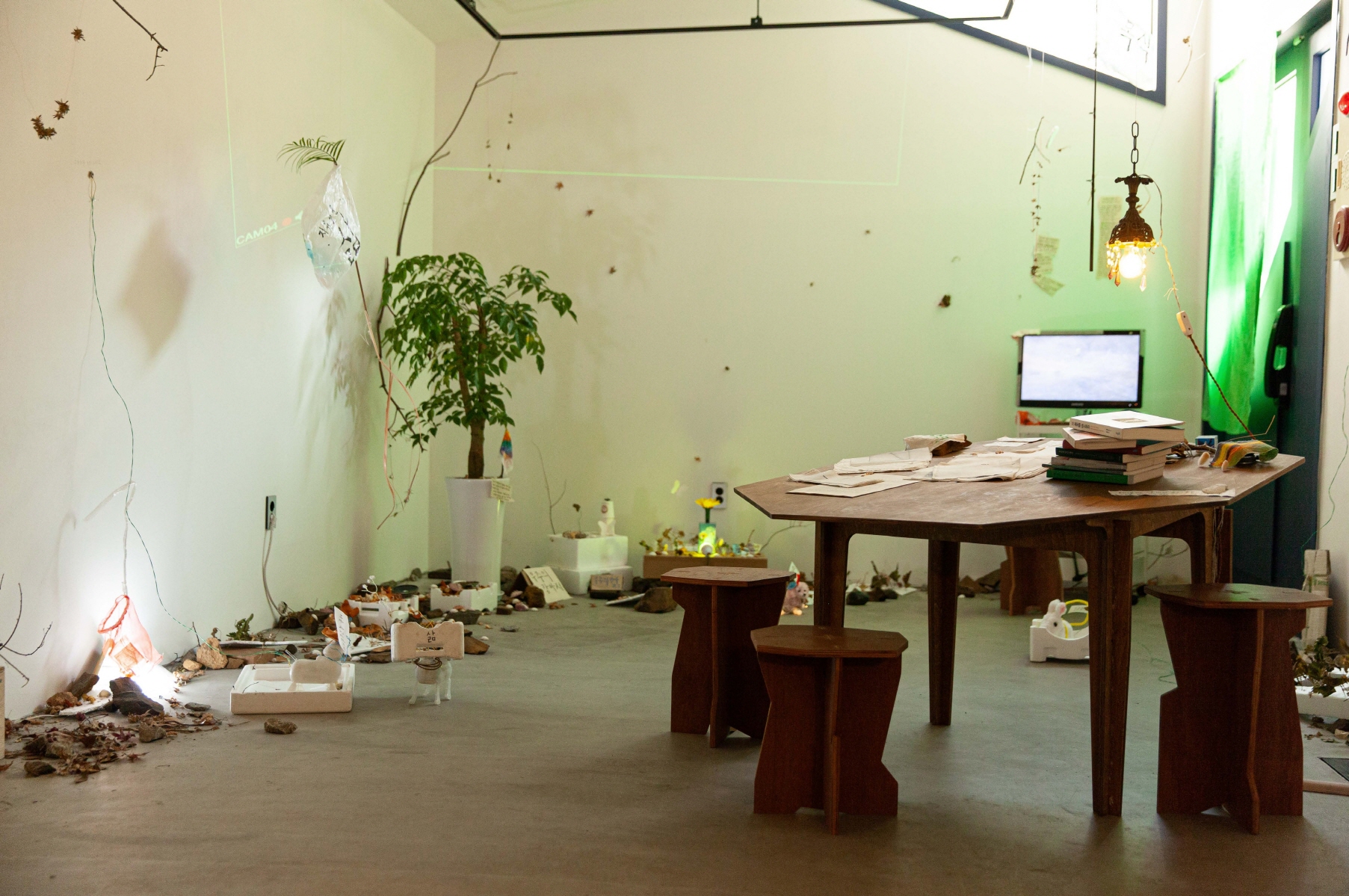
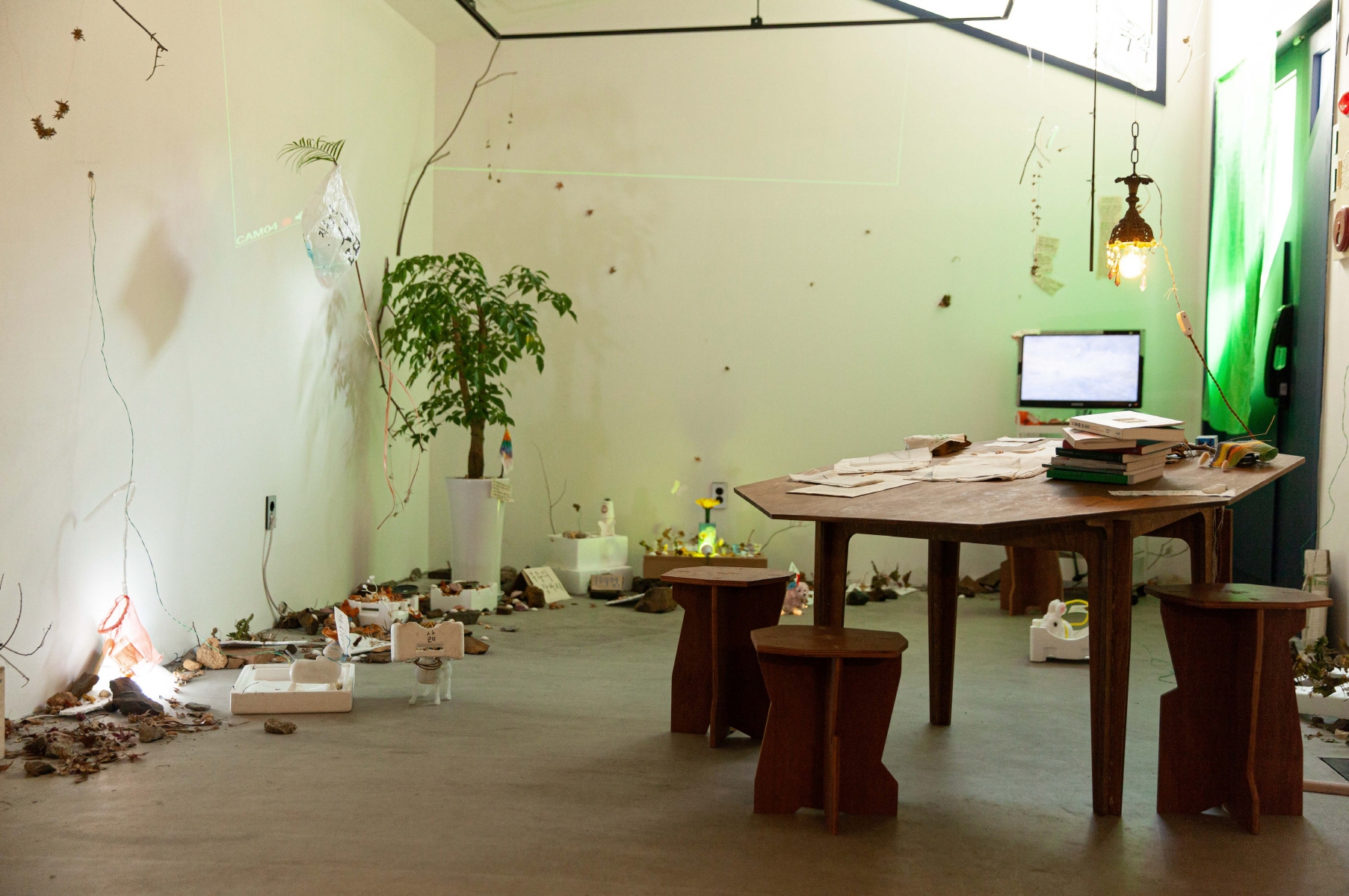
view of 《Love from Ruins》 © Oro
Minkyung
Installation
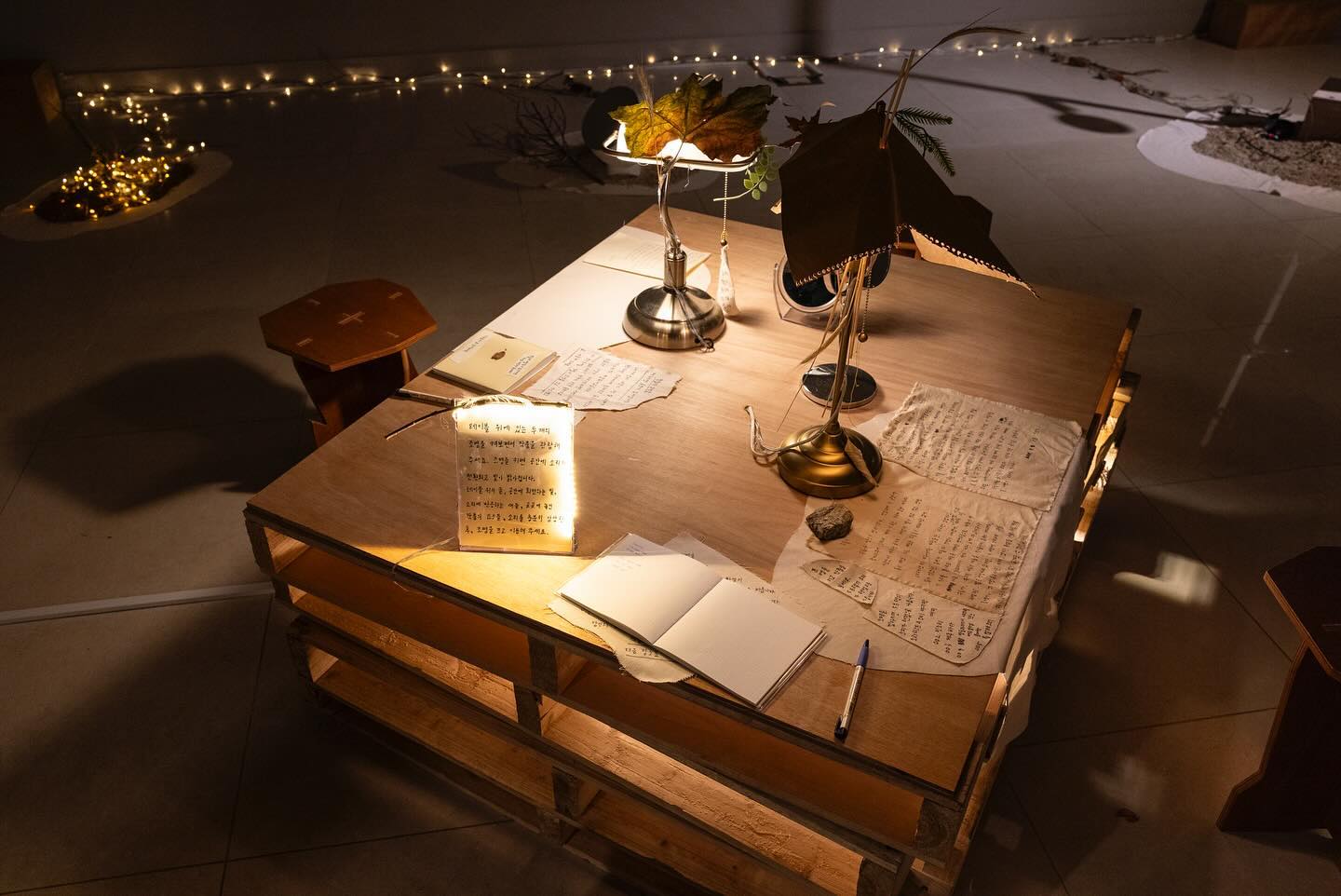
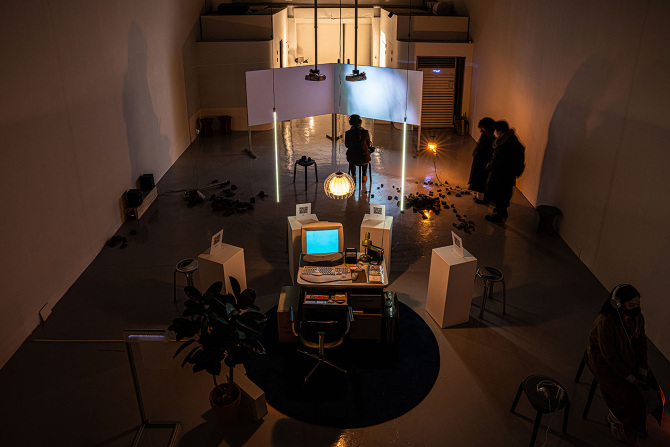
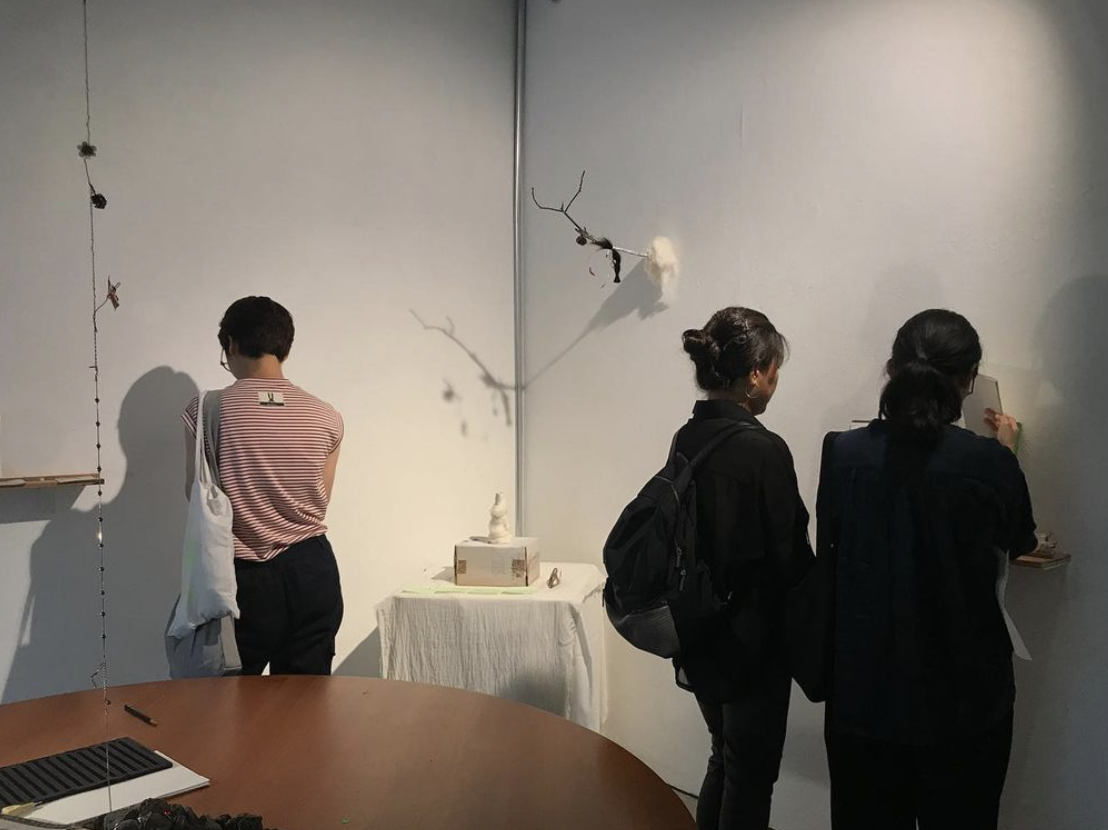
view of 《Love from Ruins》 © Oro
Minkyung
Artist
Note
#1 Foreword
《Love from Ruins》 was made possible at
the invitation of artist Sujin Kim at Art Jamsil — a space operated both as her
studio and exhibition venue. Through a collaborative practice called “Deadline
News,” we had built a deep relationship, and during a time when I was living
quietly without much contact, she reached out to me with care and offered this
exhibition.
Here,
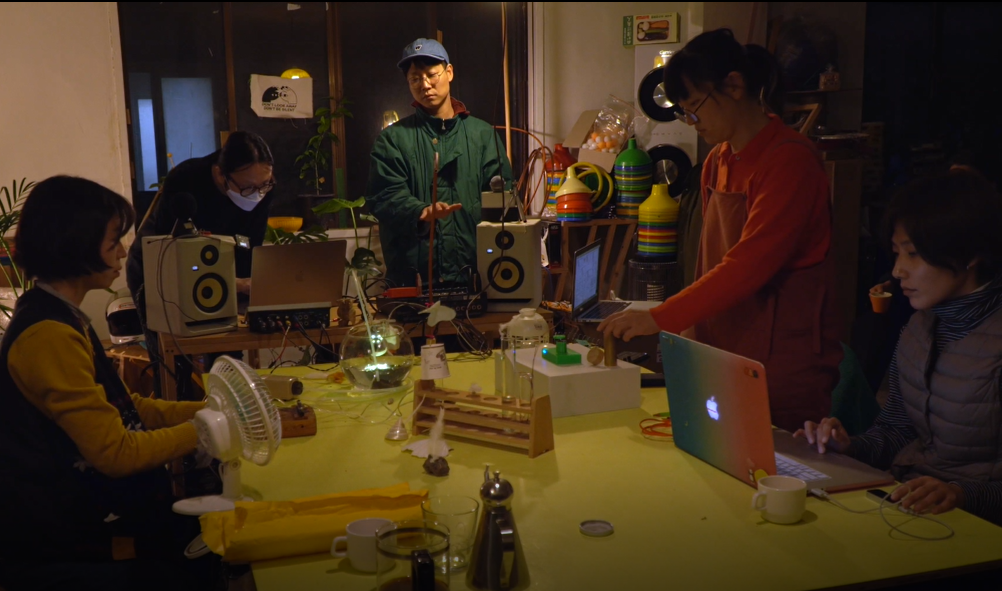
I wanted to share moments not of completed works, but of the movement of a
foolish love I had encountered. The places of solidarity I followed my heart
toward — the people who came to protect someone being driven out. The warmth
shared between breaking objects and food, the love that inevitably fails, yet
the heart that still longs for salvation again. Amidst these complexities, I
gathered the activities, people, letters, and books that became the light for
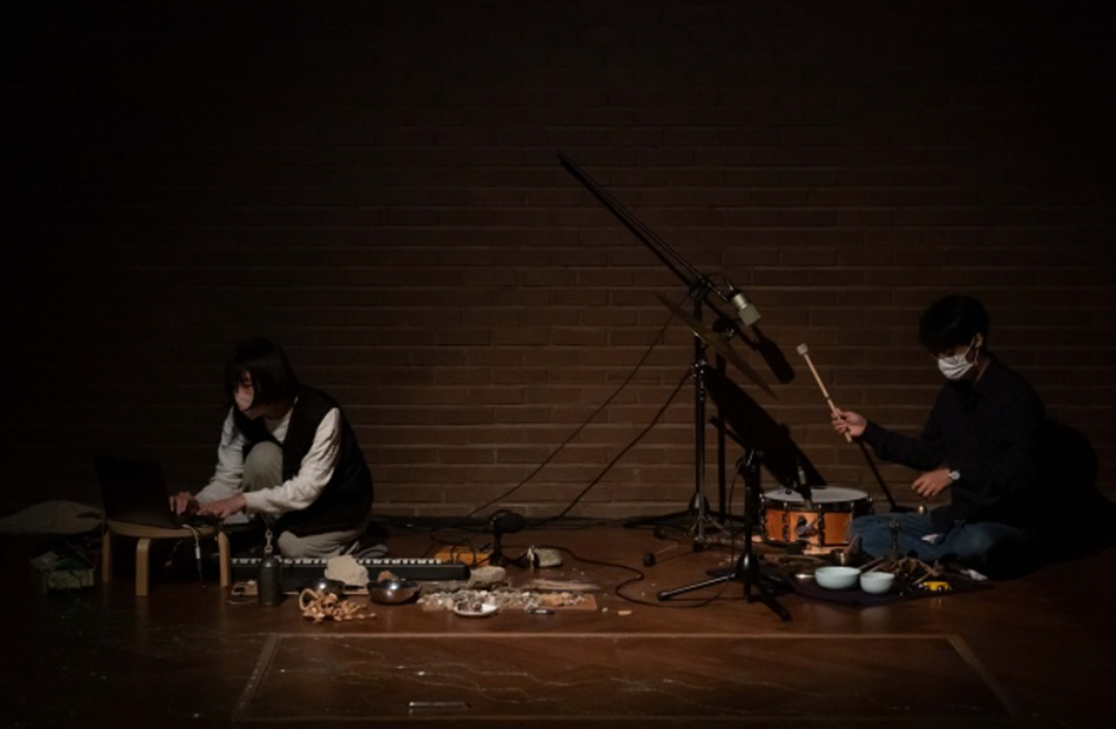
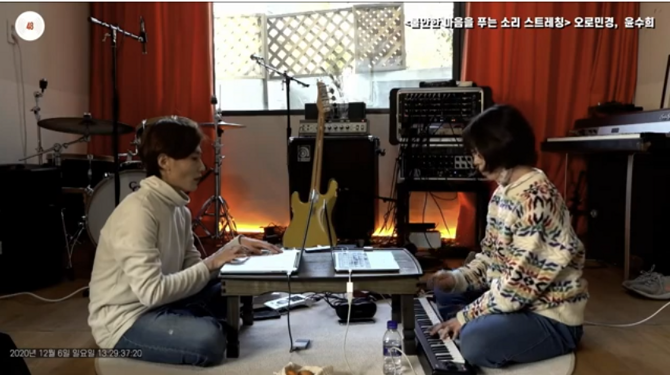
me — building a space where we could read together, host a making workshop,
screenings, and performances.
 Installation
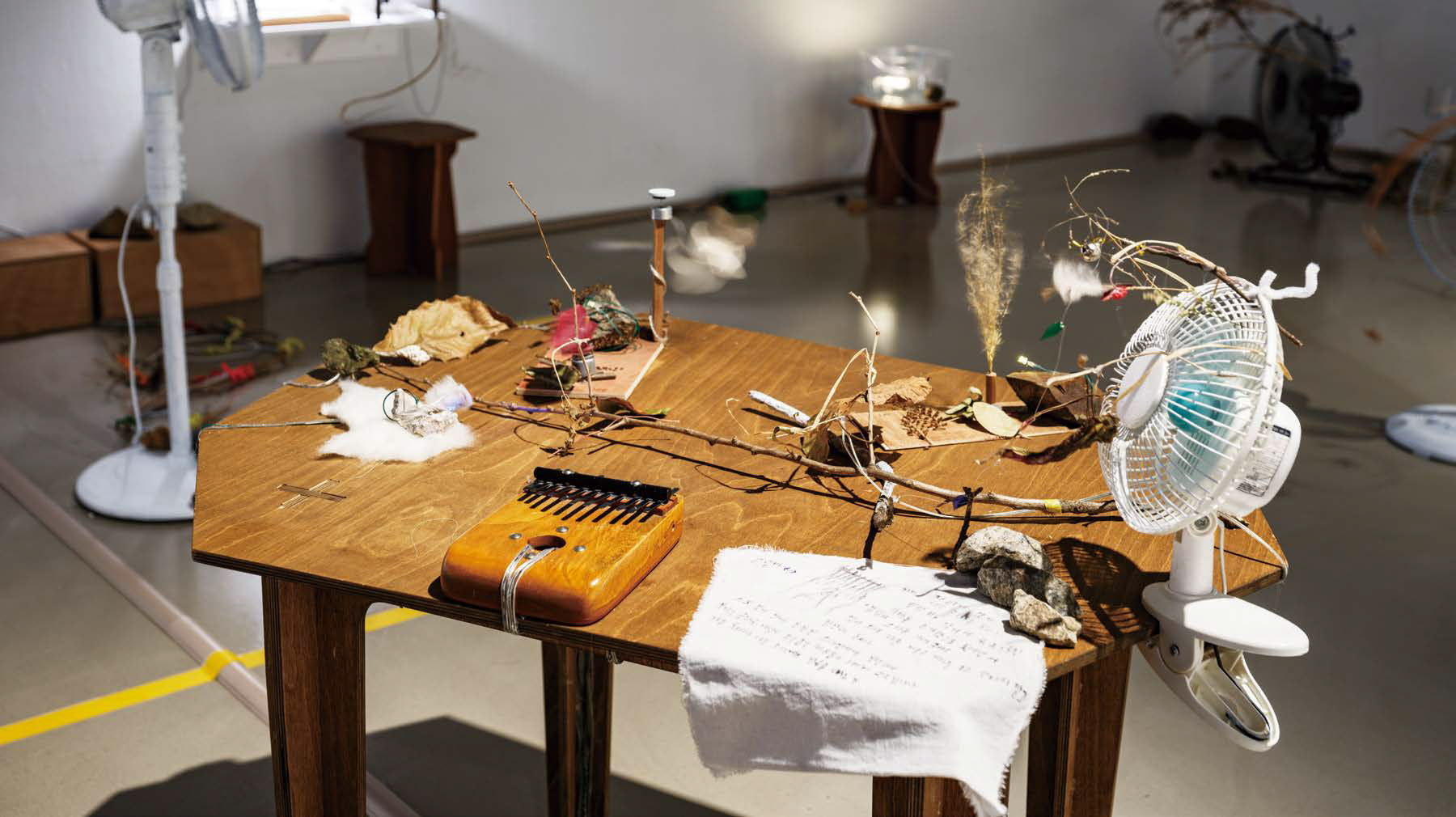
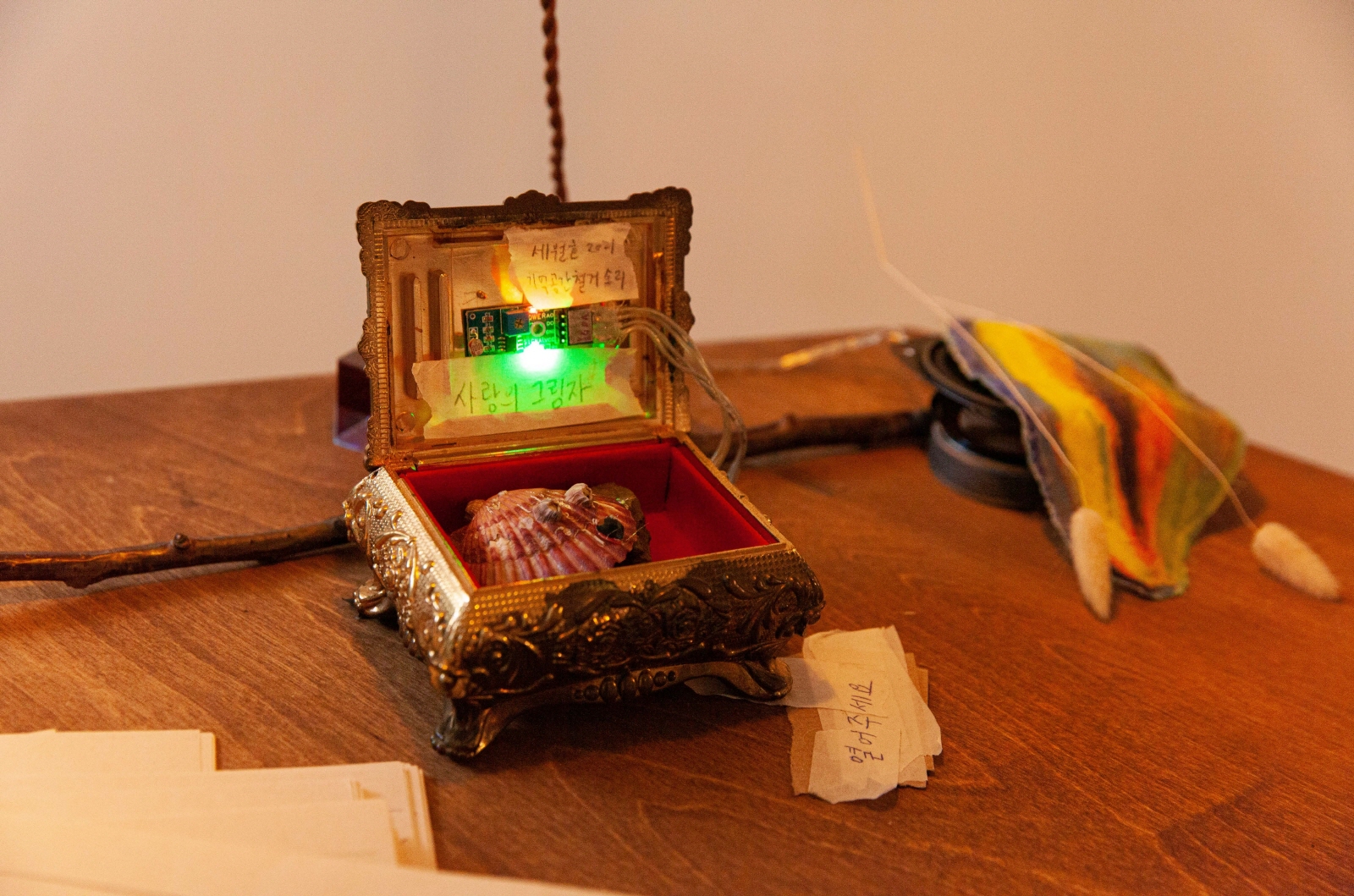
view of 《Love from Ruins》 © Oro
Minkyung
Installation
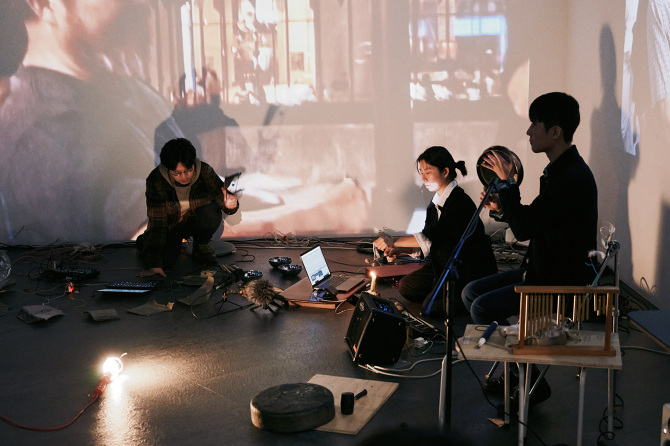
view of 《Love from Ruins》 © Oro
Minkyung
#2 The Exhibition Space
Invitation Text
When
did it begin — that Seoul felt like a city collapsing a little more each day? Living
in a collapsing city, I sensed the forces that endure to avoid collapse. A
tense atmosphere on the verge of snapping — struggles of conquest and loss — ecosystems
of desolate emotion crushed into dust on the ground. Surrounded by things that
continuously fall apart, our thoughts and senses become unable to imagine
beyond destruction. We want to escape the fear of loss, but our bodies do not
easily move forward.
In such moments, I began thinking about the interactions
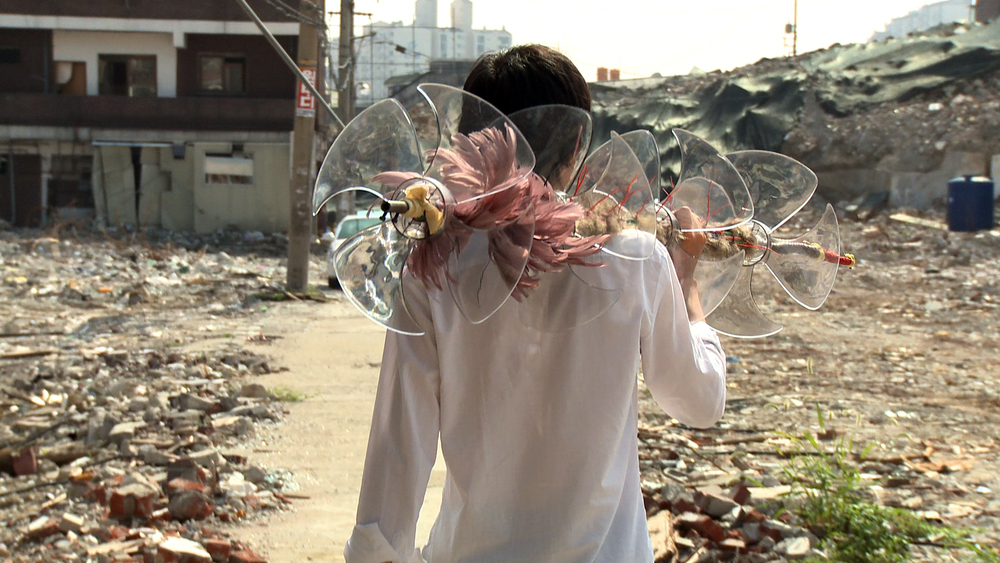
between environment and body. The remnants of destruction — abandoned open
fields, the scattered forms of tiny fragments — every time I wished to pause
before them, a question arose: “When someone hates someone, someone else plants
a seed again.” There exists a movement of love that becomes more confused, yet
more transparent in front of that.
《Love from Ruins》 reflects
on love encountered at a place of ruins where no leap seemed possible — love
that led me to ruins, love that gave me strength to face ruins. It questions
love in its many forms — a story of togetherness found in the journey
of losing and reclaiming one’s name. May we share the tender sprouts rising
among what has collapsed, the faint lights that appear only in the darkest
hours — our questions and affections for them.