Exhibitions
《HYPER GREEN ZONE》, 2024.07.25 – 2024.08.11, Post Territory Ujeongguk
July 24, 2024
Post Territory Ujeongguk
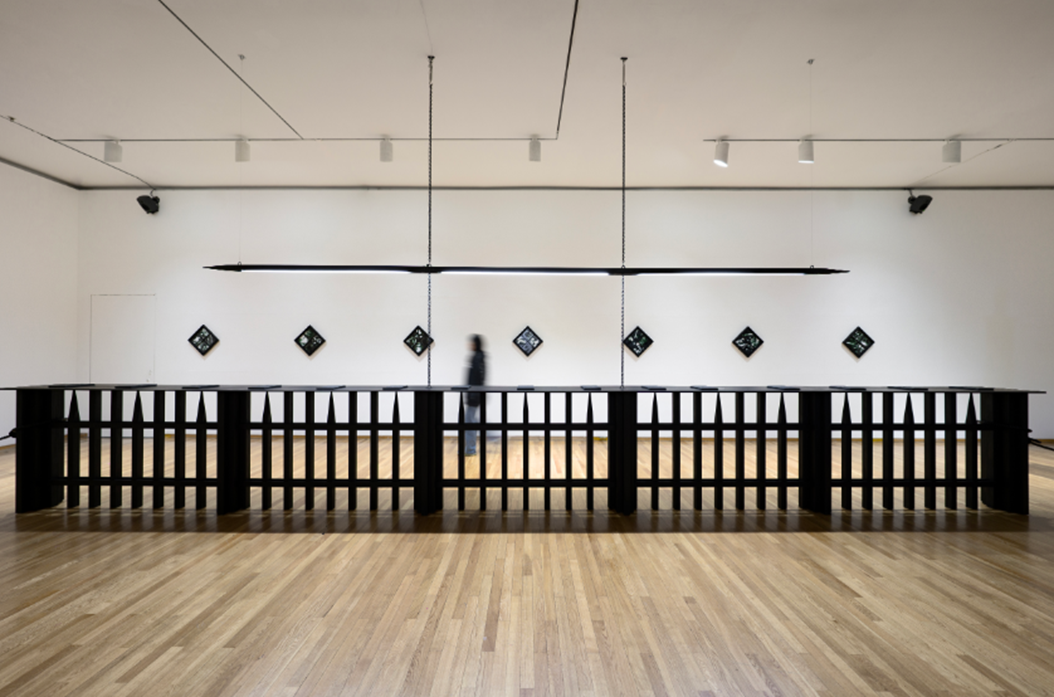
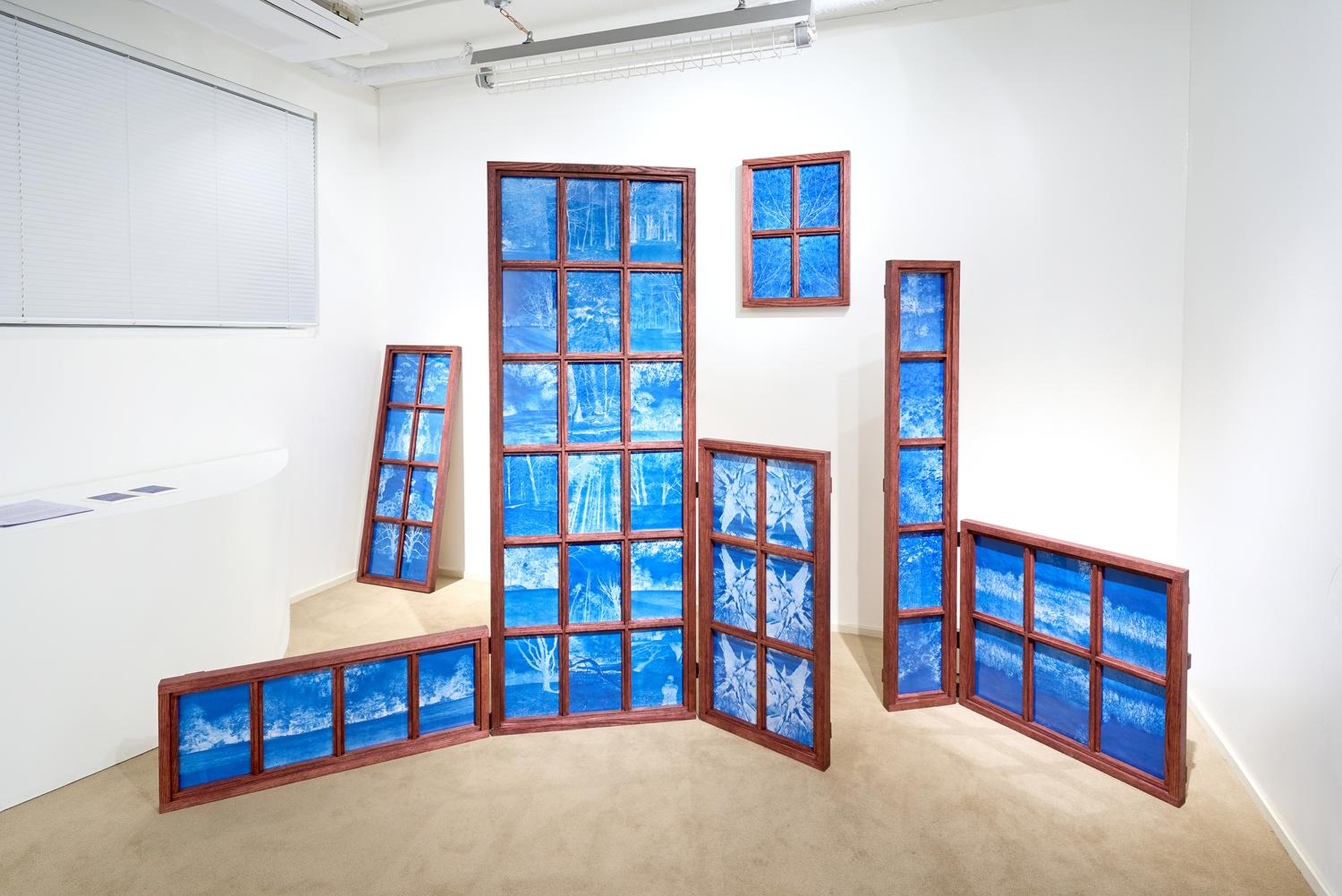
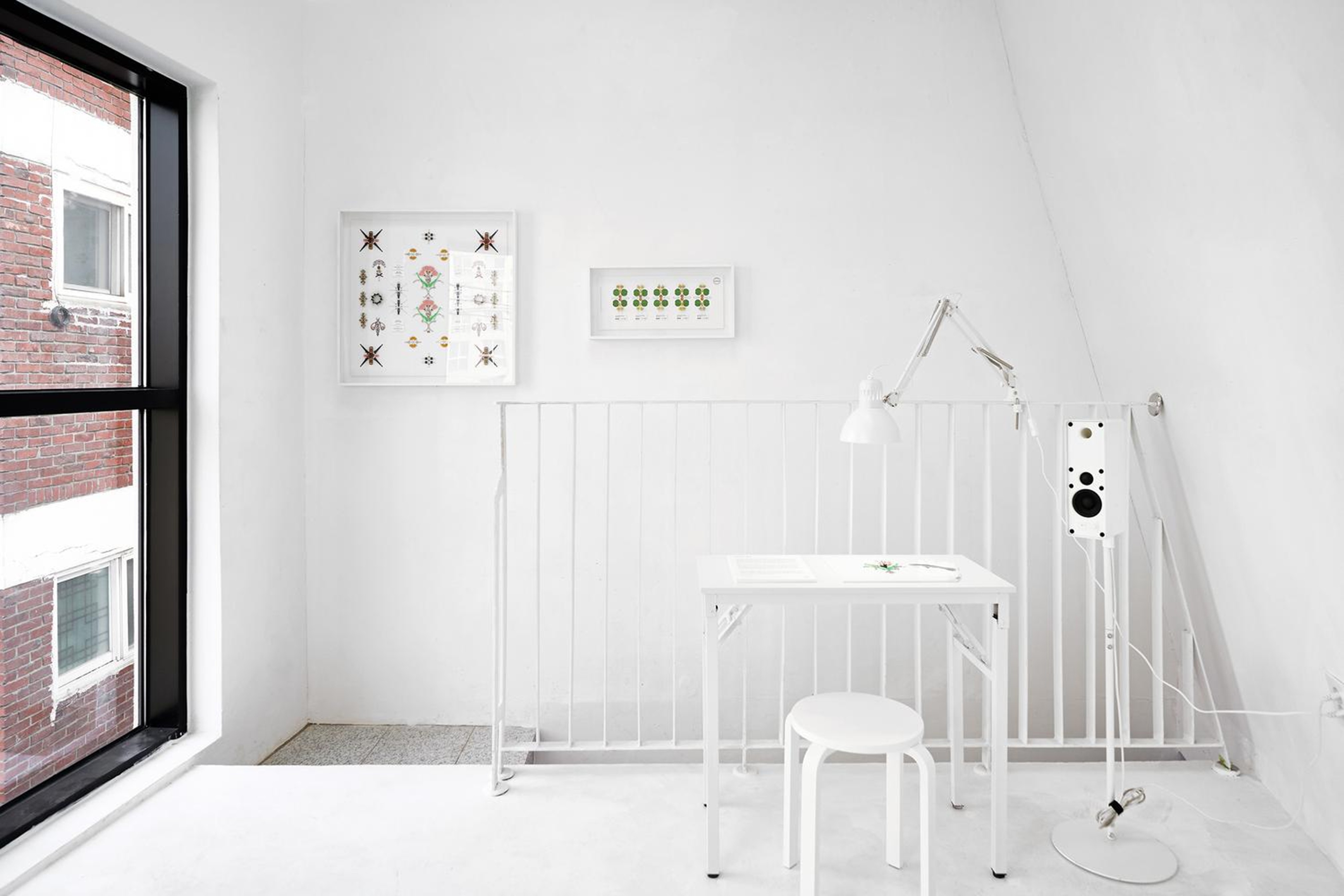
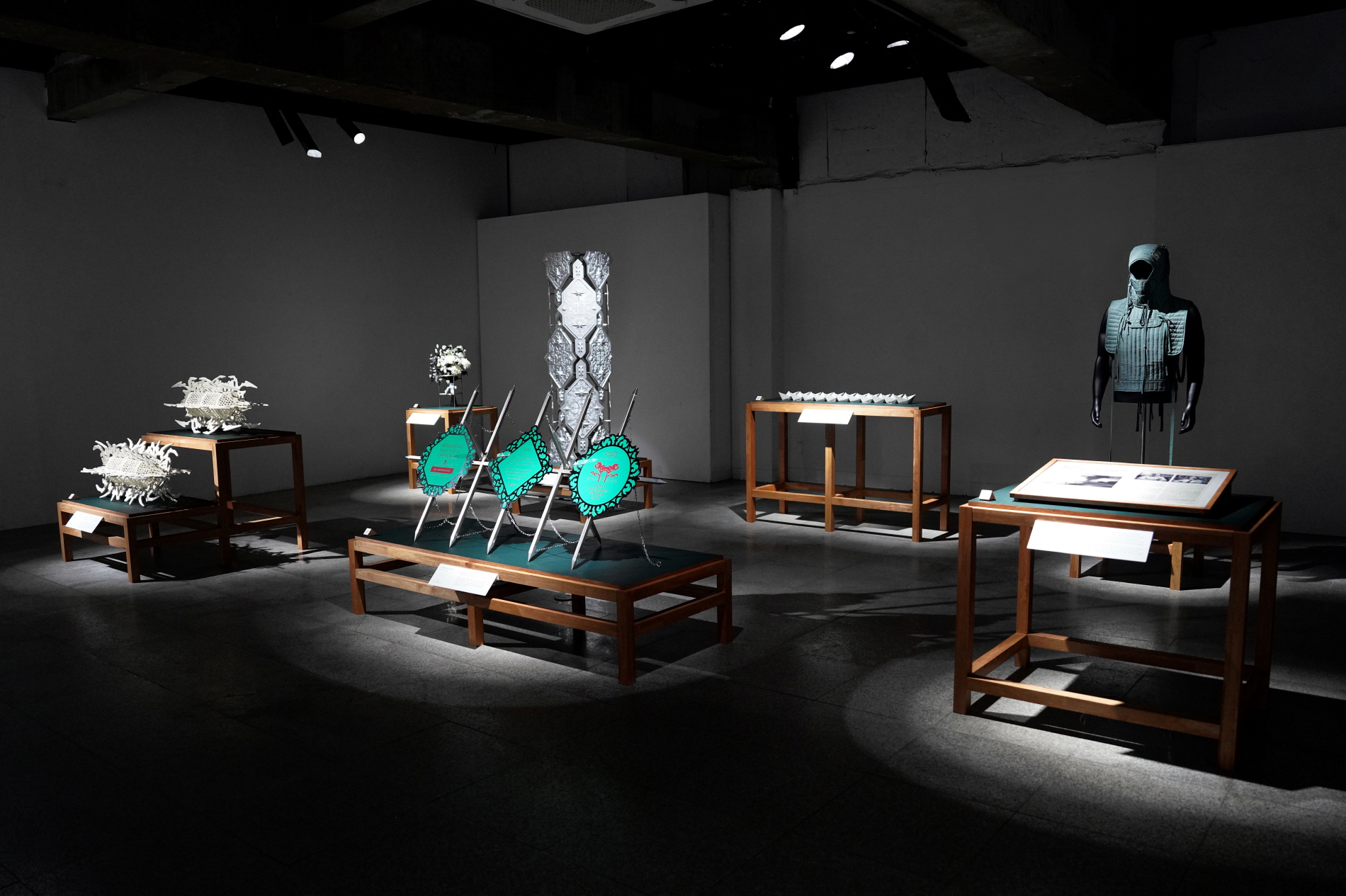
 Installation view of 《HYPER GREEN ZONE》 (Post Territory Ujeongguk, 2024) ©Seungjoon Song
In the aftermath of the pandemic, we have witnessed the fractures
of the human-designed global ecosystem return to us as a catastrophe, realizing
that humanity can never be separate from nature. Paradoxically, however, nature
separated from humans has come to be idealized as a perfect, original form of
nature today. But can we truly view a humanless nature only as ideal?
Contemporary no man’s lands—from Korea’s DMZ to Chernobyl (CEZ)
and Fukushima (FEZ)—are dangerous zones inhabited by violent objects such as
weapons of war and radiation. They testify that this “ideal nature” can in fact
be achieved through violence.
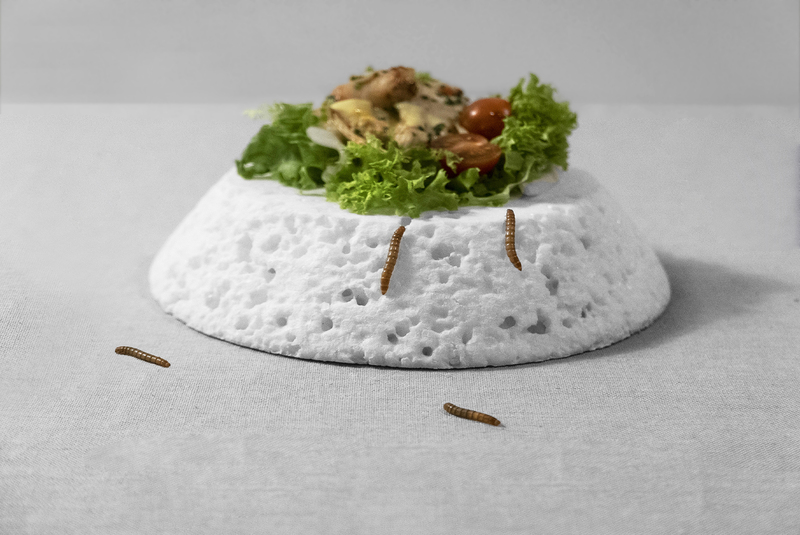
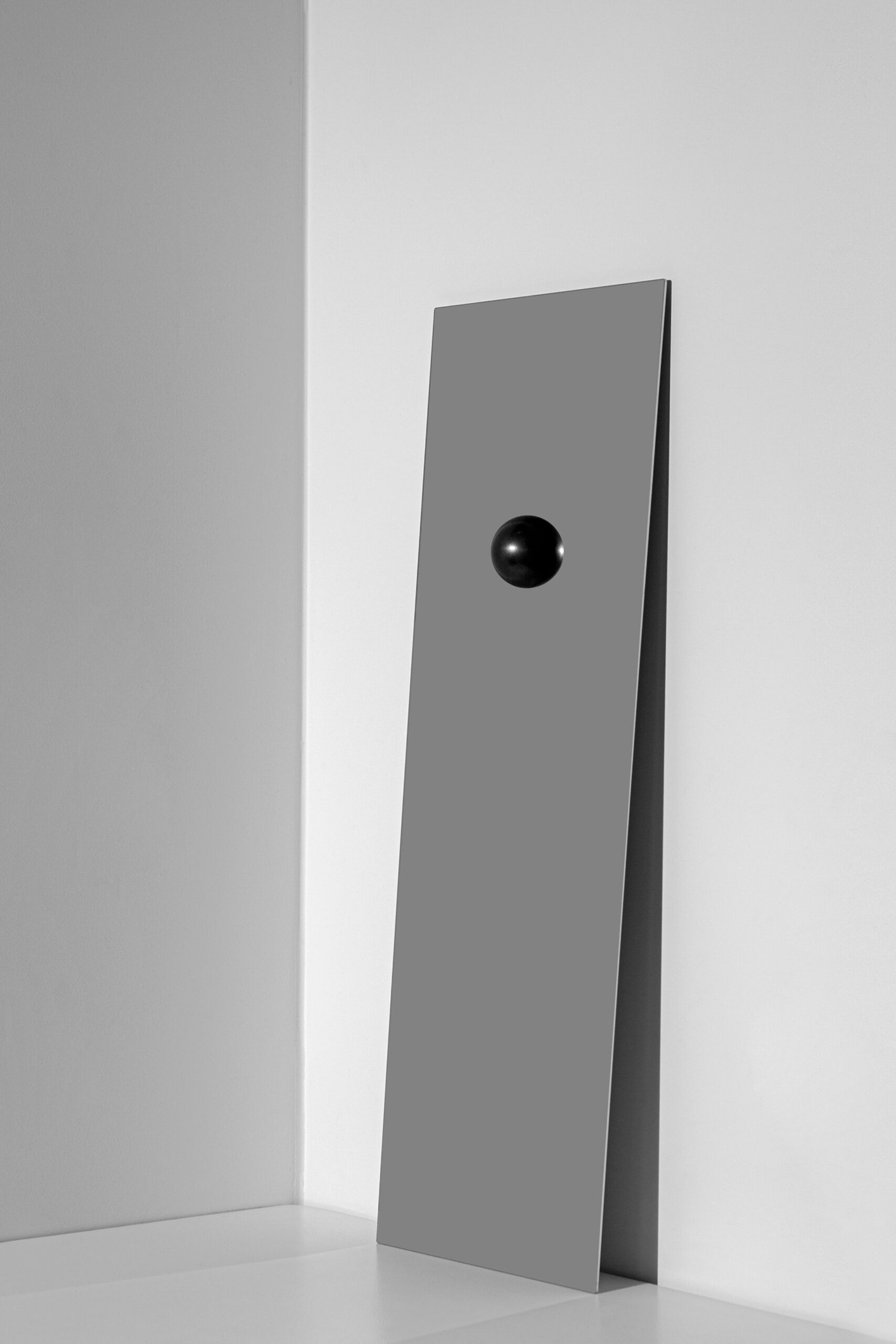
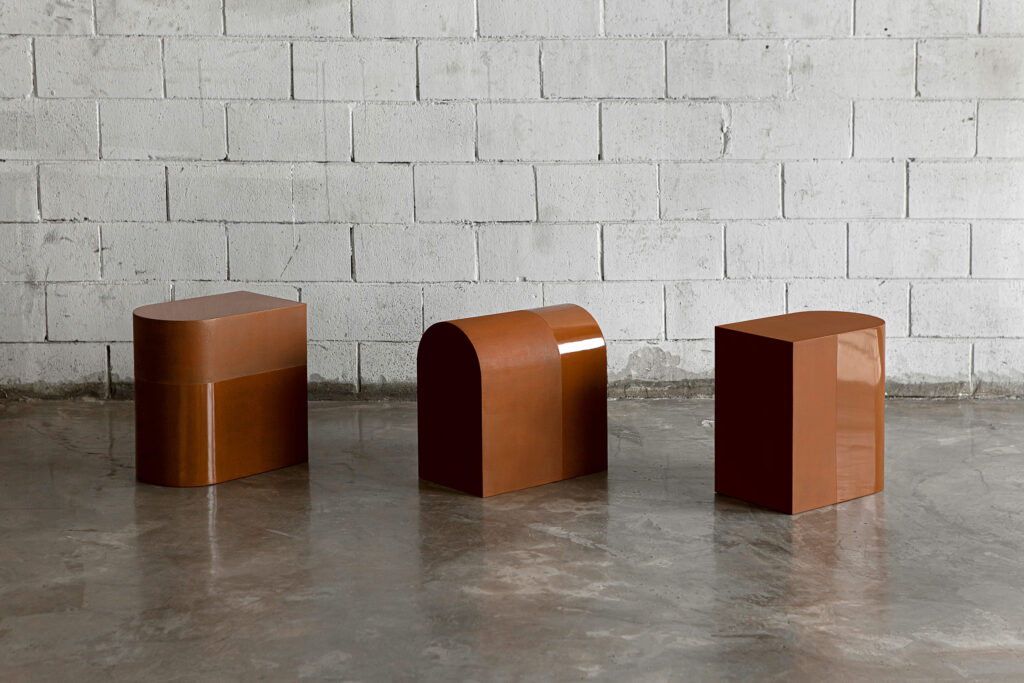
 Installation view of 《HYPER GREEN ZONE》 (Post Territory Ujeongguk, 2024) ©Seungjoon Song
《HYPER GREEN ZONE》dramatically stages the
uncanny and contradictory aspects of nature observed in these contemporary no
man’s lands, through the imagined future of humanity isolated in a threatening
green zone.
The exhibition presents seven fictional artifacts discovered in
this era, each documenting tragic fragments of the time from different
viewpoints. In this world where the meaning of “green” has been overturned into
one of threat and fear, the so-called “hyper green zone” invites viewers into
an apocalypse brought forth by untouched, idealized nature. It calls for
dismantling the human–nature dualism and redefining what ideal nature means.