Seungjoon
Song’s practice begins with dismantling the dualistic structure that separates
humans from nature. He continuously investigates how the modern idea of
dividing nature into “civilized/uncivilized” constructs an idealized image of
nature, and how that image, in turn, distorts our perception of reality. The
early work Organic Salad(2020) exemplifies how the “normal
cycle” of an ecosystem becomes overturned when it intersects with human
industrial systems, revealing how fragile our concept of nature truly is.
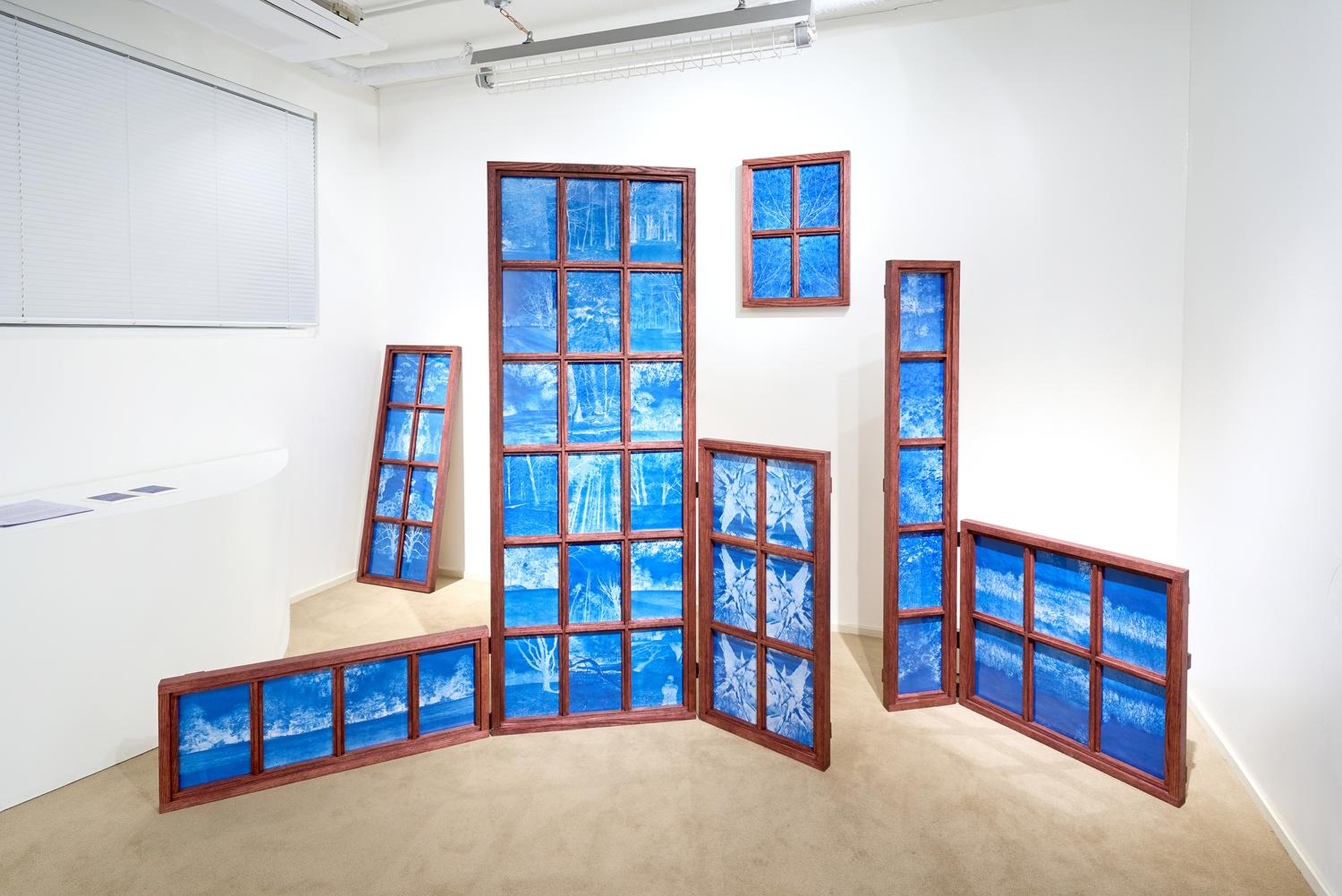
This line
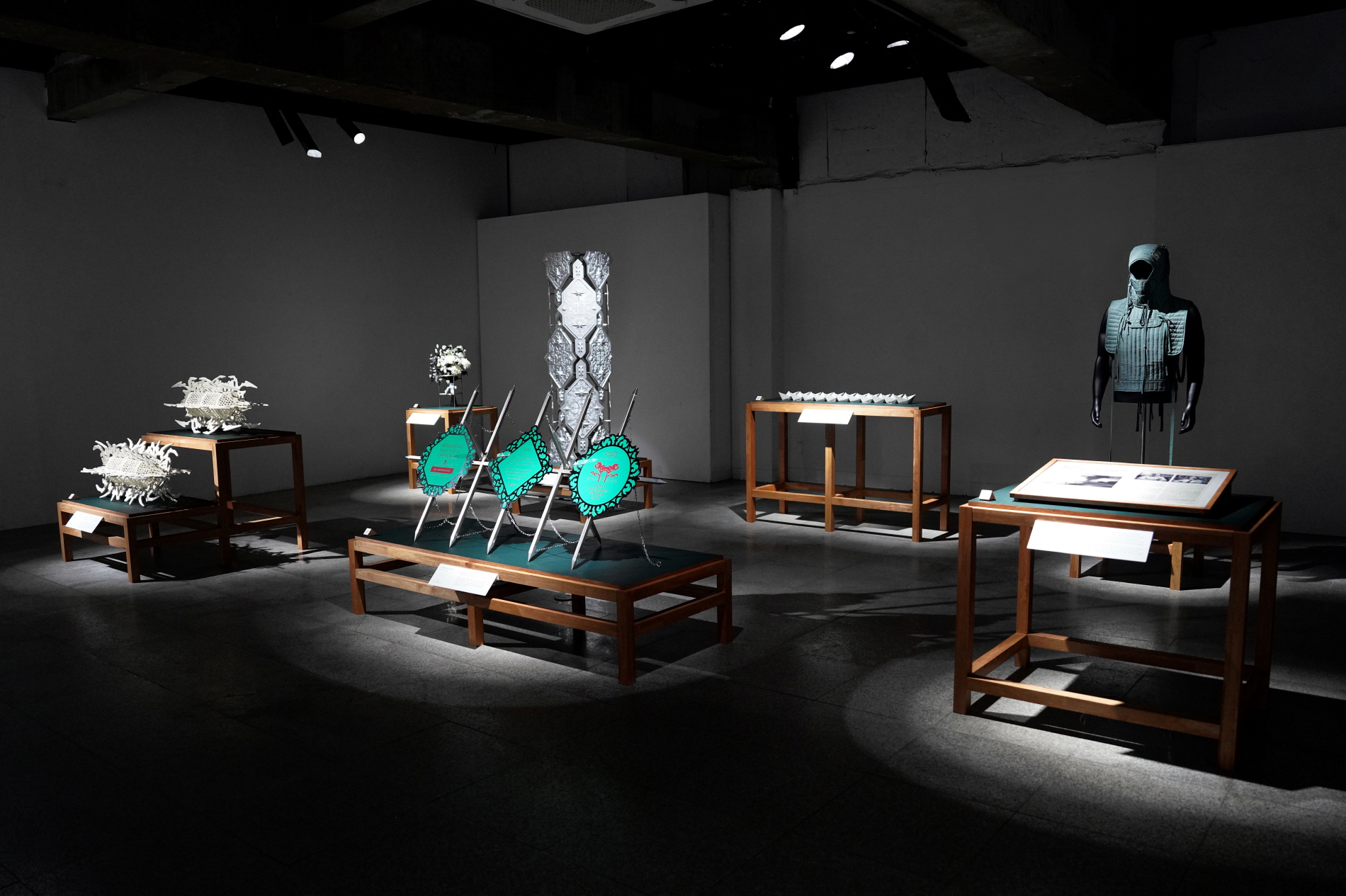
of inquiry expands into the artist’s long-term interest in no-man’s lands. In
works such as Suspicious Museum of Natural History, Missing Species in
DMZ Biodiversity, and DMZ Ecosystem Diorama presented
at the Design Academy Eindhoven Graduation Show in 2022, he critiques the
widespread belief that places like the Korean Demilitarized Zone (DMZ), CEZ
(Chernobyl), and FEZ (Fukushima) symbolize untouched nature. Instead, he
reveals that their so-called natural state is paradoxically formed by violent
infrastructures. In this sense, the “ideal nature” is not a romantic outcome of
human absence, but a landscape produced through war, pollution, and radiation.
At the
same time, the artist does not regard nature as a fixed entity with inherent
essence. Rather, he understands it as “a temporal flow of continuous formation
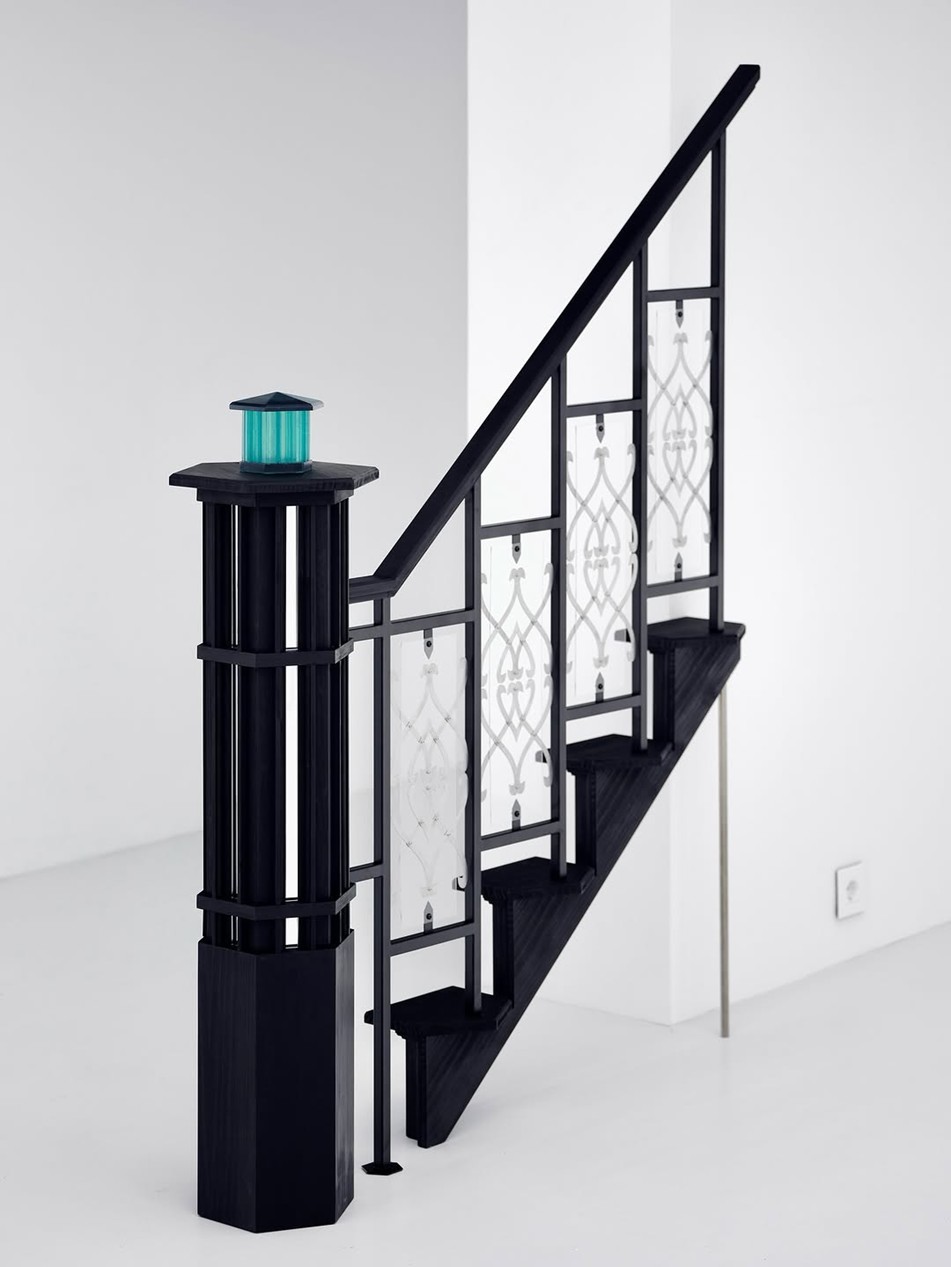
and extinction,” a perpetually self-transforming presence. His solo exhibition 《Hyper Green Zone》(Post Territory Ujeongguk,
2024) intensifies this instability by presenting a world in which the meaning
of green is inverted from peace and ideality to “threat and fear,” exposing the
inherent contradictions of the concept of nature.
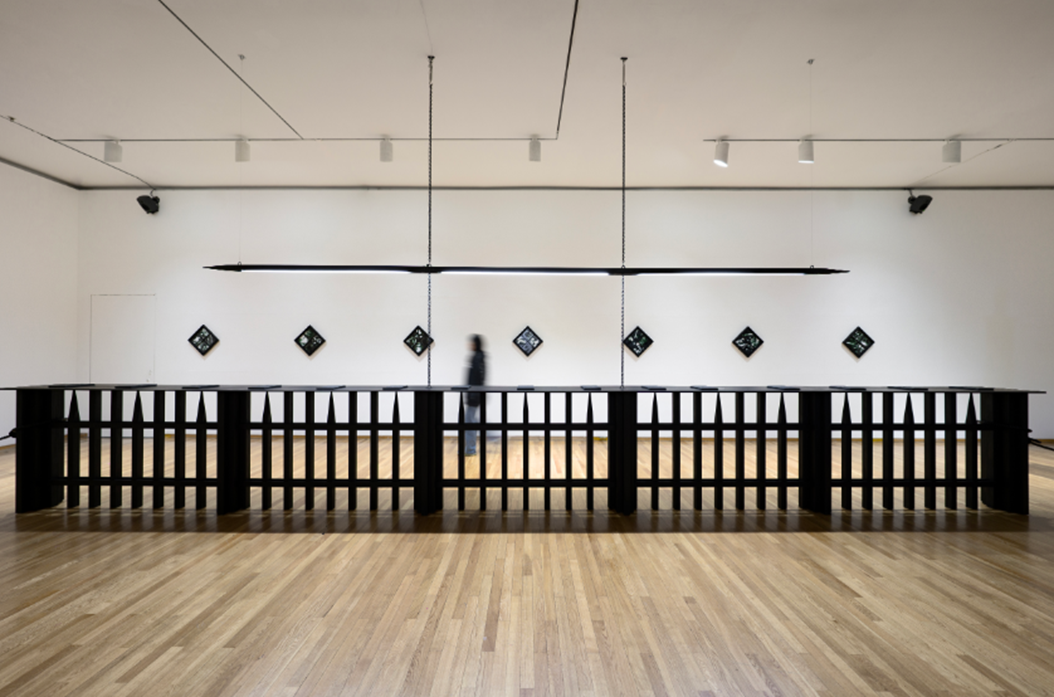
The recent
exhibition 《The Pollinator》(Kumho Museum of Art, 2025) expands his subject into an aerial and
cosmic dimension. Set in Proxima, an airborne refugee settlement, the scenario
imagines the sky—absent of humans—as another form of “no-man’s-land ecosystem,”
contrasting natural cycles with the finitude of human existence. Through this,
nature is no longer a matter of terrestrial landscape but a comprehensive
ecological system that challenges human-centered perspectives.