
Hyungkoo Lee, Pink Vessel, 2022 © Hyungkoo Lee

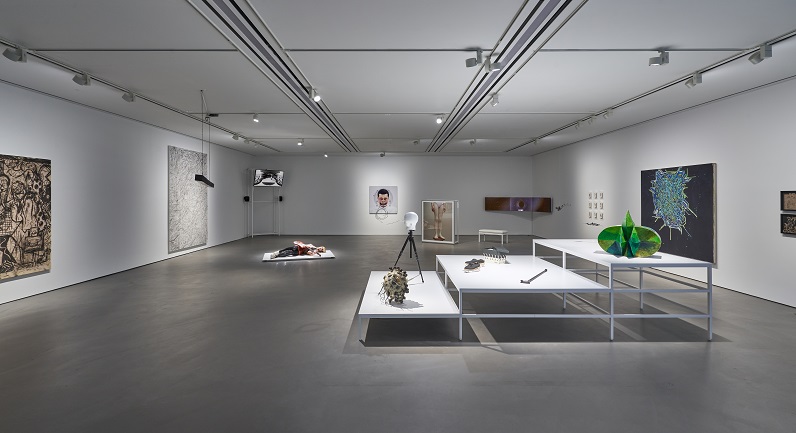
The exhibition 《Korean Contemporary Artist Highlights IV – Hyungkoo Lee》 held at the Busan Museum of Art occupied the entire second-floor galleries, securing a sufficient scale to address the artist’s practice in depth. Presenting 78 works, including previously unseen pieces, the exhibition set out to thoroughly reveal the world of Lee’s work.

The galleries were divided into five major sections, arranged not in a chronological sequence but by series, so that each body of work could be encountered within an environment suited to its particular qualities. Opening with the artist’s representative ‘ANIMATUS’ (2004–2015) Series, the exhibition unfolded with gravity across ‘The Objectuals’ (1999–2010) Series, ‘Eye Trace’ (2010) Series, ‘MEASURE’ (2013–2014) Series, ‘Face Trace’ (2011–2012) Series, and finally the recent ‘Chemical’ (2021–) Series.

At the center of the galleries, a massive archival table was filled densely with Lee’s early works, working notes, drawings, reading materials, collected references, components, and models. This accumulation offered the pleasure of discovering minor yet crucial clues embedded throughout his practice.

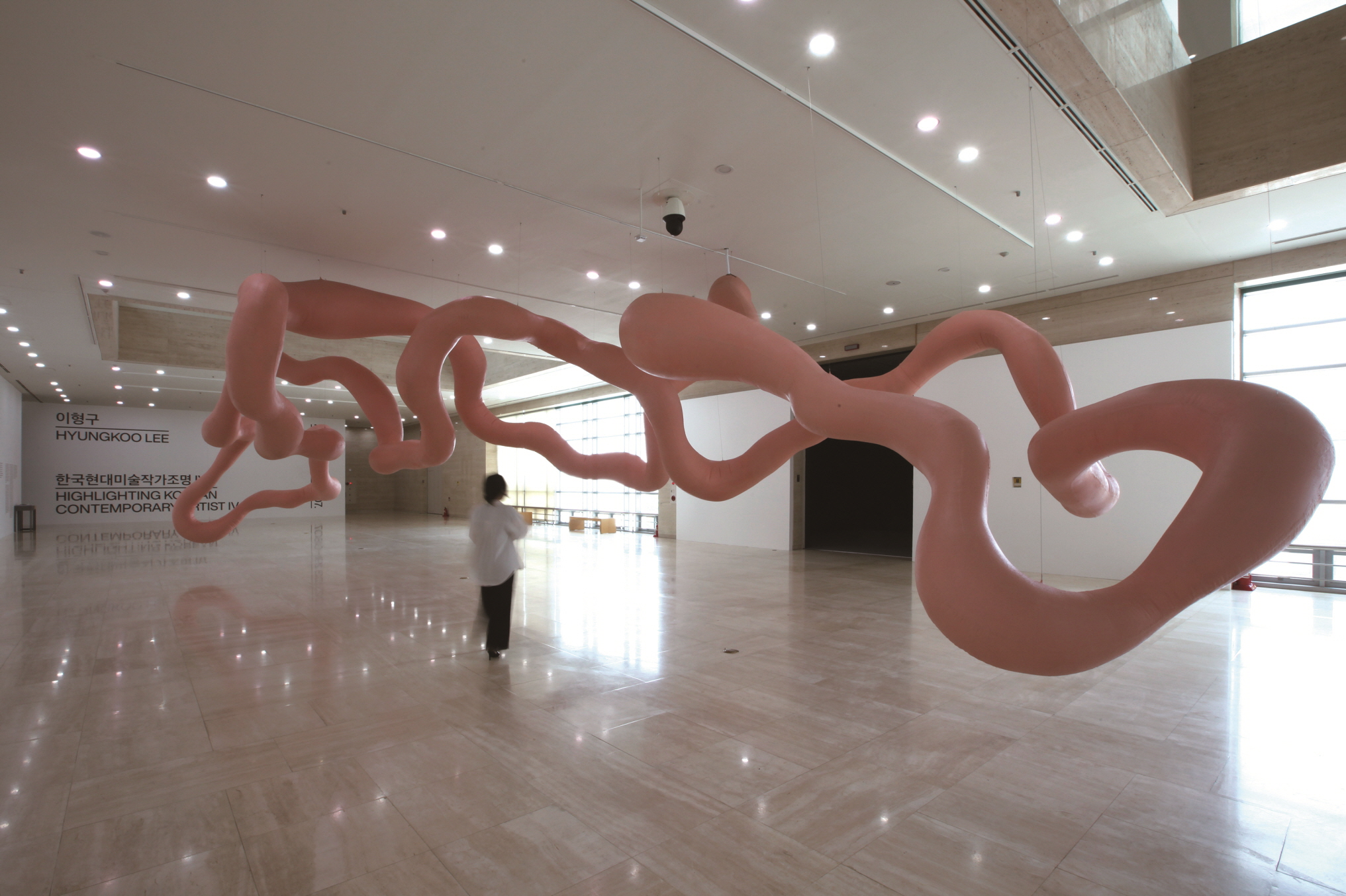
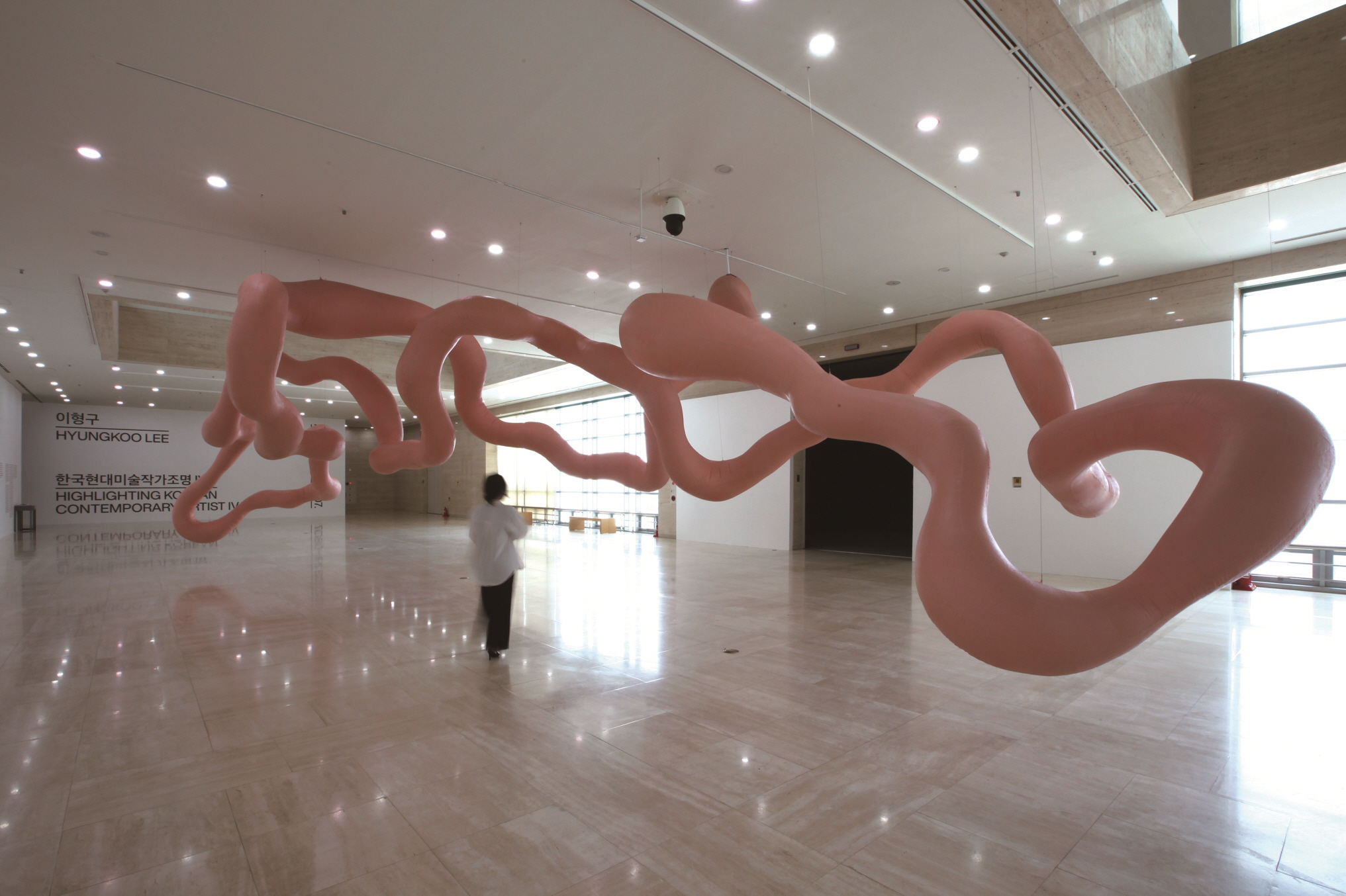
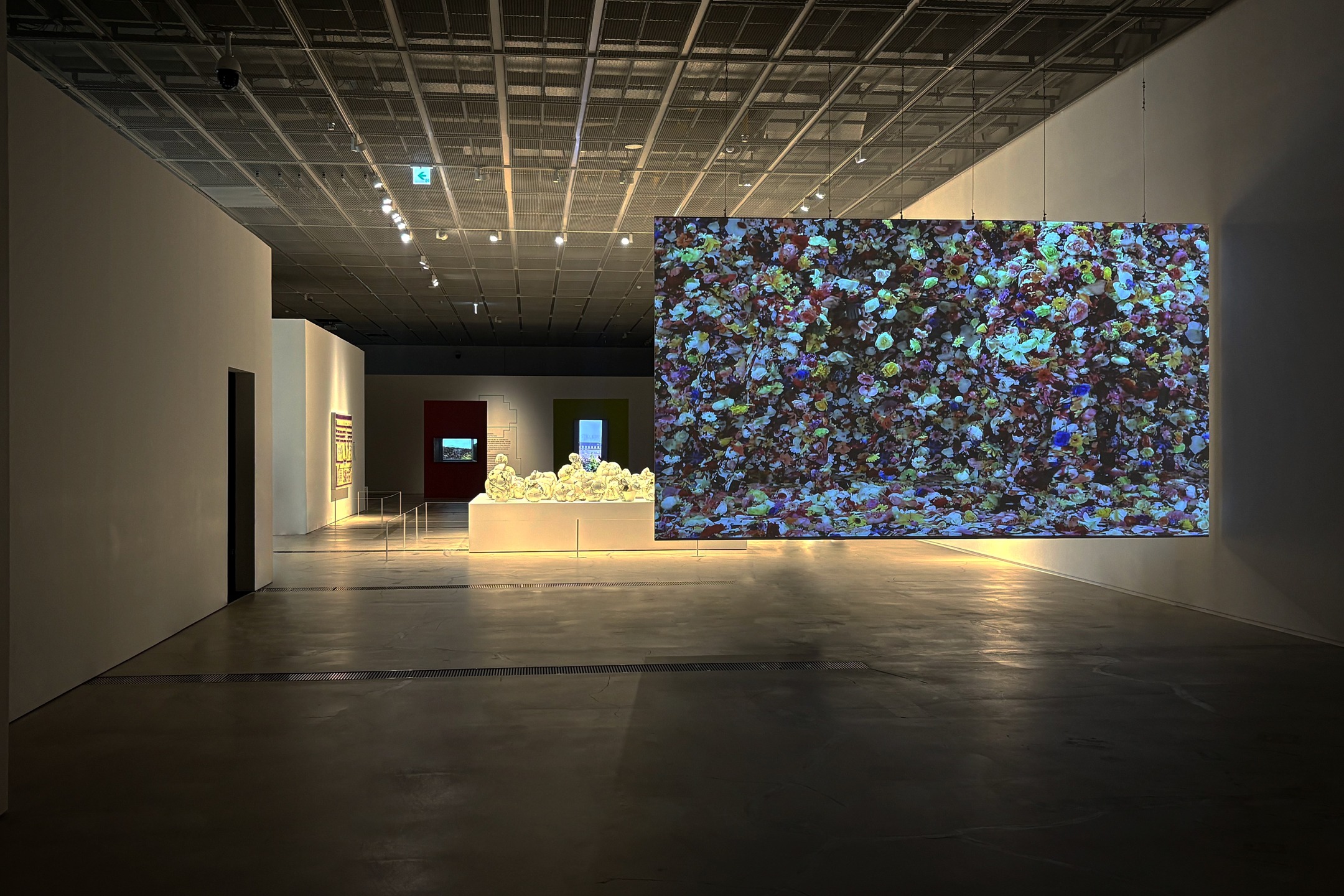
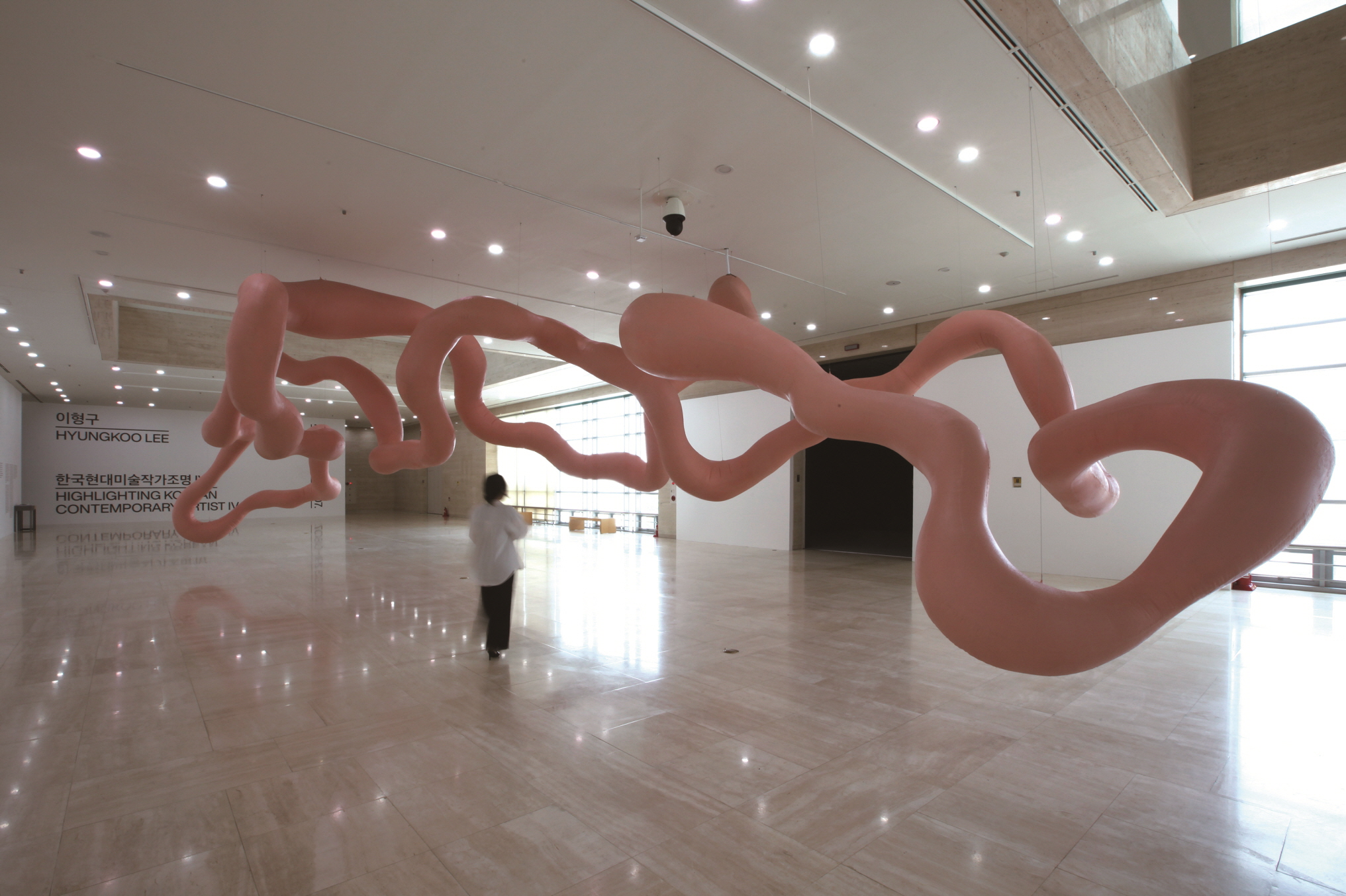
Meanwhile, the striking sight at the entrance—where the Busan Museum of Art’s commissioned new work Pink Vessel(2022) was installed across the ceiling alongside Homo Animatus(2004), which the artist describes as the starting point of the ‘ANIMATUS’ Series—left a vivid impression. Pink Vessel, made by applying silicone onto synthetic fiber constructed with a continuous air-injection system, instantly evokes internal bodily organs through its smooth, sinuous, vibrant pink form. Encountering this work next to the early ‘ANIMATUS’ pieces suggested a continuous loop within Lee’s twenty-year exploration of the body.

Hyungkoo Lee, Geococcyx Animatus & Canis Latrans Animatus, 2022 © Hyungkoo Lee

The Body That Calls Forth Presence Through Absence

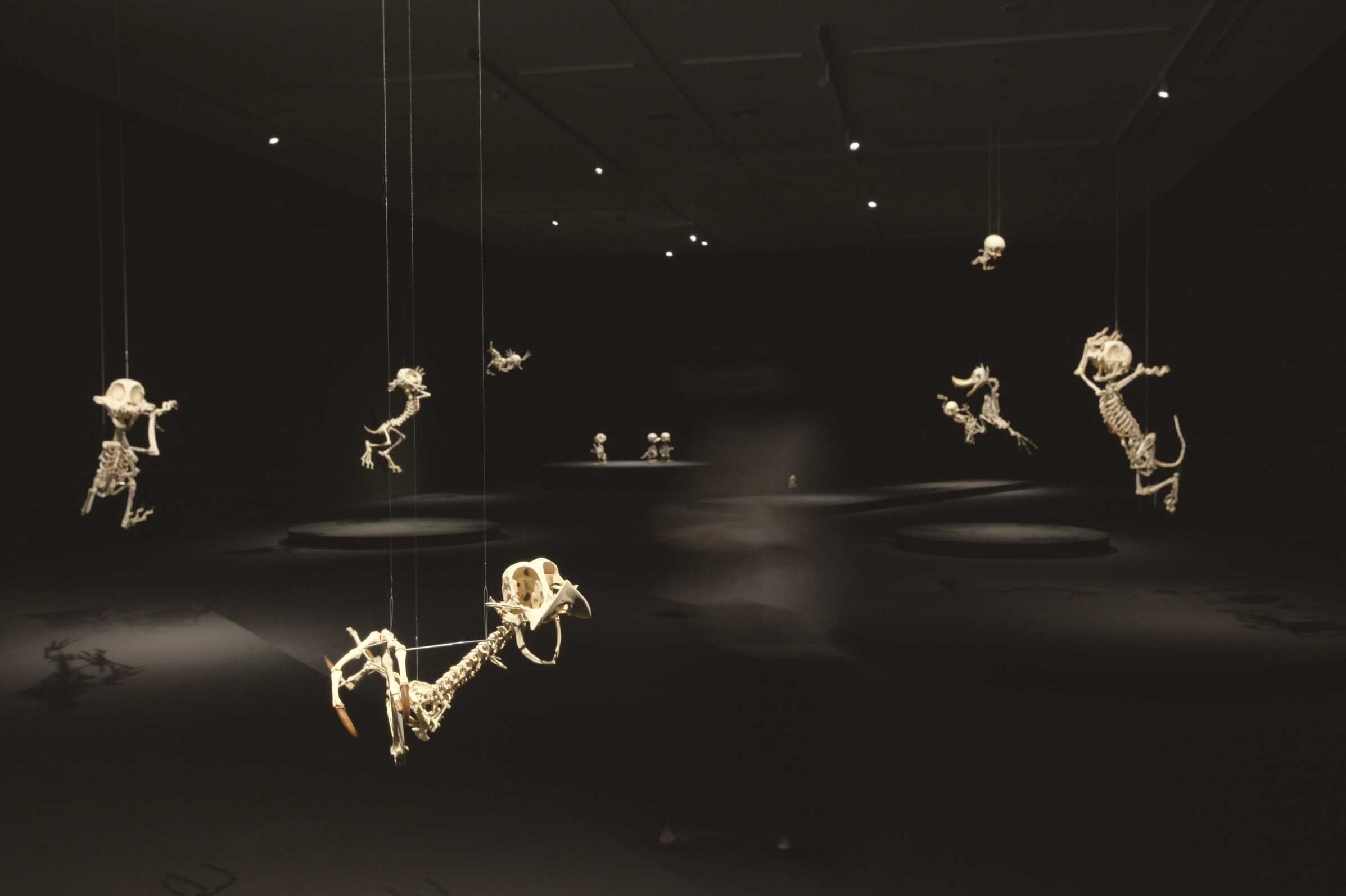
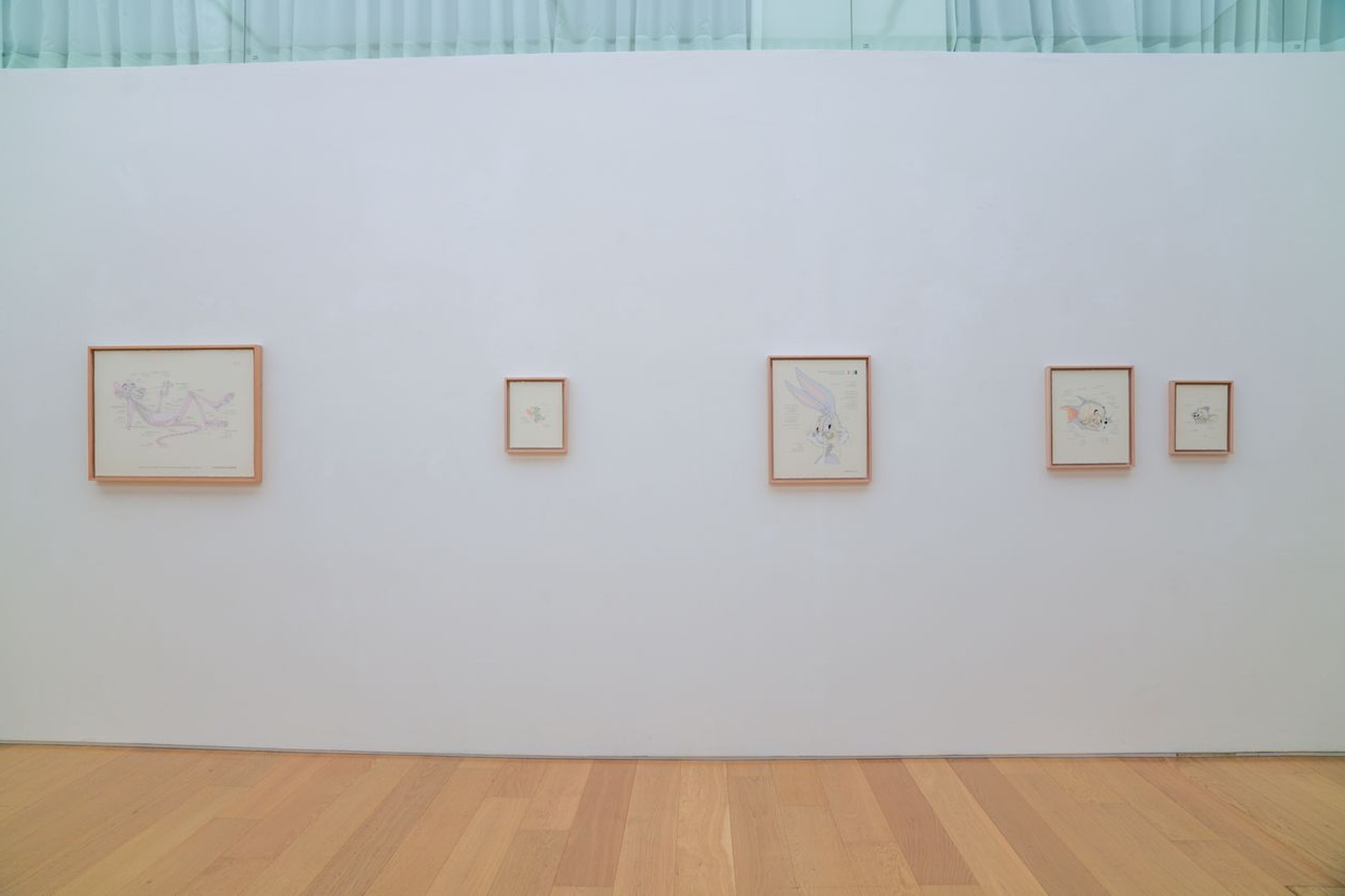
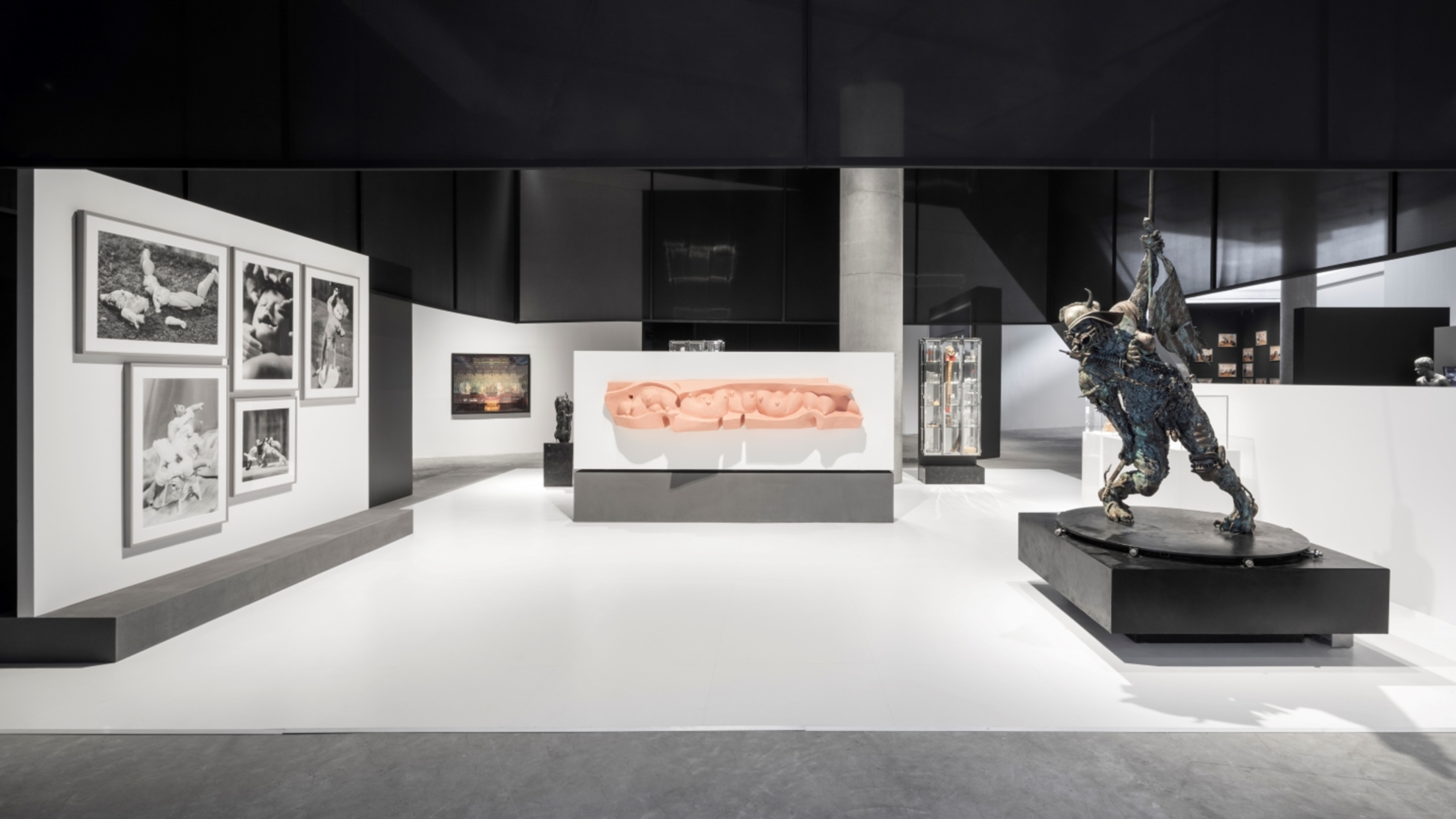
The first works encountered in the galleries belong to the ‘ANIMATUS’ Series, which occupies an essential position within Lee’s broader practice. Aside from Homo Animatus, one drawing and seven sculptures were installed in the initial space, staged in deep, dark tones reminiscent of an archaeological museum. In this well-known series, Lee persistently investigates bodies that do not exist in reality—imagined anatomies pursued with scientific intensity. He brings familiar animated animal characters into his laboratory and reconstructs the skeletal structures they would possess if they were real.

From spines adapted for upright posture, pelvises and leg bones enabling bipedal gait, impossibly large hands and claws, and even expressive qualities embedded into bone—Lee meticulously renders these bodies so they appear to exist before us. And perhaps this is why the thin wires, small metal joints, forms of the bases, and the way the sculptures are mounted become more conspicuous than the skeletal shapes themselves: each of these elements operates as a paradoxical device that makes these fictional bodies seem real.

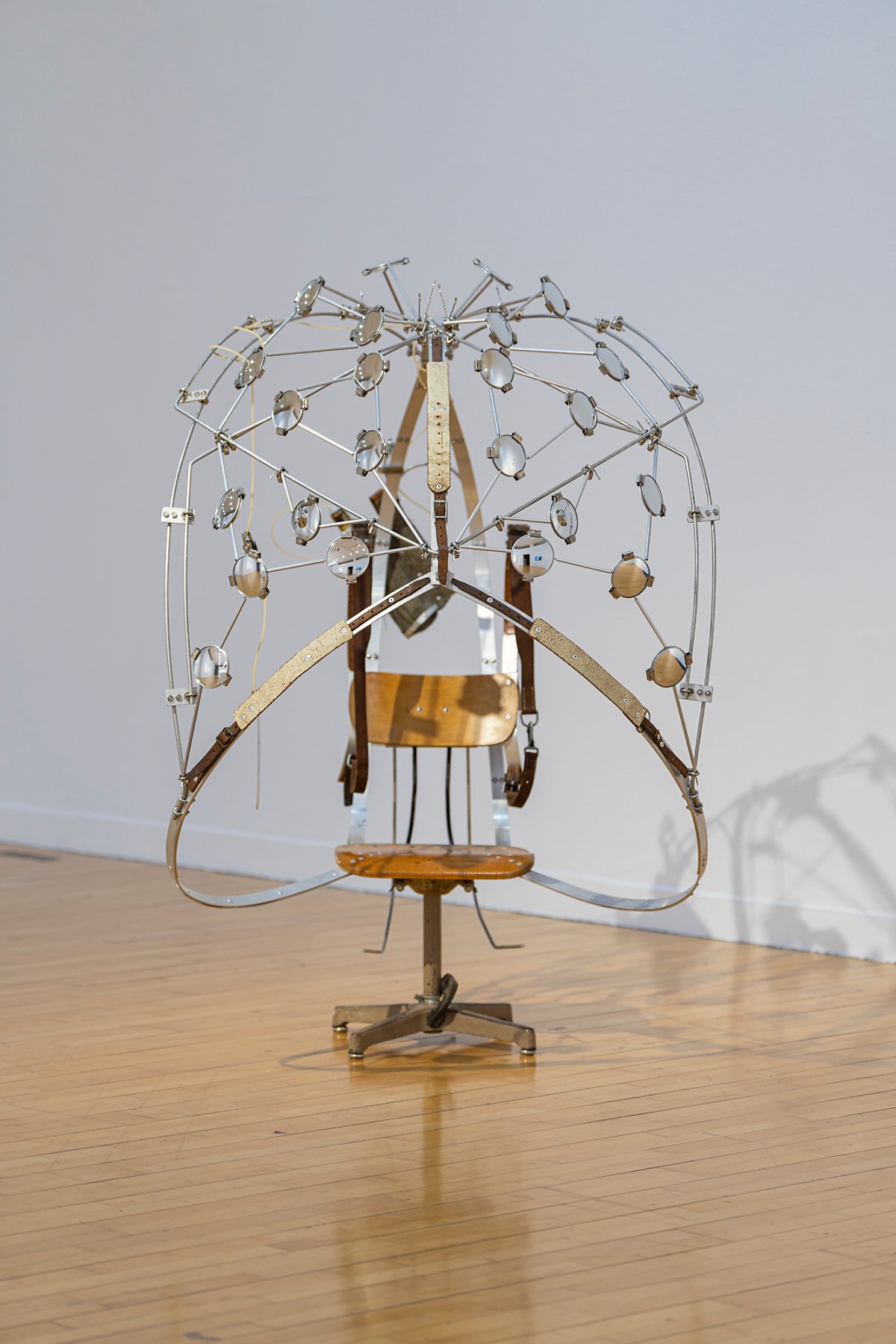
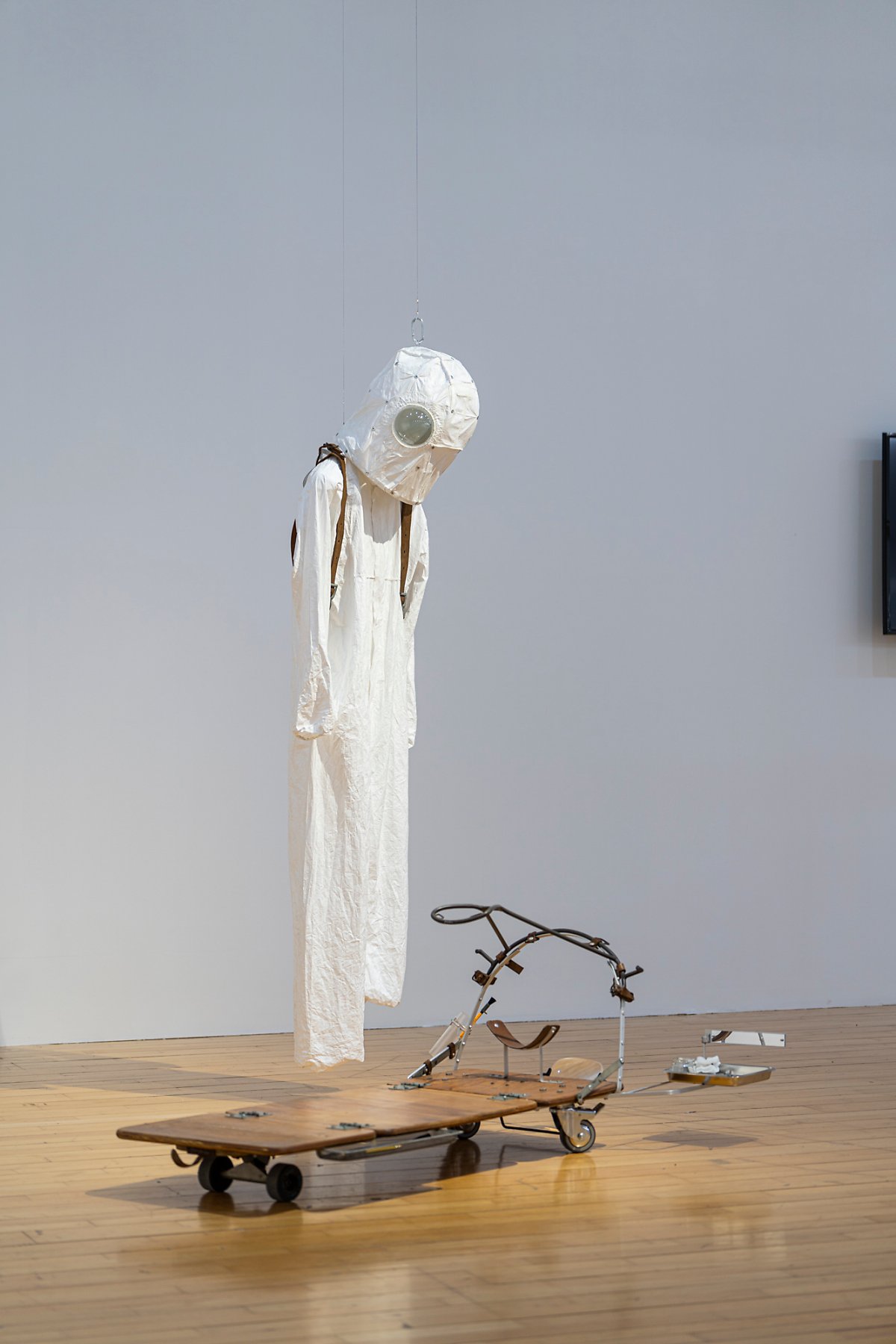
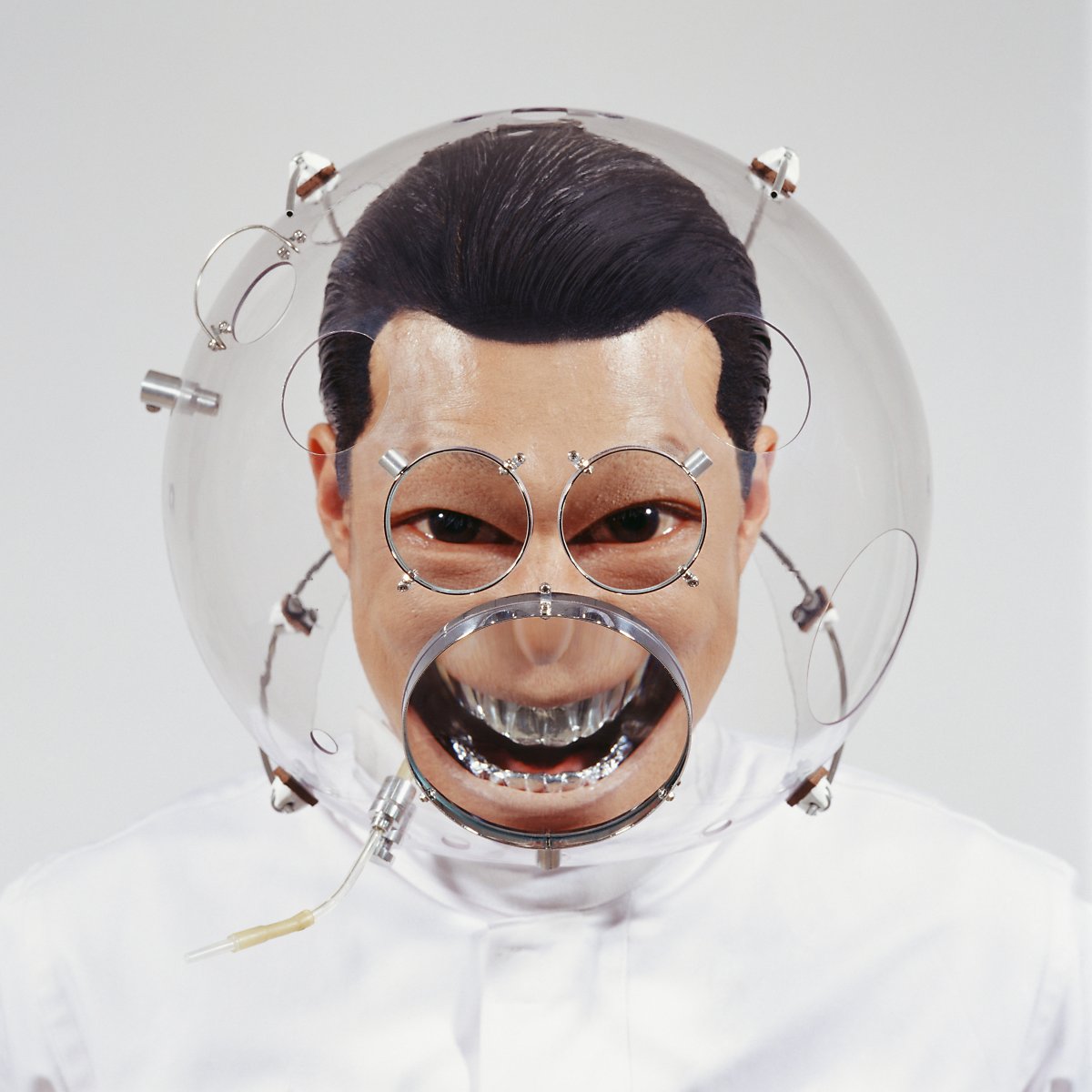
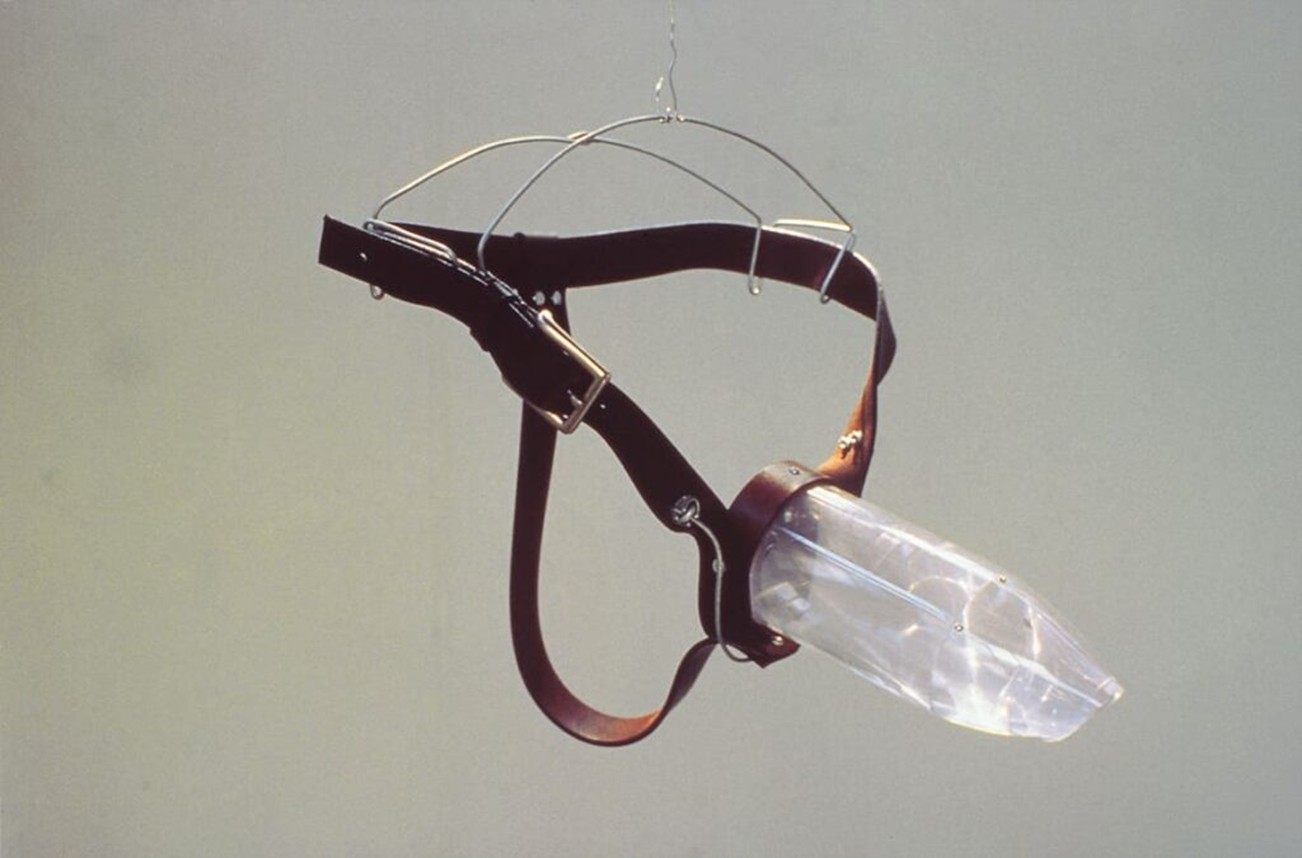
The sequential installation of photographs from ‘The Objectuals’ Series alongside sculptural works from the ‘Eye Trace’ and ‘MEASURE’ Series revealed an important shift in Lee’s concerns—from exaggerated representation of the body toward expanded structures of the body. In Fish Eye Gear(2010), for instance, a full-body protective suit with fisheye lenses attached to each side of the head hangs empty, as if waiting for an absent wearer. Similarly, Mirror Canopy(2010) and Creeper(2010) appear ready to function the moment someone sits or lies within them. These works make it unmistakable that they were conceived with the human body in mind.

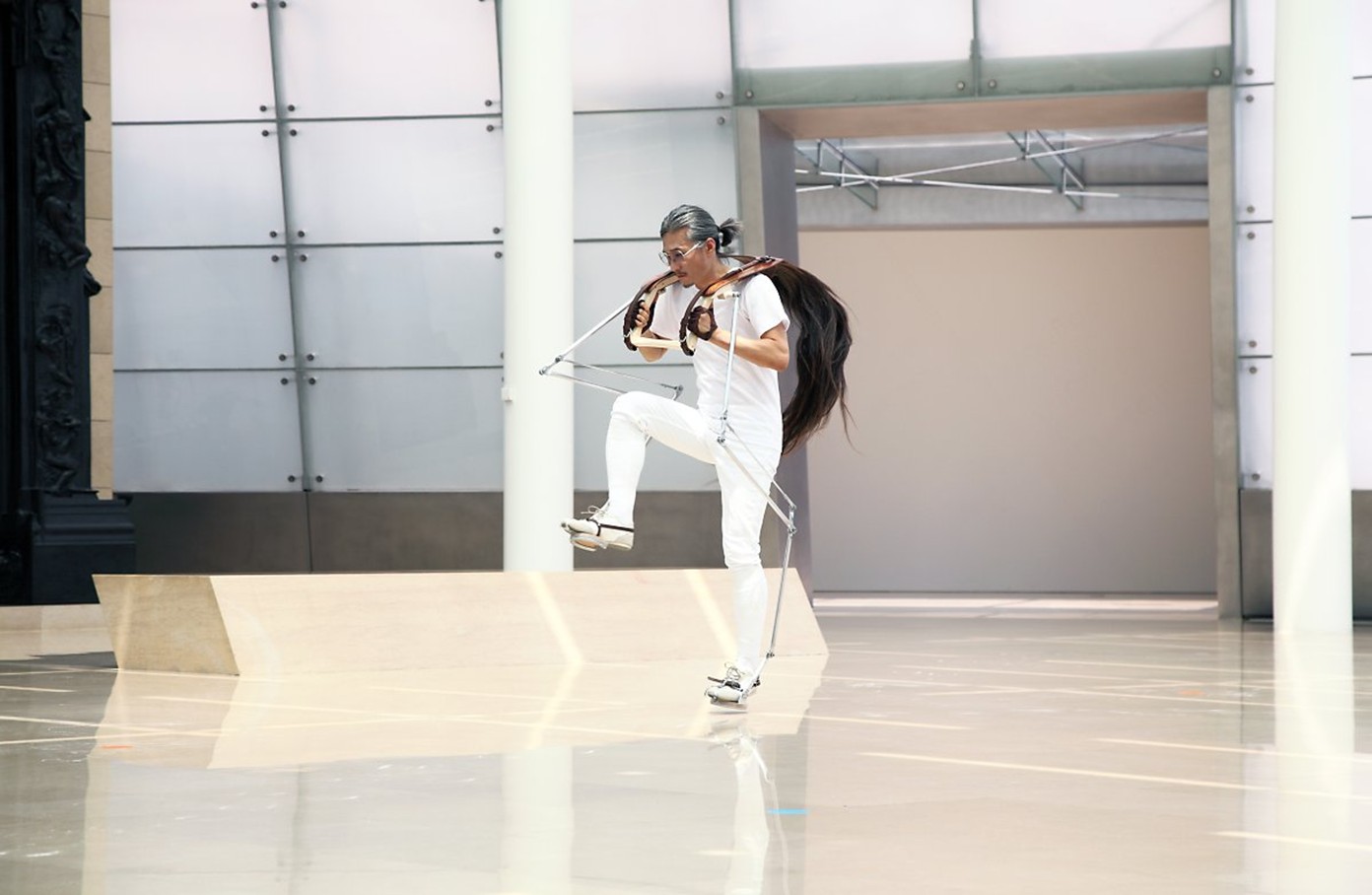
However, since they were not created for the participation or experience of the many viewers gathered in the exhibition space, Lee’s sculptures—absent of bodies—become works perpetually awaiting another body. Having watched the video performance in MEASURE, one may look again at the ‘Instrument’ (2014) Series and imagine where the artist’s hands may have firmly gripped, where shoulders or insteps may have lightly hooked, or where quick rhythmic tapping against the floor might have occurred, continually summoning the absent body that is not there.

Hyungkoo Lee, Homo Animatus, 2007 © Hyungkoo Lee

Feet and Eyes, the Body as Parts

Even in the absence of bodies, Lee’s sculptures—inseparable from the human figure—begin to mutate movement in unfamiliar ways when they encounter actual bodies. While viewing the exhibition, a small drawing on the archival table suddenly caught my attention: a figure swims through blue water wearing flippers on the feet and one of Lee’s visual apparatuses on the head. The flippers enable movements that the human foot could never produce, and the eyes perceive a world different from what they usually see.

Would it be too far-fetched to say that, using this drawing as a clue, the works in this exhibition prompted a particular focus on the foot and the eye—specific parts of the body within Lee’s practice? Across his works, the foot serves as an axis of balance, a prerequisite for bodily motion, an indicator of habit or cultural imprint, or even an instrument that creates rhythm like a hoof. Situated closest to the ground, the foot becomes a starting point for considering how one recognizes and trains the body as the condition and limit given to each individual.

Meanwhile, the eye—an organ that concentrates the structure of vision—functions as a focal point that generates questions throughout Lee’s work. Faces in ‘The Objectuals’ Series, drawings, and the ‘Face Trace’ Series all reveal a striking strangeness in the eye. Why does the artist attempt to inhabit the visual systems of insects or fish (Eye Trace) or to see the world through the vision of a horse (MEASURE)? And how does one’s gaze change after temporarily becoming another creature?

In Backwards(2001), unveiled for the first time in this exhibition, the artist wears an apparatus that makes it appear as though he has eyes on the back of his head, walking backward guided by reverse vision. Yet even as the body gradually adapts, he does not persist in mastering this inverted perceptual skill. As if always aware that he would return to his original eyes, he simply sets aside the newly acquired sensation as another category of experience and begins again.

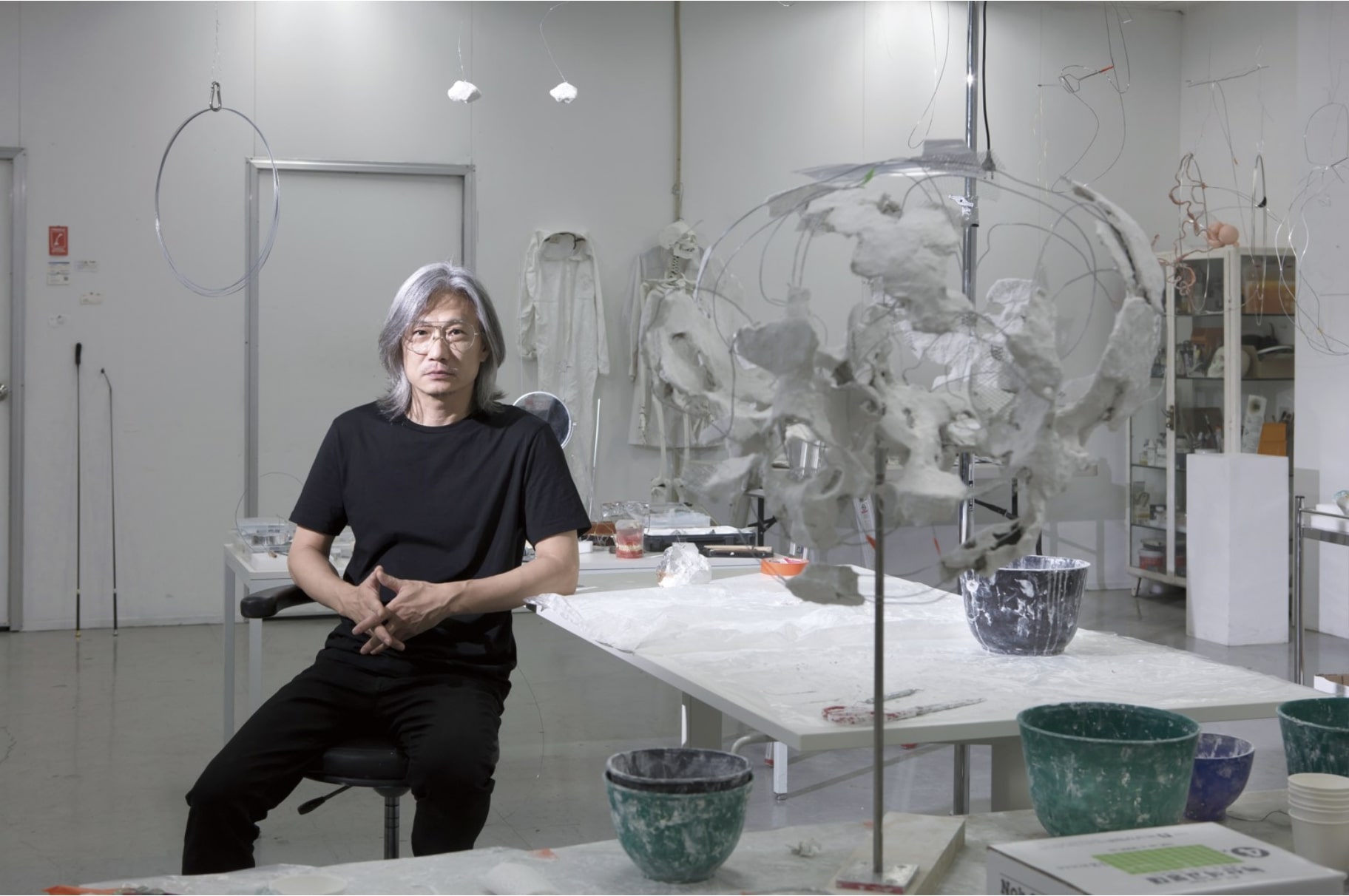
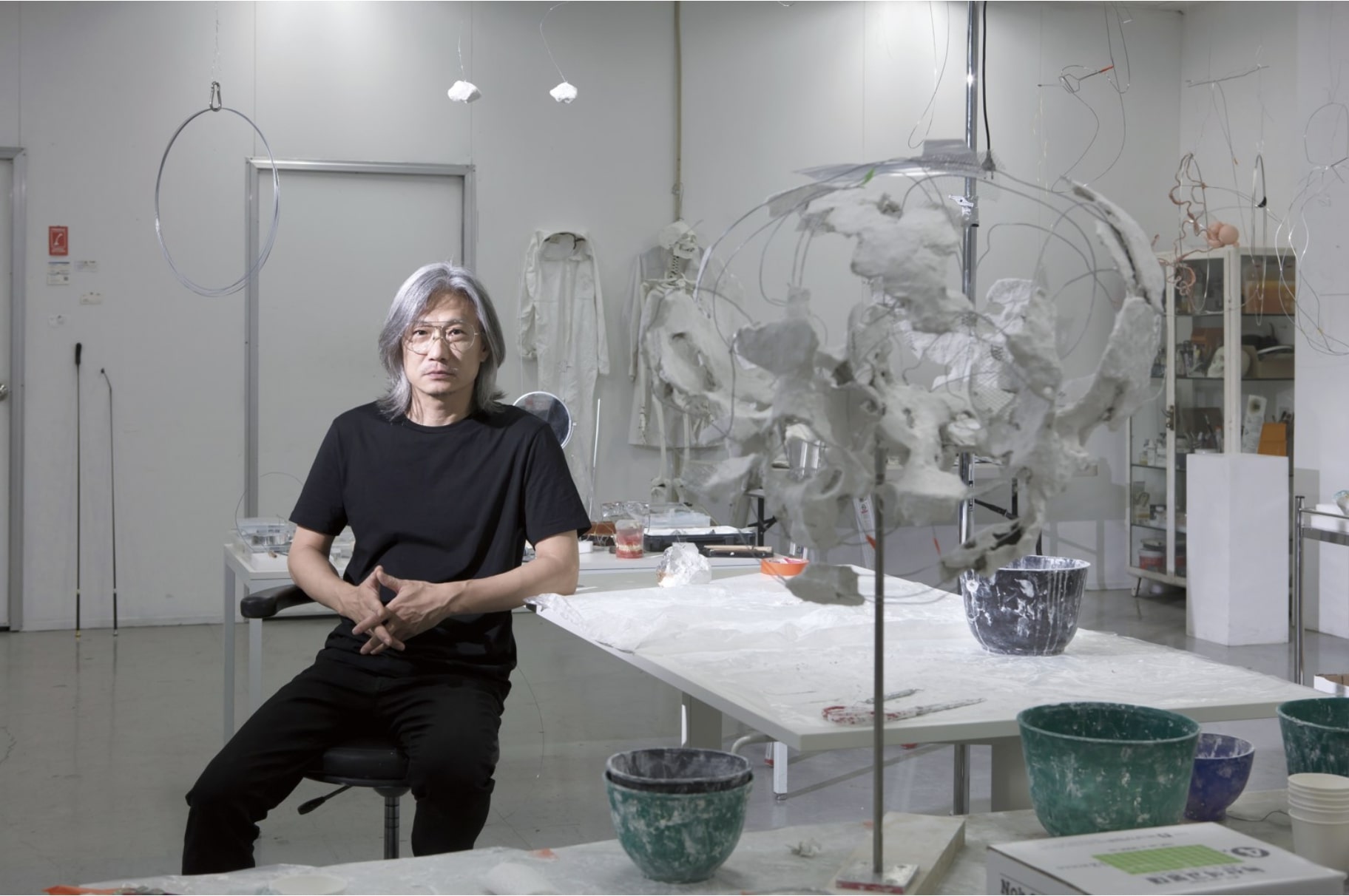
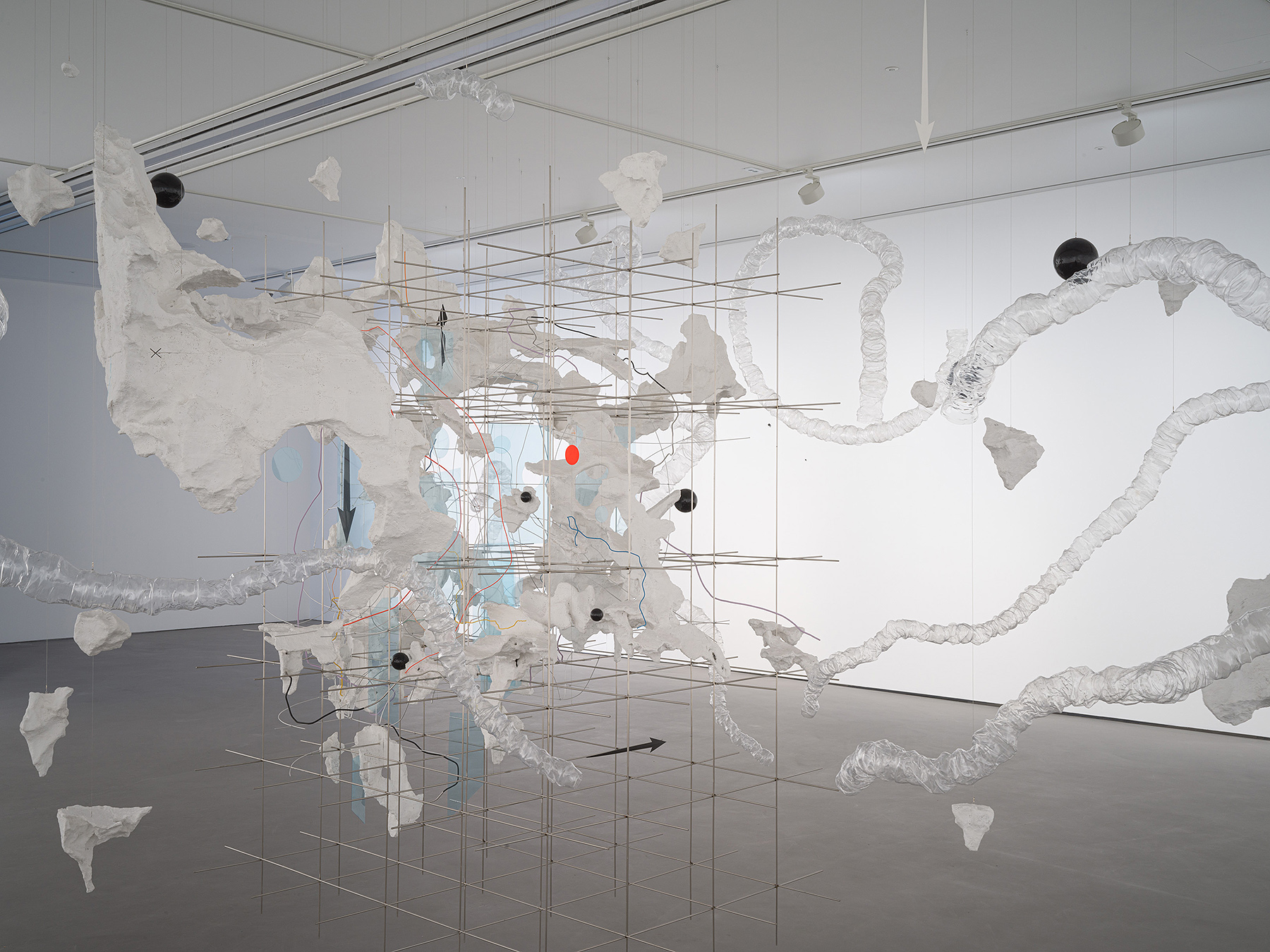
The final gallery—bright and open in stark contrast to the dark first space—introduced the ‘Chemical’ Series, signaling a new thematic phase in Lee’s practice. In this ongoing body of work, Lee appears absorbed in encountering, joining, and fusing diverse materials. Beneath the expanding forms—resembling celestial bodies drawing satellites toward them—lies the persistent theme of the body.

Ironically, the bodies he examines through microscopic scrutiny or magnifying structures ultimately guide us toward sensing their original states. And unlike the body that has long served as a central subject in art history, Lee’s notion of the body seems to refer to the honest, grounded physicality that stands on the surface of the present—everything except our consciousness.

What is crucial is that, for the artist, the concept of the body is never fixed. His unwavering exploration of the body’s continual transformations is one of the powerful ways in which Lee’s world attains its sense of conviction.

References