






Solo Exhibitions (Brief)
Noh’s recent
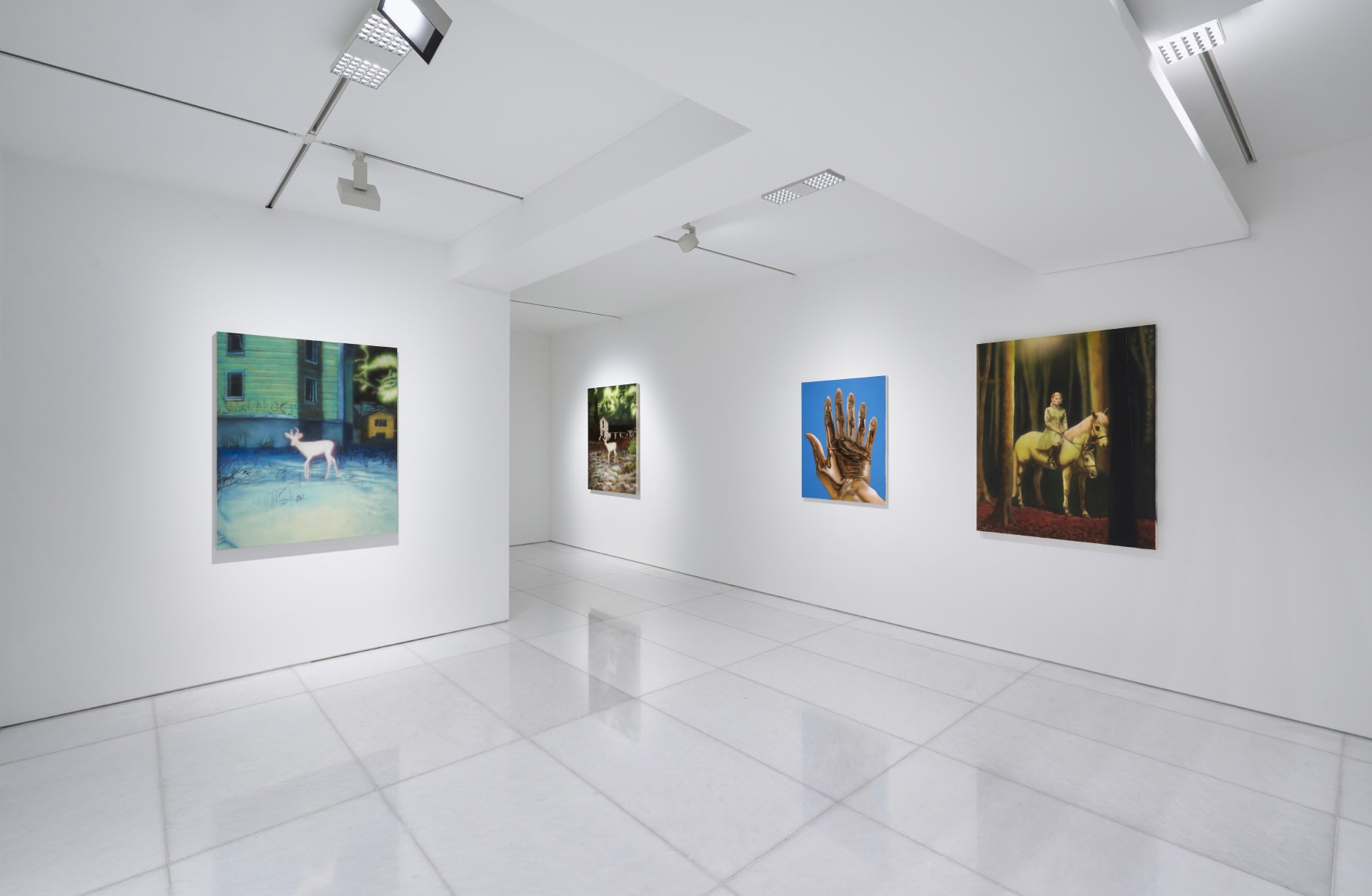
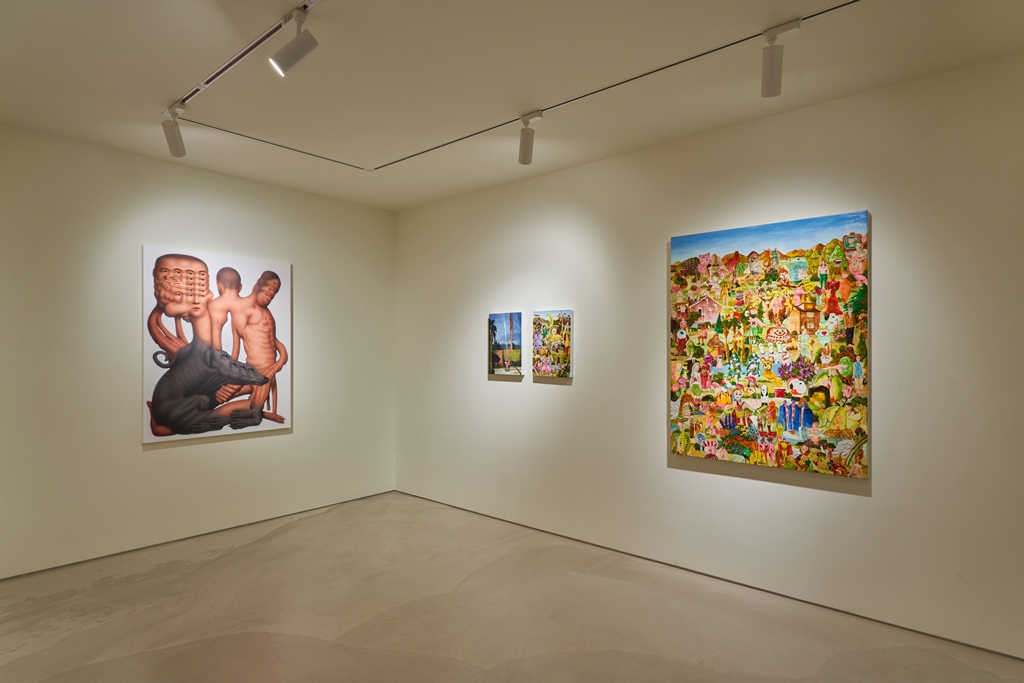
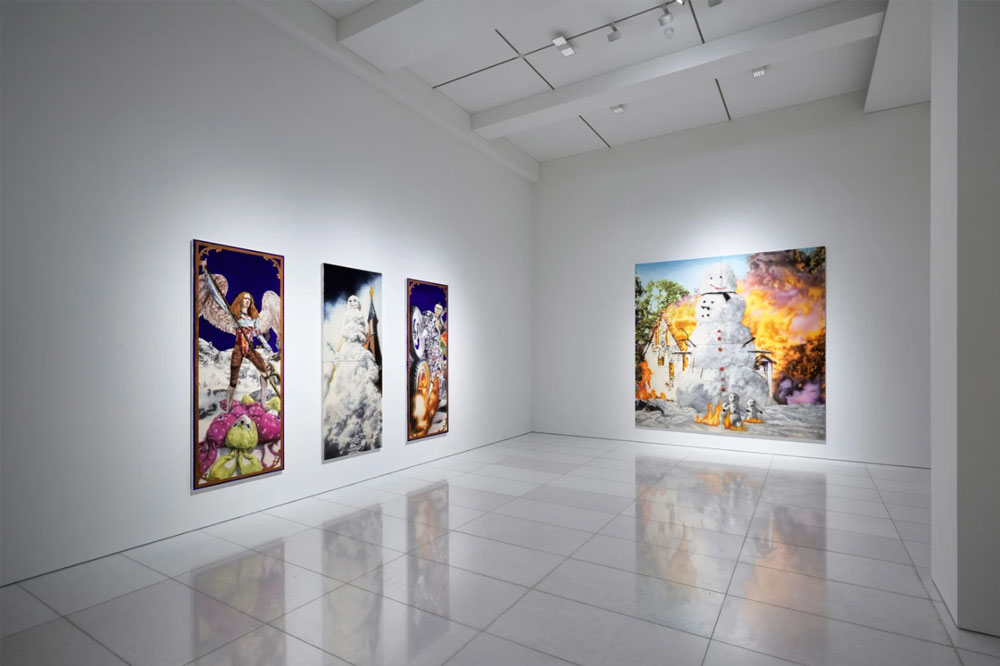
solo exhibitions include 《Holy》 (ARARIO Gallery Seoul, Seoul, 2024), 《Ghost
Brush》 (Yukikomizutani, Tokyo, 2024), 《The Great Chapbook》 (ARARIO Gallery
Shanghai, Shanghai, China, 2023), 《The Great Chapbook
II》 (ARARIO MUSEUM in SPACE, Seoul, 2018), and 《The Great Chapbook》 (West Warehouse, Seoul,
2016).
Group Exhibitions (Brief)
Noh
has also participated in numerous group exhibitions, including 《Kitsch & Pop》 (Korean Cultural Center,
Shanghai, China; Korean Cultural Center, Hong Kong, 2025), 《Godzilla 70th Anniversary: Godzilla the Art Exhibition》 (Mori Arts Center Gallery, Tokyo, 2025), 《The
24th SONGEUN Art Award Exhibition》 (SONGEUN, Seoul,
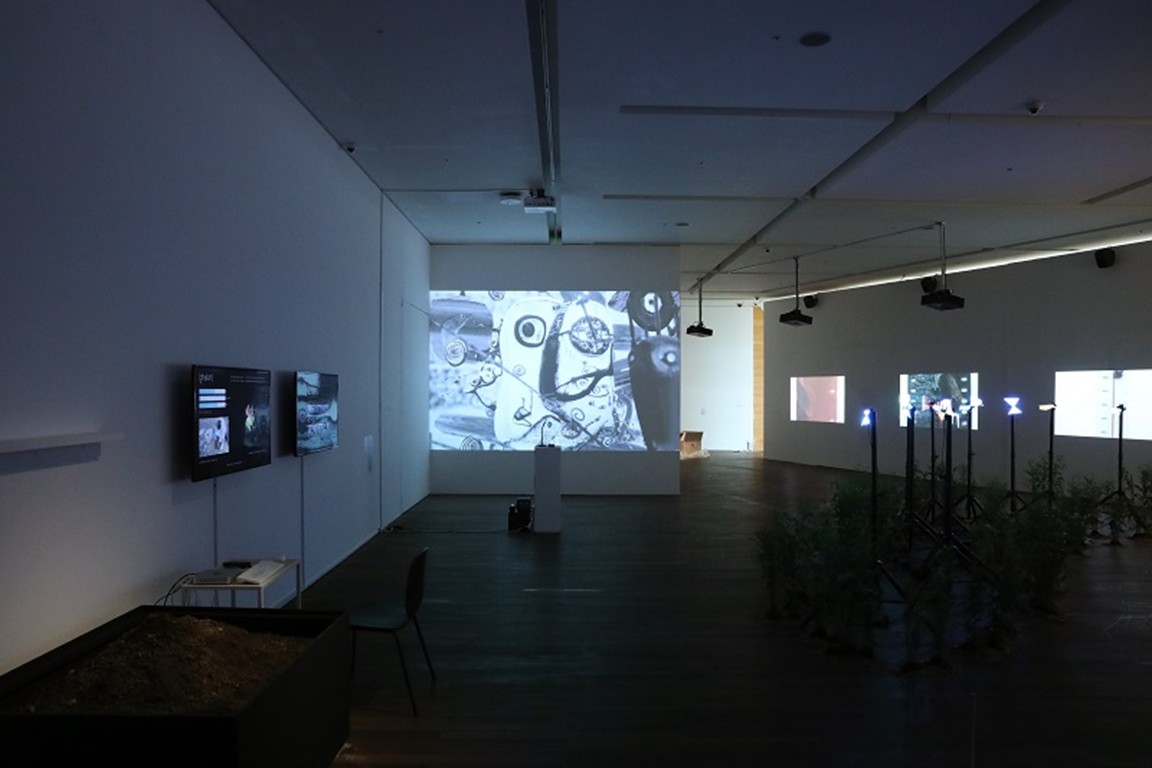
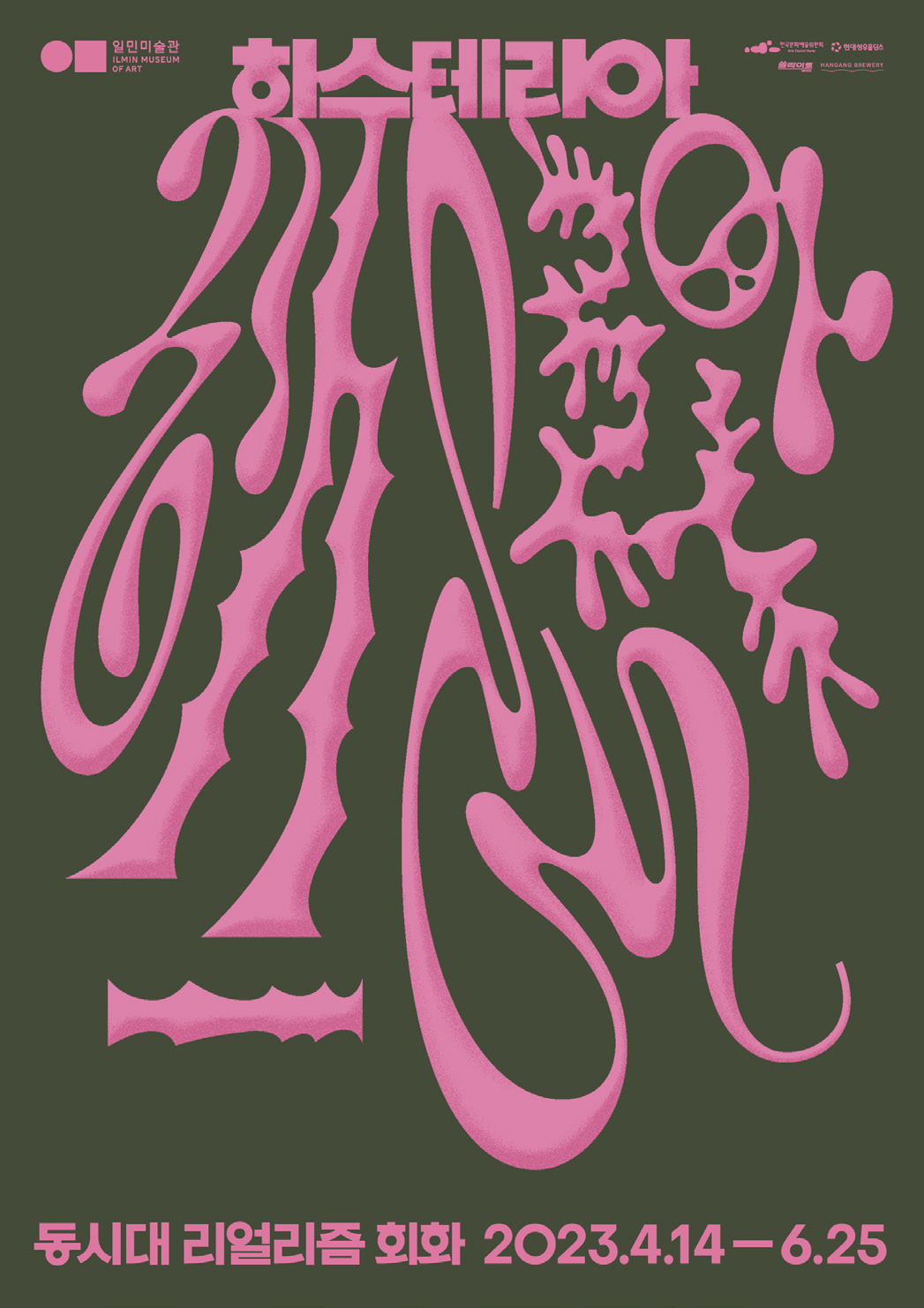
2024), 《Art and Artificial Intelligence》 (Ulsan Art Museum, Ulsan, 2024), and 《Hysteria:
Contemporary Realism Painting》 (Ilmin Museum of Art,
Seoul, 2023).
Awards (Selected)
Noh gained
attention for being selected in MMCA’s 《Young Korean
Artists 2014》 (2014).
Residencies (Selected)
Noh was the
artist-in-residence at the SeMA Nanji Residency (Seoul, Korea) in 2015, and
also participated in an artist residency exchange program between Hungary and
Korea (Budapest, Hungary) in 2016.
Collections
(Selected)
Noh’s works
are collected by institutions such as the MMCA Government Art Bank, Koo House
Museum, ARARIO MUSEUM, and more.