
[Artist’s Note]

When the artist’s mother saw the title 《Sorry, Mom. I Do Art》, she was delighted that she had become the protagonist of the exhibition. A former art academy instructor whom Jeong met again after nearly eight years mentioned that her young daughter had recently shown such talent for drawing that she had hidden her crayons deep in the closet. Since college, Jeong had often heard advice from others: if you want to become an artist, don’t overthink—just endure. If you persist long enough, others will quit, and you will survive.

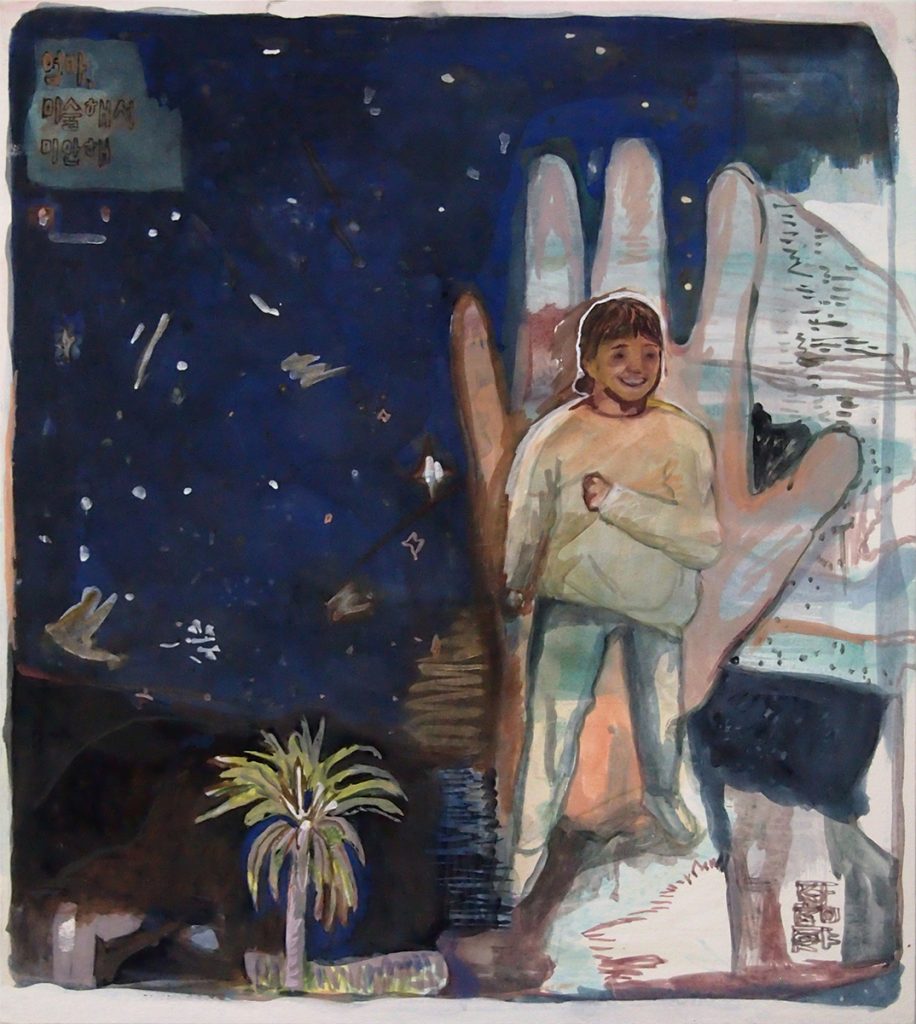
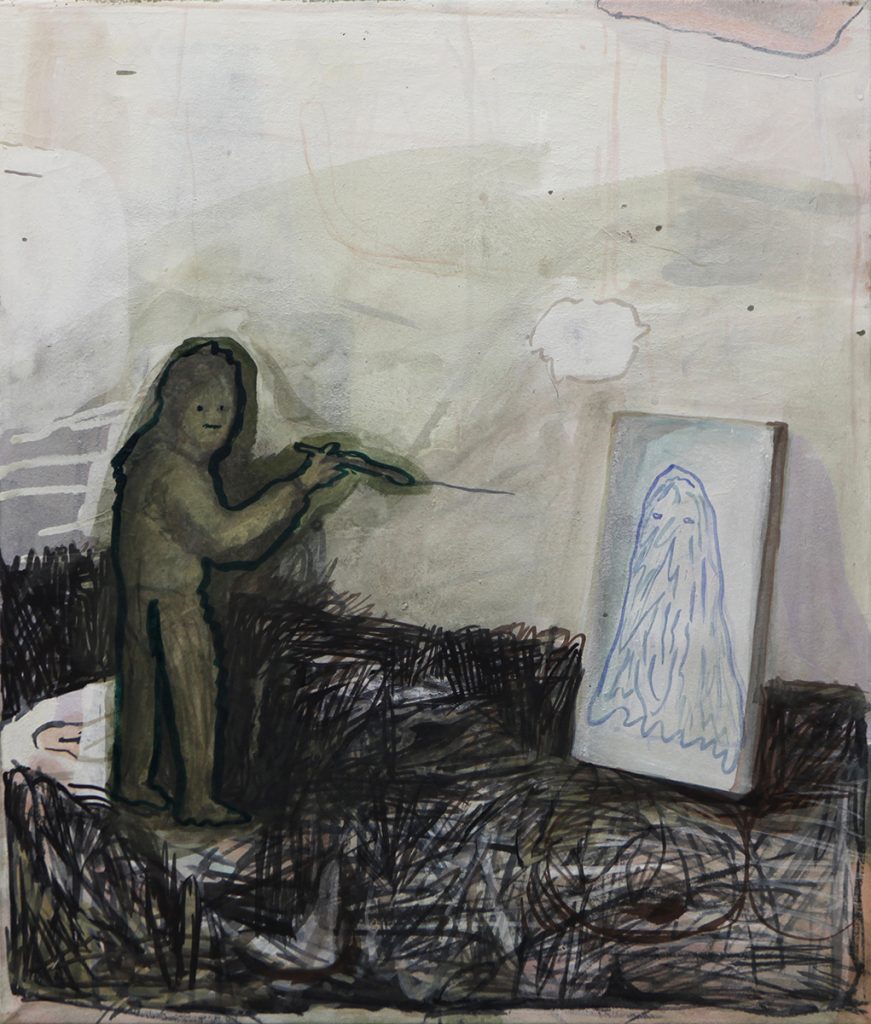
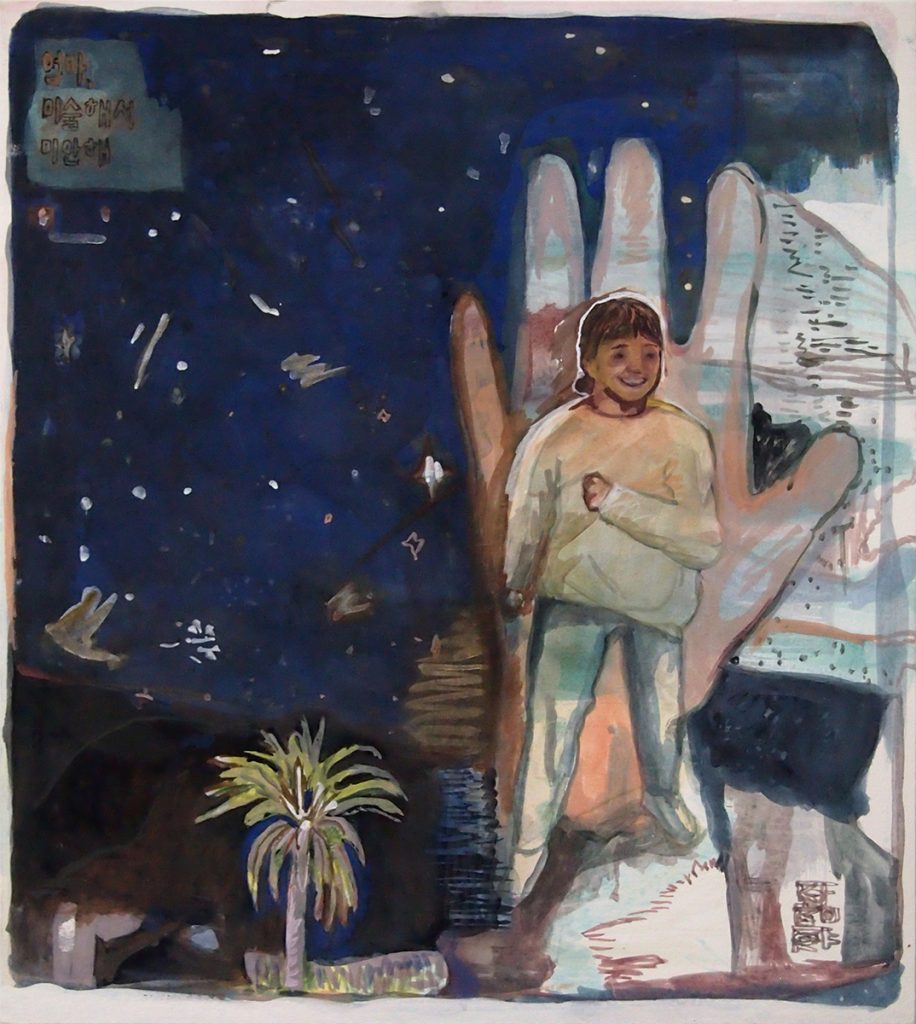
The title 《Sorry, Mom. I Do Art》 comes from a drawing of the same name. It reflects a recurring thought that strikes the artist while working alone in the studio—something fleeting yet familiar. Anyone engaged in creative labor, who frequently hears the comment “At least you’re lucky to do what you love,” can relate to the sentiment.

Jeong estimates that she began identifying as an artist about three years prior, but recently she has been increasingly questioning what it means to “do art” at all. When waves of anxiety strike—whether physical exhaustion or mental strain—the artist tends to attribute it all to the fact that she is doing art, reaching an internal conclusion that perhaps quitting would be easier. Yet she continues, because quitting feels even harder. Among friends, s exchanges sincere jokes about this cycle of endurance.

This exhibition asks how one might stop feeling sorry to their mother while continuing to make art. Whether in art or any pursuit, the sentiment of guilt toward one’s mother is not a private issue alone—it reflects broader social precarity. For most, painting is not a stable career. Jeong wishes to live by painting alone, unapologetic and dignified. This exhibition is composed of efforts toward that goal: works that prove diligence as a sign of mechanical perseverance; works that generate small but tangible income to justify her independence; and works that capture anxiety and guilt in order to expel them through the act of painting.

1. De-Anxiety Relay
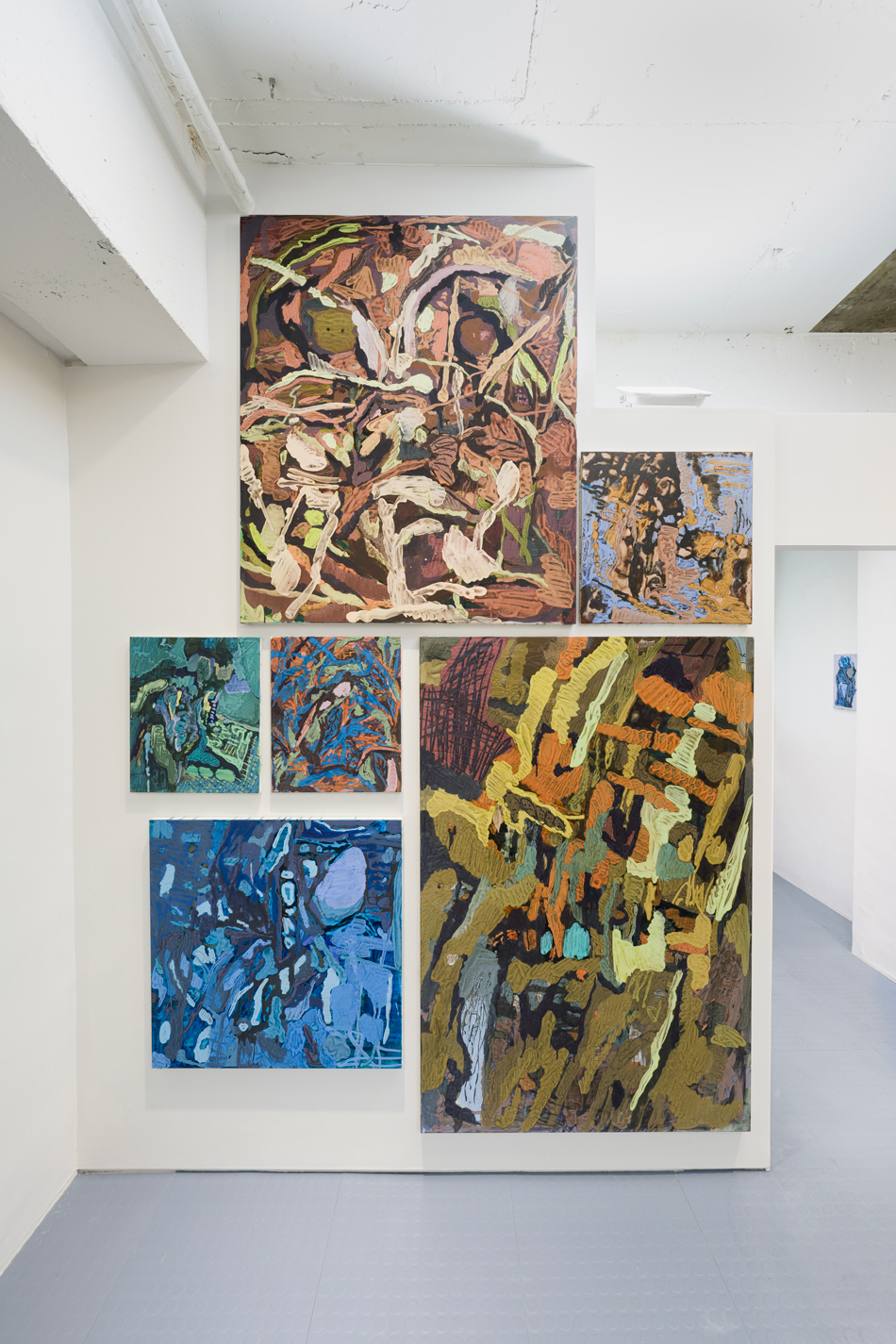
The first effort not to feel guilty is to prove diligence. Diligence helps ease anxiety, whether or not it actually solves anything. Simply doing something within a fixed time is necessary. The original plan was to complete one work per week for five months, producing twenty-three paintings in total.

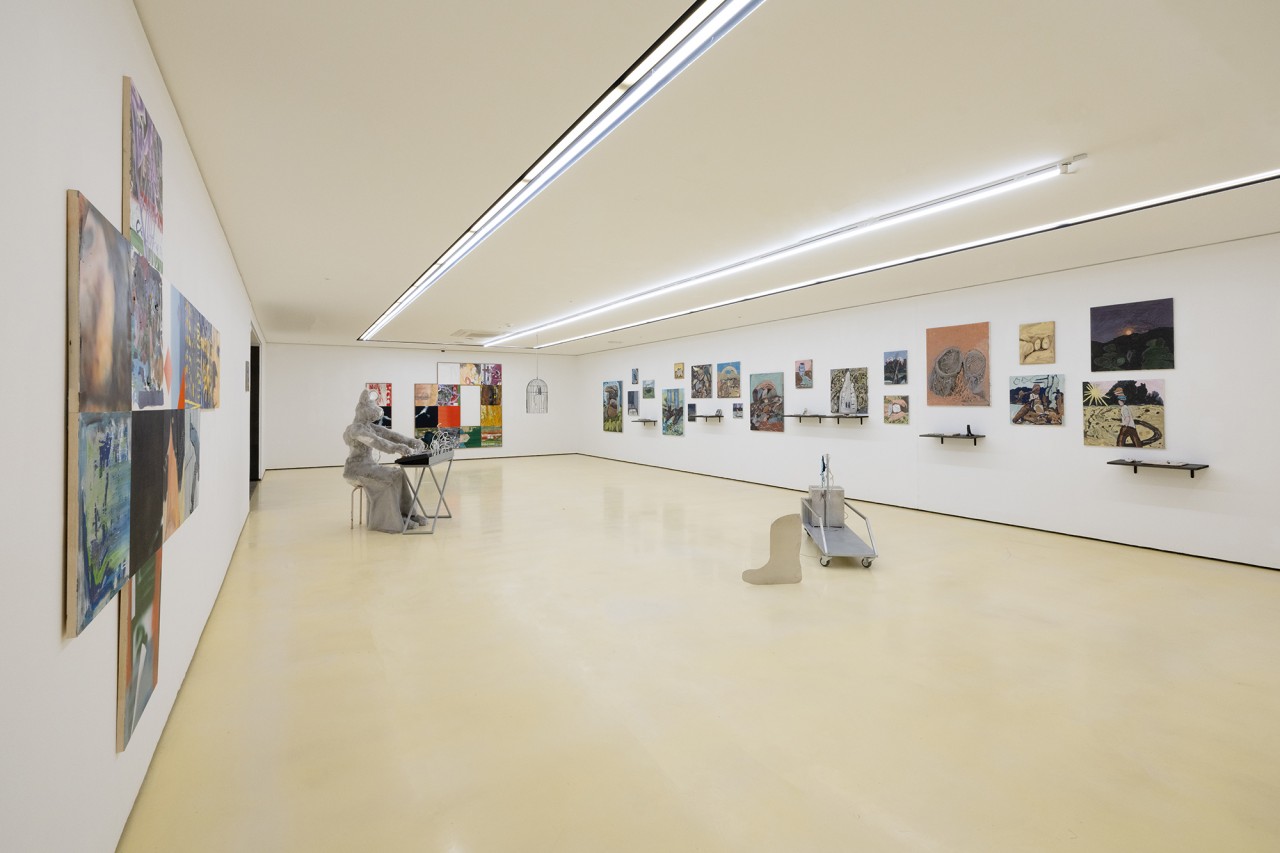
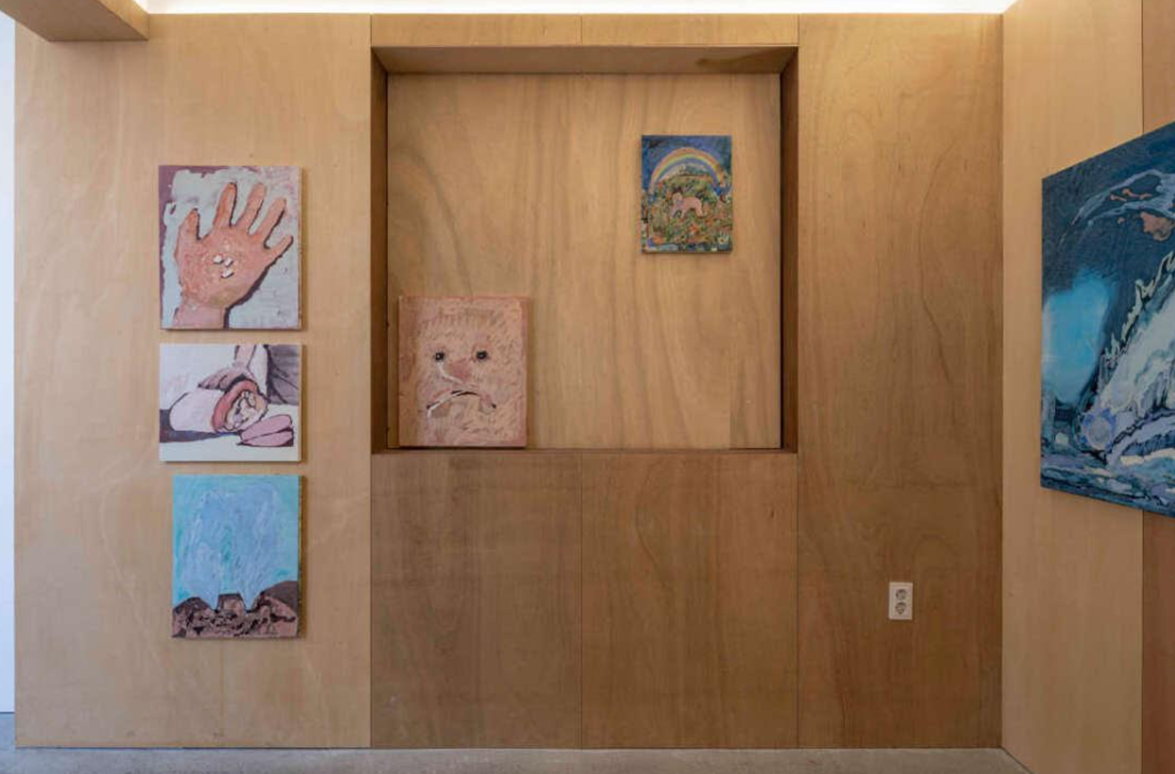
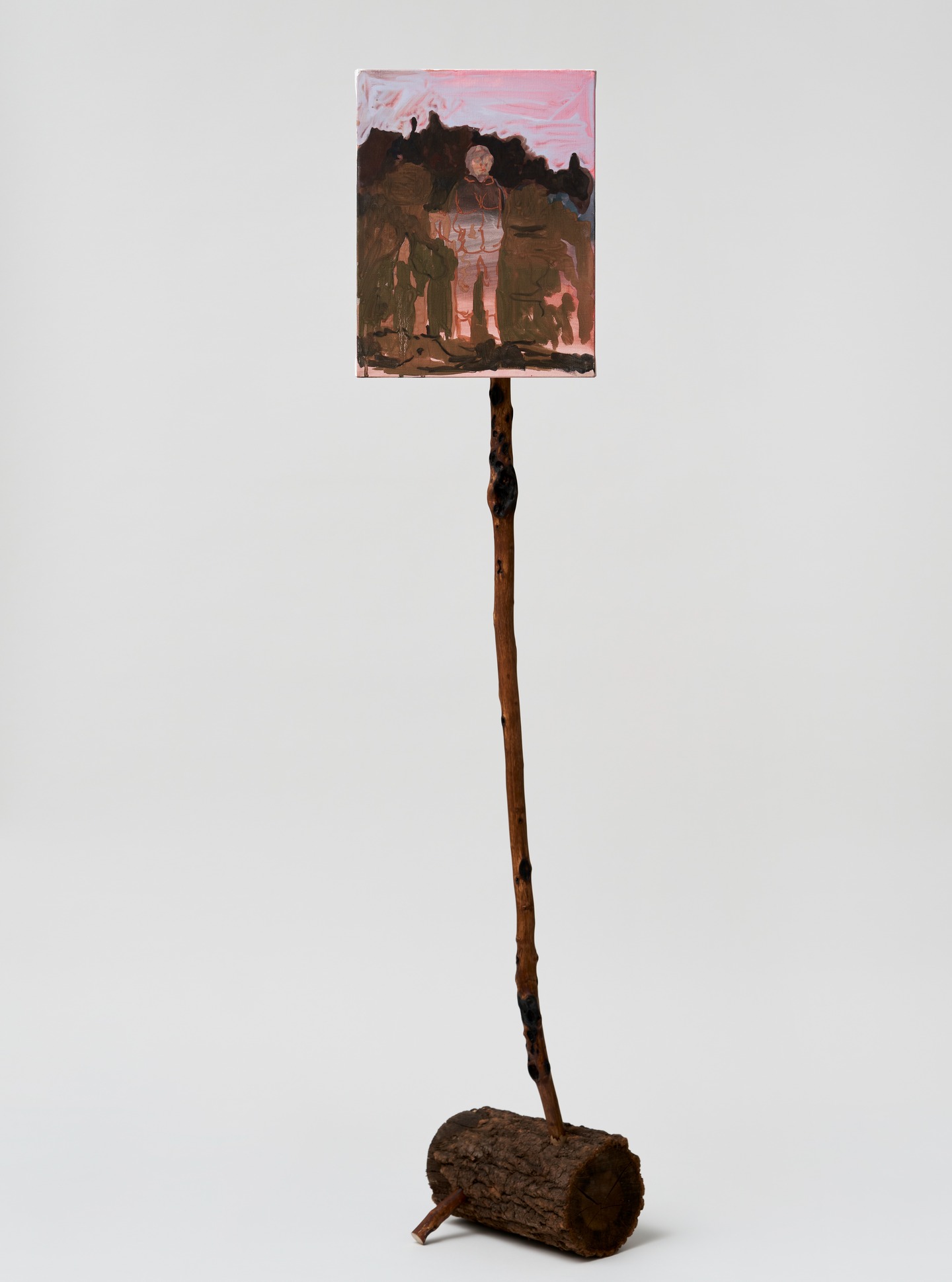
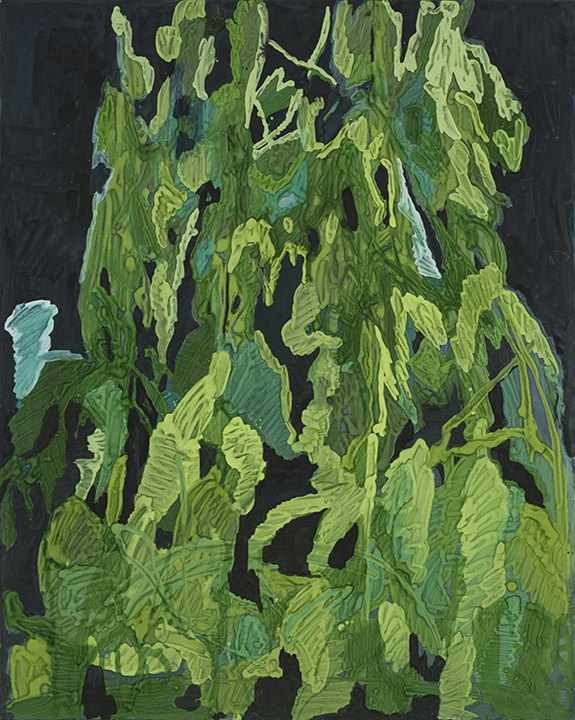
However, due to conditions tied to a grant from the Seoul Foundation for Arts and Culture, Jeong was required to hold not one but two solo exhibitions. The first would take place from December 13–20 at Gallery3, and the second from March 22–April 6 at Imok Gallery. With the shortened preparation time for the first show, she decided to create one painting per day instead of per week, each roughly size 10 (45 × 53 cm). From November 18 until the day before installation on December 11, she produced twenty-four paintings in twenty-four days.

 
2. Drawings that Help the Household
The artist has sold only two or three works before. The joy of selling came not from profit itself but from the recognition that the act of painting holds value. In Drawings that Help the Household, Jeong exhibited thirty-six 10 × 10 cm drawings, each priced at a uniform 19,900 KRW. During the exhibition, viewers could take a drawing and leave 19,900 KRW in cash sealed inside a transparent bag in its place. Half of the proceeds would go to her mother. (This project was not shown in the Gallery3 exhibition but was included in the later show at Imok Gallery, held from March 22 to April 6.)

 
3. I’m Good at Apologizing
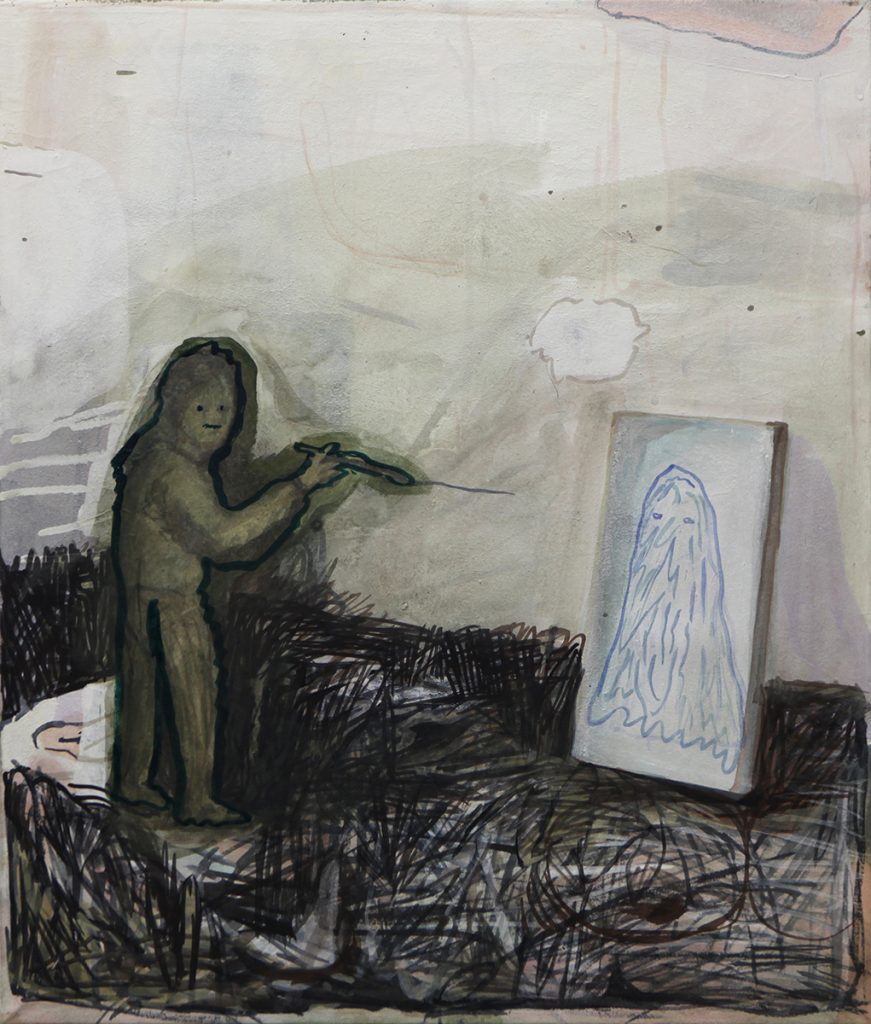
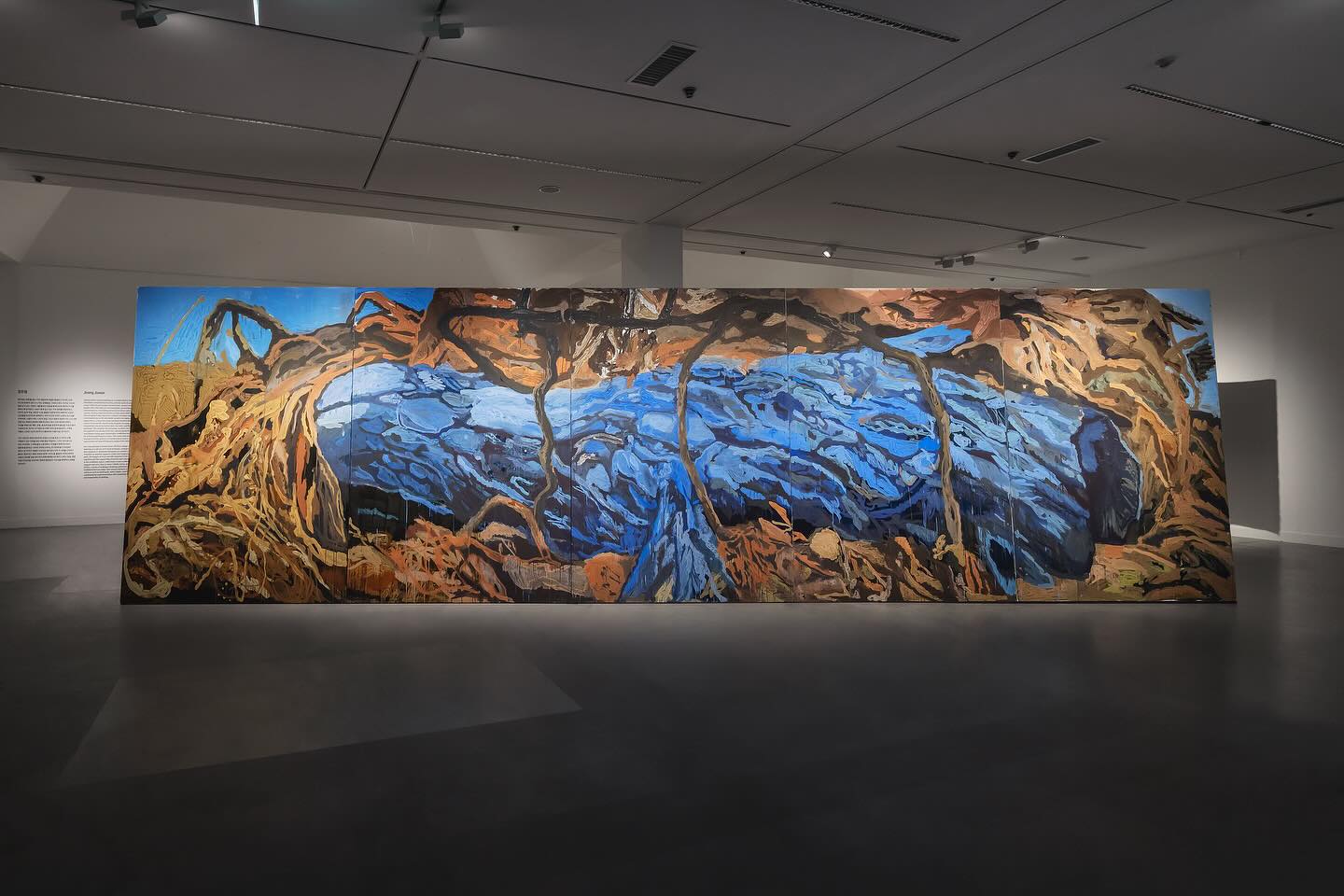
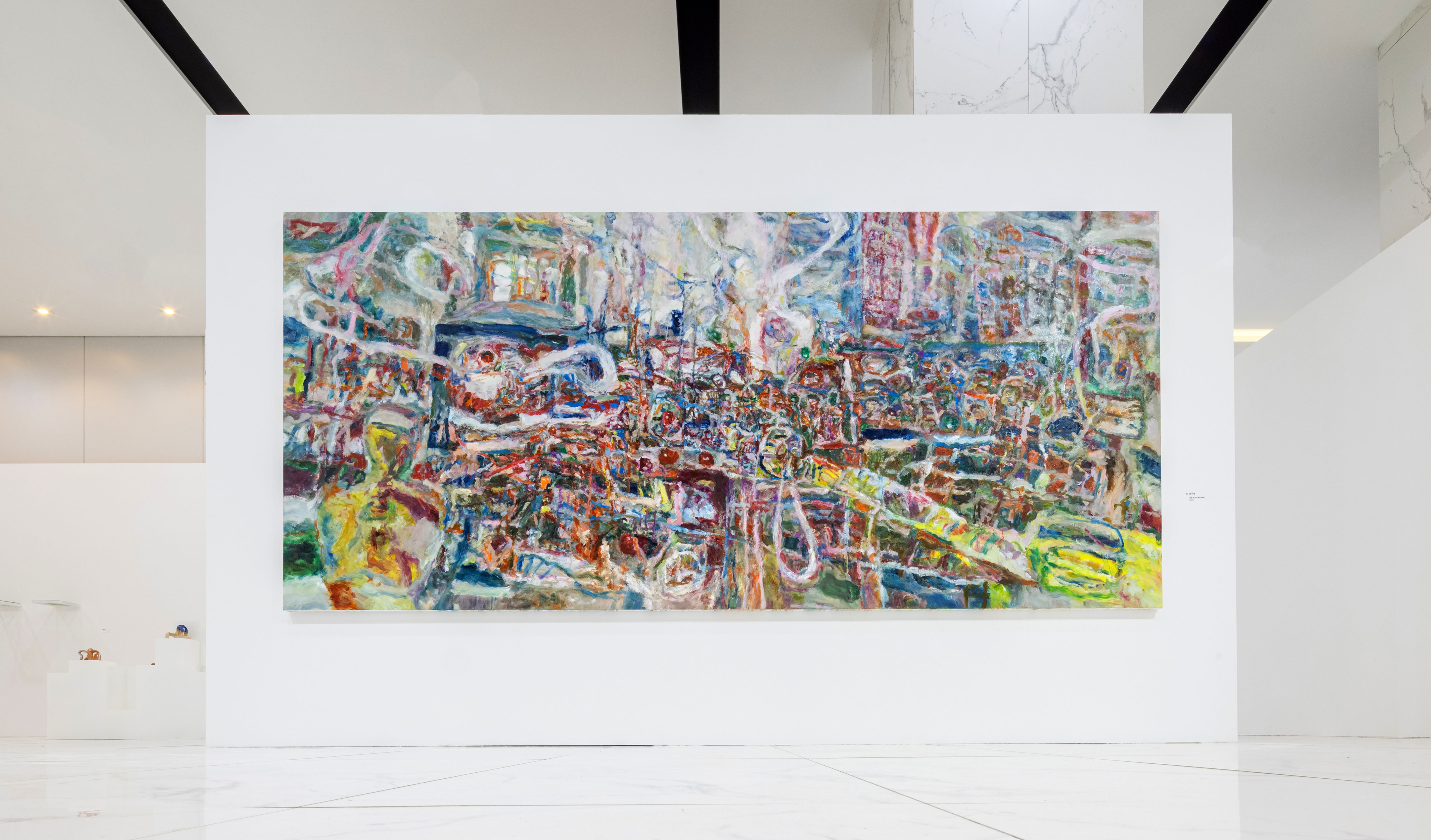
《Sorry, Mom. I Do Art》 is, in a way, an apology—but one without a soul. The artist feels sorry yet continues making art and will continue still. I’m Good at Apologizing is a large-scale painting that embodies her anxieties, worries, and guilt surrounding art itself. It is both a record and a collection of personal unease; through this act of recording, the anxiety is transferred onto the canvas, allowing the artist to be liberated from it.

References