On
a gentle slope along Haedeung-ro in Dobong-gu stands his studio. The place,
resembling a small theater set, feels as peculiar as his art itself. Though
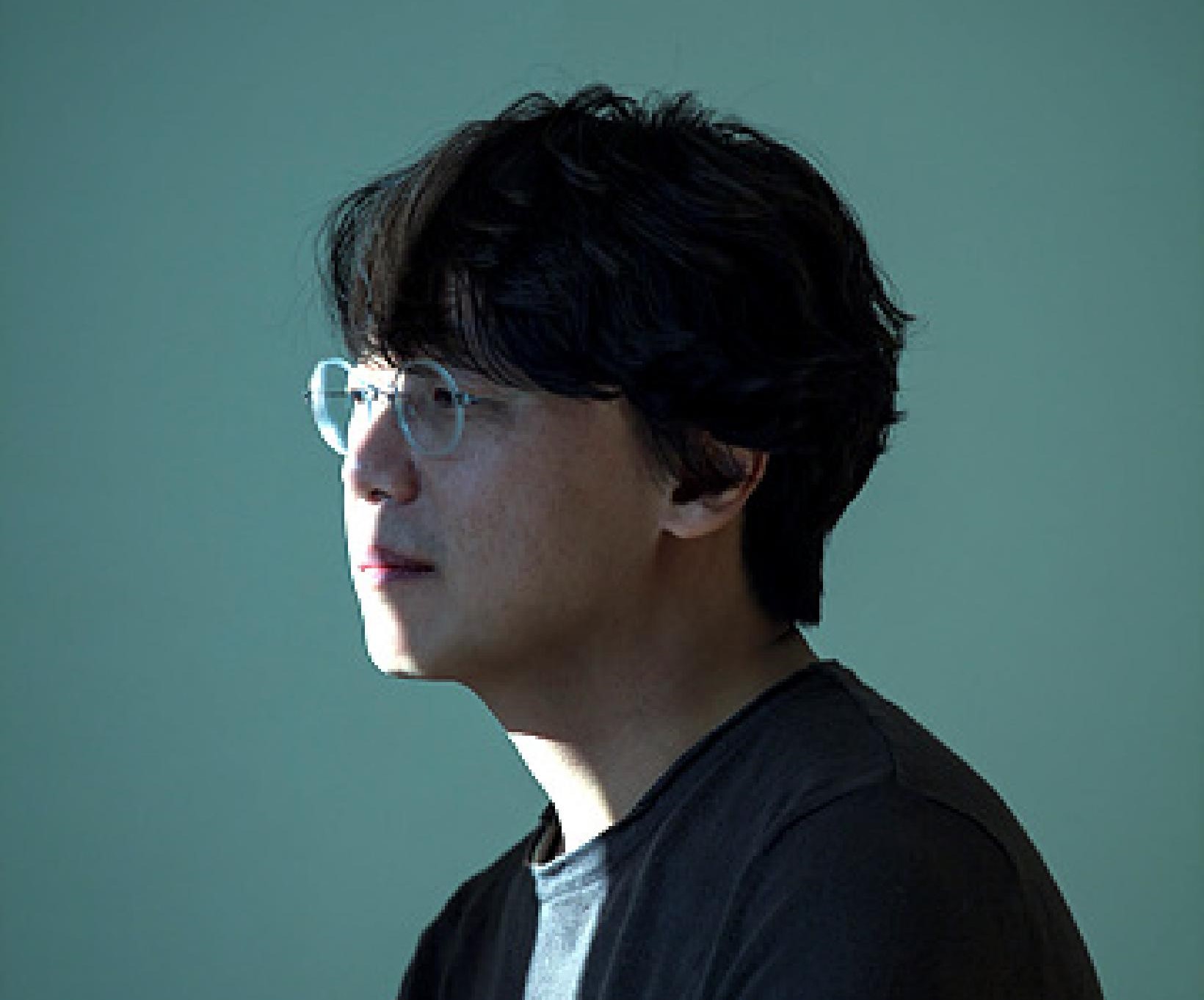
most people call him a photographer, I prefer to call him a rather unusual
painter — one who belongs simultaneously to Eastern and Western traditions. His
work is that original and fresh. Above all, he works as if he were a painter
who paints on canvas using a camera.
Globally
celebrated figures such as British pop icon Elton John have collected
his works, while leading institutions including the J. Paul Getty
Museum (Los Angeles), National Gallery of Victoria (Melbourne),
and Yossi Milo Gallery (New York) house his photographs in their
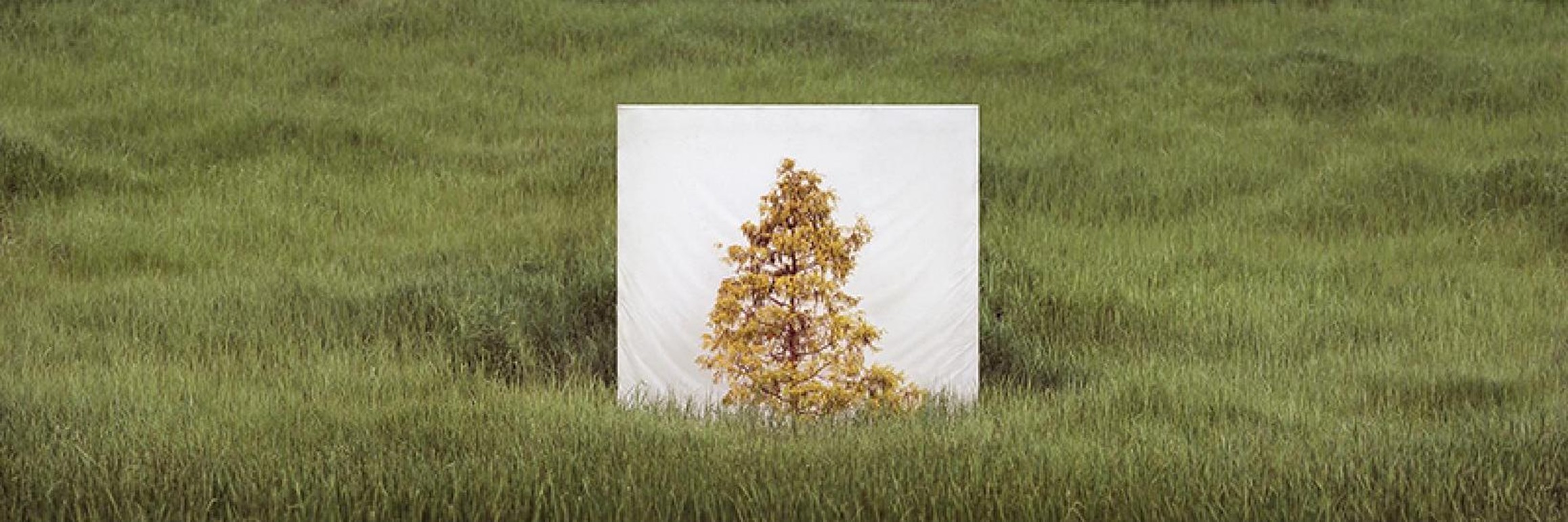
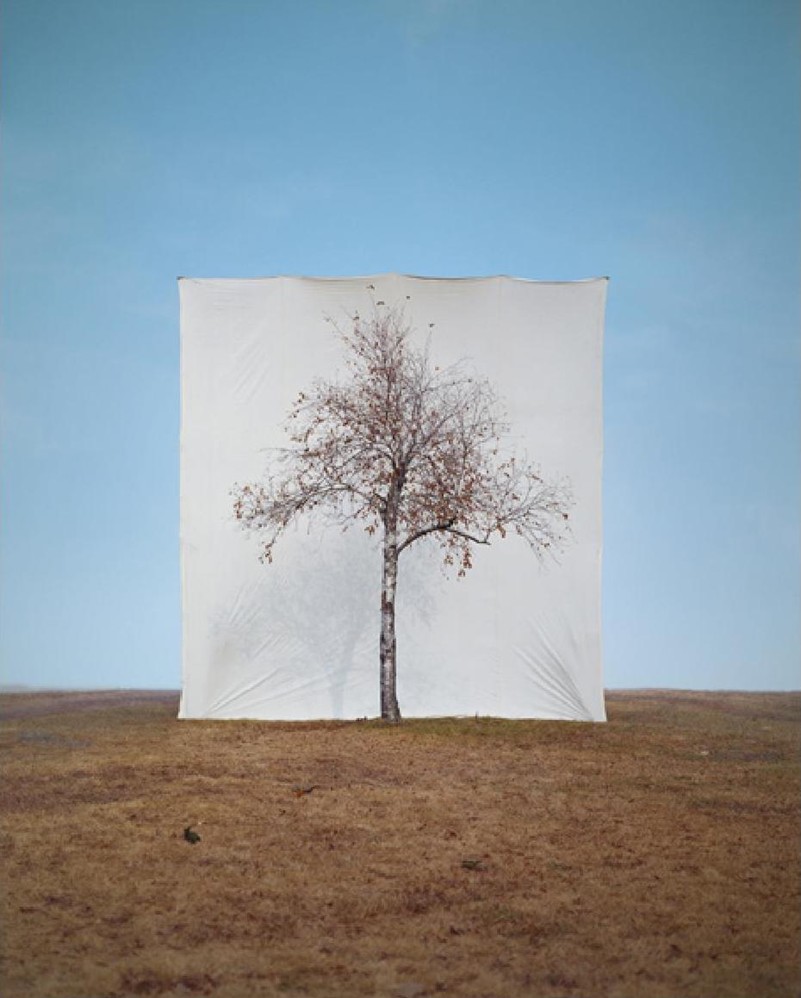
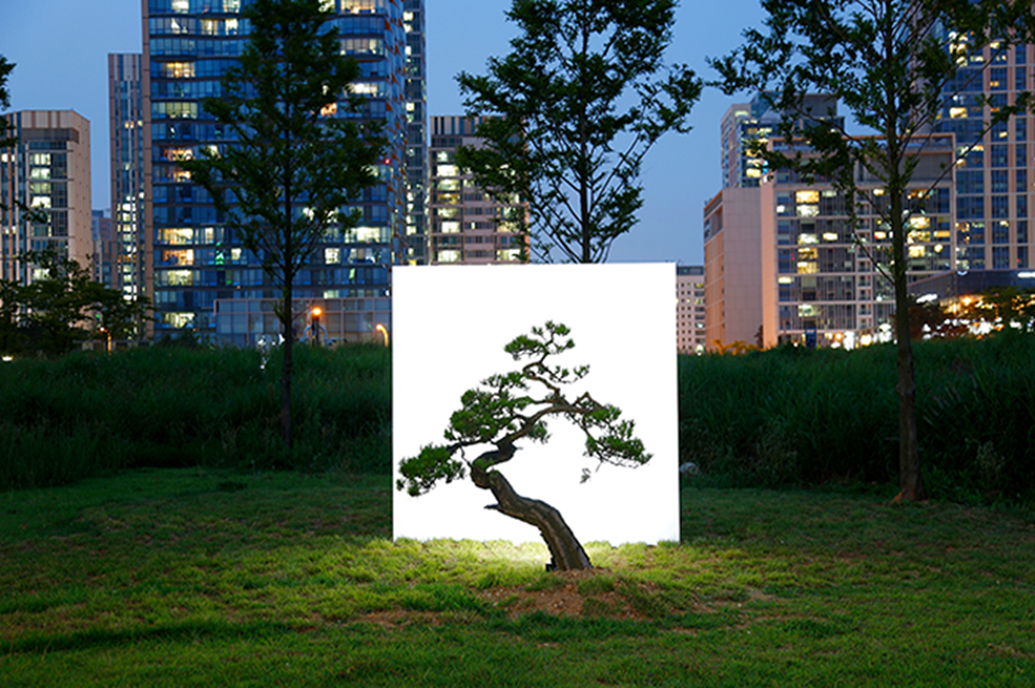
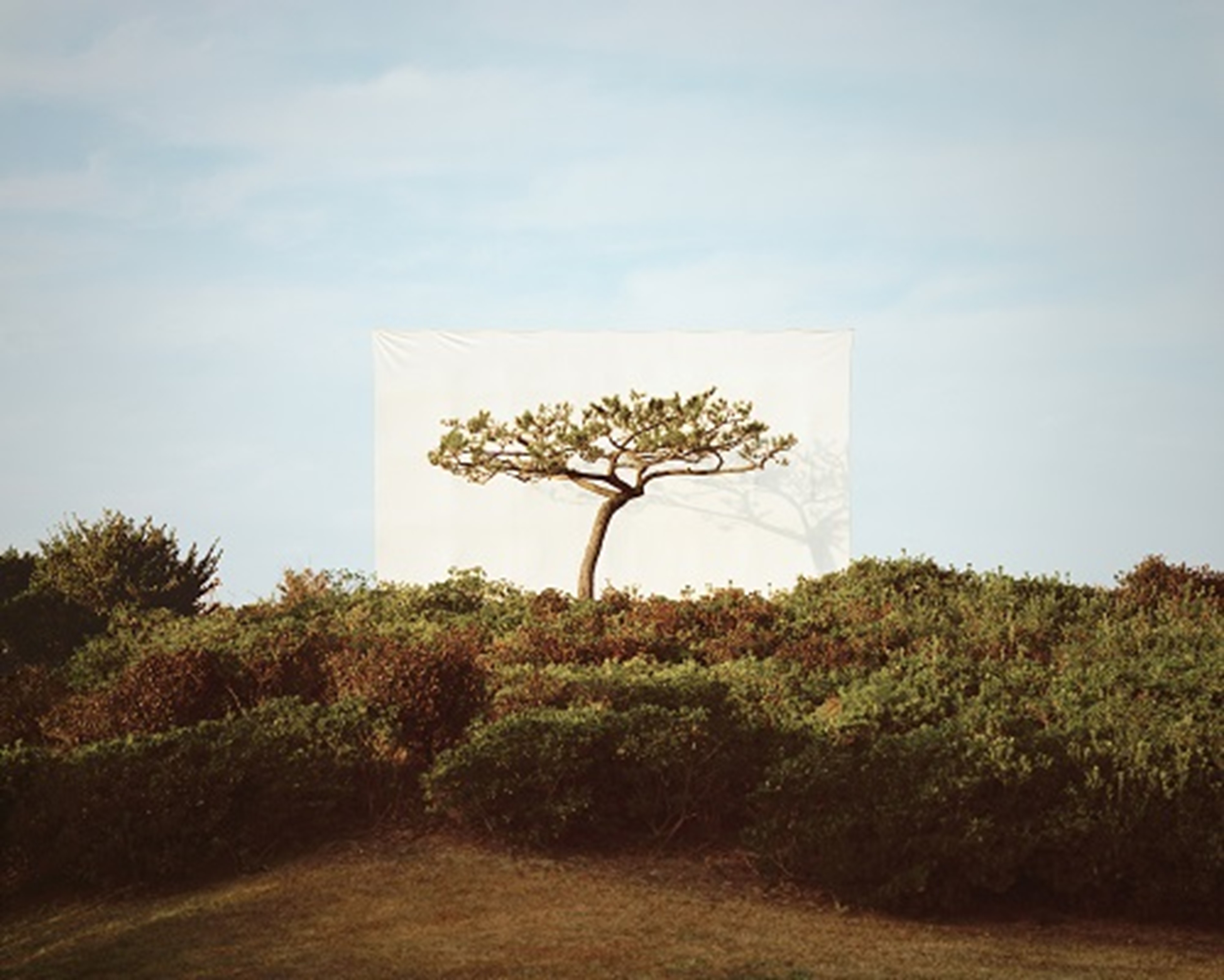
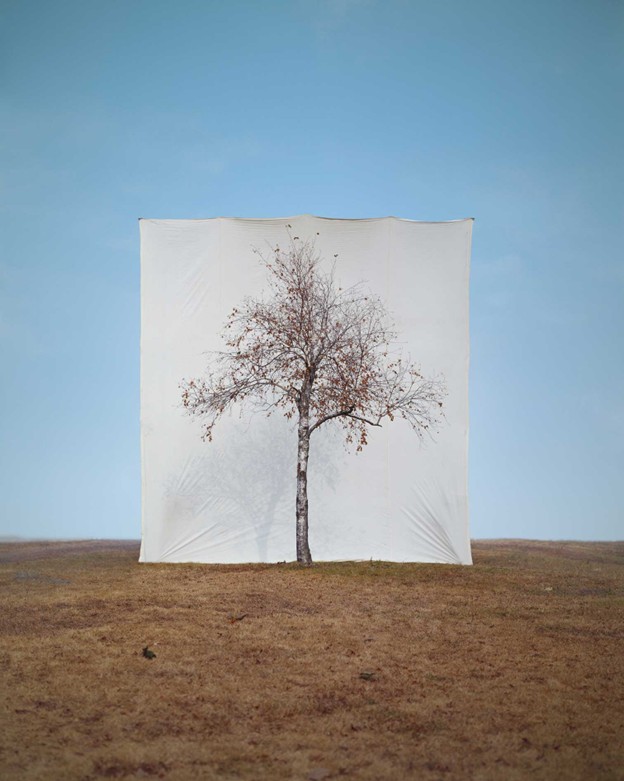
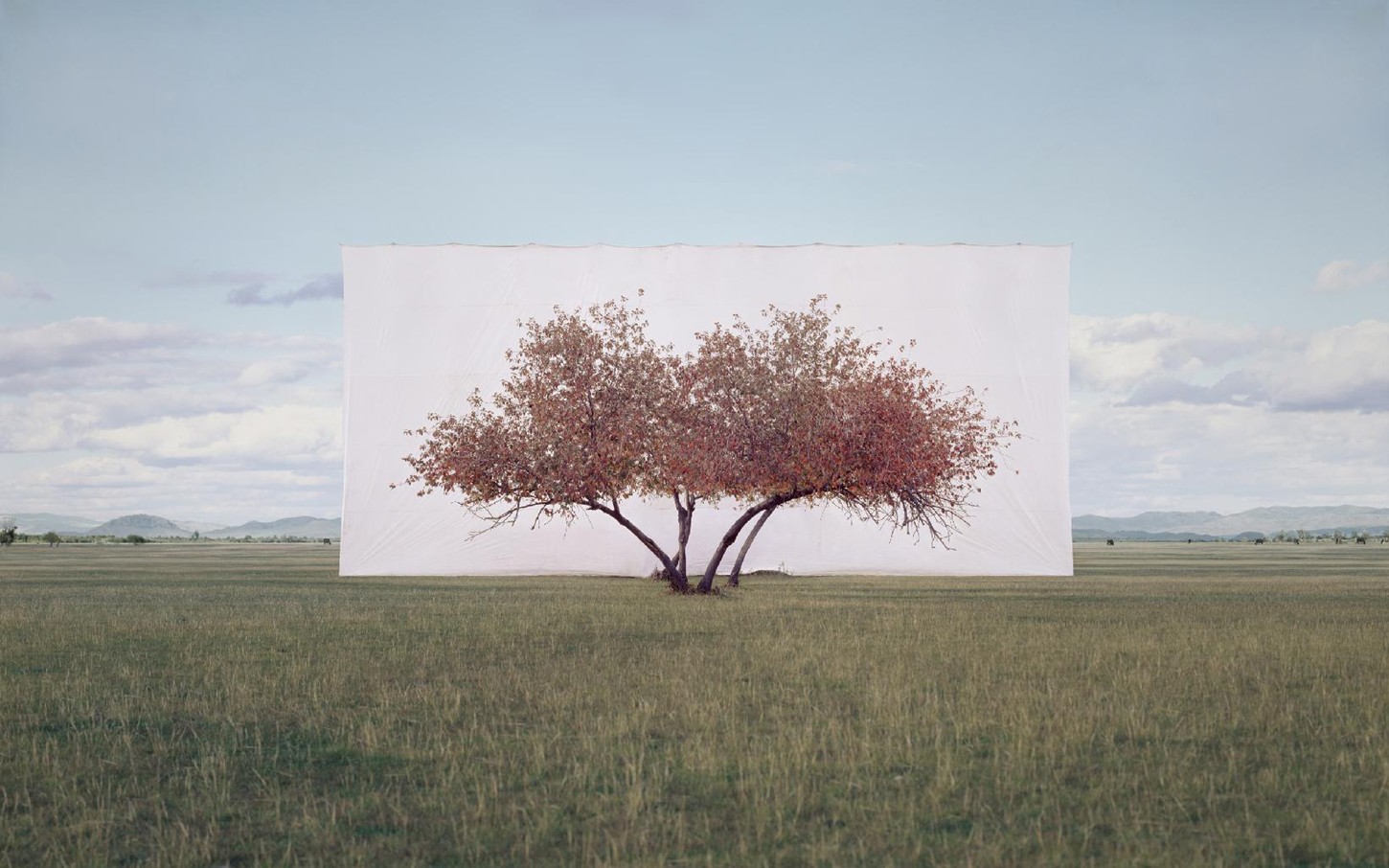
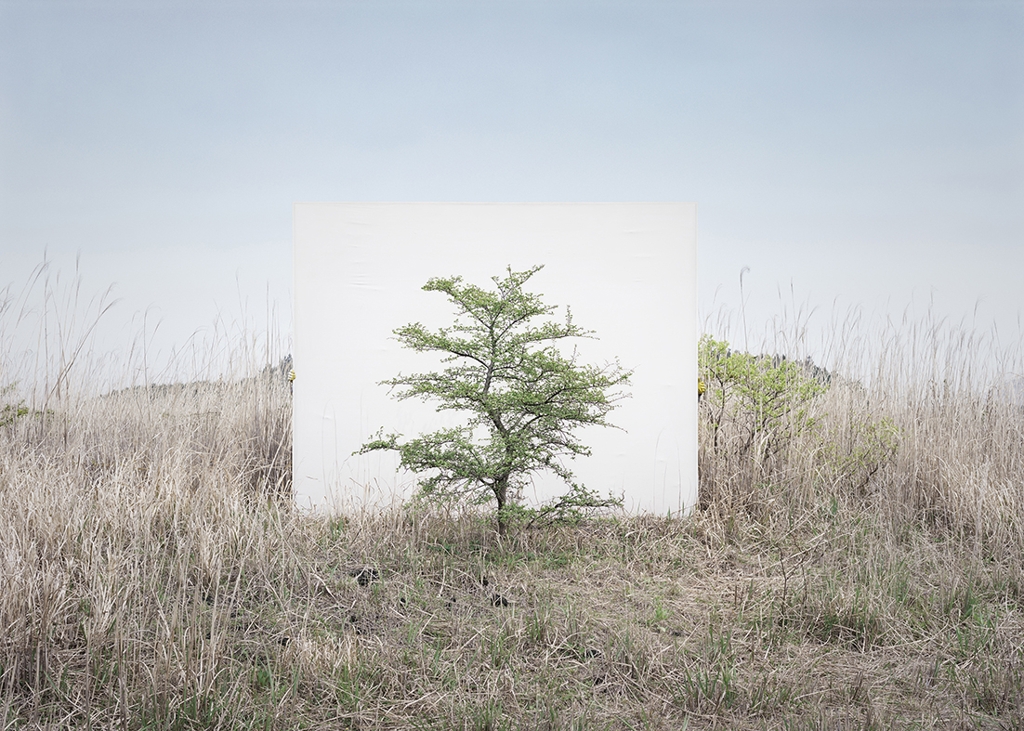
collections. Essentially, Lee photographs trees placed in front of canvases — a
“painter of photographs.” While his motifs range from desert landscapes to
reeds in Eulsukdo, the core subject is always the tree.
Once,
while sitting and reflecting during his student days, a tree “walked toward
him,” he says. That fateful encounter with a tree became the defining motif of
his artistic life — the beginning of his lifelong inquiry into images.
Lee
has said he first picked up a camera in search of answers to fundamental
questions about the essence of life. From this pursuit emerged the ‘Tree’
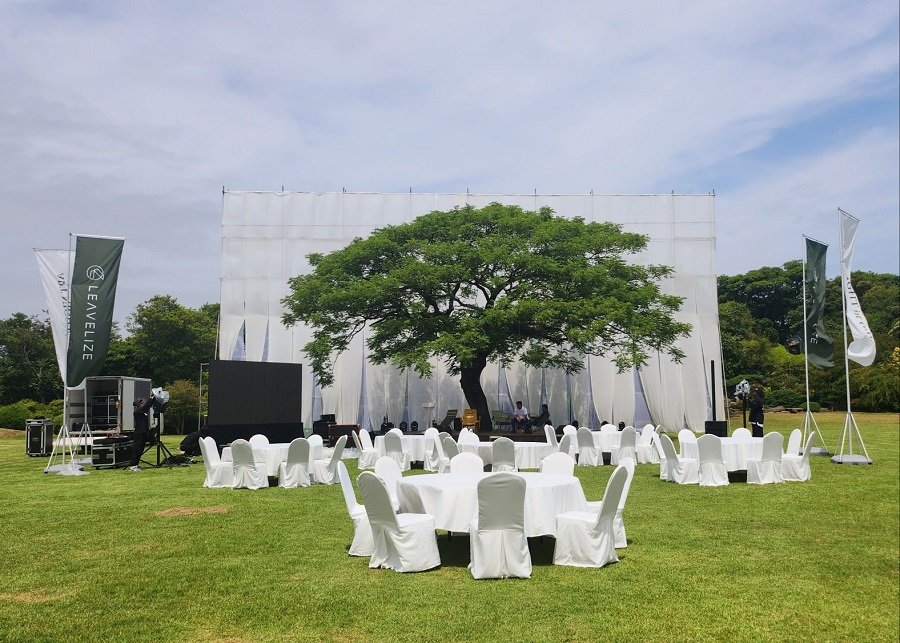
Series, in which he installs a white canvas behind a tree, transforming the
ordinary landscape into a poetic act of revelation.
By
isolating the tree from its original environment and granting it a new artistic
meaning, he pays reverence to nature while simultaneously exploring
representation and re-enactment. The result is one of the most acclaimed
photographic investigations in contemporary visual art.
For
more than two decades, the artist has carried these large canvases to sites
across the world. Like a painter standing before a blank surface, Lee positions
the canvas behind real trees, creatively reconstructing what traditional
painters once enacted through pigment. He continues to work with analog
precision, using a large-format film camera that demands meticulous control.
The
protagonists of his works are ordinary trees — unremarkable, naturally
scattered across the landscape — yet they become the central figures of the
white canvas’s stage. This is the essence of Lee’s art: revealing the
extraordinary within the ordinary.
The
first institution to recognize the true value of his eccentric vision was
the Foam Fotografiemuseum Amsterdam, which devoted a feature to his works.
Since then, Lee has been widely introduced by the media as an artist who
conveys the spirit of Korean contemporary art to the world. His conceptual and
visual language fuses the aura and mystery of Oriental ink painting with the
structure of Western photography.
Hironobu
Shindo, CEO of Amana Holdings in Japan, praised Lee’s work for its
scale, balance, and perfection, noting that “the canvas, which has long existed
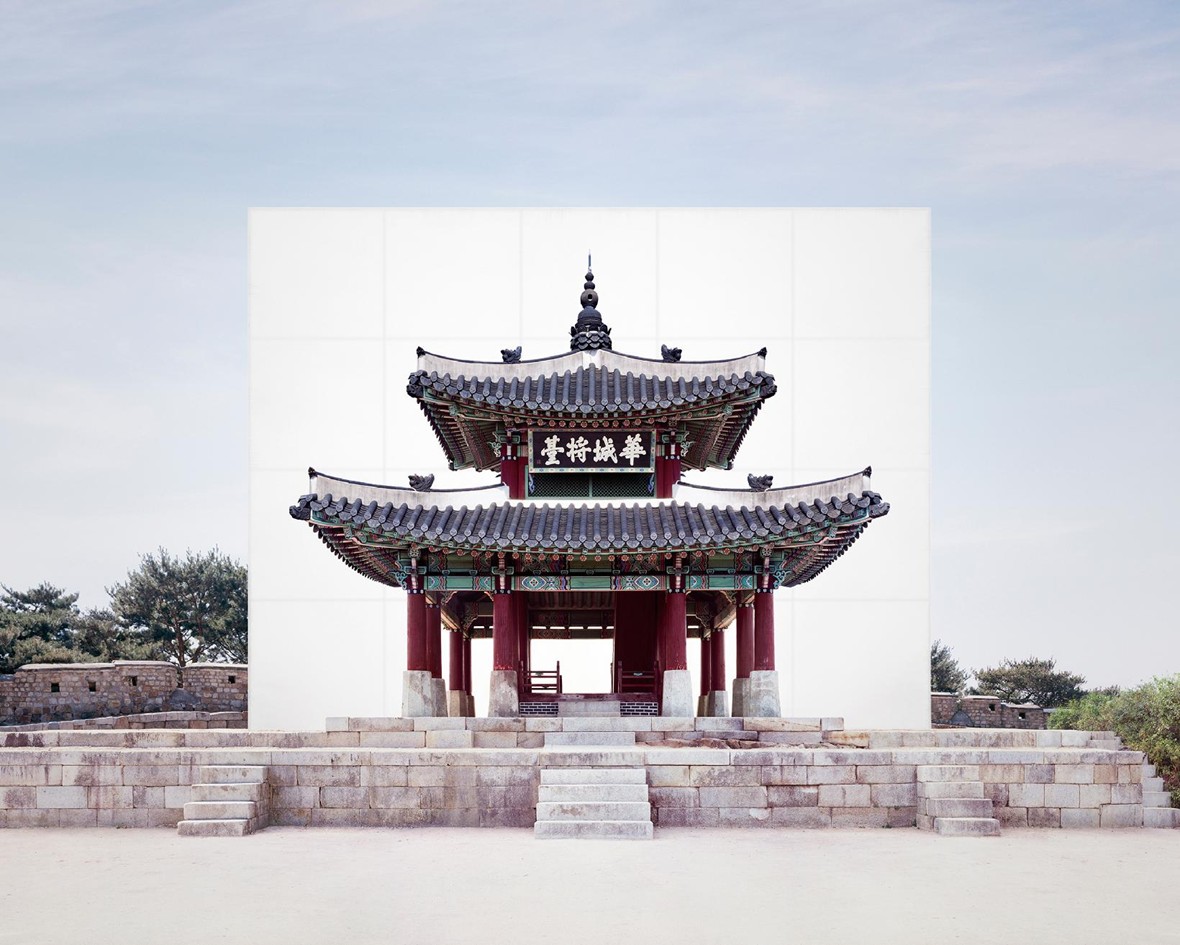
merely as a background, becomes a powerful presence in his art.” Indeed, a
nine-meter-high canvas created to frame a single old tree draws viewers into an
unfamiliar landscape. Within this new world that his canvas reveals, Lee
searches for subjects hidden from human sight — from palaces and street trees
to the secluded wetlands of Busan’s Eulsukdo.
Japanese
photographer Hosoe Eikoh once described him as “a creative and modern
artist who will mark a new chapter in the history of photography.” Lee stands
as a pivotal figure — one whose artistic journey embodies the poetic potential
of Korean art on the global stage.
He
has even compared his own work to a disciplinary process, much like the
meditative practice of Japanese modern philosopher Kitaro Nishida, who
viewed art as a path of spiritual training. Lee’s projects often emerge from
contemplating the silent inner world of the “painter tree” — a metaphor for the
unspoken emotions of beings that endure through time. He hopes his viewers will
listen to the stories of such witnesses who have stood for centuries in the
landscapes of history.
Currently,
he serves as Public Relations Ambassador of the Palaces and Royal Tombs
Center under the Cultural Heritage Administration, a position he will hold
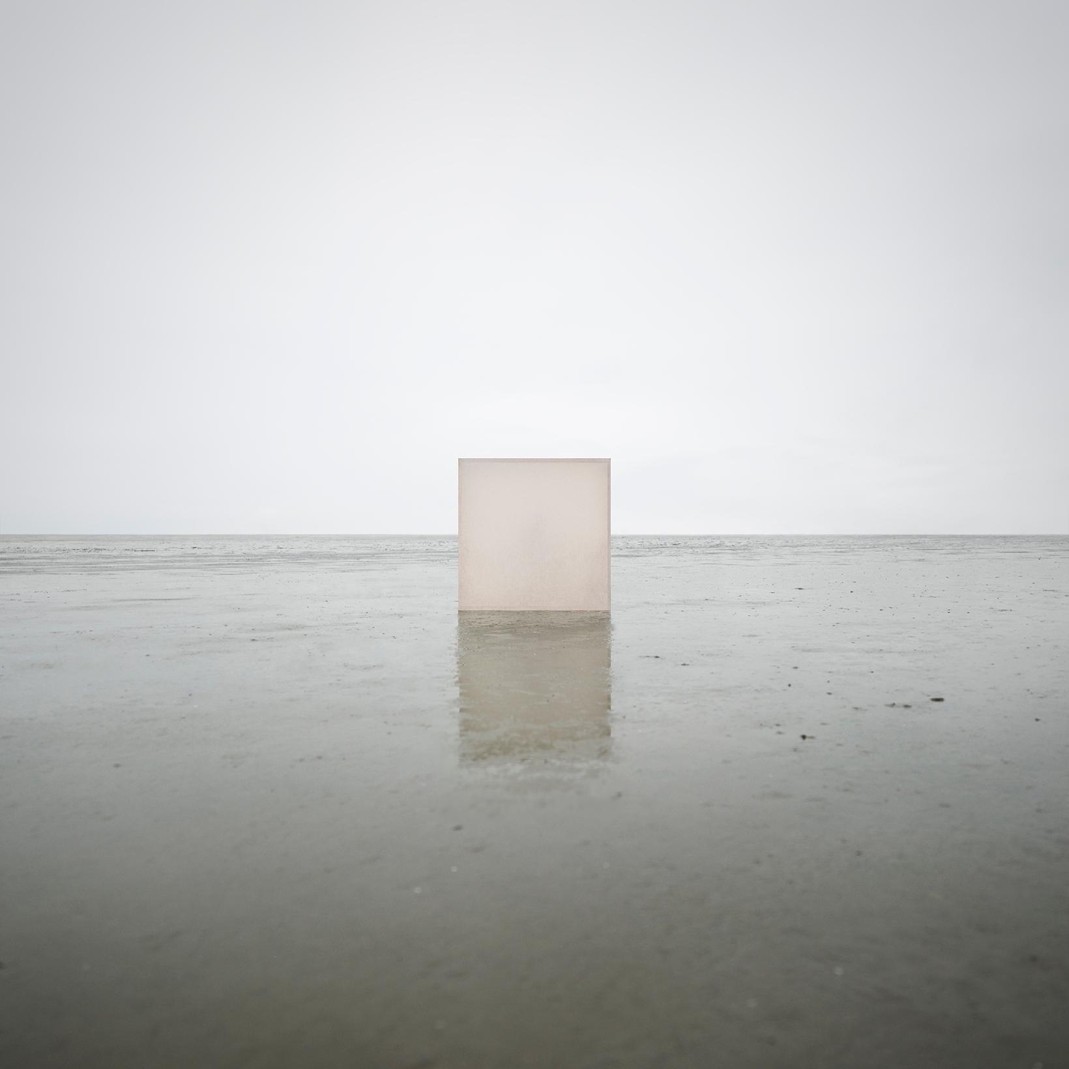
until August 17, 2025. His recent works featuring empty canvases
themselves — as aesthetic and conceptual forms — have drawn attention for
transforming the very boundaries of photographic art.
In
these works, Lee calls forth and names those nameless existences long judged
only from a human point of view, overturning conventional notions of
photographic art. He strives to minimize the artist’s intervention, believing
that even a single canvas alone can embody art — much like a painter applying
pigment to a blank surface.
This,
ultimately, is a new revolution in expression — a creation of another
dimension. His illusionistic transformations, in which “nothing” appears as
“something else,” question the essence of both photography and art itself,
offering one of the most profound messages of our time.