





Solo Exhibitions (Brief)
Haevan Lee has held solo exhibitions including
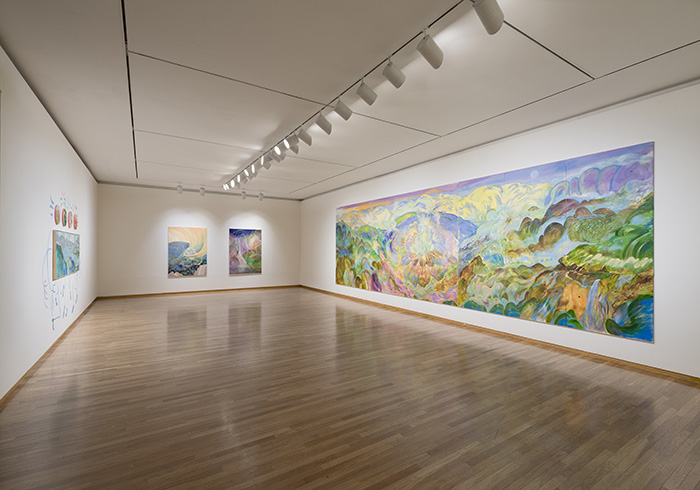
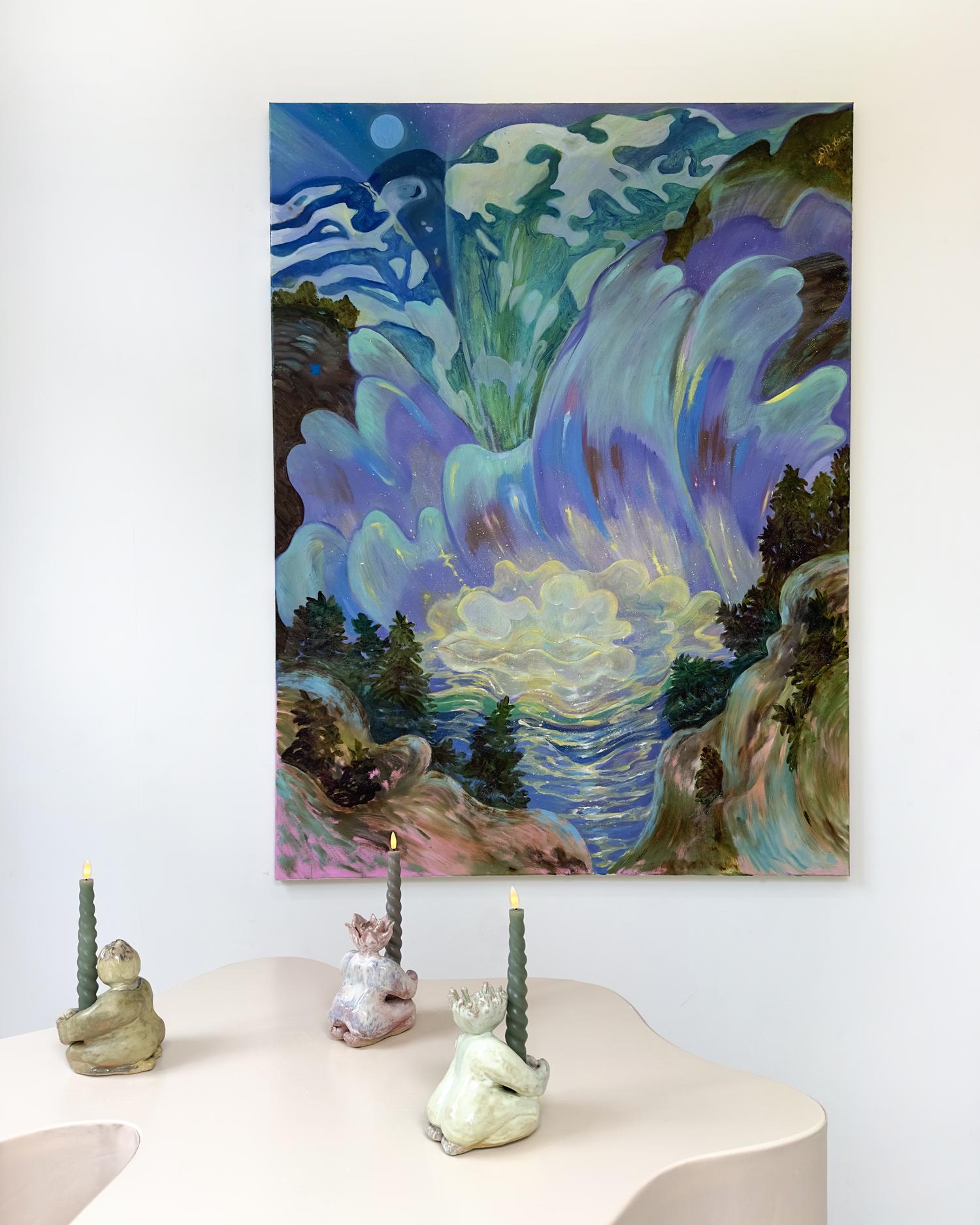
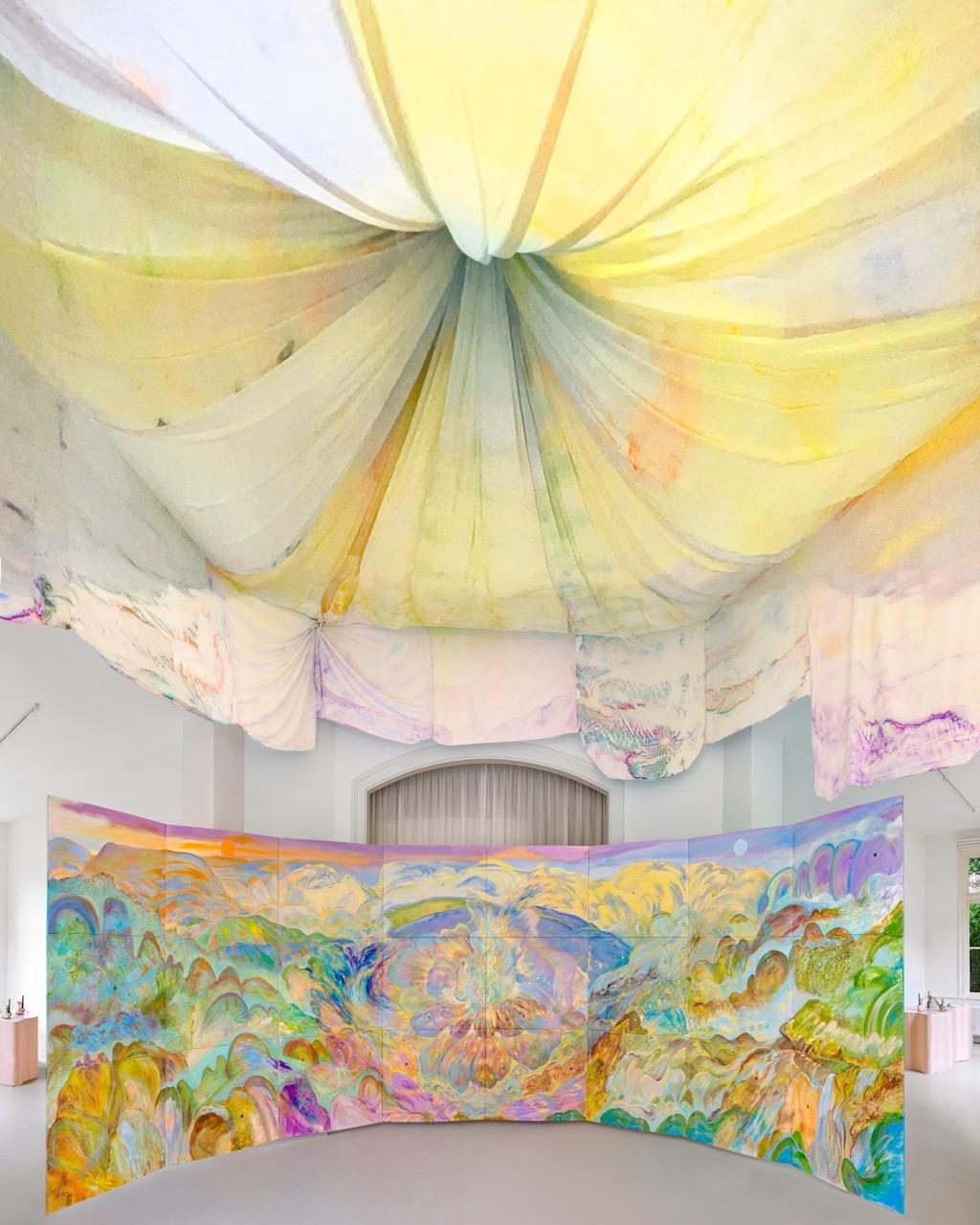
《Hidden Blooming》 (Kumho Museum of Art, Seoul,
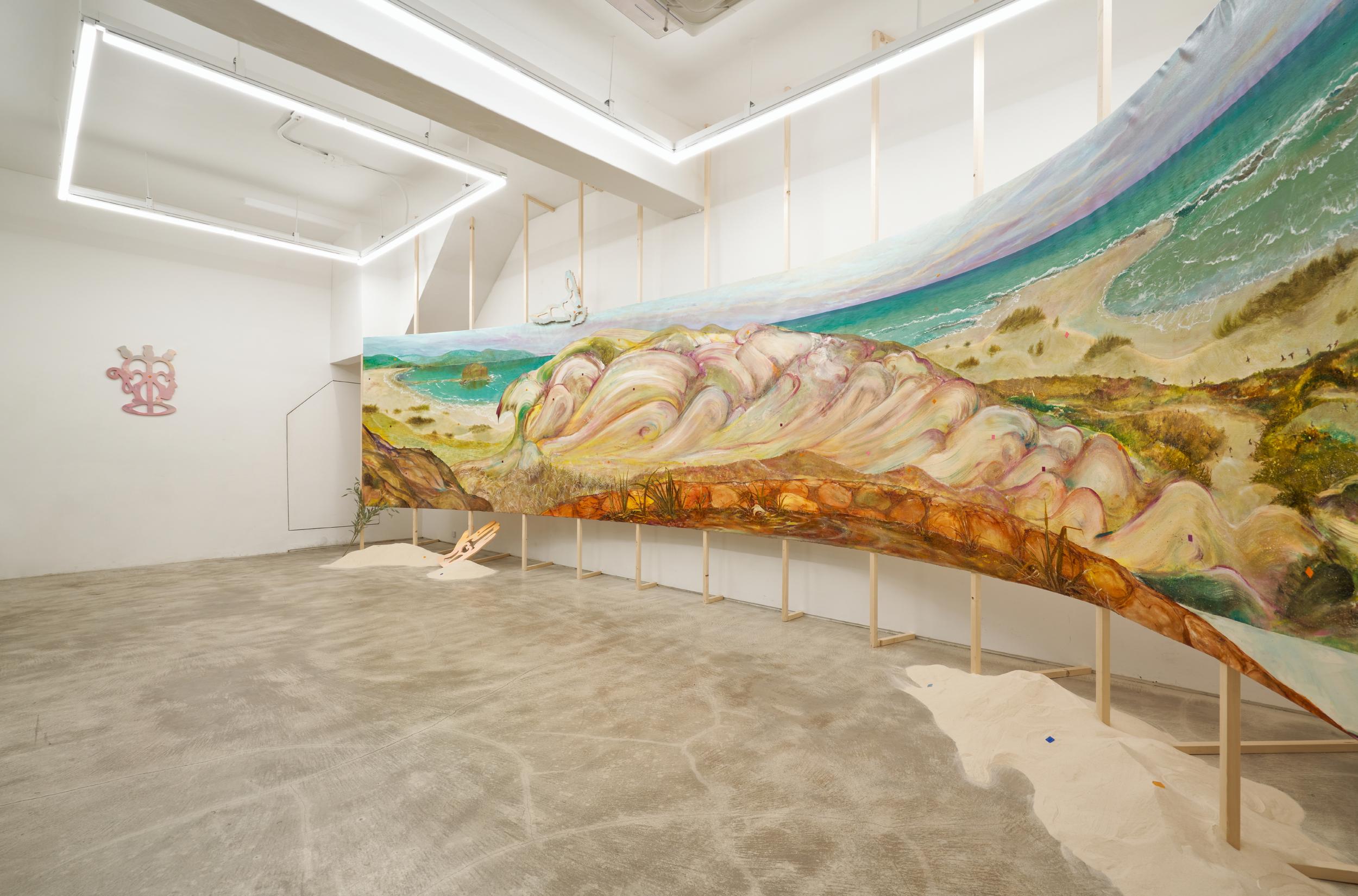
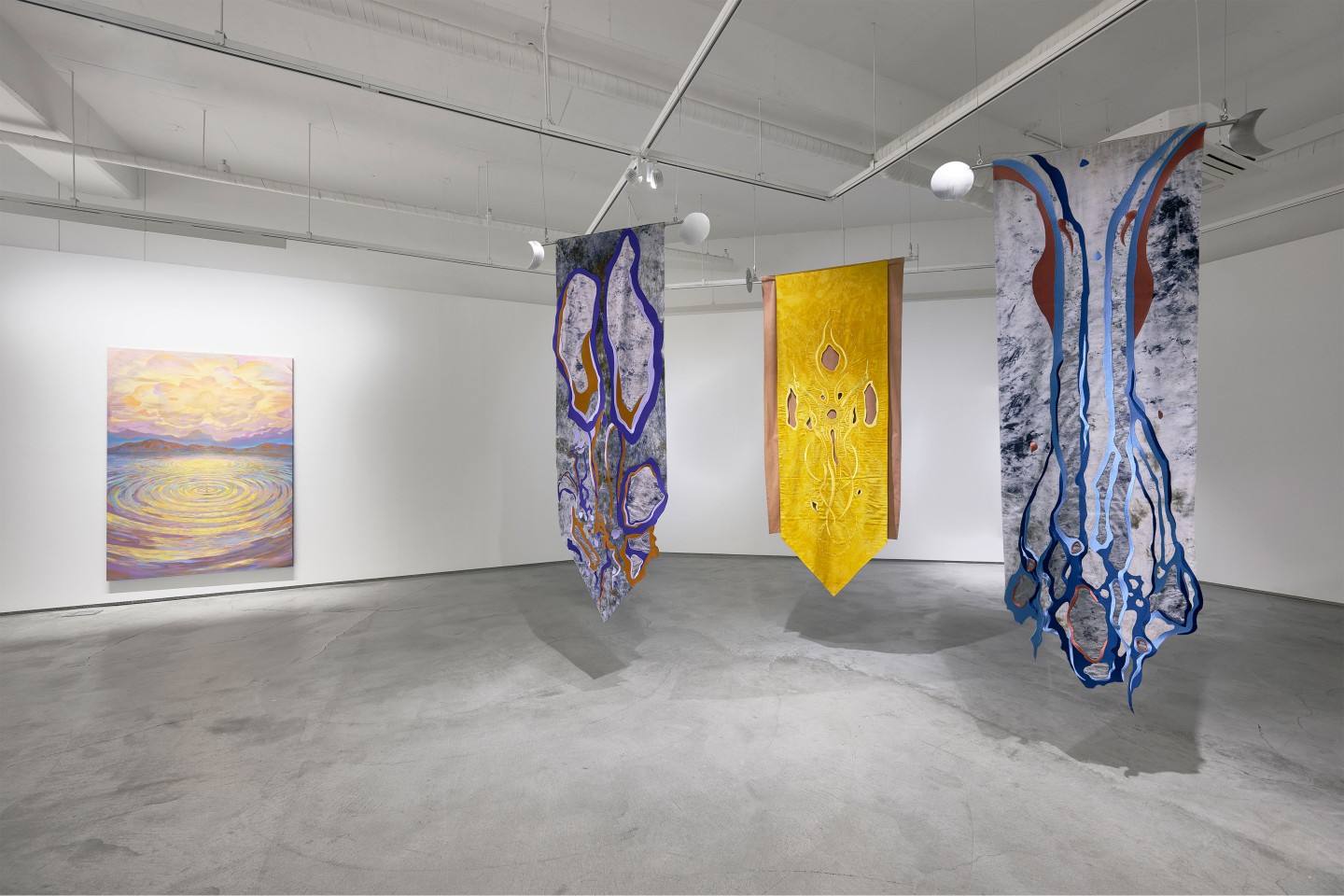
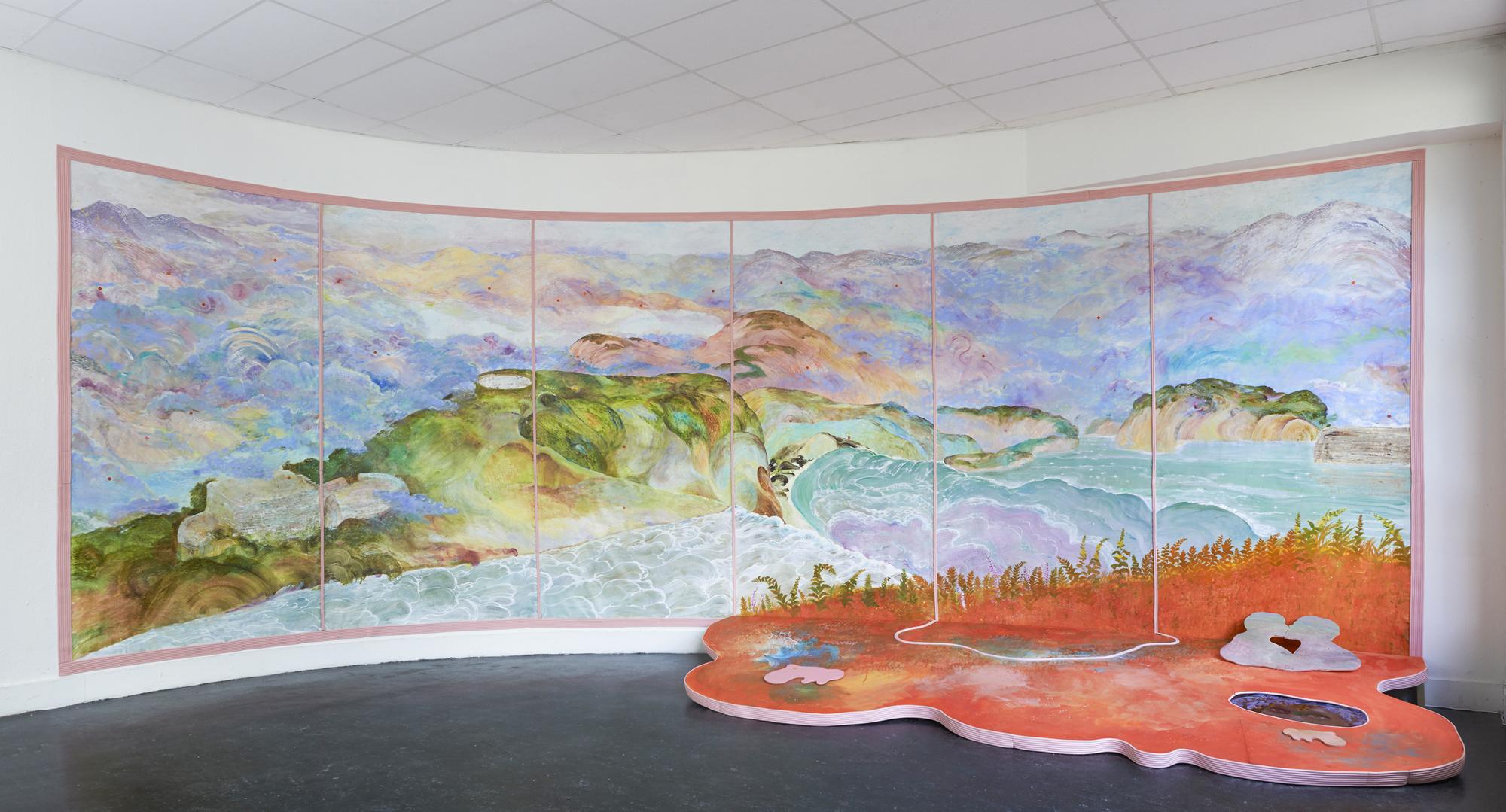
2025), 《Battleground》
(Insa Art Space, Seoul; Bradwolff Projects,
Amsterdam, 2024), 《A Statue Dreaming on River》 (Gallery Lux, Seoul, 2020), and more.
Group Exhibitions (Brief)
Haevan
Lee has also participated in numerous group exhibitions, including 《The Mutable Line》 (G Gallery, Seoul,
2025), 《Soft Intimacies》 (Stroom
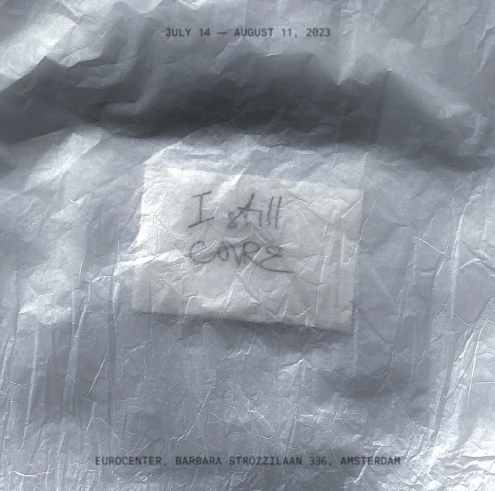
Den Haag, Haag, the Netherlands, 2024), 《I Still Care》 (Eurocenter Amsterdam,
Amsterdam, 2023), 《A scenic route to self》 (NEST, Haag, the
Netherlands, 2022), 《Border_less.site》
(Culture Station Seoul 284, Seoul,
2021), Bangkok Art Biennale 《Escape route》(Bangkok Art and Culture Centre (BACC), Bangkok, 2020), and 《DMZ》 (Culture Station Seoul 284, Seoul,
2019).
Awards (Selected)
Haevan Lee was selected as the 22nd Kumho
Young Artist and, in 2025.
Residencies (Selected)
Haevan Lee was as a resident artist for the
MMCA Residency Goyang.
Collections (Selected)
Haevan Lee’s
works are housed in the collection of National Museum of Modern and
Contemporary Art(MMCA) Government Art Bank, Korea.