Sejin Park
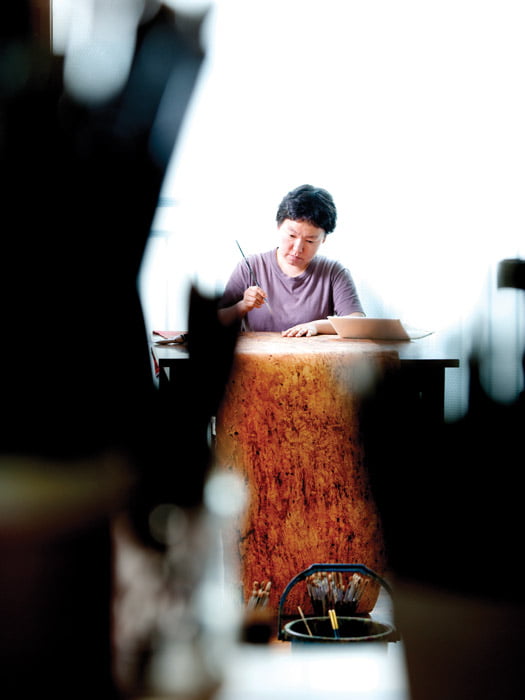
is an artist who closely links the material properties of her media to the
content of her painting. Employing oil, acrylic, fabric, paper, glue, and even
natural substances such as cherry or rose juice, her practice can be read as an
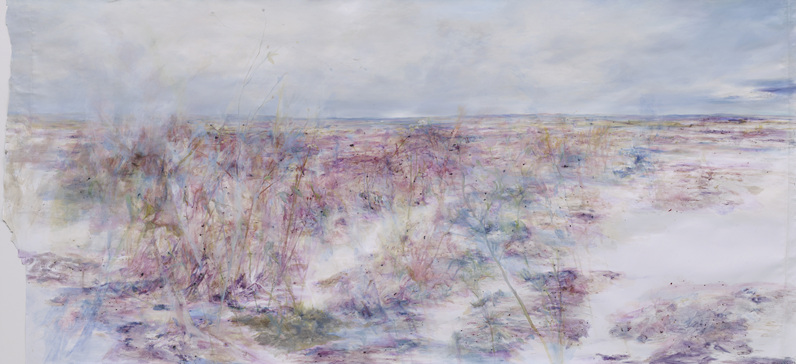
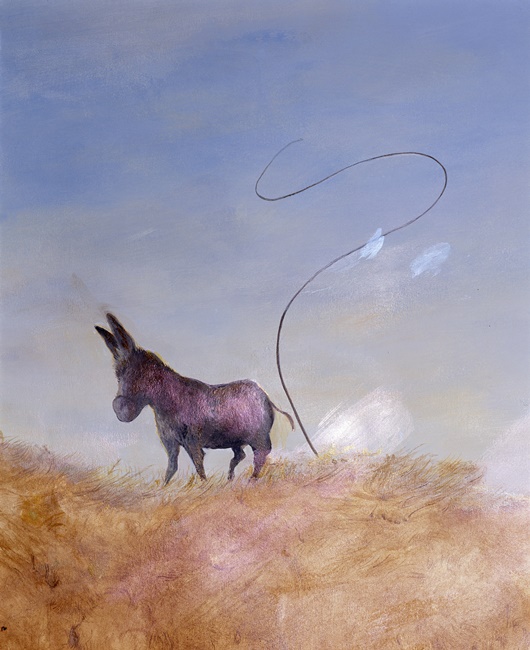
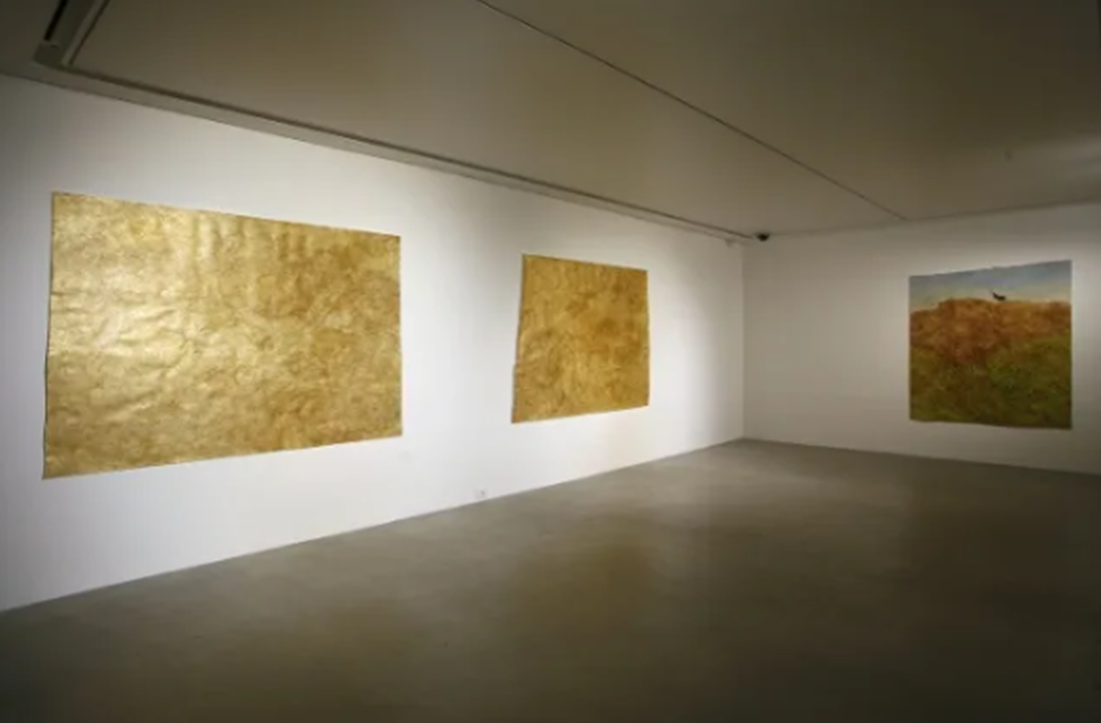
experiment that revives the vitality of color and texture. Run
and Run Again! infuses paper with pigment made by mixing cherry
juice and glue, transforming the organic hues of nature into the breathing
rhythm of a landscape.
In her
compositions, the continuity between the foreground and the background forms an
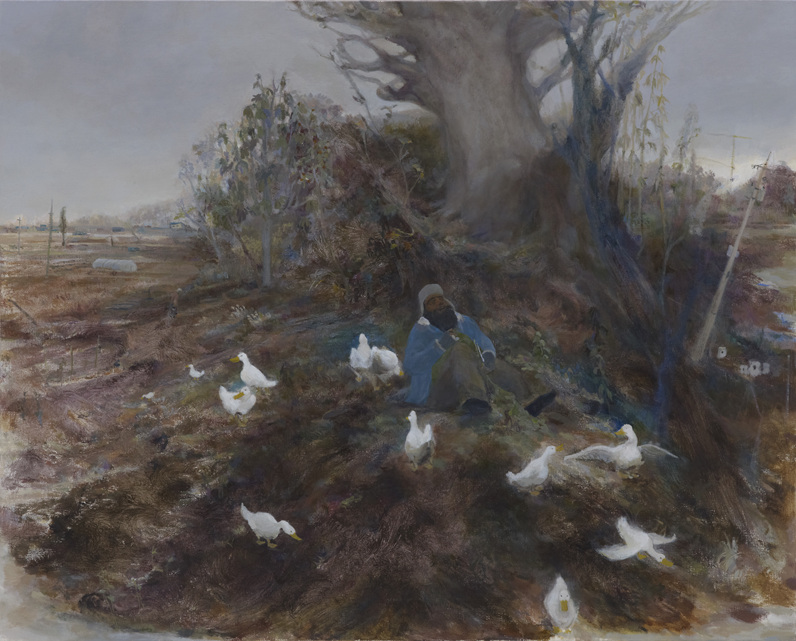
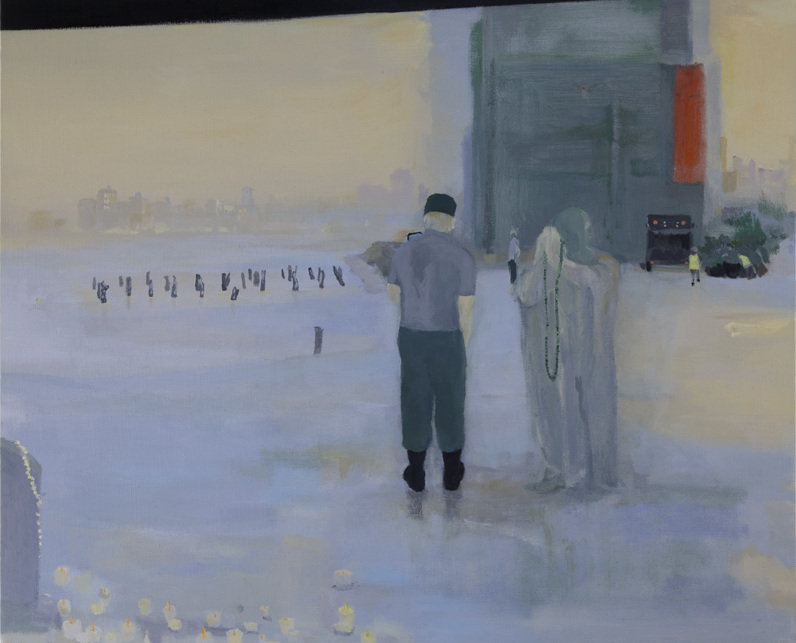
essential structure. In works such as Old Morning(2007)
and Crying Soldier(2007), the precisely rendered
foreground and the faint, dissolving background reflect one another, erasing
boundaries. This “painting of overlap” is an attempt to layer traces of time
upon the material surface, visualizing what the artist calls “the traces left
by the absence of time.”
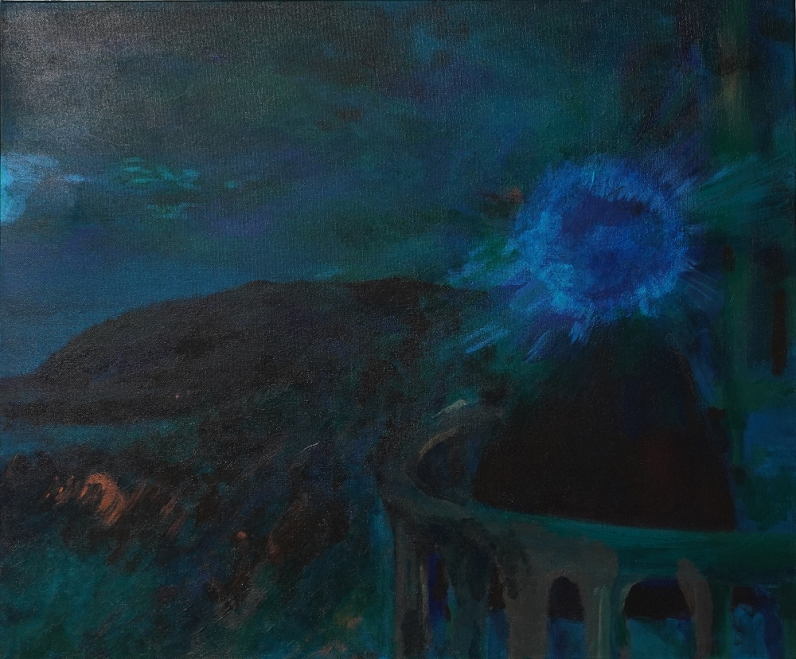
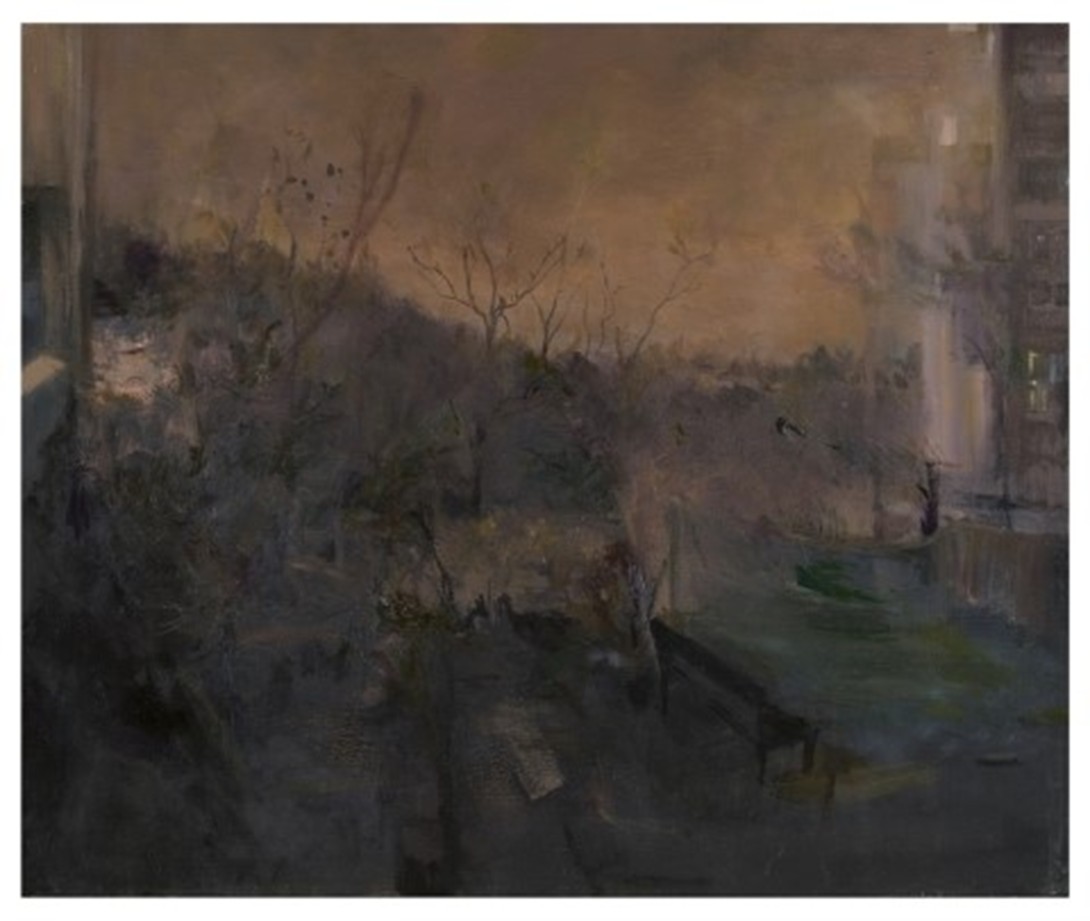
In works
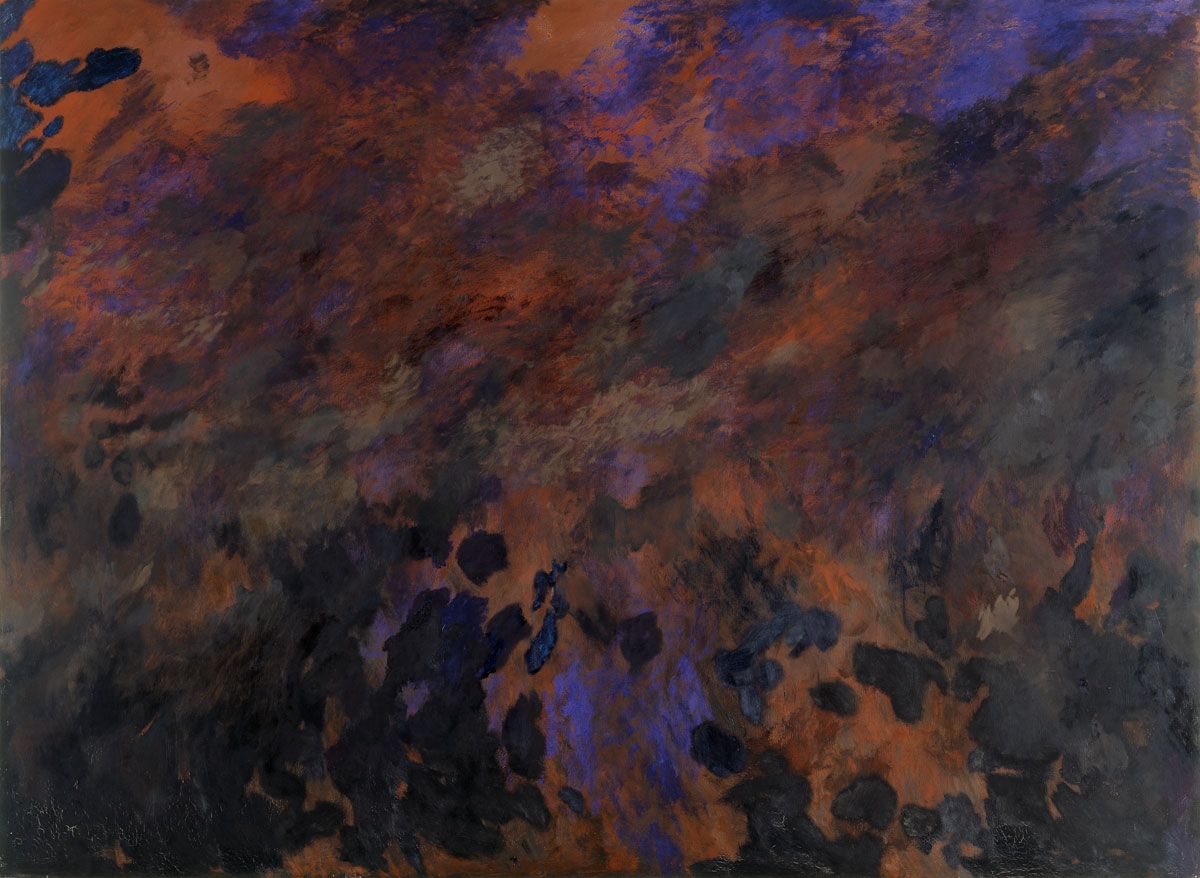
such as Night, the most notable feature is the
materiality of the brushstroke and impasto. Outlines disappear, the texture of
brush marks becomes prominent, and the surface changes color according to light
conditions—devices that visually articulate the uncertainty of perception
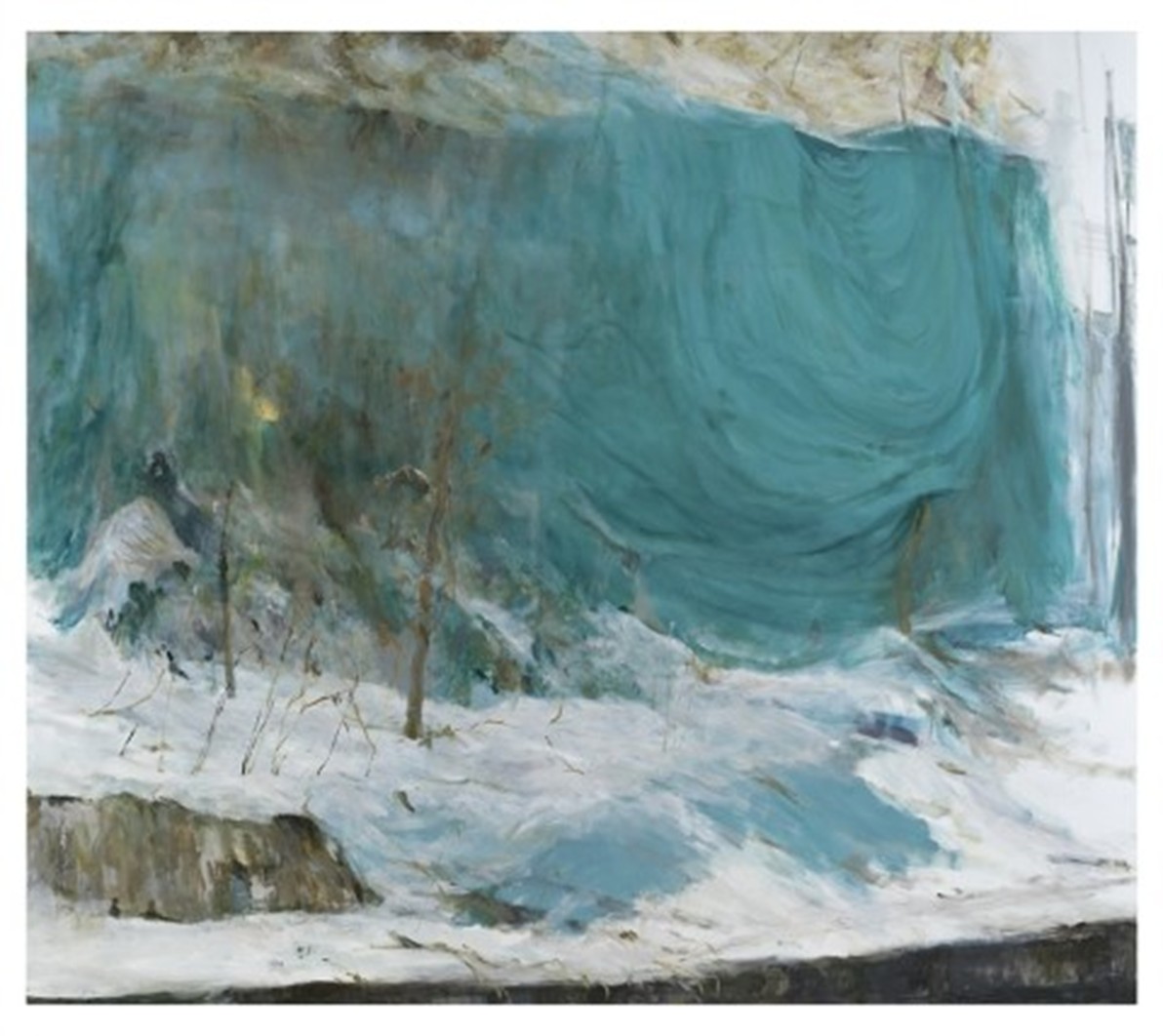
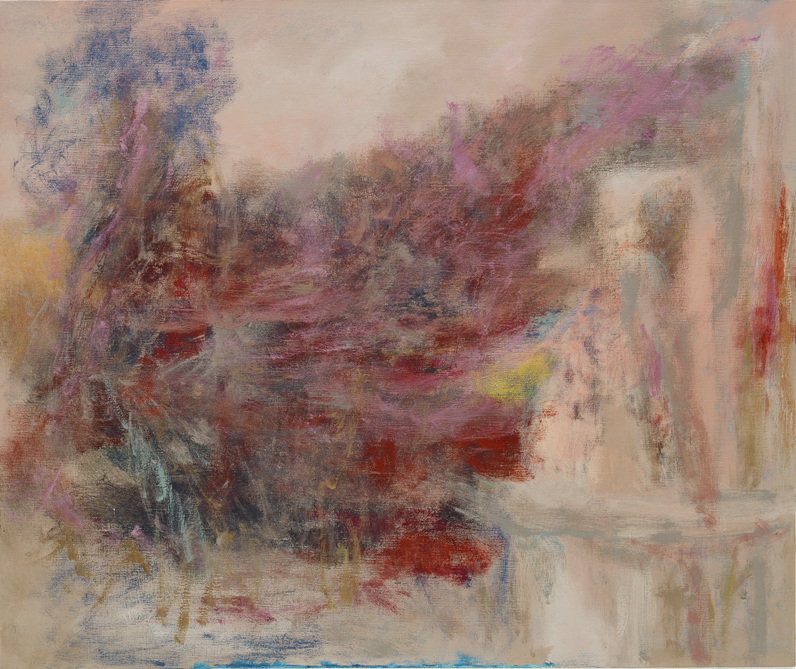
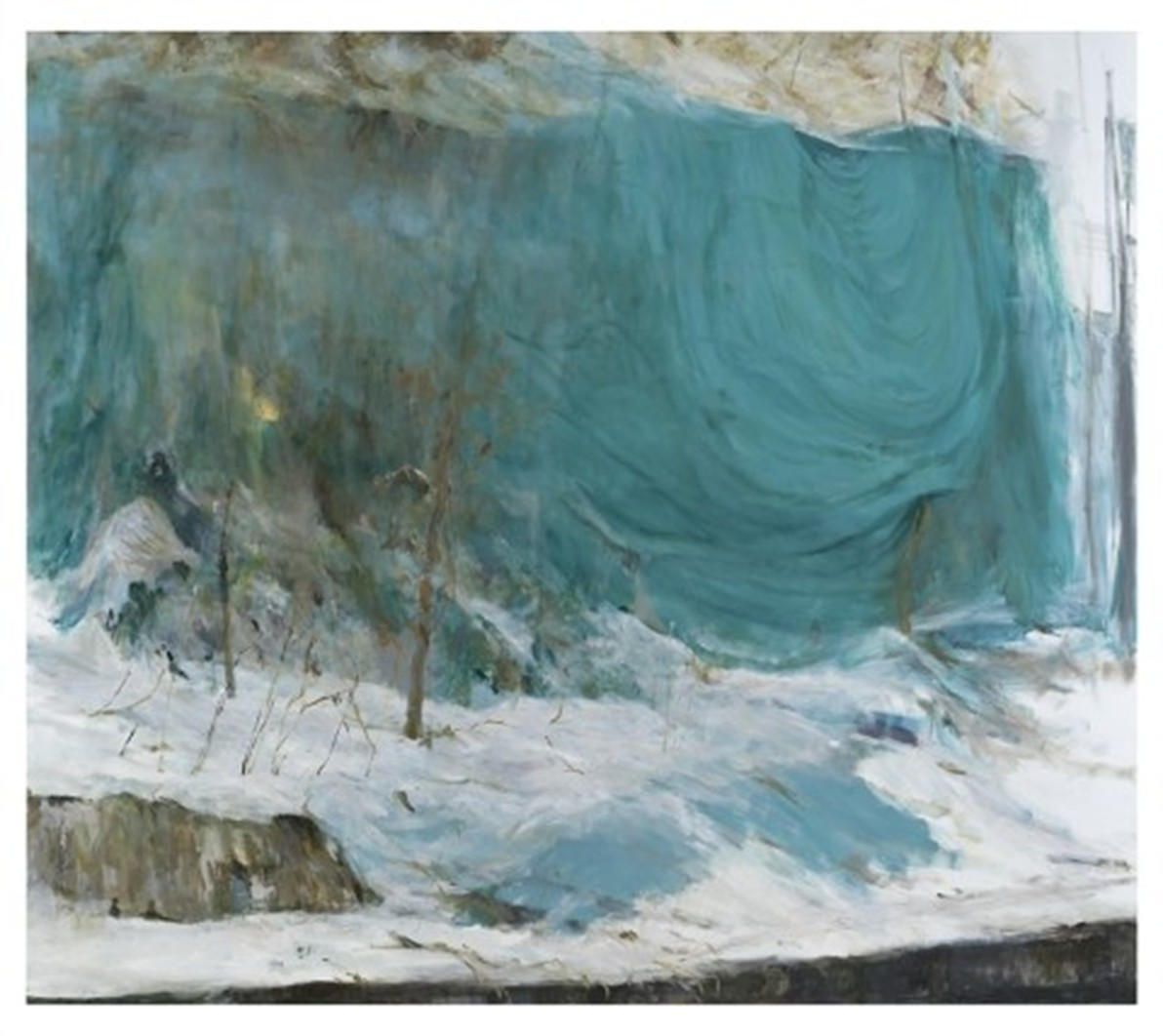
within darkness. Conversely, in later works such
as Wall, stains, mold, and marks of rainwater on
concrete surfaces are reinterpreted as painterly expressions of nature itself.
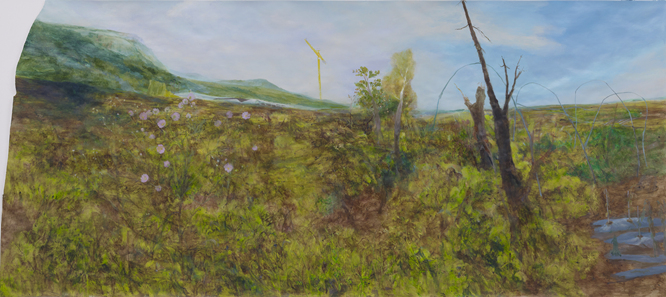
Since the
2000s, her work has been marked by a persistent observation of the colors and
textures of local Korean nature—its skies, stones, and mountains. From the
2010s onward, the resonance between memory, consciousness, and emotion became
stronger, signaling a shift from “visible landscapes” to “invisible relations.”
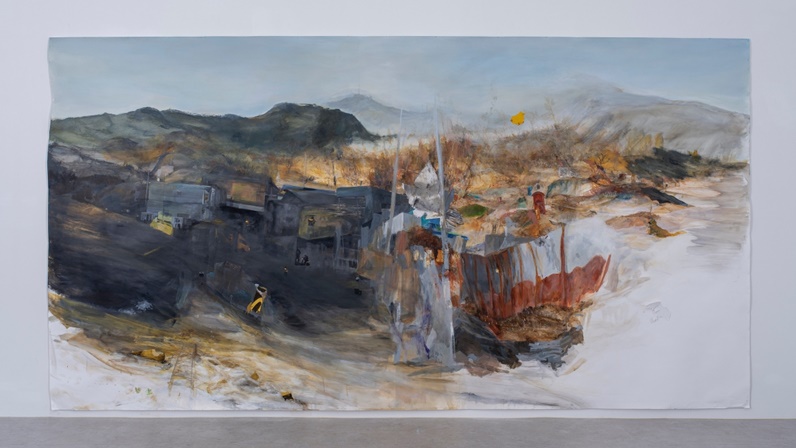
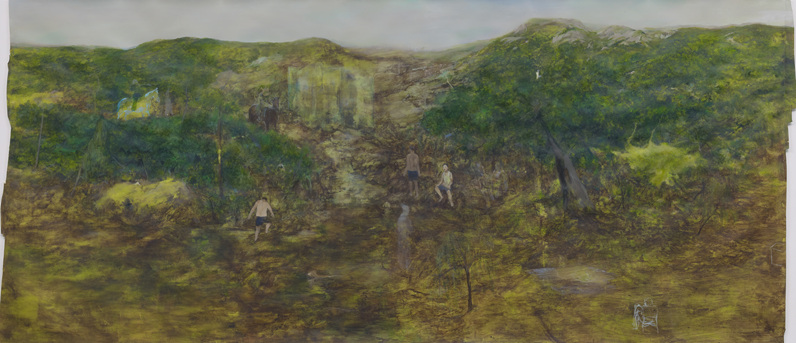
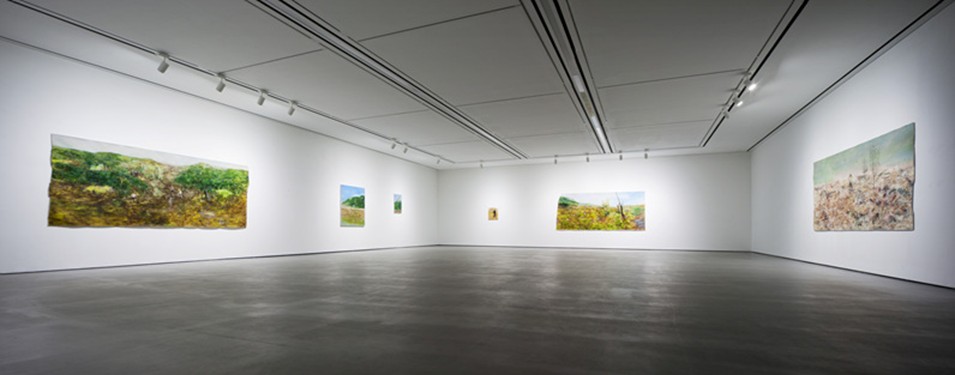
While the memory of Panmunjom in Landscape
1993-2002 invited an imagination of the unreachable other, the
recent hillside series depicts landscapes where the lives of self and other are
reflected and connected. Ultimately, Park’s landscapes are not records of the
external world but projections of inner perception—painting as the geography of
emotion.