We all live in our own houses. Each “house”
takes a different form, and our ideas and meanings of home are just as varied.
Whatever shape that home may assume — whatever attitude we hold within it — we
all step out of it, only to return again.
In recent years, the idea of “home” has become increasingly complex to me: its
relation to independence, the structure of family, the time spent within it,
and, above all, the space of rest. Even after living in one’s house for a
lifetime, it may not always feel comfortable; unfamiliarity can arise in an
instant. It is a place utterly familiar, yet one we may desperately wish to
escape. A place filled with our traces and preferences, where our weary hearts
find rest from the outside world. Even if others call it a mere “room,” the
world inside the door and the world outside it are not the same. For me, that
space is my “home.”
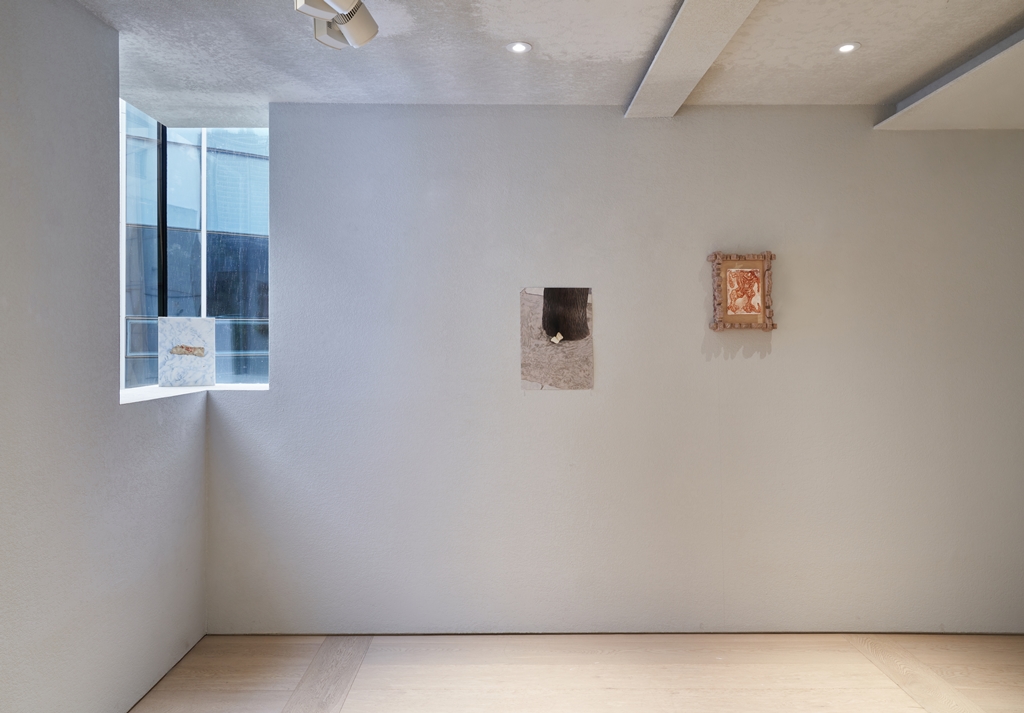
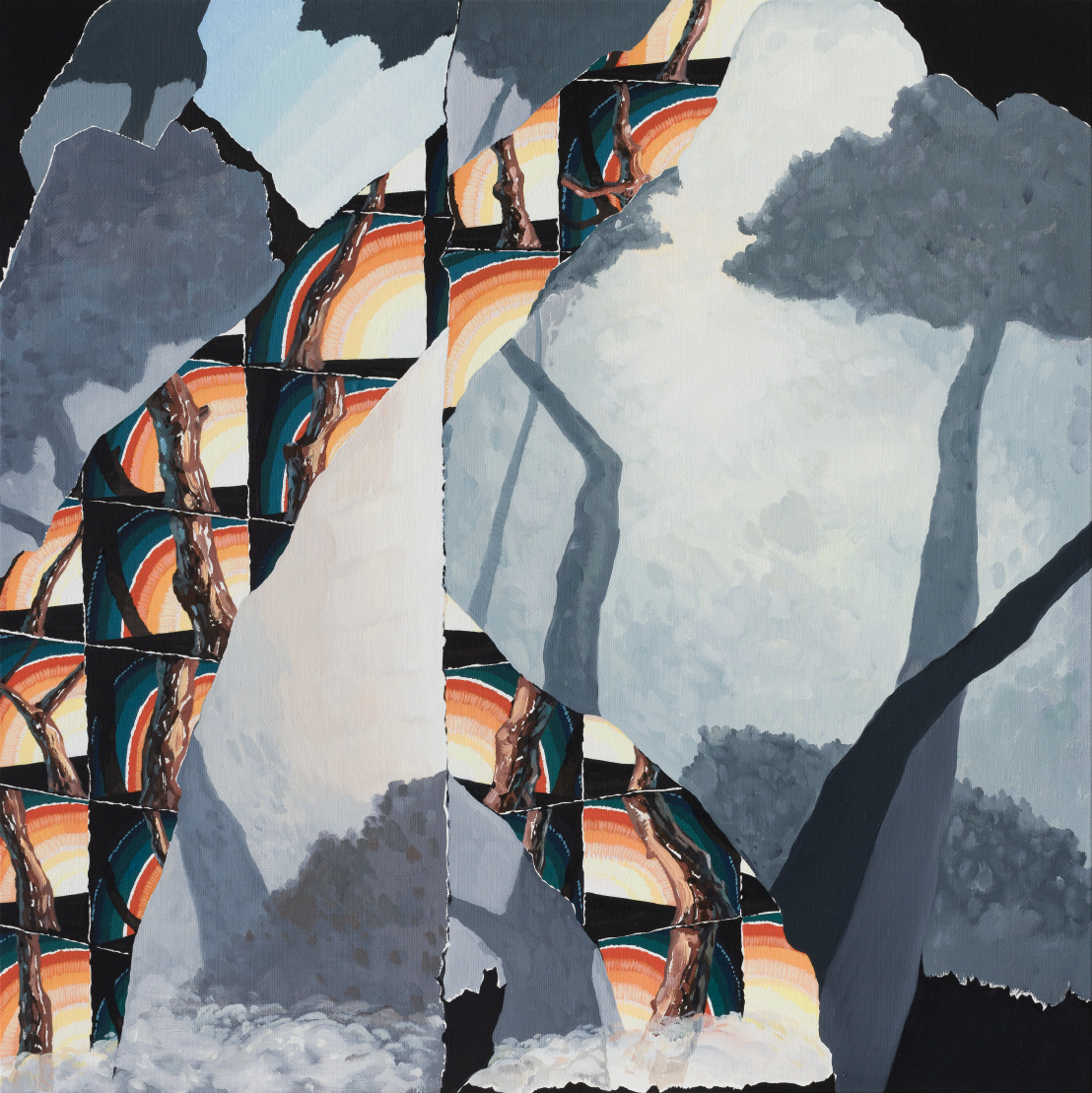
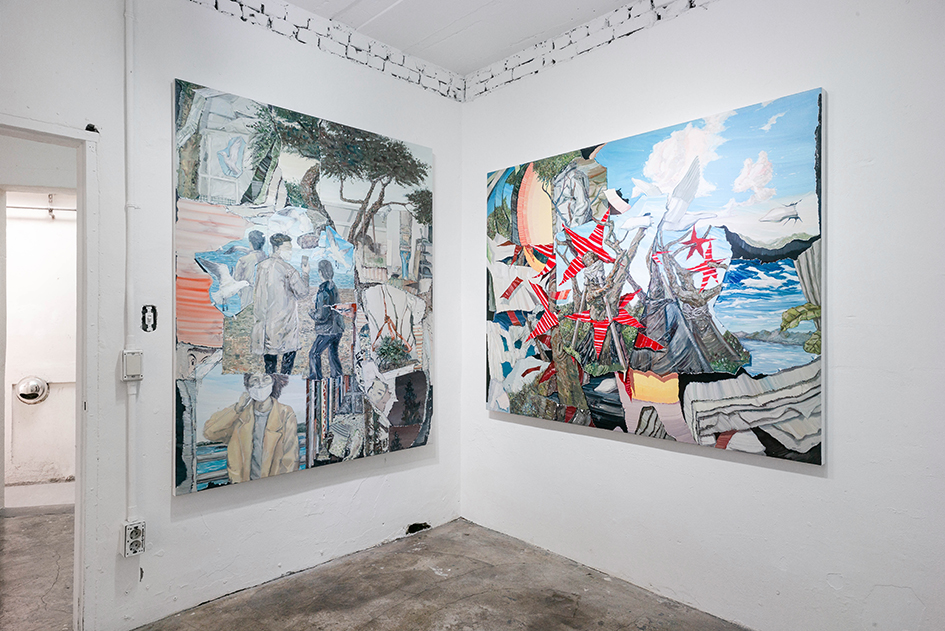
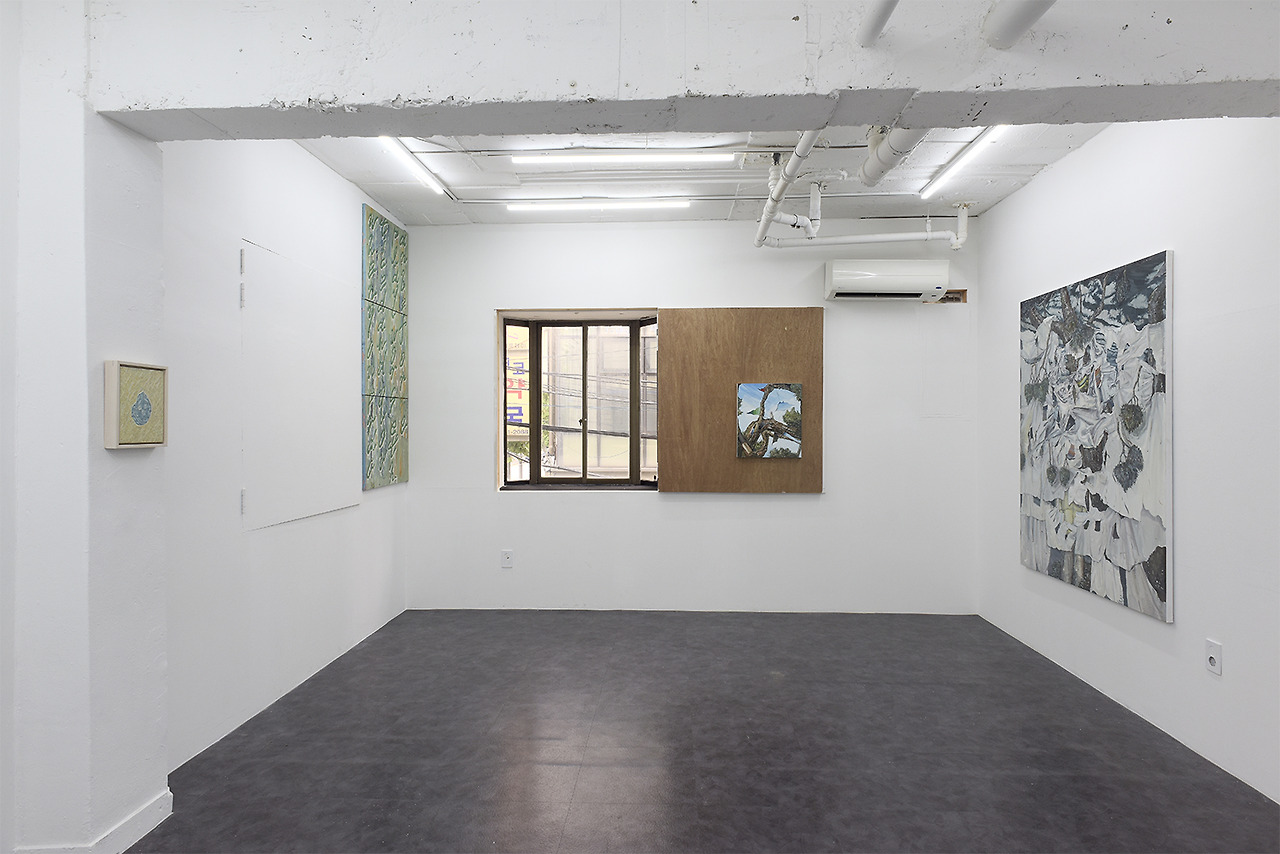
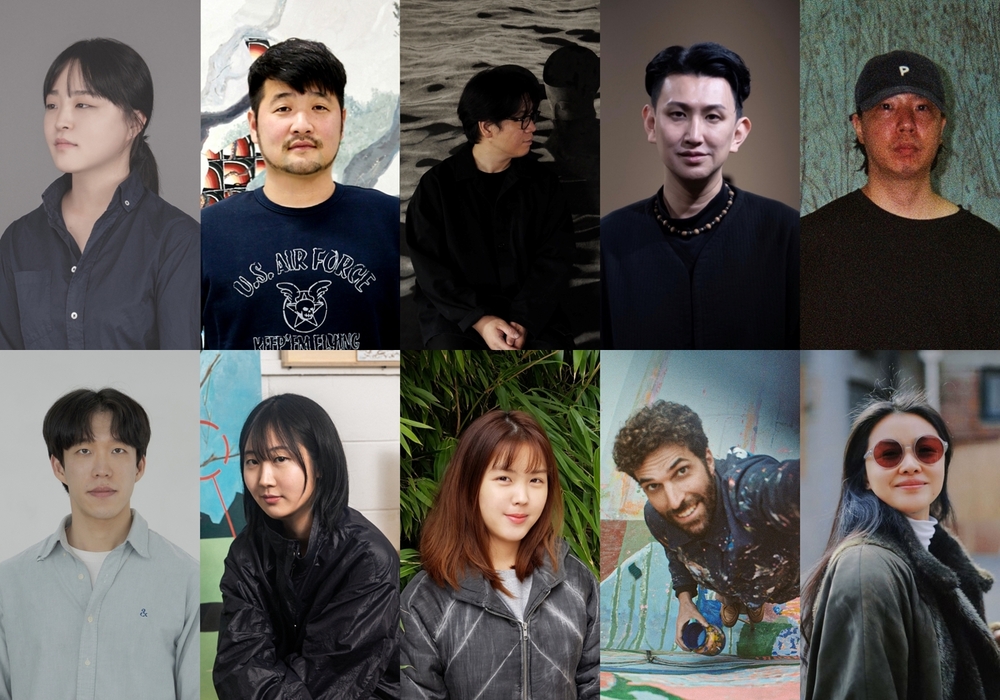
The exhibition 《Mono Mansion》
begins from the imagination of a three-story house inhabited by three artists,
each living on a different floor — their lives, values, and worlds connected by
a small ladder.
Boundary: [Door]
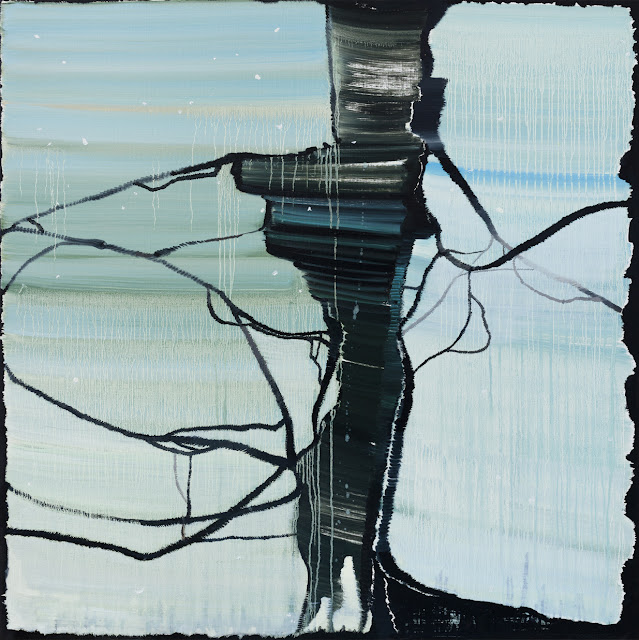
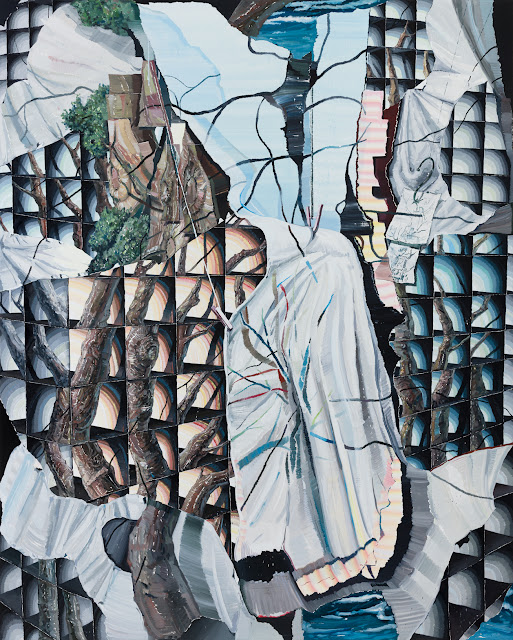
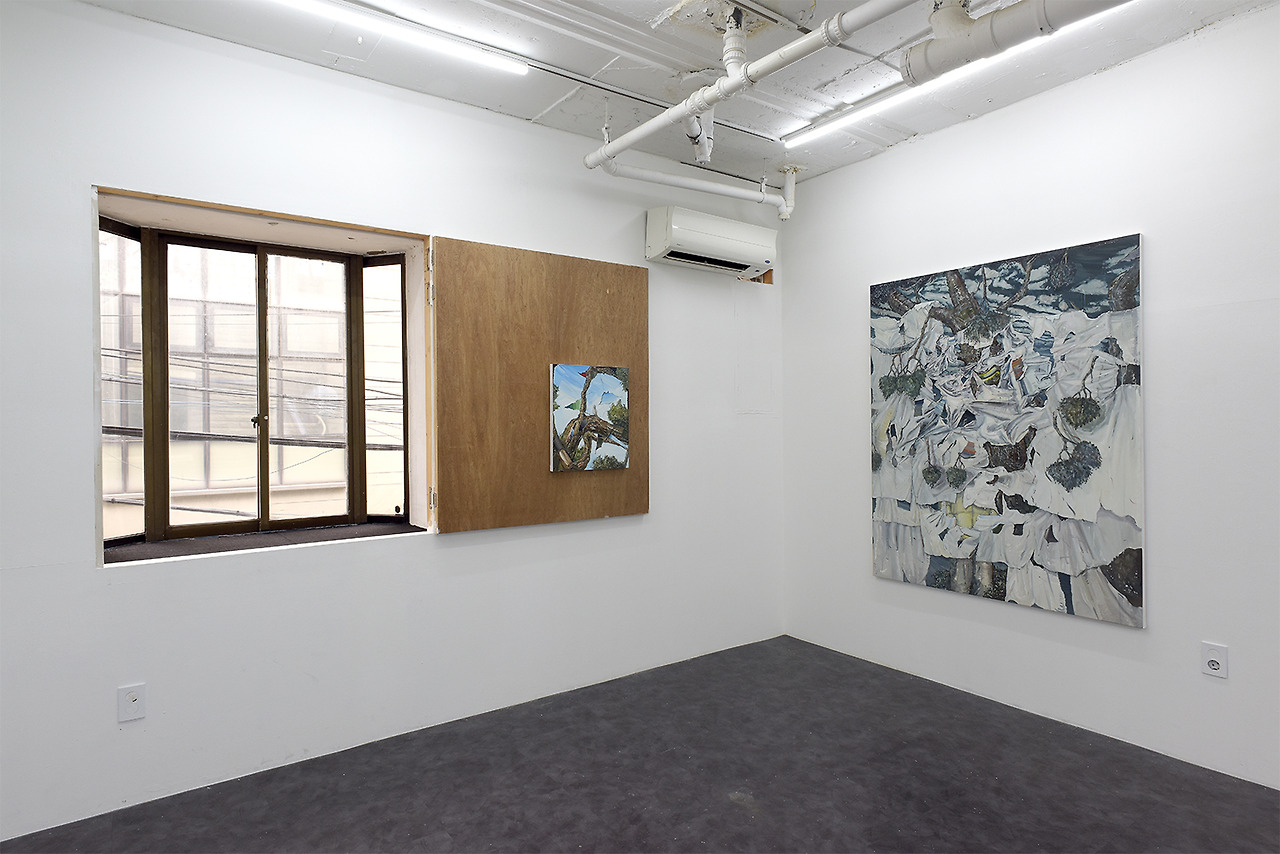
In Cha Hyunwook’s work, the boundary is not
something that separates, but a moment that allows encounters. Within the
medium and practice of painting, the boundary of division and partition might
have once been a firmly closed door. The artist, however, does not seek to
circumvent or break it, nor force it open with a key. Instead, standing before
this boundary-door, he patiently works to open it — entering from outside,
exiting from within — with a gentle smile, holding a bundle of varied and
delicate keys, turning each one with care.
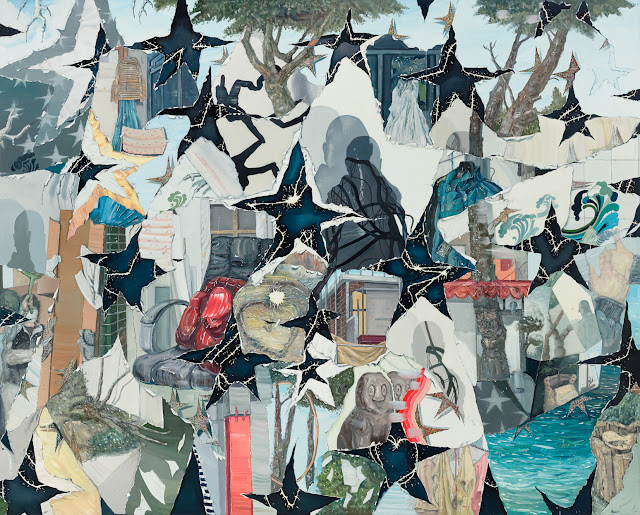
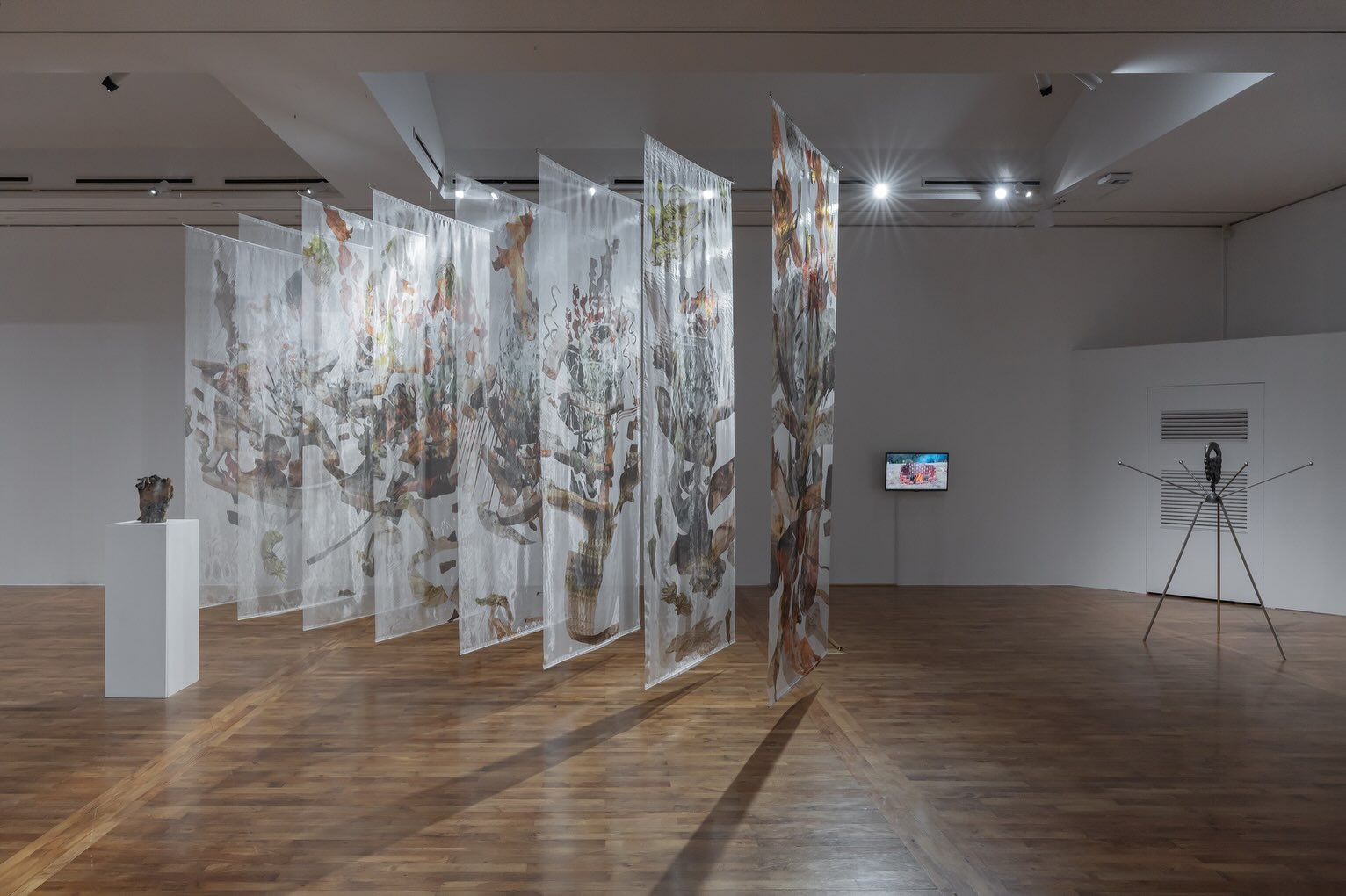
In Park Jisoo’s work, the boundary lies
between society and the individual. She examines how what may seem deeply
personal can, in fact, be profoundly social. Standing between these realms, she
reflects on social issues and perceptions, yet from the exhaustion and
helplessness she feels, she redirects her focus toward the personal — toward
everyday life, people, objects, and events around her.
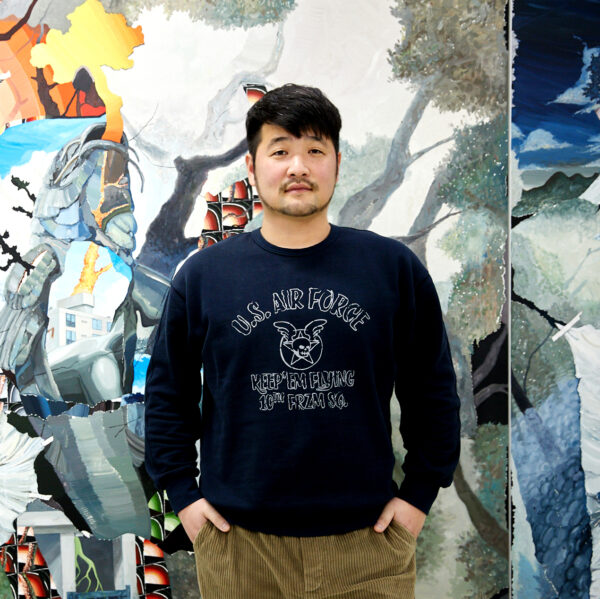
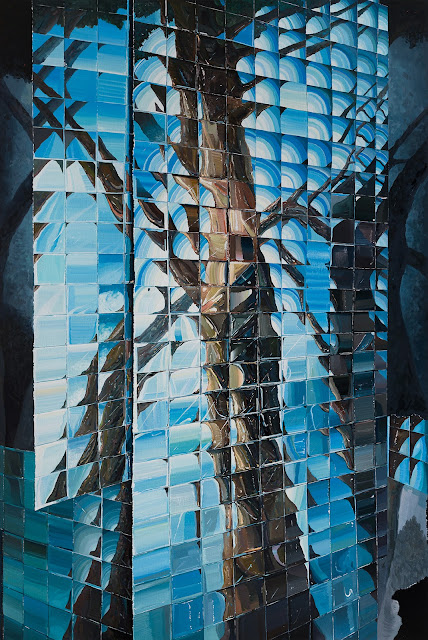
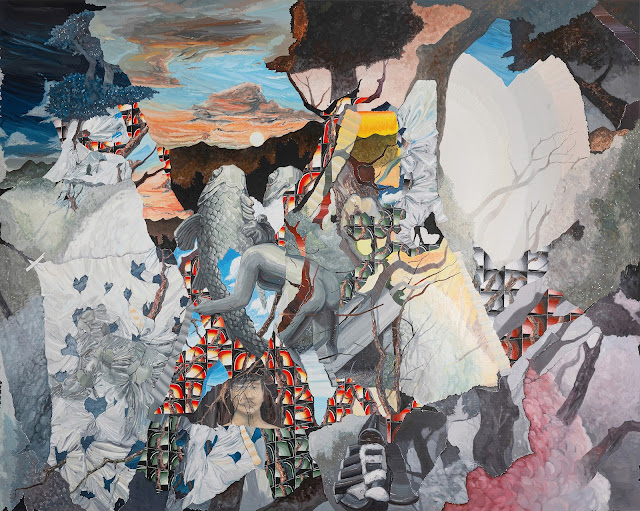
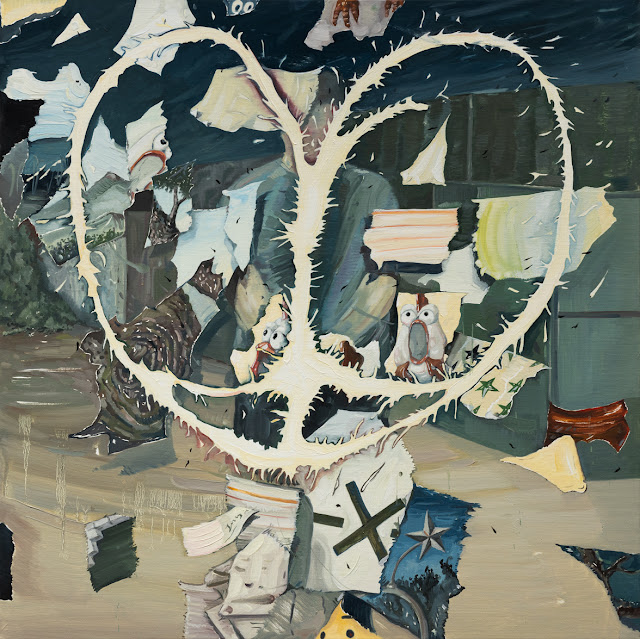
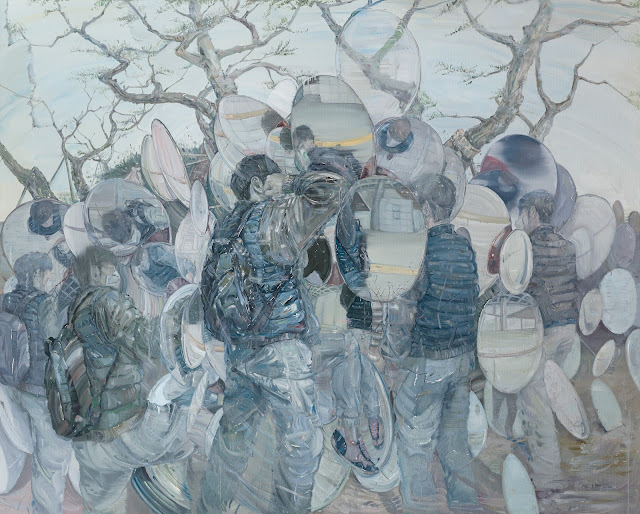
Jungin Kim, meanwhile, explores the boundary
between the individual and society — the line where personal reflection,
participation, and coexistence intersect. The scenes on his canvases become
composites of fragments of social phenomena: both signs of hidden resistance
and marks of overexposure. In the push and pull between adjacent images, where
surfaces press against each other, new dimensions and pictorial spaces emerge.