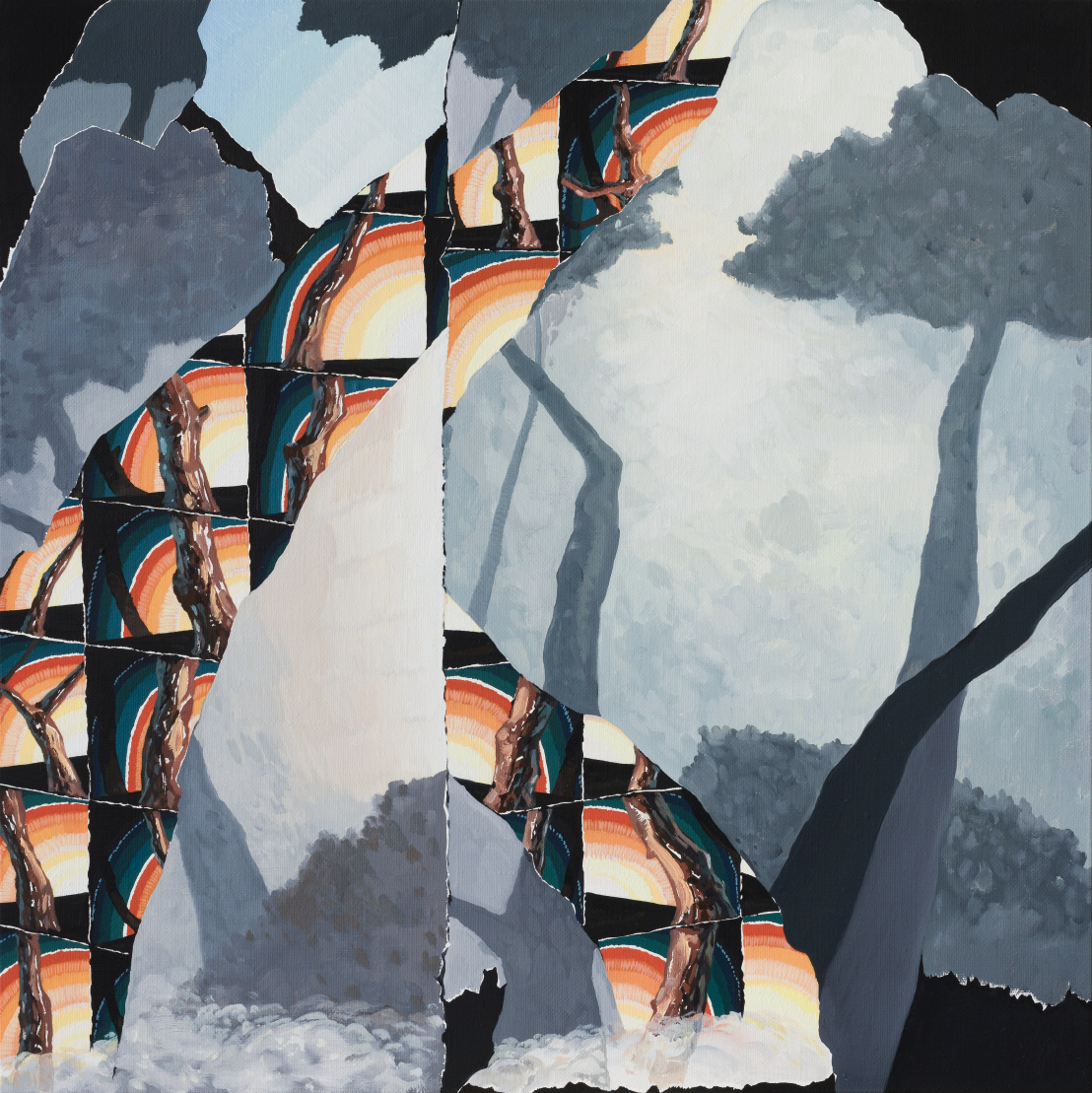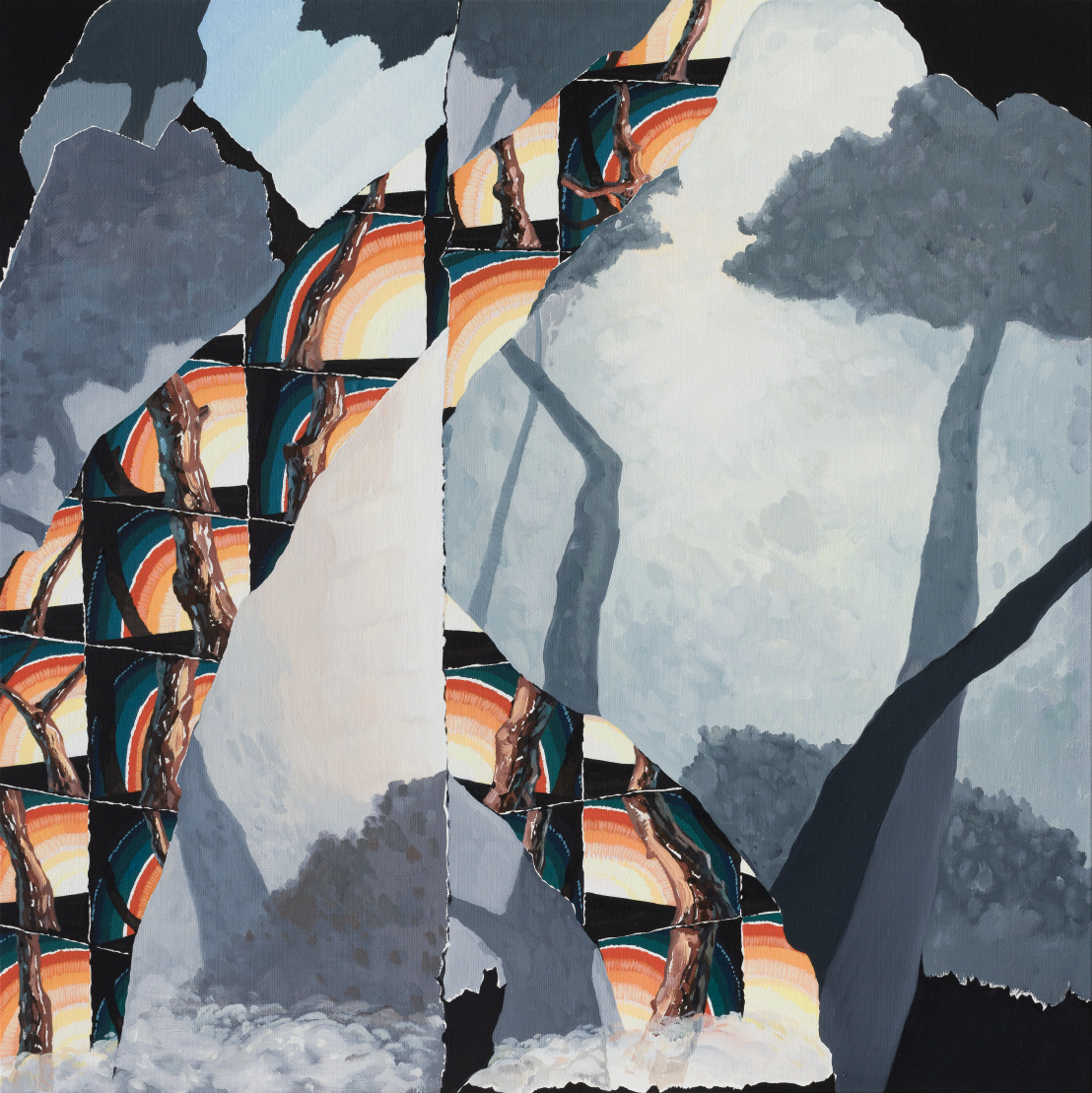


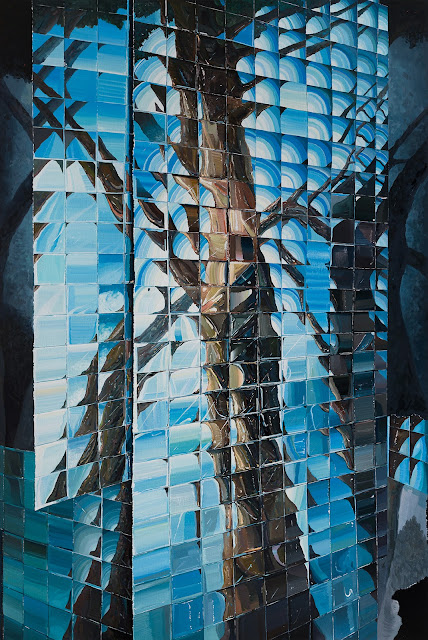
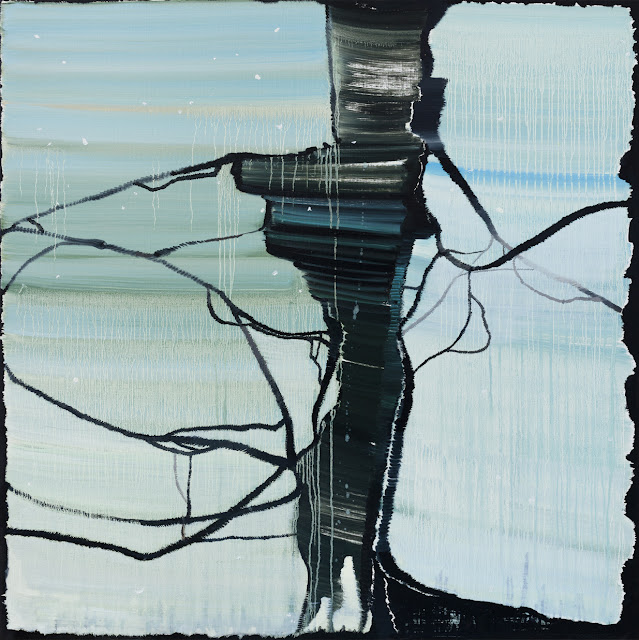
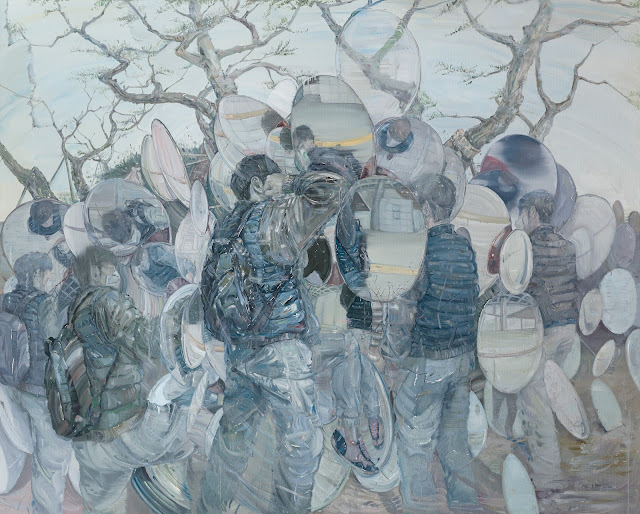
Jungin Kim, Resisting tree 4, 2024, oil on canvas, 45.5 x 45.5cm © Jungin Kim

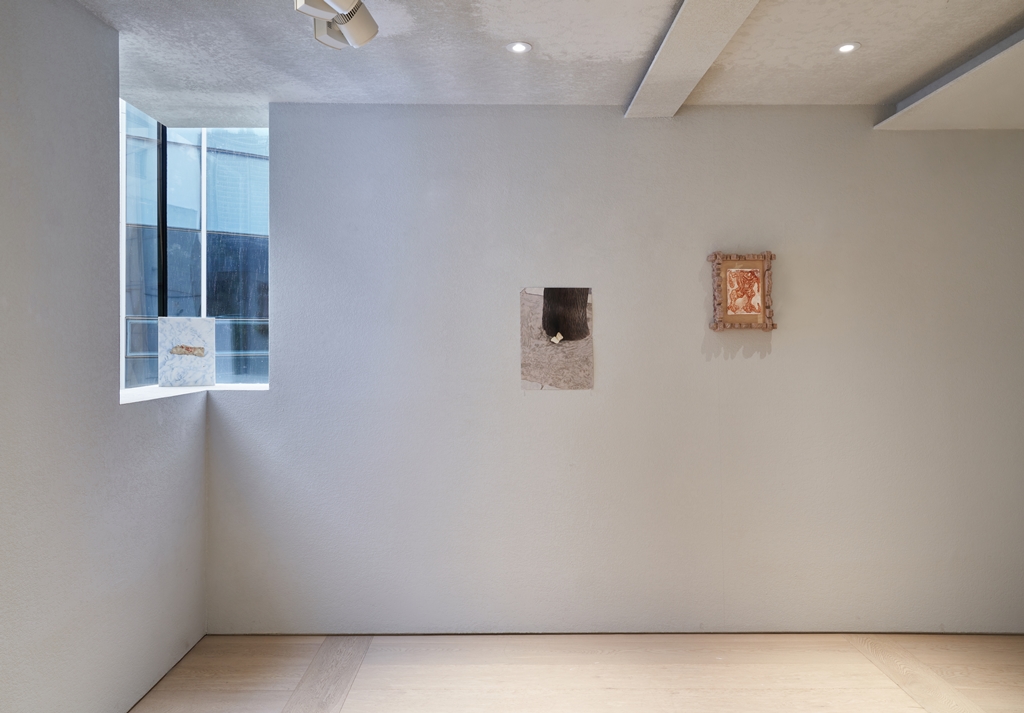
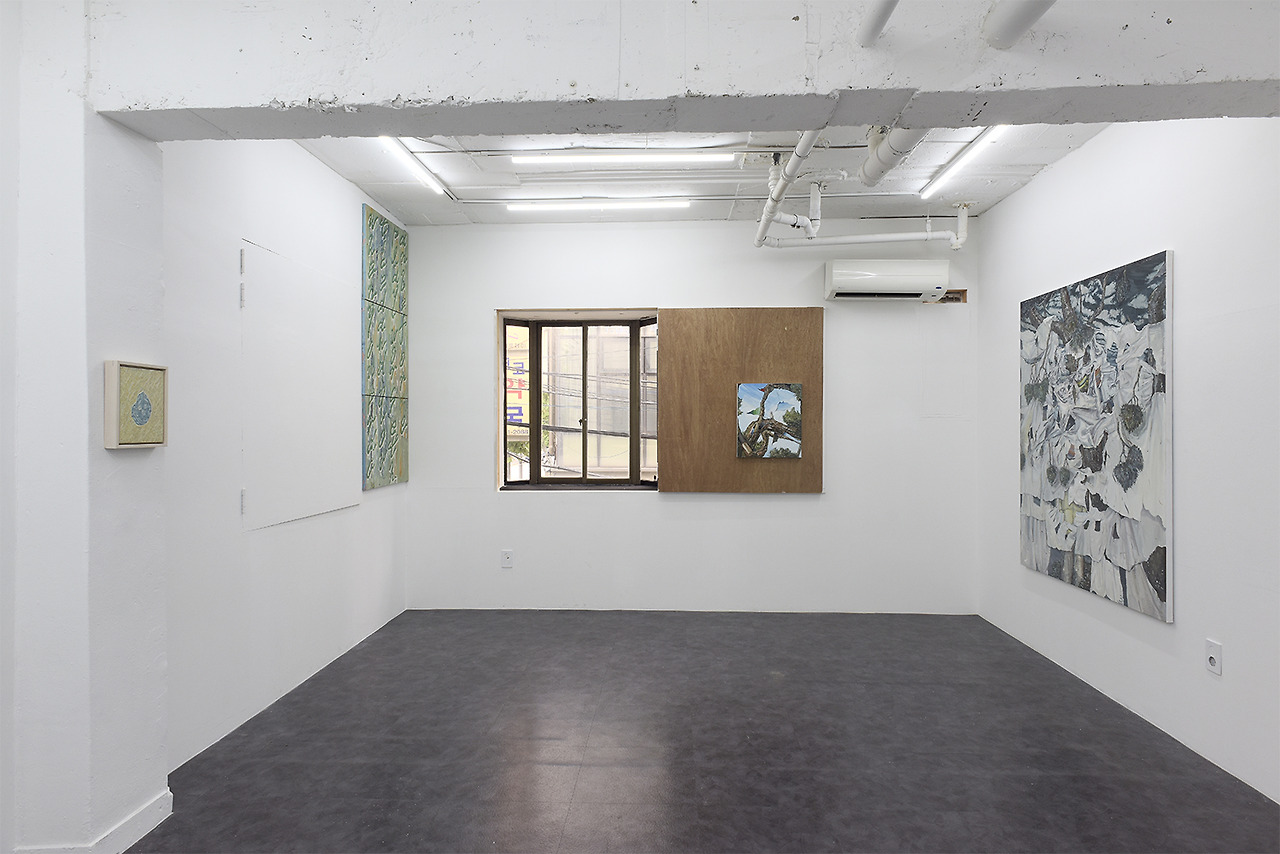
Gallery Planet presents the two-person exhibition 《Crosswalk》 by Jungin Kim and Hyunseo Cho, on view from August 8 to September 13, 2024. The exhibition begins by asking how two distinct artistic perspectives intersect and diverge — how they meet at a crossing and then move apart again. Through the blend of internal and external memories, Kim and Cho illuminate the tension between subjective judgment and machine perception, prompting reflection on what painting means in the present age.

Like a “crosswalk” — a site where paths intersect and diverge — the exhibition invites viewers to follow the gaze of these two artists to the temporal moments of selected memory that act as a filter. As internal and external memories intermingle and pass through external storage to reappear before our eyes, we experience countless conscious and unconscious moments of choice. Both artists record images within their own unique “vessels of memory,” built upon innate sensibilities and learned tastes. It is at this juncture that their differing gazes are most sharply revealed.

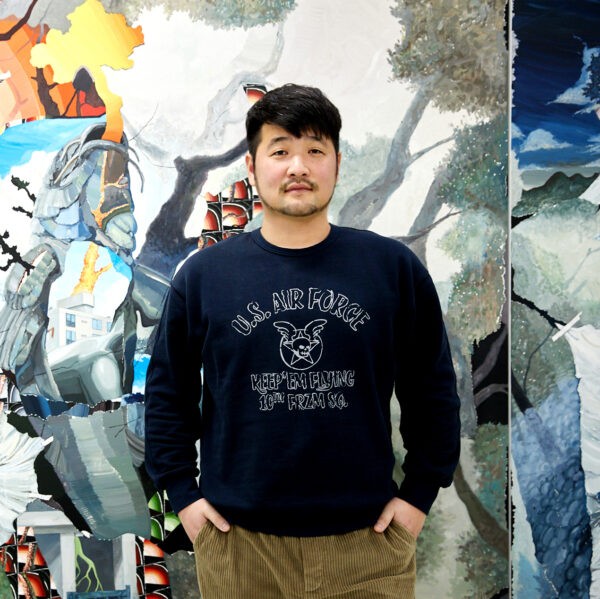
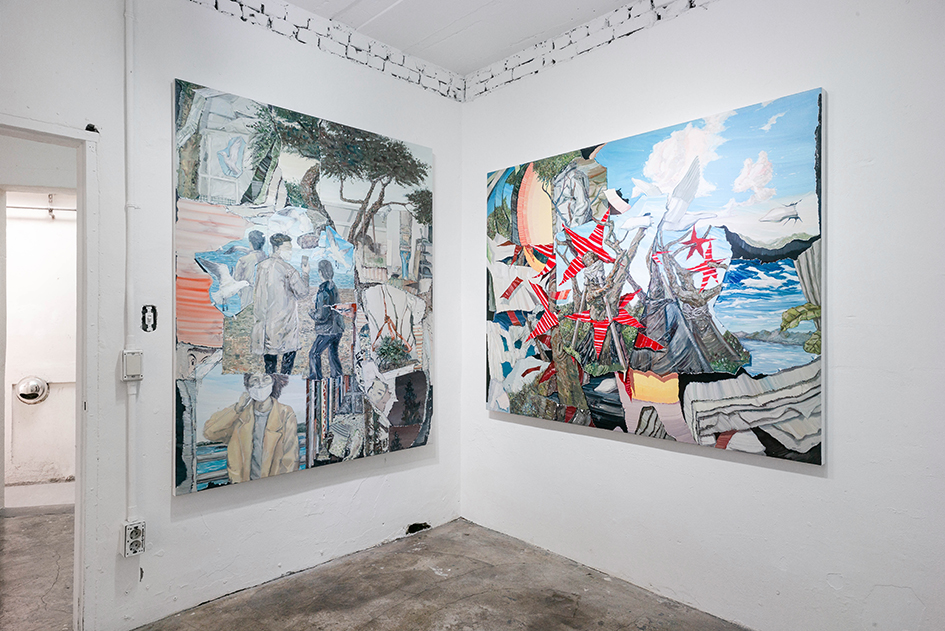
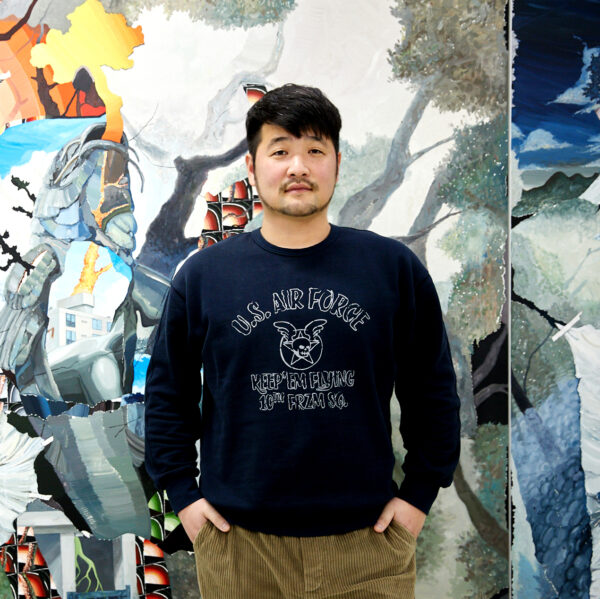
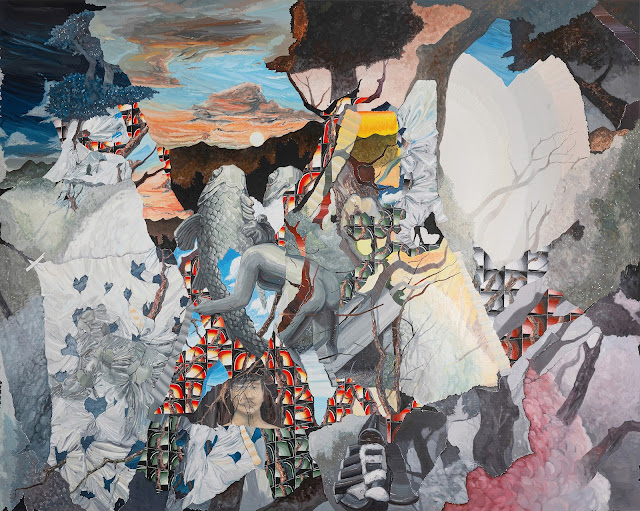
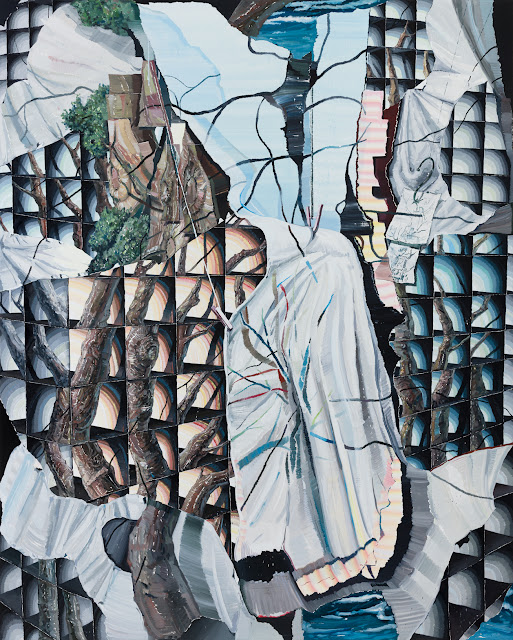
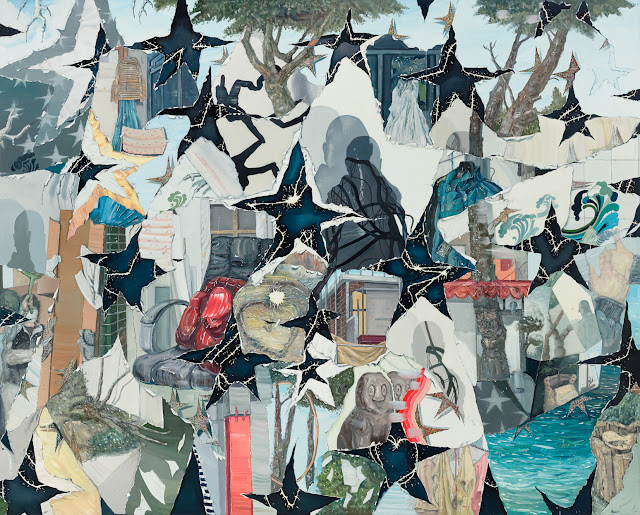
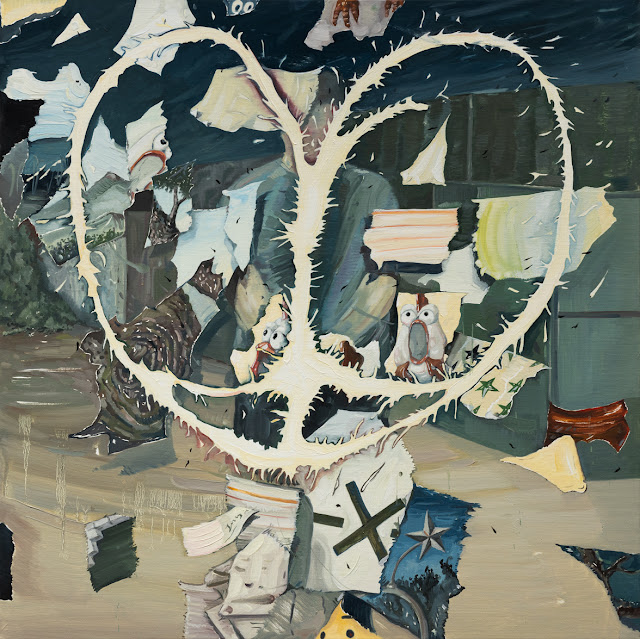
Jungin Kim slowly translates subjects observed in daily life onto the canvas, layering and editing images drawn from memory, then dividing and overlapping them once again during the act of painting. His work constructs the temporality of painting through a subjective gaze — even while incorporating external narratives, his own voice ultimately surfaces. Kim has long taken as his motifs the marginalized and neglected subjects within the rapidly changing world — compressed branches, abandoned objects, or traces of ruined buildings. His painting Network of Solid Images 2(2022) reconstructs such elements into new narratives, suggesting the possibility of solidarity among fragile existences.

Recently, Kim has begun transforming images of memory into three-dimensional experiences, expressing them as cubic forms arranged across a grid. The memory fragments appearing in his Clarifying Memory(2023) series continue this formal approach. In his recent works, Pixel Memory(2024) and Resisting tree 2, Resisting tree 4, he employs silkscreen techniques to evoke the illusion of pixelated memories. In these, trees severed from differing memories stretch once again in their original direction, articulated through contrasts of monochrome and color. For Kim, the tree embodies both a tender childhood memory and a fragile yet steadfast subject — a mirror of himself. Through such works, he conveys his perspective with greater solidity and seeks to engage the world through a more multidimensional relationship.


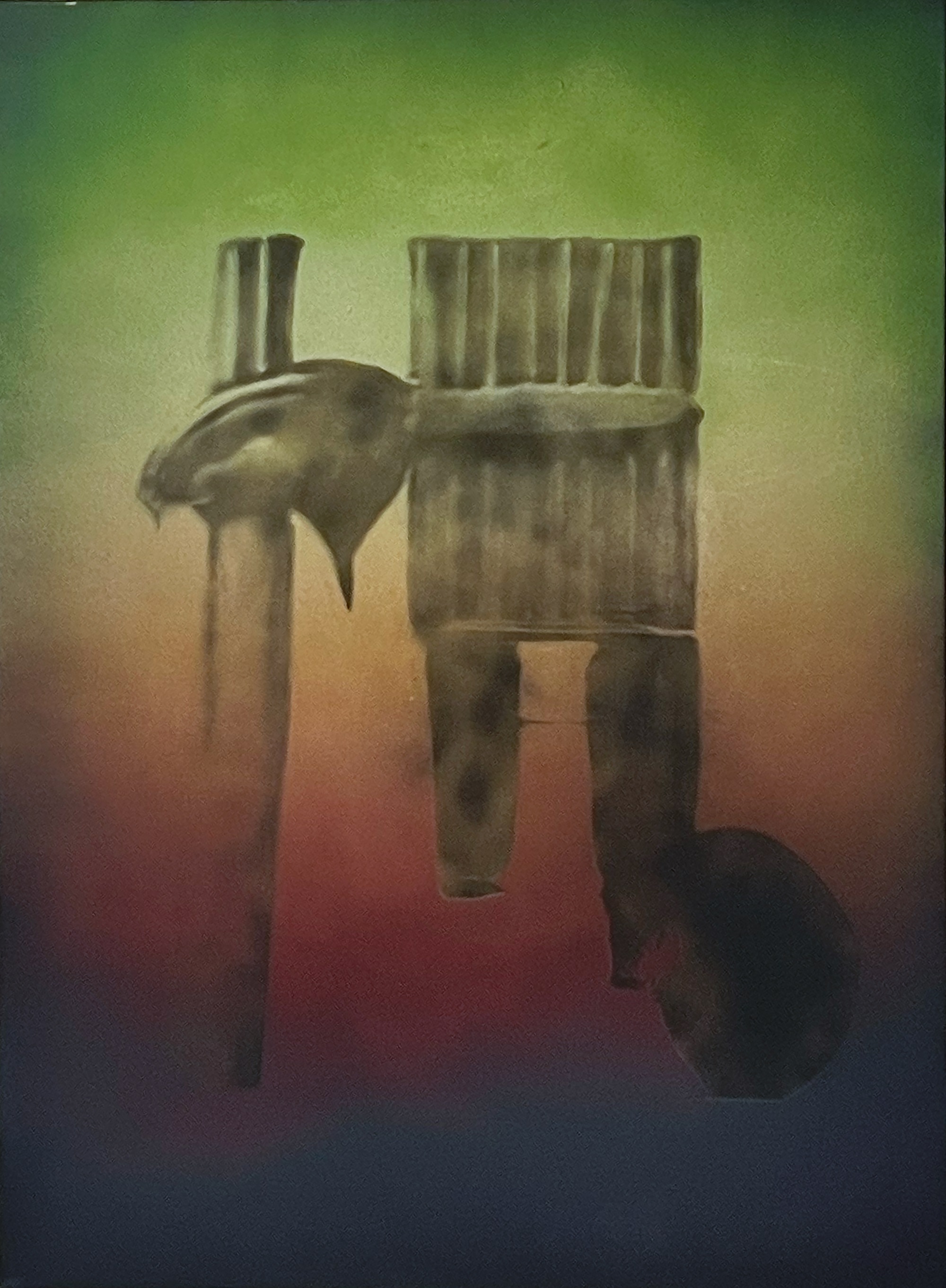
Hyunseo Cho, Galateia 4823, 2024, Spray on Canvas, 100 x 72.6cm © Hyunseo Cho

Hyunseo Cho, in contrast, willingly allows the intervention of artificial intelligence — or rather, actively employs the “pure” aesthetic preferences defined by it. The artist regards memory as a composite self and focuses on how an edited virtual identity affects reality. From this standpoint, her Pygmalion Project questions how subjective sensations of “beauty” are constructed. Cho begins by feeding 10,000 images she personally finds beautiful into an untrained AI system.

The AI perceives only the visual data of pixels, generating new images by combining form and color. “Pygmalion,” the AI entity, classifies these into 34 visual systems, which then serve as the artist’s palette, much like pigments. Using this palette, Cho creates her Galateia works — disassembling and recombining images, silkscreening them onto canvas, and applying spray paint in successive layers.

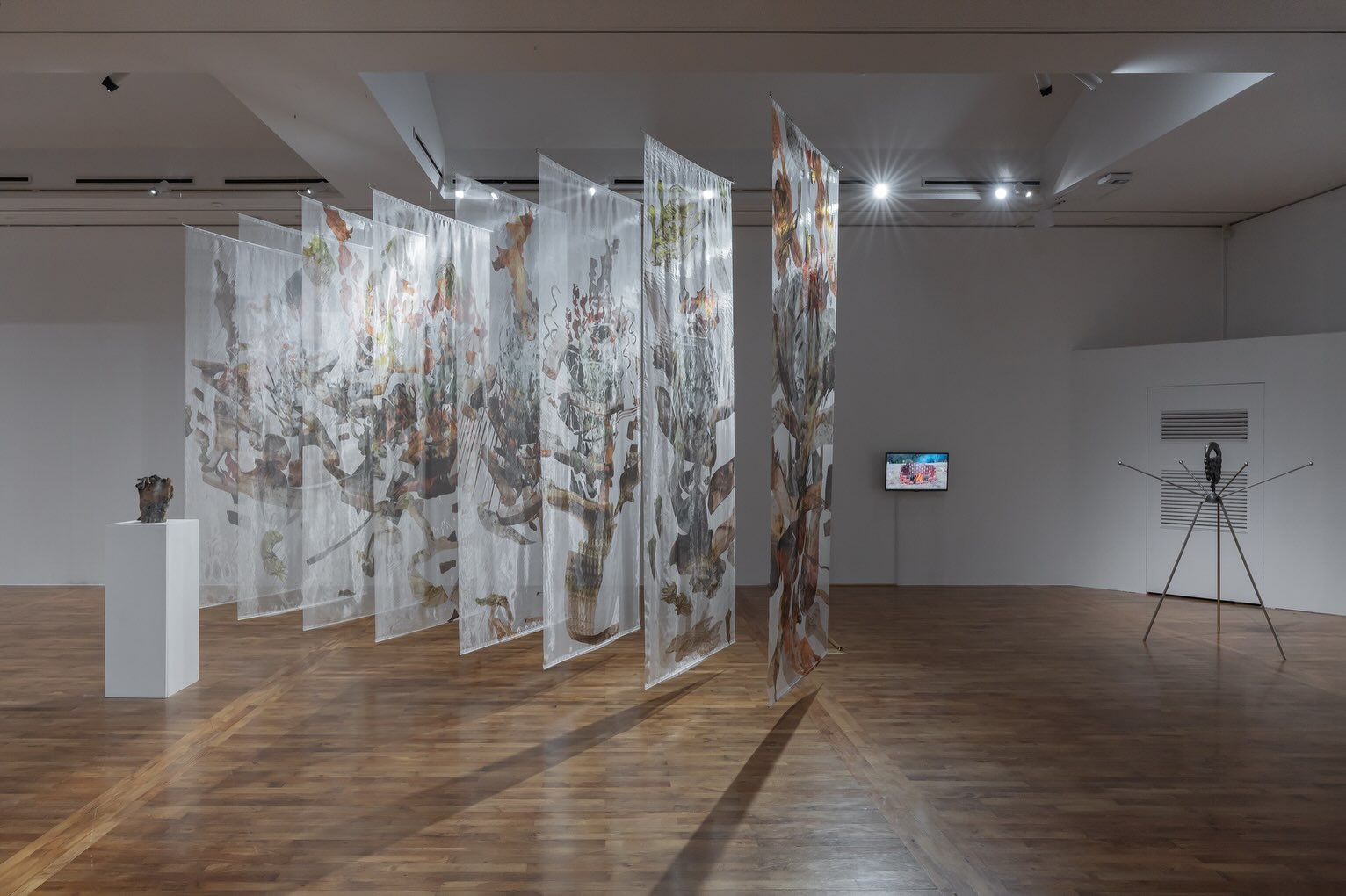
Through this process, she seeks to render visible the operations and particles of digital printing, while the resulting “Galateia” images emerge in multiple, mutable forms. The project occasionally extends into sculpture or video, with such choices of form and medium determined solely by the artist’s intuition. By employing AI as a collaborator, Cho recalls the pure state of existence and, through her own hands, reconstitutes the fusion between external computation and internal memory.

References