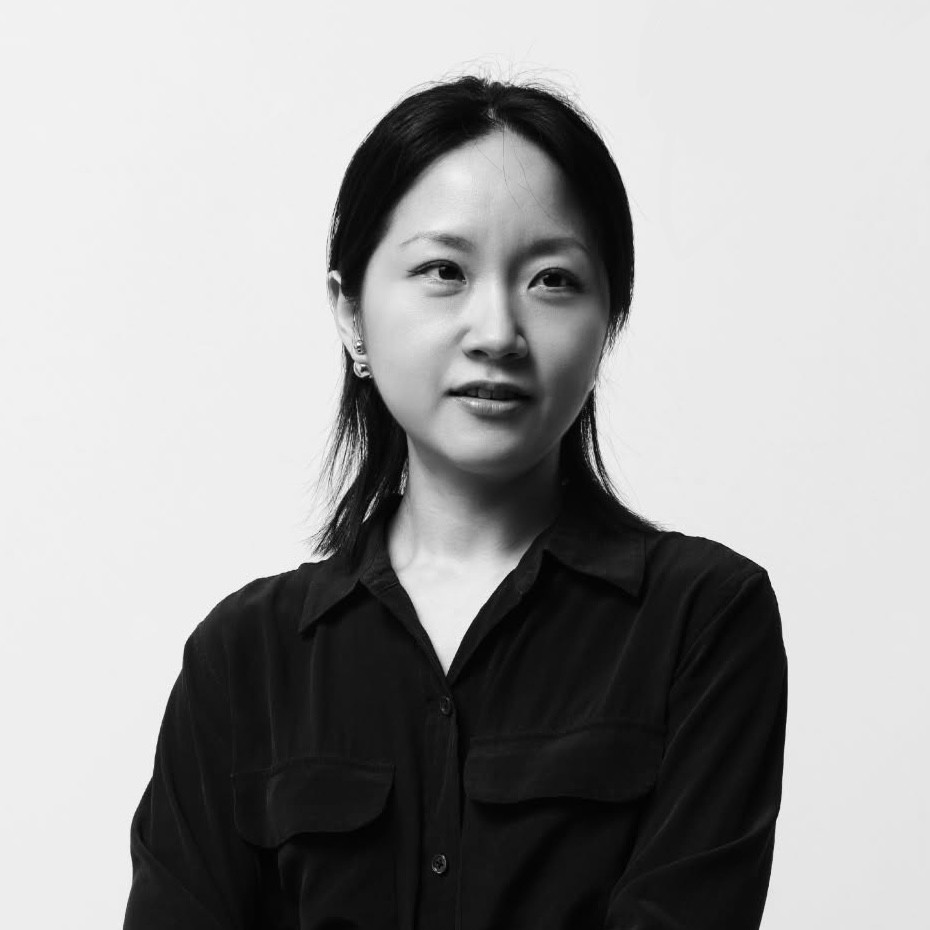
Soomin
Shon’s practice begins at the fissures between personal experience and social
structure. Through the lenses of memory, language, and systems of belief, she
examines the hidden mechanisms that govern contemporary society and observes
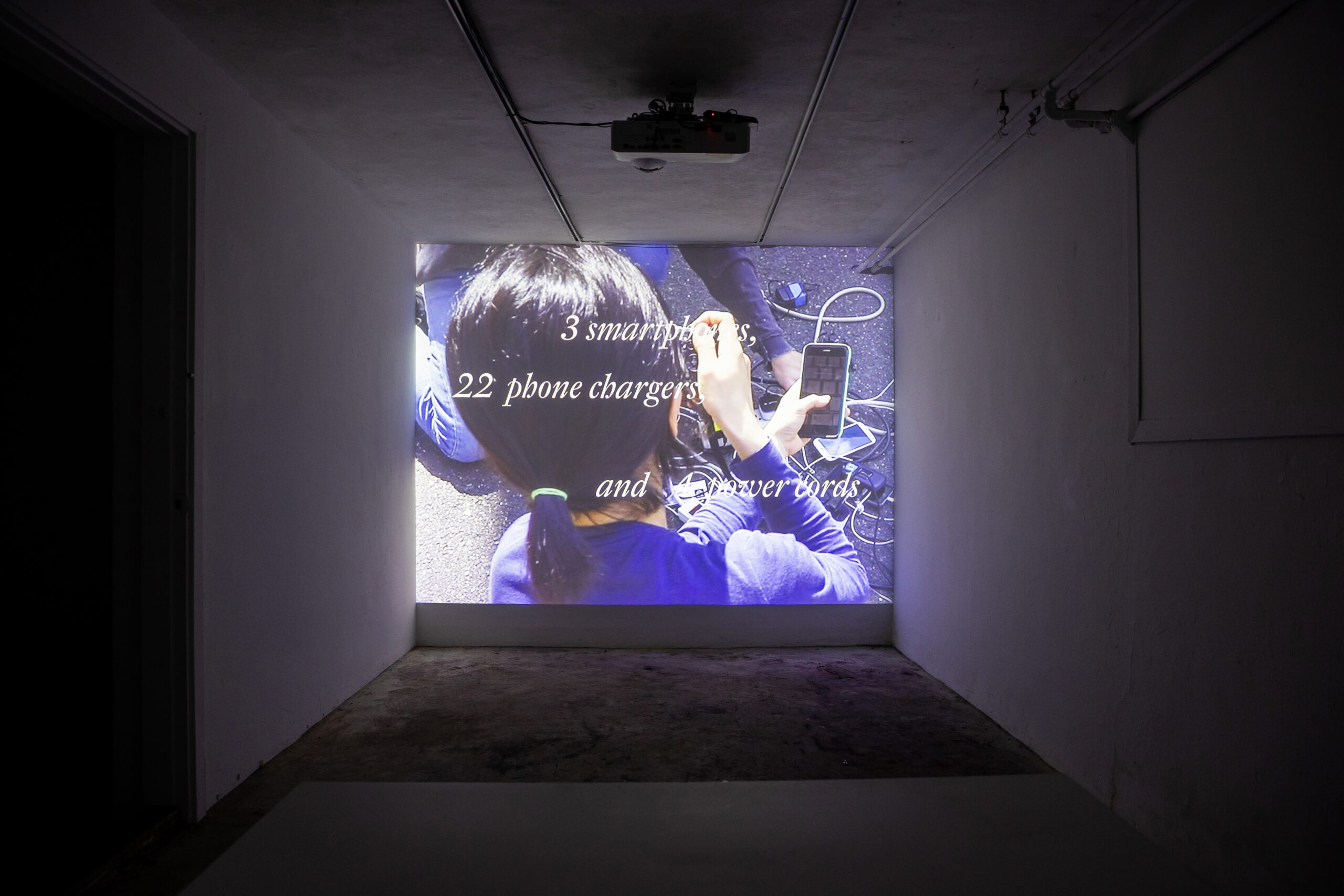
how they manifest as affect within everyday life. Her early work 3
Smartphones, 24 Phone Chargers and 4 Powercords(2018), based on an
image of Syrian refugees charging their phones, invites reflection on
unconscious prejudices toward “others.” By filming the process of reenacting
this photograph, the artist captures the emotional distance between ordinary
life and a tragic reality—an experience that marks the beginning of her
enduring inquiry into the relationship between self and other, reality and
representation, belief and lived experience.
Unmellow
Yellow(2017–2025) emerges from her exploration of social relations.
Focusing on a yellow fire hydrant that everyone passed by without notice, Shon
questions the social implications of “not seeing” and indifference. She asked
multiple people to draw the object, later compiling the results into a book and
postcards, thereby revealing how a community constructs visual and emotional
distance. In the 2024 performance of the same title, she addressed the
impossibility of communication through language and moments of mistranslation,
declaring that “language creates the borders of the world” and linking
language, power, and otherness.
Shon also
delves into abstract structures such as belief, value, and order. In her solo
exhibition 《If Reality Is the Best
Metaphor》(SeMA Storage, 2023), she dealt with human
desire and loneliness that exist within the fractures of technological
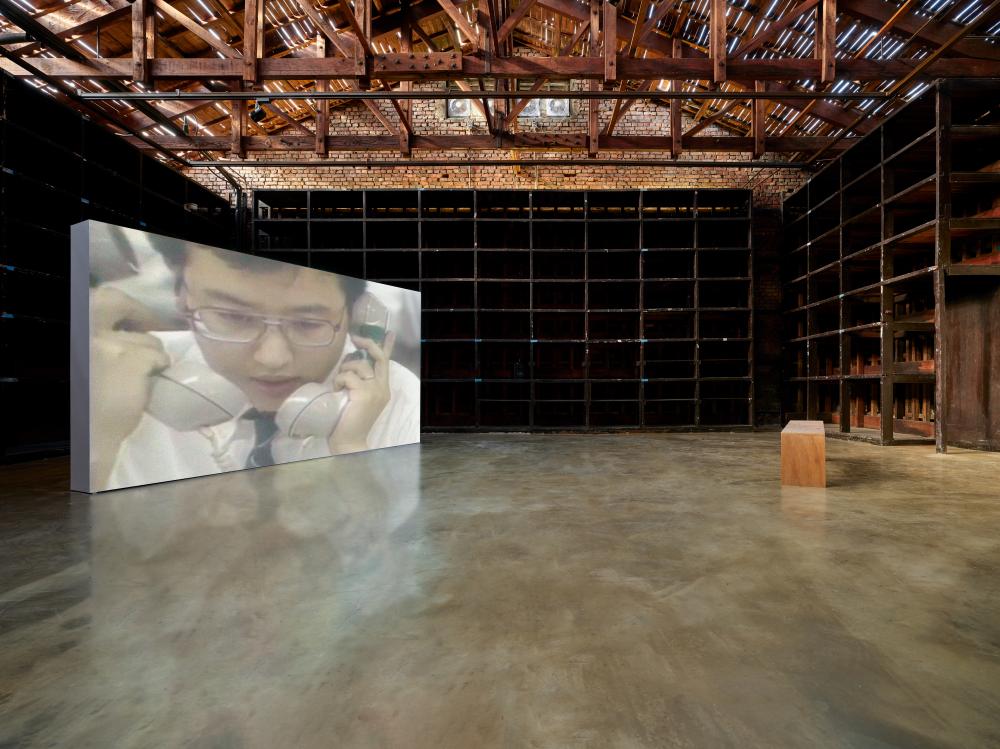
capitalism, deconstructing the illusion of “trust” and “value” in In
God We Trust(2023). Starting from the phrase printed on the U.S.
dollar, the work expands its focus to cryptocurrency, financial crises, and the
origins of social faith, exposing how collective belief constructs reality—and
how that reality is always susceptible to collapse.
This
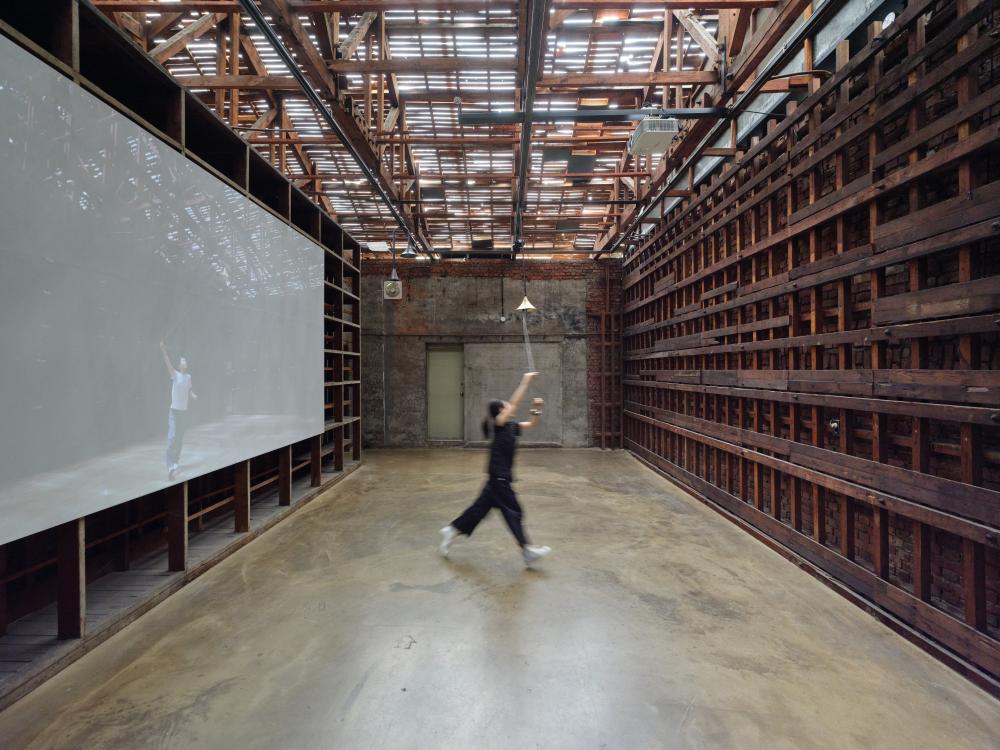
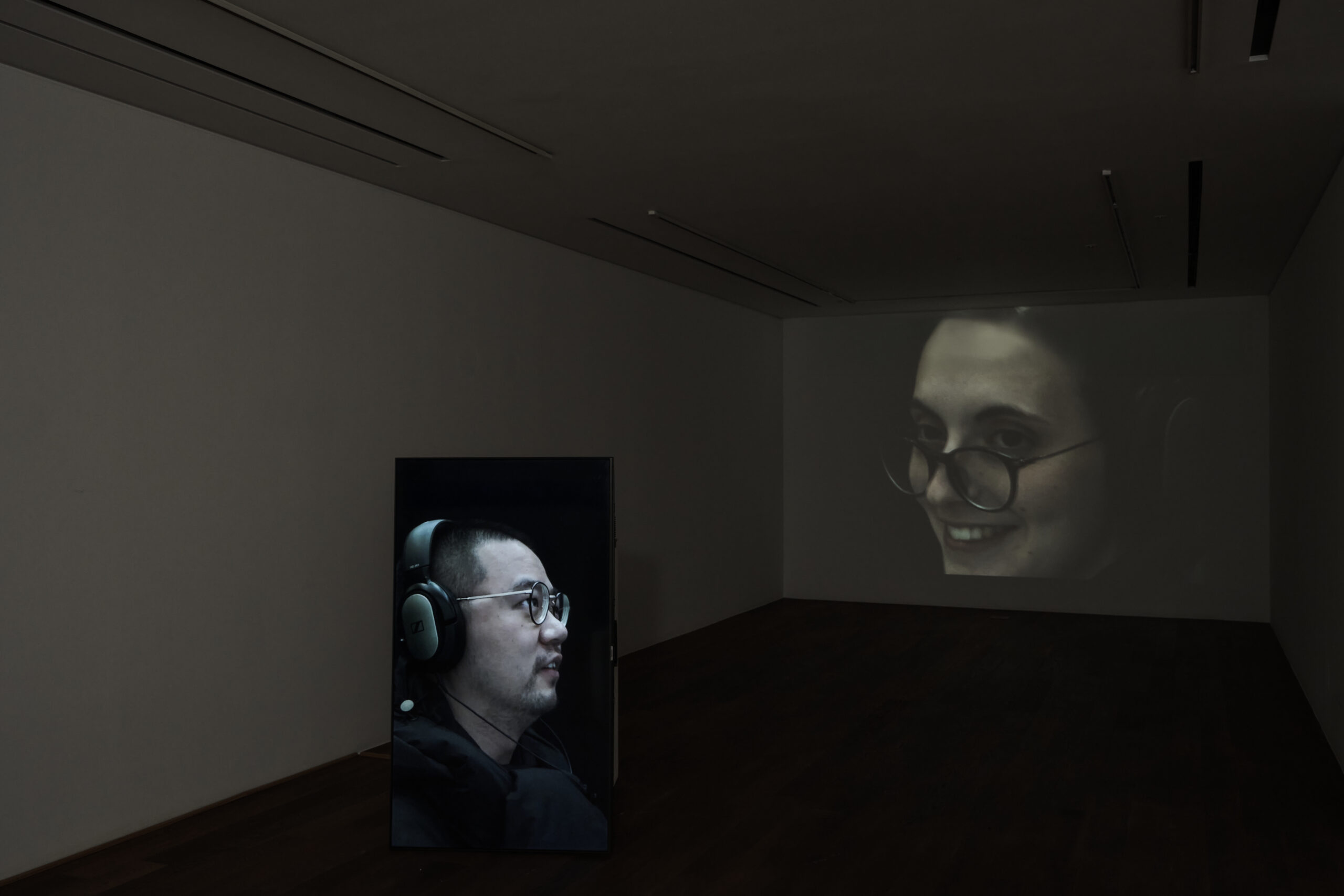
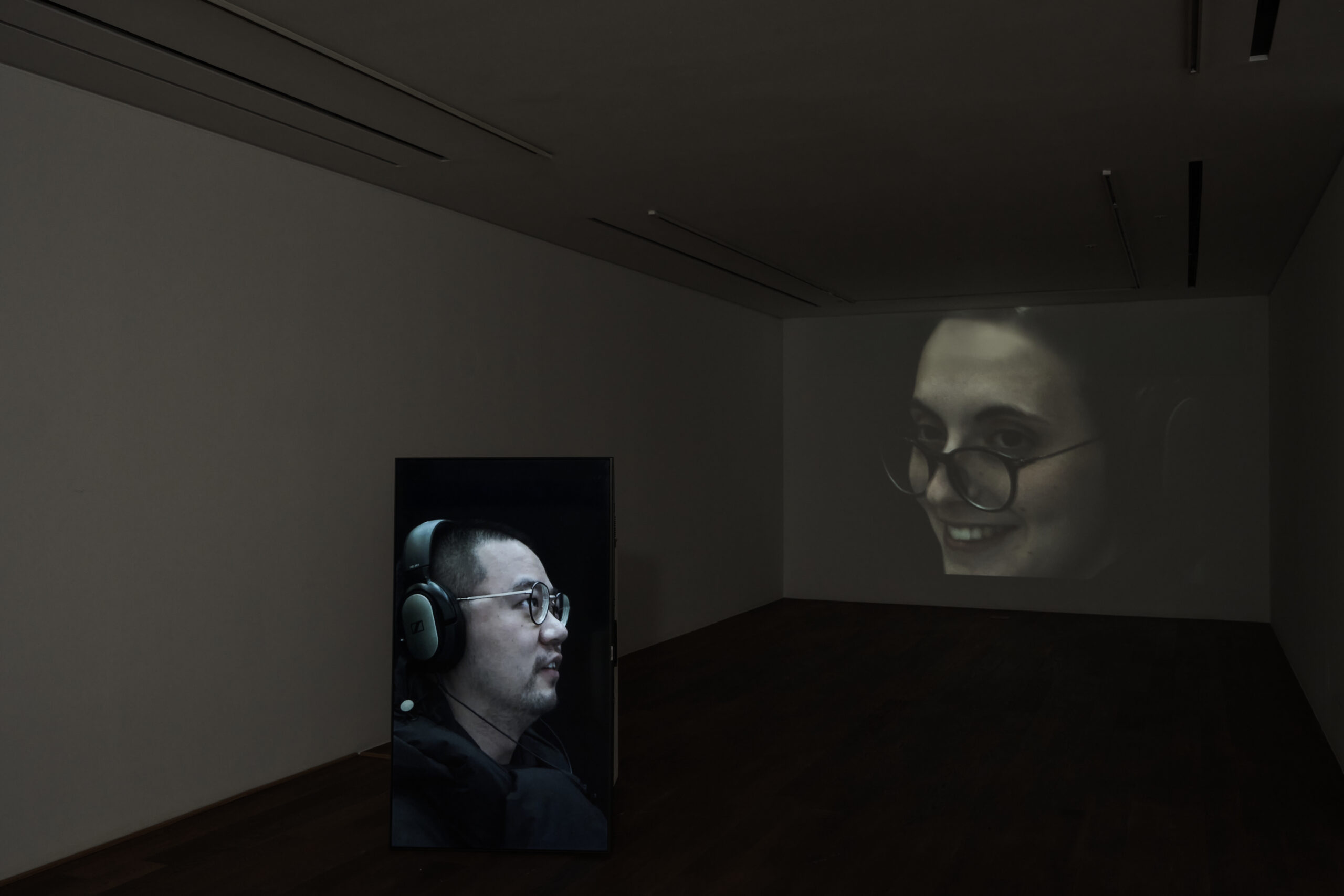
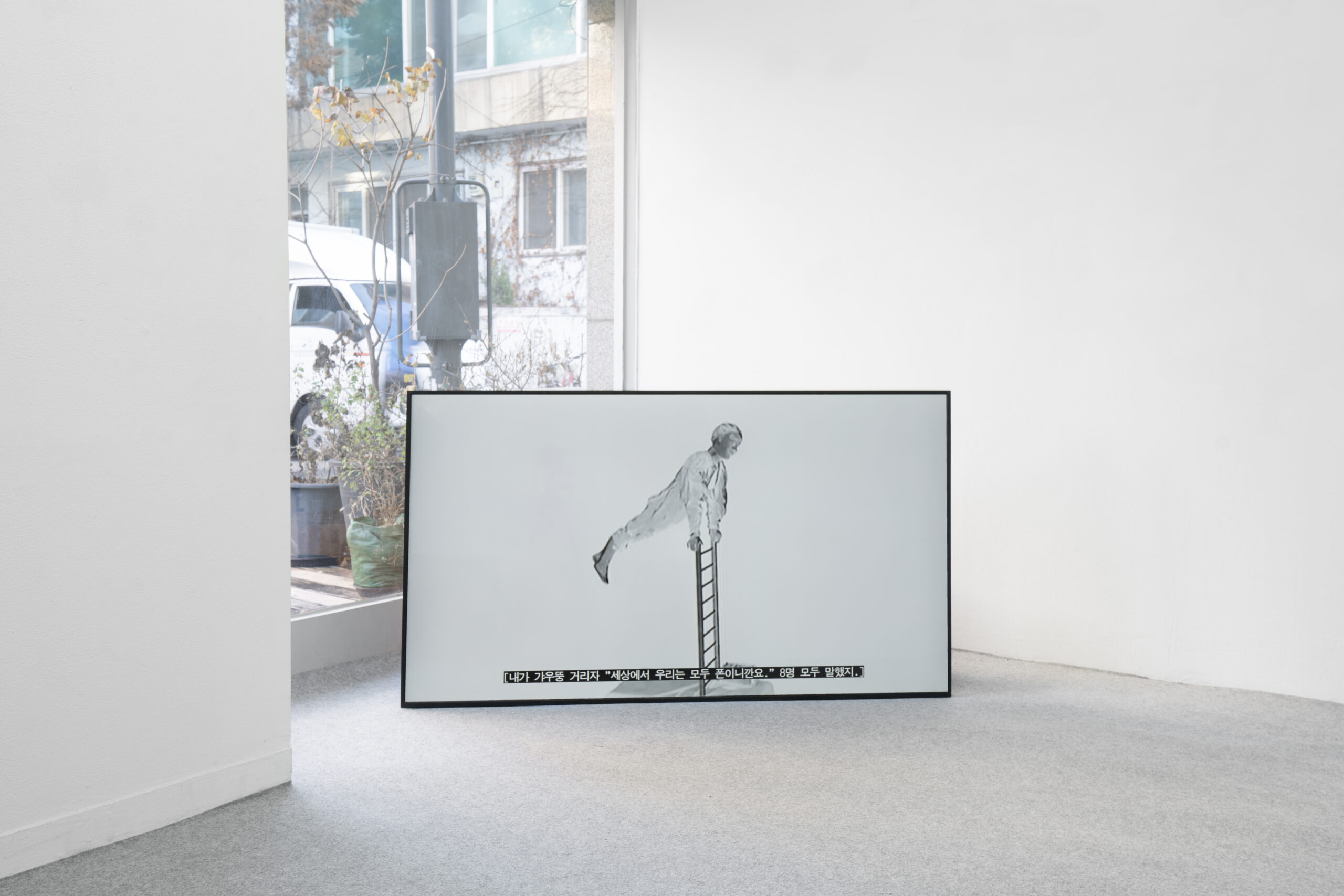
trajectory continues in her solo exhibition 《A Good Knight》(Hapjungjigu, 2023) with the
video A Good Knight(2023), which likens human society to the
rules of chess. Reflecting on individual position within systems of order and
hierarchy, Shon poses the question, “Are we the chess pieces, or are we the
ones playing the game?” Her attention to the “limits of movement” imposed by
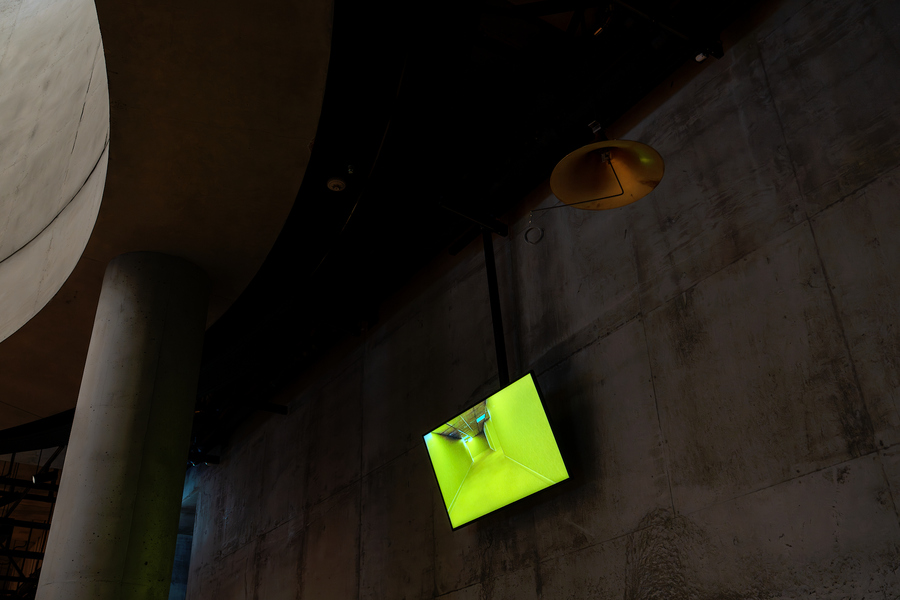
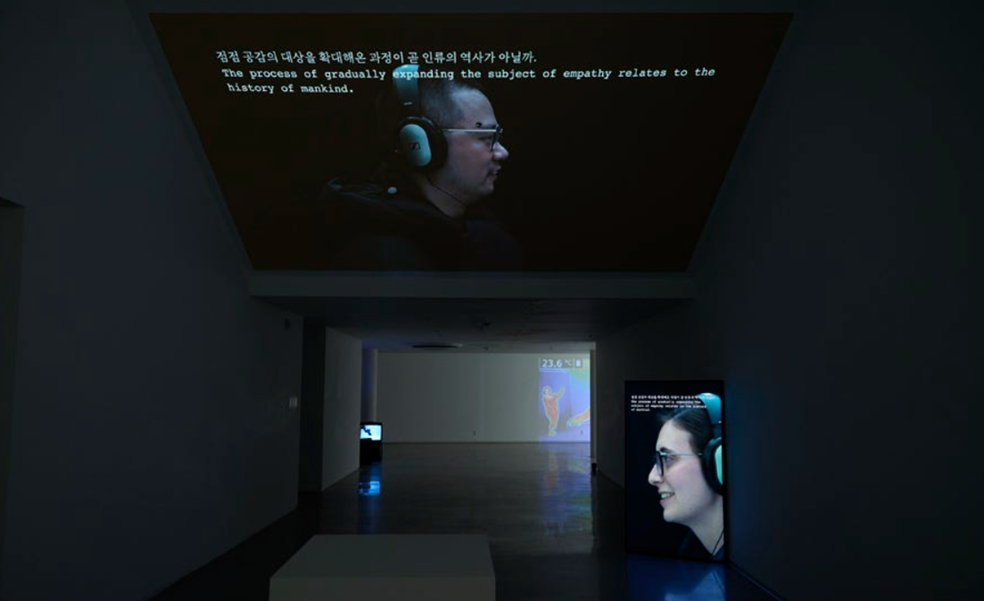
social norms extends into Underground(2024), which explores
the meaning of humanity in an age of isolation and substitution shaped by
technological capitalism.