Exhibitions
《Conversational Map for Encounters: Bugs of Nostalgia》, 2024.06.12 – 2024.07.04, Faction
June 13, 2024
Faction
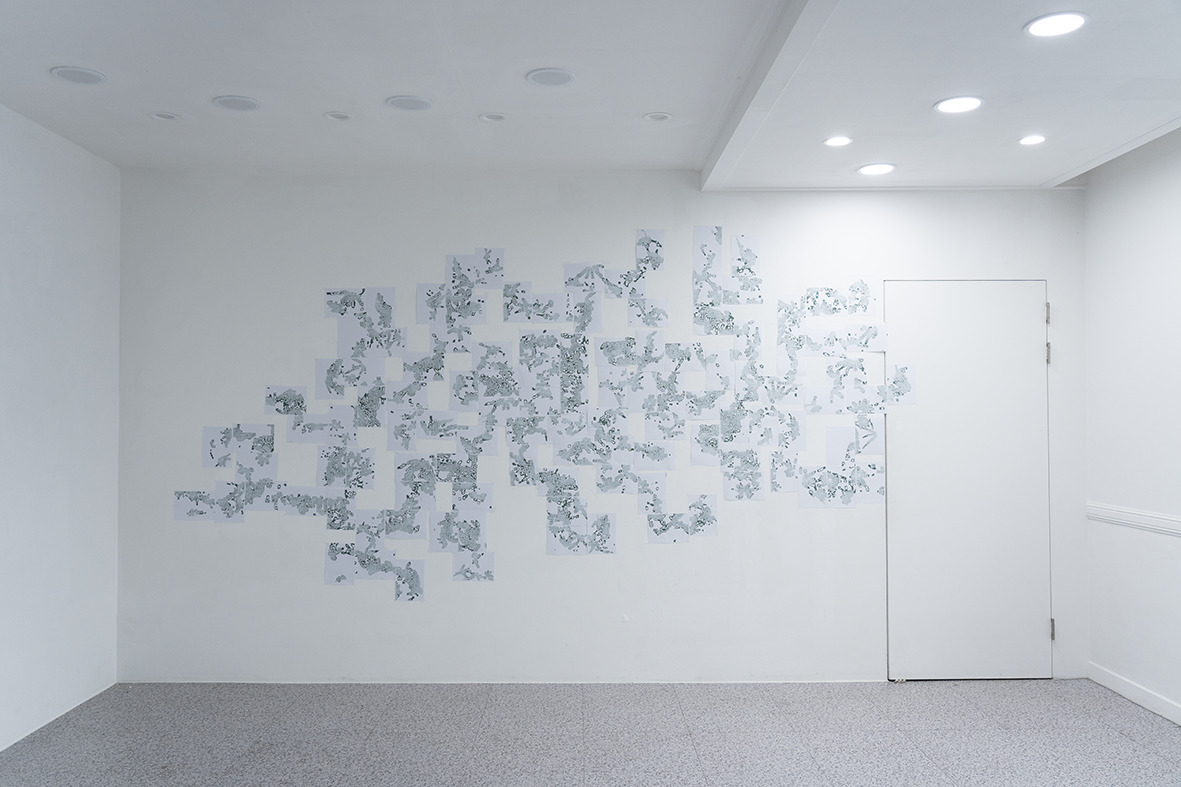
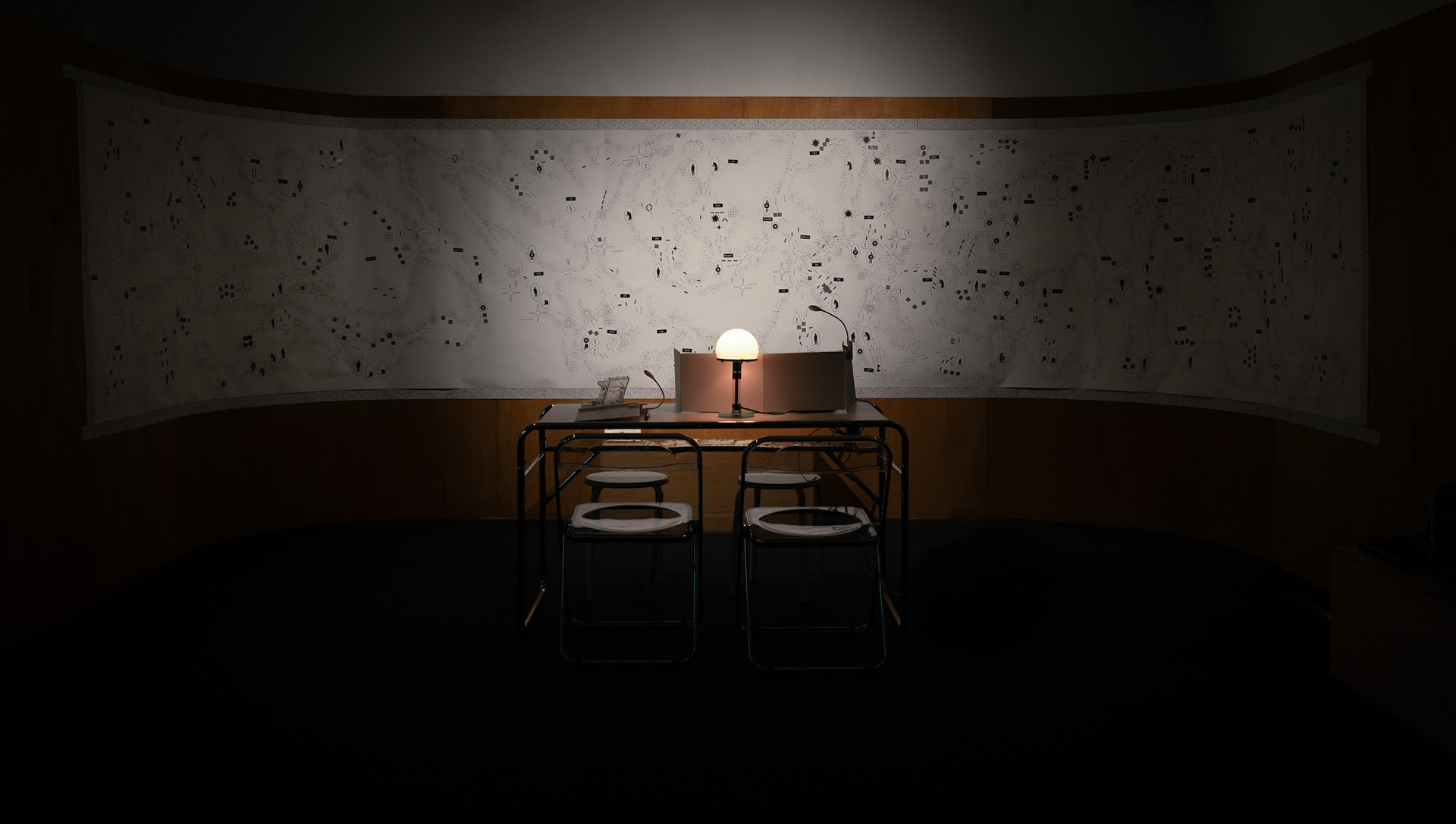
 SANGHEE, Conversational
Map for Encounters, 2024, Roll paper attached to plywood structure,
Stickers, dimension variable ©SANGHEE
SANGHEE, Conversational
Map for Encounters, 2024, Roll paper attached to plywood structure,
Stickers, dimension variable ©SANGHEE
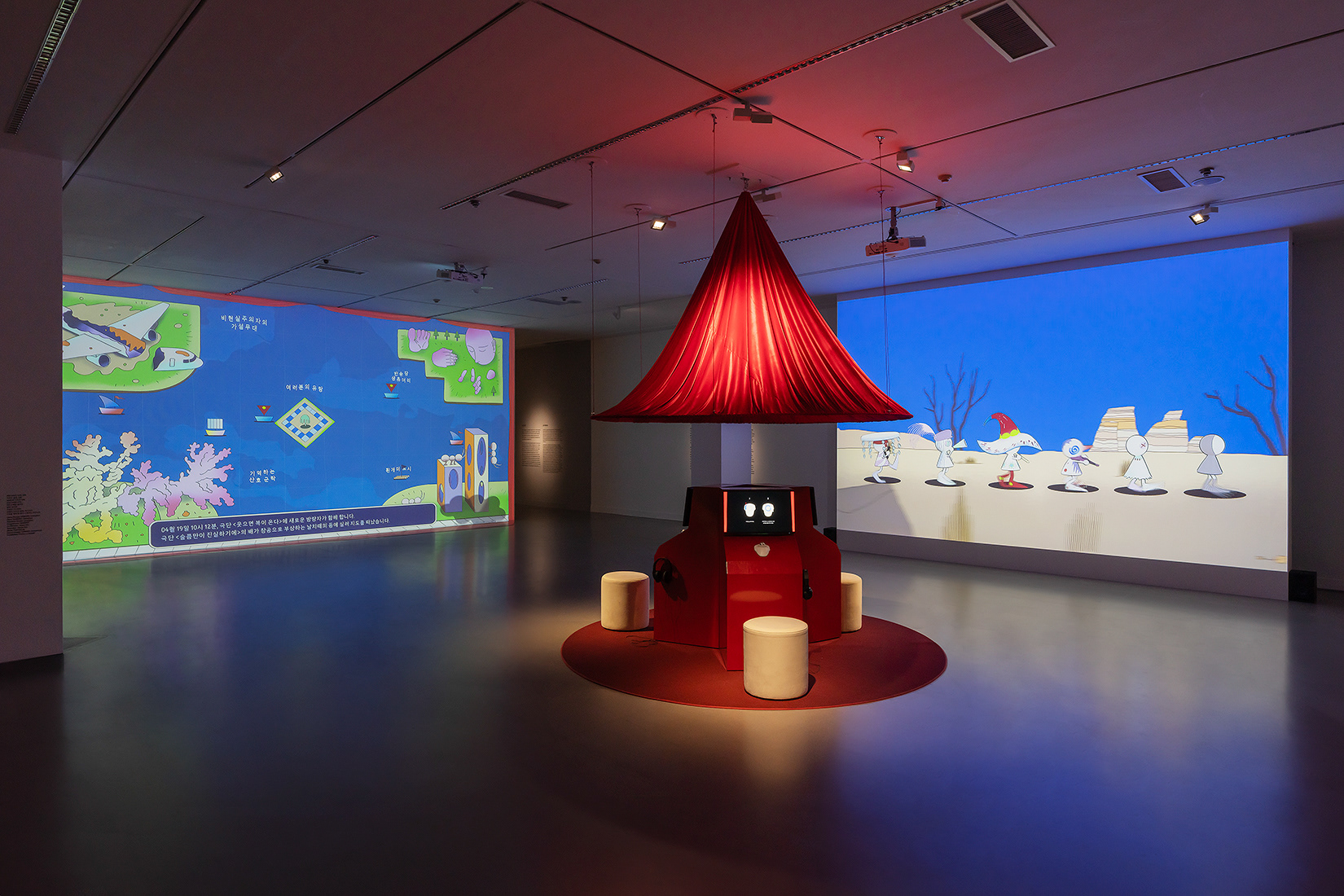
In the exhibition 《Conversational Map for
Encounters: Bugs of Nostalgia》, the artist plays the
one-on-one conversational game Bugs of Nostalgia with
the audience, which actively references the format of TRPG.
As its name
suggests, the conversational game consists of conversations constructed by
game-like rules, inviting the audience to perform as a player. In about one and
a half hours, the audience can freely move their character, suggest new
backgrounds and stories, and personate loosely as a character.
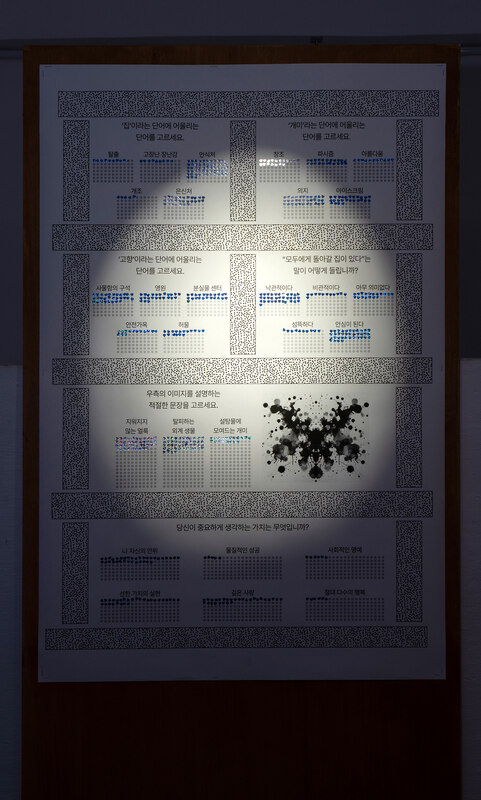
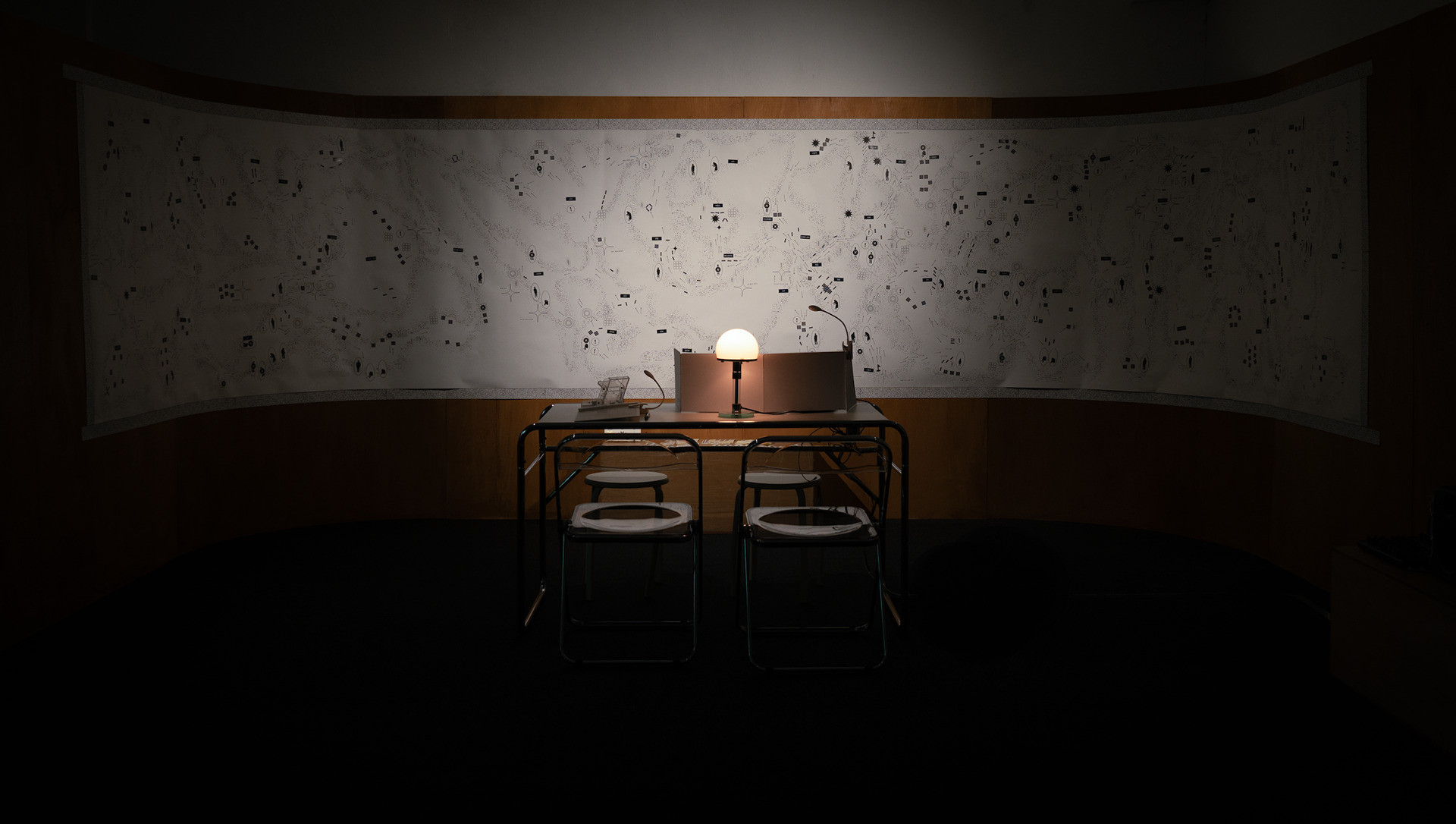
SANGHEE, Conversational
Map for Encounters, 2024, Roll paper attached to plywood structure,
Stickers, dimension variable ©SANGHEE
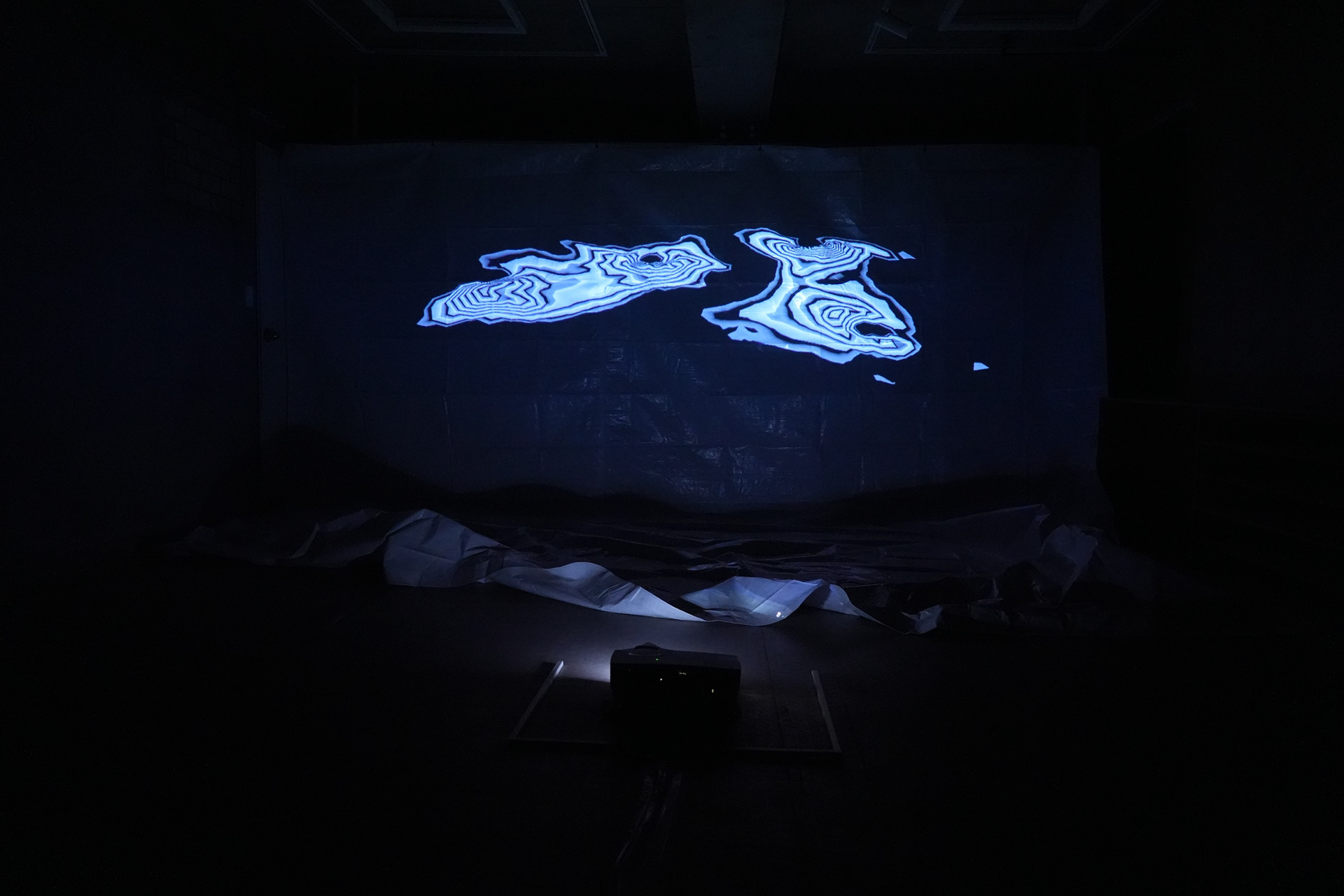
The game is set in a fictional
hometown where the walls, bridge piers, and floors collapse due to perilous
termites invading the city. The characters made by players explore the
hometown, which is illustrated schematically in a visual map. The audience
marks their steps or adds stickers to the map installed along the walls of the
exhibition hall.
The revised map then turns into the background for the next
player, creating a stratum of overlapped multiple stories. A map always
represents "reality" drawn and revised from a communal narrative
involving communal politics, power struggles, and agreement. This
"communal" reality asymmetrically forms through various power
relations. However, a realistic map presents itself as total reality,
keeping silent about the underlying asymmetrical relations.
This performance shows that the power and
fantasy relations invisible in a realistic map can come to the forefront in an
impractical map prepared for a fictional story. By competing or reaching an
agreement with the artist, the participating audience creates a story that
unfolds horizontally in the spatial dimension. The map goes beyond the
functional purpose of showing locations.
It involves predictions about
potential dangers and the possibility of new encounters, actions based on those
predictions, and emotional reactions and interventions imagined. Conversational
Map for Encounters is completed through thirty
performances. The work focuses on the communal map that serves as the basis for
creating communal fiction. The discursive interaction based on that map makes
the process of creating the map an aesthetic experience.