

Jinseung Jang (b. 1991) explores the relationship between technology and humanity and the structures of social perception, unfolding narratives that cut across past, present, and future societies through a variety of media. In particular, his practice is concerned with the biases and discrimination inherent in human existence, as well as the potential for mutual understanding that can overcome them.
 
To this end, he experiments with visualization of digital and analog data, audiovisual archival systems, video, and installation, probing the perceptual and cognitive structures of humanity that may emerge in the near future.


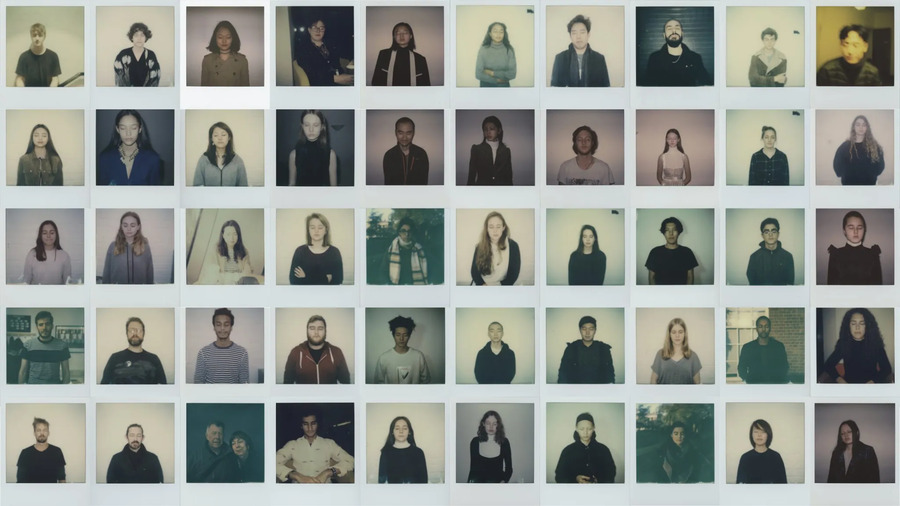
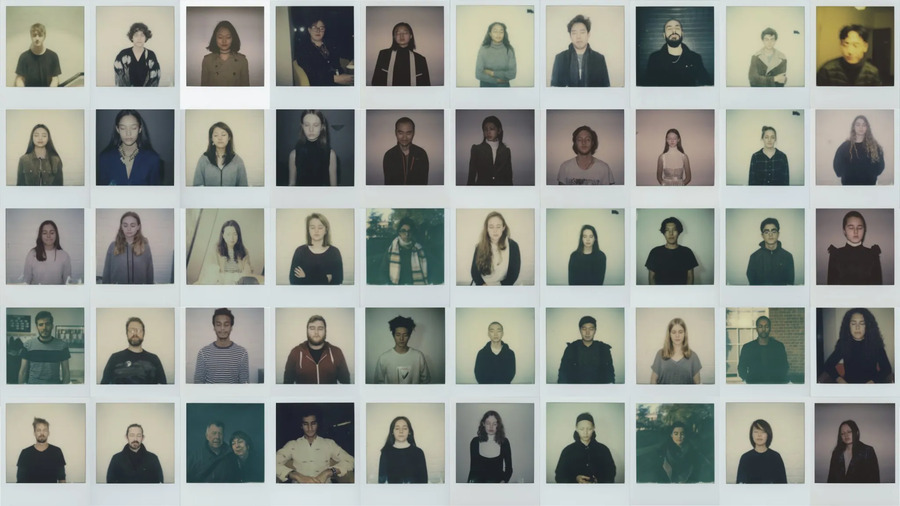
Jinseung Jang, DATA, POLAROIDS, 2012-, Polaroids, 10.752x8.847cm ©Jinseung Jang

While studying abroad in London, Jinseung Jang encountered issues of racial discrimination, which led him to take an interest in social perception and inequality. Against this backdrop, he began his series ‘DATA, POLAROIDS’ (2012–), an archival project documenting portraits of various individuals captured on Polaroid film with their eyes closed.
 
In this work, Jang instructed his subjects to close their eyes as a way of breaking free from the habitual gestures people tend to perform when placed within the photographic frame—such as smiling or making a peace sign—gestures that are unconscious and standardized.
 
Within the shared frame, when these unconscious actions are suspended and the resulting images are gathered together, the individuals—each with distinct sociocultural backgrounds—emerge beyond categories such as race or gender, revealing themselves instead as presences within the broader context of “humanity.”


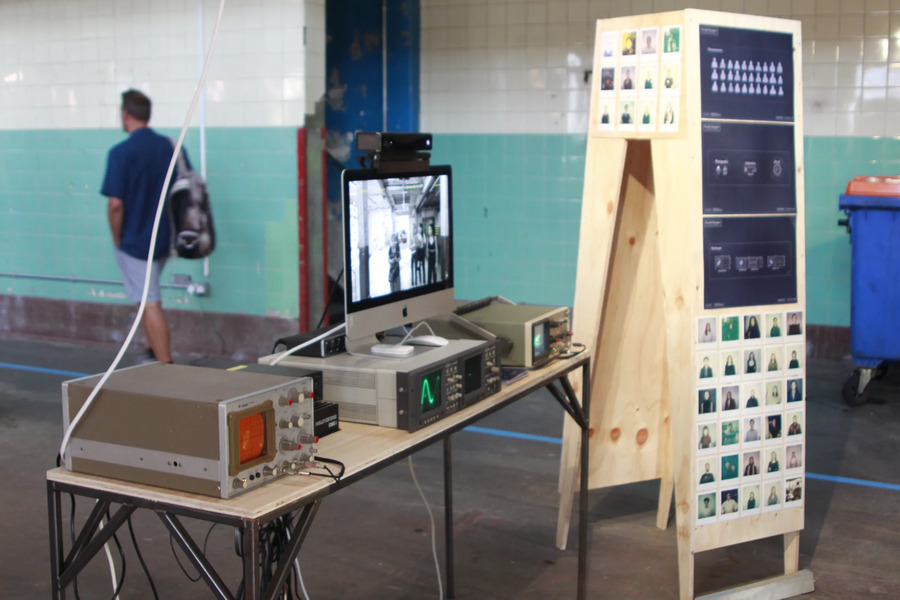
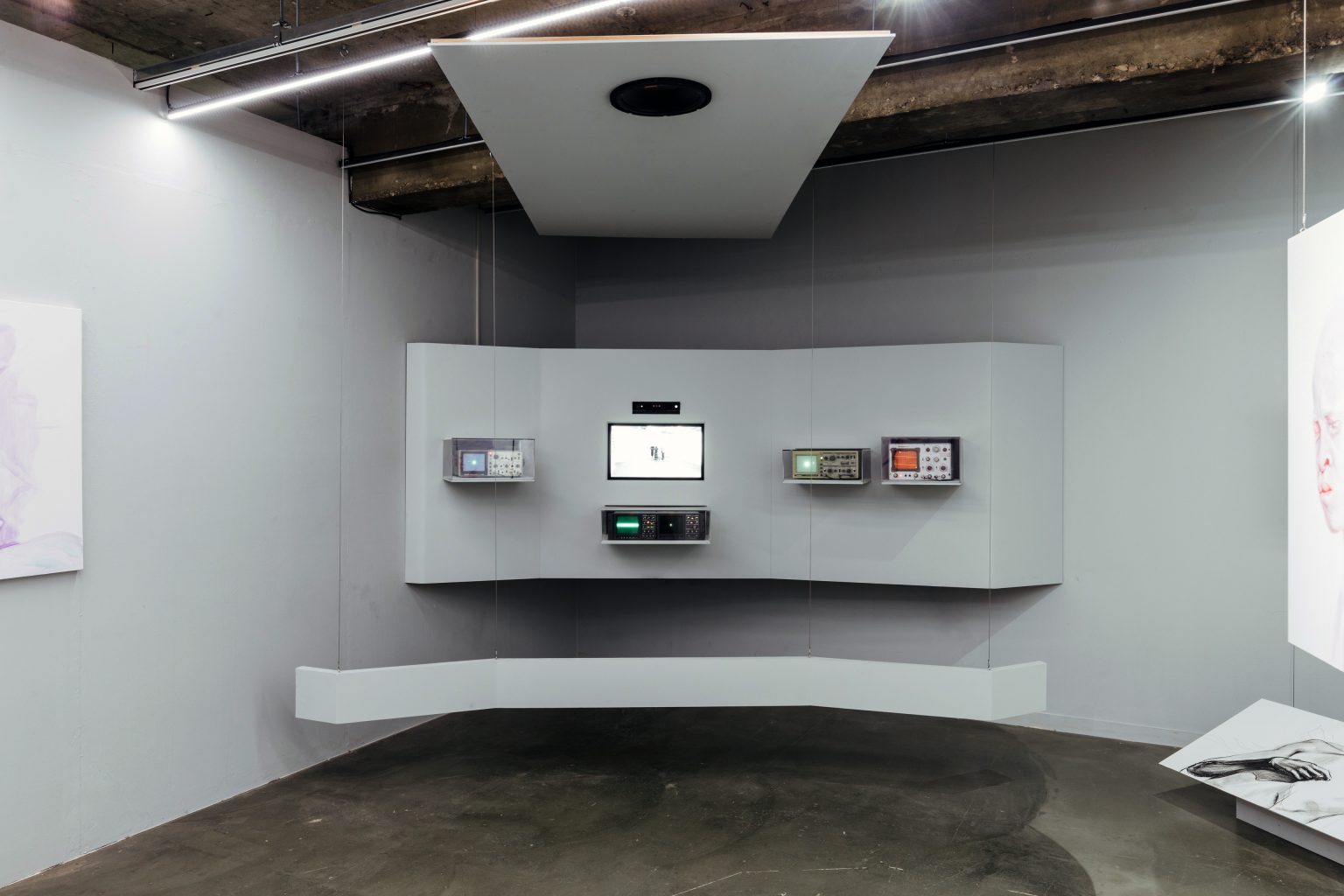
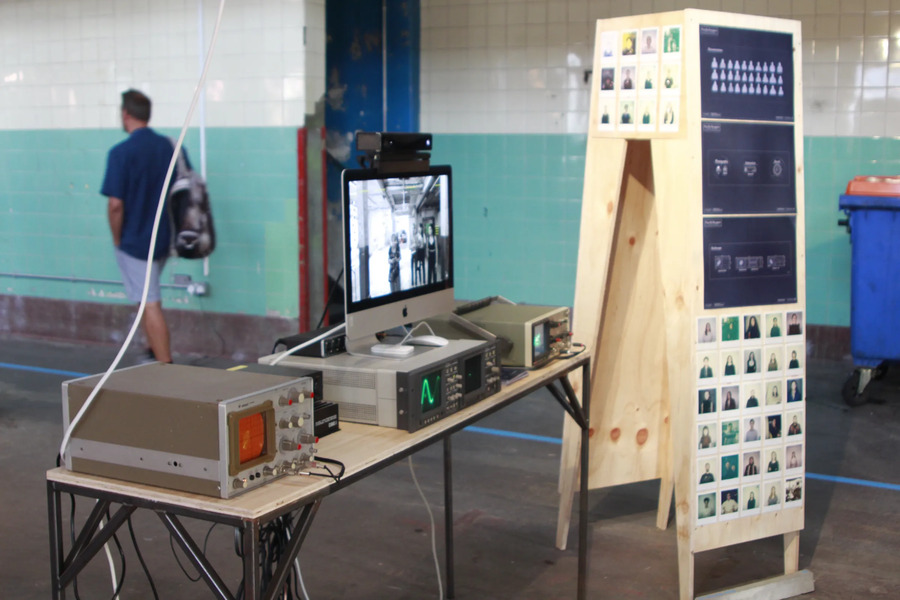
Jinseung Jang, Face De-Perception, 2017, Kinect V2, iMac, Oscilloscope, subwoofer, Dimensions variable ©Jinseung Jang

The artist explains that this work was created with the intention of “erasing individual identities and amplifying the similarities shared by all of humanity, thereby symbolically removing the layers of prejudice and discrimination.”
 
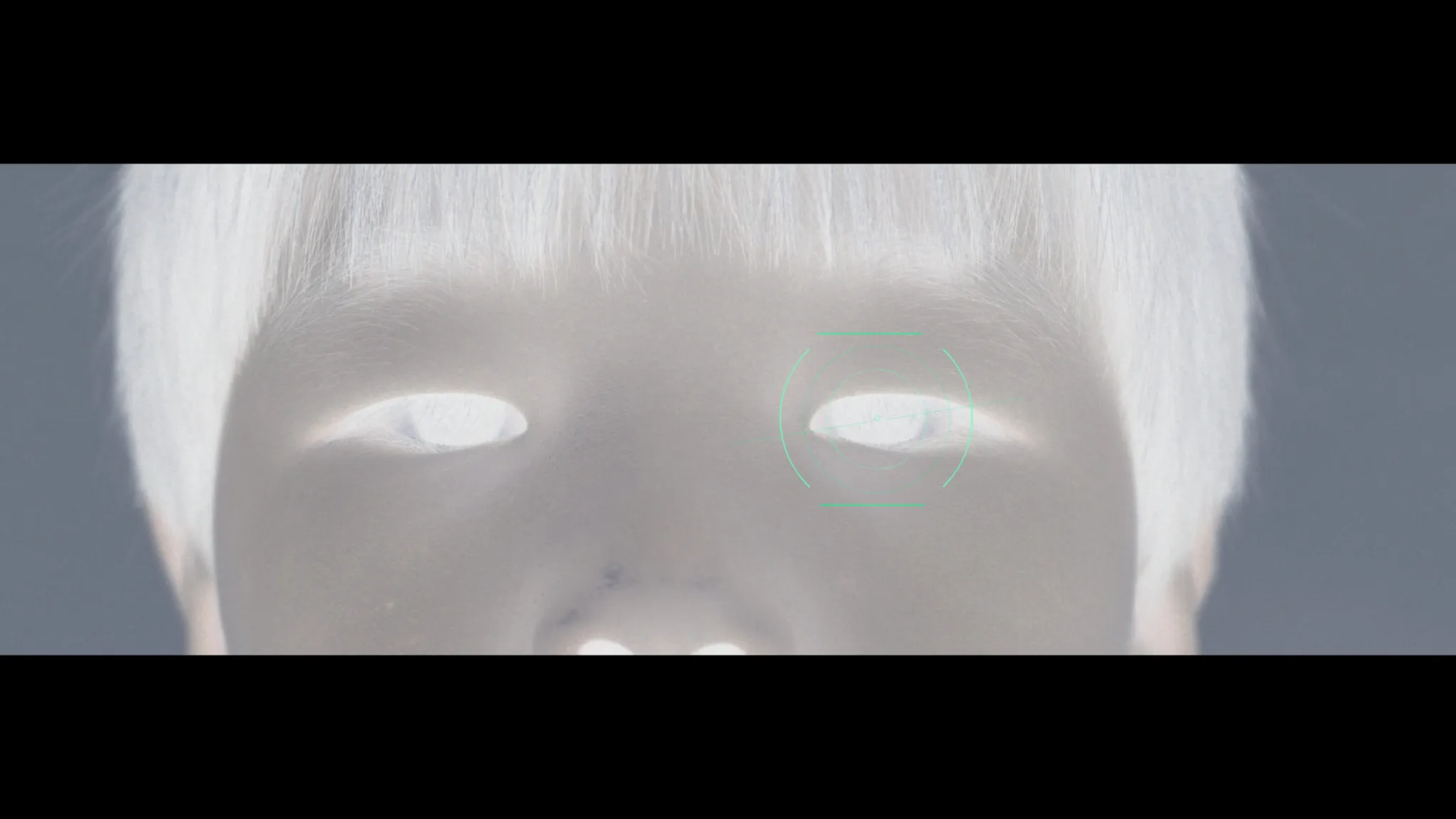
Building upon this context, Jang produced Face De-Perception (2017), a work that employs facial detection technology to translate human facial features into dots and lines, effectively stripping away their distinctive traits. The piece originated from Jang’s questioning of a facial recognition system developed by a company called Faception.
 
This system collected and stored the facial data of criminals in a database, then offered a service that detected potential terrorists based on that data. Jang began this work with the critical question of whether such a system—one that recognizes and classifies people solely on the basis of their face, their outward appearance—can truly be considered a system for the future.


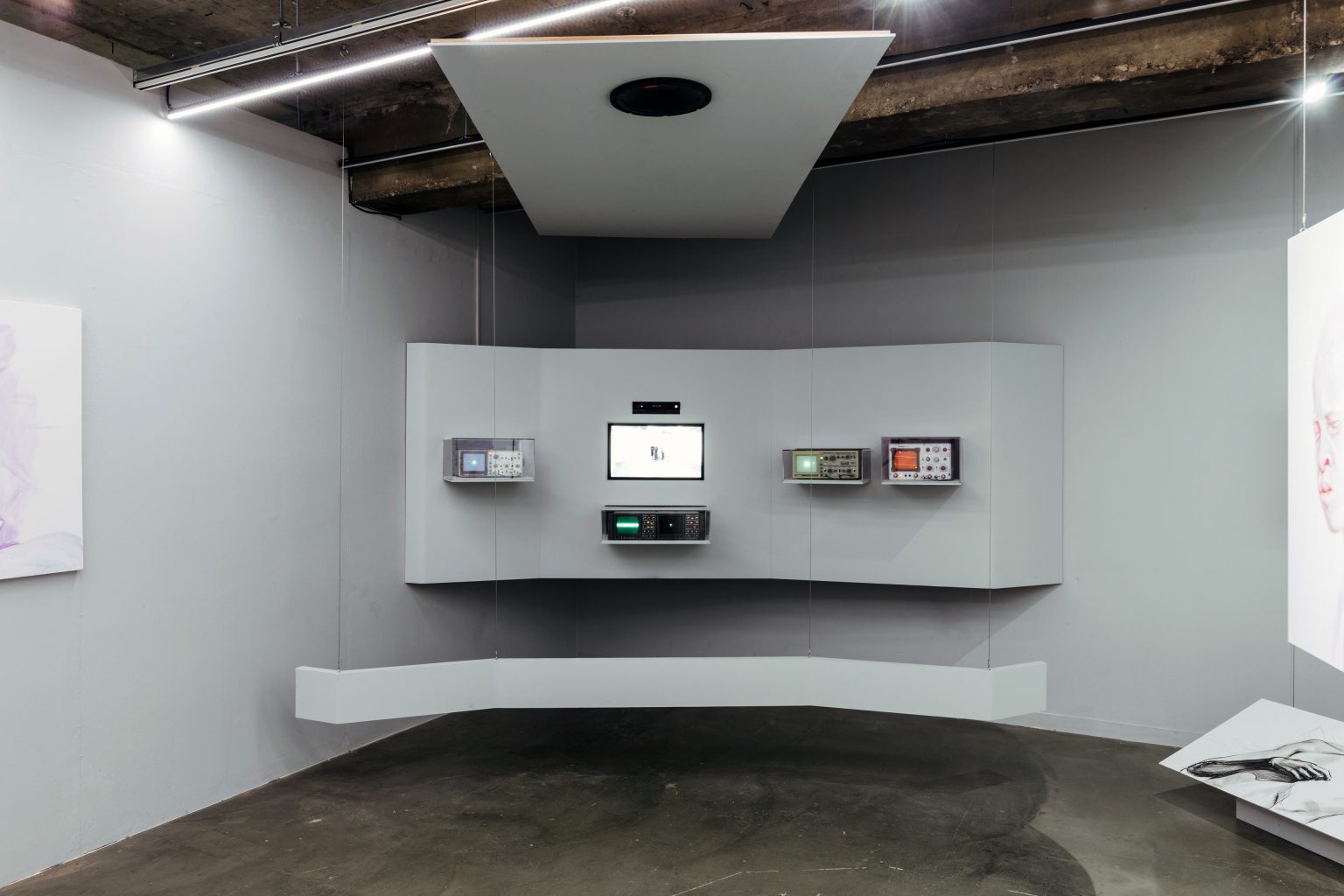
Jinseung Jang, Face De-Perception, 2017, Kinect V2, iMac, Oscilloscope, subwoofer, Dimensions variable ©Jinseung Jang

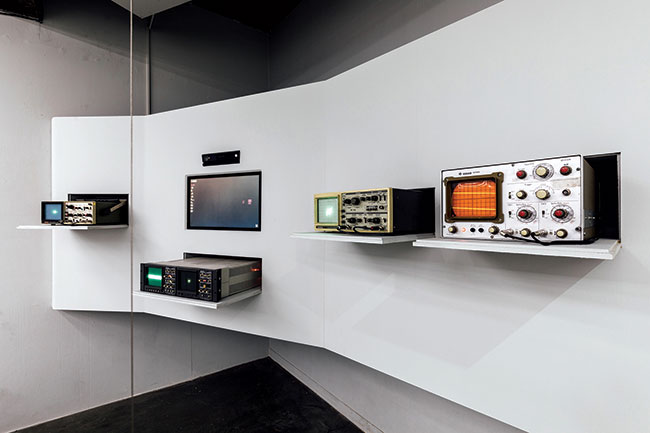
Accordingly, the artist employed not a facial recognition system—which detects individual characteristics in order to identify specific persons—but rather a facial detection system that calculates the average points of a human face and represents them through dots and lines. He first used a Kinect camera to detect faces and store the original black-and-white data as a first step. From this, he calculated the distances among facial elements such as the eyes, nose, and mouth, then summed and divided all these values to derive and archive an “average value” of the face.


Jinseung Jang, Face De-Perception, 2017, Kinect V2, iMac, Oscilloscope, subwoofer, Dimensions variable ©Jinseung Jang

This average value continues to change depending on the viewer’s position in front of the screen, while the values of various partial data throughout the process are also stored in real time.
 
By patternizing people’s appearances in a visual and physical manner, this work prompts a reconsideration of biases and recognitions toward differences, and proposes a new way of perceiving one another through objective data.

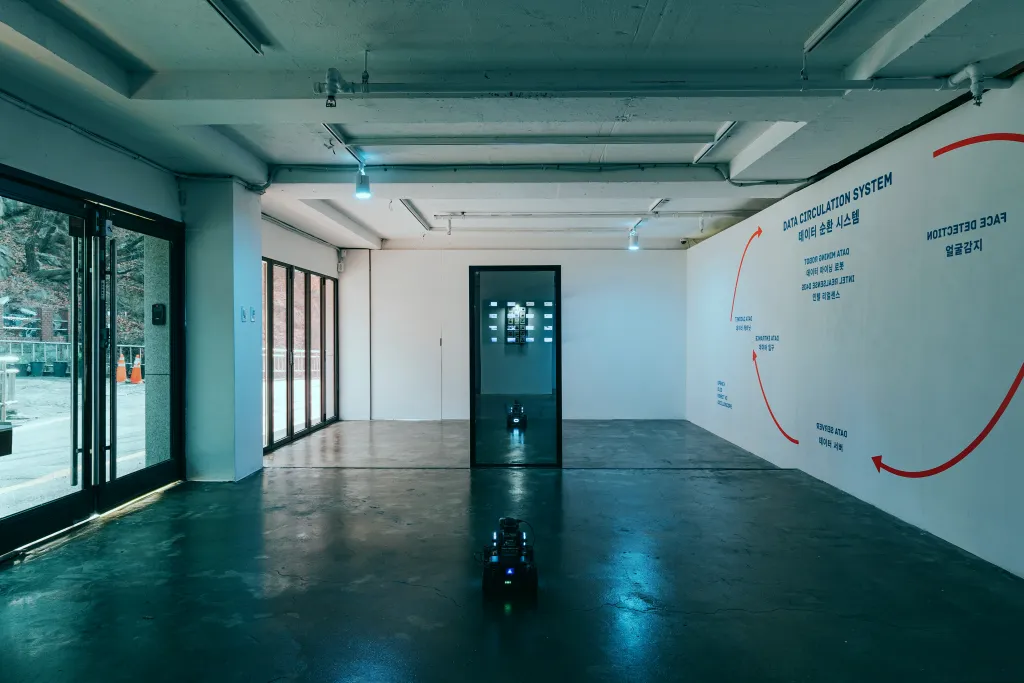
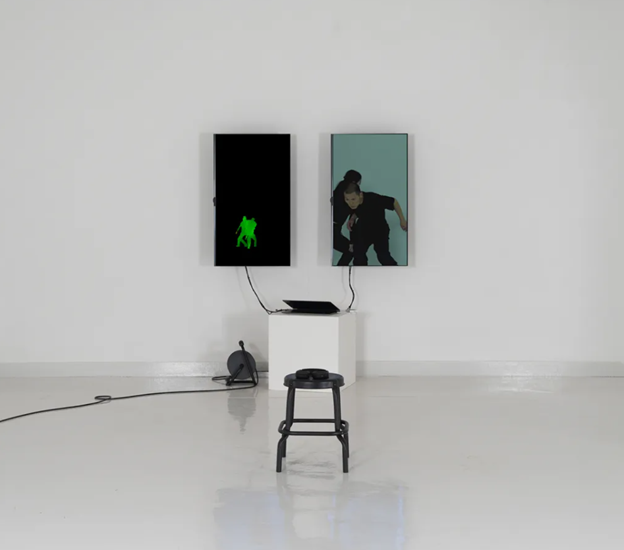
Installation view of 《OLIGOPTICON》 (Space:illi, 2020) ©Jinseung Jang

In this series of works, while Jinseung Jang focused on eliminating the individual elements of the face, his first solo exhibition 《OLIGOPTICON》 (2020) shifted attention to the very methods of data collection, the connections and interlinkages within the “data archive structures” that emerge from it, and experiments concerning human recognition systems.
 
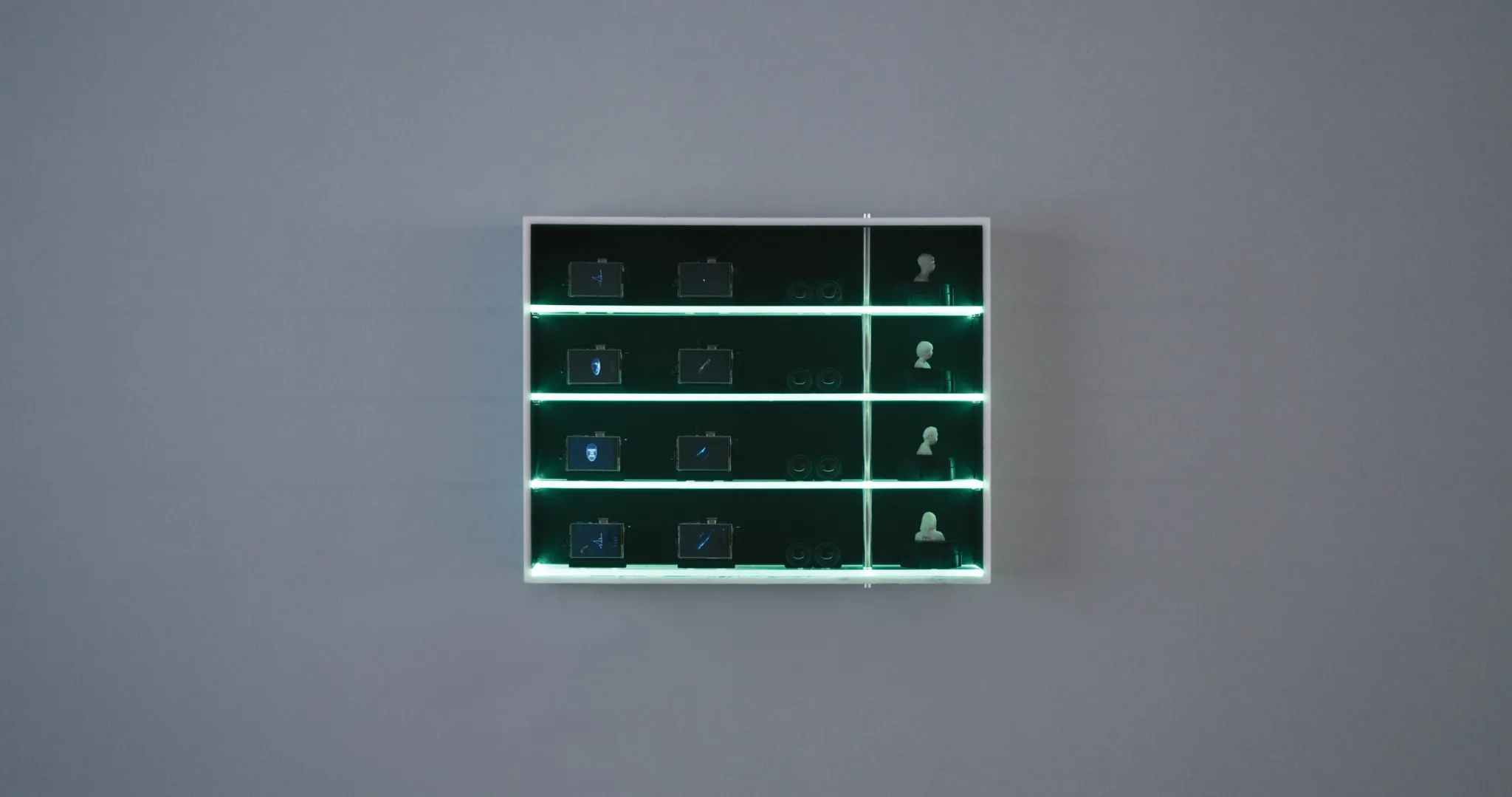
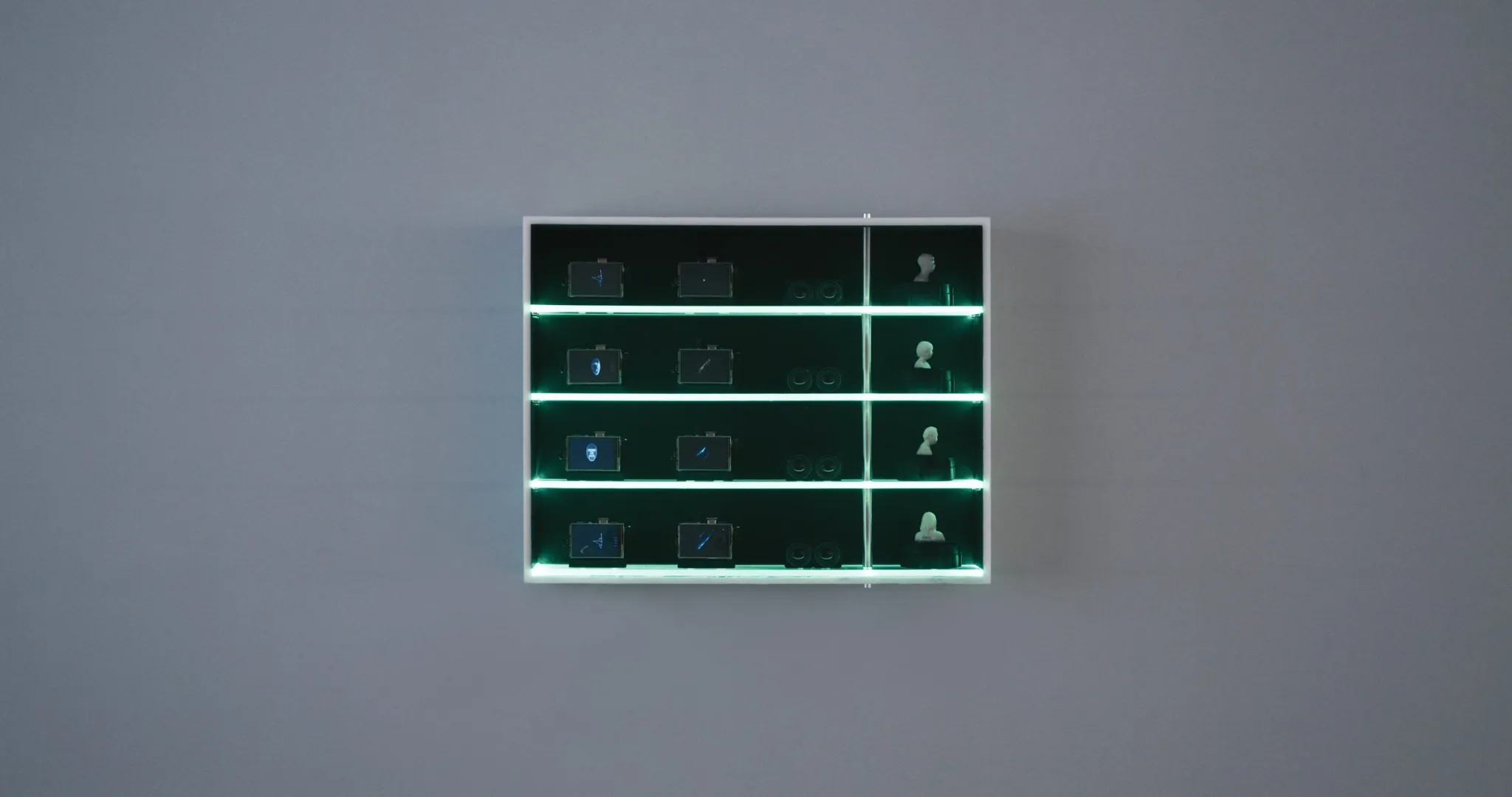
For instance, the work Data Cabinet (2020) is a kind of “data repository” designed to collect digital data of facial groups. This work archives the processes of data collection and transformation, aimed at re-dividing the data layers from his earlier work Face De-Perception and facilitating interaction among the data.


Jinseung Jang, Data Cabinet, 2020, Stainless steel, acryl, ABS filament ©Jinseung Jang

The cabinet, composed of four layers, contains collected data corresponding to four different faces. Here, the facial data are preserved in physical form through two 3.5-inch displays, a speaker, and 3D printing.
 
The first display shows the process of collecting average facial data, while the second presents a visual output that converts this averaged data into oscilloscope signals. The speaker plays an audio rendering of the same dataset, and the 3D-printed facial groupings serve as one of the experimental results exploring how digital data, stored as planar numerical values, can be reconstructed into analog form.
 
This work can be understood both as an extension of Jang’s earlier attempts to dismantle the prejudice layers embedded within human recognition structures, and as an exploration of the possibilities of “data interaction” centered on the human face.

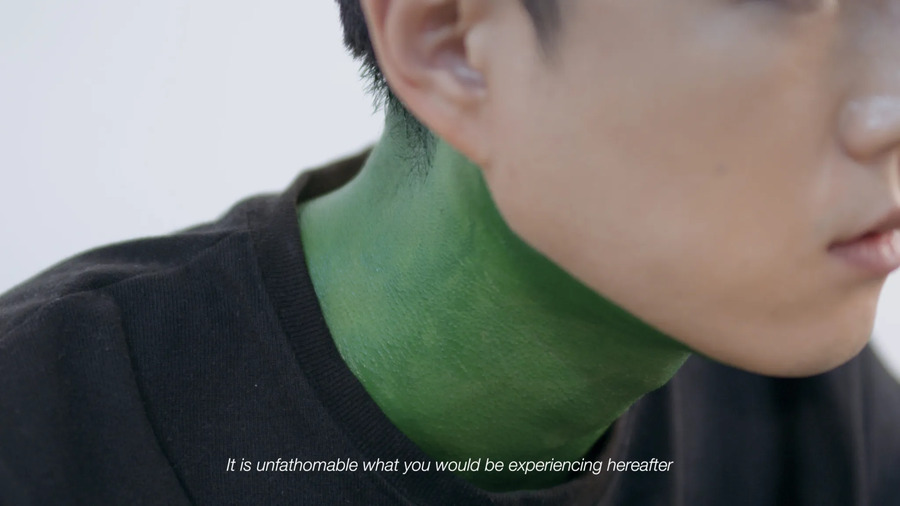
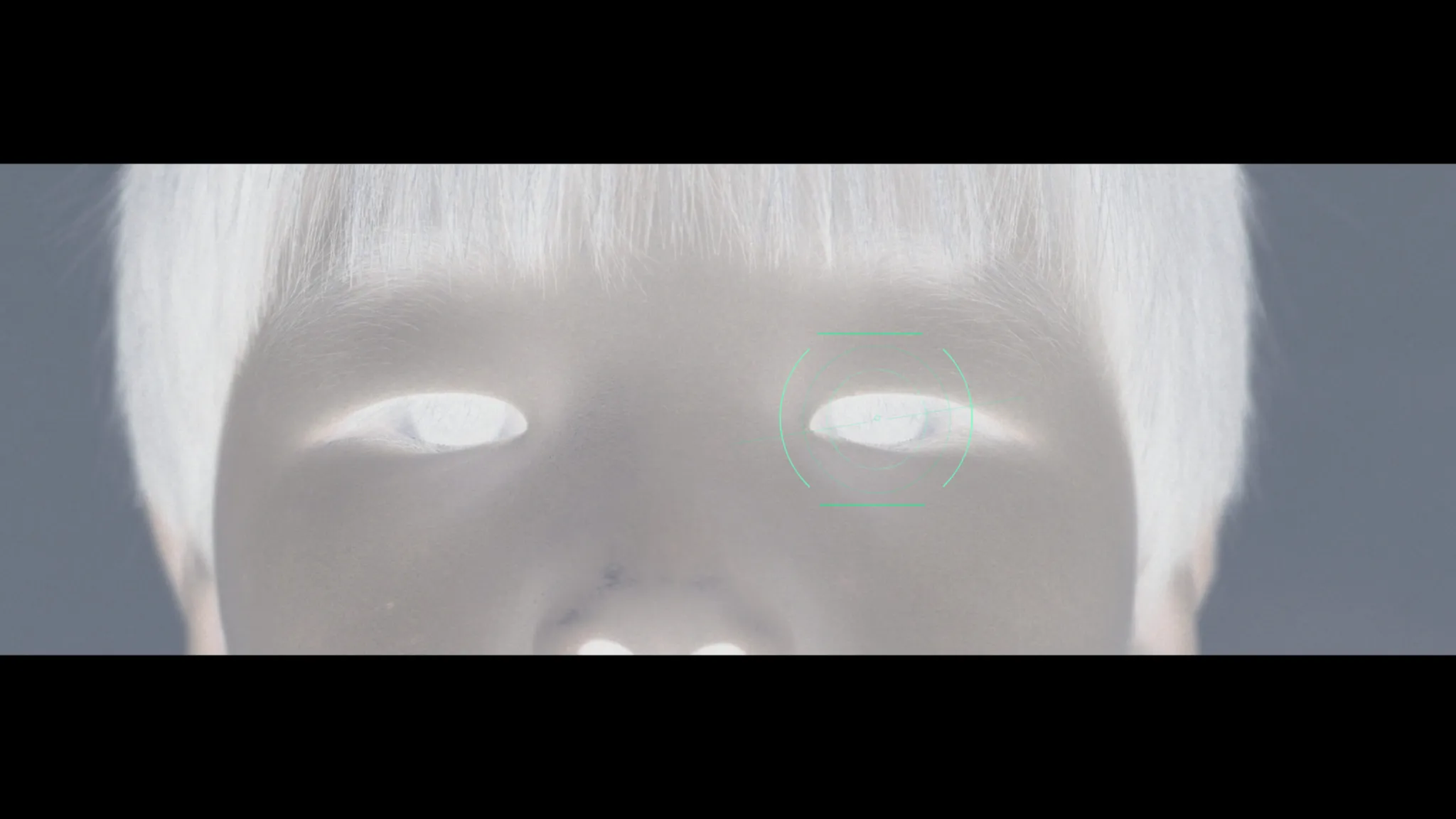
Jinseung Jang, C-MP-MUTATIONEM(L-85-17-J), 2020, Film series, color, sound(stereo) ©Jinseung Jang

Meanwhile, the three-part video series ‘Decennium Series’ (2020), created in collaboration with visual artist Eunhee Lee, addresses social issues and debates concerning imagined future societies by layering futuristic narratives atop contemporary technological phenomena. Each of the three videos, themed around the keywords “race,” “labor,” and “education,” unfolds through a sci-fi framework to depict the future narratives of techno-science.


Jinseung Jang, THE FIRST KID, 2020, Film series, color, sound(stereo) ©Jinseung Jang

The first episode, C-MP-MUTATIONEM(L-85-17-J), depicts humanity in 2030, when a biotechnological technology that alters skin color is invented, unintentionally eliminating existing racial discrimination and ushering in a new phase for human society. The second episode, BEFORE TERMINATION, portrays a “remote substitute driver” navigating ethical conflicts within society and corporations in a world where taxis have disappeared and platform capitalism and machine-ecological systems have been reinforced.
 
The final episode, THE FIRST KID, envisions a future society in which children, immediately after birth, are assessed by a data-driven predictive system to determine which traits will develop more or be specialized. Through these three videos, the series’ science-fictional imagination oscillates between reality and unreality, provoking serious reflection on the near future.


Jinseung Jang, Deluded Reality, 2021, Single-channel video, color, sound(stereo), 13min 26sec. ©Jinseung Jang

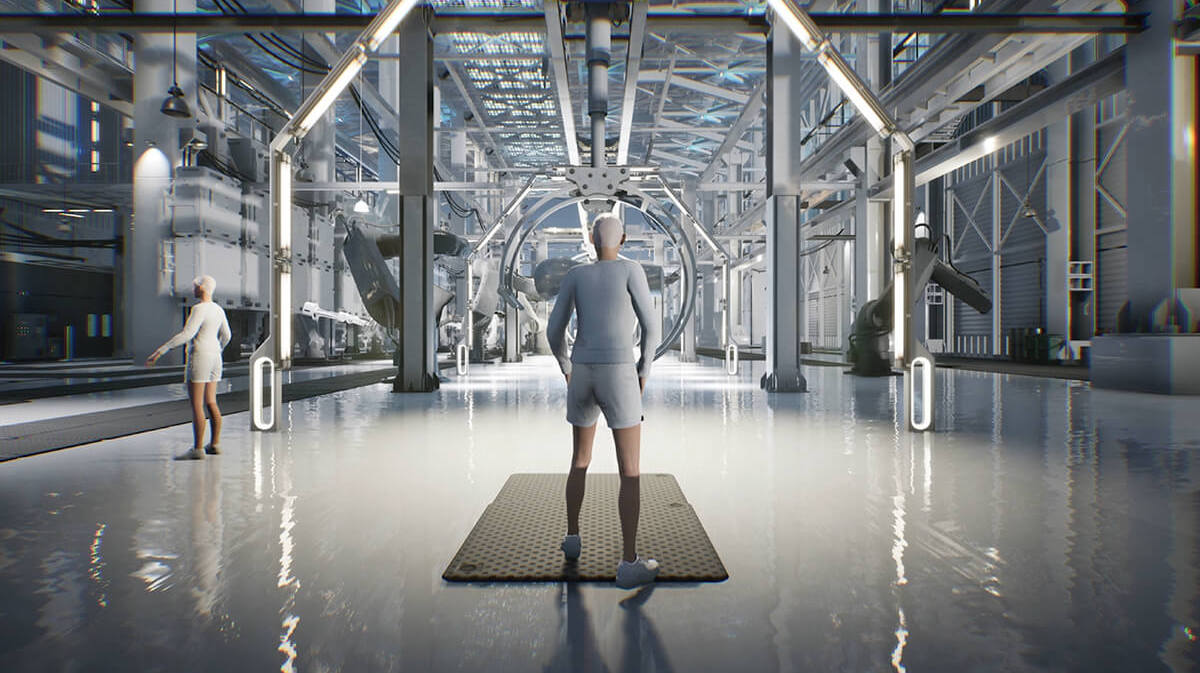
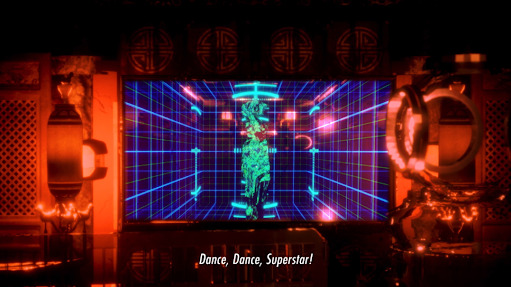
The following year, Deluded Reality (2021) was also produced based on the artist’s sci-fi imagination, exploring cognitive experiences at the point where the boundary between virtuality and reality becomes blurred, conceptualized as a “deluded reality.” The video depicts a digital game character acquiring a sense of space and time, through which it comes to recognize the boundary between the virtual and the real.
 
Within this framework, the character becomes aware of its position and existence within the graphically constructed world, even experiencing sensations that transcend the given space and time. The video concludes with scenes beyond the glass of a laboratory-like setting, where “other selves” create beings resembling “him” in another dimension.


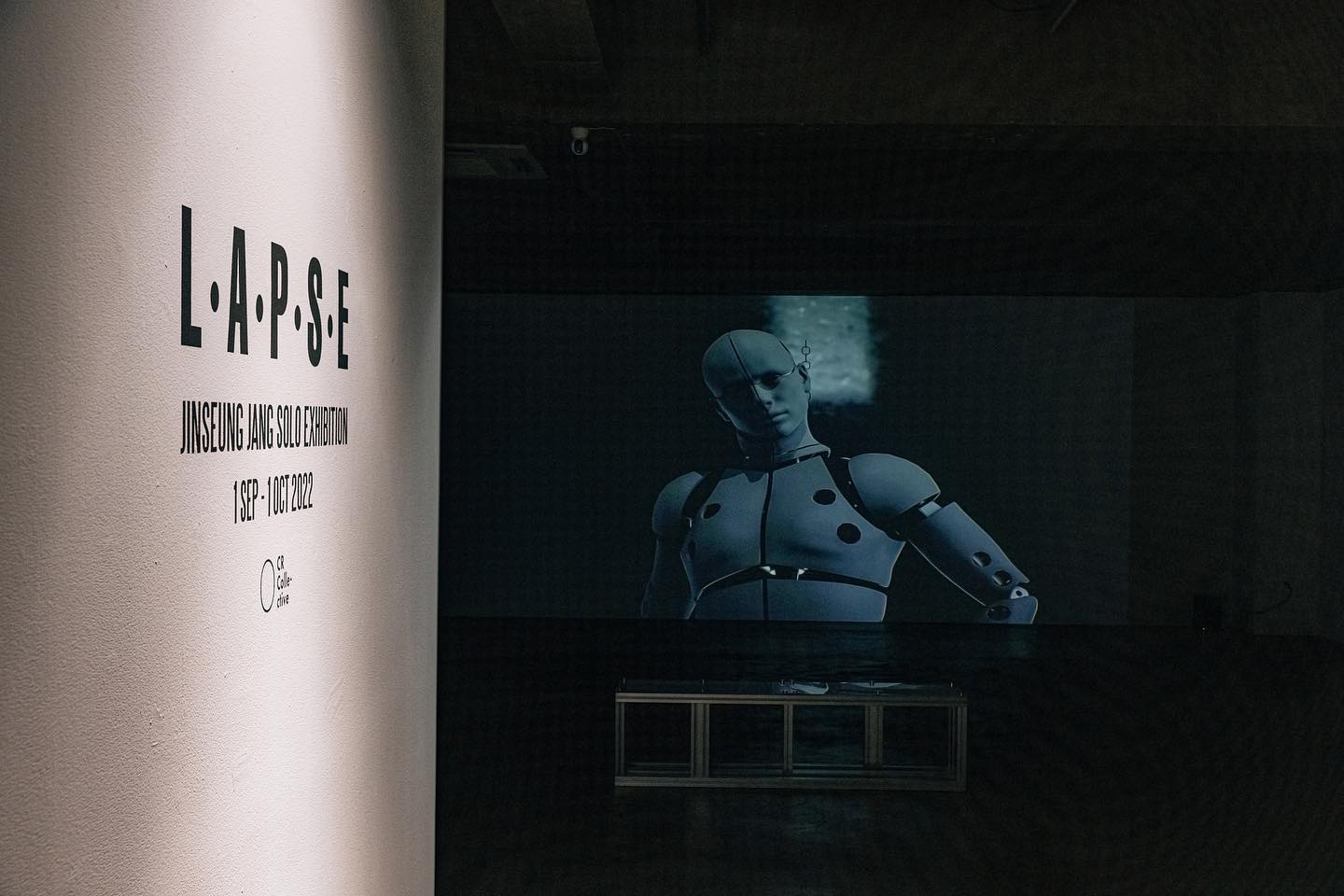
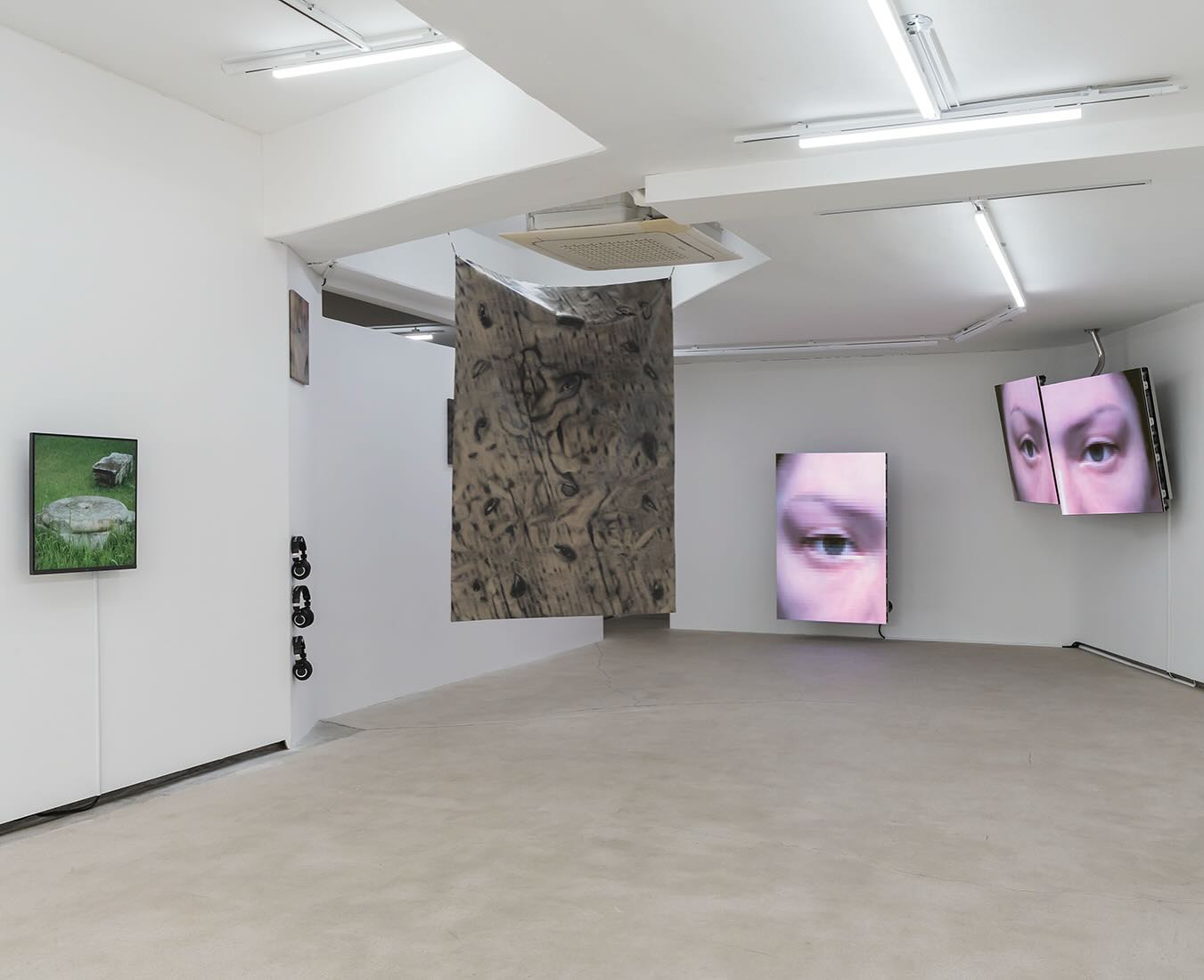
Installation view of 《L·A·P·S·E》 (CR Collective, 2022) ©CR Collective

Furthermore, in his 2022 solo exhibition 《L·A·P·S·E》 at CR Collective, Jinseung Jang presented a post-humane worldview in which the boundaries between virtual and real, as well as the linear arrangement of space and time, are deconstructed.
 
The artist borrowed concepts from filming techniques such as time-lapse, hyper-lapse, and slow motion, which manipulate the linear sequence of time by arbitrarily shortening or lengthening it. Through these techniques, he sought to experiment with simulations of what might occur in the flow, expansion, or contraction of the interval between two points in space-time.


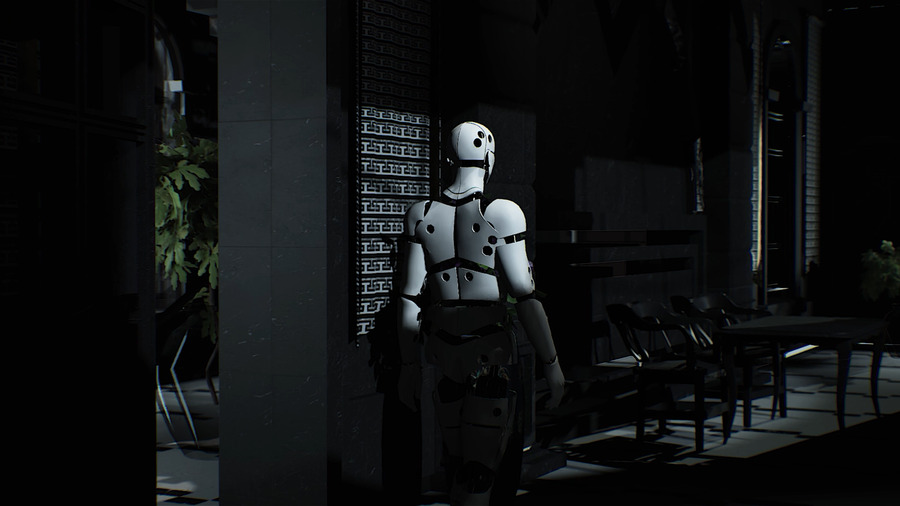
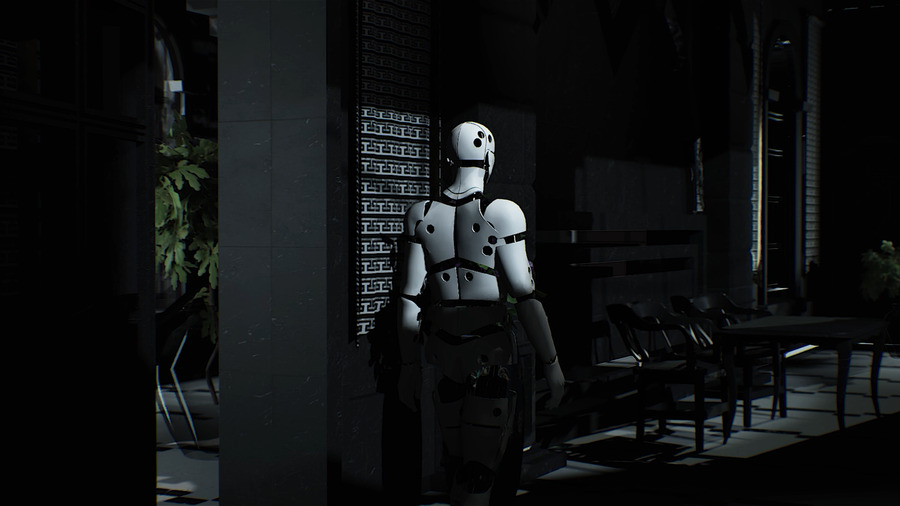
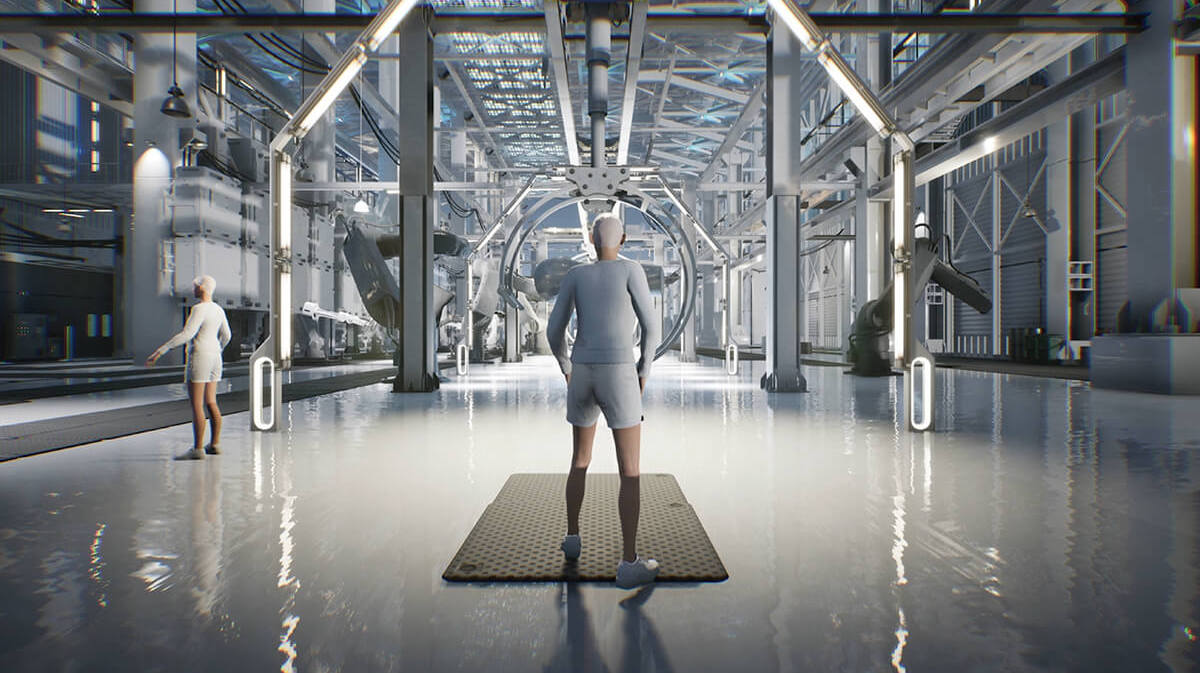
Jinseung Jang, L·A·P·S·E, 2022, Single-channel video, color, sound(stereo), 23min 2sec. ©Jinseung Jang

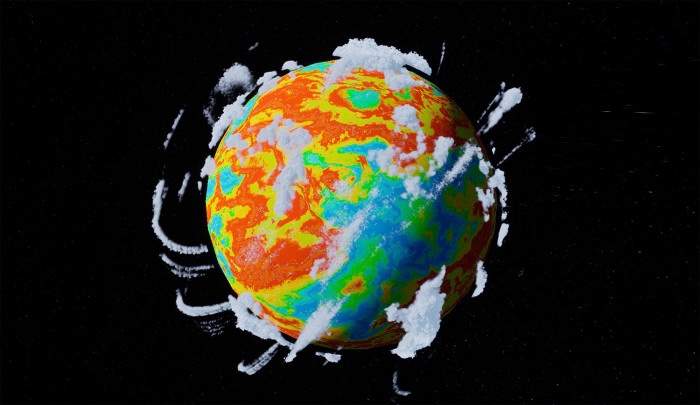
The robot prototype in L·A·P·S·E is a humanoid that has separate bone and skin which imitates the human skeleton and its tissue structure. Jang names a humanoid or a particle that makes up a virtual space as an “AI particle” and establishes a virtual time and space created by AI particles, assuming that they eventually will exist as themselves, move on their own, and even have free will, like humans.
 
However, in this space and time, there are unknown strangeness that push away the sense of reality or objects that imitate the human body but cannot fully reproduce natural human movements while overcoming some of the human body’s limitations. Additionally, the characters, robots, and fox-like creatures in the video are not strictly categorized as either living or non-living beings.


Jinseung Jang, L·A·P·S·E, 2022, Single-channel video, color, sound(stereo), 23min 2sec. ©Jinseung Jang

In the video, these entities are not autonomous beings with instincts and senses like humans, capable of self-determined action. Instead, they operate through processes that output responses based on input values. Yet gradually, they enter a stage where they begin to question or reflect on the tasks assigned to them. In particular, the robots face situations in which their given roles become increasingly burdensome and the boundaries of their duties blur into meaninglessness, prompting them to question the mechanical execution of their tasks.
 
Within this framework, neither fully real nor fully living beings appear. However, by depicting an intermediate hybridity—where layers of space-time, humans, and robots overlap without fully merging—the work encourages reflection on the point at which anthropocentrism is deconstructed.


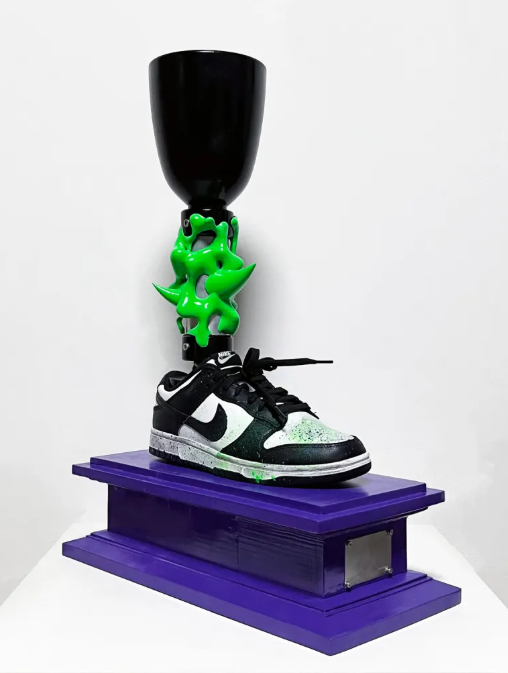
Jinseung Jang, Perfect Contraption Concept Scenario: The Automated System for Mobility & City Operation through a Transparent OLED Screen, 2022, Mixed media, Dimensions variable ©Jinseung Jang

In this way, Jinseung Jang presents simulations in which reality and imagination are ambiguously intertwined—appearing real yet not entirely real—amid the increasingly blurred boundary between virtual and physical worlds caused by accelerated technological development. His work invites reflection on the perception and cognitive structures of future humans who will inhabit the near future.
 
Moreover, by envisioning future societies based on the present, his work addresses distorted contemporary perceptions and explores the potential for mutual understanding that can help overcome social prejudices and discrimination through new sensory experiences.

 “I imagine future societies based on the present and, through a kind of narrative, explore the distorted perceptions of our time. (…) I consider each work as a simulation and experiment with the perception and cognitive structures of humans that may emerge in the near future.”       (Jinseung Jang, interview as an artist-in-residence, MMCA Residency Goyang, 2022)


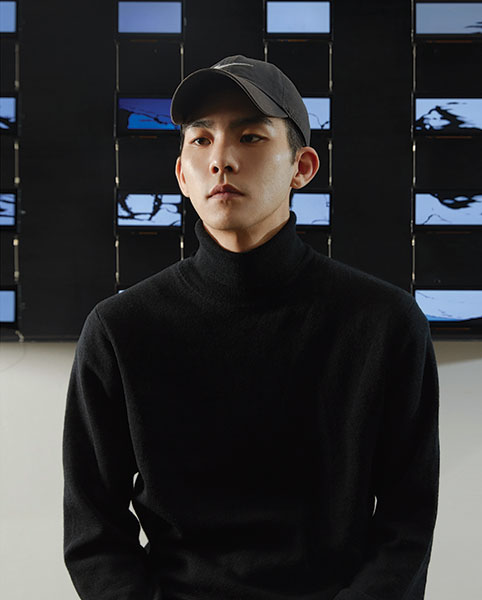
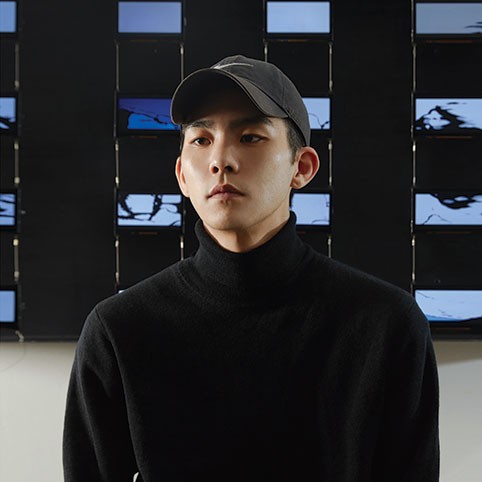
Artist Jinseung Jang ©Public Art

Jinseung Jang studied Design at Goldsmiths, University of London, and received his Master’s degree in Painting from Hongik University Graduate School. His solo exhibitions include 《Screening: The Ambient Gust》 (Seoul Art Space Geumcheon, Seoul, 2024), 《L·A·P·S·E》 (CR Collective, Seoul, 2022), 《Réalité Simulée》 (Onsu Gonggan, Seoul, 2021), and 《OLIGOPTICON》 (Space: illi, Seoul, 2020).
 
He has also participated in numerous group exhibitions, including 《Synthetic Fever》 (Coreana Museum of Art, Seoul, 2025), 《Hymn of Seoul》 (Artspace Boan1, Seoul, 2023), 《Horizontal》 (Noblesse Collection, Seoul, 2023), 《Digital Resonance》 (Gwangju Media Art Platform, Gwangju, 2022), 《Public Art New Hero》 (Daecheong ho Museum of Art, Cheongju, 2021), and 《Private Song I》 (DOOSAN Gallery, Seoul, 2020).
 
Jang has been an artist-in-residence at Seoul Art Space Geumcheon (Seoul, 2024–2025), Masaha Residency (Riyadh, Saudi Arabia, 2023), and MMCA Residency Goyang (Goyang, 2022). In 2020, he was selected as a creator for Hyundai Motor Group’s open innovation platform ZER01NE and as part of ‘Public Art New Hero 2020’.
References