In our contemporary era, we are witnessing
rapid and multifaceted transformations in daily life due to the unprecedented
development of artificial intelligence and digital technologies. The
increasingly advanced digital ecosystem driven by AI offers tremendous
possibilities and convenience. At the same time, the fragile nature of the
human condition—struggling to keep pace with such radical change—is becoming
more apparent.
As technological progress continues to shorten the very
processes and rhythms that once shaped human experience, genuine connection
among individuals is gradually diminishing, narrowing the gap between
individuals and the immediacy of the world around them. These shifts have
ushered in a rise in personal anxiety and a sense of depression, fueled by
global capitalism, precarious labor, social isolation, and the disintegration
of relationships. This reality forces us to confront fundamental questions
about human existence.
This contemporary state of human life is
closely linked to the idea of “Liquid Modernity”, a term coined by Polish
sociologist and philosopher Zygmunt Bauman. Bauman described modern society as
being in a state of constant flux, where order, dignity, and stability are
dismantled, and everything remains in perpetual transition. His insights into
themes such as alienation, identity, consumerism, and morality reflect the
unstable conditions faced by individuals today.
According to Bauman, while
modern life offers convenience and freedom, it also demands that individuals
continuously reshape themselves—leading not to stable identity formation, but
to repeated, temporary adaptation. This situation results in existential and
psychological unease and pressure. In 2025, we find ourselves deeply embedded
in this current. The sweet allure of technological advancement has undeniably
improved aspects of life, yet it has also brought us face to face with a
paradoxical reality—one that challenges the uniqueness and intrinsic value of
human existence.
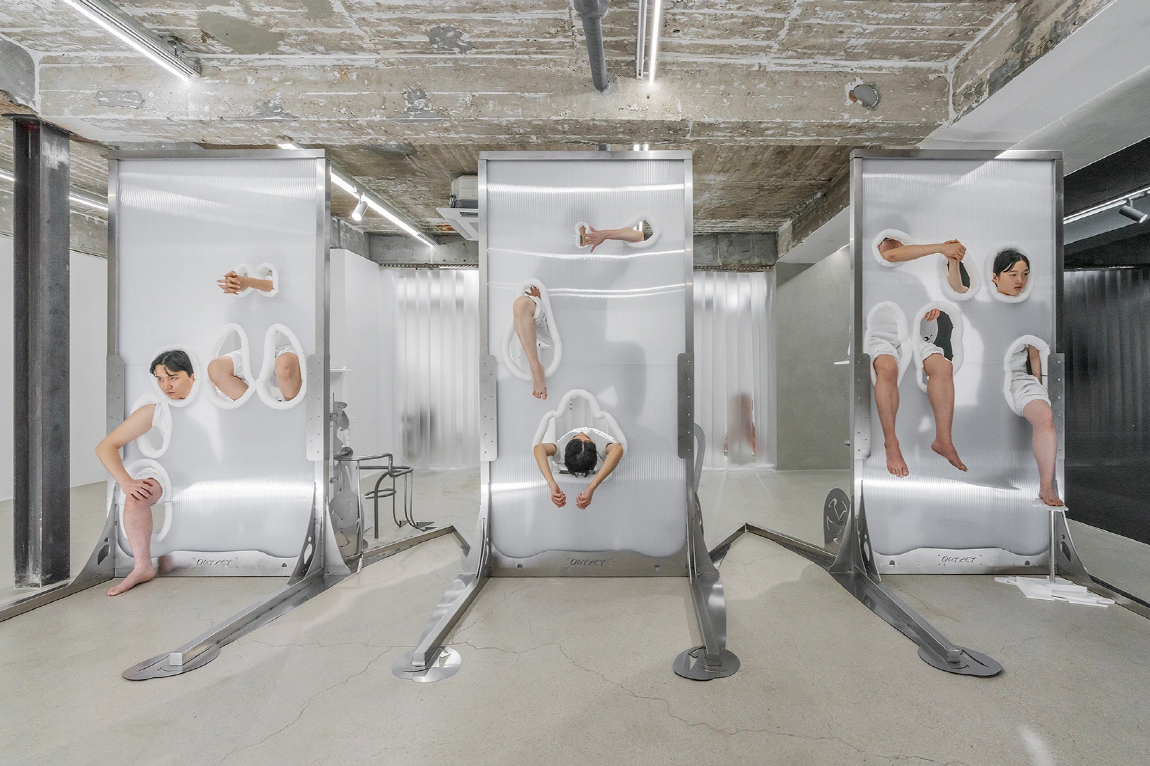
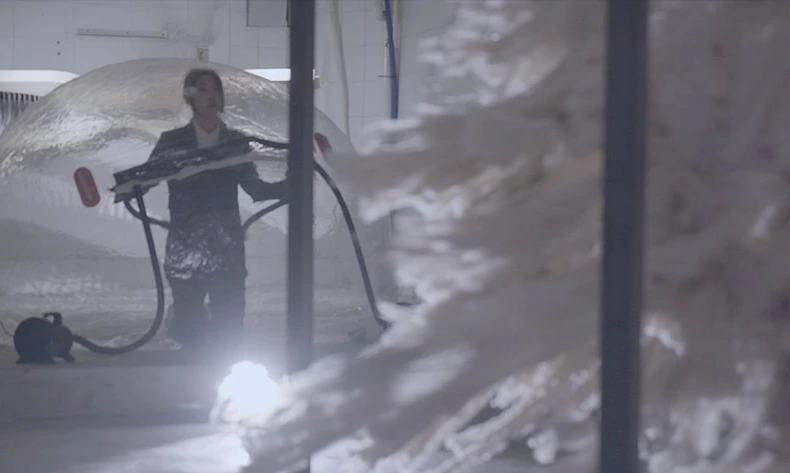
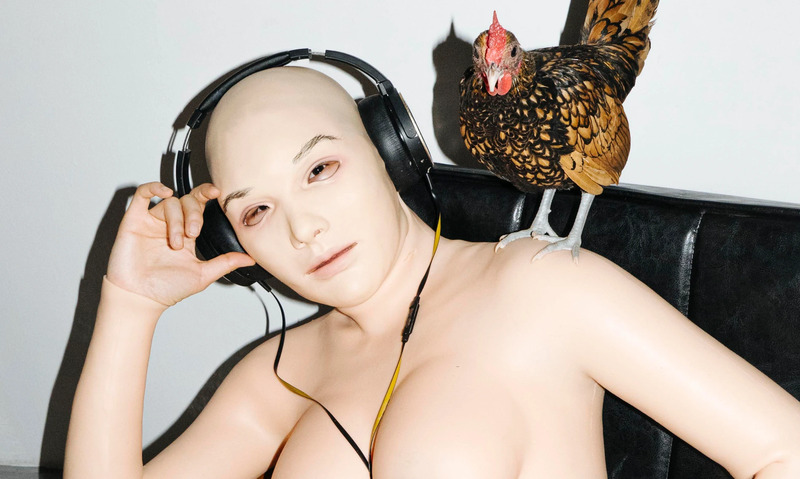
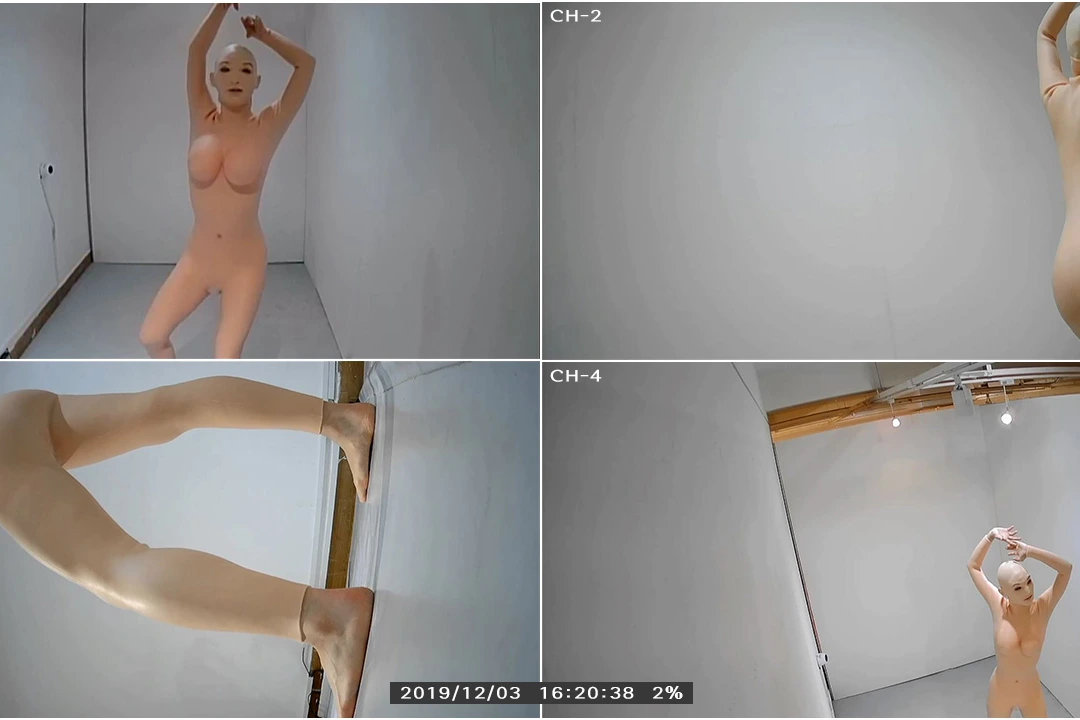
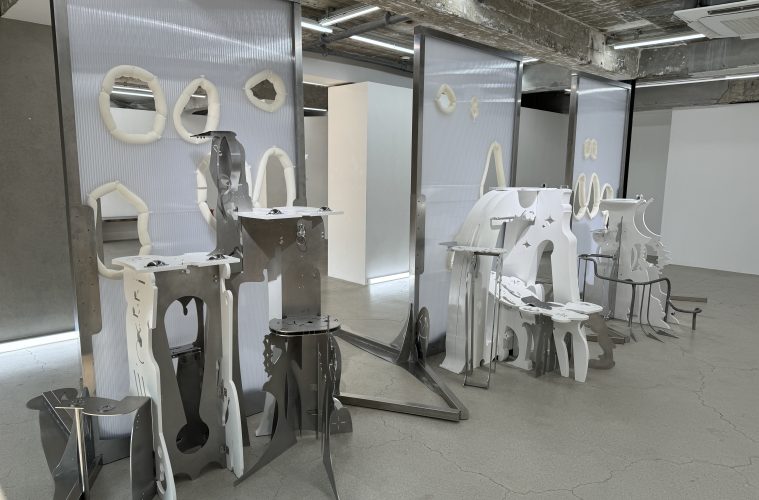
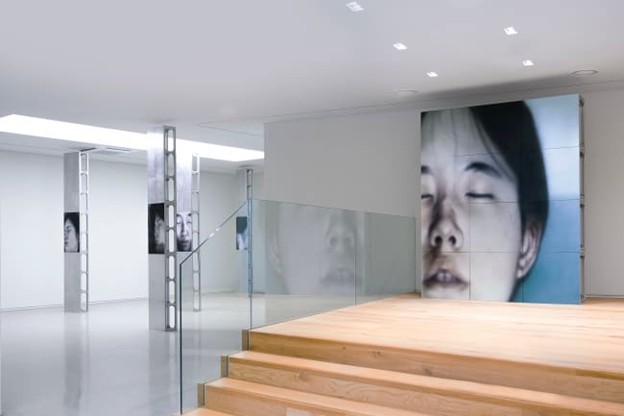
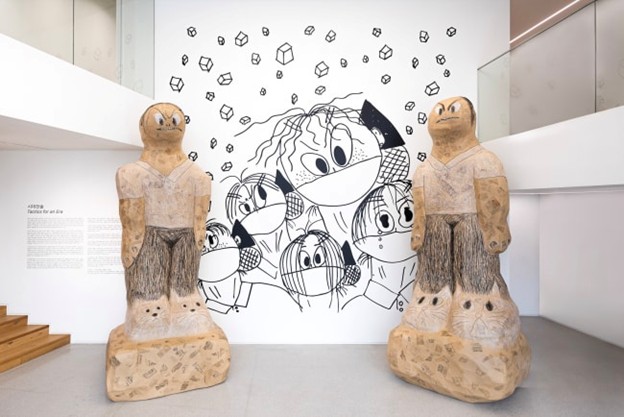
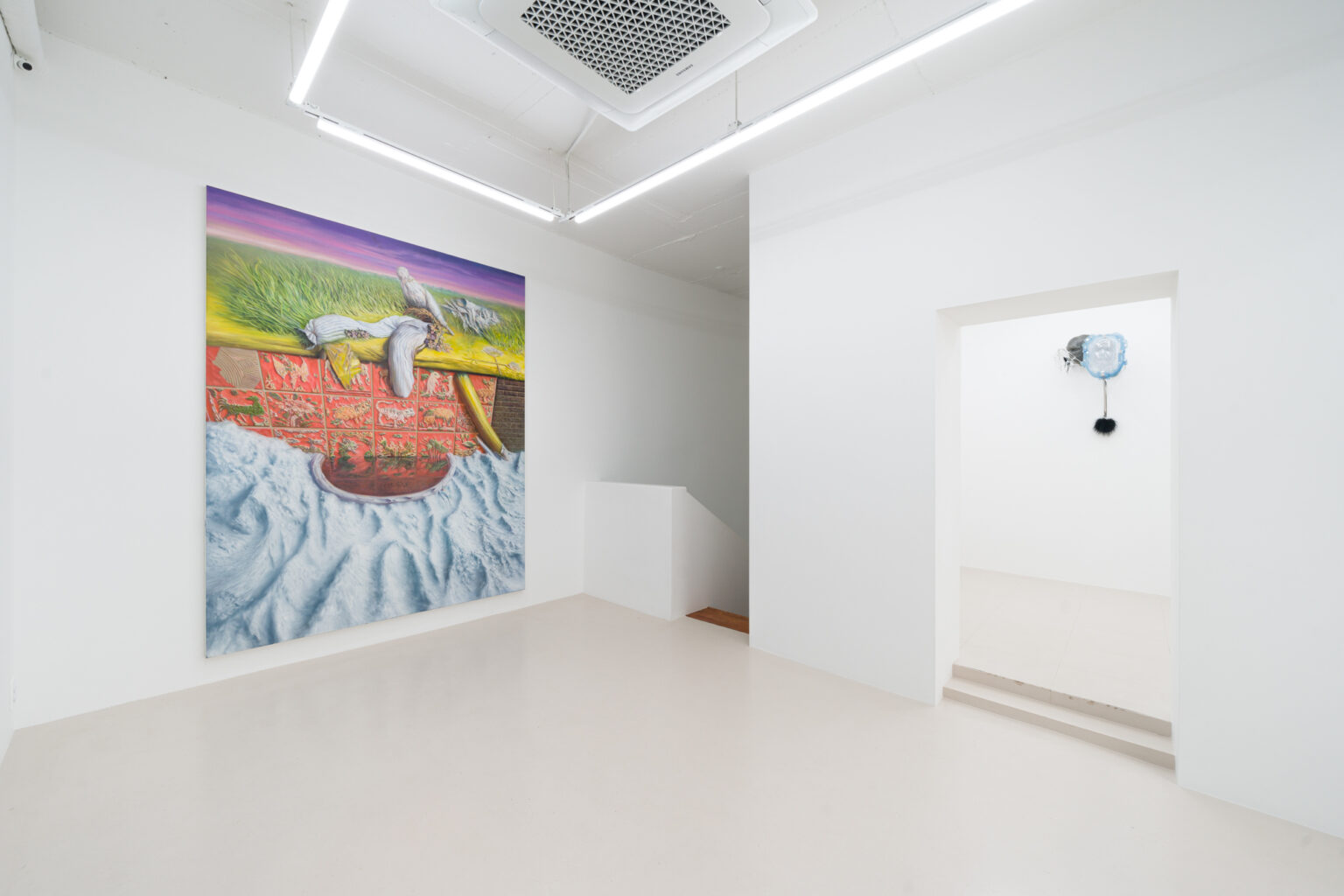
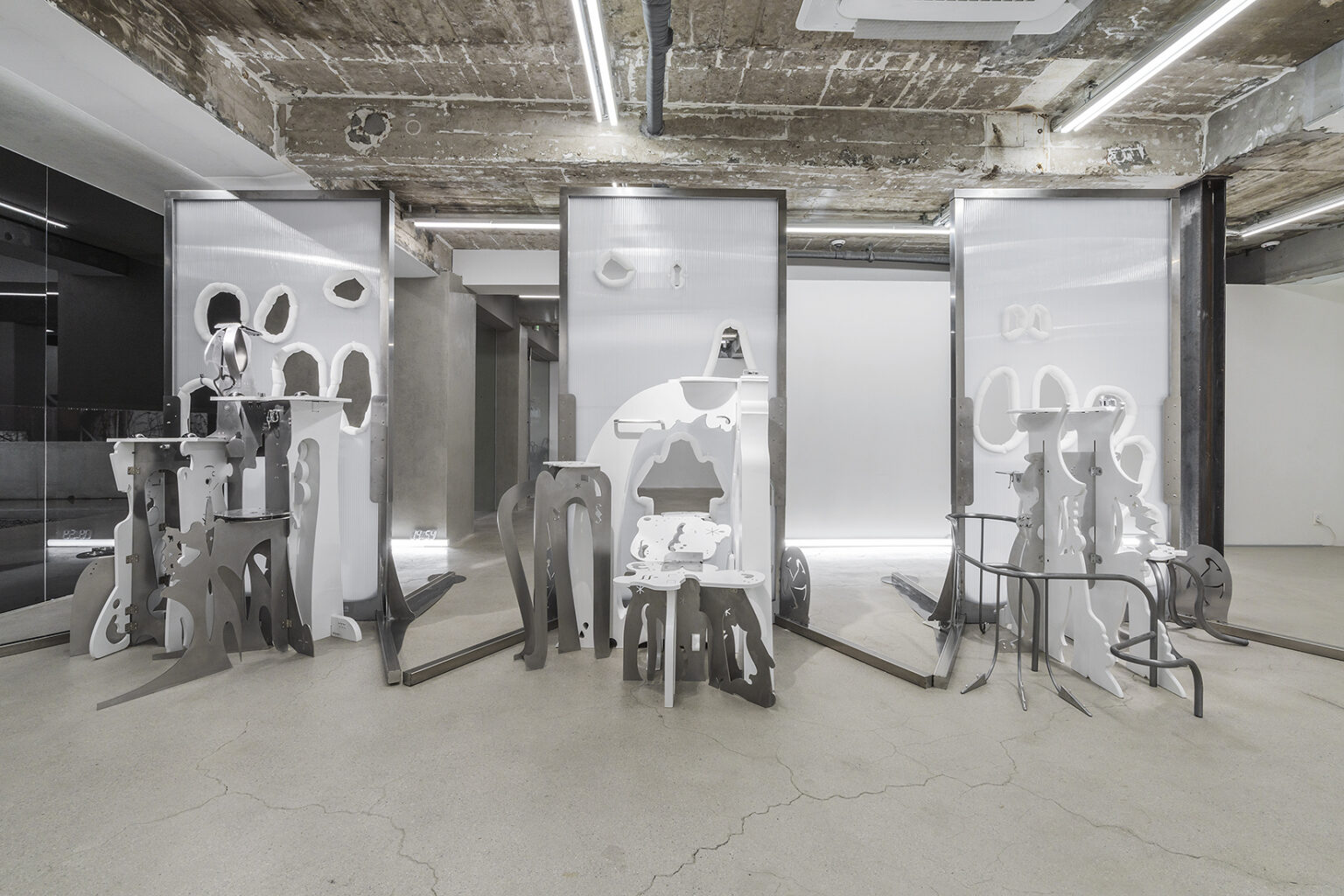
The exhibition 《Tactics for an Era》 explores the shadows cast by our
contemporary moment. It presents the ways in which each artist perceives and
interprets the radically transformed world —the “Umgebung”, or physical and
objective environment—reimagined through their unique perception into their own
“Umwelt”, which refers to the subjective world each individual constructs
through sensory and cognitive experience.
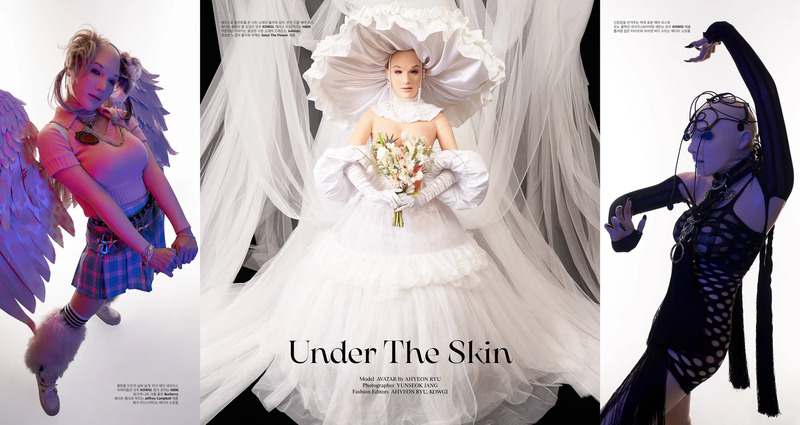
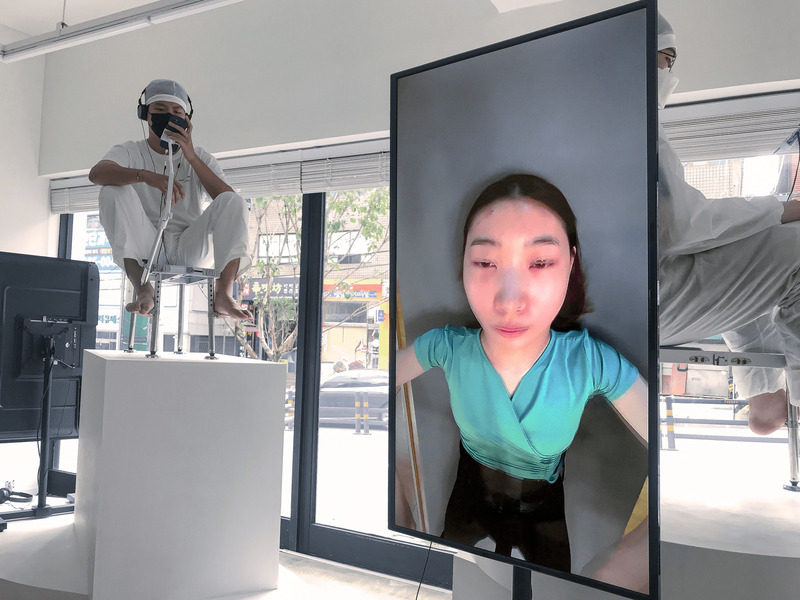
Featuring five artists, the
exhibition sheds light on the human essence—rich sensory experiences and
layered emotions—expressed through diverse and immersive artistic languages. It
highlights how contemporary art seeks to reclaim the value and meaning of
"human-ness," and invites viewers to engage with the messages it
conveys.