Laura Kipnis, author of Against
Love, explains that “to be against something means not only to oppose
it, but also, as in the phrase ‘to be up against each other,’ to form a close
bond with it.”* In this exhibition, the “something” that occupies this place is
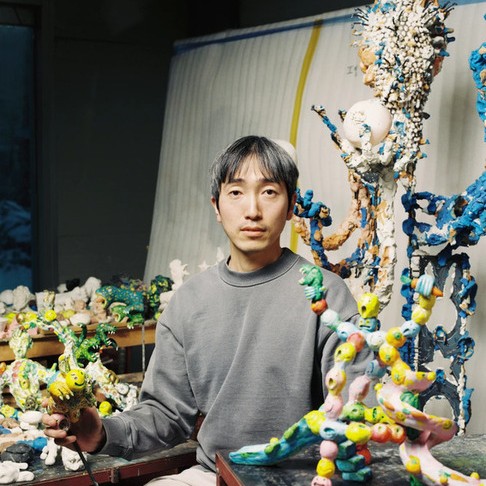
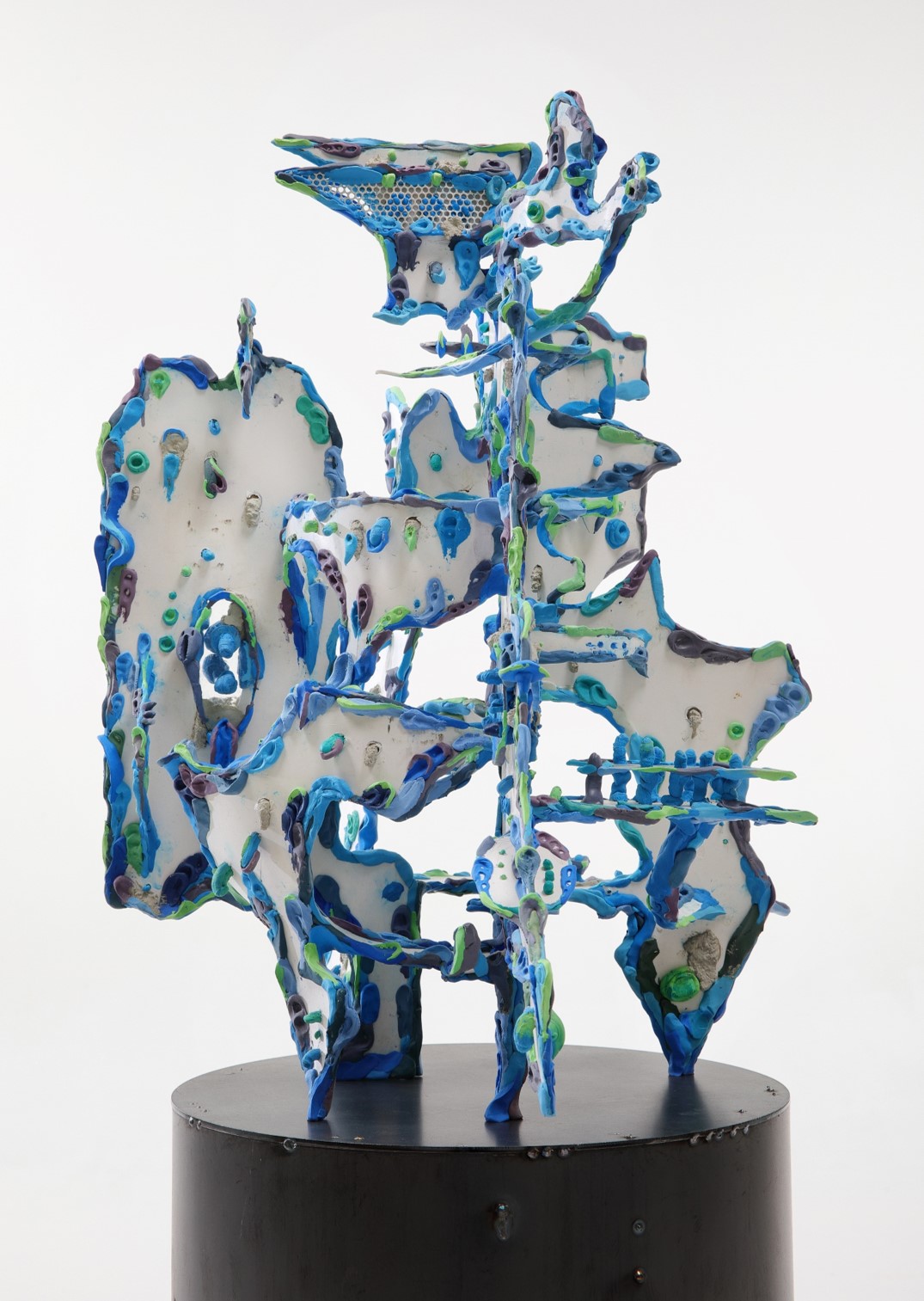
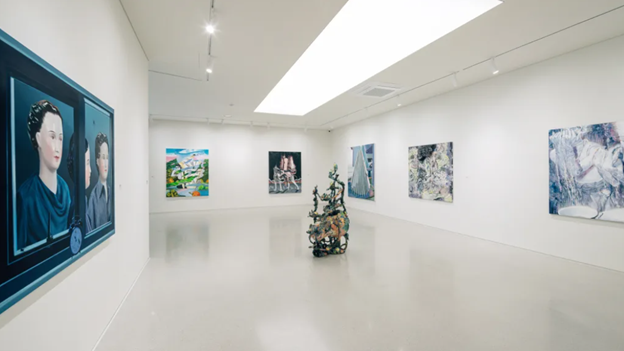
“art history—tradition.” Artists Kwak Intan, Kim Youngjae, Shim Eunji, and Oh
Eun critically reference works that awaken the senses across time, or works
that were not properly recognized in their own era but whose experimental and
original qualities can now be rediscovered. Through this, they breathe new
vitality into practices that had fallen into stagnation.
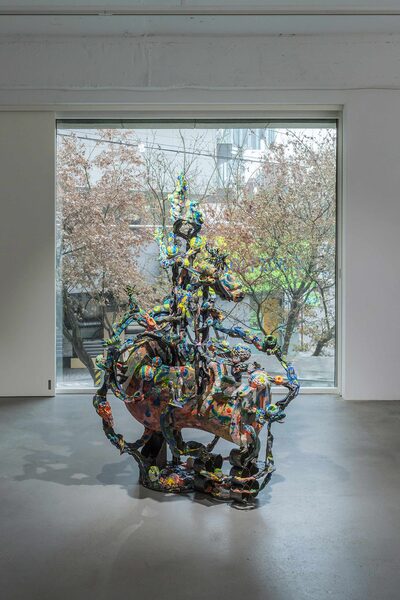
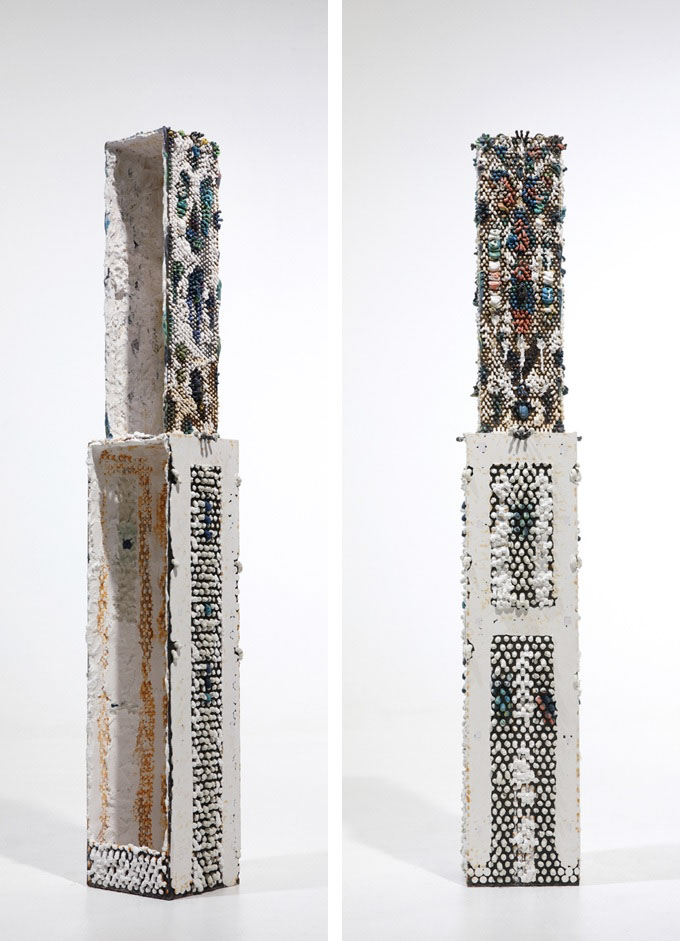
Specifically, the artists materialize the
past time in which they are confined in the form of a “room.” Within this room,
the legacy of Korean art history—provoking both attachment and aversion—and
their past works are intermingled. By repetitively using, producing, and
discarding these elements, they express the anguish of their artistic lives.
Next, by referencing works that were relatively marginalized in Korean art
history from the postwar period through the 1980s, they move from the closed
chamber to the public square. While all share a common stance of being “against
tradition,” each finds a different path to the square. Finally, they respond to
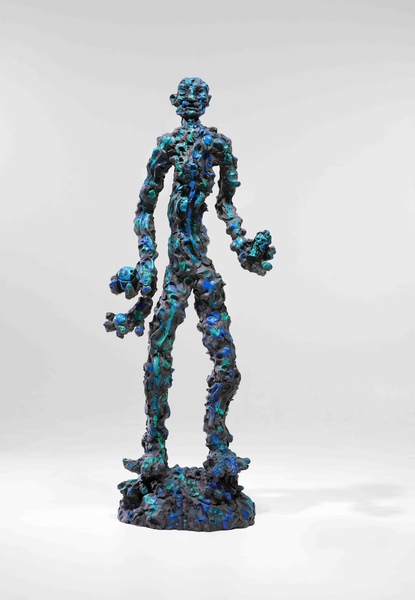
the image of the Angel of History from Walter
Benjamin’s Theses on the Philosophy of History.** This angel,
pushed forward by the storm of endless “progress,” nonetheless casts its gaze
upon the fragments of the past that have lost their voice. By interpreting this
figure through their respective artistic languages, the artists collectively
consider how an alternative art history might be written.— From the exhibition preface (Text: Hong Yeji)
*Juliane van Loon, Thinking Women,
trans. Park Jongju, Changbi, 2020, p. 27.
**Walter Benjamin, Walter Benjamin Selected Writings 5, trans. Choi
Sungman, Gil, 2008, p. 339.