Exhibitions
《TAXIDERMIA》, 2019.10.26 – 2019.11.30, N/A gallery
October 24, 2019
N/A Gallery

Installation
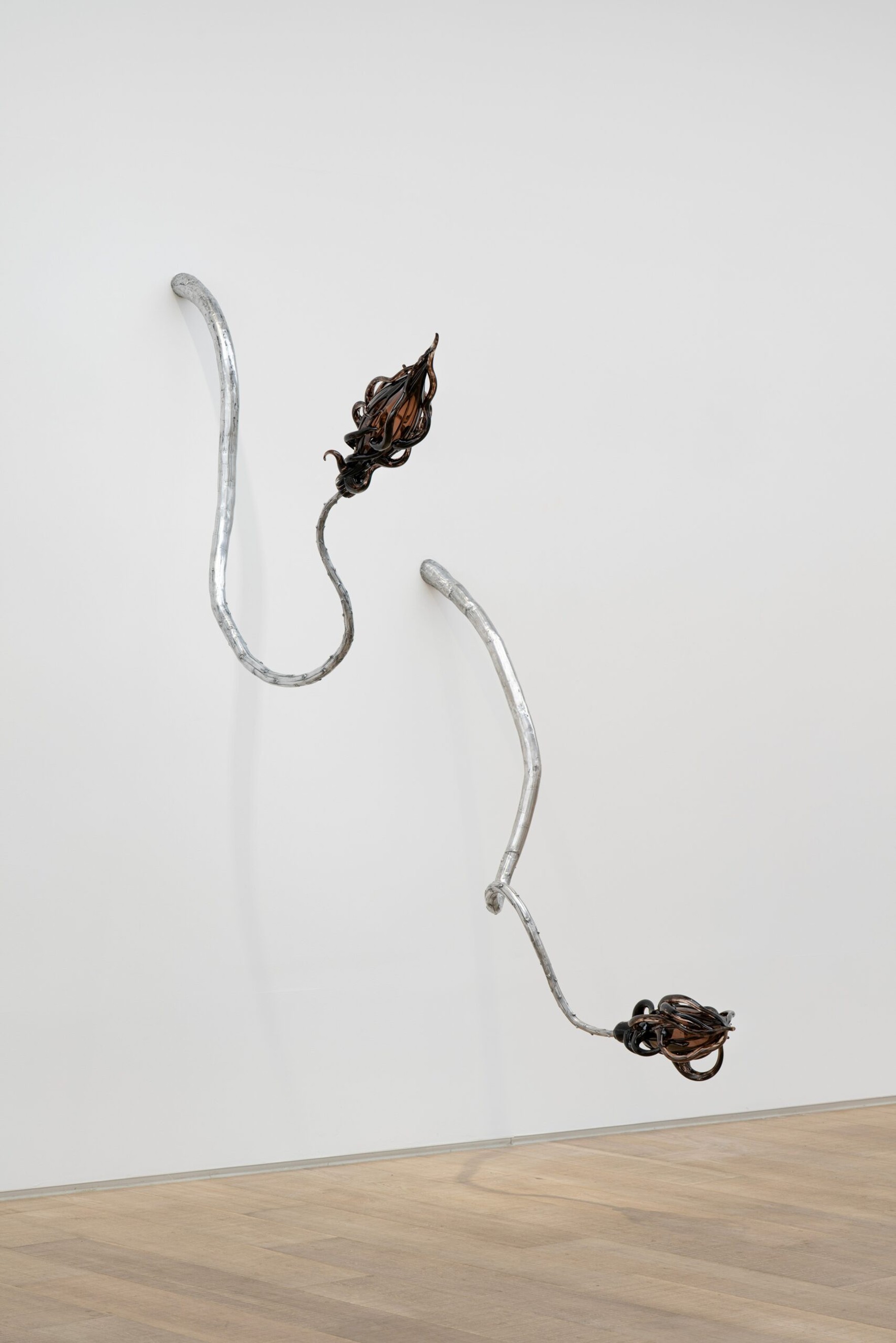
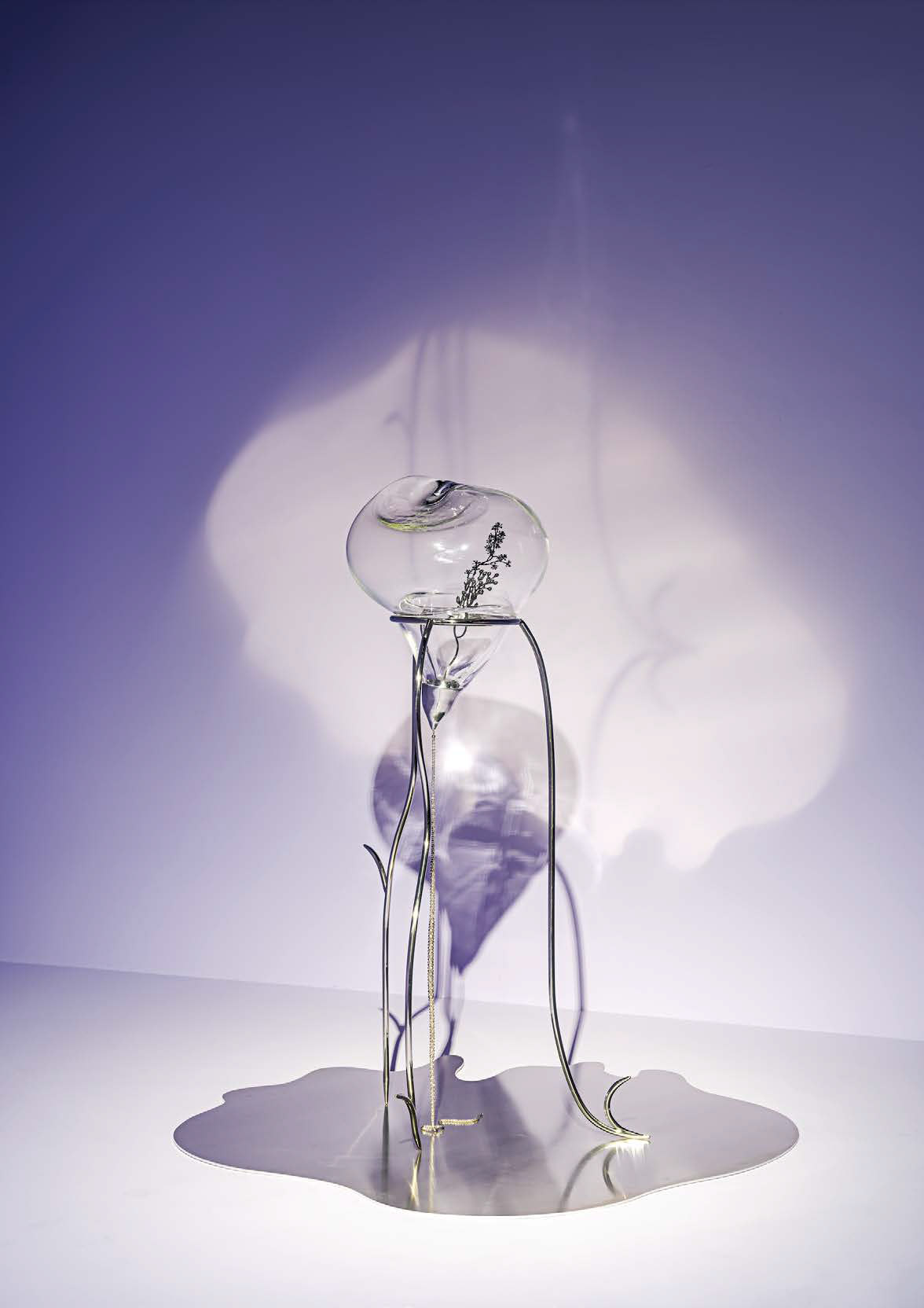
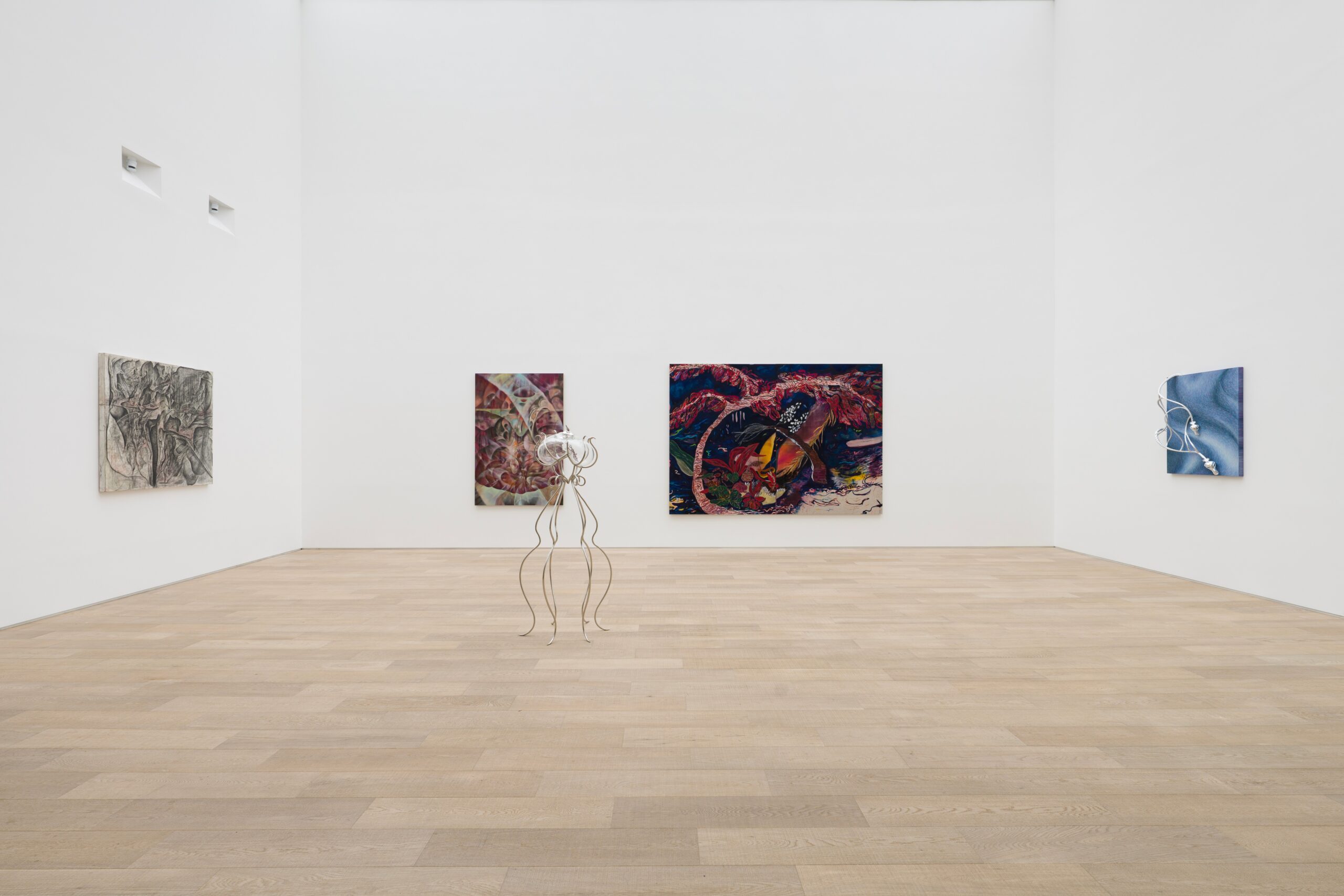
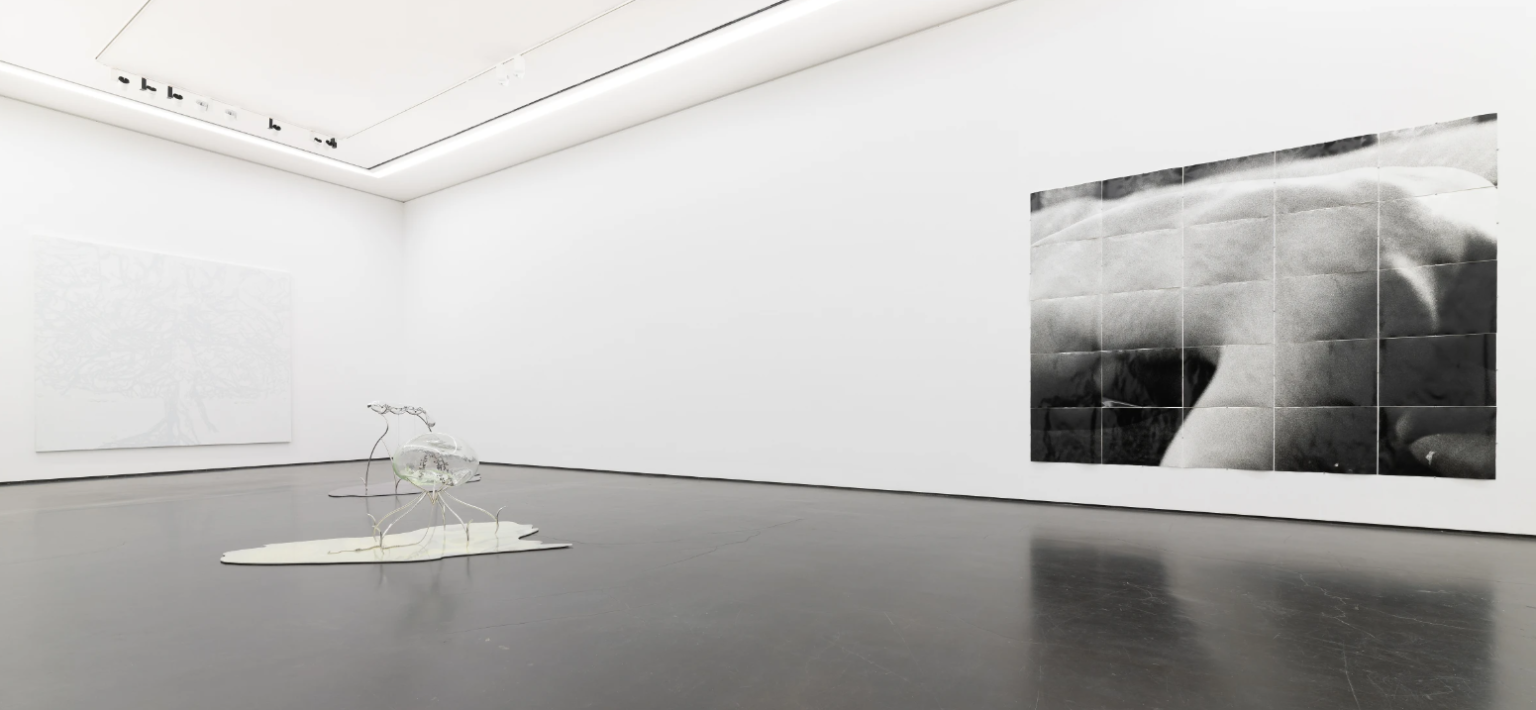
view 《TAXIDERMIA》 at N/A Gallery © Omyo Cho
TAXIDERMIA is a compound of “taxidermy”
and the suffix “-ia.” Taxidermy is the act of making a dead animal appear more
alive than it was in life. The suffix “-ia” connotes disease or a particular
state. In this sense, taxidermy is both ornament and luxury. It represents the
strange reality in which something that only appears more alive than the living
holds greater value.
Society is no different. We neglect the living and instead
assign meaning to the dead. We convert fleeting moments into images and revere
them eternally. Social media embalms fragments of a person’s life permanently. Politics, too, is remembered through isolated images. A taxidermied tiger
always appears to be roaring. In this process, life dissociated from images
goes unremembered—and what is unremembered is ultimately killed. The artist
calls this condition of a contemporary society that remembers only embalmed
images: TAXIDERMIA.
 Installation
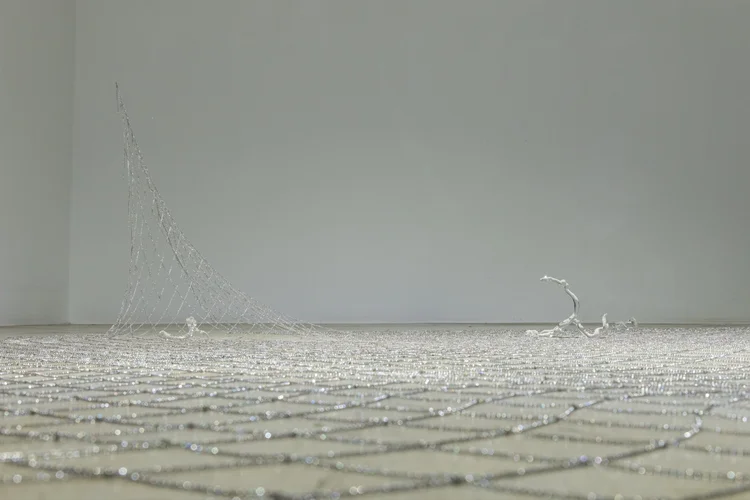
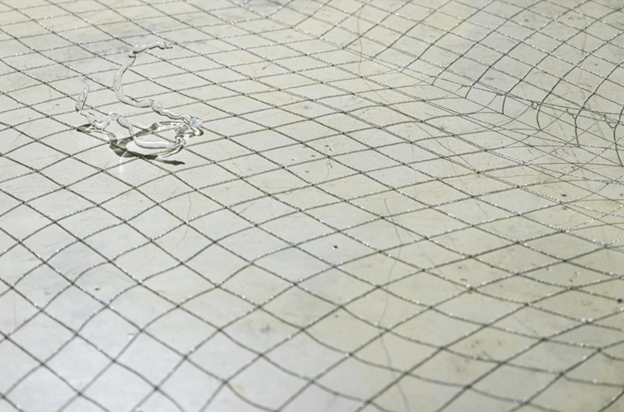
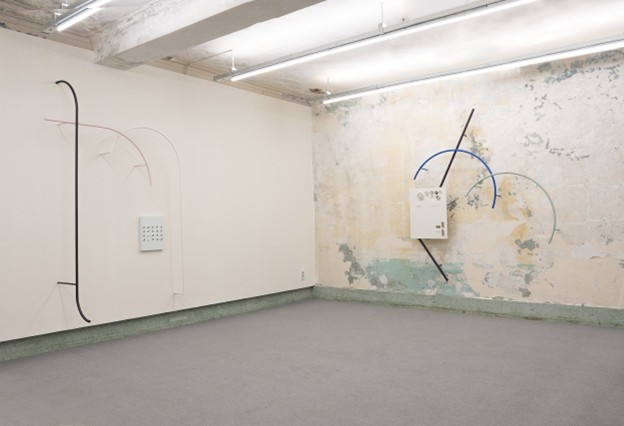
view 《TAXIDERMIA》 at N/A Gallery © Omyo Cho
Installation
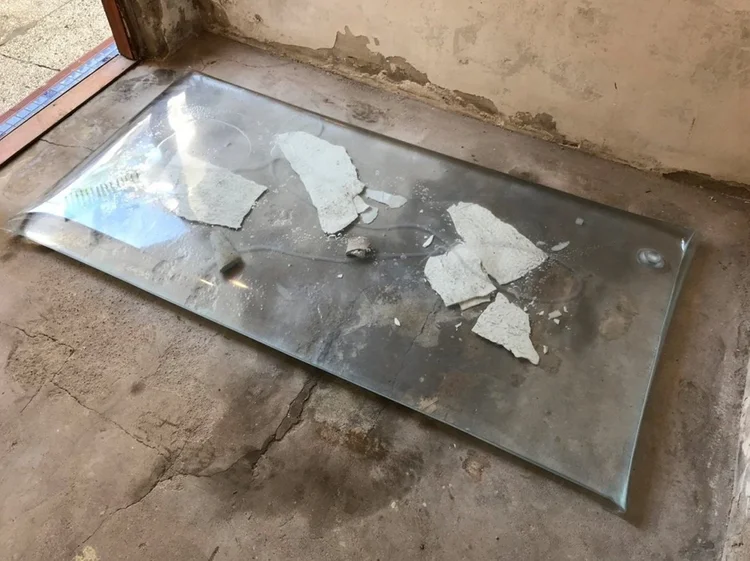
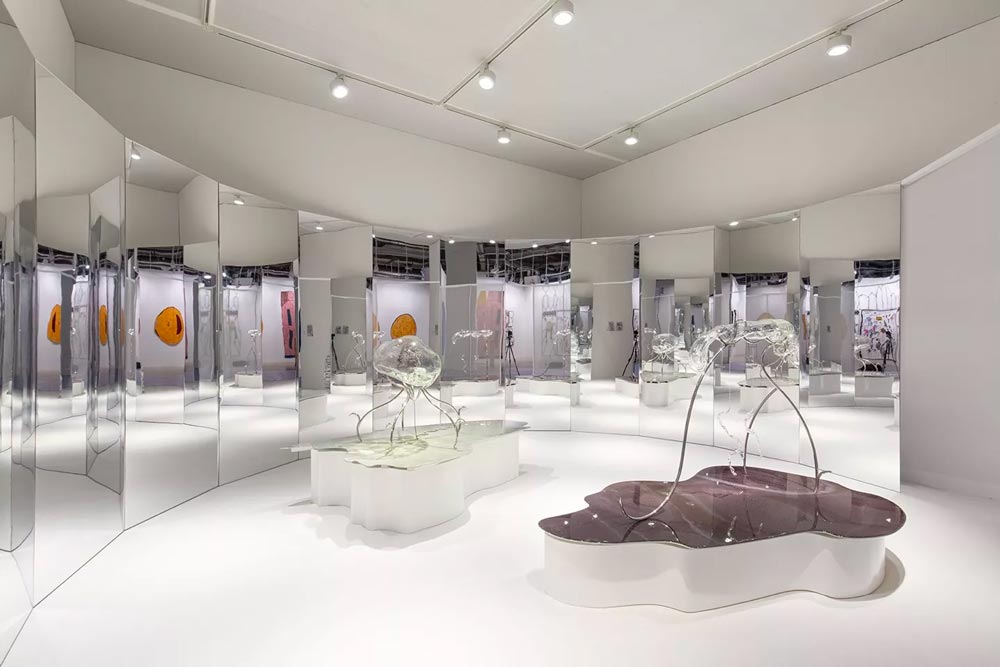
view 《TAXIDERMIA》 at N/A Gallery © Omyo Cho
Images are born alongside death. A person doesn’t become a hero
because they die young; only those who die young can become heroes. Death
leaves behind purity; life, only disgrace. The image appears the moment the
real disappears. And because the real has vanished, the image becomes
unchanging and eternally preserved.
Art is no different from taxidermy. We say art transforms reality
into images. We say the essence of life is distilled in art. But just as
roaring isn’t the essence of a tiger, art does not contain the essence of life.
We merely believe it does. Through art, we convert life into images. People
dream not of the tigers languishing in zoos, but of a wild tiger roaring in a
place they’ve never seen. Yet that dream is nothing more than a dead ideal. We
may sing praises of life, but in the end, only what is dead holds real meaning.
In response, the artist turns to the alleys of printers
surrounding their studio and takes notice of the same objects discarded each
day. These reusable and replicable dead things are summoned back into the world
through the gesture of taxidermy. As such, these murdered objects reappear in
the exhibition both as embalmed images and ornamental artifacts. Through these
installations, the artist reveals how artistic practice hovers between acts of
embalming and presentation.
The artist collects dead materials, buries them in
clay and burns them, prints them onto paper, and enshrines them within the
exhibition space—a ritualistic performance that interrogates long-standing
practices of mourning and record-keeping. The gathered objects are taxidermied
permanently by the artist and embedded throughout the exhibition space. These
gestures endow discarded, purpose-made materials with new meanings, pointing to
the possibility of a post-human memory—one belonging to the things themselves.