Exhibitions
《Next Painting: As We Are》, 2025.06.05 – 2025.07.20, Kukje Gallery
June 04, 2025
Kukje Gallery
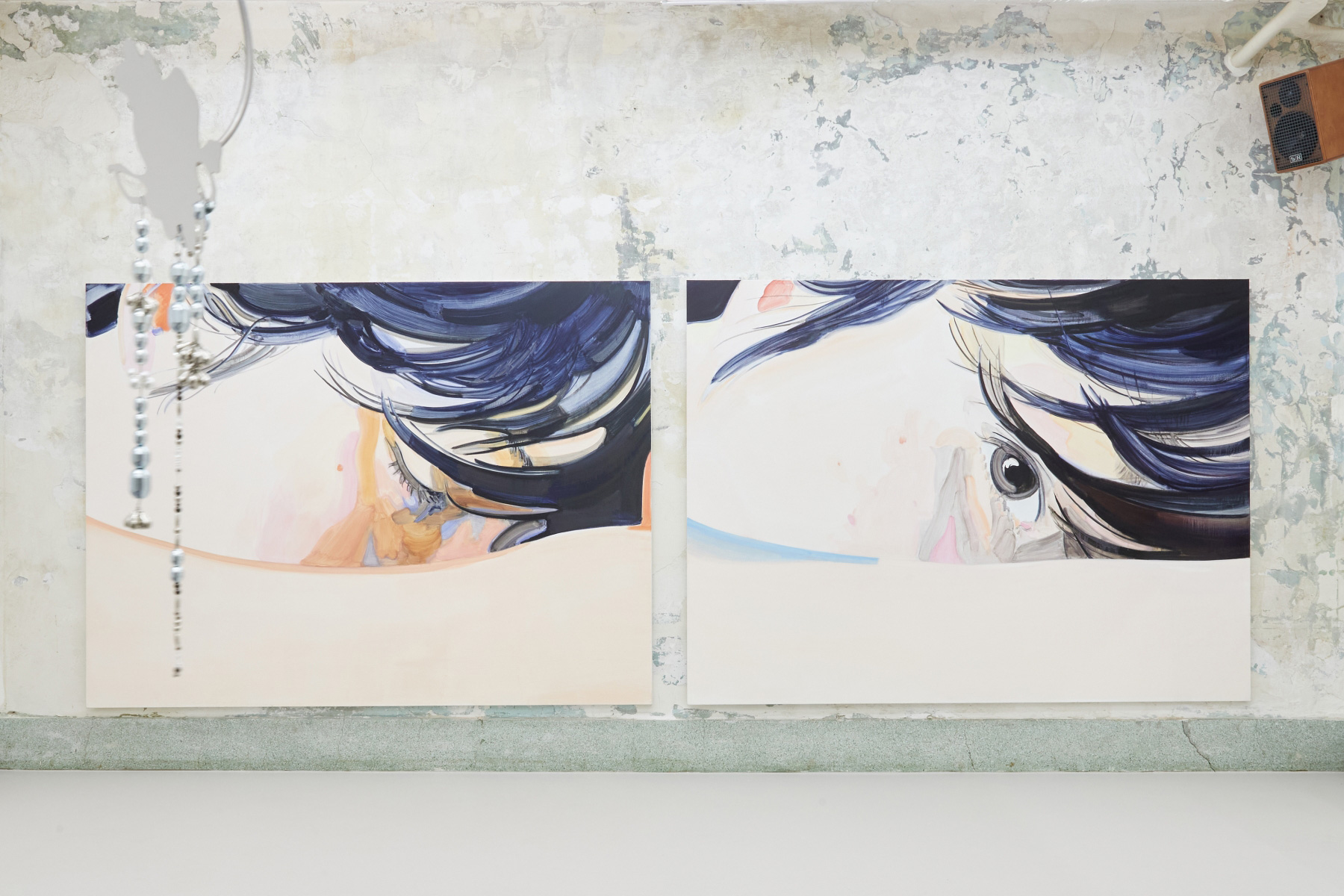
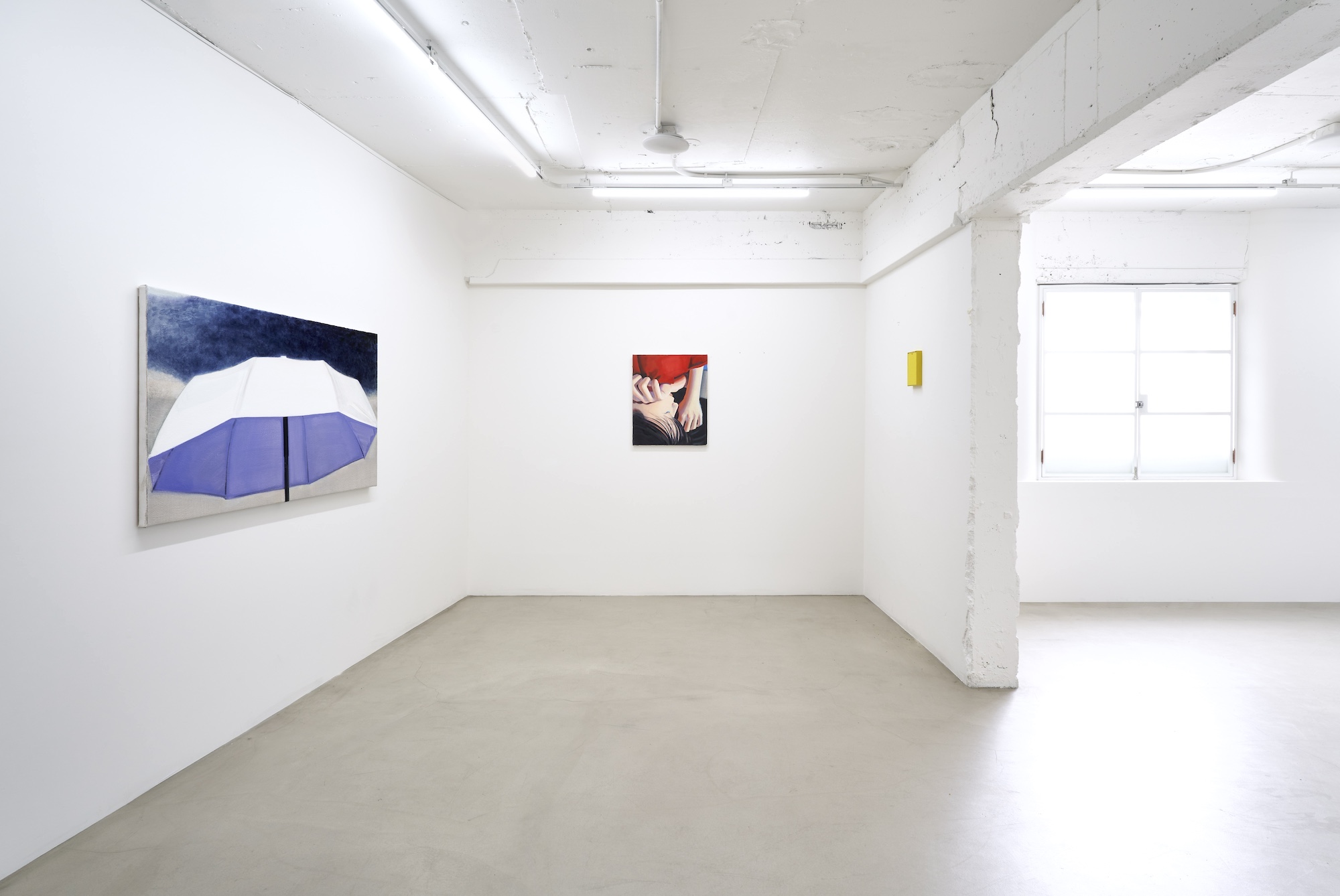
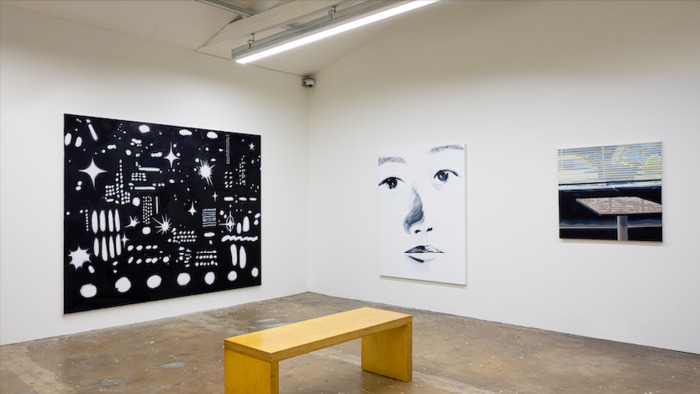
 Installation
view of 《Next Painting: As We Are》 (KukjeGallery, 2022) ©Kukje Gallery
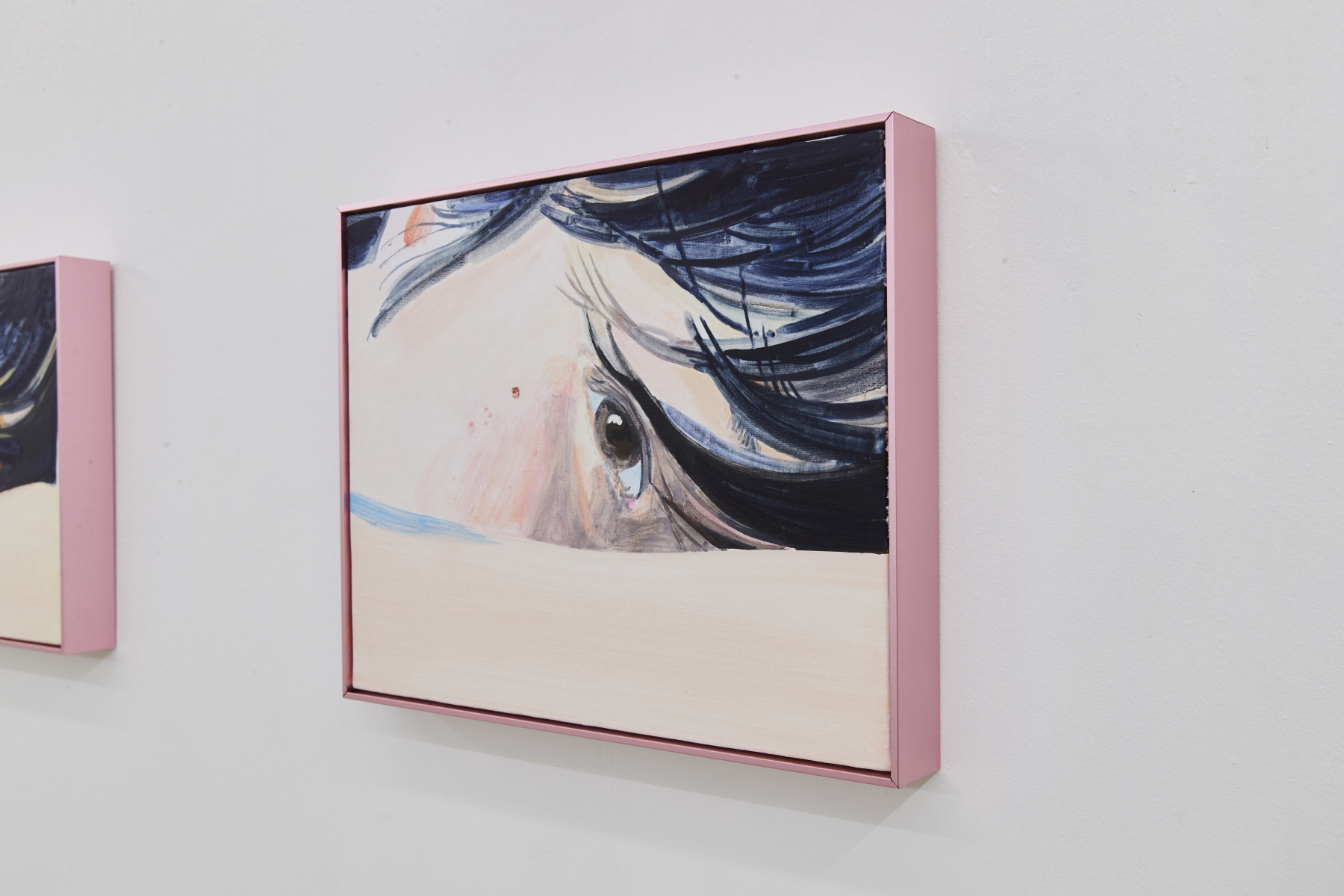
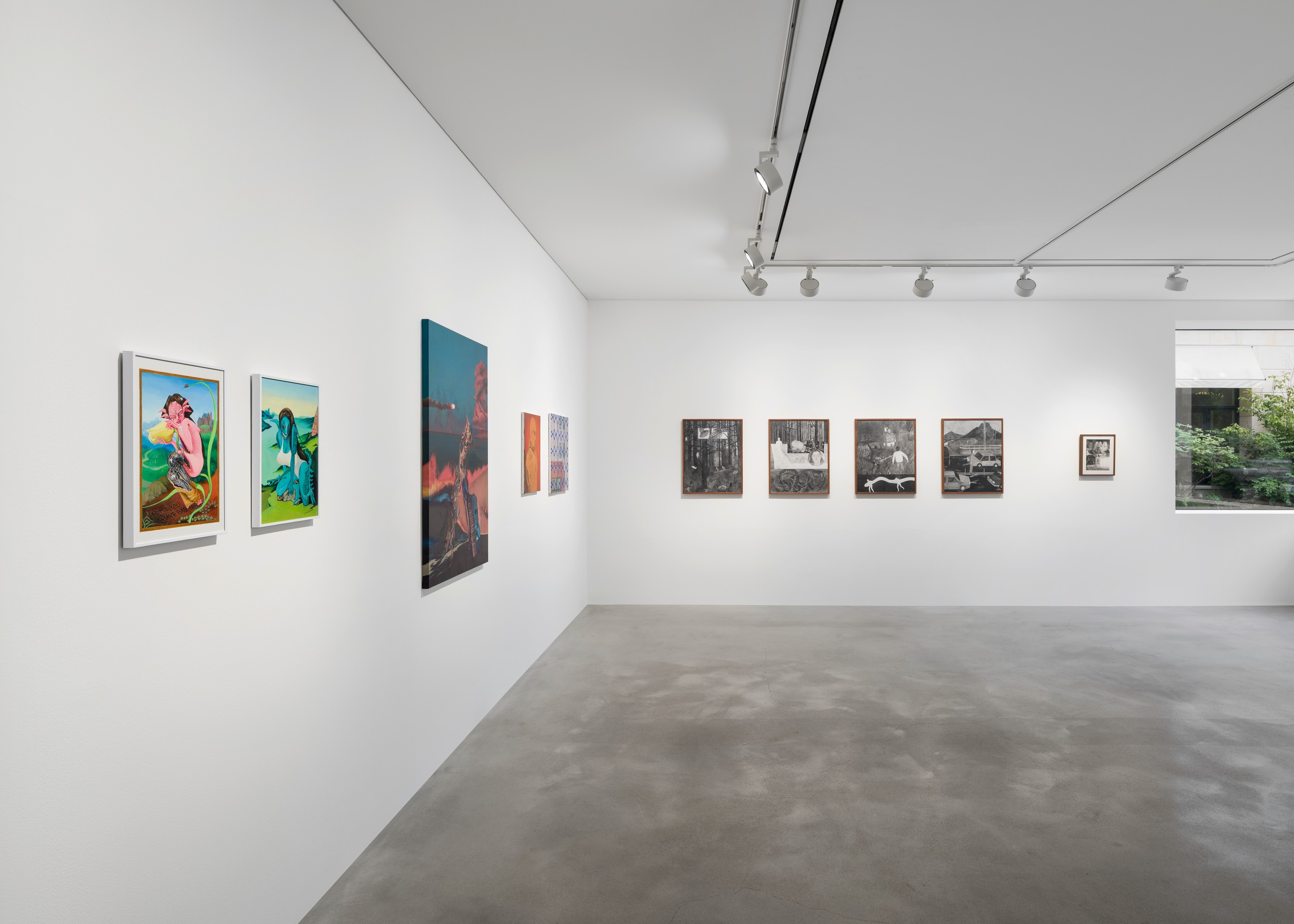
Installation
view of 《Next Painting: As We Are》 (KukjeGallery, 2022) ©Kukje Gallery
Kukje Gallery is pleased to
present Next Painting: As We Are, a group exhibition of young painters at
the gallery’s K1 and K3 spaces from June 5 to July 20, 2025. Next
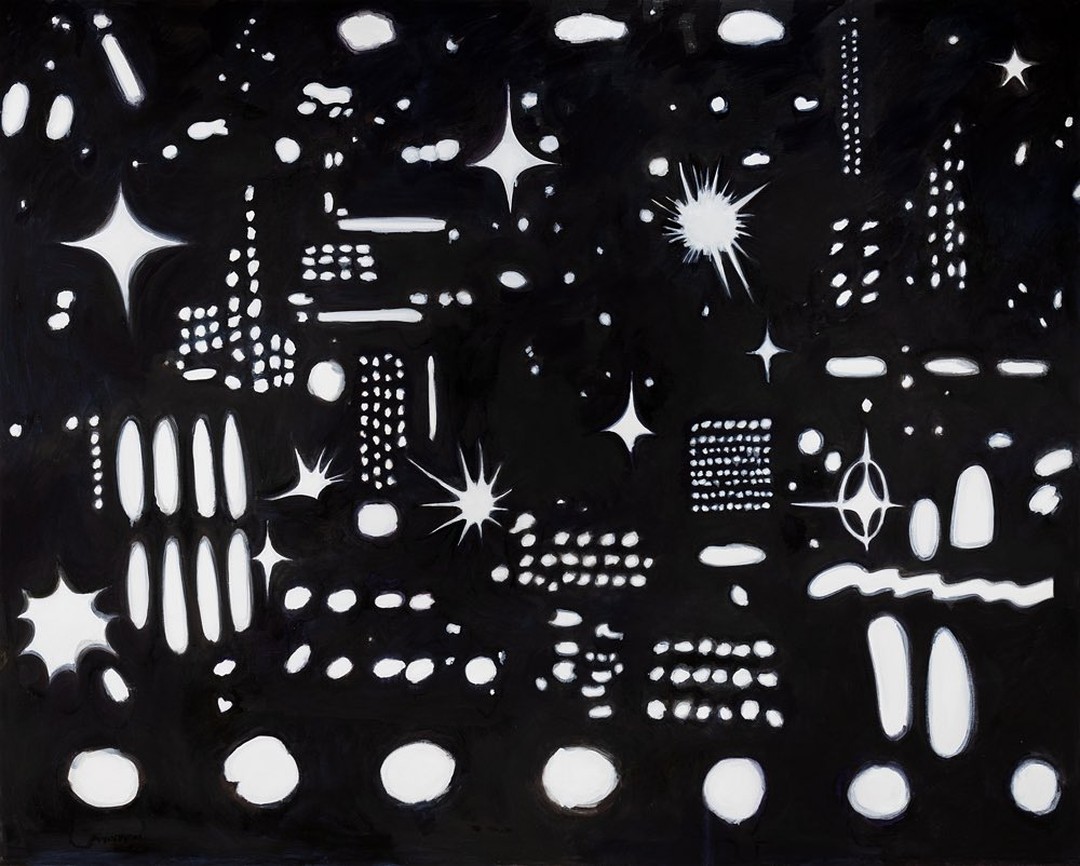
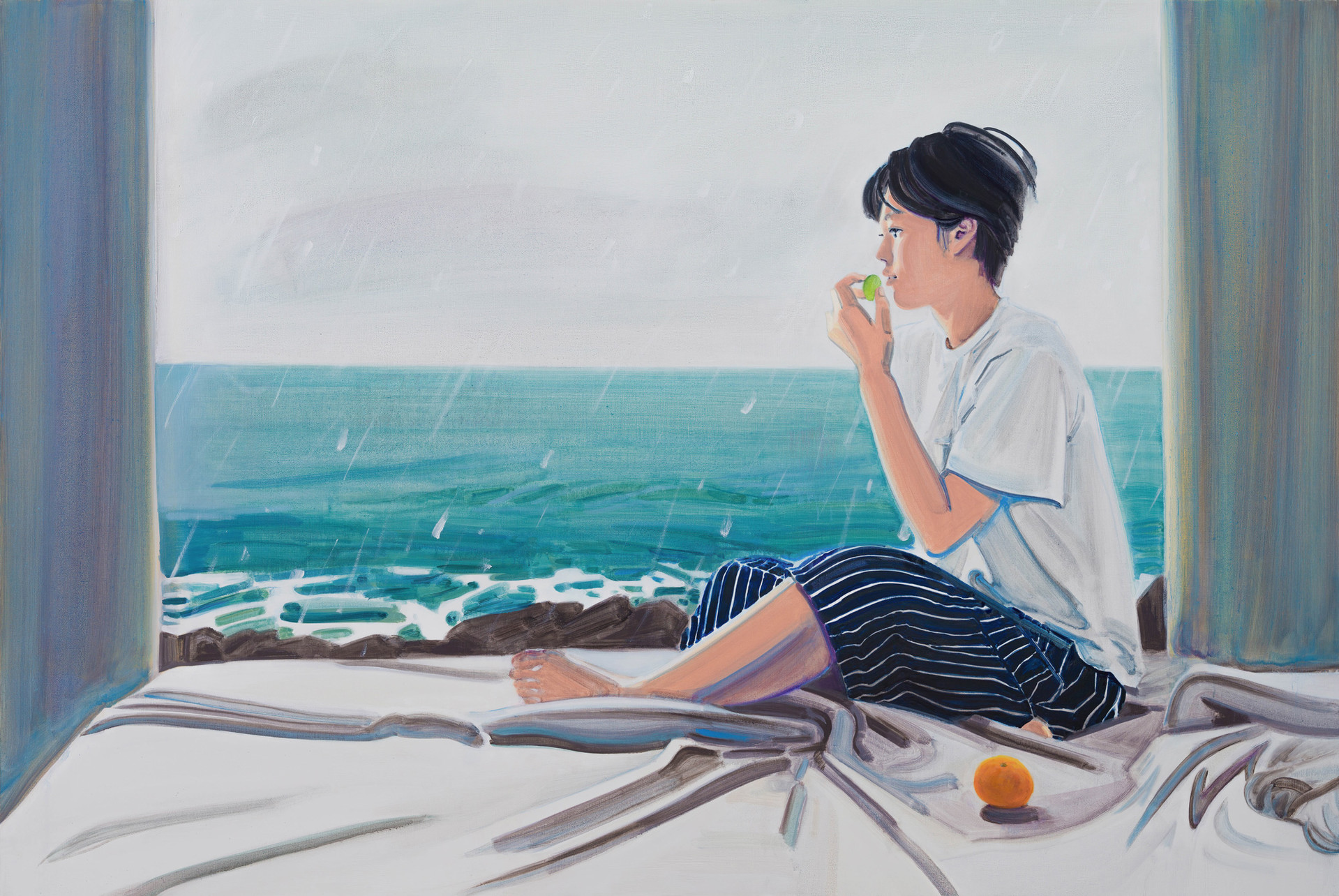
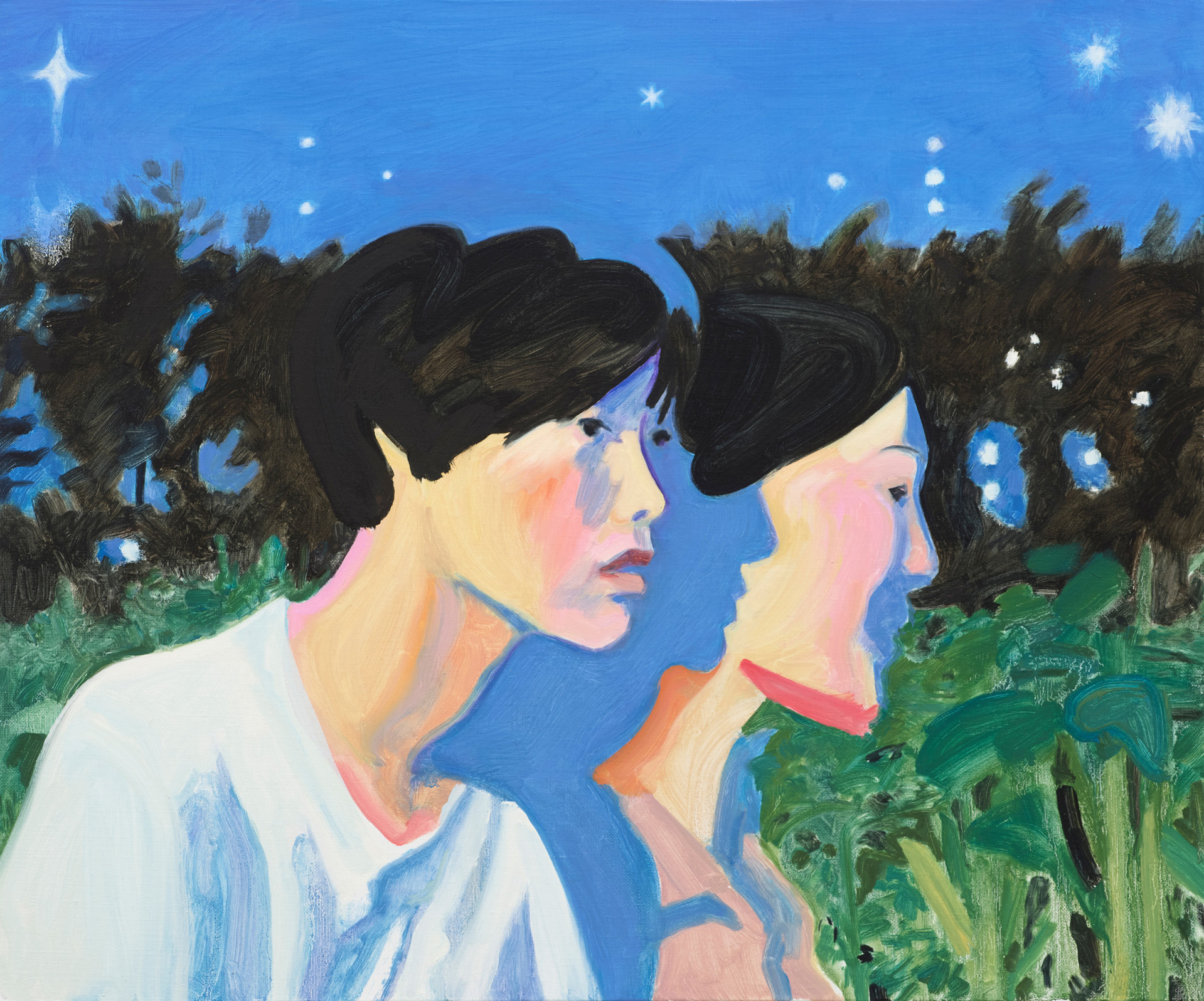
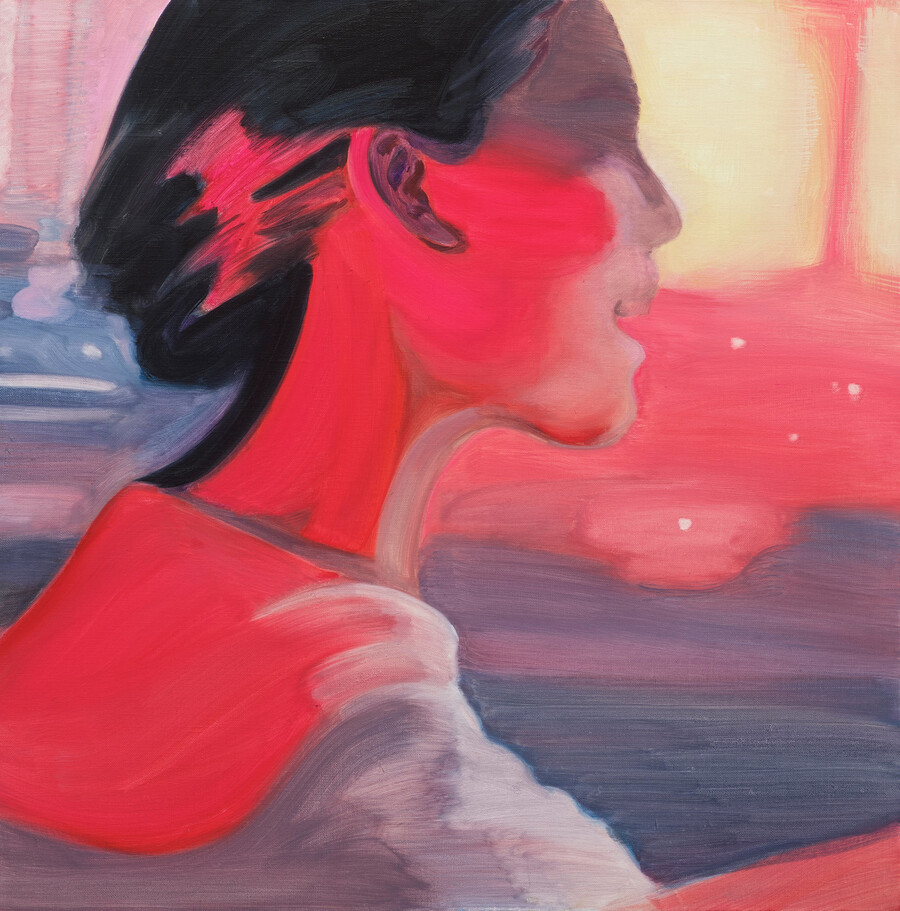
Painting: As We Are aims to assess “painting after painting”—the “next painting”
to come— through the work of six young artists from the millennial generation
(born in the mid-1980s through the mid-1990s): Mackerel Safranski, Seeun Kim,
Sinae Yoo, Eunsae Lee, Byungkoo Jeon, and Yiji Jeong. As digital natives who
naturally embody the media environment and have been shaped by digital
technologies throughout their lives, the millennials keenly perceive and
capture images that promote the speed and immersive intensity of contemporary
life, while also engaging in unique ways with the materiality and historicity
of painting, one of the oldest artistic mediums.
Focusing on how the artists intersect the qualities of images with the
materiality of painting, the exhibition highlights the critical potential of
painting in an age of visual excess. By offering points where the visual
experience of artists who have grown up in the post-internet era collide and
converge with painting as object and material, it underscores the enduring role
of the medium in evoking visual and sensory experience of images today.
Ultimately, the exhibition proposes that the “next painting” to come will
counter the acceleration of digital images, persistently championing the value
of material reality and the sensory experience of slowness.
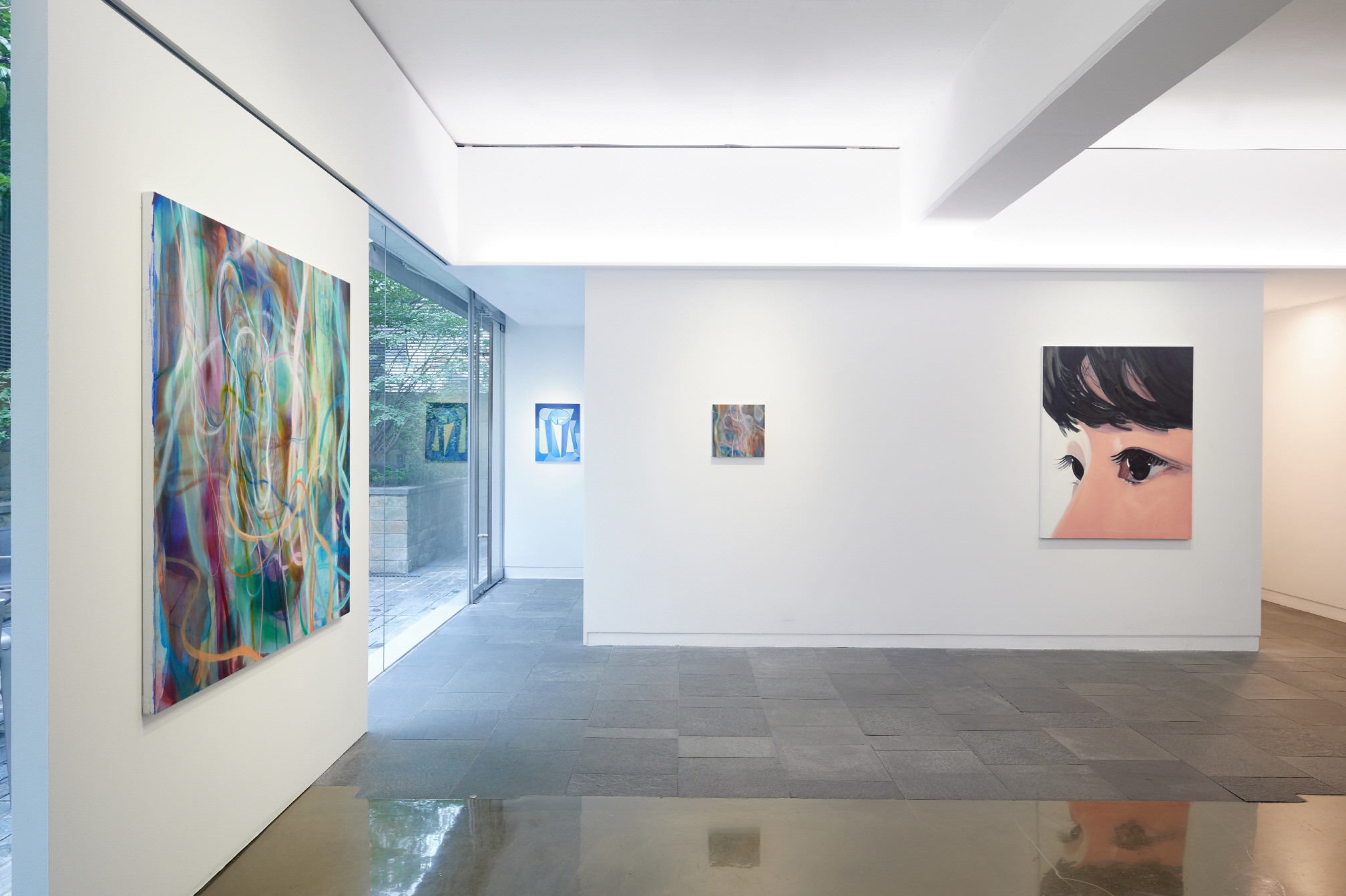
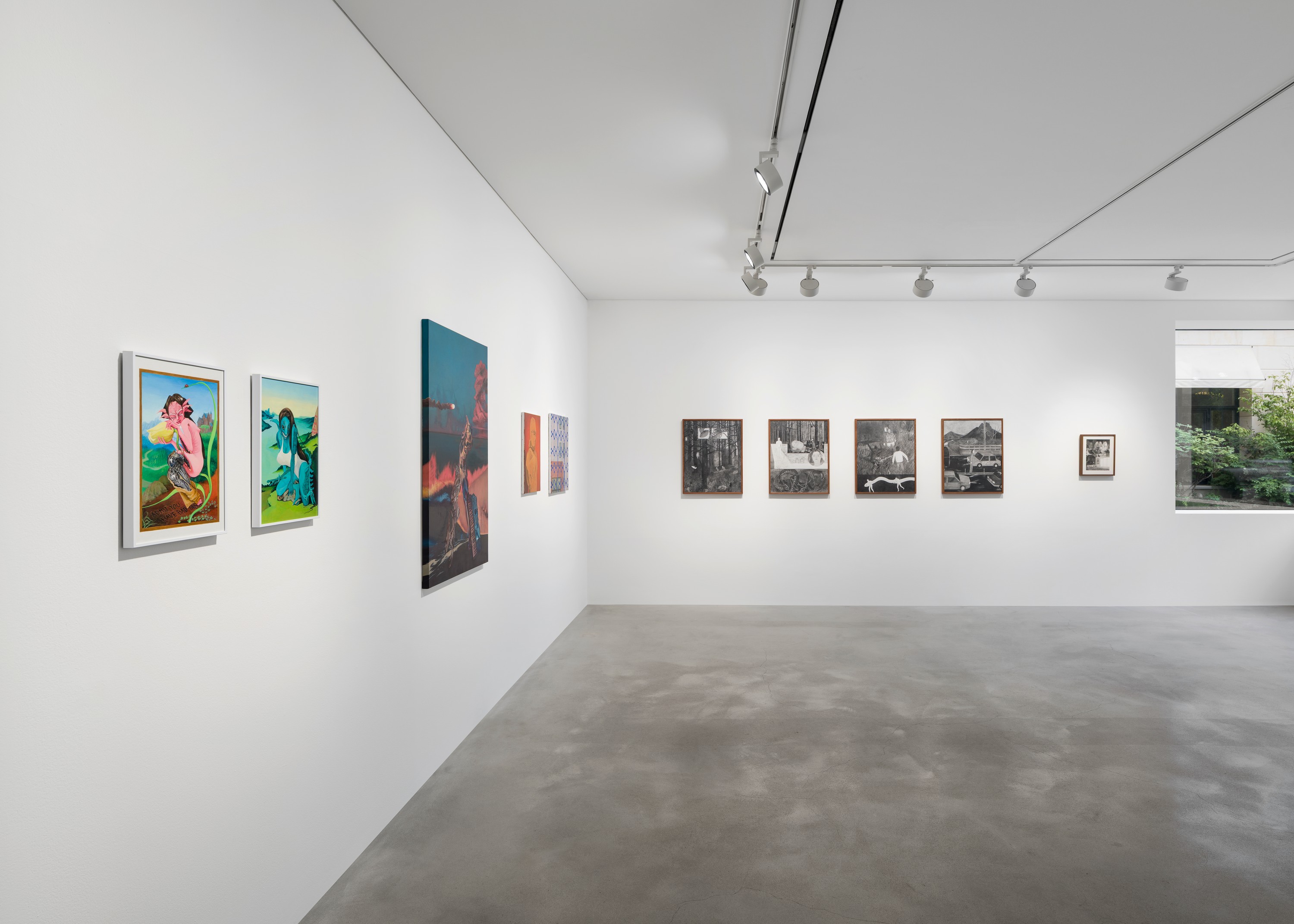
 Installation
view of 《Next Painting: As We Are》 (KukjeGallery, 2022) ©Kukje Gallery
Installation
view of 《Next Painting: As We Are》 (KukjeGallery, 2022) ©Kukje Gallery
As per Hal Foster’s remark that
“[t]oday, many images neither document the world nor derealize
it,” today’s images are more geared towards effects that solicit optical
attraction than remaining faithful to the real. This flood of viral, often
manipulated images reconstructs reality through algorithms and user feedback.
In other words, reality is edited and transformed via a secondary protocol of
aesthetic and consumer economies. In this perplexing situation, the speed at
which images are produced, distributed, and consumed inevitably clashes with
the innate temporality and materiality of painting. The exhibition illuminates
how the tension that arises between these two is reflected in the works of
contemporary young artists.
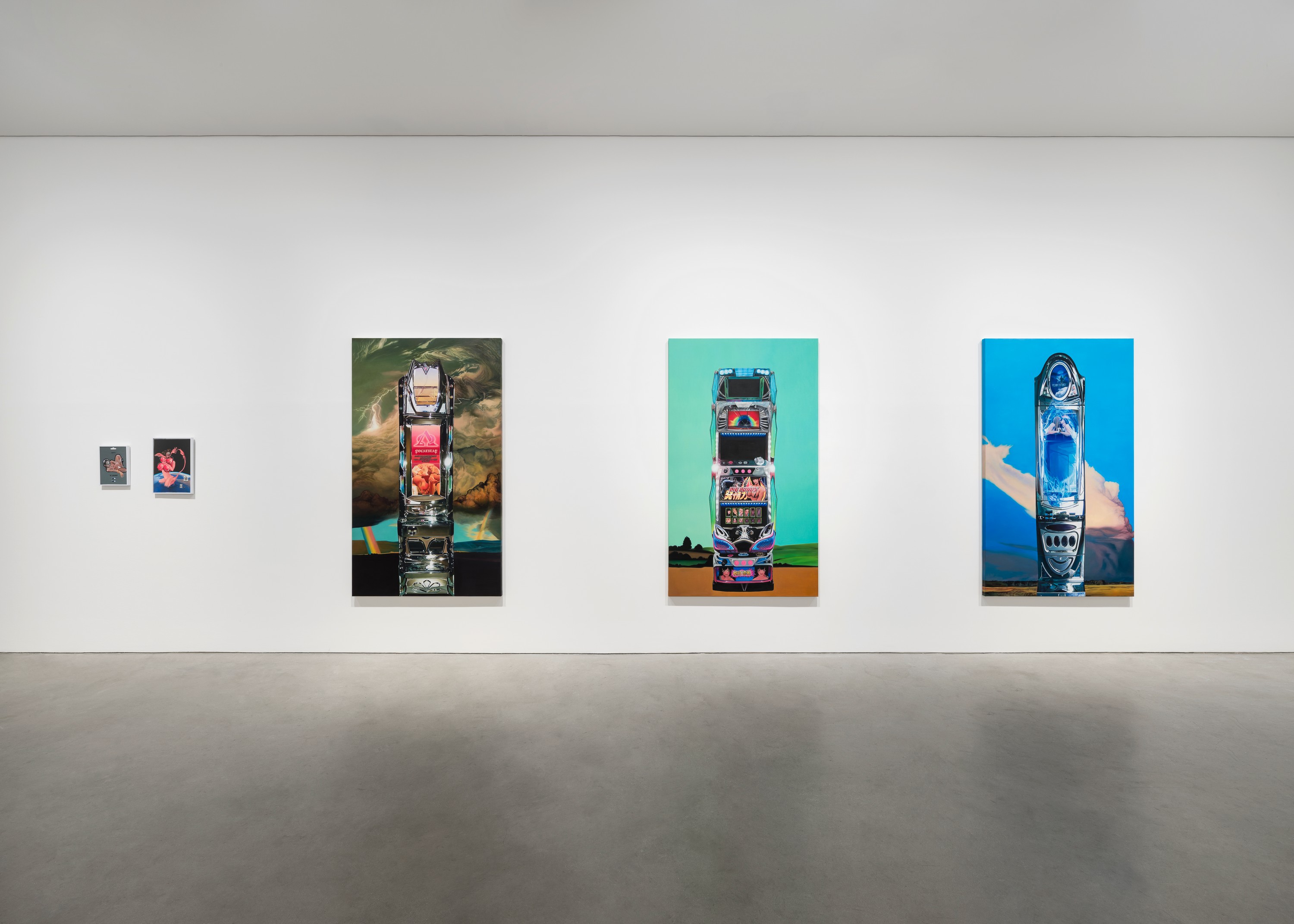 Installation
view of 《Next Painting: As We Are》 (KukjeGallery, 2022) ©Kukje Gallery
Installation
view of 《Next Painting: As We Are》 (KukjeGallery, 2022) ©Kukje Gallery
Additionally, the opposition
between the virtuality and materiality of an image is key to understanding the
painting of the millennial generation. The excess of images produced by
technological development has fundamentally disrupted the methods of production,
distribution, and consumption of art. Having grown up with the experience of
traversing the real and the unreal, digital natives have a contested
relationship with virtuality and materiality, where they are exposed constantly
to an influx of online and offline images whose terms continuously shift. But
at the same time, the virtual both references and imitates the real
world, operating as a quasi-material media.
The meaning of the virtuality of
the image here is not limited to its liberation from material constraints; it
can also refer to its disguise, as though it were material. The quality of
virtuality, while opposing that of materiality, is a dependent property of
materiality in that it always exists in relation to this other pole. While
the painting of the millennial generation is strongly influenced by digital
image, the final result presented to us remains as a physical object and form.
While contemporary images can take any source as a reference point—thereby
flexibly moving from one image to another—painting is definitely a challenge
premised on a huge material constraint.