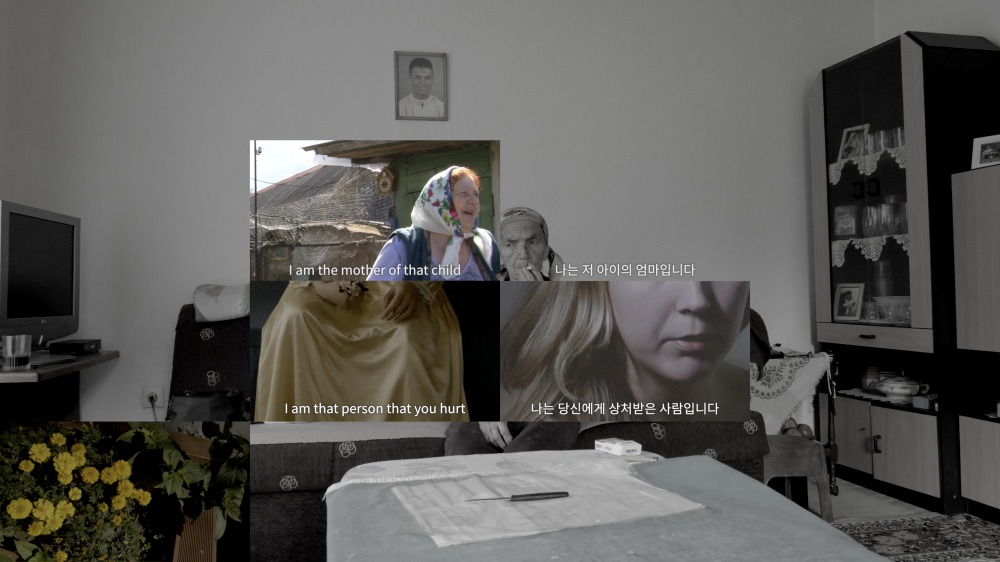
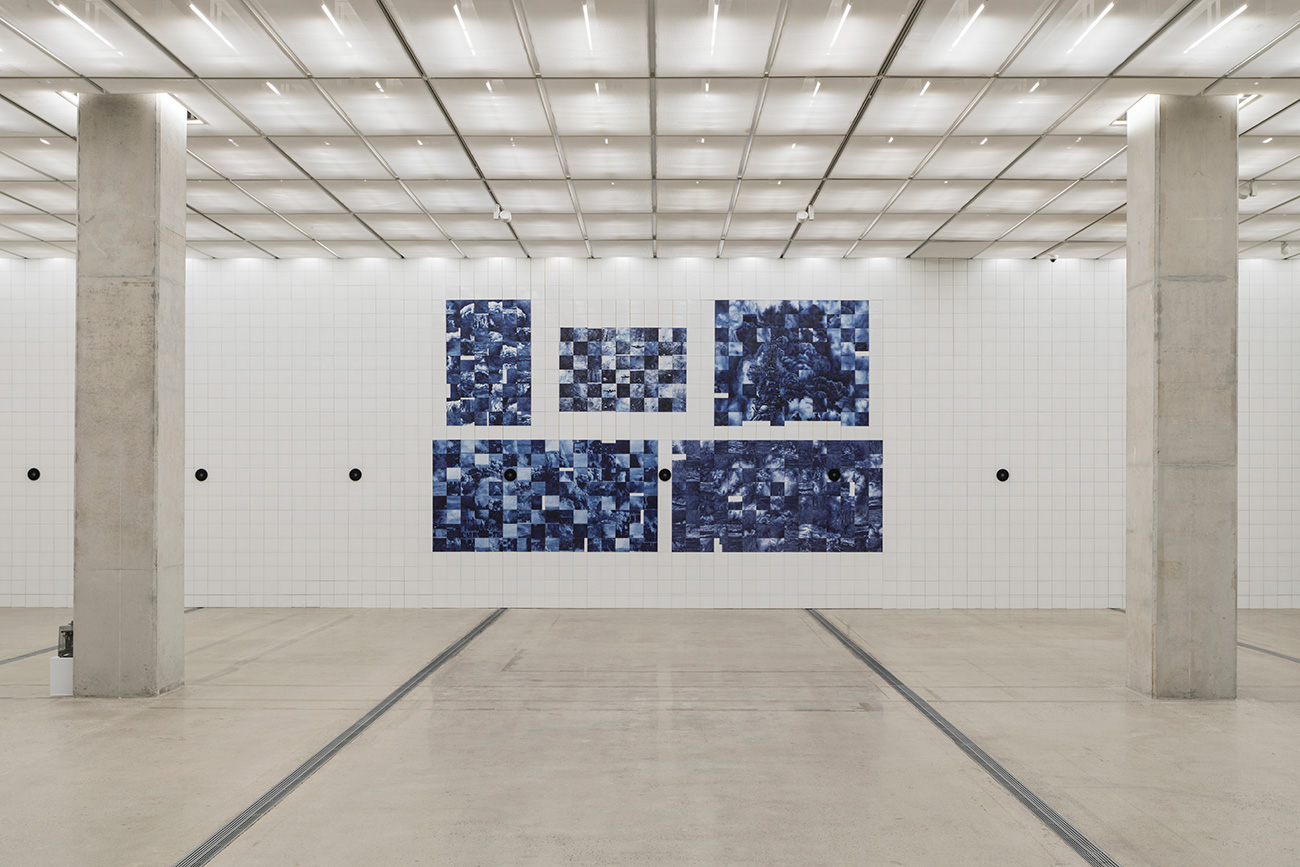
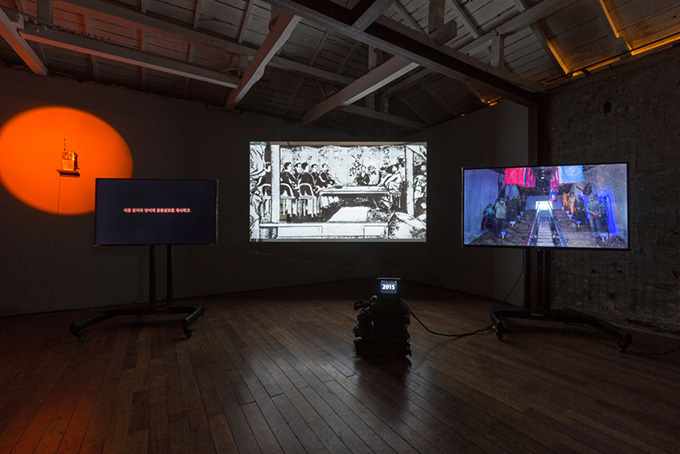
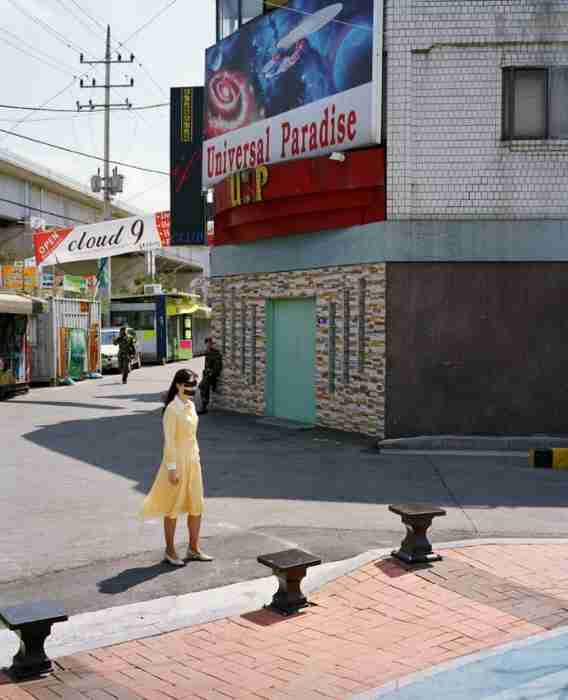
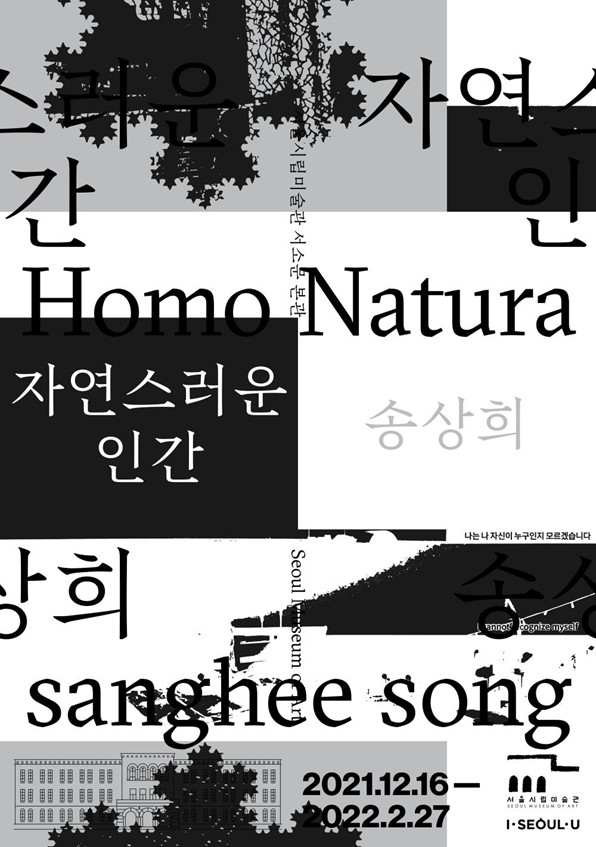
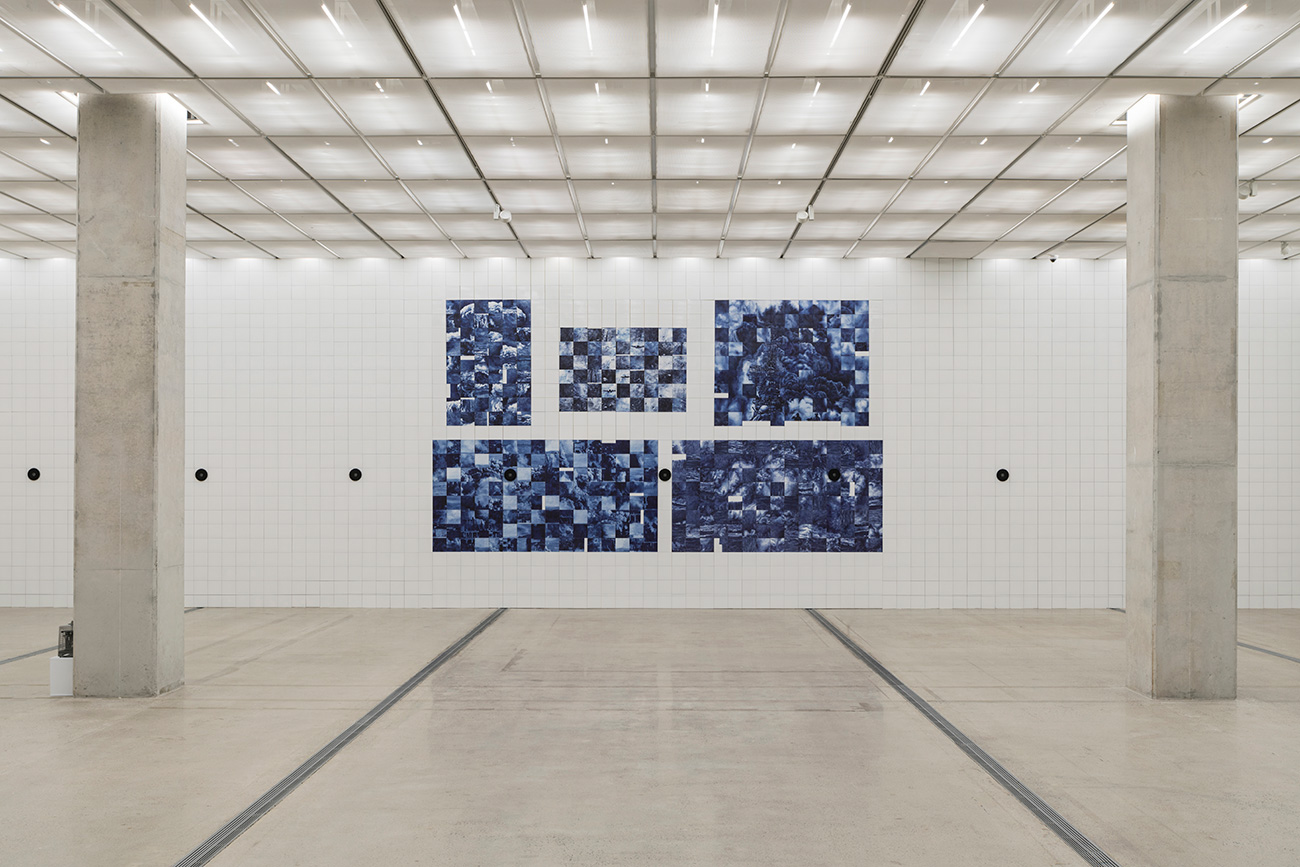
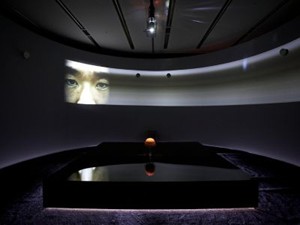
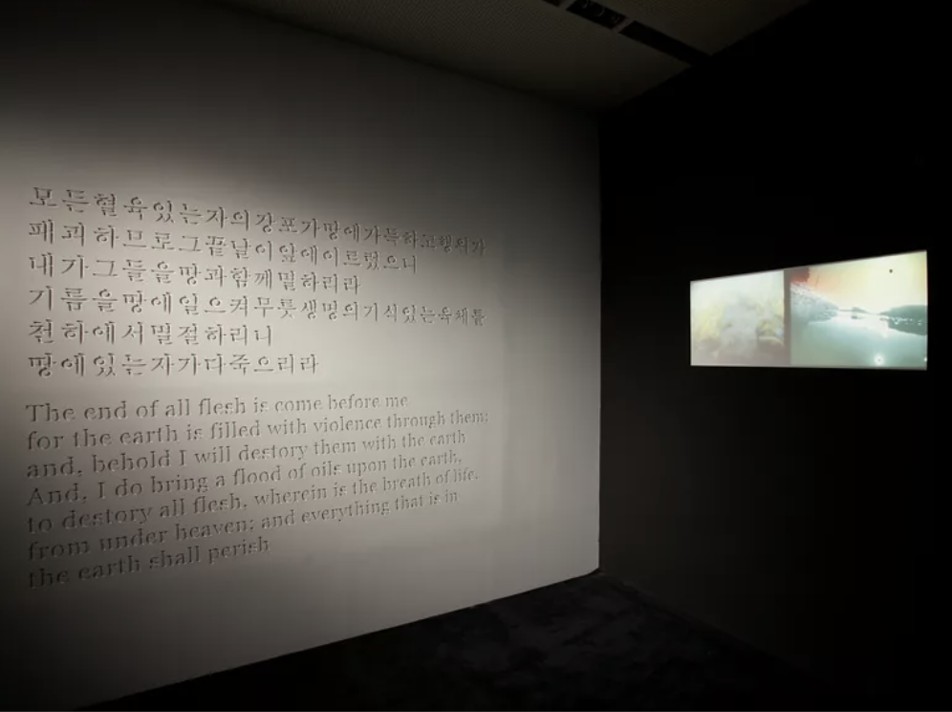
《Homo Natura》 is a solo exhibition of
the media artist sanghee song (b. 1970). The exhibition presents six new works
commissioned by the Seoul Museum of Art, along with a work that has not yet
been shown in Korea. The artist embraces various forms of media and builds her
own visual language that unfolds contradictions of modern society inside a
delicate narrative structure. The artist collects and studies various forms of
literature such as myths, media reports, and historical records, and visits
sites where these past traces remain. Based on the research, she has carried
out aesthetic experiments that fuse different genres such as music, drawing,
and literature into video works. Each reference has been woven into
horizontally dense creative narratives suggesting open endings, and they
gradually expand into larger narratives throughout her oeuvre.
In an era of
media convergence, how the artist builds her narratives intersect with a method
of transmedia storytelling, wherein a narrative becomes more creatively
enriched when it is divided and unfolds and is re-integrated again through
various platforms. Furthermore, the artist can be regarded as
a digital quiltmaker; her art practice is reminiscent of the process of
overlaying colorful pieces of fabric sans hierarchy or a careful sewing which
sublimates them into handicrafts with unique patterns and beauty.
For
the past 20 years, sanghee song’s body of work, which has examined the origin
of the dark sides of life through literary research and field exploration, has
encountered several turning points. Her early interest in various women’s
images in Korea soon extended towards other aspects of society, the nation
state, and even the larger world to which they belong, illuminating the life
alienated from social conventions, hierarchies, wars, colonial views, and
capitalism. The artist, who has engaged with the voices of forgotten beings,
brings up the topic of homo natura and carefully, yet actively, tries
to initiate a conversation. The title of this exhibition is a quote
from Beyond Good and Evil by Friedrich Nietzsche. Nietzsche
criticized the absolute dualism represented by the notion of good and evil, and
said “the terrible basic text of homo natura must be recognized even
underneath these fawning colors and painted surfaces.”
Since
some time ago, we often witness contradictions that our society does not try to
understand each other, but only pushes personal stance further through coercion
and sophistry. For those of us, humans, subjected to the world of infinite
competition called neoliberalism, standards such as good and evil, sameness and
difference, truth and falsehood seem clear at first glance, but in reality, an
individual’s multifaceted human nature is intertwined in complex and subtle
situations. 《Homo Natura》
is organized to reflect on humans by returning to this
“terrible basic text,” in order to gain clues for our coexistence. At the same
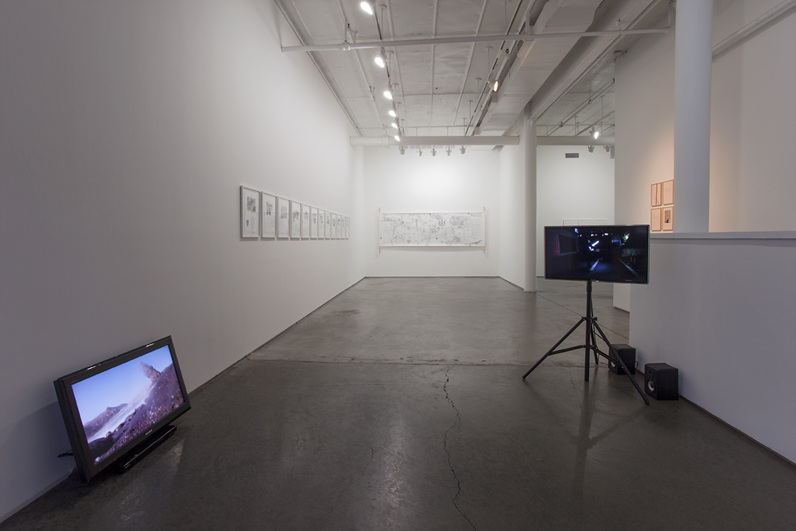
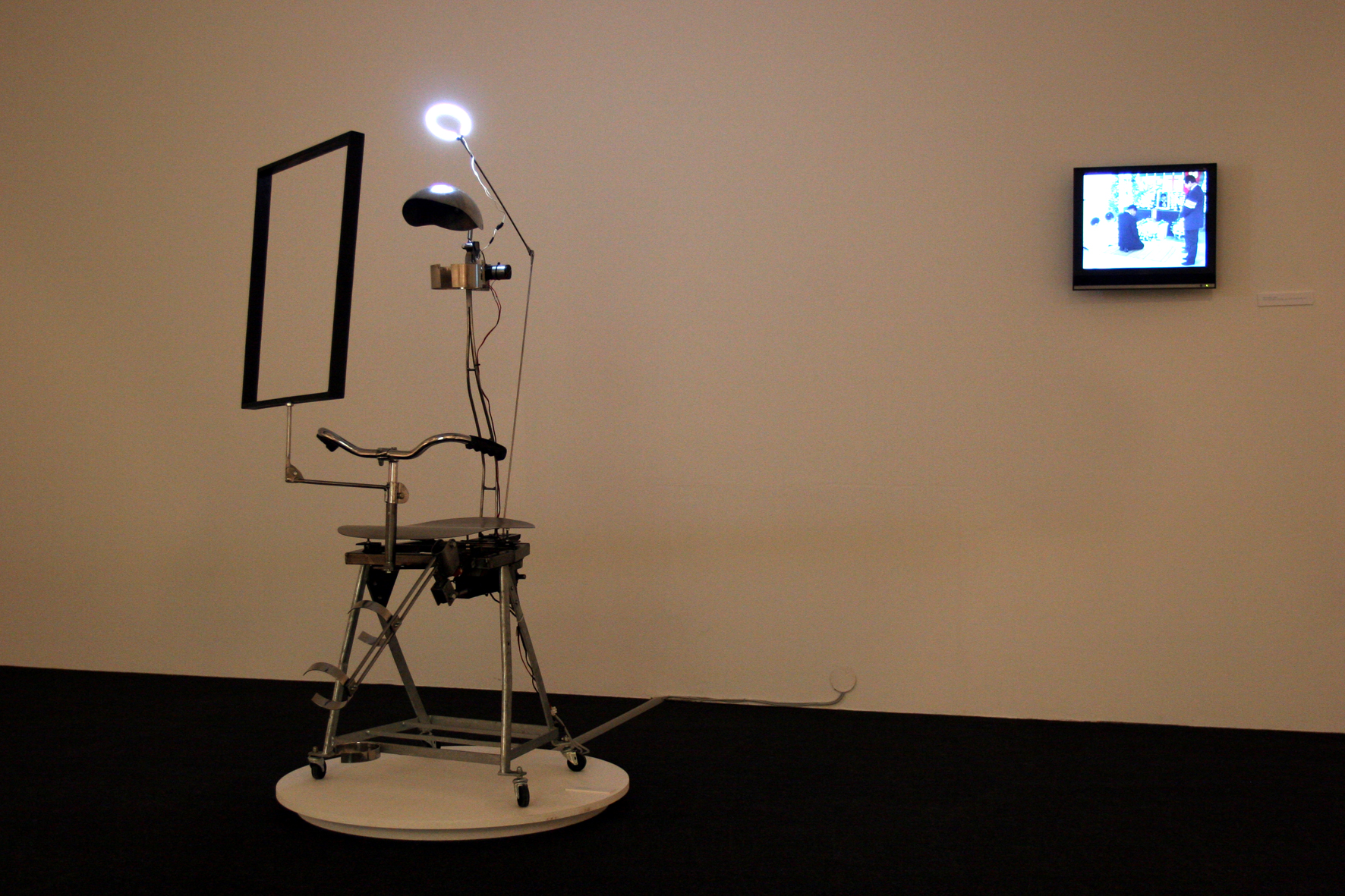
time, the exhibit leads the audience to glimpse the artist’s new attempt to
form a mutual relationship with participants by presenting delicate drawings
and objects, along with various filming devices and media. This imparts an
artistic message that transcends the boundaries of media and provides an
opportunity for viewers for active communication.