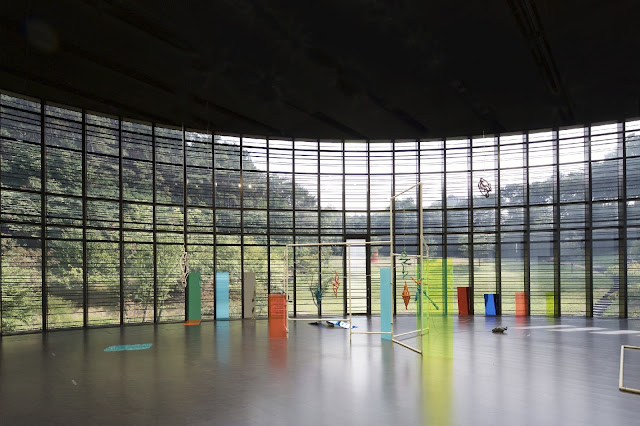
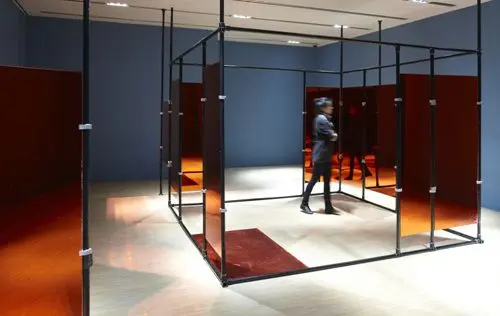
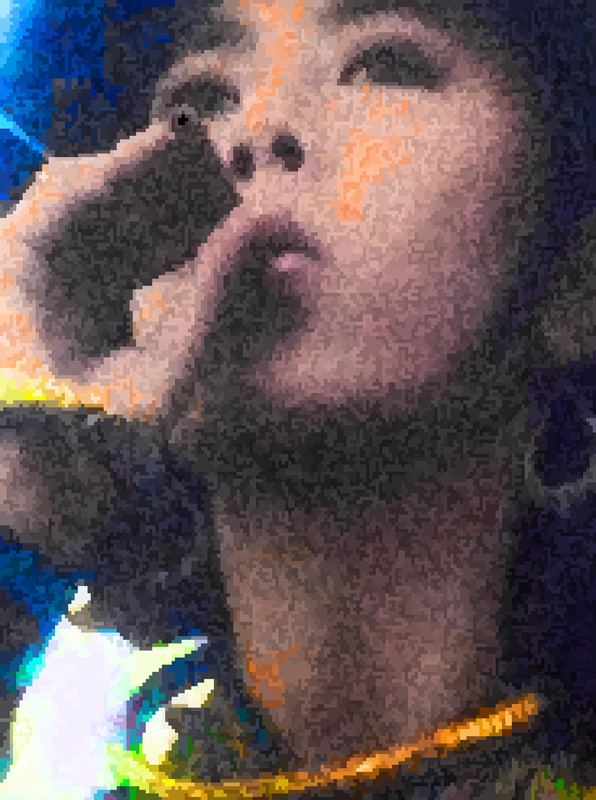
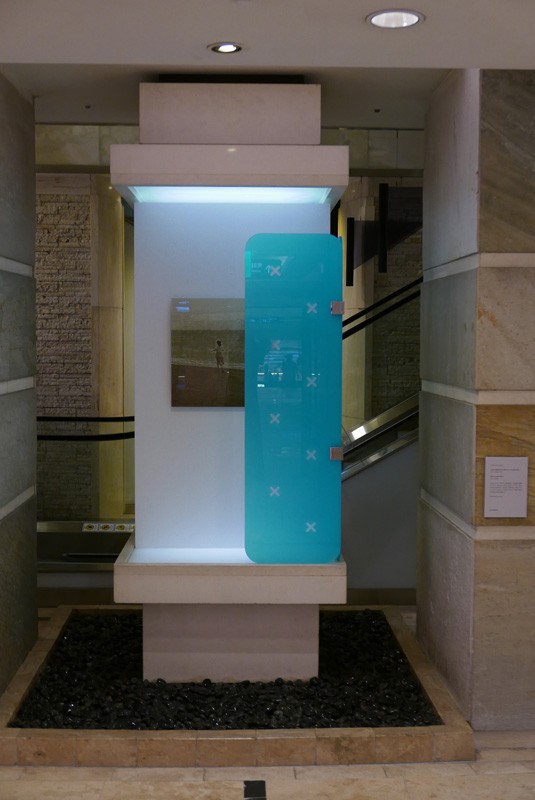
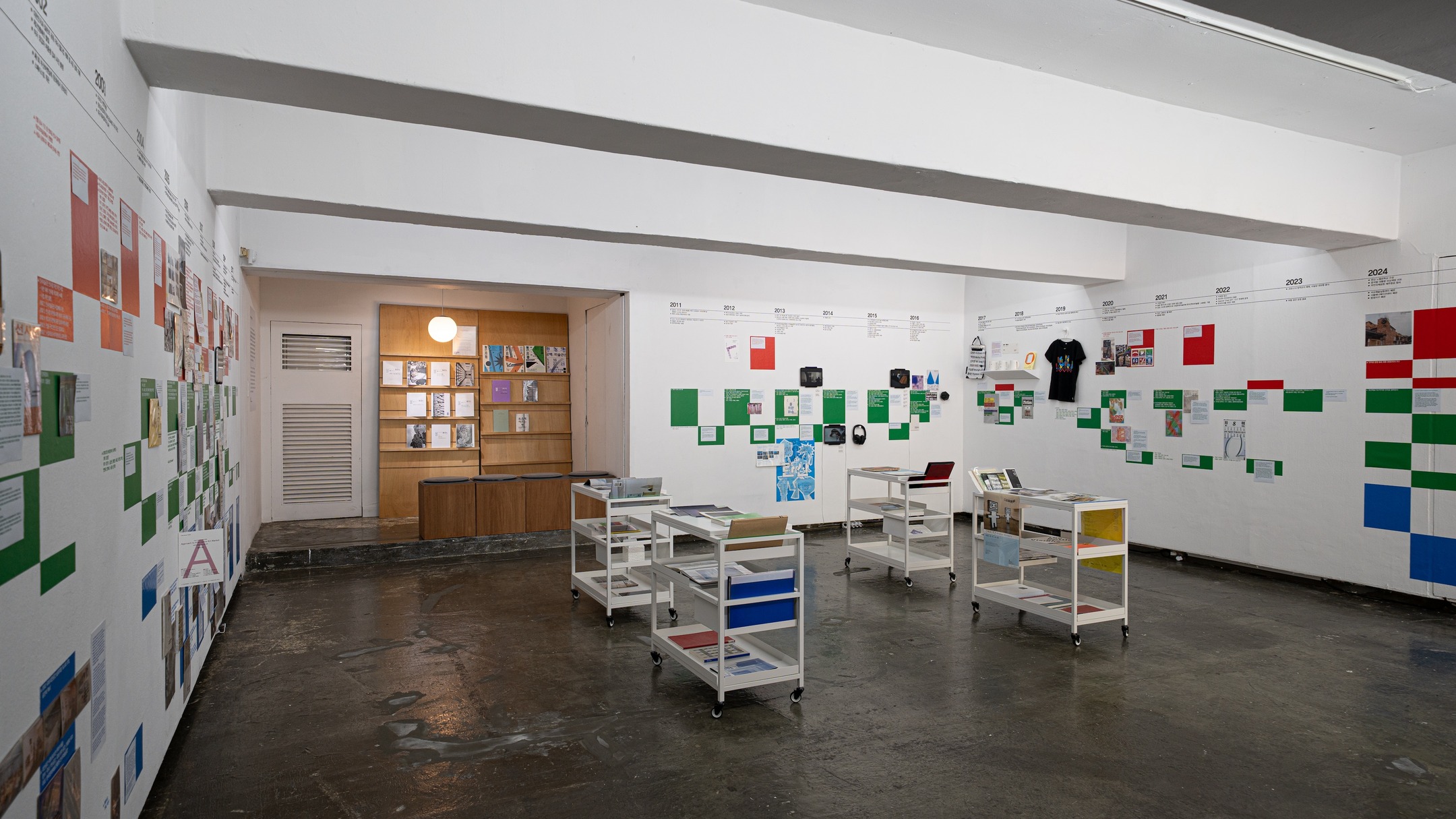
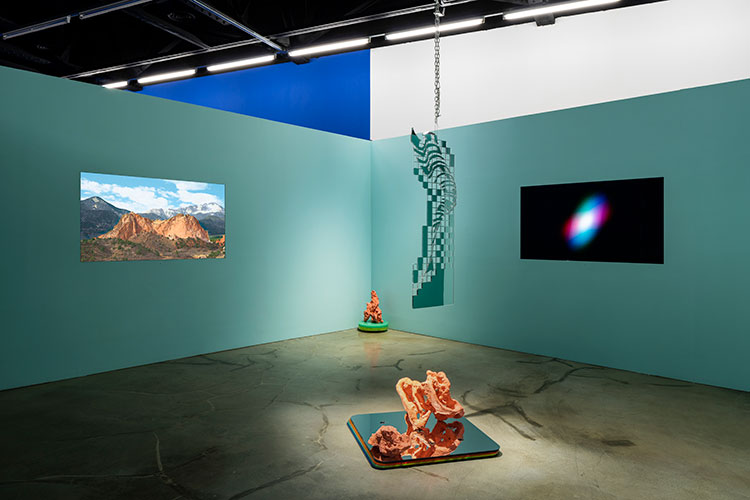
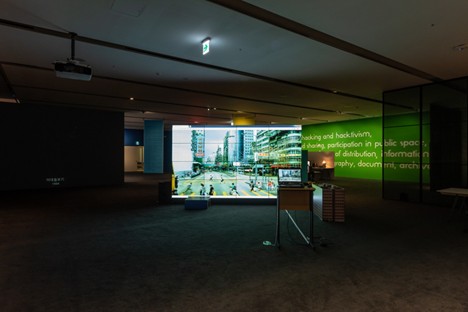
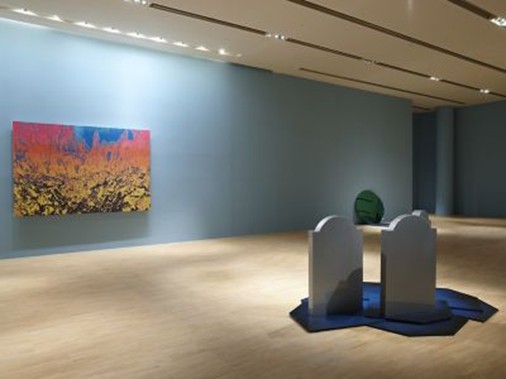
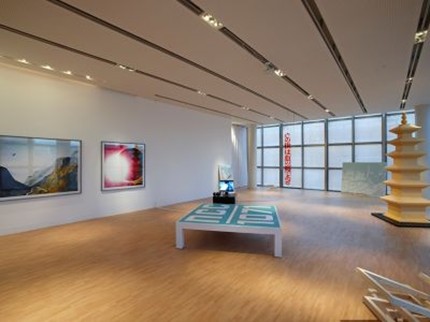
《SUMMER CINEMA : Rho Jae Oon Project in Avenuel》 is a collaborative project between the artist and Lotte Department
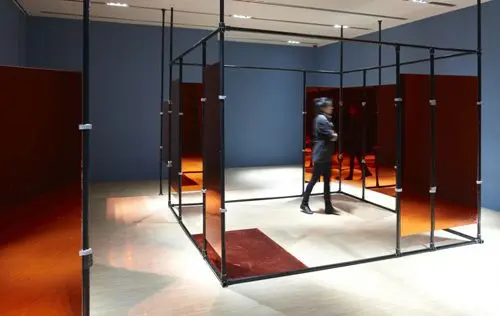
Store Avenuel. Utilizing the entire floors of the Avenuel commercial space as a
stage, the artist reconfigures and integrates various works from his ongoing
series, such as Memory is Low Resolution, VFX (Special Effects), and Aspect
Ratio, scattering them throughout the space. Some elements refer to the
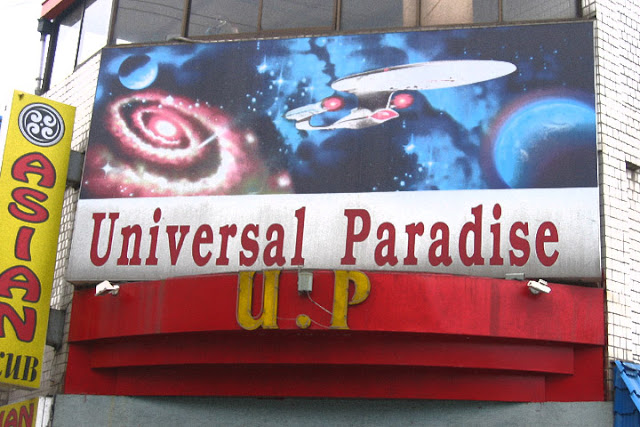
architectural and visual characteristics unique to the department store, while
others are installed with little formal distinction. The project simultaneously
functions as both an exhibition and a spatial installation within a commercial
setting, straddling the line between artistic display and retail presentation.
Commemorating
the centennial of Korean cinema, the project gains added significance by
examining the relationship between film, art, and department stores. In the
20th century, department stores became not only key venues within the history
of cinema but also central subjects viewed through the cinematic lens. Much
like movie theaters, department stores were recognized as places where the
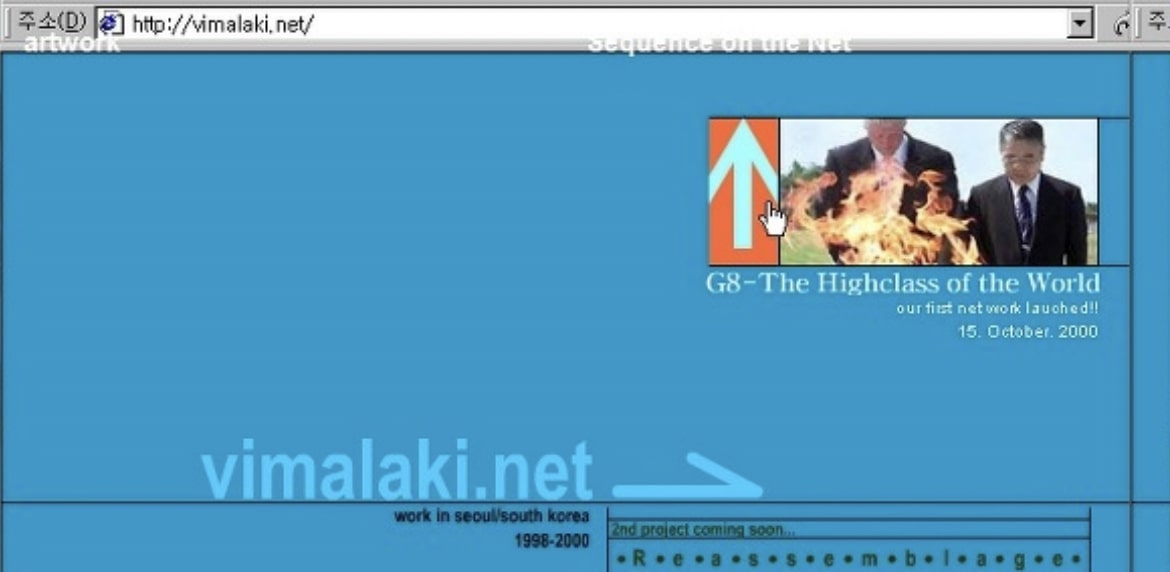
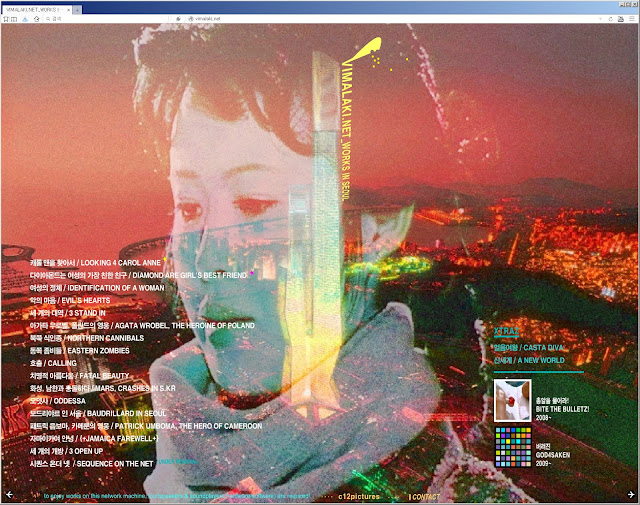
public could indulge in the world of images. The spaces both online and offline
explored by the artist serve as exhibition sites and theaters, but also as
everyday settings in which the media gaze is actualized. From the second
basement to the fourth floor, the department store was filled with images of
men and women drawn from Korean, Japanese, and Chinese films from the 1940s to
the 1980s. Characters and scenes previously overlooked in cinematic narratives
were collected and juxtaposed with contemporary department store imagery,
placing past mass culture side by side with present consumer environments.
Visitors, as flâneurs wandering through this everyday space, are invited to
awaken their own memories, perceptions, and sensory experiences through the
artworks.
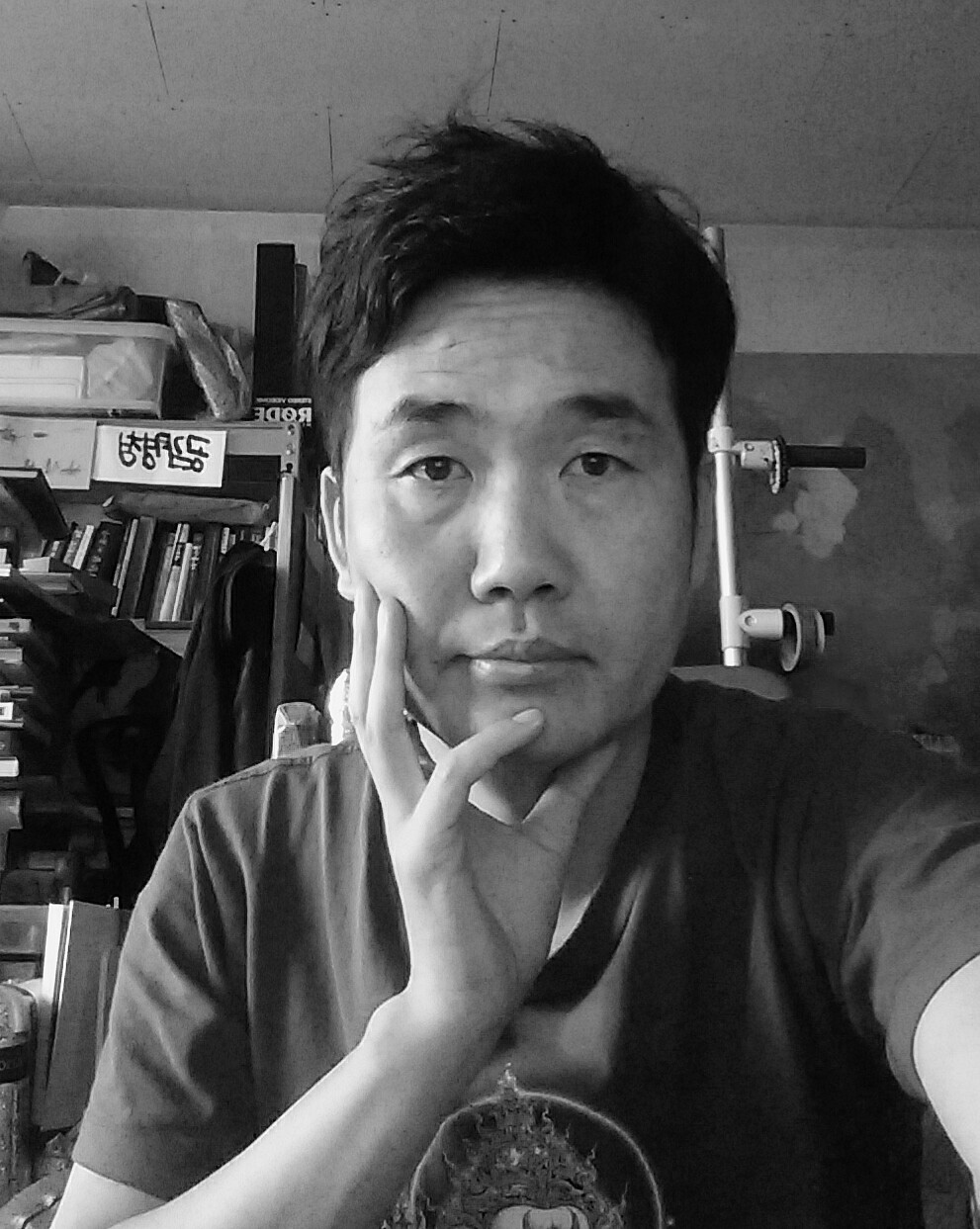
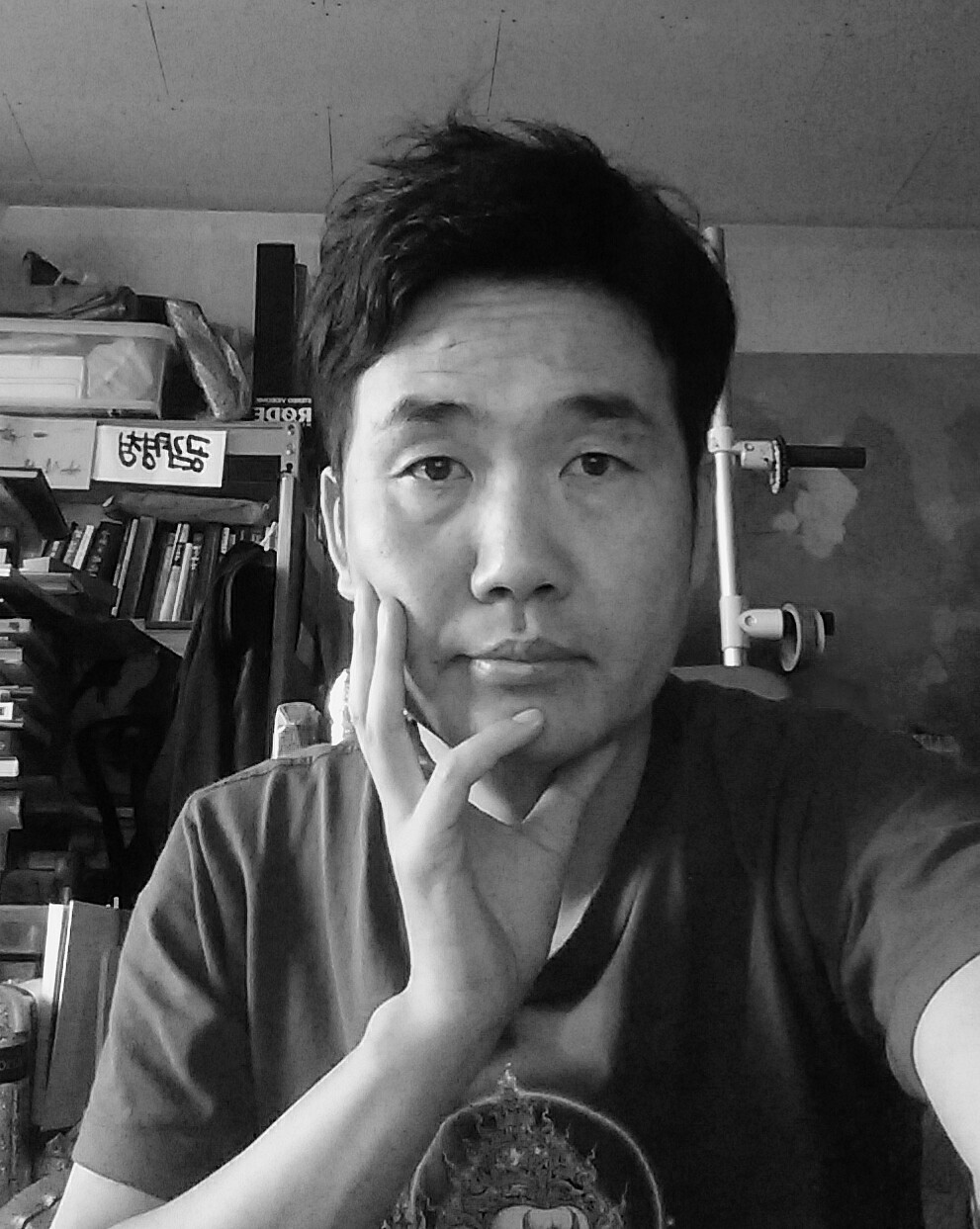
Rho
Jae Oon once remarked, "Of course, I love cinema. This statement is very
ambiguous—I want to make films, but I don't want to use a camera." On the
centenary of Korean cinema in 2019, the media once wielded by filmmakers and
artists as revolutionary tools has been transformed. Now, anyone with a
smartphone equipped with a camera can capture and reflect a world composed of
diverse, overlapping realities. Rho’s work resists fixed spatiotemporal
cinematic structures, instead operating as an interface where past, future, and
psychological states are reconfigured. His films do not mark an endpoint, but
rather serve as launching pads for new beginnings.