In the 1980s, there was a man called Saemol-ajae (meaning Uncle
Saemol) in the rural village where my grandfather lived. I discovered that the
word “saemol was not really Korean, or even derived from Chinese characters,
but in fact connected to “saemaul” from Saemaul Undong, a community- based
rural development project initiated by the Korean government in the early 1970s
(also known as the New Community Movement). It seems that elderly people who
had poor hearing could not understand exactly what Saemaul Undong meant or how
it was pronounced, so they named it based on what they heard. As a result, a
young man who took the lead in activities related to the movement in this rural
village was called by this strange name until he died as an old man.
The years spanned by the grand discourses of history and society
are often contrasted with ordinary and trivial daily moments. We believe that
history is constituted only by particular individuals or certain extraordinary
moments, when in fact a society is a community comprised of individuals and
history is the sum of the accumulated moments of each individual”s life. With
the exception of a few figures, most of us are living lives that will not be
recalled in history, but historical events do pass through and leave their
traces on ordinary people. For all sorts of reasons, the majority of
individuals possess only delayed or restricted access to information about
social threats or sources of anxiety. In consequence, they are exposed to
unexpected dangers, and their lives can turn into situations over which they
have no control.
Shin Jungkyun observes the intersections of grand narratives and
individual lives and records and interprets these incidents from a different
perspective than that of an historian or a sociologist. One of his early works,
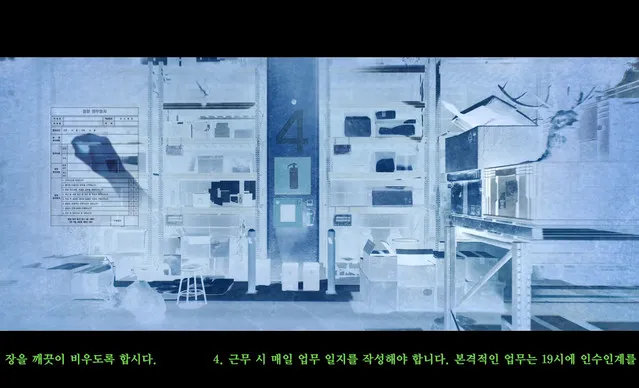
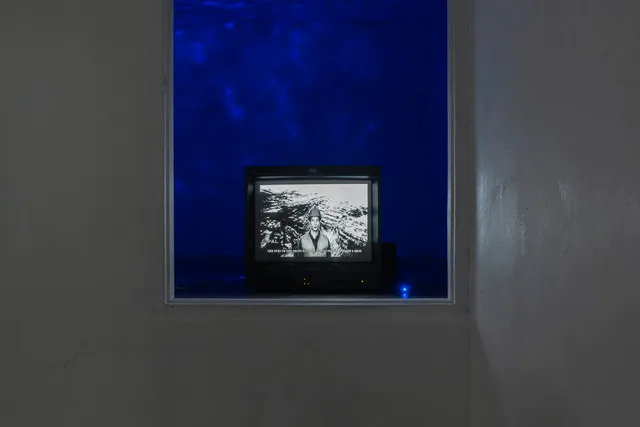
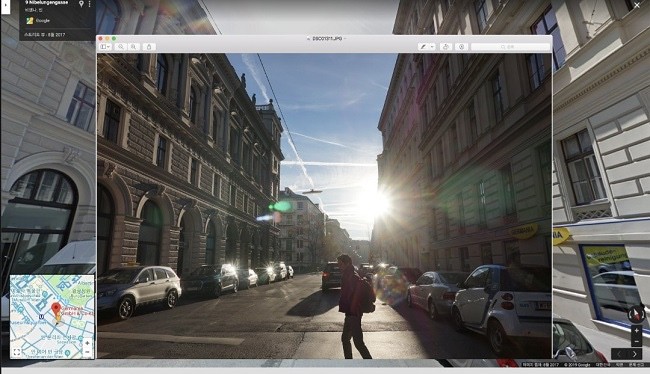
Universal Story (2010) focuses on the artist’s personal
memories from the military service required of South Korean men under the
conscription system. He retraces the route he used to take when returning to
base from the bus terminal. It is the artist’s personal recollections that are
being presented, but they resonate with viewers’ own memories and experiences.
Serving in the military is something that approximately half of the South
Korean population goes through. They find themselves in a situation in which
regional background and disparities in wealth and academic achievement no
longer matter.
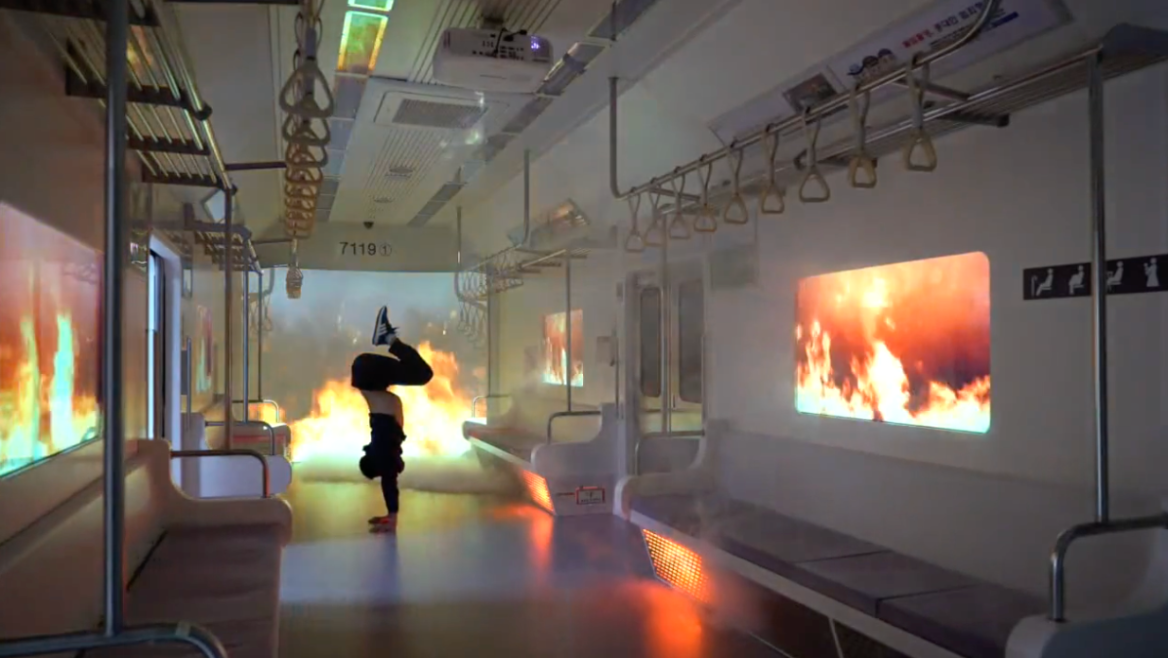
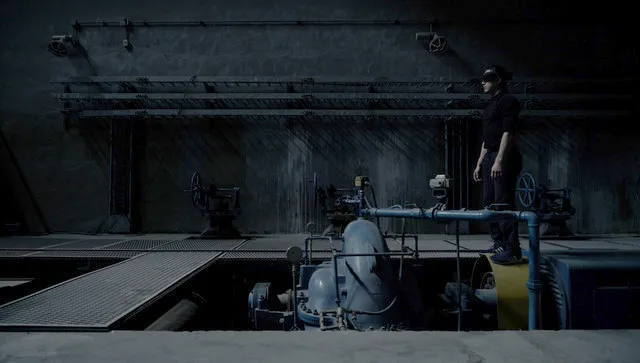
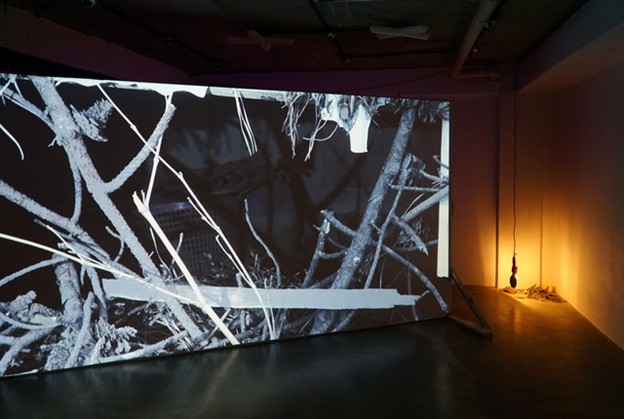
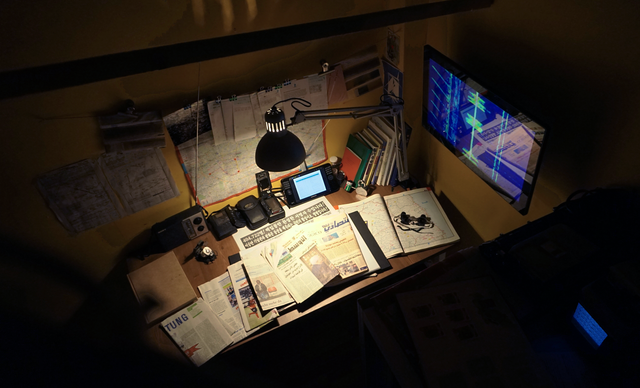
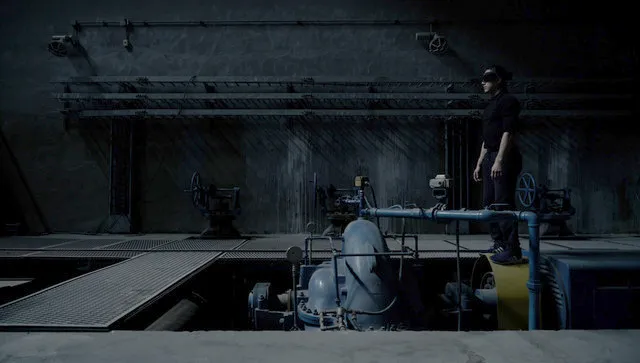
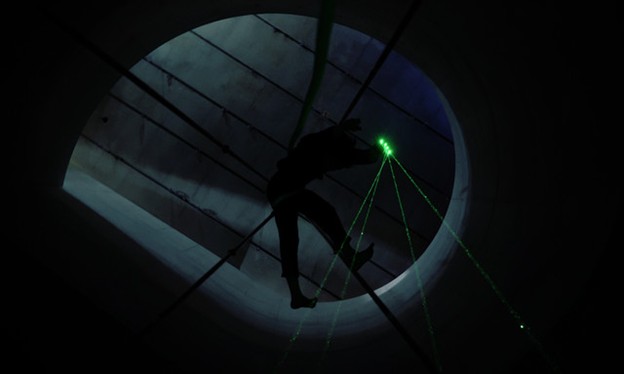
In Steganography Tutorial (2019), Shin works
in-depth with a deep encryption technique that serves to conceal confidential
data within photographic images or audio files so that it can be safely
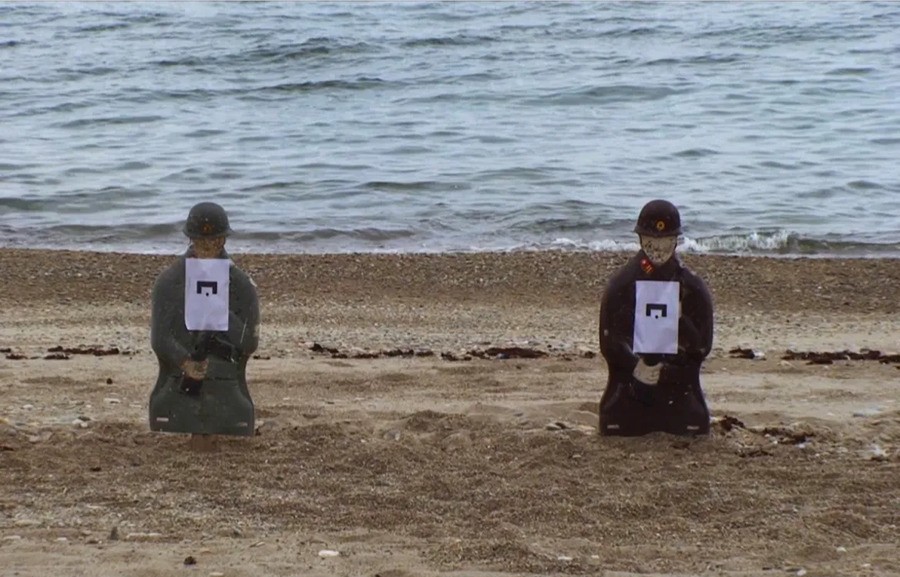
delivered to its destination. There are still substantial traces of war that
drift through our society like ghosts and, on the other hand, all sorts of
incidents that are aimed at snatching away money, such as personal information
leaks, trades,
and attacks that are occurring online in real
time, as seen in the cases of physical marks of war left in places and of intense competition over the capital
on online platforms. These online attents that threaten us are often suppressed
or over whilst every North Korean crisis or the risk was highly emphasized
during certain periods including
election seasons and in specific places such as in the army and at reserve forces training centers. Shin
detects this dissymmetry and delivers tous feelings of anxiety and danger.
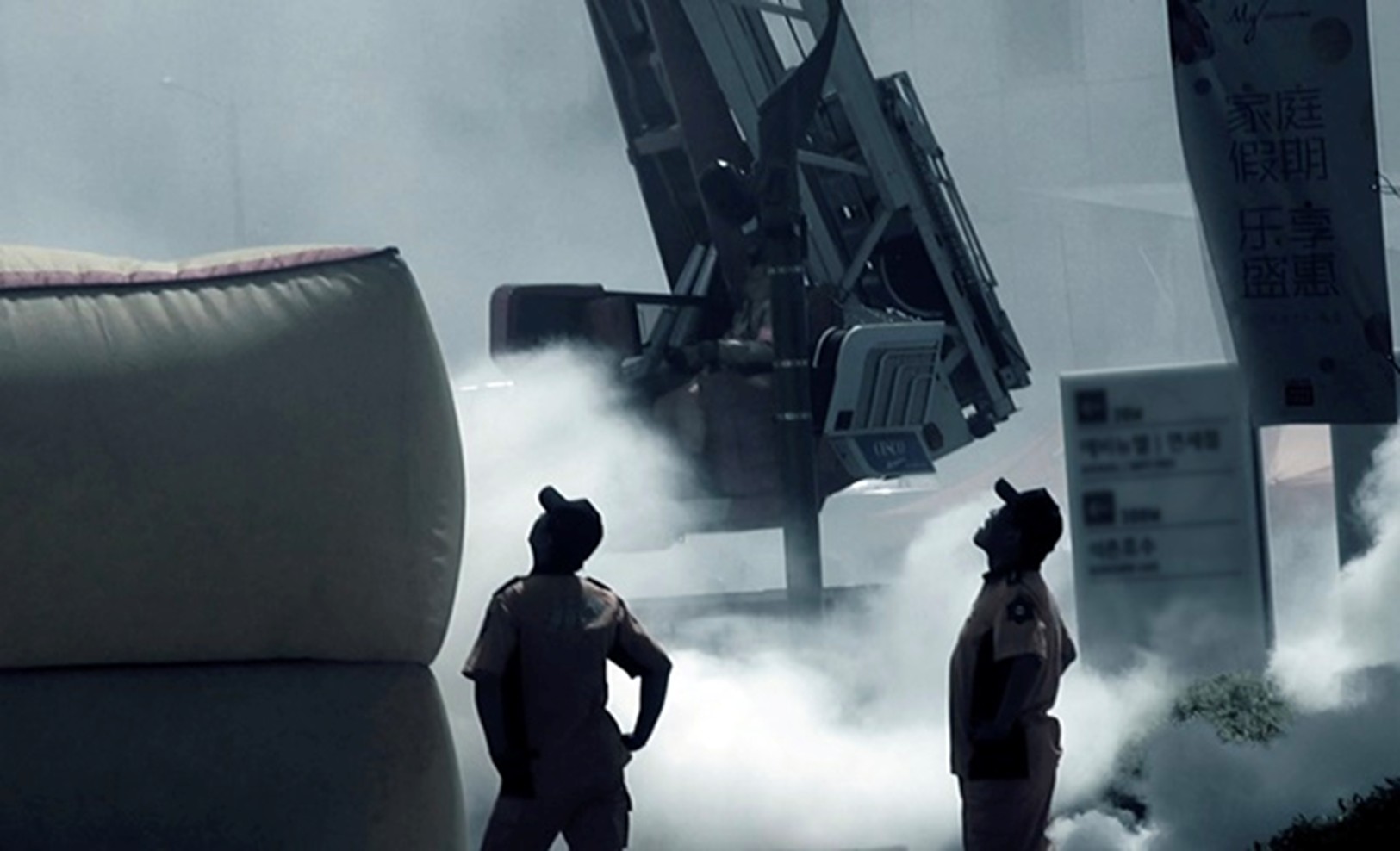
One interesting point with regard to how Shin shares these
feelings is that he sets up reversed situations. For example, he creates ironic
scenes that show a reservist who listens to a lecture on the dangers of a
possible North Korean invasion in an absent sort of way at a reserve forces
training area, or an internet user whose personal information gets stolen while
playing mobile games or conducting online shopping transactions. In addition,
he deliberately combines clashing elements in a number of works, including Silent
Dedication (2018), in which a tour guide introduces a space operated
by the former Agency for National Security Planning (now the National
Intelligence Service), invoking dark tourism; A Song Written in
Ongnyuche (2013), in which some parts of the lyrics of Growl, a K-Pop
song by EXO, are written in red in a North Korean typeface to seem like
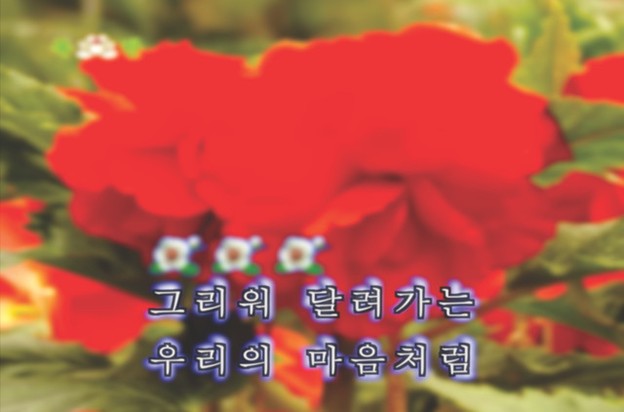
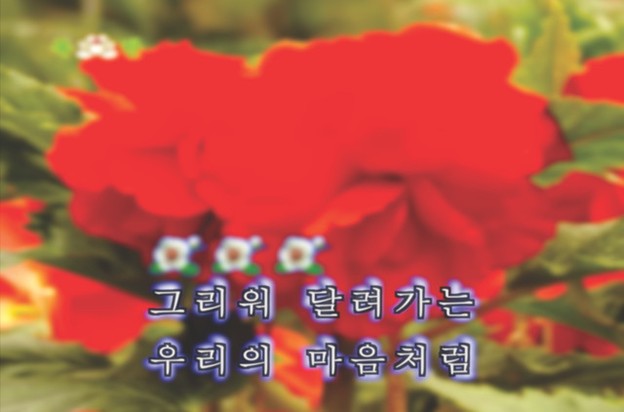
propaganda phrases; or Sing the Begonia (2016), a
single-channel video in the format of a karaoke video for a North Korean propaganda
hymn (in praise of Kim Jong-il).