
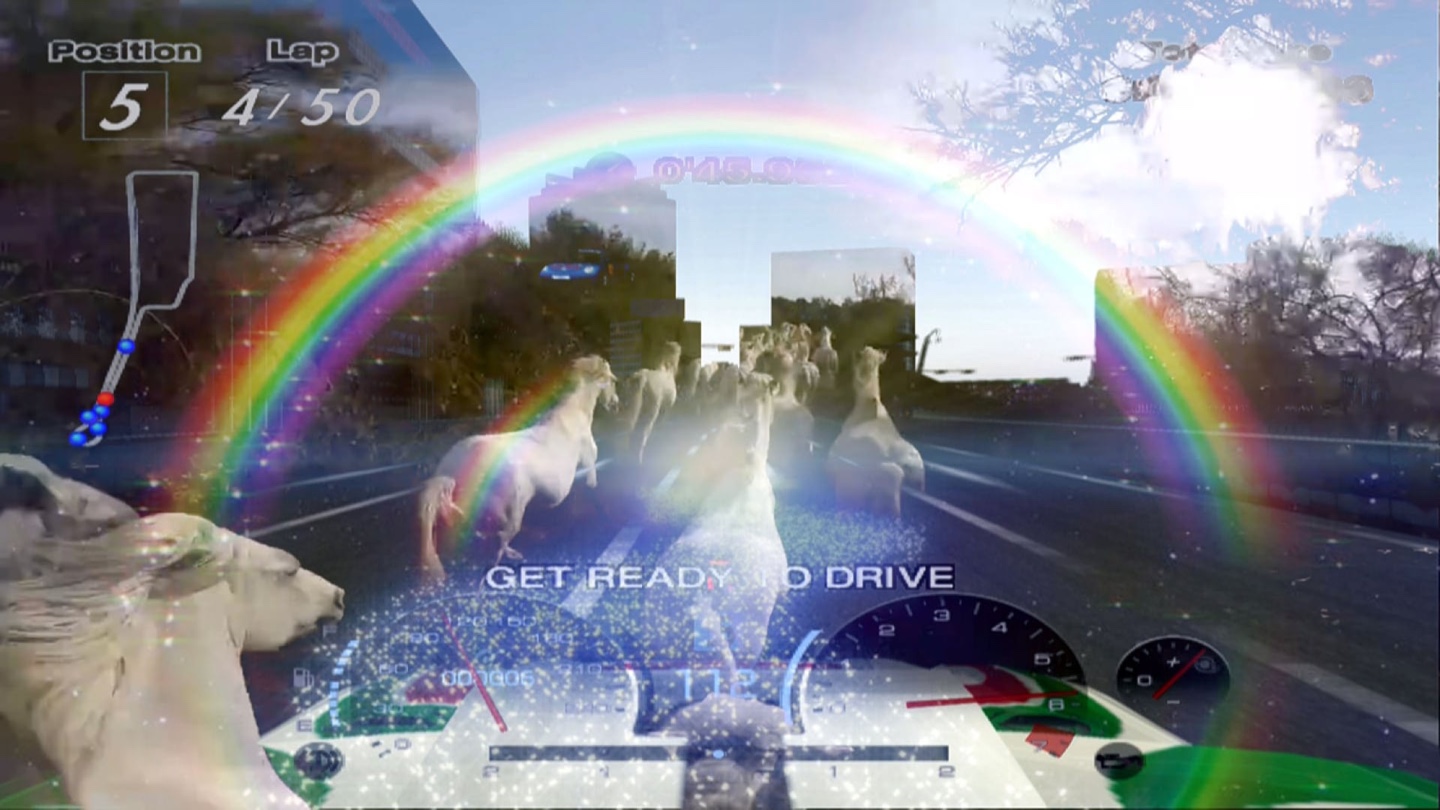
When more than a century ago,
Thomas Edison invented the motion picture camera and its viewer, he thought of
moving images as nothing more than some insignificant flickering images, which
briefly appear through a tiny hole in a coin-operated machine. But with
technology transitioning from film to digital media, there has been a
bewildering evolution in moving images. Today, they are no longer just a form
of entertainment or an artistic medium, but have become a default mode of
social environment where people exchange information and interact each other.
If our everyday routines, like watching YouTube or Netflix, reading news by
scrolling their smartphone screen, making video calls, looking at navigation
windows while driving, and taking selfies with video game monsters, all make up
an experience of moving images, it has been drastically changed and yet felt
banal and ordinary.
If in the last century, movies
tried to capture the live world in moving images, today, the whole world,
including us, always seems to be swept into the movements of images mediated by
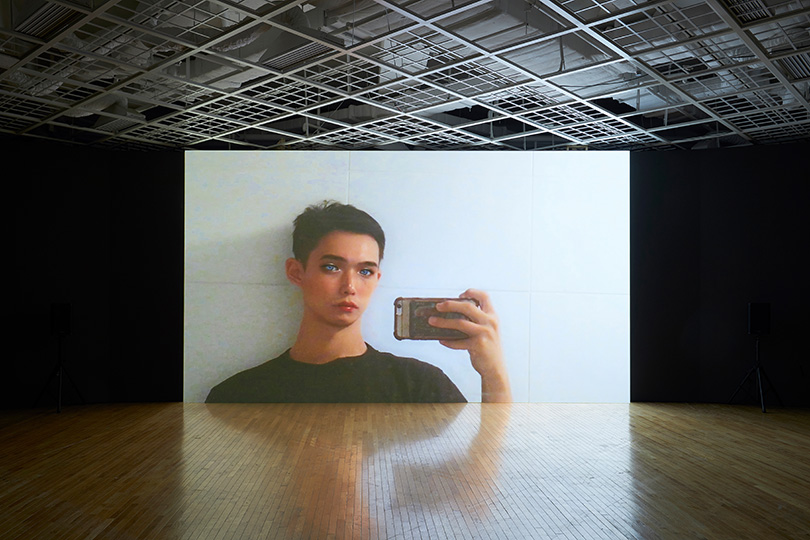
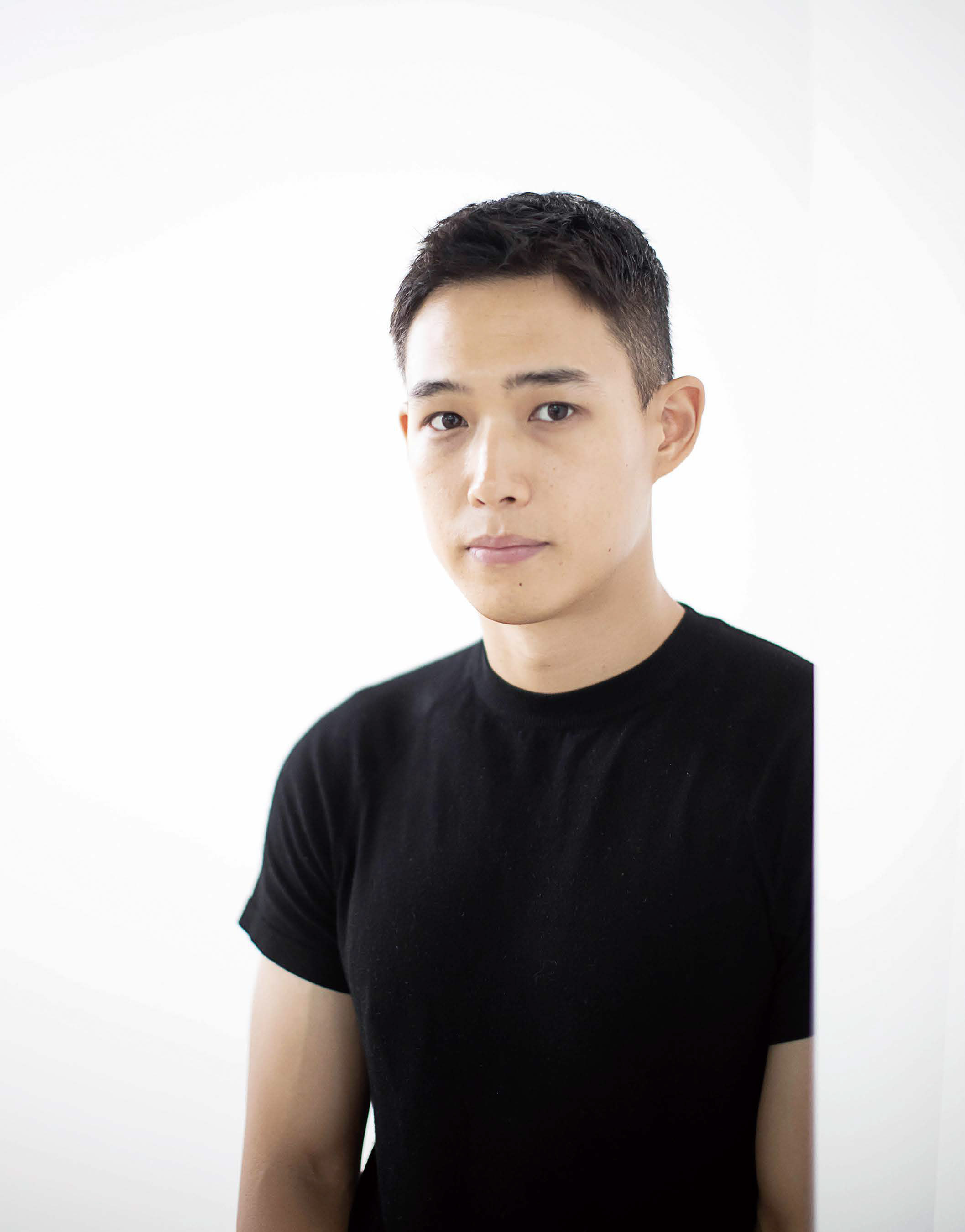
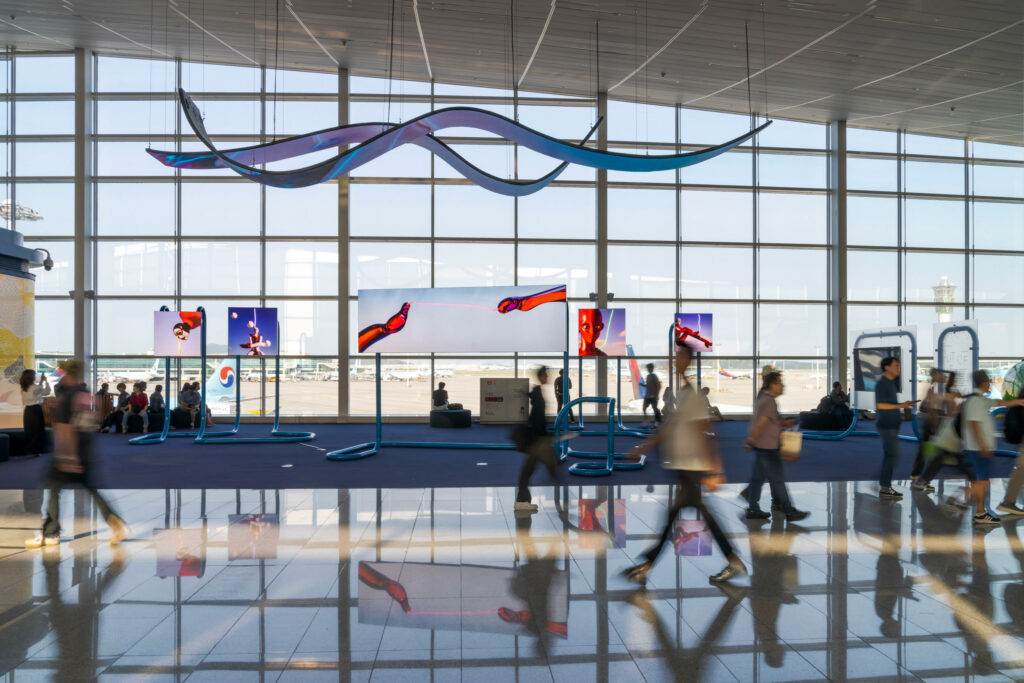
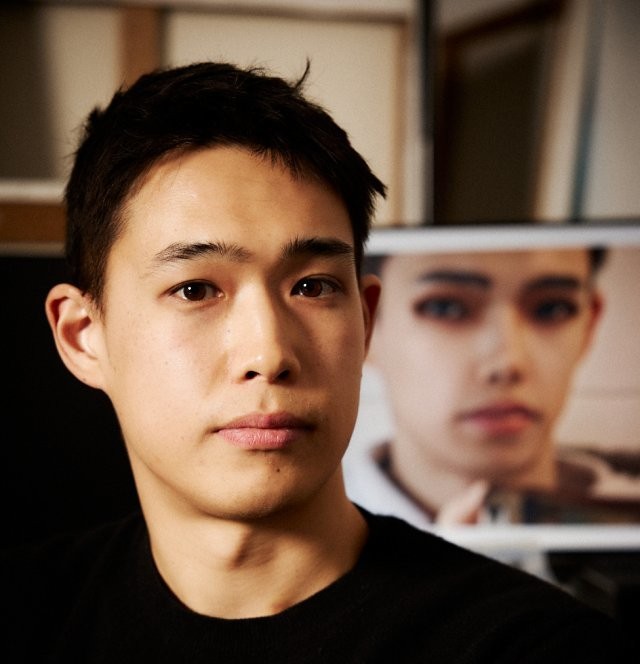
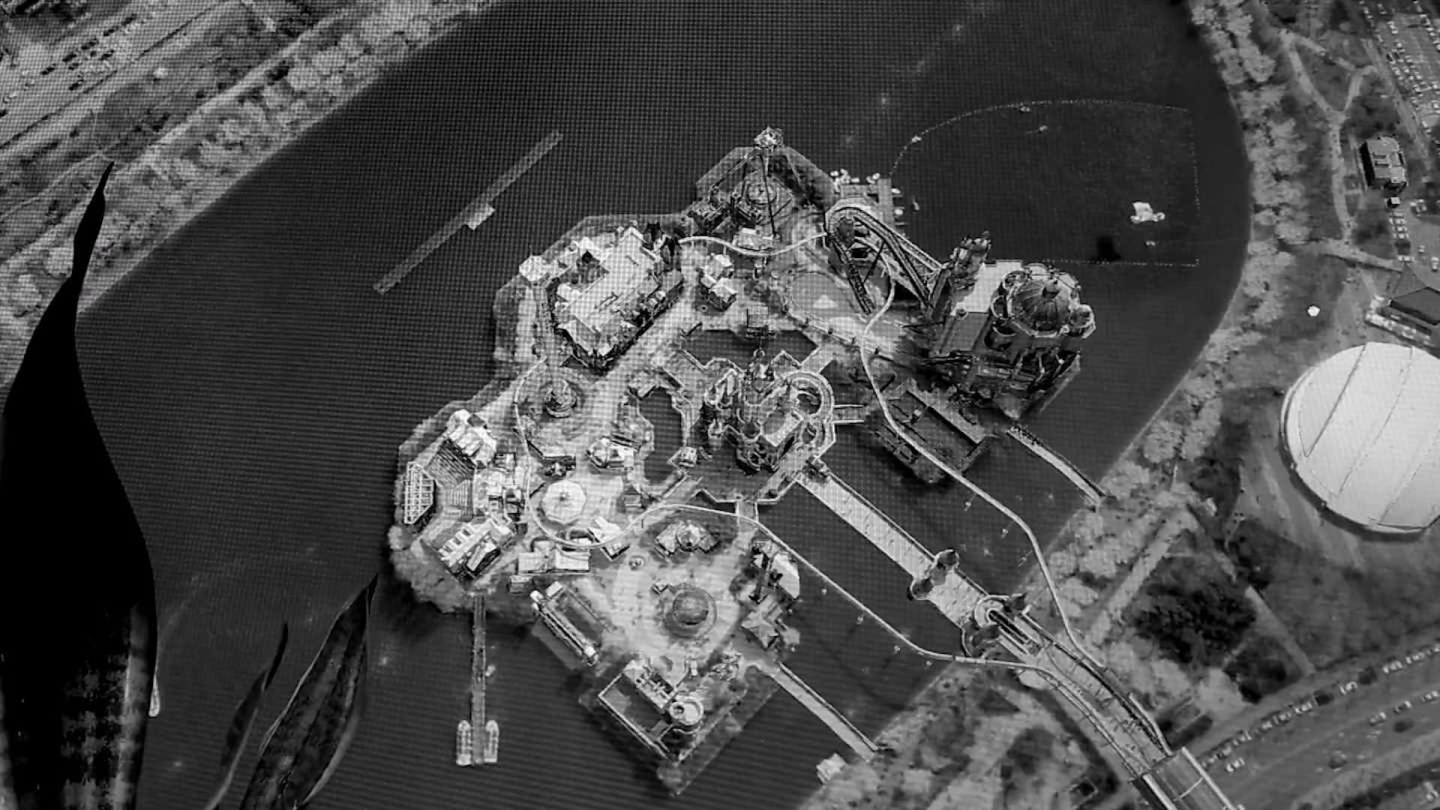
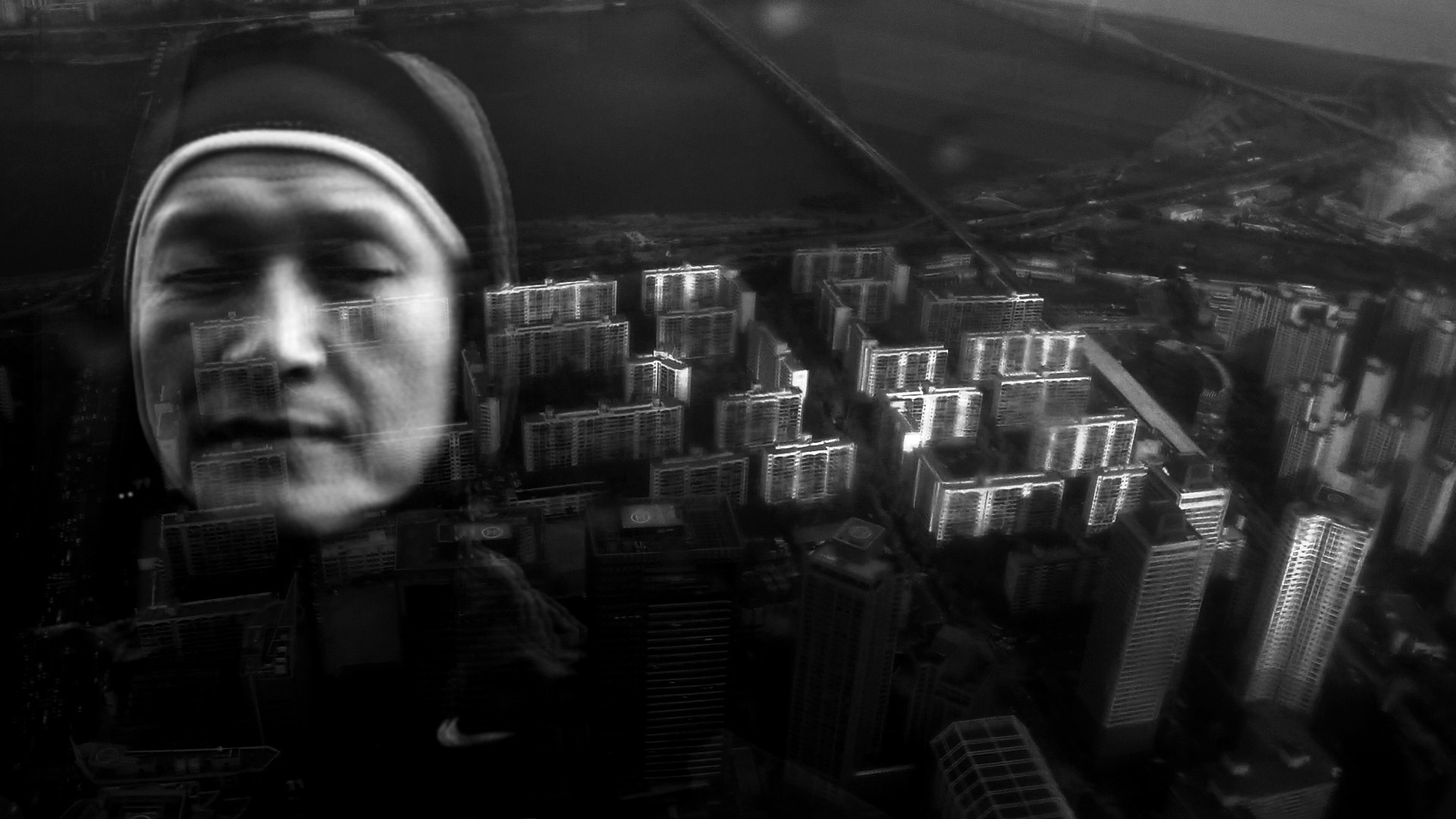
digital data. The video installation artist Kim Heecheon has explored
this swirling world and composed a sort of fieldwork report on video. His
works, which started out as what looked like a personal video diary, has
rapidly gained breadth and depth through feedback of his new social life as
fluid images of his own as well as an artist behind them. Constructing a video
installation portraying a weird complex of human beings penetrated and extended
by data flows and their audiovisual images, he generates ambiguous movements of
looking down from a bird's eye view and tumbling down into a deeper and
stranger world at the same time.
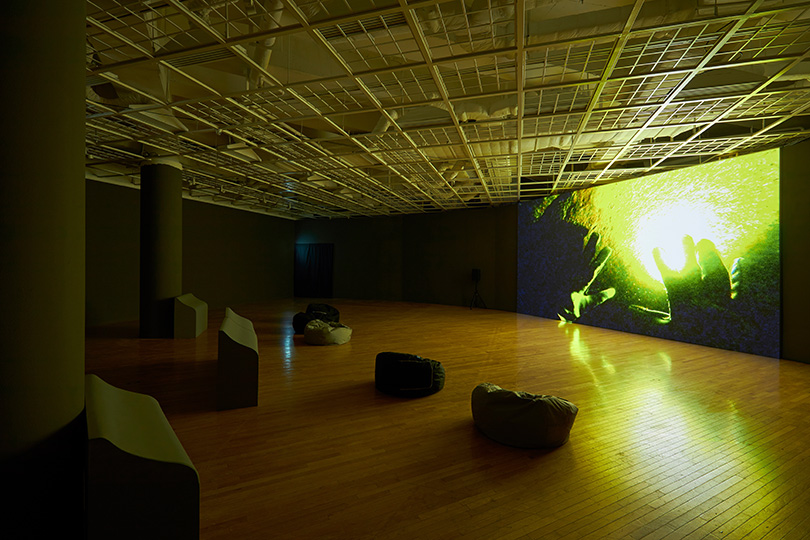
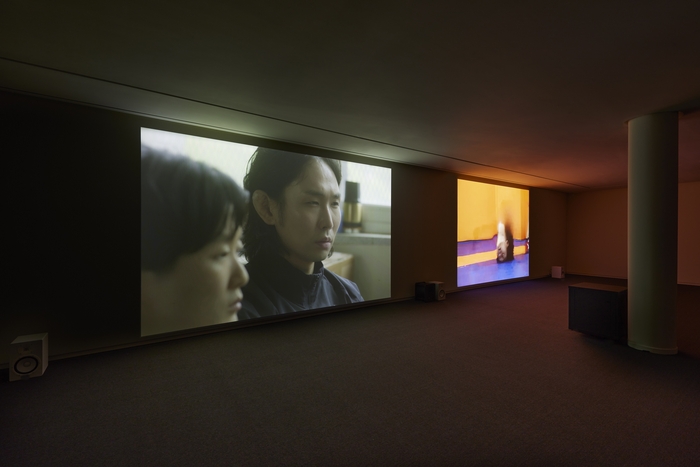
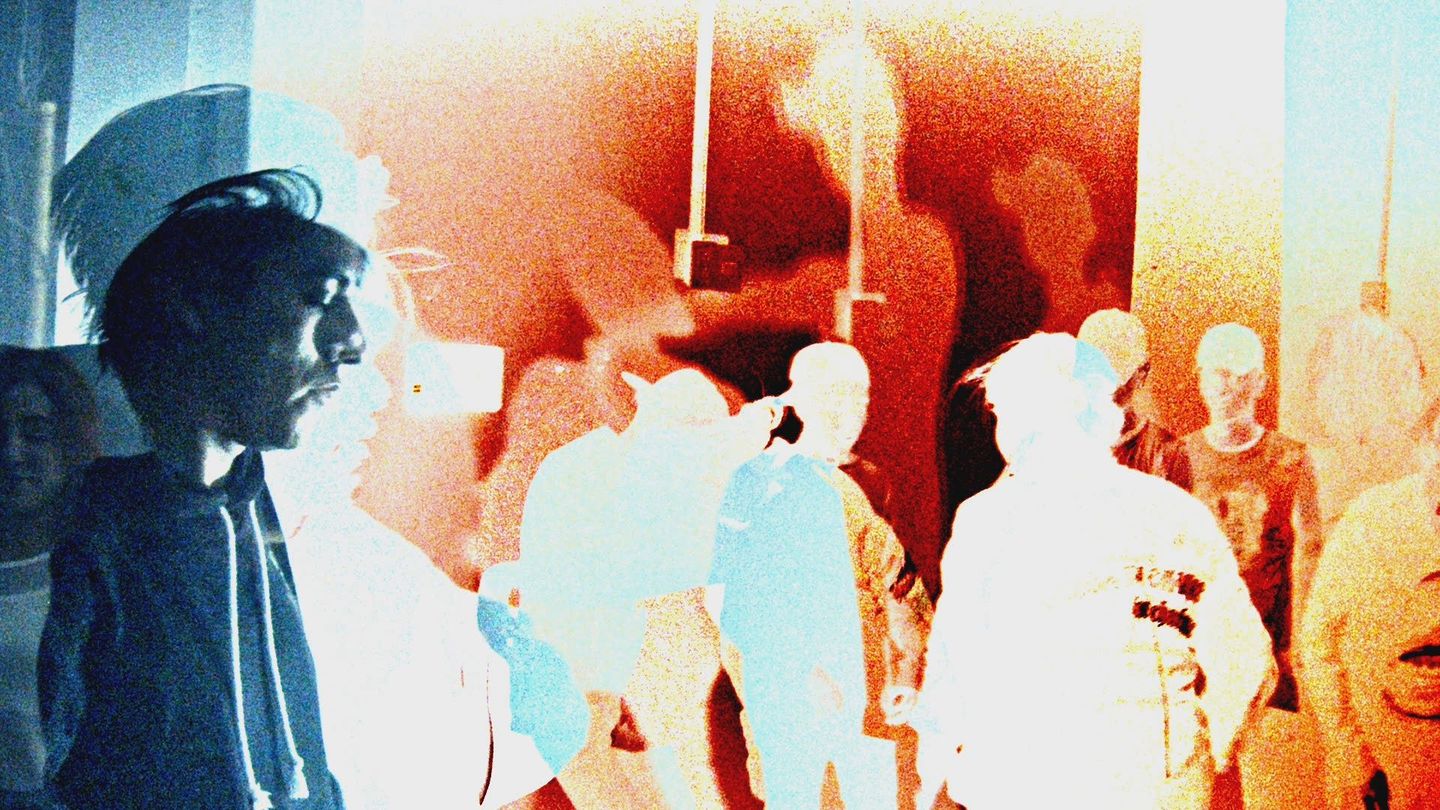
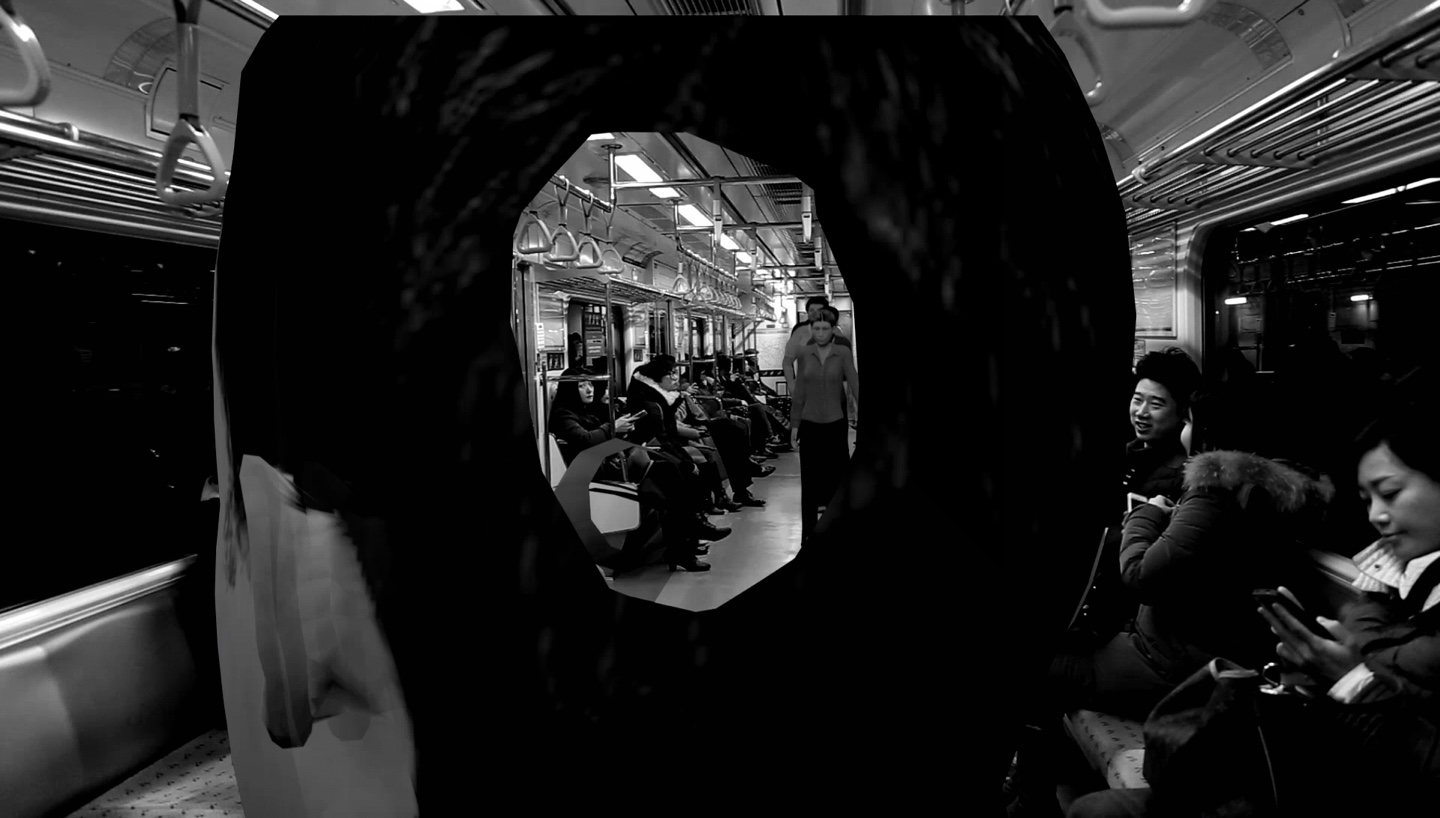
Kim Heecheon, 《Deep in the Forking Tanks》(2019),
installation view, Art Sonje Center ©Art Sonje Center
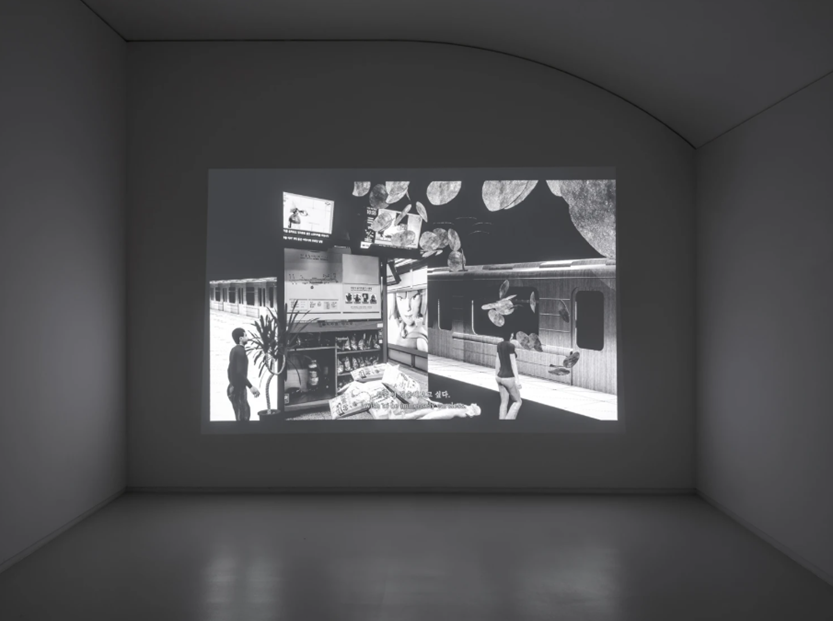
While 《HOME》(Doosan Gallery, 2017) rendered Seoul
undermined with media images and disparate memories like a haunted house, it is
a haunted body that 《Deep in the Forking Tanks》(Artsonje Center, 2019) conjures up. As moving bodies are
continuously documented to extract data that replace the environment and the
bodies themselves, the body images aggregate into a mirror labyrinth where the
real and the virtual, the self and the others are incessantly diverging and
converging to rearrange themselves. In such an environment, where, when, and to
what extent are we ‘ourselves’? How could we keep moving neither to be locked
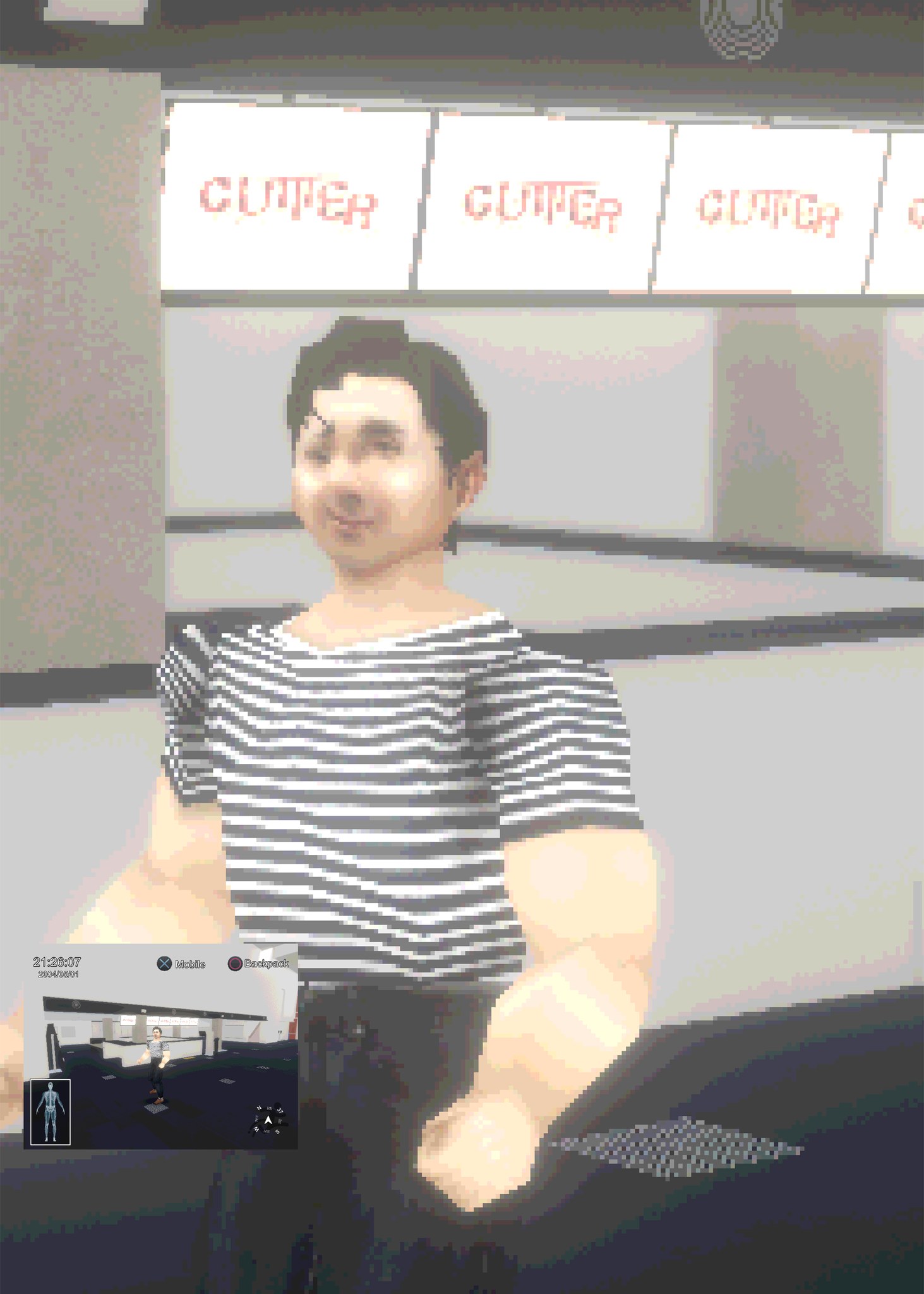
in nor lose ourselves? As a thought experiment on these questions, 〈Deep in the Forking Tanks〉 juxtaposes images
and voices that could not be specifically identified and follows a series of
temporal paths emerging through them.
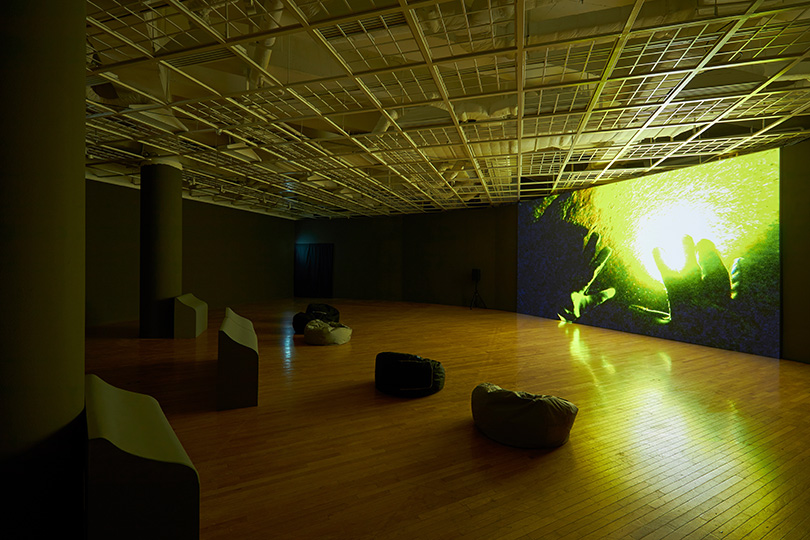
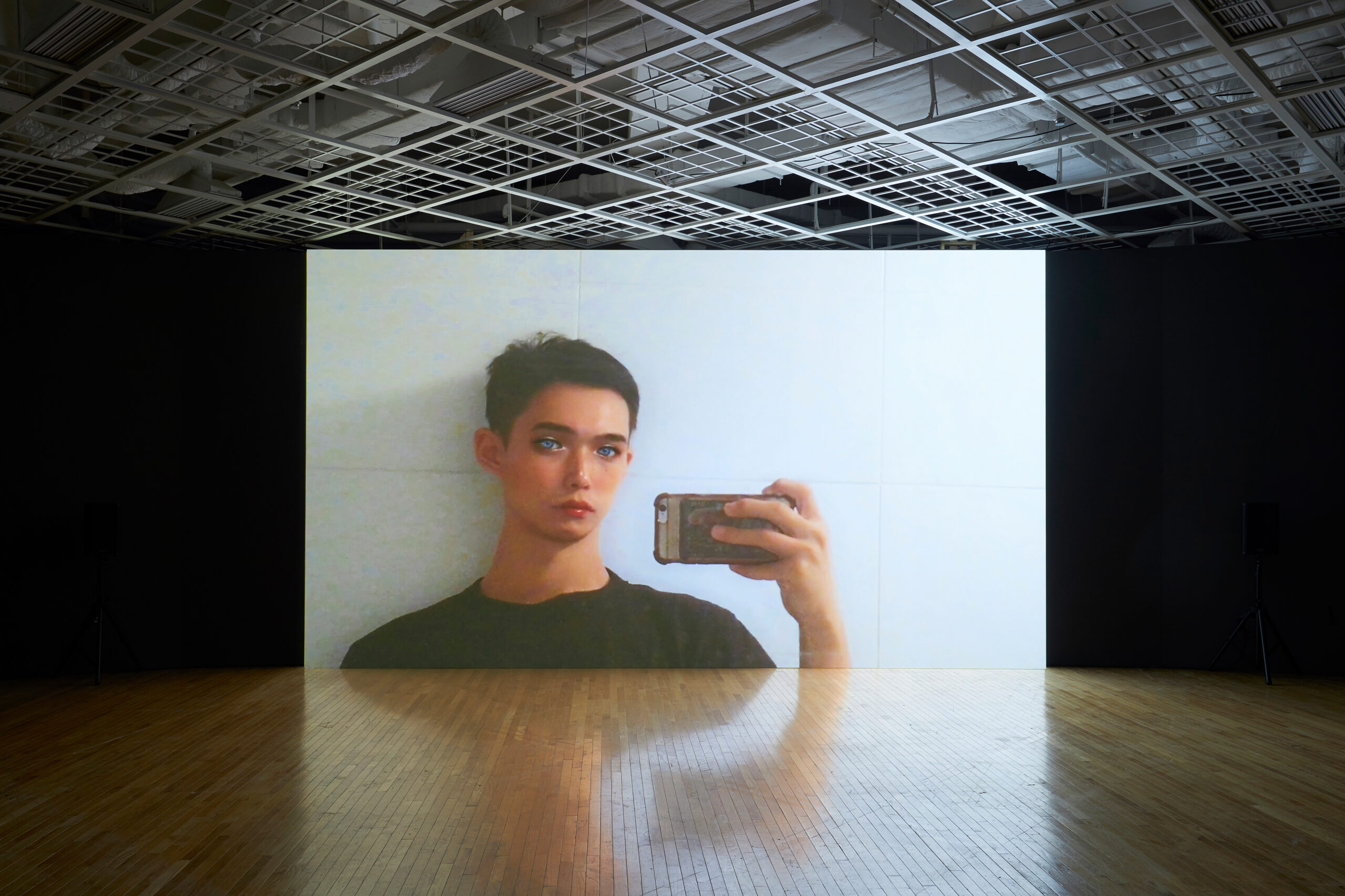
The screen set up at the
exhibition venue is immersed in double layers of darkness. Viewers must walk
through total darkness to approach the screen, which in turn shows mostly
images enshrined in darkness. With occasional sounds like detonation or thuds,
and some flashes of light, nothing is perceivable as though one is swimming in
murky waters, except a pair of hands that come into view from time to time. A
first person narrator in voice-over by Kim claims that this is his own video
log of scuba diving simulation training in a float tank that he started in
order to recover the corpse of a diver who had died in an underwater cave and
left a video log until her last moments, which was in turn used as his first
training materials. But it is not clear who this narrator is or when and where
he is speaking.
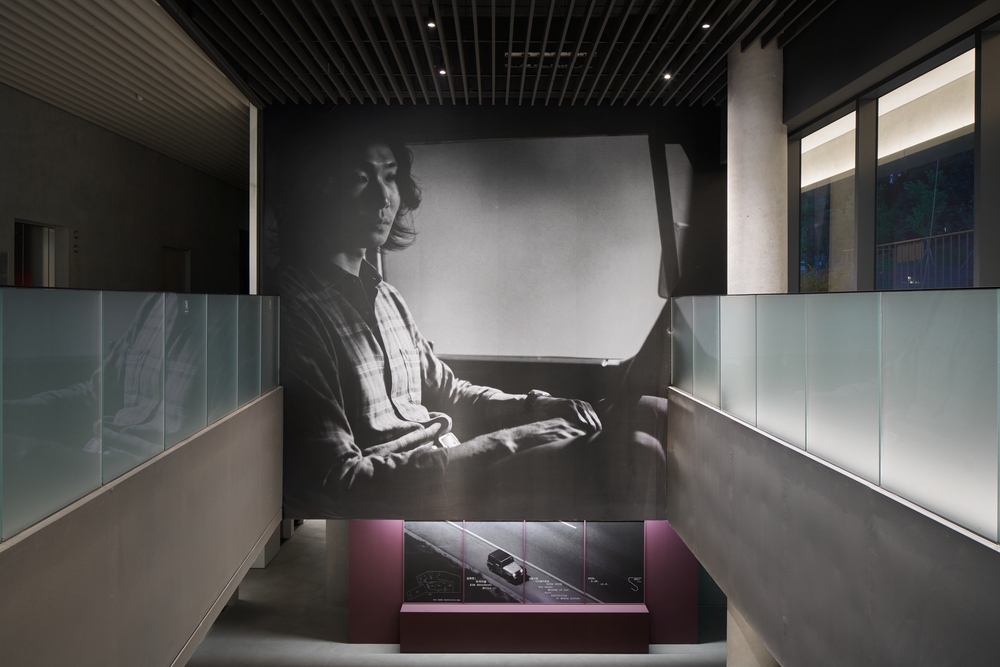
Kim Heecheon, 《Deep in the Forking Tanks》(2019),
installation view, Art Sonje Center ©Art Sonje Center
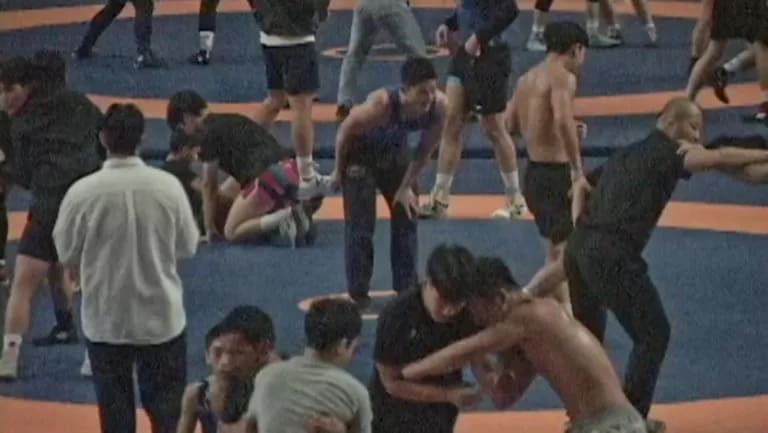
While here he speaks as though he
is a professional diver, elsewhere, he talks about his experience as a
cameraman of filming amateur dancers practicing K-pop dances and their fantasy
about disconnecting themselves from the body. Although the two appear unrelated
at first, the dancer episode plays a variation of the diver episode’s theme
with an opposite direction. Both the dancers and the divers separate their body
from the mind as a machine and its operator, and replace the latter with the
records of others’(diving or dancing). But in the case of the dancers, their
goal is to free themselves from their bodies through switching off their inner
surveillant function that constantly checks who they are, when and where they
have been to maintain continuity. Thus, the dancers literally become dancing
machines to make their new body images and set those filmy slices of themselves
free. The self is not concentrated to the subject of control but distributed to
the agents of liberation. In other words, with the help of what is not the
self, the self becomes a non-self and is scattered into unknown times and
spaces.
Meanwhile in the world of divers,
the disconnection between the self and its body only means death. The Diver is
trained to be able to control his body in the most rigorous environment that
numbs the senses so that he can reach the depth where his predecessor lost her
body and take it back. But the obsessive preoccupation about the body only
increases the body count in murky waters. The attempt to maneuver the present
body according to the records left by the past body in order to perfectly
control the future body only multiplies self-obsessive body images, which turns
out fatal for the diver, a sort of biological submarine operator. In the last
diving scene, the diver perceives a few spots of gleaming light in darkness and
swims toward it. As he approaches it, the light changes its shape, looking now
like distant stars, now like a mottled skin of the drowned body. Only when he
is right in front of it, the bright spots are identified as a surface of rock
reflecting light and he collides with it.
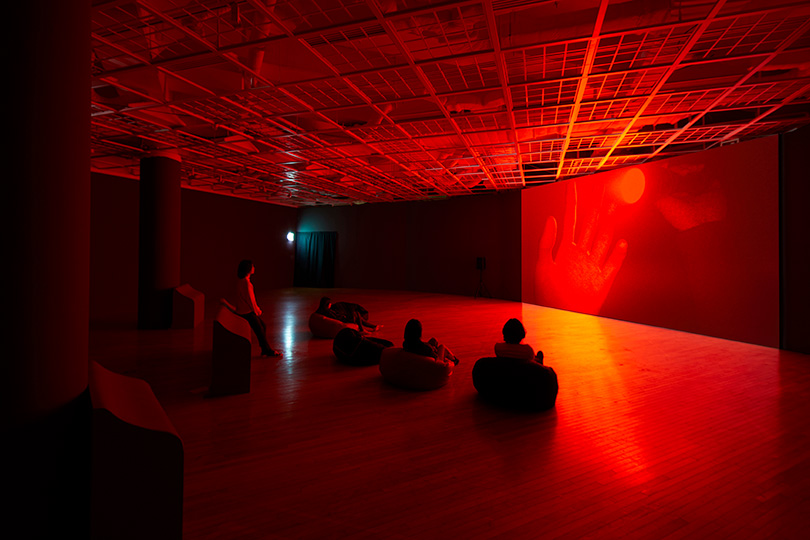
The screen turns red, suggesting
that the diver’s road ends here. However, in a world where representation has
become a new basis for reality, death is only the endpoint of a routine which
can be endlessly repeated for infinite variations. Another search and rescue
diver will come along soon enough to follow in the footsteps of the missing
diver. What would ultimately come out, what unexpected itinerary could diverge
from this repetition? These are questions that pervade Kim Heecheon’s video
work as a whole. His camera, in search of an unknown exit, turns an inquisitive
eye on every little gap and opening, lunging into one and gets lost and
wanders. With the repeated escape attempts, Kim’s images, voices and memories
are fragmented, proliferated, and reassembled to be differentiated more and
more from himself.
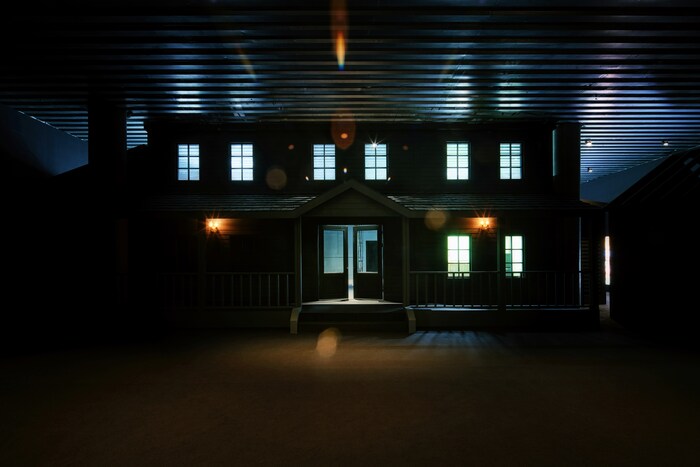
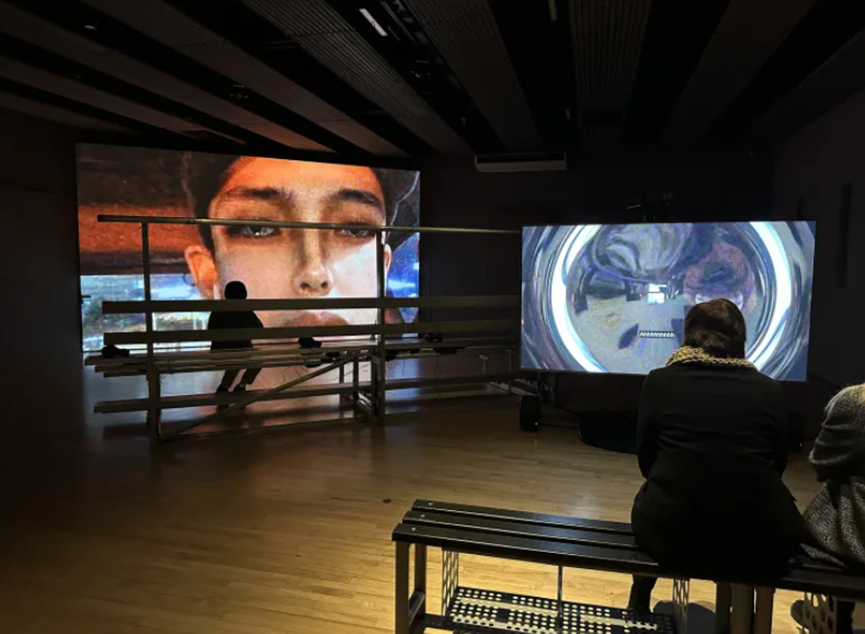
Kim Heecheon, 《Deep in the Forking Tanks》(2019),
installation view, Art Sonje Center ©Art Sonje Center
As narcissistic variations on
himself as well as byproducts of failed escape attempts, his multiplied selves
are aggressively moving toward multifaceted non-selves. This maneuver consists
of several actions, such as filming others instead of himself, becoming a
camera without the suffix ‘-man’, mutating into someone else on screen, or
remaining a nameless image or a bodiless voice. In Deep in the Forking
Tanks, he makes use of the entire arsenal of methods he has
previously experimented with in his past works to build up a microcosm of his
non-selves. Traversing a new world where showing and seeing turned into a
short-circuiting tactile interplay between the self and the outer world, he
presents a panorama of the selves being decomposed and reconstructed between
the obsession on integrity and the urge for breakthrough as if through a
kaleidoscope.
What does all this show? Much
like the float tank lengthily talked about at the introduction, the exhibition
venue cuts the viewers off from the external sensation to make them forget
their bodies. Although the cinema also demands its spectators to virtually
leave their bodies, it is a price to become an omnipotent eye. In the case of Deep
in the Forking Tanks, on the contrary, the viewers are displaced into
a blank without body, surrounded by delirious moving images of other blanks
also disconnected from their bodies. The entire video installation is a kind of
training program made up of empty images manipulated and left behind by Kim to
instructs that you must not pursue to fill these blanks with a body but use
them to navigate in the media-saturated world. The message is, however, remains
anonymous and thus fictional to the end.
If Kim’s video works captures
today’s world with an eerie sense of reality, that’s because he reveals the
present time when the age-old dream of turning life into a movie has more than
come true, to the extent that now our reality is nothing but an esoteric
fiction generator we don’t fully understand its mechanism. Oscillating between
new technologies and the old body, between the cultural conventions taken for
granted but recently invented and the psychological impulses regarded absurd
but deep rooted, the world is reanimated by dreaming a new momentum for the
future and disappointedly awakening over and over. Kim observes and follows
this world from within to seek out its weak spot. Neither driven by a desire to
wake up nor to plunge into the dream, his work is based on a shear curiosity on
how this world activates its dream through blindly mobilizing its human and
non-human components, and this is what sets him apart from other futuristic
dream-mongers.