The Space Where We Stay – Zari
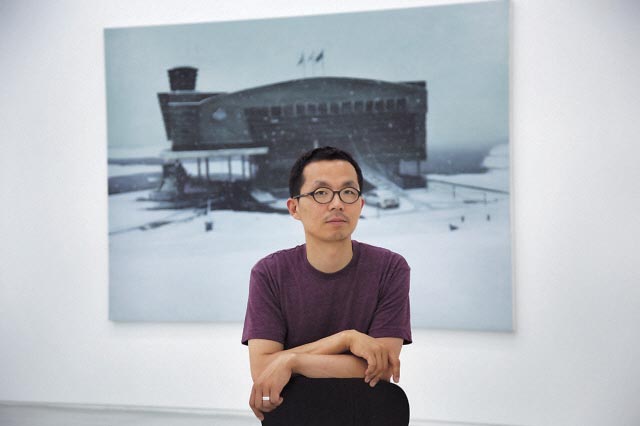
By Shin Seung-oh, Perigee Gallery Director
Constantly involved in serialized
works such as Prosaic Landscape and Zari, Roh Choong Hyun is presenting his new
paintings of the Zari series at this art show. In order for one to grasp his
oeuvre in its entirety, it is essential to examine Prosaic Landscape. The world
of his art can be naturally understood when comparing the similarities and
differences between the Prosaic Landscape series, his previous Zari series, and
the current paintings on show at this exhibition.
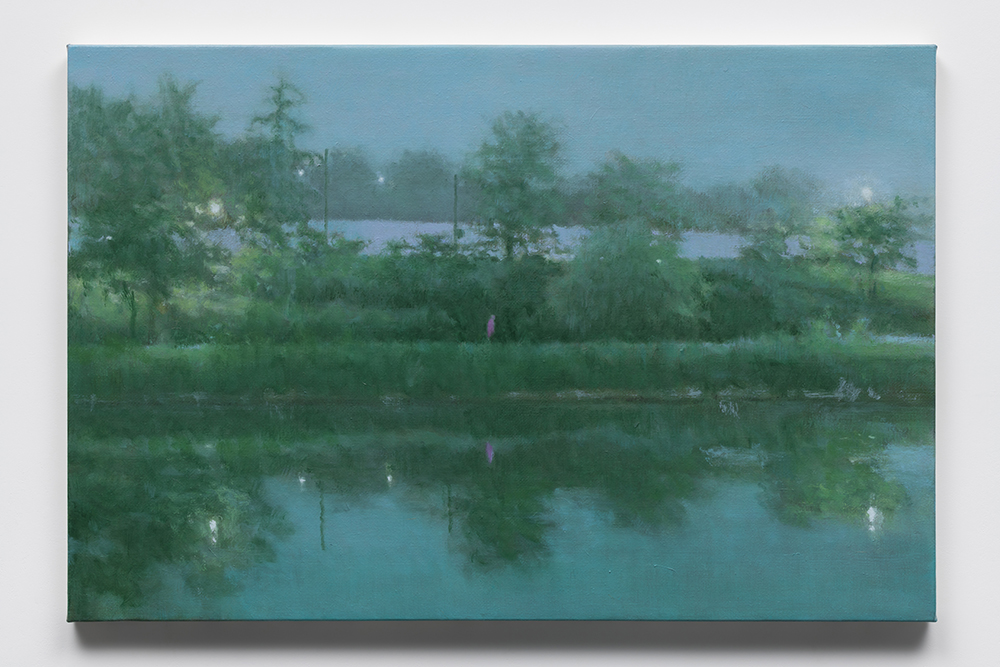
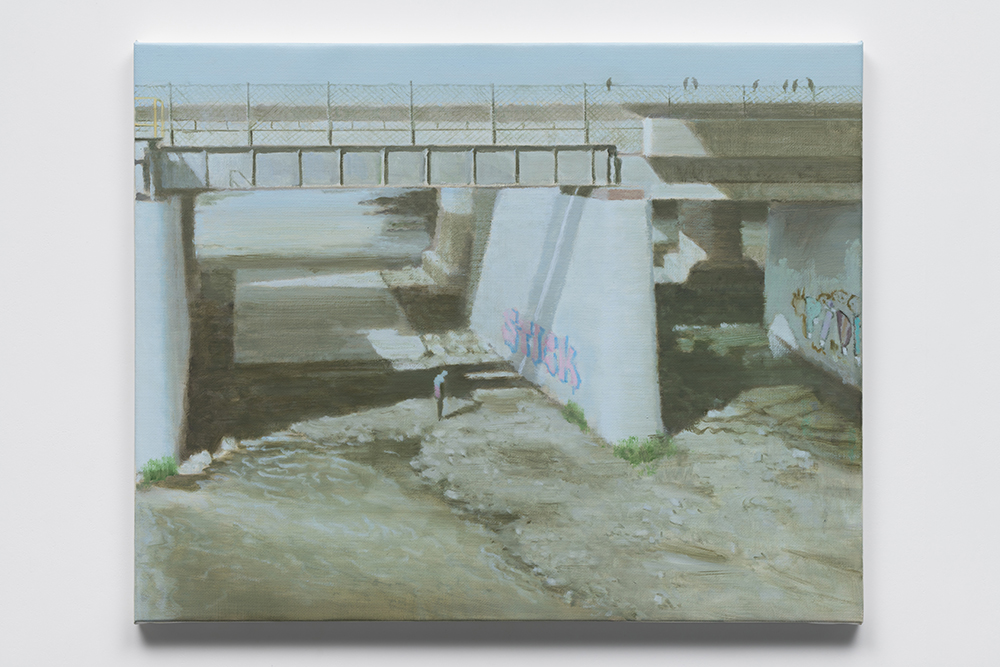
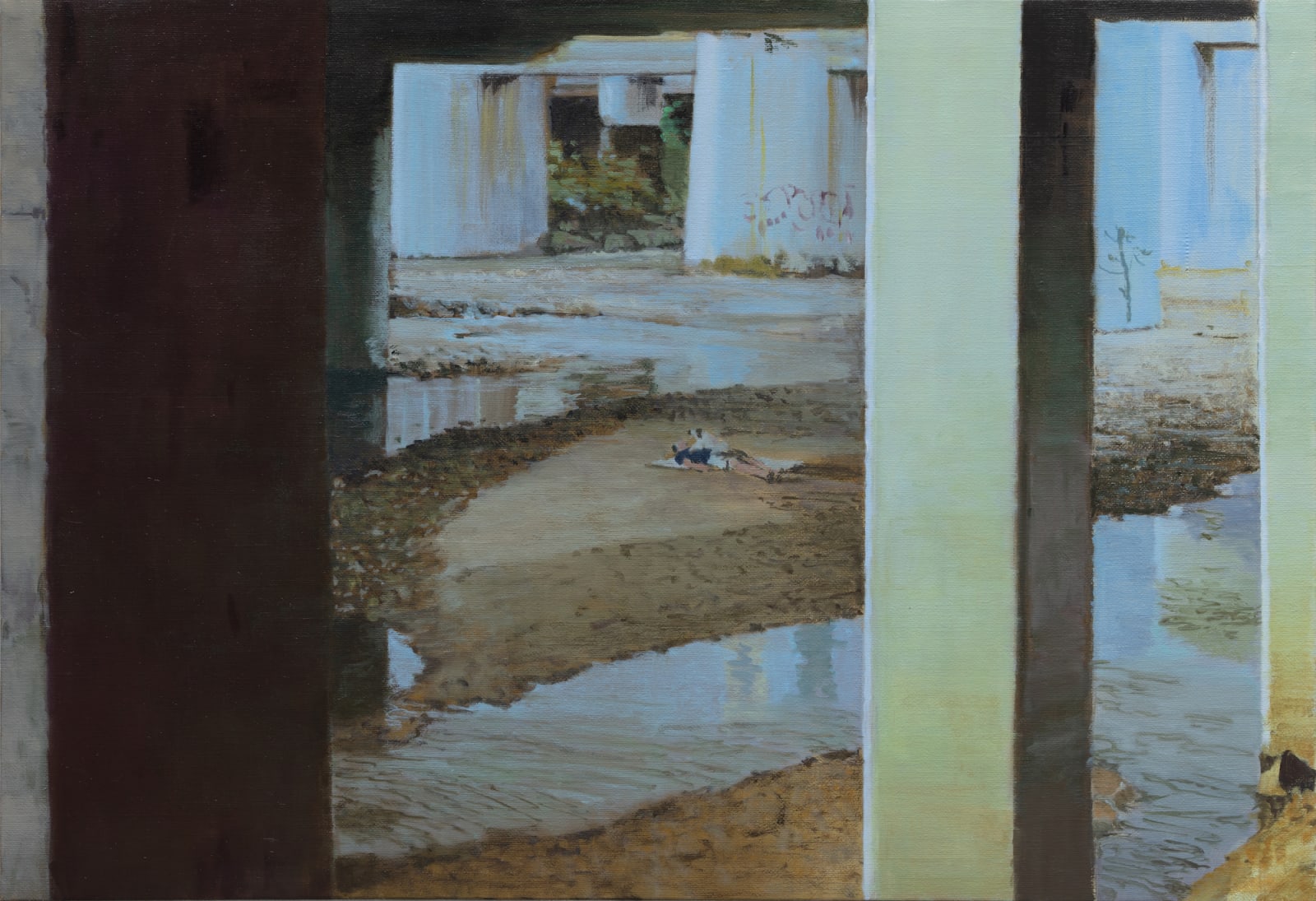
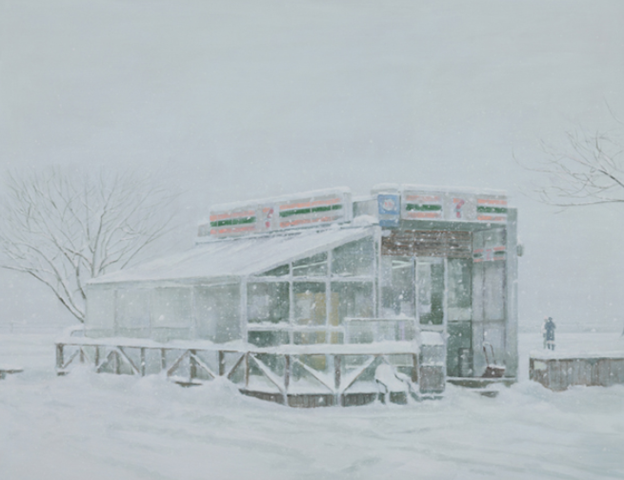
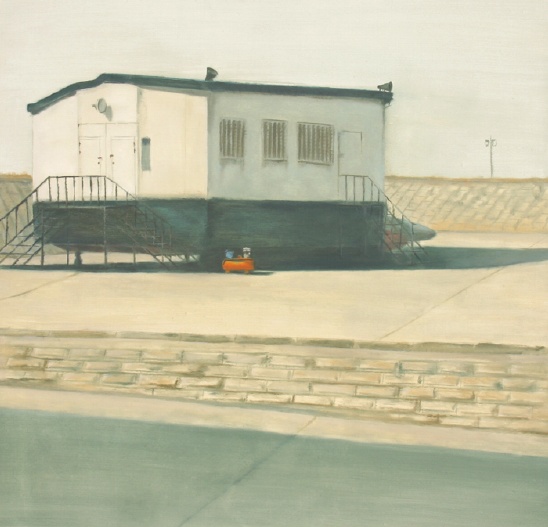
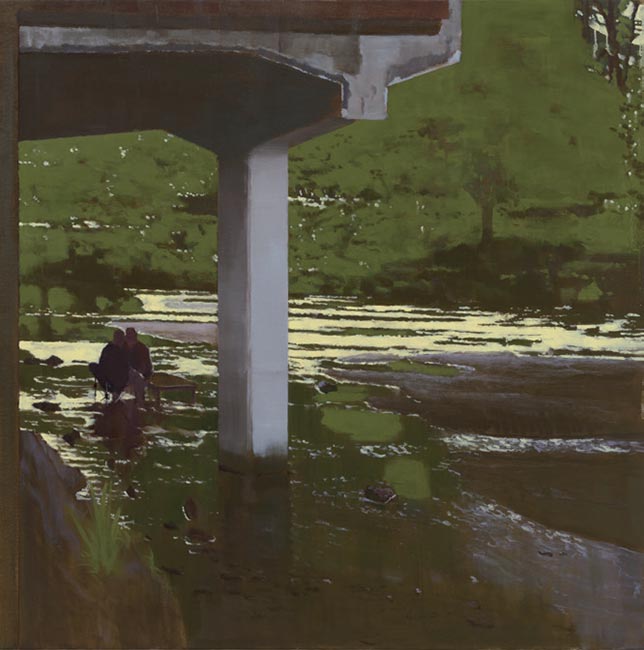
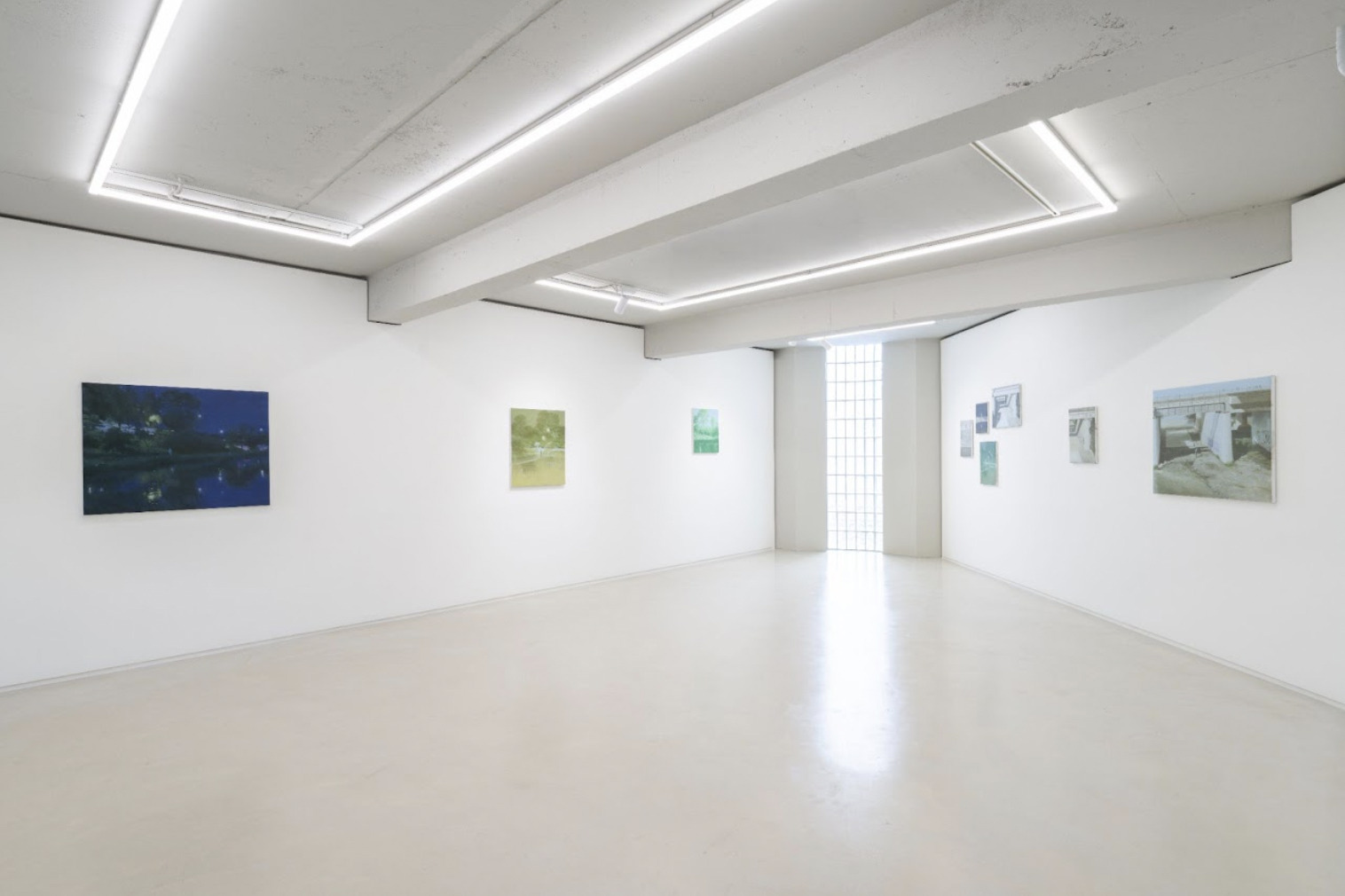
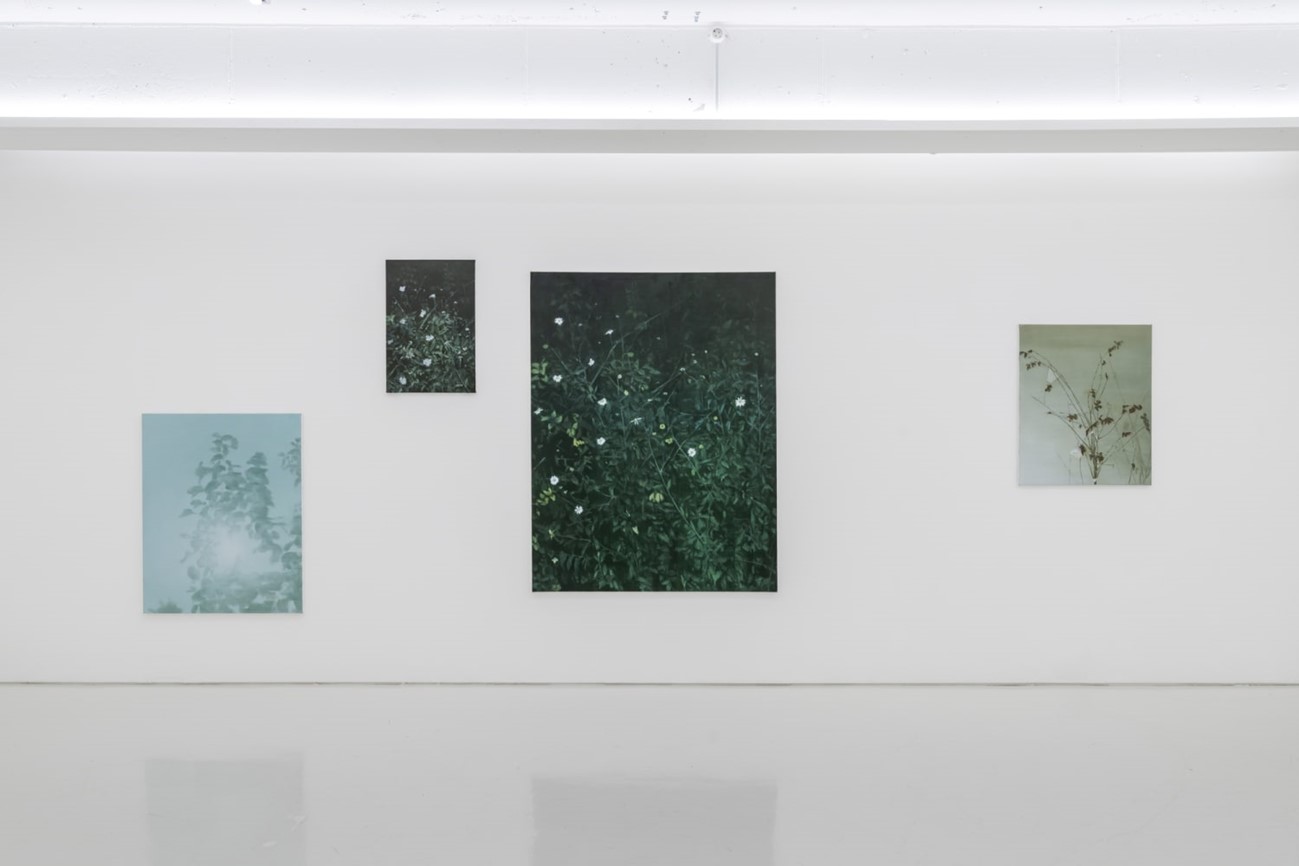
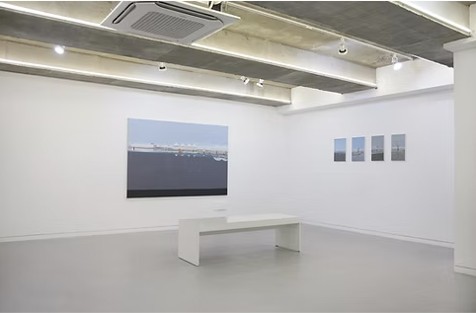
The Prosaic Landscape series consists of portrayals of the Han River civic
parks. Its scenes mostly feature artificial facilities amidst natural
landscapes, most of which have formed along the Han River. A variety of
facilities such as public restrooms, park stores, and swimming pools are often
depicted in this series. People, on the other hand, rarely make an appearance
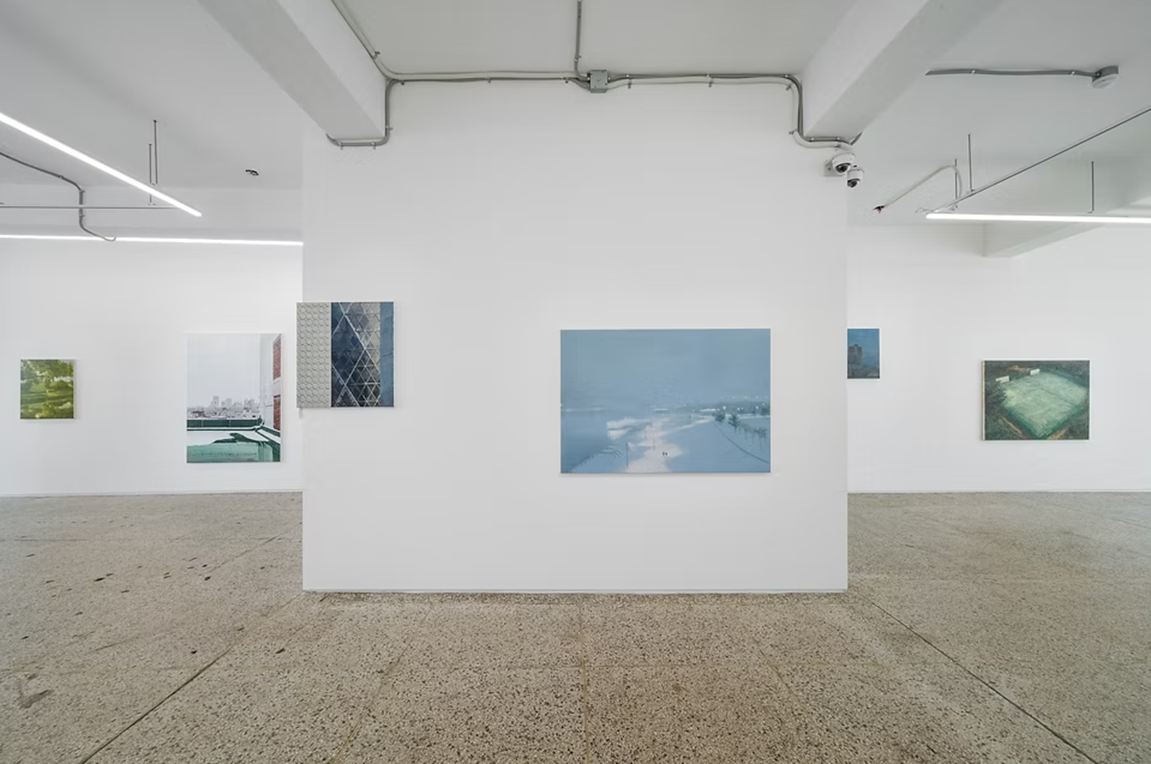
in his works and when they do they are anonymous. While working on Prosaic
Landscape, Roh has continued to capture the ever-changing scenes of specific
spaces with day and night landscapes, floodscapes in summer, and snowscapes in
winter. While the series features spaces created by people for relaxation and
leisure, Roh focuses on representing the distinctive landscapes of empty parks
devoid of human life. Scenes of parks in different time zones and under the
influence of different types of weather are portrayed, arousing mixed feelings
in viewers as they observe the hushed and placid yet desolate and cold hearted
atmospheres through a depiction of a dark night or the cloudy gray air. Roh
manages to unveil a new aspect of a space we often visit to pass the time,
thereby arousing our feelings of affinity toward the city of Seoul and the
Korean landscape we inhabit through his repeated portrayals of immensely
familiar and realistic scenes.
Similarly, the Zari series features zoo locations devoid of animals, its main
component. Open to a range of interpretations, this series starts from stories
apropos of the placeness of the zoo, a space we usually visit to observe and
experience animals, as seen from historical and social perspectives. All the
same, Roh concentrates on the scene that is visible when animals pass away in
the zoo, that is, stage setting. Historically, zoos were formed to flaunt the
invisible influence and strength of imperialist powers by exhibiting animals
that normally live in different climates and terrains. The purpose of zoos has
changed over time but this place which gives us such happiness is still one in
which animals are confined to limited areas like prisoners for the sake of our
own education and entertainment. With the zoo as a stage, animals are observed
with curious eyes which mask surveillance. Zoo animals have degenerated into
objects of surveillance on a stage regardless of whether spectators are there
or not. However, in this series what the artist emphasizes is not the animals
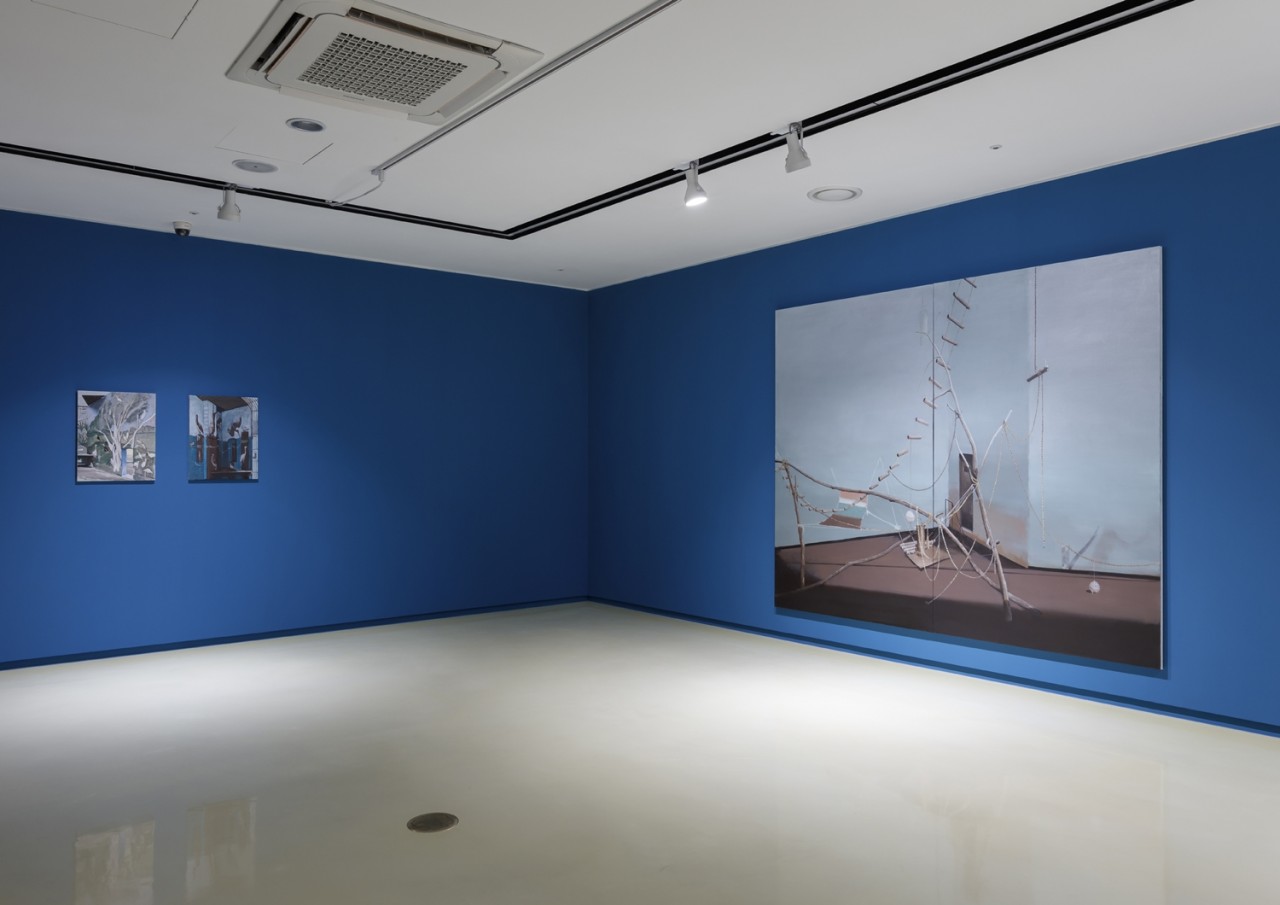
but the equipment set in an artificial space in which the animals play. This
reality of the zoo he depicts is a cage resembling a stage set, something which
appears somewhat arbitrary and imperfect. In this respect, the artist seriously
considers the ways in which he can forge his own art, determining what he
selects and excludes.
His portrayal of spaces devoid of animals distracts us in a way that causes our
eyes to search for them in his works. Left behind after the main characters
disappear is an arbitrary and precarious space characterized by awkward looking
tree trunks, a swing made of entangled ropes and waste tires, artificial rocks,
and poor, shabby murals of groves. And, an empty zoo Roh interprets seems to be
a sealed space in which no flow of air is sensed and nobody can live. This
secret room-like space rather enables us to scrutinize each structure one by
one. Unlike in the Prosaic Landscape series, each space has a hushed atmosphere
where no movement is sensed. After all, the artist shows that the stage set of
this zoo is no different from the precarious structure of this world.