《Miniascape Theory》 - Curatorial Note
In the history of sculpture, which has largely revolved around the
representation of the human figure, “landscape” has rarely been treated as a
central subject. While sculpture may have recorded landscapes through reliefs
or become part of them in the form of monuments, it has seldom been presented
as an autonomous landscape in itself.
This exhibition approaches landscape through sculpture by adopting
the concept of “miniascape (縮景),” a term
used in practices such as suiseki (viewing stones), bonsai, and artificial
rockery. Miniascaping refers to the art of reducing vast natural scenery into a
miniature form. Cultivated within the East Asian cultural sphere over
centuries, this practice stems from an aesthetic desire to contemplate the
immensity of nature within the confines of a courtyard or an interior room.
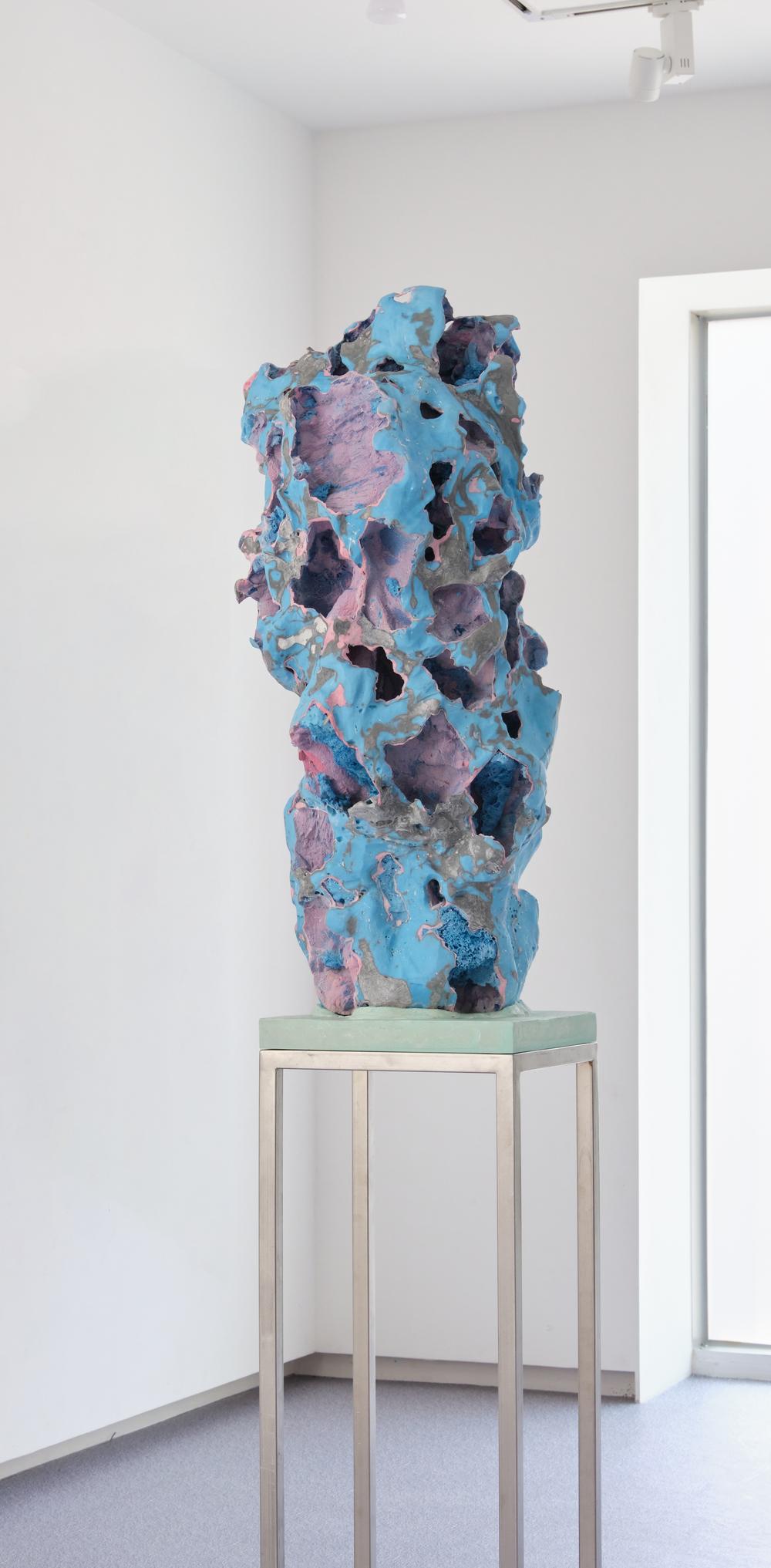
Unlike a diorama, which seeks to faithfully reproduce a specific
landscape in miniature, the landscape in miniascape is discovered within the
material world—within the physical traces of accumulation, erosion, weathering,
and growth under particular climatic or geological conditions. Even in the
absence of a conscious act of representation, a small stone may resemble a
grand mountainous vista, precisely because the formative principles of a
natural fragment mirror those of the greater landscape it belongs to.
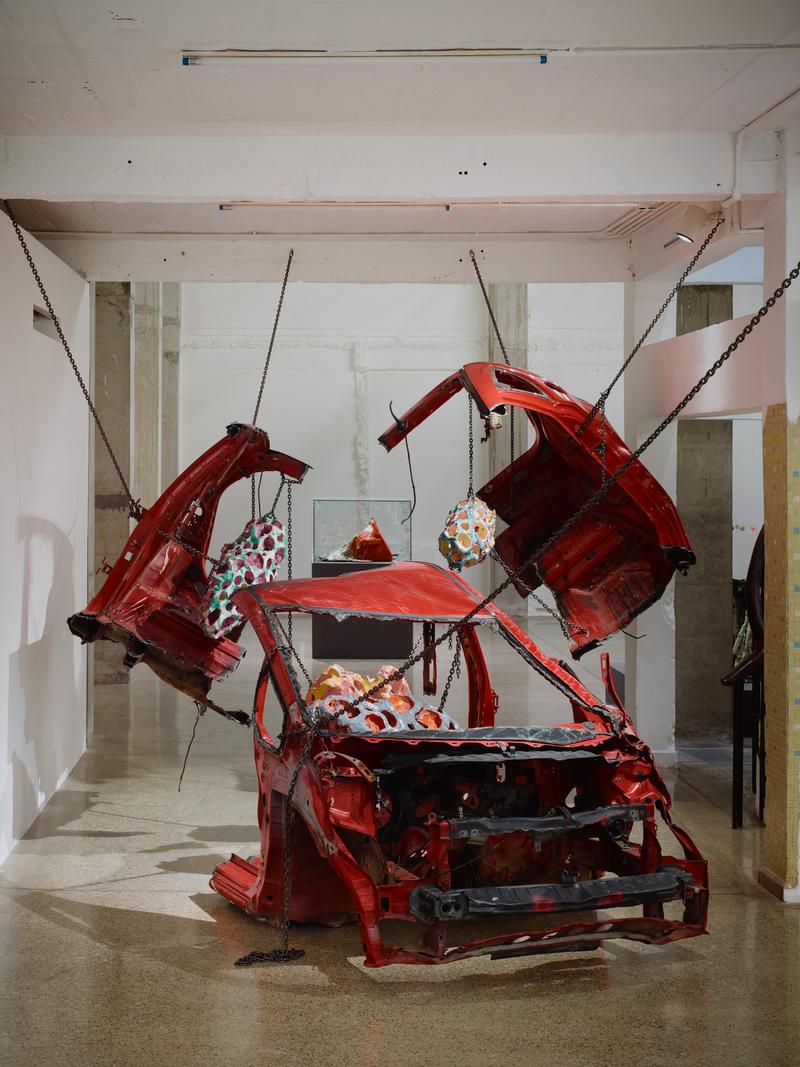
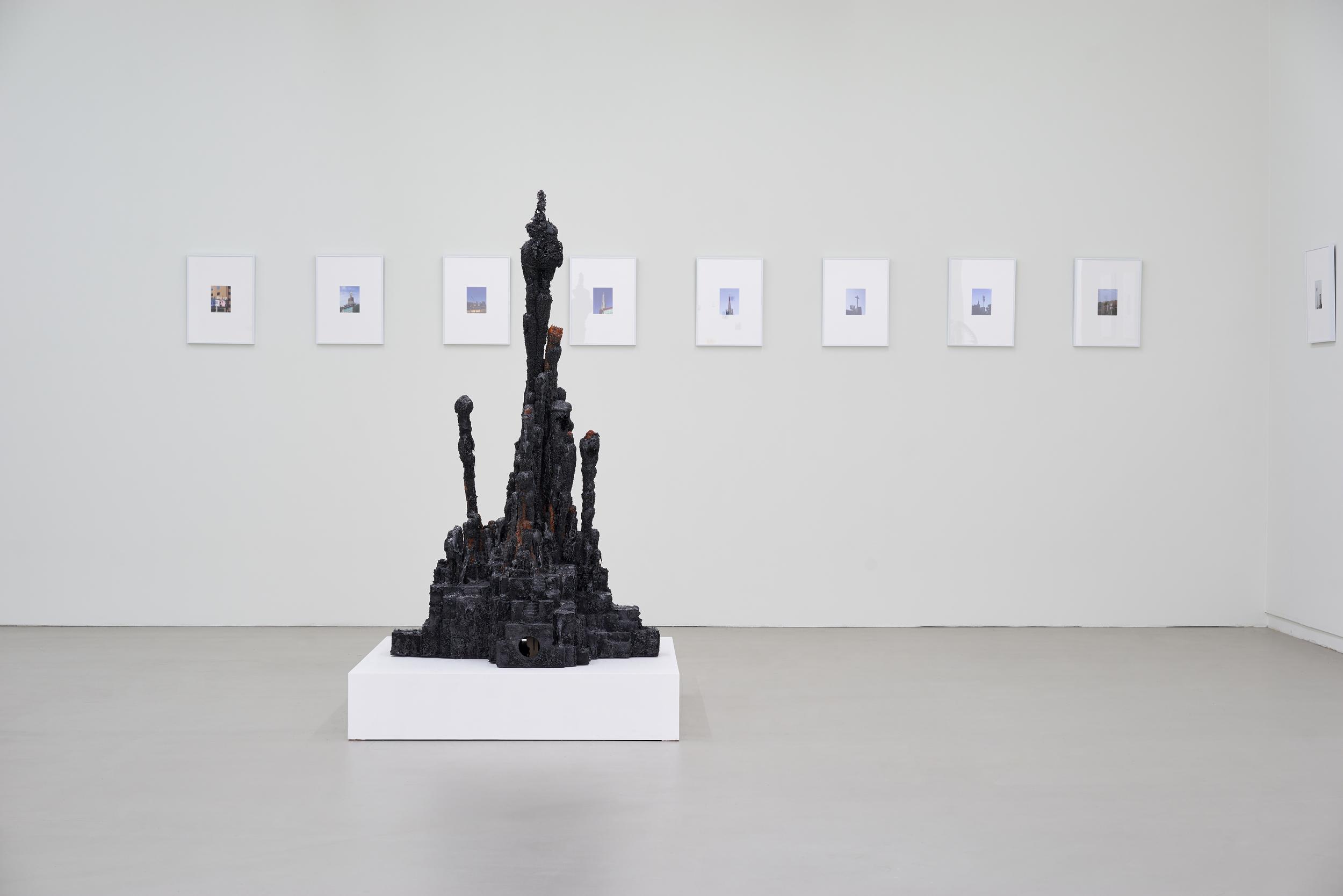
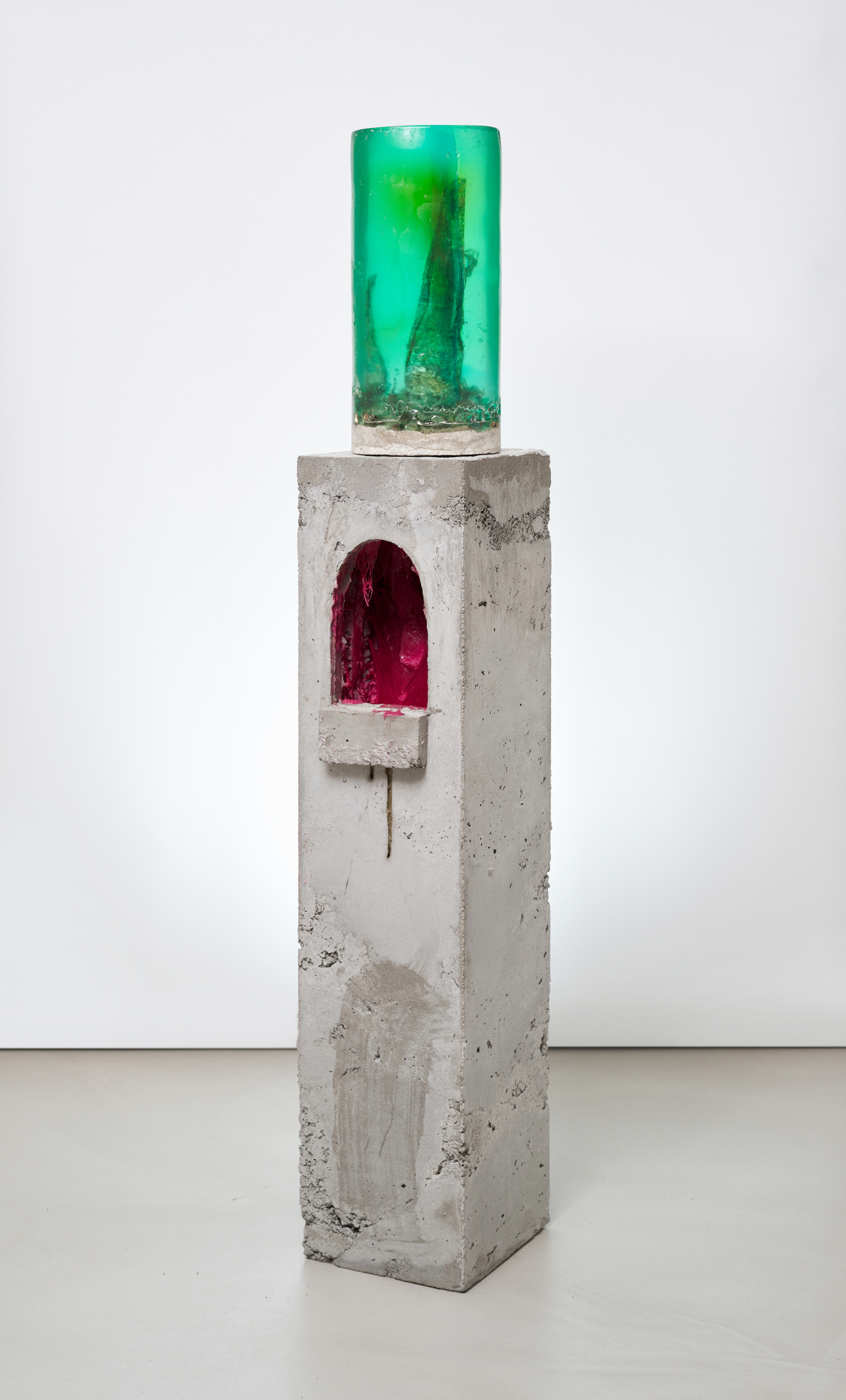
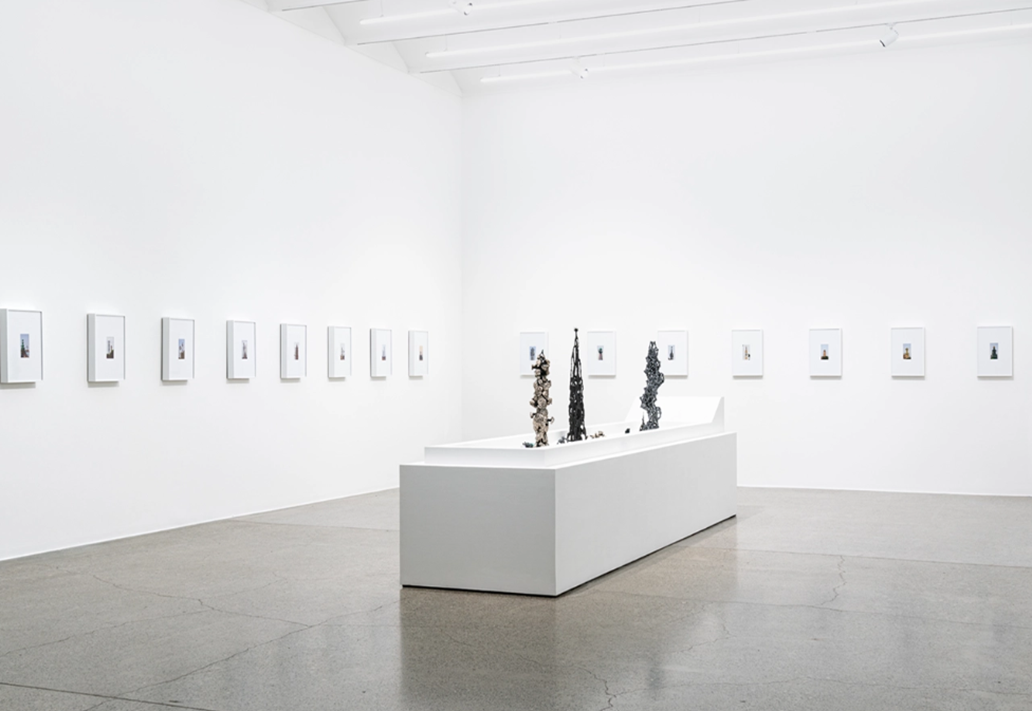
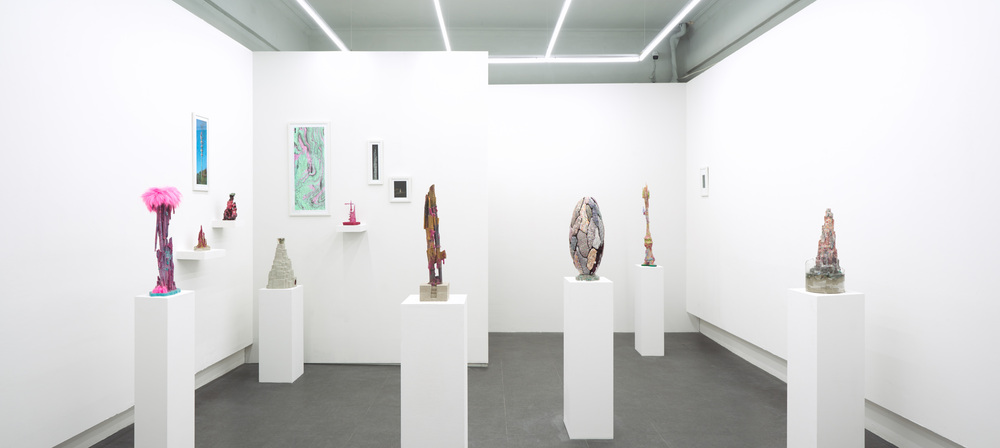
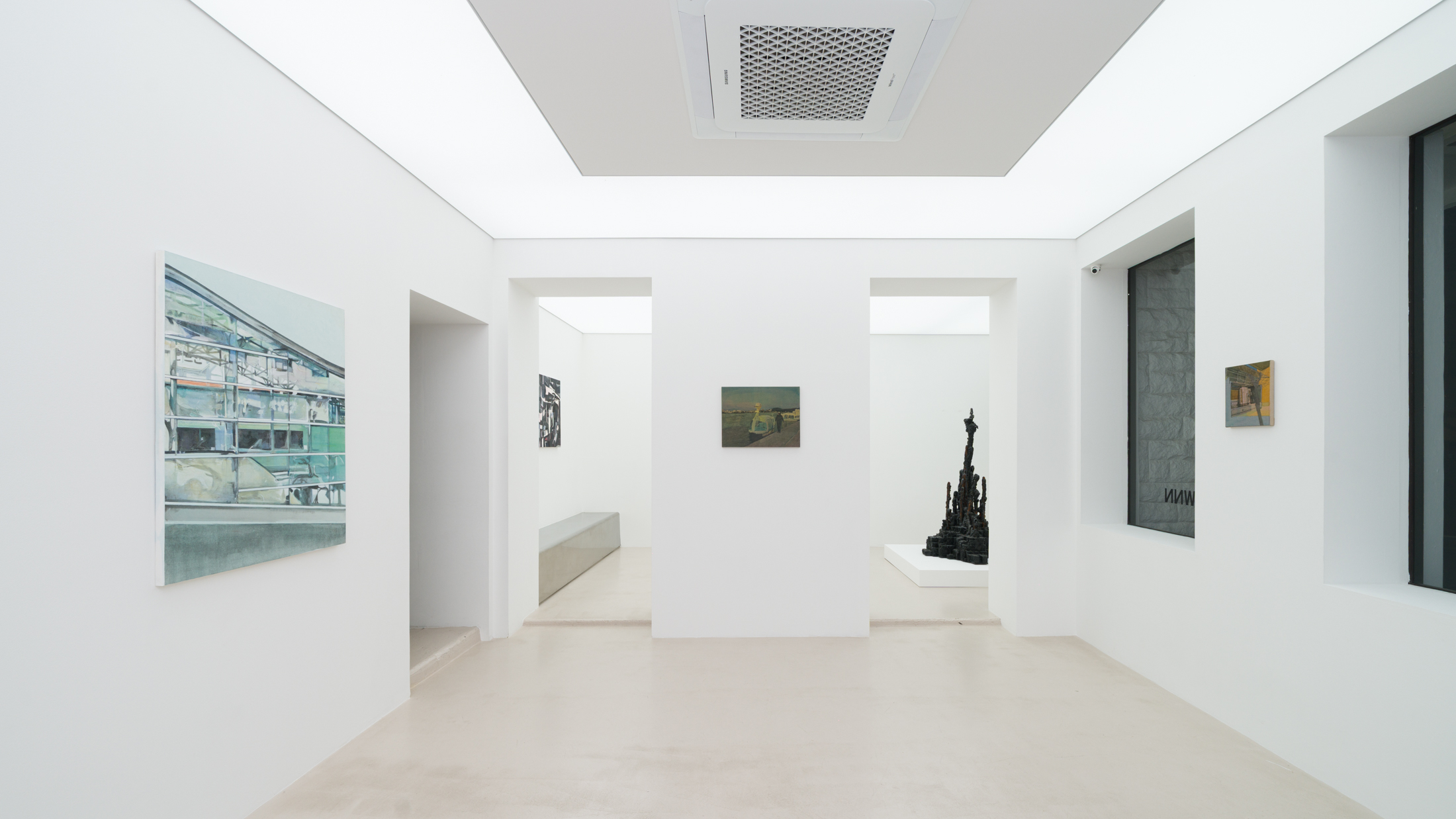
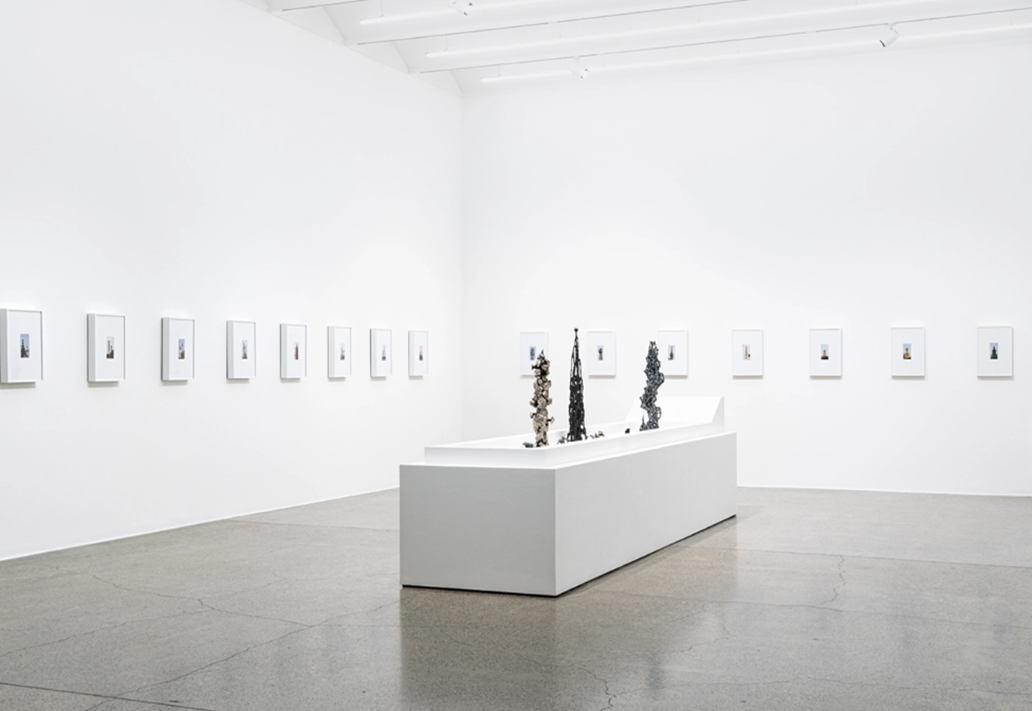
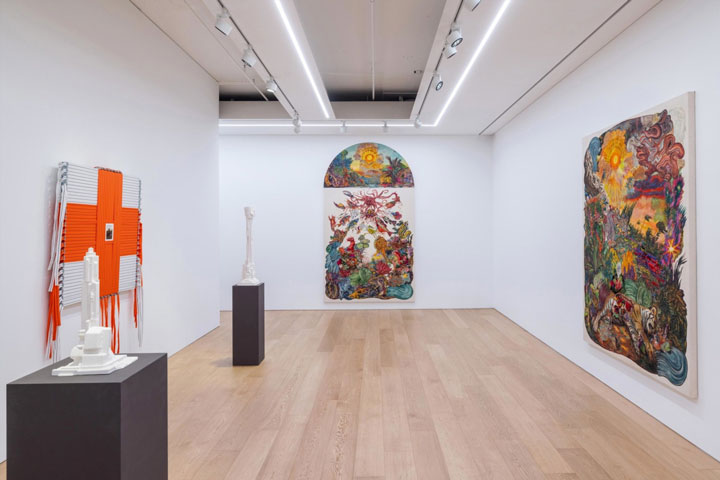
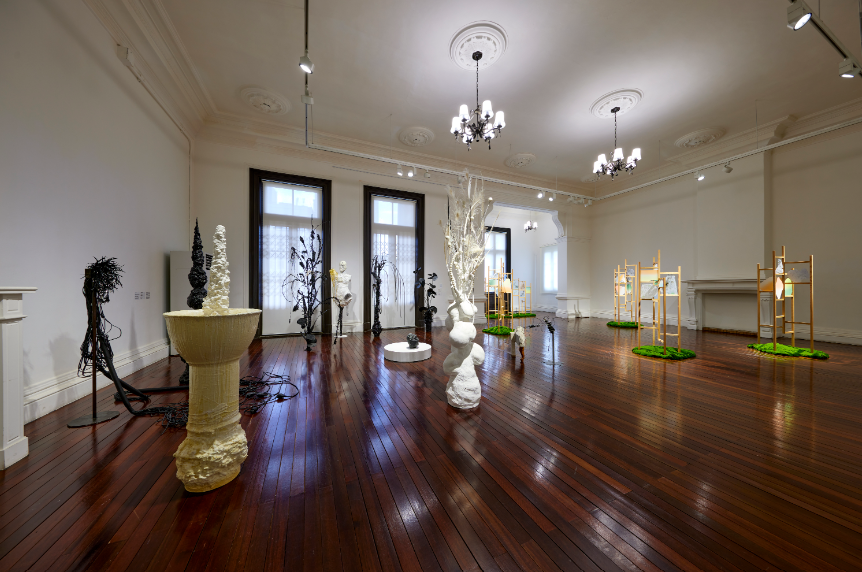
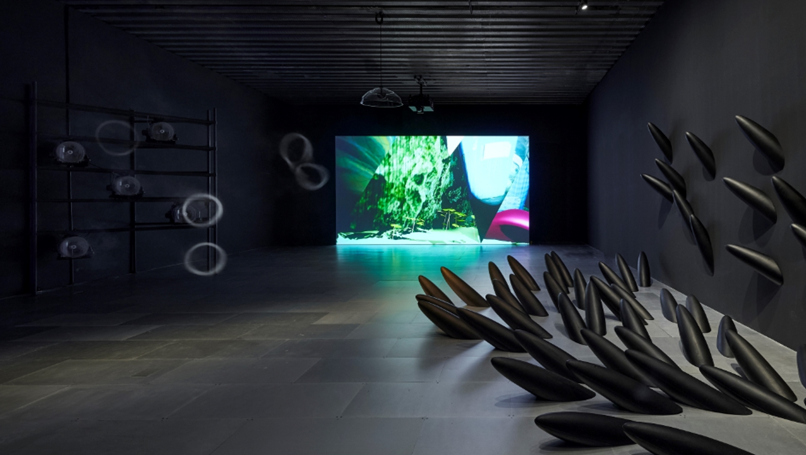
In 《Miniascape
Theory》, landscapes—typically horizontal and visual in
nature—are restructured into vertical and material sculptural forms. This
process unfolds through the manipulation and distortion of traditional
sculptural techniques such as casting and modeling, using materials like epoxy
and polystyrene. Each entangled, melted, overheated, cracked, swollen,
disintegrated, or misaligned object functions as both a minuscule landscape in
itself and a fragment of a vast one.
The function of the miniascape—to compress a vast space into a
compact form—resembles that of a map. Unlike panoramic views that surround the
viewer, the miniascape reverses this relationship, allowing the viewer to
observe the landscape omnisciently. Through this lens, we are able to discern
the structural composition of landscapes and gain a multidimensional
understanding of what might otherwise appear flat or singular.