Flaneur is a French term meaning "a person who literally
strolls in a city", but this is not a stroller who leisurely lounges about
the streets. The flaneur means one who explores diverse aspects of a
city, observing with their eyes and thinking with their head. This term was
also used by Walter Benjamin, a German philosopher in his book The Arcades
Project. He perceived it as a cultural act by an active observer of a city.
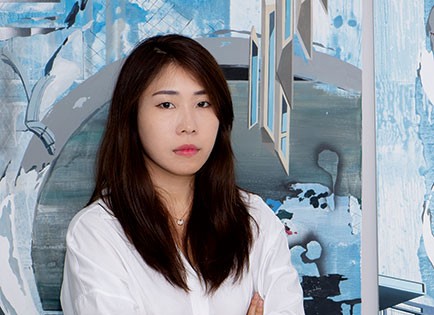
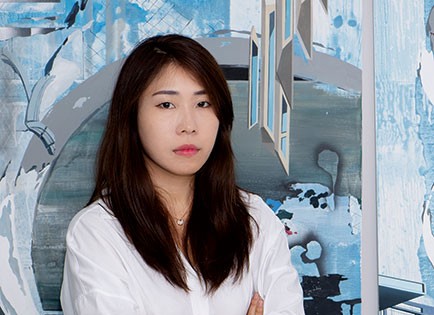
Hwang Wonhae’s work is also inspired by her observation and contemplation of
the city. Hwang, since the age of 20 when she went on to university, has lived
and worked in many areas of Seoul and Gyeonggi Province, taking Hongdae and
Sangsu-dong, Seoul as a base of her activity. Urbanscapes and environments she
came across in the period when she studied art and developed as an artist were
enough as the subject matter of her work.
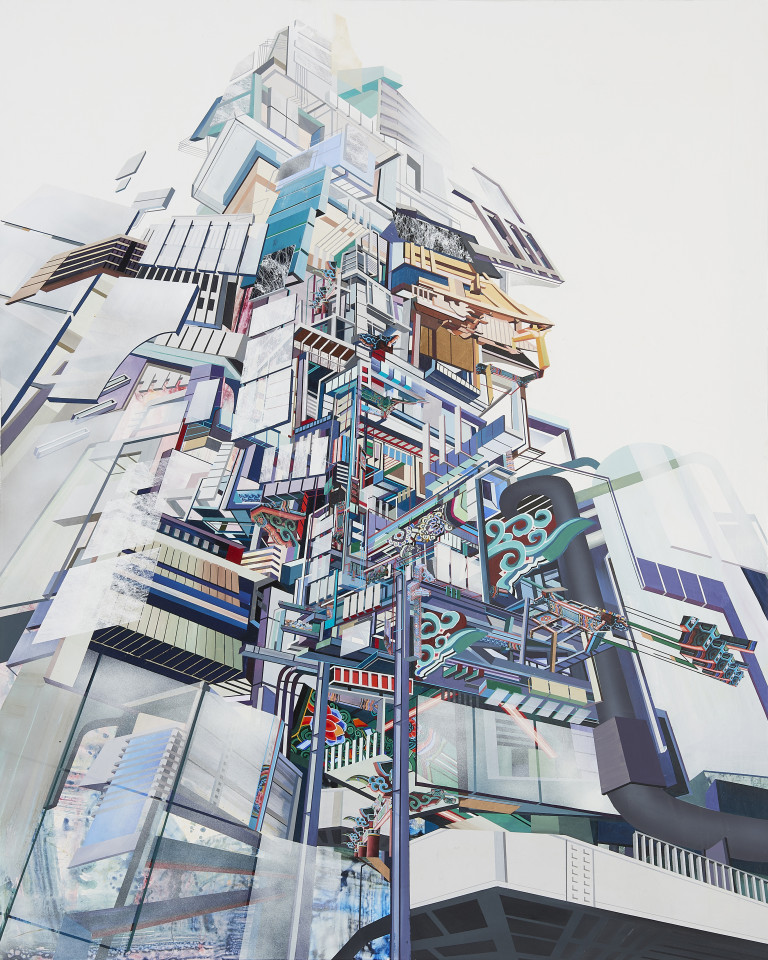
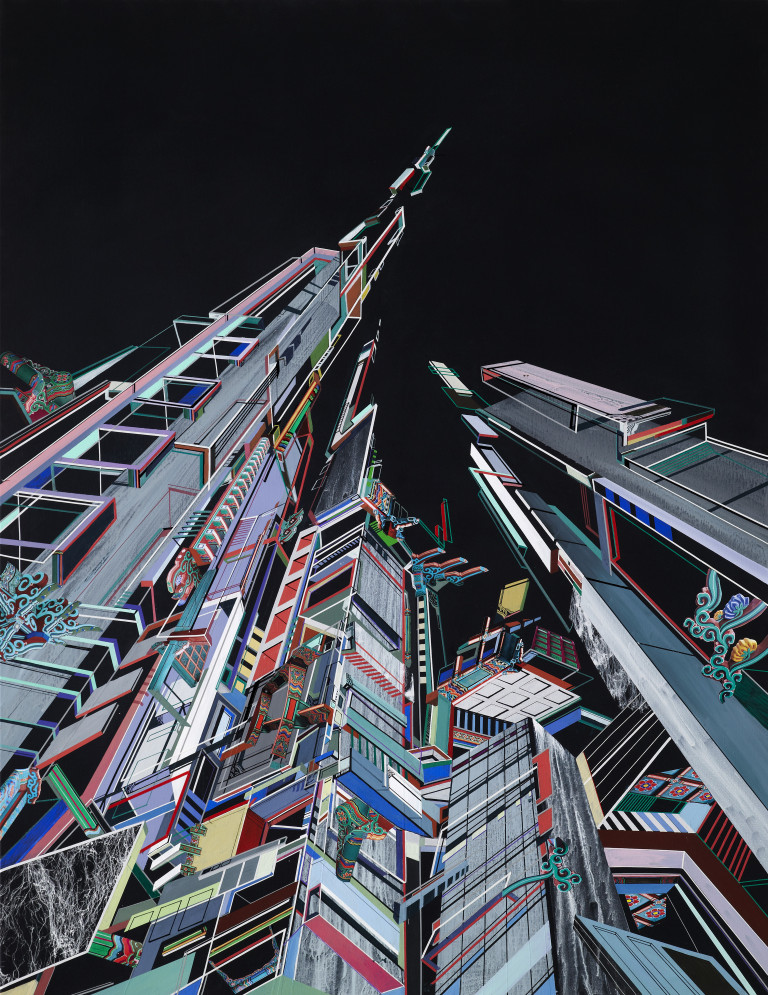
Urban images have long been subject matter for the artist. In
her previous pieces, Hwang made an attempt to conjoin and rearrange past and
present architectural factors in space, overlapping and synthesizing urban
geometric elements and patterns. In this exhibition, she concentrates primarily
on emotional and subjective interpretations and represents drawing elements
rather than utilizing superficial urban images. Areas such as Hongdae, a
neighborhood near Hongik University, Sangsu-dong, and Hapjeong-dong in Seoul,
where Hwang has lived and worked for many years are at the zenith of consumer
capitalism. A shop that didn't exist yesterday starts its business today and a
store with 30 years of tradition suddenly disappears. Such shops are going out
of business or being established day by day. These areas have a placeness that
is prone to rapid change. Fluid persons, flashy signboards, and towering
skyscrapers compete to occupy limited land and altitude. A city is thought of
as a dynamic, interesting space while it is also a place that its fragments are
in one’s memory. The urban landscape changing by the minute exists as an image
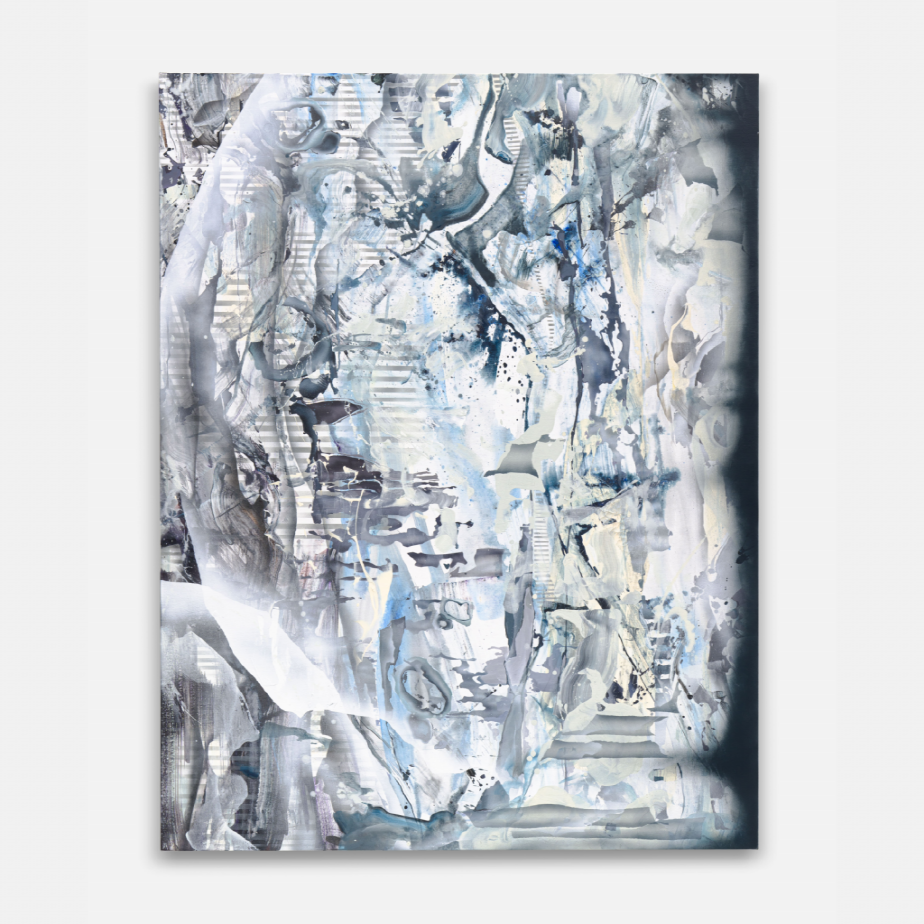
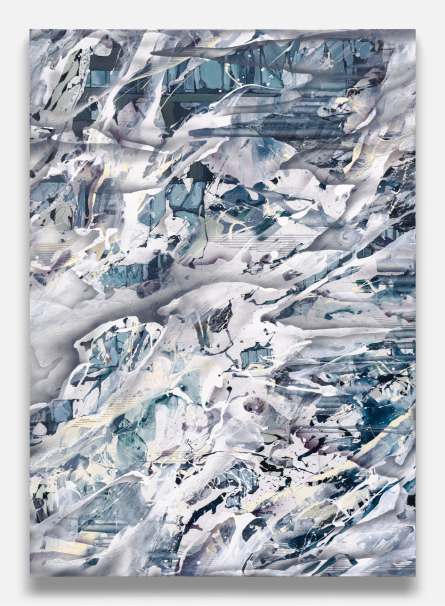
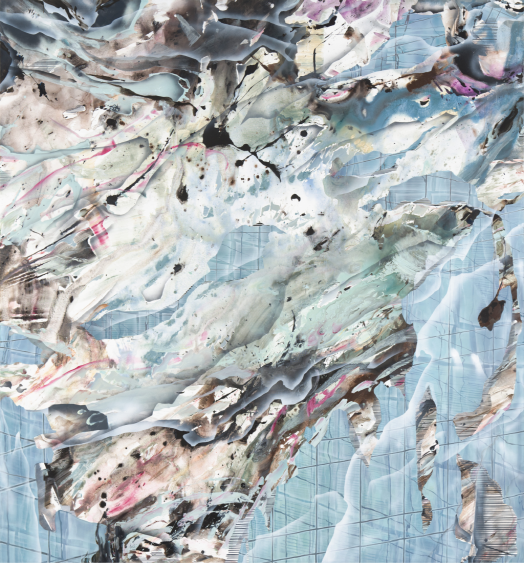
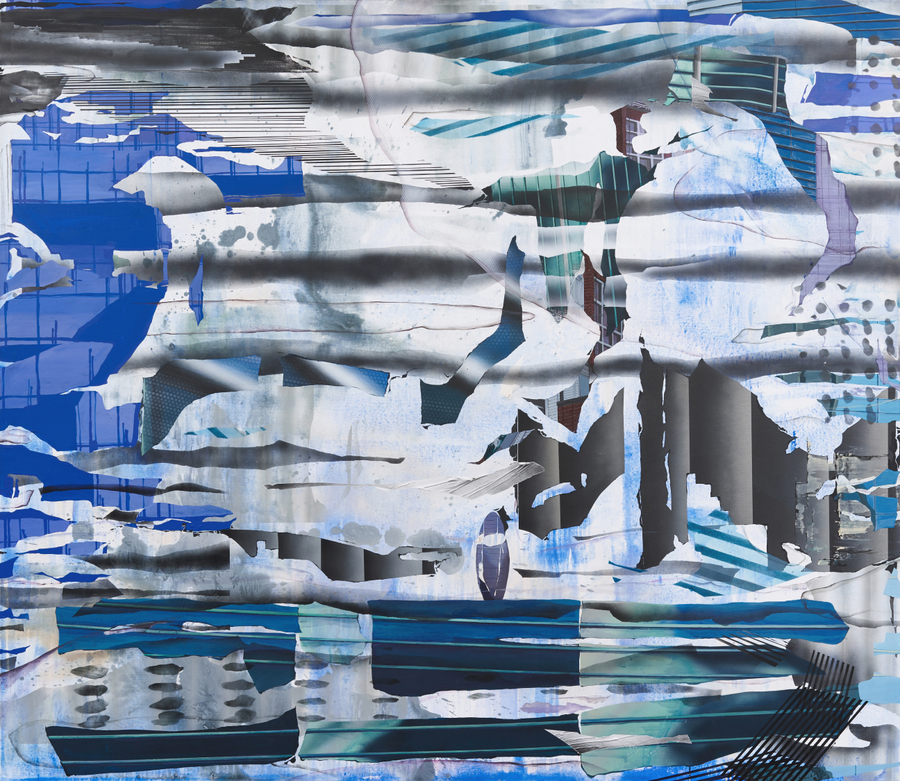
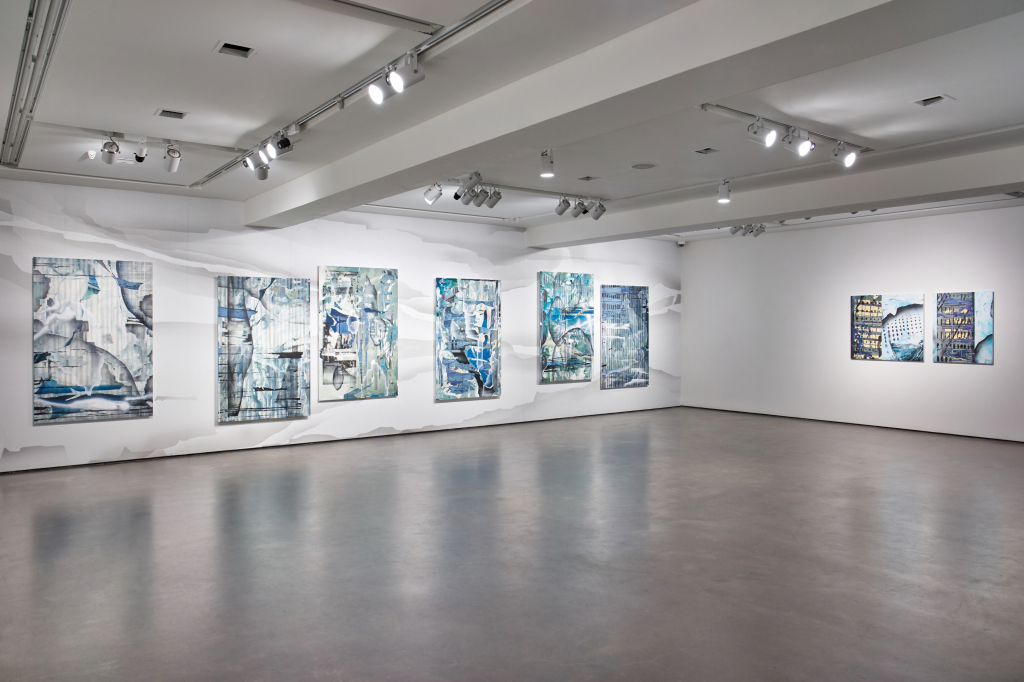
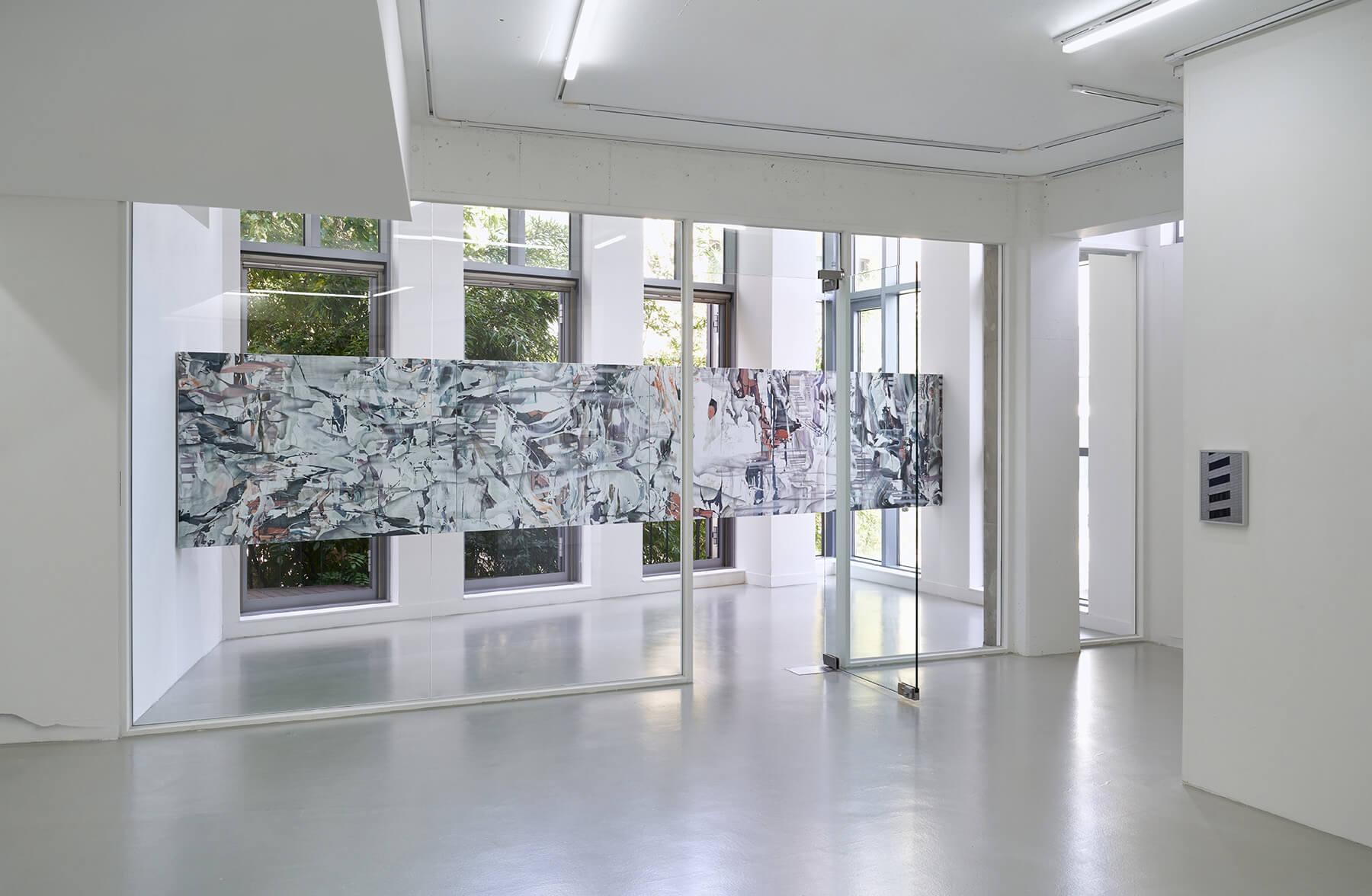
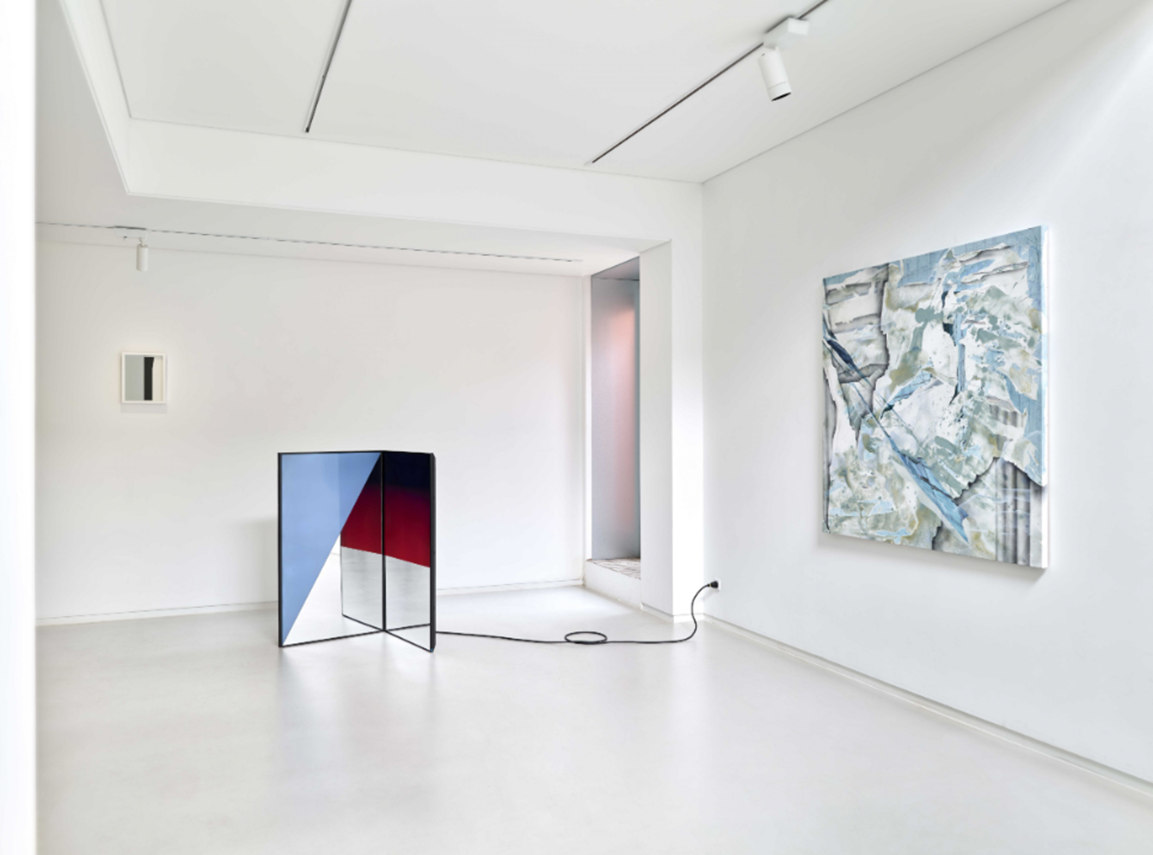
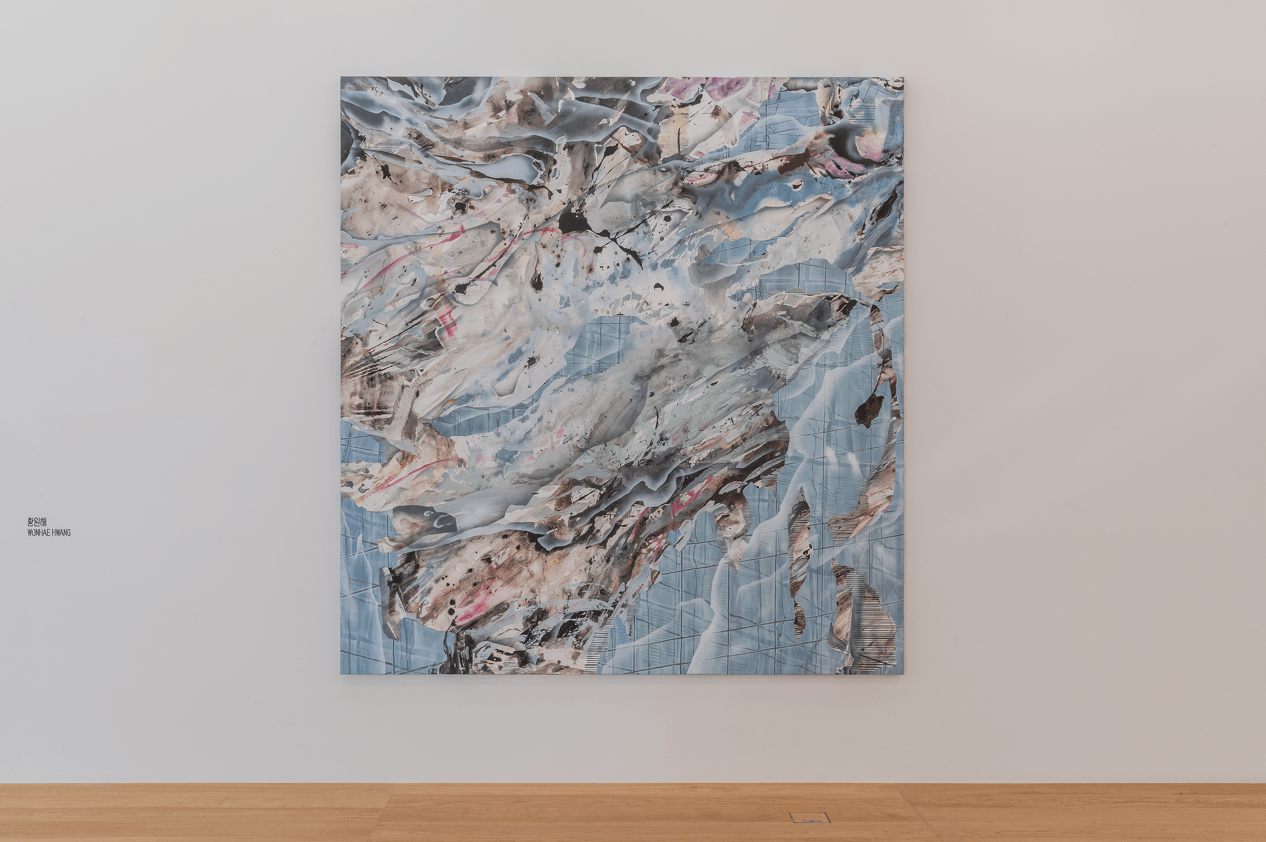
in each person’s memory. Hwang overlaps and expresses such images in abstract
painting. Light reflected onto the glass of a high-rise building, the
shimmering surface of the water on the ground after rain, and an unclear image
reminiscent of a city shrouded in mist overlap in semitransparent layers in
Hwang’s work. She portrayed the layers of emotions and memories of a cityscape
that rests on a certain rule and flexibility in abstract painting.
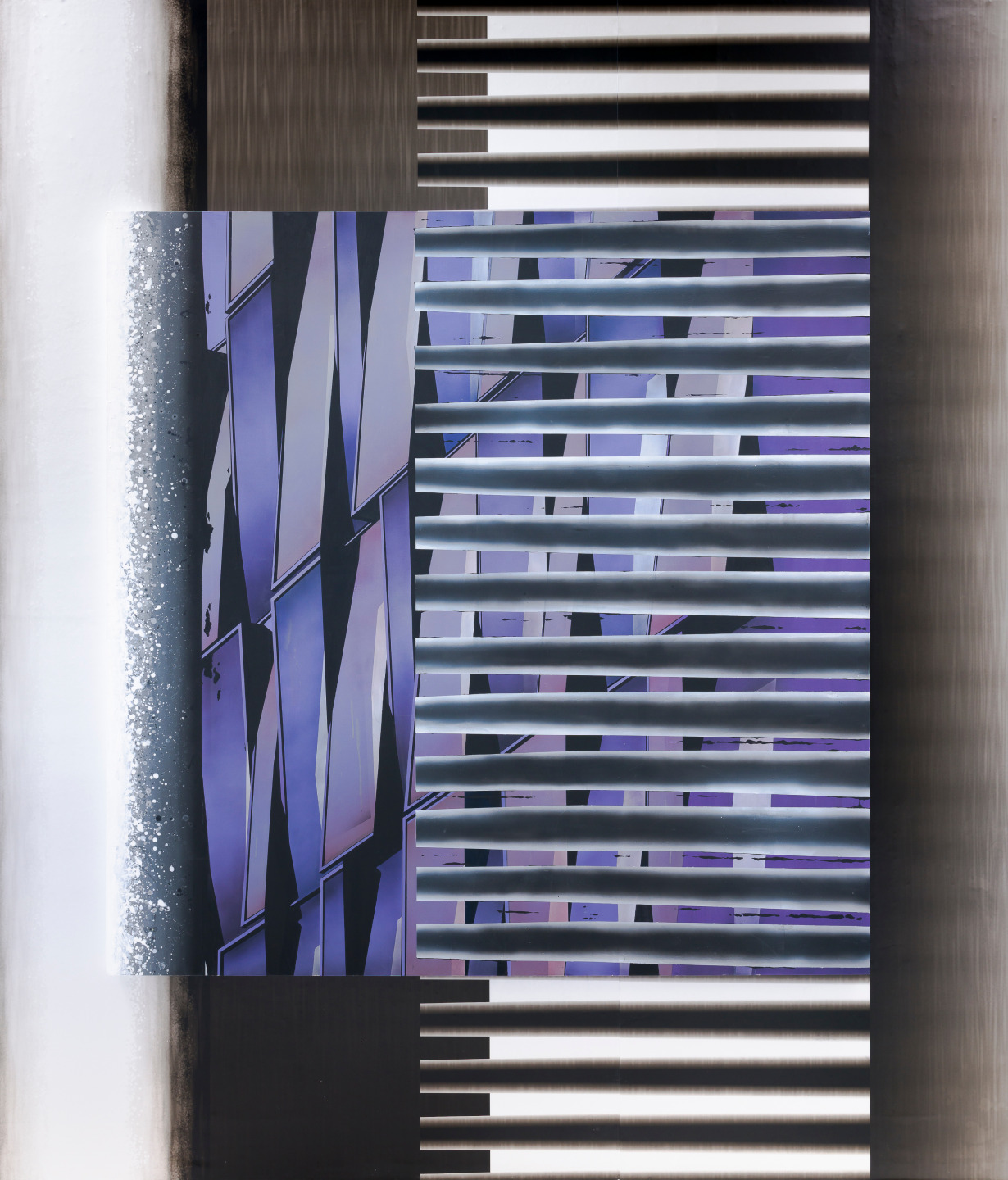
The ‘module’ in the exhibit title Modular Vision is a
standardized unit for a certain rule. A motif of Hwang’s work, the module
starts from a ‘square’ shape that draws a distinction between windows and other
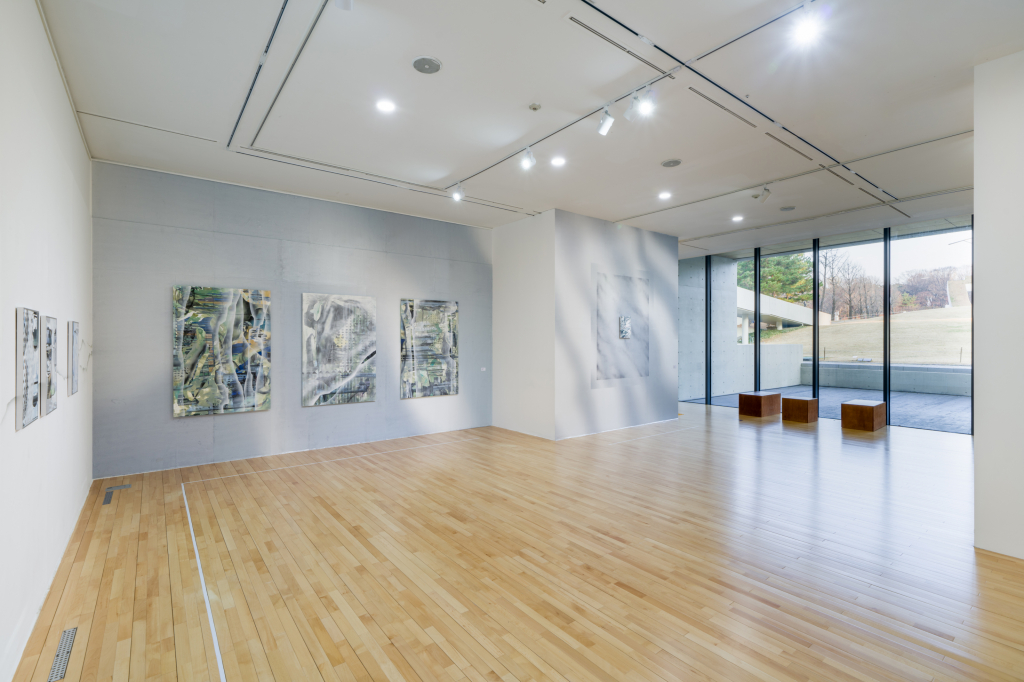
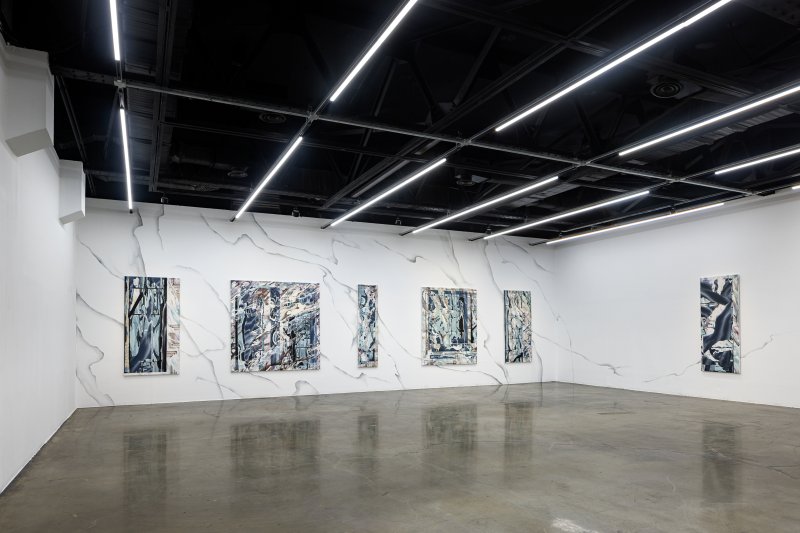
spaces. In Streaming, work on show at the entrance of the gallery, a
drawing on the wall is linked to the modular structure of a canvas. It brings
to mind the silhouette of mountains seen among buildings which is a salient
feature of the city of Seoul. Sheet, work on display on the opposite side
reminds viewers of a black-and-white garden in a thick dark fog. Urban images
are mixed up with natural images in a wall drawing made with an airbrush. In
this exhibition, she tries to expand her images to the entire space of the
gallery, not just confine them to a square canvas. The most characteristic
material utilized for works on show at this exhibition is ‘screen tone’. Screen
tone is a sticker-type sheet for applying textures, patterns, and shades to
drawings. Used mainly for published cartoons in the past, this is an element to
lend three-dimensionality to two-dimensional cartoons. Hwang means to
three-dimensionalize urban images in her work portraying such images on a flat
surface and intends to bring about this cubic effect in the viewer’s
perception, employing a variety of techniques and materials such as drawing,
airbrush, semitransparent sheets, and screentone. This has been completed
inside the space of the venue. Her Modular Vision is one of the
modular illusions.
The period in which Walter Benjamin commented on the concept of
the flaneur was when Paris was transformed into a modern city by
consumer capitalism in the 19th century. An arcade referring to a shopping mall
stands for a place where the phenomena of industrial capitalism such as trends,
consumption, and advertisements take place. Hwang who has lived and worked
chiefly in the areas of Hongdae and Sangsu-dong, the hotbed of Seoul’s consumer
capitalism, produces her pieces through her emotional approach predicated upon
their regional hallmarks. An artist is after all one who represents thoughts
and feelings engendered by his or her life or environment through images. And
this process is accompanied with a diversity of concerns, conceptions, and
reinterpretations. The artist’s energy, which remains on a square canvas,
expands when encountering drawing elements packed into the exhibit space,
suggesting that appreciators can see and contemplate a city in a completely new
light.