Exhibitions
《Dig Around in Empty Pocket》, 2022.10.06 – 2022.11.10, Gallery KICHE
October 06, 2022
Gallery KICHE
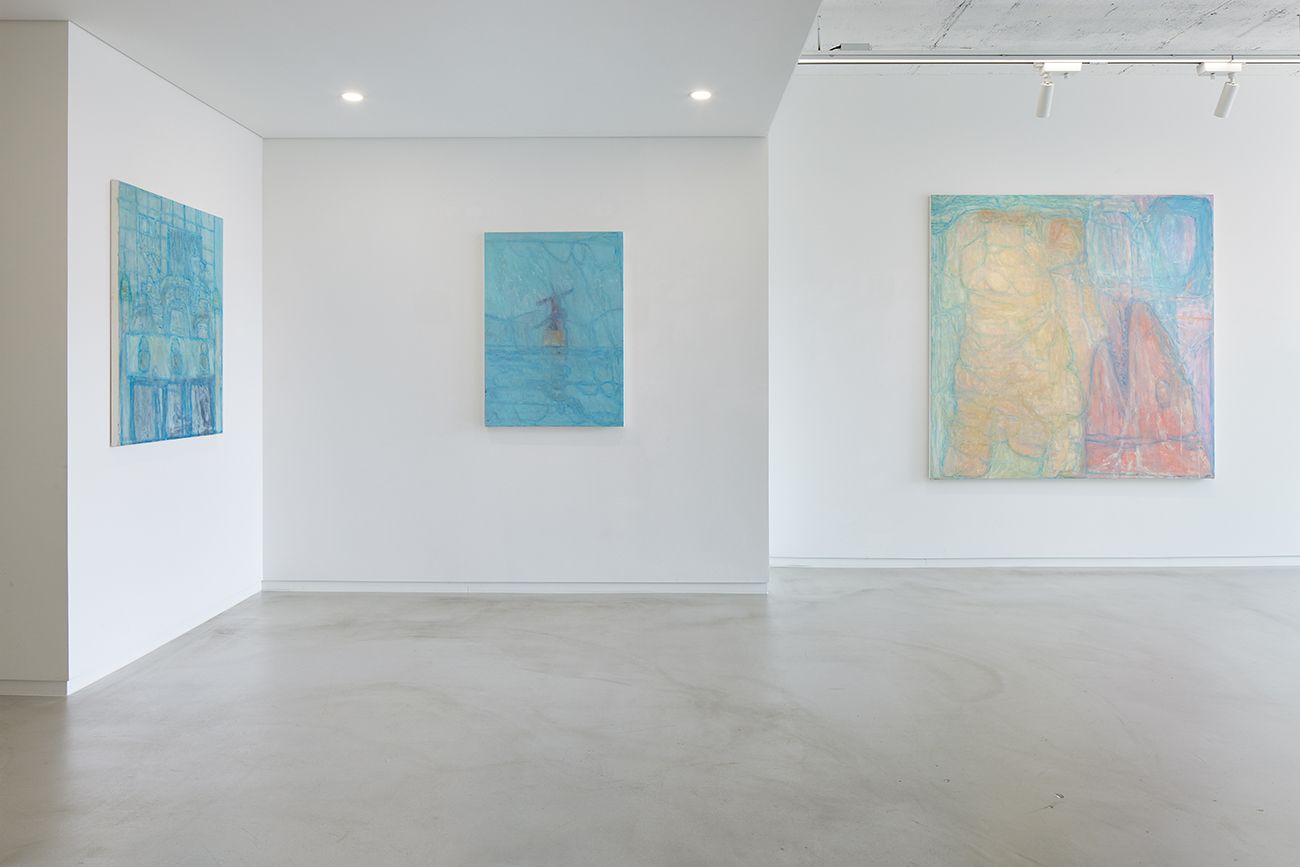
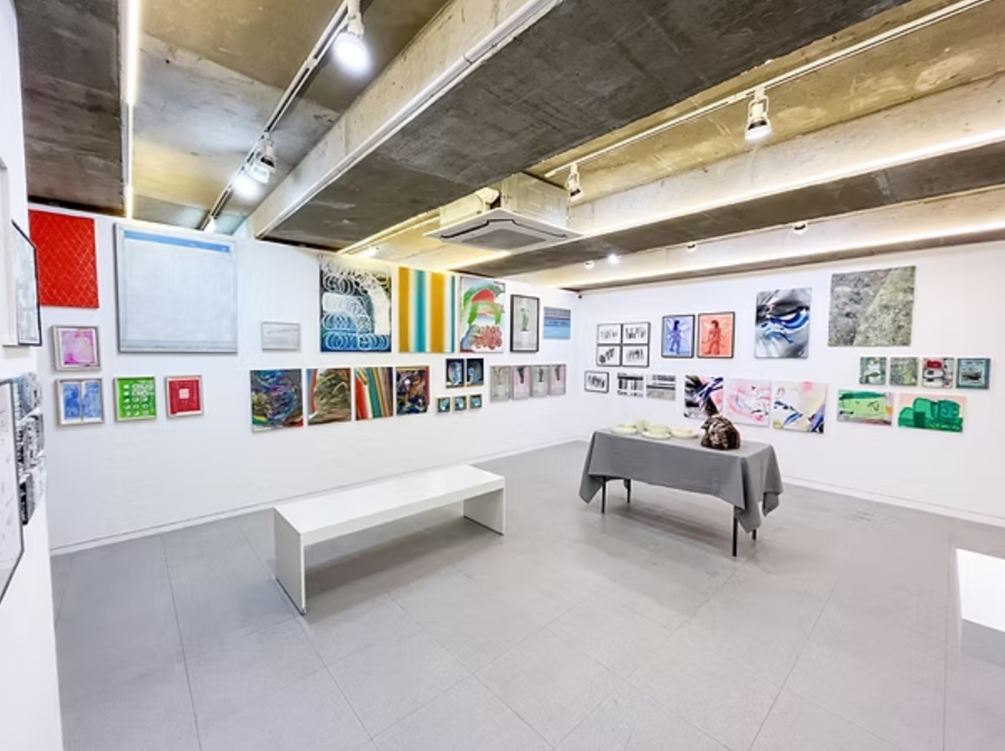
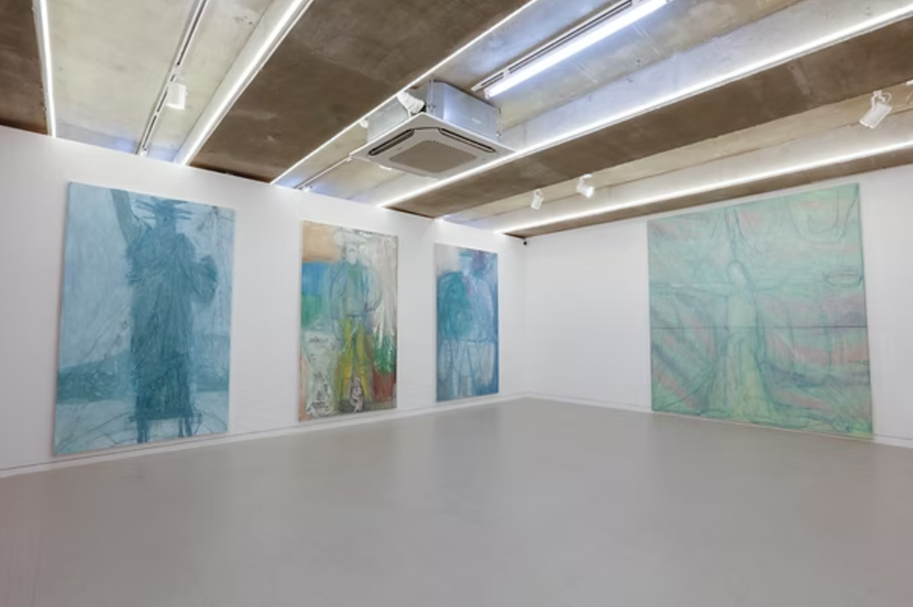
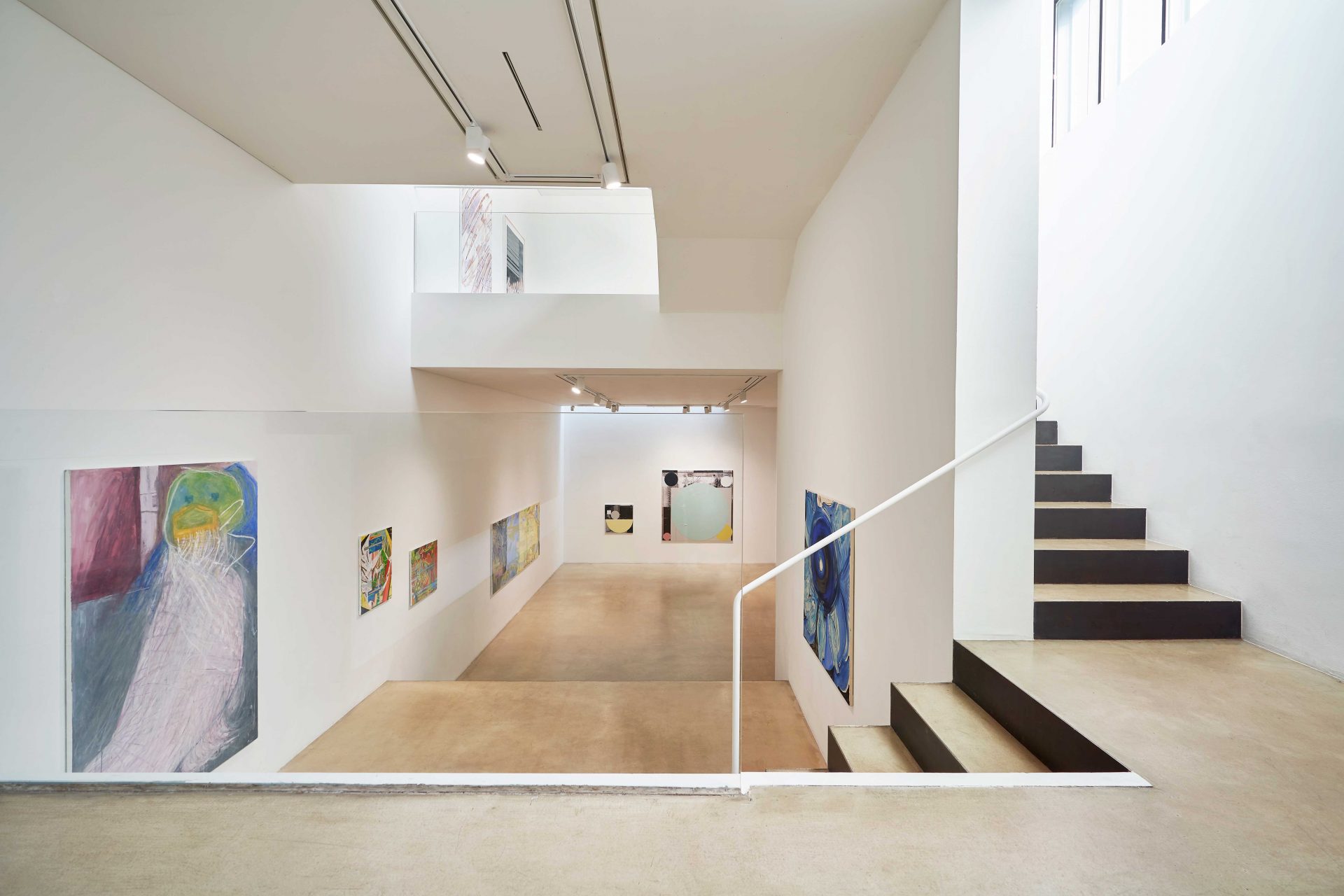
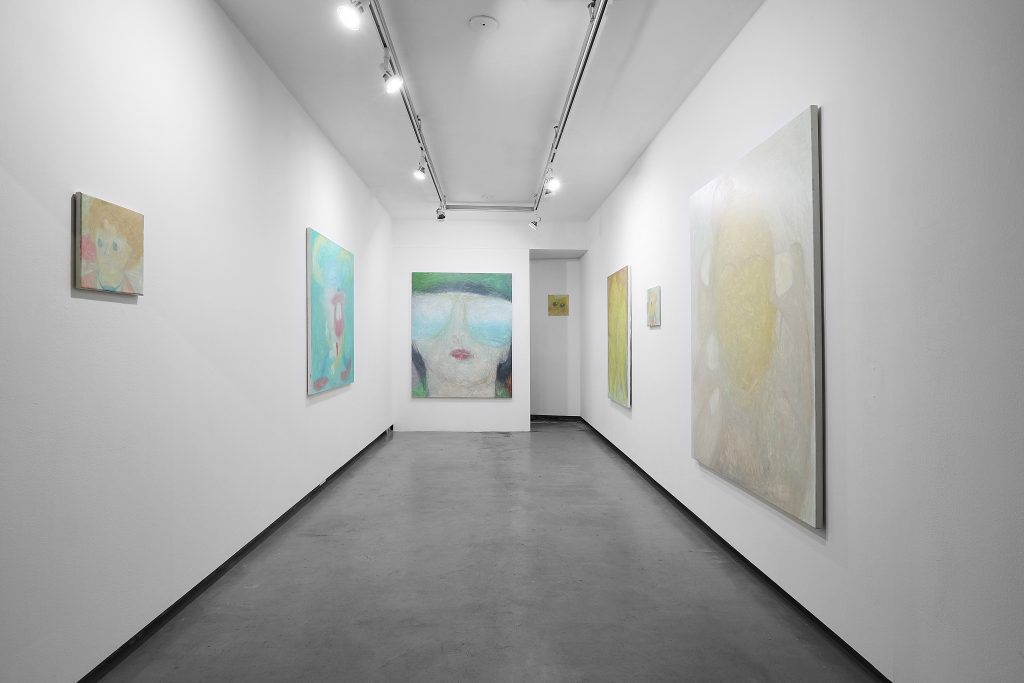
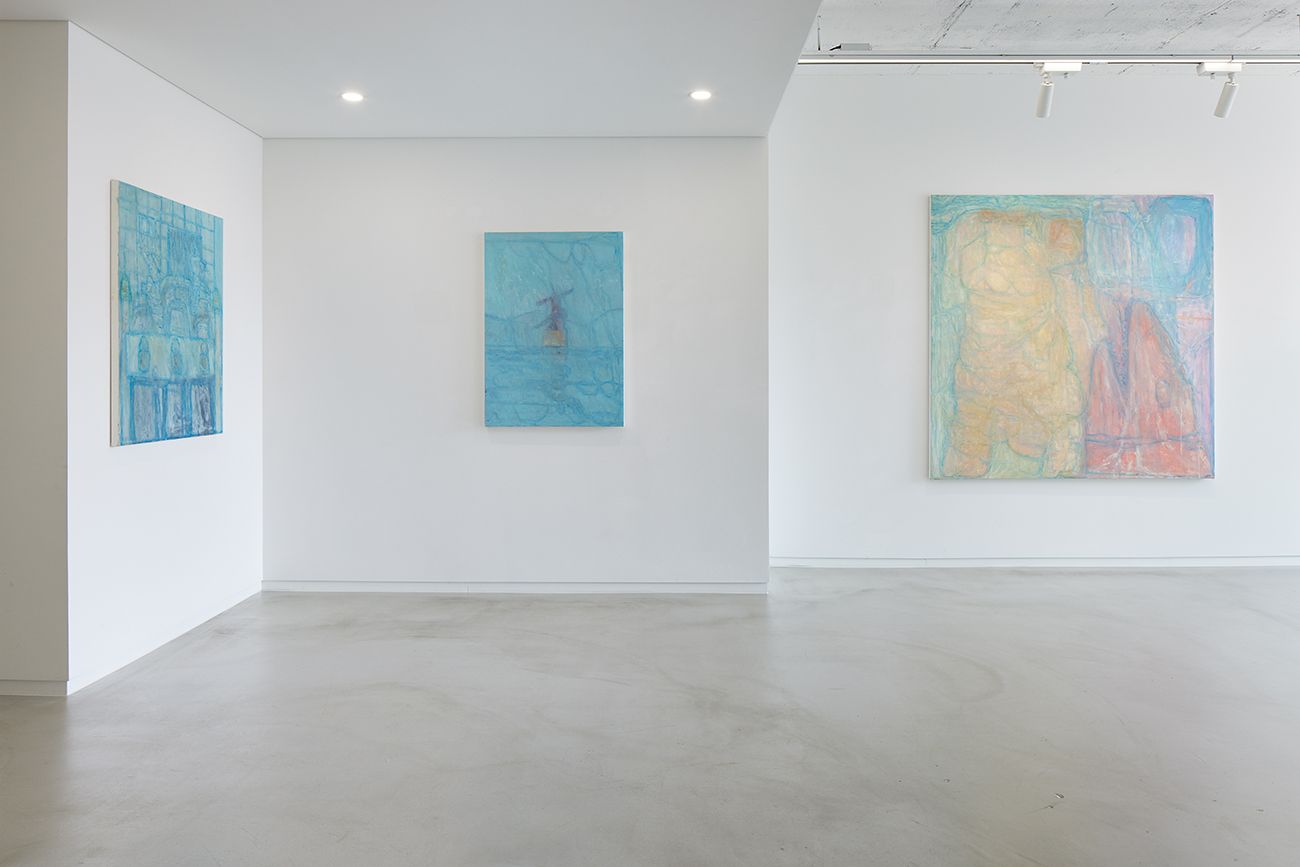 Installation view ©Gallery KICHE
Gallery
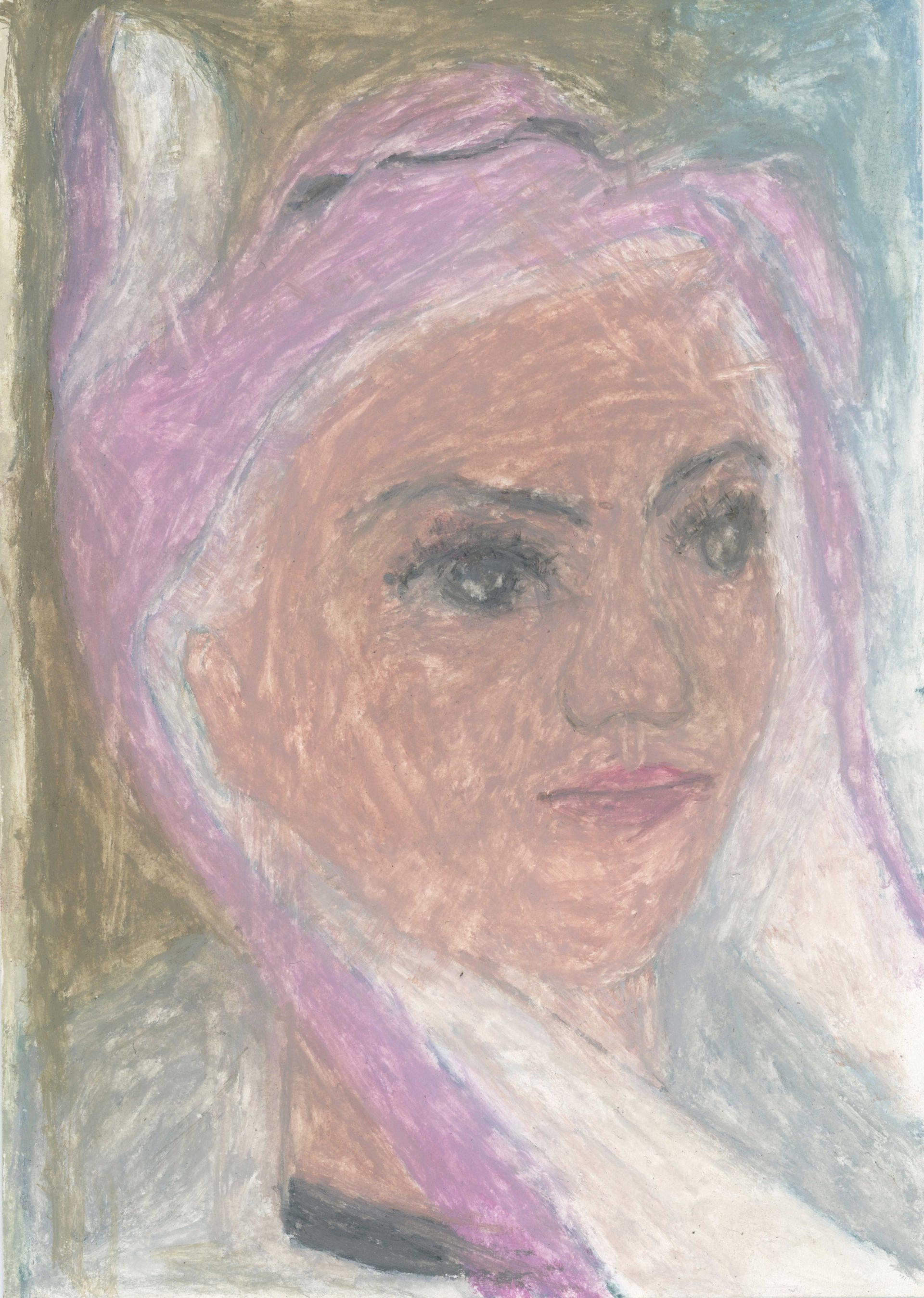
KICHE hosts Artist Park Noh Wan’s third solo exhibition, 《Dig Around in Empty Pocket》. Through the
works shown in this exhibition, the artist further develops his artist practice
of capturing small objects around him in photographs, transferring them onto
the canvas, and repeatedly smudging them to materialize his unique painterly
expressions and textures. The phrase “Digging around,” meaning to scrape and
turn upside down, scatter or toss around, runs throughout the exhibition.
Rather than focusing on the origin or narrative of the often overlooked objects
such as a pair of worn walkers, broken umbrella, leaflet, and church towel that
have been kept for a long time without being thrown away, the 18 new works
center around the method they are drawn itself.
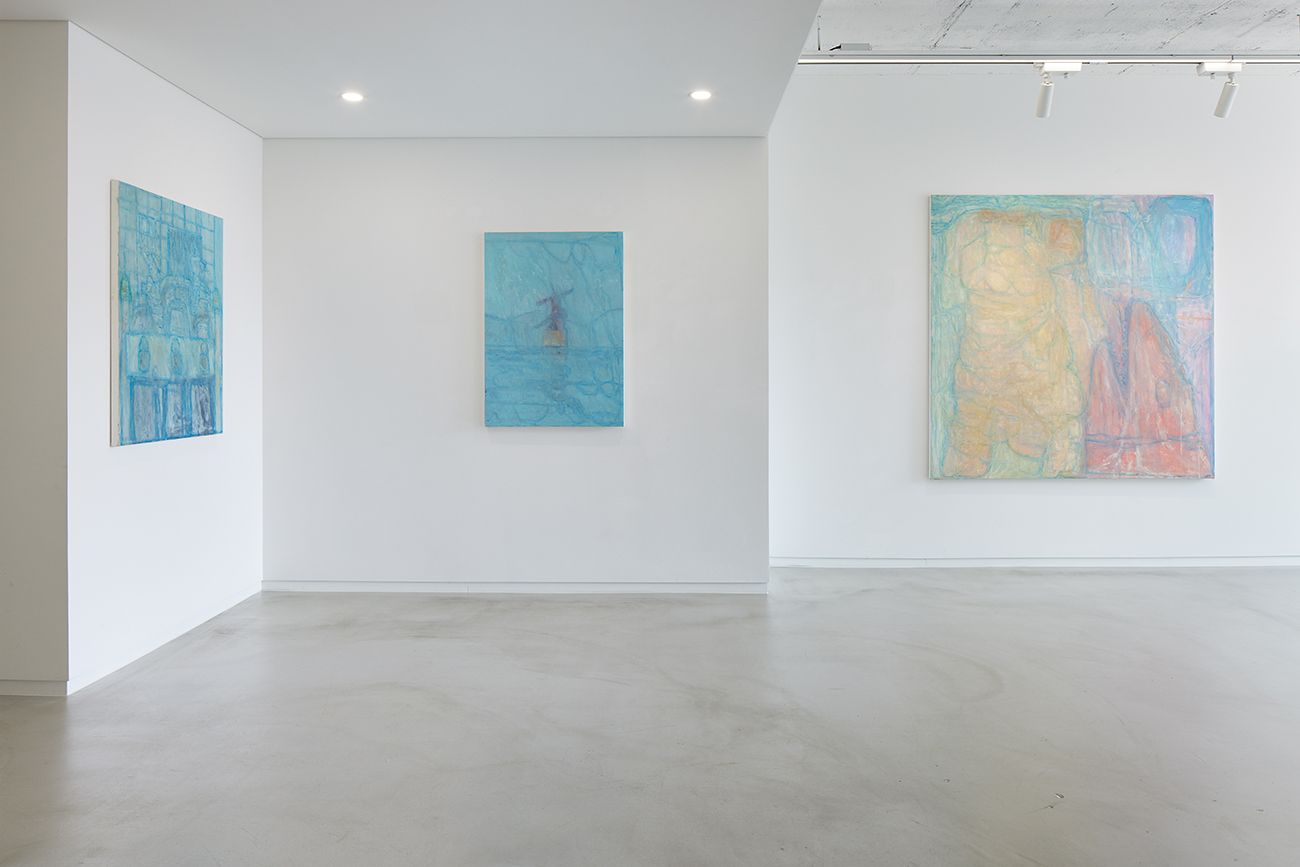
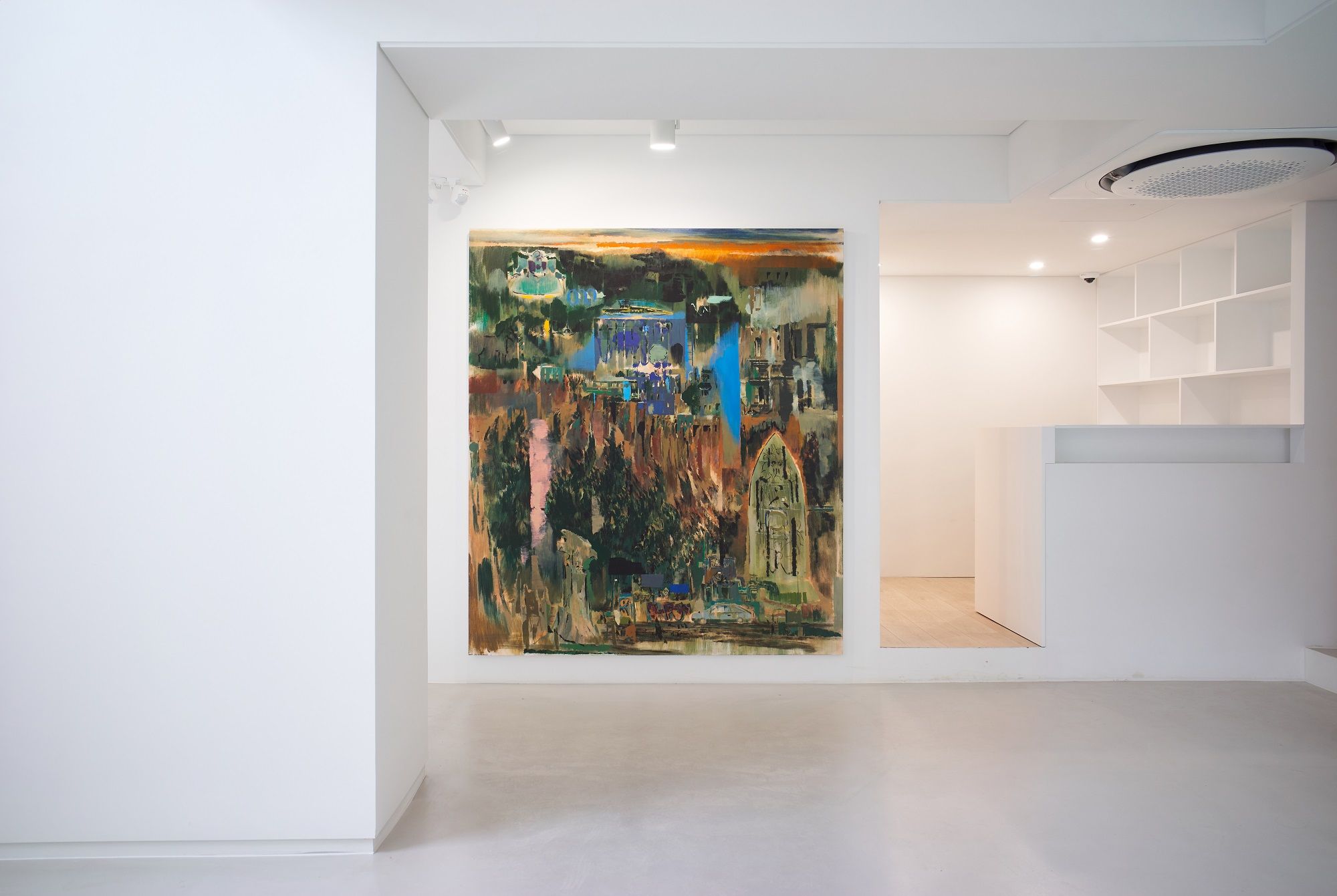
 Installation view ©Gallery KICHE
Consider
the specific method: the artist first paints a white undercoat composed of a
rubber solution (made by mixing arabic gum powder, watercolor binder, water,
paint, and ethanol for drying), then repeats the process of reconstructing and
deconstructing the drawn figures. In this process, Park continues to thin the
painting with water and scrapes the surface with a brush roller, spatula or his
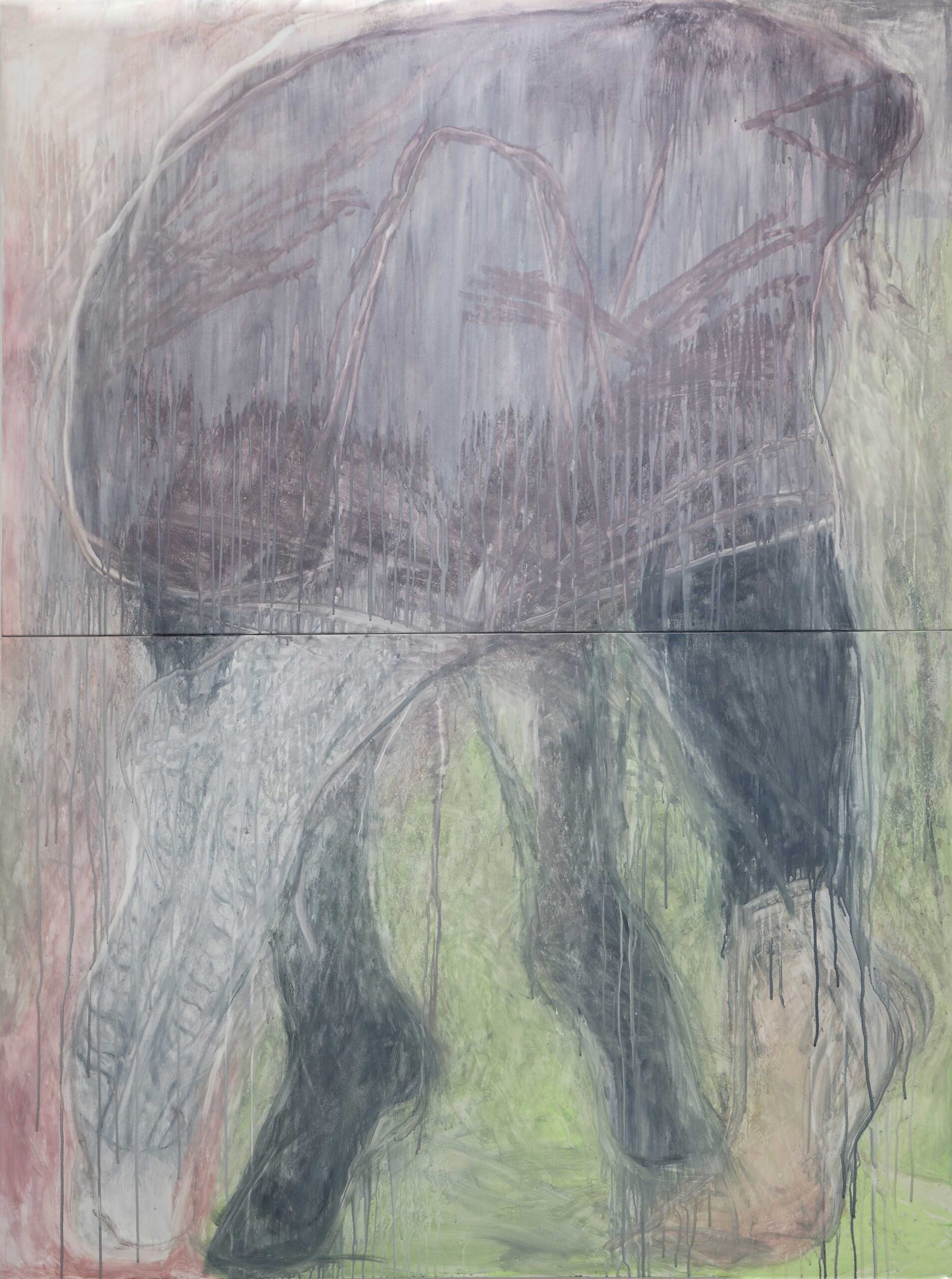
fingertips. In the 3-meter high work, Huge Towel, the
figures have faded, and the work becomes a fullscale abstract painting. Dried
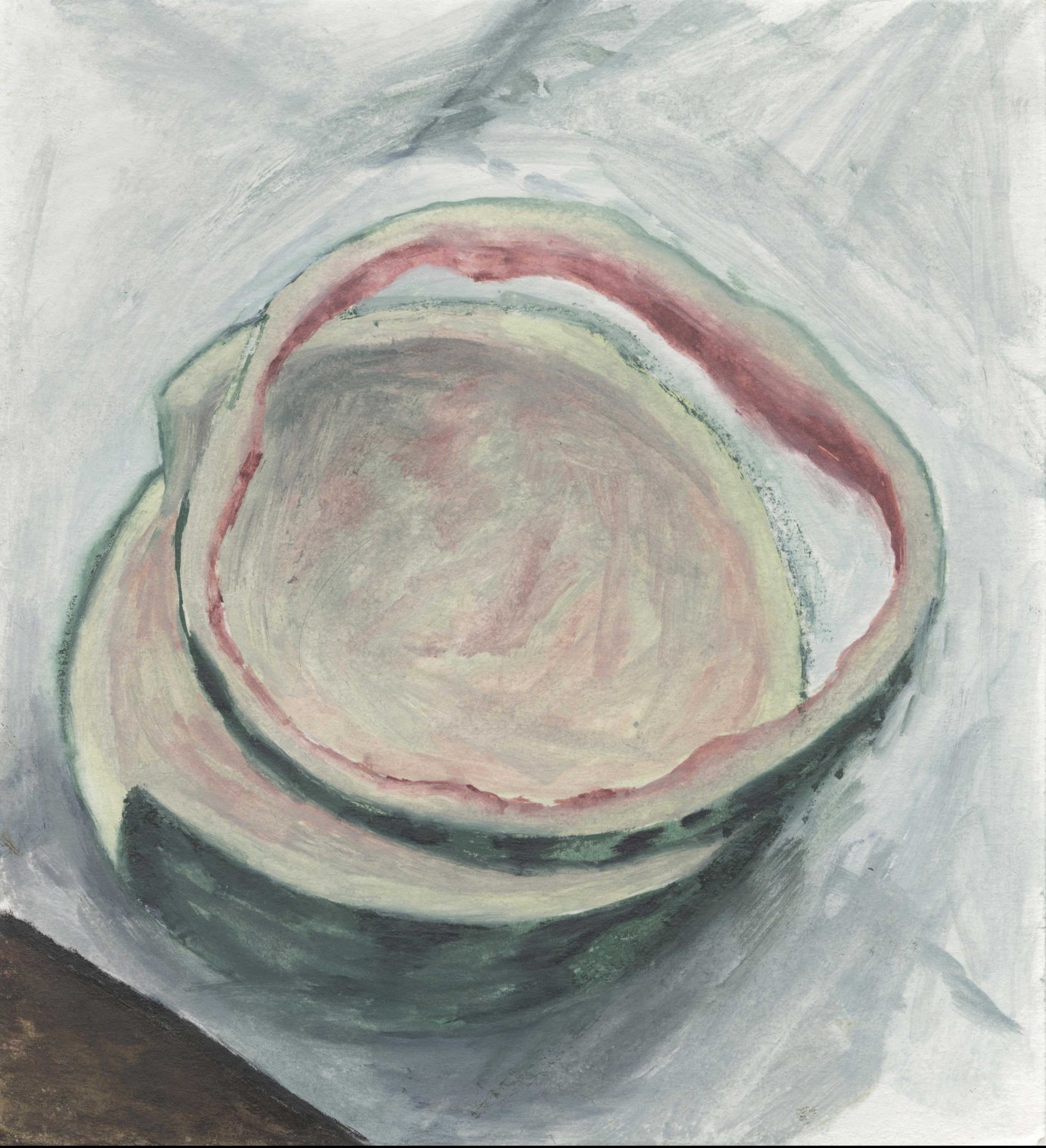
Carrots and Cabbage Leaves also clearly starts from a definite shape
and form of a still life painting but arrives at a mix of fluctuating colors on
a smooth, thin canvas (despite the numerous traces of brushstrokes). The series
‘Towel No.1, 2, 3’ and ‘Part of Church Flyers No.1, 2, 3’, on the other hand,
reflect the artist’s attempt to explore the distance between the object and
himself in his methodology.
In
many ways, 《Dig Around in Empty Pocket》 is a symbolic expression of Park’s selection of pictorial subjects
and methodologies in treating them. If the “painterly differentiation”
currently available is choosing and materializing the artist’s unique
methodology within the various requirements of painting, it is there that we
find the reason to look into Park’s exhibition a little more carefully.