Exhibitions
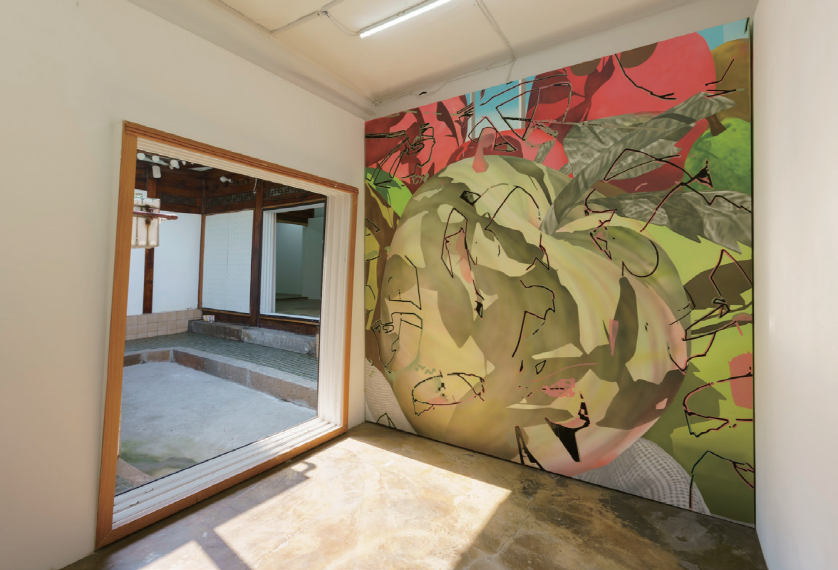
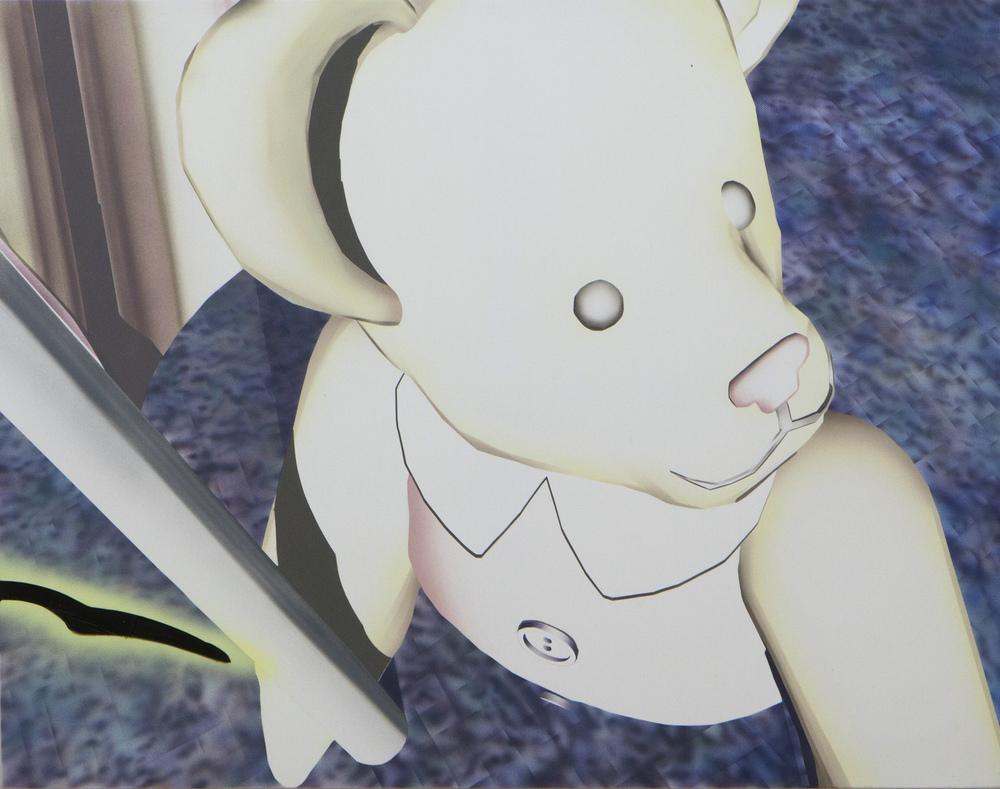
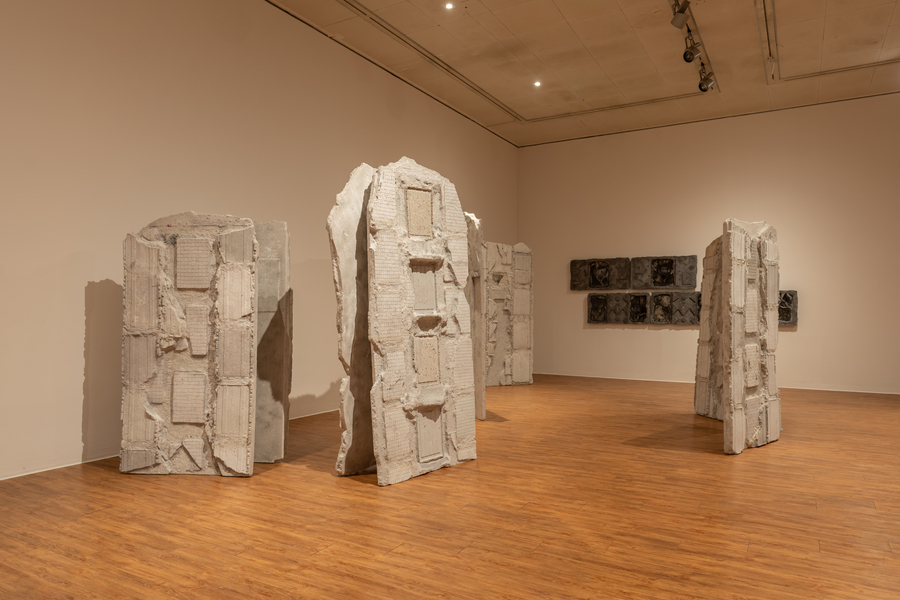
《Busan Biennale 2022 - We, On the Rising Wave》, 2022.09.03 – 2022.11.06, Museum of Contemporary Art Busan, Pier 1 of Busan Port, Yeongdo, Choryang
September 01, 2022
Busan Biennale 2022
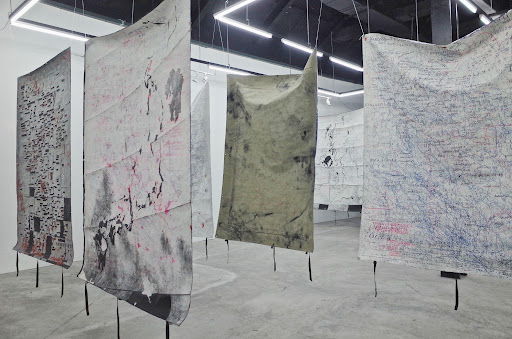
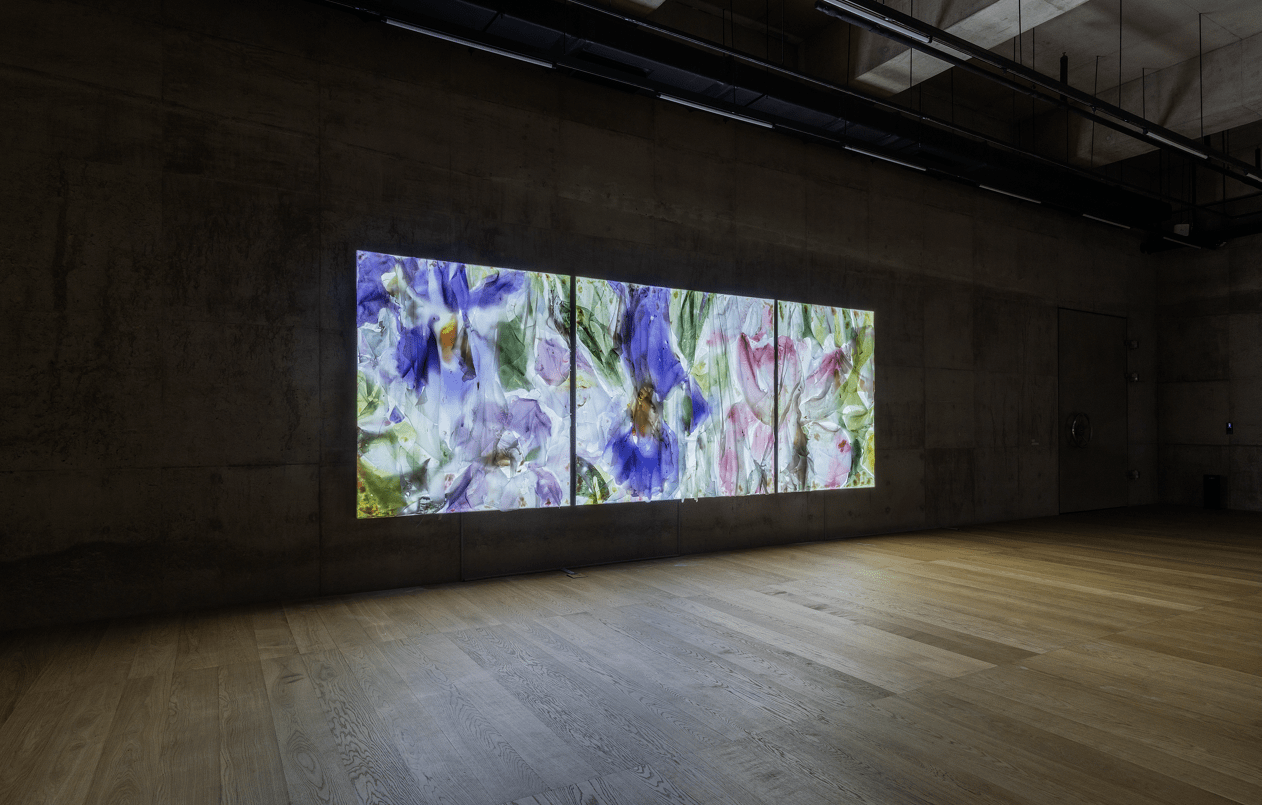
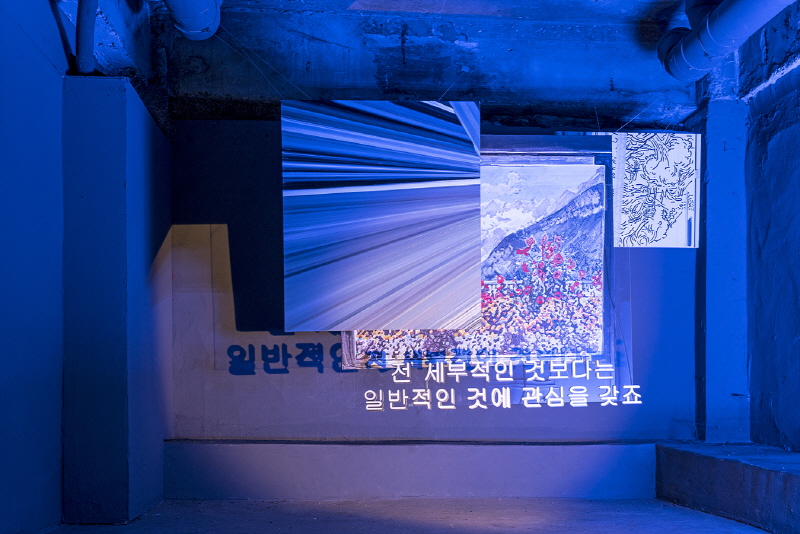
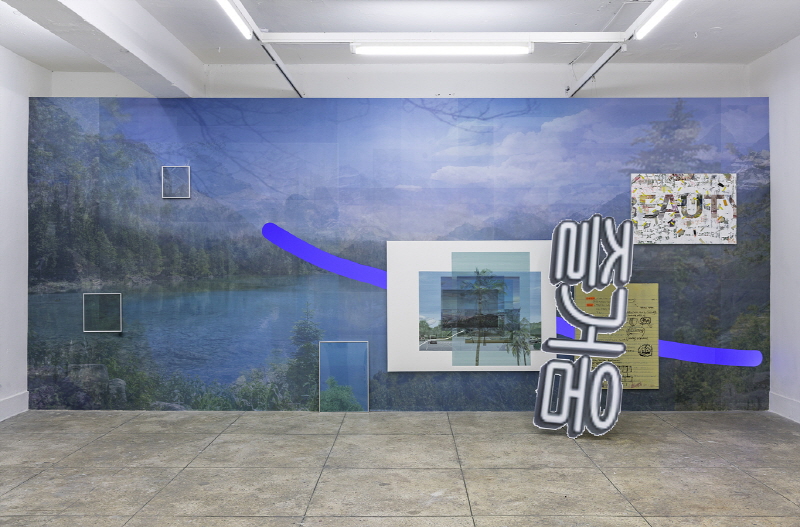
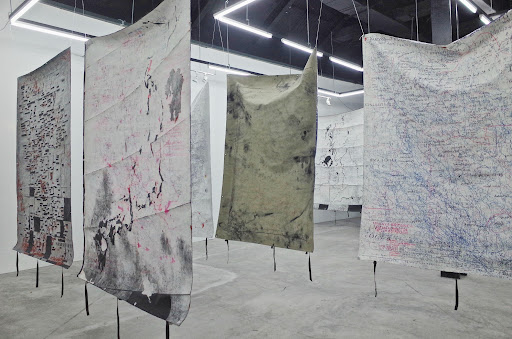
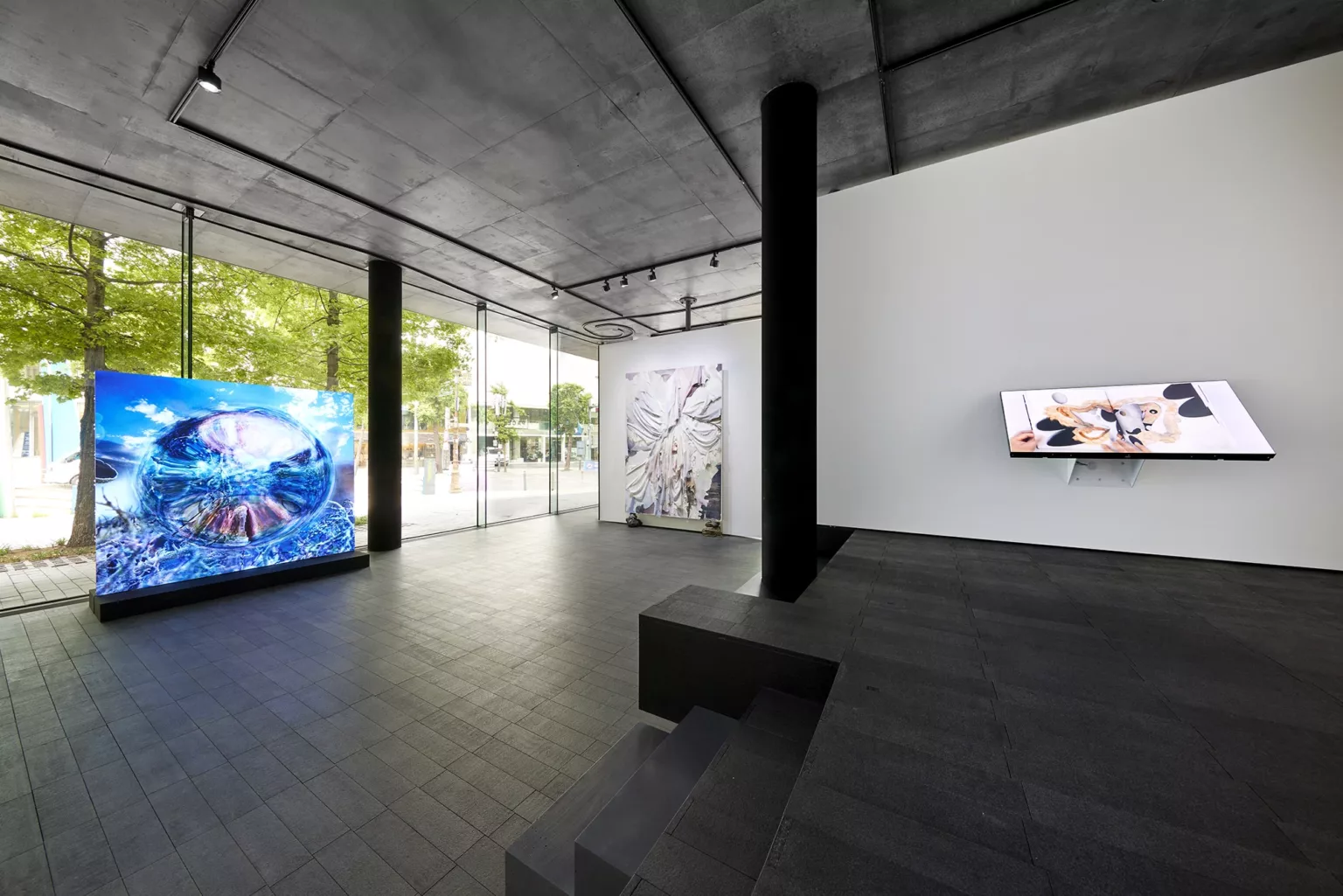
Installation
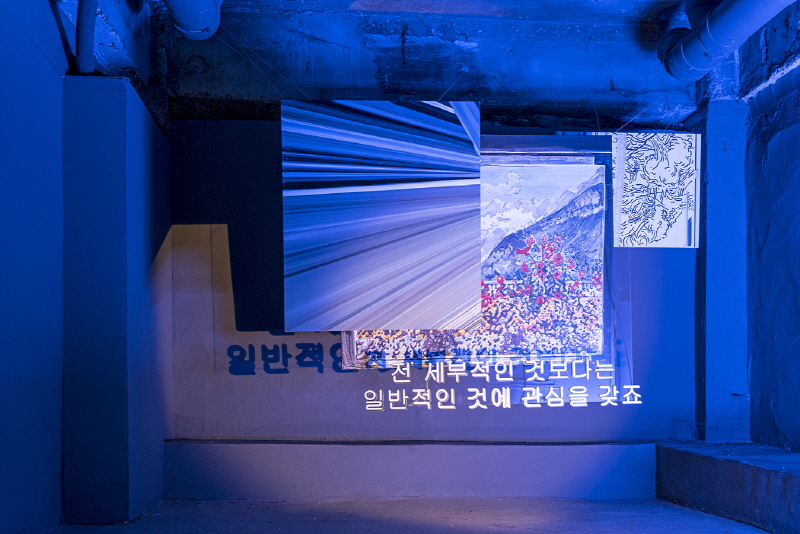
view © Busan Biennale 2022
This exhibition takes Busan as a starting
point in reflecting on the stories that remain or lie hidden within the history
of Busan since the modern era and the changes in the city’s structure, and
examining them in relation to the reality in the world. The “rising wave” in the title
signifies the history and transformations of Busan, and the people pushed out
of it and flowing into it, while also signifying global interconnectedness.
Additionally, the wave is a metaphor for dissemination in an environment of
technological change, as well as a description of Busan’s rolling landscape of seaside hills. “On the rising wave” is an expression
that refers to the ways in which the individual bodies situated in this terrain
and history are closely tied to their environment, and to the situation of
standing atop this endlessly shifting topography as we survey the future.
Through a structure of observing small - scale urban narratives and juxtaposing
and repeating their connections to the larger world, the exhibition attempts to
achieve a comprehensive understanding of the present. As it reflects of the
conflicts and issue found within this context, it asks the ultimate question:
How can all these different actors live together in this changing environment?
Focusing on “migration,” “labor and women,” “the ecosystem of city,” and “technological change and placeness” as major keywords, the exhibition
examines concrete events and situations in Busan that relate to them, as well
as stories from other regions and countries that relate to them.
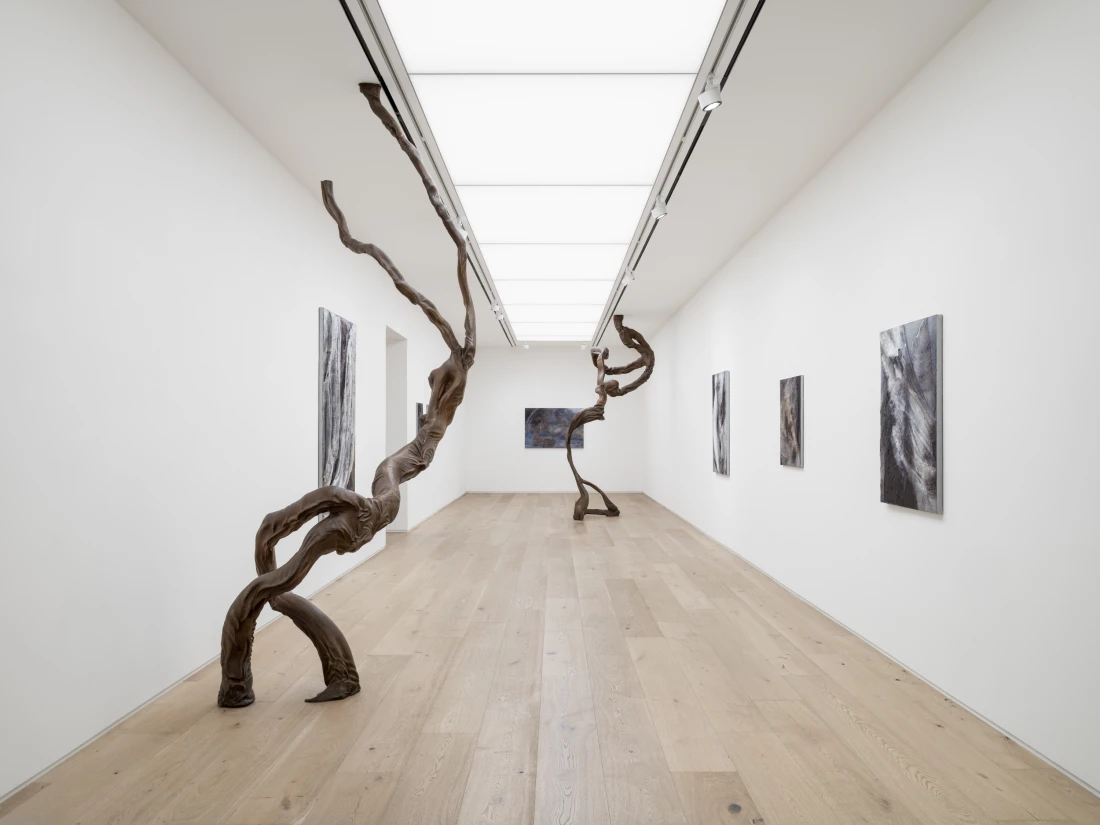
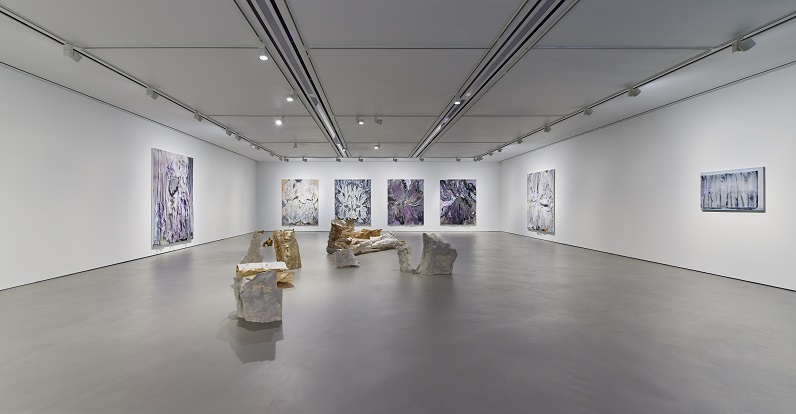
Symbols combining history and fiction are
often found in cities close to the sea. Chung Heemin questions why these sorts
of subversive creations of the imagination persist, how they become a part of
the history, and in what way socio-political realities come to be reflected
within them. In doing so, she sets up a temporary monument to them in her work.
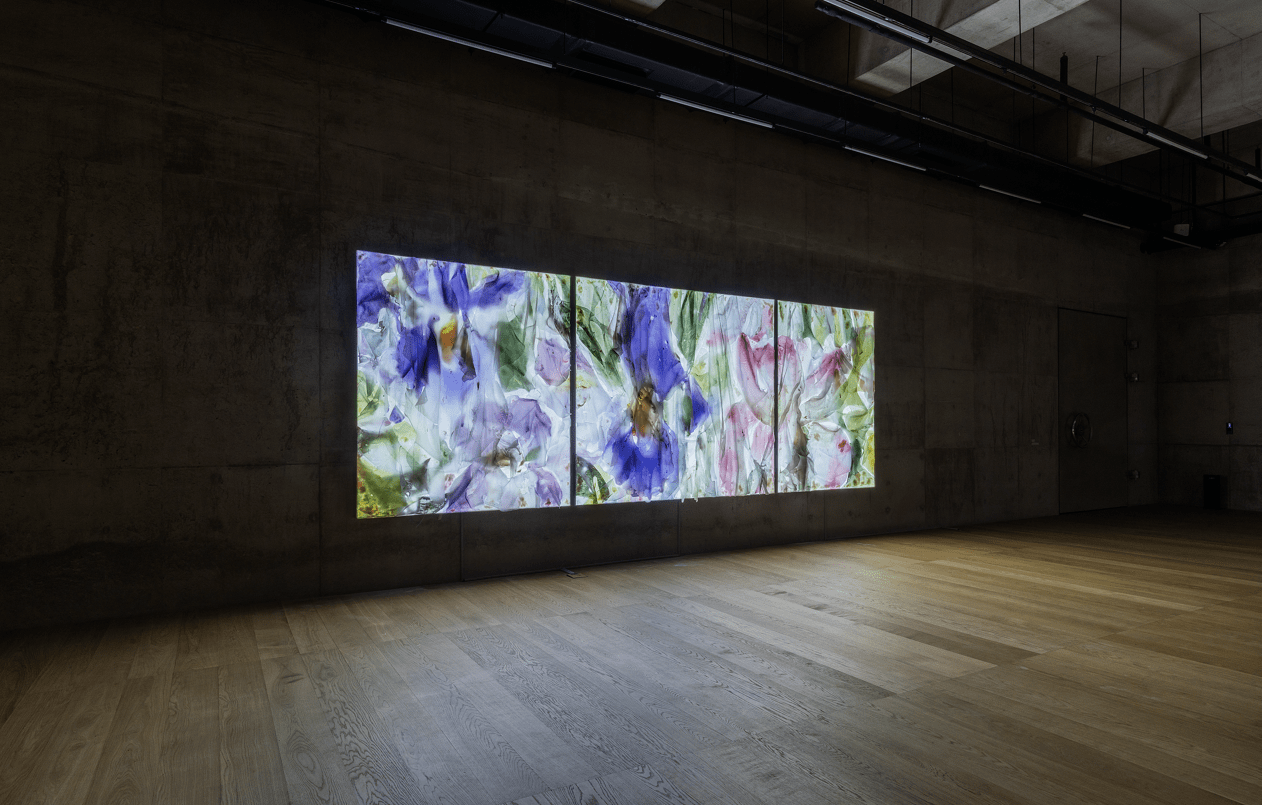
Inspired by the poetic transformation of mythological images and formation of
boundaries by surrealist artists in the 1930s, Chung’s work examines narratives about mermaids.
In Robert Desnos’ poem, “Siren-Anemone” a siren and anemone are combined into a hybrid creature that
approaches the land surrounded by images of water, fire and other auditory
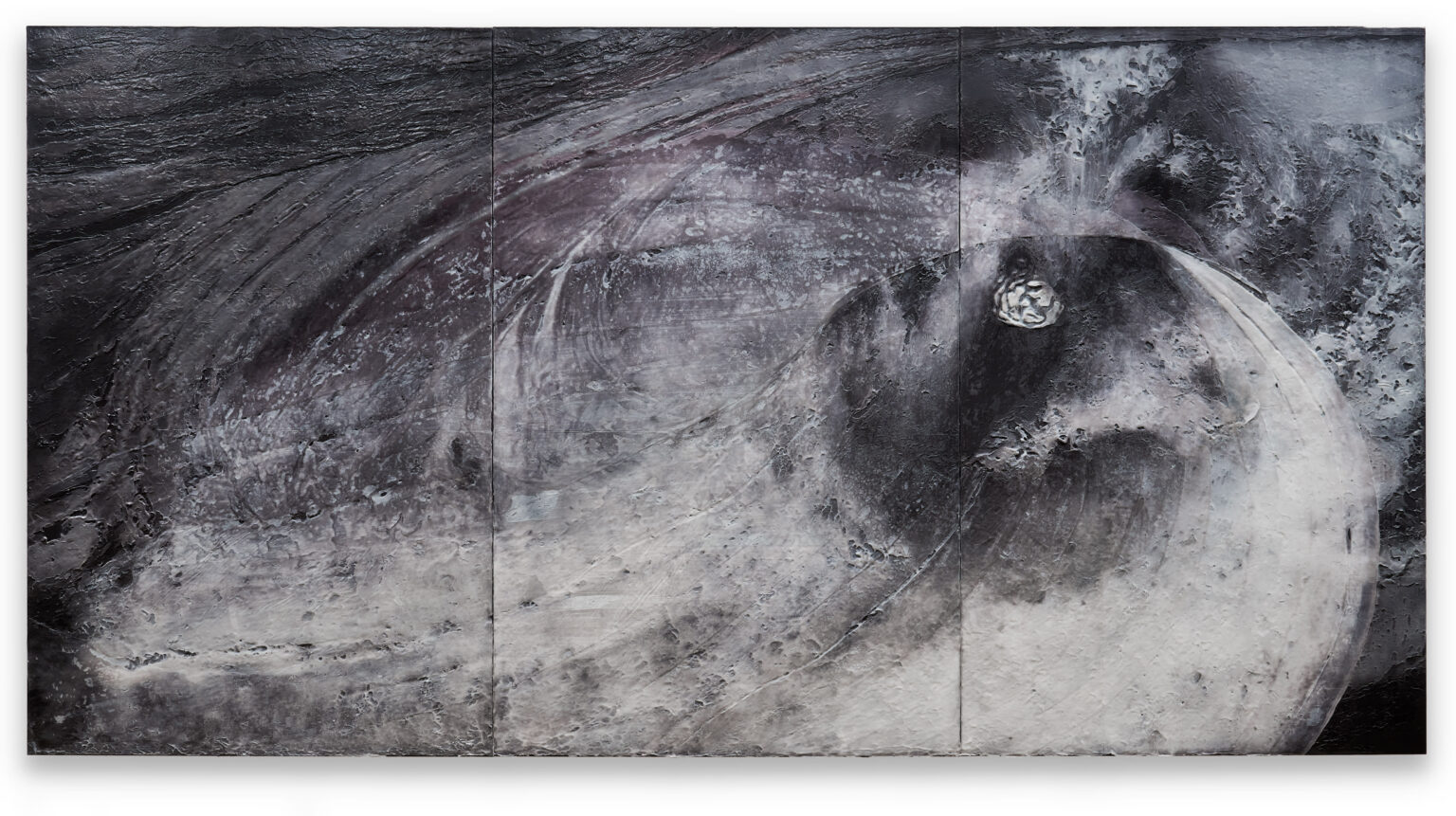
imagery. In her own work, Chung subverts the established image of women in
mermaids based on her own imagination of how humans might integrate with
nature. She depicts a body that transcends the limits of human thought by
overlapping abstract forms of texture, sound, and light.
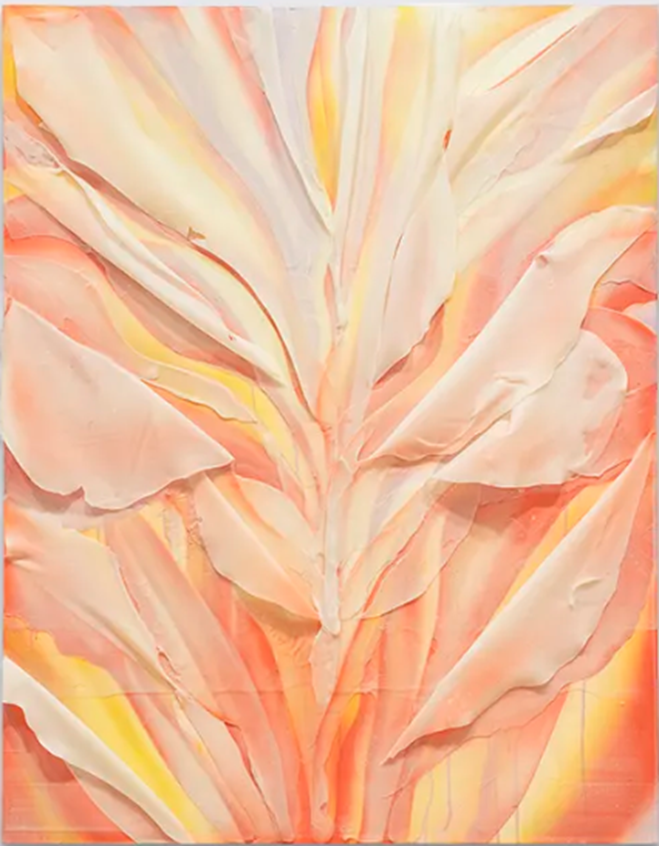
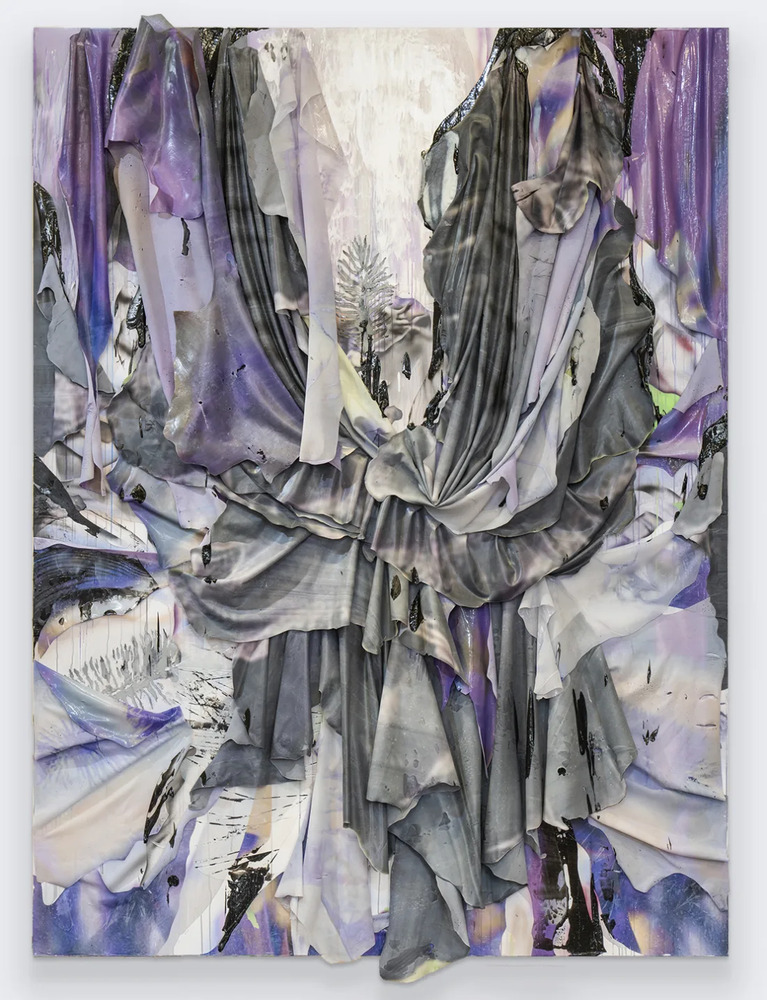
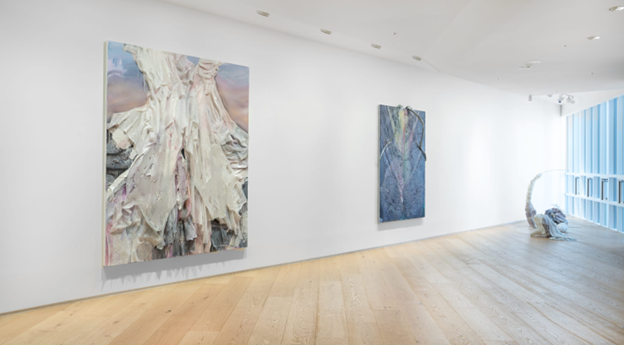
Using a printmaking
technique of transferring inkjet onto acrylic medium, she adds tactile sense
and astrological imagery to organic forms of nature. As an extension of her
previous works which investigate how individuals exist in metaphysical events
caused by technology, Chung uses mythological figures to experiment with
non-rational and non-anthropocentric forms.