


Solo Exhibitions (Brief)
Kim
Sooja held her first solo exhibition in 1988 at Gallery Hyundai in Seoul, South
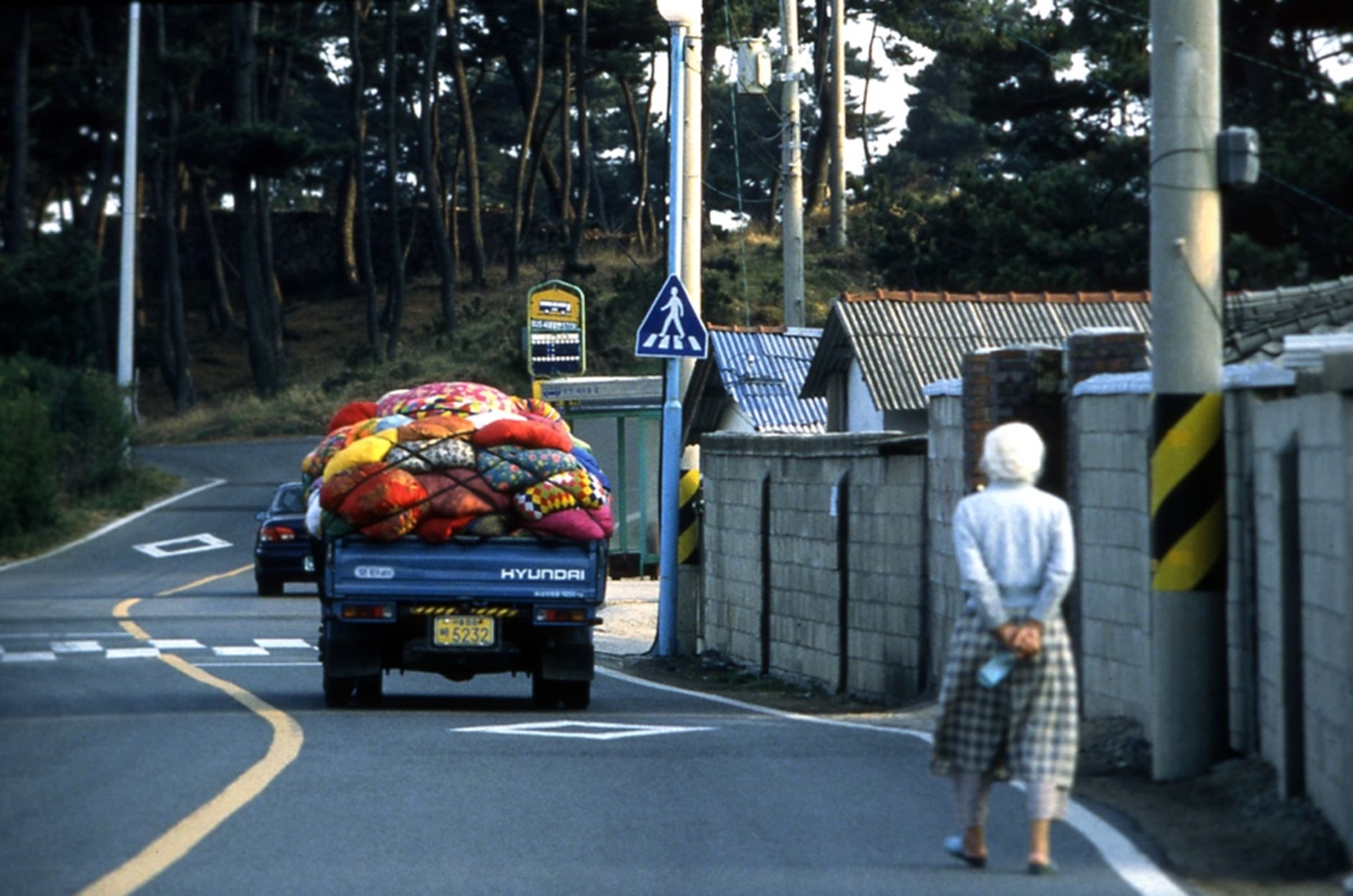
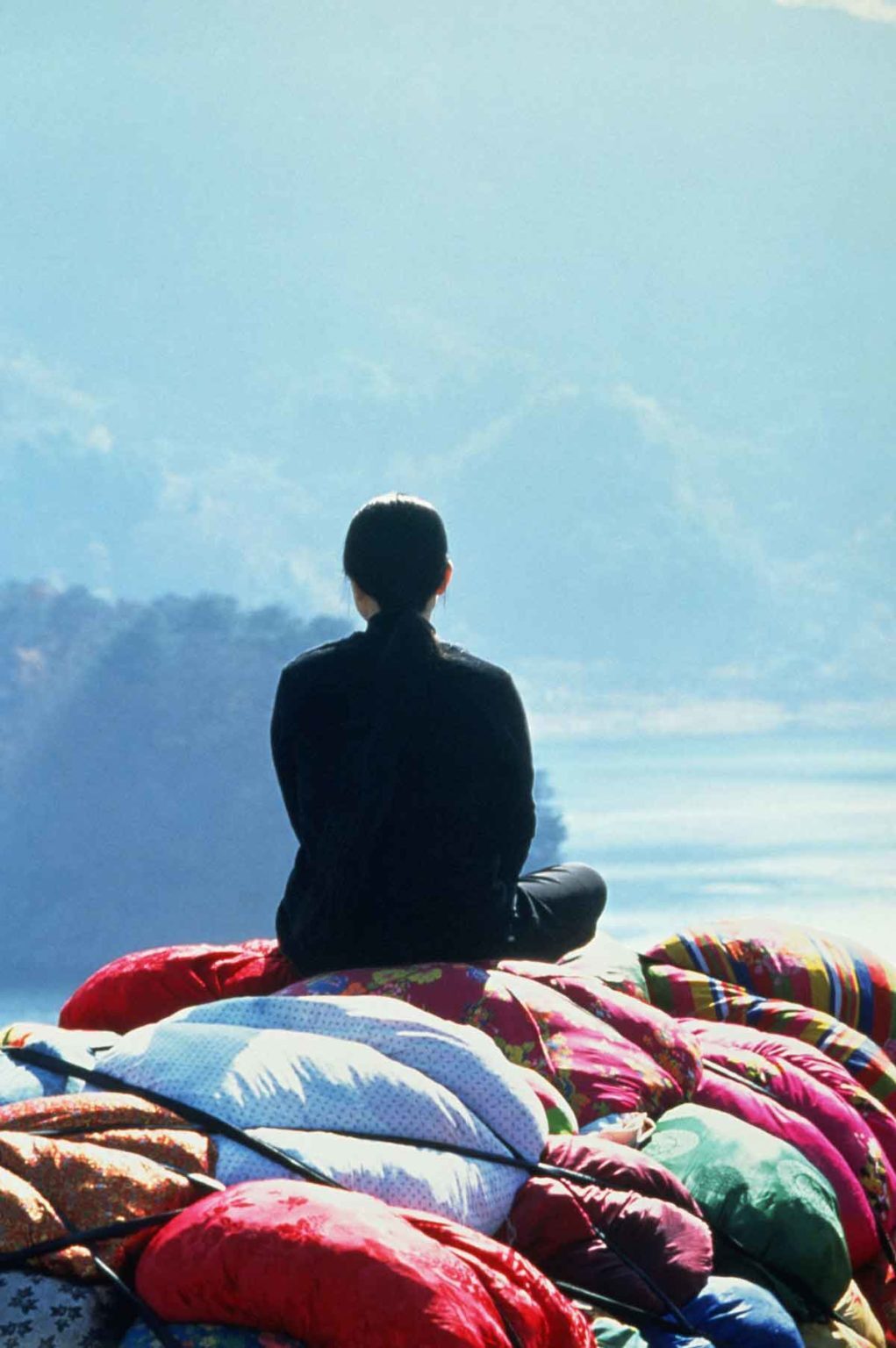
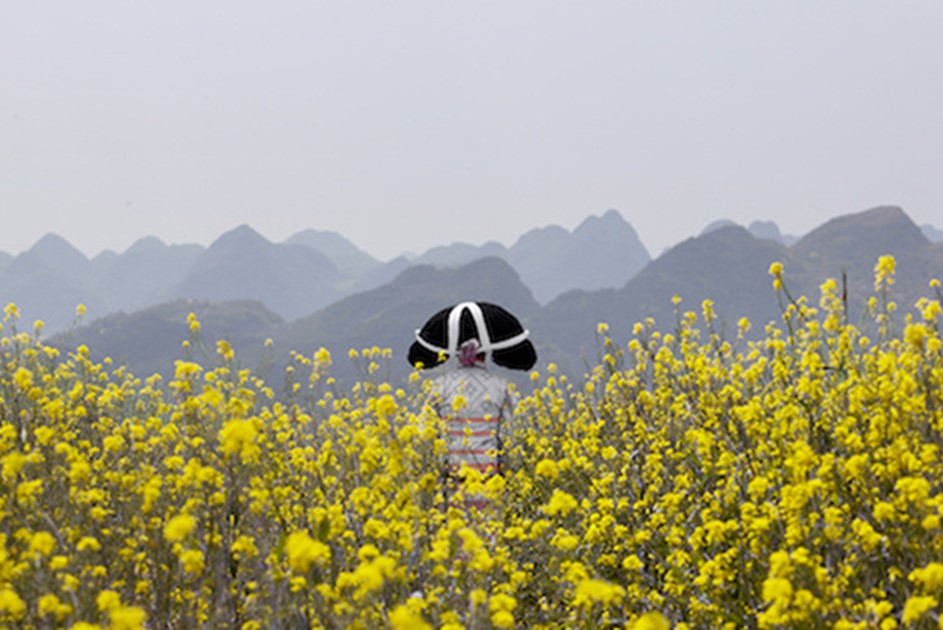
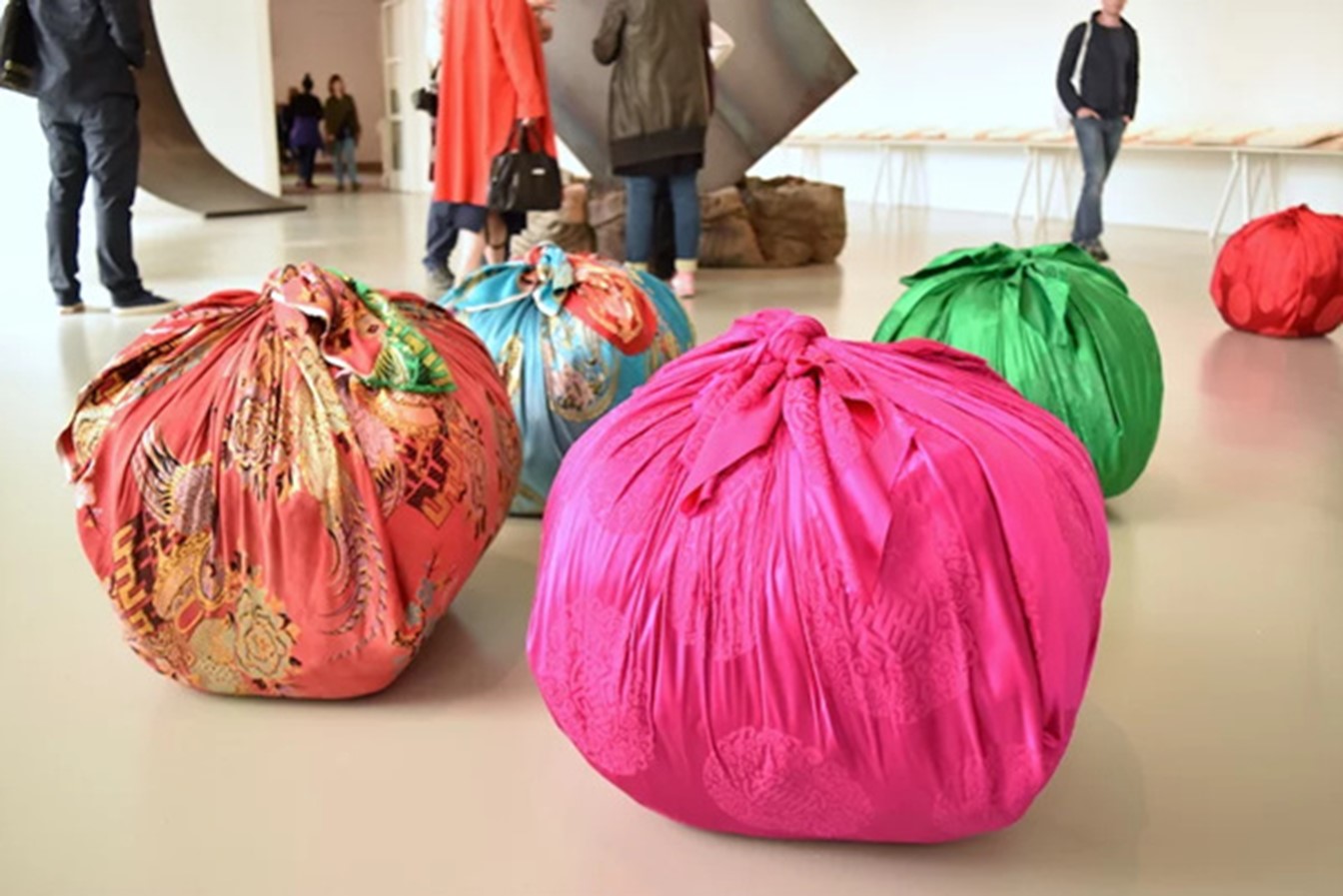
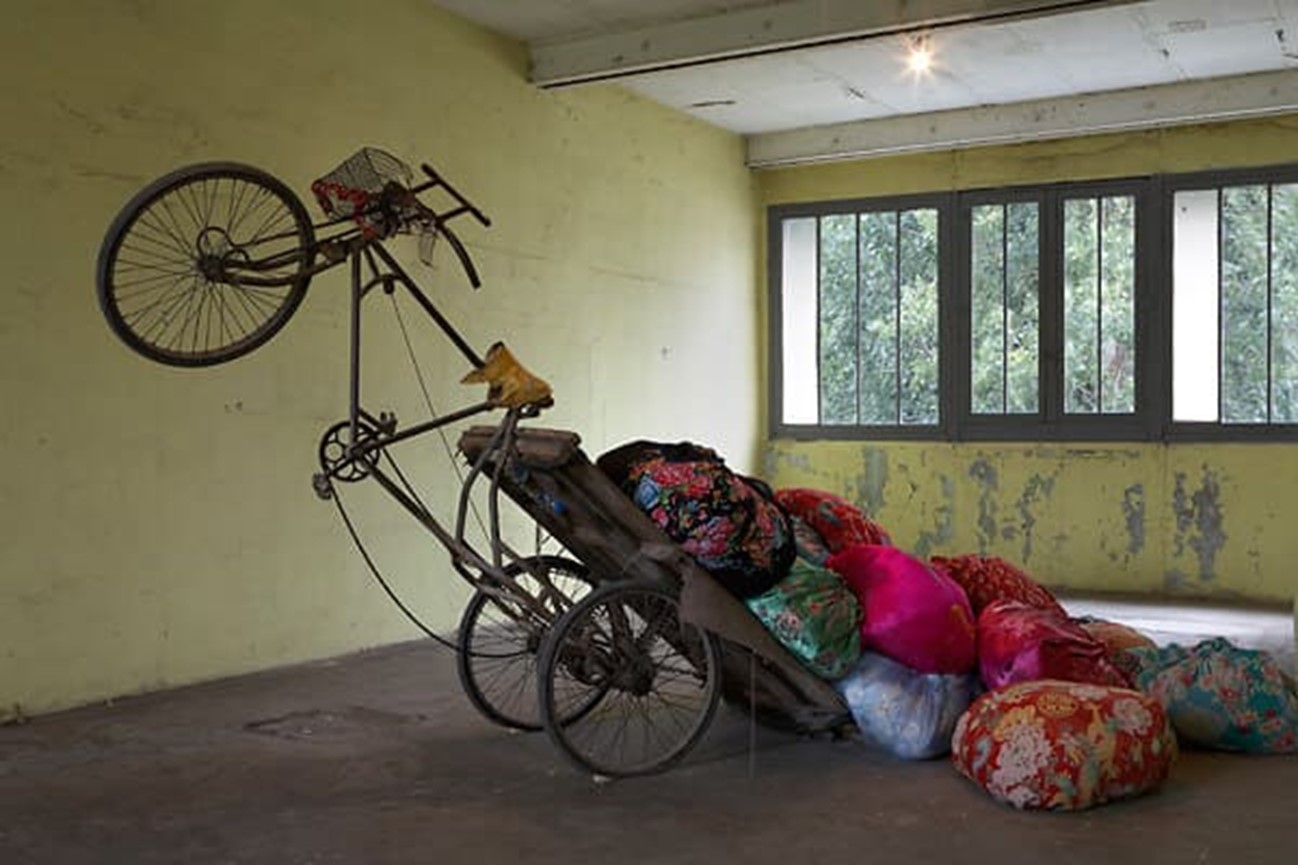
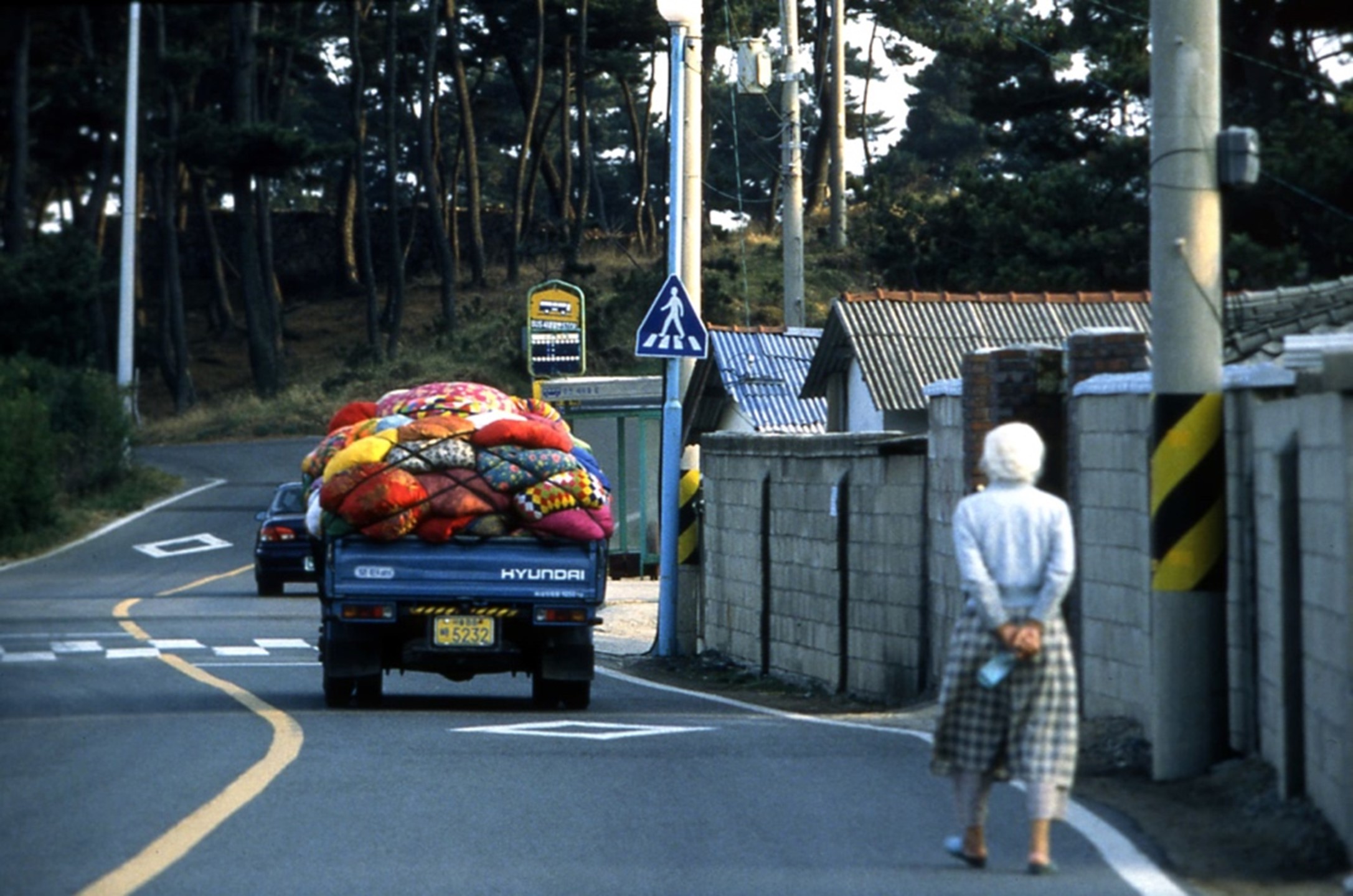
Korea. She gained recognition through exhibitions such as 《Sewing into Walking》 (1997, Le Magasin -
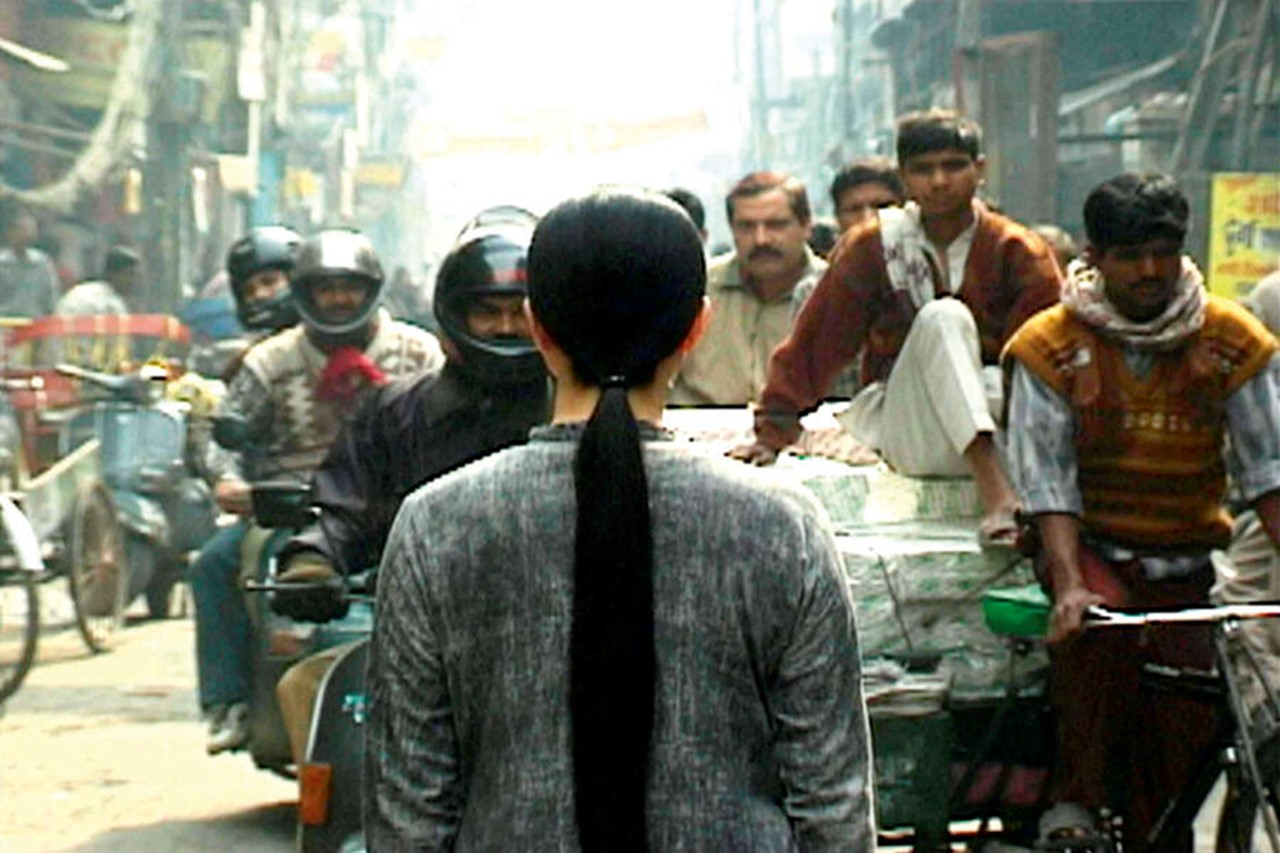
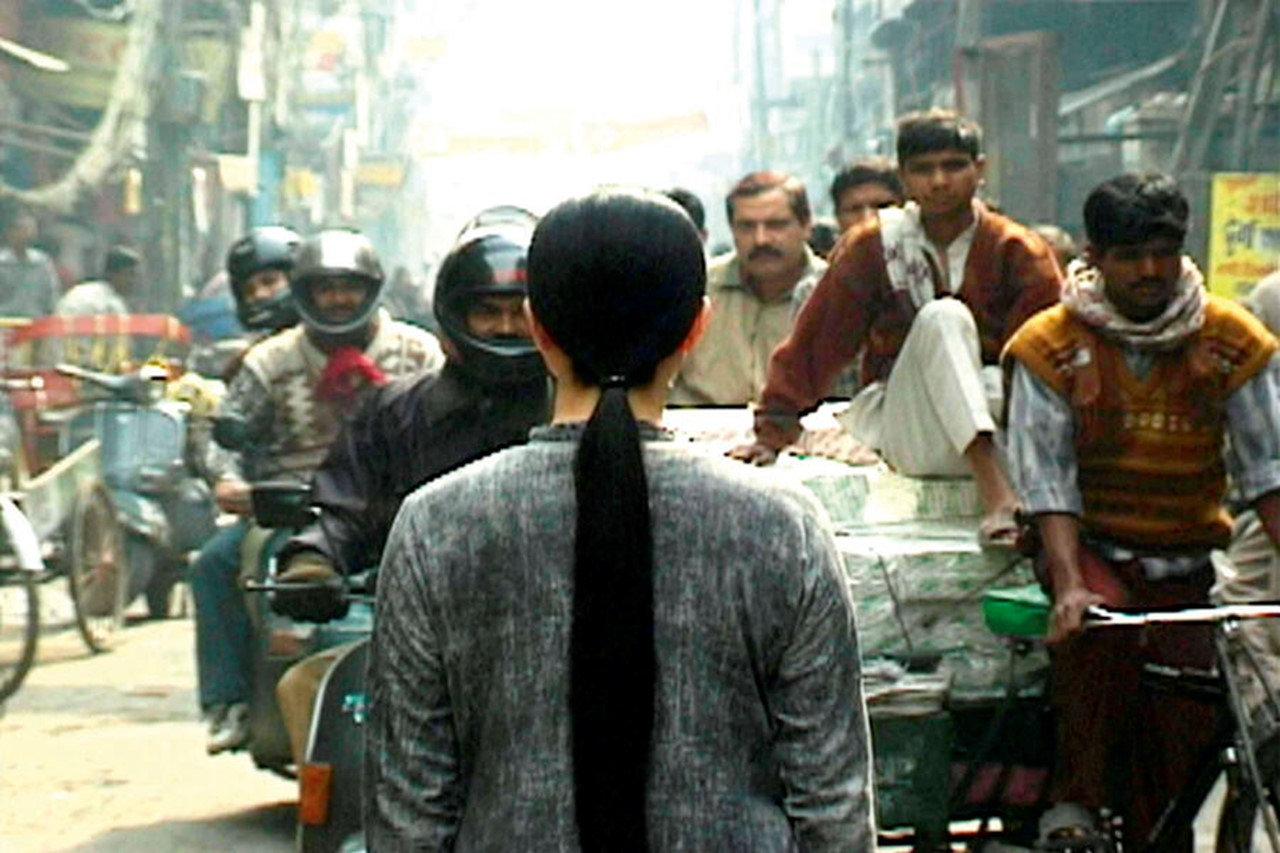
Centre National d'Art Contemporain, Grenoble, France) and 《A Needle Woman》 (1999, Center for
Contemporary Art, Kitakyushu(CCA), Kitakyushu, Japan).
In
the 2000s, the artist made a significant impression on audiences worldwide with
solo exhibitions such as 《A Needle Woman》 (2001,
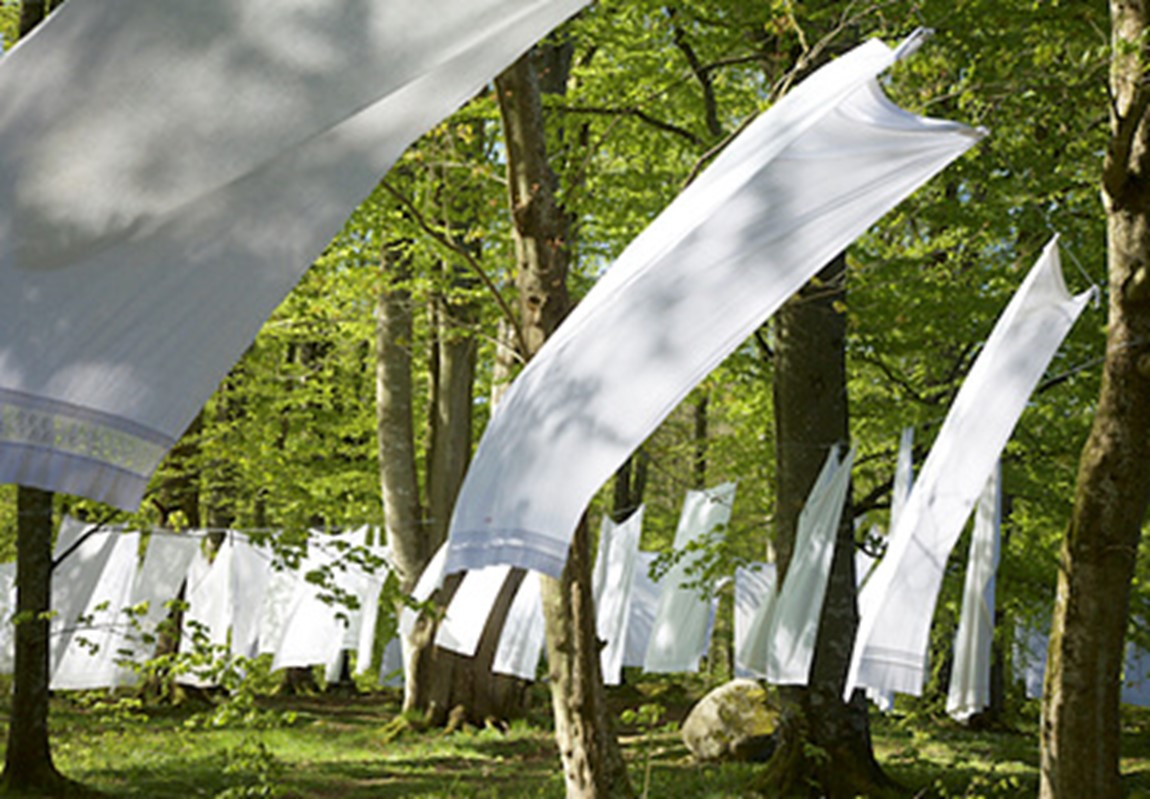
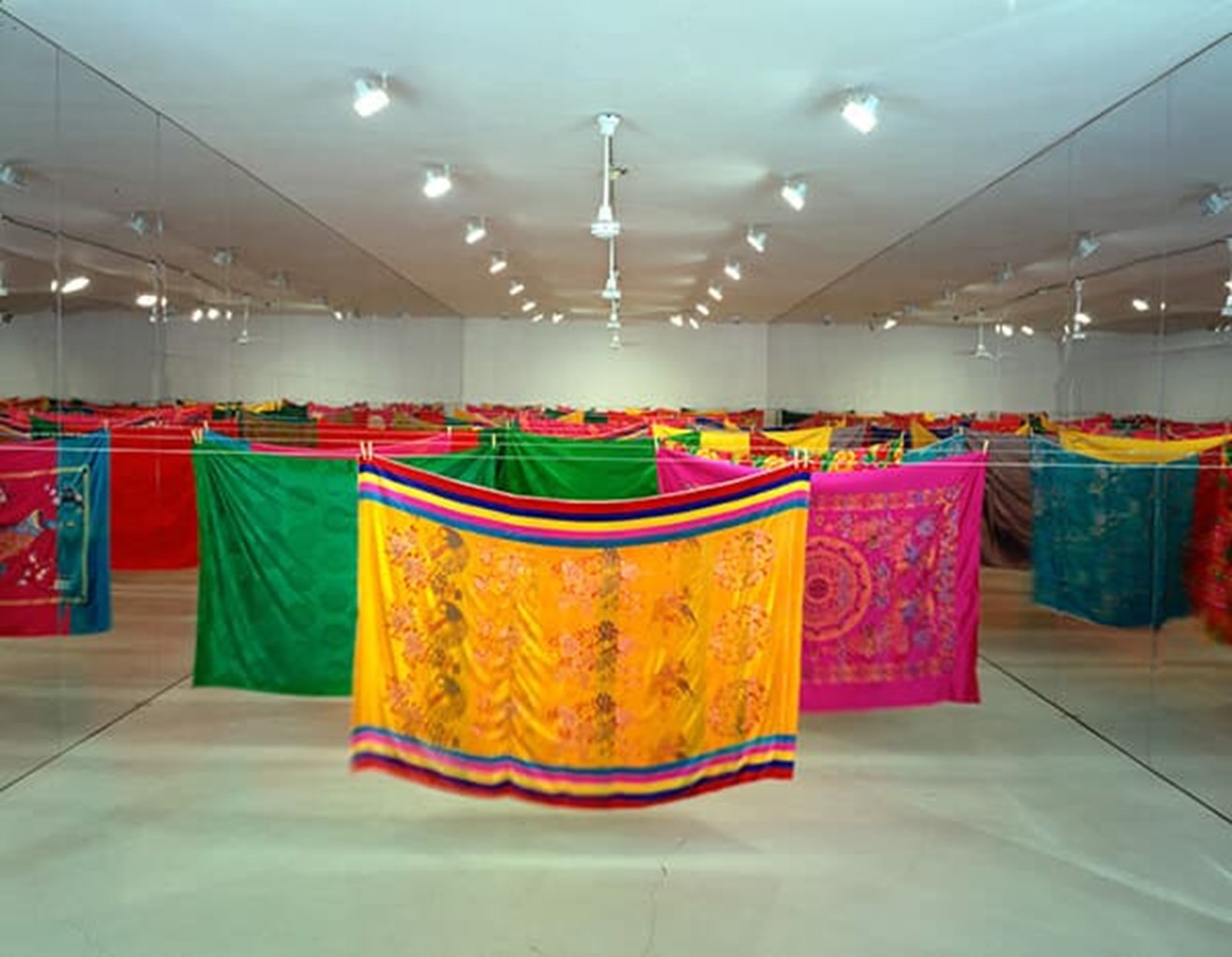
MoMA P.S.1, New York, USA), 《A Laundry Woman》 (2002, Kunsthalle Bern, Bern, Switzerland), and 《Conditions of Humanity》 (2003–2004, The
Musée d'art Contemporain de Lyon, Lyon, France).
In
2013, Kim Sooja represented South Korea at the Korean Pavilion in the 《Venice Biennale》, gaining international
acclaim. Her works were further showcased in 《Thread
Routes》 (2015, Guggenheim Museum Bilbao, Bilbao, Spain)
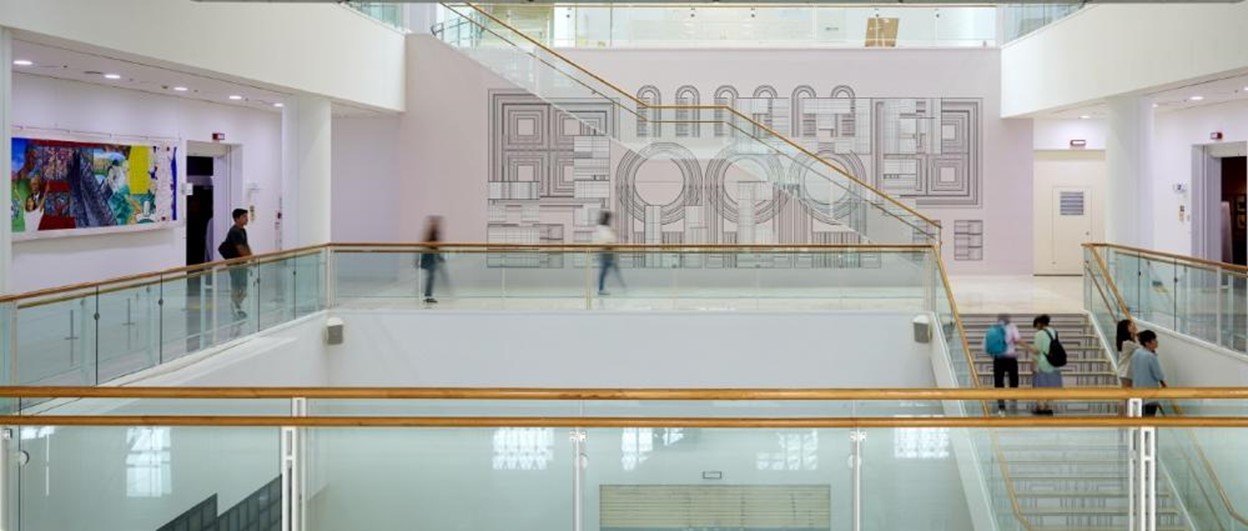
and 《Hyundai Commission Series 2016: Kim Sooja —
Geometry of Mind》 (2016, Museum of Modern and
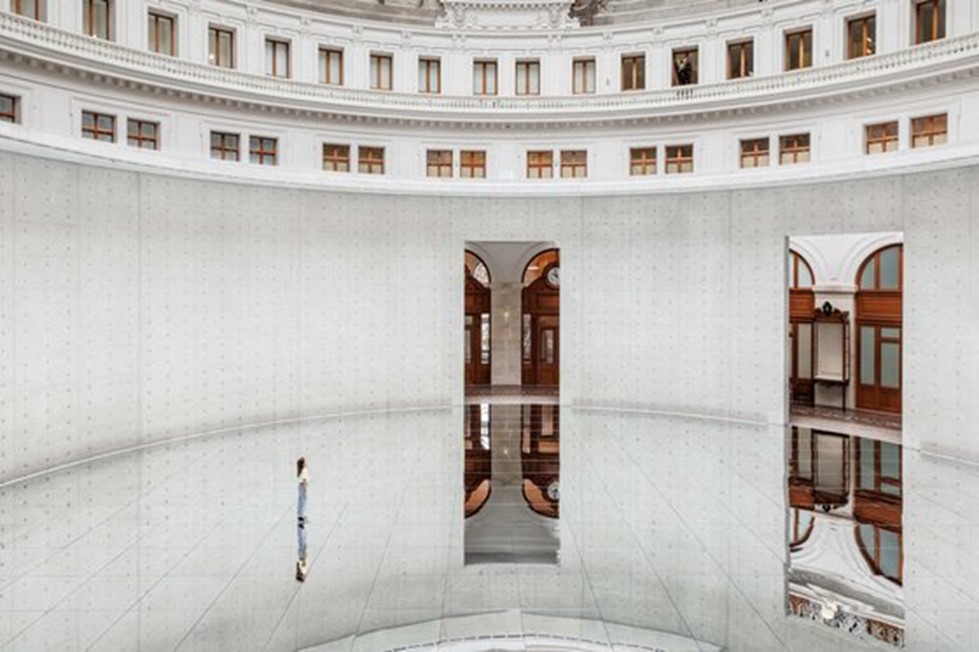
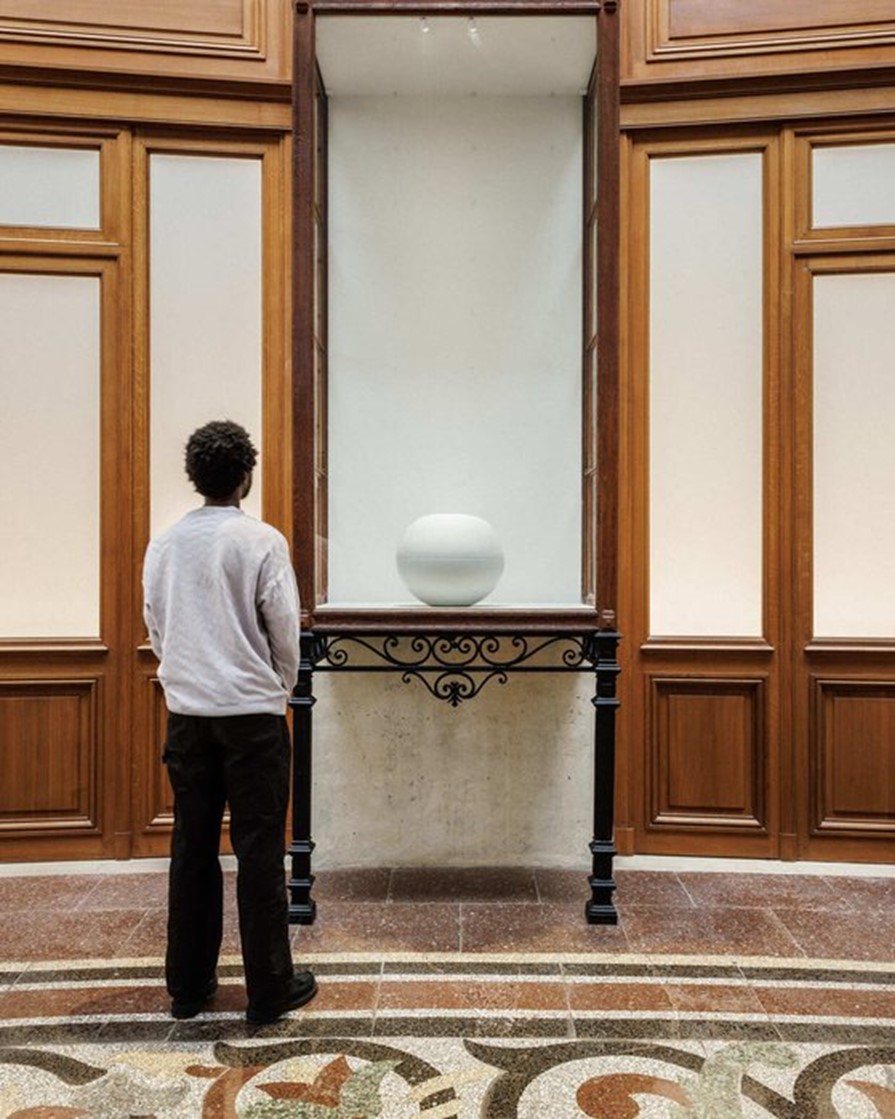
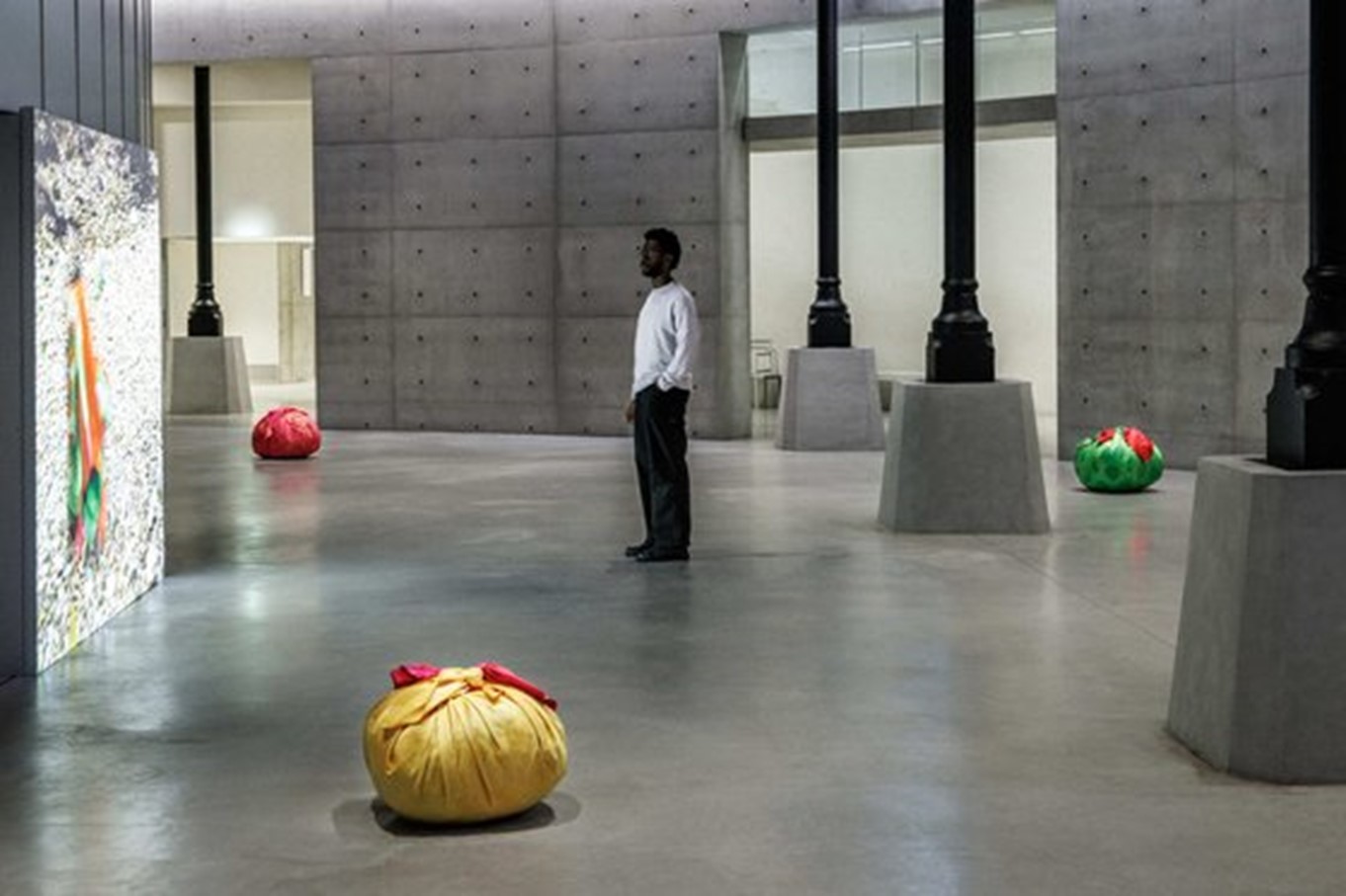
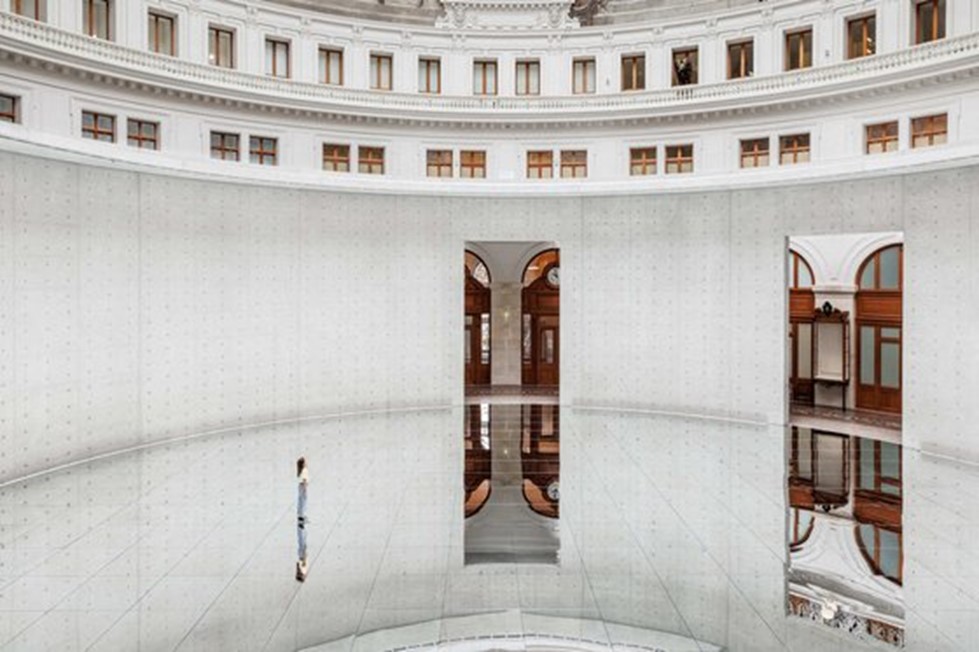
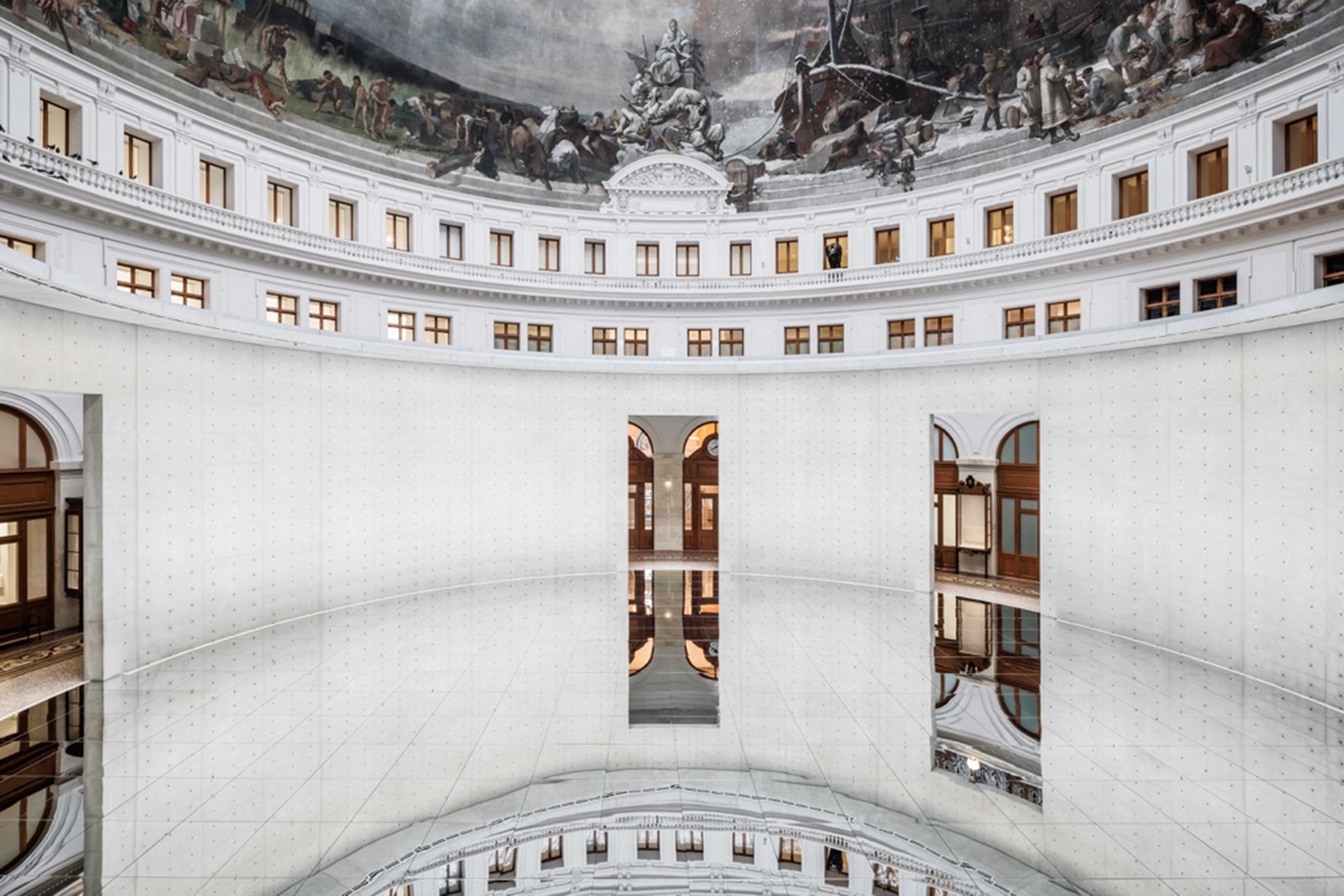
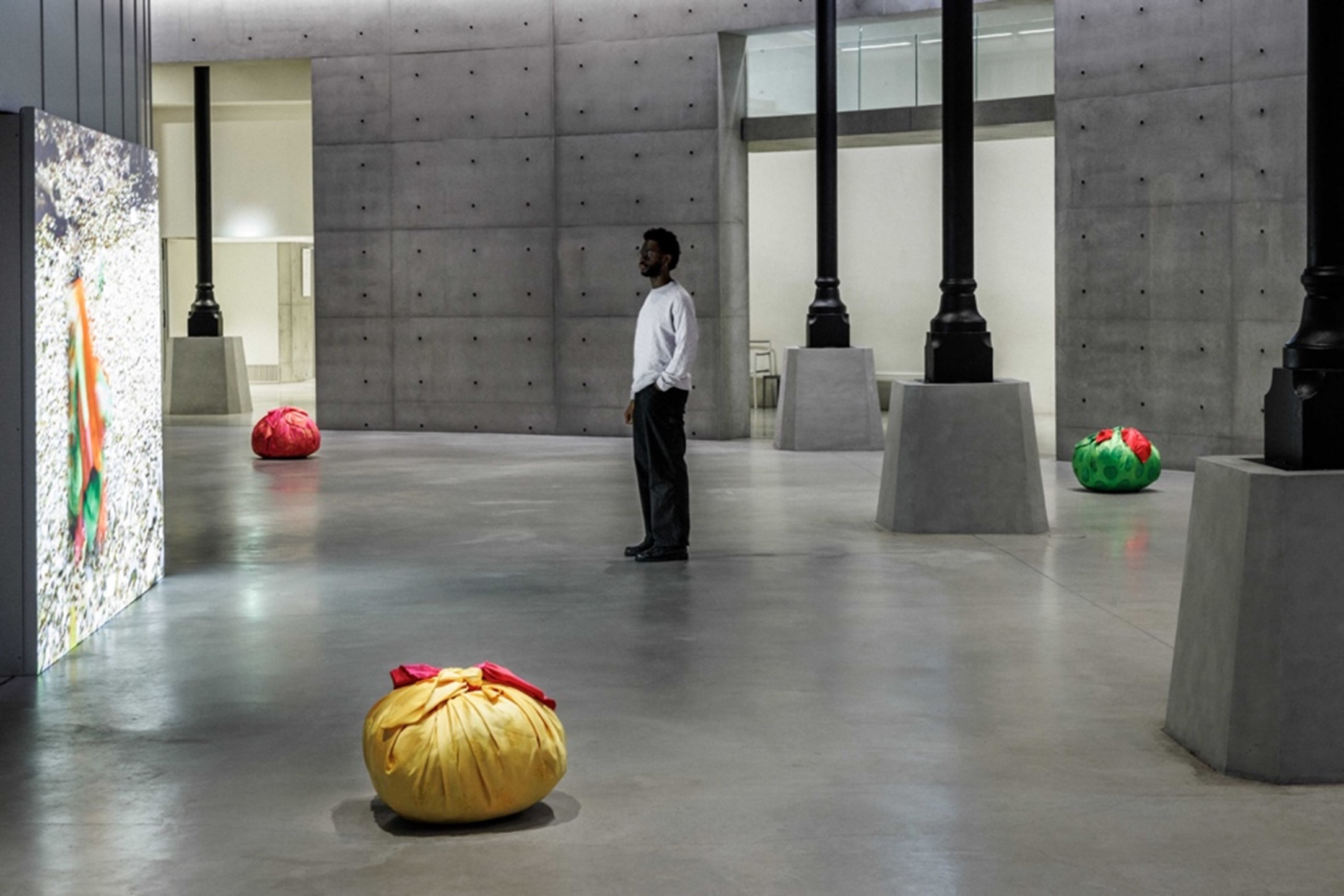
Contemporary Art, Seoul, South Korea). In 2024, she presented 《To Breathe — Constellation》 at Bourse de
Commerce – Pinault Collection in Paris, France.
Group Exhibitions (Brief)
Kim
Sooja began her artistic career by participating in domestic group exhibitions
in the late 1970s. Her first group exhibition was 《The 6th Independents》(1978, Museum of Modern
and Contemporary Art, Deoksugung, Seoul, Korea). She gained international
recognition through the traveling exhibition 《Traditions
/ Tensions》(1996-98, Queens Museum of Art, New York,
USA; Vancouver Art Gallery, Vancouver, Canada; Art Gallery of Western
Australia, Perth, Australia). In 1998, she participated in 《The 24th São Paulo Biennial》(São Paulo,
Brazil), followed by 《The 48th Venice Biennale》(1999, Venice, Italy), establishing her global reputation.
In
the 2000s, Kim Sooja participated in prominent exhibitions such as 《The 3rd Gwangju Biennale》(2000, Gwangju,
Korea), 《The 71st Whitney Biennial》(2002, Whitney Museum of American Art, New York, USA), and 《The 51st Venice Biennale》(2005, Venice,
Italy), further elevating the stature of contemporary Korean art.
More
recently, she has participated in 《Urgent
Conversations》(2016, National Museum of Contemporary
Art Athens, Athens, Greece), 《Immateriality》(2022, 21st Century Museum of Contemporary Art, Kanazawa, Japan), 《Fabric》(2023, Peter Blum Gallery, New York,
USA), and 《Y/OUR Nature》 (2023,
Ho-Am Art Museum, Yongin, Korea).
Awards (Selected)
Kim
Sooja has been recognized for her contributions to art with numerous awards
both domestically and internationally. Early in her career, she received the
Song-Eun Art Award (1991, Seoul, Korea) and the Korean Culture & Arts
Foundation Award (1996, Seoul, Korea), solidifying her reputation in the Korean
art scene. In 2000, she was honored with the Paradise Culture Foundation Award
(Seoul, Korea).
Her
international acclaim grew with the Visual Arts Award (2007, Foundation for
Contemporary Arts, New York, USA) and the prestigious John Simon Guggenheim
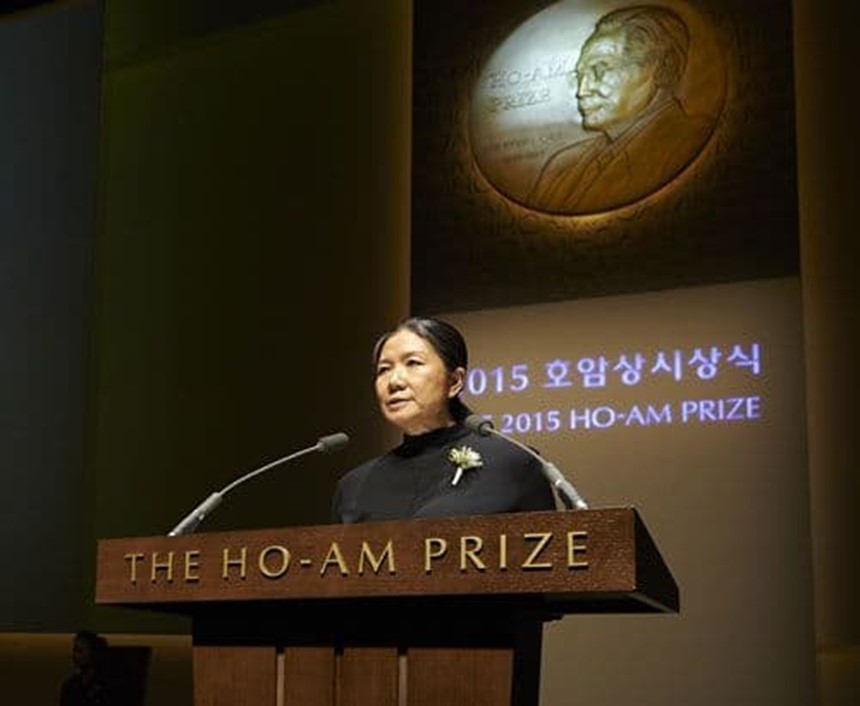
Memorial Foundation Fellowship Award (2013–2014, USA). In 2015, Kim Sooja was
recognized in Korea with the HO-AM Prize for Lifetime Achievement in the Arts
(Seoul, Korea) and the Ha Chong Hyun Art Award (Korea).
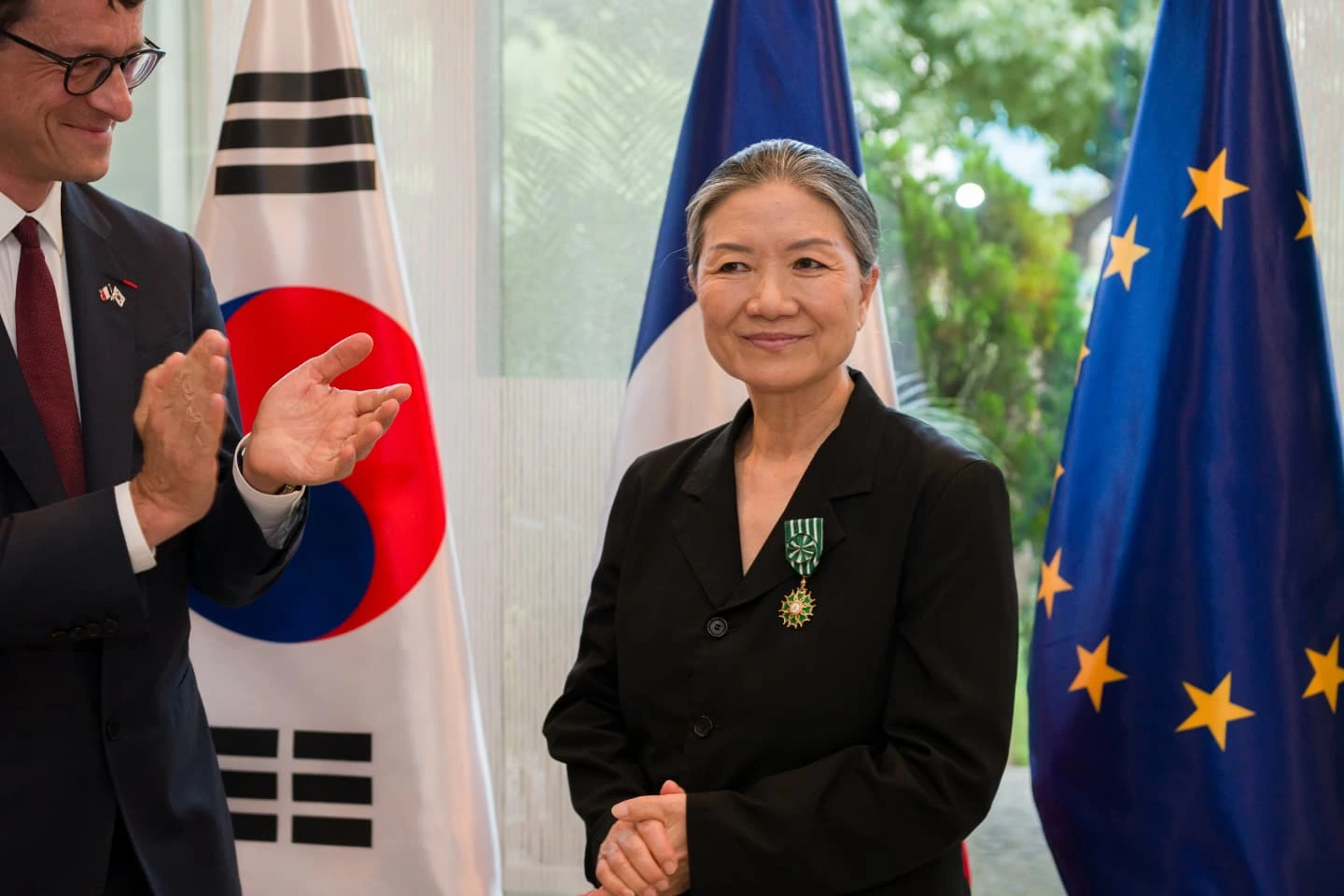
In
2017, Kim Sooja received the Chevalier de l’Ordre des Arts et des Lettres from
the French Ministry of Culture, acknowledging her contributions to global art
and culture. Most recently, she was awarded the Okgwan, The Order of Cultural
Merit (2021, Seoul, Korea) and the 34th Fukuoka Prize for Arts and Culture
(2024).
Collections (Selected)
Notable public collections of Kim Sooja’s works include the National Museum of Modern and Contemporary Art (MMCA) (Gwacheon, Korea), Seoul Museum of Art (SeMA) (Seoul, Korea), Leeum Museum of Art (Seoul, Korea), Museum of Modern Art (MoMA) (New York, USA), Whitney Museum of American Art (New York, USA), Pinault Collection (Paris, France), Sammlung Goetz (Munich, Germany), and Microsoft (Seattle, USA).