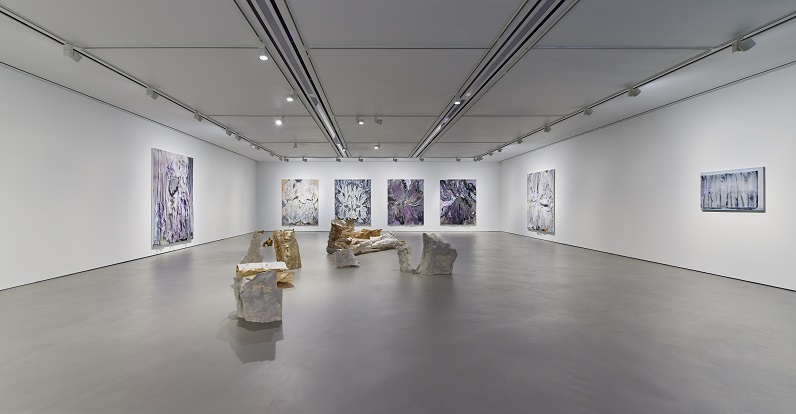
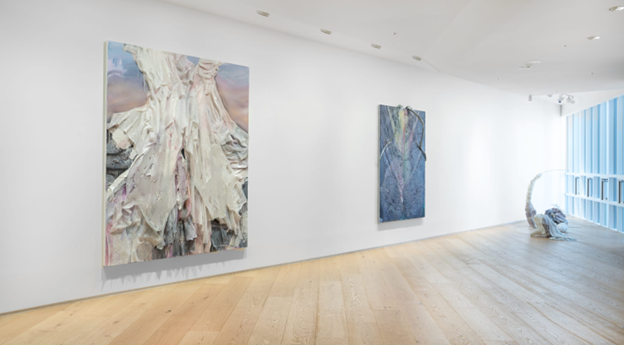
Installation view ©Museumhead

Love is a confrontation of two parties, who stand facing one another. They meet, experience an overflowing of emotion, and, in some cases, end up going their separate ways—all while facing one another. Confrontation, in this sense, is part of all beginnings and endings. Let’s consider Seoul, where countless shapes collide. As can be seen in its delivery motorcycles (each of which is equipped with multiple smartphones), intoxicated pedestrians and scooters sprawled everywhere, cracked asphalt and the flowers that bloom from the cracks, street cats, and night runner crowd, the city’s brilliance and images are sharply focused. The places where these people live, however, are as prone to disappearing into an awkward, faraway realm as the term “Seoulite.” As such, the city’s body is segmented. It stands far in the distance, lethargically, like a taxidermized being. With what do we clash with these bodies? What does it mean to truly know a city—or to be intoxicated? Is the image always victorious, even while lost in thought? Does this mean leaving traces of the nondescript present? Or our sense of what is absent?

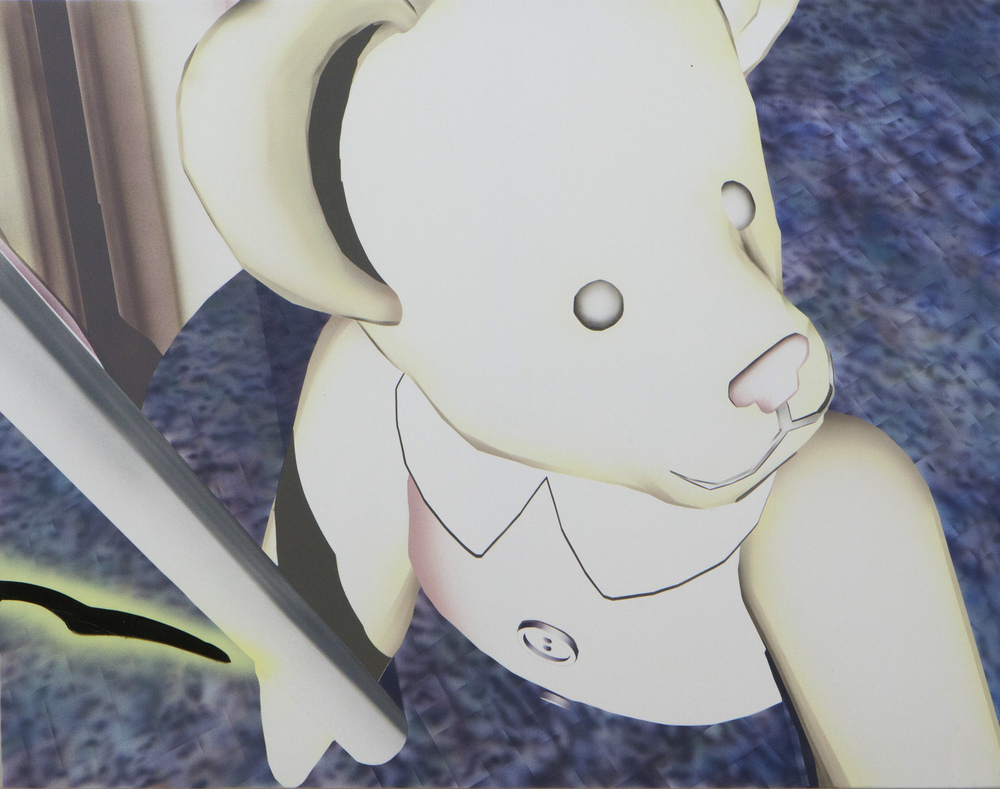
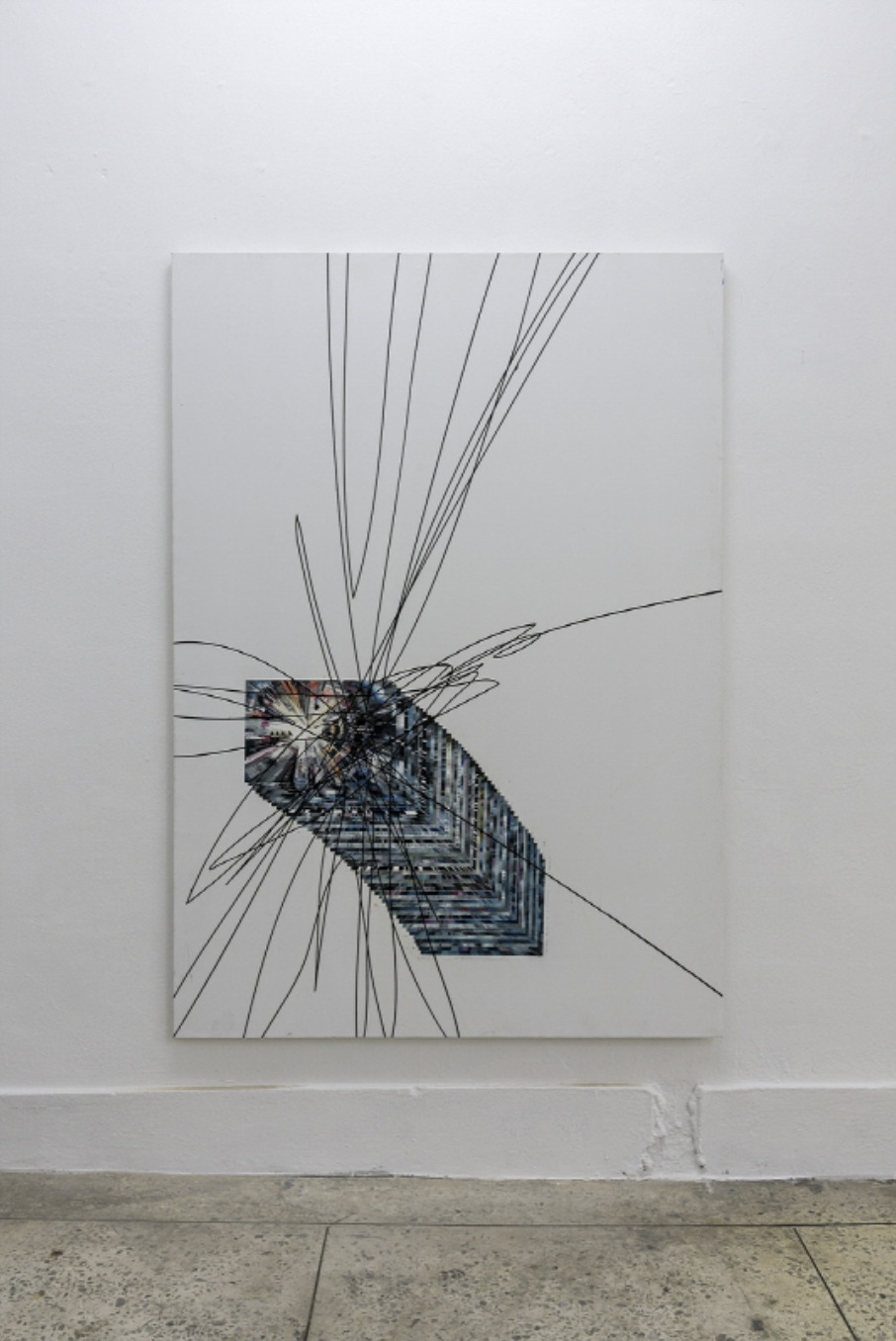
Heemin Chung’s solo exhibition, 《Seoulites》, re-transmits views of the city through today’s notion of self-awareness (or as a blueprint that supplements such notion). Chung takes the time that an individual might use to appreciate an artwork alone and “pastes” it into screens, digital media, objects, text, and locations that can be accessed by many people simultaneously. Just as various residential formats come together to form a city, Chung explores several lifestyles through the painting (her primary medium) to present to us the genre’s current status not through a limited framework but the realm of much broader “episodes.” The two-dimensional medium, images, and text that are incorporated for this—things that some may insist they already anticipated—are neither faithless declarations not an acknowledgement of limitations. They form the immutable stance that there is still hope for the genre of painting to be refigured.

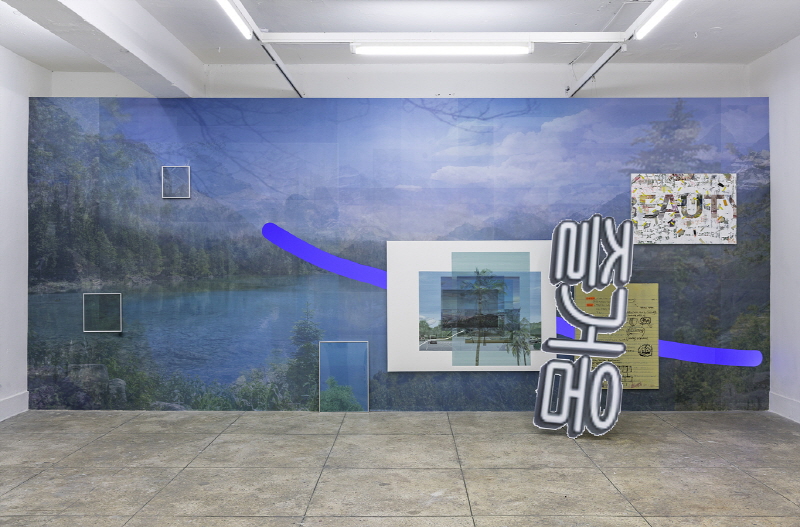
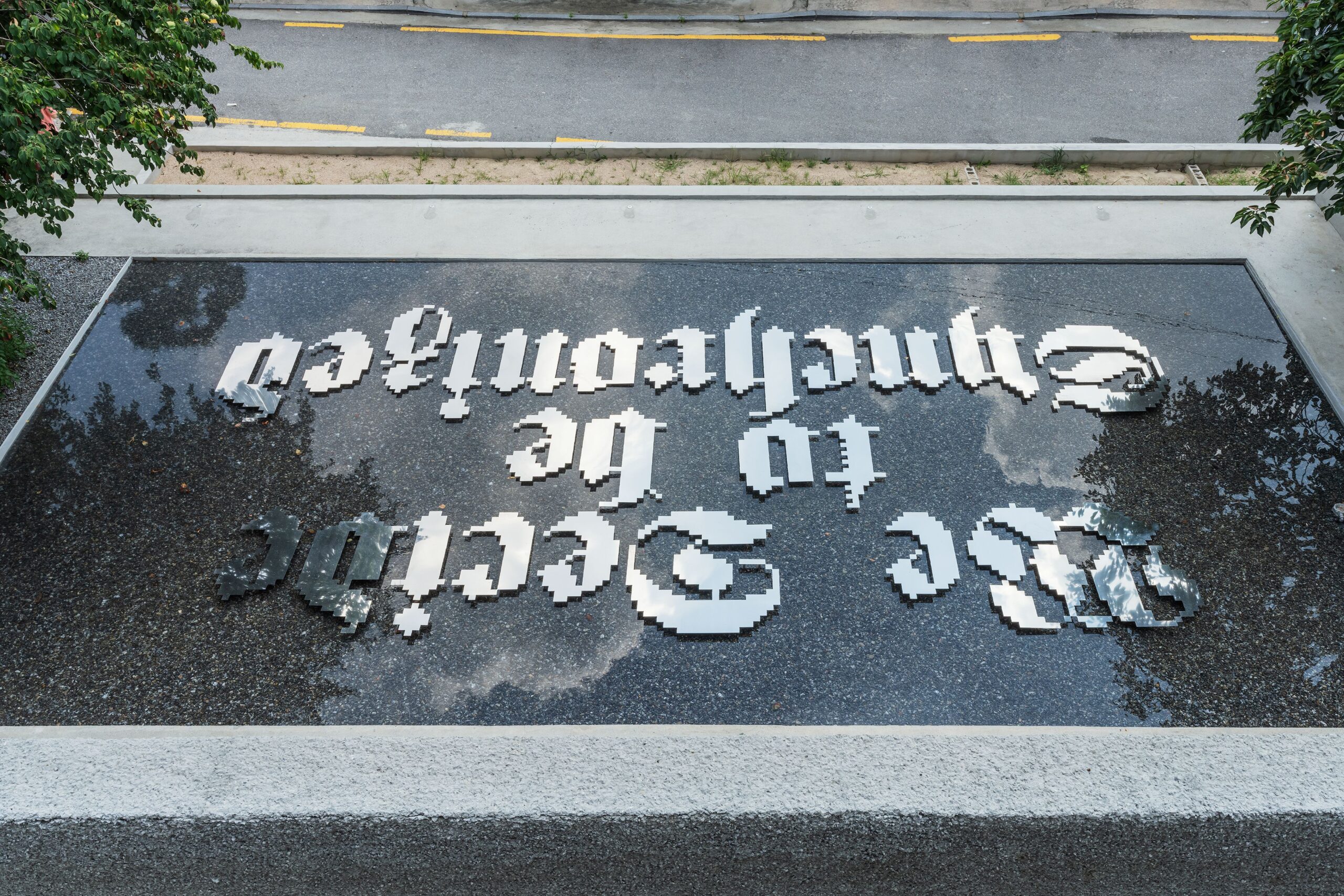
Heemin Chung x Mat-kkal, We Decide to be Synchronized, 2021, 527x1000cm ©Museumhead

It is inspired by this that We Decide to be Synchronized (2021), which has been installed in the small pond in the venue’s courtyard, serves as the exhibition’s central motto. The sentence (“We decide to be synchronized”) is a confession and incantatory statement, of sorts, that represents the artist’s awareness of her pessimism and inner turmoil about her genre amid today’s fast-changing technological landscape and her desire to overcome such negative emotions. The letters, which are positioned at water level and reflect their outdoor surroundings, suggests that we do away with divisive dichotomies (inside and outside, oldness and newness, real and virtual, conceptual and material, etc.) and, instead, find ways to link such opposites.

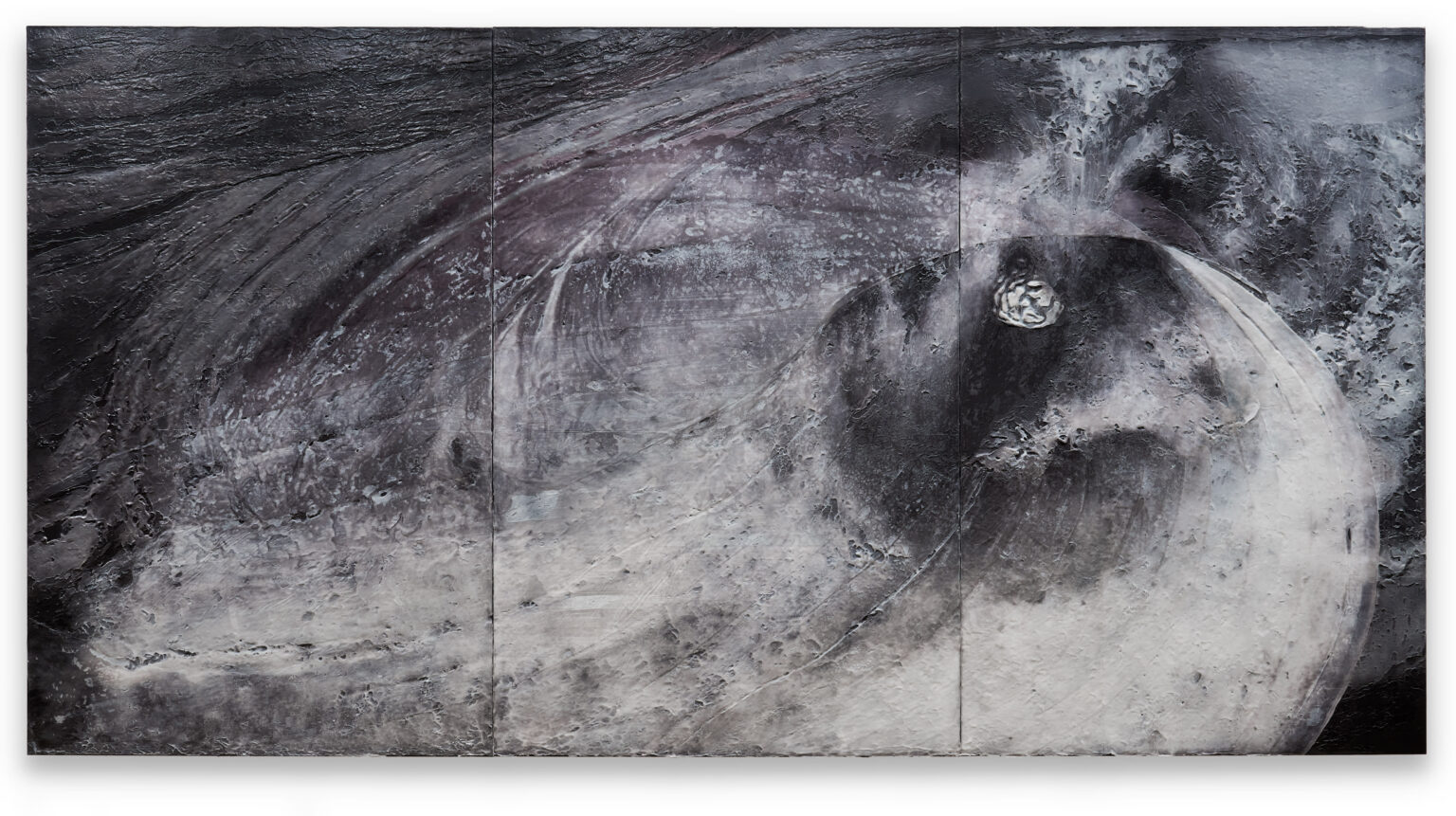
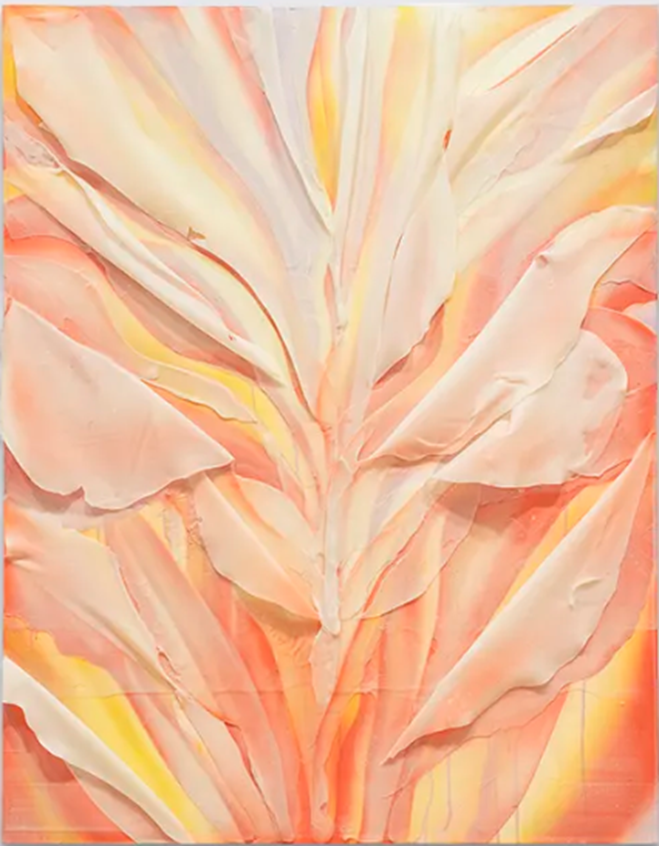
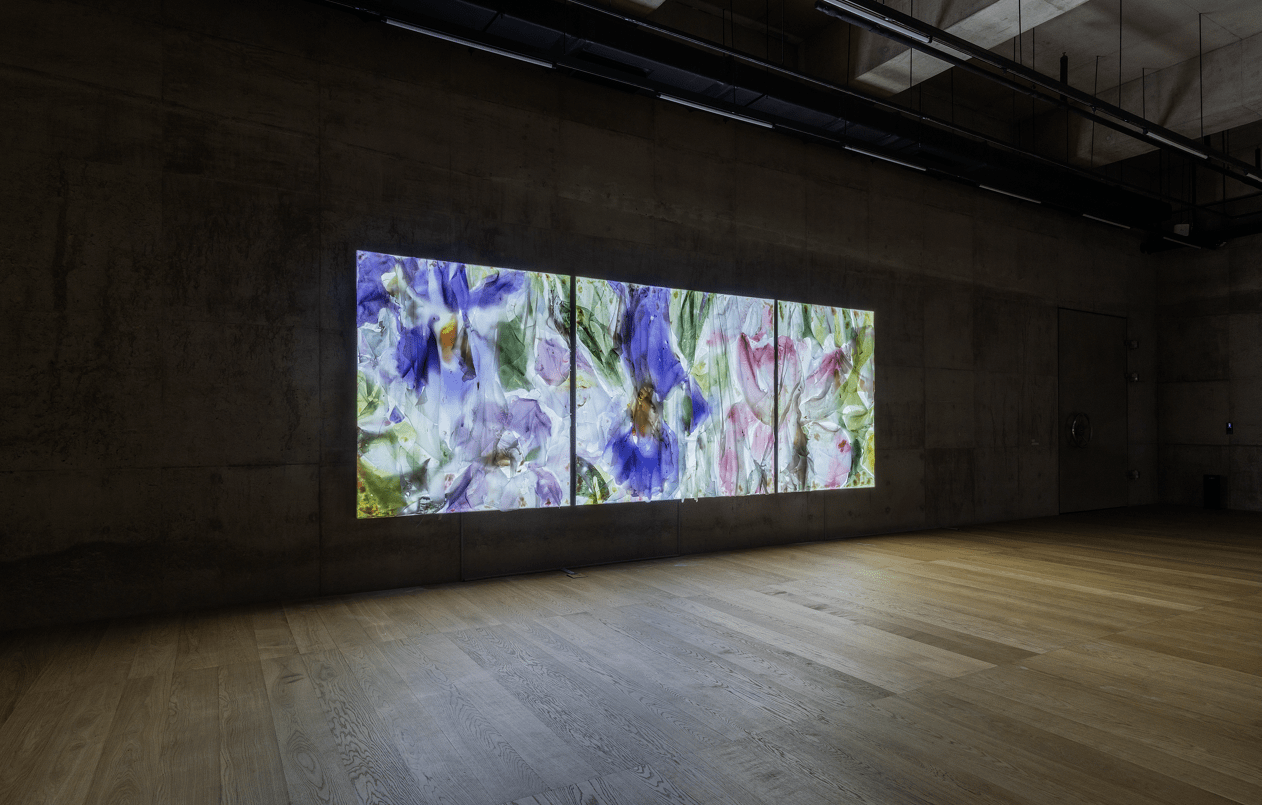
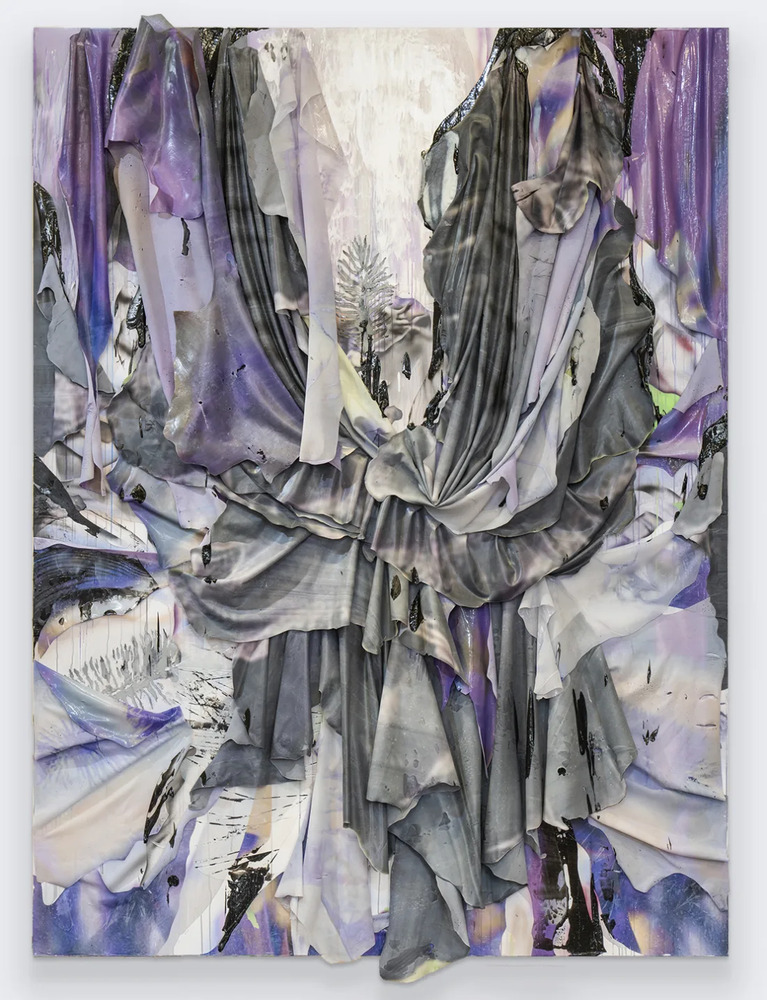
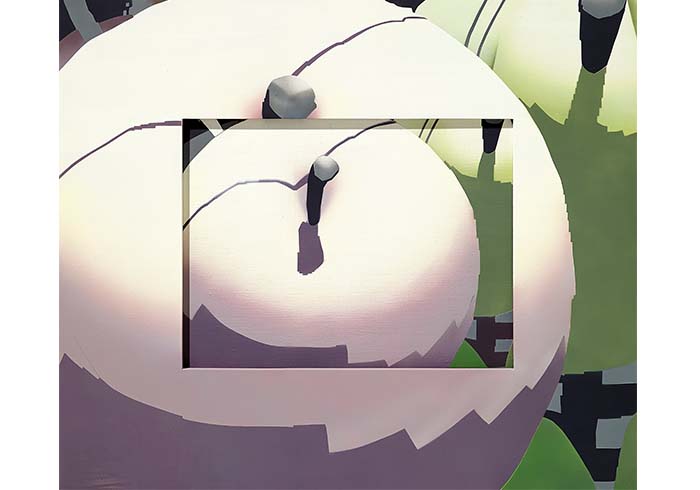
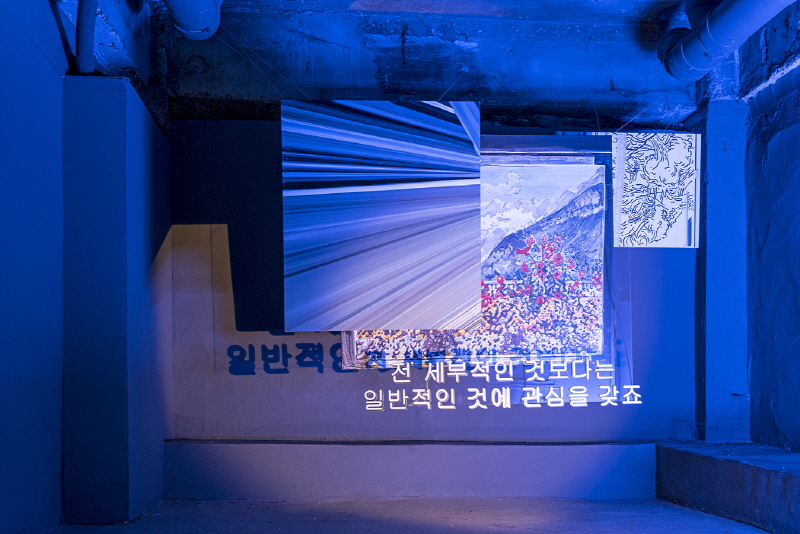
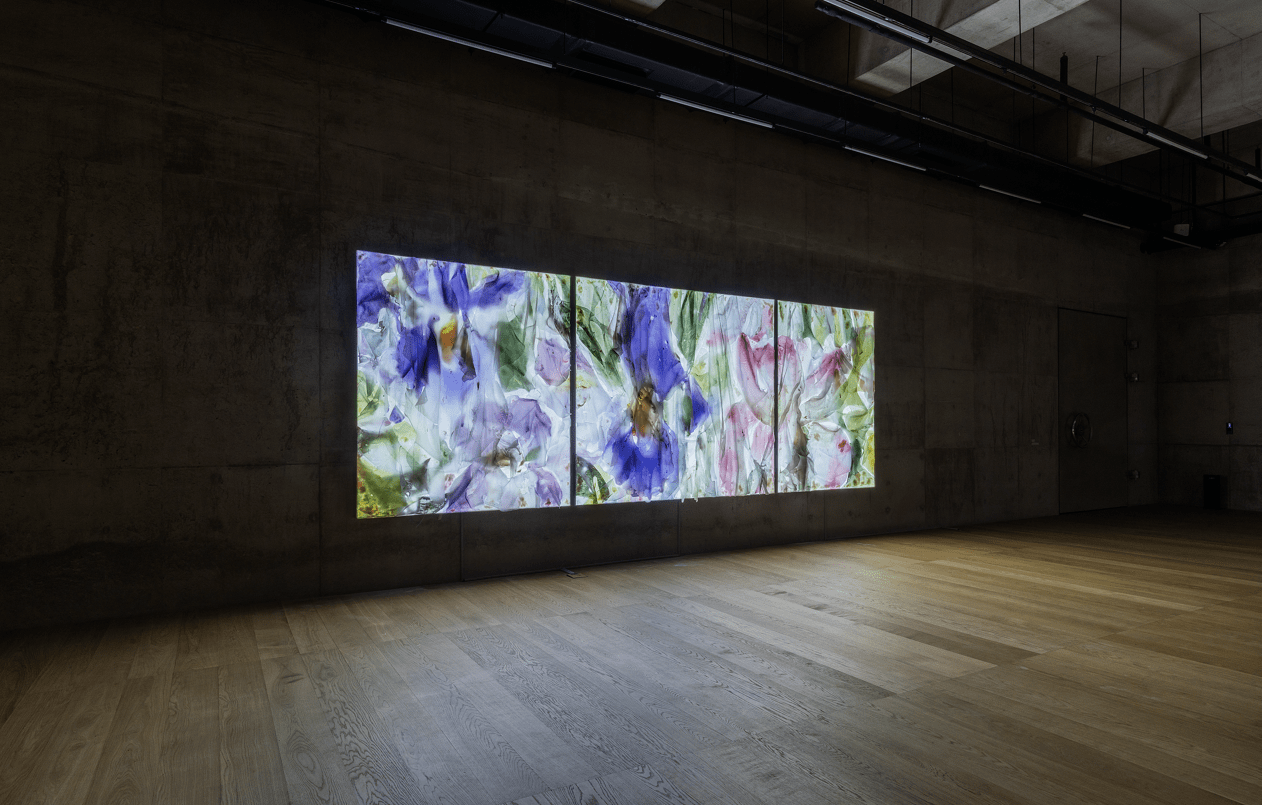
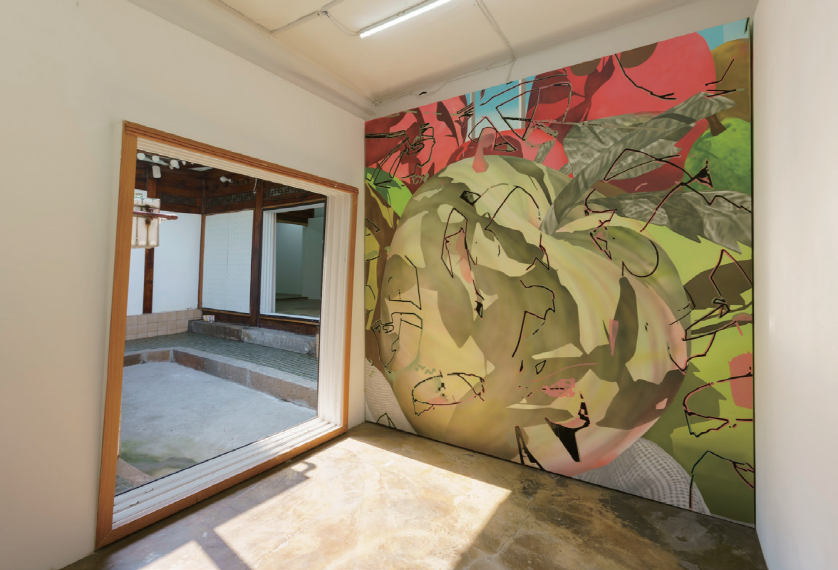
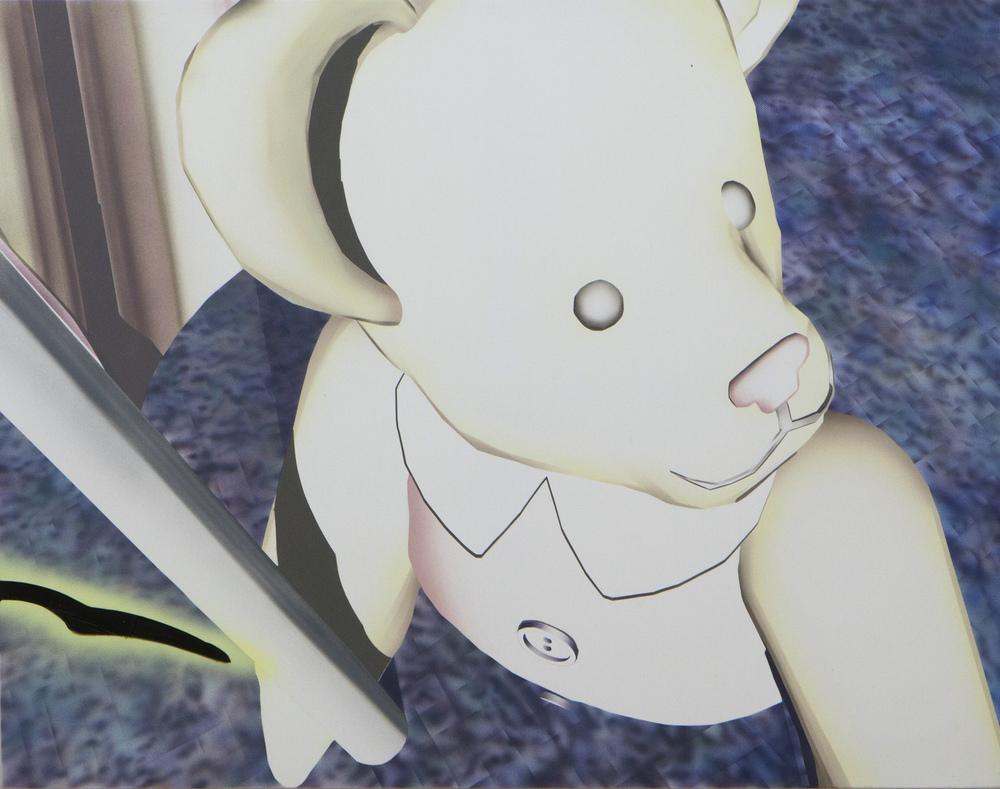
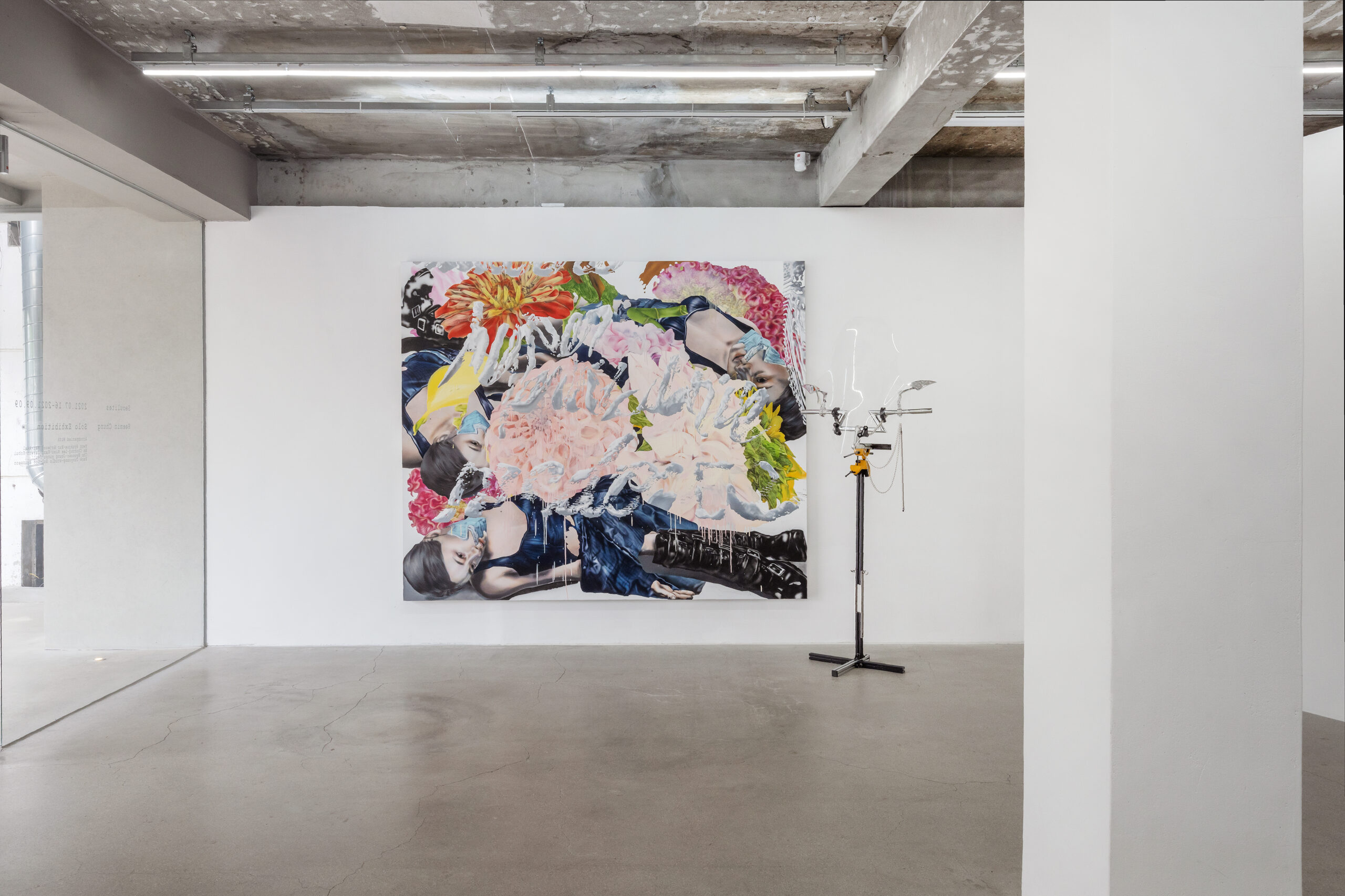
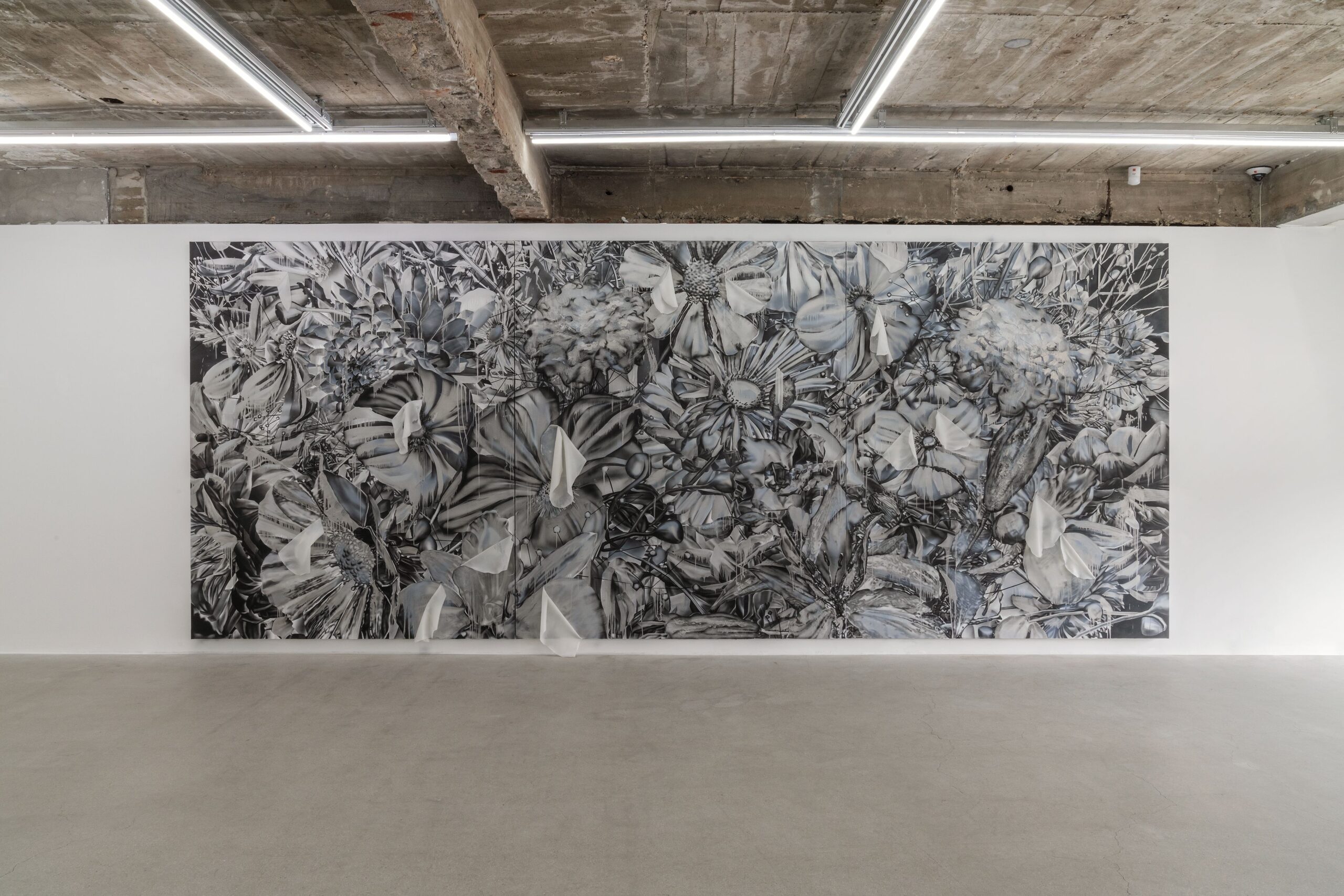
We Decide to be Synchronized, the exhibition’s “conceptual façade” overlaps with several (indoor) artworks. The first is I Crawled Out of the Oven (2021), in which Chung portrays herself as a game character or avatar. The fragmented script, which reads “hyper-productive mediocre,” creates a spot for the aforementioned concerns about painting to be projected. Several paintings, including Overjoyed (2021), a large painting that covers an entire wall that is made up of concrete images and materiality, uses larger canvases (than previously typically used by Chung) to convey the potential of the genre as not a collection of virtual shards but a concrete, material whole. In other words, the contrast between image and materiality and the virtual and the real (as well as the hybridity of hierarchy) shown in Chung’s previous works are reorganized in this exhibition as images that come vaguely together into a single presence. The flower, which is a major motif in Chung’s art, is used in various forms: each maintains a unique shape and vitality while also incorporating new technologies, materials, and cultural codes, making clear the artist’s desire to do away with the image traditionally embodied by her flowers and establish a new one in its place—the replacement of the flower as a fragmentary medium with a new identity as a “subject of immense excitement and implication of change.”

Heemin Chung, Oberjoyed, 2021, acrylic, oil and gel medium on canvas, 226x570cm ©Museumhead

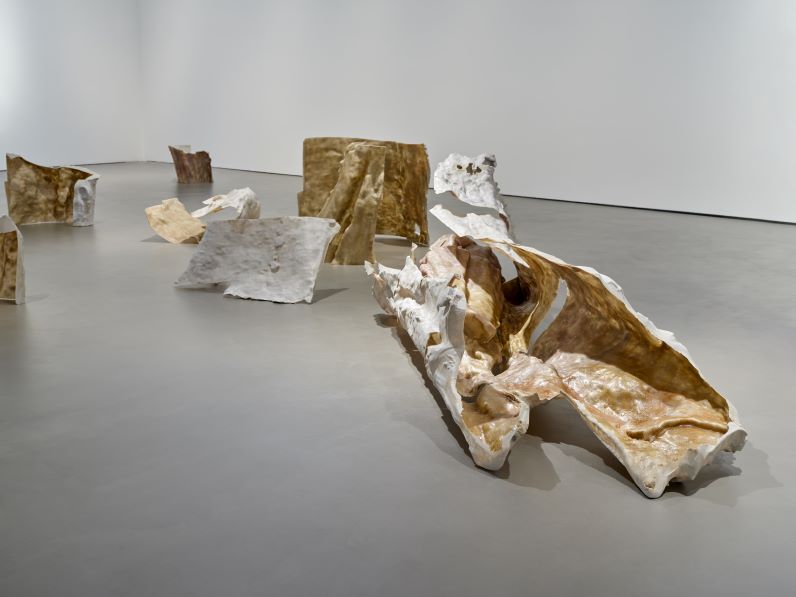
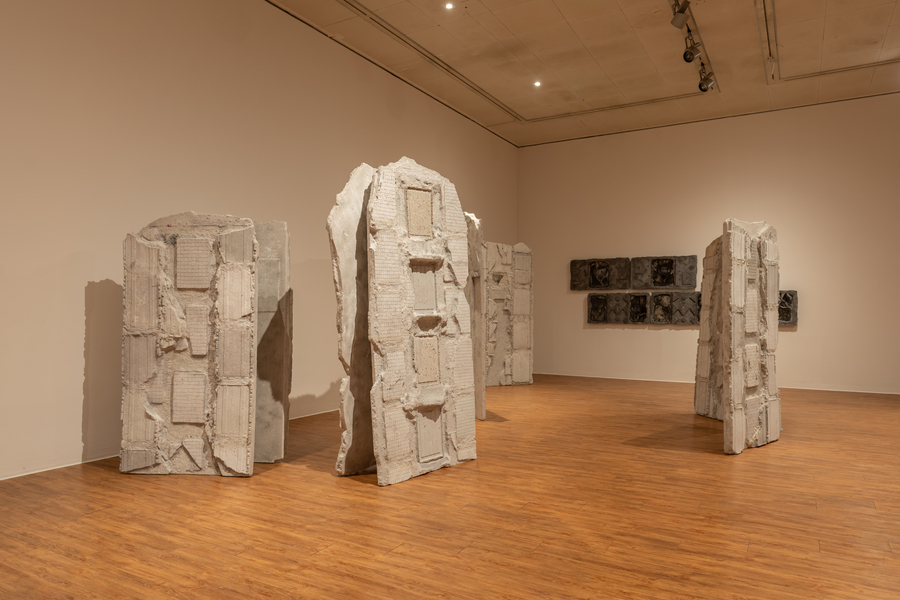
The act of overcoming the dualistic conflicts pointed out in this exhibition is not limited to relationships depicted using two-dimensional mediums. In fact, the exhibition is wary about “conventional” experimentation and transfers of medium—a wariness through which it expands the realm for such conflict resolution on a fundamental level. The diverse media devices, display screens and objects that appear in the exhibition venue are tools that constantly remind us of the aforementioned endeavor as well as proof of a “conspiracy” with the opponent. Road engine (2021), Mockup for the Gravestone 3 (2021), and Anchored Drive (2021), which are arranged alongside the paintings to add visual, material, and functional “background” to them, appear as 3D models or a deja-vu of the two-dimensional world. An “attention-hungry” scooter that has been restructured excessively, a windscreen that is inscribed with a profanity, and unnecessarily-functional ornaments are, like the traces of the city mentioned in the beginning, distanced from reality to the point of being abnormally romantic or fantastic. These artworks, which are linked to the paintings, are, like a panorama of something, constantly pasted onto one another to ensure an image’s sensory and experiential expansion. All of the exhibition’s artworks, which are characterized by such disparate simultaneity, are like “survival kits” that synchronize the realm of 2D in diverse ways and try to interact with the world in unfolded/opened form.

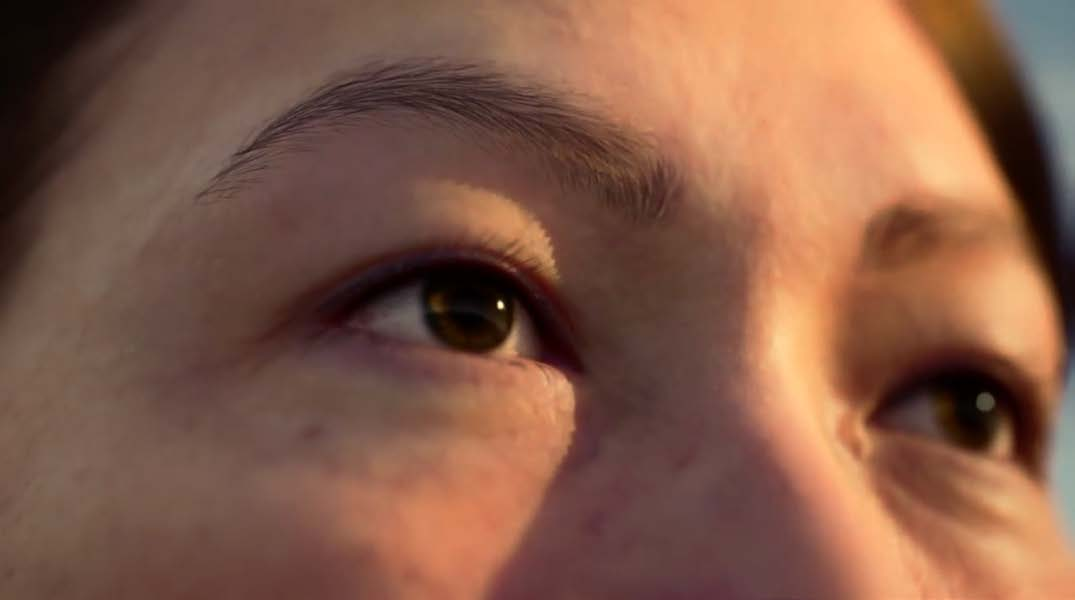
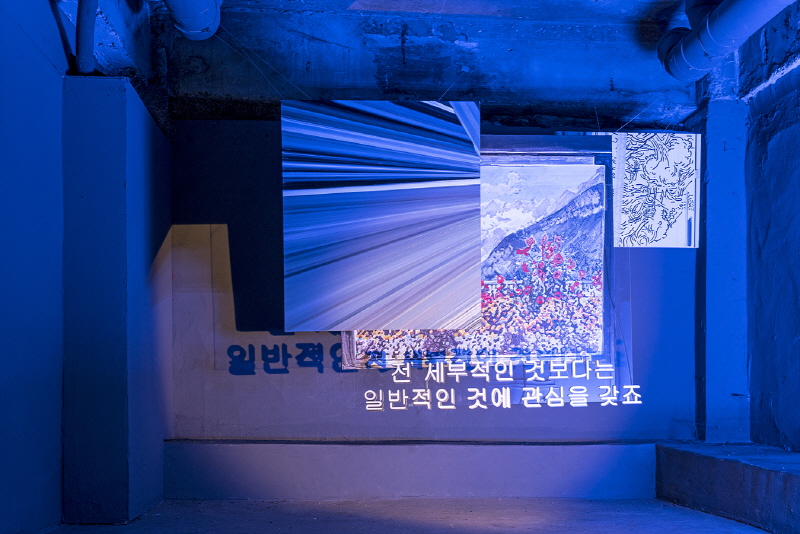
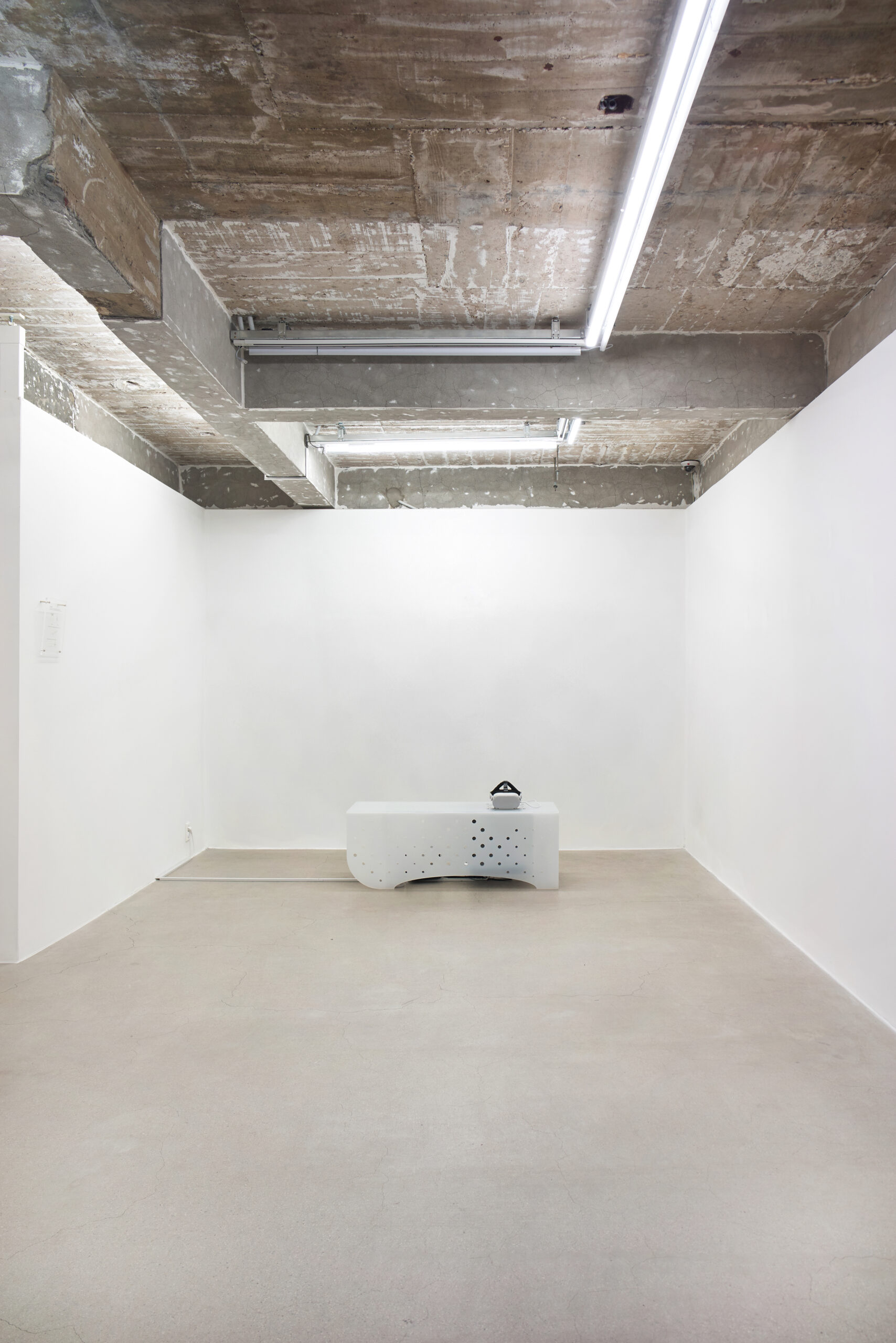
Heemin Chung x 6-8, Meditation101, 2021, VR, 15분 ©Museumhead

Meditation101 (2021), a VR work that expands the 2D viewing angle, brings the museumgoer into yet another point of connection. Unlike artworks of predetermined frame and dimensions that clearly tell us where to look, ,Meditation101 asks the visitor to go about the work of viewing more proactively. Indeed, the state of over-immersion provided by the HMD (head-mounted display) is a variation of the theme of excessive sensation that pervades the exhibition. Its expansion of 2D through a VR device is also a conceptual and structural extension of Overjoyed, which brings to mind Screen X, and other previous creations that feature a cave (cut off from reality) with a lightbox. The desire to transcend the limitations of the screen is expressed as Screen X or a VR device, which questions the concept of the canvas itself. The artwork, which is the last stop of the exhibition, ushers the visitor into a virtual space that is almost identical with the exhibition venue, allowing us to experience the here-and-now, which our bodies are physically inhabiting, and the realm of “somewhere else” as simultaneous layers. In other words, the VR space is not a hypothetical stage that can only be seen through a particular device: it is a very present and valid reality that detects visitors’ movements in real-time and is able to respond to them.

The exhibition brings inside/outside, virtual/real, and image/material dichotomies into one 360-degree space. In a world in which the concept of the frame has been destroyed, can an image extend infinitely into the space beyond the wall? Is the 360-degree world adequately aware of everything that it can encompass? Isn’t our task, ultimately, not the question of how freely we are able to look around but where to look and which direction to move in—which is, ironically, very 2D? The exhibition, by constantly converting images (ranging from 2D to VR), re-builds our perception of and the functions of each. It calls upon the many realities of images that move ceaselessly (or may very well disappear) and invites us to see them in non-segmented, unified form.
 
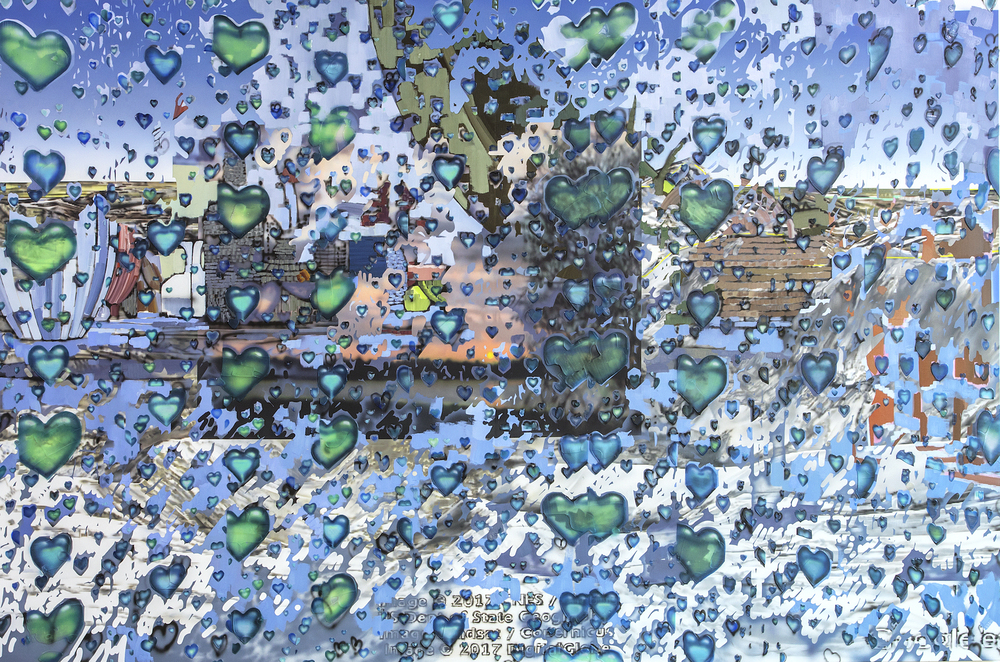
The exhibition has many participants. They are neither devices that each perform a designated role or components of an elaborate montage. They simply engage in their usual tasks (both significant and trivial), albeit in slightly different ways, thereby moving toward an overlapping continuity of relationships as opposed to isolationist completion. 《Seoulites》 is a close-up of part of the unfamiliar city that the participants have thus created. They make extremely condensed or expanded versions of the vague relationships formed in this city or, at other times, create colliding displays of fireworks. This connects, as explained earlier, to the task of bringing together the painting’s two-dimensionality and the world outside it through diverse polarized realms as a massive “whirlwind”—a task which, rather than tonelessly accepting already-established images of time-space, attempts to jump head first into today (which was made by a world in which unity of stance seemed impossible) to approach contemporary images as a participant and not an onlooker. Even if that whirlwind destroys everything, our today will be able to exist in a more fleshed-out state through that “conspiracy of both sides:” love.*


*The final sentence of this preface is based on the author’s recollection of Heemin Chung’s Erase Everything but Love (2018).

References