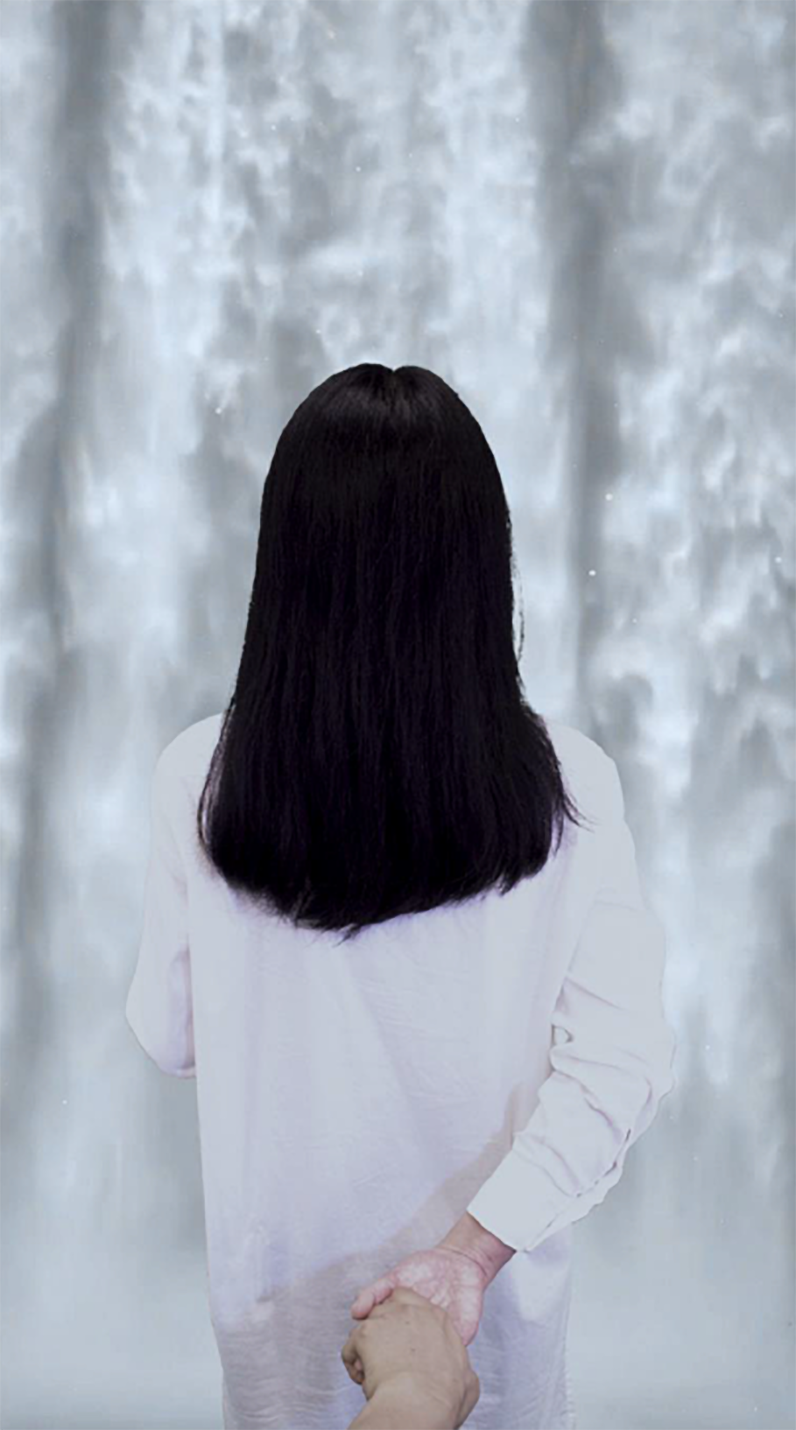
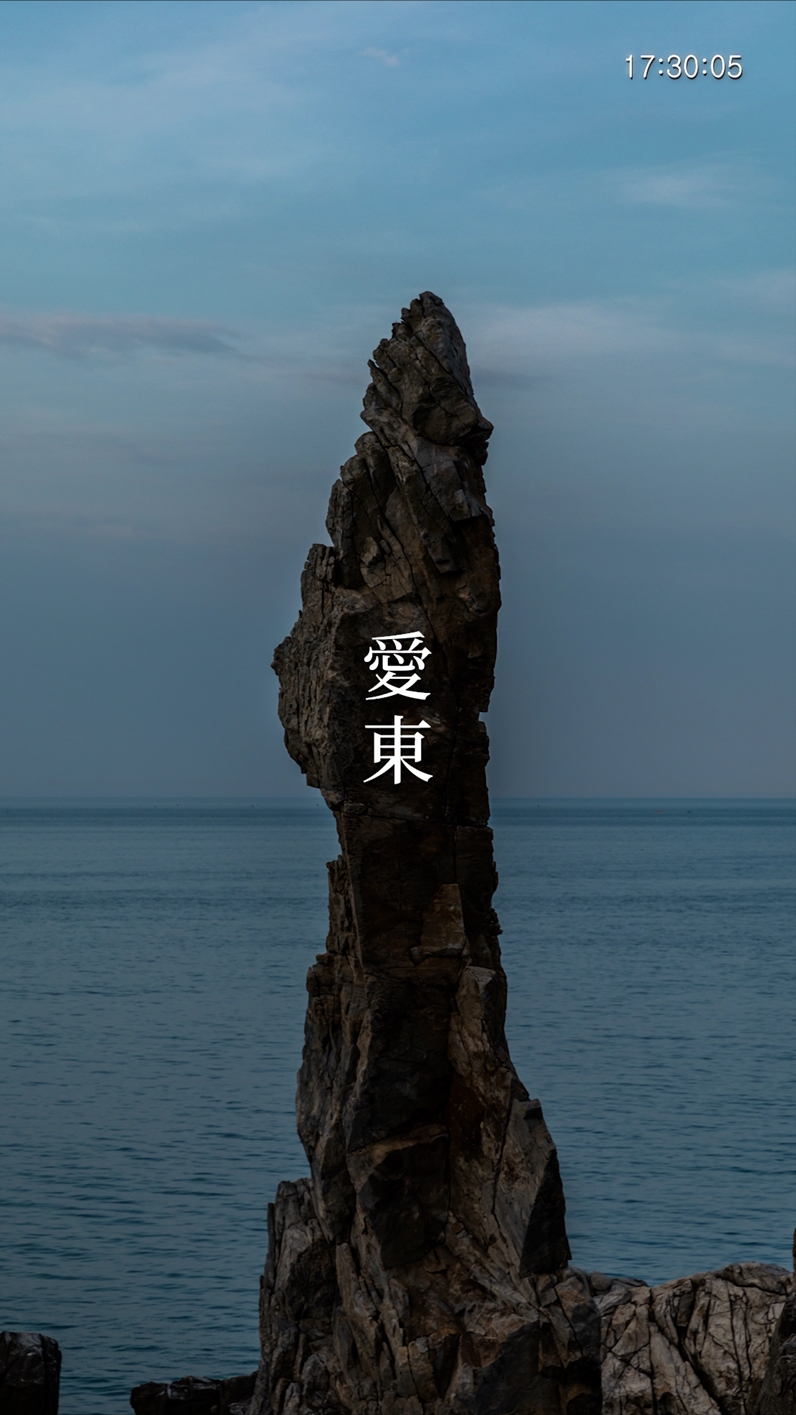
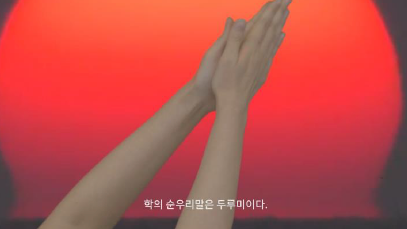
The
title of the exhibition, 《Ghost White (#F8F8FF
Opacity 75%)》, derives from a brand of translucent
white curtains that were created and recently popularized by a blogger. The
Korean title incorporates the expression chareureu, an onomatopoeia that evokes
a sense of comfort, that the artist here uses to reflect an idea of the simple,
ritualistic intent behind his practice. As such, the exhibition is linked to
the fragmentation and rearrangement of conventional, everyday symbols.
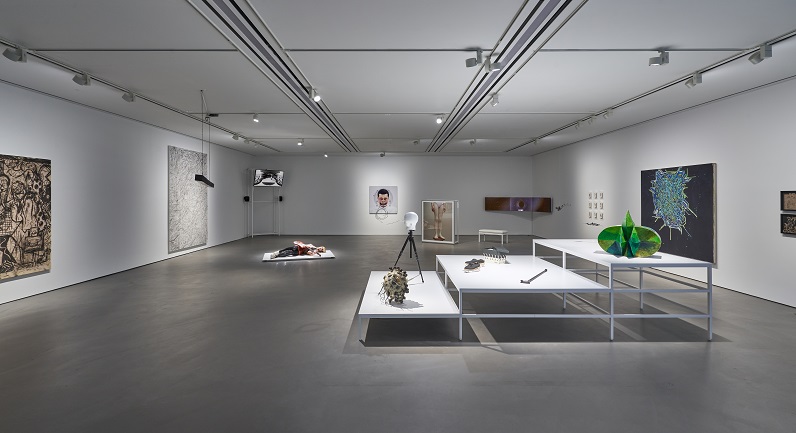
Besides
the ghost white curtains, the exhibition harnessed a multitude of symbols that
Im sourced from contemporary popular culture, consumer culture, and Korean folk
beliefs. Separated out as individual units, his experiments with these forms
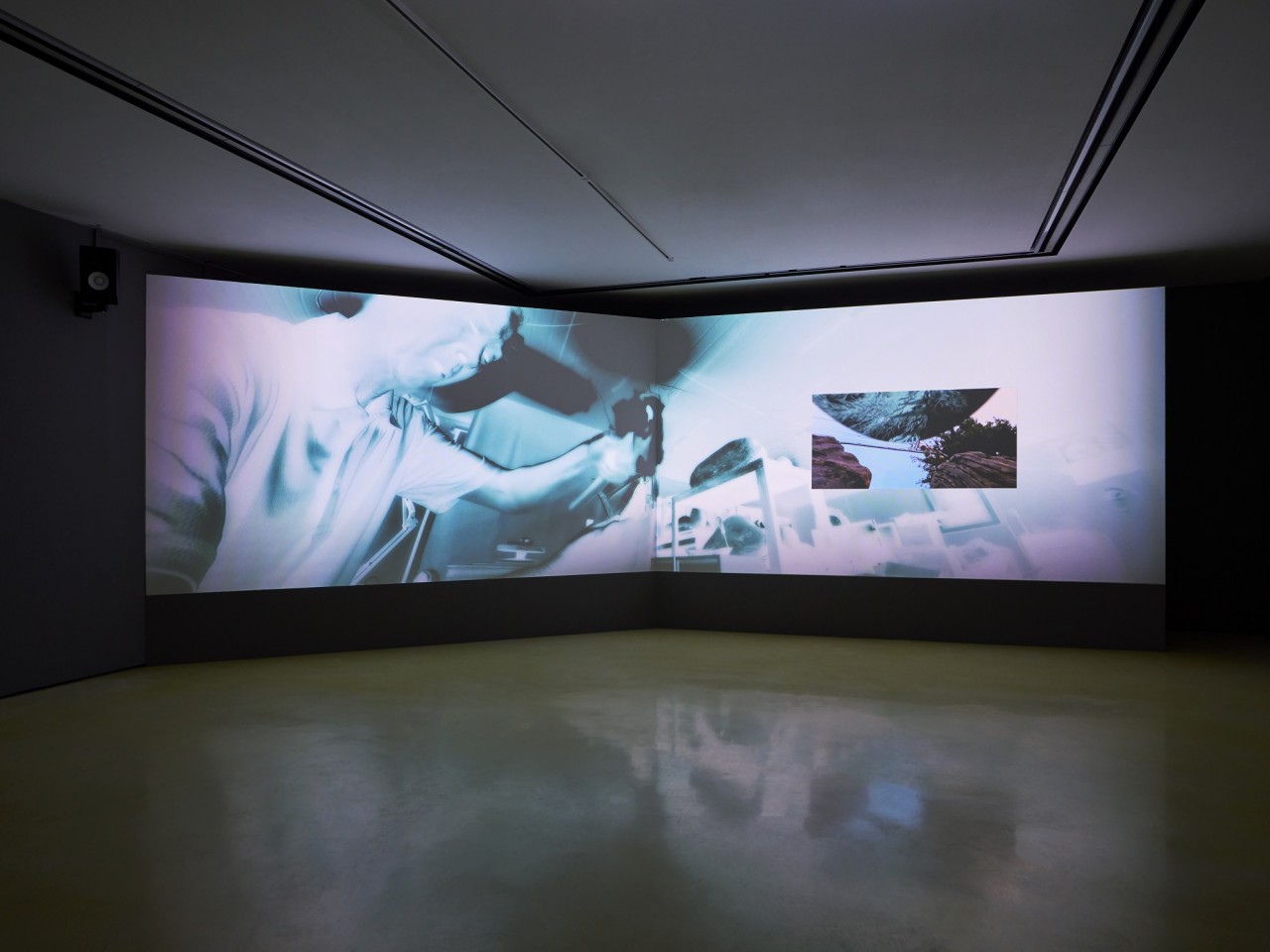
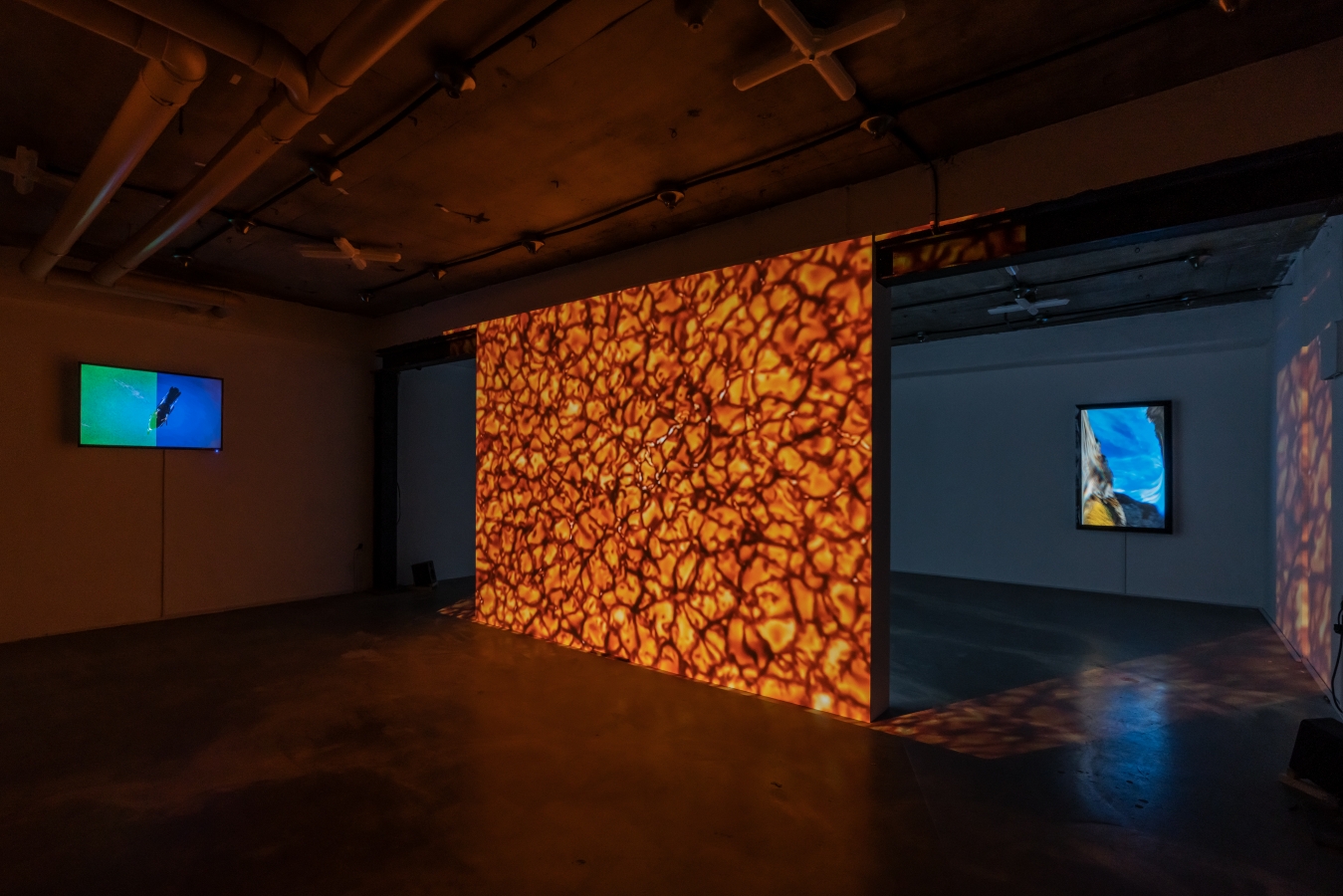
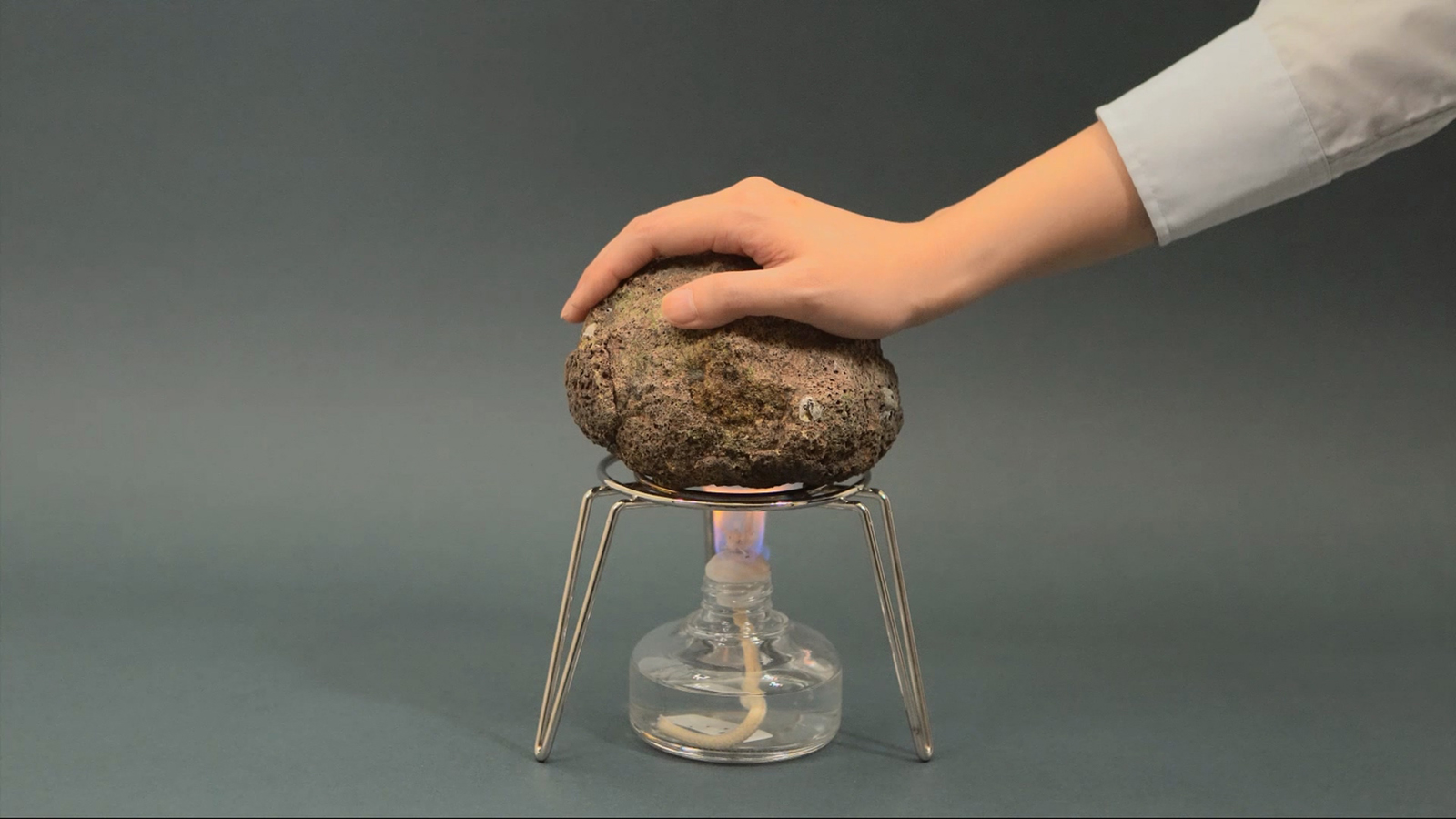
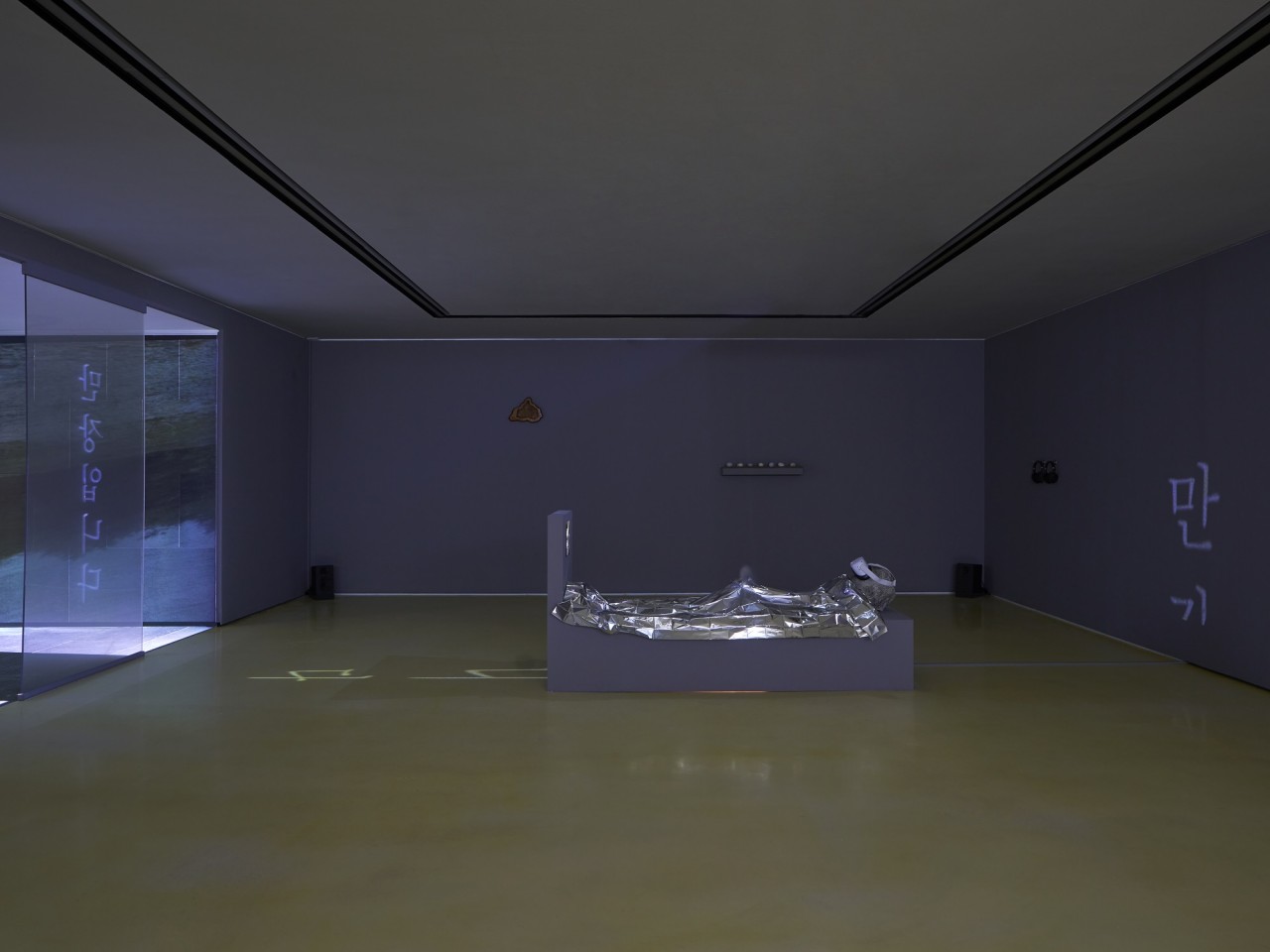
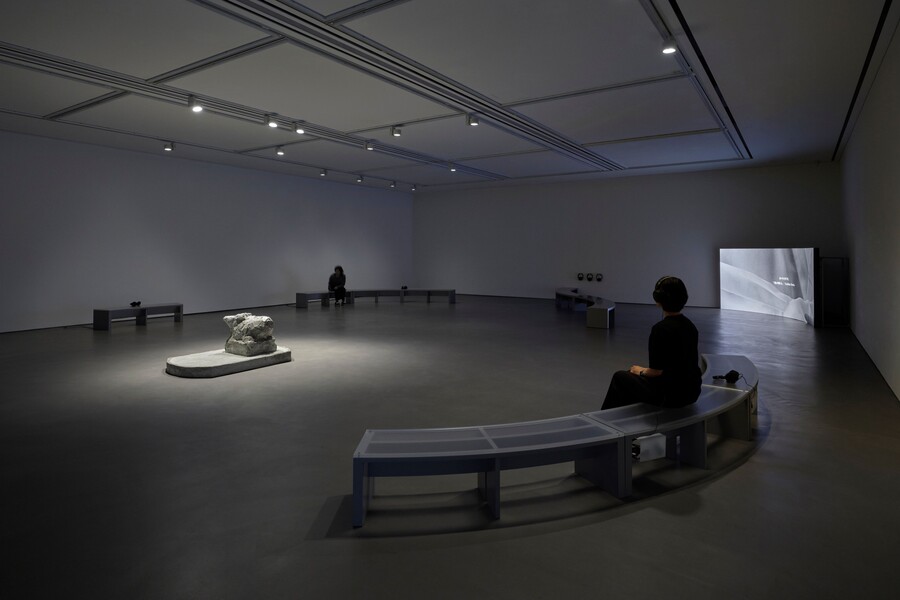
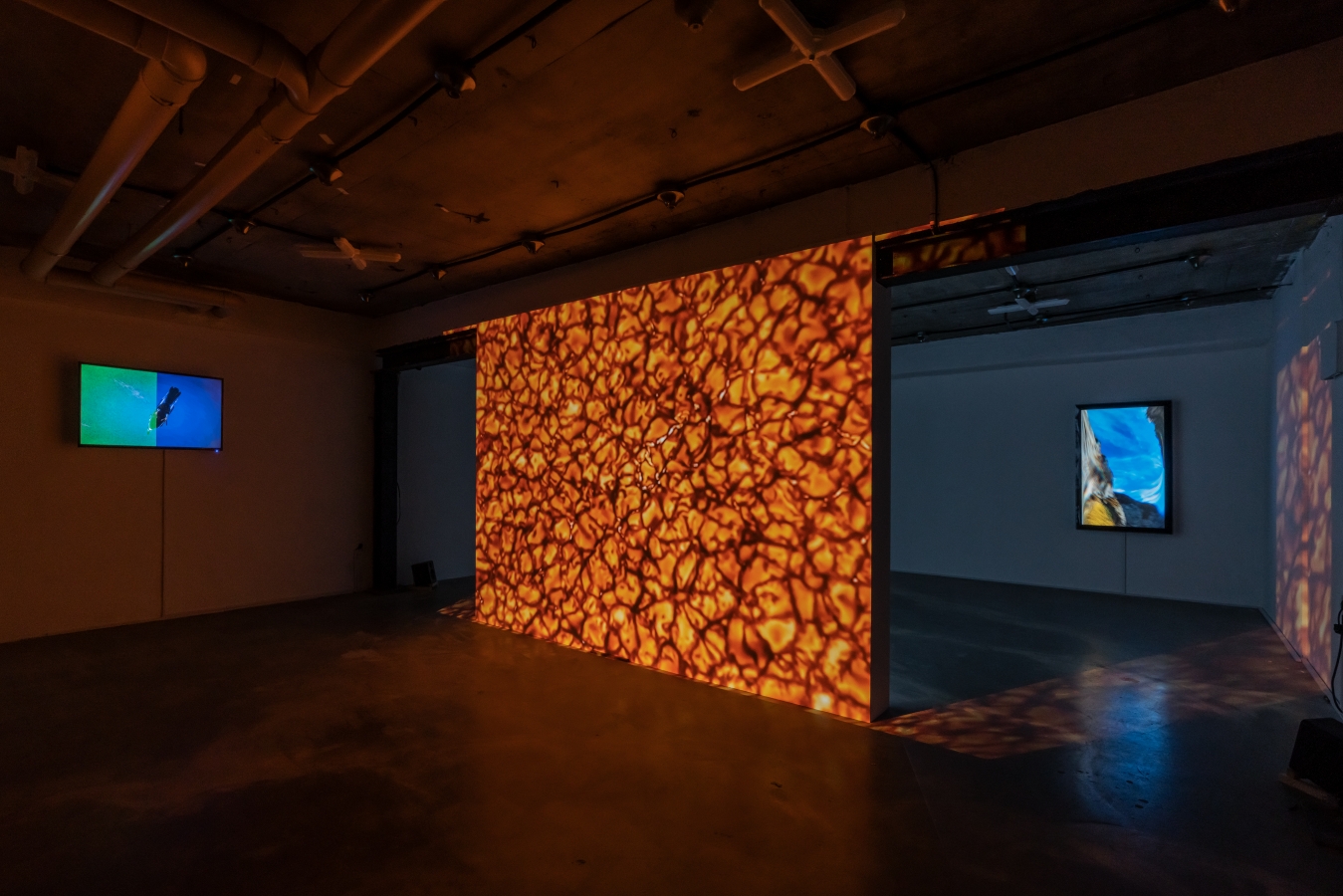
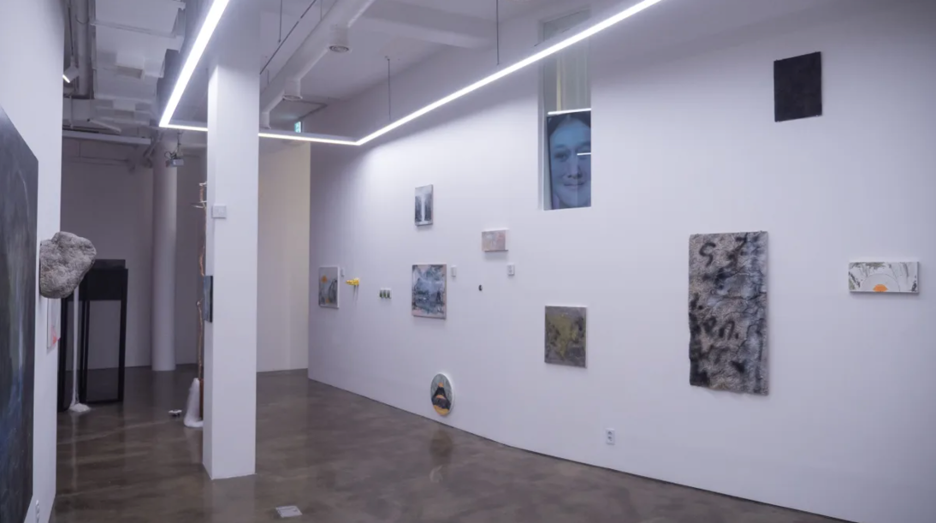
were arranged and rearranged within the exhibition space in novel forms. Im’s
methodology of mixing disparate symbols in a single exhibition space resembles
the methodology of a musical mix, which combines the songs of different artists
into a single recording. These diverse images and objects, for which there is
no common denominator except the fact that people look to them for comfort or
stability, were creatively congregated and arranged across all manner of media,
including painting, video, and installation.
But
the exhibition incorporates a particular motif besides the methodology of the
mix. The multiple images rearranged within the exhibition space all capture a
moment of transition or performance. This is immediately evident in the title
of the exhibition: 《Ghost White (#F8F8FF
Opacity 75%)》. The English title is distinct from the
Korean original, and it refers to the color and opacity of the curtain. The
curtains became popular because they precisely targeted the preferences of
consumers in terms of their color and opacity. Chiffon curtains, which had a
similar color and feel, allowed too much light to show through and the thinness
prevented them from being used alone. The ghost white curtains remedied these
shortcomings and were made from a more appropriate fabric. The English title of
the exhibition therefore refers to this transition from chiffon curtains to the
ghost white curtains.
The
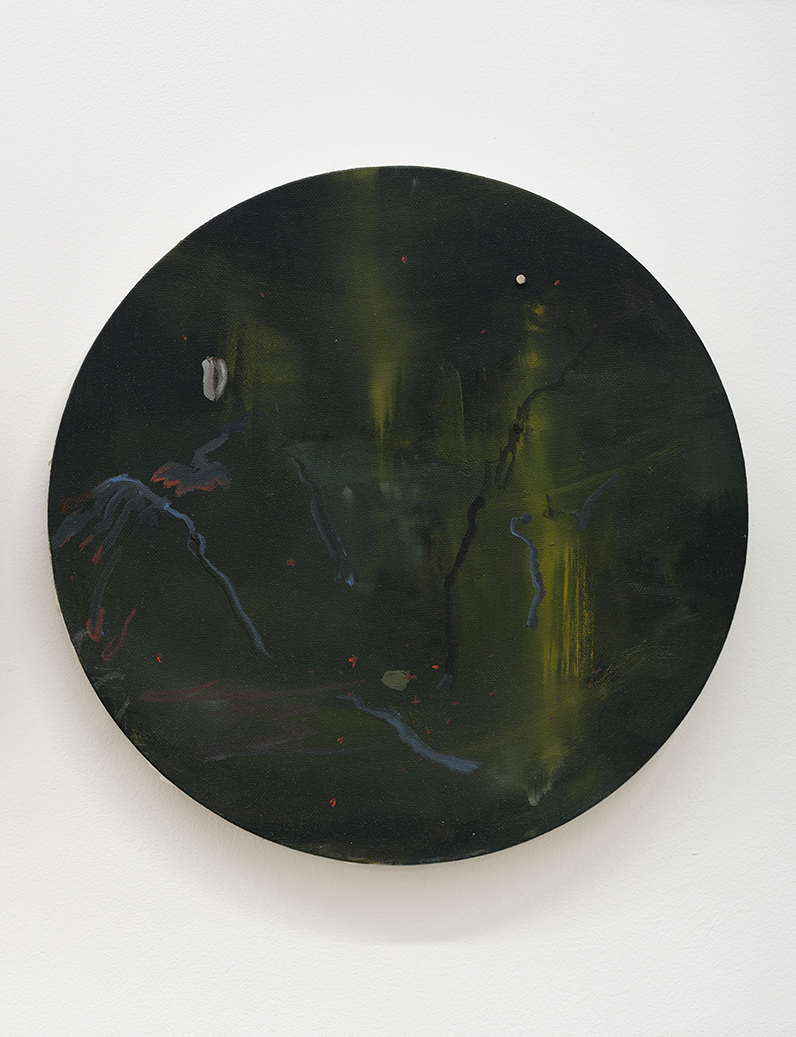
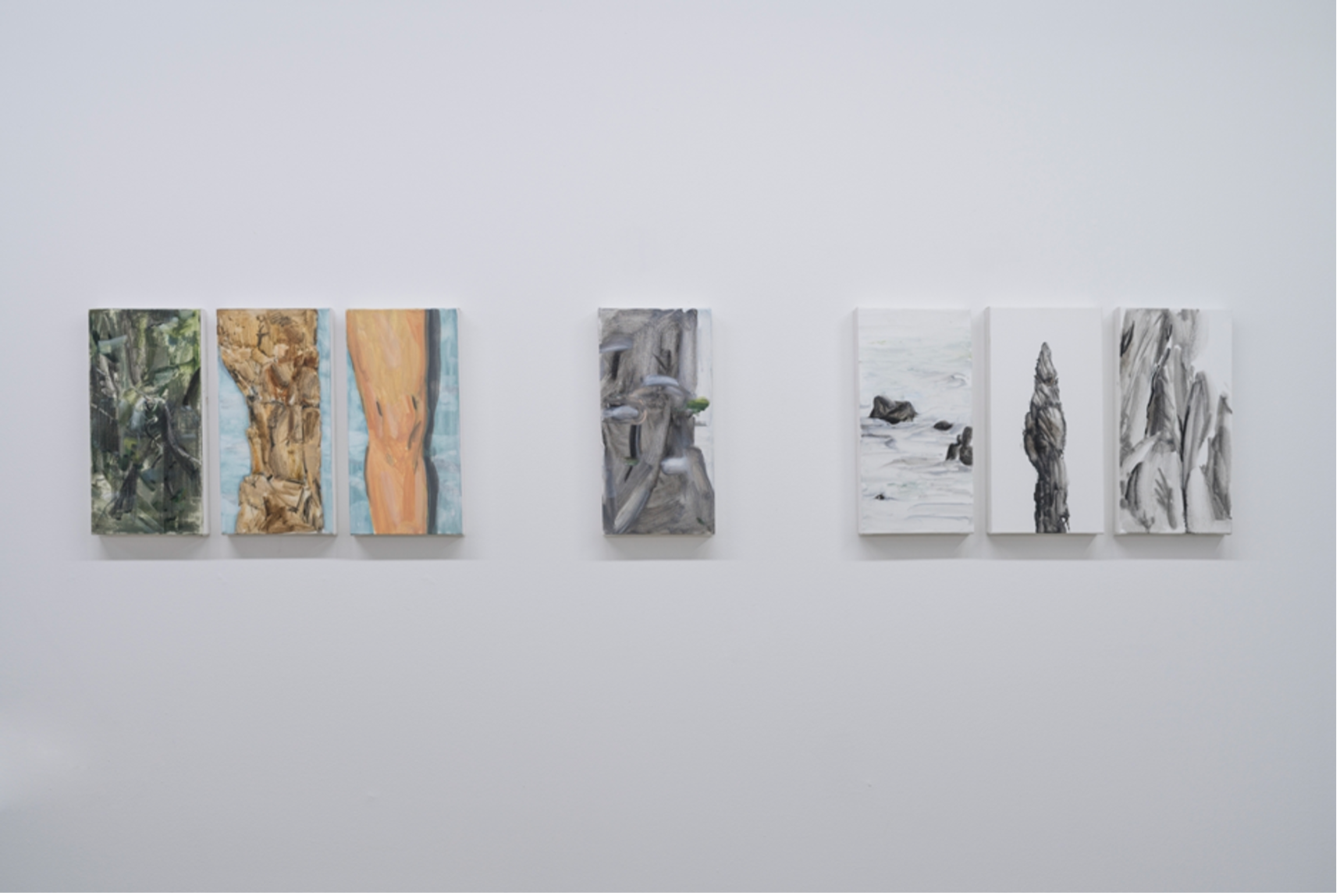
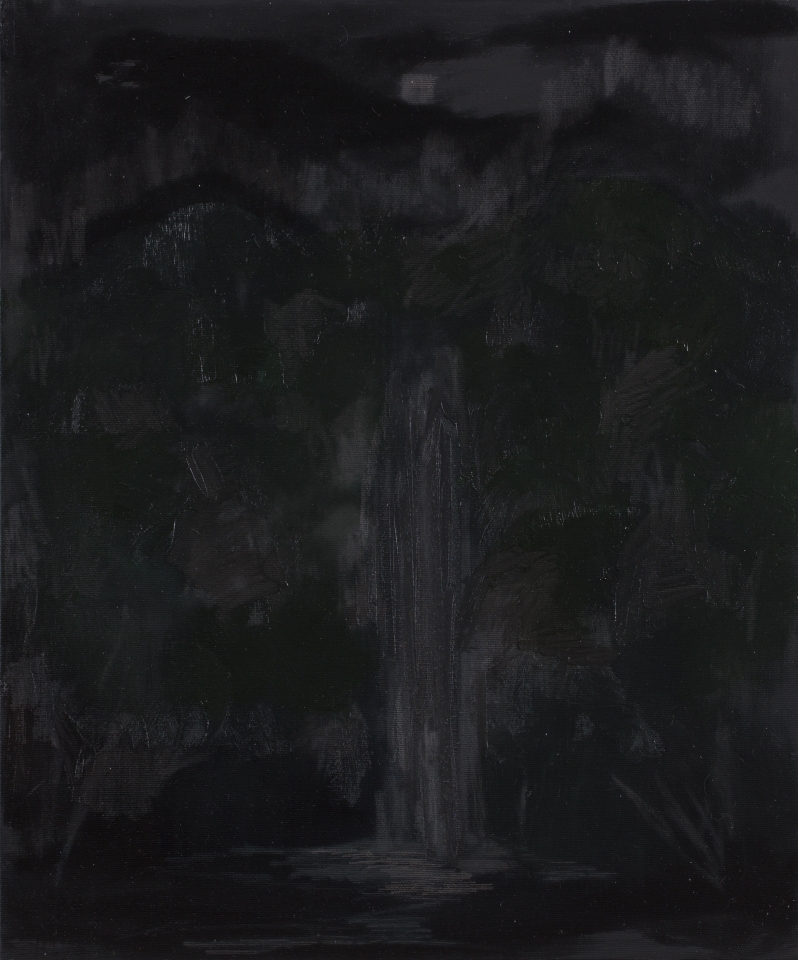
point of transition appears more directly in Im’s series of paintings. The cow
that is depicted in the series has turned half-white. This borrows from the
imagery of the shimudo (In Search of the Cow Painting), a traditional genre of
Buddhist painting. Within the traditional Shimudo painting, a young man is
depicted in a series of ten panels as he searches for a lost cow, which is
posited as representational of his true nature. Im’s painting is a portrayal of
one of these panels, in which a golden cow turns white as a result of
asceticism. Another painting depicts the ushnisha, the oval protrusion at the
top of the head of the Buddha, which represents wisdom. The ushnisha, a mark on
the body that represents the Buddha’s achievement of Nirvana, therefore, is the
visualization of a particular moment.
The
objects installed in the exhibition space have specific meaning relation to
folk beliefs and are also linked to notions of transition or performance.
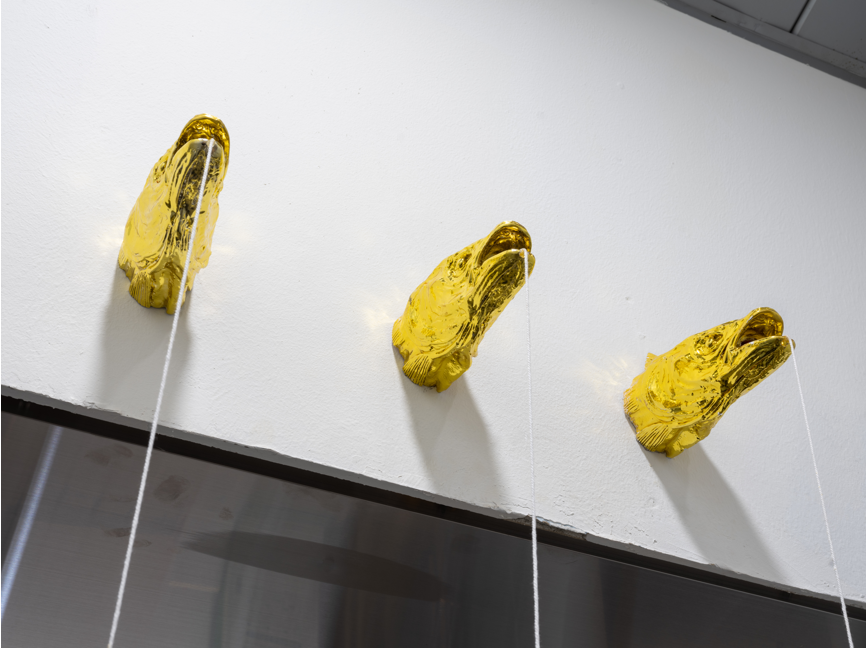
Models of dried corvina, painted in gold, are arranged around the exhibition
space, and in one corner the Chinese ideogram for king is hung upside down.
These all were folk items placed in the households for the purpose of warding
off ill fortune and evil spirits. The dried pollack and the Chinese ideogram
for king were believed to exist somewhere between the realm of the living and
the dead. The dried pollack, which resembles a mummified corpse, is offered up
to evil spirits in place of the human body, and the strength of a monarch is
used to ward of the evil spirits. The transition from the realm of humans to
that of spirits, and vice versa, was therefore represented within the show
through these inclusions.
The
images and objects that symbolize this moment of transition share a common
characteristic. It is that this mode of transition may appear to be quite
abrupt to people who do not share these folk beliefs. As the cow that turns
white through ascetic practices might seem absurd, the onomatopoeia associated
with the chareureu curtains can seem out of place for people who are not aware
of their popularity. And for Korean audiences, they might expect to encounter
dried corvina and the Chinese character for king, remnants of old
superstitions, at random and abrupt moments like when we move into a new
home.
However,
what is more important is that the diverse beliefs and hopes associated with
the products and images are active in completely unrelated contexts, regardless
of how arbitrary their source is. The onomatopoeia, chareureu, interjects
itself in the product in a way that seems out of place, and similarly, all fads
might seem out of place. Nevertheless, nobody would deny the power of fads.
Regardless of whether or not the evil spirits consider the dried corvina as
human body parts, the items, at least for those who believe in the
superstition, provide a sense of comfort.
Im’s
method of blending together objects in exhibition that once held a spiritual
significance invites the audience to delve into the fantastical moments of
transition and performance he references, while at the same time demands that
the audience distance oneself from these things. As such, the exhibition
touches upon both the extremes of hypnosis and wakefulness and leads us to
deeply reflect on the meaning of the current foundations of our lives.